

More horizon than border.
A rhythm still set by nomadic life, not the clock.
On the map, Mongolia is three times the size of France, with fewer than four million people, half of them in Ulaanbaatar. What remains is steppe rolling into desert, and desert rolling into mountains, with no fence anywhere to mark where one becomes the other.
Outside the capital there's no address, no street name, no fixed point of reference. Families move their ger with the seasons, following the grass their herds need. Travel here, and you're not travelling to a place, but moving for a while with that rhythm.
That's why we plan such trips not from city to city, but from family to family: who you meet along the way matters here just as much as what you see along the way.
In short
Best time to go
June to September, when the steppe is green and the days are long and mild. From November to March daytime temperatures in Ulaanbaatar stay below freezing, and many camps and tracks outside the capital close.
How long
Two to three weeks for a first trip. A full day's drive on dirt tracks often separates two overnight stops, and combining the Gobi with Khövsgöl calls for domestic flights.
Who it suits
For travellers who don't mind long drives on dirt tracks and simple comforts, and would rather stay with herding families and ride out on horseback than tick off monuments.
What sets it apart
Mongolia is the most sparsely populated independent country in the world, and hundreds of thousands of herders still move ger and herd with the seasons.
One country, five entirely different faces.
Mongolia can't be captured in a single loop. Each region has its own landscape, its own community and its own reason to spend time there.
Orkhon Valley
Around Kharkhorin, site of the thirteenth-century capital Karakorum, the steppe rolls gently down to the river. The monastery of Erdene Zuu, built from the stones of the old capital, still stands there today.
Gobi Desert
The singing dunes of Khongoryn Els, the red cliffs of Bayanzag where the first dinosaur eggs were found, and the Yolyn Am gorge, where ice lingers well into summer.
Lake Khövsgöl
Clear enough to see the bottom five metres down, ringed by taiga where the reindeer-herding Tsaatan people still live as their grandparents did.
Bayan-Ölgii
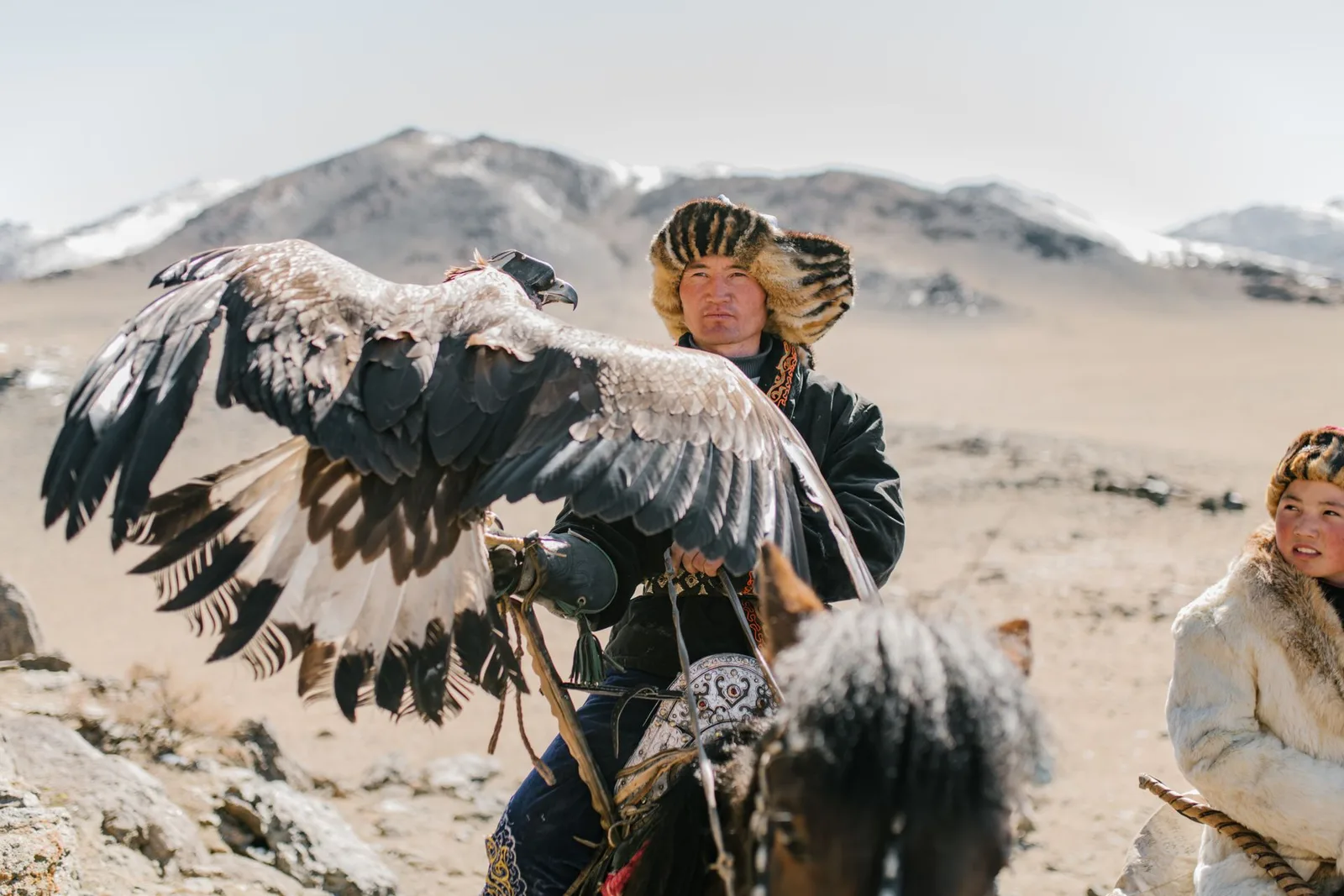
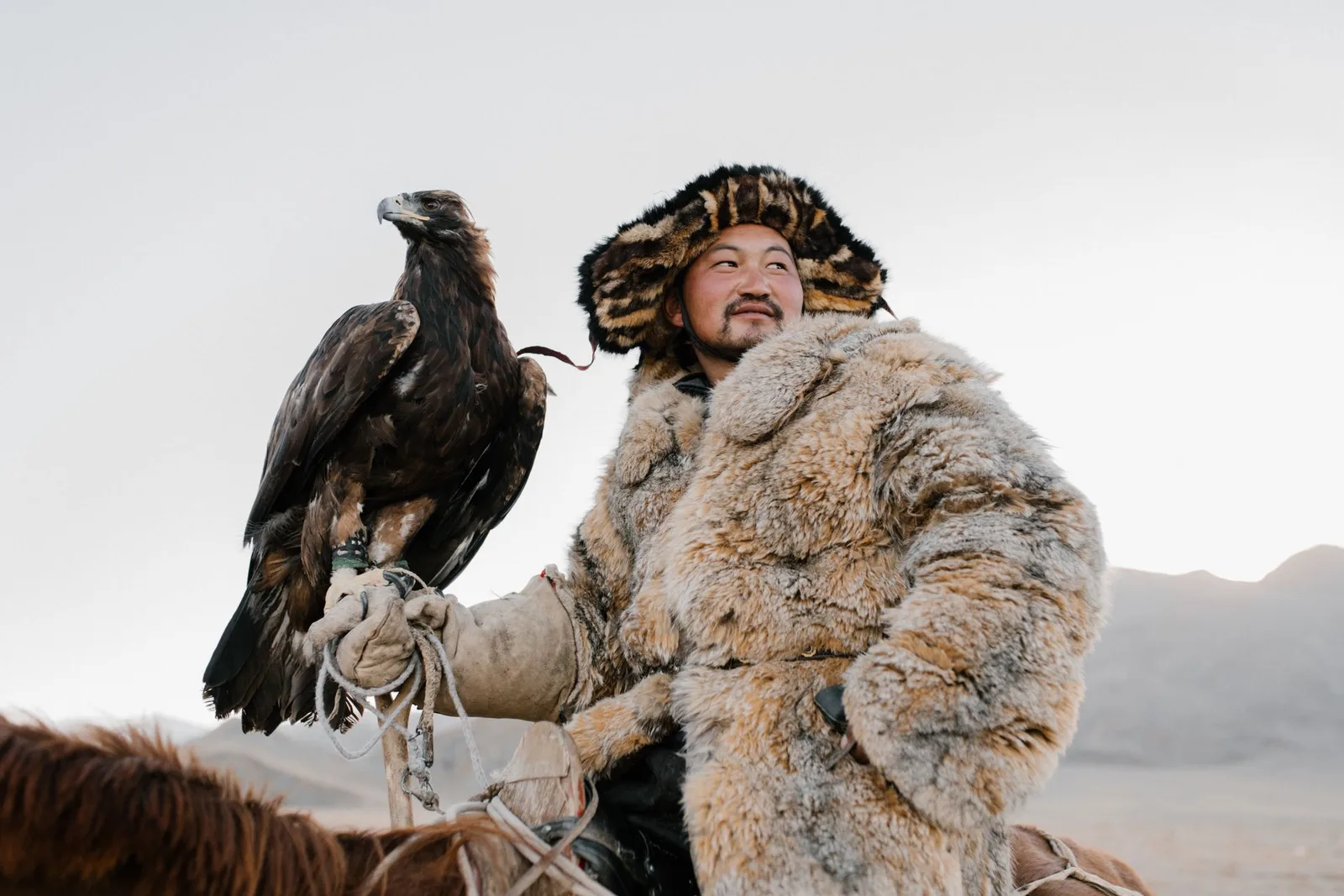
A Kazakh community in the Altai Mountains, where the tradition of hunting with trained golden eagles is still very much alive, well beyond festival season too.
Ulaanbaatar
Soviet-era blocks next to ger districts on the surrounding hills: the starting point where old and new Mongolia cross paths most openly.



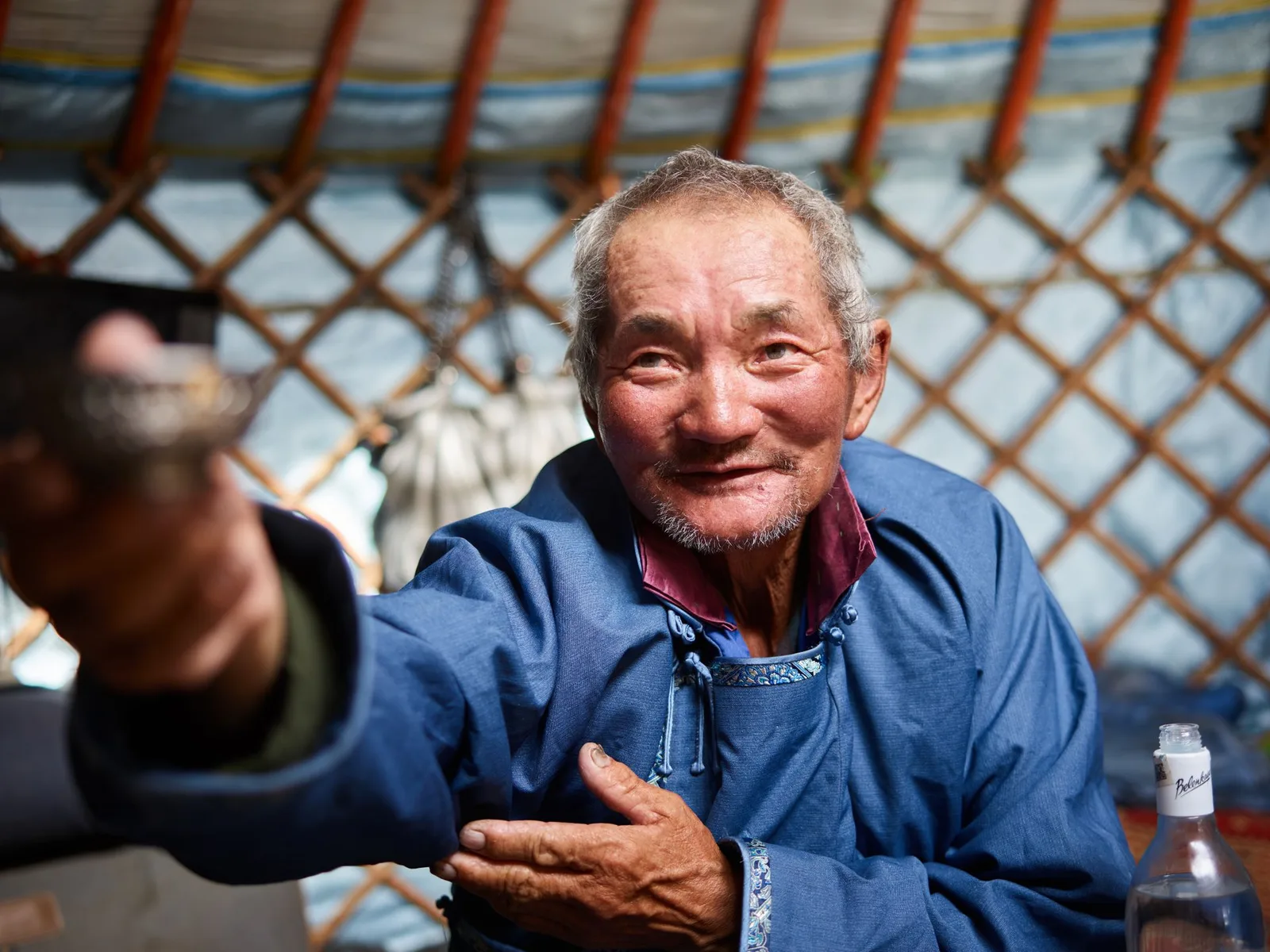
A ger is never locked.
Hospitality in Mongolia isn't a service, it's a custom older than tourism. Anyone passing by is called in for salty milk tea and a plate of aaruul, dried curds of milk that the children press straight into your hand.
We don't arrange a staged 'ger experience'. We bring you to families we've known for years, where you might help with milking or saddling a horse if there happens to be work to do, and where the conversation, through the guide, tends to turn more to the weather and the herds than to your holiday.
Three landscapes, one country
Khongoryn Els
Dunes up to 300 metres high, with a ribbon of glacier meltwater at their foot and Bactrian camels that live there, not an attraction put on for visitors.
Lake Khövsgöl
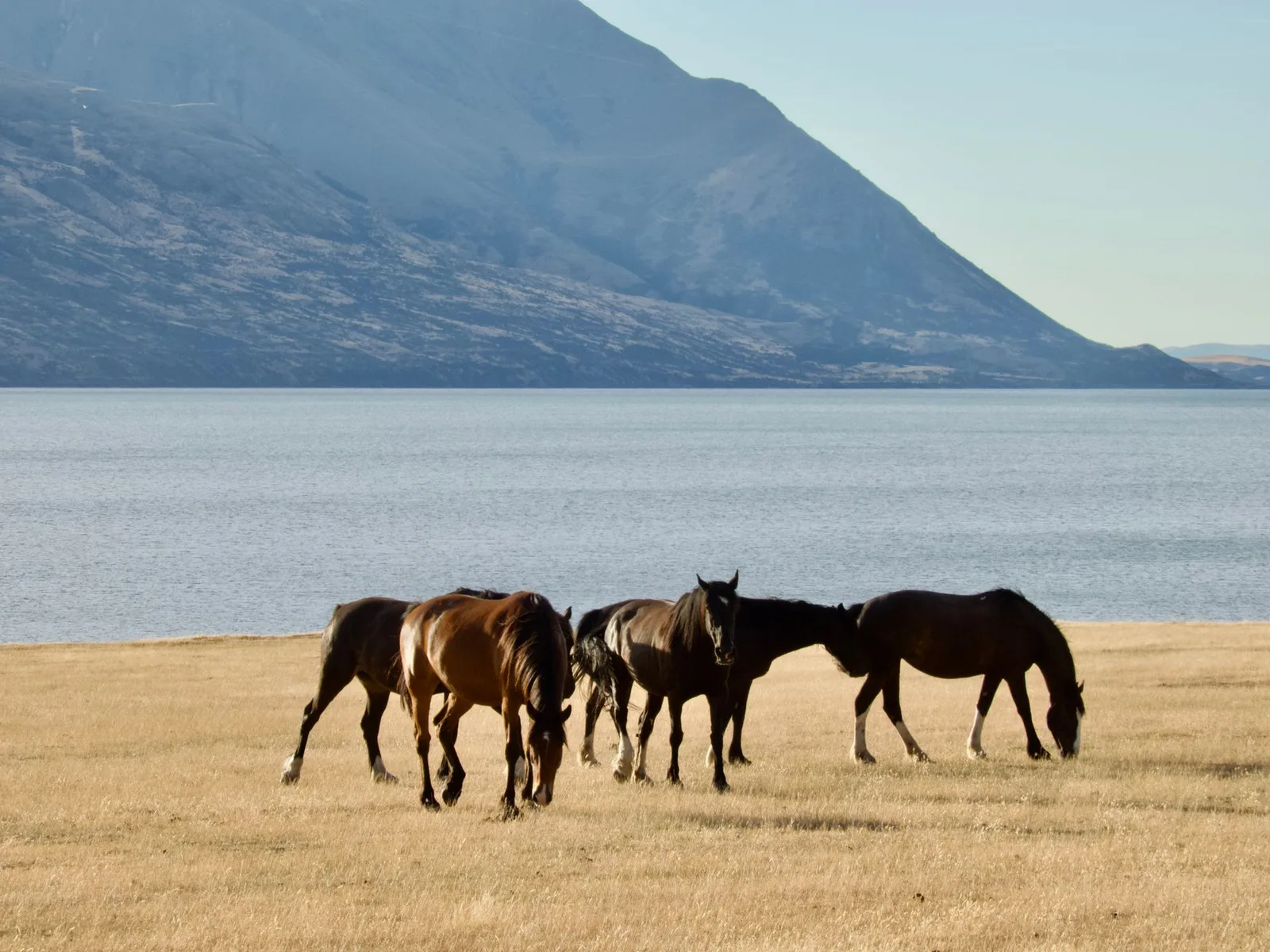
Fresh water so clear you can see the bottom five metres down, surrounded by hills where a horse is often the only way to get around.
Hustai National Park
The last place where the takhi, the wild horse of the steppe, once again roams free after decades of extinction in the wild.
Between Ulaanbaatar and the next ger family there is often no light source at all. The night sky here is unfiltered.
In Mongolia, distance covered isn't what counts.What counts is how quiet it gets along the way.


Possibilities, not a programme
Every trip through Mongolia takes a different shape. These are the building blocks we draw from, not a checklist we work through.
Riding like the nomads
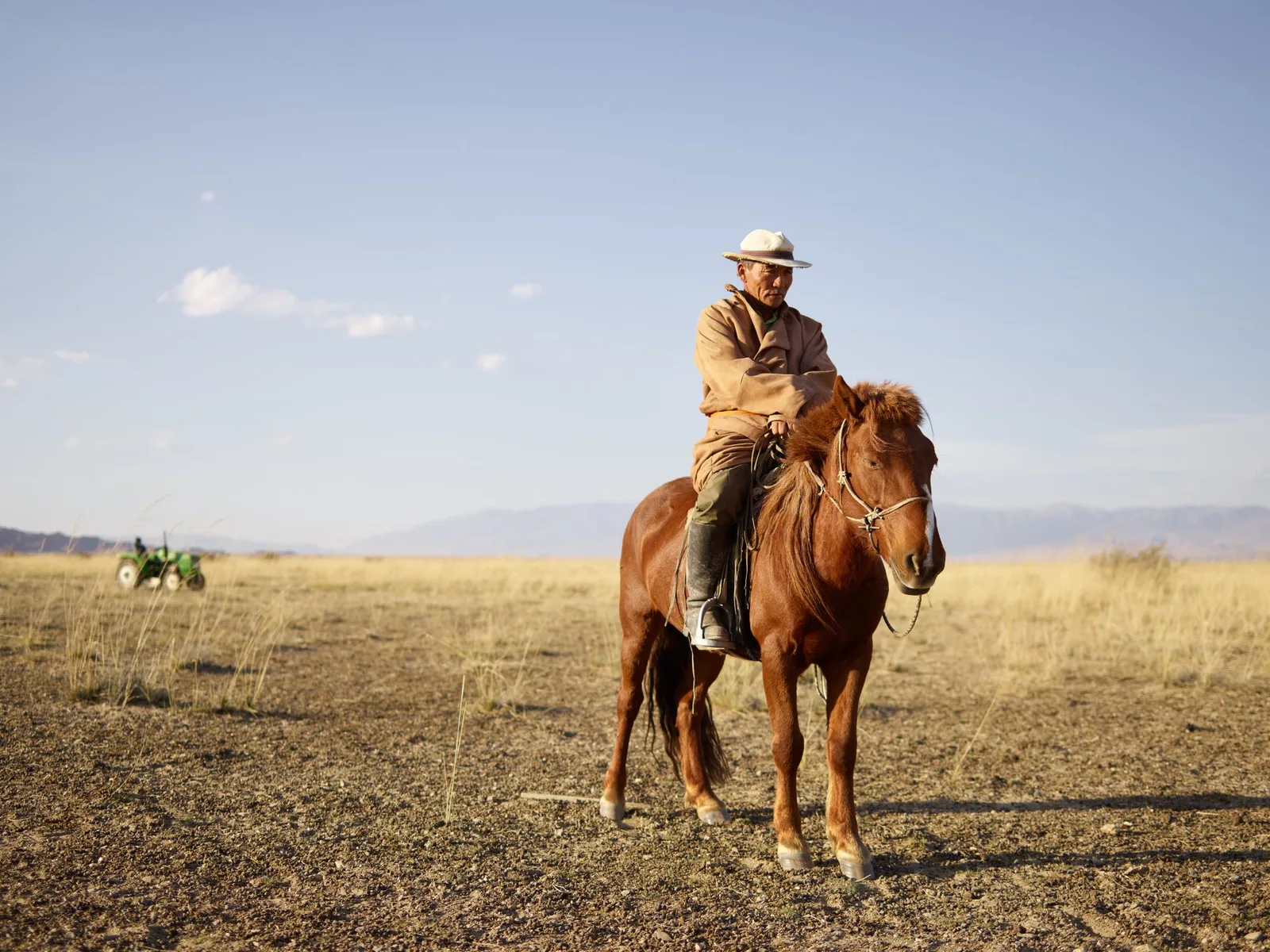
Riding alongside a local herder, at the pace of the herd, not the pace of a group outing.
Experiencing Naadam
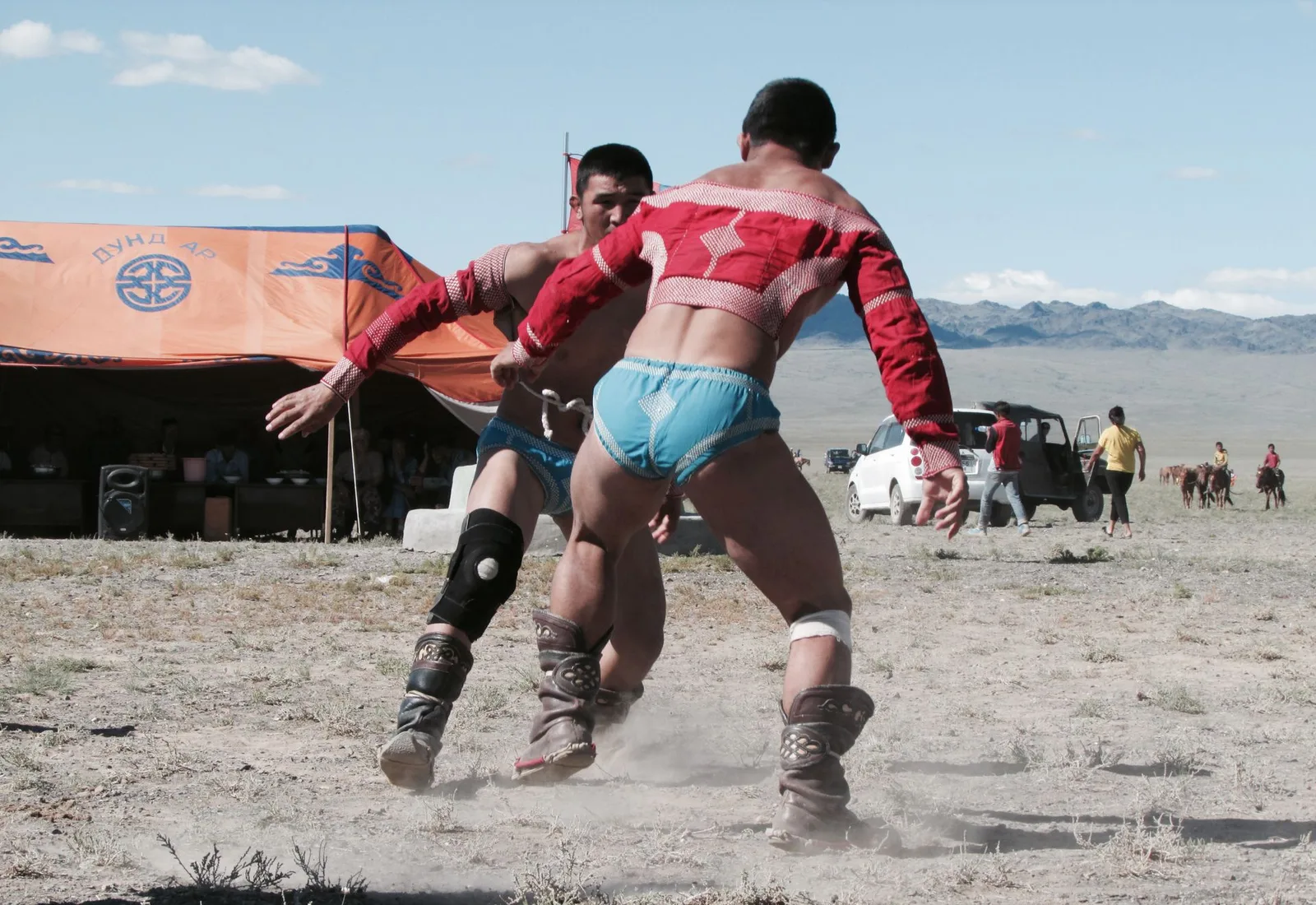
The national festival of wrestling, archery and horse racing, in mid-July, still purely local in many places outside Ulaanbaatar.
The Golden Eagle Festival
In Bayan-Ölgii, Kazakh eagle hunters still hunt with trained golden eagles; in early October the festival puts that tradition on display.
Staying overnight with a nomadic family
Not a tourist camp, but a ger where you eat khorkhog in the evening, meat and vegetables stewed with red-hot stones.
Counting stars without a signal
Large parts of the country have no phone coverage. The night is no less dark for it.
What you take from it, we choose together, based on how much distance, comfort and silence suits you.

When to go to Mongolia
The travel season is short, and that's no coincidence: from November to March, temperatures drop well below zero and many ger camps and tracks become inaccessible.
Between June and September the country is at its best: green steppe, long days, and in July the Naadam festival. Early October is a separate reason to go: that's when the Golden Eagle Festival takes place in the west.
Best time to visit Mongolia
Who else is at their best in these months?
June July August September
Use the contact form to discuss your travel dates and preferences with us.
Why we look at Mongolia differently
No fixed route The standard 'Gobi loop' exists, but we build the route around who you want to meet along the way, not a list of photo stops.
The pace of the nomad Long distances on unpaved ground take time. We deliberately plan fewer stops per day than usual.
Beyond the ger experience A night in a ger isn't an experience you buy, it's a family that lets you in. We've worked with the same families for years.
Regions over bucket list Khövsgöl and Bayan-Ölgii rarely feature on a first trip round the country. We include them as soon as they suit what you're looking for.
Practical, without the noise.
Practical matters we always look into during the planning stage.
Getting there
No direct flight from Belgium; most routes run via Istanbul, Frankfurt or Beijing.
Documents
Which travel documents you need depends on your nationality, and entry rules change regularly. We go through the current requirements with you before you leave.
Distances
A full day's drive can separate two overnight stops, often on unpaved track.
Health
No mandatory vaccinations, though it's wise to bring a travel medical kit for remote stretches.
Connectivity
Outside Ulaanbaatar, phone coverage is scarce to non-existent. Plan for that deliberately.
- Flight time
- About 10 to 12 hours, with a stopover in Istanbul, Frankfurt or Beijing
- Languages
- Mongolian; Kazakh in the far west; guides speak English
- Time difference
- +6 hours in summer, +7 hours in winter
- Altitude
- Ulaanbaatar sits at about 1,350 metres, the west rises above 2,500 metres
- Best season
- June to September