
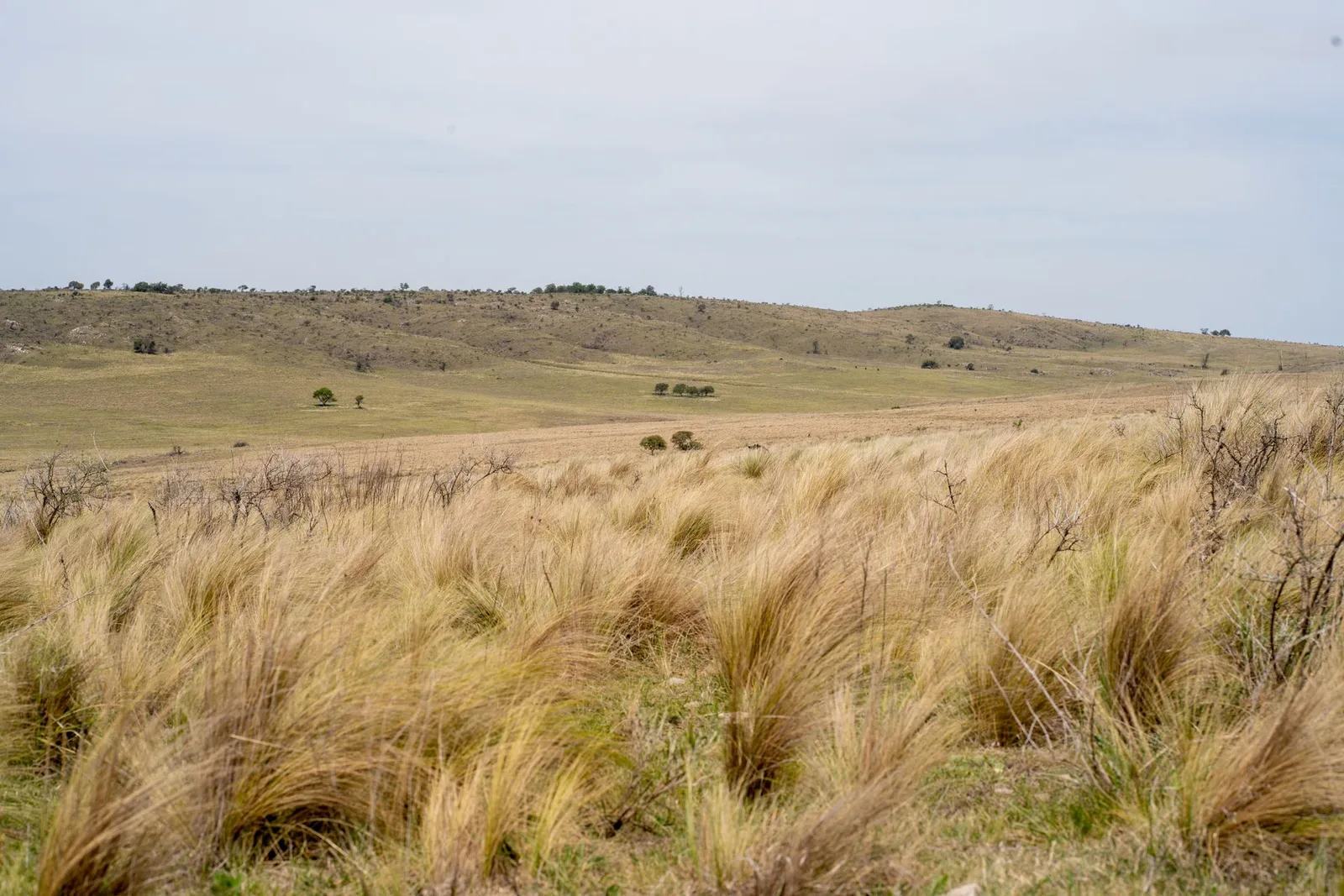
Flat, green and rarely loud, a country that chooses quiet over the spectacle of its neighbours.
Look at a map of South America and you'll almost miss Uruguay: a patch of green squeezed between two giants. That's precisely why the country has never bothered much with making an impression. No Iguazu Falls, no Andes, no sprawling city endlessly repeating itself. Instead, a river mouth as wide as an inland sea, grassland reaching to the horizon, and a coastline that only truly relaxes past Punta del Este.
Montevideo is a capital without fuss: low-rise facades, a twenty-two-kilometre boulevard where the whole city turns out in the evening, and a harbour where fishing boats still moor beside container ships. Head further inland and it grows quieter still: miles of grassland, cattle, and every so often an estancia where the clock has kept the same pace for a hundred years.
Uruguayans sometimes call their country the Switzerland of South America, not for the mountains, of which there are none, but for the stability: working institutions, a broad middle class, and an easy-going warmth visitors feel from the first day. This isn't a country to tick off a list. It's a country to slow down in.
In short
Best time to go
Summer runs from December to March, with afternoons around 25 to 28 degrees in Montevideo and the coast at its liveliest. April, September and October are quieter; from June to August daytime highs hover around 15 degrees.
How long
Ten days to two weeks for Montevideo, Colonia, the Rocha coast and an estancia inland. Roads are long and empty, and beyond the Colonia, Montevideo and Punta del Este axis you need a car.
Who it suits
Travellers who prefer calm to spectacle: staying on a working estancia, wine around Garzón, an empty coast at Cabo Polonio and a capital that strolls the rambla in the evening. It also works as a quiet sequel to Buenos Aires.
What sets it apart
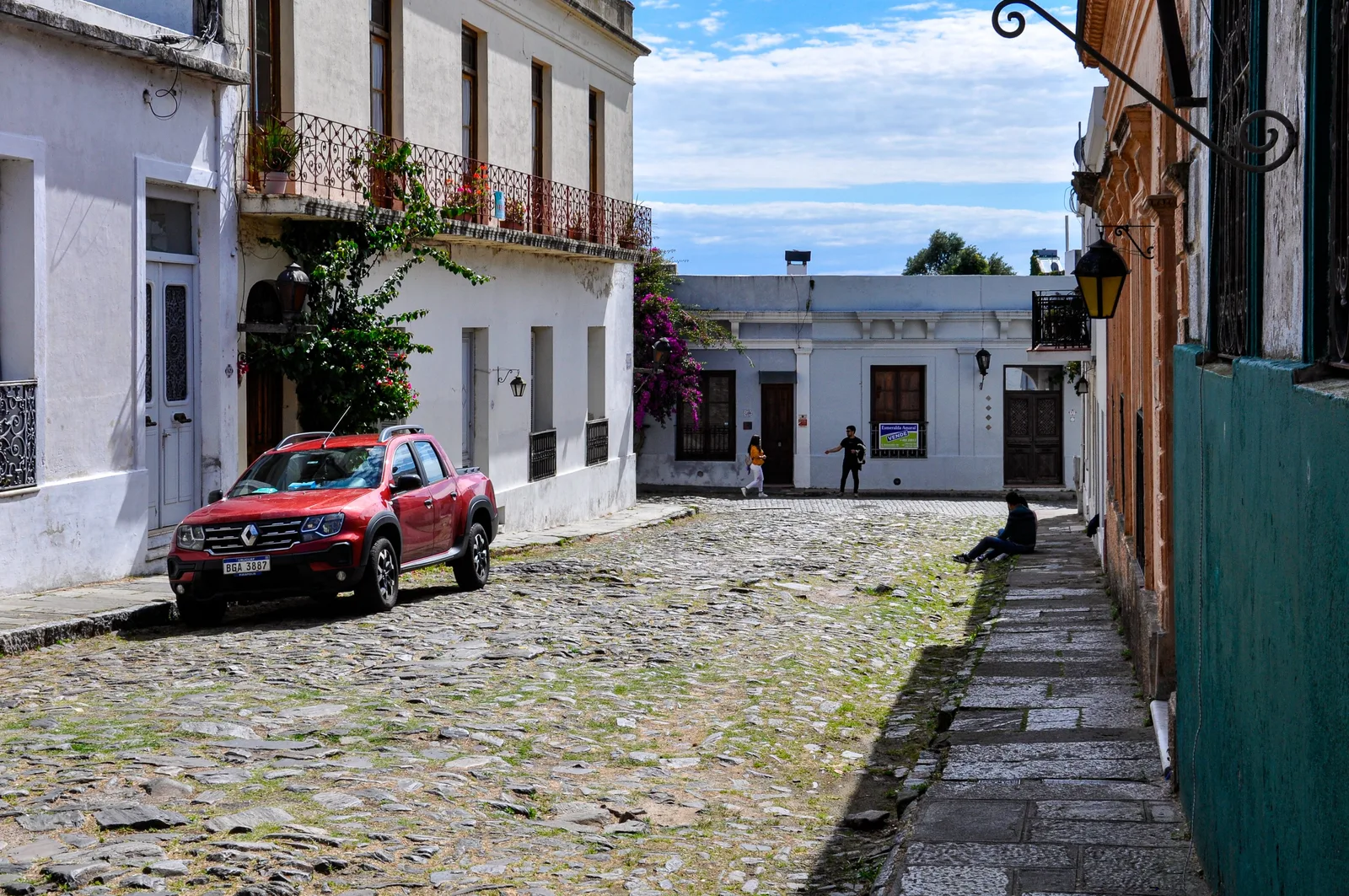
Across the river from Spanish-founded Buenos Aires, the Portuguese founded Colonia del Sacramento in 1680; its old quarter has been World Heritage since 1995. There are no mountains: the country's highest point reaches 514 metres.
Uruguay's interior: just over seventy percent of the country is grassland, and most of it goes uncrossed.
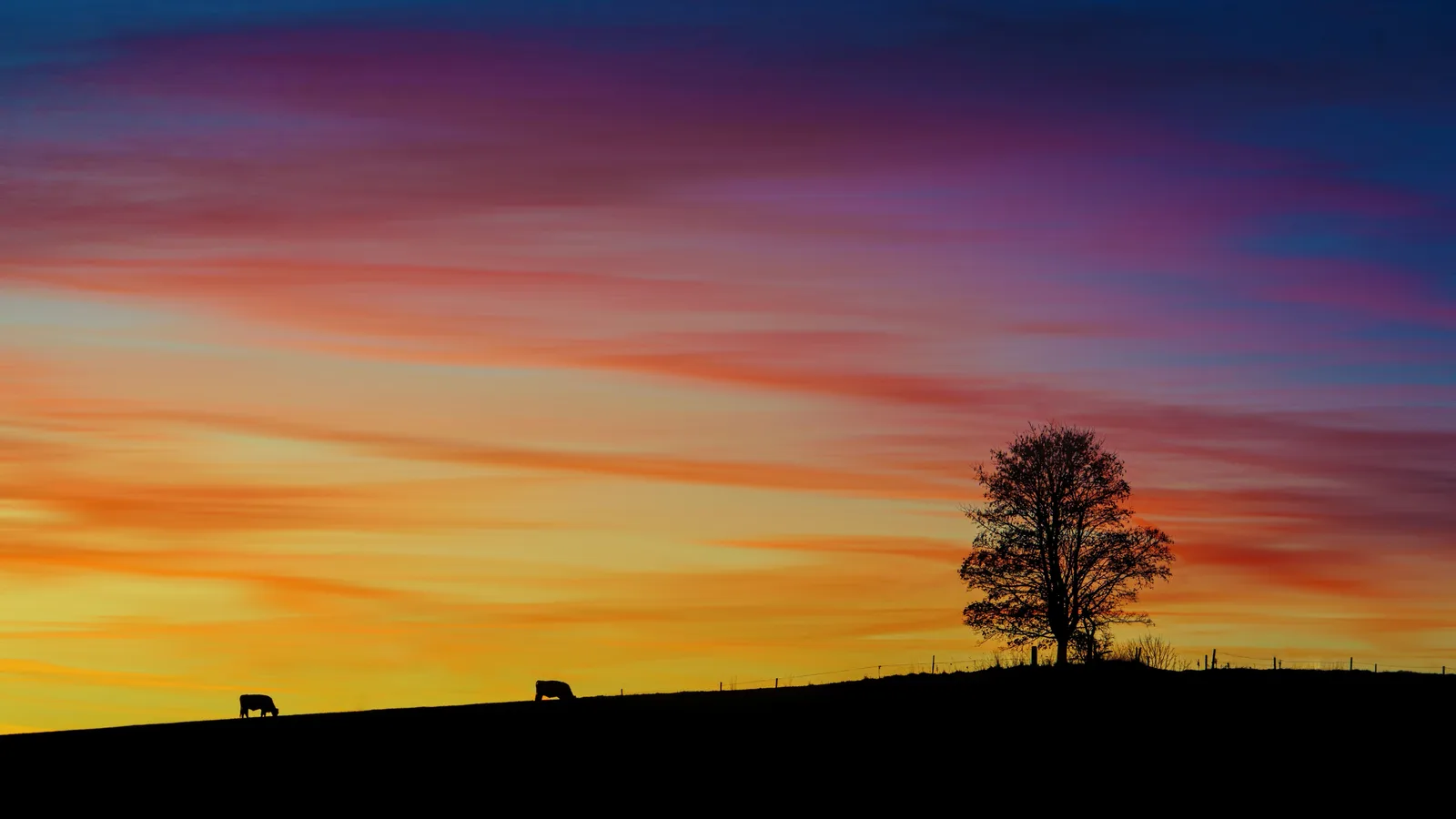
A country with five faces, none of them loud.
Uruguay is small enough to cross in a few weeks, yet its regions differ more than the distances suggest.
Montevideo
The rambla runs twenty-two kilometres along the river, from the fishing harbour to the smart Pocitos district. In the Ciudad Vieja, colonial facades mix with street art, and at the Mercado del Puerto they've been grilling meat over charcoal since 1868.
Colonia del Sacramento
A Portuguese fortress town of cobbled streets and bougainvillea against weathered walls, on the banks of the Río de la Plata. In the evening the river turns orange here, and Buenos Aires is little more than a ferry ride away.
Punta del Este and the coast
Punta del Este itself is polished and worldly, with yachts and high-rises along the sea. Just east of it things quieten down: José Ignacio is a fishing village that became chic by accident, while La Barra keeps things informal with surf and studios.
Rocha and Cabo Polonio
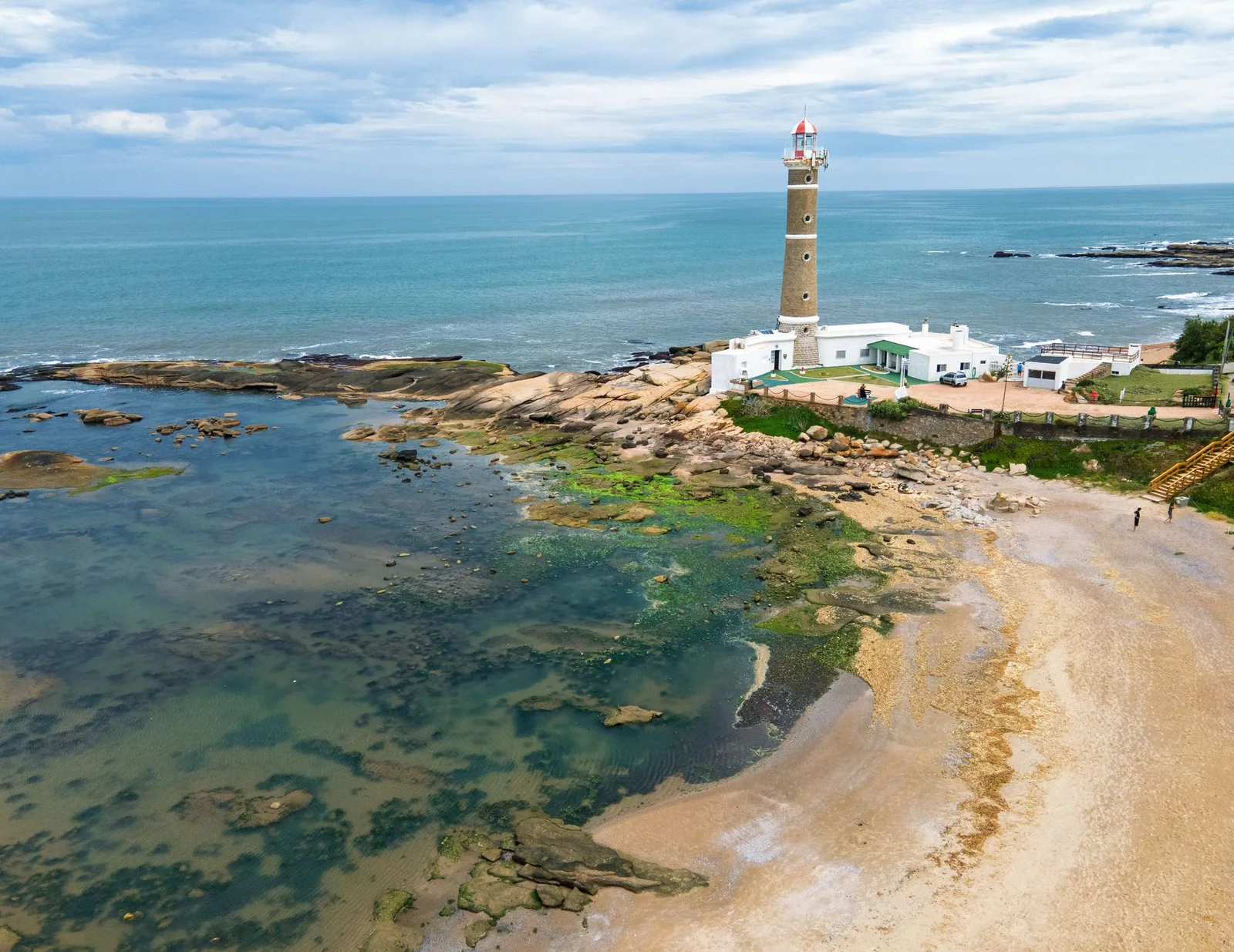
Beyond Punta del Este, the electricity and the tarmac disappear. Cabo Polonio can only be reached by four-wheel drive over the dunes, and Punta del Diablo remains a fishing village of a handful of streets. This is the coast the way Uruguayans like it best.
Gaucho country and wine region
Tacuarembó and its surroundings form the heart of gaucho culture, with working estancias that welcome visitors. Further south, around Garzón and Carmelo, winemakers have turned the hills into rows of Tannat, while at Salto thermal springs steam away year-round.
Uruguay doesn't sell itself. It simply lets you stay.


A mate gourd passes from hand to hand here, all day long.
On every square, in every queue, on every beach you see the same scene: someone with a flask tucked under one arm and a gourd full of mate, passed without a second thought to whoever happens to be standing nearby. It isn't a show for tourists. It's how Uruguayans structure the day, from a morning walk along the rambla to an evening chat on the pavement.
At the table, everything revolves around the grill. An asado here isn't a barbecue but an hours-long ritual, with a parrillero tending the fire while everyone else drinks wine, usually Tannat, the grape Uruguay has made its own in vineyards around Canelones and Garzón. The tone is informal, the hospitality genuine: here, you're rarely sold something, you're offered it.

Space no one has to share.
Sea lions without a fence
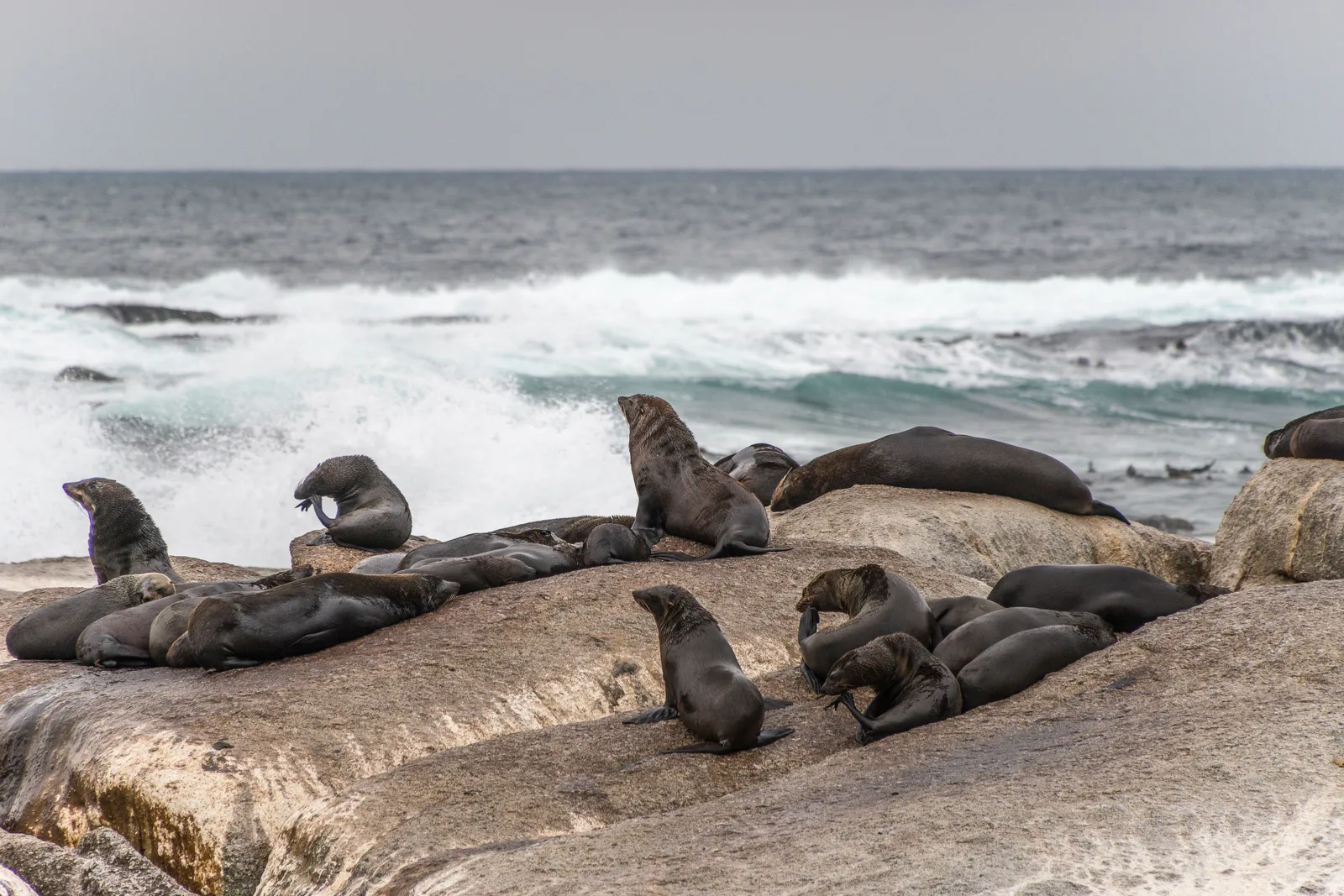
At Cabo Polonio, one of South America's largest sea lion colonies lives on the rocks beside the village: no zoo, no distance, just a colony that has been there longer than the lighthouse next to it.
Wetlands full of birds
The wetlands of Rocha and the Laguna de Castillos shelter herons, ibises and the occasional flamingo, still waters where you're more likely to spot an osprey than another boat.
Pampa without end
In the interior, the horizon is the only landmark. Estancias in Tacuarembó and Florida let you ride on horseback through grassland that has barely changed since the nineteenth century.
From a weathered colonial street to a row of Tannat vines, Uruguay switches centuries without transition.

What you can do in Uruguay, rather than what you must.
No fixed day plans. Instead, a country full of starting points, arranged to your own rhythm.
Staying on a working estancia
Sleeping on a farm that still keeps real cattle, riding along when the herd is gathered, and eating in the evening at a long table with the family that has worked the land for generations.
Tasting in the Garzón wine region
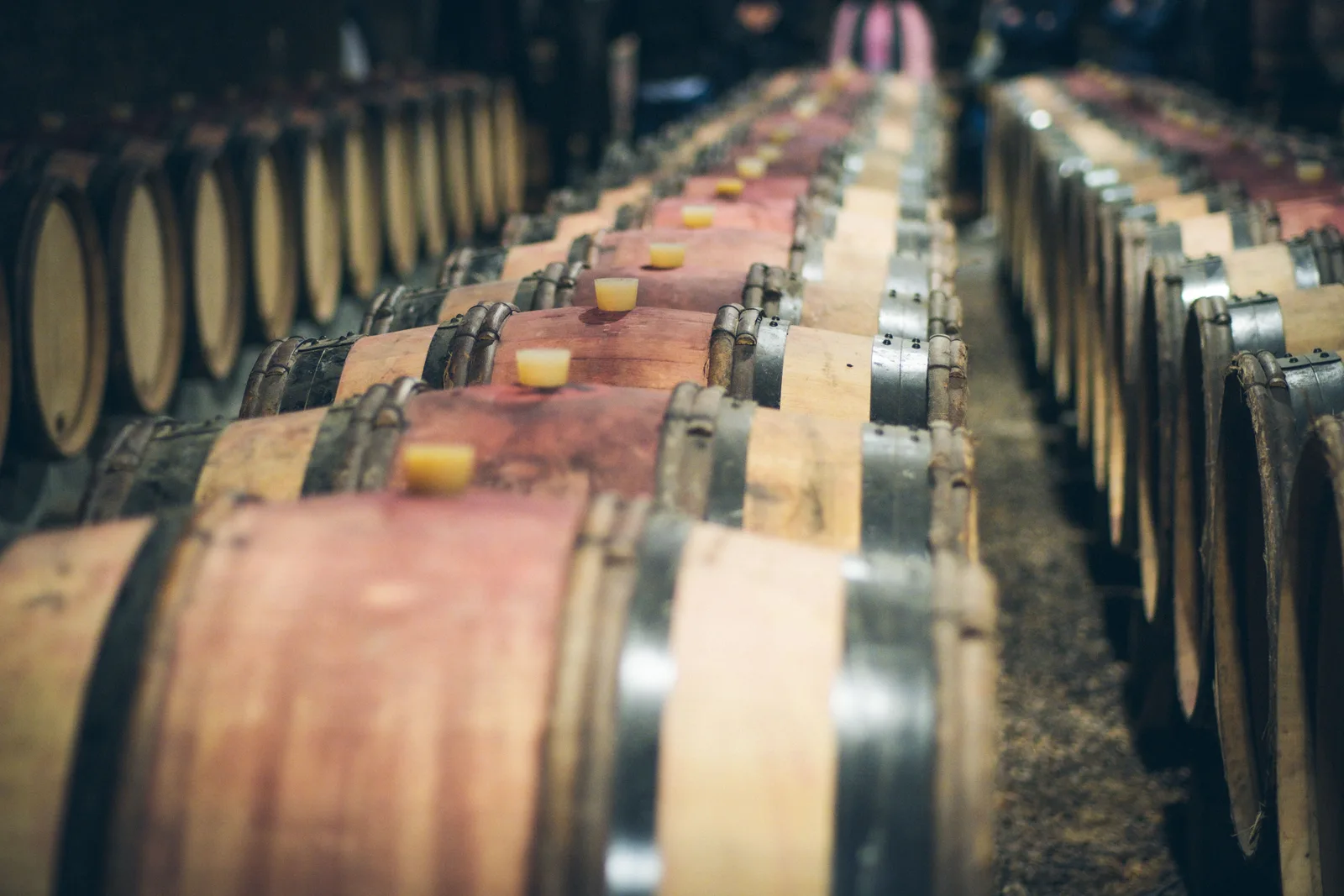
Bodegas among the rolling hills of Maldonado serve Tannat alongside a kitchen that owes as much to Europe as to South America.
A night without power in Cabo Polonio
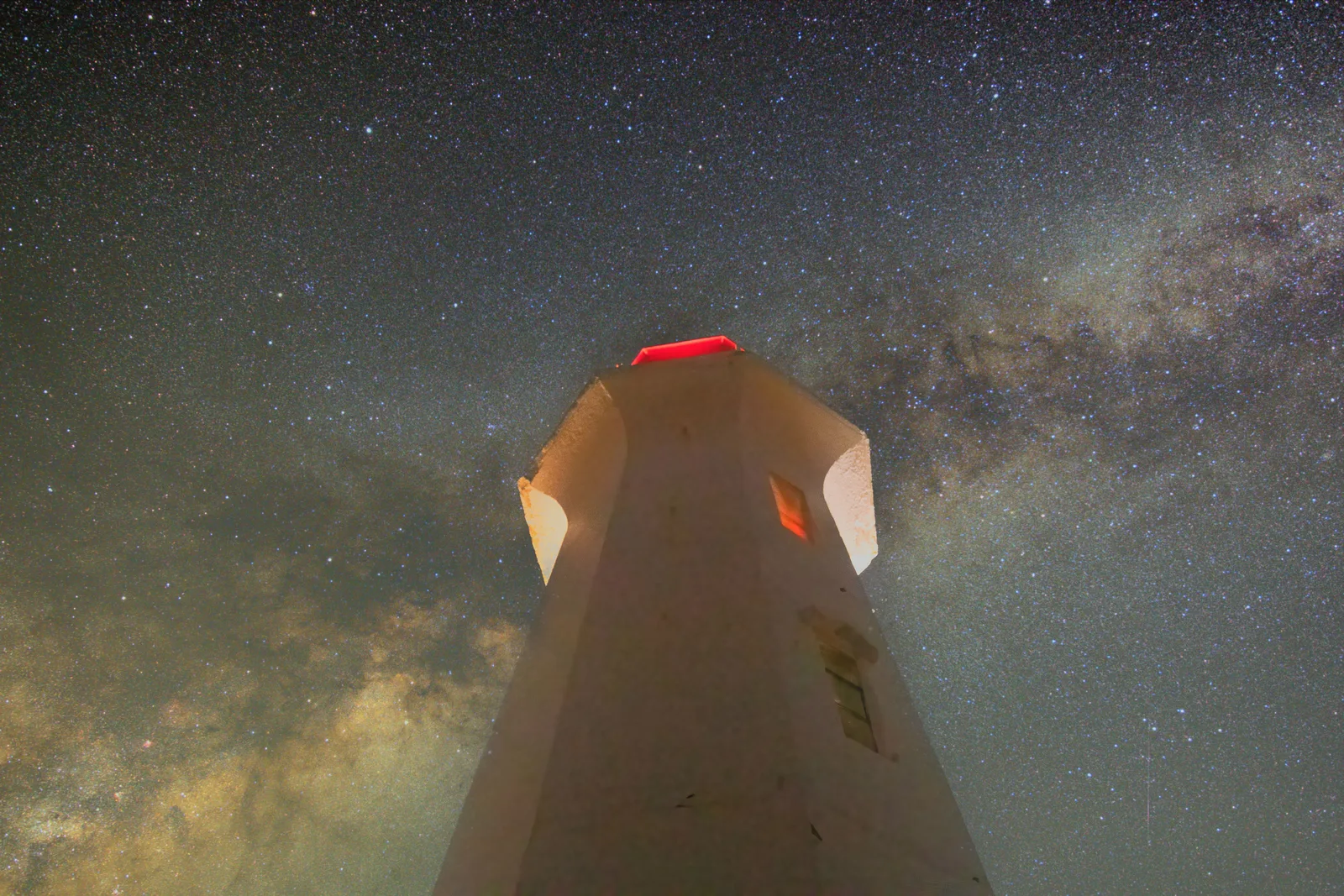
No power grid, no wifi, but a lighthouse, sea lions on the rocks and a sky full of stars as soon as the sun goes down.
Sailing the Río de la Plata
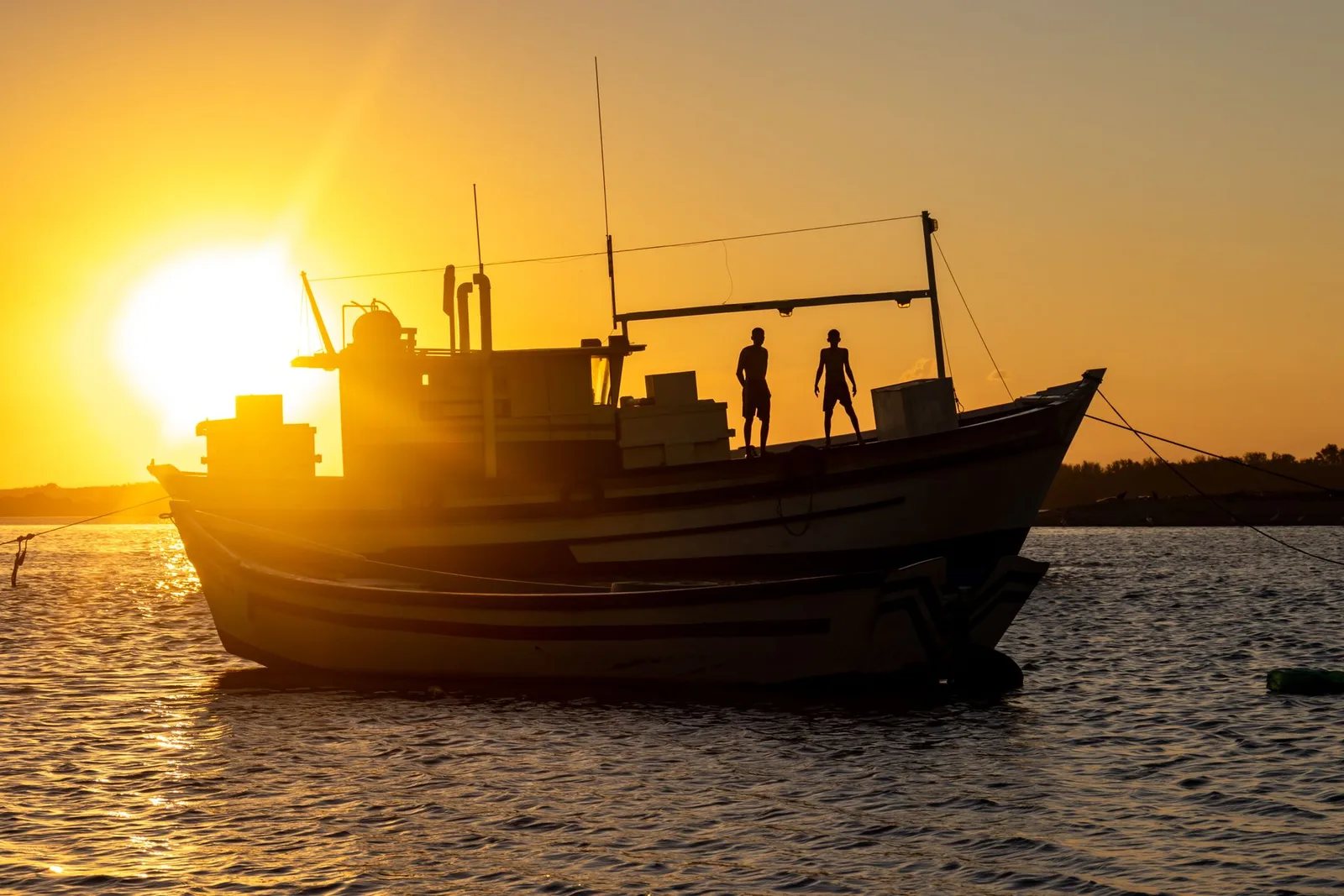
From Carmelo or Colonia the river opens up like an inland sea: brown, wide, and set alight by the setting sun each evening.
Soaking in the thermal springs near Salto
Near the Argentine border, hot springs hold the same temperature all year round, in a region that otherwise sees barely a tourist.
Each of these can be an afternoon or the heart of the trip. We build the order around what draws you in, not around a fixed route.
When to travel to Uruguay
Uruguay lies in the southern hemisphere: summer runs from December to March, when the coast, and Punta del Este in particular, is at its liveliest. Those who prefer a quieter trip should aim for the shoulder months that follow.
March brings the grape harvest in Garzón and Canelones, with pleasantly mild weather and none of the summer crowds. Winter, from June to August, is cool and can turn wet inland, but Montevideo and the thermal springs near Salto stay worthwhile regardless.
Best time to visit Uruguay
Who else is at their best in these months?
January February November December
Use the contact form to discuss your travel dates and preferences with us.
Practical, without the noise.
A few things that make travelling in Uruguay easier.
Getting there
Usually via Madrid or São Paulo to Montevideo (Carrasco); some fly via Buenos Aires and cross the river by ferry.
Documents
Which travel documents you need depends on your nationality, and entry rules change regularly. We go through the current requirements with you before you leave.
Health
No mandatory vaccinations; the country has a well-developed medical infrastructure.
Pace
Expect long, empty roads between destinations. Uruguay looks compact on the map, but the interior calls for patience.
Money and payments
Uruguayan peso, with US dollars widely accepted in tourist areas; card payment is standard in the cities.
- Flight time
- About 13 to 14 hours, usually with one stopover
- Language
- Spanish (Rioplatense)
- Time difference
- Usually 4 to 5 hours behind Belgium, depending on daylight saving
- Seasons
- Reversed from Europe: summer runs from December to March
- Size
- About six times the size of Belgium, with fewer than 3.5 million inhabitants