
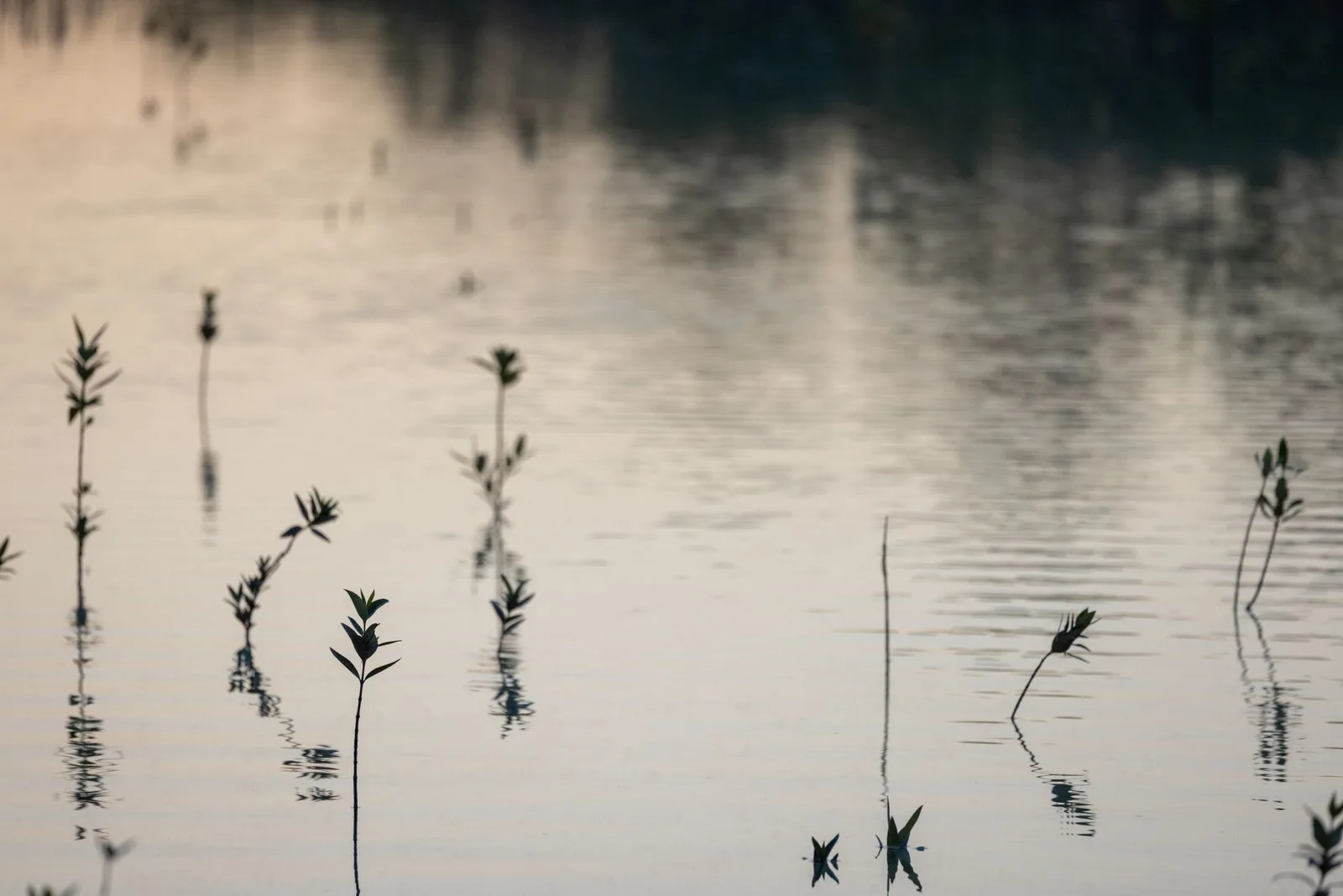
A city that spends its wealth on space, not spectacle.
The capital would rather govern with calm than noise, a city that puts its wealth into culture and space instead of spectacle.
Where its neighbours set themselves apart with height and pace, Abu Dhabi chooses breadth. The city spreads across a T-shaped island and a scatter of smaller islands in the Arabian Gulf, with wide boulevards, park after park, and a coastline given more room than buildings. There is money, a great deal of it, from oil found decades ago, but it is spent in ways you might not expect: museums, nature reserves, an oasis inhabited for three thousand years.
On the edge of the centre lie mangrove creeks where you can kayak between the roots at low tide, while further on the Grand Mosque glows in white marble as the sun drops. On Saadiyat Island, the Louvre Abu Dhabi opened beneath a dome that lets light fall like rain, and a Guggenheim waits nearby for its final phase of construction. This is a capital in no hurry to impress, and that is exactly why it stays with you.
Inland, where the city gives way to dunes, lies Al Ain: an oasis city with valleys full of date palms and a fort that stood long before the oil arrived. Beyond it begins the Rub al Khali, the Empty Quarter desert, with dunes rising a hundred metres high. Between these two extremes, coastal elegance and desert silence, a trip through Abu Dhabi shapes itself around who you are, not the other way round.
In short
Best time to go
November to February is the most pleasant, with afternoons between 24 and 31 degrees. March and October are warmer, and from May to September daytime temperatures climb past 40 degrees.
How long
Four to six days covers the city, Al Ain and a night on the edge of the Liwa desert. The emirate combines well with Oman or a longer stay elsewhere in the region.
Who it suits
Travellers drawn to museums, architecture and heritage at an unhurried pace, who want to balance the city with kayaking through the mangroves and a night among the dunes.
What sets it apart
Unlike Dubai, the emirate stretches to the edge of the Empty Quarter, with the oasis city of Al Ain inland. In Al Ain, oases and prehistoric tombs have been a UNESCO World Heritage Site since 2011.
One capital, five entirely different landscapes
Abu Dhabi is more than the city alone. The emirate stretches from coastal mangroves to the edge of the Empty Quarter desert, with an oasis city in between.
The Corniche and downtown
Eight kilometres of waterfront boulevard, palm trees, cycling paths and an architectural mix of glass towers next to low-rise buildings from the 1970s. The city breathes slower here than the skyline suggests.
Saadiyat Island
The Louvre Abu Dhabi, white sand giving way to clear water, and with the Zayed National Museum and Guggenheim under construction, a cultural district that is still growing.
Al Ain
The greenest city of the interior, built around centuries-old valleys full of date palms, with Jebel Hafeet as a lookout point reaching all the way to Oman.
Liwa and the Rub al Khali
Dunes of a hundred metres and more, with the Moreeb Dune at around three hundred metres, and a night sky that only truly reveals itself once the last city lights disappear.
The mangroves and eastern creeks
A protected nature park right in the middle of the city, where kayaking between mangrove roots and spotting flamingos happens a stone's throw from the skyscrapers.
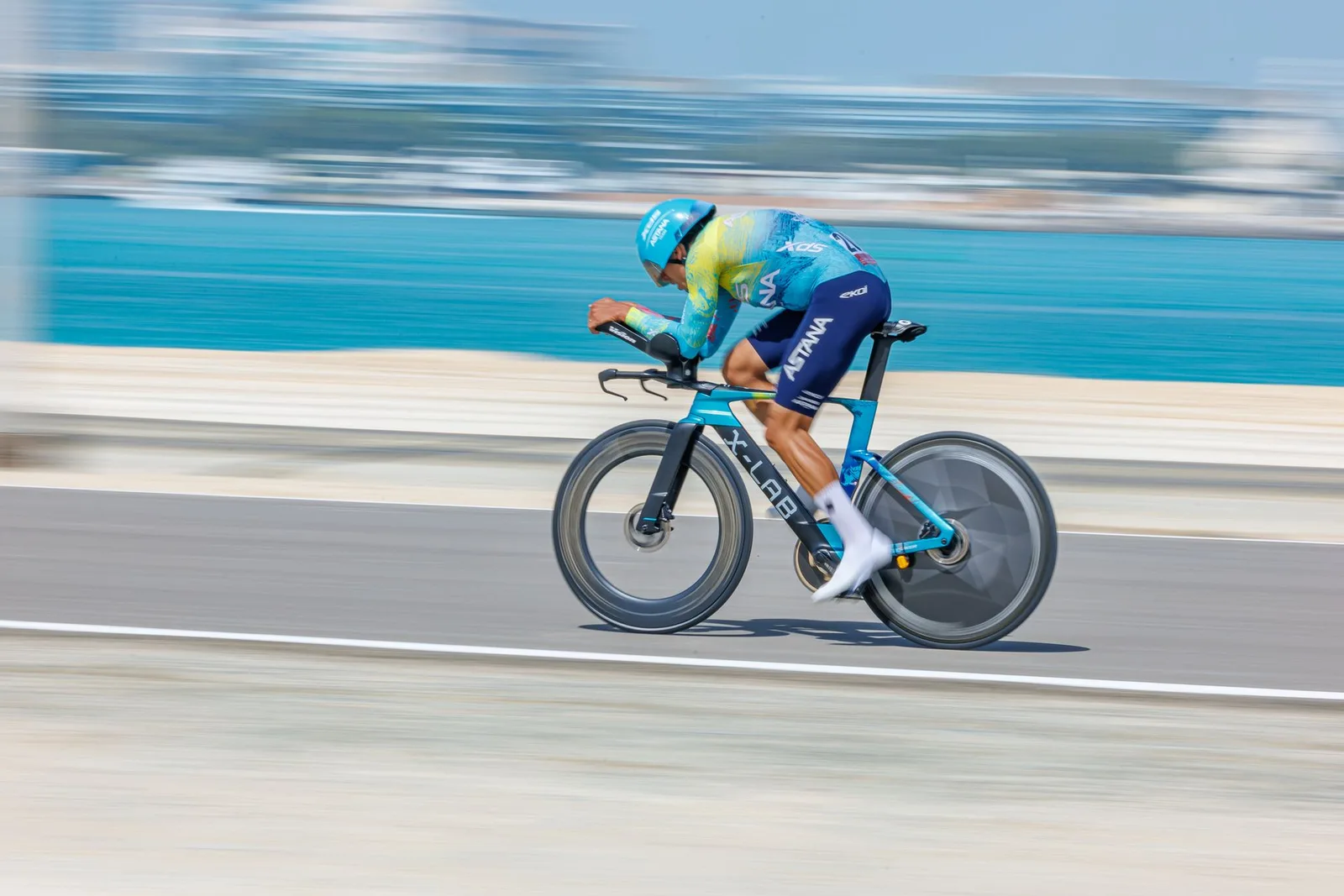


Museums that don't ask for attention, they simply hold it
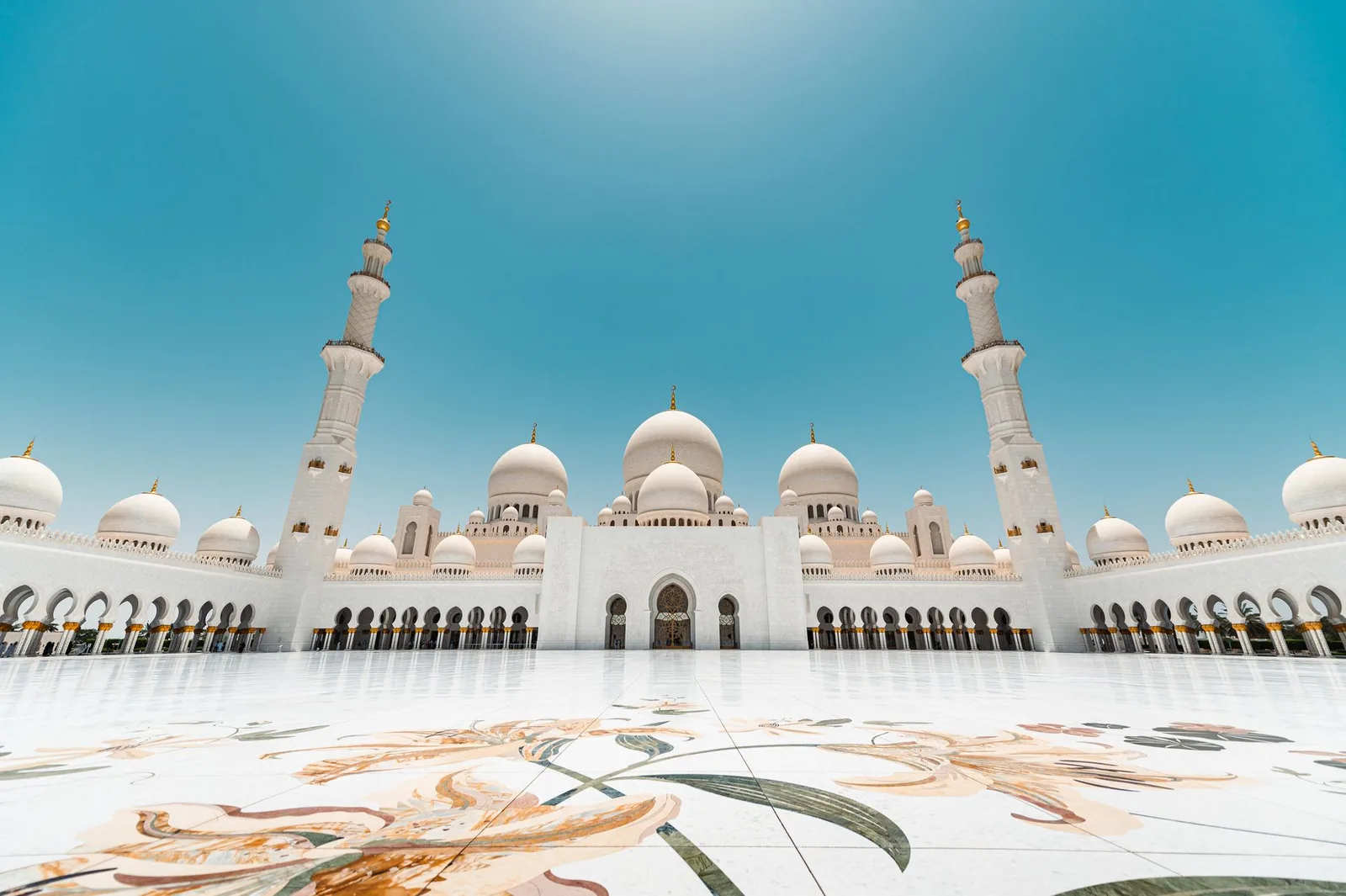
The Sheikh Zayed Grand Mosque is the kind of building that flattens photographs: eighty domes, the largest hand-knotted carpet in the world, chandeliers set with Swarovski crystal. Yet the impression that lingers is not one of excess but of stillness. The courtyard is so vast that sound fades before it reaches you.
The Louvre Abu Dhabi made a different kind of statement: not a copy of Paris, but a story of its own, where a Mesopotamian statue stands beside a Rembrandt beside an Emirati jewel, under a dome of nearly eight thousand metal stars that filters the light like a canopy of leaves. Anyone who looks past the skyline finds a capital that treats culture as a hundred-year investment, not a weekend attraction.
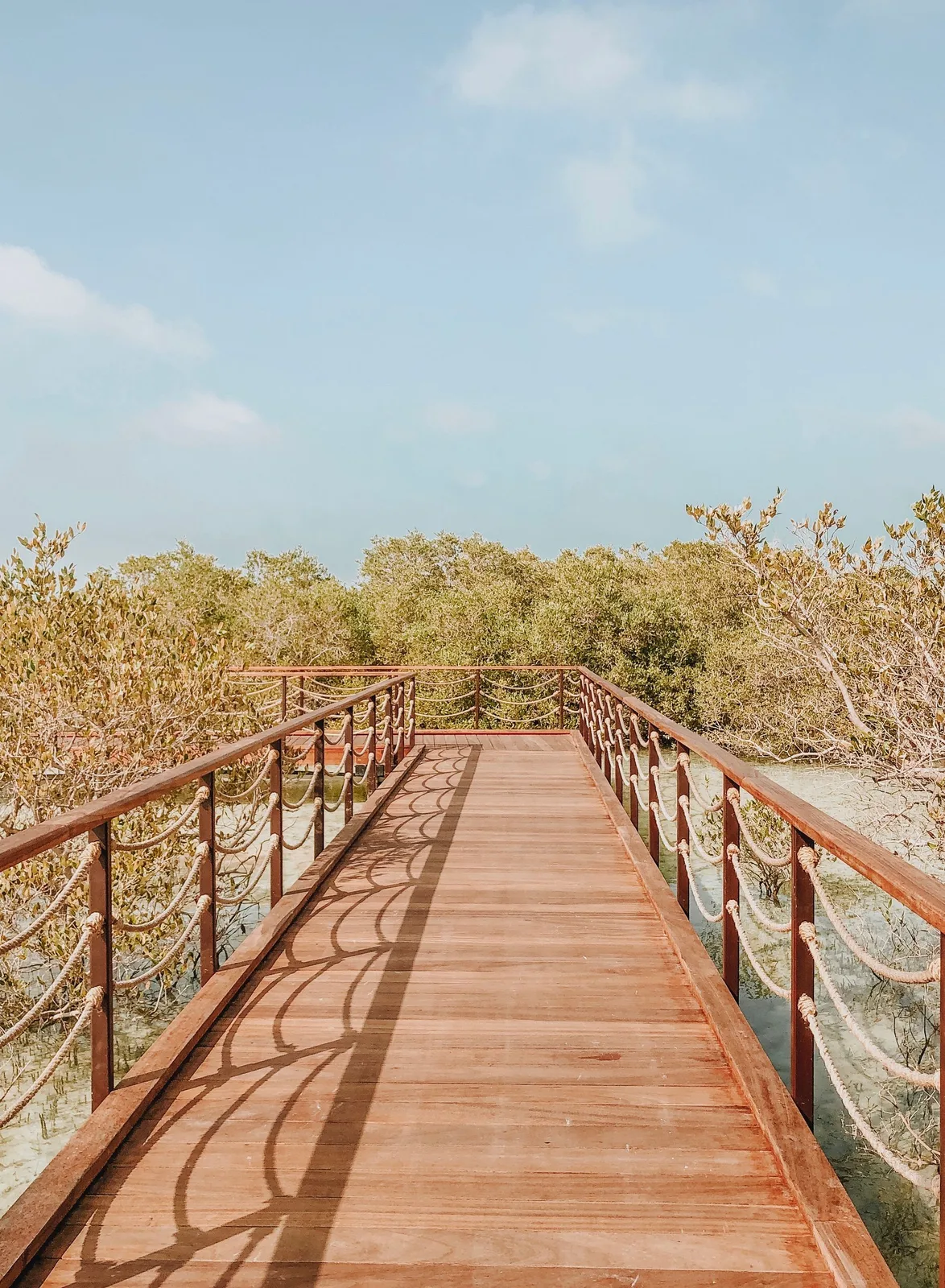
Between mangrove roots and a sea of dunes lies less than an hour's drive.
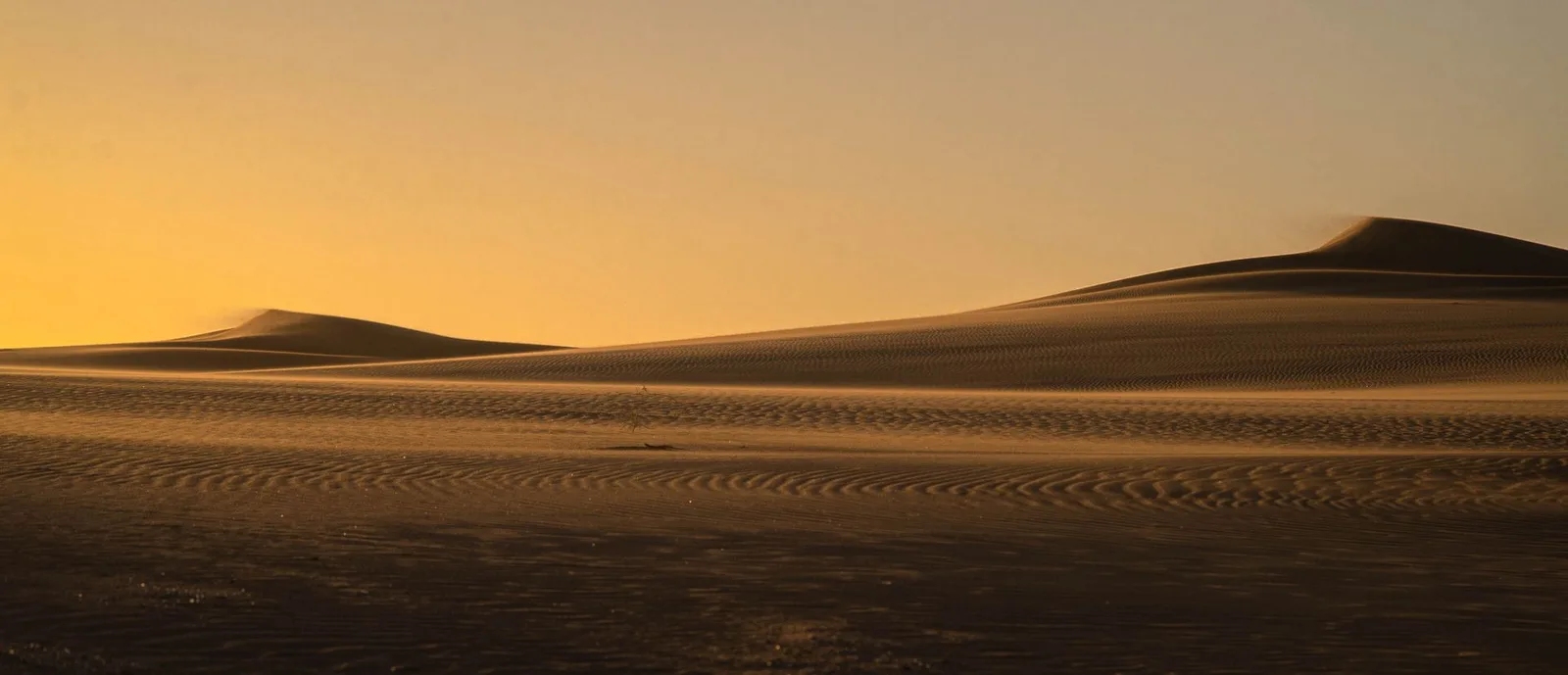
Three landscapes a stone's throw apart
The mangroves
One of the largest continuous mangrove belts on the Arabian Peninsula, within cycling distance of downtown. At low tide, mudflats appear full of herons, and the stillness between the roots stands in sharp contrast to the skyline behind it.
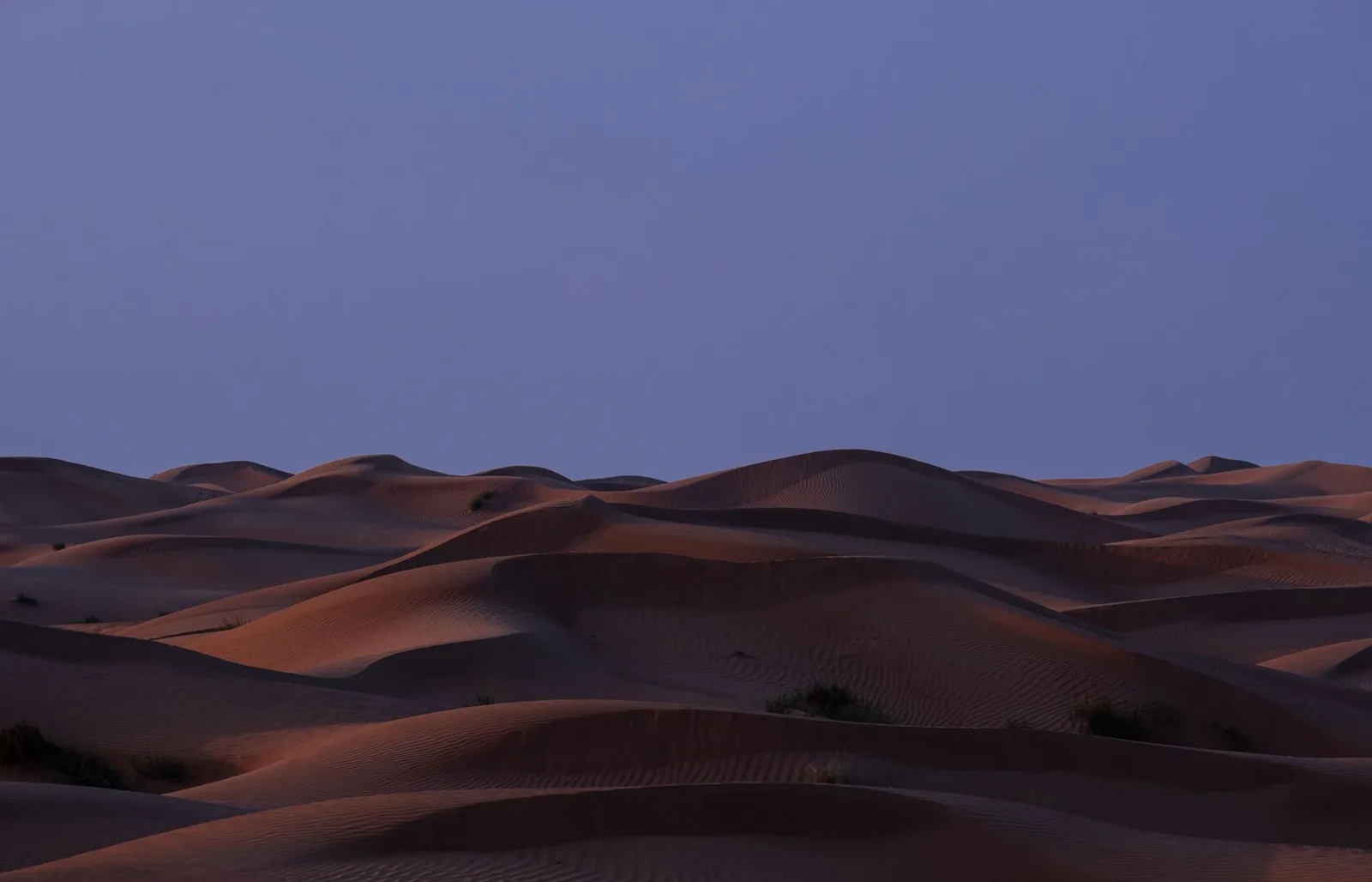
The dunes of Liwa
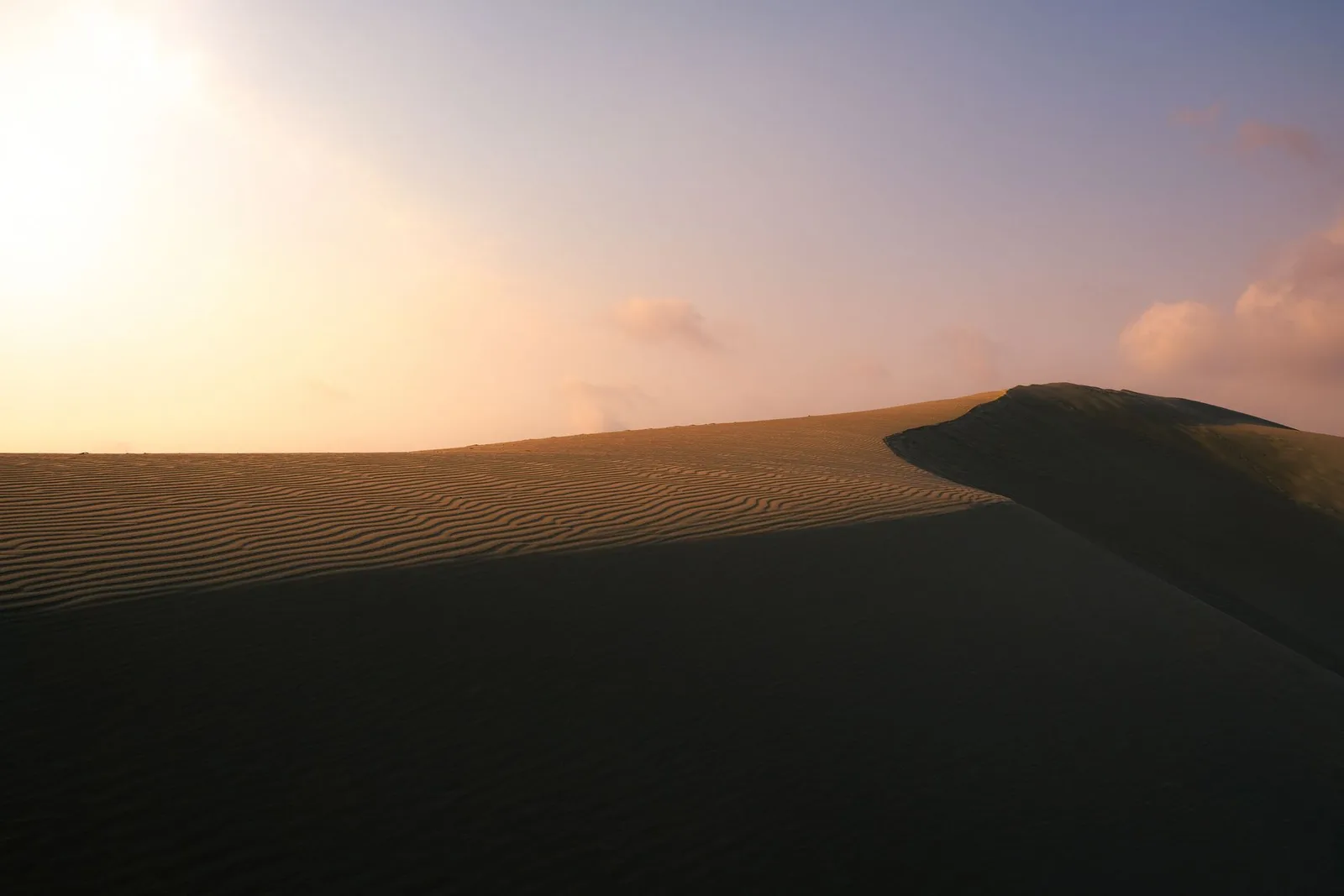
Crescent-shaped dunes rising a hundred metres above a handful of Bedouin settlements. Stay overnight and watch the colour of the sand shift from gold to rust to almost black before the stars take over.
The islands off the coast
Undeveloped islands such as Sir Bani Yas hold a wildlife park where Arabian oryx and gazelles once again roam free, while the surrounding waters count among the last habitats for dugongs in the Gulf.

Where dates, saffron and the sea meet
Emirati cuisine betrays centuries of trade: rice and spices from Persia and India, fish from the Gulf, dates from the local oases. Machboos, spiced rice with meat or fish, often with dried lime and cinnamon, comes closest to a national dish, alongside harees, a creamy mix of stewed grain and meat traditionally simmered for hours over a low flame.
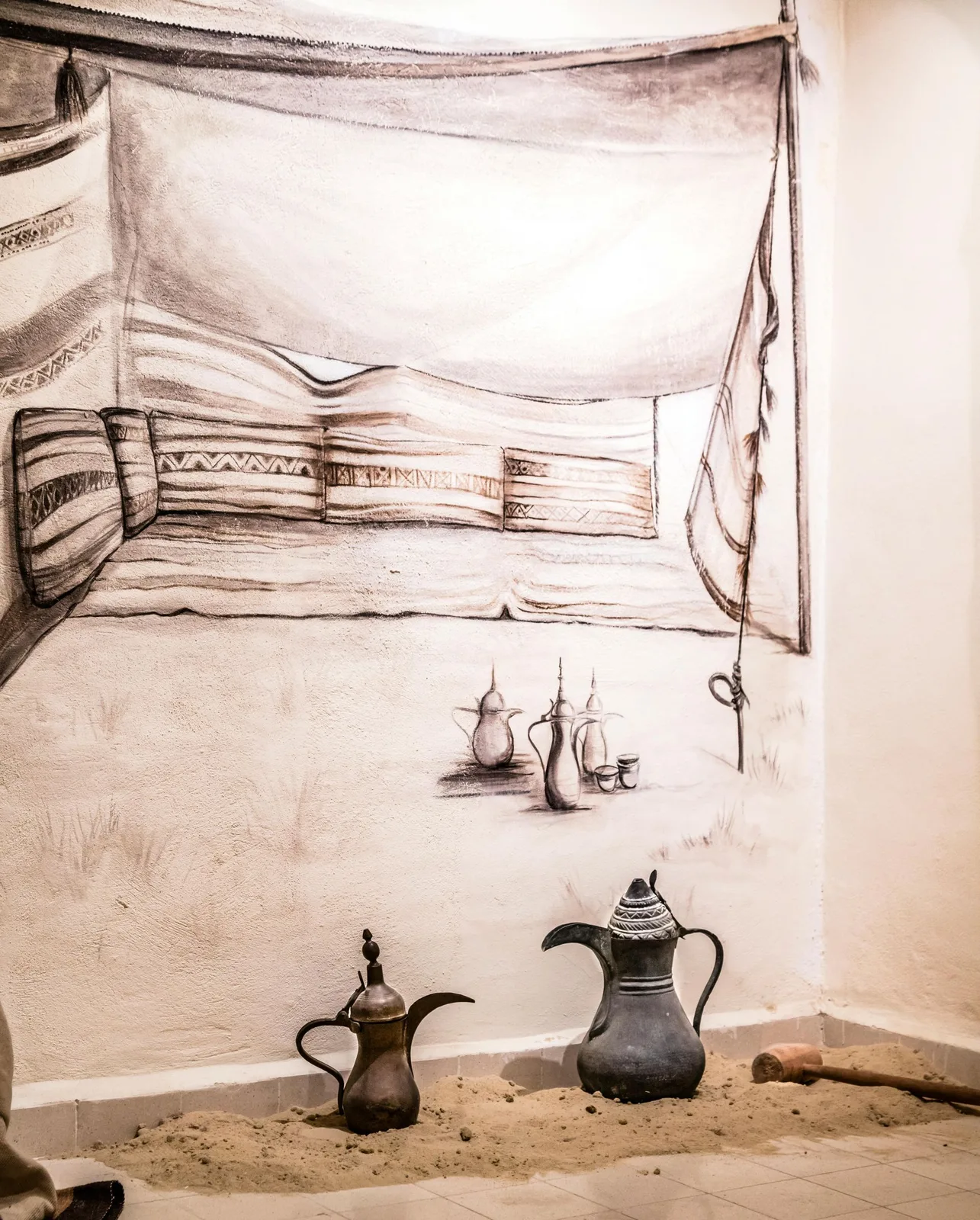
At the Al Mina fish market, fishermen still haggle over hamour and kingfish by hand in the early morning, while in a majlis, the traditional reception room, gahwa is poured: bitter coffee with cardamom, always followed by a date. Sit down here and you taste a culture of hospitality older than the skyscrapers above it.
Al Ain, where the city gives way to date palms and three thousand years of history.

A climate that sets the agenda
Between November and March, Abu Dhabi is at its best: days around 25 degrees, pleasant evenings on the Corniche, and desert nights that still feel fresh without a jacket. From May, temperatures climb well past 40 degrees and life shifts, of necessity, to early morning, evening and indoors, with museums and air-conditioned spaces taking over from the open air.
October and April form the transition: still warm in the day, but either past or yet to reach the worst of the heat. Anyone hoping to avoid the summer should plan a visit for autumn or winter.
Best time to visit Abu Dhabi
Who else is at their best in these months?
January February March November December
Use the contact form to discuss your travel dates and preferences with us.
Why we look at Abu Dhabi differently
Not a copy of its neighbour Abu Dhabi is too often mentioned in the same breath as its better-known neighbour, while the capital tells its own, slower story: cultural investment instead of skyline spectacle, heritage instead of attractions.
The oasis carries as much weight as the coast We build Al Ain and the desert edge into the itinerary by default, not as an afterthought. The interior is where the emirate keeps its history.
Access you won't find on your own A conversation in a family majlis, a falconer showing off his bird outside show hours, a guide who knows the Grand Mosque from the inside, arranged through local experts on the ground, not through a fixed route.
Stillness as luxury Visiting the busiest places at the wrong hour is the fastest way to misread Abu Dhabi. We plan around the light and the calm, not around a coach tour's opening hours.
Practical, without the noise.
What's worth knowing in advance, in short.
Getting there
Direct flights from Brussels; Abu Dhabi International Airport is about thirty minutes from downtown.
Documents
Which travel documents you need depends on your nationality, and entry rules change regularly. We go through the current requirements with you before you leave.
Clothing
Outside religious sites there is no strict dress code, though modest clothing is appreciated. At mosque visits, long sleeves and a headscarf for women are required.
Health
No mandatory vaccinations, though travel insurance is recommended. Medical care in Abu Dhabi is of a high standard.
Pace
An emirate that combines easily with a longer stay elsewhere in the region within just a few days, without ever feeling rushed.
- Flight time
- About 7 hours, direct flights from Brussels
- Languages
- Arabic is the official language, English is spoken everywhere
- Time difference
- +2 hours during Belgian summer time, +3 hours in winter
- Climate
- Subtropical desert climate with very hot summers
- Currency
- UAE dirham (AED)