
A country so vast it constantly contradicts itself.
Brazil is not a country; it is a continent that happens to share one flag. In the north, the Amazon breathes at a pace that has held for thousands of years; in the southeast, São Paulo pushes forward as if night were an obstacle to overcome. Between them lie colonial mountain towns that have looked the same for three centuries, a coastline thousands of kilometres long, and a wetland so full of life it outdoes the Amazon in visible wildlife.
Anyone wanting to turn this into a single trip inevitably has to choose. We prefer to think in fragments: one region in depth rather than a whole country at a glance. Which fragment that becomes depends on what you're after: stillness, rhythm, nature, or a city that never quite finishes speaking.
In short
Best time to go
For the Pantanal and the Amazon, July to September is best: it is drier and wildlife gathers at the water. Rio and Minas Gerais are pleasant from April to October, the coast around Salvador almost all year.
How long
Two to three weeks for two or three regions, since you fly between them. With less time, it is better to explore one or two regions properly than to fill the trip with flights.
Who it suits
Travellers who want to get to know a few regions in depth: wildlife in the Pantanal or on the rivers of the Amazon, paired with the Afro-Brazilian culture of Salvador or the baroque towns of Minas Gerais.
What sets it apart
Unlike its Spanish-speaking neighbours, Brazil speaks Portuguese. It also holds around 80 per cent of the Pantanal, the world's largest tropical wetland, where jaguars can be seen along the rivers.
Six faces of one country
Brazil cannot be captured in a single trip. These are the regions where we see a story worth telling.
The Amazon around Manaus
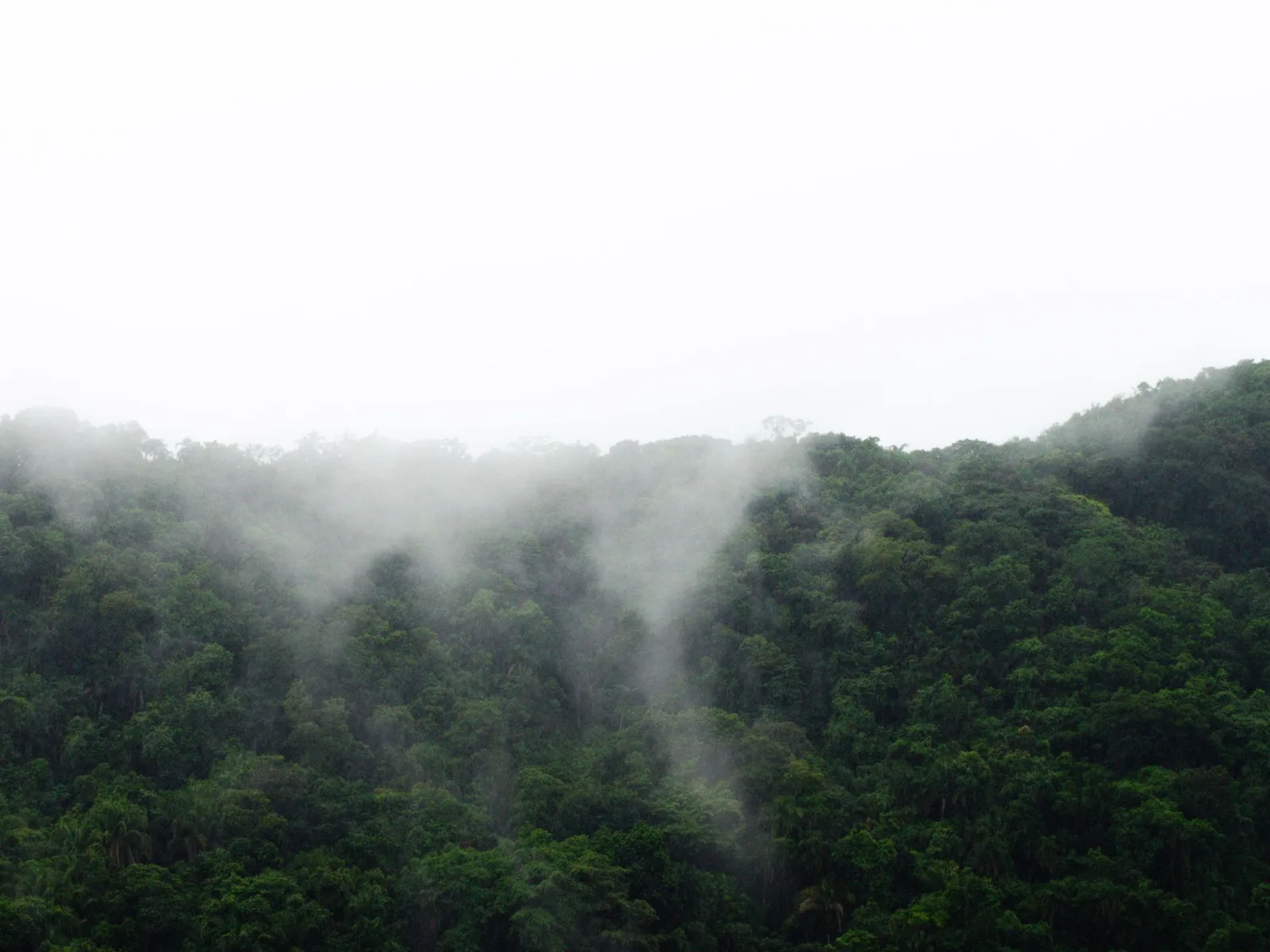
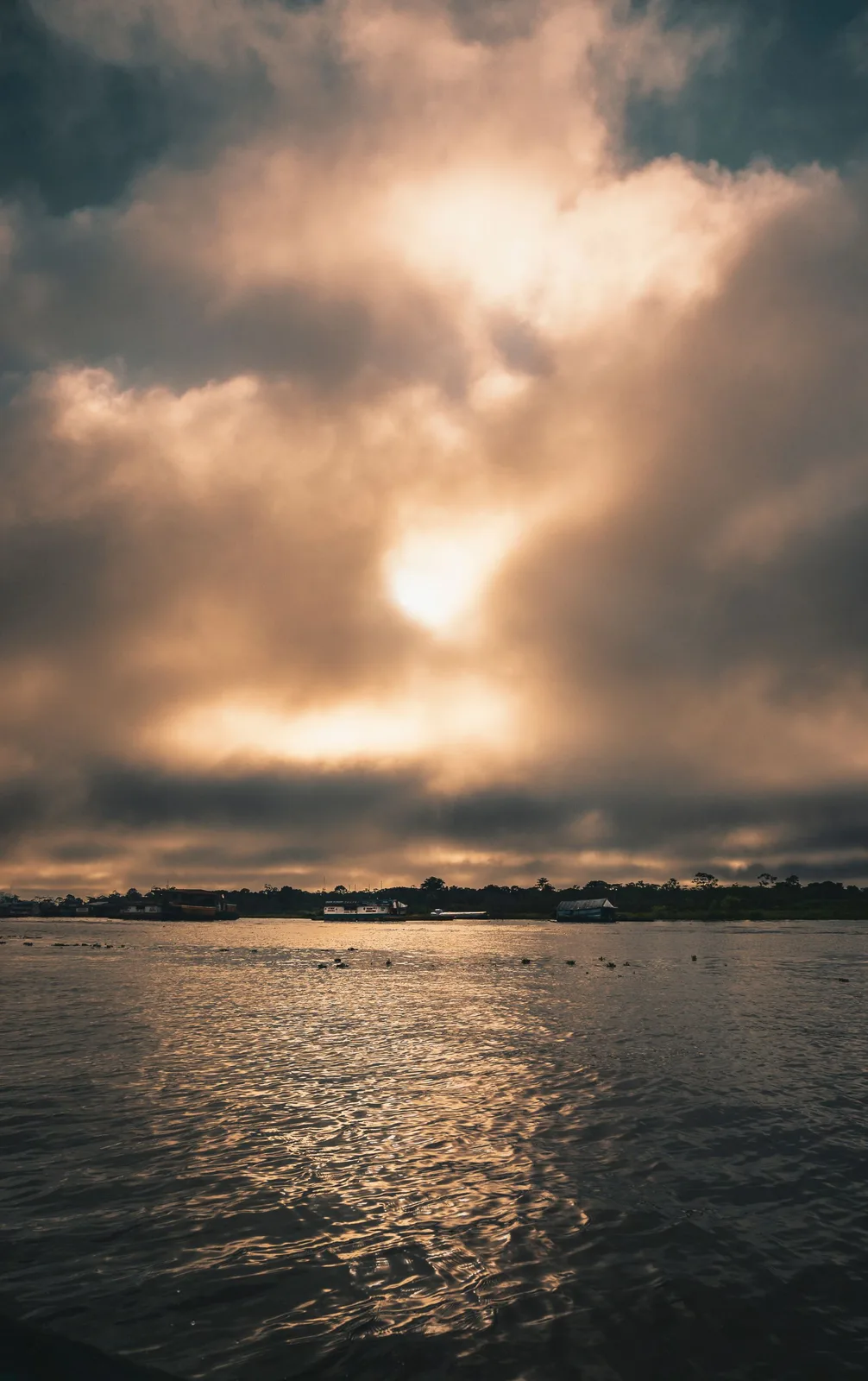
From Manaus you sail up the Rio Negro, past floating villages and rainforest that stretches right to the waterline. Spend a few nights in a lodge deep in the forest, and you'll hear it grow louder at night than during the day.
Ouro Preto and the mountain towns of Minas Gerais
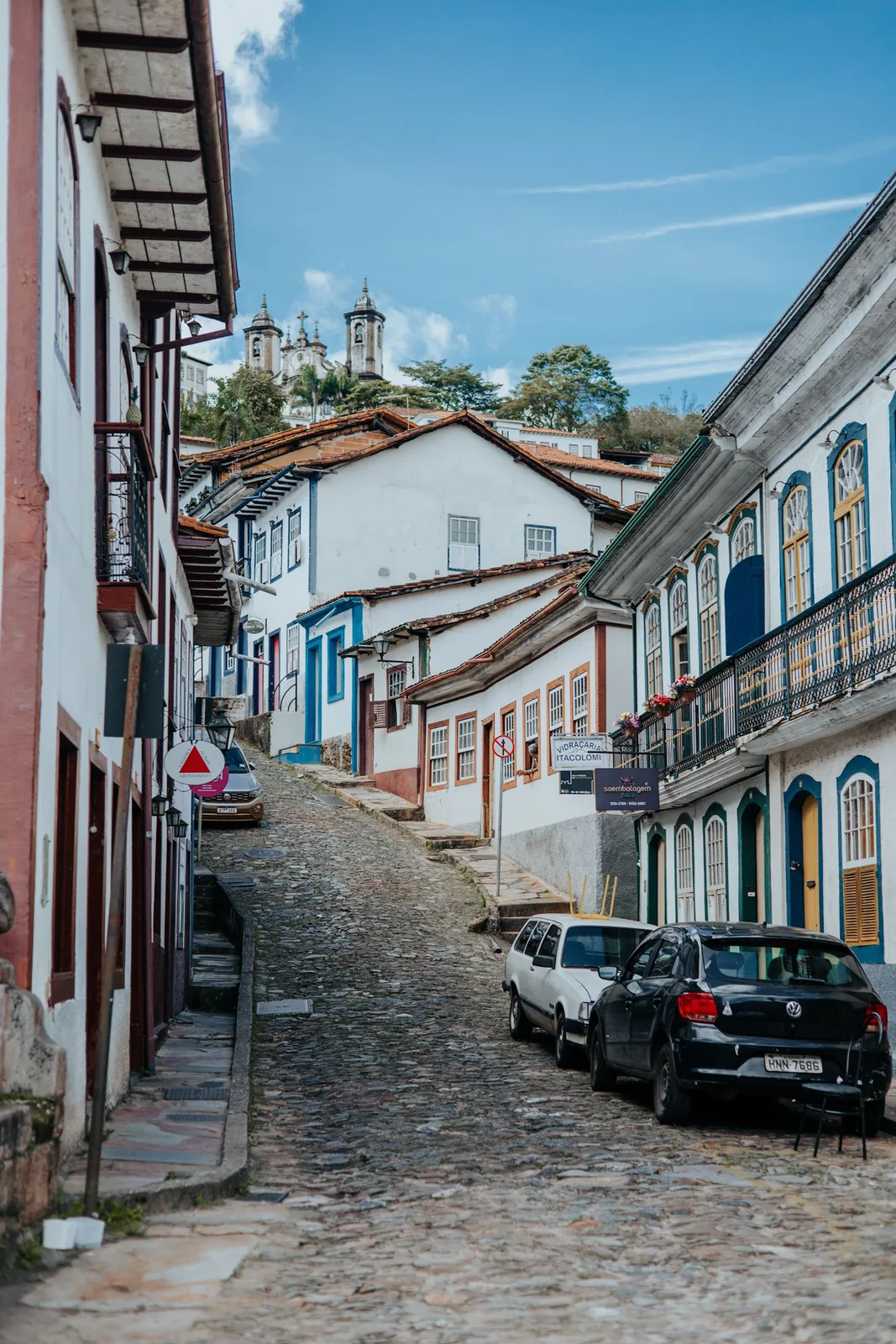
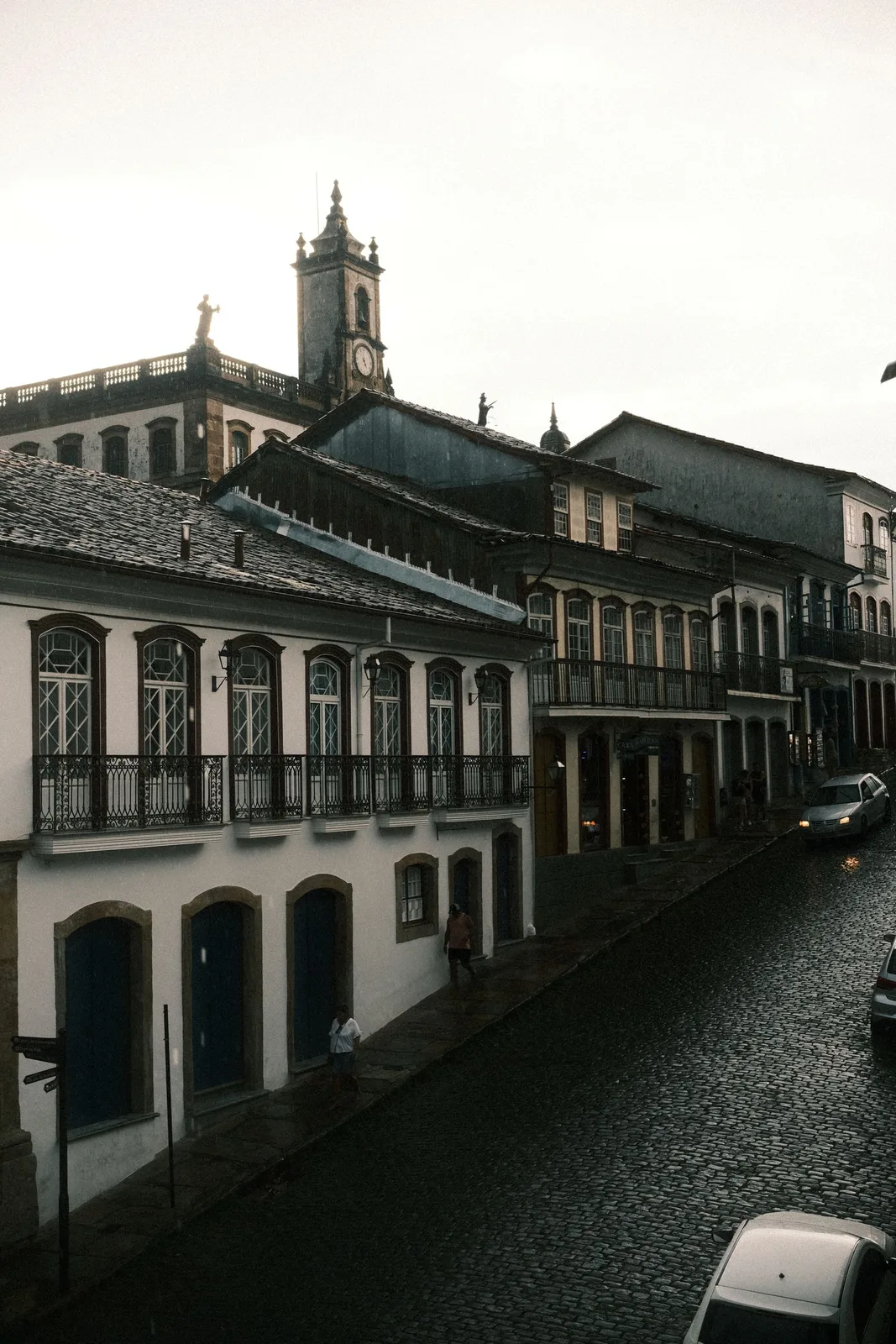
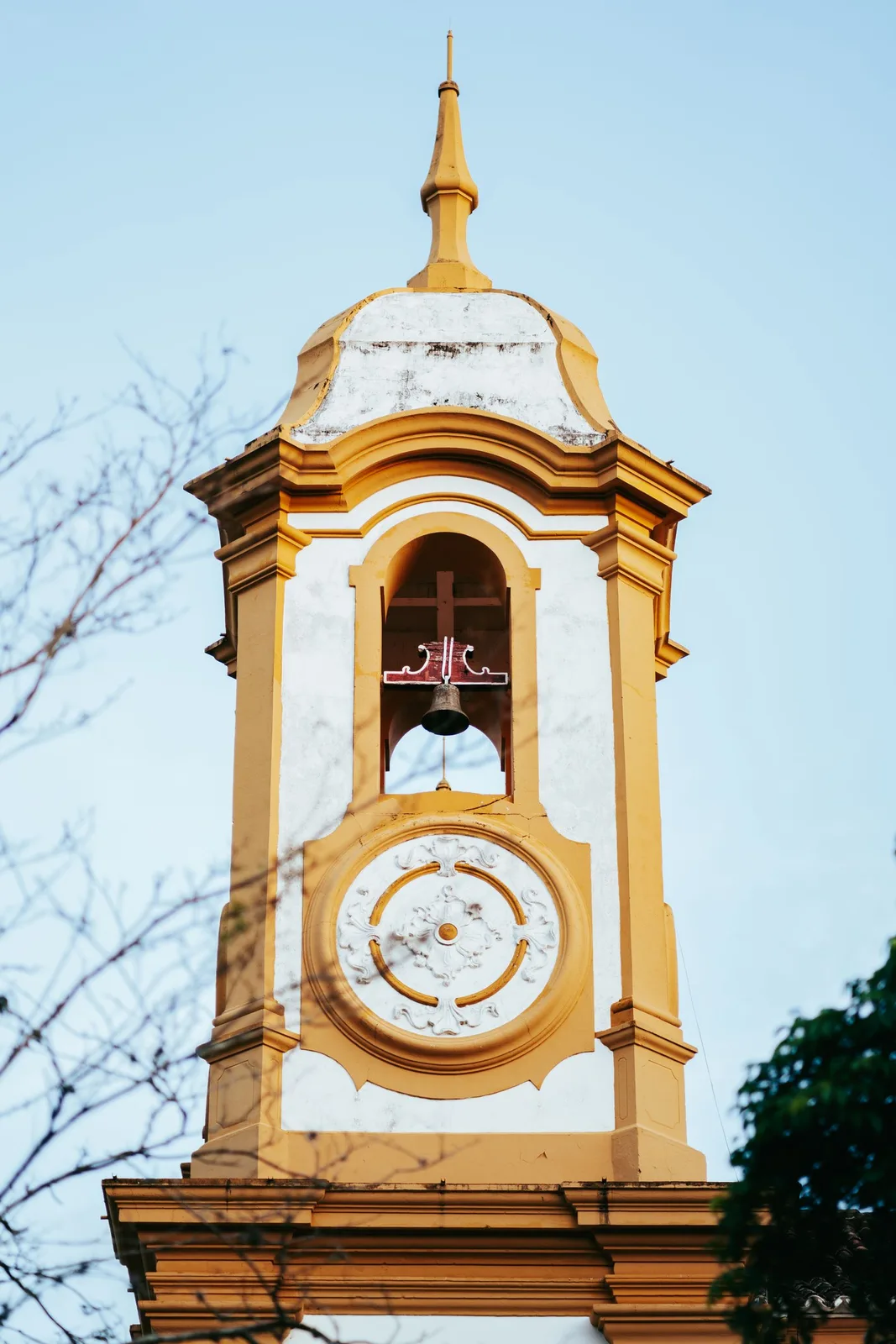
Once the heart of Brazil's gold and diamond mining, now a string of mountain towns with baroque churches and cobbled streets that have barely changed. Tiradentes and Ouro Preto lie within walking distance of each other, amid red earth and green hills.
Salvador da Bahia and the Nordeste coast
In Pelourinho, Salvador's historic quarter, the country's Afro-Brazilian heritage is at its most tangible: in the food, the music and the churches. Further north the coast stretches along endless beaches and fishing villages that barely make it onto a map.
The Pantanal
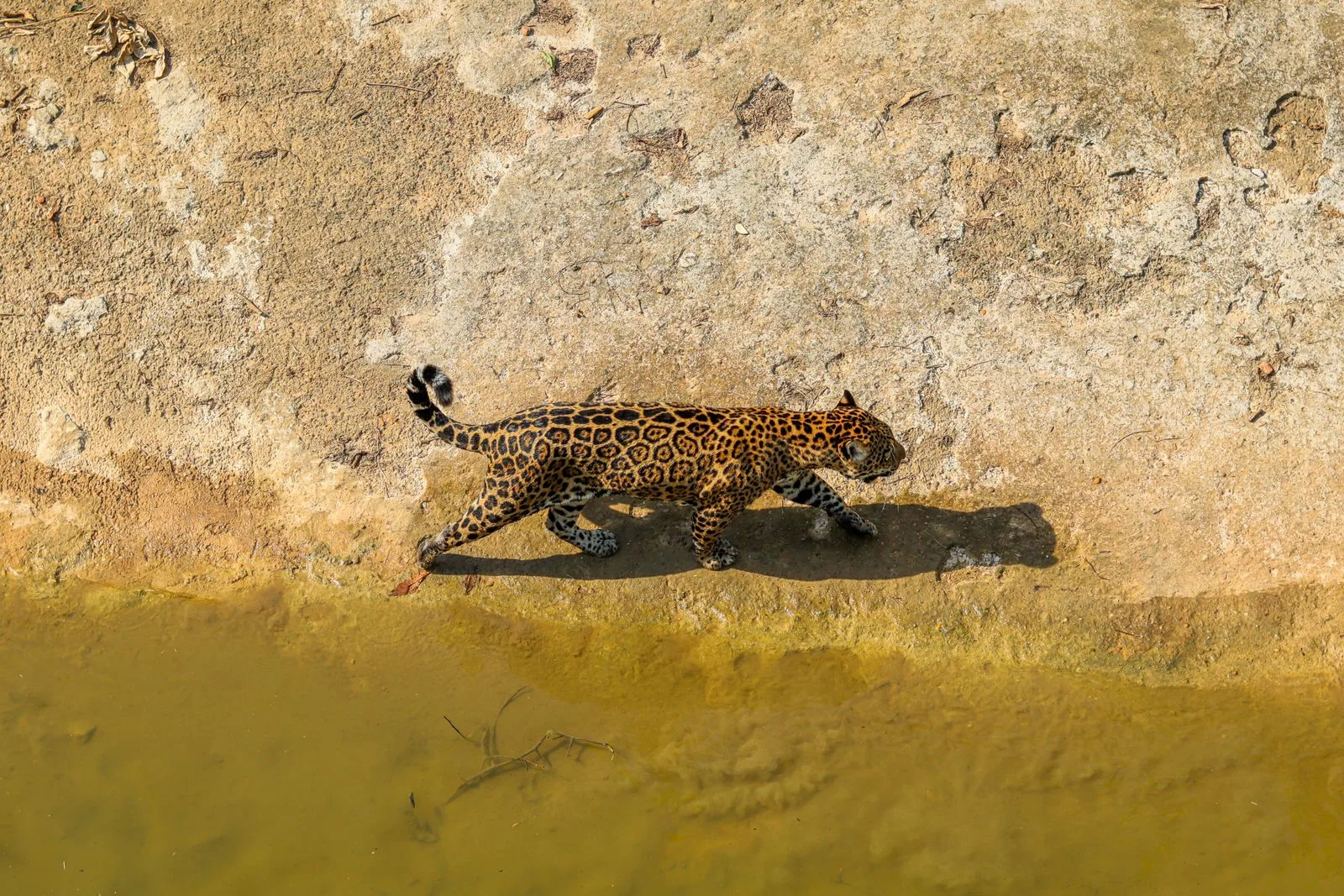
This is the largest tropical wetland on Earth, and the most reliable stretch of South America for spotting a jaguar in the wild. Outside the dry season the landscape transforms completely, with most of it under water.
Rio de Janeiro and the Mata Atl\u{00e2}ntica
Rio is the city where rainforest, granite and ocean meet within a square kilometre. Behind the well-known beaches lies the Tijuca forest, one of the largest urban rainforests in the world, with views few cities can match.
S\u{00e3}o Paulo
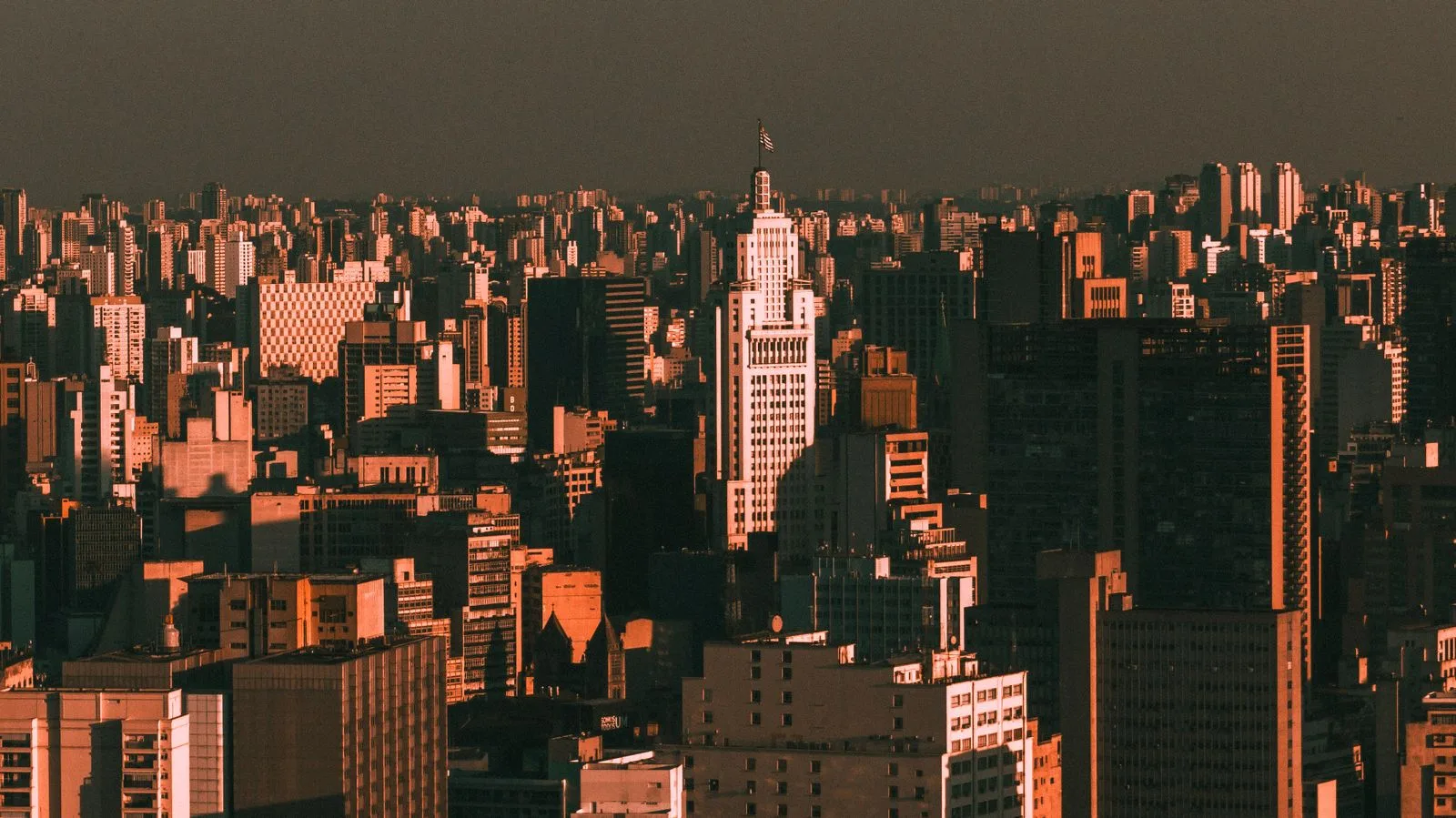
No beach, no skyline postcard, but the city where Brazil's food, art and immigration history come together most closely. Spend a few days across the neighbourhoods of Vila Madalena and Liberdade, and you'll taste a different Brazil than the coast reveals.



Three ecosystems, three rhythms
The Amazon
More species live here than anywhere else on Earth, but most of them don't show themselves easily. Patience and a good guide make the difference between a walk through the forest and an actual encounter.
The Pantanal
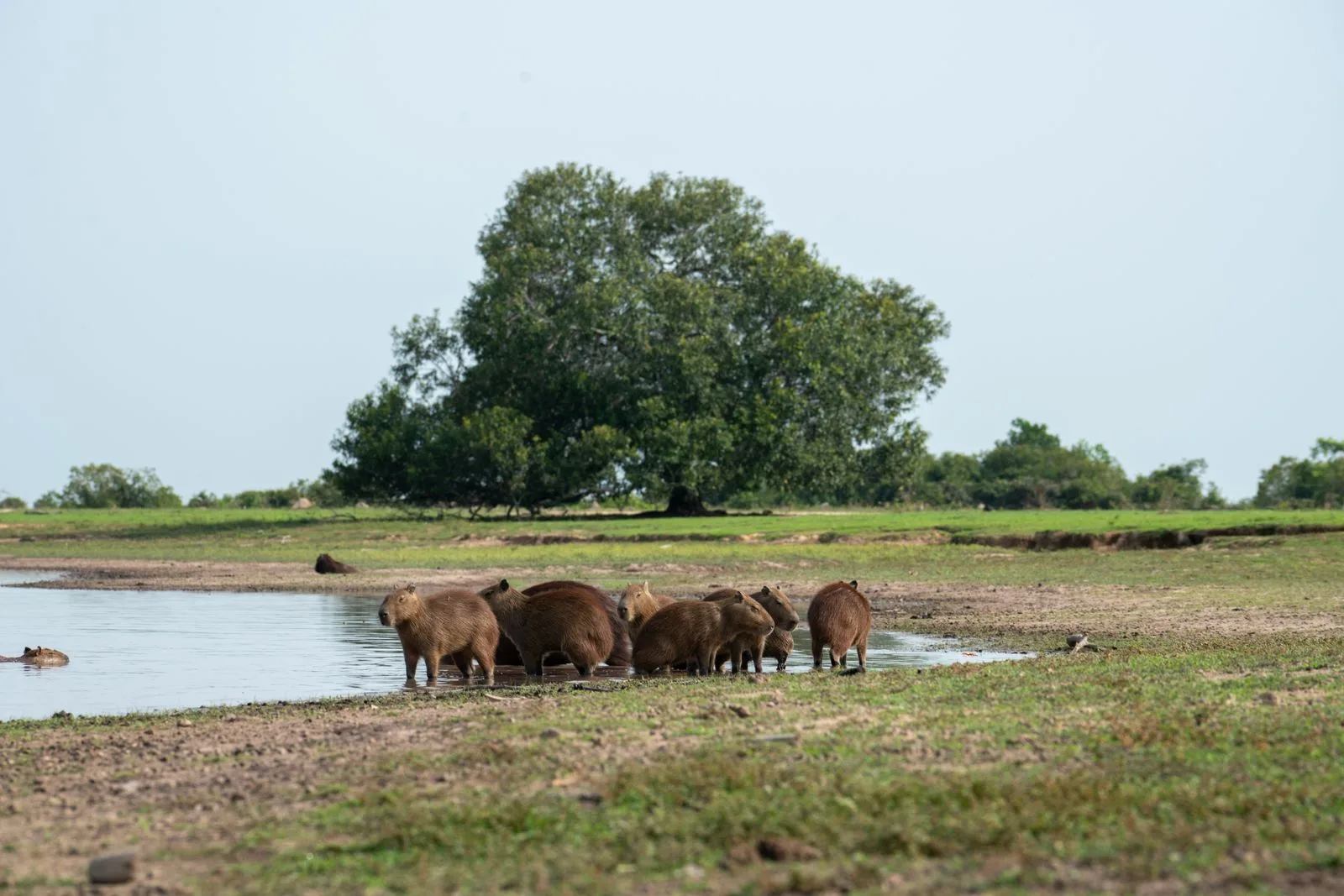
Where the Amazon conceals, the Pantanal reveals. Open plains and waterways make this the best place in the world to spot jaguars, capybaras and macaws in the wild.
Fernando de Noronha
An archipelago two hours' flight from the coast, where sea turtles and dolphins come closer to shore than anywhere else in Brazil. Access is limited, which keeps the island unusually quiet.
Brazil is not a destination.It is a choice of which Brazil you want to see.


What's possible here, not what's compulsory
No fixed itinerary, but directions worth thinking about.
Days on the water in the Amazon
By canoe or river boat, staying overnight in a lodge or with a local family. Here, the river's rhythm sets the pace of the day.
Spotting jaguars in the Pantanal
Boat trips in the early morning and late afternoon, when the chance of catching a glimpse of the animal is highest.
Baroque stillness in Minas Gerais
Walking cobbled streets and churches lined with gold leaf, in mountain towns where time has visibly stood still.
Capoeira and cuisine in Salvador
Tasting, hearing and seeing the country's Afro-Brazilian history in the streets of Pelourinho.
Diving at Fernando de Noronha
A protected marine reserve with underwater visibility unmatched anywhere along the Brazilian coast.
These are directions, not a route. What you end up doing, we build around what drives you.
Morning mist over the rainforest near Manaus, before the river wakes.



When to travel
There is no single right time for the whole of Brazil. The country is too vast and too spread across climate zones for that. For the Amazon and the Pantanal, the dry season, from May to September, is when wildlife is easiest to see.
The Nordeste coast around Salvador is pleasant almost year-round, with the wettest months between April and July. Rio and Minas Gerais are at their best in the cooler, drier months, from April to October.
Best time to visit Brazil
Who else is at their best in these months?
May June July August September
Use the contact form to discuss your travel dates and preferences with us.
Practical, without the noise.
A few things that make planning easier.
Arrival
Direct flights land in S\u{00e3}o Paulo or Rio de Janeiro; domestic flights bridge the long distances from there.
Documents
Which travel documents you need depends on your nationality, and entry rules change regularly. We go through the current requirements with you before you leave.
Health
A yellow fever vaccination is recommended for anyone visiting the Amazon or the Pantanal.
Distances
Brazil is larger than Western Europe. Expect domestic flights or long bus journeys between regions.
Language
Portuguese is the working language; English is not a given outside the big cities and tourist centres.
Between rainforest and ocean lies an entire continent of transitions.
Frequently asked questions
Can Brazil be combined with other countries in the region?
Certainly. The Igua\u{00e7}u Falls sit on the border with Argentina, and the Pantanal borders Bolivia. For some regions, a combined trip is a logical step.
What about safety in the big cities?
As in any major city worldwide, Rio or São Paulo call for an ordinary level of alertness. With the right local guidance and knowledge of which neighbourhoods to visit when, that's easy to manage.
Is the Amazon accessible year-round?
Yes, but the experience changes considerably with the water level. In the wet season you paddle among the treetops; in the dry season you walk paths that are otherwise underwater.
How much time do you need to see Brazil properly?
Given the distances, less is often more: visiting two or three regions in depth works better than a country full of flight tickets.
- Flight time
- About 11 to 12 hours, direct to S\u{00e3}o Paulo or Rio de Janeiro
- Languages
- Portuguese; English mainly in the big cities and tourist centres
- Time difference
- 4 to 6 hours behind Belgium, depending on region and season
- Size
- About 280 times the size of Belgium, from tropical rainforest to a subtropical south
- Best time to travel
- Varies strongly by region. Somewhere in Brazil, it's always the right time