
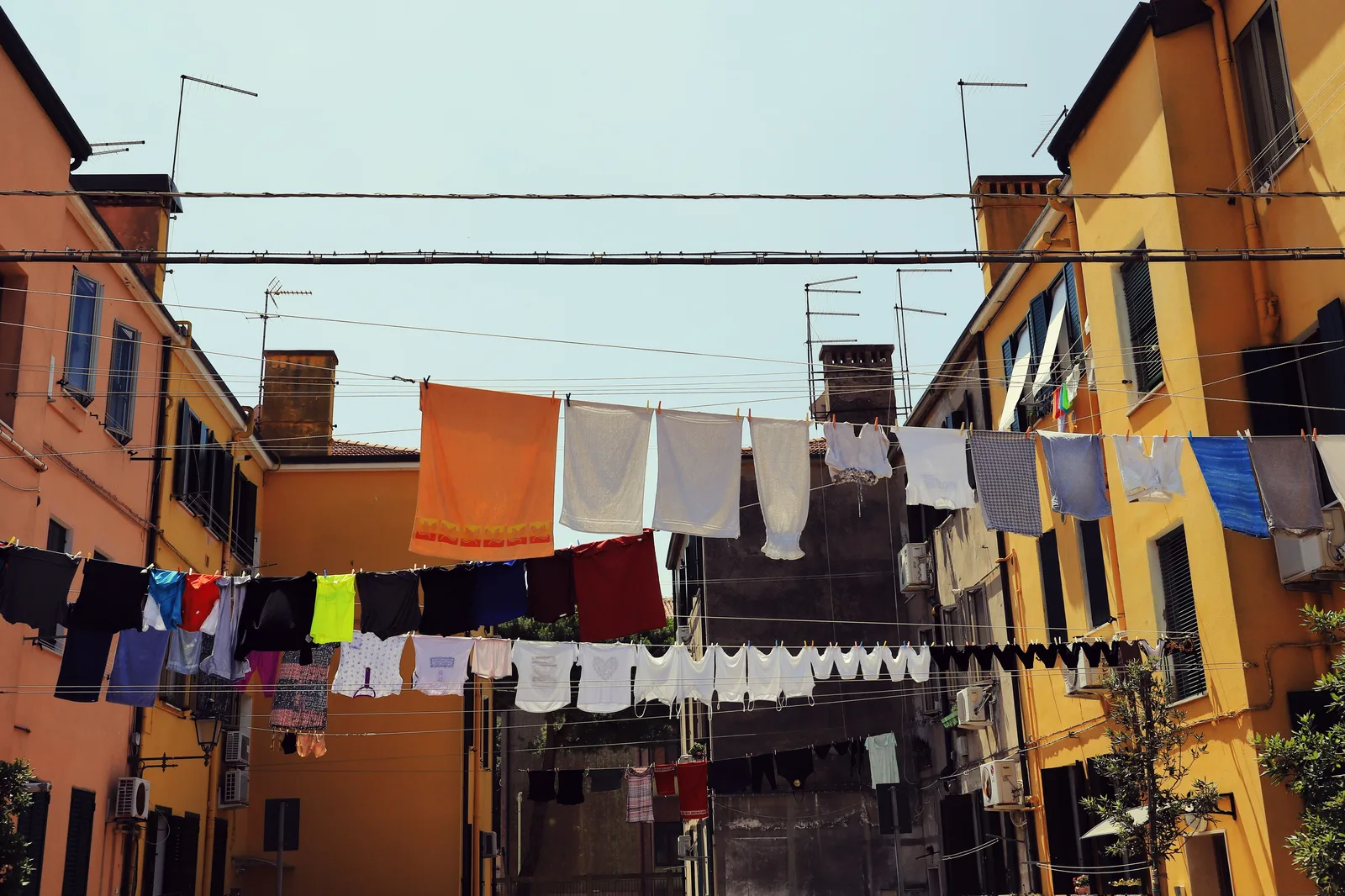
Beauty here is not the exception. It's the habit.
Italy isn't one country. It's twenty, which happen to share a border.
It shows in the smallest things, from a kitchen table to a piazza façade. A blue door that's had the same coat of paint for three generations, washing hung out to dry between two façades as if it were a flag, a church with no queue outside where the altar boy still carries the key in his trouser pocket. No one points it out. It doesn't need admiring to be true.
What most trips overlook is that Italy isn't one country but a collection of countries that happen to share a border. Piedmont eats, drinks and talks differently to Puglia, and Sicily has more in common with North Africa than with Milan. So we don't cram three cities and two coastlines into one trip. We choose one, perhaps two regions with you, and let you actually land there.
In short
Best time to go
April and May, and September and October: long light, pleasant temperatures and terraces that are not yet full. July and August are hot in the cities and busy on the coast, because that is when Italy itself goes on holiday.
How long
Ten days to two weeks for one, at most two regions. Try to fit more into one trip and you mostly spend time on the road rather than at the table or on the piazza.
Who it suits
For travellers who would rather get to know one region well than tick off cities: food and wine from the people who make them, villages away from the tourist centres, walking in the Dolomites.
What sets it apart
Italy has only been a single state since 1861, and it still shows: twenty regions, each with its own cuisine and dialect, and in South Tyrol and the Aosta Valley German and French are official alongside Italian.
Twenty countries on one passport
Italy resists a summary. Every region has its own kitchen, its own pace, and its own way of looking at the light.
Piedmont
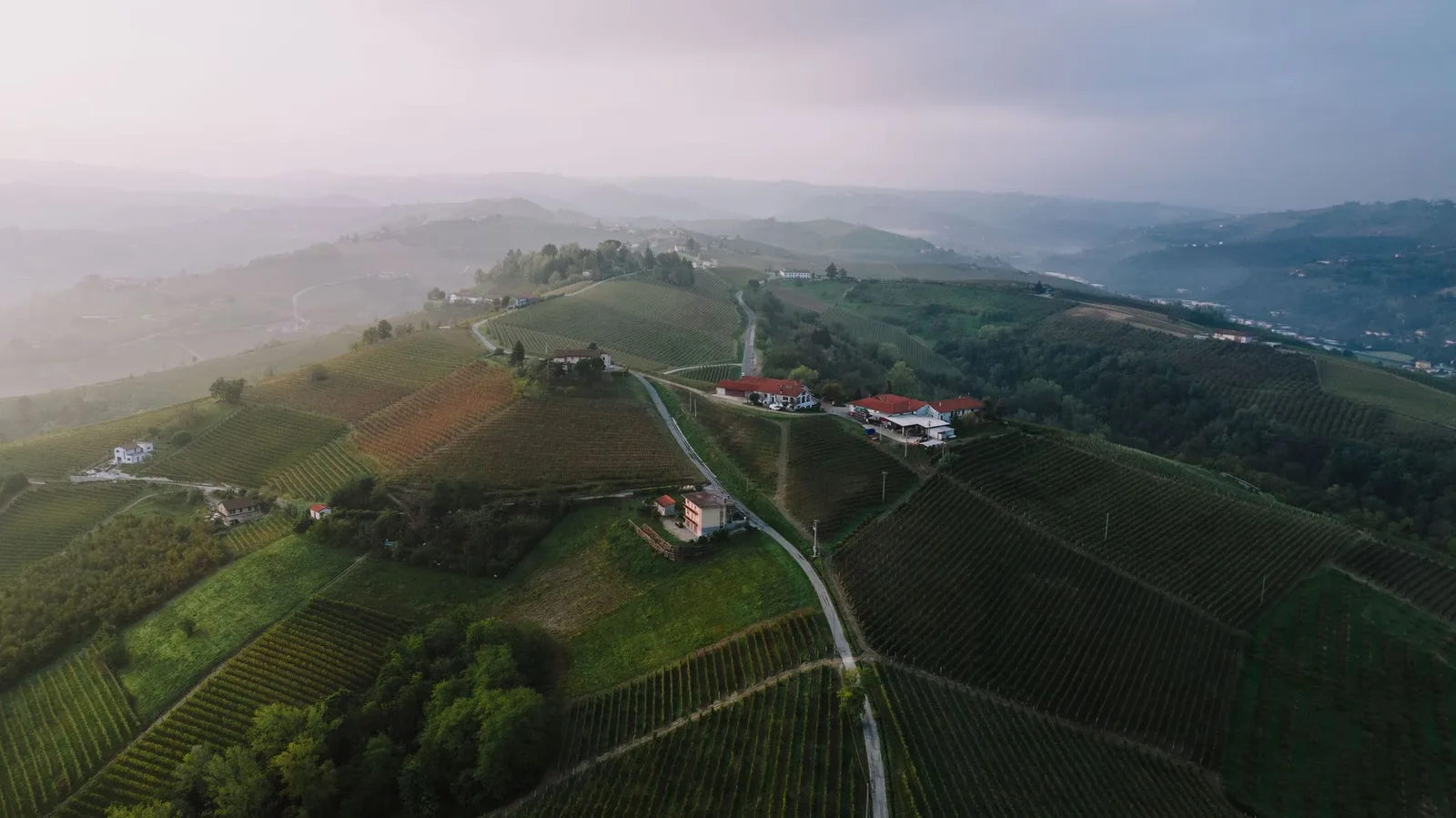
Misty hills thick with Nebbiolo vineyards, a kitchen built around truffle and hazelnut, and cities like Turin that have never needed to prove themselves to tourists.
Tuscany & Umbria
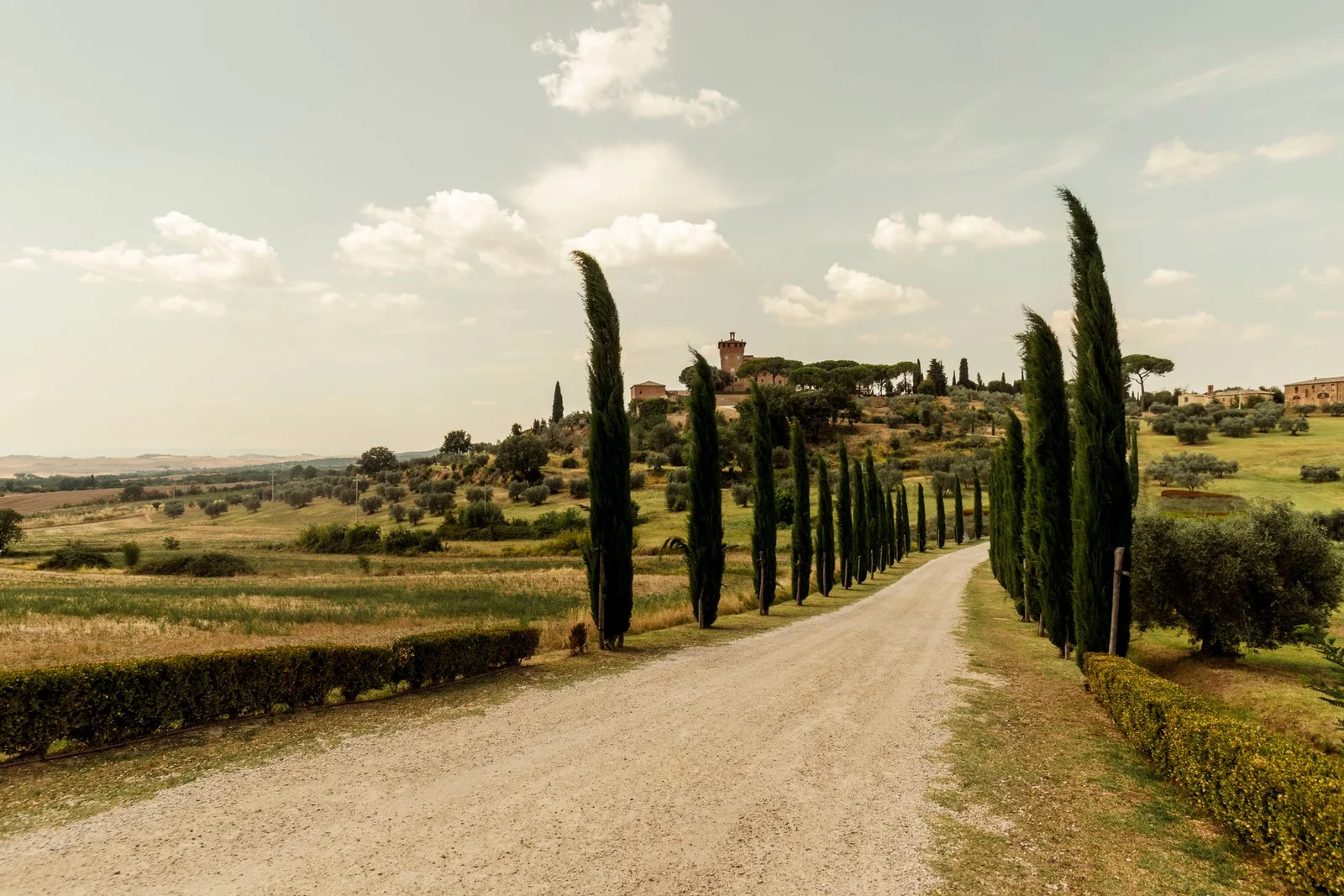
Tuscany gets the cameras, but neighbouring Umbria has the same rolling hills and medieval towns, without the crowds. Two regions best not squeezed into the same week.
Dolomites & South Tyrol
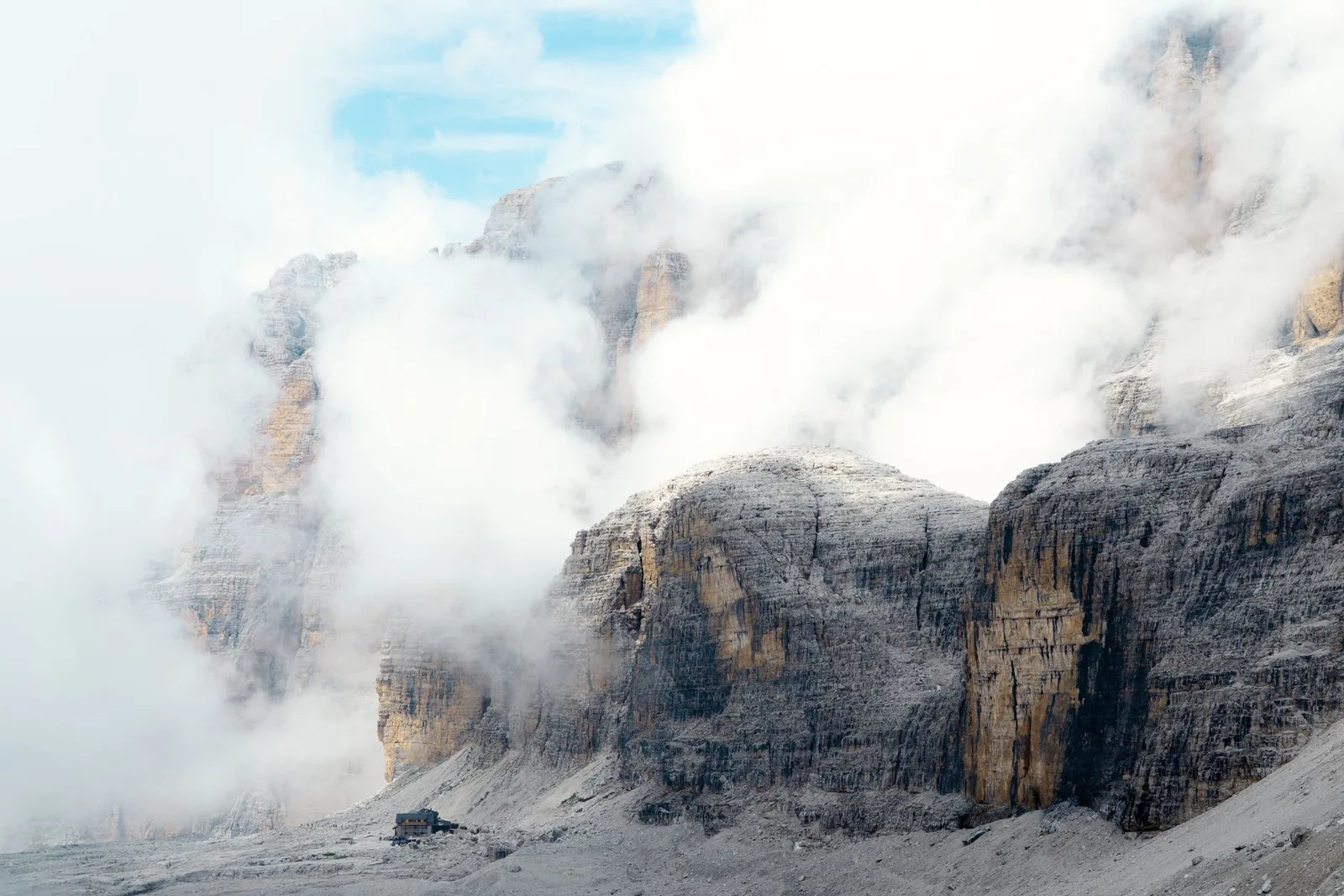
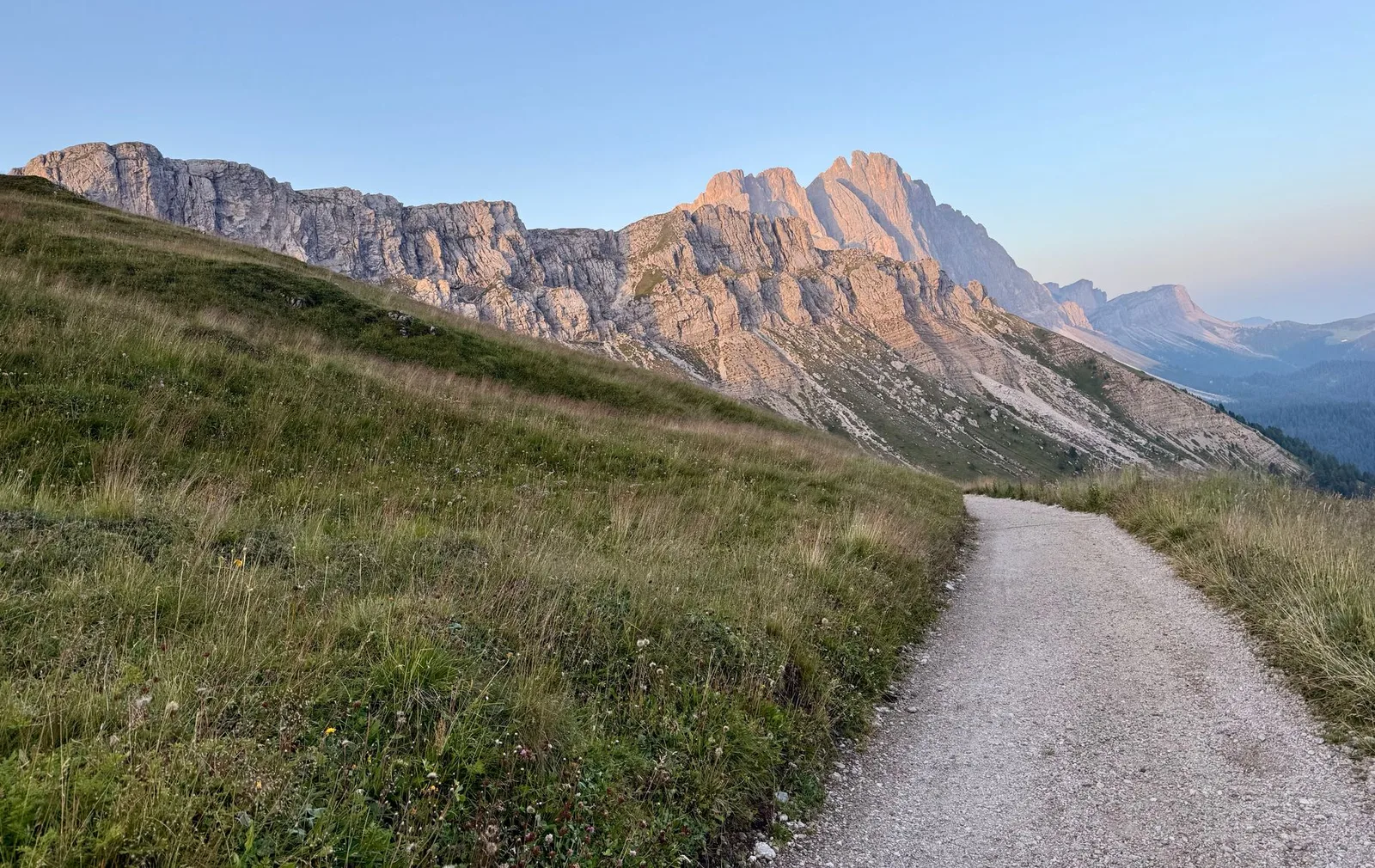
Limestone peaks that turn pink in the morning, villages where the menu reads as easily in German as in Italian, and trails shepherds were already walking a century ago.
Puglia
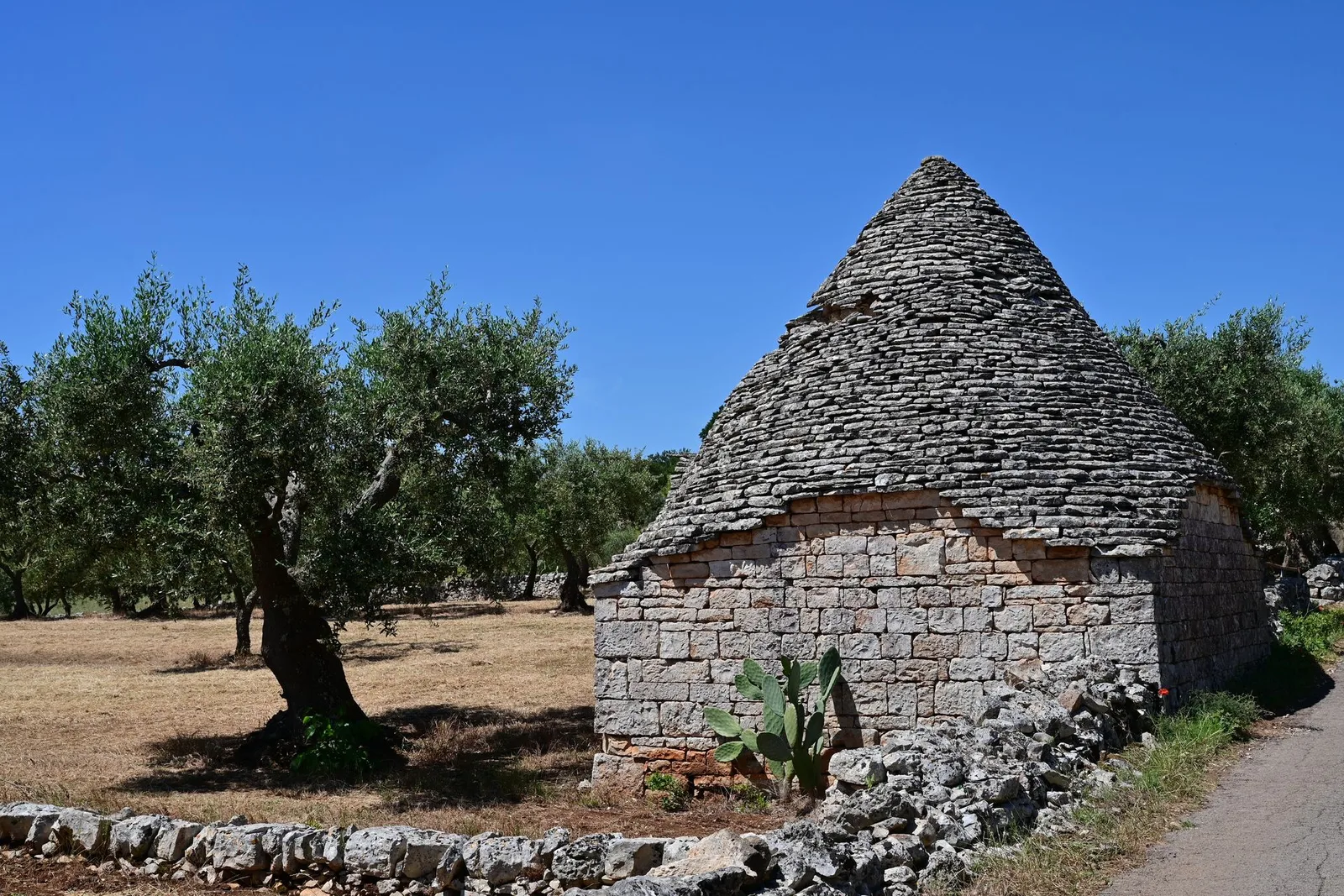
The heel of the boot, with conical trulli, olive trees so old no one counts their age any more, and an Adriatic coast that lives at a slower pace than the Amalfi Coast ever did.
Sicily
Greeks, Arabs, Normans and Spaniards all left something behind: in the kitchen, the architecture, the dialects. Etna still smokes on, as if nothing were out of the ordinary.
Rome & Lazio
Another century lies beneath every street. Stay a few days longer than the obligatory monuments demand, and you find a city of neighbourhoods, morning markets and steps no one is sitting on, waiting for you.


Food here is not a sight to see
In Italy, the calendar on the table decides what happens that day, not the other way round. A pasta shape belongs to a province, not a country; a cheese ages in the cellar of the same family that started it three generations ago. The trattoria with no menu, where you eat whatever the owner's mother found at the market that morning, still exists. You just shouldn't go looking for it with a guidebook in hand.
We don't book 'authentic' dinners. Our local experts have known the people behind the counter for years, and bring you along when it fits: at harvest time, on market day, at a table really set for the family. No photo opportunity, just pulling up a chair.
Italy doesn't put on a show.It simply carries on living. And all we ask is a seat at the table.
Why we look at Italy differently
One country, twenty identities We build a trip around one region, at most two, not around a list of cities. Visiting Piedmont and Sicily in the same week says as much about Italy as Norway and Greece in one trip through Europe.
Craft over attraction Watching a glassblower at work on Murano says more about Venice than an hour's queue for a basilica. Our local experts know the people, not just the opening hours.
Slowness is the offer, not a compromise A day with no fixed programme is not a wasted day in Italy. It's how the country itself lives. We deliberately plan in space, not filler.
The big three are a choice, not an obligation Rome, Florence and Venice earn their reputation, but they do not automatically belong in every trip. If Umbria or the Marche suits you better, we simply suggest that instead.
Hands that know
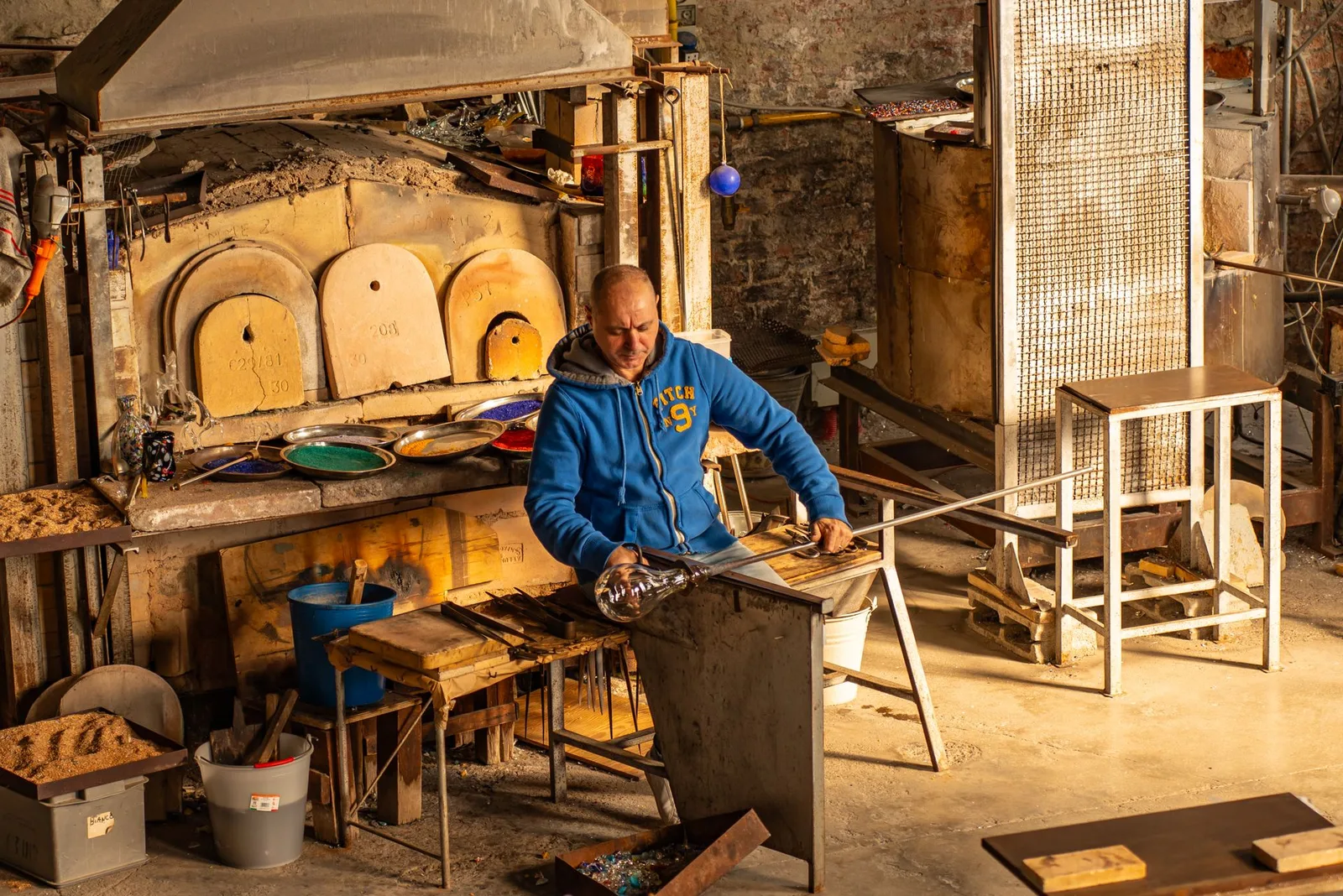
The glassblower of Murano
Five generations, the same furnace, the same family name above the door. He works early in the morning, before the day-trippers arrive from the mainland.
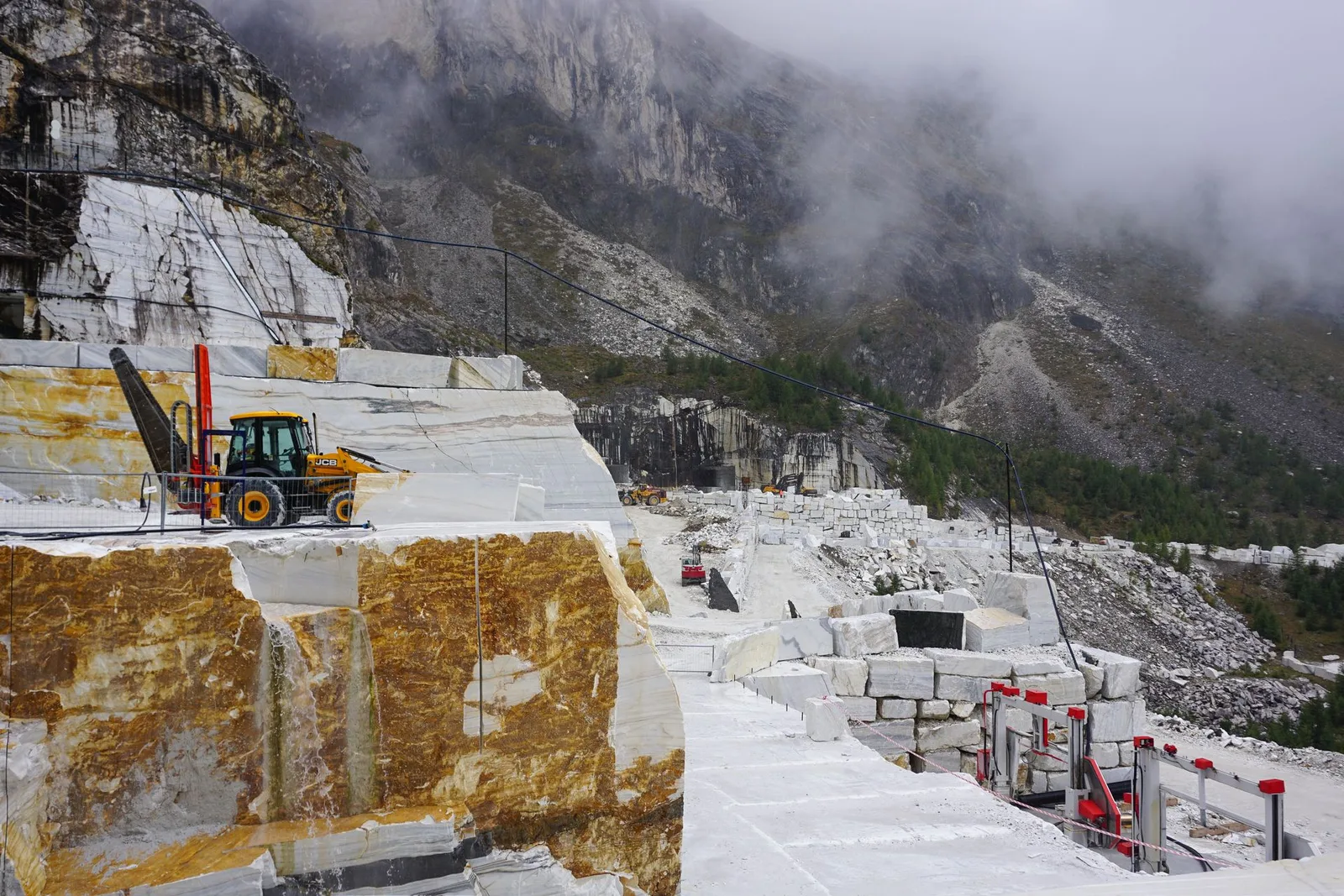
The marble cutter of Carrara
In the quarries above Carrara, marble is still cut the way it was centuries ago. Only the saw is diamond now. The dust turns the mountains white, summer and winter.
The cheesemaker of the Po Valley
Already at work by five in the morning, with milk still warm from the cow. A wheel of Parmigiano Reggiano ages for two years in the same cellar where his father learned the trade.
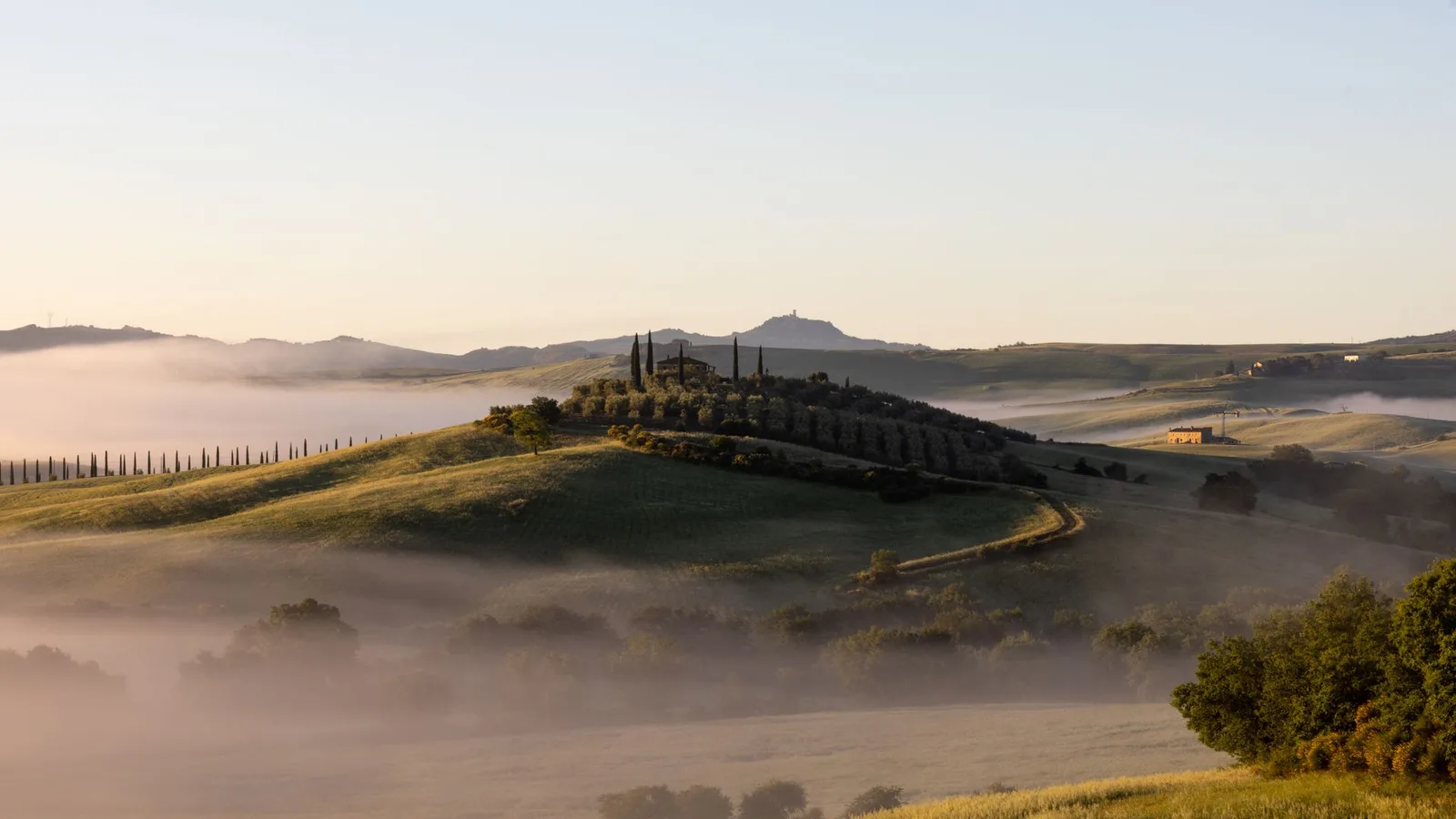
Morning light over the Val d'Orcia, half an hour before the first coach arrives.
What's possible
No day-by-day programme, but a range of possibilities. You choose what suits your pace.
A truffle hunt at sunrise
Into the woods of Piedmont with a trifolau and his dog, before the dew has lifted. Whatever's found reaches the table that same afternoon.
Sailing the Ligurian coast
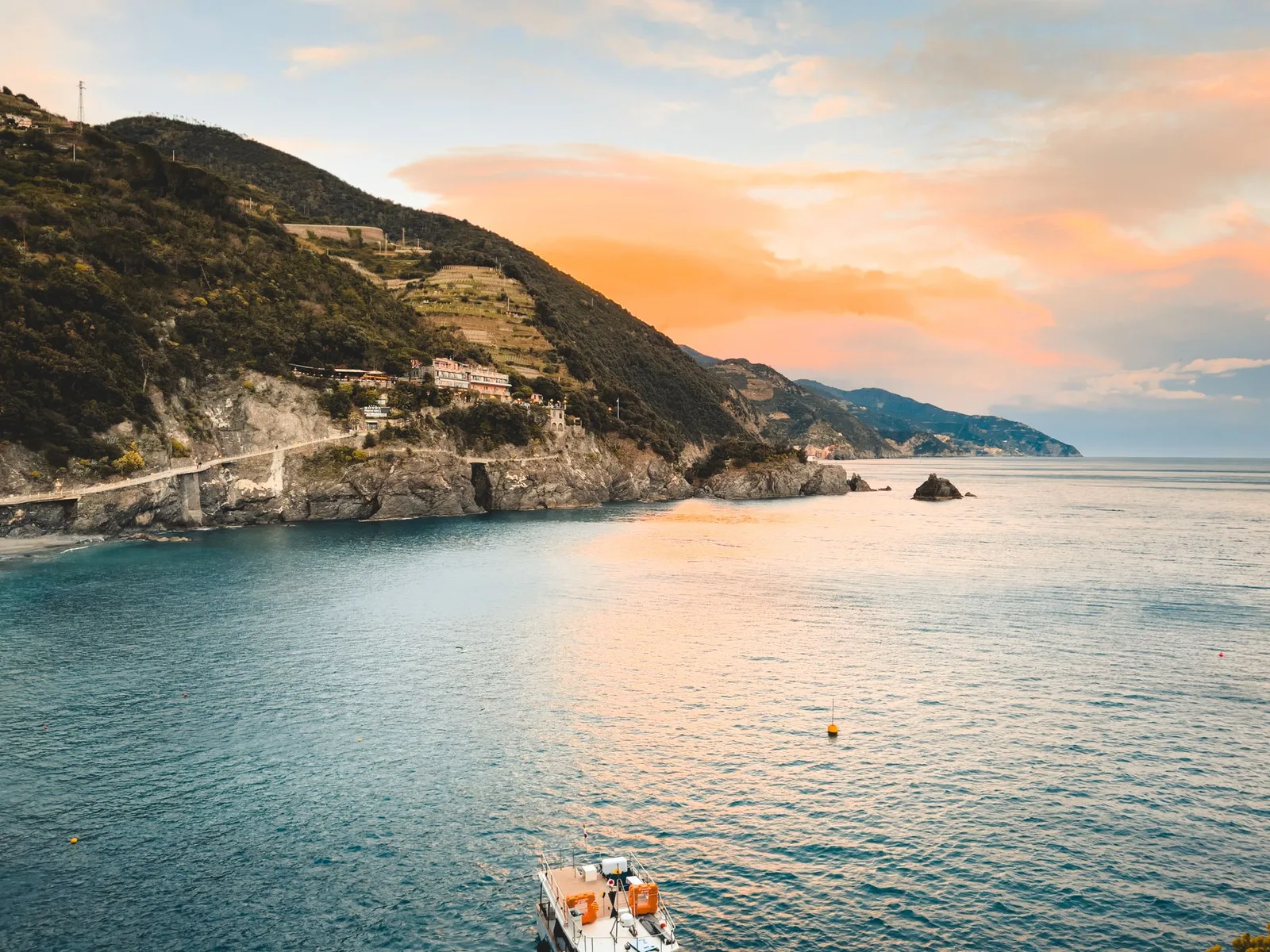
Approaching the Cinque Terre from a small harbour, the way they were meant to be seen: from the water, without the steps and crowds of the walking trail.
A morning in a restoration studio
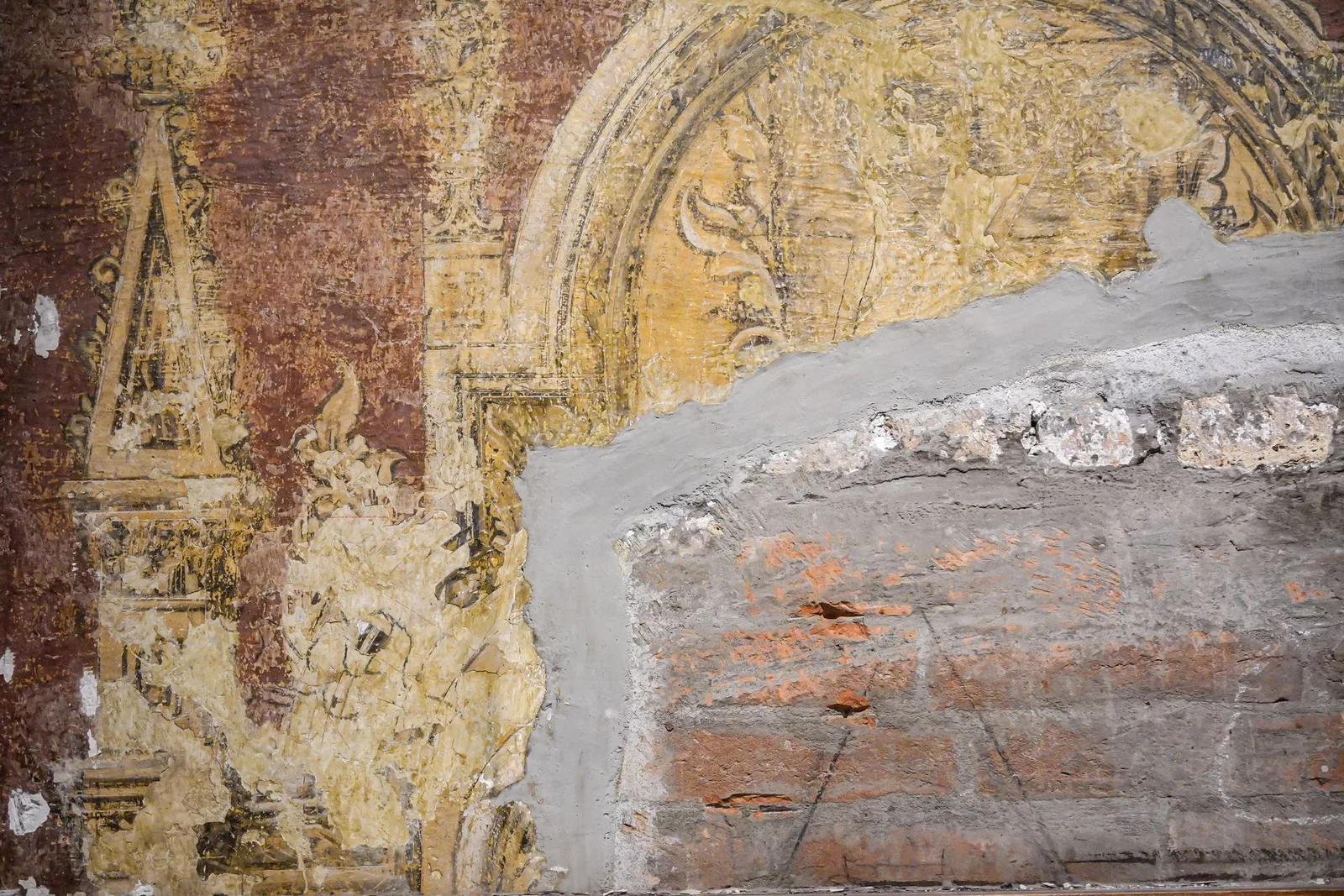
In Florence, restorers have spent decades on work that never seems finished. A visit shows just how much patience sits behind every restored fresco.
Joining the grape harvest
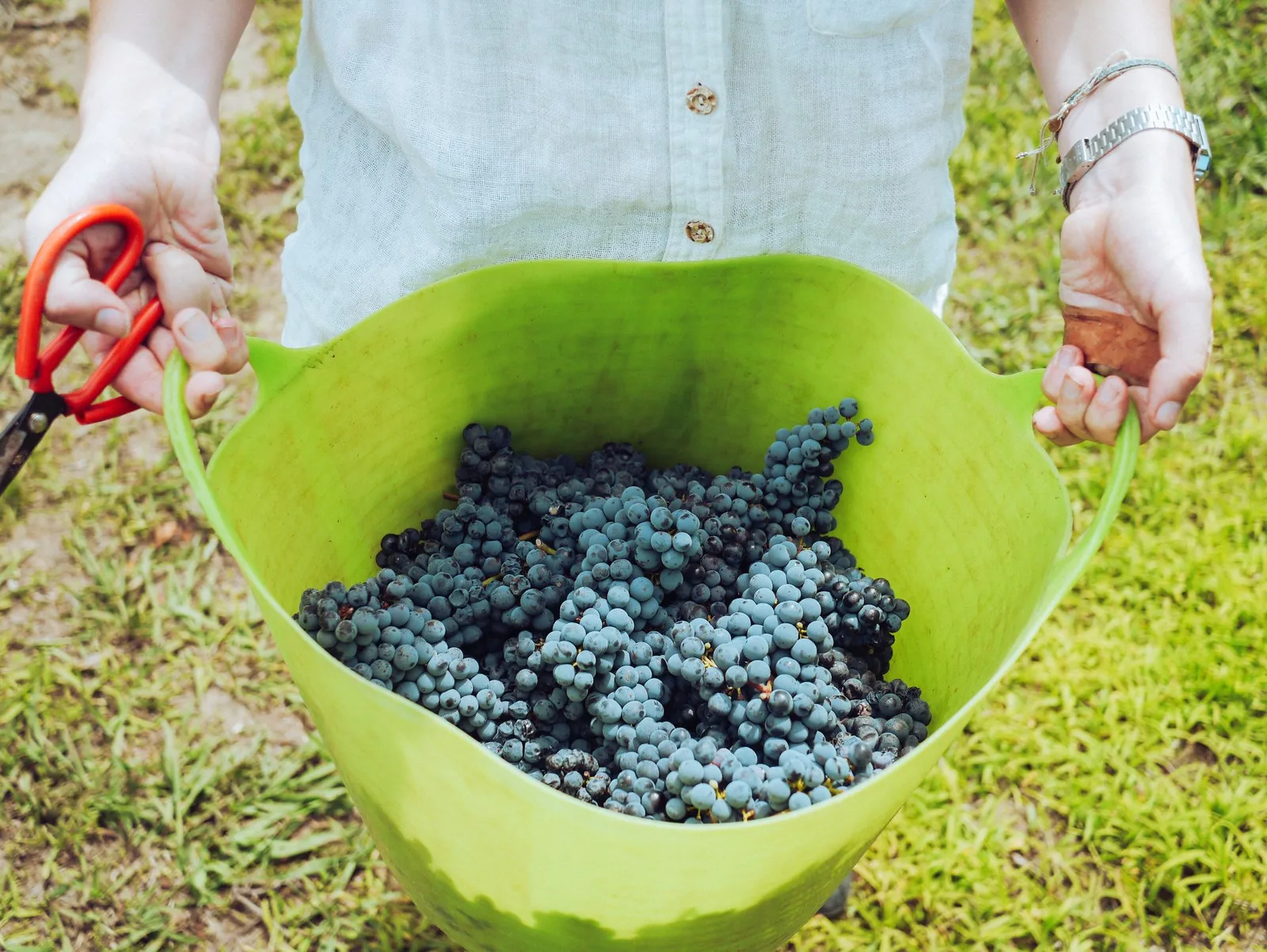
Helping with the picking in the Langhe or Chianti, hands stained purple by the end of the day. The glass that follows in the evening tastes different when you have earned it.
Walking among the Dolomite peaks
Via rifugi that have welcomed walkers for a hundred years, far from the cable cars. Setting off early often means having the whole ridge to yourself.
These are directions, not a fixed route. We suggest what suits the pace you're looking for.
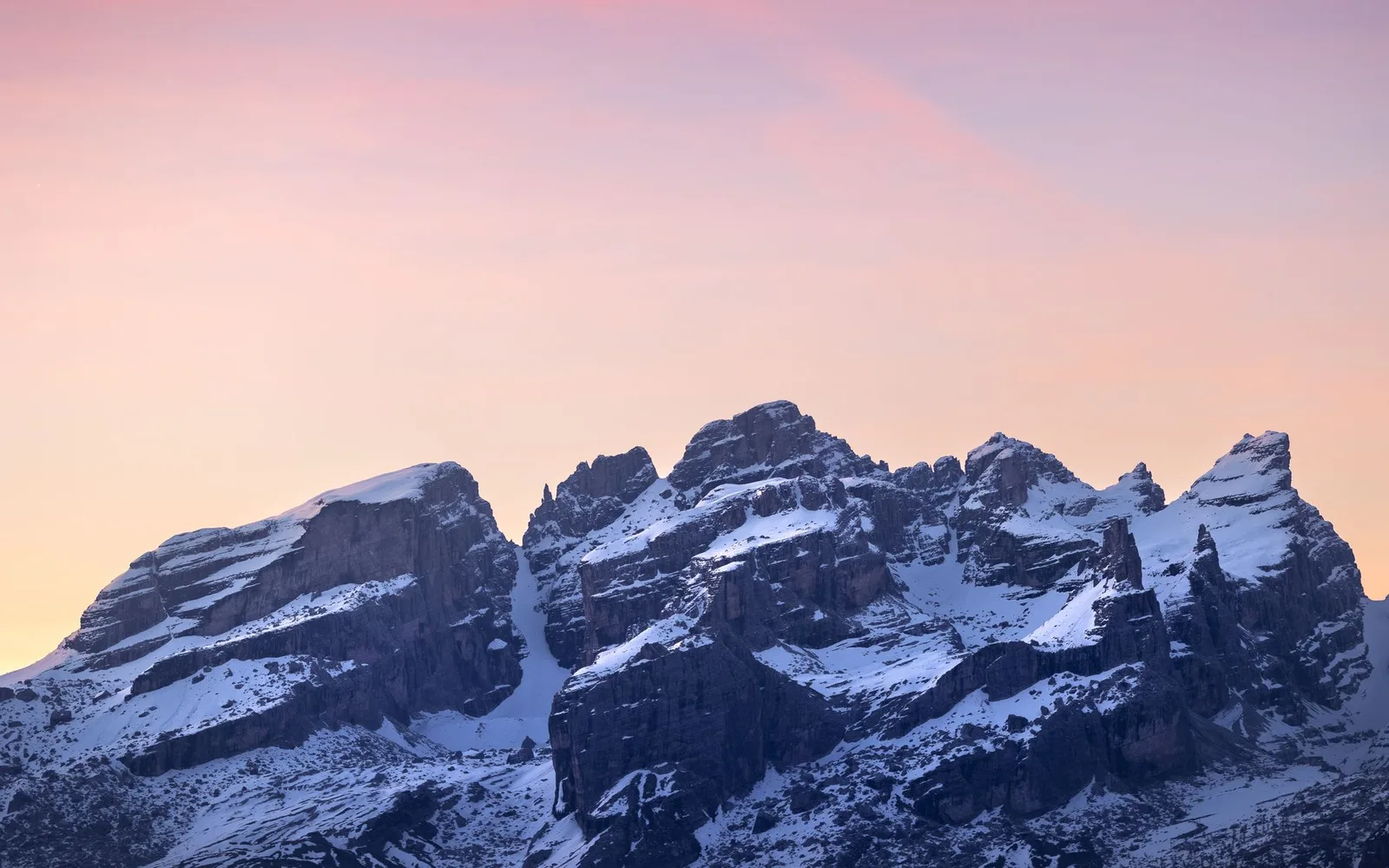
From volcanic soil to snow-capped summit, the same passport, two different worlds.

When to travel to Italy
July and August are the months when Italy itself goes on holiday: the coast is packed, the cities are hot, and plenty of family-run businesses close their doors just then. Anyone after the calm this country is known for does better at the edges of the season.
April to June and September to October offer the best of both worlds: long light, terraces not yet overrun, and temperatures that make a walk in the Dolomites or a day among the vineyards a pleasure rather than an ordeal. December brings a completely different mood, especially in the north, with Christmas markets in South Tyrol and a calm in the cities the summer never sees.
Best time to visit Italy
Who else is at their best in these months?
April May September October
Use the contact form to discuss your travel dates and preferences with us.
Practical, without the noise.
Italy is close and familiar, but twenty regions mean choices have to be made.
Getting there
Alongside Rome and Milan, direct flights serve Pisa, Verona, Bari, Catania and Bolzano, often closer to your destination than the capital.
Documents
Italy is an EU member state: a valid identity card is enough.
Health
No vaccinations required, good medical care available everywhere.
Pace
With twenty regions, the temptation to see too much is real. We recommend choosing at most two.
Language
A few words of Italian open more doors than flawless English, especially outside the big cities.
Frequently asked questions
Do we need to speak Italian?
Not necessarily, certainly not in the big cities. But a few words of Italian noticeably open more doors, and more hearts, outside the tourist centres.
Can you take us to lesser-known places too?
That's exactly what our local experts are for. From a village in the Marche to a winemaker in Basilicata, if it's worth the visit, they know it.
Is summer too hot to travel?
July and August can indeed be tough, especially in the south and in the cities. We'll often suggest the mountains instead, or moving the trip to spring or autumn.
Do you also go to the islands, like Sicily or Sardinia?
Certainly. Both islands have a character entirely their own and deserve a trip in their own right, rather than a day trip from the mainland.
Can we combine several regions?
It is possible, but we rarely recommend it. Italy rewards those who stay. Two regions properly explored say more than five seen in passing.
- Flight time
- About 2 hours from Brussels, with regional airports as far as Puglia, Sicily and South Tyrol
- Languages
- Italian everywhere, German and Ladin in South Tyrol, French in the Aosta Valley
- Time difference
- None: same clock as home
- Elevation range
- From sea level to over 3,300 metres in the Dolomites
- Best time to travel
- April to June, and September to October