
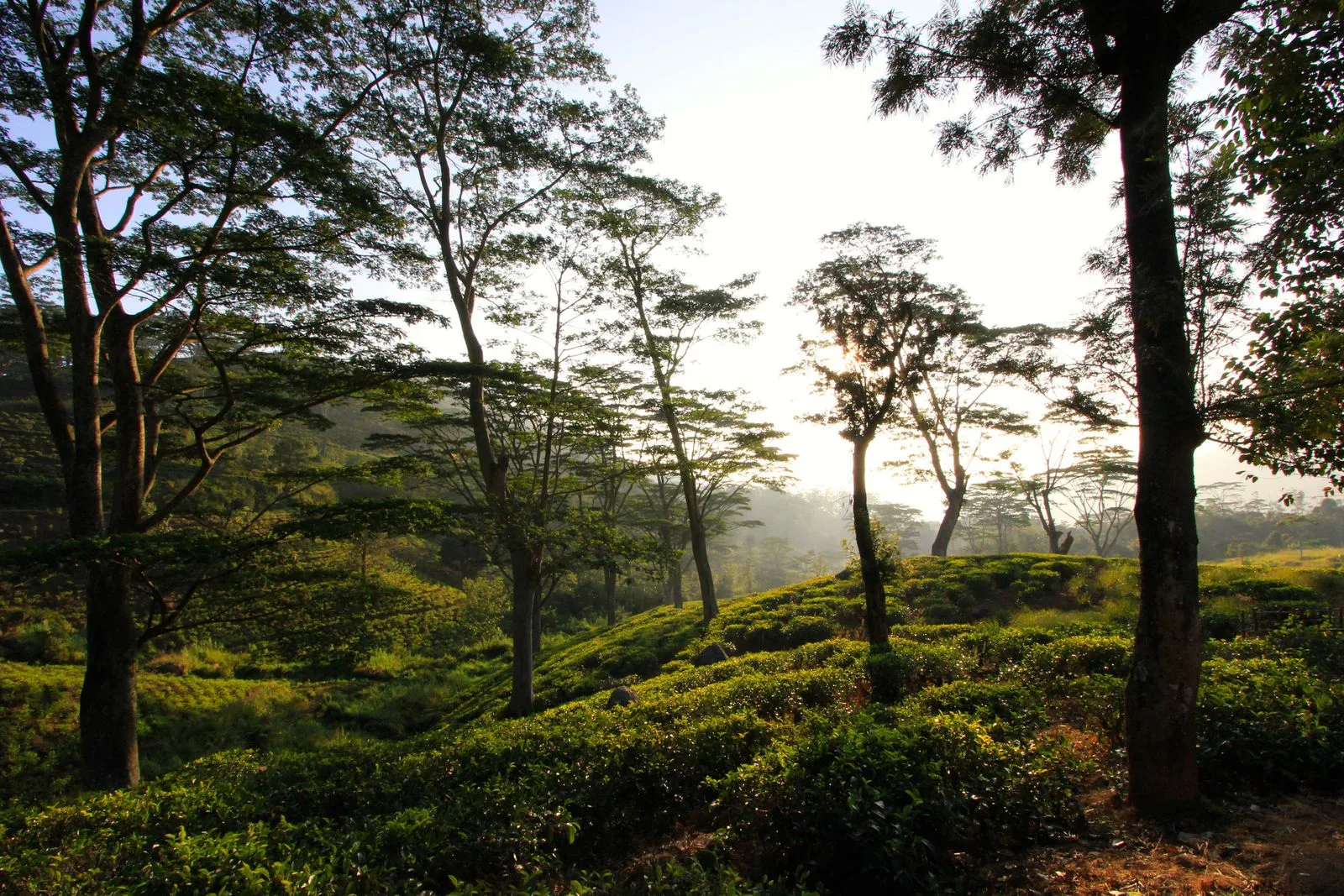
An island that behaves like a continent.
Sri Lanka is roughly twice the size of Belgium. Yet it holds tropical coastline, cool highlands where you reach for a jumper in the evening, dry plains roamed by elephants, rainforest among the oldest in Asia, and cities that are two thousand years old.
That density is the great advantage. Where India or Indonesia would cost you days in transit, here you can drive from a beach to a tea estate at two thousand metres in three hours. That makes the island exceptionally well suited to anyone who wants to see genuinely different worlds within a fortnight.
It is also a country with a complicated recent history: a civil war that lasted until 2009, a tsunami, and economic crises that cut deep. People speak openly about it, and the north and east, hit hardest and longest, are only now opening up to visitors.
What almost everyone mentions on their return is not the landscape but the warmth of the people.
In short
Best time to go
December to March is driest in the southwest and the hill country. From May to September it is the east coast's turn, while the south-west monsoon brings rain to the other side; October and November are wet on both coasts.
How long
Two weeks for three regions, such as the coast, the hill country and the ancient cities. On winding roads you average only forty kilometres an hour, so more regions mostly means more hours in the car.
Who it suits
Travellers who want tropical coast, cool tea hills, ancient royal cities and leopards in one trip, children included, and who enjoy sitting down to rice and curry along the way.
What sets it apart
An island just over twice the size of Belgium holds eight World Heritage Sites, from Sigiriya to the Sinharaja rainforest. Because two monsoons hit different coasts, there is a dry coast for most of the year.
Short distances, long drive times.
On the map, everything looks like it's around the corner. In practice, the average speed is low: winding mountain roads, villages you crawl through, and traffic that never hurries. A hundred and fifty kilometres can take four hours.
That's not a problem as long as you know it in advance. It becomes one when an itinerary is planned as if the distances were European.
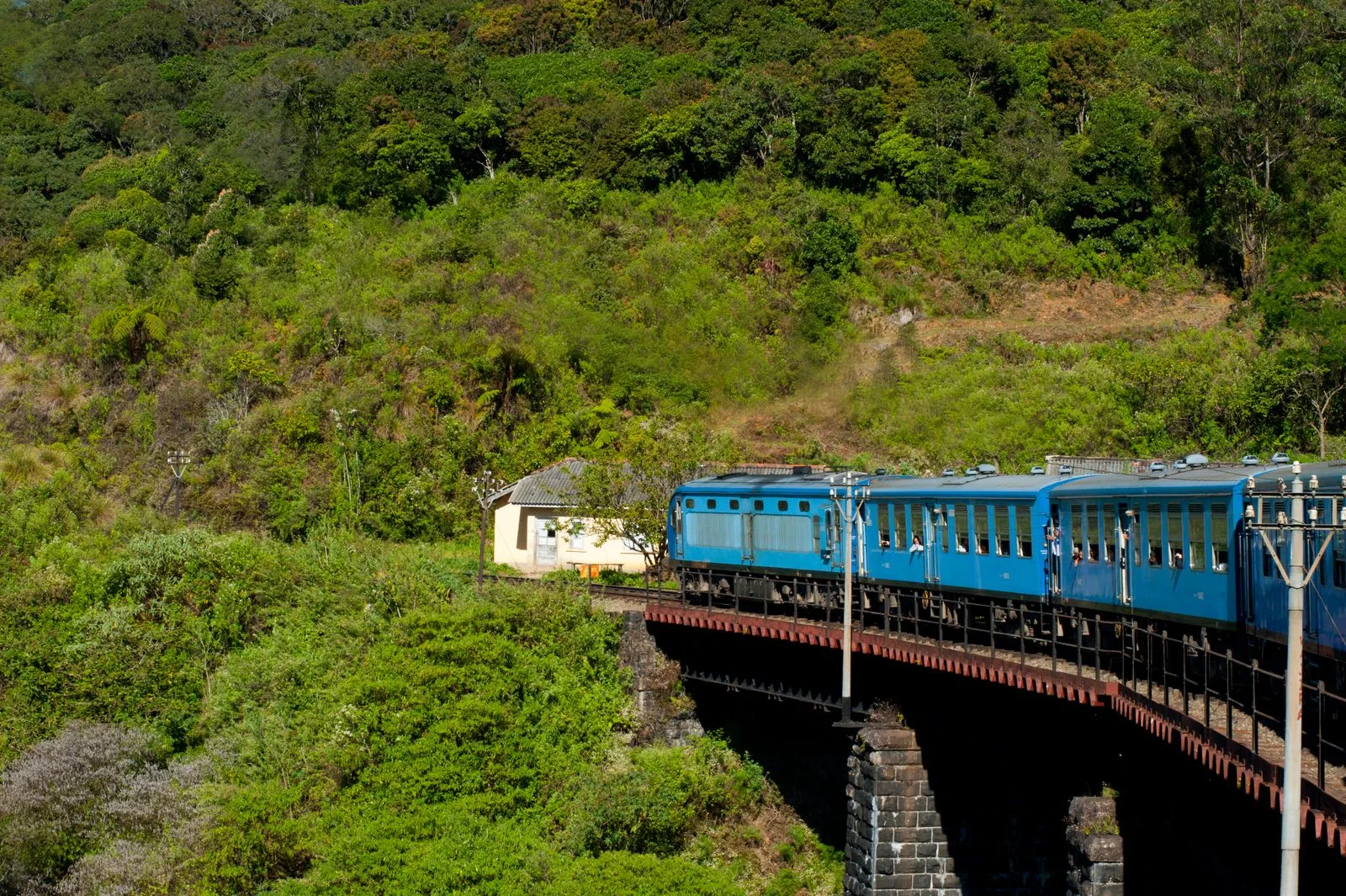
The train here is also not simply transport but an experience in its own right. The line through the highlands, past tea fields, through tunnels and over viaducts, is considered one of the most beautiful train journeys in the world, and costs next to nothing.
Our rule of thumb: fewer places, and the finest journeys planned deliberately as part of the trip, not just a means of getting there.
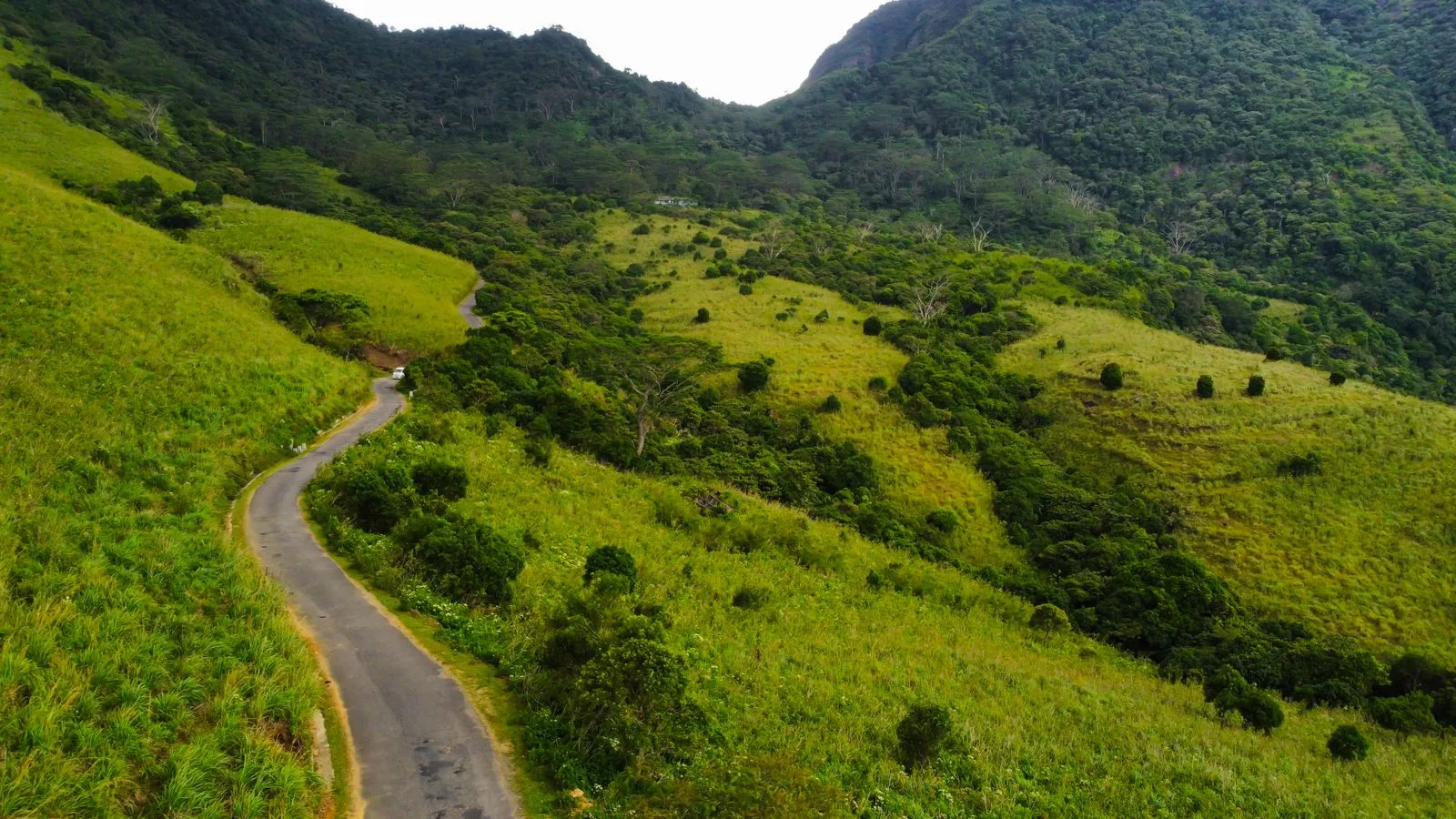
Coast, plain, highland and the north.
Four worlds on an island you could cross in a single day.
Colombo and the coast
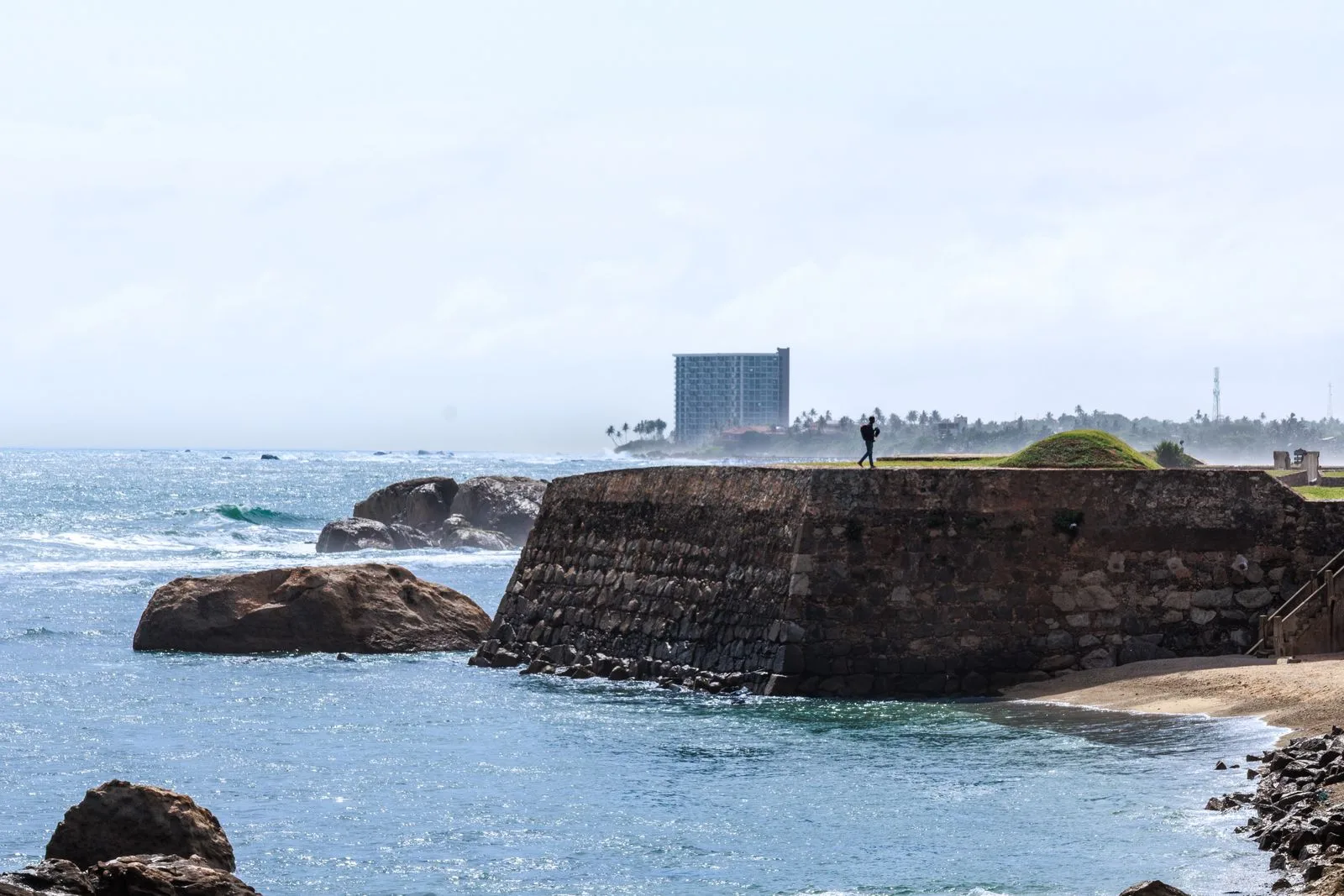
A capital that's often skipped but has a lively food and art scene, and south of it a coastline with an old Dutch fort town still fully enclosed by its walls. Further east lie surf villages, fishing settlements with stilt fishermen, and bays that each have their own character and pace.
The tea hills
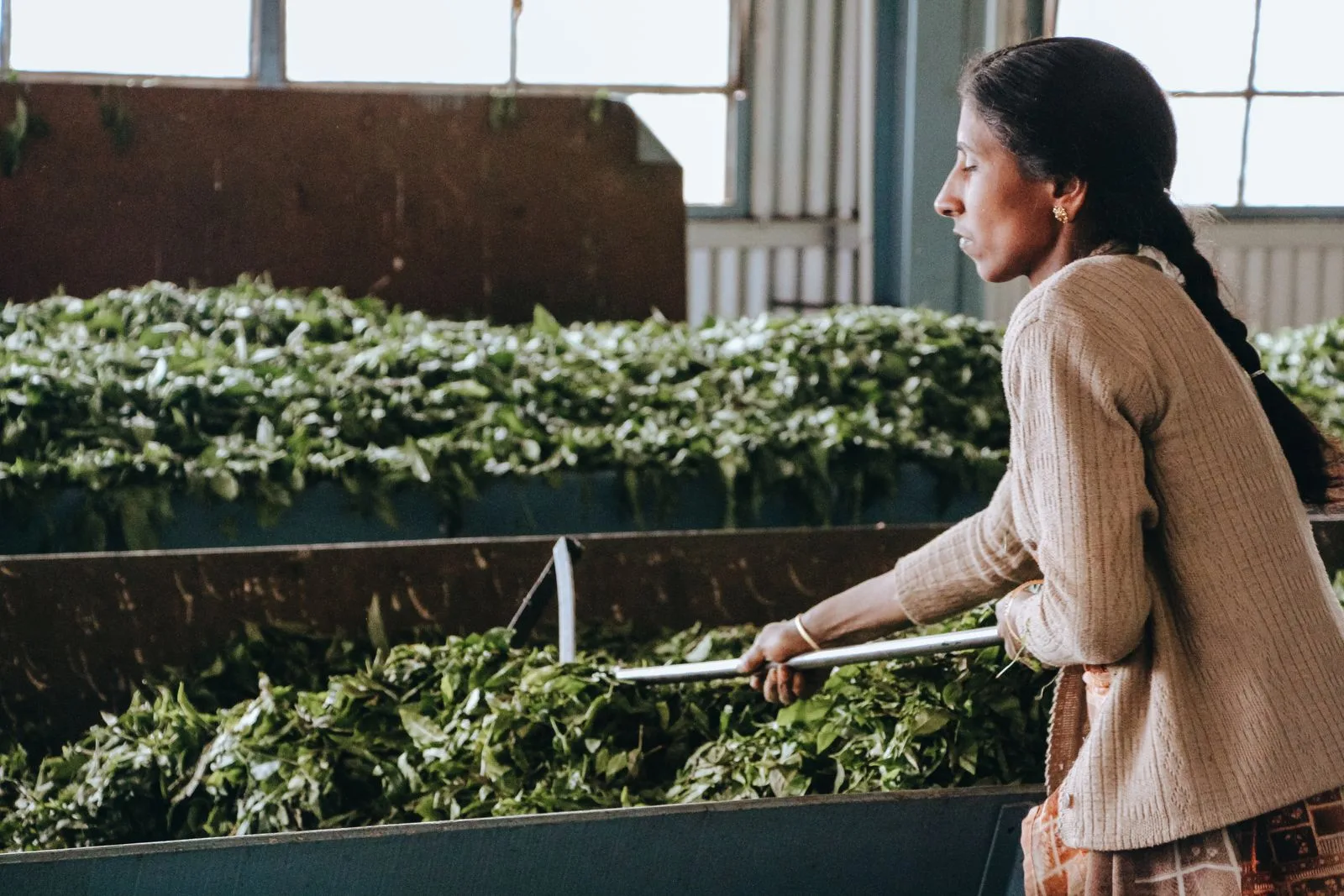
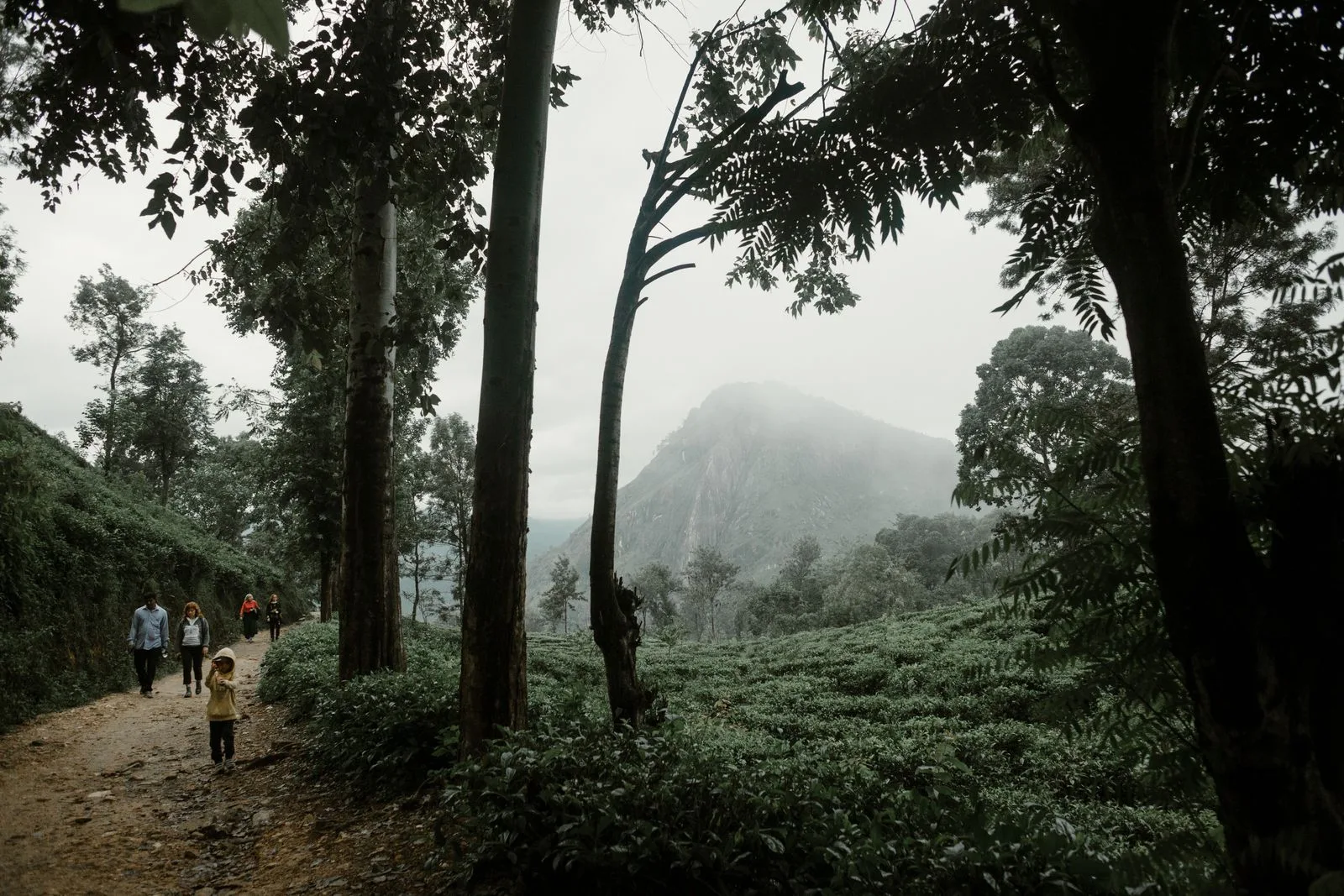
From around a thousand metres, it starts to turn cool. This is where the tea estates lie, planted by the British and still picked today by descendants of Tamil labourers brought from South India, a history that still shapes the region. The landscape is green, misty and hilly, with waterfalls and walking routes along the ridgelines.
The ancient cities
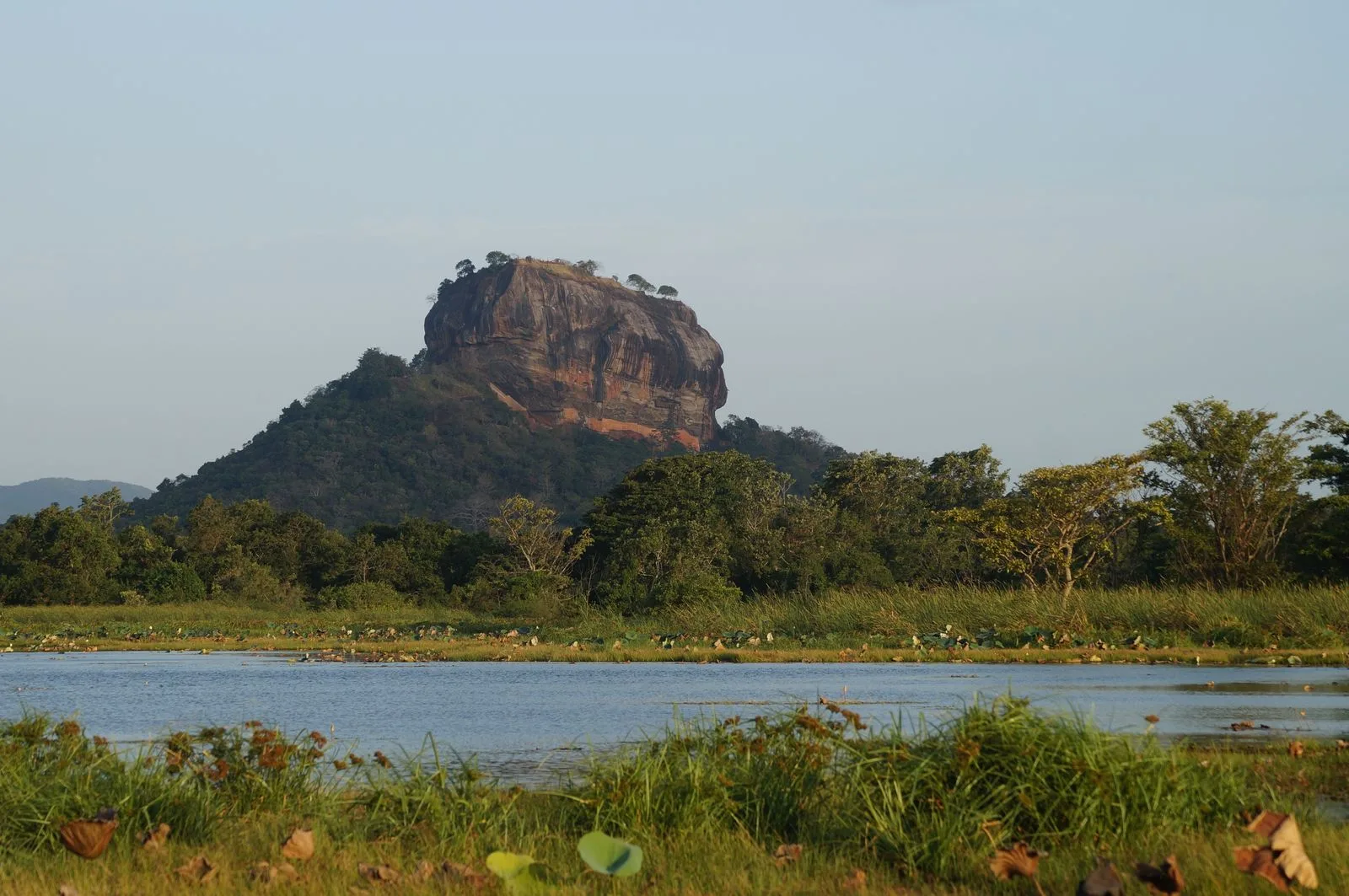
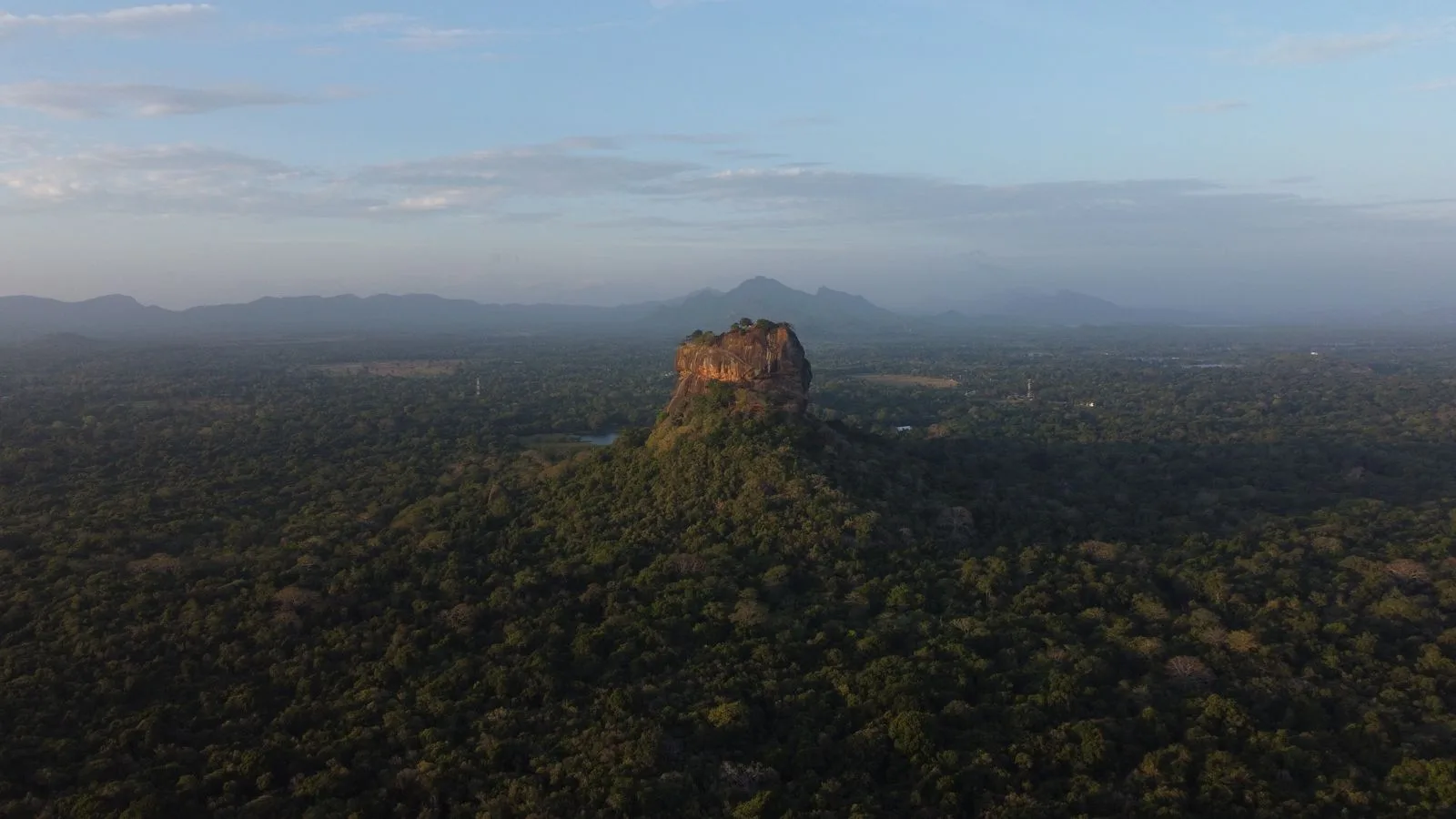
In the dry plain north of the highlands lie the remains of kingdoms going back more than two thousand years: stupas as large as pyramids, vast man-made reservoirs still in use today, a fortress atop a two-hundred-metre rock plateau, and caves full of murals. Also here is the city with the Temple of the Tooth, the country's most important Buddhist shrine.
The national parks
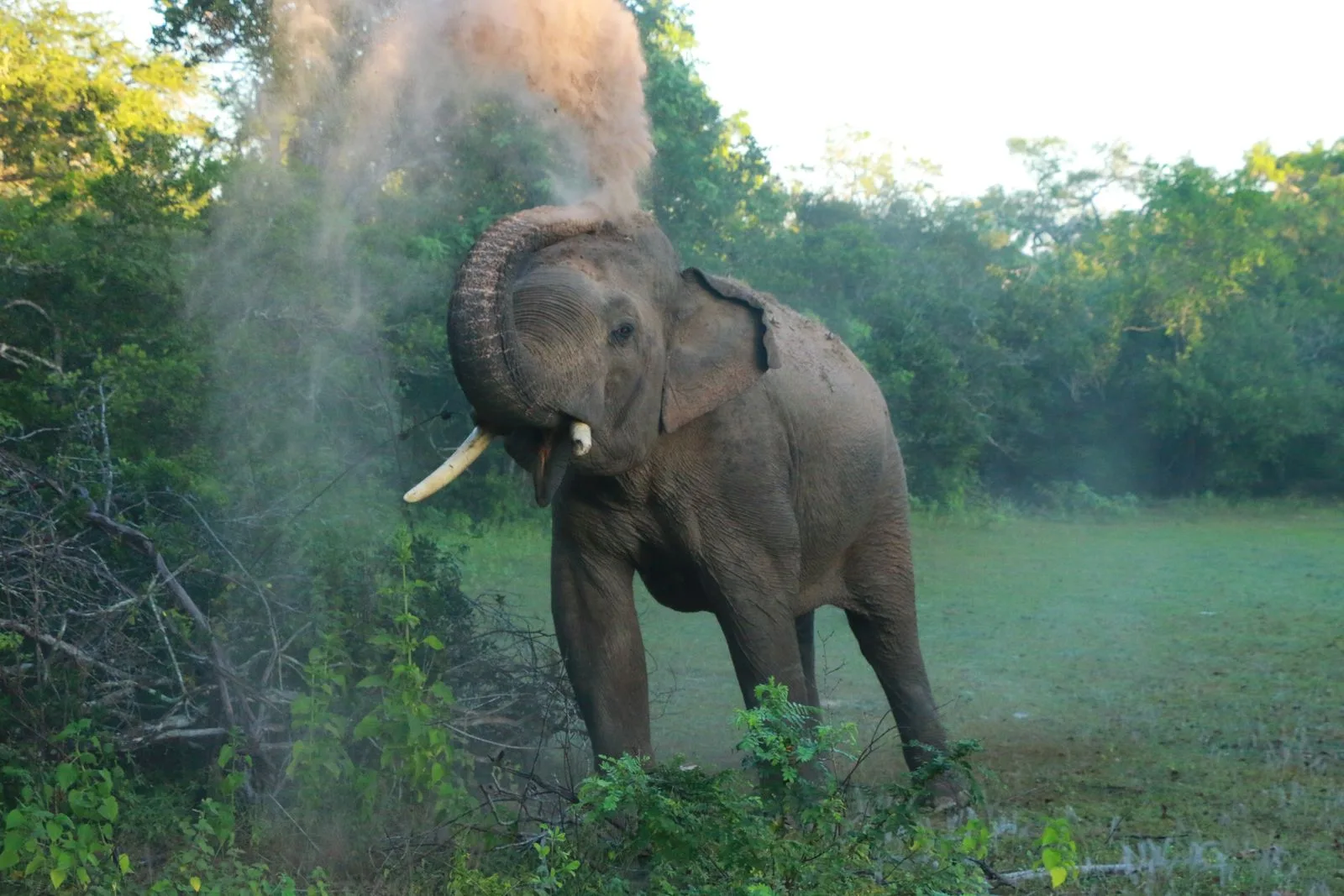
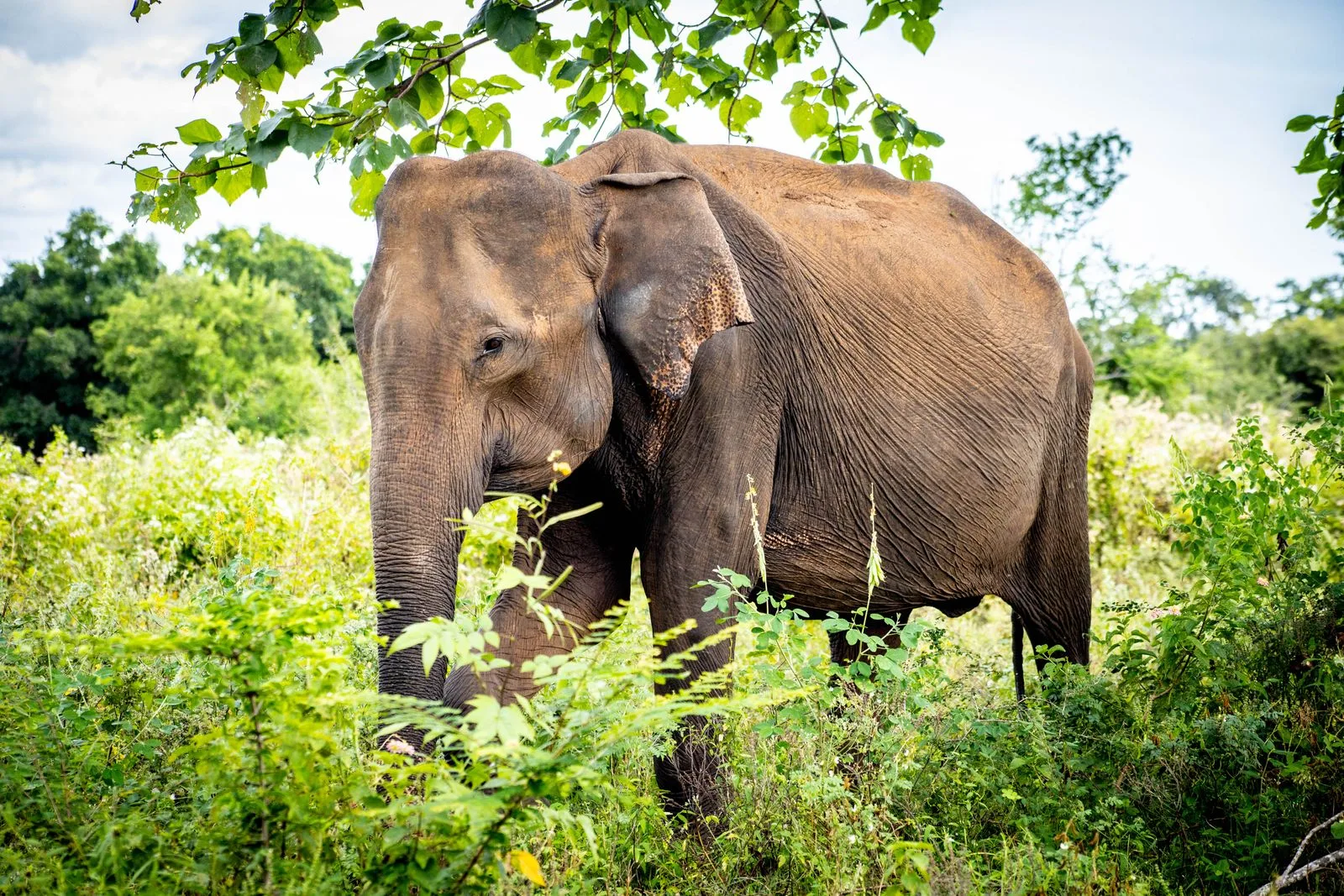
Sri Lanka has one of the highest densities of leopards in the world, and elephant populations that move with the seasons. The best-known park gets busy; neighbouring areas let you see the same animals with a fraction of the vehicles. The southwest also holds a rainforest considered the island's last untouched stretch of lowland forest.
Jaffna and the islands
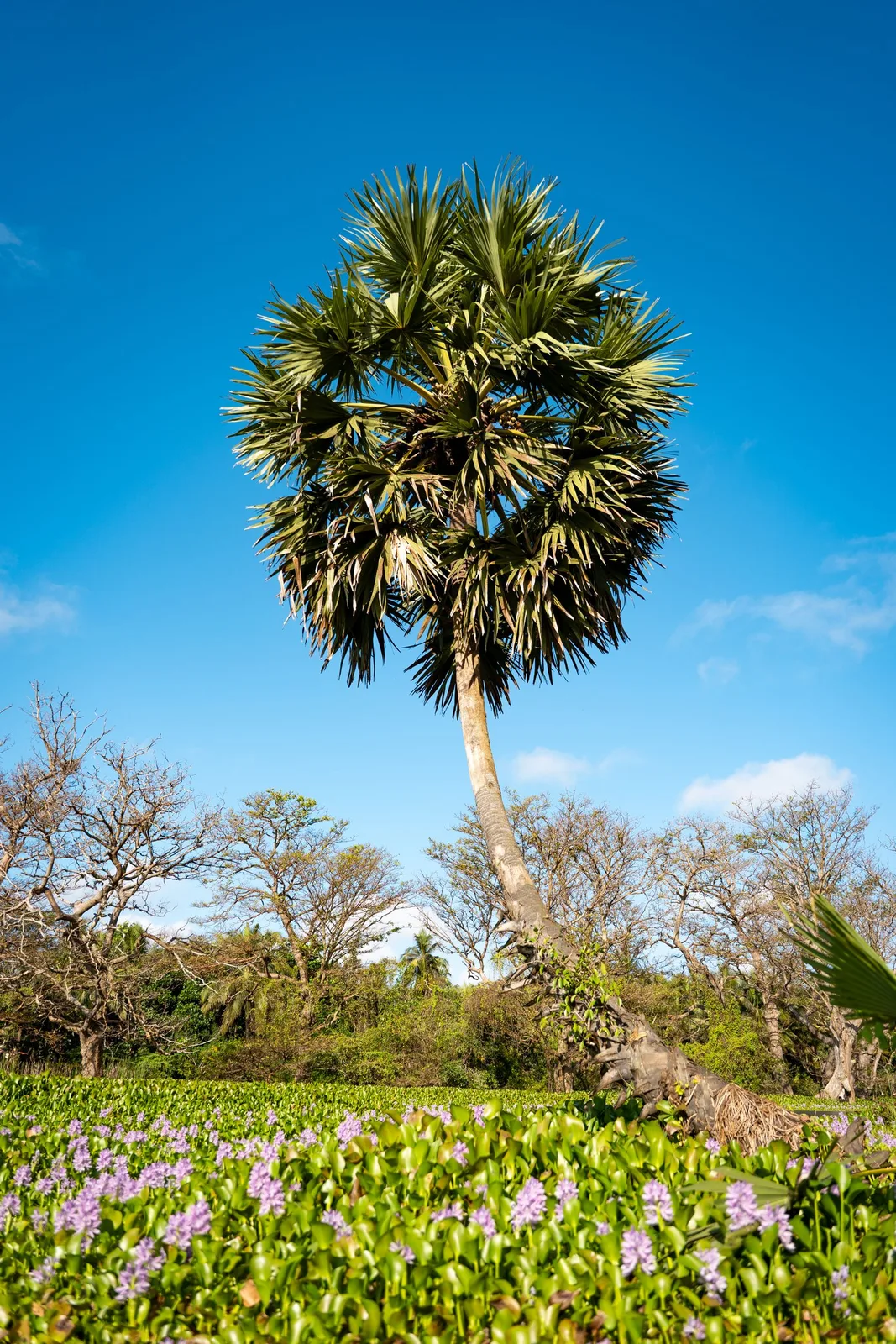
The Tamil north, cut off for decades by the war, has only opened up in recent years. Brightly coloured Hindu temples, a cuisine with strong South Indian influences, palmyra palms, and a string of small islands where life moves slowly. Few visitors, and a history you feel everywhere.
The other sea
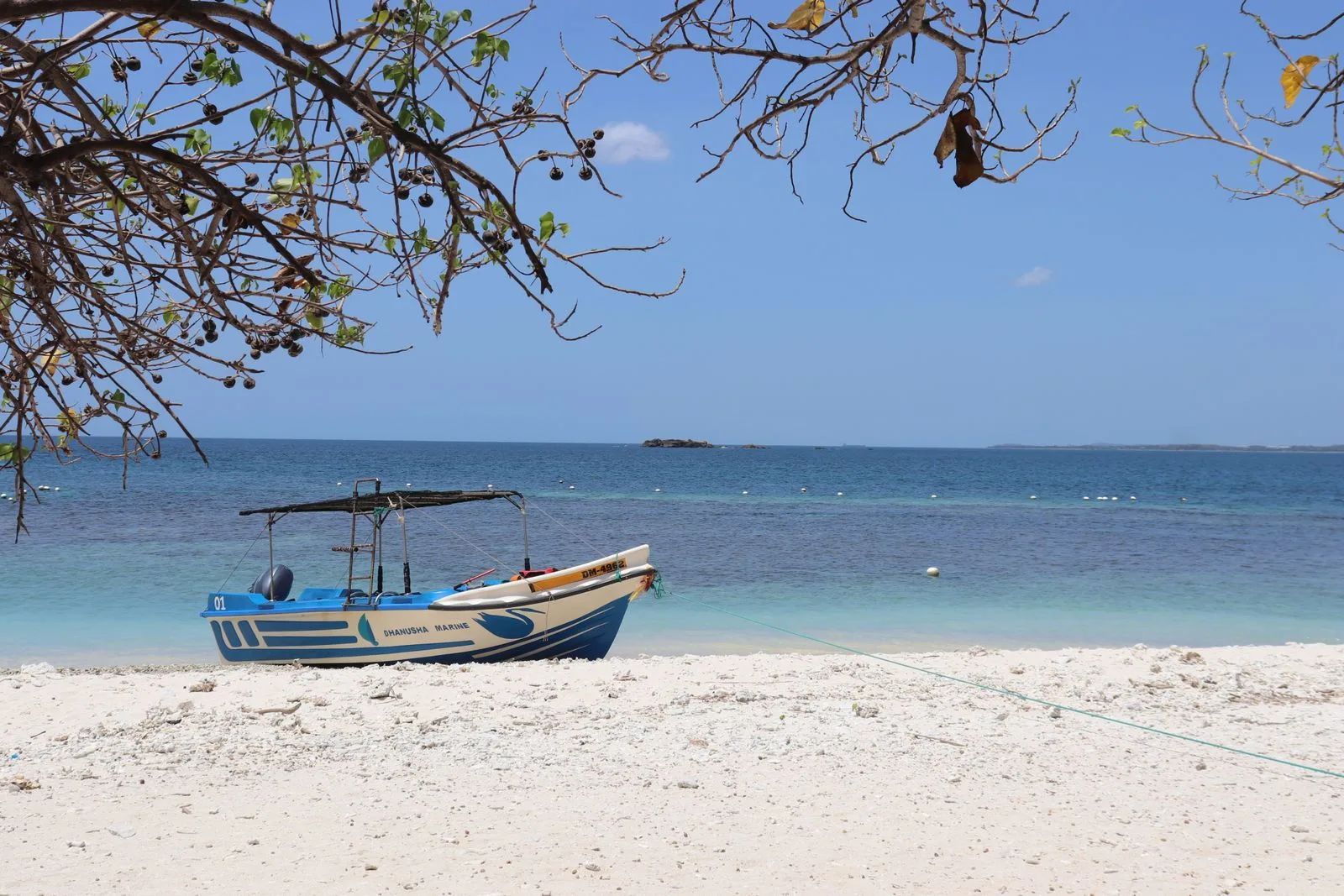
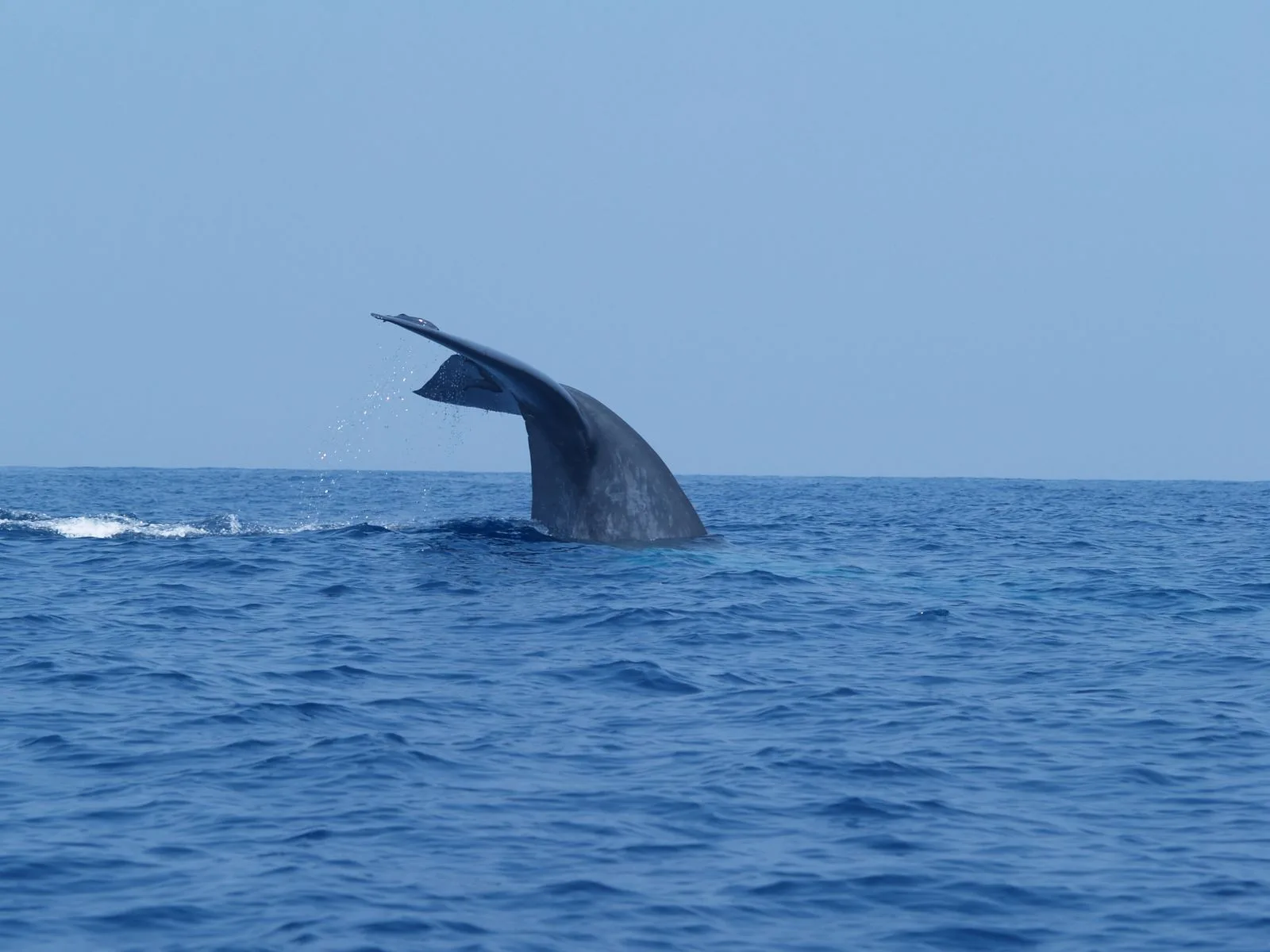
While the southwest sits in monsoon, the east coast is at its best. And the reverse. Quiet bays, one of the largest natural harbours in the world, coral reefs, and blue whales offshore from March to September. Considerably less developed than the south.
A landscape shaped by a single plant.
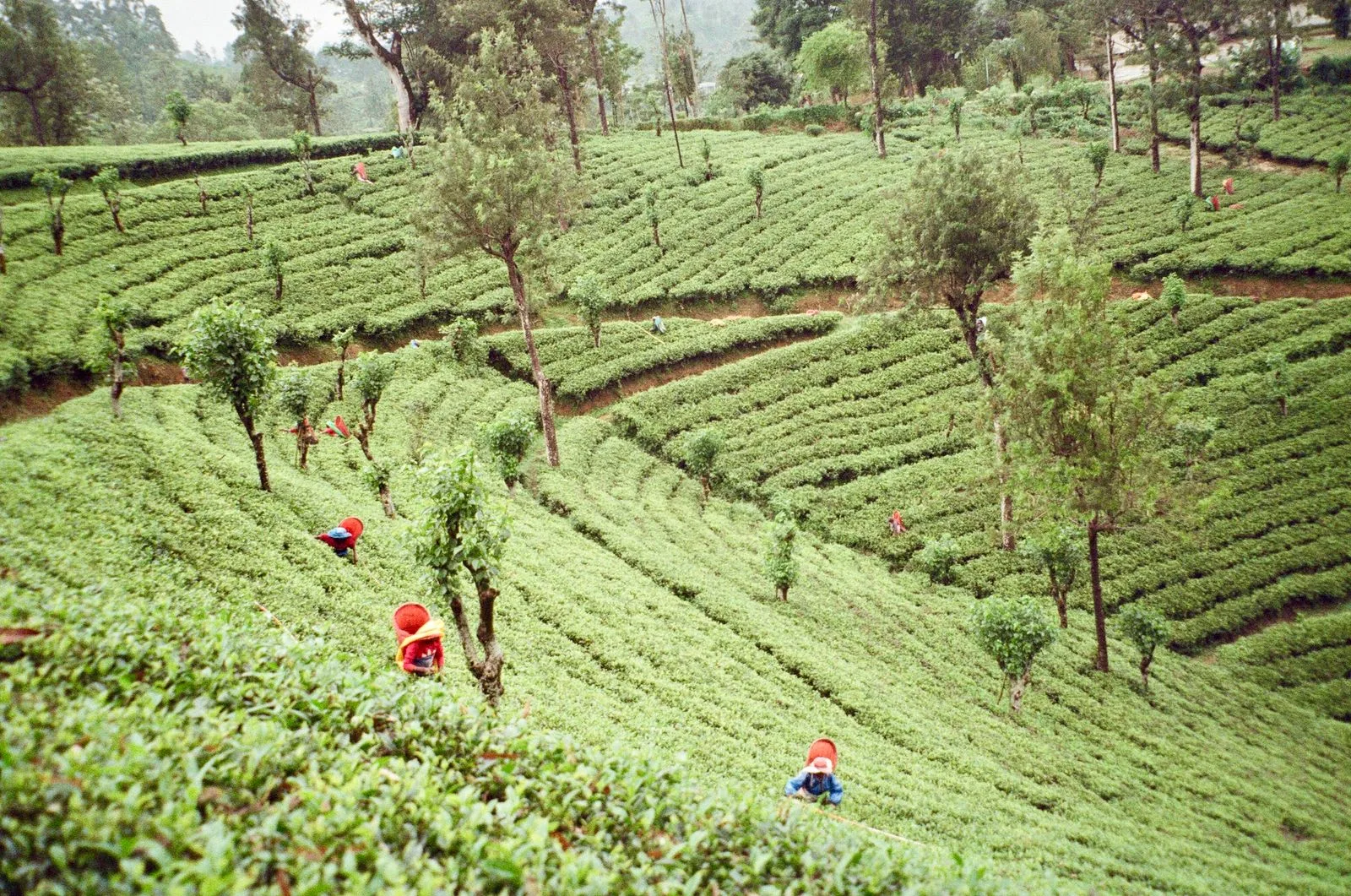
Until the mid-nineteenth century, the highlands were covered in coffee. When a fungus wiped out the crop, growers switched to tea, and the landscape you see today, with its tightly clipped hillsides, is the direct result.
A visit to an estate is more than a tour. You see how the leaf is picked, withered, rolled, fermented and dried, and why altitude determines everything about the flavour. Some factories still run on machinery from the colonial era.
There is a harder side to it too: the pickers are mostly Tamil, their ancestors brought here as indentured labour, and working conditions have been under scrutiny for years. Anyone visiting should hear that story alongside the rest.
That's why we choose estates where that conversation is held, not avoided.
Rice and curry, which tells you almost nothing.
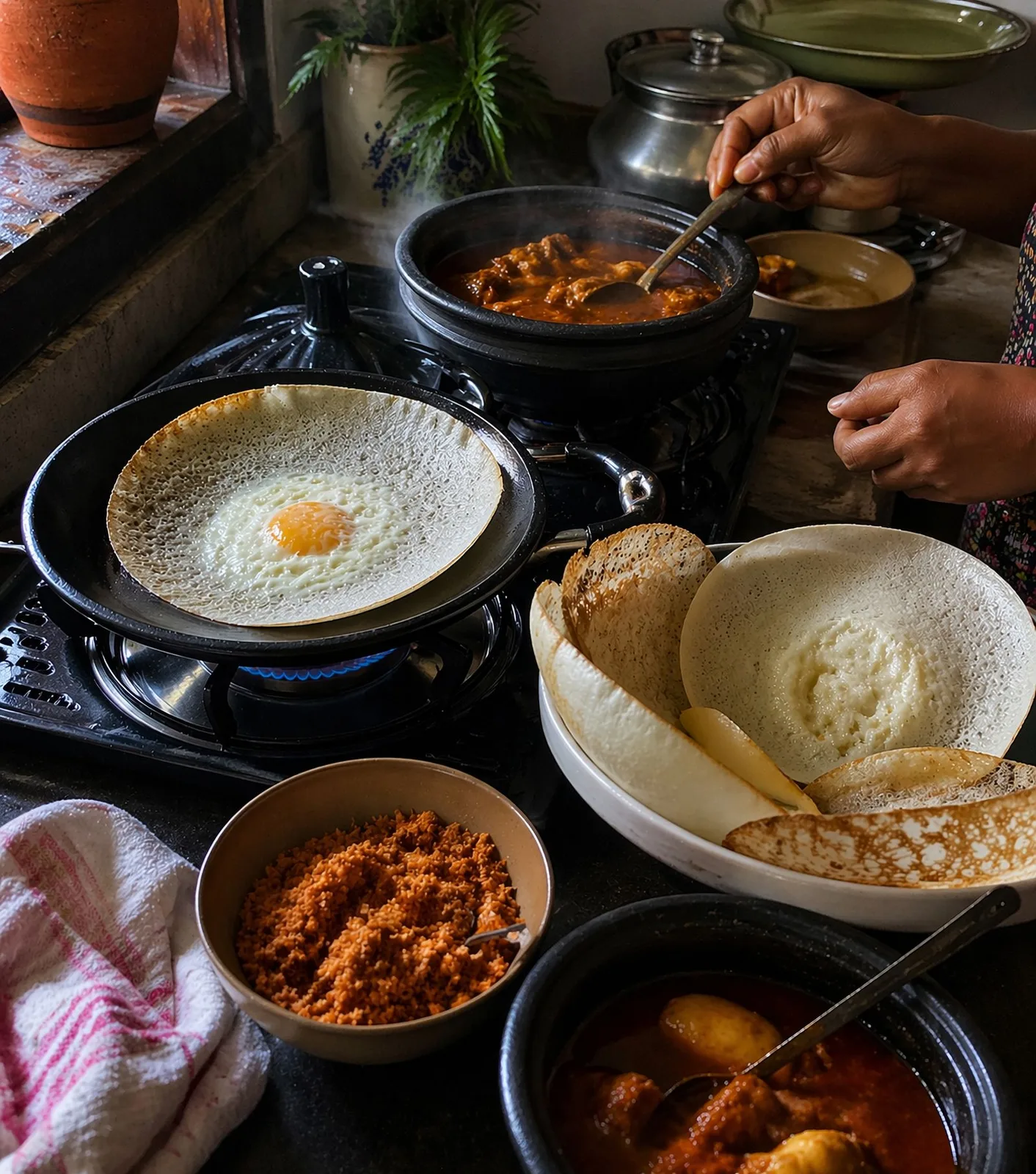
The standard meal is called rice and curry, a misleading name for what in practice is five to ten small dishes: different vegetables, each prepared differently, with coconut, spices and sometimes fish or meat. Every family does it differently.
The cuisine is noticeably spicier than the Indian food it's often compared to, and uses coconut in almost every form: milk, grated, oiled, roasted. Beyond that lies a whole world of small dishes: bowl-shaped rice flour pancakes, fermented hoppers, and sambols of grated coconut and chilli.
Anyone who eats only in hotels is probably missing the best part of the trip.
In someone's home
In many places you can cook alongside a family. It almost always produces a better meal than the restaurant does, and the conversation that comes with it.
The market
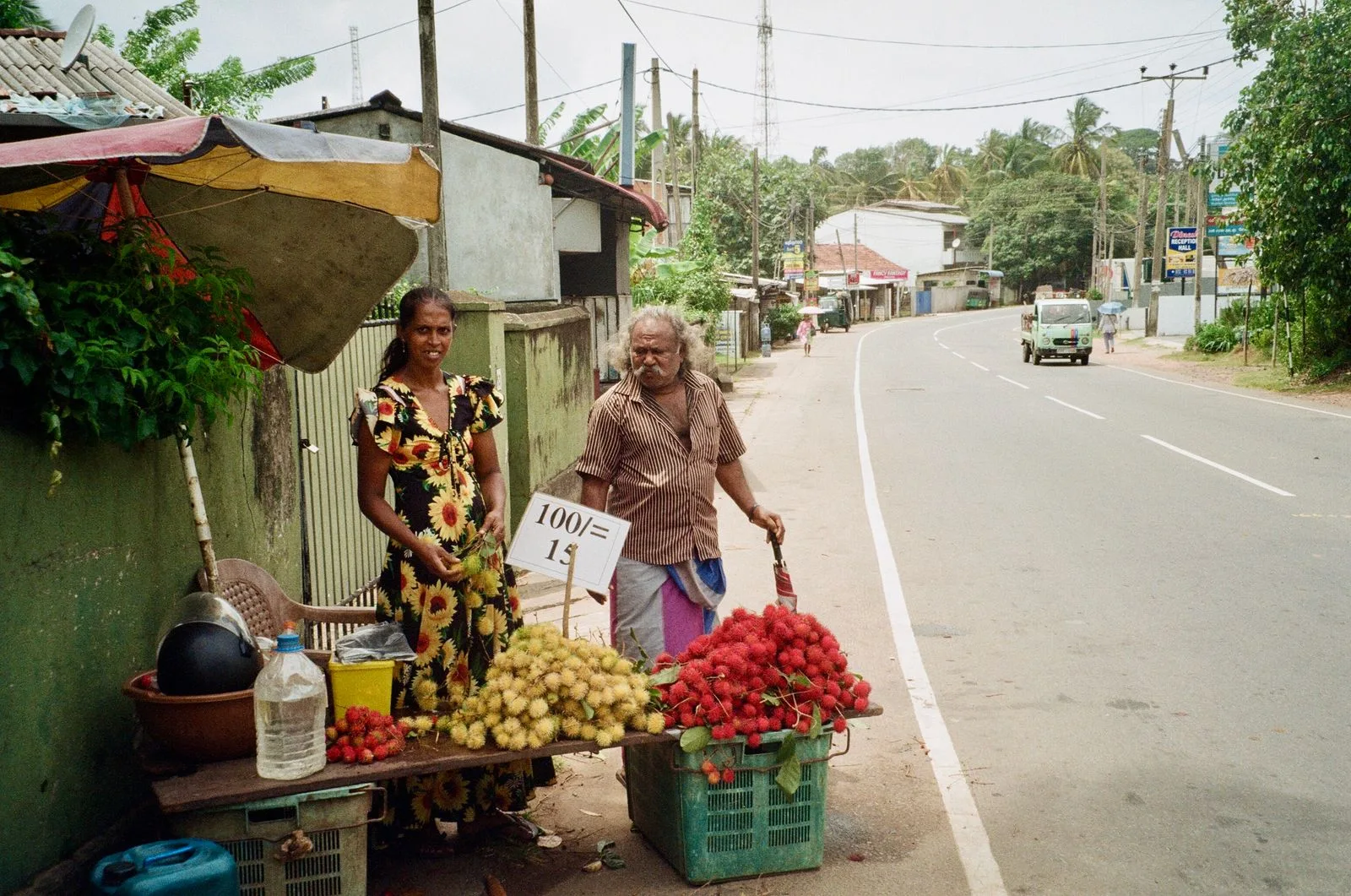
Vegetables and fruit you'd never see in Europe, spice stalls, and fish auctioned on the coast each morning. Go early.
Cinnamon and spices
Sri Lanka produces the finest cinnamon in the world, and peeling it is a craft you can watch in person. Pepper, cardamom and nutmeg come from here too.
Leopards, elephants and the largest animals that ever lived.
For an island this size, the biodiversity is remarkable. Around six thousand elephants live here, and in the dry season hundreds gather around the reservoirs, a concentration you won't see anywhere else. Leopards are the top predator, which means they show themselves openly during the day.
Off the south coast, deep water lies close to shore, which keeps blue whales, the largest animals that have ever lived, nearby all year round. The quality of the trips varies considerably; some boats keep a respectful distance, others keep none at all.
What could Sri Lanka be for you?
Not fixed stops on a set route, but directions, to help you notice what draws you and what you'd rather leave out.
On foot through the highlands
Along the ridgelines from estate to estate, staying overnight in old planters' bungalows. Cool, green and surprisingly quiet.
The train through the mountains
Hours through tea fields and tunnels, doors open, vendors passing through. Not booked as transport but planned as a destination in itself.
At dawn in the ancient cities
The rock fortress and the stupas are nearly empty at opening time, and considerably cooler. Getting up two hours earlier changes the whole experience.
Wildlife with patience
Choosing a quieter park and spending several sessions there instead of a single morning drive. That's the difference between searching and seeing.
Discovering the north
A part of the island that still gets almost no visitors, with its own language, cuisine and history. For anyone who wants to go beyond the well-trodden route.
Ayurveda, seriously
Not the spa version, but a genuine course with a consultation and daily treatments. It calls for at least a week and choosing the right clinic.
These are possibilities.Not your journey.
Two monsoons, which means there's always a good coast somewhere.
Sri Lanka has two monsoons working against each other, and that's good news: there's always some side of the island with fine weather.
From December to March, the southwest and the highlands are at their best. This is also the high season. From May to September it flips: the east coast turns dry and sunny while the southwest gets rain. October and November are the trickiest months, with rain on both coasts.
The cultural heartland in the centre lies in the dry zone and is worth visiting nearly all year round. The highlands are cool; expect evening temperatures that call for a jumper, even in the tropics.
So the question isn't when, but which coast for which month.
Best time to visit Sri Lanka
Who else is at their best in these months?
January February March December
Use the contact form to discuss your travel dates and preferences with us.
Where we look at things differently.
Not the whole island in ten days. The classic route touches coast, highlands, ancient cities and a park within a week and a half. It's doable, but you'll spend a lot of time in the car. Three regions with real time in each is almost always stronger.
Choose a quieter park. The best-known park can have dozens of vehicles around a single leopard in high season. Neighbouring areas offer the same animals with a fraction of the crowds.
The north and east exist. Cut off for decades, now open and barely visited. For anyone who already knows the island, or wants something different from everyone else, the most interesting trip lies there.
The train isn't folklore. Book ahead and choose the right route and the right class. Then it becomes one of the finest parts of the trip rather than an inconvenience.
Practical, without the noise.
We discuss the full, up-to-date picture with you in person, including whatever matters specifically for your trip.
Getting there
Flights with one stopover to Colombo, typically eleven to fourteen hours travelling.
Documents
Which travel documents you need depends on your nationality, and entry rules change regularly. We go through the current requirements with you before you leave.
Health
No special vaccinations beyond the standard schedule; dengue does occur, so mosquito protection is sensible. Check with a travel clinic.
Transport
We advise against self-driving. A driver-guide is customary, affordable and genuinely improves the trip.
Travelling with children
Excellently suited: short distances, plenty of variety, a warm welcome for children, and mild dishes on request.
Clothing
Temples require covered shoulders and knees, and shoes off. Evenings are cool in the highlands.
Payment
Card payment works in cities and hotels; markets, tuk-tuks and the countryside remain cash-based.
Pace
Drive times are longer than the map suggests. Reckon on an average of forty kilometres an hour, not seventy.
Frequently asked questions
When is the best time to visit Sri Lanka?
There is always a good coast somewhere. From December to March the south-west and the hill country are at their best, from May to September the east coast is dry and sunny. October and November are the trickiest months, with rain on both coasts. The cultural heart in the centre lies in the dry zone and is good to visit almost all year.
How long does travelling around Sri Lanka take?
Longer than the map suggests. Winding mountain roads, villages and unhurried traffic mean that a hundred and fifty kilometres can take four hours. Count on an average of forty kilometres an hour. We advise against driving yourself: a driver-guide is customary and changes the trip for the better.
Is the hill country train worth it?
Yes, especially if you plan it as a destination rather than as transport. The line past tea fields, through tunnels and over viaducts is considered one of the most beautiful train journeys in the world. The right section and the right class, arranged in advance, make it a highlight instead of a hassle.
Where can you see leopards and elephants without the crowds?
Sri Lanka has one of the highest leopard densities in the world, and in the dry season hundreds of elephants gather around the reservoirs. The best-known park can have dozens of vehicles around a single leopard in high season. Neighbouring areas offer the same animals with a fraction of the crowds.
Is Sri Lanka suitable for travelling with children?
Very much so: short distances, lots of variety, a warm attitude towards children and mild dishes on request. Dengue occurs, so mosquito protection is sensible. Temples require covered shoulders and knees, and the evenings in the hill country are cool.
- Flight time
- About 11 to 14 hours with one stopover
- Languages
- Sinhala and Tamil; English is widely spoken
- Time difference
- +3.5 hours during Belgian summer time, +4.5 hours in winter
- Altitude range
- From sea level to over 2,500 metres
- Best periods
- December to March for the southwest, May to September for the east