
Face to the ocean
Portugal turns its back on Europe and its face to the ocean, carrying a wistfulness that rarely turns heavy. The country sits at the edge of the continent as though it broke away from the rest centuries ago, and that sense of periphery runs through everything: in the way cities slope down to the water, in the granite villages that cling to mountainsides, in the silence of the Alentejo plain where the horizon never seems to draw any closer.
The country is smaller than most people think, and surprisingly varied within those borders. In the north, wine grows on terraces cut by hand into the rock face of the Douro. Further south, the cork-oak plain of the Alentejo stretches out to a distant ridge, and right in the south-west the Atlantic breaks against limestone cliffs that have little in common with the picture most travel brochures paint of this country.
What stays with you isn't one landscape but a rhythm: rivers that shape everything, the Douro, the Tagus, the Minho, and cities that fold themselves towards them. Portugal never hurries anywhere, and that's exactly why it's a country in which you slow down without even noticing.
In short
Best time to go
April to June and September to October, mild on the coast and pleasant inland. In July and August the Alentejo climbs above 32 degrees, and in winter the north gets a lot of rain.
How long
Ten days to two weeks for two or three regions, such as Porto and the Douro with Lisbon or the Alentejo. Inland roads take longer than the distances suggest.
Who it suits
For travellers who want Portugal beyond the resorts: wine estates in the Douro, granite villages in the north, the quiet Alentejo and walks in Peneda-Gerês or the Serra da Estrela.
What sets it apart
In 1756 the Douro became one of the first wine regions in the world to be officially demarcated, and about half of the world's cork comes from Portugal's cork oak landscapes.
A country with too many faces for one label
Portugal doesn't reduce to coastline and climate alone. Each region has its own stone, its own pace, its own way of looking at the water.
Porto and the Douro valley
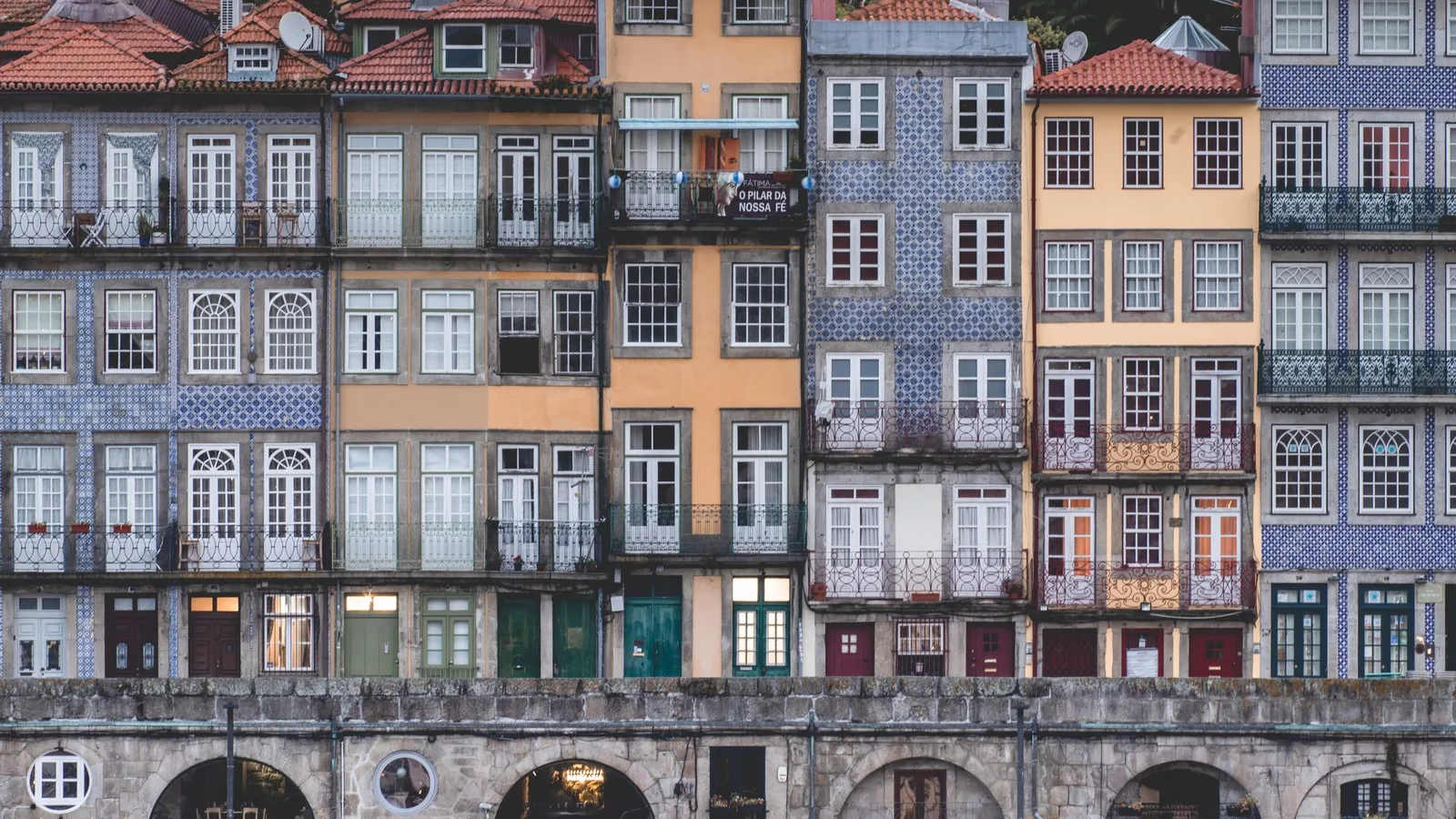
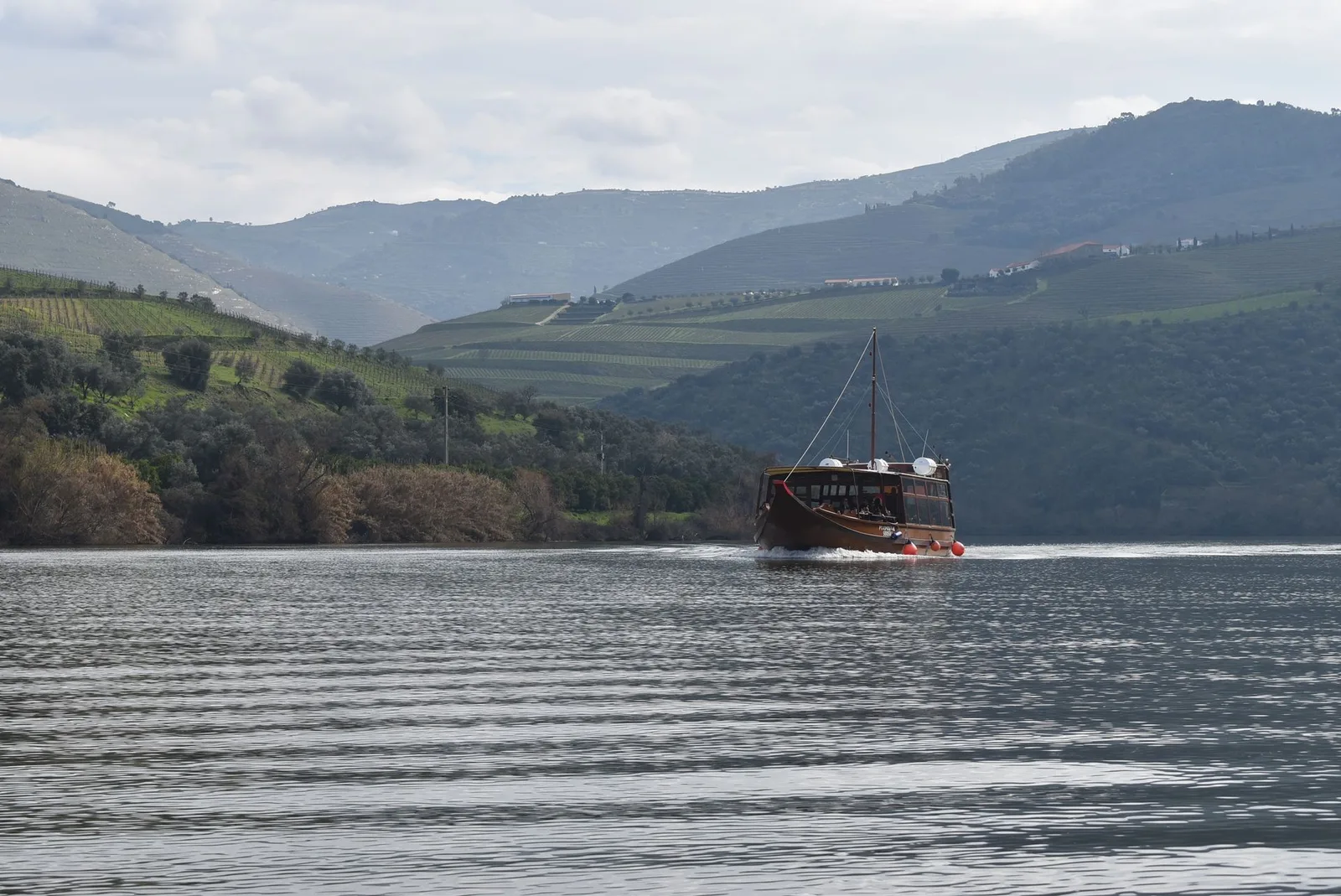
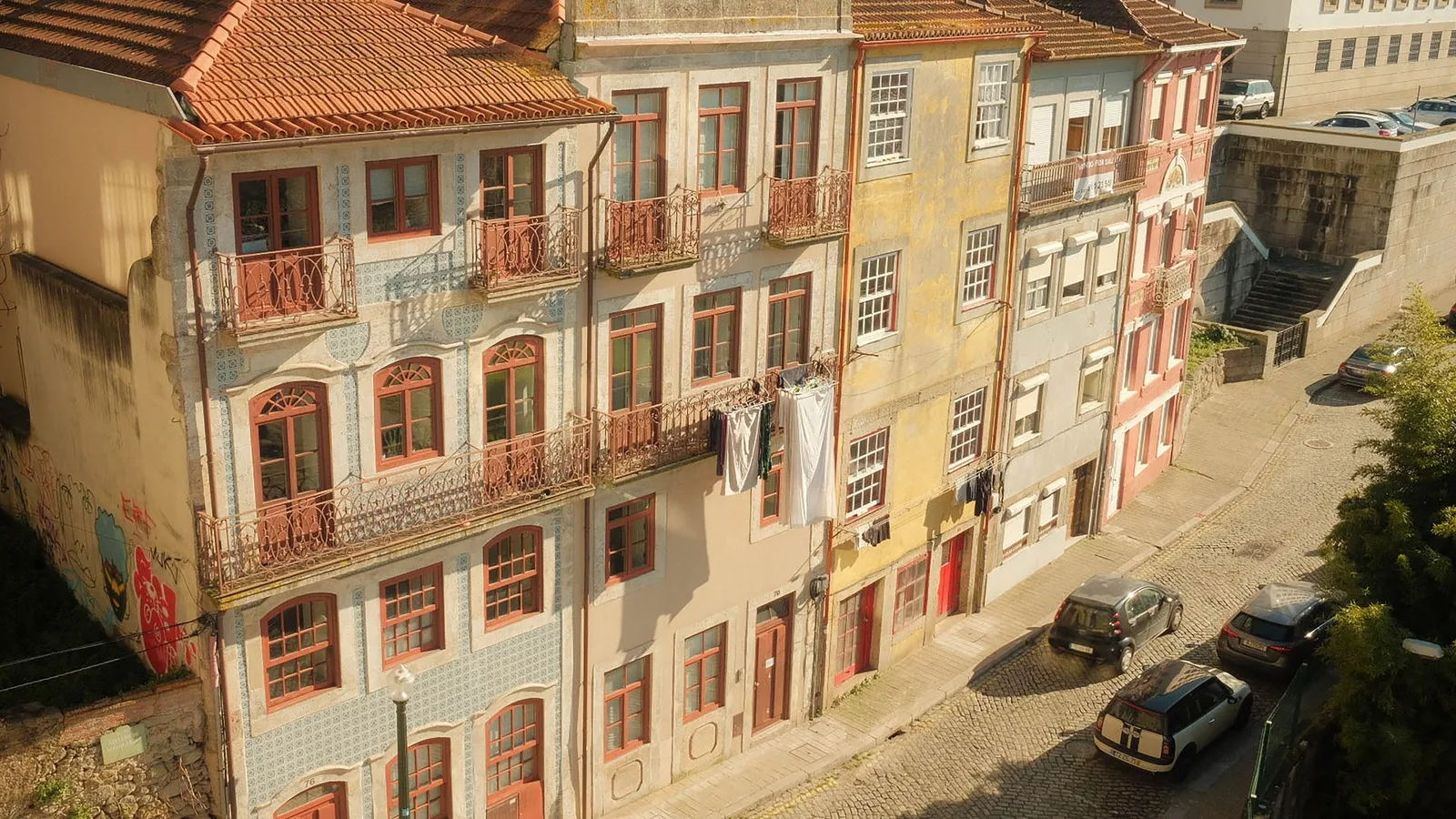
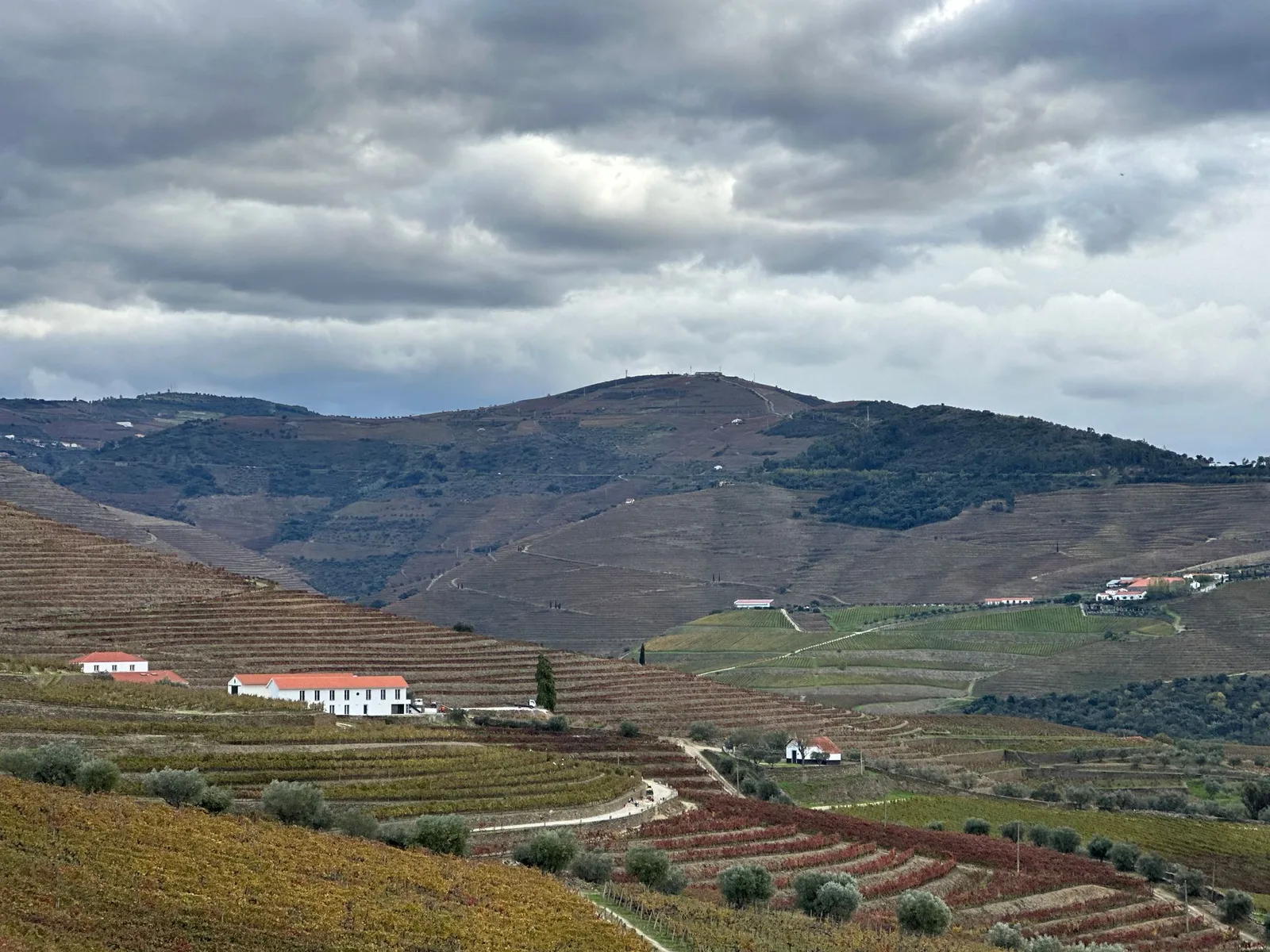
Porto is a city of granite and rust, built against a slope that runs down to the river. Upstream, the Douro breaks the landscape into wine terraces tended by hand for centuries, and the river itself remains the natural way to cross the valley.
Lisbon
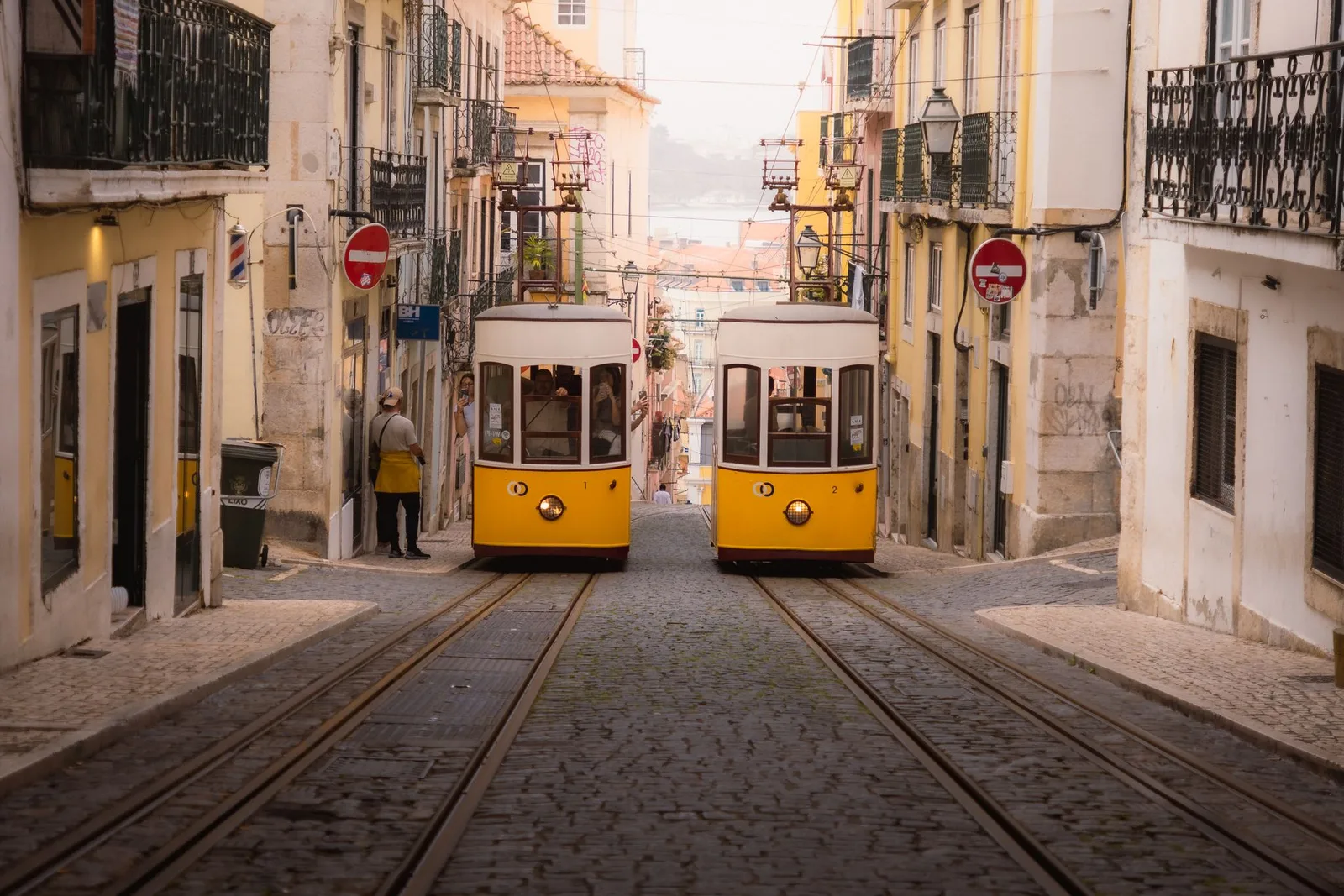
A capital that doesn't behave like one: azulejo facades that peel without ever looking neglected, trams that groan up steep streets, and a light over the Tagus that has frustrated photographers for generations because it refuses to be captured.
The Alentejo
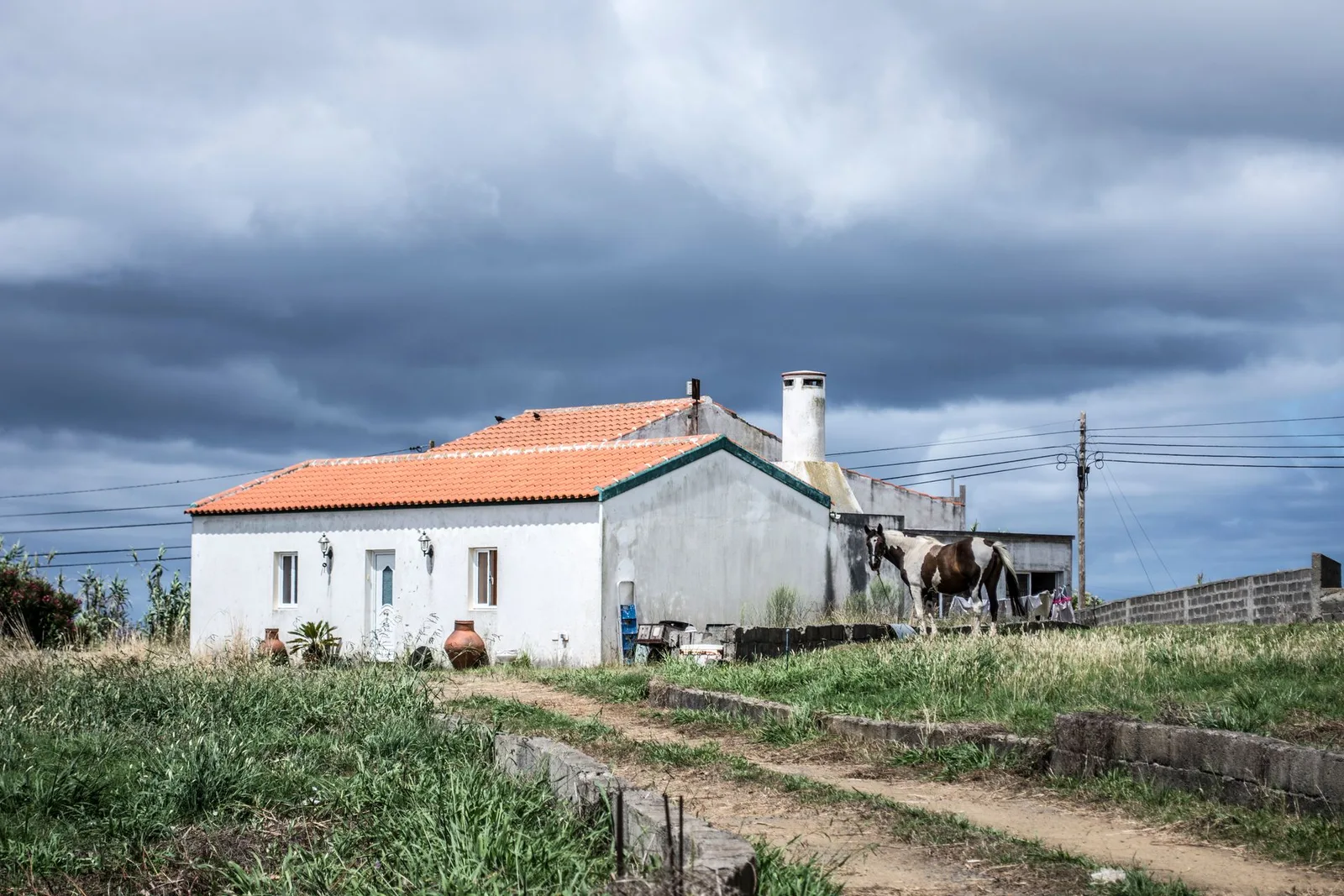
South of the Tagus, the land suddenly turns vast and empty. Cork oaks stand in rows running to the horizon, whitewashed villages break up the plain, and the silence here is so complete it becomes almost a sound in itself.
The Minho
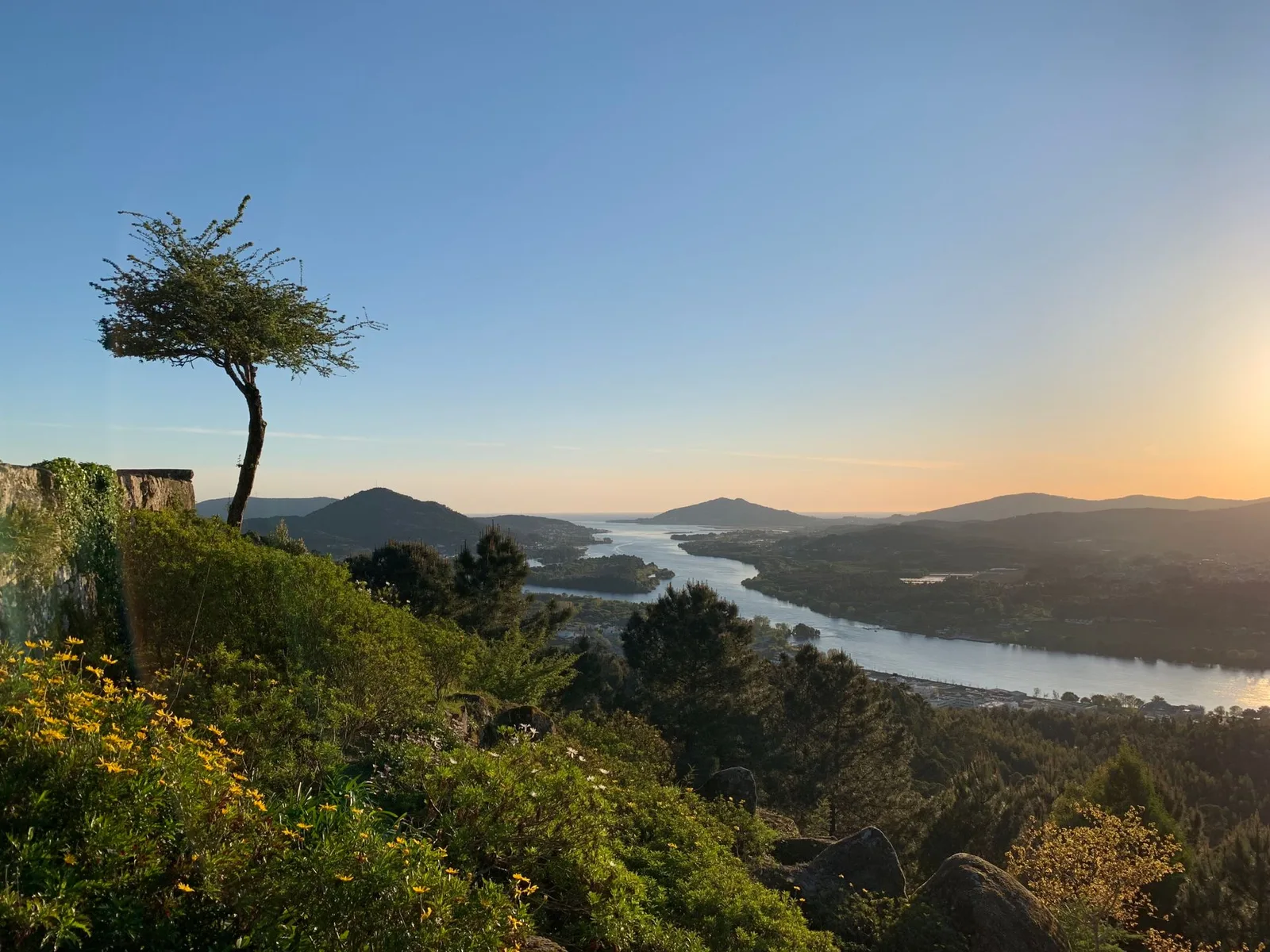
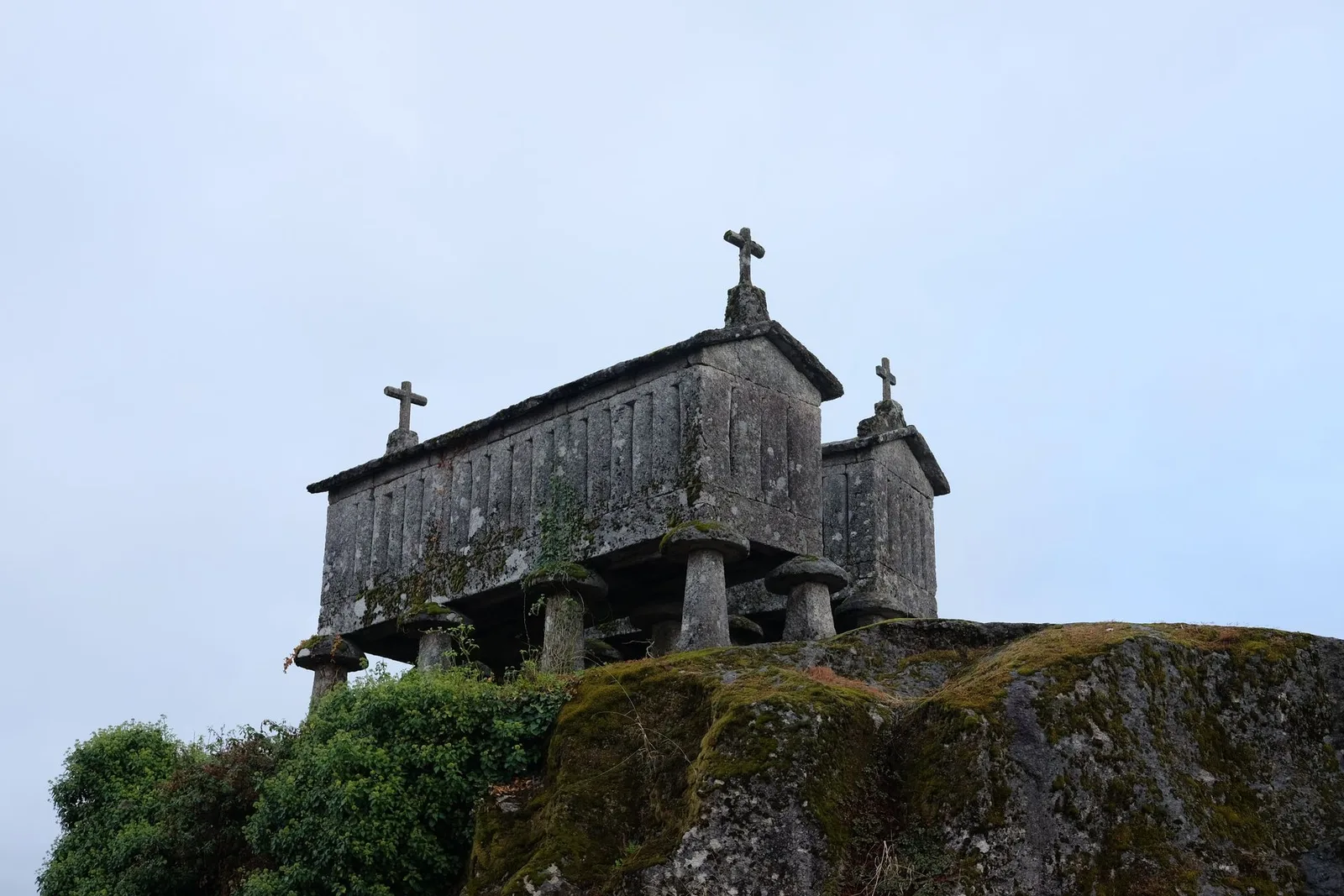
The wettest, greenest corner of Portugal, with granite villages, raised granaries on stone legs, and vinho verde that's literally meant to be drunk young. It feels closer to Galicia than to the Algarve, and geographically, it is.
The Serra do Algarve
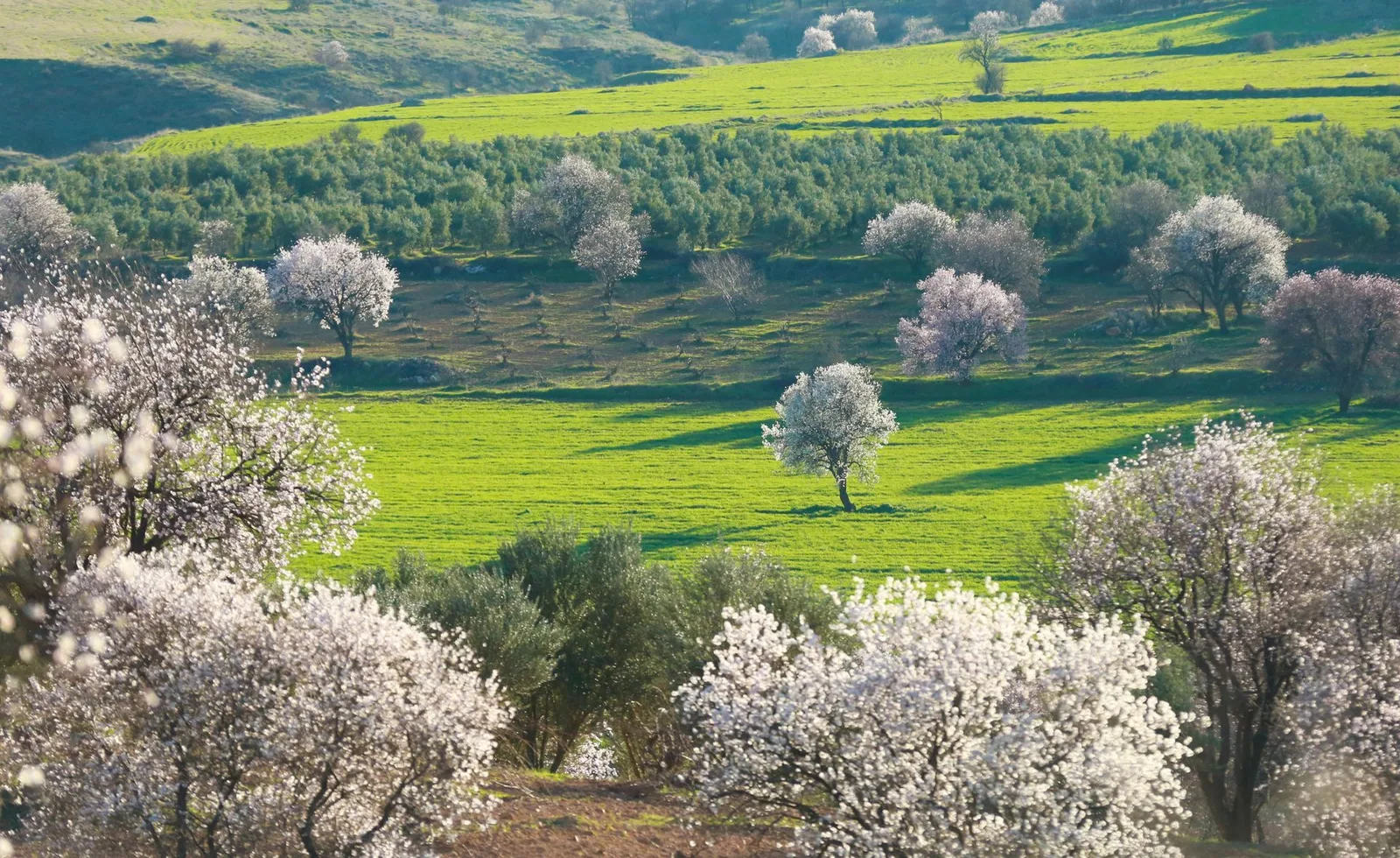
Away from the coastline that hijacked the Algarve name lies a hill country of almond and carob trees, white villages like Alte and Monchique, and a pace that has nothing to do with the resort towns twenty kilometres away.

A cuisine built around the river
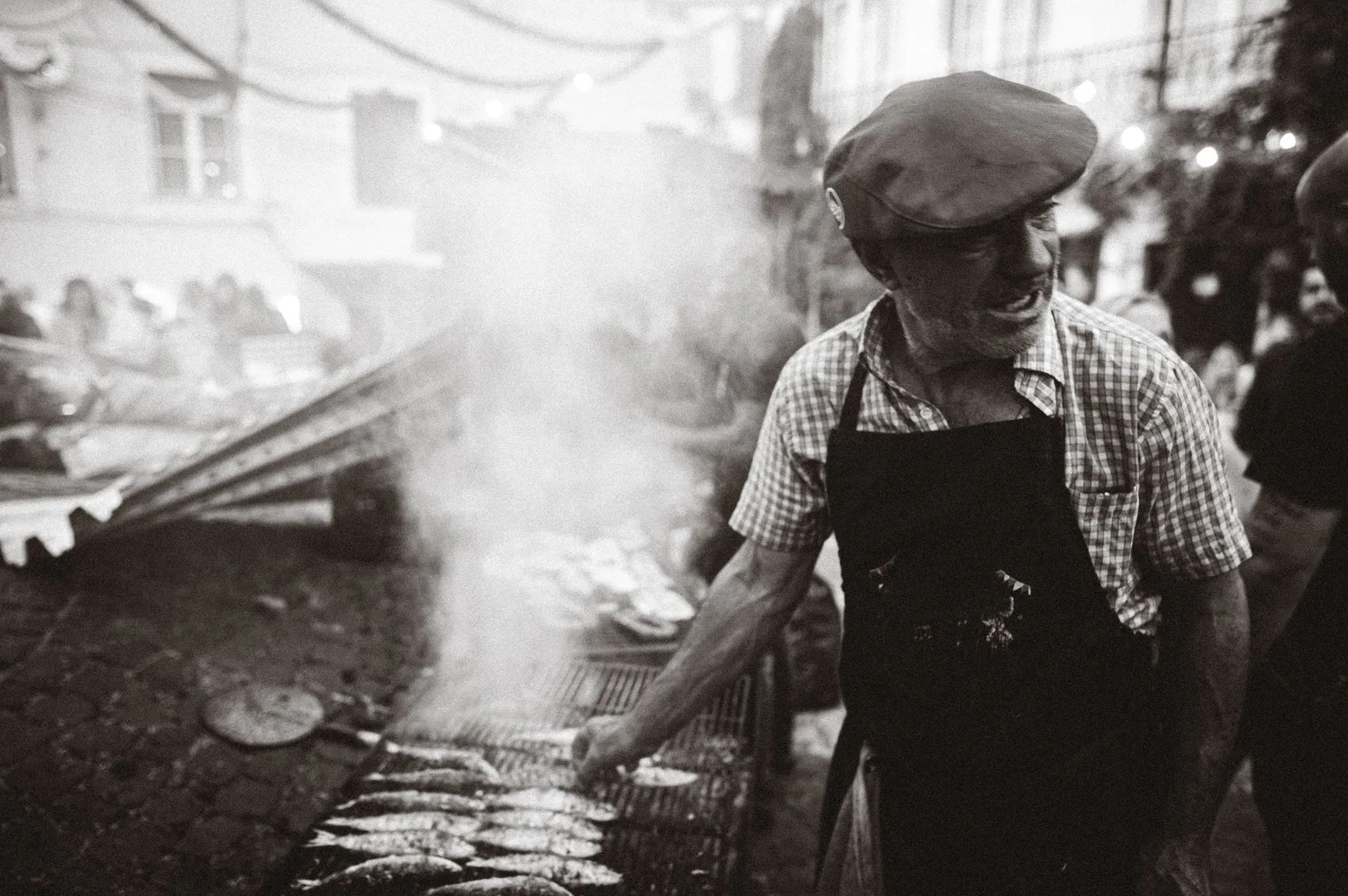
Portuguese food does not reduce to fado and grilled sardines alone. Bacalhau, dried and salted cod, reportedly has hundreds of preparations, from bacalhau à brás with thinly sliced potato to the simpler bacalhau assado grilled over charcoal. Every region claims its own version, and no one admits another might be better.
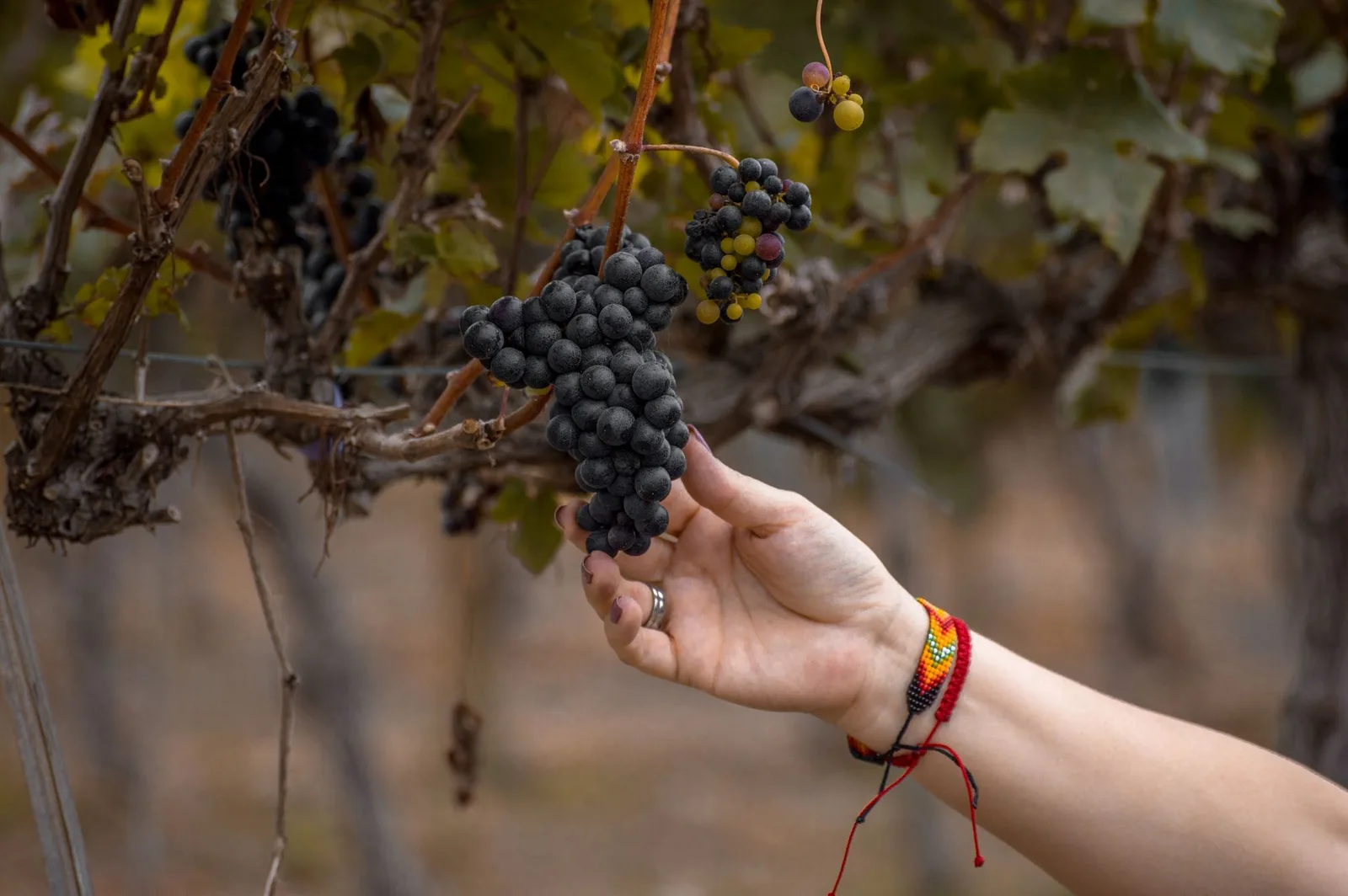
In the Douro, winemaking shapes the landscape itself: schist terraces laid out by hand, quintas where the grape harvest is still largely done manually, and a wine culture that reaches well beyond the famous port. Further south, the Alentejo serves up its own, fuller character, ripened under a sun the north never sees.
What defines the table here is not spectacle but repetition: petiscos, small dishes to share, eaten in cafés where no one is in a hurry. No fado house with a set dinner. More a neighbourhood café where the wine is house wine and no one needs a menu.
Three landscapes that share almost nothing
Peneda-Gerês
The mainland's only national park: granite, wild ponies and one of the last wolf populations in Western Europe. Villages like Soajo still keep espigueiros, granaries raised on stone legs, older than the park itself.
Serra da Estrela
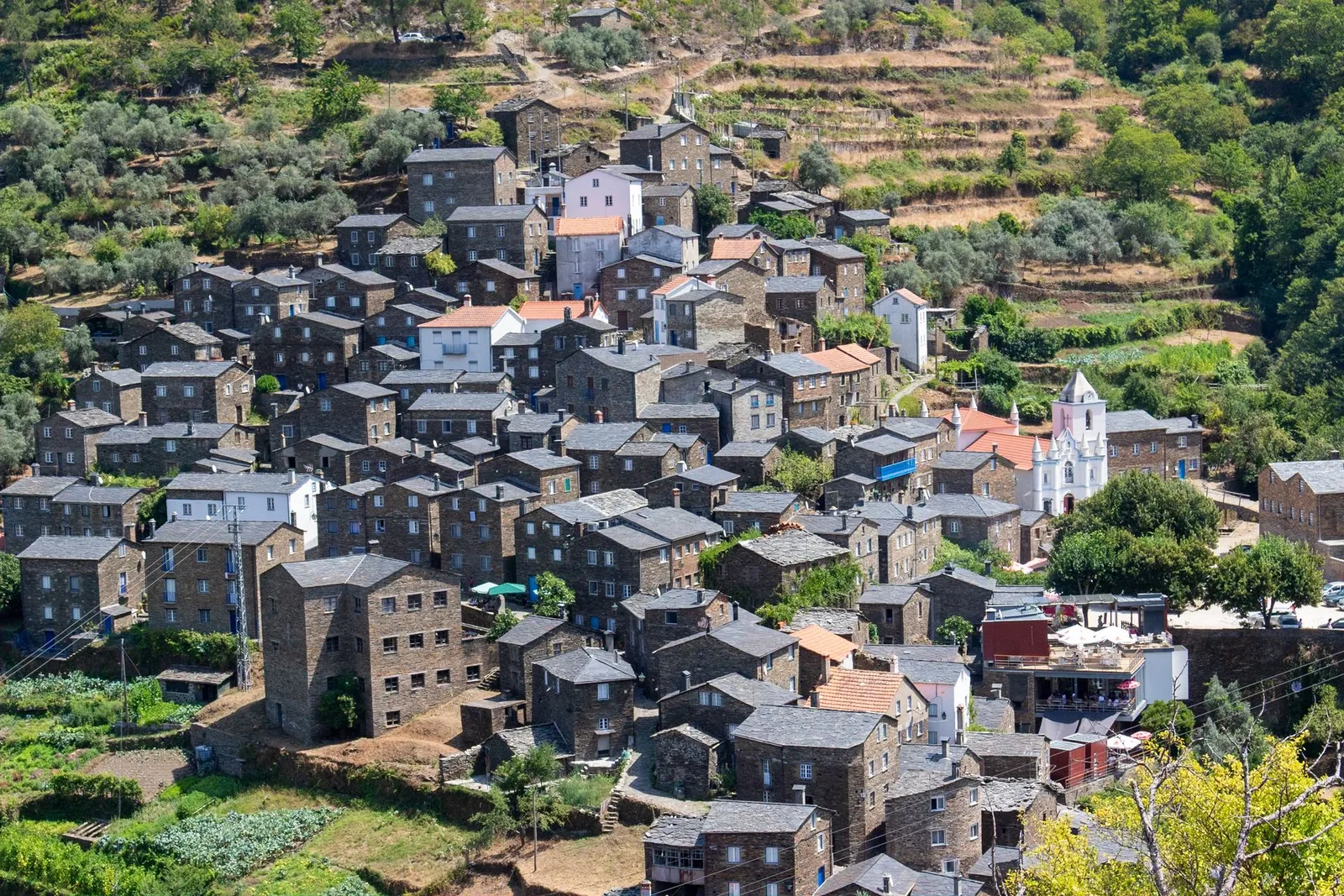
Schist villages built against the slope, flocks of sheep whose wool goes into the cheese of the same name, and in winter the only place in Portugal where it regularly snows.
Ria Formosa
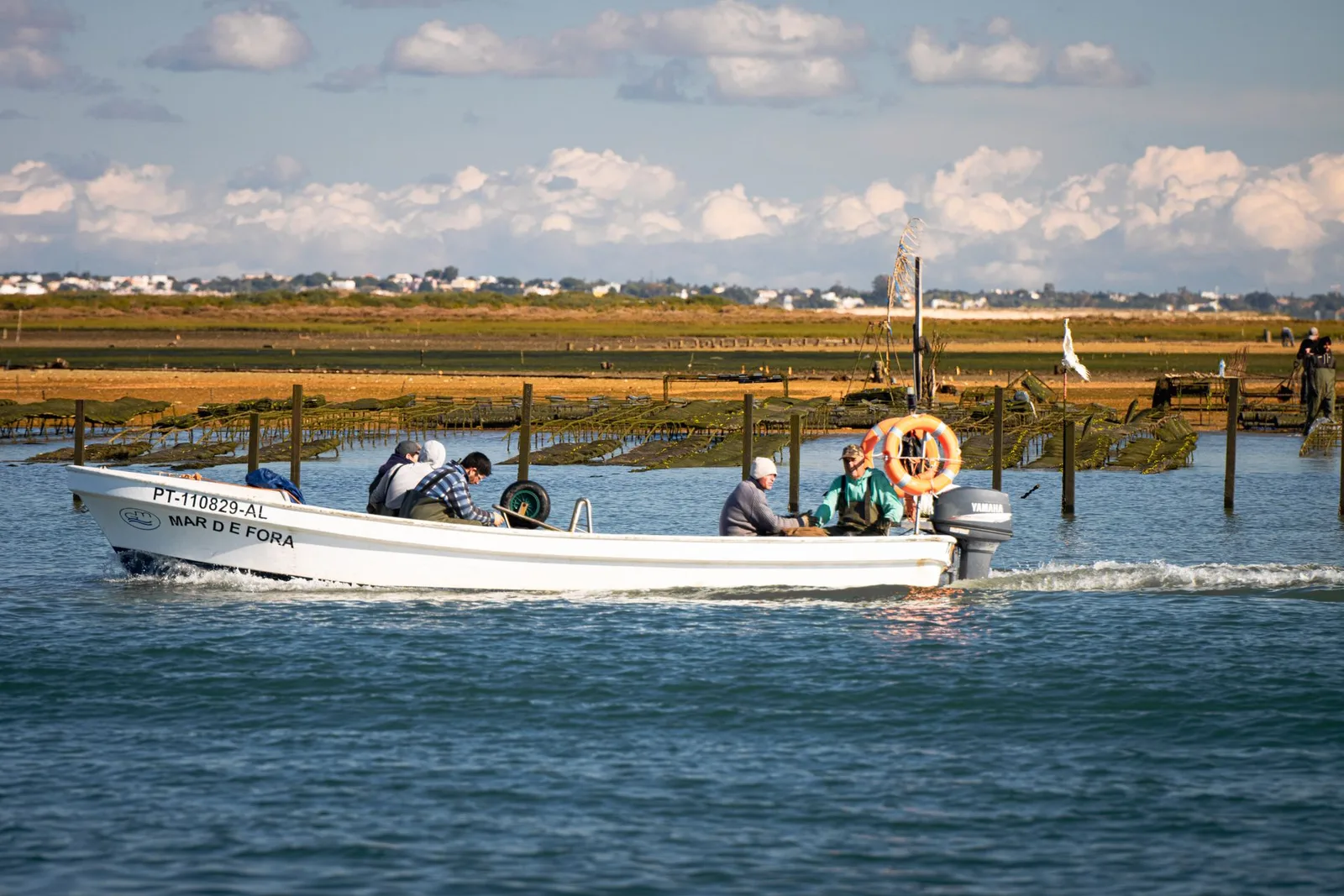
A lagoon system off the Algarve coast, sheltered by sandbanks and home to thousands of migratory birds. From here you're looking at a completely different Algarve than the cliffs further west.
A street in Porto that slopes straight down to the Douro, without a single detour.
Possibilities, not a programme
What follows isn't a route but a set of starting points. QualiMundi builds on whatever draws you.
Walking through schist villages
The Serra da Estrela and the surrounding schist-village routes suit day walks between settlements that barely make it onto the map.
Wine tasting at small quintas
In the Douro valley, family-run quintas open their doors for small-scale tastings, far from the big port houses on the coast.
Kayaking on the Ria Formosa
Among the sandbanks and bird-rich marshes of the Algarve lagoon, the water itself is the best way to move around.
Staying at a monte in the Alentejo
The traditional farmhouses of the Alentejo make a base from which the silence of the plain can really sink in.
Cycling along the Minho
The border river with Galicia follows a route past vineyards and granite villages, with as much Galician as Portuguese on the menus.
These are possibilities.Not your journey.
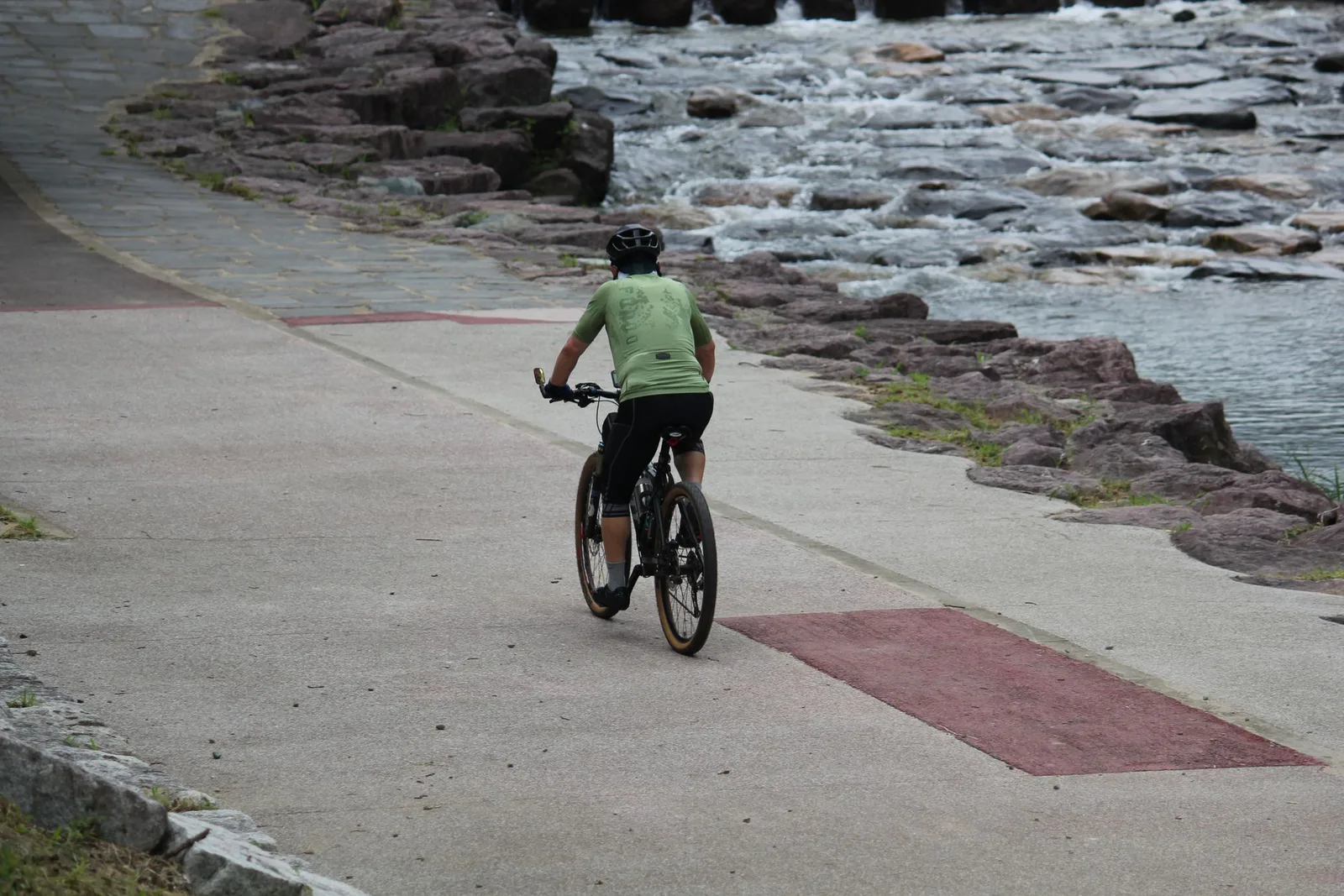
When to travel to Portugal
Portugal has no extreme season to categorically avoid, though the interior does heat up in July and August to temperatures that make the Alentejo almost unliveable by day.
The shoulder seasons, April to June and September to October, give the best of both: a country green enough to still feel alive and warm enough to stay outdoors.
Best time to visit Portugal
Who else is at their best in these months?
April May June September October
Use the contact form to discuss your travel dates and preferences with us.
Practical, without the noise.
Practical notes, not a complete guide.
Getting there
Direct flights to Lisbon, Porto and Faro from Belgium; the interior is best explored by hire car.
Documents
As an EU citizen, an identity card is enough; Portugal is part of the Schengen area.
Health
No mandatory vaccinations; a European Health Insurance Card covers most situations.
Pace
Distances look short on the map, but the back roads through the Alentejo and the north take more time than the kilometres suggest.
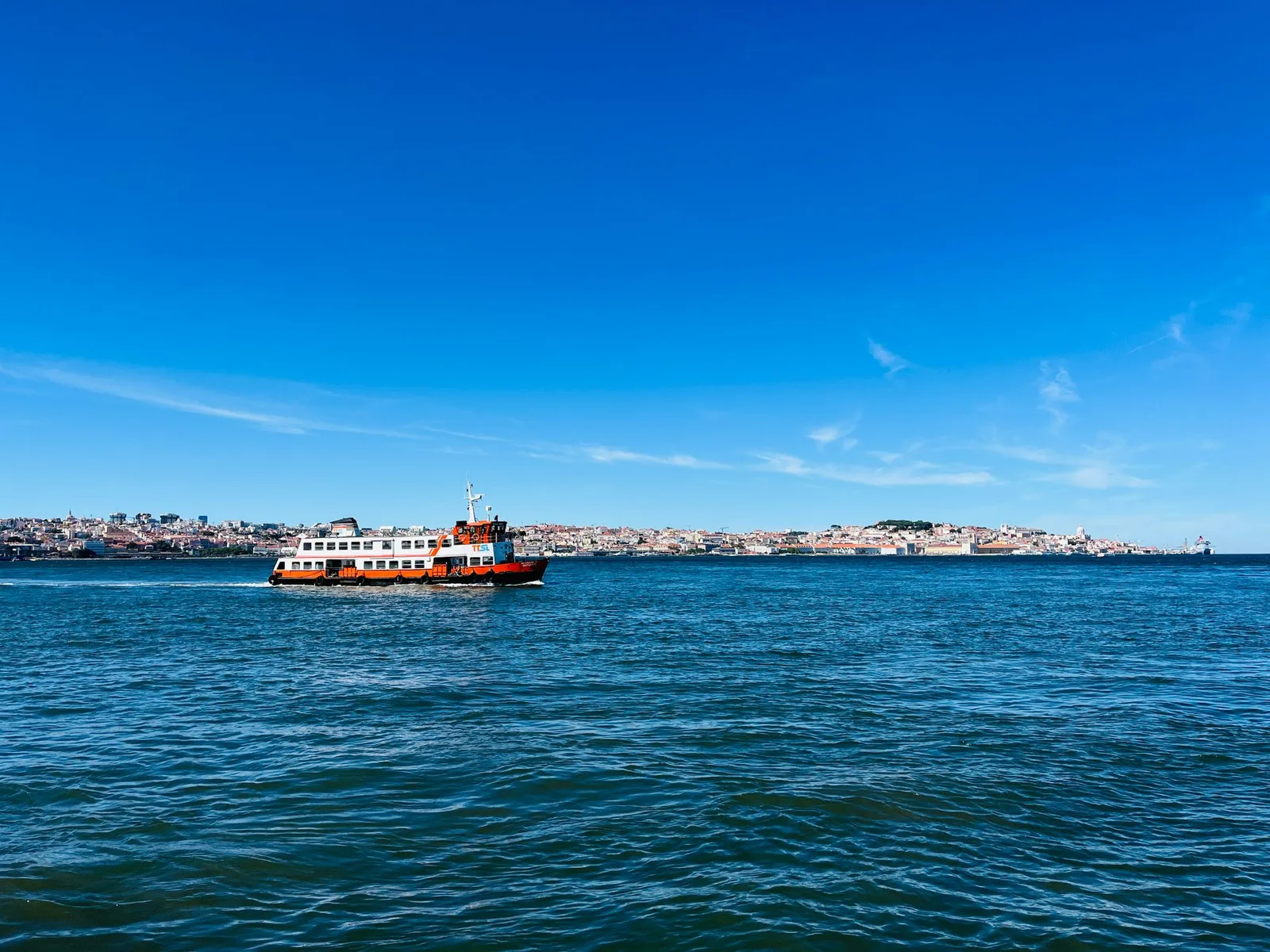
Two rivers, two rhythms: the Douro tamed into terraces, and the Tagus that simply lets Lisbon hang from it.
No fado cliché.Just a country looking slowly at itself.
- Flight time
- About 2.5 hours to Lisbon or Porto
- Languages
- Portuguese; English is widely understood in the larger cities
- Time difference
- Western European Time, one hour behind Belgium
- Elevation range
- From sea level to the Serra da Estrela, 1,993 metres, the highest point on the mainland