
The size of Portugal, with four thousand years packed in.
You can cross Jordan from north to south in four hours. In that same four hours you'll pass Roman cities still largely standing, a river valley that is the lowest point on earth, Byzantine mosaics, Crusader castles, a city carved into rock, and a desert where Bedouin families still herd their flocks.
That density is remarkable. What's even more remarkable is how quiet it is. Jordan has never drawn the visitor numbers these sites would justify, partly because of the region's reputation, a reputation the country itself doesn't deserve.
And then there's something no map shows. Ask travellers afterwards what they remember of Jordan, and the answer is rarely about stones. It's about a tea invitation that turned out not to be a sales pitch.
The monuments are the reason to come. The people are the reason it stays with you.
In short
Best time to go
March to May and September to November: pleasantly warm, with flowers in the north in spring and warm water in the Red Sea in autumn. Summer is hot, while winter is fresh and sometimes cold in Amman.
How long
Eight to ten days, with at least two nights at Petra. The country is compact, so drives are short and you have time to set out early or explore a canyon on foot.
Who it suits
For travellers who want to combine ancient cities and desert with proper walking, from the canyons along the King's Highway to the trails above Petra, and who will happily accept an invitation to tea.
What sets it apart
Jordan is roughly the size of Portugal, yet Petra, the Wadi Rum desert, Roman Jerash and the Dead Sea, more than 400 metres below sea level, all lie within a few hours' drive of each other.
Here, offering tea isn't politeness. It's a principle.
In Bedouin tradition, a guest is given shelter and food for three days before anyone even asks what brought them. That is not a museum piece: it is still woven into everyday manners, in the cities too.
As a visitor, you notice it as something faintly uncomfortable. You're invited in, and you wait for the moment someone tries to sell you something. That moment often never comes. For Western travellers that's disorientating, and that's exactly why it stays with you.
It also says something about how to travel here. Ride a bus from monument to monument and you'll see Jordan. Stay somewhere to eat, spend a night with a family, hold a conversation that's about nothing in particular, and you'll get to know it.
That difference matters more with this destination than with almost any other.

From the lowest point on earth to the mountain desert.
Everything lies within driving distance of everything else, and yet each place feels entirely different.
Amman
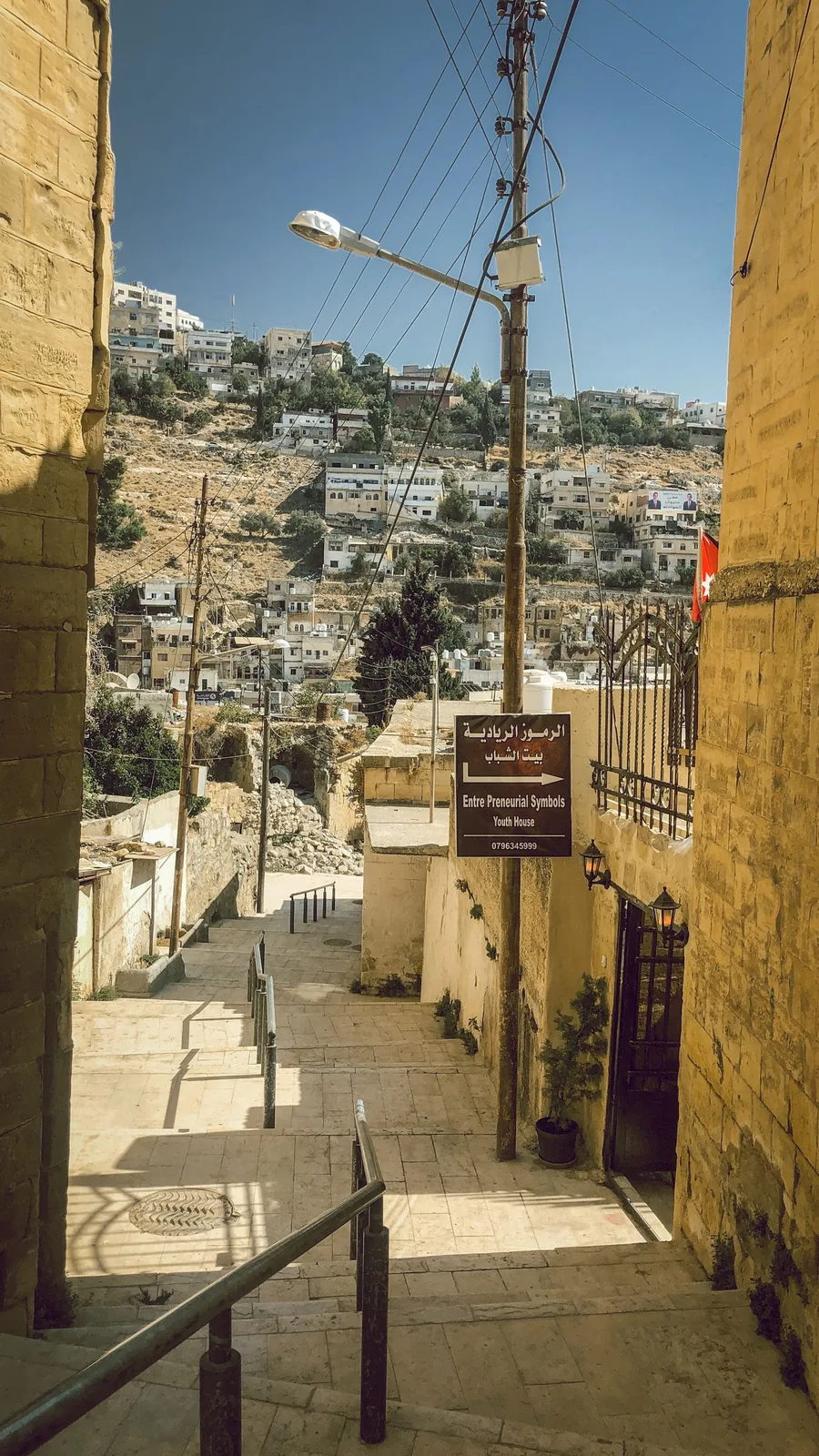
A city spread across nineteen hills, built in the same colour of stone, with a Roman theatre right in the centre and, alongside it, neighbourhoods full of galleries, cafés and bookshops. Most visitors use Amman only as an arrival and departure point, which is a shame: it's one of the few places where you can experience the contemporary Middle East at ease.
Roman cities and green hills
The north is surprisingly green, with olive groves and pine forests. Here lies one of the best-preserved Roman provincial cities in the world: not a scatter of columns but complete streets, cart ruts still visible in the stone. In the surrounding hills are nature reserves with walking trails and eco-lodges run by local cooperatives.
The King's Highway and the canyons
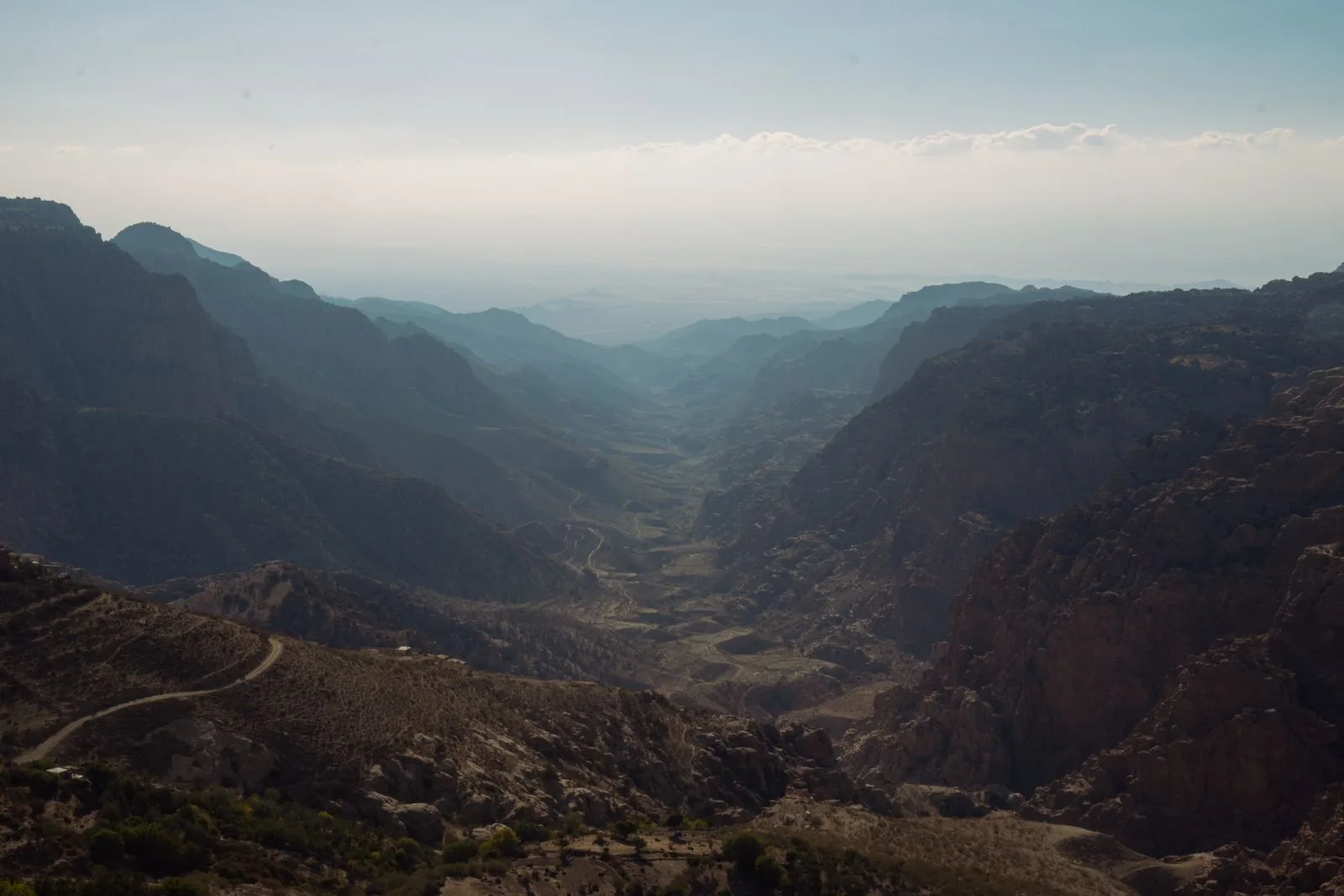
The old north-south route runs along the edge of a plateau, cut every so often by deep canyons. Along the way lie mosaic churches, Crusader castles and the nature reserve where you can wade a river gorge from the top down to the Dead Sea. Slow driving, plenty of stops.
The Dead Sea
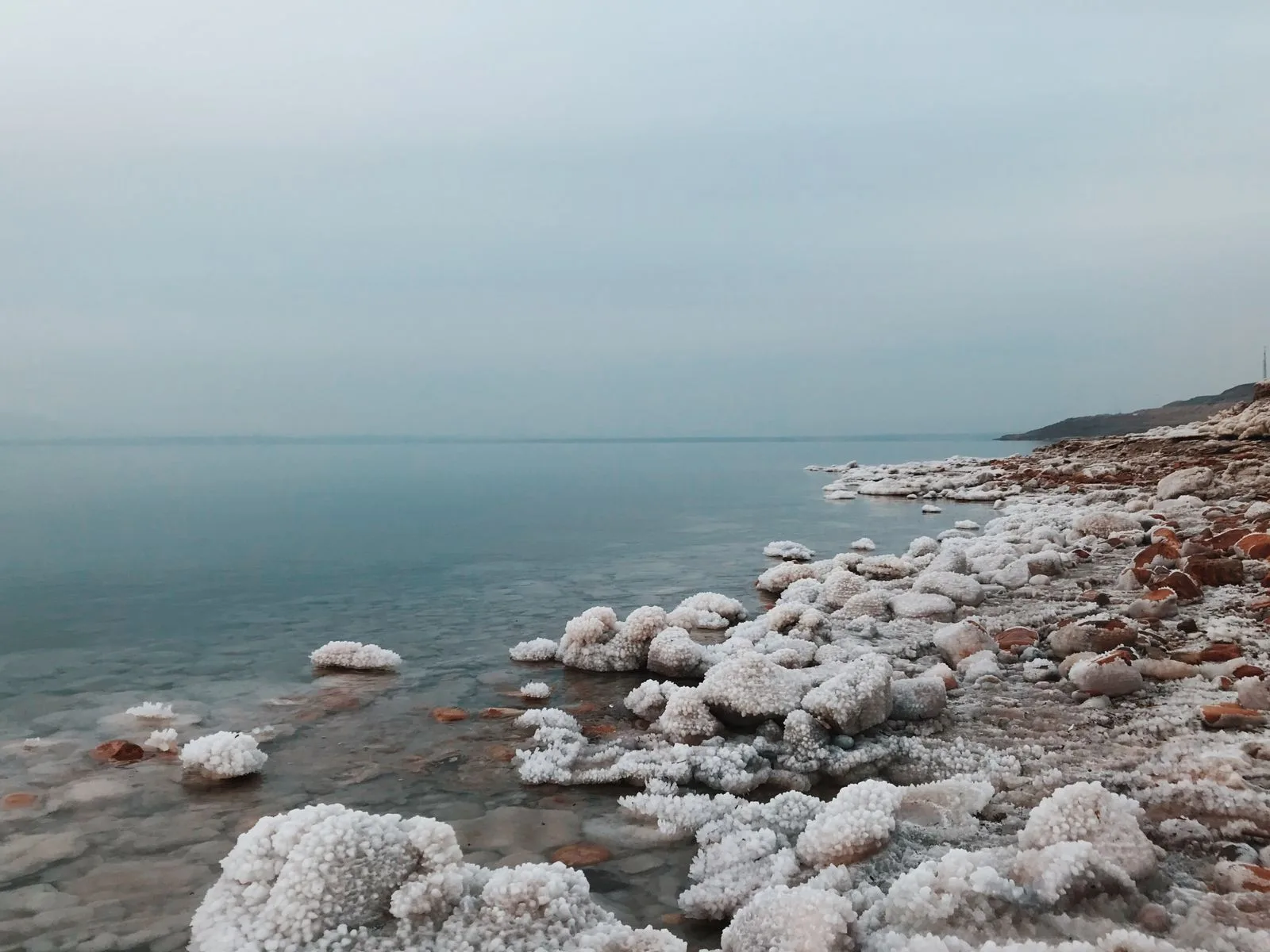
Well over 400 metres below sea level, with water so salty you float without trying. It is a strange experience, and an unsettling one too: the sea has been visibly shrinking for decades. The shores are partly developed for tourism and partly raw; the difference in experience is considerable.
The rock city
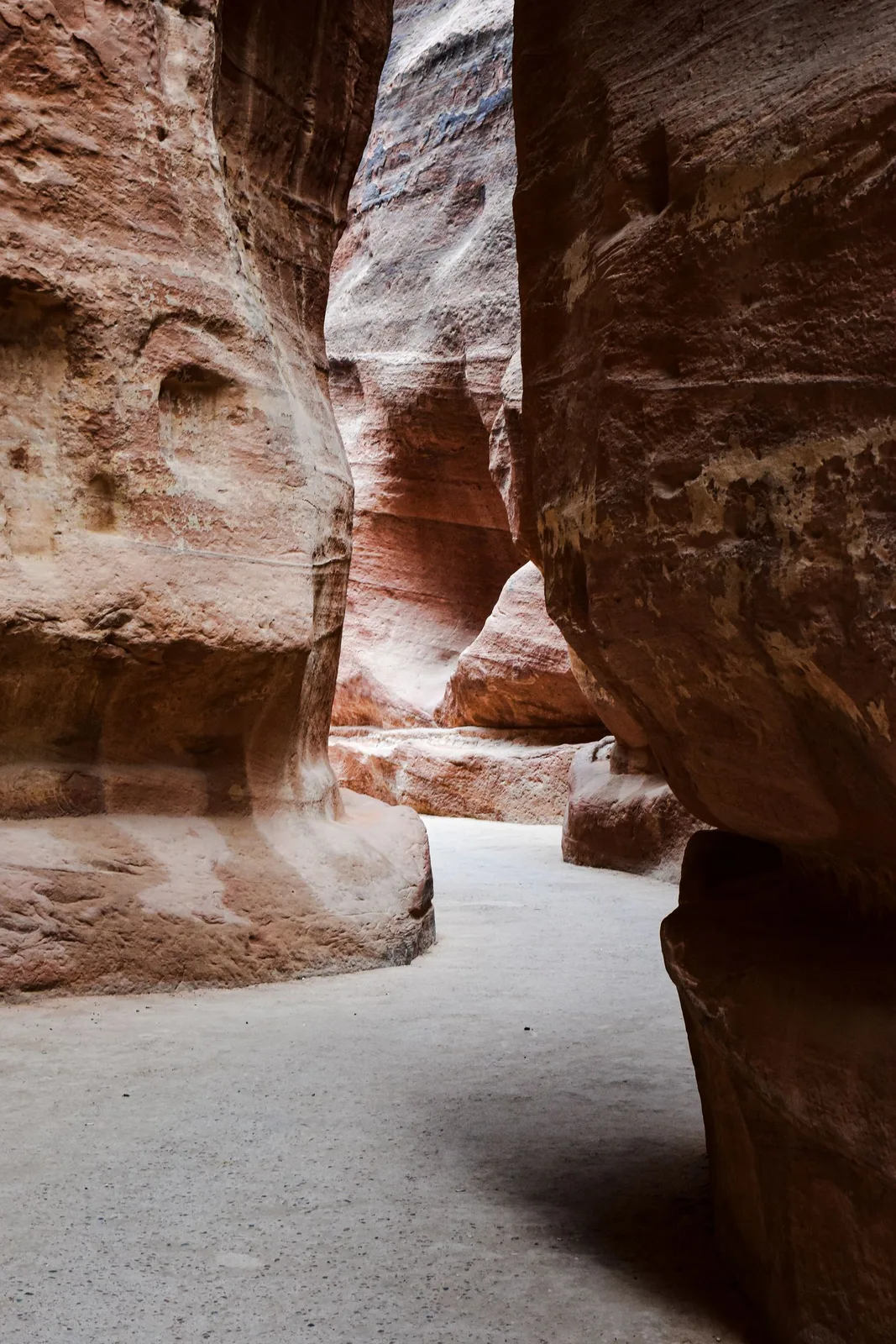
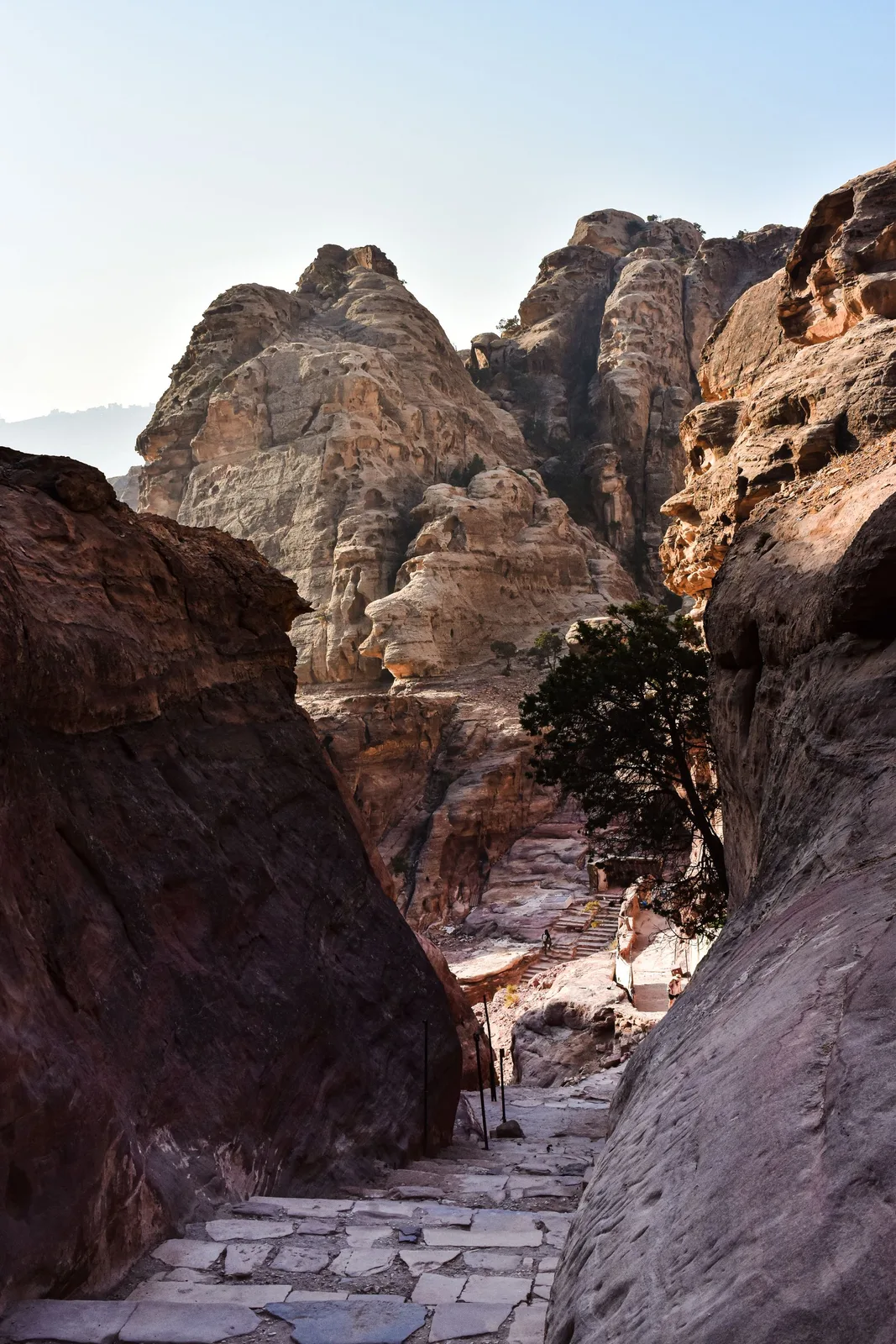
A trading city the Nabataeans carved from pink sandstone more than two thousand years ago, reached through a kilometre-long crack in the rock. It's bigger than visitors expect. There are days' worth of sights, and the lesser-known paths above are often empty. Early or late in the day, the difference from midday is enormous.
Wadi Rum
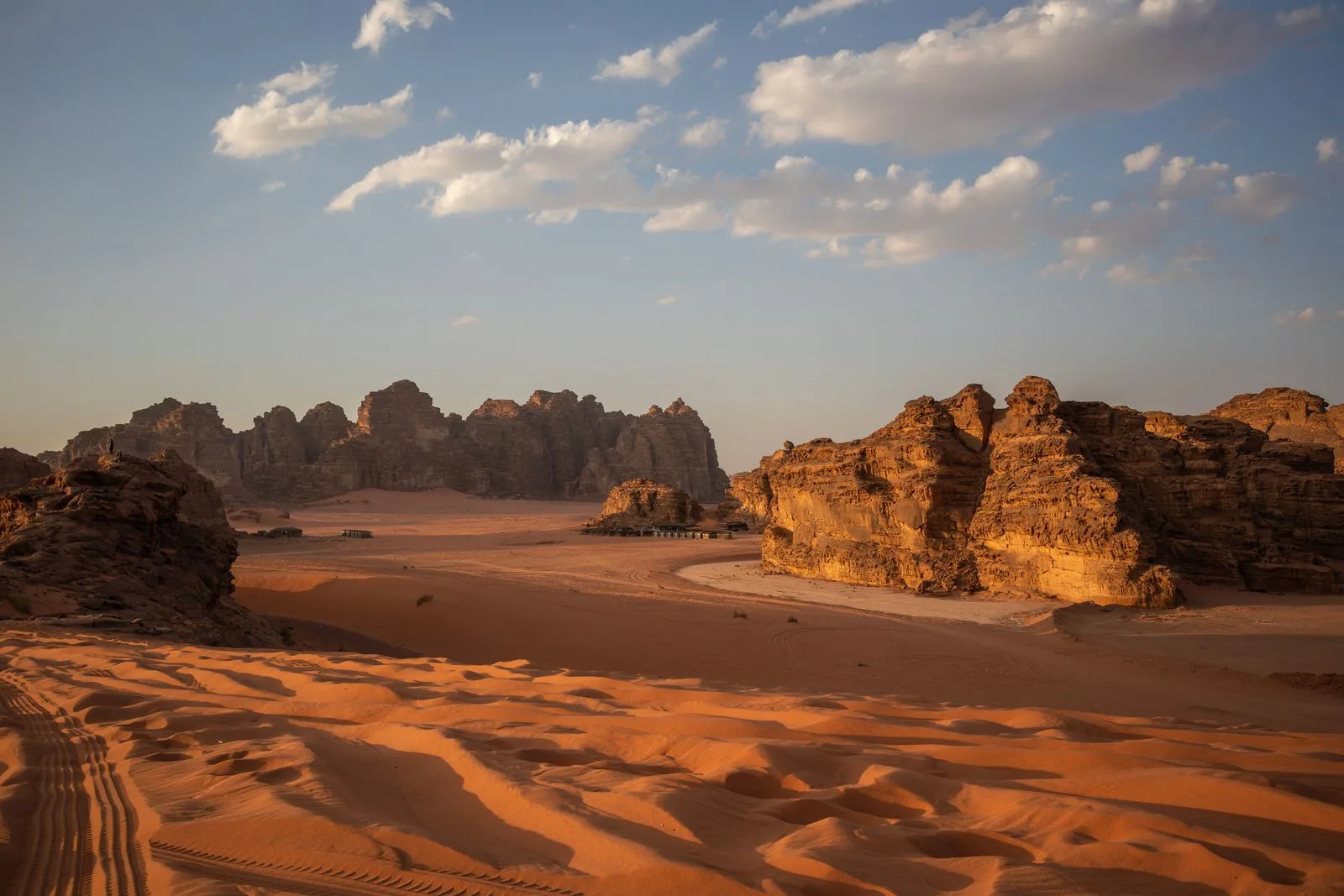
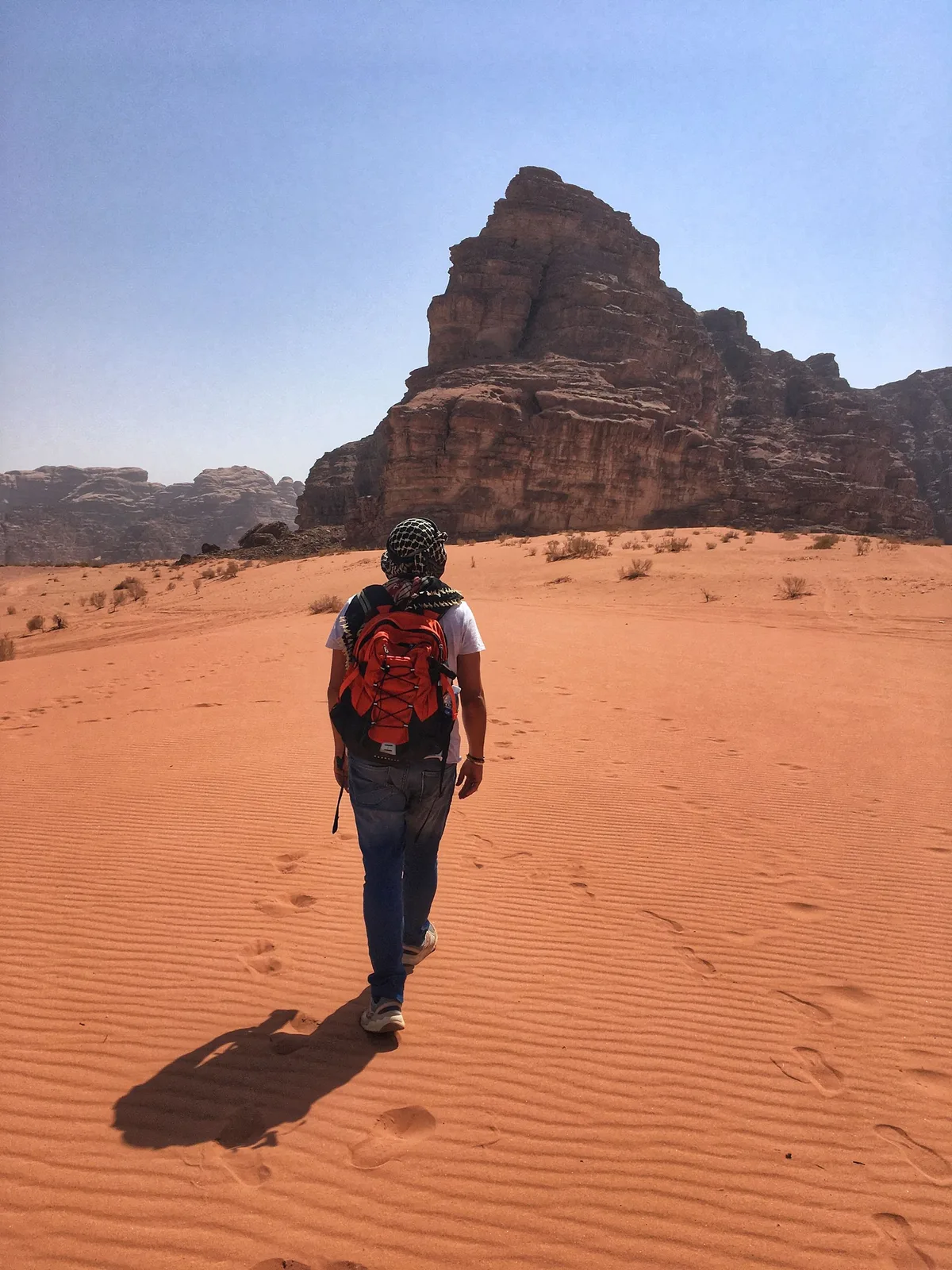
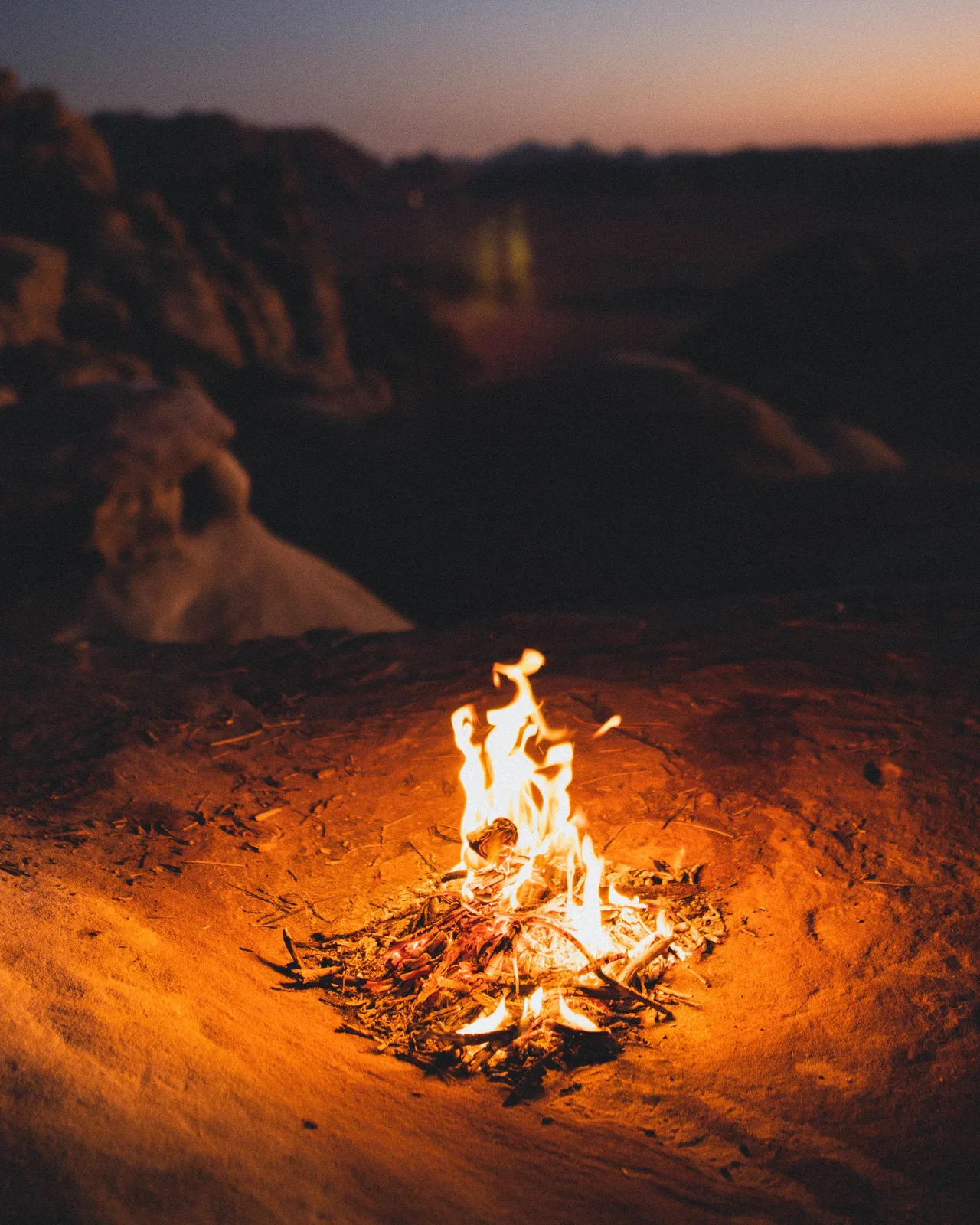
A landscape of red sand plains with rock massifs rising out of them, inhabited and managed by Bedouin families. You sleep in camps ranging from simple to distinctly comfortable, and get around on foot, by camel, or in the back of an old 4x4. The night sky is spectacular.
The Red Sea
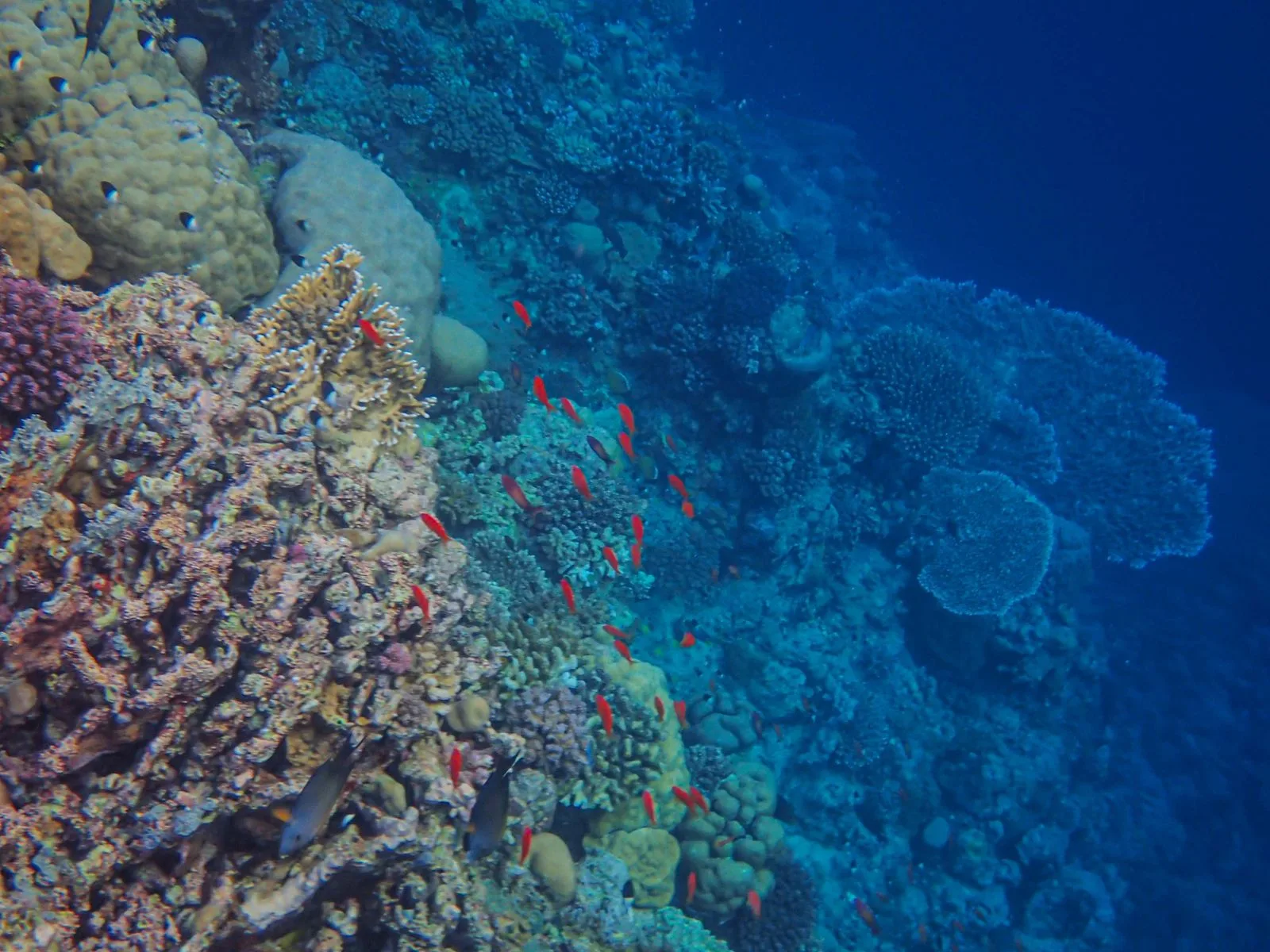
Jordan has only about twenty-six kilometres of coastline, but it borders one of the northernmost coral reefs in the world, well preserved, close to shore and diveable year-round. For anyone wanting to close out the desert with water, it's an hour's drive from Wadi Rum.



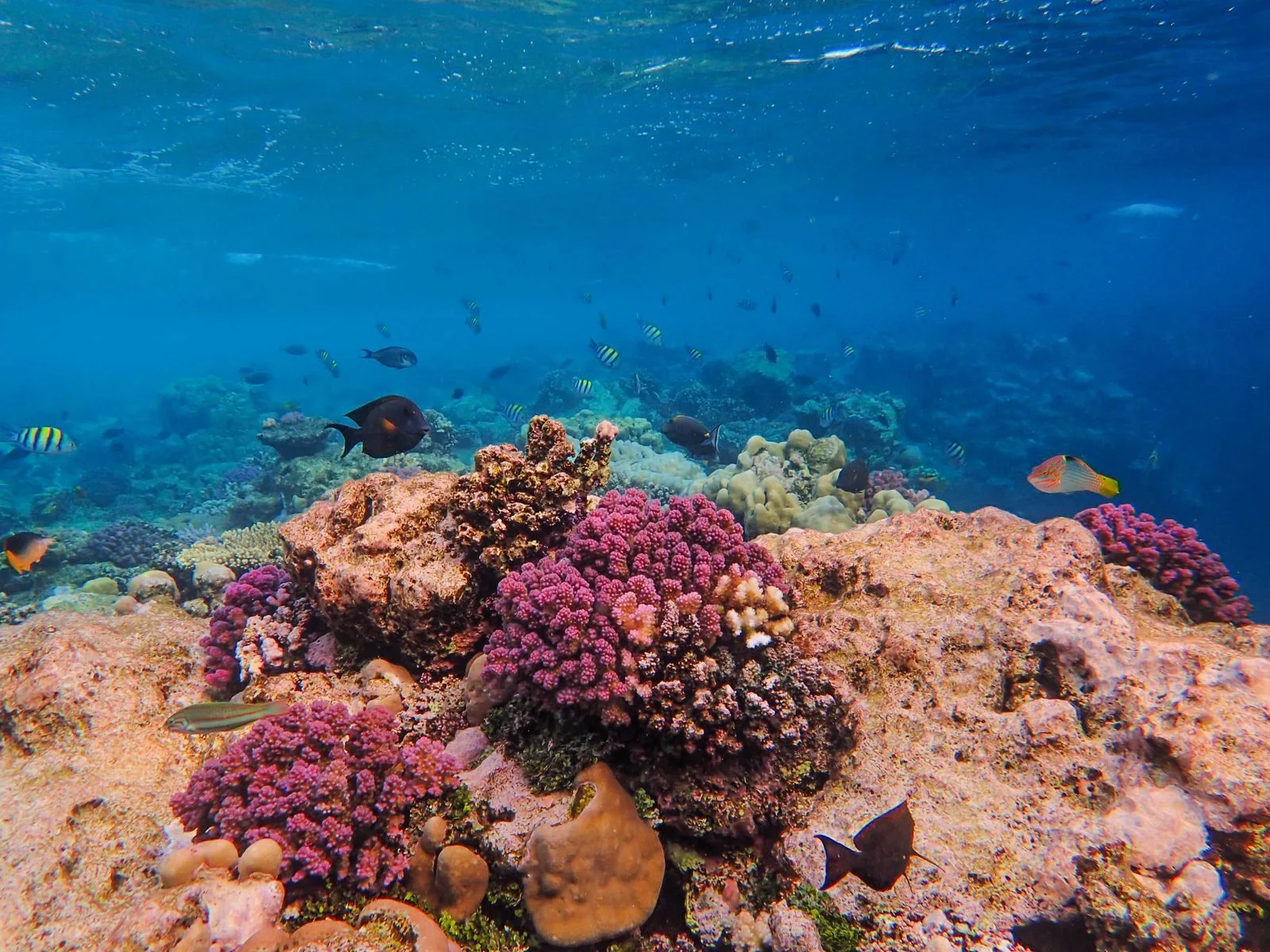
Everyone passed through here, and everyone left something behind.
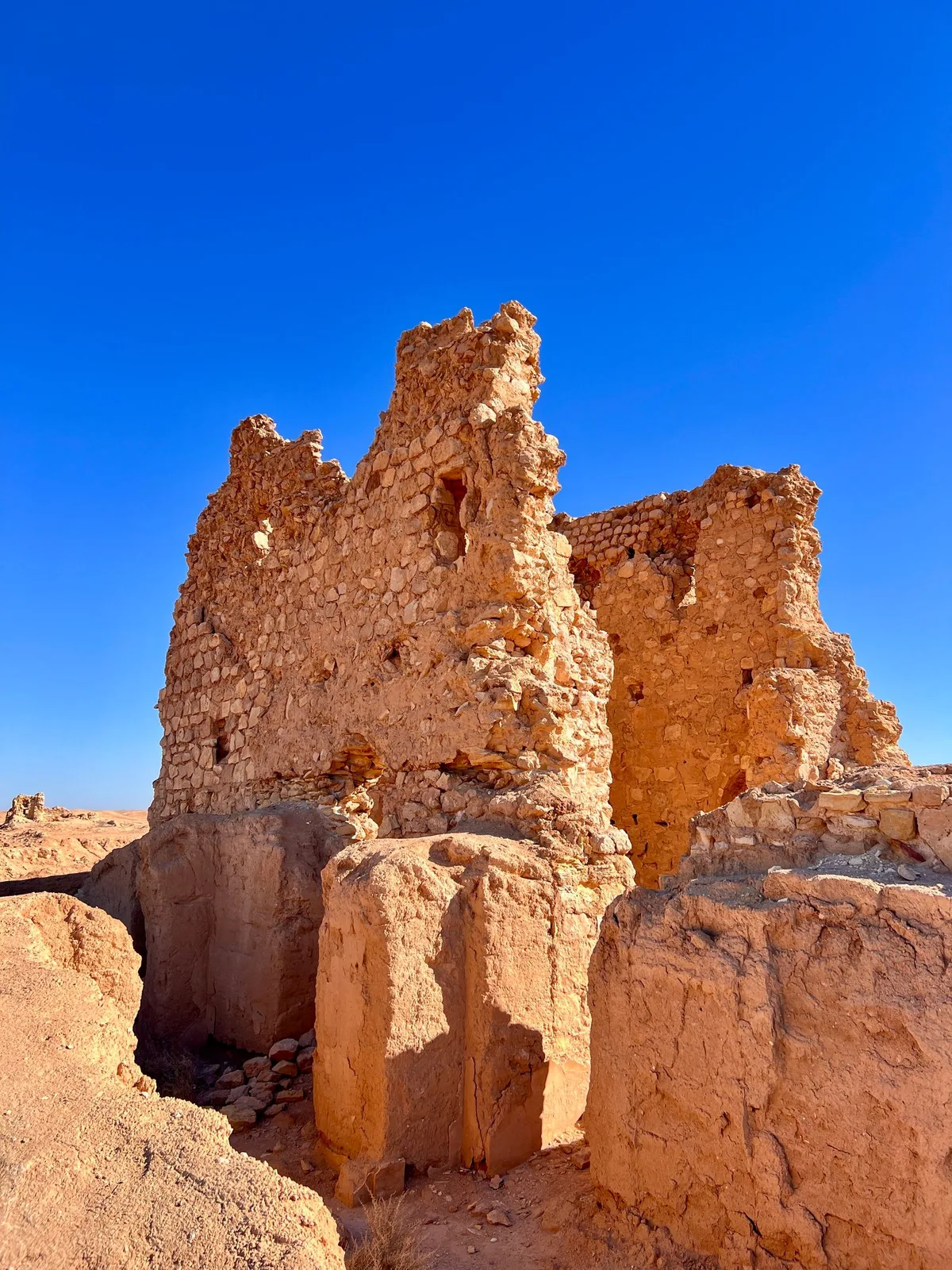
Jordan sits on the land bridge between Africa, Asia and Europe. That meant trade, and it meant war. Nabataeans, Romans, Byzantines, the early Islamic dynasties, Crusaders, Ottomans: all of them built here, and much of it still stands.
What makes it special is that these layers often sit on top of each other: a Roman temple with a Byzantine church inside it and a mosque next door, on a hill already inhabited in the Bronze Age.
Without someone who can explain that, it stays stone. With someone, it becomes a four-thousand-year story.
Mosaics
In the middle of the country lie Byzantine church floors with mosaics, including the oldest map of the Holy Land, still legible, laid stone by stone.
Desert castles
In the eastern desert stand early Islamic hunting lodges with frescoes and bathhouses. They're barely visited, which is exactly what makes them worth seeing.
The pilgrimage routes
The mountain from which Moses is said to have seen the promised land, the baptism site on the Jordan river: places that carry a different weight for many visitors than any monument.

Eating here is a plural verb.
Jordanian cuisine is Levantine: lots of small dishes to share, bread that doubles as cutlery, olive oil, pomegranate, za'atar, fresh herbs. The national dish is mansaf: lamb with rice and a sauce of fermented dried yoghurt, traditionally eaten with the right hand from a shared platter.
There is a lot of eating, and most of all a lot of eating together. Turning down an invitation is harder than you would think, and usually unnecessary.
The markets are worth the time, as are the spice shops and the small places that make just one thing: knafeh, or falafel, or hummus, and have done for forty years. Go to the market with a cook here, and you will understand more about the country afterwards than after three monuments.

What could Jordan be, for you?
Not fixed stops on a set route, but directions, to help you notice what draws you in and what you'd rather leave out.
On foot through the country
A walking trail runs from the north all the way to the Red Sea, in stages you can do separately, through villages, canyons and desert, with nights spent with families along the way.
The rock city from behind
Old paths enter the city from above instead of through the well-known crack. More climbing, far fewer people, and an entirely different first impression.
A night with Bedouin
Sleeping in the desert with a family who actually lives there, rather than in a camp built to resemble one. The difference lies in who organises it and where the money goes.
Wading through a canyon
From the plateau down to the Dead Sea through a river gorge, partly swimming. Physical, spectacular, and only possible in the right season.
Cooking and markets
Head to the market with a cook, then get to work in a real kitchen. In Amman and in the countryside, where the cuisine looks different again.
Underwater
Diving or snorkelling on the northernmost reefs of the Red Sea, where the coral lies close to shore and the water stays pleasant year-round.
These are possibilities.Not your journey.


Spring and autumn, and that's no compromise.
March to May is the finest period: pleasantly warm, and after the winter rains the north is full of flowers. September to November brings stable weather without the summer heat, with warm water in the Red Sea.
June to August is hot, often around forty degrees at the Dead Sea. Walking becomes unwise then, but anyone who plans the day around the heat and sets off early in the morning can travel perfectly well. Prices are lower and it is quieter.
December to February is cool, even cold in Amman, with a chance of rain and snow. Desert nights then genuinely call for warm clothing. On the plus side, the monuments are at their quietest.
Also watch the religious calendar. During Ramadan the rhythm of the country changes noticeably, a reason for some travellers to go then and a reason for others to avoid it. We talk this through beforehand.
Best time to visit Jordan
Who else is at their best in these months?
March April May September October November
Use the contact form to discuss your travel dates and preferences with us.
Where we look at it differently.
Two nights at the rock city, not a day visit. The site is vast and the hour decides everything. Stay two nights and you can be there twice at opening time and walk the lesser-known paths. It is the single most important choice of this trip.
The north gets skipped. Most trips run straight south from the capital. The green north, with its Roman cities and nature reserves, is left unvisited as a result, unfairly.
Amman deserves more than an airport night. A day in the city, with someone who knows the neighbourhoods, gives a picture of contemporary Jordan the monuments never do.
Choose your desert camp carefully. What's on offer in Wadi Rum varies enormously, from community-run camps to bubble domes built for social media. What suits you depends entirely on what you're after. So that's what we ask first.
Safety and perception. Jordan is often confused with its neighbours. The country is stable and used to visitors. We'd rather give you the actual situation than empty reassurance.
Practical, without the noise.
We go through the full, up-to-date picture in person, including whatever matters specifically for your trip.
Getting there
Direct flights to Amman in about five hours, or with one stopover. Close enough for a trip of eight to ten days.
Documents
Which travel documents you need depends on your nationality, and entry rules change regularly. We go through the current requirements with you and help arrange what is needed in advance.
Health
No special vaccinations required beyond the standard schedule. Summer heat is the main thing to plan around.
Clothing
Jordan is relatively relaxed, but covered shoulders and knees are appreciated outside tourist sites, and required at mosques.
Travelling with children
Particularly well suited: short distances, plenty of variety, and a culture where children are welcome everywhere.
Walking
Much of the best of Jordan involves walking, sometimes with some scrambling. Let us know your fitness and preference; there's a lot we can adjust around that.
Paying
Card payment works in cities and hotels; markets, villages and Bedouin camps need cash.
Ramadan
The fasting month shifts each year. Restaurants have limited hours during the day and the rhythm changes; evenings have an exceptional atmosphere.
Frequently asked questions
When is the best time to visit Jordan?
March to May is the finest period, with flowers in the north after the winter rains. September to November brings settled weather without the summer heat, and warm water in the Red Sea. Summer is hot, often around forty degrees at the Dead Sea. Winter is fresh and sometimes cold in Amman, but the monuments are at their quietest.
How much time do you need for Petra?
At least two nights, not a day trip. The site is larger than visitors expect and the hour decides everything: arrive at opening twice and you see a different place from those who come at midday. The lesser-known trails along the top are often empty.
Is Jordan safe to travel?
Jordan is often confused with its neighbours, but the country is stable and used to visitors. We would rather give you the factual situation at the time of your trip than a general reassurance.
What should you wear in Jordan?
Jordan is fairly relaxed, but away from the tourist sites covered shoulders and knees are appreciated, and in mosques they are required. In winter the desert nights call for genuinely warm clothes, and in summer protection from the heat is the main concern.
Can you travel to Jordan during Ramadan?
You can, and it depends on what you are looking for. During the day restaurants are open only in part and the rhythm of the country changes noticeably, but in the evening the atmosphere is exceptional. For some travellers that is exactly the reason to go. The month of fasting shifts every year, so we look at it for each travel period.
- Flight time
- About 5 hours direct, or 6 to 8 with a stopover
- Languages
- Arabic; English widely spoken in the tourism sector
- Time difference
- +1 hour compared to Belgium
- Elevation range
- From 430 metres below sea level to over 1,800 metres above
- Strongest periods
- March-May and September-November