
A thousand hills, and a discipline that stands out.
In Kigali, you arrive at the Kigali Genocide Memorial in Gisozi without warning. There's no sign on the edge of town, it sits right in the middle, on the route into the centre. Rwanda has never chosen to hide 1994. School classes visit on excursions, state visits begin there, and guides tell the story without softening it or overstating it.
That same honesty runs through how the country has rebuilt itself. Plastic bags have been banned since 2008, and customs still checks for them. On the last Saturday of the month, shops close for a morning for umuganda, mandatory community work where neighbours mend a road or fix up a school together. The result is a streetscape that stands out in the region: swept, planted, without a scrap of litter.
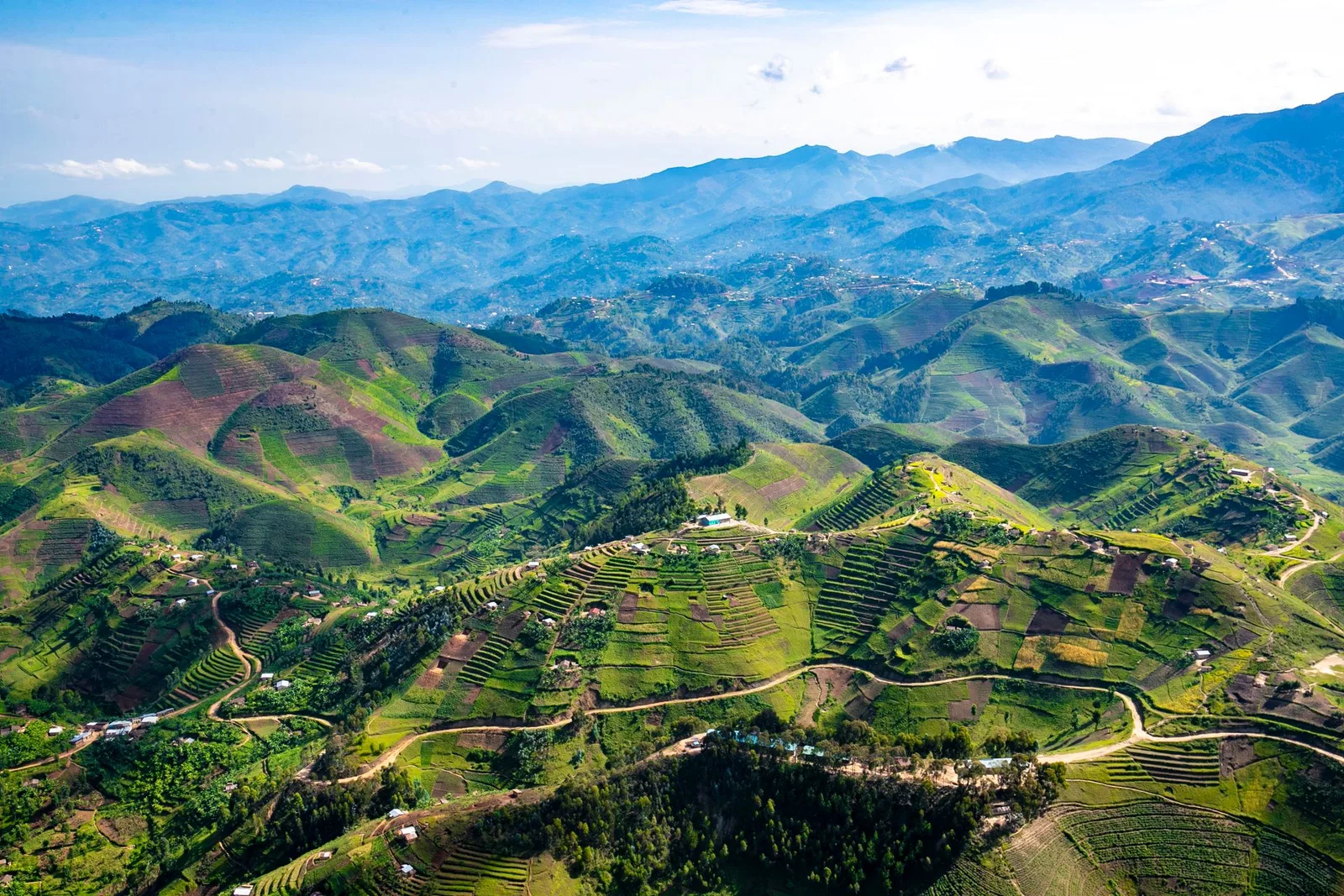
Beyond the cities, the country climbs. Terraces of tea and coffee rise up the hills to the mist line, where mountain gorillas still live in one of the last places on earth where that is possible. Rwanda is small enough to combine volcano, rainforest, lake and savannah in a single trip, and too deliberately built to let any of it feel accidental.
In short
Best time to go
June to August is the driest, with the least muddy trails for gorilla trekking; near the volcanoes rain is already more frequent in September. December to February is a shorter, less dry spell.
How long
A week to ten days for gorillas, Nyungwe and Lake Kivu, longer with Akagera or combined with Uganda. The country is small and the roads are good, so there is no need for domestic flights.
Who it suits
For travellers who want to see mountain gorillas and also understand how the country moved on after 1994, with time for the memorial in Kigali, the rainforest and the lake.
What sets it apart
Nyungwe has been on the World Heritage List since 2023, and lions (2015) and black rhinos (2017) were brought back to Akagera, putting gorillas, rainforest and savannah in one small country.
Why we look at Rwanda differently
Beyond the hundred days The 1994 genocide is part of every conversation about Rwanda, but not the only part. Our local contacts give the memorial the time it deserves, without reducing the rest of the country to it.
A permit isn't a free pass Each gorilla family receives a maximum of eight visitors a day. Book late and you risk a waiting list or a less accessible family. We arrange permits well in advance through our contacts at the park.
Clean is a choice, not a coincidence Rwanda's tidiness is the result of policy and habit, not luck. Umuganda and the plastic ban aren't a curiosity for visitors, but a discipline the country has kept up for two decades.
Three ecosystems within a morning's drive Volcano, rainforest and savannah lie closer together in Rwanda than anywhere else in the region. That compact scale changes how you build a route: less time moving, more time in each place.
From volcano slopes to savannah, closer together than you'd expect.
Rwanda is small. You can drive across it in a day. But what comes together in that space rarely does elsewhere. Six faces that have little in common, except the hills they all sit on.
Volcanoes National Park & Musanze
Five of the eight Virunga volcanoes lie on Rwandan soil, with Bisoke and Karisimbi as the landmarks. Musanze, the town at their foot, is the starting point for gorilla trekking and for walks to the crater lakes further on.
Nyungwe Forest
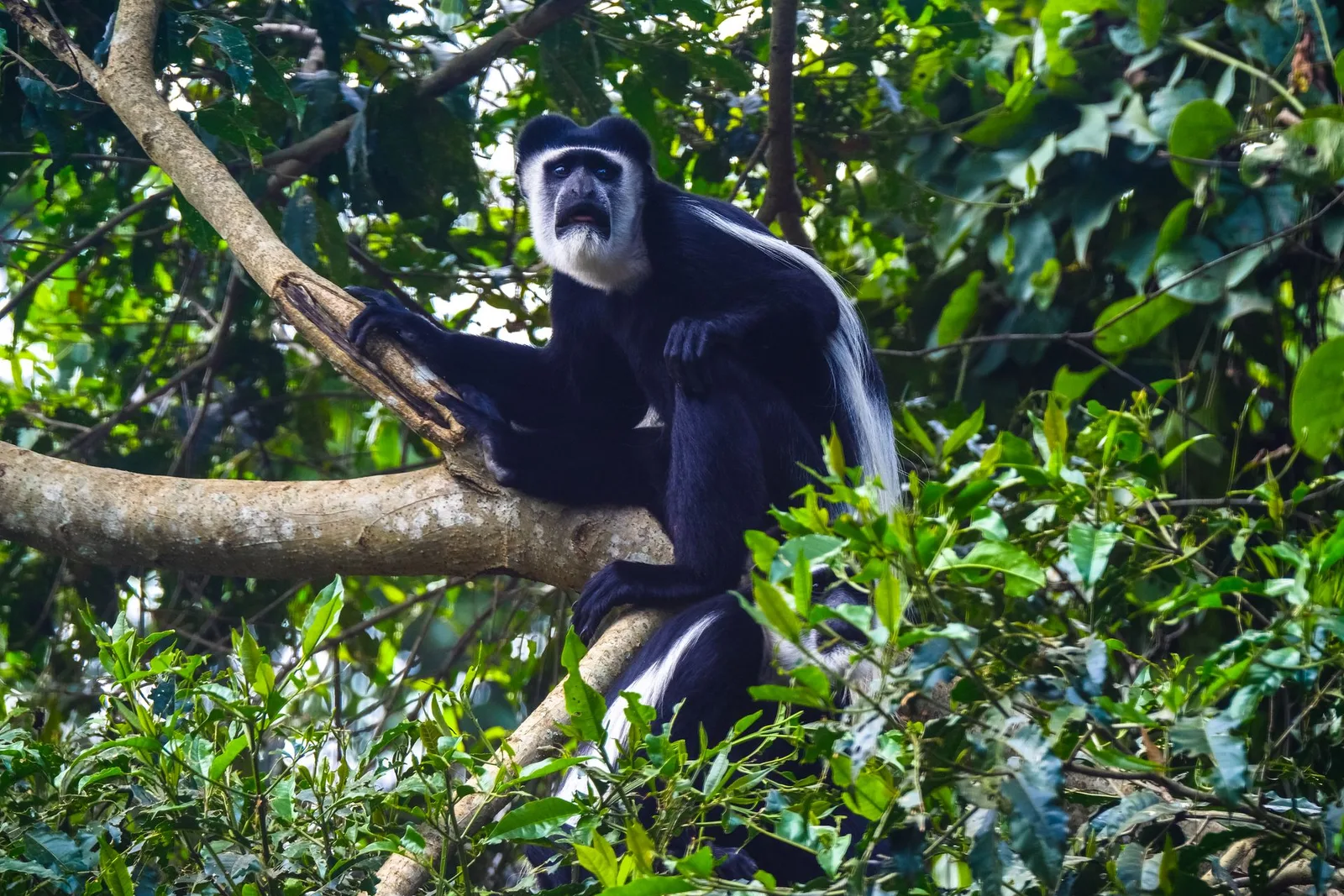
One of Africa's oldest rainforests, with a canopy walk seventy metres up and thirteen primate species, from chimpanzees to colobus monkeys. The tea grown on the surrounding hills is processed within hours of being picked.
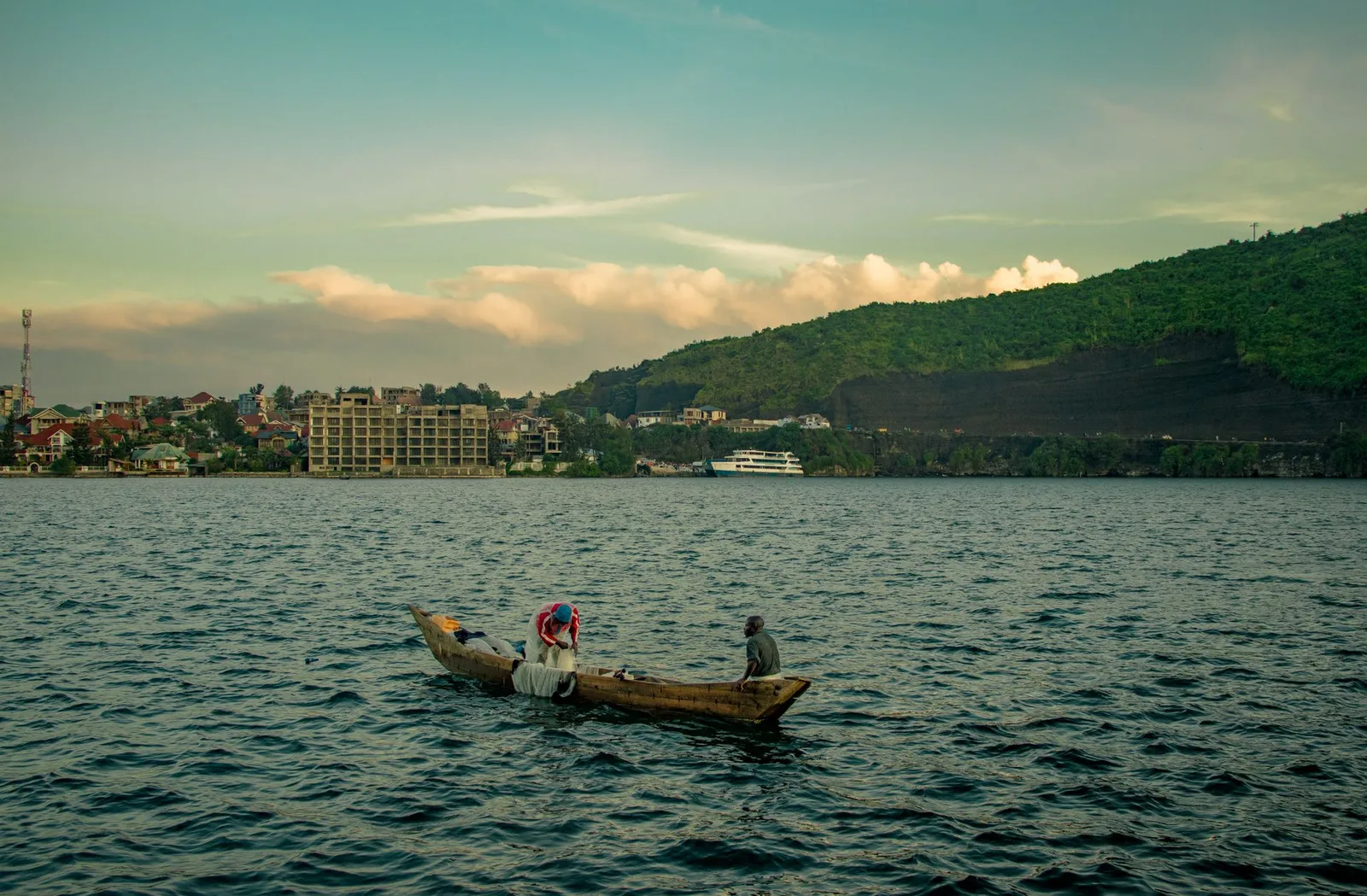
Lake Kivu: Rubavu and Karongi
An inland lake so large the far shore disappears into the haze, with fishing villages, coffee farms running down to the water, and a pace that suits you well after trekking in the mountains.
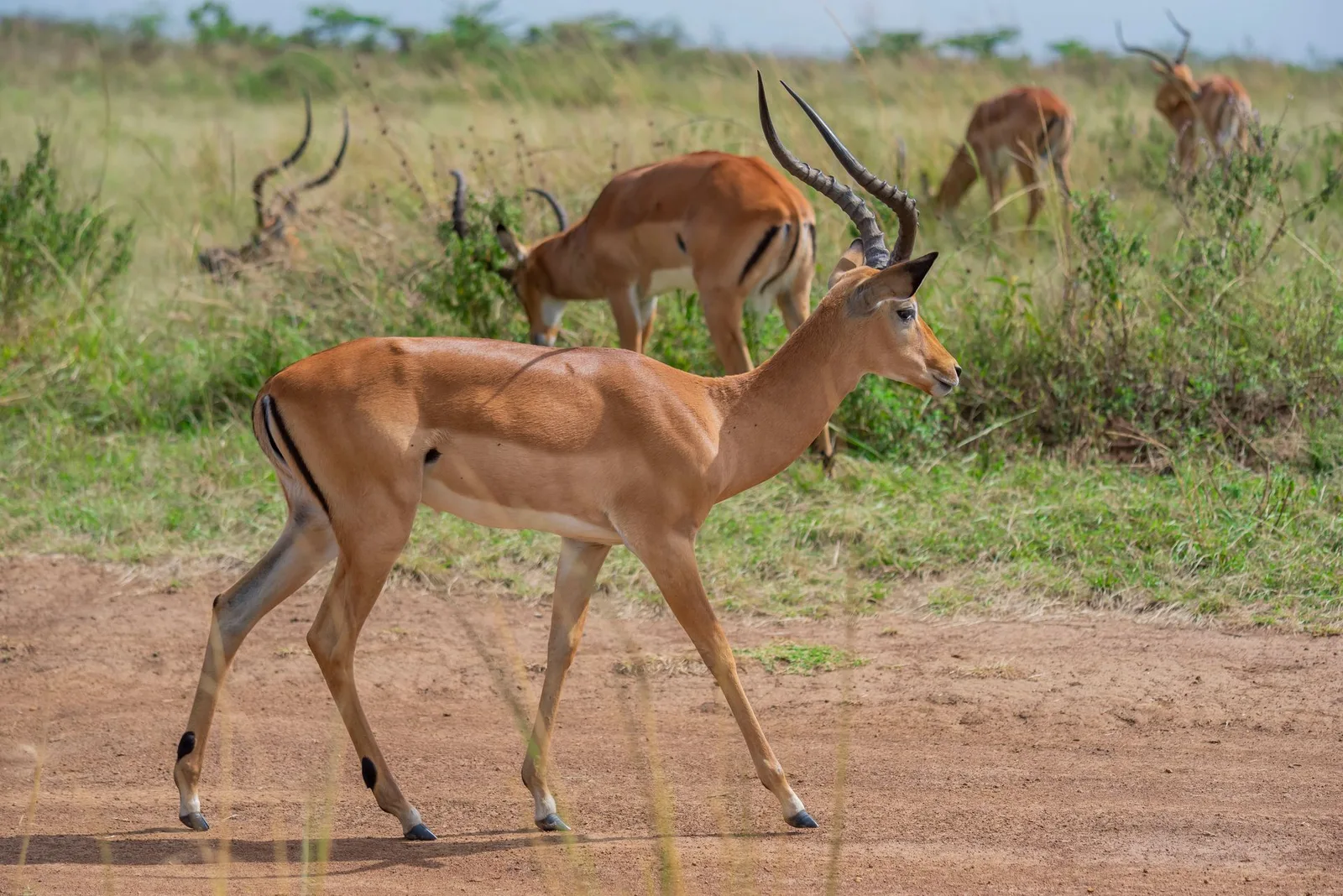
Akagera National Park
In the east, against the Tanzanian border, lies the savannah most visitors don't expect from Rwanda. Lions and rhinos were reintroduced here in 2015 and 2017 respectively, after decades of absence.
Kigali
One of the cleanest capitals on the continent, built across four hills, with neighbourhoods like Nyamirambo where street life doesn't adjust itself for visitors.
Nyanza and Huye
The old royal court, with its thatched king's residences and famous long-horned cattle, sits next to Huye, the university town with the national museum and the south's best coffee bars.


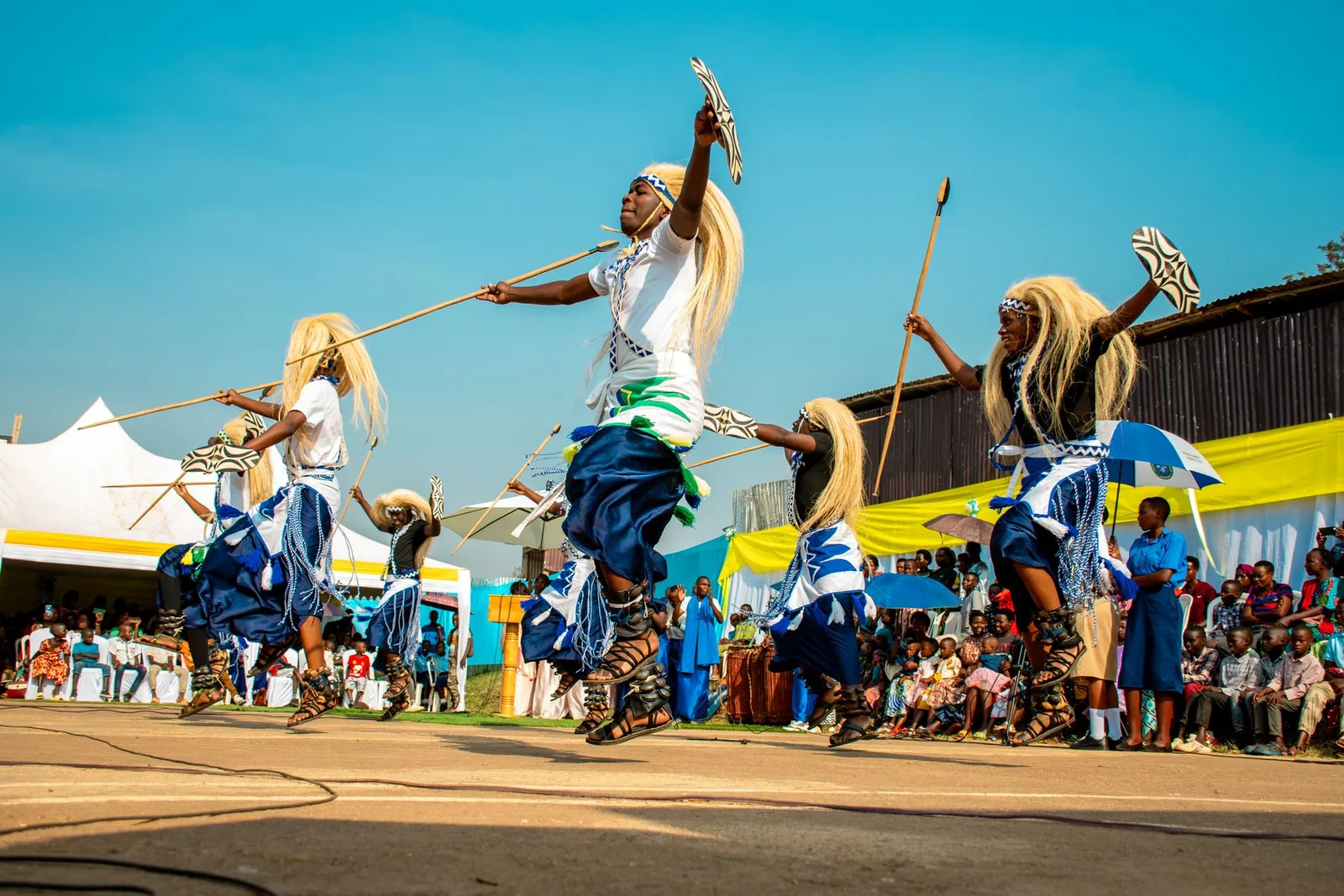
Three primates, three ecosystems.
Rwanda's name is often reduced to its gorillas, but coming for them alone means missing two other encounters that matter just as much.
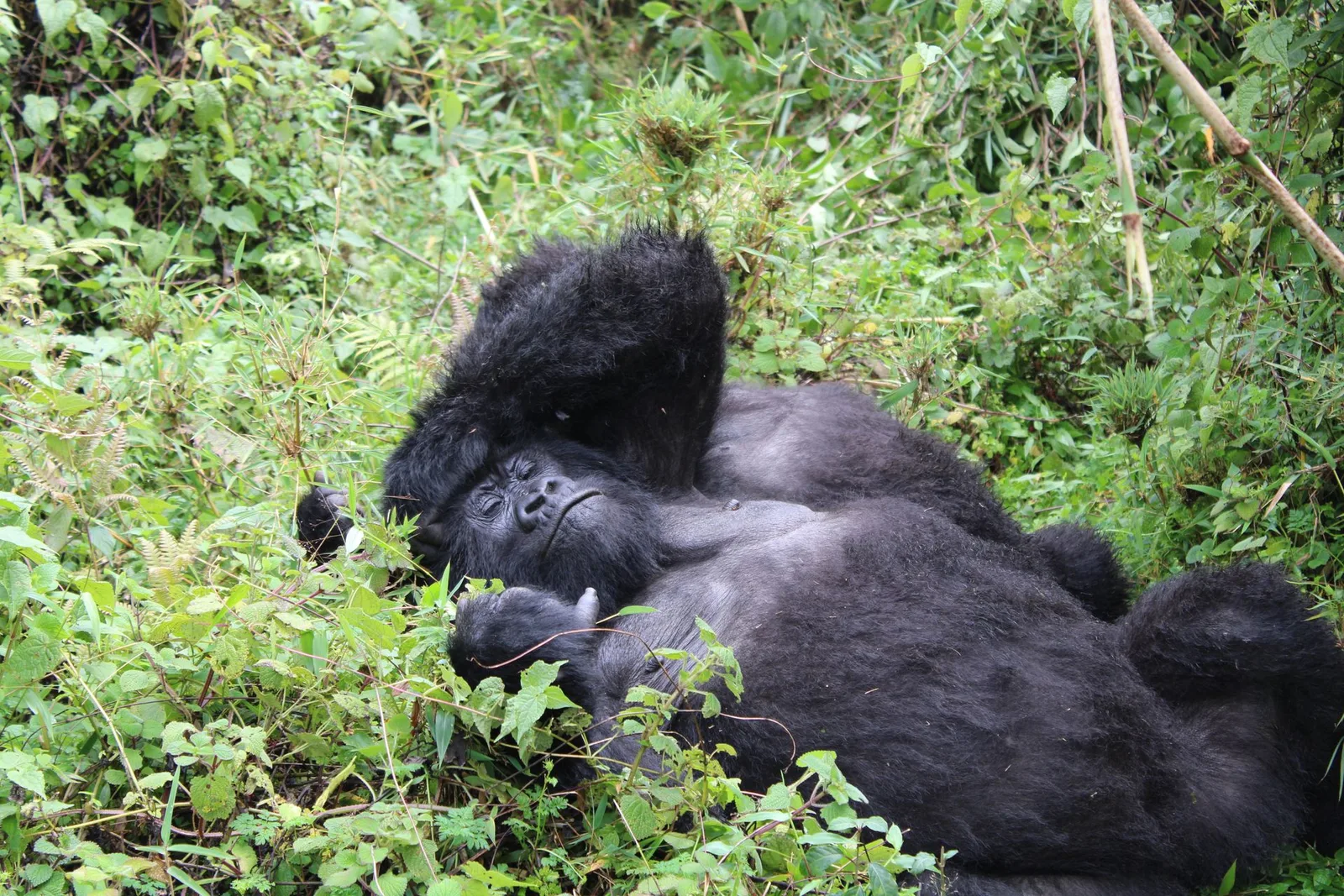
Mountain gorillas, Volcanoes NP
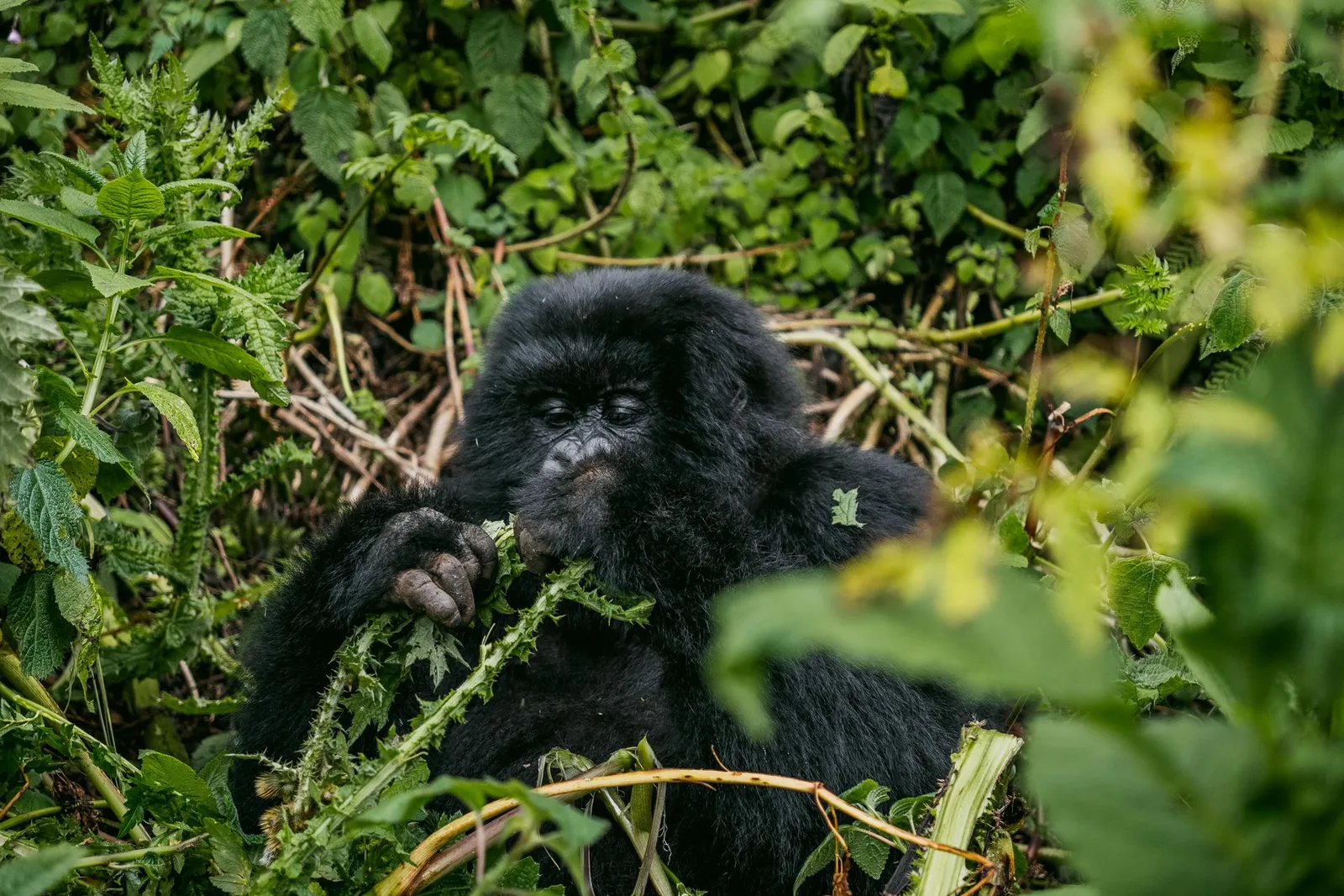
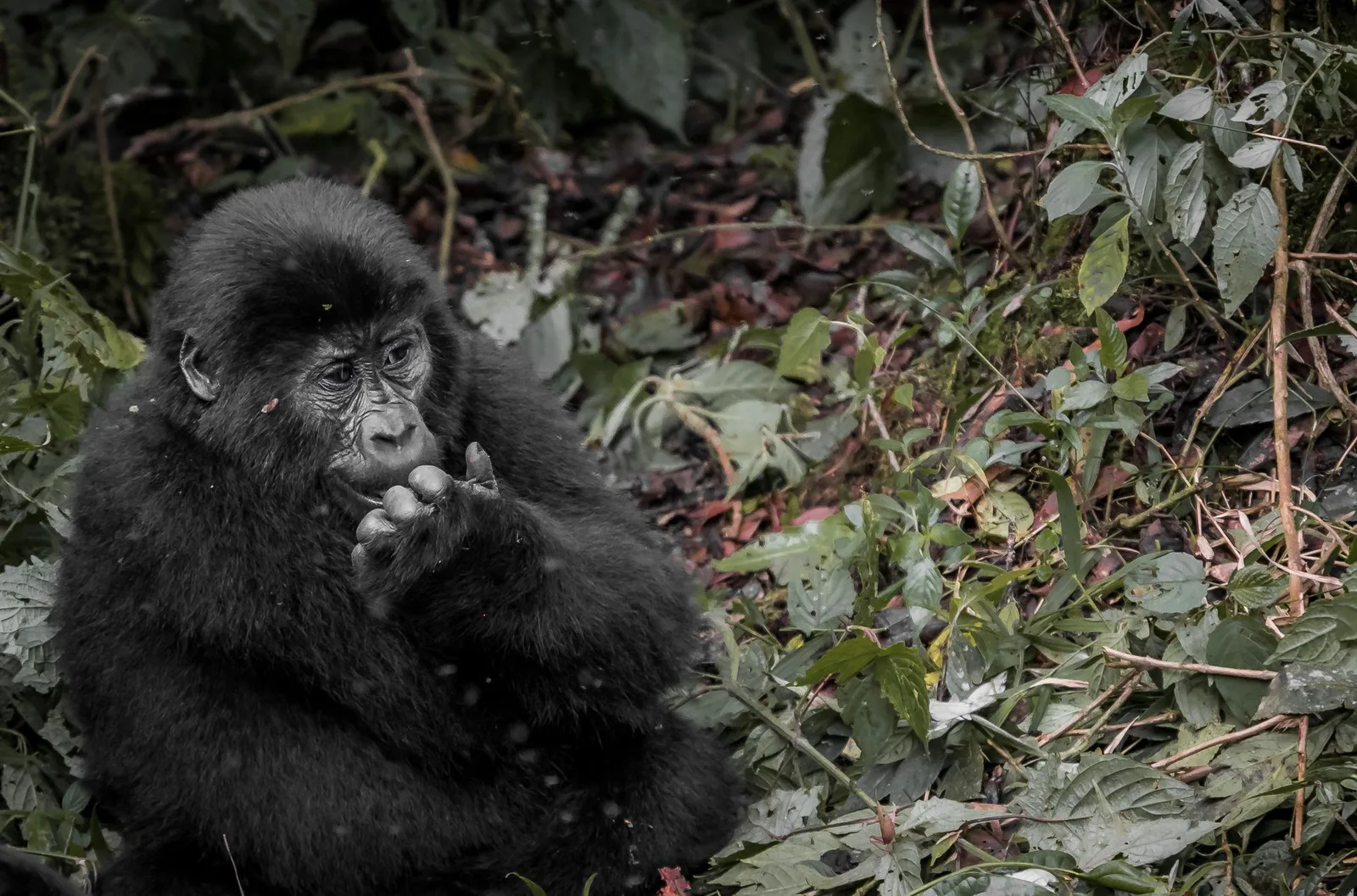
Twelve habituated families live in the bamboo and mist forests above 2,500 metres. Trekking takes anywhere from half an hour to half a day, and there's no telling beforehand how intense the hour you spend with the family will be.
Golden monkeys, Volcanoes NP
A lesser-known but just as lively encounter: golden monkeys move through the bamboo in groups of dozens, and the trek to reach them is far less demanding than the one to the gorillas.
Chimpanzees, Nyungwe Forest
Early starts are the rule here. Chimpanzees are noisier and more mobile than gorillas, and guides track their calls through dense canopy before the encounter presents itself.
A tea picker and a mountain gorilla, on the same chain of hills.


A city that reinvented itself, without hiding the fact.
Kigali has no historic old town to steer visitors towards. It's a city of hills, roundabouts and neighbourhoods built up over a few decades. Motorbike taxis with numbered vests are the fastest way to get around, and the drivers know the shortest route across the hillsides better than any map.
In Nyamirambo, long the liveliest neighbourhood, people still trade, pray and play football the way they have for decades. A walk here usually starts at a seamstress's or a brewery, not a viewpoint. Elsewhere, an art scene is growing: Inema Arts Center shows work by Rwandan painters and sculptors, and in the coffee bars around Kimihurura, the chain from bean to cup is explained by people who know the cooperatives personally.
The Kigali Genocide Memorial in Gisozi belongs, for most visitors, at the start of their time in the country rather than the end. It's a visit we never schedule in a rush, and we build in space afterwards so no one has to move straight on from it.
A discipline that goes further than litter-free streets.
On the last Saturday of the month, mornings in Rwanda are quiet. Shops stay shut until around eleven, because it's umuganda, mandatory community work where neighbours mend roads, plant gardens or fix up schools together. Visitors are rarely drawn in, but anyone driving through a village in the middle of it sees it happening.
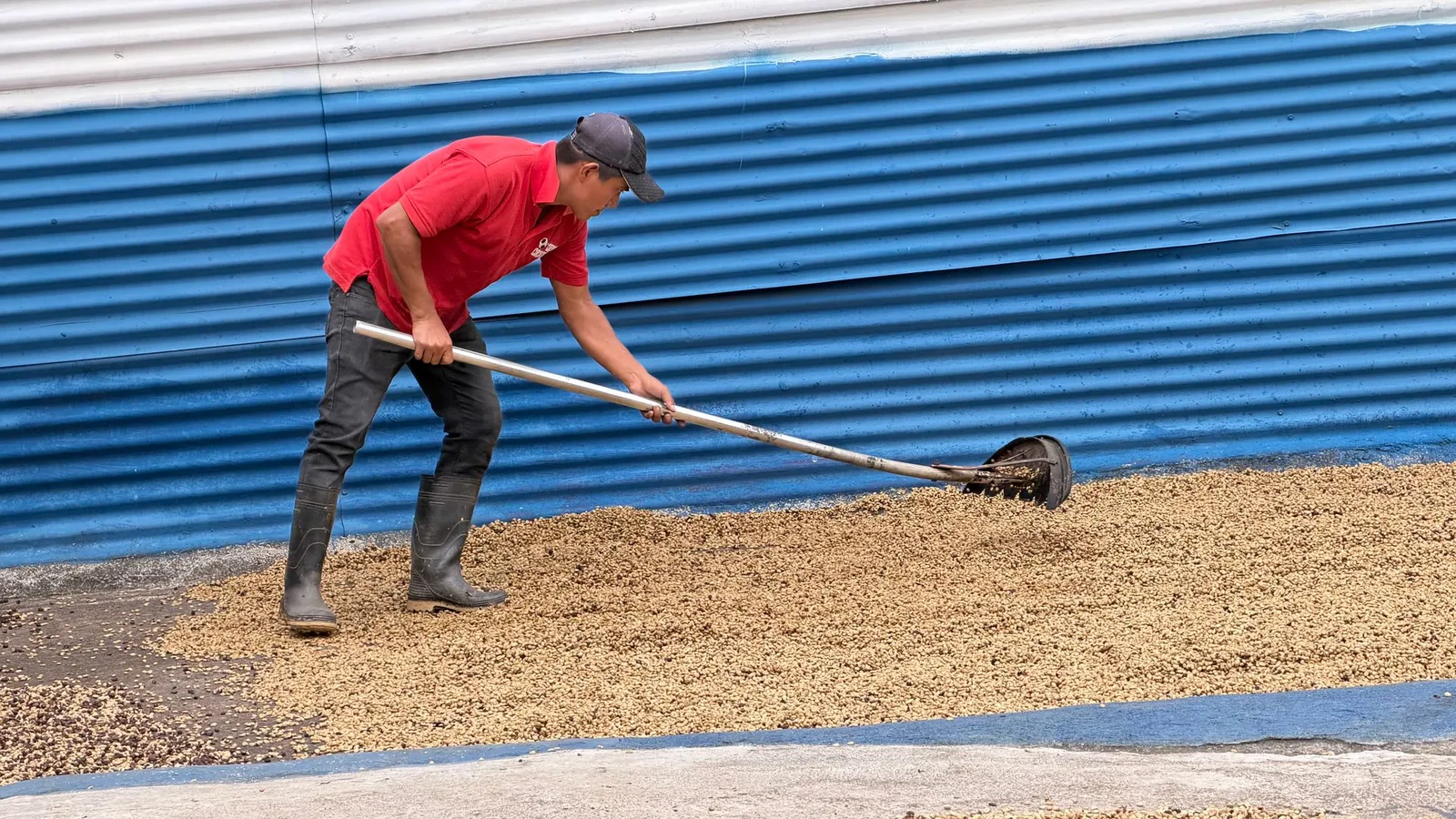
Coffee here is more than an export crop: cooperatives, many founded by women after 1994 to build an independent income, run the washing stations where cherries are pulped and dried the same day they're picked. Some, around Huye and Lake Kivu, welcome visitors for a tasting that isn't staged.
Weaving agaseke, the traditional coiled baskets with peaked lids, is a craft that women's cooperatives keep alive and pass on, and the pattern on a basket often says something about the region it was made in.
Tea plantations near Gisovu, on the edge of Nyungwe Forest: the hills that give Rwanda its nickname, 'land of a thousand hills'.

When to travel to Rwanda
Rwanda sits close to the equator, so temperatures vary little through the year. It's the rains that set the rhythm. For gorilla trekking, drier ground makes the biggest difference: fewer slippery slopes, less mud up to the knee.
The long dry season from June to September is the most popular and the busiest at the volcanoes; anyone who'd rather share a gorilla family with fewer people should consider the shorter dry spell from December to February. Outside those months the country is at its greenest, lovely for photos, but expect wetter trails.
Best time to visit Rwanda
Who else is at their best in these months?
June July August September
Use the contact form to discuss your travel dates and preferences with us.
Practical, without the noise.
A few things that make the trip easier.
Gorilla permits
Limited to eight visitors per group per day; we book well ahead through our local contacts at the park.
Altitude
Trekking takes place between 2,500 and 4,000 metres; a day acclimatising in Kigali or Musanze helps.
Health
Malaria prophylaxis is recommended for the lower-lying areas, and a yellow fever vaccination is required if arriving from an endemic country.
Pace
Expect early mornings for trekking; the rest of the day is calmer, with time for coffee or the lake.
Getting around
Roads between the parks are well maintained; the country is compact enough to travel without a domestic flight.
Not a country that apologises for its past.A country that shows what it has made of it.
Frequently asked questions about Rwanda
Does a visit to the Genocide Memorial have to be on the itinerary?
It isn't compulsory, but we do recommend it. It gives context to almost every conversation you'll have in Rwanda. We build in plenty of time for it, with a quiet stretch afterwards to let it settle.
How demanding is the gorilla trekking?
It depends on where the family happens to be that morning: anywhere from a short walk to several hours climbing through dense vegetation, up to 4,000 metres. Porters are available everywhere and will carry your bag, and sometimes lend a hand.
Can Rwanda be combined with Uganda or Tanzania?
Yes. Kigali is less than two hours' flying from Entebbe or the northern Serengeti, which makes it a natural extension of a wider trip through the region.
Is Rwanda safe to visit?
Rwanda is regarded as one of the most stable and well-organised countries in the region, with little petty crime. The discipline you notice on the street applies just as much to safety.
- Flight time
- Direct from Brussels, about 8 hours 45
- Languages
- Kinyarwanda, French and English
- Time difference
- None in summer, one hour in winter: Rwanda doesn't observe daylight saving
- Altitude range
- From 1,500 metres in Kigali to 4,507 metres on Karisimbi
- Best time to go
- June to September and December to February for dry trails