
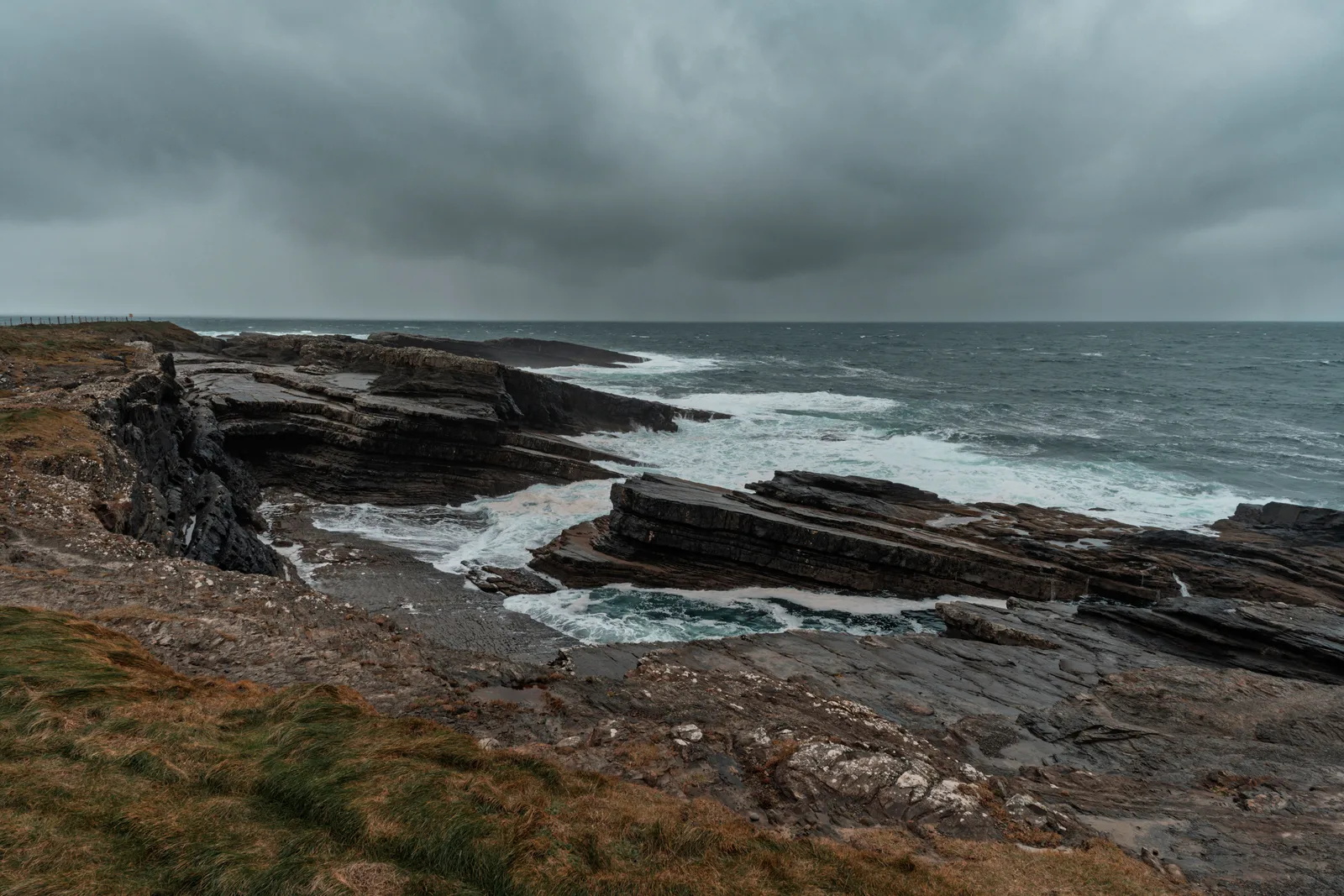
Ireland lets the weather set the scene, and a conversation in the pub rarely ends at small talk.
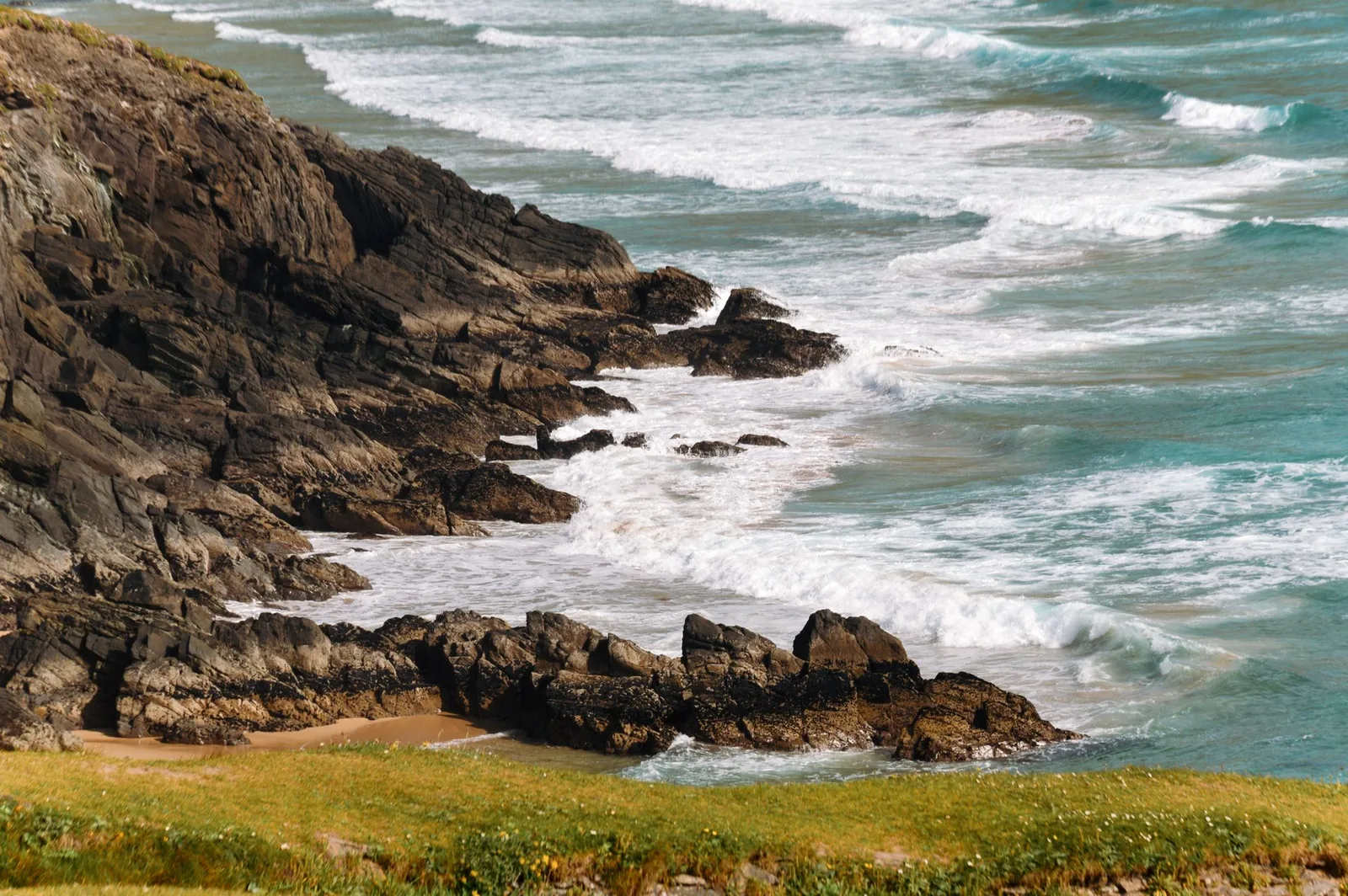
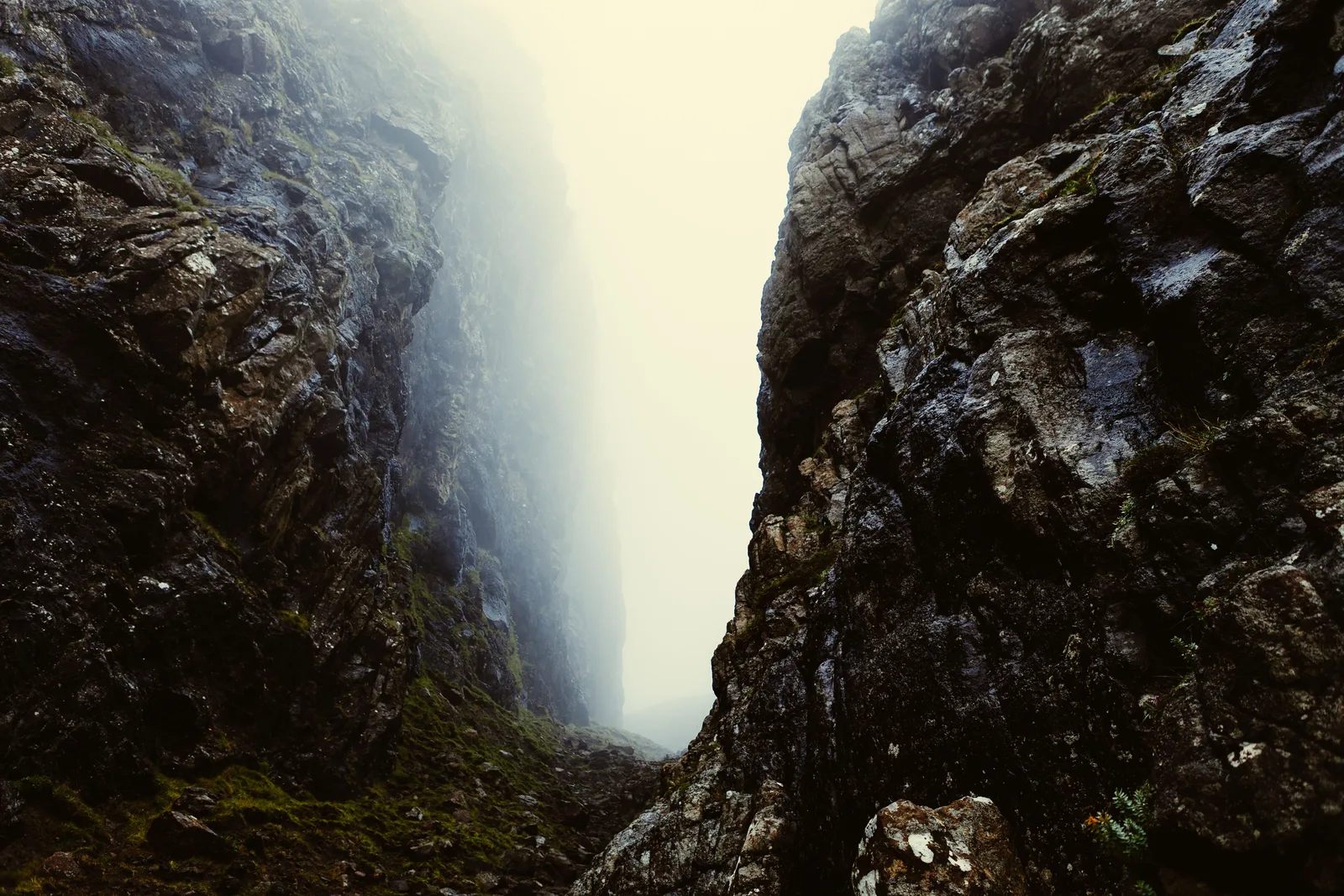
On the west coast the light changes by the quarter hour: a cloud drifts in from the Atlantic, the sun breaks through above a cliff, and by the time you've zipped your coat back up it's raining again. Ireland doesn't brace against that weather, it builds with it. Farmers read the sky before bringing in the hay, fishermen in Killybegs wait out a front, and a walk along the Cliffs of Moher lasts exactly as long as the mist allows.
In the pub, that rhythm doesn't shift, but the conversation does. Anyone who steps in for one pint often stays for three, as the talk drifts from the weather to the neighbours, to who's from where and why, to a song struck up without warning. This isn't a performance for tourists. It's simply how the evening goes, in Dingle just as much as in a pub with no name above the door in Donegal.
In short
Best time to go
May and June are the sunniest months with the longest days, and September brings quieter roads. Dry weather is never guaranteed: even then the weather here changes by the hour.
How long
Ten days to two weeks for two or three regions along the west coast. The roads are narrow and winding, so allow more driving time than the satnav suggests.
Who it suits
For travellers who like walking along cliffs, bogland and peninsulas, take wind and rain in their stride, and want to linger in the pub in the evening for music and conversation.
What sets it apart
Under the Constitution, Irish is the first official language, and in the Gaeltacht areas of Donegal, Connemara and Kerry, among others, it is still spoken day to day. Unlike in Northern Ireland, you pay in euro.
Here the weather isn't an obstacle,it's part of the story.
Six faces of the same coastline
The Atlantic Edge isn't one continuous route but a string of distinct landscapes, from the wild north to the quieter peninsulas of the south-west.
Donegal
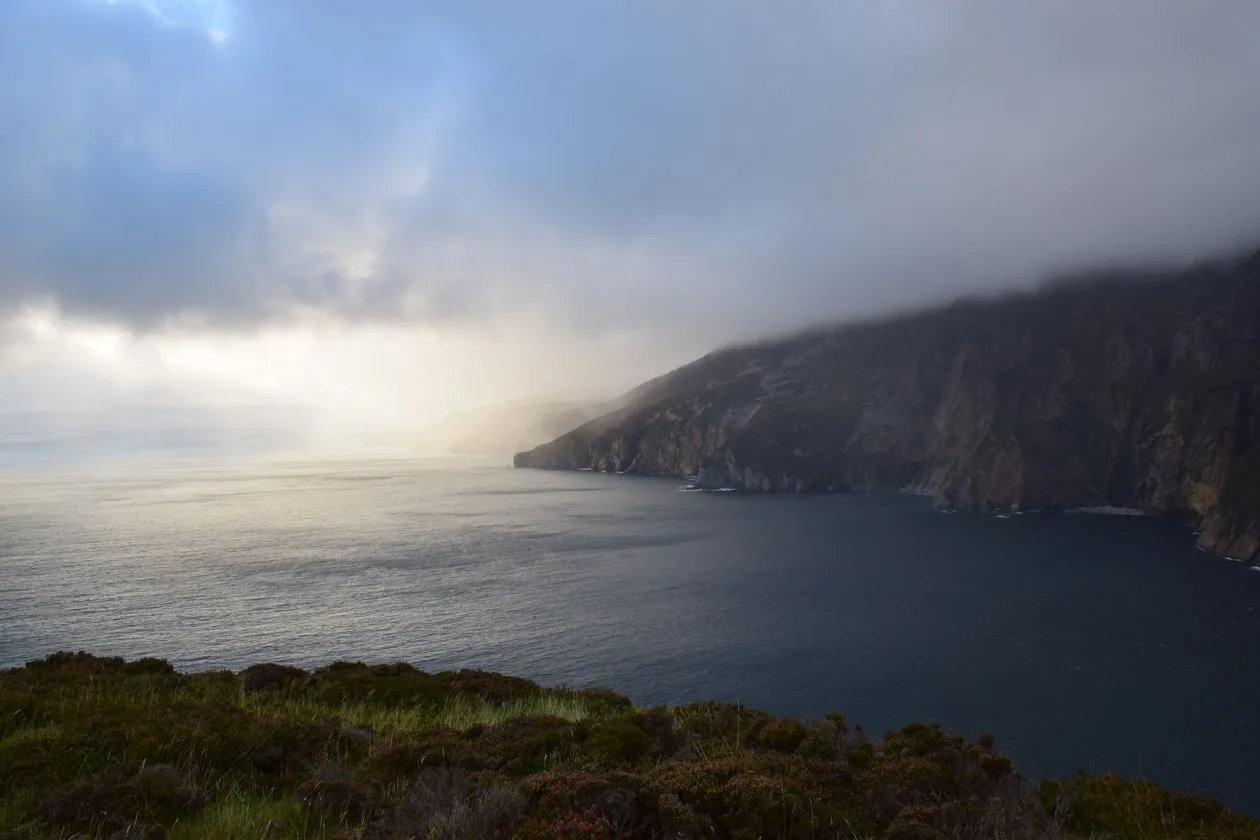
The wildest stretch of the Atlantic Edge, where the cliffs of Slieve League rise higher than Moher's and rarely see a coach. In the Gaeltacht villages around Gweedore, you'll still hear as much Irish on the street as English.
Connemara & the Aran Islands
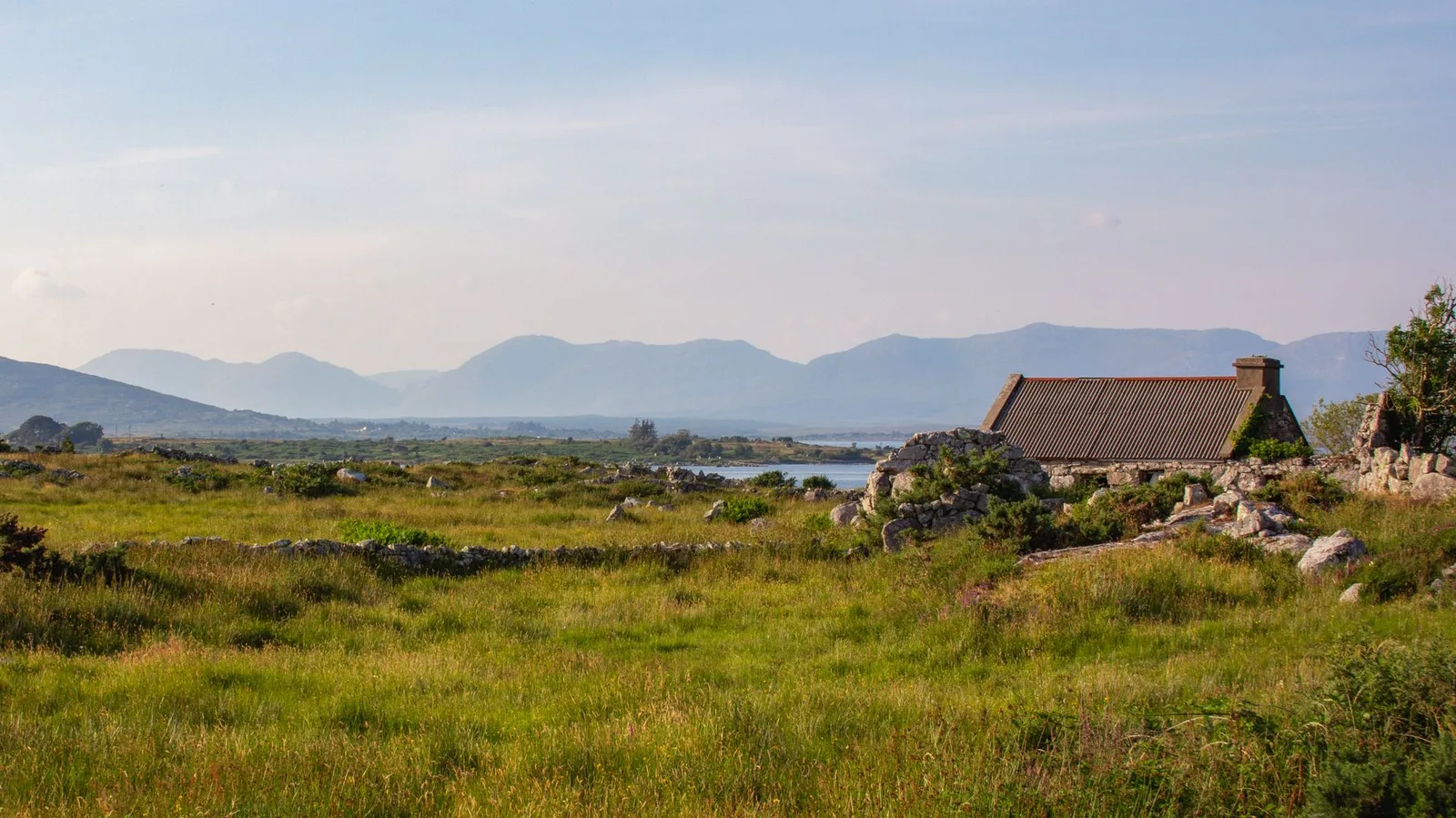
Rocky bogland, stone walls that hold back nothing, and a coastline that gives way to the Aran Islands, where Inis Mór is best explored by bike or on foot. Kylemore Abbey sits tucked against a lake here, without a queue in sight.
The Burren
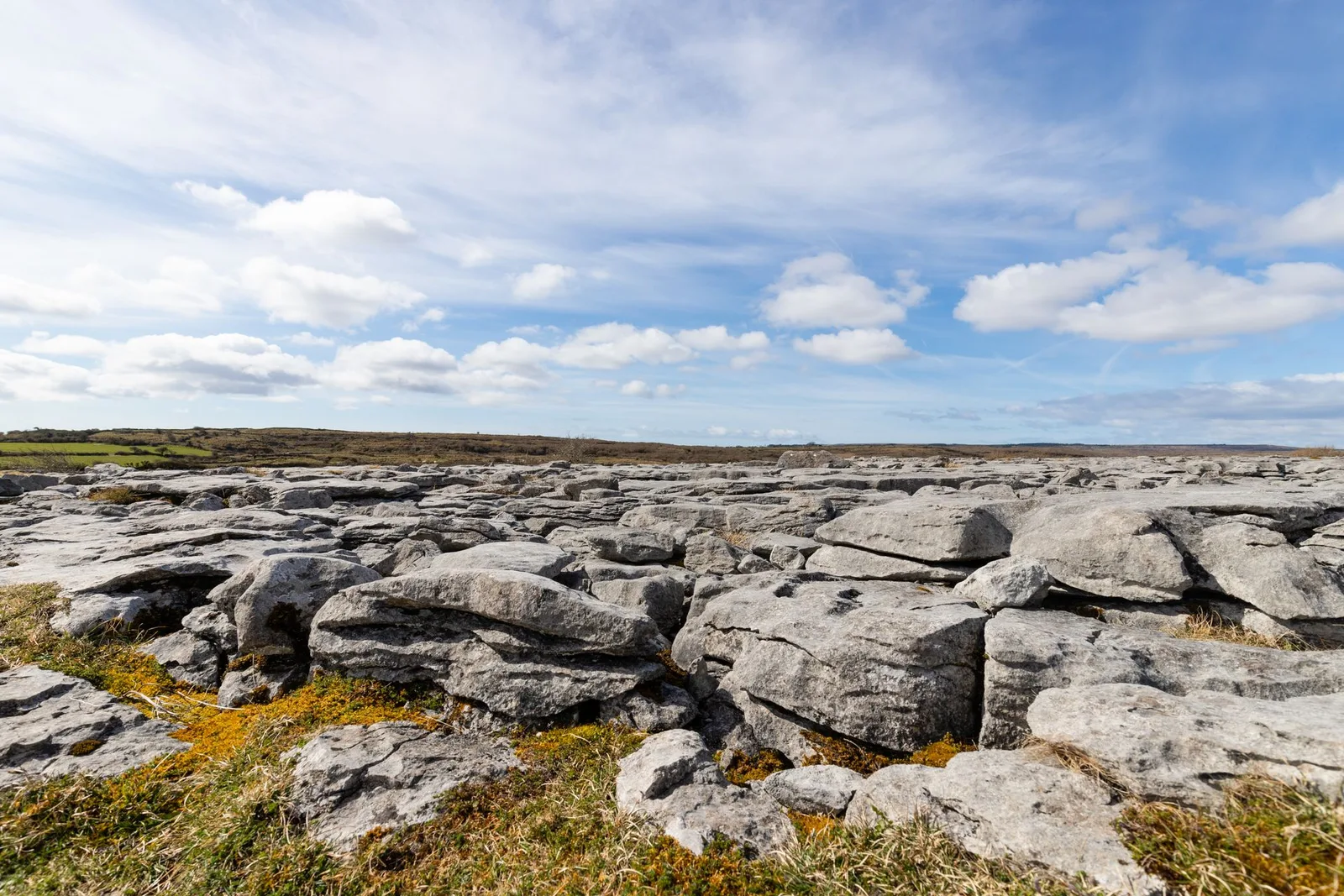
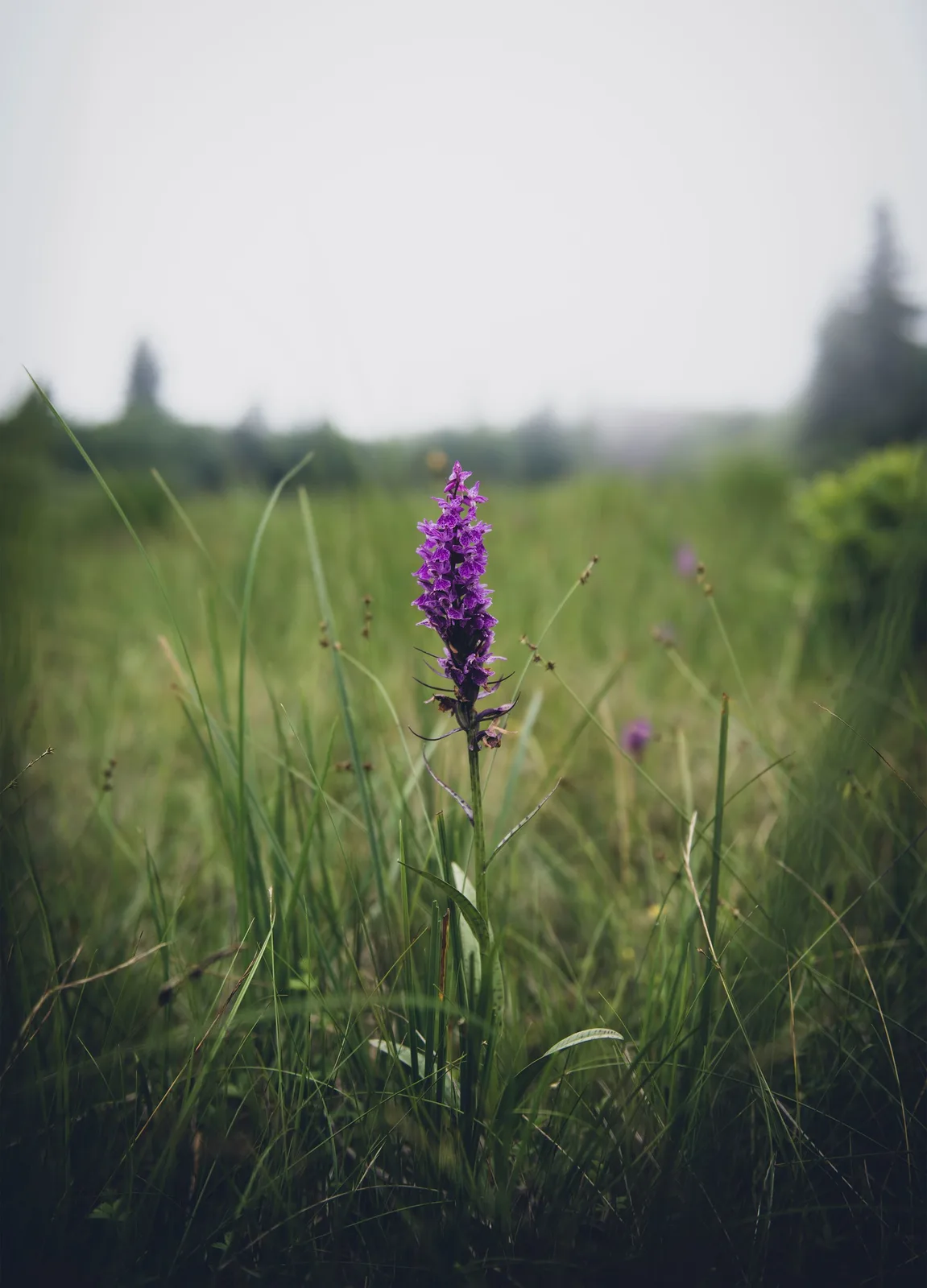
A limestone plateau where no tree grows, yet hundreds of plant species meet in the cracks between the rocks. The Poulnabrone dolmen and the Cliffs of Moher are only a short drive apart, but feel like two entirely different landscapes.
Dingle Peninsula
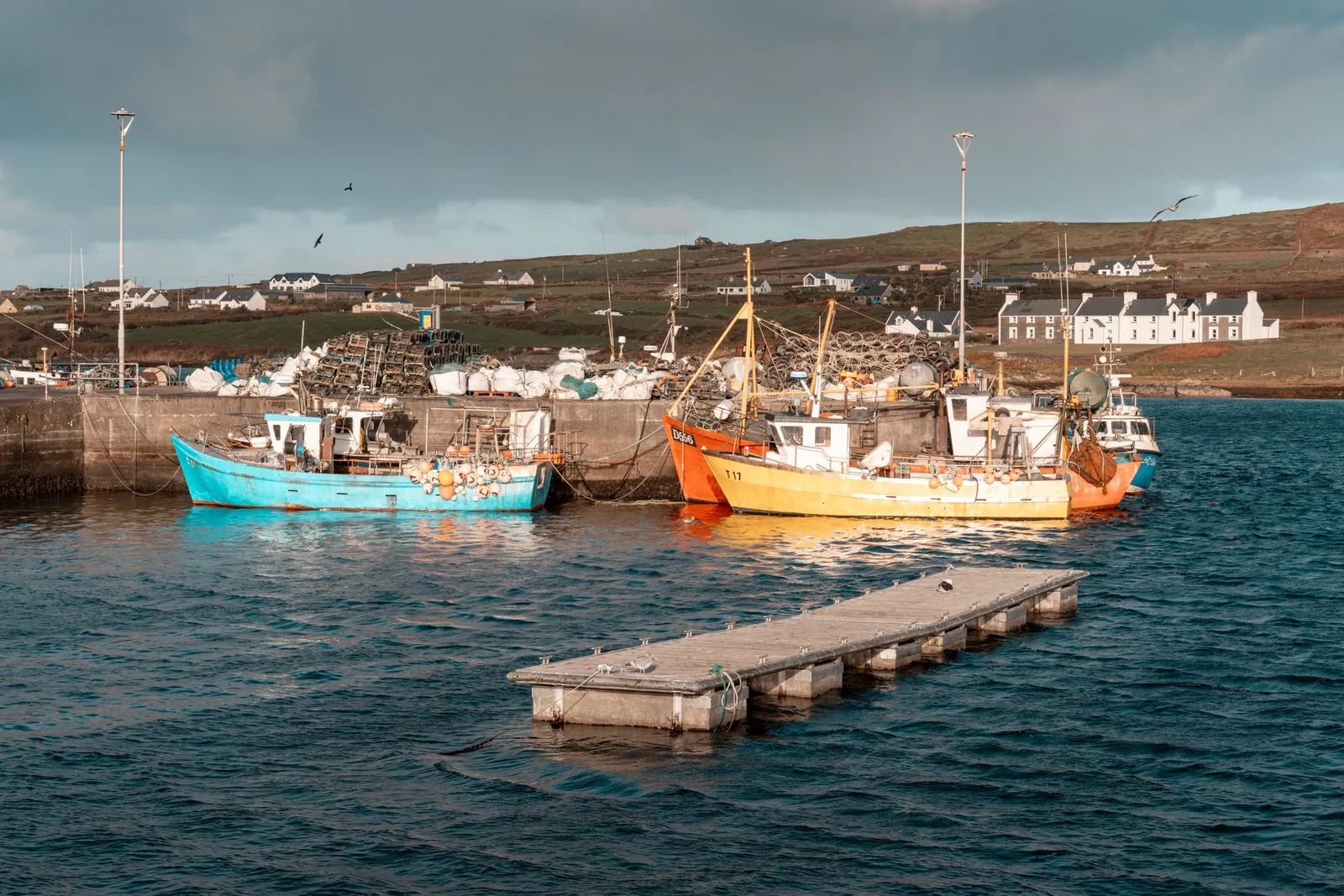
The Slea Head drive is one of the finest coastal roads in Europe, and Dingle itself remains a fishing town with a harbour that still works for a living. Beyond the last houses lie the Blasket Islands, once inhabited, now reachable only by boat.
Ring of Kerry / Iveragh
Mountains plunge straight into the sea, and from the coast at Portmagee the boat sets out for Skellig Michael, when the sea allows it. The peninsula rewards those who take their time far more than those driving through quickly.
West Cork & Beara
Quieter than the better-known peninsulas, with fishing villages like Baltimore and Castletownbere and a cluster of cheesemakers and small kitchens that aren't waiting for a guidebook to be discovered.

A session starts without warning
In a pub in Doolin or Miltown Malbay, a session starts without warning: someone lifts a fiddle from its case, another rests a bodhrán on their knee, and within ten minutes half the room is playing along or listening in silence. Nobody asks for applause. The seisiún isn't a performance staged for visitors, it's simply how musicians here have gathered for generations, and anyone who walks in is rarely sent to a table at the back.
That same evening, the conversation at the bar shifts just as easily from why the harbour at Killybegs is emptying out to a poem by Seamus Heaney. Ireland has a long tradition of seanchaithe, storytellers who wove news, family history and invention into one, and that suspicion of the short answer has never quite gone away.

A coastline that is its own backdrop
Skellig Michael
Off the coast of Kerry, a rocky island rises sheer from the ocean, where monks once built a monastic community of stone beehive huts. Between April and August, puffins nest on the slopes, and the boat trip out sits at the quay more often than it sails. The sea decides whether it goes ahead.
The Burren, up close
In the fissures of this limestone plateau, arctic and Mediterranean plants grow side by side, something that happens nowhere else in Europe. Among the boulders stands the Poulnabrone dolmen, older than the pyramids, with no fence around it.
The ocean itself
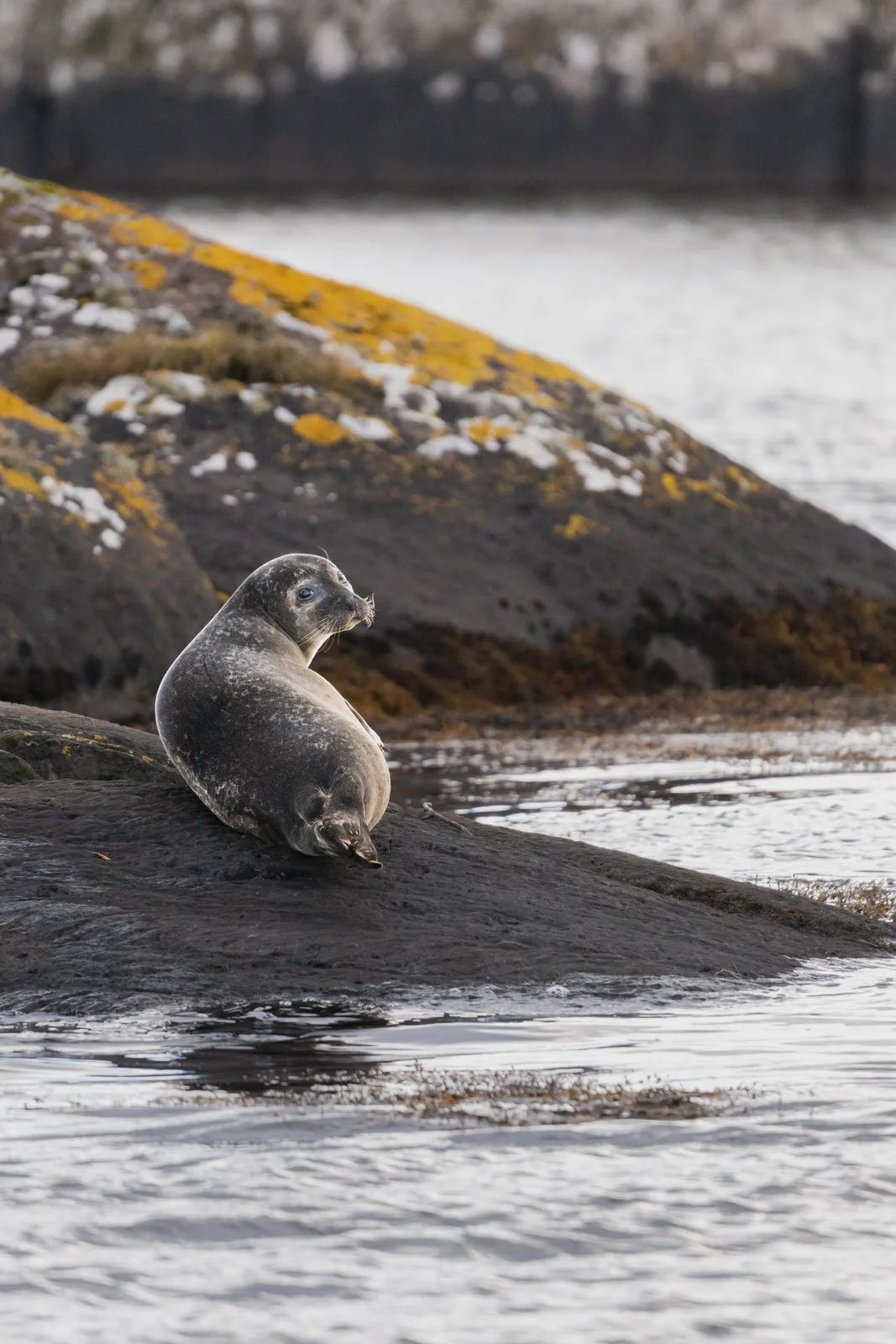
Off the coast of West Cork and in the mouth of the Shannon, bottlenose dolphins and grey seals swim, and between June and September there's a real chance of a humpback or minke whale. No dolphinarium needed. A boat, patience and clear weather are enough.

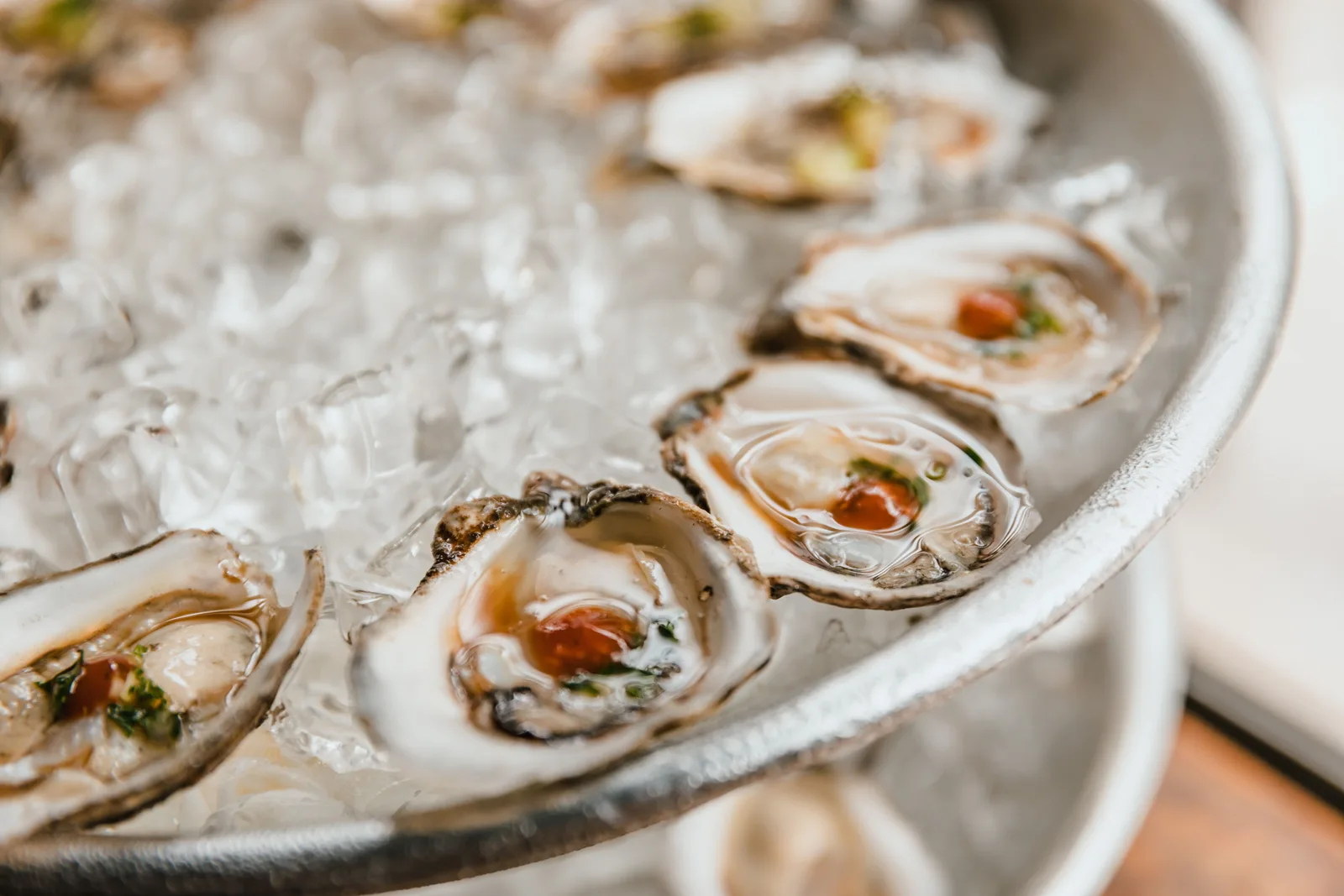
An oyster from Galway Bay, not a folklore menu
The kitchen here starts at the coast: oysters from Galway Bay pulled from the water within the hour, crab and prawns landed in Dingle, and a fish that was still swimming that morning. In West Cork, cheesemakers like Gubbeen and Durrus run farms that have milked the same cattle for three generations, and Cashel Blue from Tipperary now turns up on tables as far away as Paris.
Forget the tourist menus that use soda bread as an excuse. In small restaurants in places like Ballydehob or Clifden, chefs cook with whatever came in that morning, with no menu printed three weeks in advance. A pint of Guinness belongs on the table, but more as a closing note than the main act.
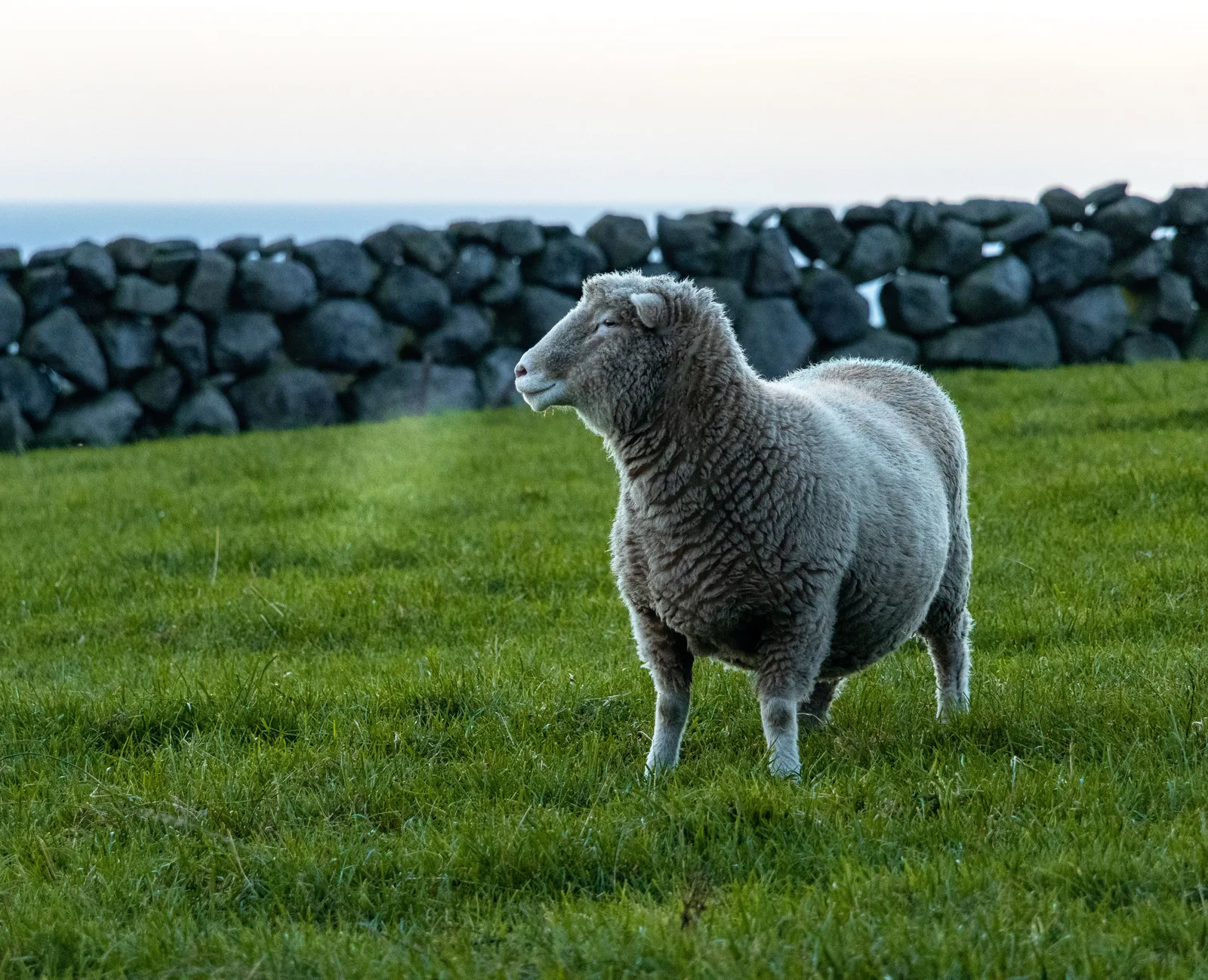
Here green isn't a colour, it's an abundance that never runs dry.
No programme, just a country full of openings
These aren't days on a schedule, but possibilities we fit into your trip at your own pace.
On foot along the edge
Stretches of the Wild Atlantic Way lend themselves to a half-day or full-day walk, from the Sheep's Head Way in West Cork to the clifftop path at Slieve League in Donegal, higher than the Cliffs of Moher and far quieter.
Out to the islands
A boat to Inis Mór in the Aran Islands or to the Blasket Islands off the coast of Kerry takes you onto ground where Irish is still the first language and stone walls are the only thing separating pasture from cliff.
Pulling up a chair at a session
In pubs with live music, joining in isn't compulsory, but anyone who brings an instrument to Doolin or Dingle is rarely turned away. Listening from a stool at the bar works just as well.
On horseback along the beach
At Inch Beach or Rossbeigh Strand in Kerry, local stables run rides along the surf, something that works just as well for beginners as for experienced riders.
Calling in on the makers
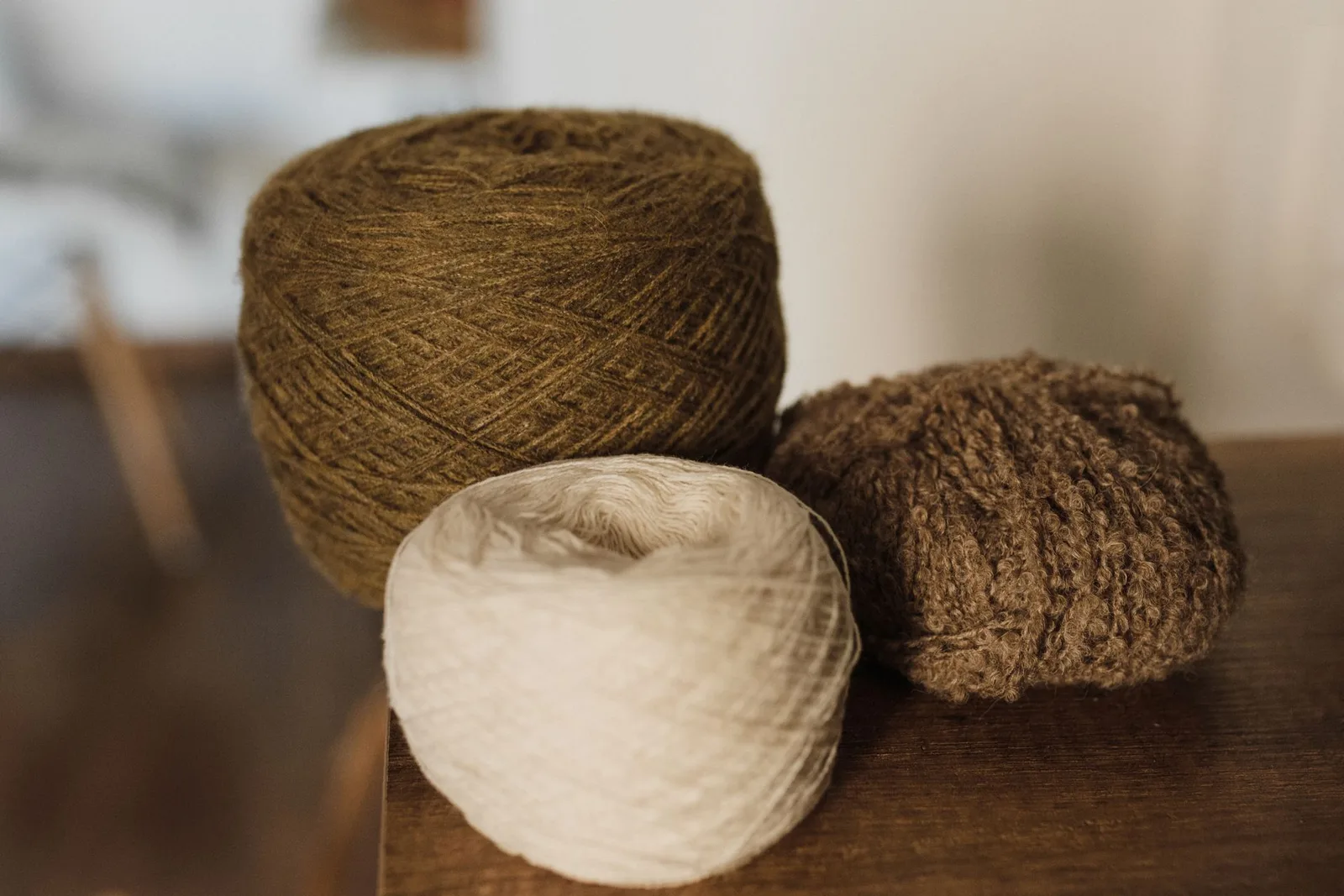
Wool weavers in Donegal, potters in Louisburgh, a salmon smokehouse in Connemara. Anyone who asks is easily welcomed in by people who've practised their craft for decades.
This isn't a complete list. It's an invitation to choose what fits your trip.
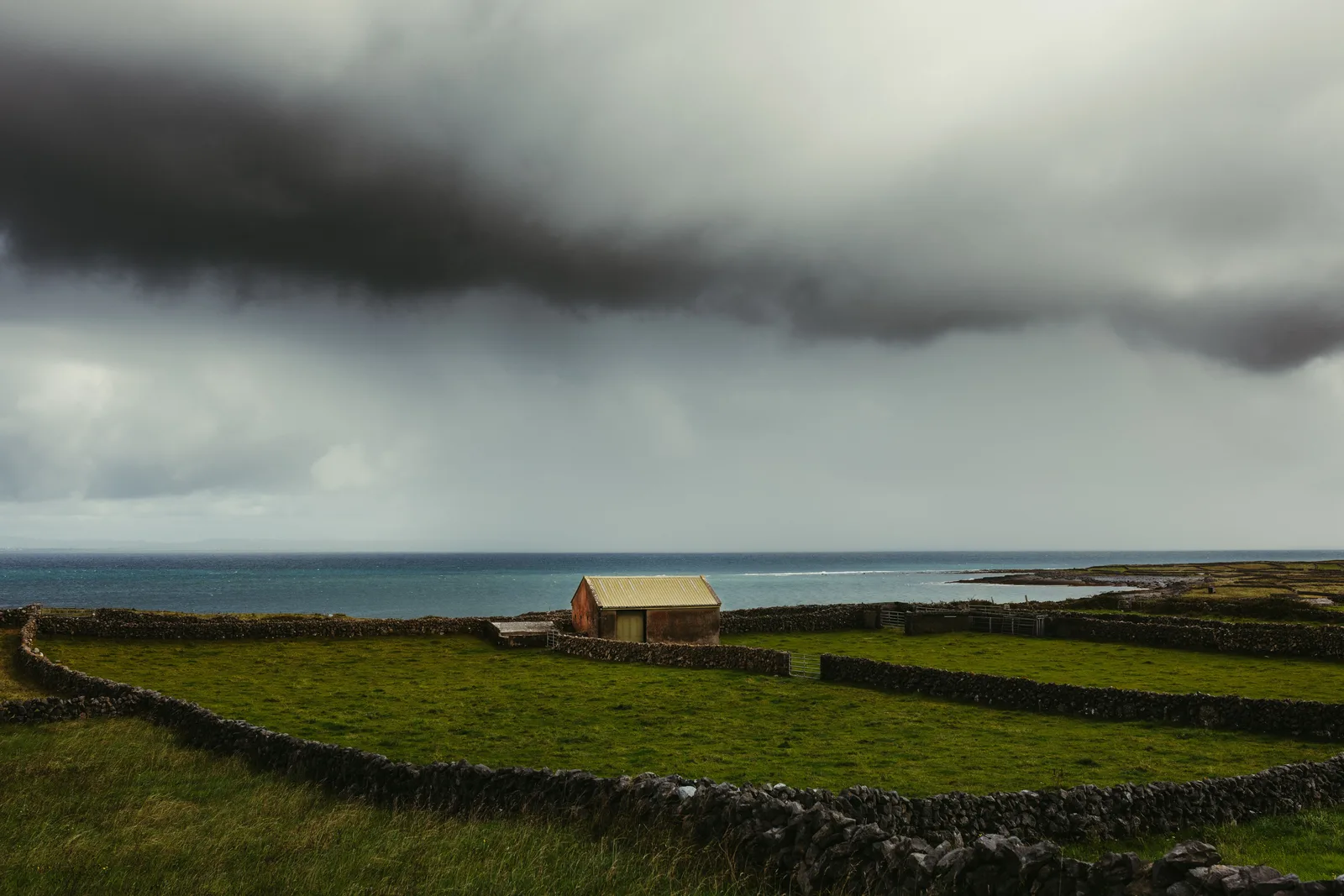
Kinvara, on the edge of Galway Bay, an hour after a shower nobody saw coming.


When to travel to Ireland
Ask an Irish host when to come and the answer is rarely a simple season. The weather here changes by the hour, all year round. Even so, timing matters: in May and June the days are longest, the odds of a dry walk are best, and puffins are still nesting on Skellig Michael.
September brings quieter roads and the same long dusk, while the winter months offer something different: stormy cliffs, a fire that's always lit, and pubs where you're more likely to sit beside a local than a tourist come evening.
Best time to visit Ireland
Who else is at their best in these months?
May June September
Use the contact form to discuss your travel dates and preferences with us.
Practical, without the noise.
Practical matters that make travelling easier, without taking the adventure out of it.
Getting there
Direct flights from Brussels to Dublin; the south and west are reached overland from there
Documents
Ireland isn't in the Schengen area, but a Belgian identity card is sufficient
Health
No vaccinations required, medical care is of a European standard
Pace
Distances look short on the map, but the roads are narrow and winding. Allow more time than the GPS suggests
Clothing
Layers, a rain jacket that earns its keep, and ideally no umbrella against the wind
Frequently asked questions
When is the best time to visit Ireland?
The weather changes by the hour, all year round. May and June have the longest days, the best chance of dry walks and puffins nesting on Skellig Michael. September brings quieter roads with the same long twilight. Winter offers stormy cliffs and pubs with more locals than visitors.
Are the Cliffs of Moher the only cliffs worth seeing?
No. The cliffs of Slieve League in Donegal are higher and rarely see a coach. The Atlantic coast is a series of distinct landscapes: the rugged north, the bogland of Connemara, the limestone plateau of the Burren and the quieter peninsulas in the south-west.
Can you always visit Skellig Michael?
No, the sea decides. The boat leaves from the coast near Portmagee when conditions allow, and stays moored more often than it sails. Between April and August puffins nest on the slopes of the rock island with its stone beehive huts.
Can visitors join a music session in the pub?
A seisiún is not a performance but the way musicians here have gathered for generations. Playing along is not expected, but anyone who brings an instrument to Doolin or Dingle is rarely turned away. Listening from a stool at the bar is just as good.
What should you keep in mind when driving in Ireland?
Traffic drives on the left, on narrow roads that rarely run straight. Distances look short on the map, but allow more time than the GPS says. Ireland is not part of the Schengen area, but a Belgian identity card is enough.
- Flight time
- About 1 hour 45 minutes to Dublin
- Languages
- English everywhere, with Irish (Gaeilge) still spoken day to day in the Gaeltacht areas of Donegal, Connemara and Kerry
- Time difference
- One hour behind Belgium, all year round
- Driving
- On the left, on narrow roads that rarely run straight
- Climate
- Temperate maritime climate. Four seasons aren't the exception, they're a single day
- Currency
- Euro