
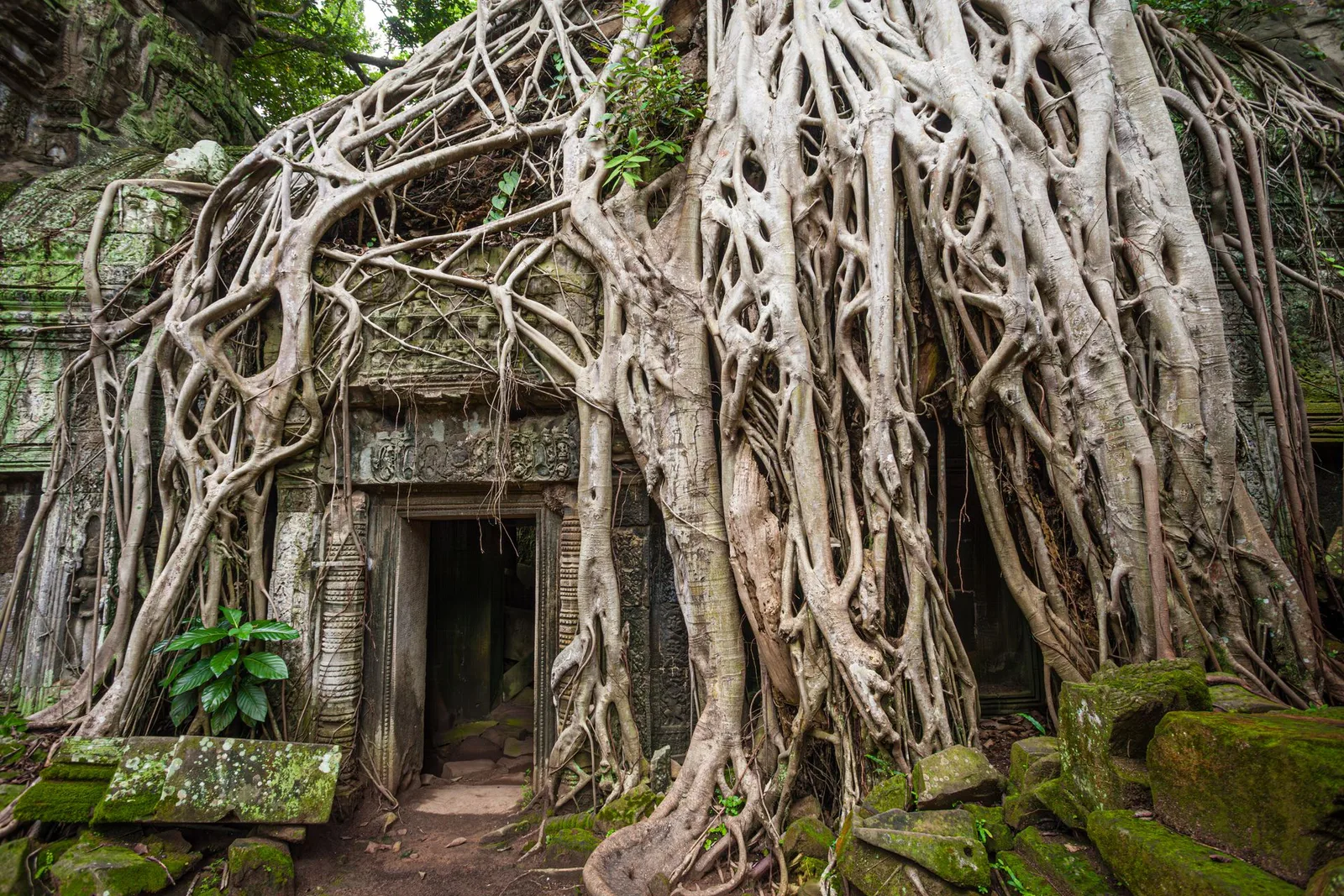
Overgrown temples and a quiet resilience that speak louder about the past than any history book.
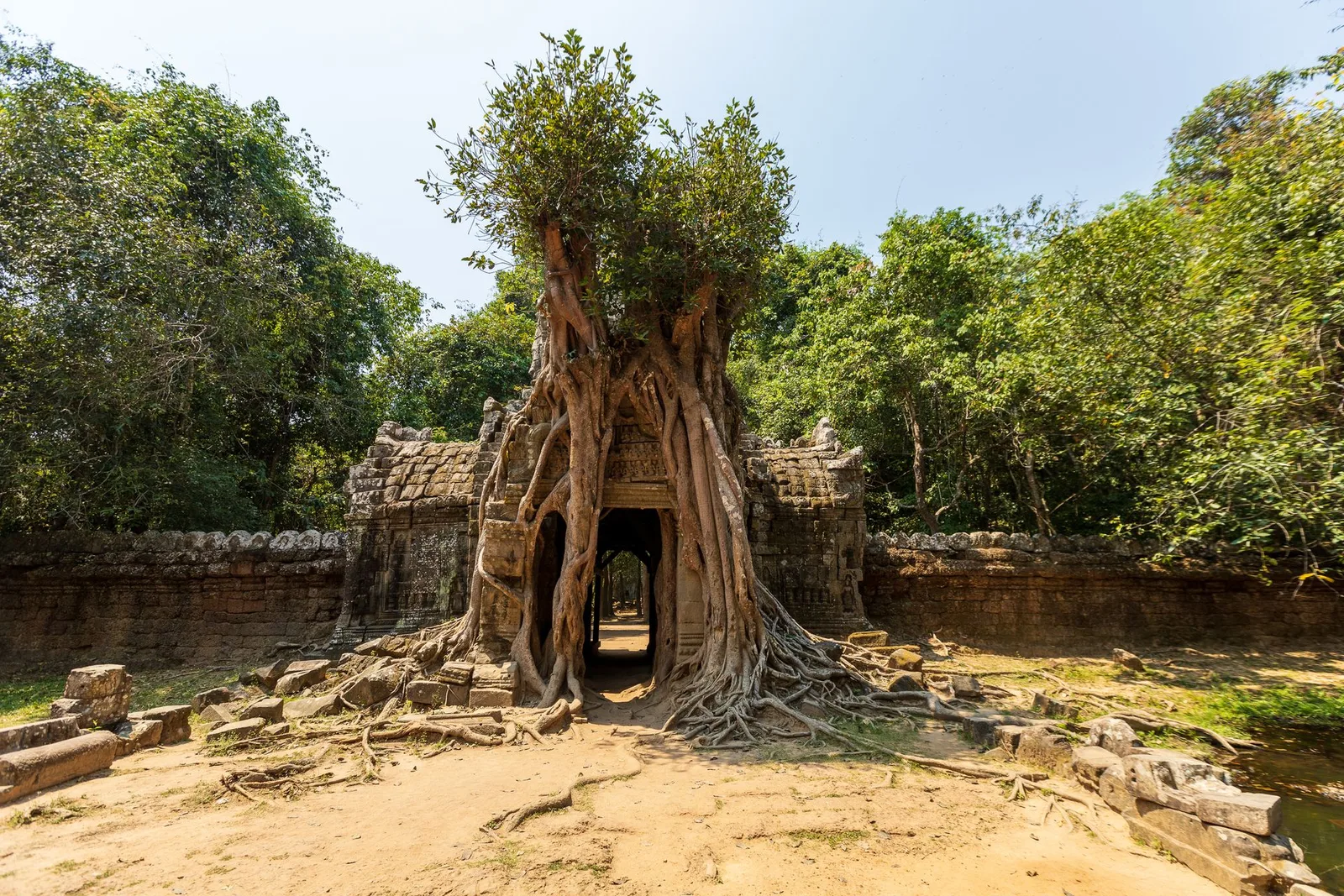
North of Siem Reap lies not a single temple, but an entire landscape of them: Ta Prohm, where fig trees have taken over the walls, Beng Mealea, never cleared, Koh Ker with its pyramid deep in the forest. Angkor Wat is the gateway, not the whole story. Keep driving and you'll find temples where the roots still have the upper hand over the sandstone.
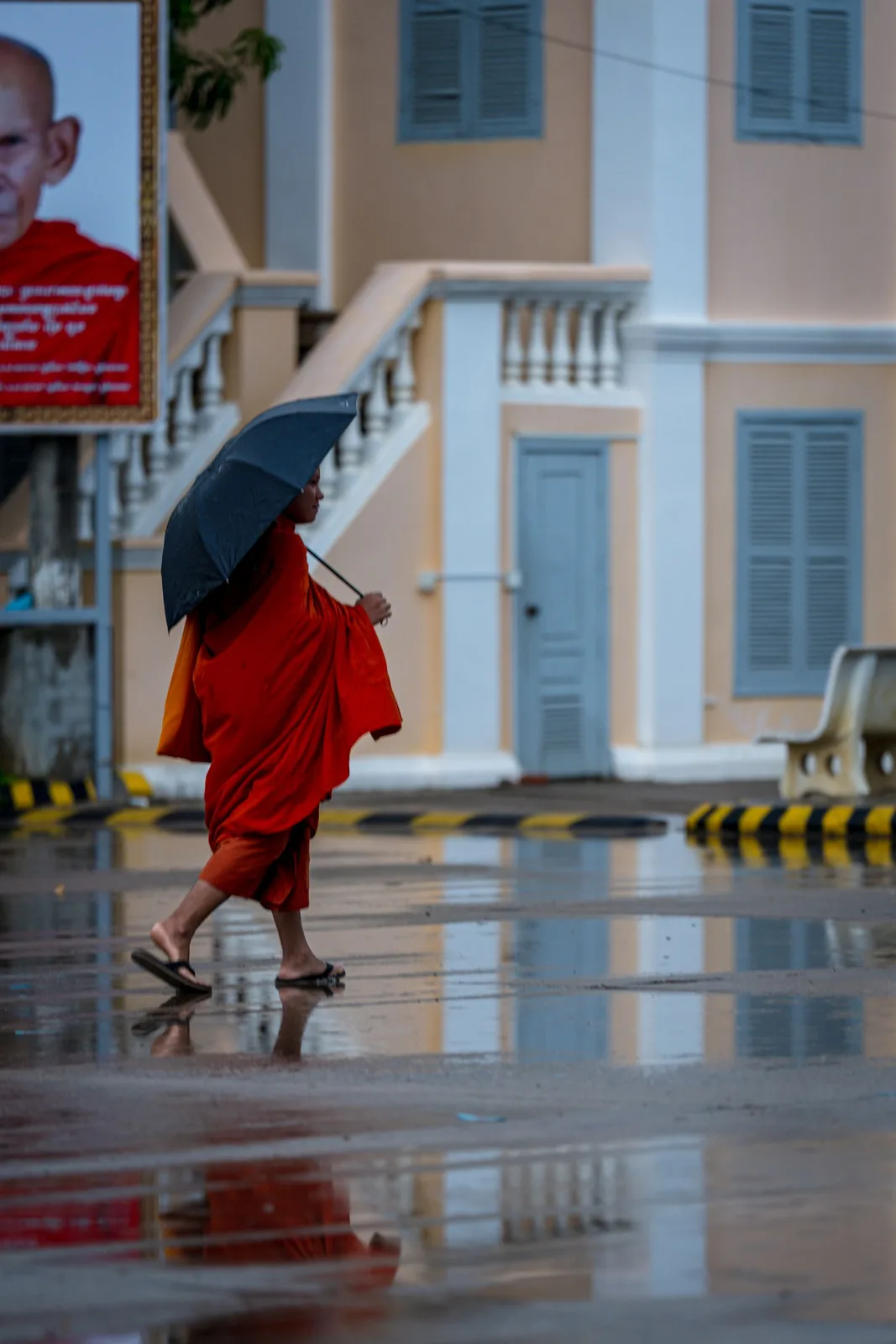
Beneath that backdrop lies a history the country neither hides nor puts on display. The years of the Khmer Rouge remain palpable, in conversations and at places like Choeung Ek, and are at the same time overgrown by a country that simply carries on: markets already busy by six in the morning, monks crossing the street at sunrise for their alms round, children swimming in the Tonlé Sap. Those two layers together, that is Cambodia.
In short
Best time to go
November to February is dry and least hot. The heat builds in March and April, and from May to October showers fall, often late in the day, while the Tonlé Sap swells.
How long
Ten days to two weeks for Siem Reap, Phnom Penh and the south coast or the Cardamom Mountains. To include remote temples such as Koh Ker or Beng Mealea, allow three days or more in Siem Reap.
Who it suits
Travellers who want to see temples outside the busy hours, are open to the country's recent history, and like to pair Angkor with life on the lake or the rainforest of the Cardamoms.
What sets it apart
Angkor Archaeological Park, some 400 square kilometres, holds the capitals of the Khmer Empire from the 9th to the 15th century. And the Tonlé Sap River reverses its flow each year, swelling the lake to five or six times its size.
From temple forest to river delta
Cambodia is more compact than its neighbours, but changes face faster: from temple forest to river city, from lake to mountain forest, from bustle to nothing at all.
Siem Reap & Angkor
More than a thousand temples spread across forest and rice paddy, from the world-famous Angkor Wat to remote ruins like Banteay Chhmar, where you can go hours without meeting a soul.
Phnom Penh
French colonial façades next to golden palace roofs, a riverside that fills up every evening, and a capital that doesn't hide its recent history.
Tonlé Sap
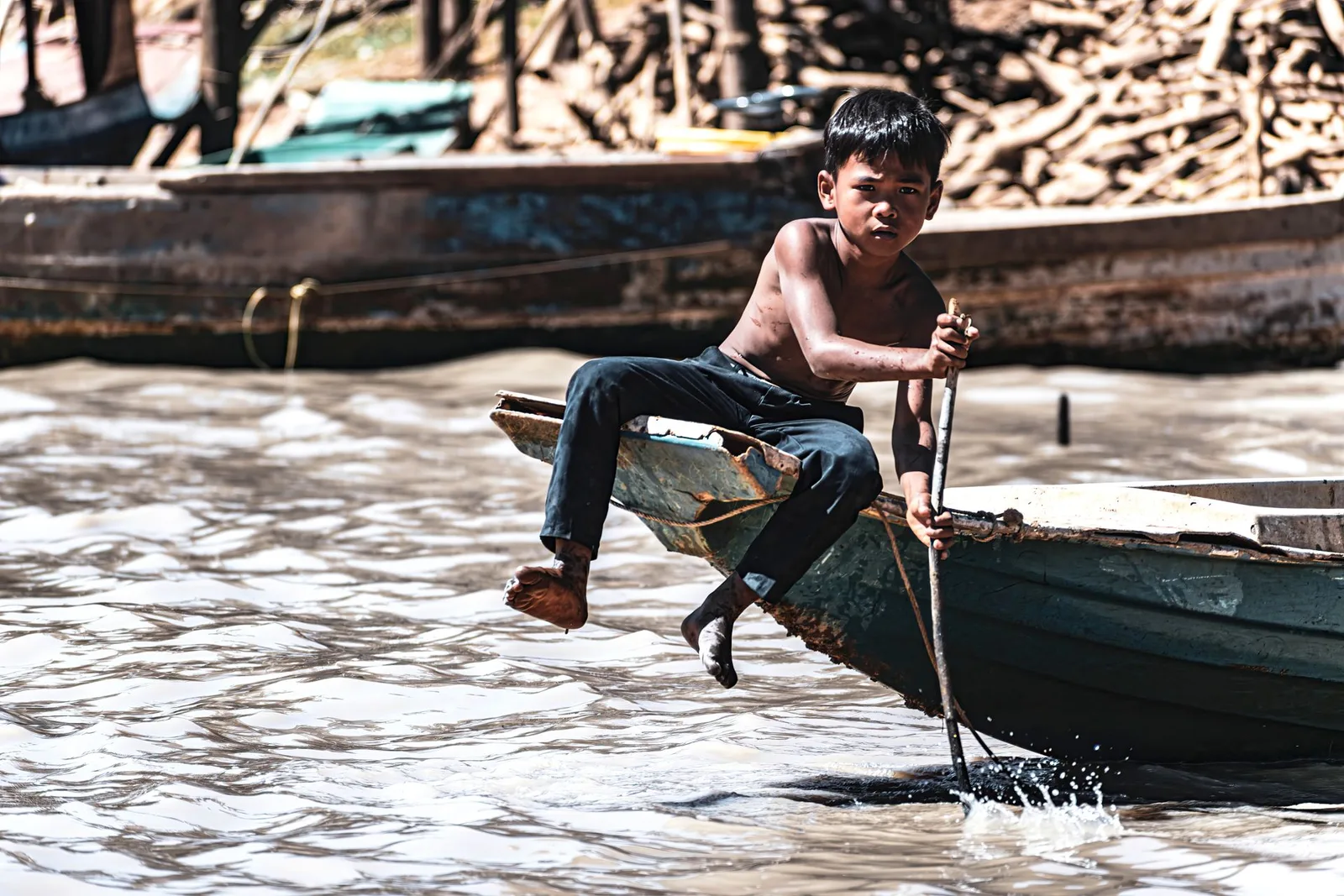
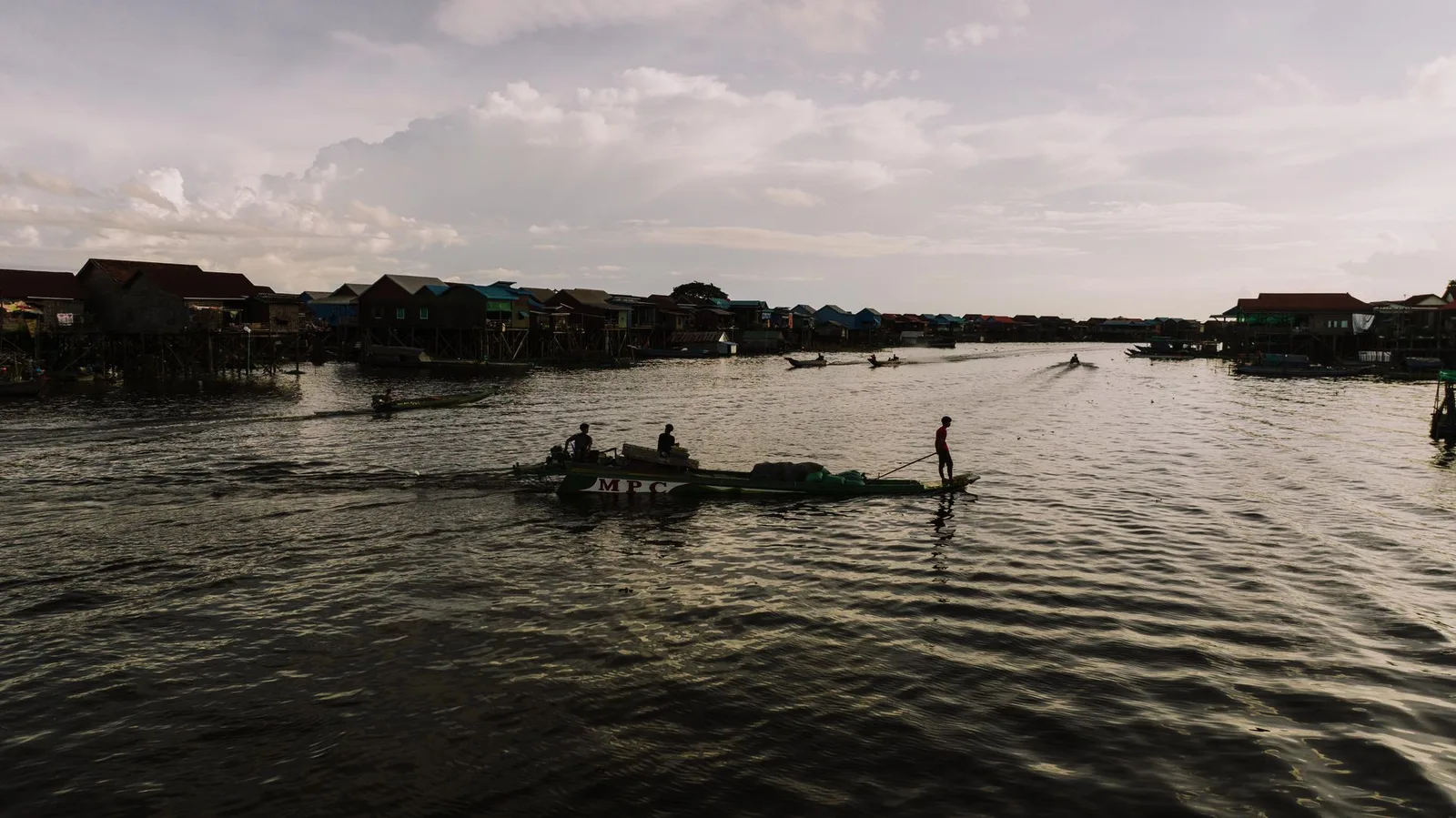
A lake that grows to five or six times its size in the rainy season, with floating villages, floating schools, and a fishing trade that follows the rhythm of the water.
Cardamom Mountains
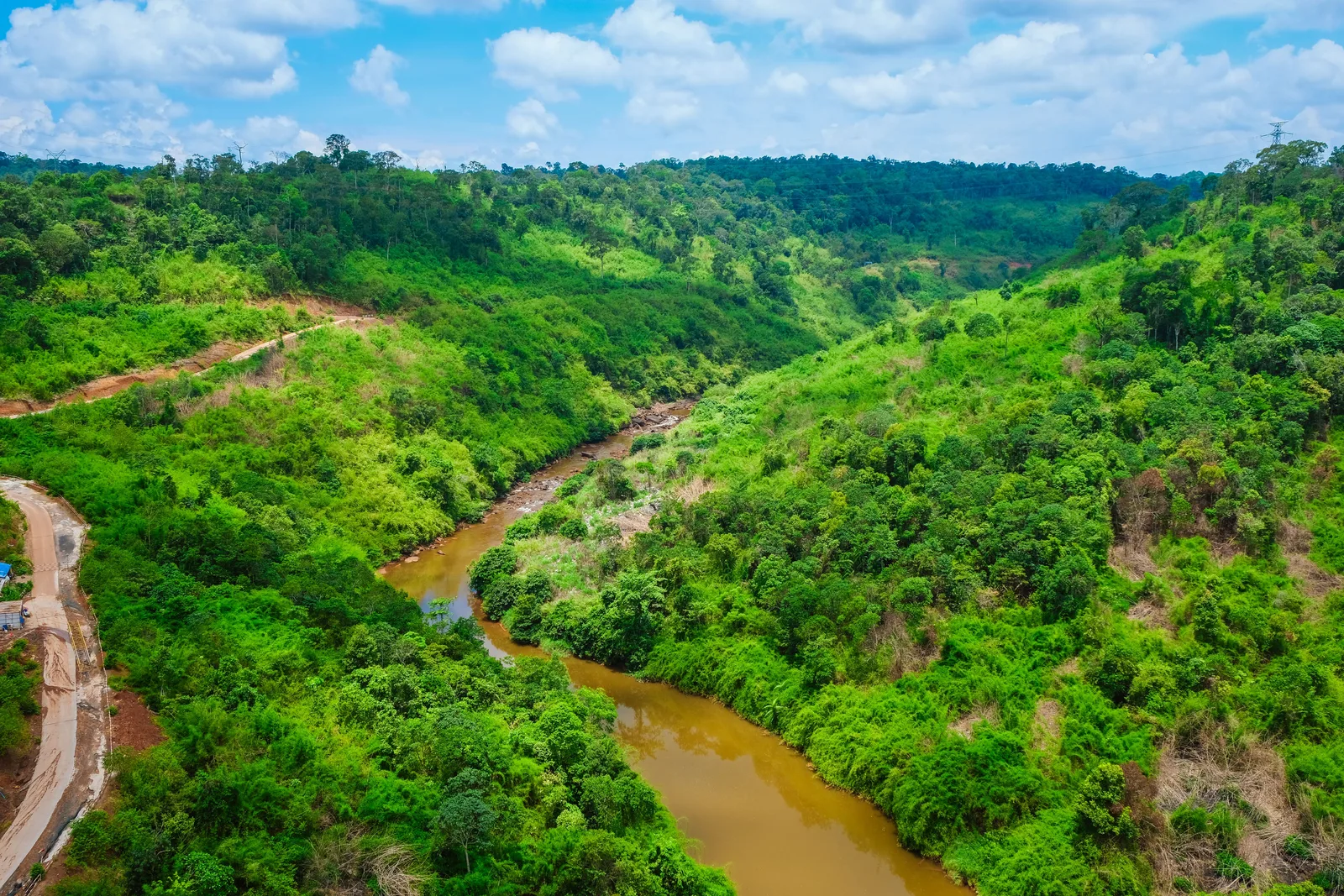
One of the last great rainforests of South-east Asia, home to elephants and gibbons, and rivers that still have no name on any map.
Kampot & the south coast
Pepper plantations on red soil, a river that flows slowly to the sea, and islands offshore where evening falls early and nothing needs to happen.

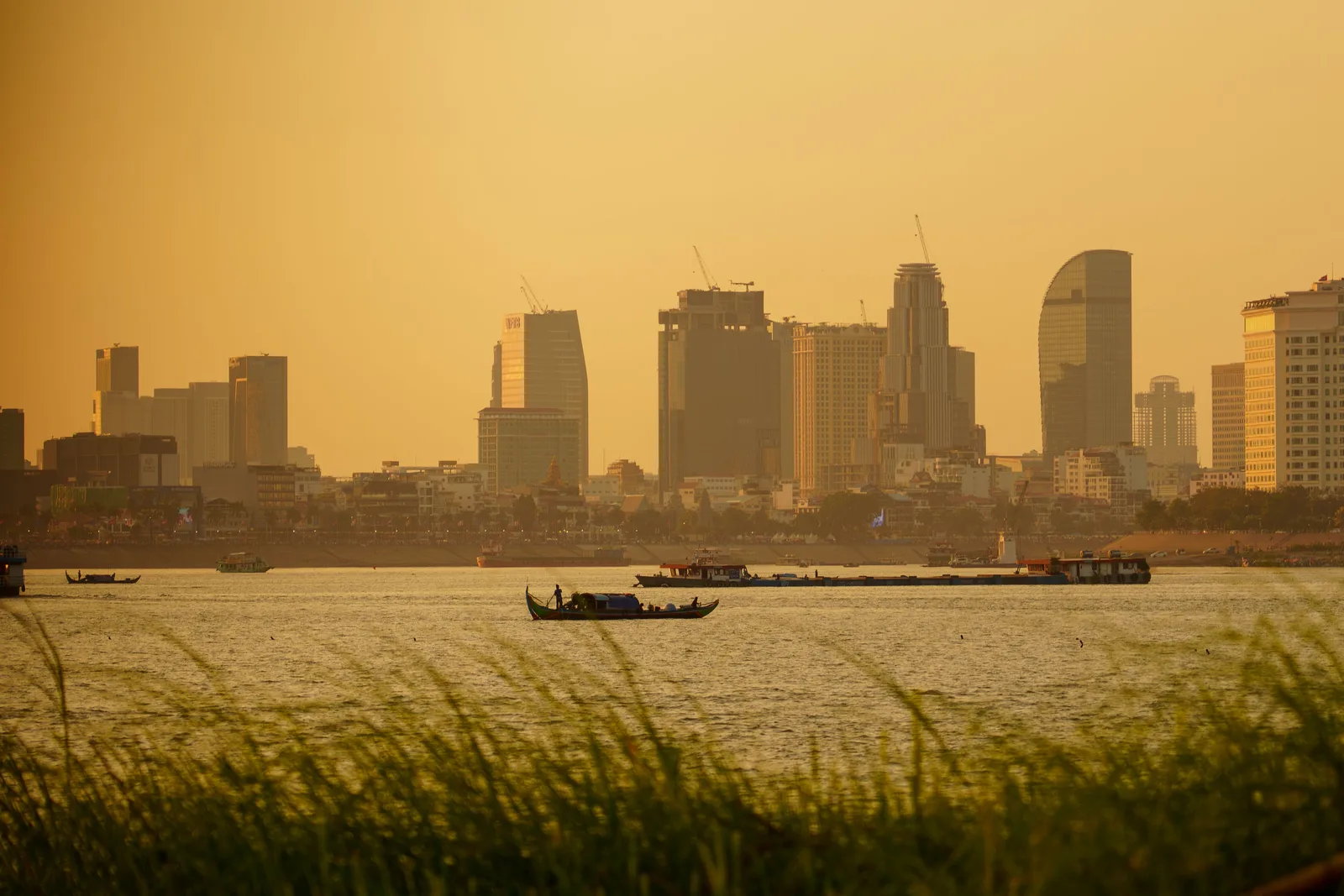


A country that begins its morning with an offering
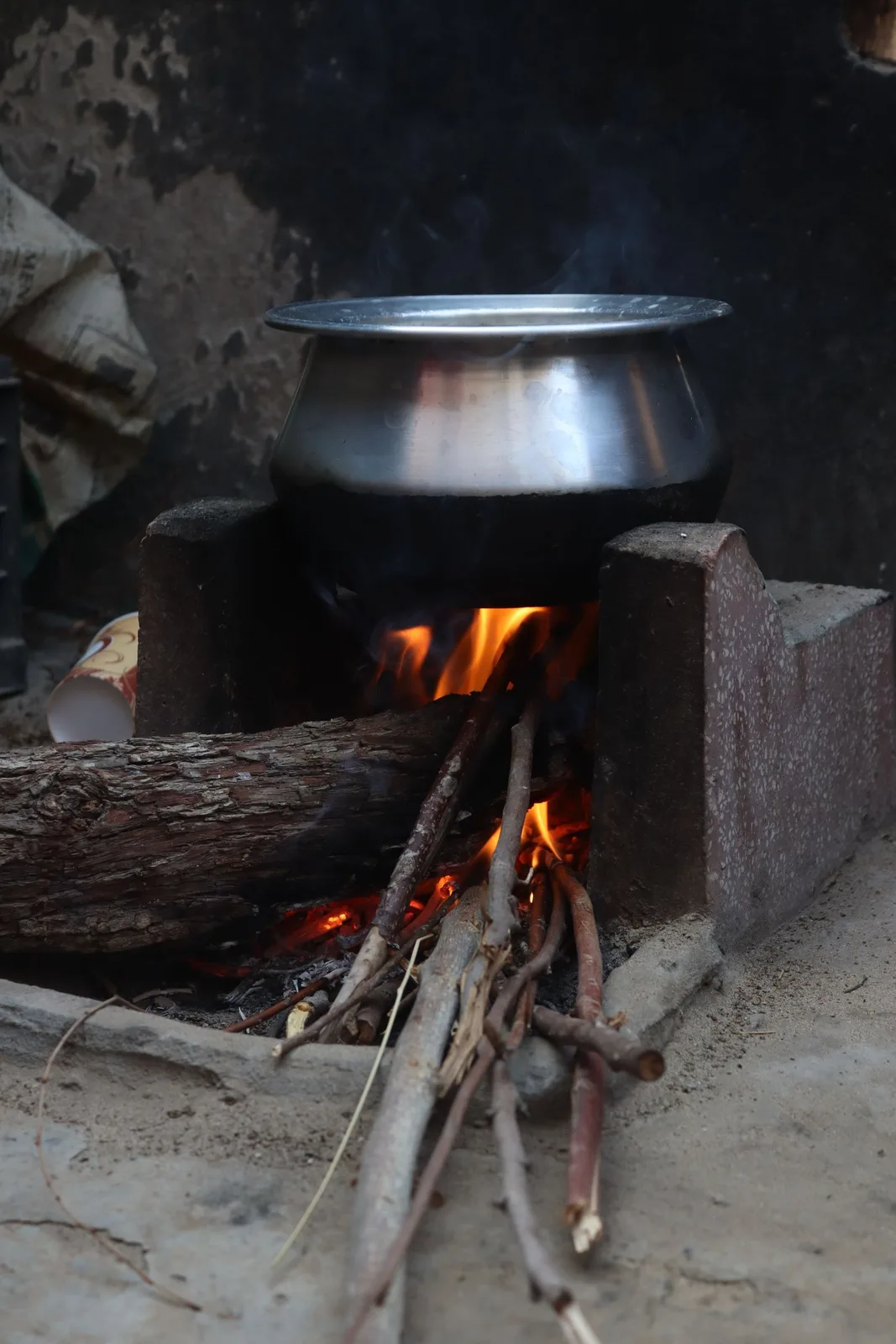
In every village the pagoda sets the rhythm: early each morning, monks in orange robes walk past the houses on their alms round, a custom that has nothing to do with tourism and continues whether visitors are there or not.
Buddhism here is not a backdrop but a daily practice: in the incense at every market, in the small shrines beside the road, in the calm with which people talk about what the country has endured. That resilience stands out without anyone dwelling on it.
Rainforest, lake and river
Cardamom Mountains
Untouched rainforest where elephant trails and gibbon calls are the only sound, and where the protection of the area shows in what doesn't happen: no logging, no roads.
Tonlé Sap
Floating villages that shift with the water level, with houses, shops and churches on rafts, and a life that revolves entirely around the lake.
The Mekong at Kratie
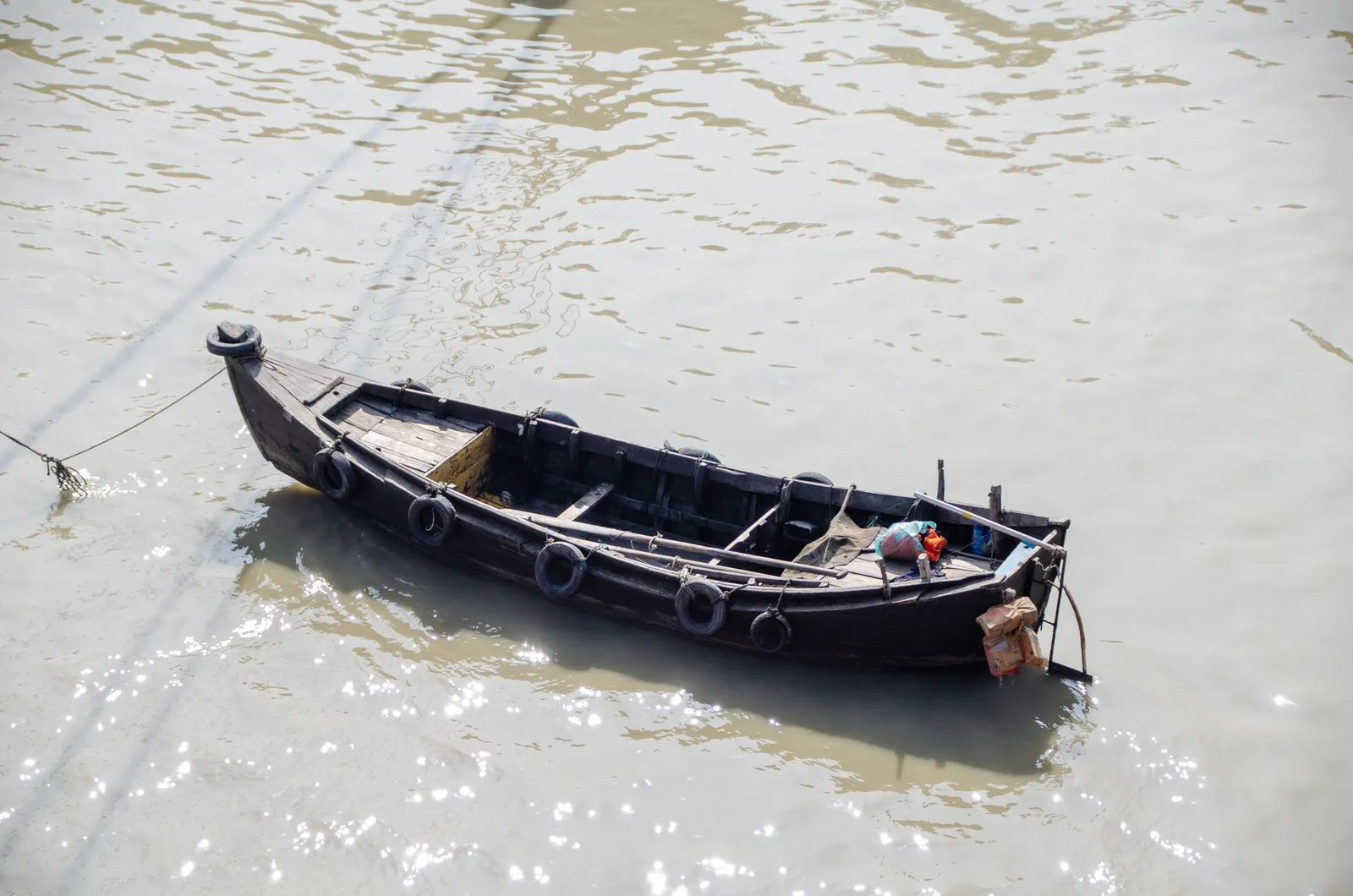
Shallow rapids where the rare Irrawaddy dolphin can still be found, seen from a quiet wooden boat rather than a motorboat full of people.
Cambodia the way you want to experience it
No fixed programme. Just a handful of experiences that show what Cambodia has to offer, as a starting point for a trip we design together with you.
Temples at first light
Arrive at Ta Prohm, or the remote Banteay Chhmar, before the first rays of sun fall through the roots, well ahead of the coaches.
By boat through a floating village
Visit a community on the Tonlé Sap by boat that shifts with the water level, guided by someone who grew up there themselves.
Dinner with a family on the Mekong
Cook and sit down with a family in a village outside Kratie or Kampong Cham, with no tourist trappings.
Weaving silk on Koh Dach
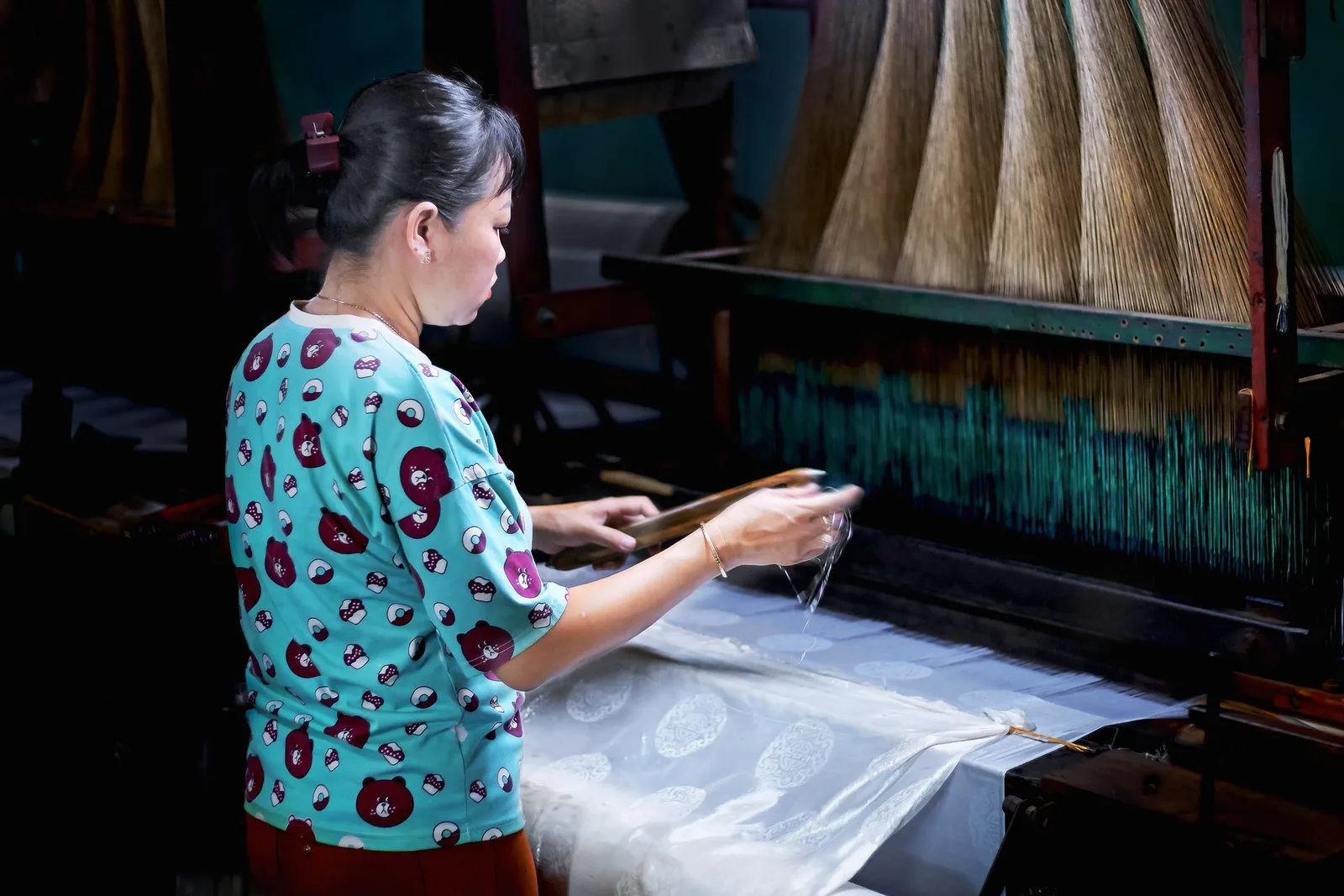
On the so-called 'silk island' off Phnom Penh, watch thread on a hand loom become a sarong, a craft still passed from mother to daughter.
Days with no plan on the islands
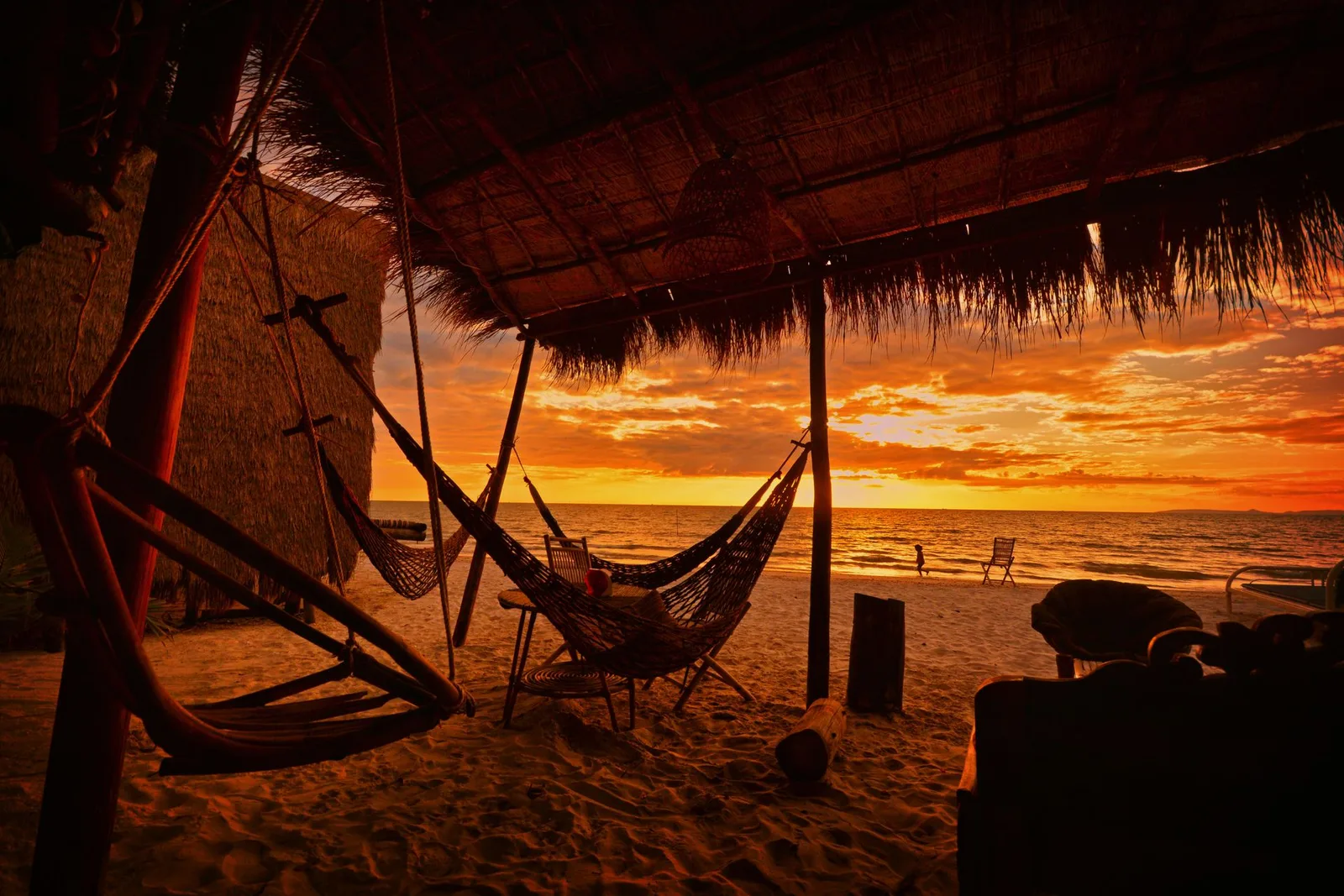
Off the coast at Kep or Sihanoukville, set aside a few days where nothing needs to happen: a hammock, a boat, nothing more.
Where your route goes depends on what you're after: temples, water, stillness, or all three.
When to travel to Cambodia
The dry season runs from November to April, with the coolest and most pleasant months from December to February. March and April turn noticeably hotter, well above thirty degrees.
From May to October the rain falls, usually in heavy, predictable showers at the end of the day. The Tonlé Sap swells and the landscape turns a deep green. For those who don't mind that, Angkor is quieter and the rice paddies are at their best.
Best time to visit Cambodia
Who else is at their best in these months?
January February November December
Use the contact form to discuss your travel dates and preferences with us.
Practical, without the noise.
Practical, without calling it simple.
Getting there
Flights via Bangkok, Singapore, Doha or Istanbul; both Siem Reap and Phnom Penh have an international airport.
Visa
Which travel documents you need depends on your nationality, and entry rules change regularly. We go through the current requirements with you before you leave.
Health
Malaria prevention is advisable outside the cities; make sure standard travel vaccinations are up to date before departure.
Pace
Expect heat, dust and sometimes slow roads off the main routes between Siem Reap, Phnom Penh and the coast.
Getting around
Domestic flights and bus connections between the regions, short hops by tuktuk or bicycle within the cities.
Cambodia doesn't survive despite its history.It lives on with it, every morning again.
Ta Prohm, a quarter of an hour before the first coach arrives.

- Flight time
- About 12 to 13 hours, usually with a stopover in the Middle East or South-east Asia
- Languages
- Khmer; English in the tourist centres
- Time difference
- +5 hours in summer, +6 hours in winter, from Belgium
- Climate
- Tropical, with a pronounced dry and wet season
- Currency
- Riel, though the US dollar is accepted everywhere