
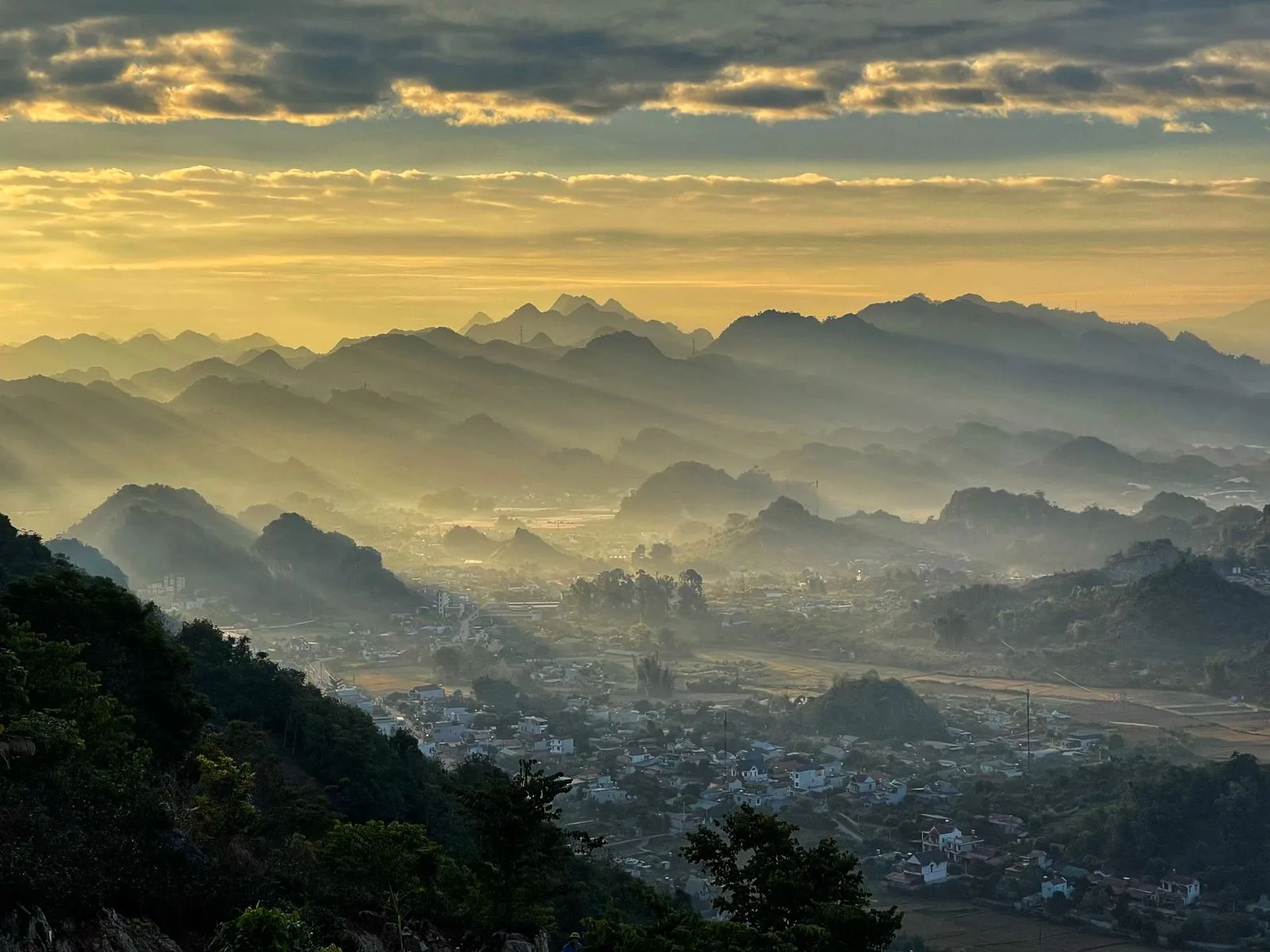
Sixteen hundred kilometres, and a different country at either end.
Vietnam is narrow and exceptionally long. From the mountains on the Chinese border to the last branch of the delta lie more than sixteen hundred kilometres as the crow flies, and across that distance almost everything changes: the climate, the accent, the architecture, the temperament and, above all, the food.
The north has four seasons and can turn cold in January. The south knows only wet and dry, and is always warm. Hanoi is understated, formal and old; Ho Chi Minh City is loud, entrepreneurial and forward-looking. Between them lies a central stretch with an imperial past and its own, spicier cuisine.
What binds the country is water and work. Rivers as roads, rice paddies pressed against the mountainside, markets busiest at five in the morning, and someone cooking on the pavement everywhere you look.
Saying "we want to go to Vietnam" doesn't actually say very much. The question is which part, and at what pace.
In short
Best time to go
March and April are the most balanced months across the country. The south is dry from December to April, the north is hot and wet from May to September, and the centre around Hue gets most of its rain from September to November.
How long
Two weeks for two regions, with three nights in each place. North, centre and south in one trip is possible, but it mostly means domestic flights and frequent hotel changes.
Who it suits
Travellers who travel to eat and to see how people live: street kitchens, floating markets in the Mekong Delta, rice terraces in the far north and the imperial city of Hue. Families too.
What sets it apart
The country is 1,650 kilometres long and about 50 kilometres wide at its narrowest, so the north has four seasons and the south only wet and dry. Vietnam is the world's second-largest coffee producer, after Brazil.
The shortest route into this country runs past a plastic stool.
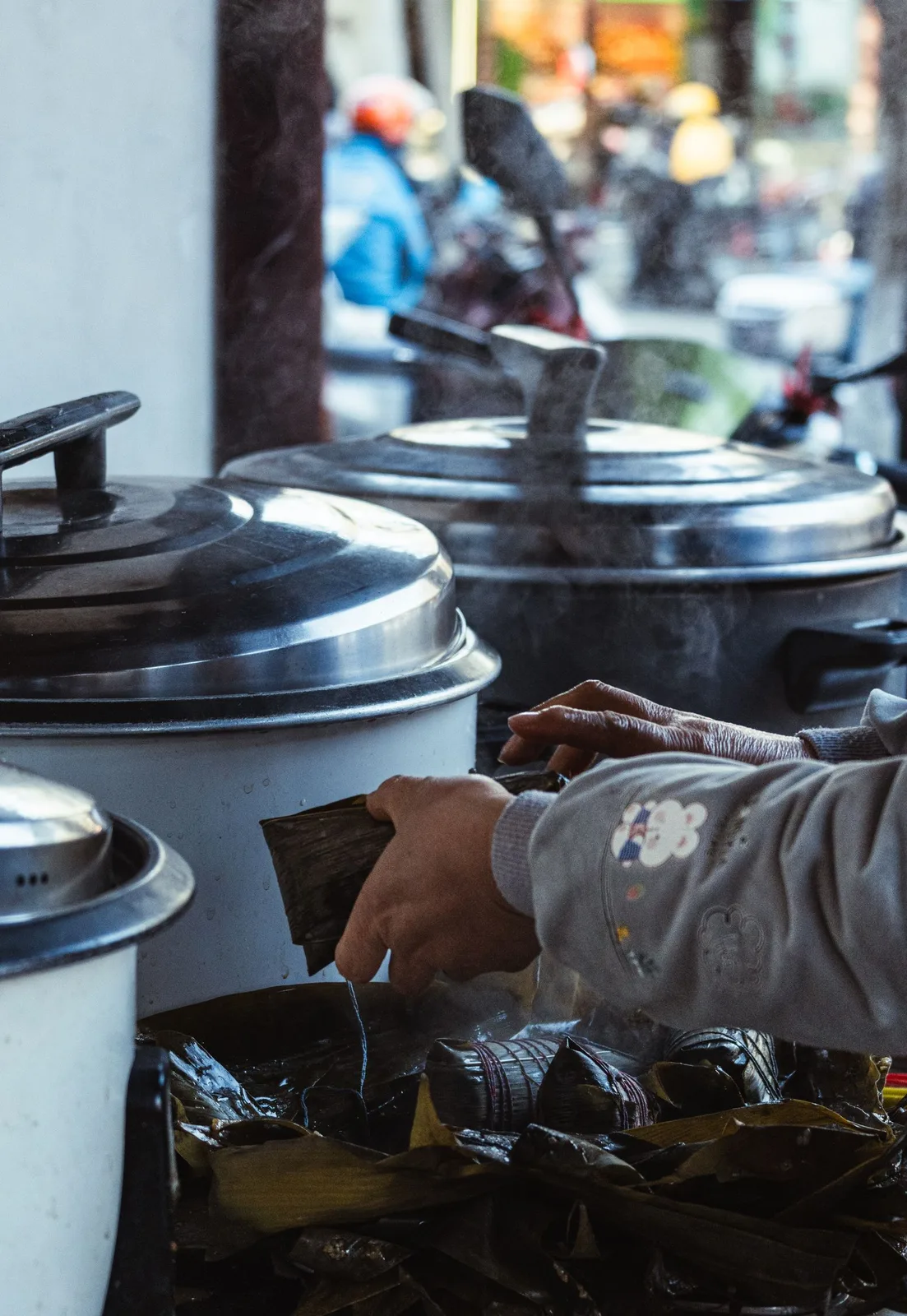
Vietnamese cuisine is distinctly regional, and the differences are greater than visitors expect. Pho in the north is clear and understated; in the south it arrives with a mountain of herbs and a sweeter broth. The central stretch around the old imperial city eats spicier, in many small dishes at once.
Almost everything happens on the street, and almost always one stall does one thing. The woman on the corner has made the same dish for thirty years and nothing else. Understand that, and you eat better in Vietnam than anywhere else.
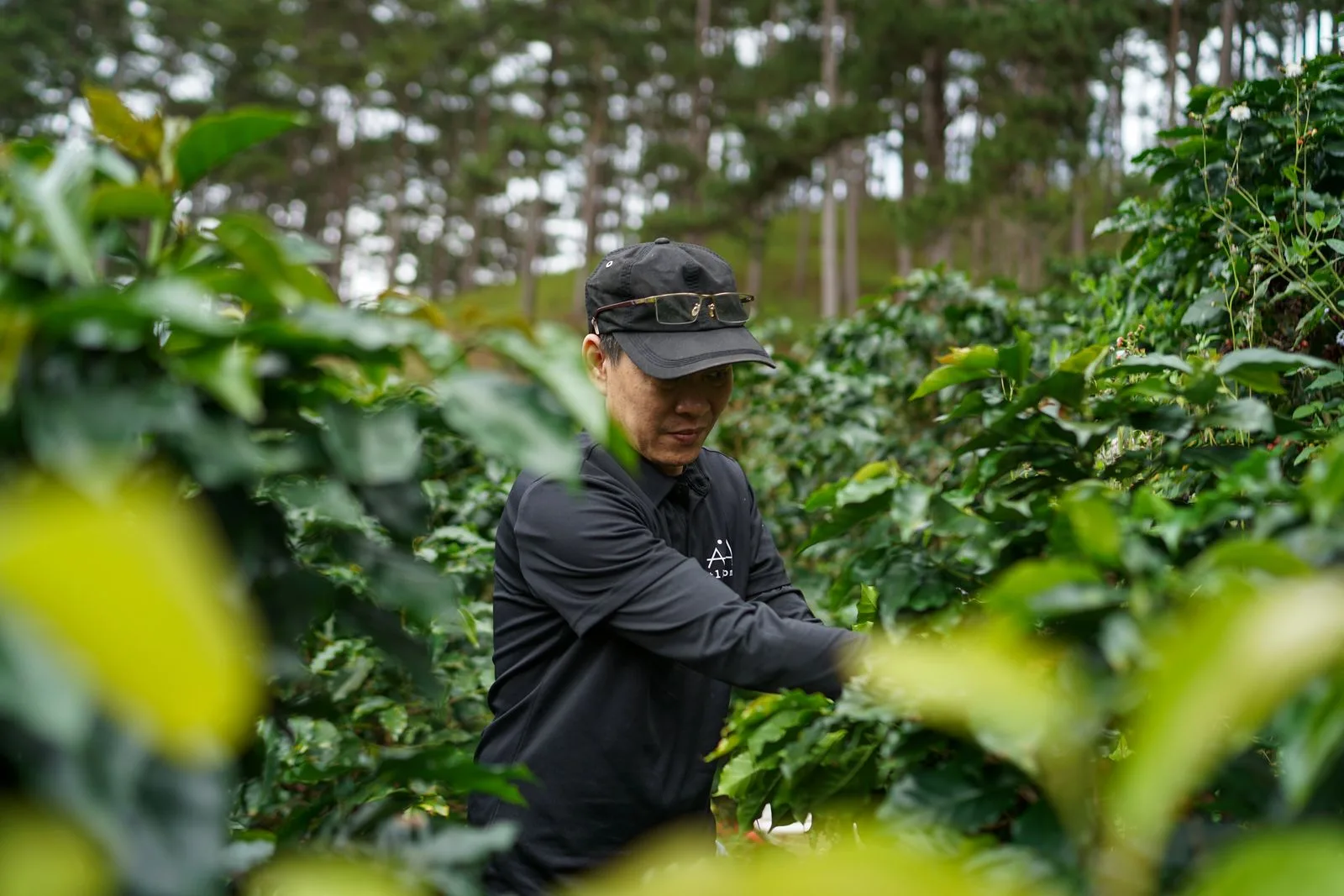
And then there's coffee. Vietnam is one of the world's largest producers and has developed a coffee culture with nothing in common with Italy's: strong, with condensed milk, over ice, or, in Hanoi, whipped with egg yolk into something between a dessert and a drink.
For many of our travellers, food here doesn't become part of the trip, it becomes the thread that runs through it.
Seven Vietnams.
Each region has its own climate, cuisine and pace. Choosing matters more here than combining.
Hanoi
A thousand years old, with an old quarter where streets are still named after their trade. Hanoi is slower and more reserved than the south: coffee houses on first floors, lakes where people exercise at six in the morning, French facades slowly crumbling. The city doesn't reveal itself at once, and rewards those who stay longer than two nights.
The mountains on the border
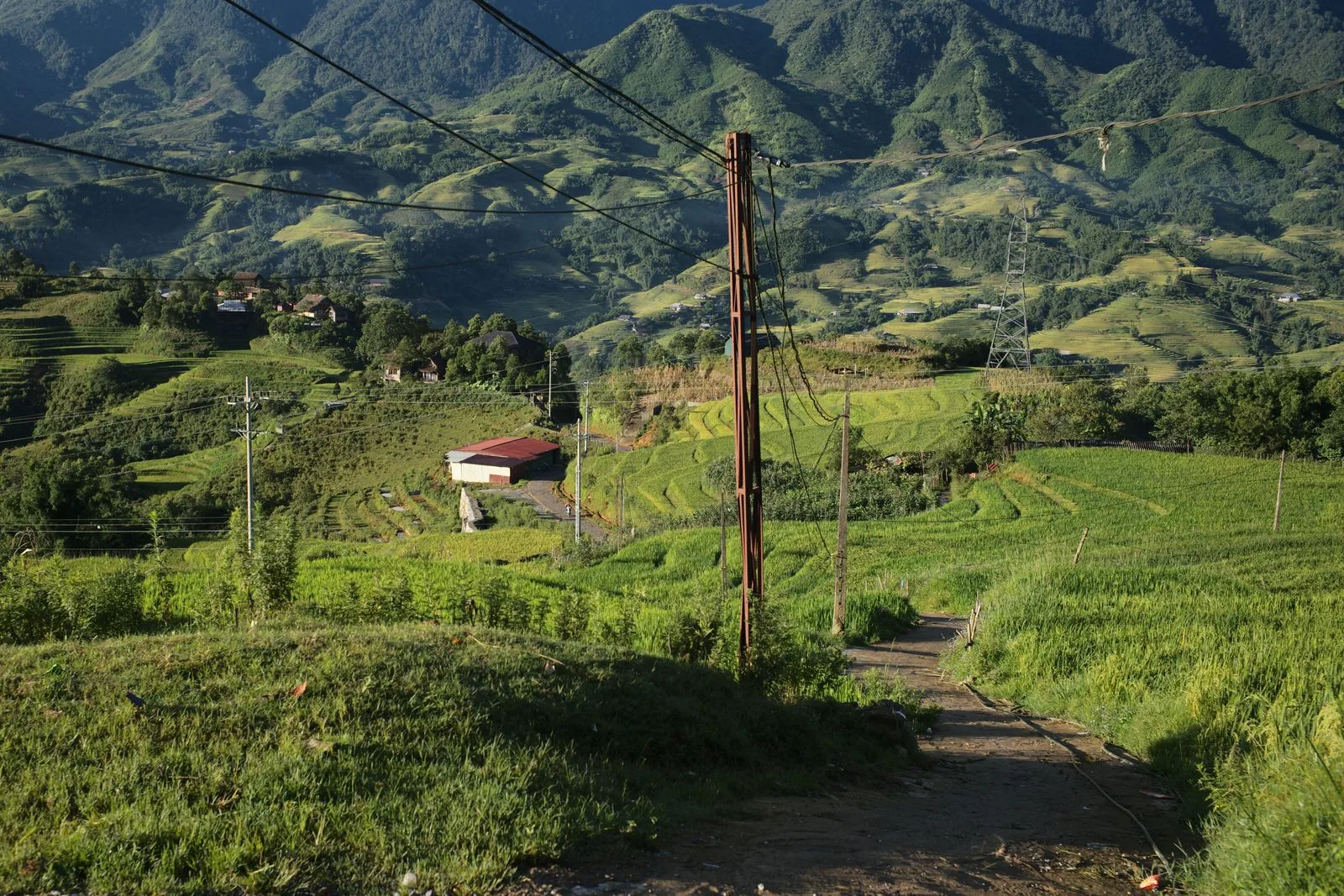
Limestone peaks, rice terraces climbing the slopes, and dozens of ethnic groups each with their own language and textiles. The best-known mountain town is now built up and busy; the areas further east, towards the Chinese border, are anything but. There you drive for hours along mountain roads with views that would be a national point of pride in Europe.
Bays and inland waters
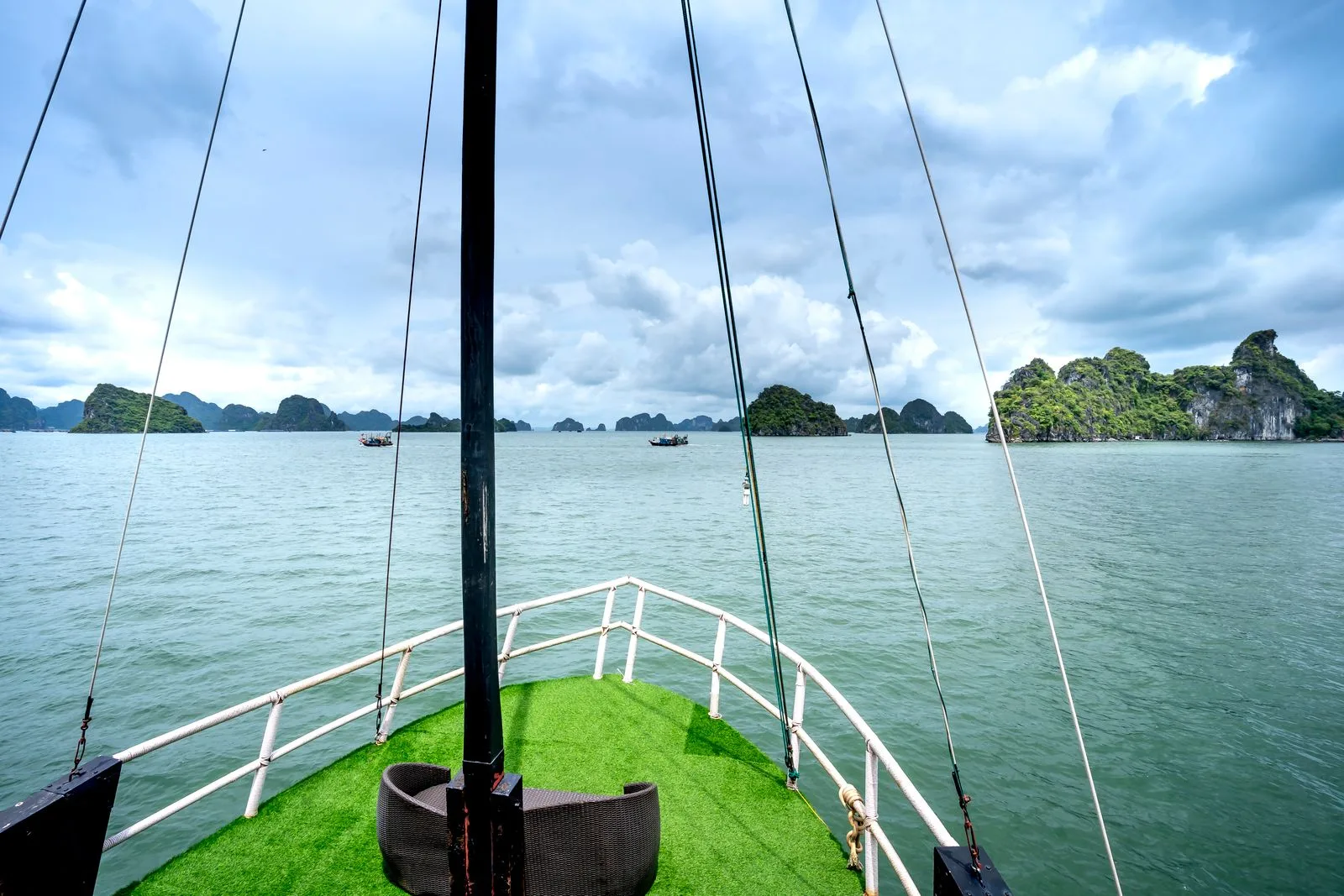
The famous bay with its limestone islands is genuinely spectacular, and genuinely busy. Neighbouring bays offer the same geology with a fraction of the boats. Inland lies an area sometimes called 'the bay on land': the same rock formations, but with rice fields and streams between them, to explore by rowing boat or bicycle.
Hue, the caves and the coast
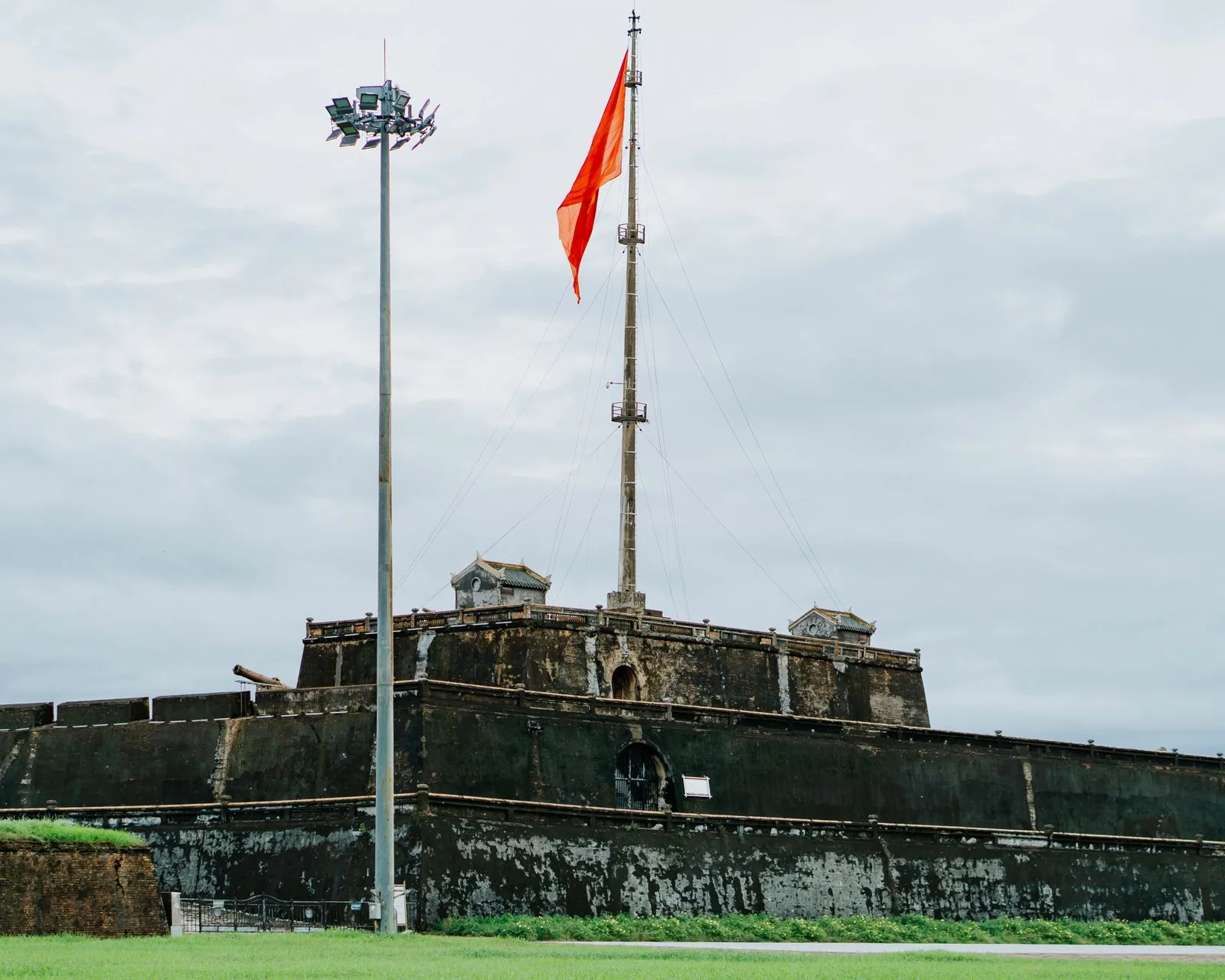
The old imperial city with its citadel and royal tombs, a cuisine more refined and spicier than elsewhere, and not far away a cave system that ranks among the most impressive in the world, with passages large enough for a skyscraper. Further south lies a small port town carrying centuries of Japanese, Chinese and European trading history.
The coffee region
Little visited and all the more surprising for it: red earth, coffee plantations, waterfalls and communities with nothing to do with the coast. Anyone wanting to understand how Vietnam became the world's second-largest coffee producer should come here, and anyone who loves driving will find the country's finest roads.
Ho Chi Minh City
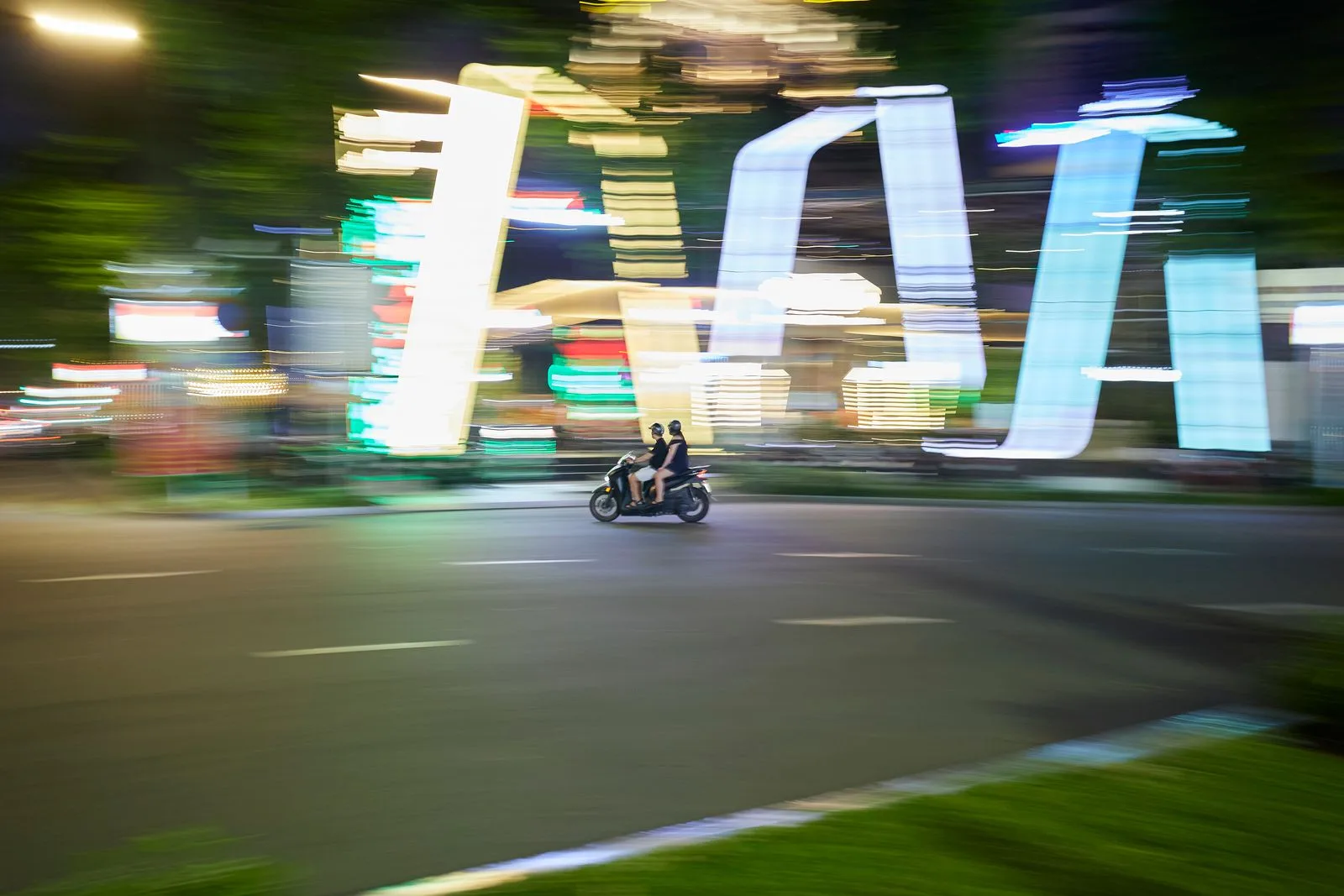
Faster, warmer and more entrepreneurial than Hanoi. A city of scooters, rooftop coffee bars, markets that never fall quiet and an architecture where the French era, the war years and new wealth stand side by side. Also the place where recent history is presented most vividly.
Where the land becomes water
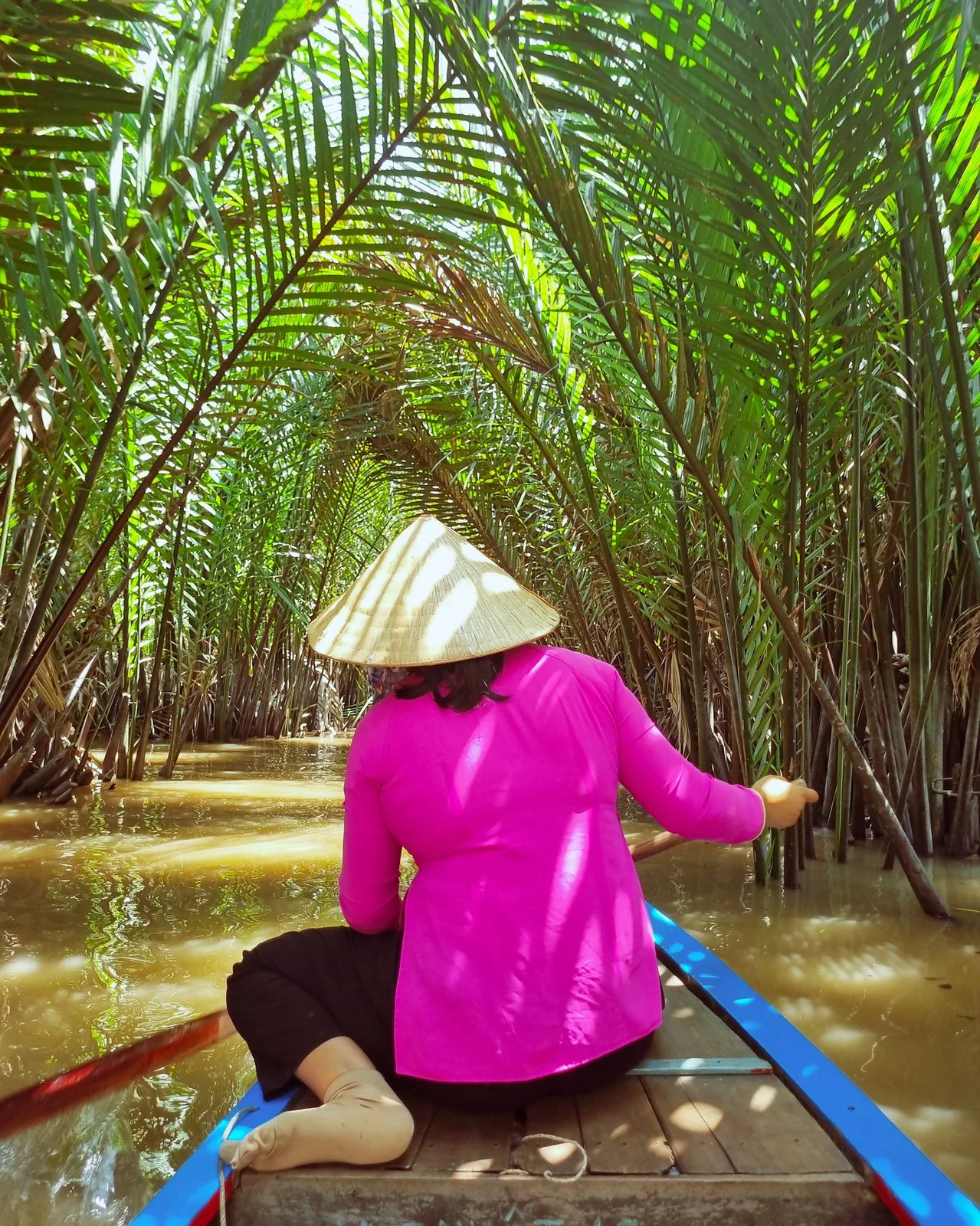
Nine river branches, endless canals and villages reachable only by boat. Floating markets busiest at five in the morning and empty by nine. Orchards, rice paper workshops and a pace that forces you to slow down. Staying overnight with a family along the water is no folklore here, just the ordinary way of things.


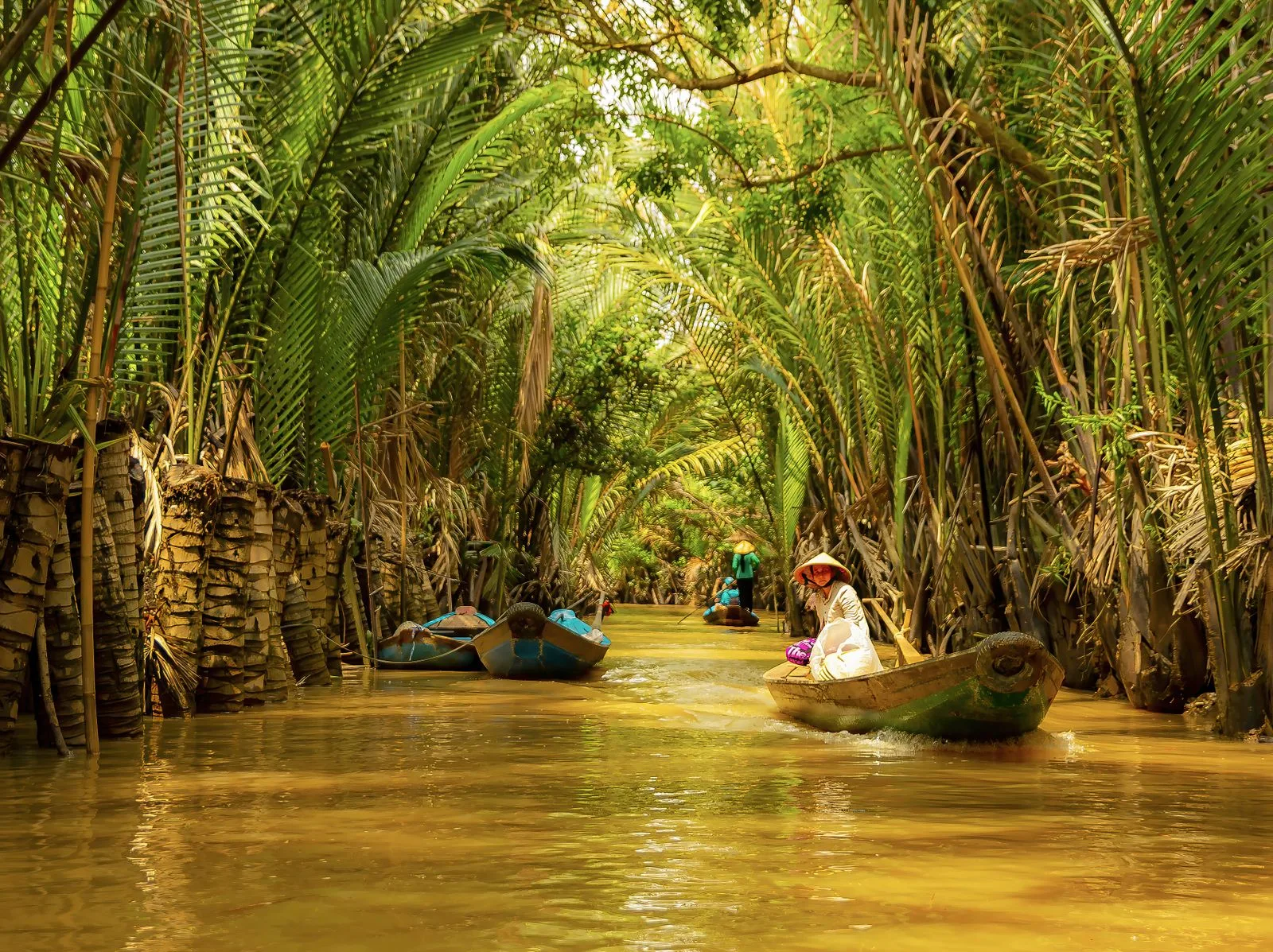
Rivers here aren't scenery. They're roads.
Vietnam is often described as a country of rice, but rice is the consequence; water is the cause. Two major delta regions, a coastline of more than three thousand kilometres and mountain country where every slope is irrigated.
That explains the layout of the villages, the rhythm of the year, the cuisine and even the puppet theatre performed here on water basins.
See Vietnam only by road, and you miss half of how the country works.
The market before sunrise
The floating markets in the delta aren't a show, they're wholesale trade. Arrive at half past five and you see commerce. Arrive at nine and you see boats full of tourists.
Sleeping on the water
In the northern bays, you can stay overnight on board. The difference lies in how many boats surround you, and so in which bay you choose, not in the vessel itself.
The rice calendar
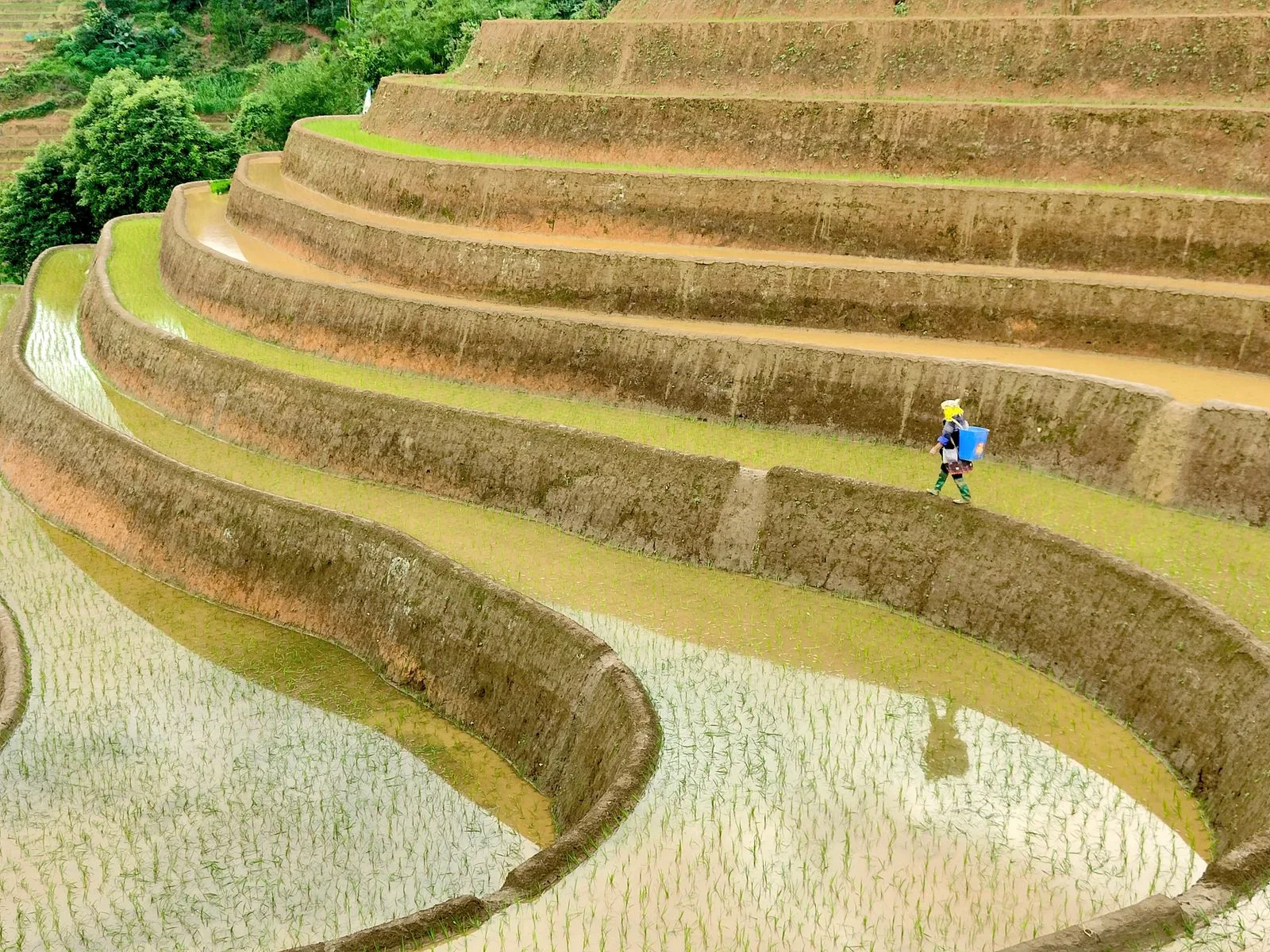
Terraces lie mirror-smooth when flooded and turn golden just before harvest. Two completely different sights, weeks apart, and timed differently in every region.

A country that looks forward, and shows it.
Vietnam counts fifty-four recognised ethnic groups. In the northern highlands, that means a different language, different textiles, a different market from one valley to the next. The great majority live in the lowlands, in a culture where family, education and enterprise carry real weight.
The war isn't glossed over. There are museums, tunnels and memorials, unmistakably told from one perspective. But visitors consistently notice how little it comes up in conversation. More than half the population was born after 1990.
What you do notice is pace. New businesses, new neighbourhoods, young entrepreneurs who know exactly what they want. A good guide here isn't someone who narrates the past, but someone who shows you the present.
What could Vietnam be for you?
Not building blocks of a fixed route, but directions, to help you notice what draws you and what you'd rather skip.
Into the market, into the kitchen
To the market at six in the morning with a cook, then cooking with whatever was there. Not a demonstration class in a hotel, but a real kitchen with real shopping.
The north by motorbike or jeep
The mountain roads along the northern border rank among the finest in Asia. With a driver, or, if you have experience, behind the wheel yourself, staying overnight with families along the way.
Underground
Multi-day treks in the cave region of central Vietnam, camping inside a cave and wading through rivers. It demands fitness, permits and months of preparation.
Slowly through the delta
Days on the water rather than hours, staying overnight with families and markets before sunrise. The part of Vietnam where the pace changes you most.
Craft up close
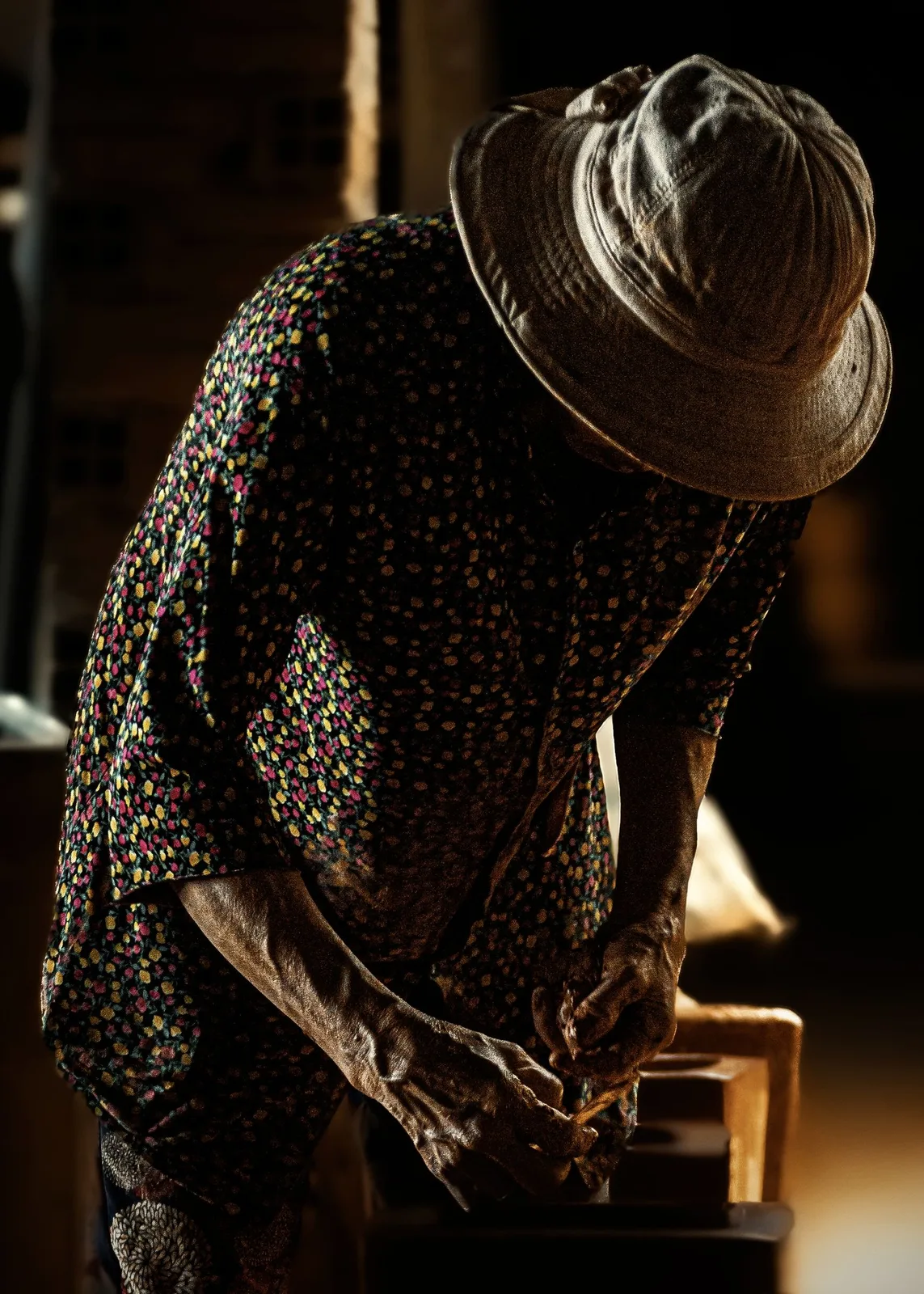
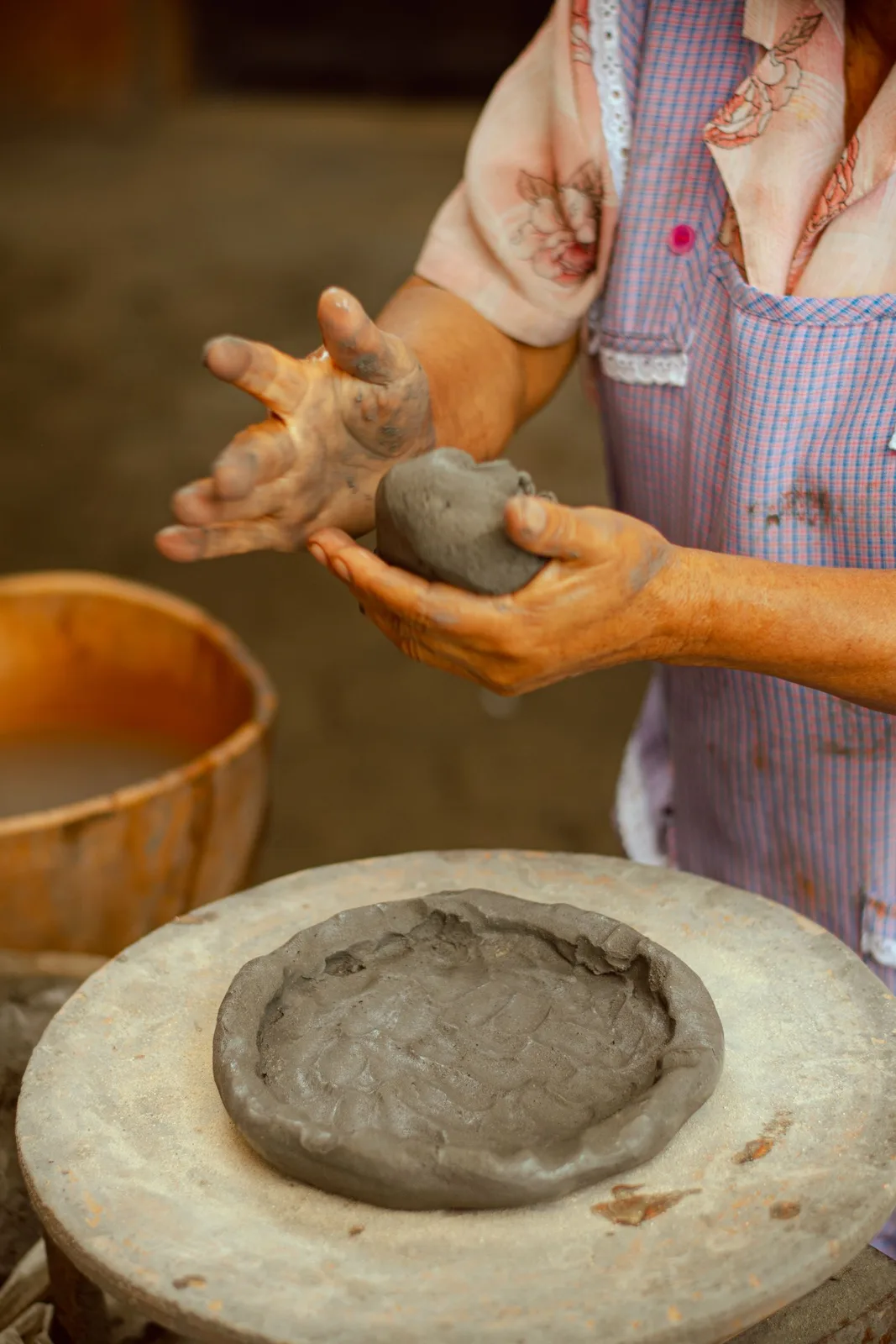
Silk, ceramics, lacquerware, rice paper, tailors. In many villages, people have done one thing for generations. Joining in says more than watching.
Coast without a resort
Vietnam has beautiful coastline, and also a lot of built-up coastline. There are still stretches where fishing villages set the pace, you just need someone who knows where.
These are possibilities.Not your journey.



There's no single season for the whole country.
This is the trickiest question for this destination, because the three regions don't move together. March and April are, taken as a whole, the most balanced: the north is mild, the centre is dry and the south is pleasant. In October and November the north is at its best, but that is when the centre gets most of its rain.
The north has real seasons: winters can be cool and grey, summers hot and wet. The centre gets most of its rain, and occasional typhoons, from September to November. The south knows only wet and dry, with the wet months bringing short, heavy downpours that rarely ruin a whole day.
So here it isn't the season that determines the route, but the route that determines the season. Anyone wanting to travel in August is better off skipping the central stretch than postponing the trip.
Best time to visit Vietnam
Who else is at their best in these months?
March April October November
Use the contact form to discuss your travel dates and preferences with us.
Where we look at this differently.
Two regions, not three. The classic trip covers north, centre and south in two weeks. That mostly buys you domestic flights and hotel changes. Doing two regions properly is almost always the stronger choice.
The bay has neighbours. Next to the famous bay lie neighbouring bays with the same rock formations and far fewer boats. Same experience, different crowds.
The highlands aren't only at the well-known mountain town. Further east towards the Chinese border, it's just as spectacular and far less built up. It costs a day of extra travel and changes the whole trip.
Getting up early pays off here more than anywhere. Markets, temples and streets are at their finest, and their most genuine, between five and seven in the morning. Breakfast at eight, and you see a different country.
A good guide isn't a luxury here. Outside the cities, English is rare, and the most interesting things often sit behind a conversation. That's the difference between looking and understanding.
Practical, without the noise.
We discuss the full, current picture in person, including whatever matters specifically for your trip.
Getting there
Flights with one stopover to Hanoi or Ho Chi Minh City. Domestic flights are cheap and frequent.
Documents
Which travel documents you need depends on your nationality, and entry rules change regularly. We go through the current requirements with you and help arrange what is needed in advance.
Health
Standard vaccinations apply for most travel areas; malaria prevention may be relevant in rural regions. Check with a travel clinic.
Traffic
Traffic looks chaotic and runs on its own logic. We advise against hiring a scooter yourself unless you have experience and solid insurance.
Travelling with children
Particularly well suited: Vietnamese people adore children, the food can be made mild, and distances are manageable with domestic flights.
Paying
Card payment works in cities and hotels; markets, street kitchens and the countryside remain cash only.
Pace
The country tempts you to keep moving. Three nights per place consistently delivers more than five places in ten days.
Clothing
Temples and pagodas require covered shoulders and knees. In the north, winter calls for a real coat in your suitcase.
Frequently asked questions
When is the best time to visit Vietnam?
There is no single season for the whole country. March and April are the most balanced overall. The centre gets most of its rain from September to November, sometimes with typhoons. So here the route decides the season: if you travel in August, skipping the centre is better than postponing the trip.
Can you do the north, centre and south in two weeks?
You can, but it mostly means domestic flights and hotel changes. Doing two regions well is almost always stronger. Vietnam is more than sixteen hundred kilometres long, and along the way the climate, accent, food and temperament all change.
Is Ha Long Bay too crowded?
The famous bay with its limestone islands is spectacular, and busy. Neighbouring bays have the same rock formations with a fraction of the boats. Inland there is also an area with the same karst between rice fields and streams, to explore by rowing boat or bicycle.
How does the food differ between north and south?
A great deal. Pho in the north is clear and restrained, in the south it comes with a mound of herbs and a sweeter broth. The centre around the old imperial city eats spicier, in many small dishes at once. Almost everything happens on the street, where one stall has often made one dish for decades.
Can you rent a scooter yourself in Vietnam?
We advise against it unless you are experienced and well insured: the traffic looks chaotic and runs on its own rules. The mountain roads along the northern border are among the most beautiful in Asia, and they are most comfortable with a driver.
- Flight time
- About 13 to 16 hours with one stopover
- Language
- Vietnamese; little English spoken outside the cities
- Time difference
- +5 hours in summer, +6 hours in winter
- North-south distance
- Over 1,600 kilometres as the crow flies
- Best periods
- Varies by region, see below