

Small on the map, vast underfoot.
Two hours on the road here can mean three different worlds.
A fjord that isn't a fjord, mountains that fall straight into the sea, and a country smaller than its landscape suggests. By road, Montenegro fits a journey from coast to high plateau into half a day. Yet everything along the way changes: the colour of the façades, the languages on the street signs, the altitude at which people still graze their livestock.
Along the coast lie Venetian towns in a bay that behaves like a fjord without quite being one: Kotor, Perast, church towers that seem to grow straight out of the water. An hour inland, the road climbs towards limestone massifs where snowfields still linger in May, and between these two extremes sits a lake full of pelicans that Montenegro shares with Albania.
That very compactness is deceptive. Try to cover Montenegro in three days and you'll see a coastline while missing the country. We would rather build a trip that takes the changes in altitude seriously, with time to move from sea level to mountain village without it turning into a box-ticking exercise.
In short
Best time to go
May and June, September and October: warm enough by the sea and good walking weather in the mountains. July and August bring heat and crowds to the coast, and October already sees noticeably more rain.
How long
Ten days to two weeks. Distances are short, but seeing the Boka, Lake Skadar and Durmitor means winding mountain roads, so plan a few nights in each region.
Who it suits
For travellers who want coast and high mountains in one trip: an early boat on the Bay of Kotor, then a few days later hiking around Žabljak or looking for pelicans on Lake Skadar.
What sets it apart
The Venetian towns of the Bay of Kotor and the Tara Canyon in Durmitor, up to 1,300 metres deep, are two World Heritage sites that lie about half a day's drive apart.
Six faces of one small country
In Montenegro nothing is ever far from something else, yet no two regions feel alike.
Boka Kotorska
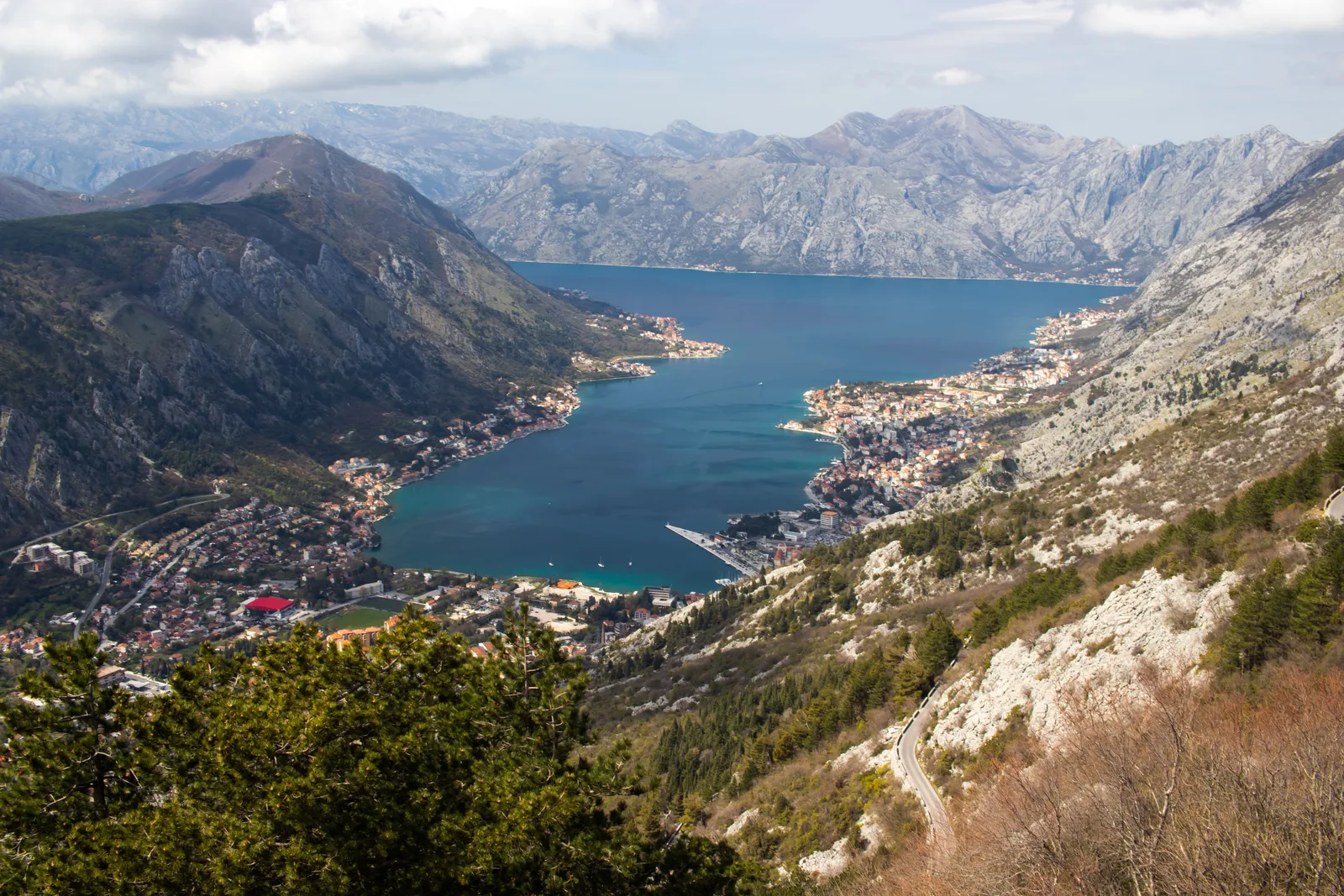
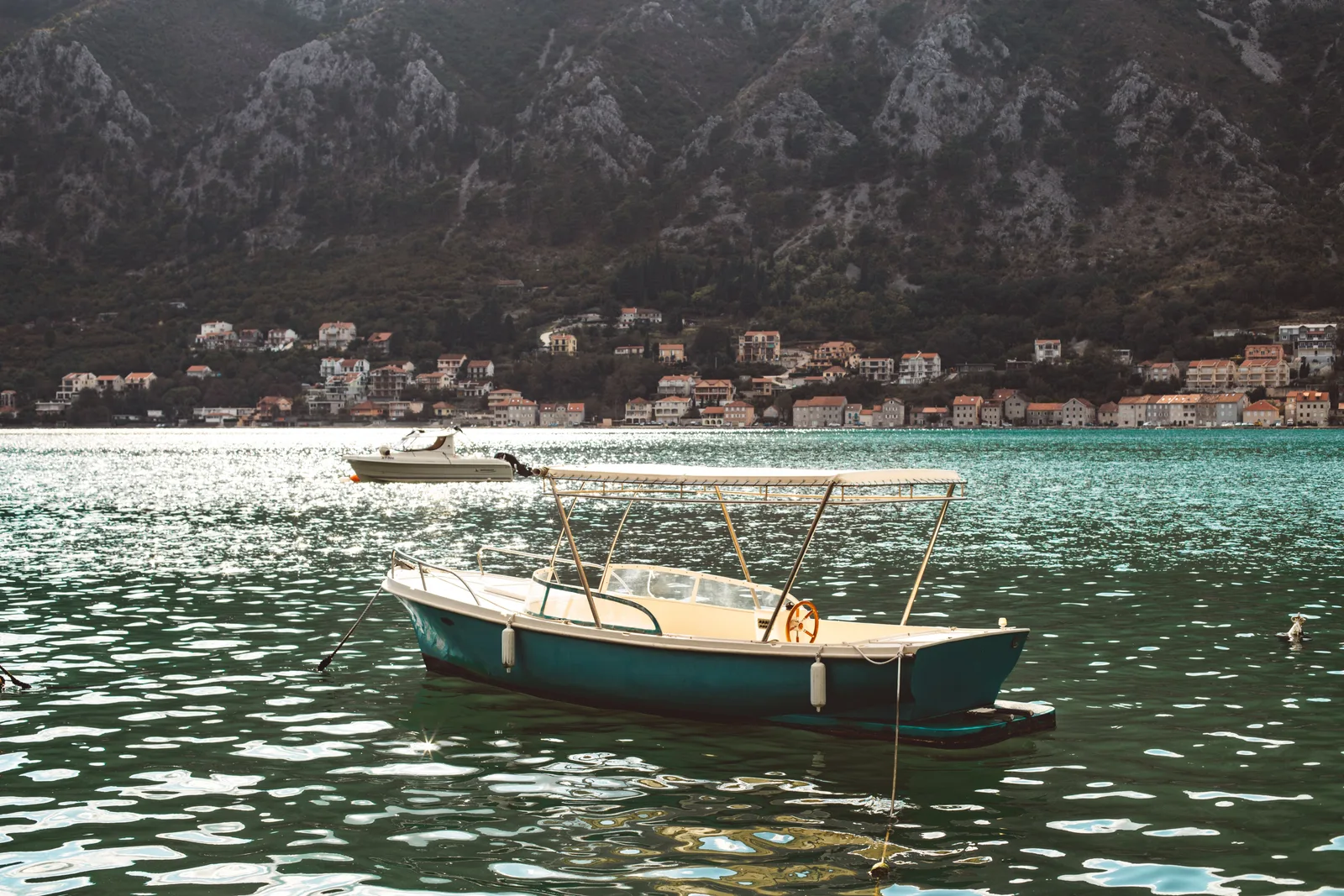
The Bay of Kotor winds between mountain walls that rise almost sheer out of the water. Kotor itself sits within its Venetian city walls, Perast just outside them, with boat trips out to the artificial islet of Our Lady of the Rocks.
Budva and the southern coast
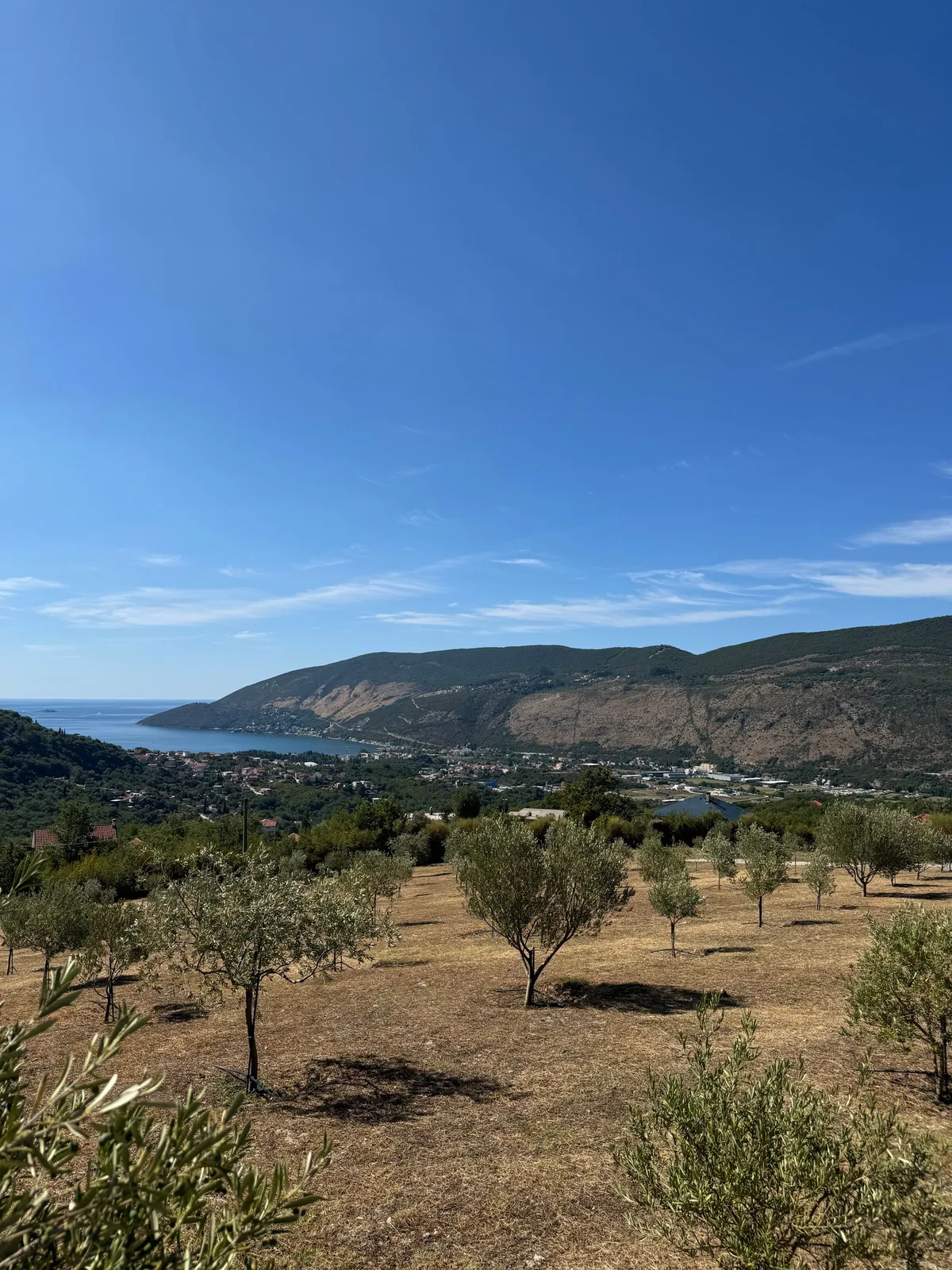
Beyond Budva's walled old town, the coast grows busier, though the Luštica peninsula and the bay of Herceg Novi keep their calm. Sveti Stefan, the former fishing village on its own islet, remains the image most people picture when they think of Montenegro.
Durmitor and the Tara Canyon
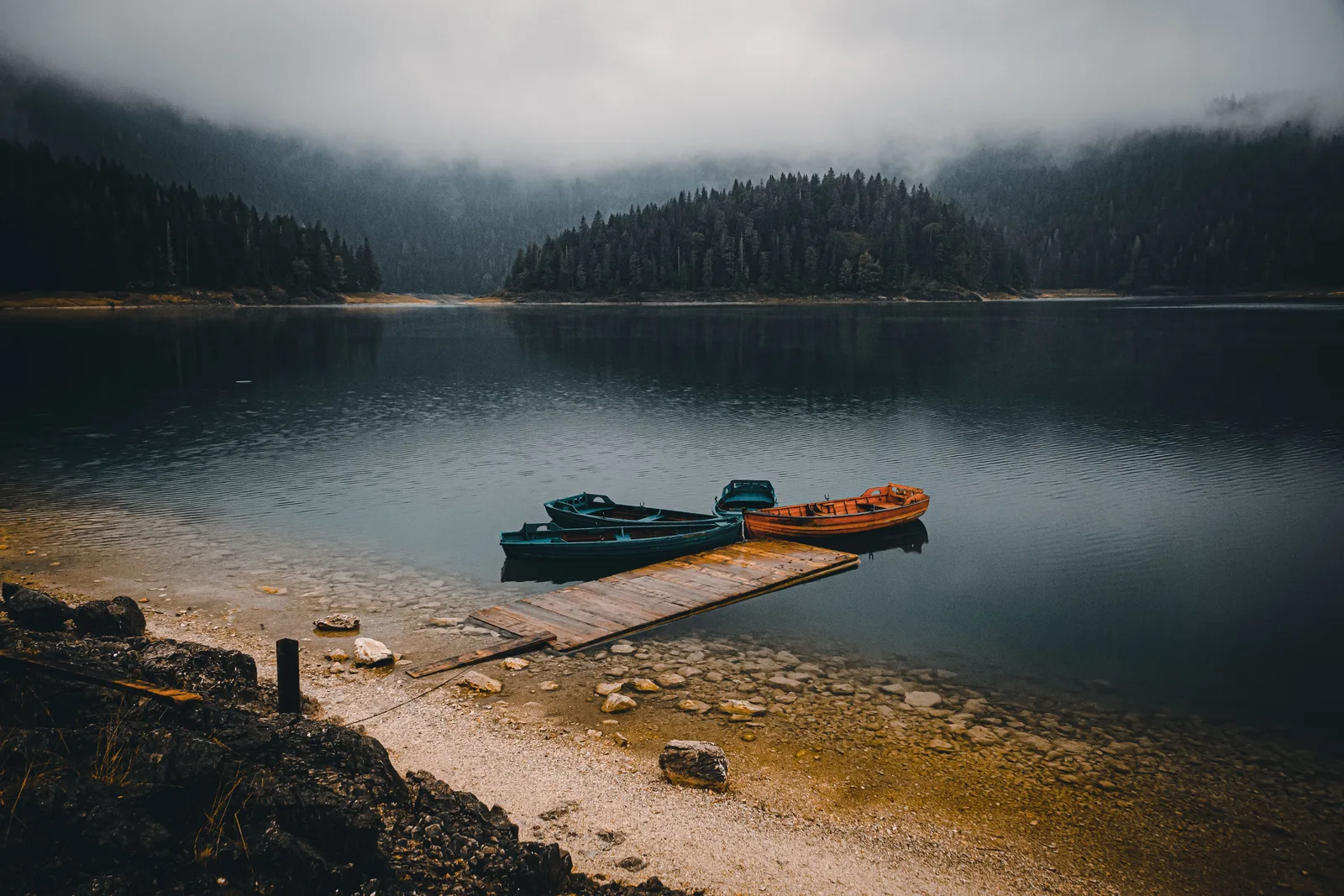
Around the mountain village of Žabljak lies a national park with eighteen glacial lakes and the Tara Canyon, one of the deepest gorges in Europe. The air here feels noticeably different from the coast: colder, drier, and often perfectly still in the morning.
Cetinje and Lovćen
The former royal capital Cetinje looks modest for what it once was. Above the town, the road climbs in hairpin bends towards the Lovćen mountains, where the mausoleum of prince-poet Njegoš looks out over almost all of Montenegro.
Lake Skadar
The largest lake in southern Europe stretches into Albania and ranks among the continent's most important pelican reserves. Around the small harbour village of Virpazar lie the vineyards of Crmnica, home of the Vranac grape.
Prokletije, the far north
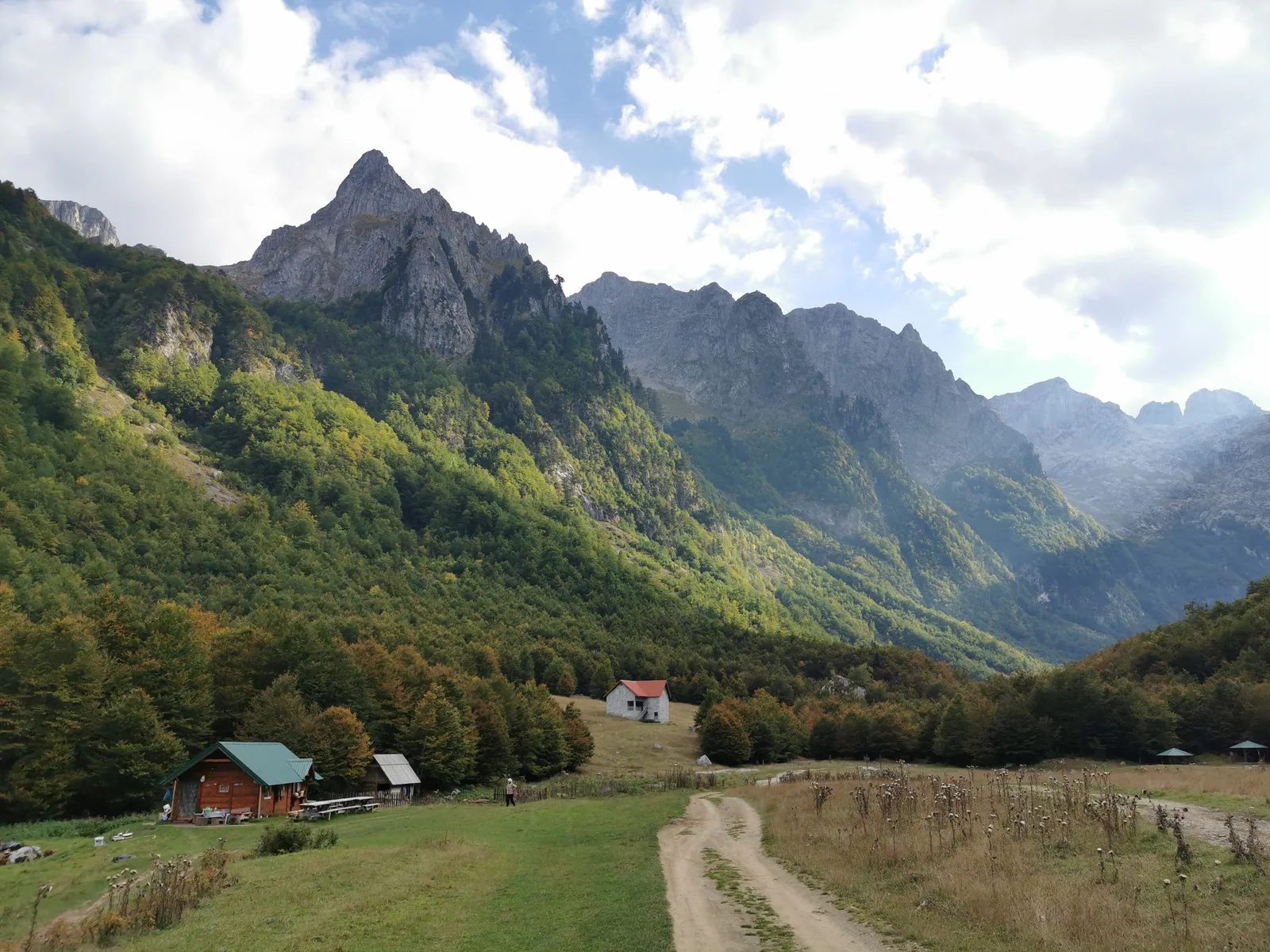
Near Plav and Gusinje, against the border with Albania and Kosovo, begin the 'accursed mountains': rugged, sparsely populated and the least visited part of the country. Come here and you share the mountain paths with livestock, and with almost nobody else.
The Boka Kotorska, where the Dinaric Alps meet the sea without any transition.
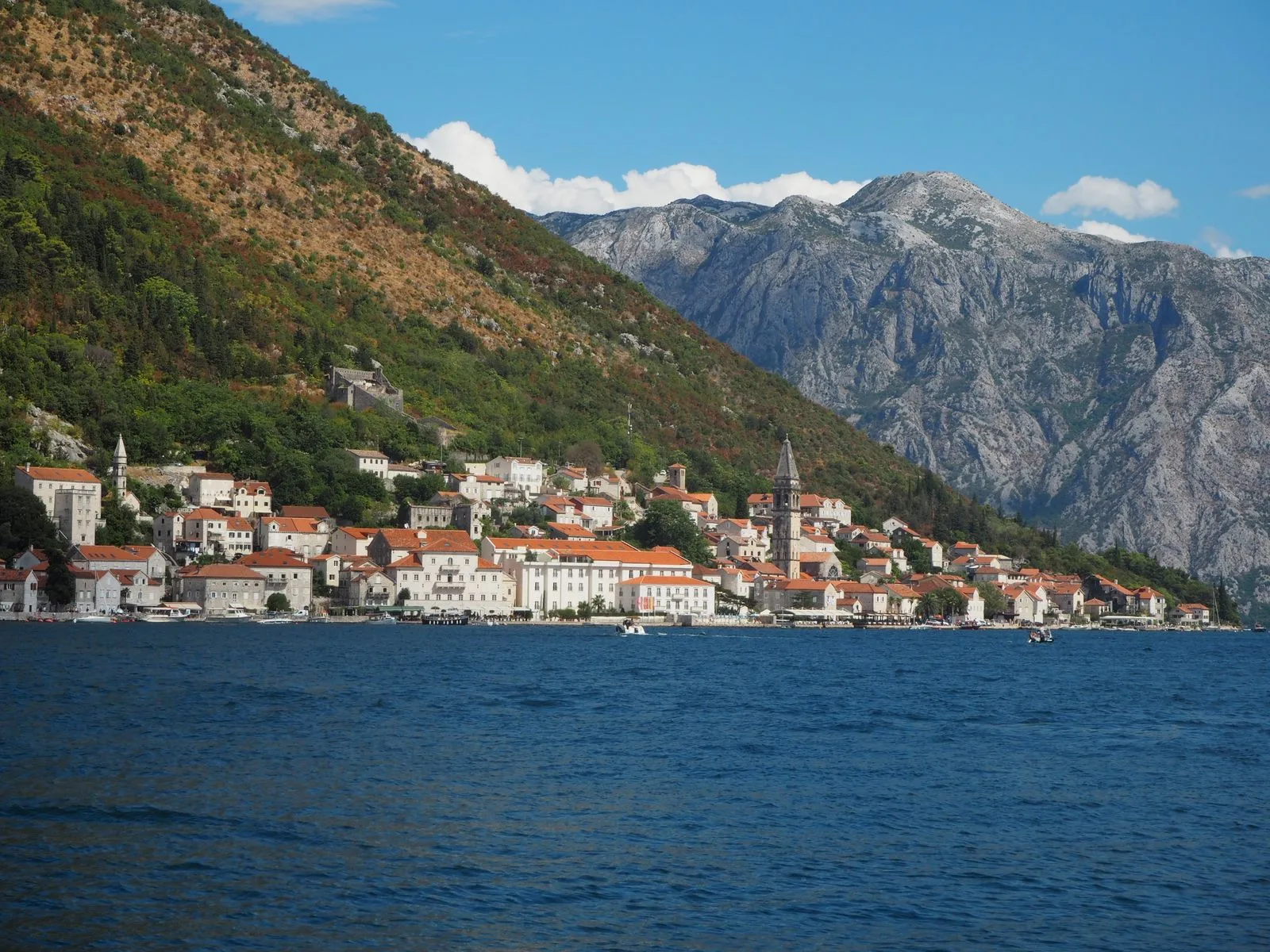
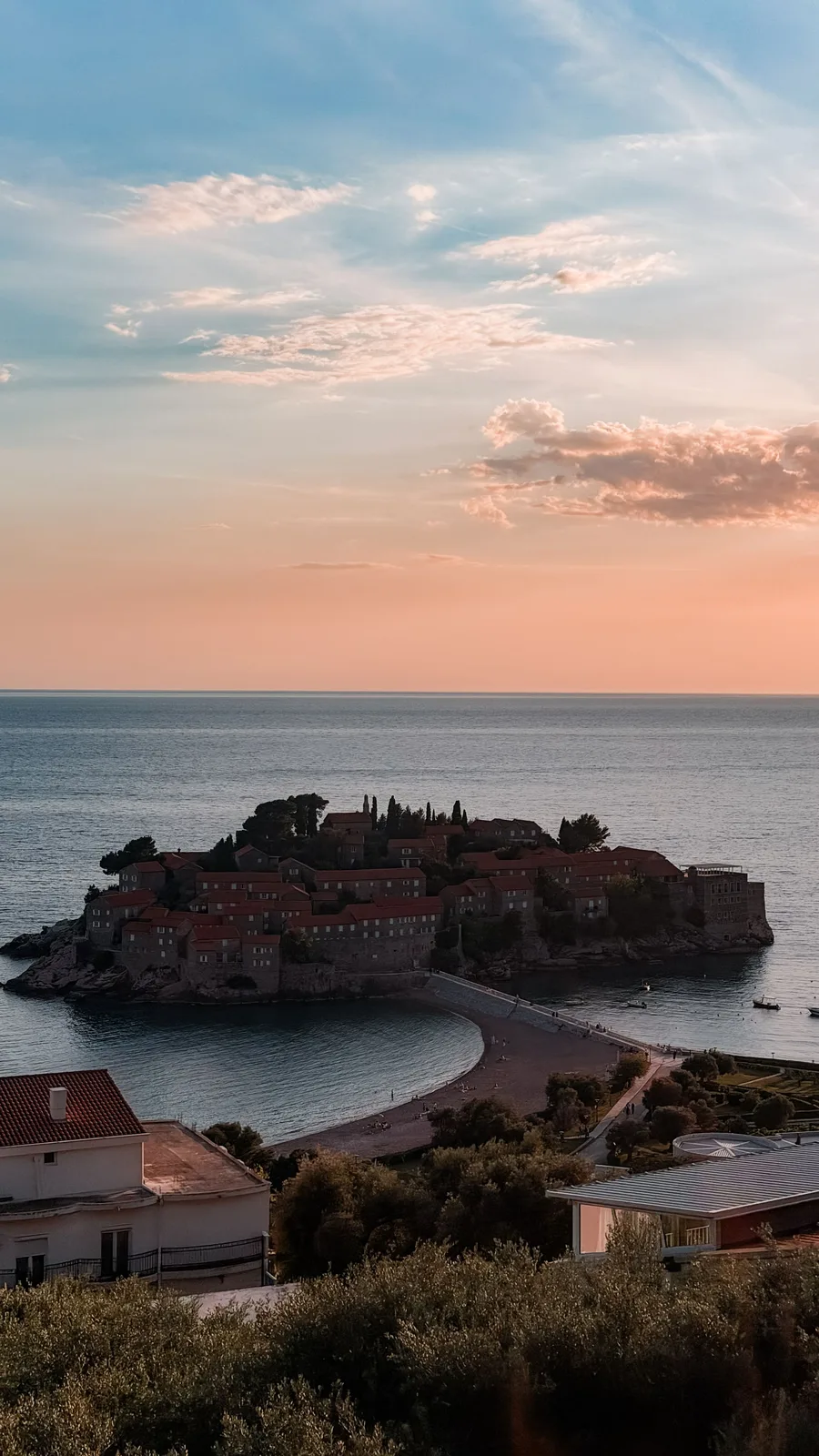
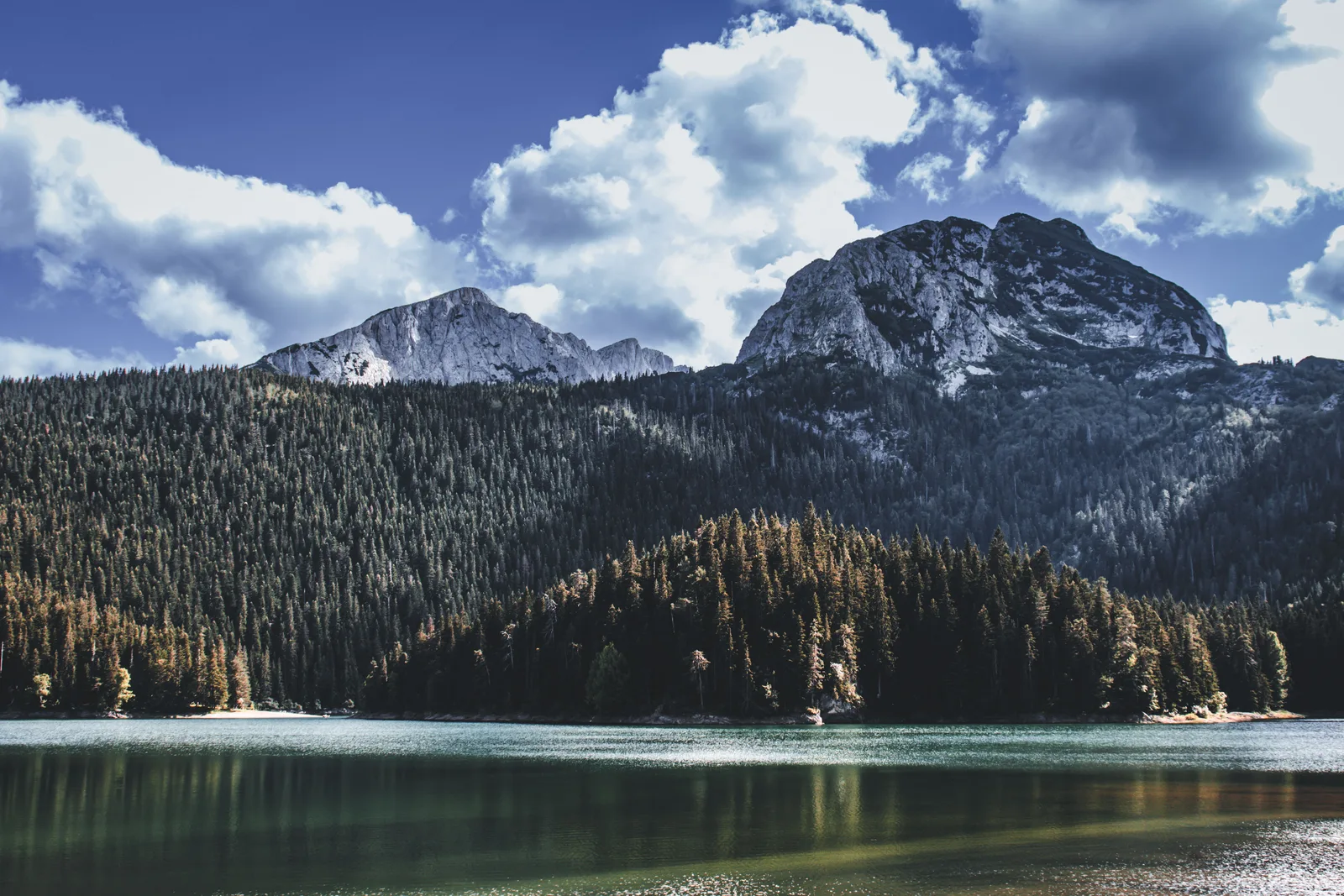
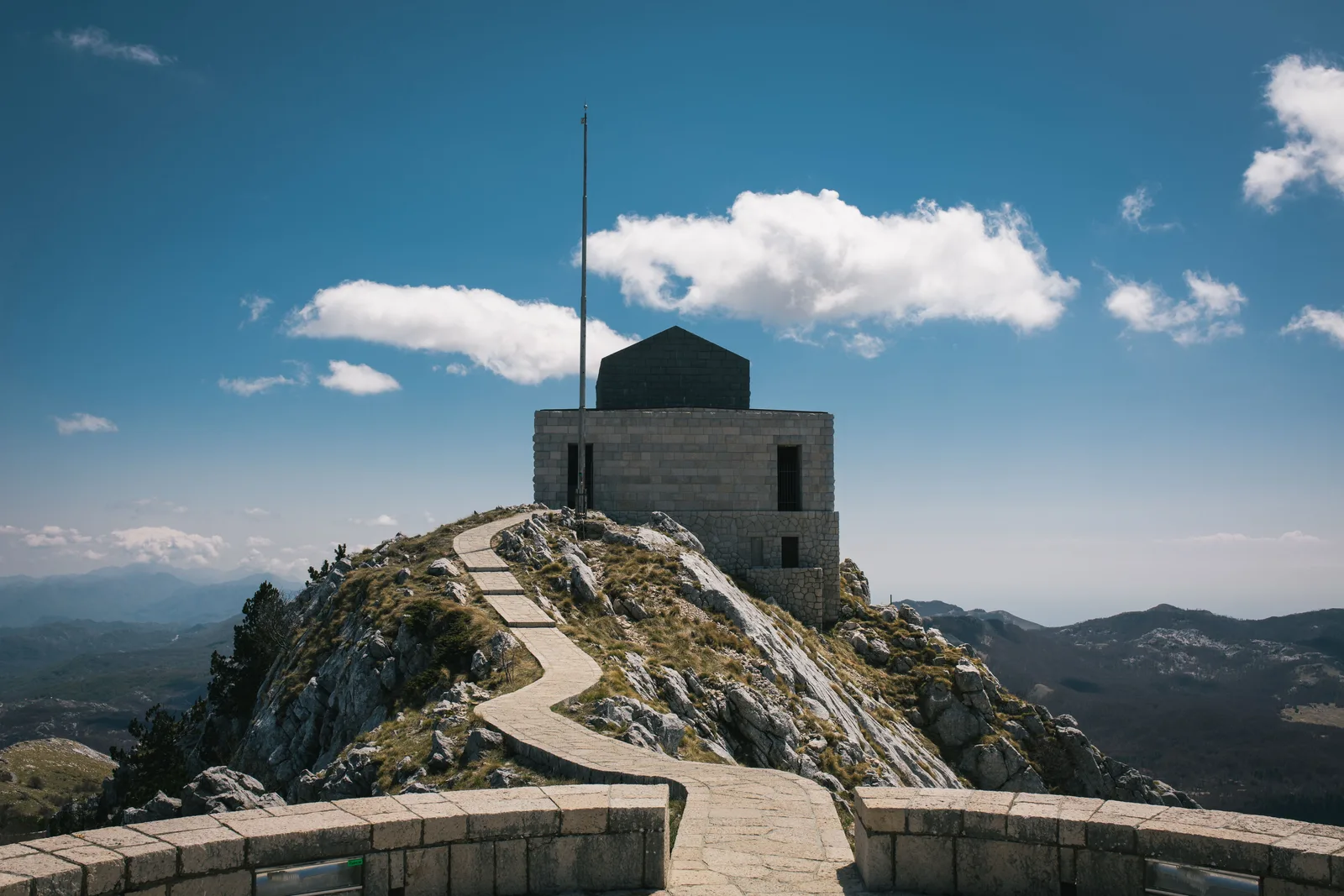
Three landscapes half a day's drive apart
What sets Montenegro apart isn't one landscape, but how quickly one gives way to the next.
The Tara Canyon
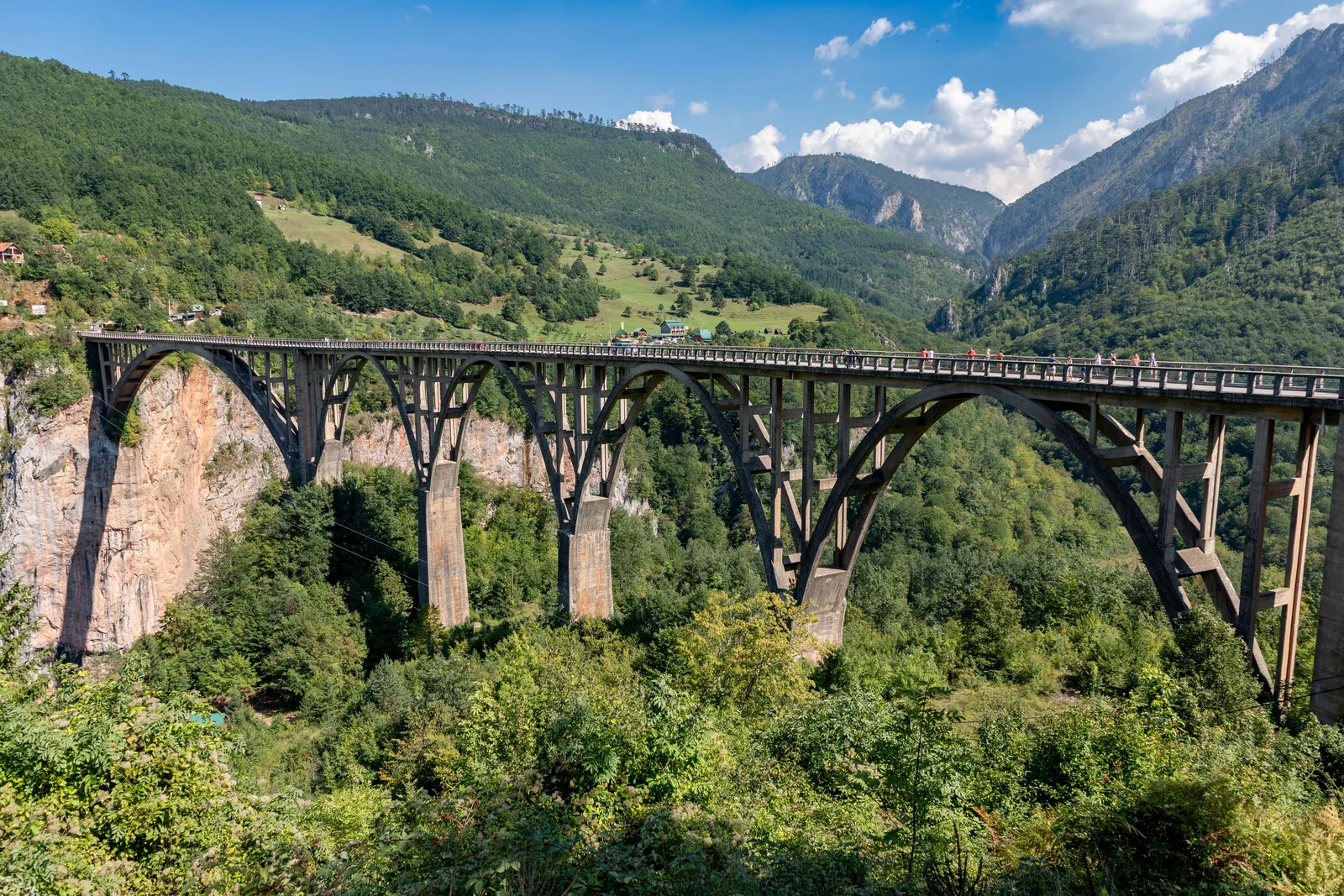
In places more than 1,300 metres deep, making it one of the deepest gorges in Europe. The Đurđevića Tara Bridge spans it high above; far below runs one of the clearest rivers on the continent.
Biogradska Gora
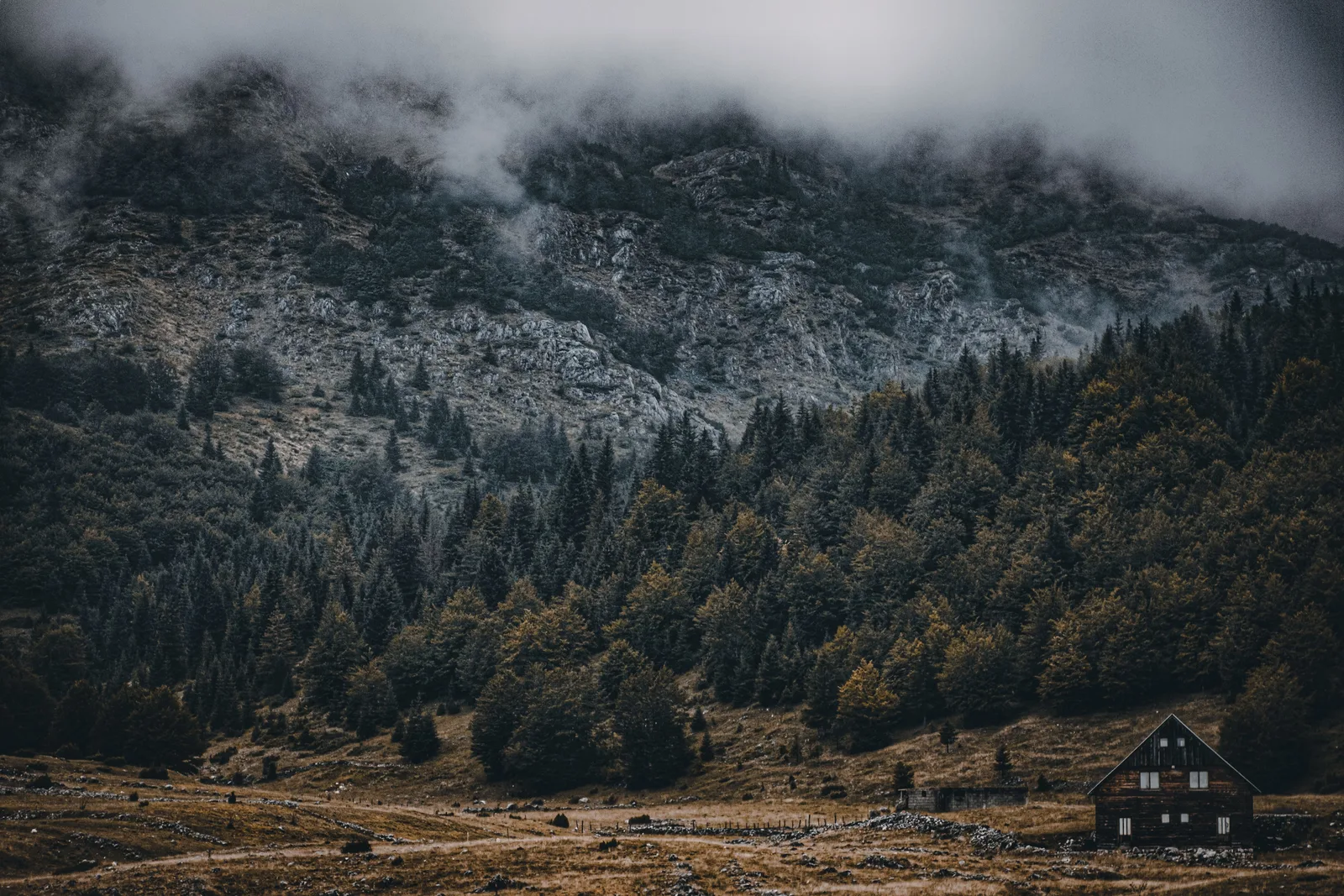
One of the last primeval forests left in Europe, with trees more than five hundred years old ringing a mirror-still glacial lake. There is no more striking silence in Montenegro than here, early in the morning.
Lake Skadar
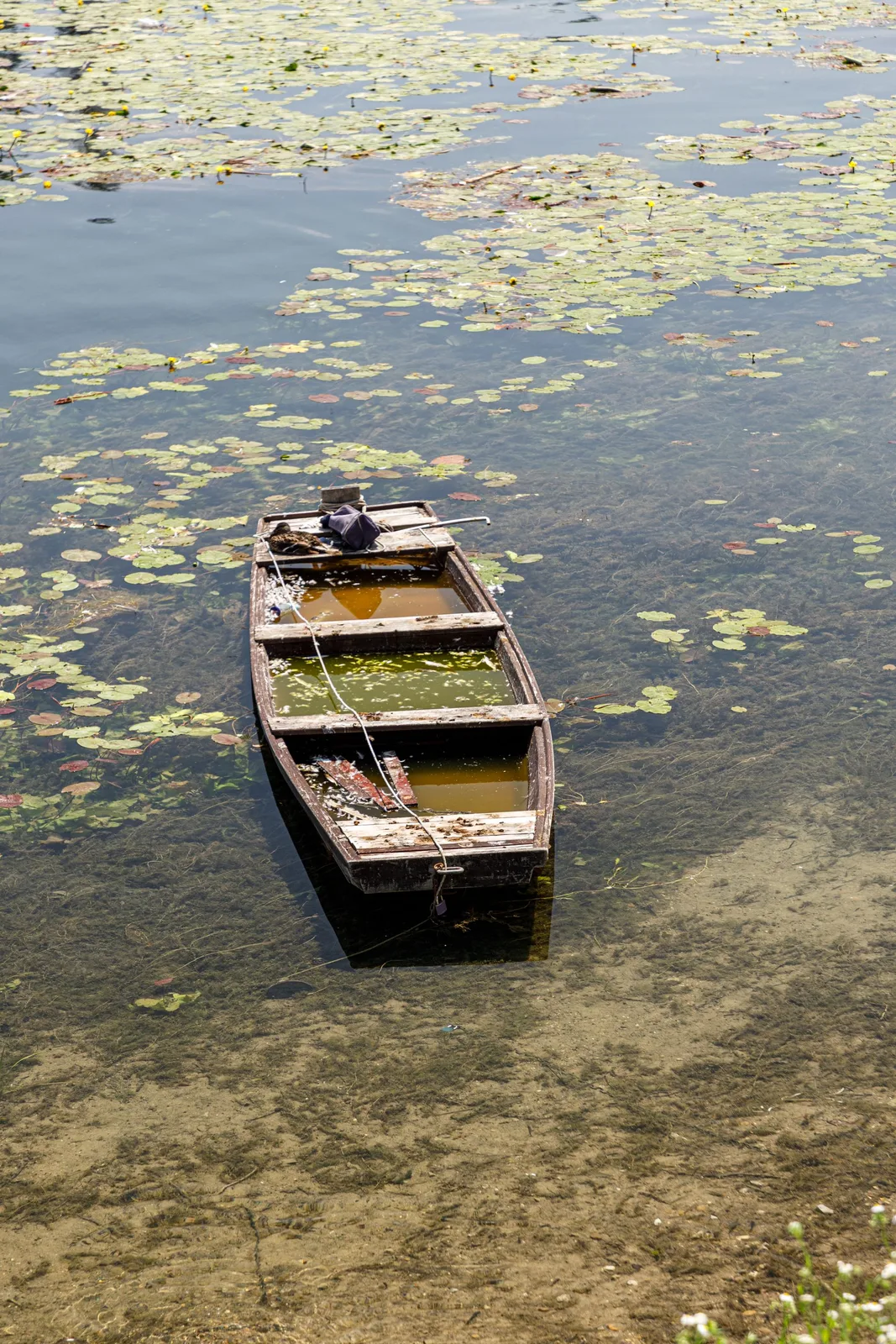
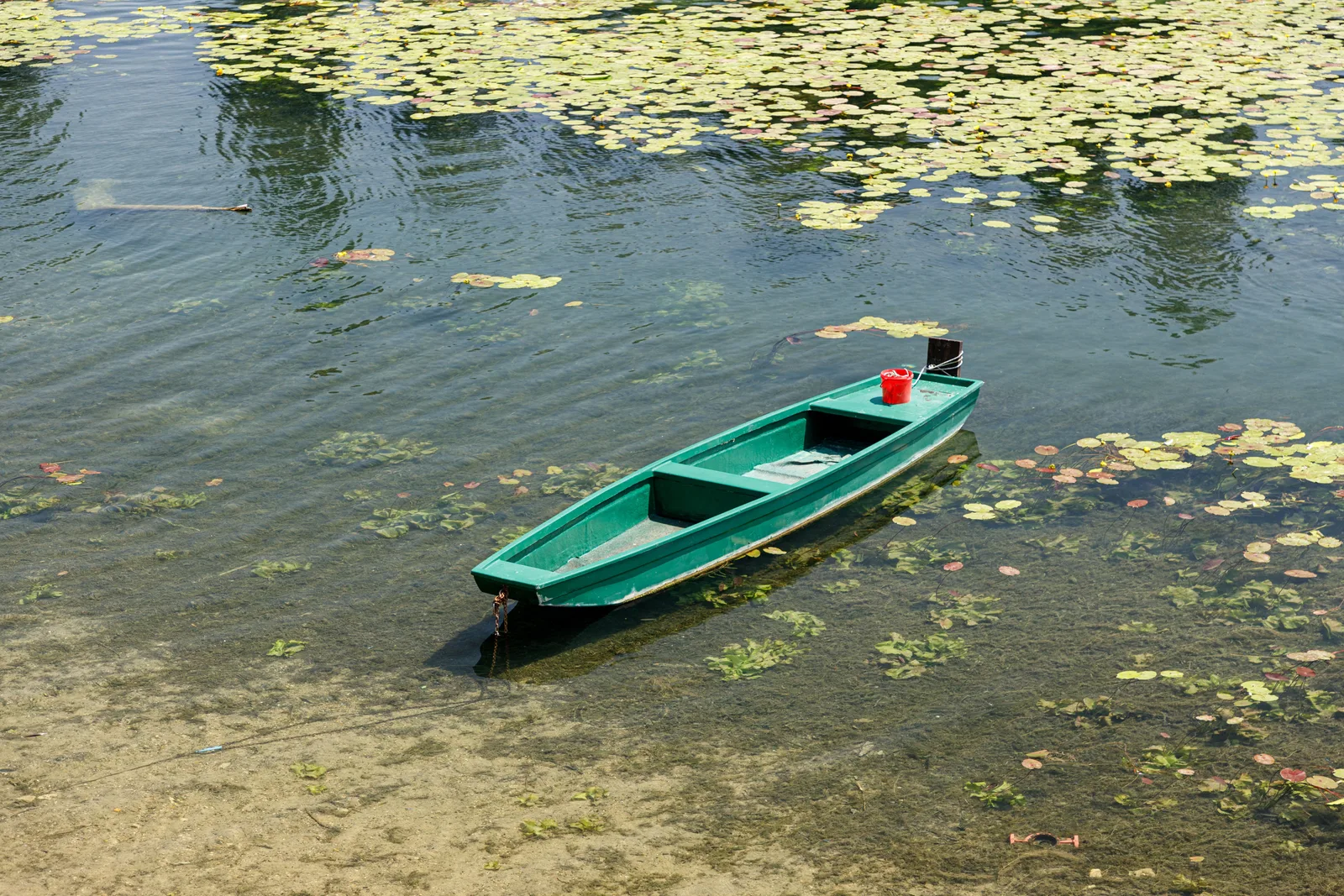
A marshy inland lake where reeds and water lilies almost overrun the surface, and where Dalmatian pelicans and herons take the place that birdwatchers occupy elsewhere. The lake changes colour with the seasons, almost changing shape from month to month.
A morning by the sea and an evening at a thousand metres. The same day.
Possibilities, not a programme
What follows isn't a route. These are the building blocks we use, together with you, to put together a trip that suits you.
Sailing the Boka before the crowds
A morning on the water, well before the first excursion boats set off, shows the bay as it has been seen for centuries: quiet, with no engine noise echoing off the mountainsides.
Hiking in Durmitor
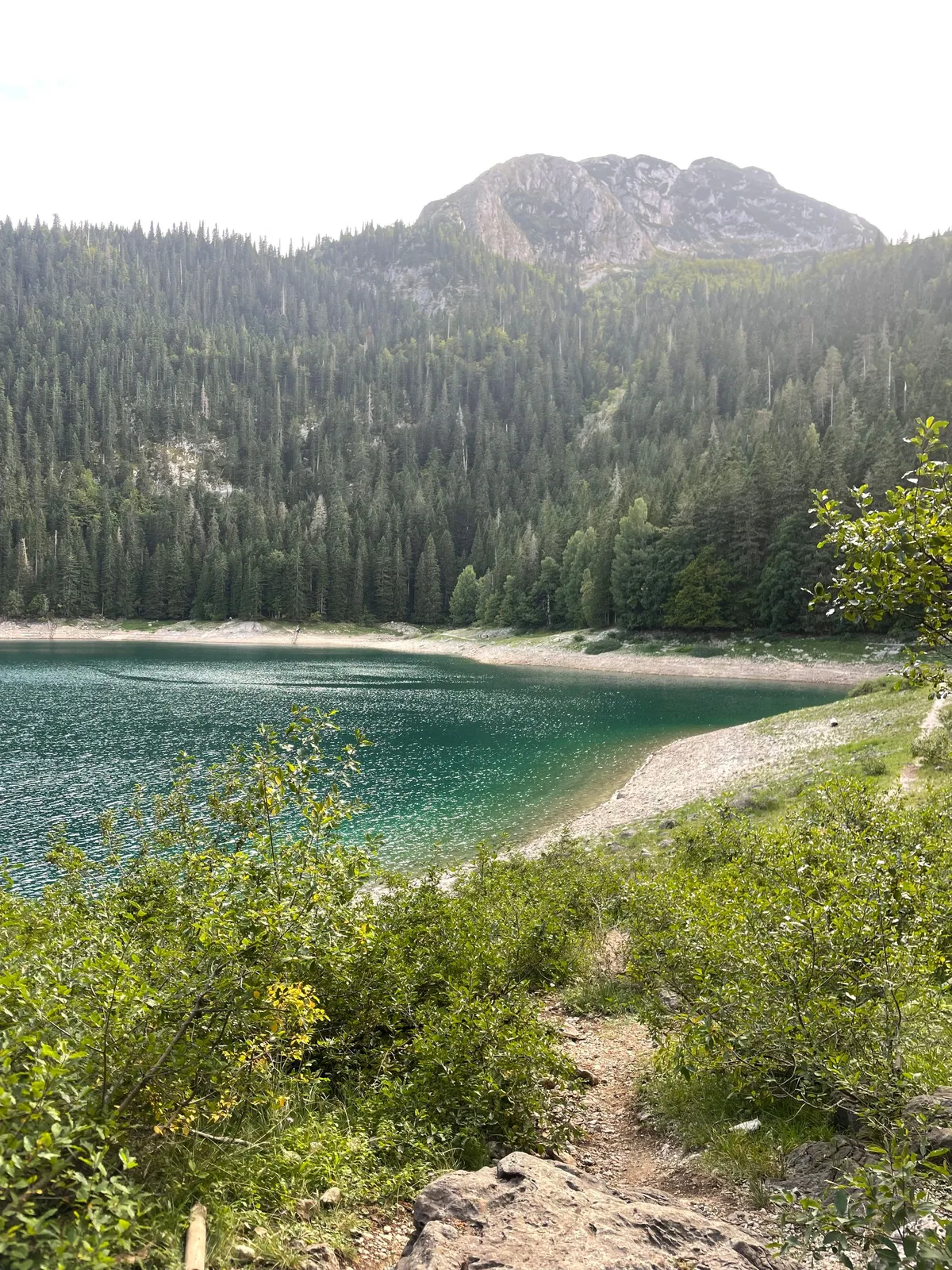
From a short loop around the Black Lake to a route towards the summit of Bobotov Kuk. The park offers trails for those who want half a day, and for those who could happily stay a week.
Wine tasting by Lake Skadar
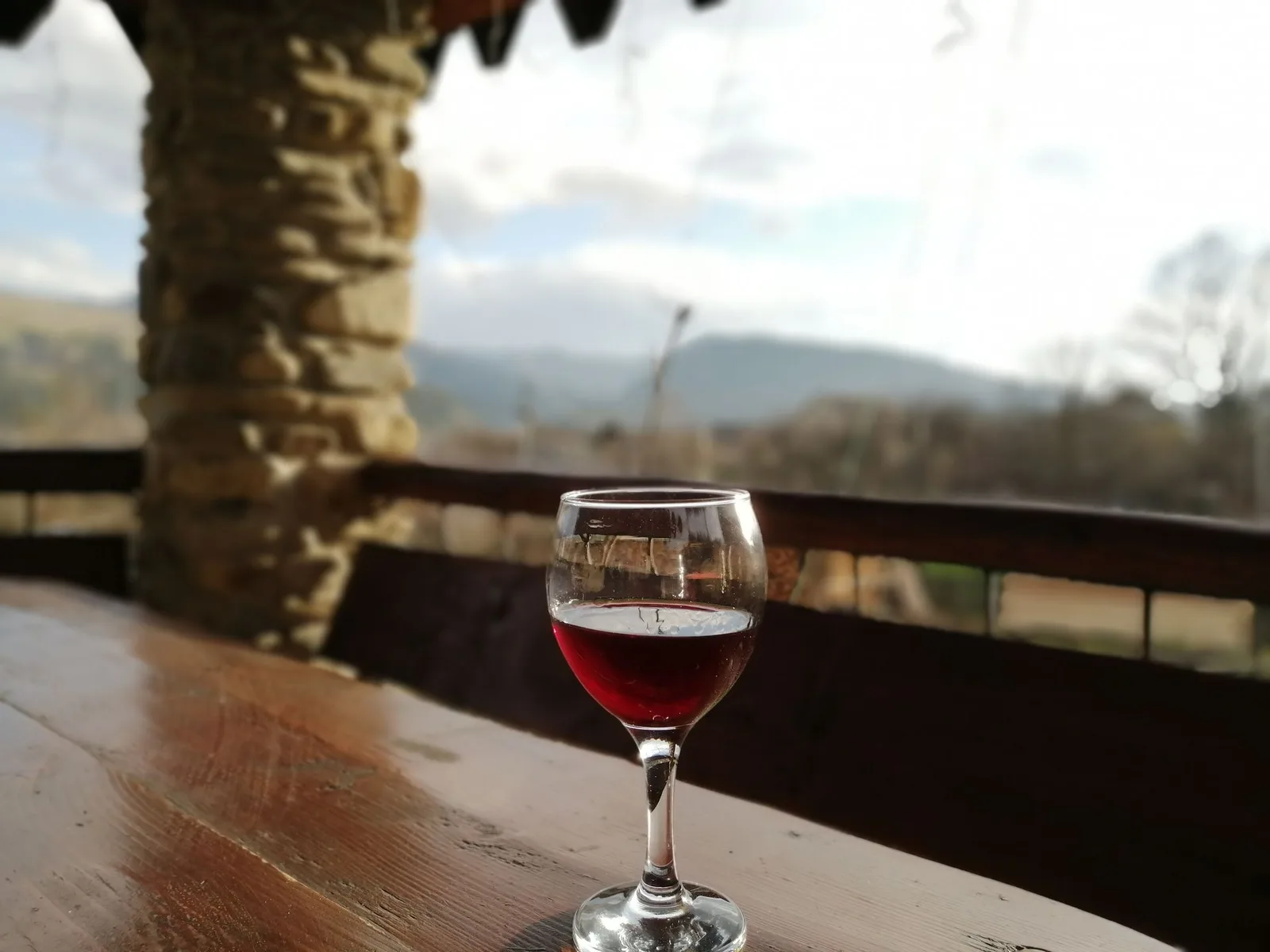
The small winemakers around Crmnica often still work with their grandparents' vines. A tasting here is a conversation at the kitchen table, not a sales pitch.
Kotor and Perast on foot
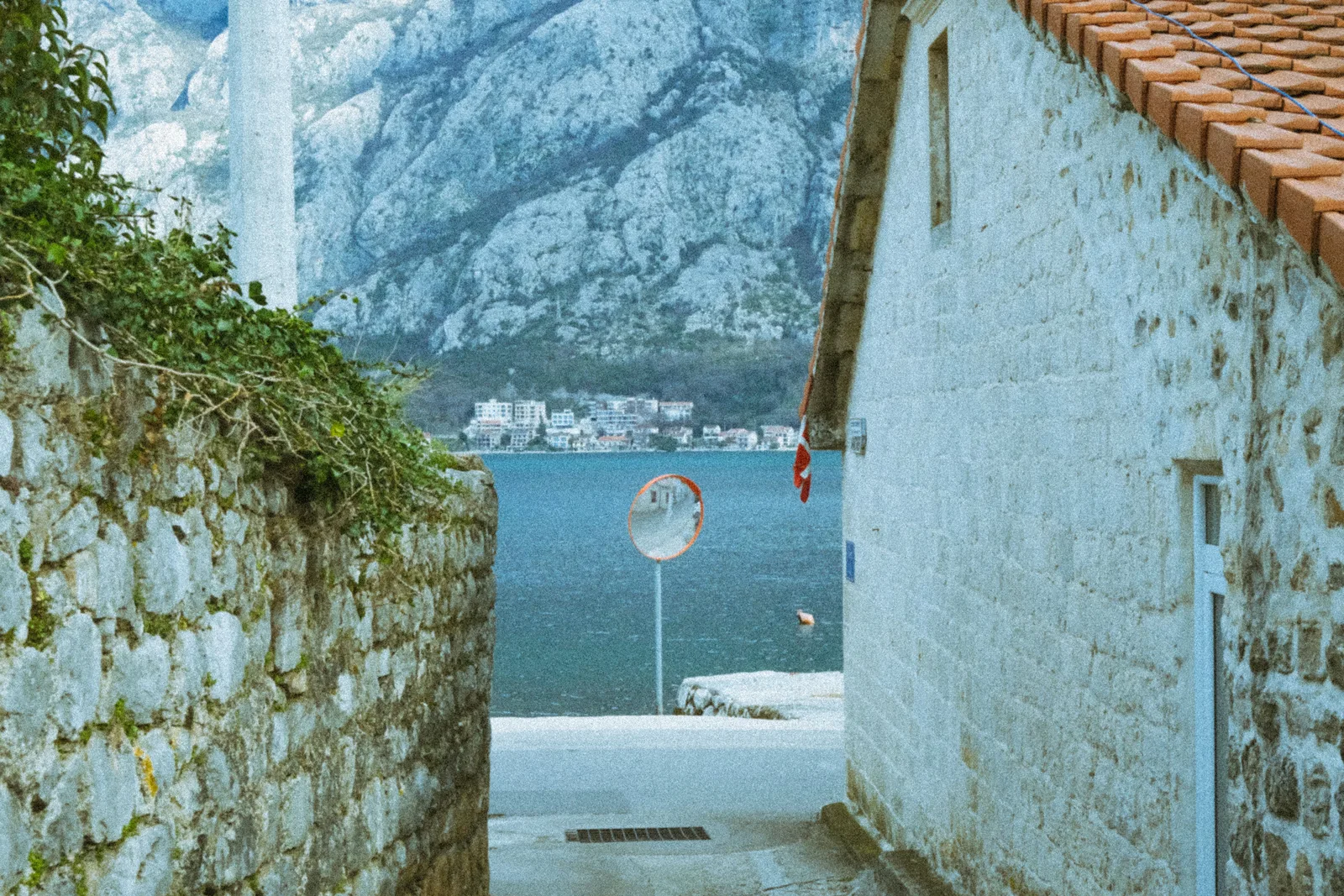
Before the cruise passengers come ashore, Kotor's alleyways belong to the cats and the bakers. A boat trip out to Our Lady of the Rocks fits right in, all at an unhurried pace.
The road to Lovćen
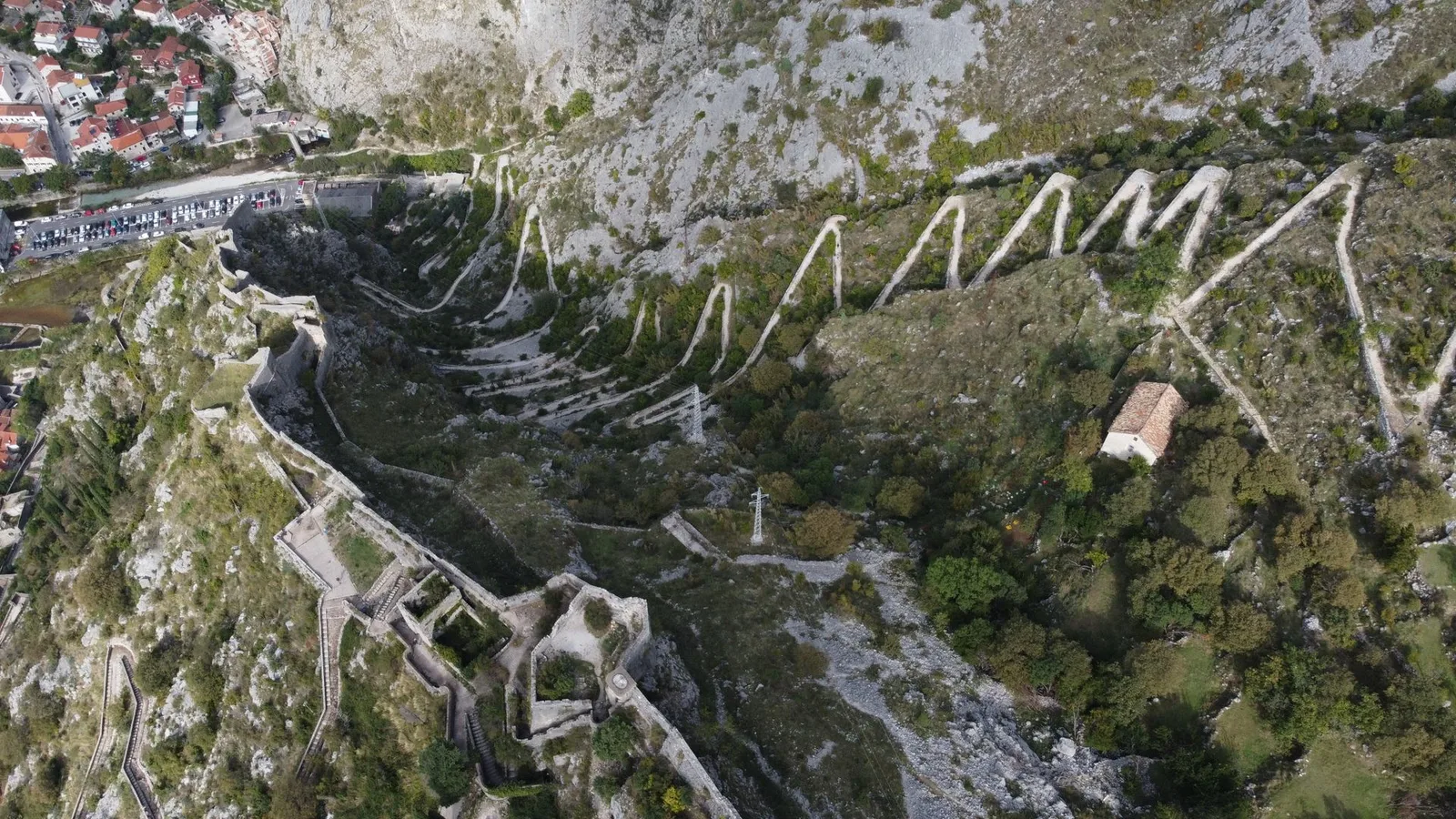
The drive itself is an experience: 25 hairpin bends that leave the coast behind. At the top wait the mausoleum of Njegoš and a view that, on a clear day, reaches deep into Bosnia.
What you end up doing depends on the pace that suits you, not on a fixed list everyone works through.
How we look at Montenegro
Small isn't a synonym for quick. Because the distances on the map look so modest, people often plan Montenegro in three days. But there's more difference between sea level and the Durmitor massif than between many pairs of countries. That deserves time, not speed.
The coast isn't the whole story. See only Kotor and Budva, and you've missed half the country. The interior, Durmitor, Biogradska Gora, the north around Plav, is where Montenegro shows its roughest and quietest side.
July and August aren't the only option. The coast fills up in high season, but the mountains stay just as empty then as they do in May. A trip that combines both benefits from a season that doesn't overlap with European school holidays.
Here, borders are mostly lines on a map. Lake Skadar stretches into Albania, the Prokletije mountains run on into Kosovo. Once you're in this corner of the Balkans, there's no need to stick strictly to one country's border.
When to travel
Montenegro has no single season that is best everywhere at once. The coast and the mountains each follow their own calendar. May and June bring green high plateaus and a sea that's already warm enough; September and October offer much the same, with softer evening air and quieter coastal roads.
The height of summer draws most visitors to Kotor and Budva, exactly when the interior is at its quietest. Anyone who would rather hike than swim finds good conditions in Durmitor well into autumn, though snow can linger on the highest paths until May.
Best time to visit Montenegro
Who else is at their best in these months?
May June September October
Use the contact form to discuss your travel dates and preferences with us.
Montenegro isn't a country you tick off.It's a country you learn to read slowly.
Good to know
Is three days enough for Montenegro?
For the coast alone, that can work, but then you miss the interior entirely. Anyone wanting to see both coast and mountains does well to allow more time. The changes in altitude demand more than the distances on the map suggest.
Can you combine Montenegro with neighbouring countries?
Certainly. The border crossings with Croatia, Albania and Bosnia are straightforward, and Lake Skadar or the Boka naturally lend themselves to looking beyond a single country's border.
Is the coast too busy in July and August?
Kotor and Budva can get crowded then, especially around cruise ship visits. The Luštica peninsula, the bay of Herceg Novi and the whole interior stay quiet even in that period.
How cold does it get in the mountains?
In Durmitor, snow can linger until May, and even in summer the evenings cool down noticeably. Anyone combining coast and mountains is best off packing for both.
- Flight time
- Around 2h30 direct from Charleroi in high season, otherwise with a connection
- Languages
- Montenegrin, with Serbian, Albanian and English widely understood
- Time difference
- None, same time zone as Belgium
- Elevation range
- From sea level in Kotor to 2,523 metres at Bobotov Kuk in Durmitor
- Currency
- Euro, even though Montenegro isn't part of the eurozone
- Best time to visit
- May-June and September-October, for combining coast and mountains