
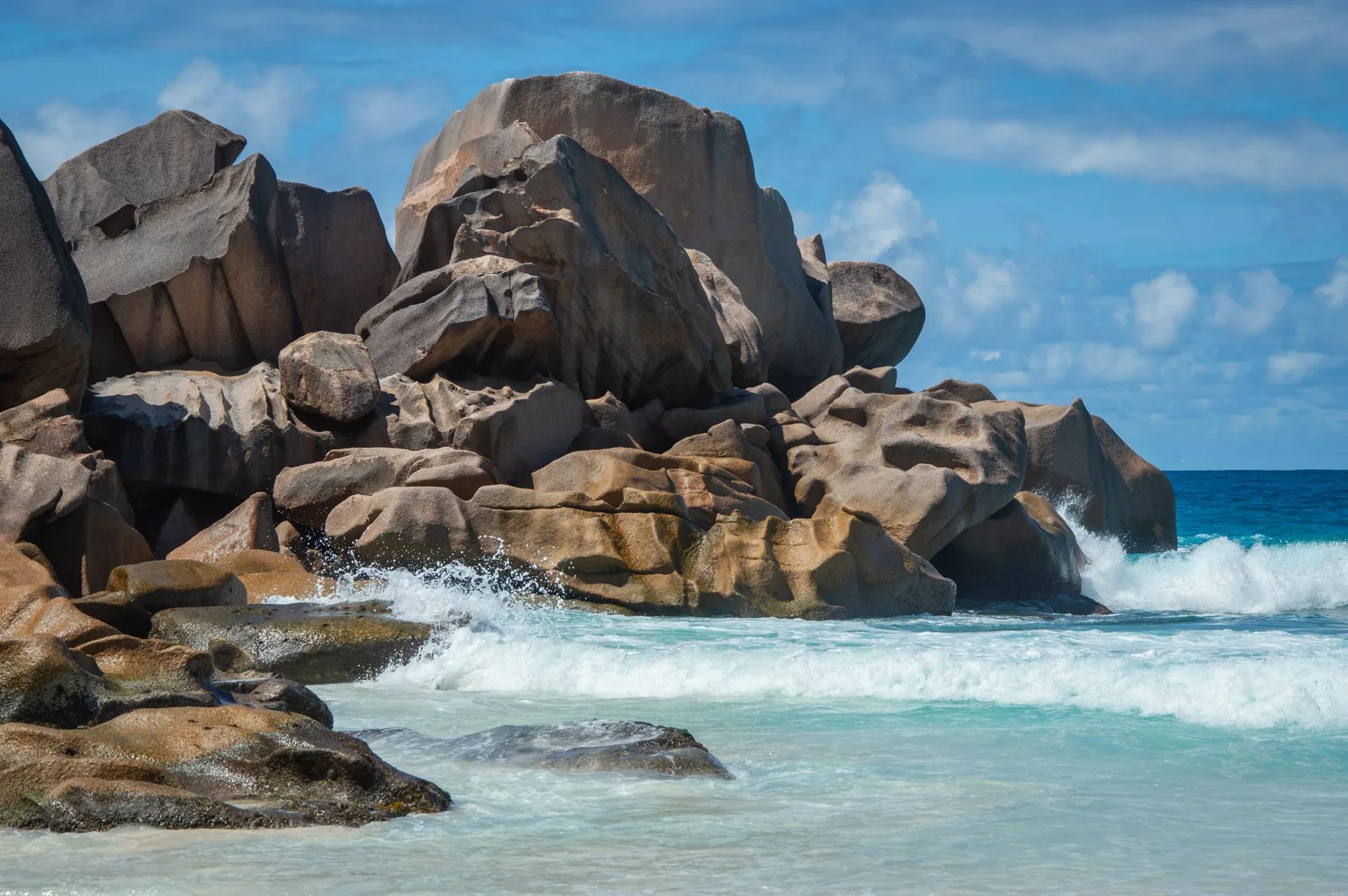
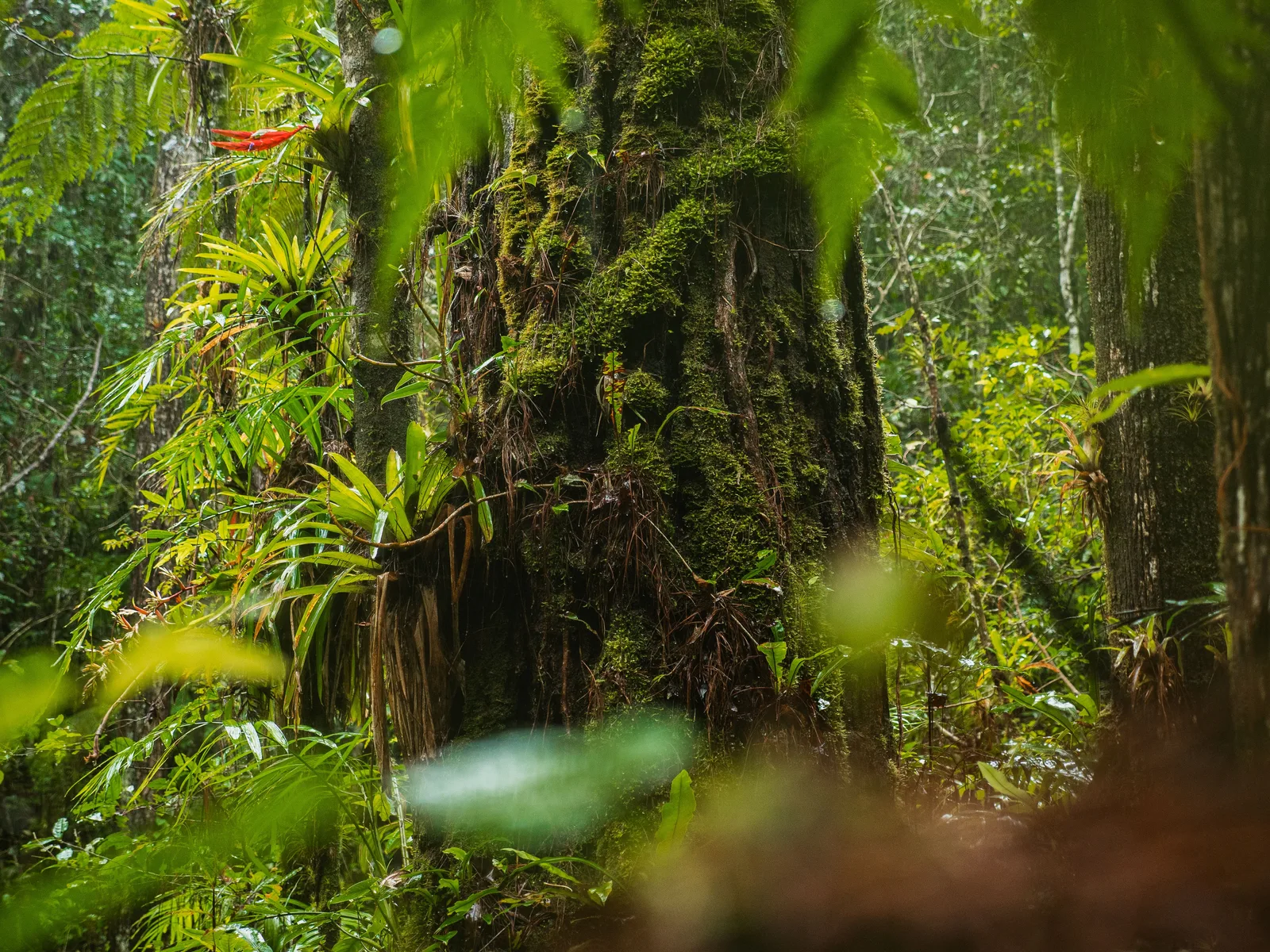
There's a primeval forest a hundred metres from the beach that nobody photographs.
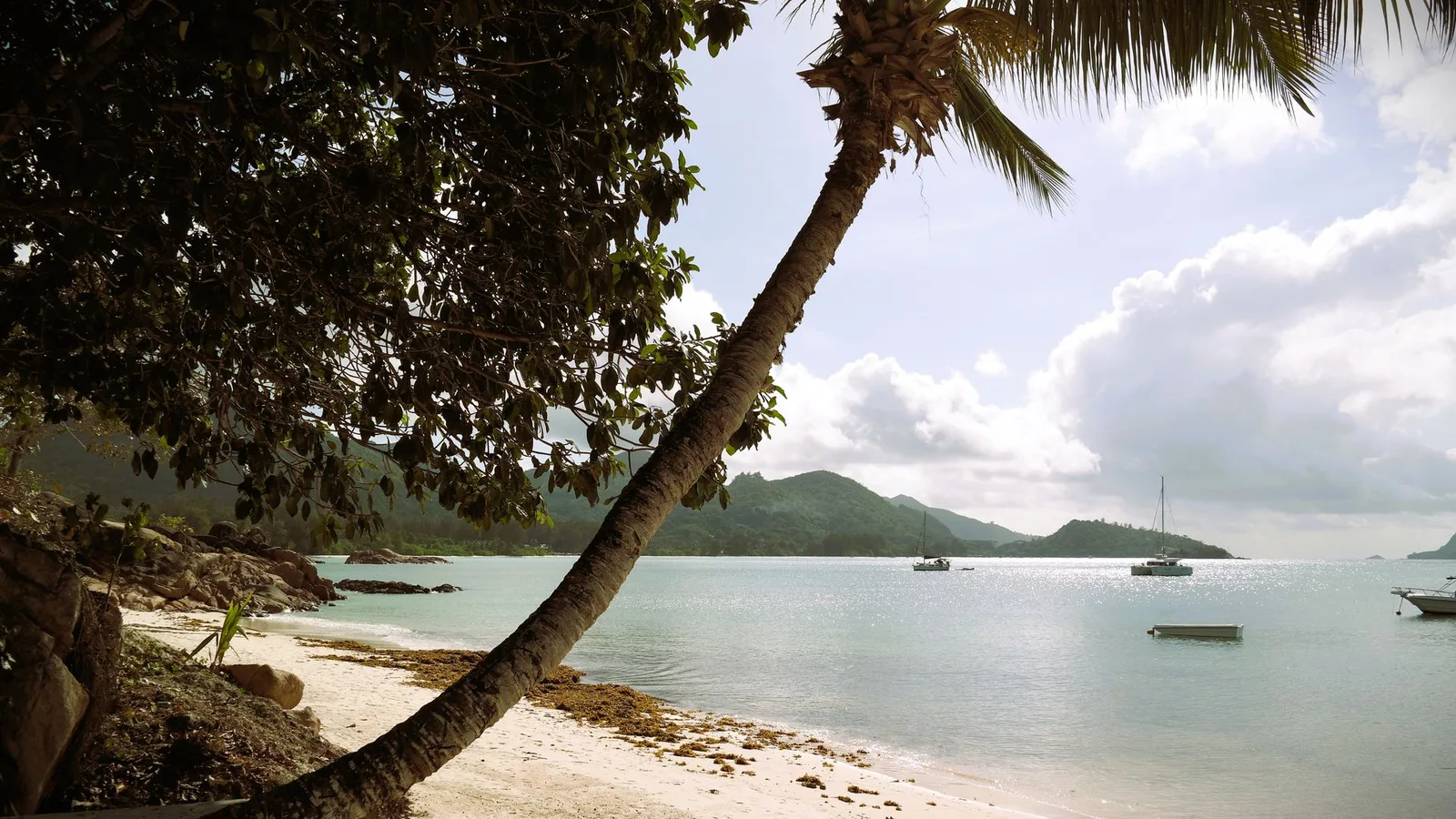
An archipelago where granite, primeval forest and sea sit so close together it feels almost implausible: boulders three metres high lean over the sand, and a hundred metres on a forest begins that has barely changed in millions of years.
The Seychelles are sold as a backdrop for a honeymoon, but anyone who looks past the beach finds a different country: a hundred and fifteen islands, fewer than fifty of them inhabited, a population of just over a hundred thousand, and a primeval forest on Praslin older than most of the stories told about it.
Mahé, Praslin and La Digue form the granite heart of the archipelago. The rest is coral, scattered across hundreds of kilometres of ocean, reachable only by boat or small plane. That distinction, between rock and reef, between close by and far away, is the first thing you need to understand to see the Seychelles properly.
In short
Best time to go
April and October, between the two monsoons, usually have the calmest seas. June to September is drier but windy with rougher water, and December and January are the wettest months.
How long
Ten days to two weeks for Mahé, Praslin and La Digue, with a few nights on each island. Visiting the outer islands means extra days for flights and boats.
Who it suits
For travellers who want more than the beach: walks in ancient forest, snorkelling among granite boulders and small guesthouses, with time to hop between islands by ferry.
What sets it apart
Mahé, Praslin and La Digue are made of granite some 750 million years old, a fragment of ancient Gondwana. The Vallée de Mai and Aldabra Atoll are on the World Heritage List.
Three islands close by, a hundred islands far away
Mahé, Praslin and La Digue lie close together and can be combined in one trip. The rest of the archipelago lies further out, is smaller, and calls for a different pace.
Mahé
The largest of the islands, with Victoria, one of the smallest capitals in the world, on the coast, and Morne Seychellois National Park at its centre: rainforest reaching almost to the mountain top, with trails that rarely meet another walker.
Praslin
Ten kilometres long and largely covered by the Vallée de Mai forest, where the coco de mer grows, a palm that grows wild only here and on neighbouring Curieuse. The bays at its edge, such as Anse Lazio, are a result of that forest, not the reason to come.
La Digue
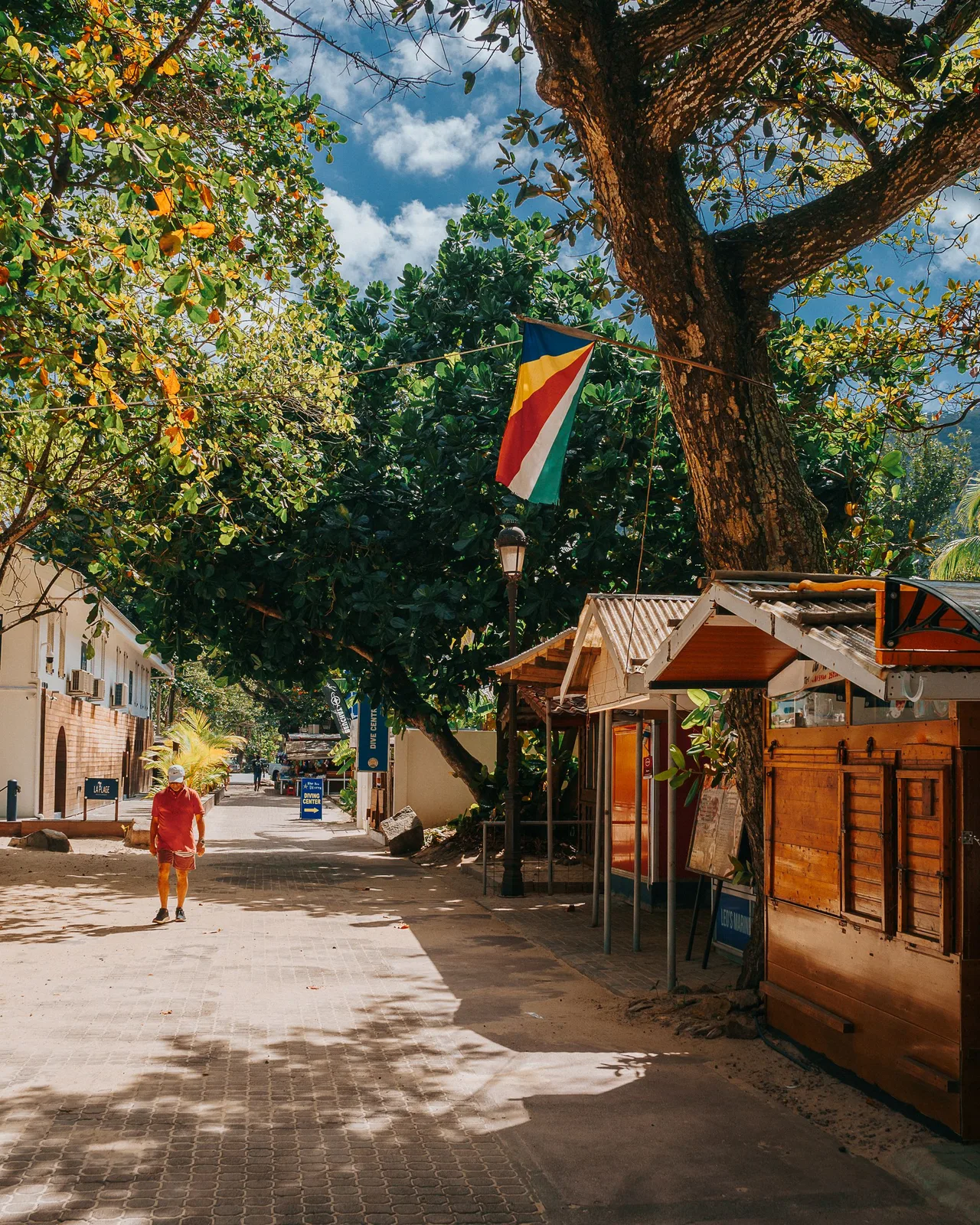
Bicycles and ox carts instead of traffic, granite boulders that run straight into the sea at Anse Source d'Argent, and a pace set by the last boat back to Praslin.
Silhouette and the inner islands
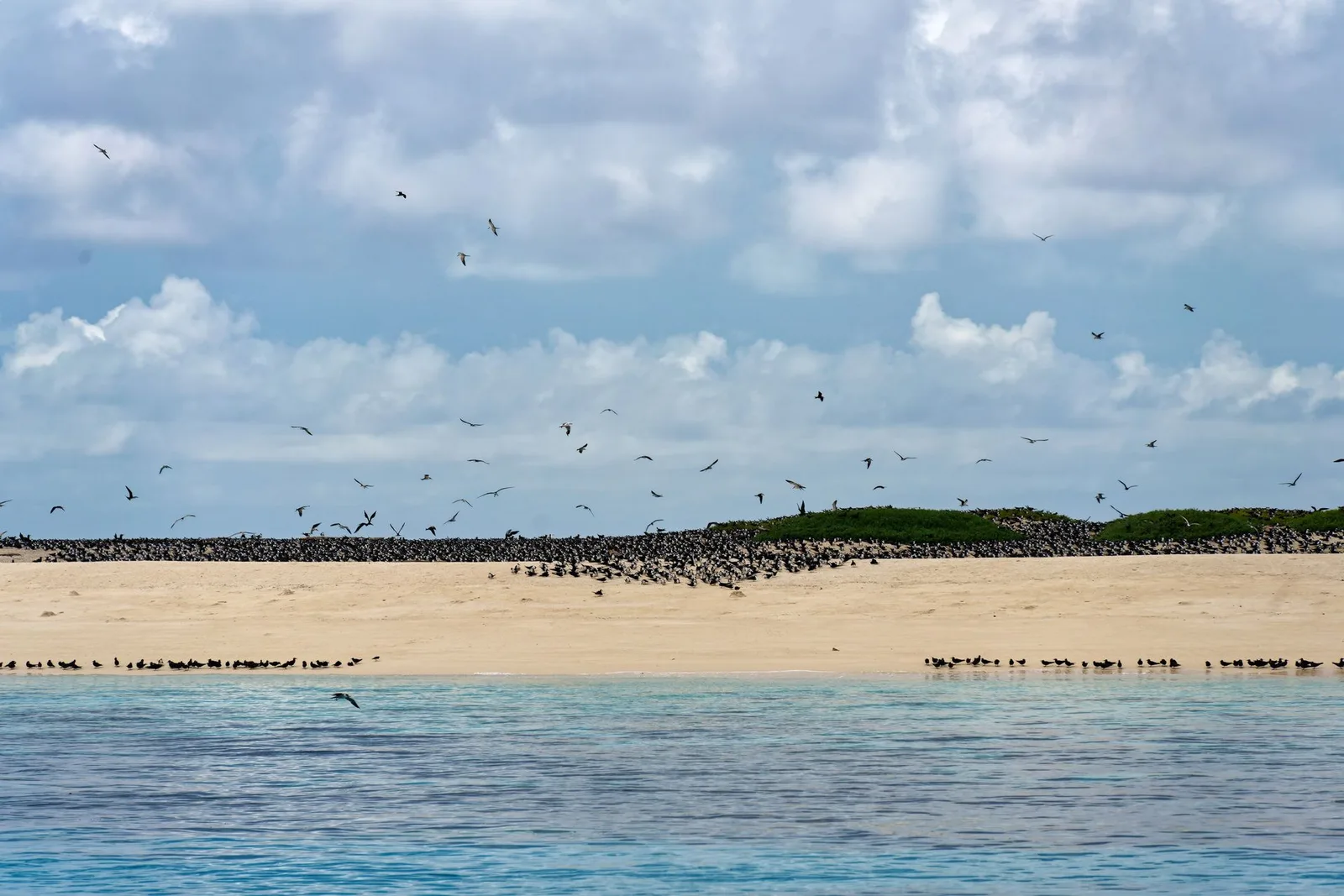
Silhouette is almost entirely rainforest, with much of the island protected as a national park; smaller islands such as Curieuse and Cousin are reserves where tortoises and seabirds get more space than people.
The outer islands
The Amirantes, Alphonse, Farquhar and the UNESCO atoll of Aldabra lie hundreds of kilometres further out, flat coral islands without the rock of the inner islands, reachable by small plane or a multi-day boat trip, and rarely visited.
A fishing boat at dawn, somewhere among the Amirantes, the Seychelles that don't make the postcard.

A forest that existed before it had a name
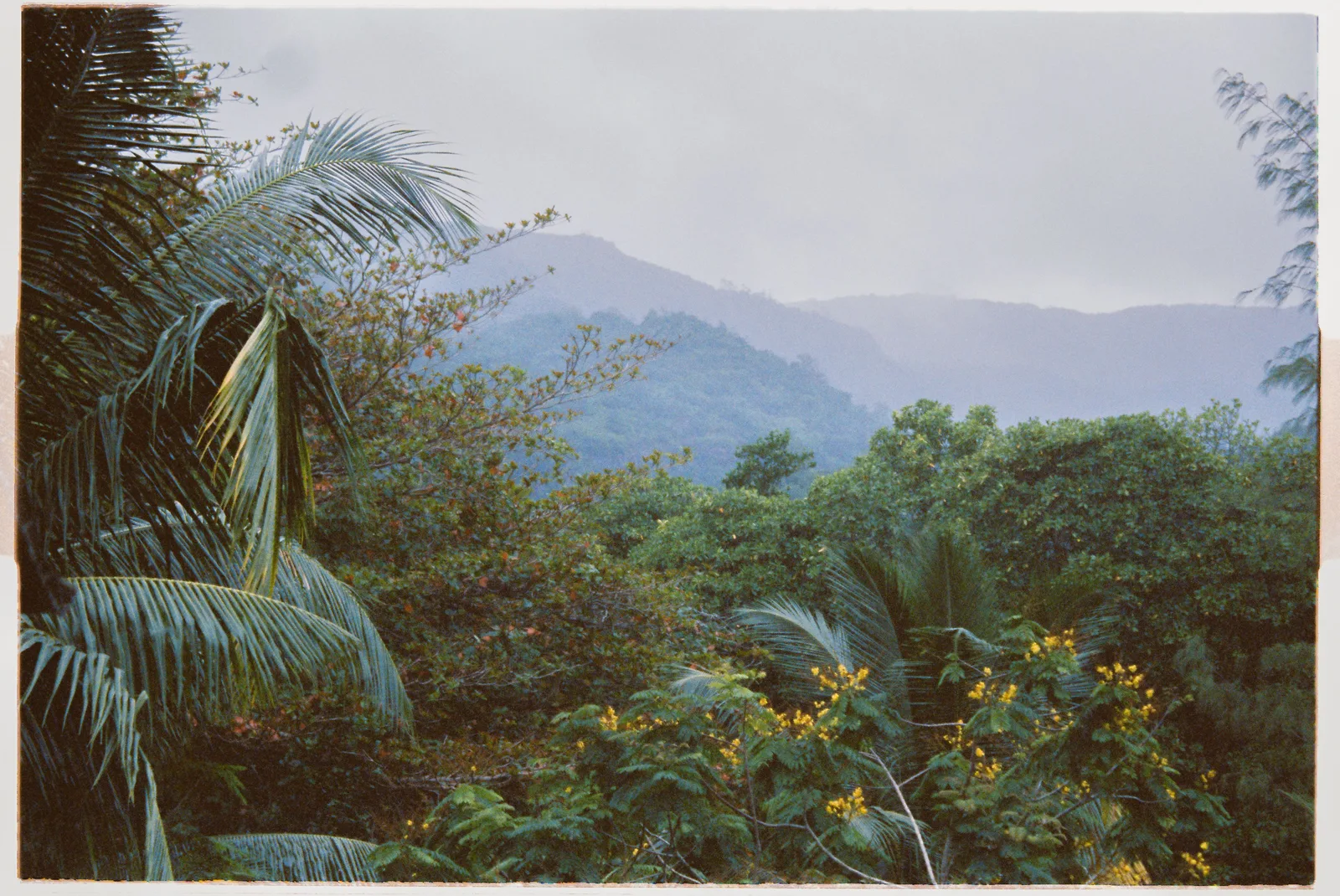
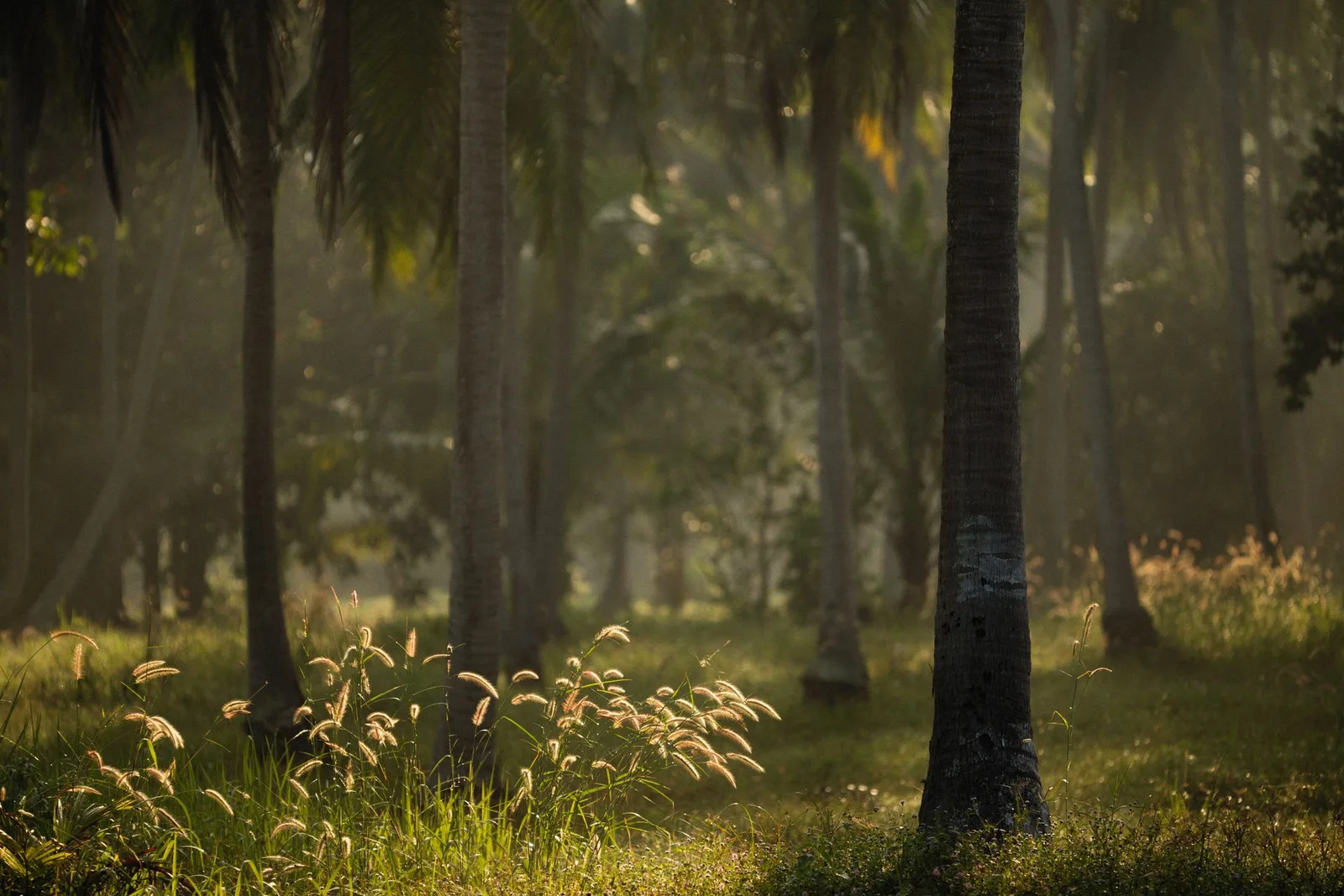
The Vallée de Mai on Praslin is one of the few primeval forests in the world that has never been planted or replanted. The coco de mer, a palm with the heaviest seeds in the plant kingdom, has grown here so long that the British general Charles Gordon took the forest for a remnant of paradise in 1881, a claim that by now says more about the nineteenth century than about the forest itself.
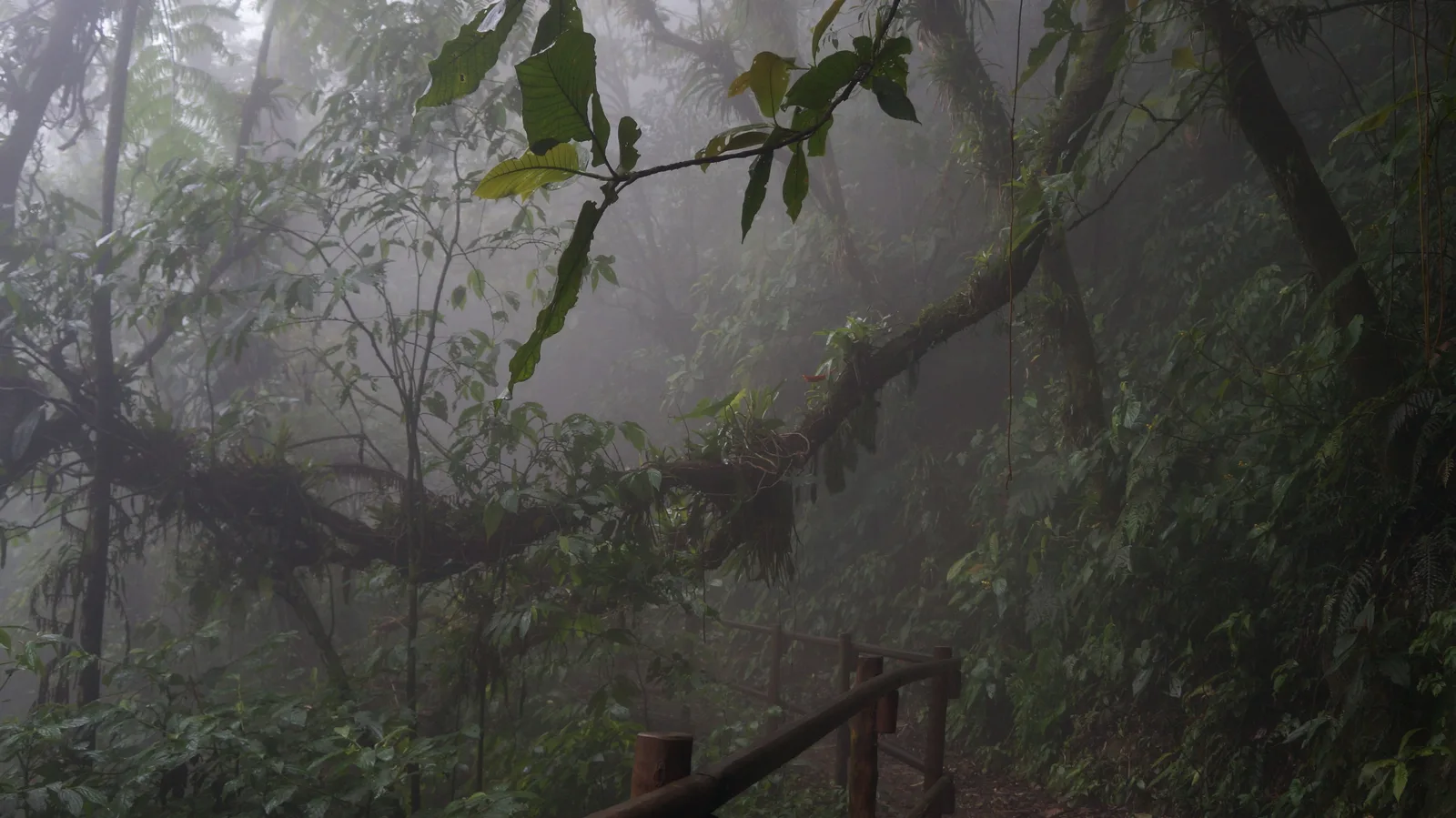
Walk through it and what strikes you most is the silence: no mammals to break it, only the call of the black parrot, found almost only on Praslin, in a light that reaches the forest floor in strips. It's one of the few places on the islands where the ocean plays no part at all.
No brochure image survives the first hour in the primeval forest.What remains is granite, shade and a silence older than the story told about it.
A hundred thousand people, three languages, one kitchen
Seychellois Creole is the language of daily life, English that of government, French that of history. Most people switch between the three without effort. The population is a mix of African, French, Indian and Chinese descent, visible in names, faces and above all in the kitchen.
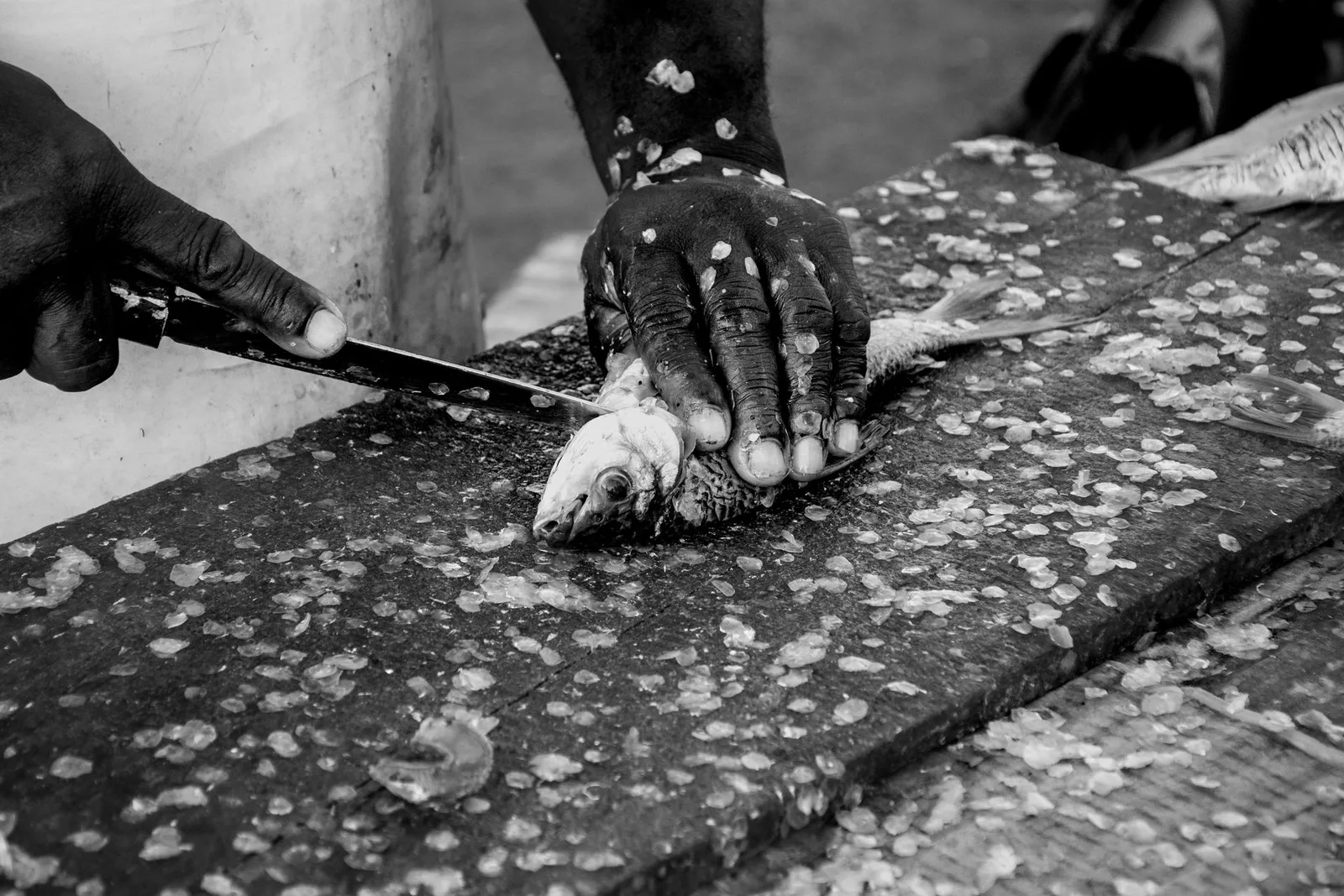
At the fish market in Victoria, early in the morning, the night's catch changes hands: red snapper, tuna, squid. Kari koko, fish stewed in coconut milk with turmeric, and ladob, a sweet mash of plantain and sweet potato, sit closer to everyday eating than to a restaurant menu.
How we look at the Seychelles
The outer islands aren't a day trip Aldabra and the Amirantes can be half a day away by boat or small plane. Anyone who wants to see them needs to make a separate chapter of it, not an add-on to Praslin.
The boat decides the route From late May to September the south-east trade wind brings rougher water between Praslin and La Digue; we plan crossings around that reality rather than a fixed schedule.
Small stays small With just over a hundred thousand residents, the infrastructure can't grow endlessly to match visitor numbers. We deliberately choose small-scale guesthouses and local operators over the large chains on the coast.
The primeval forest asks for attention, not a photo The Vallée de Mai existed long before tourists came to look. We plan time for it rather than a twenty-minute stop.
No fixed programme, but a number of real directions
These aren't day excursions from a brochure, but the shapes a trip here can take. We work out the details together with you.
Underwater at Sainte Anne
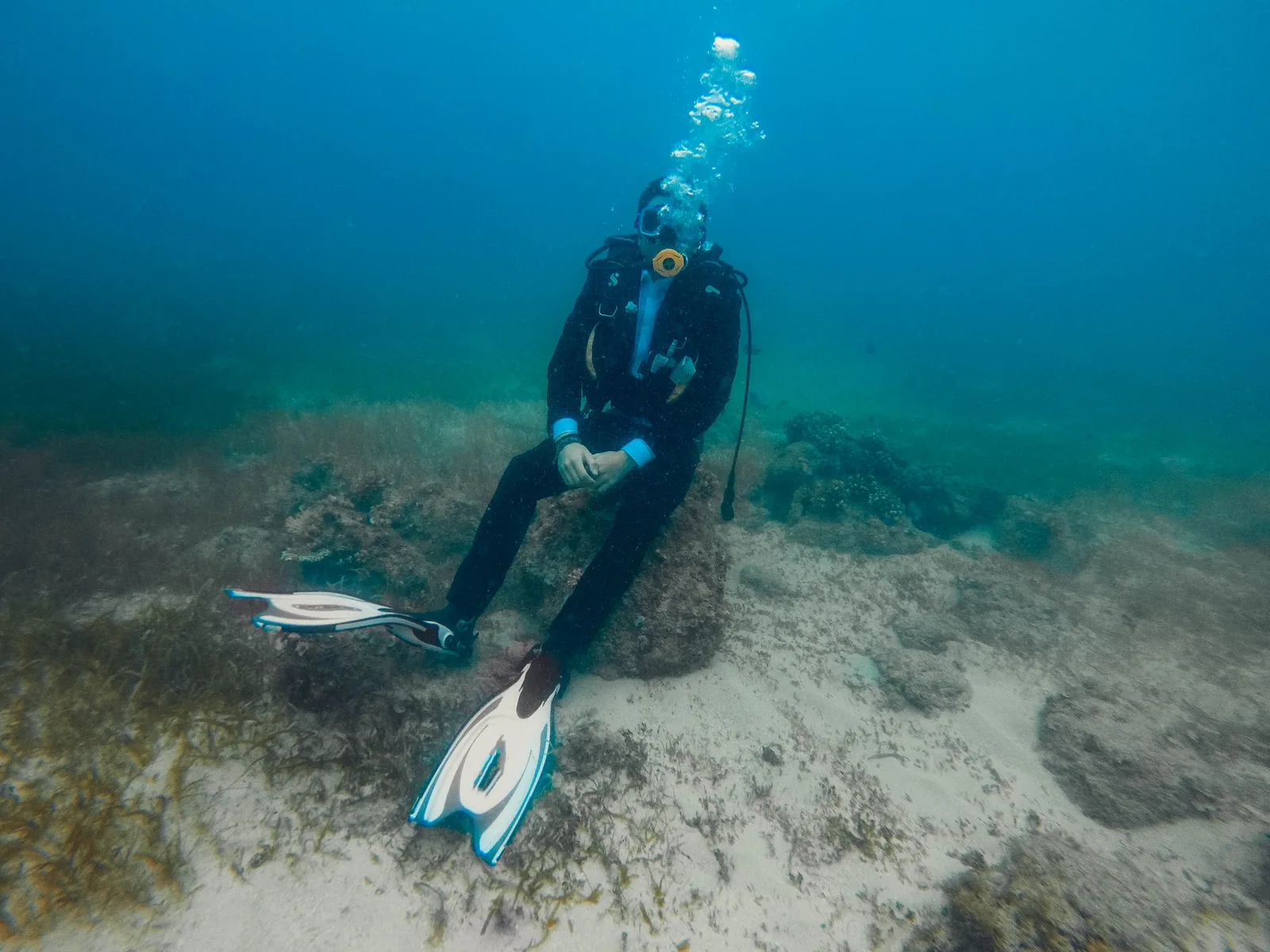
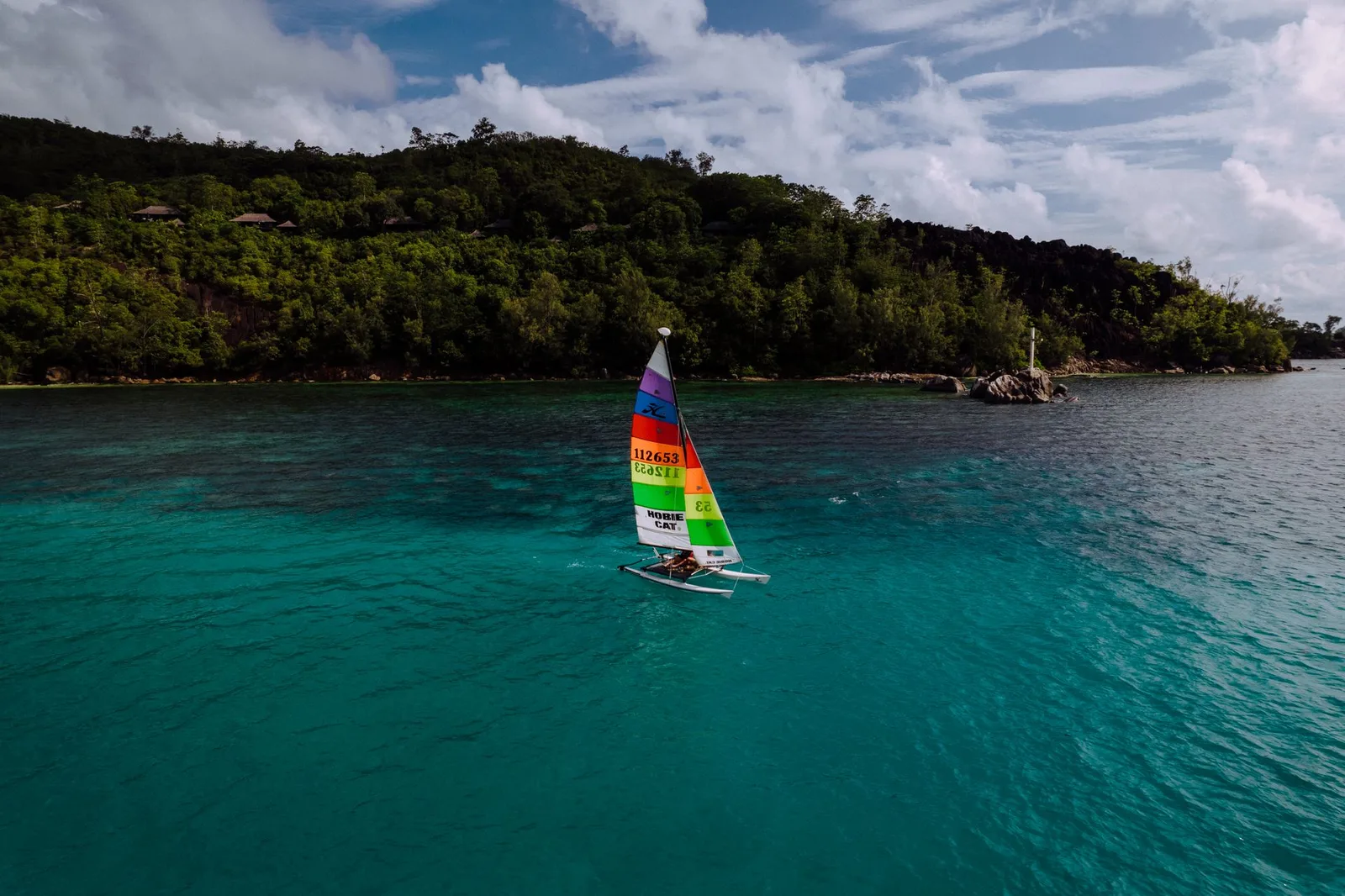
Snorkelling or diving among granite formations that continue below the waterline, with visibility reaching up to twenty metres on a good day.
Walking on Morne Seychellois
Trails through rainforest to viewpoints over Mahé, usually without meeting another walker.
Curieuse and the tortoises
A boat trip to the reserve where giant tortoises roam free among the mangroves.
Heading out with a local fisherman
A morning at sea to the rhythm of the catch, not a tourist timetable.
Sailing to the outer islands
For those with several days: a trip towards the Amirantes or beyond, past islands that rarely see a visitor.
Every combination depends on season, boat times and how many islands you really want to see. We think that through with you in advance.
Between granite and primeval forest lies at most a hundred metres.


When to go to the Seychelles
There's no rainy season that shuts everything down, but there are two monsoons that shape the weather and the sea. From late May to September the south-east trade wind blows: drier and cooler, with rougher seas on the east coast and sometimes tricky crossings between islands.
From November to March the wind turns north-west: warmer, more humid, with a chance of short, heavy showers, but calmer water. April and October, between the two monsoons, are usually the calmest months, both at sea and in the weather.
Best time to visit Seychelles
Who else is at their best in these months?
March April May October
Use the contact form to discuss your travel dates and preferences with us.
Practical, without the noise.
Practical matters that shape the trip, not a box-ticking exercise.
Getting there
No direct flight from Brussels; usually a stopover via Doha, Addis Ababa, Abu Dhabi or Nairobi.
Documents
Which travel documents you need depends on your nationality, and entry rules change regularly. We go through the current requirements with you before you leave.
Health
No malaria on the islands; sun and coral call for more caution than illness does.
Pace
Getting from island to island means a ferry or a short flight; anyone wanting to see several islands needs to allow time for it.
Distances between islands
Mahé, Praslin and La Digue lie close together; the outer islands are hours further out, reachable only by boat or small plane.
Frequently asked questions
When is the best time to visit the Seychelles?
All year, but the sea varies. April and October, between the two monsoons, are usually the calmest. From late May to September the south-east trade wind blows: drier and cooler, with rougher seas and sometimes difficult crossings. From November to March it is warmer and more humid, with short showers but calmer water.
Which islands of the Seychelles can you combine?
Mahé, Praslin and La Digue lie close together and form the granite heart of the archipelago. You combine them by ferry or short flight. The outer islands, such as the Amirantes and the Aldabra atoll, lie hundreds of kilometres further out and deserve a chapter of their own rather than a day trip.
What is the Vallée de Mai?
A primeval forest on Praslin that was never planted or replanted, and the best-known place where the coco de mer grows in the wild, a palm with the heaviest seeds in the plant kingdom. It is also home to the black parrot, found almost only on Praslin. The forest deserves time, not a twenty-minute stop.
Where can you see giant tortoises in the Seychelles?
Aldabra has the largest population in the world, more than a hundred thousand animals. Closer by they roam freely on Curieuse, among the mangroves, descendants of a breeding programme that saved the species from extinction. Cousin Island and Bird Island, in turn, are seabird reserves.
Are the Seychelles only for a honeymoon?
That is how they are often sold, but look beyond the beach and you find a hundred and fifteen islands with primeval forest, granite, coral and reserves. Walking on Morne Seychellois, snorkelling off Sainte Anne or a morning at sea with a local fisherman. We deliberately choose small guesthouses and local operators.
- Flight time
- About 10 to 11 hours, with a stopover
- Languages
- Seychellois Creole, English and French
- Time difference
- Two hours ahead of Belgian summer time, three hours in winter
- Islands
- 115, granite rock and coral atoll side by side
- Best time to go
- Year-round, with the calmest sea in April and October