

Order and jungle that flow into each other here without effort, with a kitchen that says more about the country's character than the skyline ever could.
Think of Singapore and the skyline usually comes first: Marina Bay Sands, the Supertrees, a city that grows upwards. What those images leave out is how much of the city grows inwards instead. Rainforest pushes its way between the skyscrapers, macaques cross the paths at MacRitchie as if no metropolis had ever been built around them, and the streets of Chinatown, Little India and Kampong Glam sit within walking distance of one another without any one of them shouting over the rest.
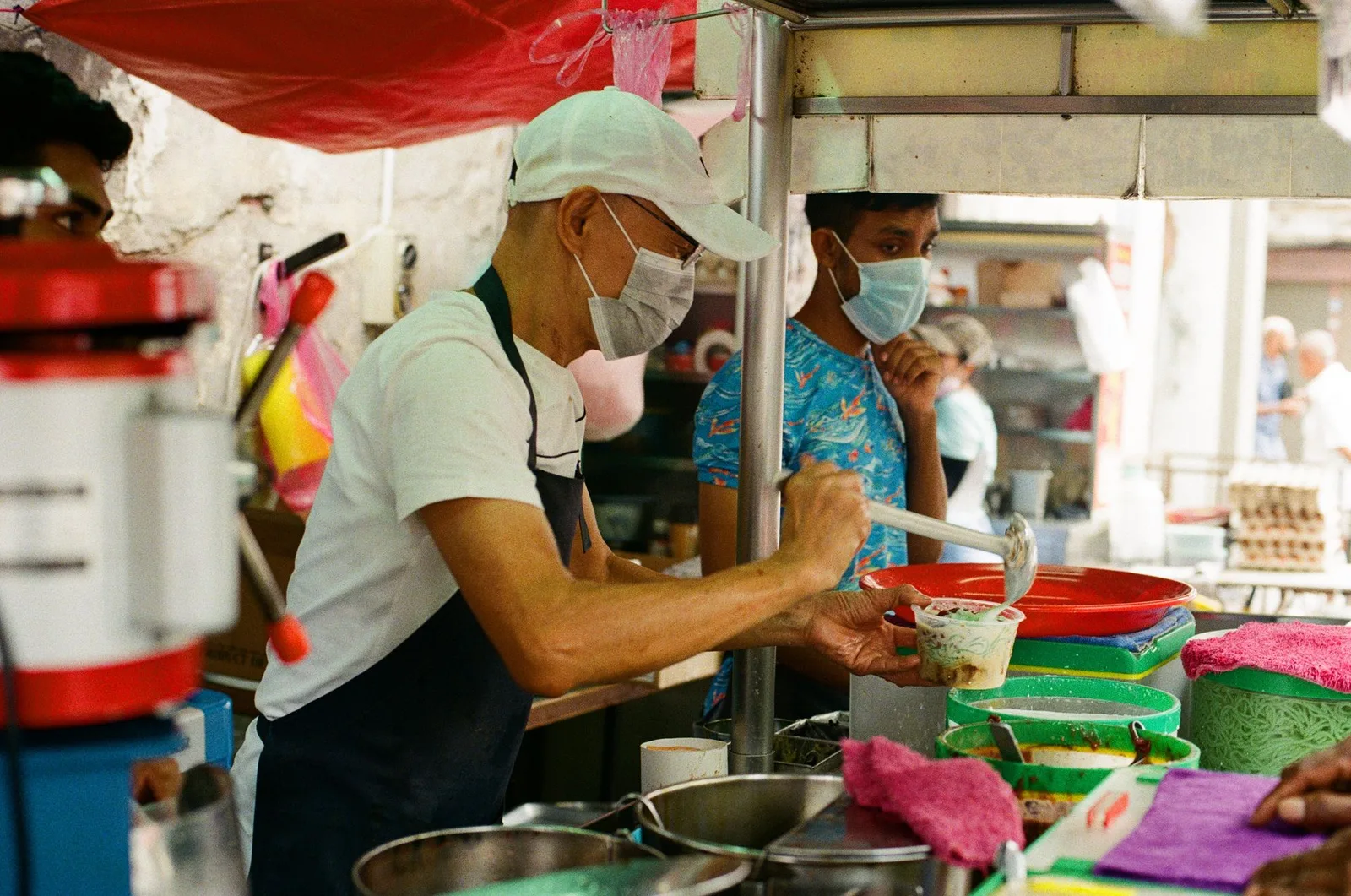
What the country truly reveals sits on the tables of its hawker centres. At Maxwell Food Centre or Tiong Bahru Market, Chinese, Malay, Indian and Peranakan traditions cook side by side, exactly as the population has done for generations. That side-by-side existence, never blended into something neutral, never separated into distinct worlds, says more about Singapore's character than any skyline could.
In short
Best time to go
It is warm all year, usually 31 to 33 degrees by day. February is the driest month, in March and April showers tend to fall in the afternoon, and November and December are the wettest.
How long
Three to five days for the neighbourhoods, the hawker centres and the nature reserves. To add Pulau Ubin or a trip to Malacca, allow a week.
Who it suits
Travellers who want to eat where the city itself eats, explore neighbourhoods with Chinese, Malay and Indian roots on foot and find rainforest close to town. It also suits families, or as a start to a wider trip in the region.
What sets it apart
Hawker culture, with Chinese, Malay and Indian kitchens cooking side by side in neighbourhood dining halls, has been on UNESCO's intangible heritage list since 2020. At Bukit Timah, primary rainforest survives inside the city.
A table that tells a fuller story than the skyline
At Tekka Centre, Newton Food Centre or Chinatown Complex, dozens of stalls stand side by side, each specialising in exactly one dish a family has spent decades perfecting. Laksa, char kway teow, Hainanese chicken rice, roti prata, bak kut teh, biryani: the menu of a hawker centre is a map of who arrived here and stayed.
Peranakan or Nonya cuisine goes a step further still. A fusion born from marriages between early Chinese traders and the local Malay population, recognisable in dishes like ayam buah keluak or kueh found nowhere else in quite the same form. Eating in Singapore means reading the country's migration history, one dish at a time.

An island that rewrites itself street by street
Singapore is small enough to shift mood within a single afternoon, and large enough that the shifting never grows tiresome.
Chinatown
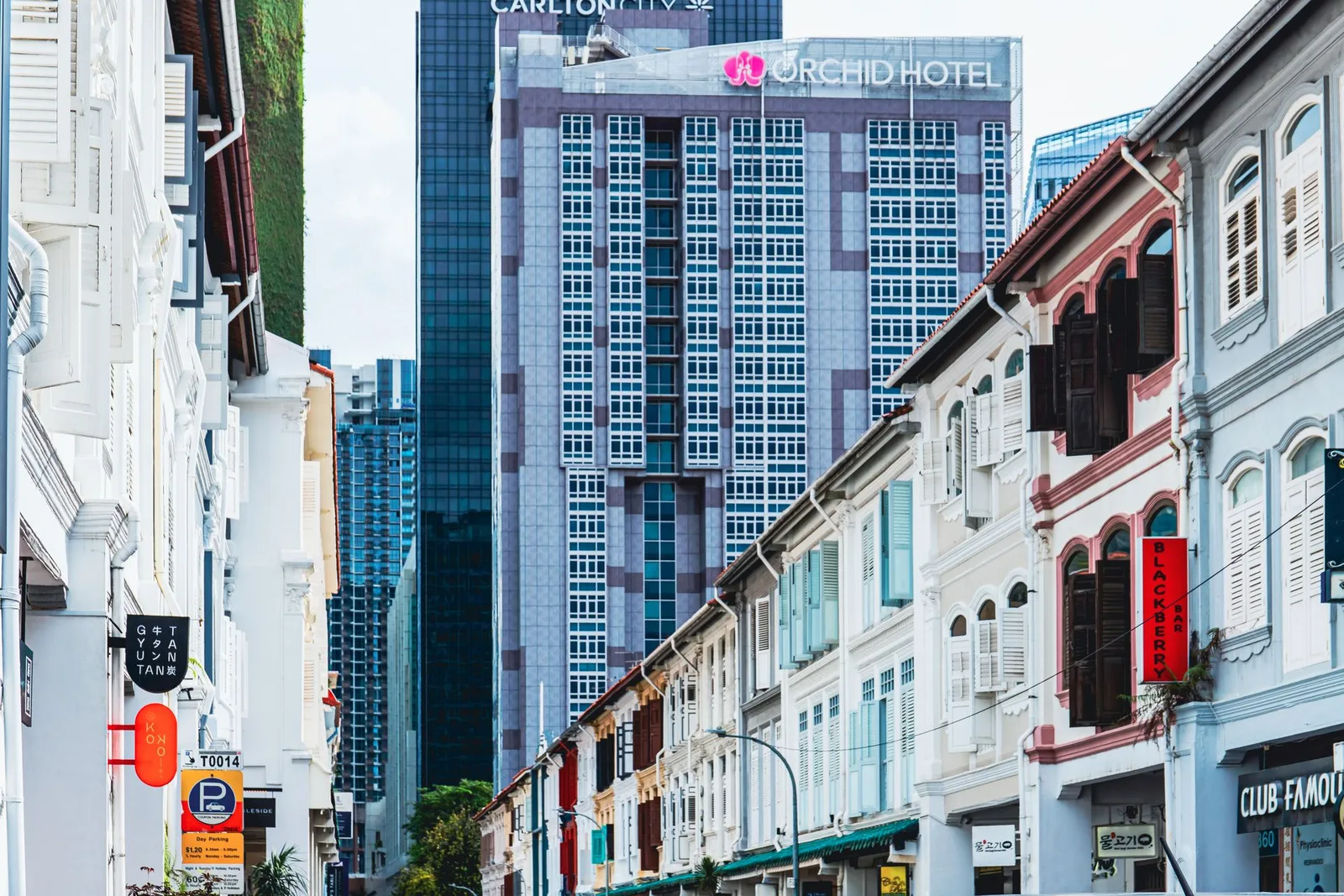
The Sri Mariamman Temple and the Buddha Tooth Relic Temple within walking distance of each other, shophouses on Ann Siang Hill, and the steaming aisles of Chinatown Complex.
Little India
Serangoon Road breathes spices and flower garlands, with Tekka Centre as its culinary heart and the colourful Sri Veeramakaliamman Temple as a fixed landmark.
Kampong Glam
The Sultan Mosque dominates the skyline, Arab Street trades in textiles and carpets, and Haji Lane fills in the evening with small studios and cafés.
Tiong Bahru
Art deco architecture from the 1930s, quieter than downtown, with independent bookshops and bakeries that keep the neighbourhood feeling local rather than touristy.
Katong and Joo Chiat
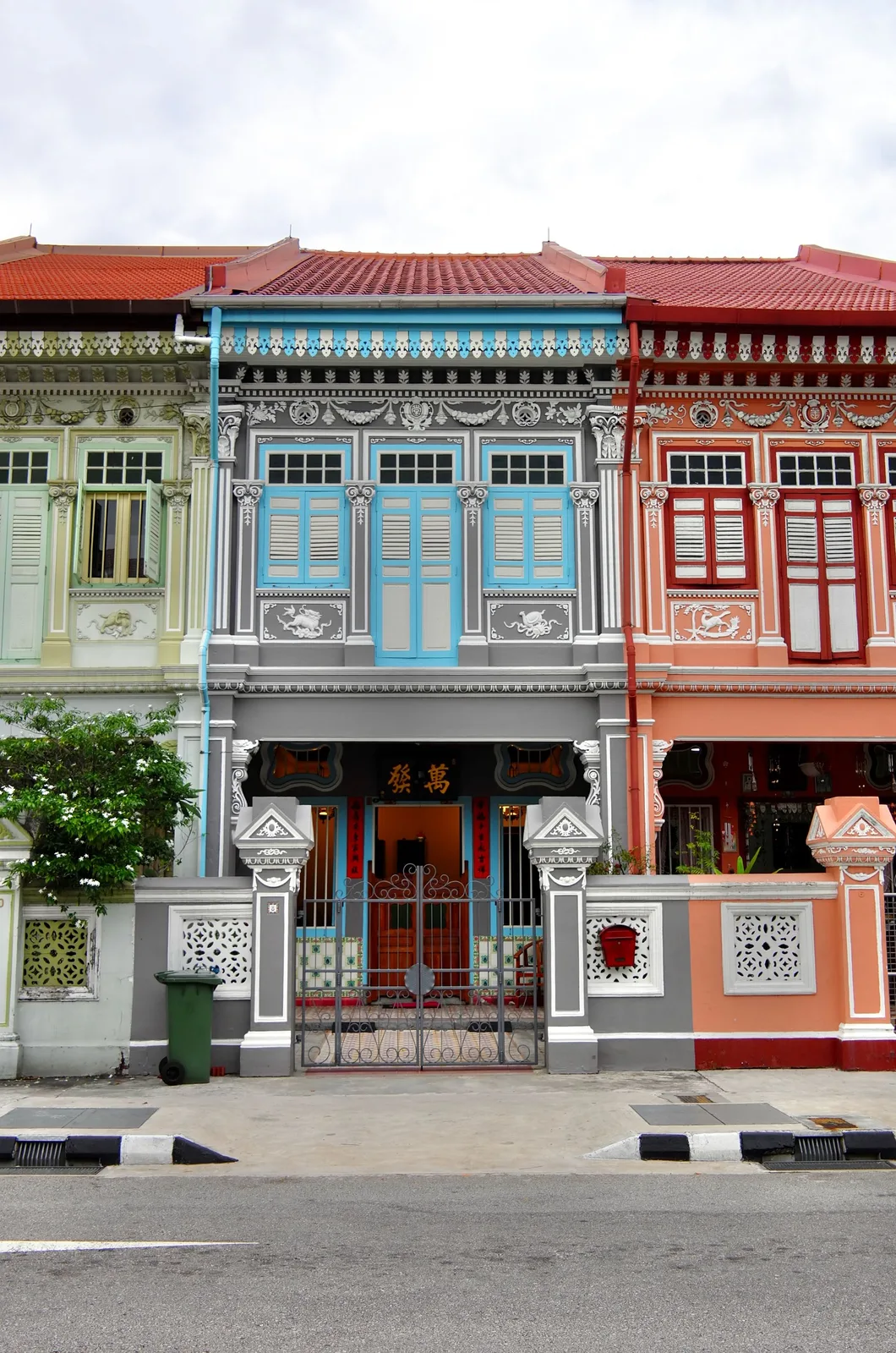
Pastel-coloured Peranakan shophouse facades, a laksa tradition locals defend fiercely, and traces of the Eurasian community that lived here for centuries.
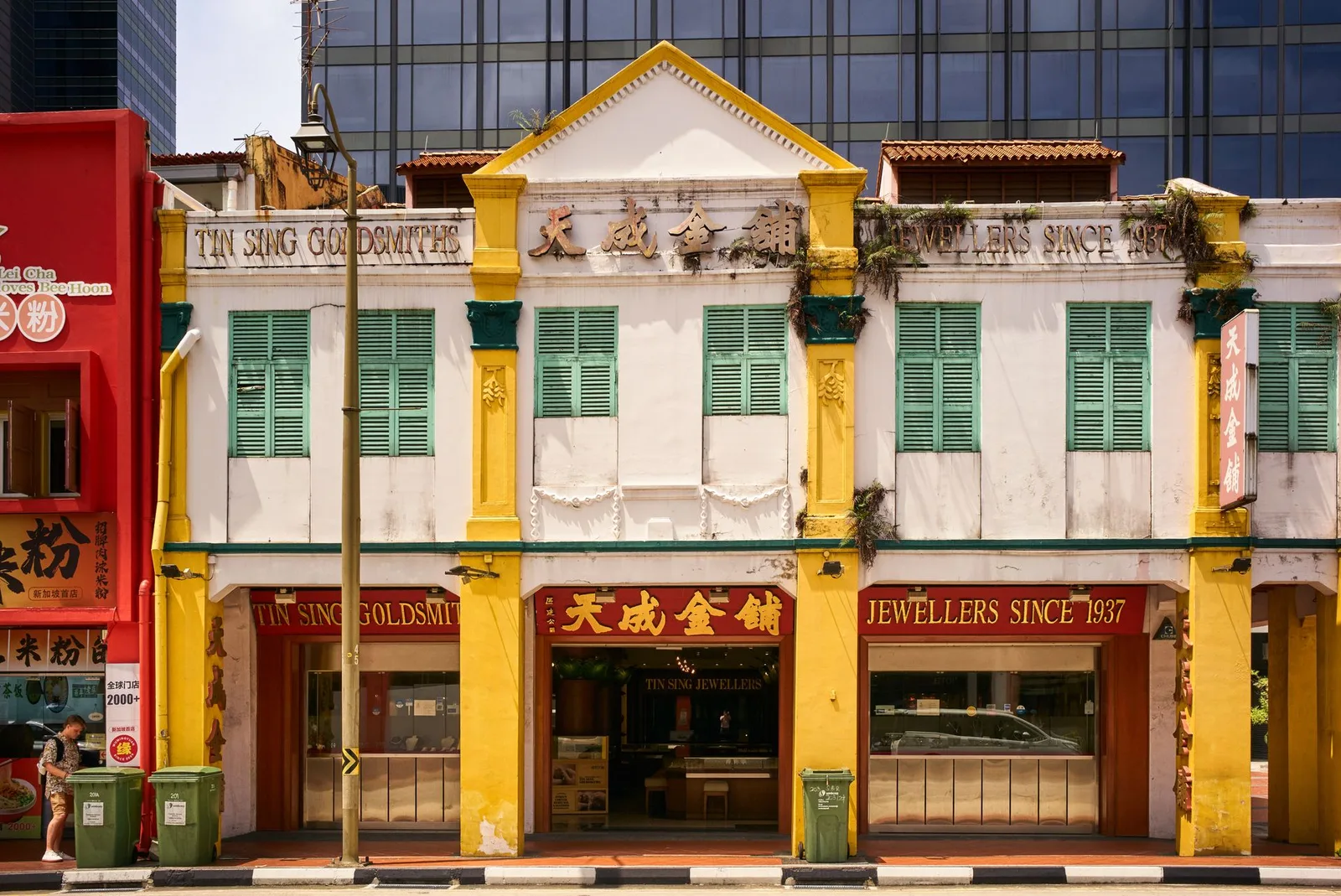
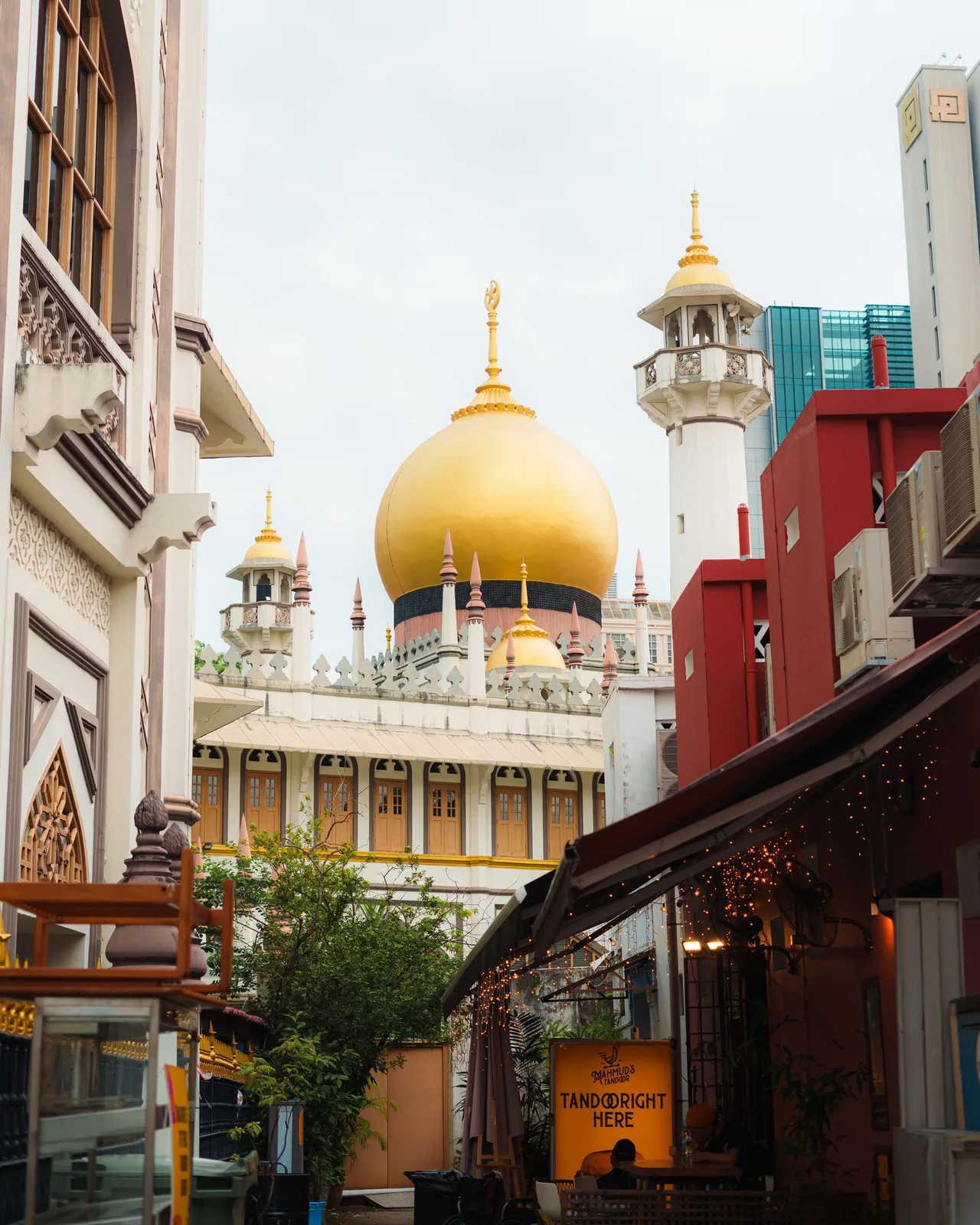
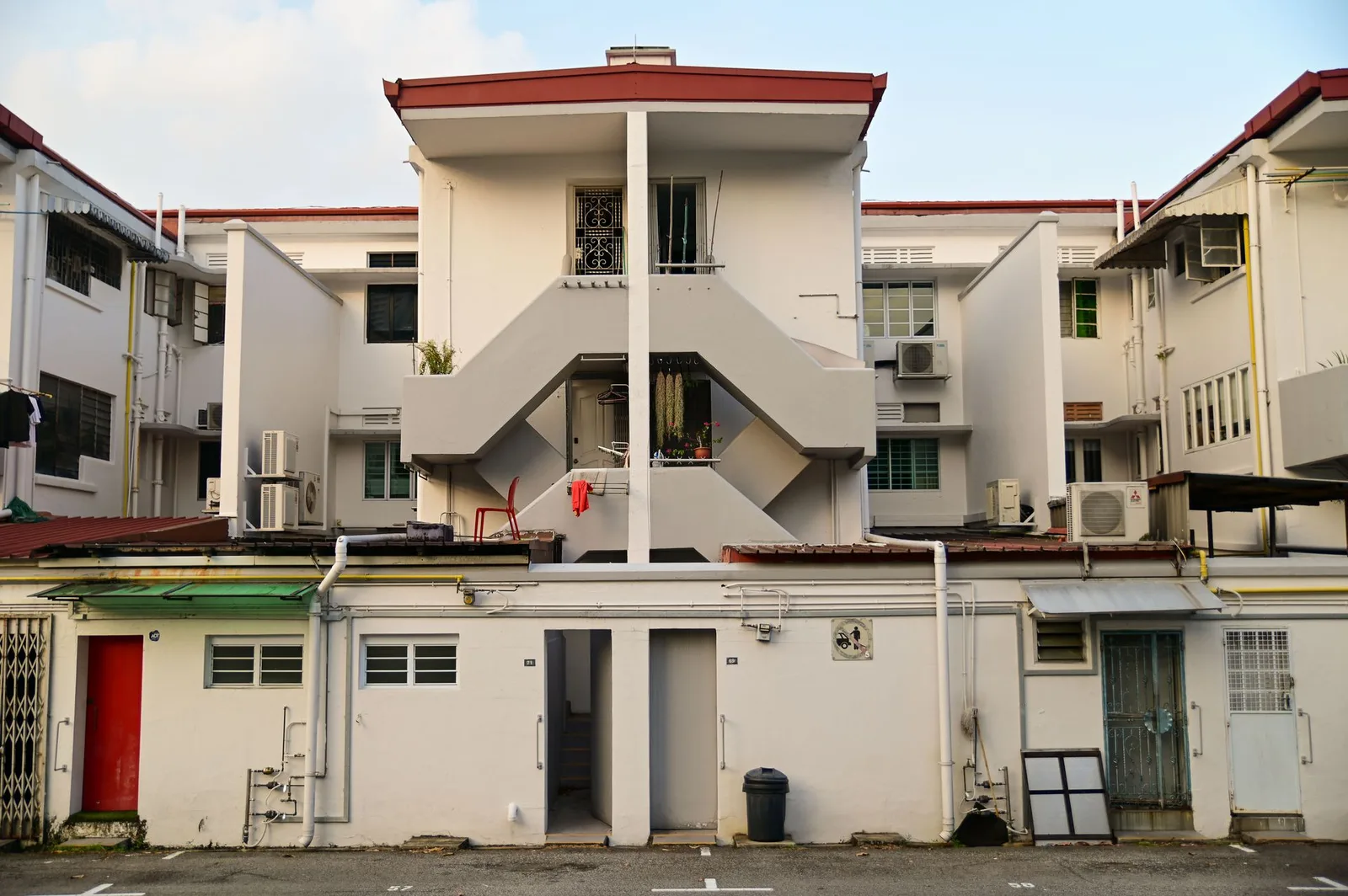
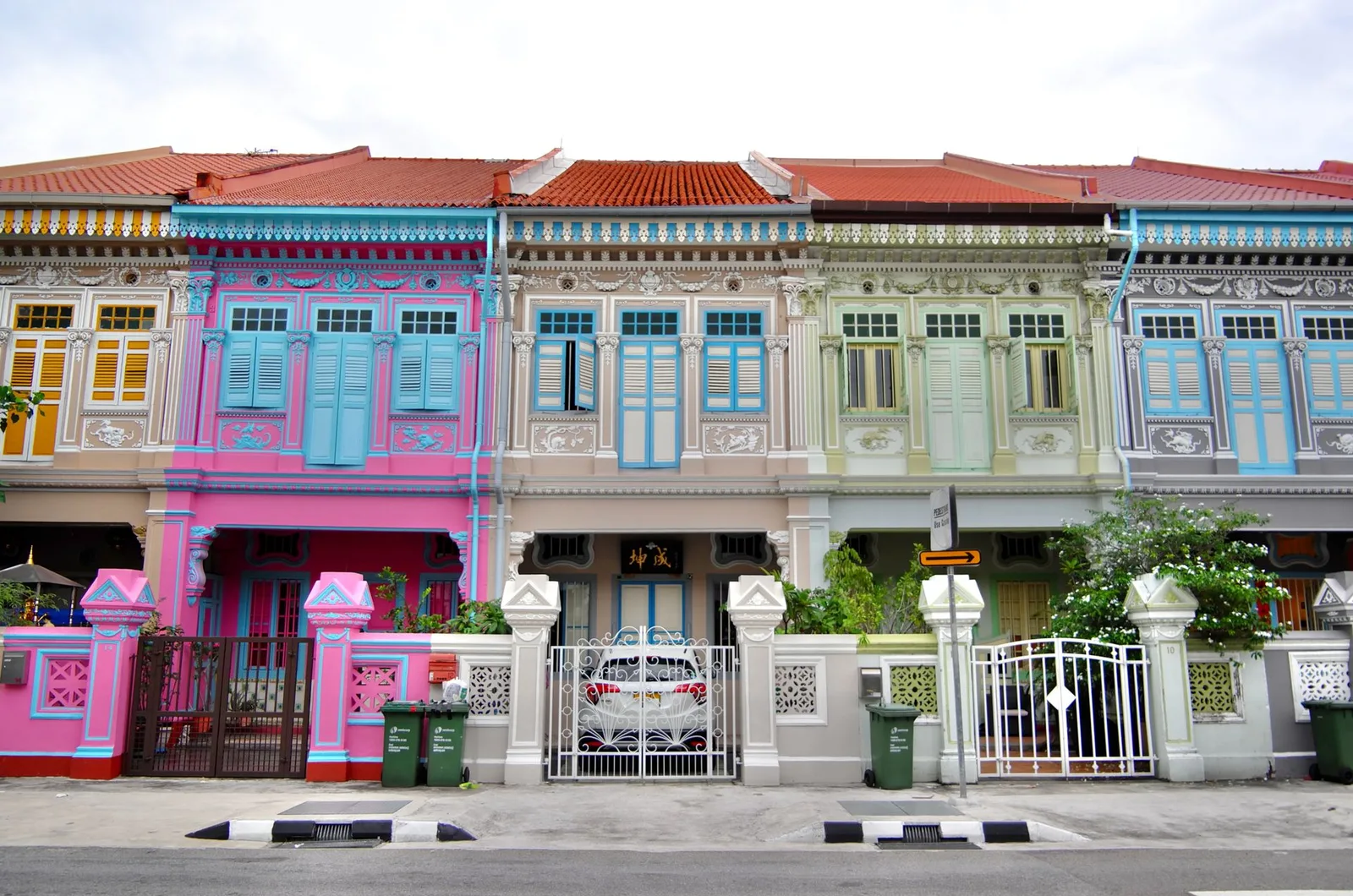
Rainforest that was never built away
Less than half an hour from the financial district, a different Singapore begins: a country that has deliberately left much of its original rainforest standing.
MacRitchie Reservoir
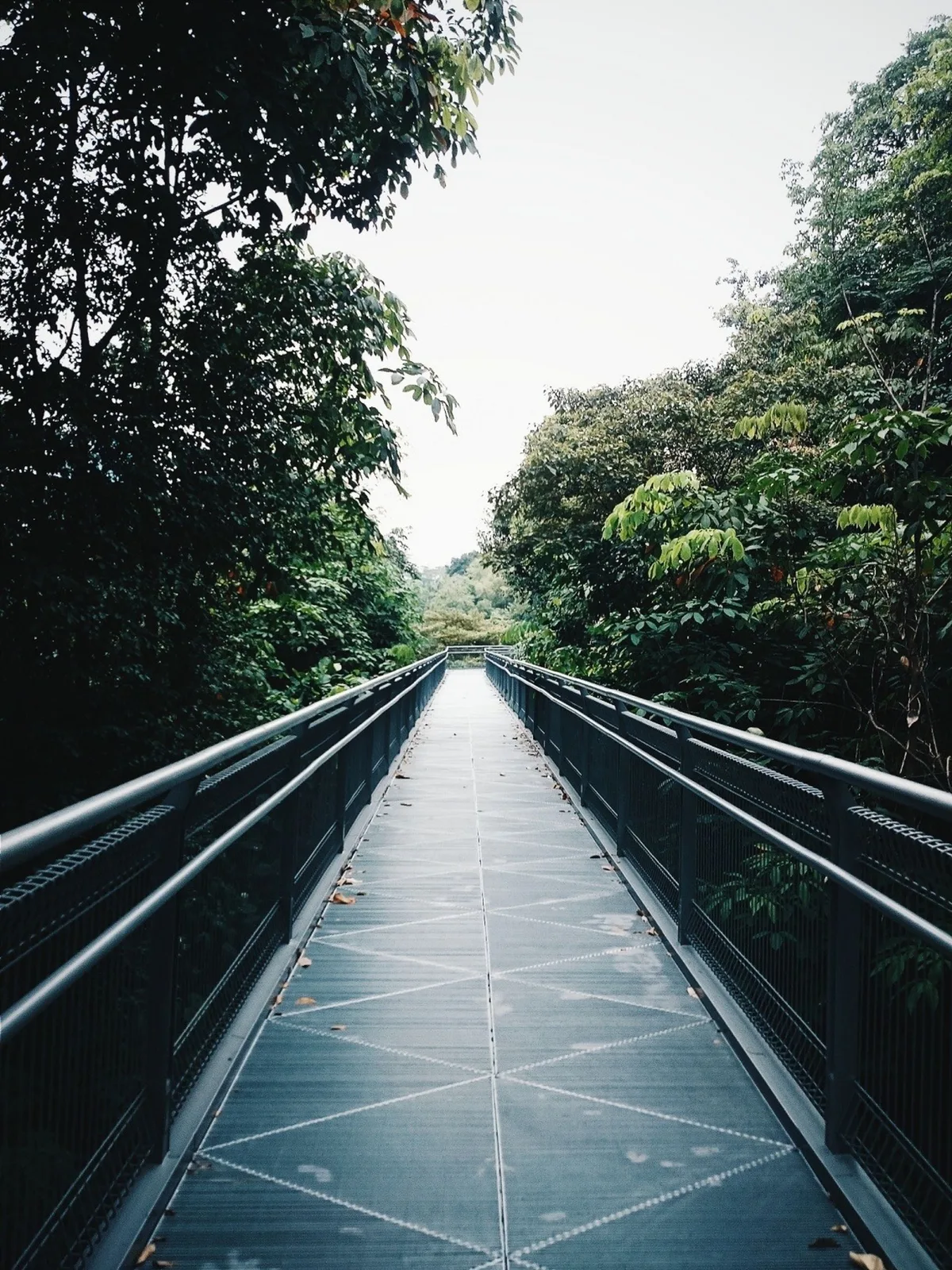
One of the last remnants of primary forest on the island, with the TreeTop Walk suspended high above the canopy and long-tailed macaques that treat the paths as their own territory.
Sungei Buloh Wetland Reserve
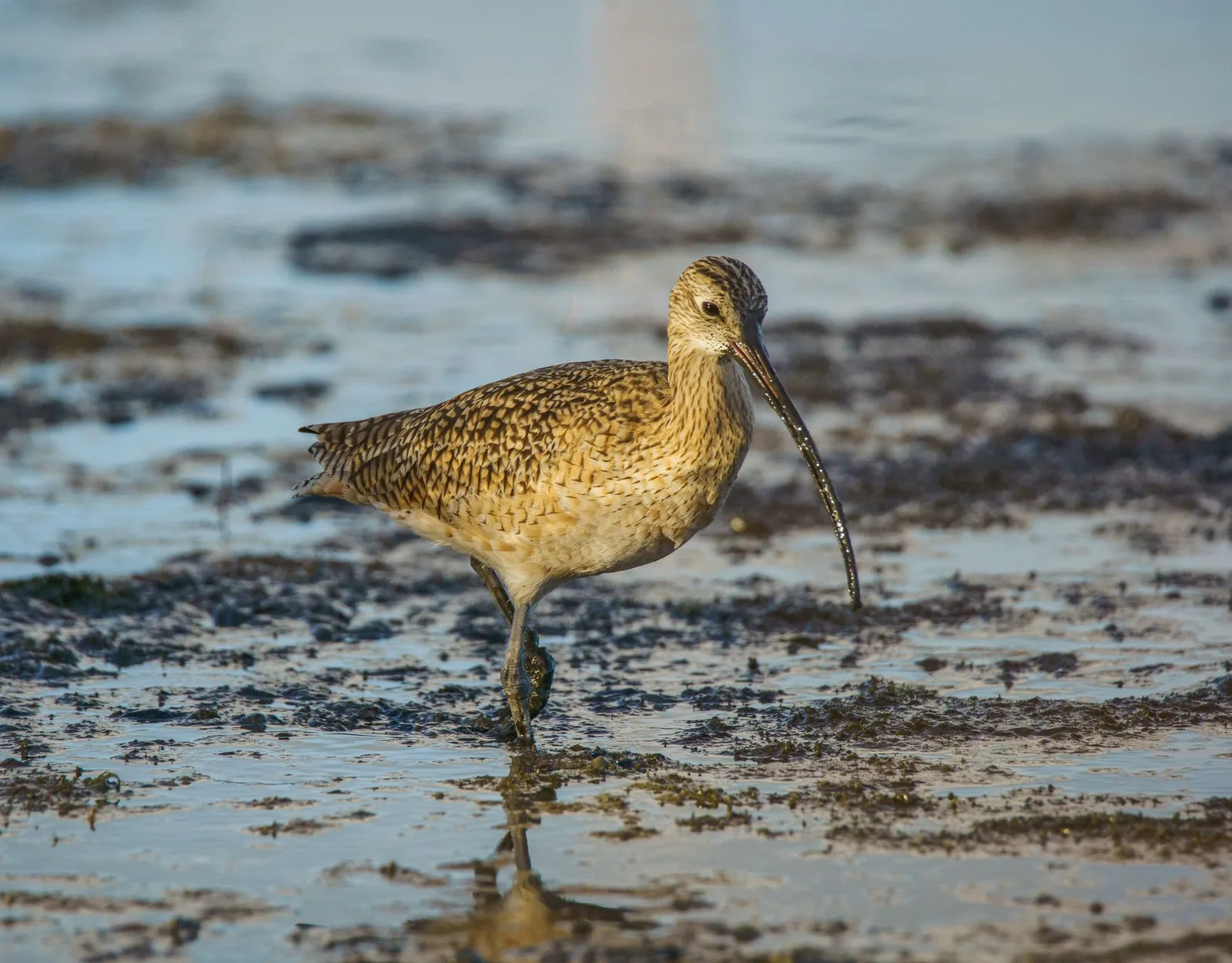
Mangroves and mudflats where thousands of migratory birds touch down between September and March, with the occasional estuarine crocodile lingering at the water's edge.
Pulau Ubin
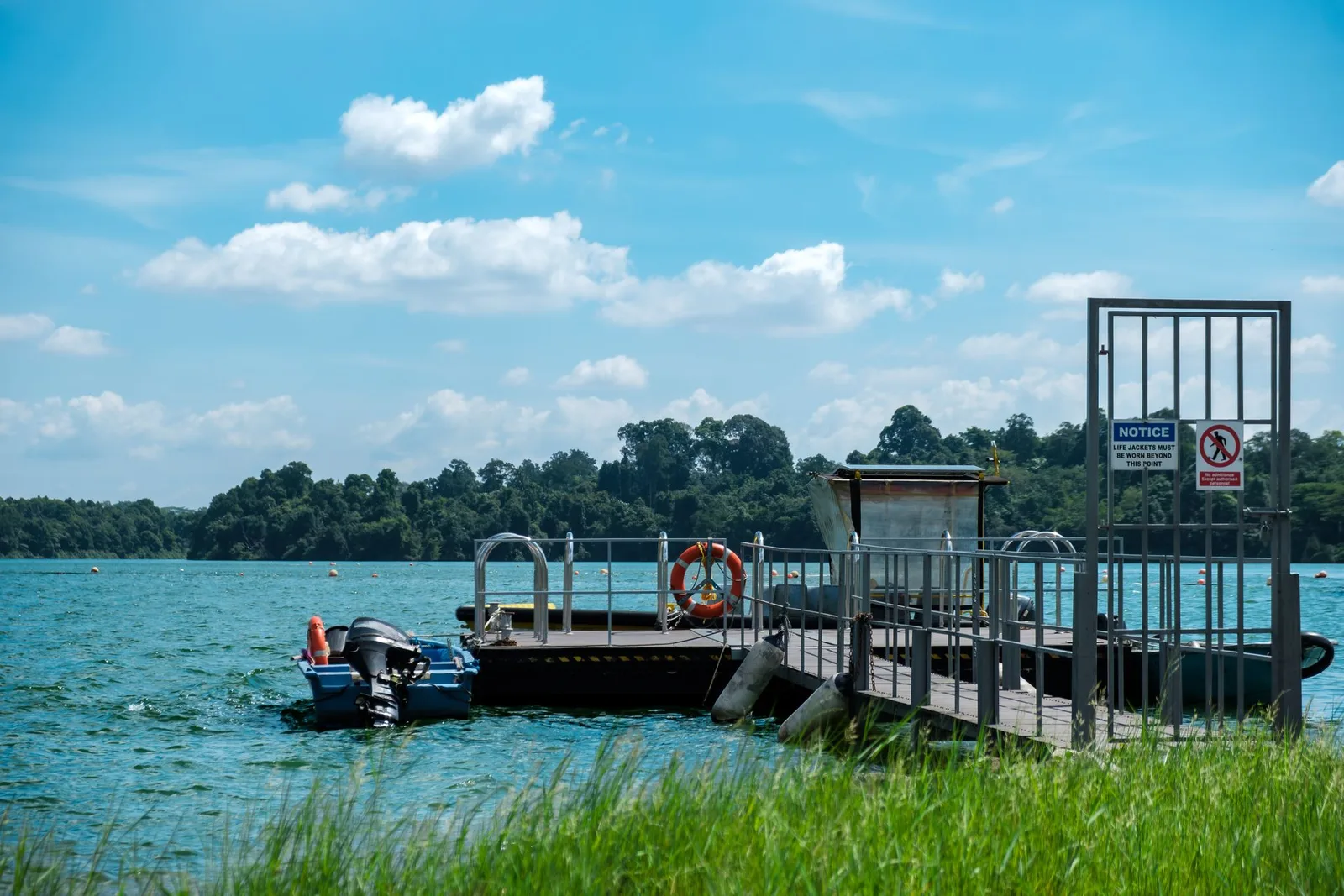
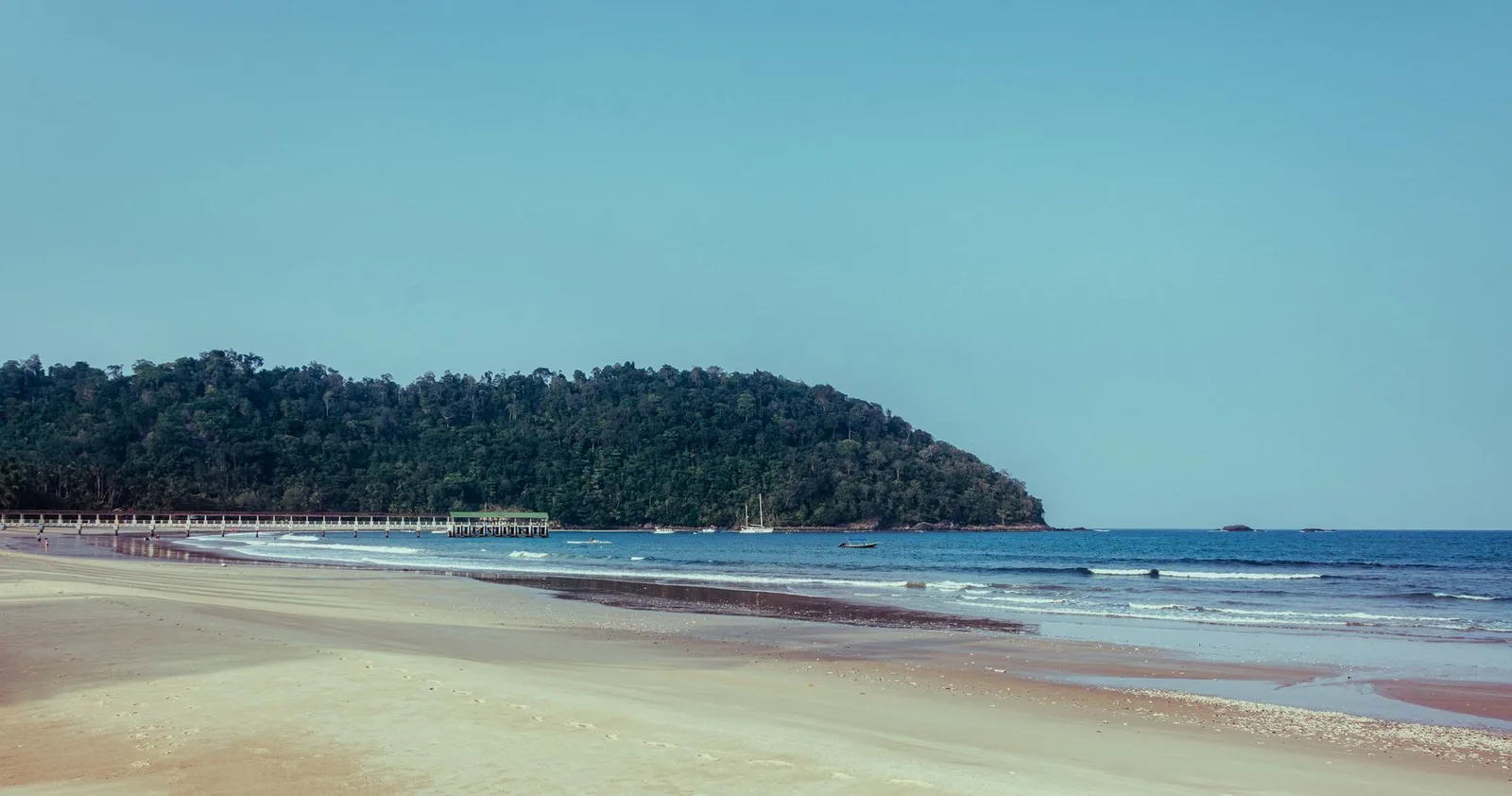
A bumboat from Changi Point carries you to a kampong island where time has stood still: cycling paths, wooden houses, and not a skyscraper in sight.
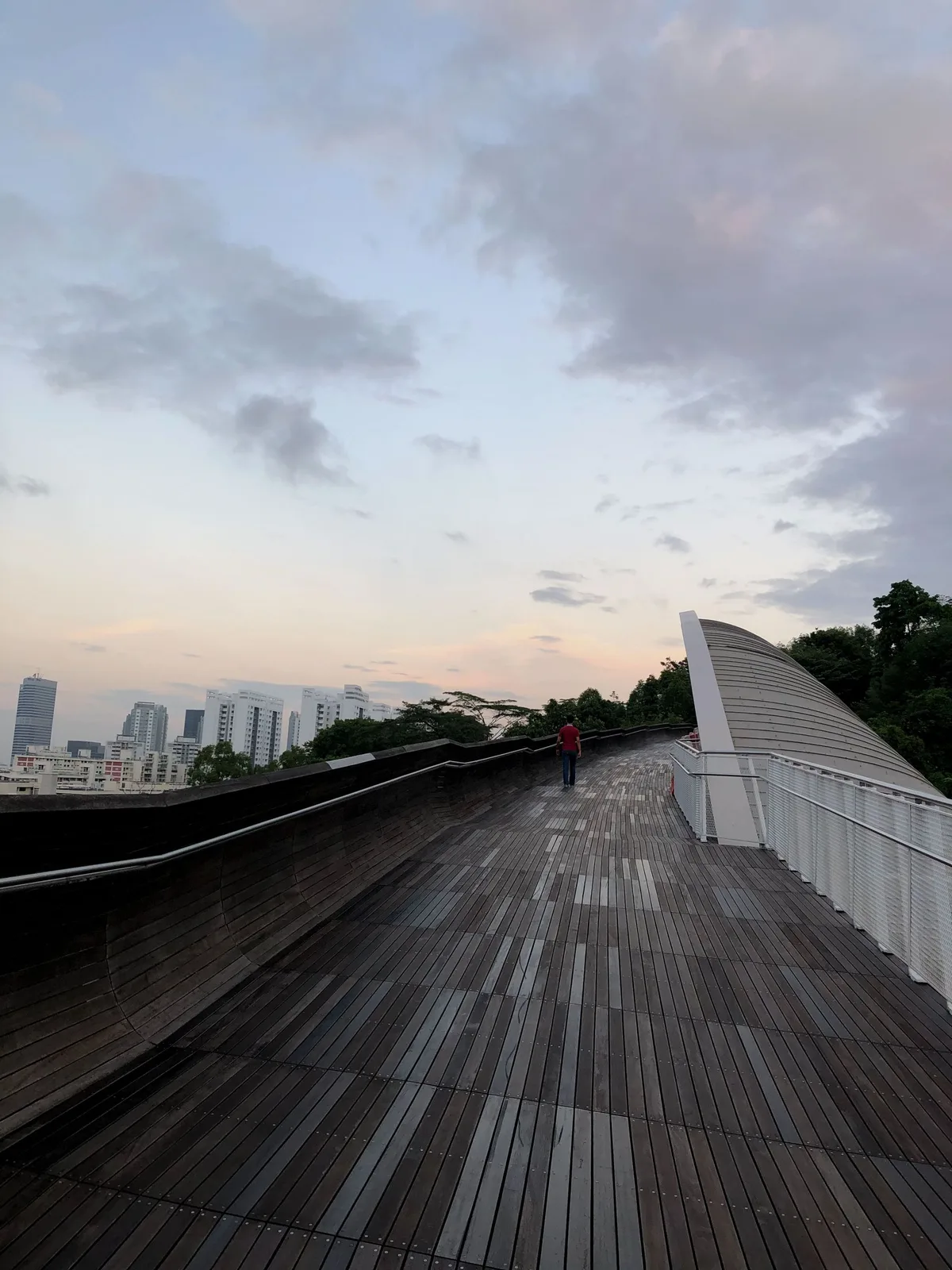
The Southern Ridges link parks together over bridges like the Henderson Waves. Nine kilometres of green without ever leaving the city.
Singapore is never just one visit
What follows isn't a day-by-day programme, but the ingredients from which we build a route together, shaped around what draws you to this country.
A hawker trail with a local guide
Someone who knows the story behind every stall, from a third-generation chicken rice stand to the street corner where the first laksa was sold.
Architecture between shophouse and Supertree
Colonial facades alongside the engineering of Marina Bay, with an eye for what each building says about its own era.
Island-hopping towards Indonesia or Malaysia
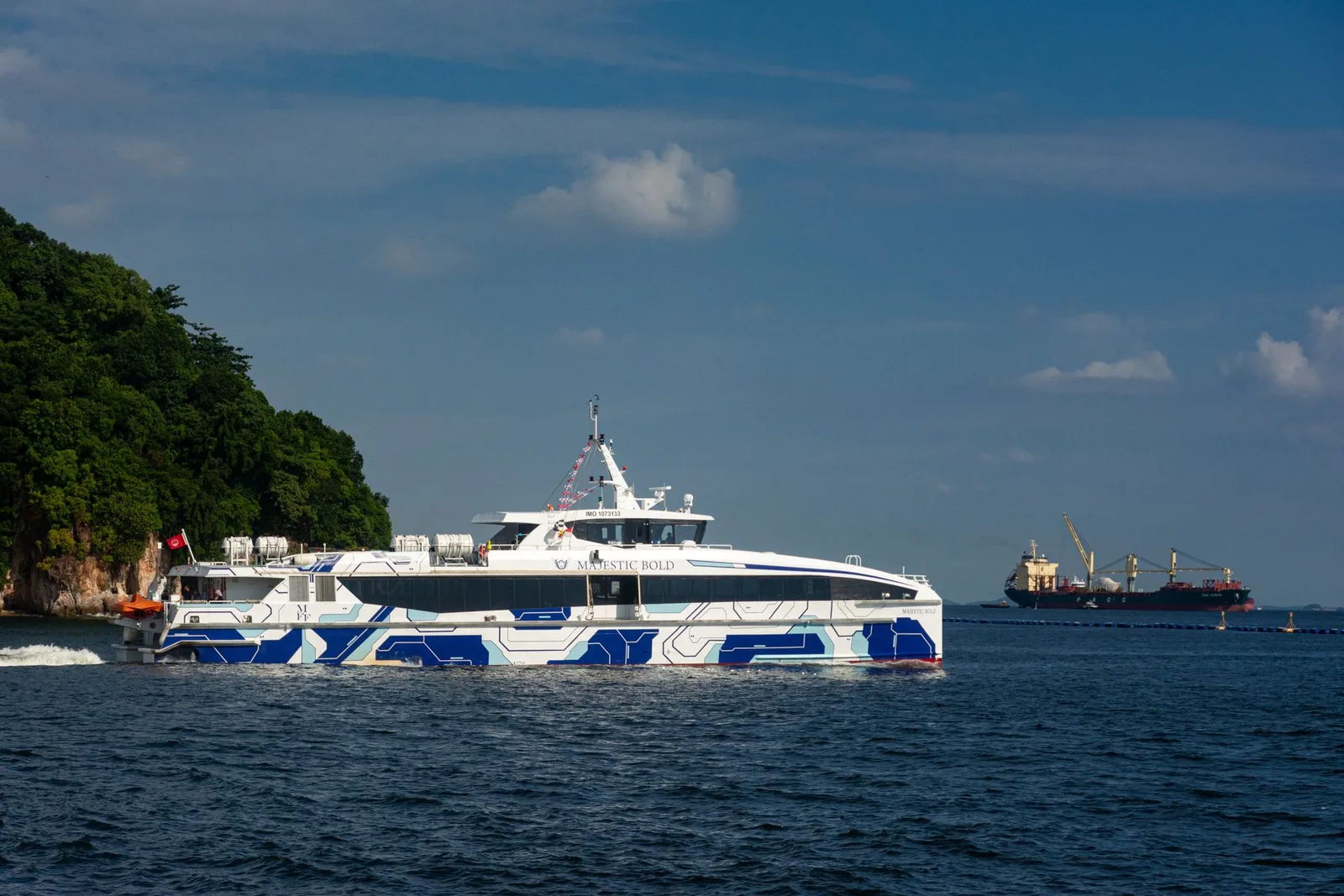
Bintan or the Riau Islands by boat from HarbourFront, Johor and Malacca across the causeway, Singapore as a base for anyone wanting to go further.
Sailing to the Southern Islands
St John's Island and Kusu Island are barely twenty minutes by boat from the city, and yet the skyline vanishes there completely.
Seeking out Peranakan heritage
The Peranakan Museum, the colourful facades of Koon Seng Road, and where possible a conversation with someone who keeps that culture alive day to day.
Every route is built differently, depending on what you're after: stillness, flavour, architecture, or a hop across to the islands nearby.
Warm all year, wet in varying degrees
Singapore sits close to the equator and has no seasons in the classic sense. It stays warm and humid all year round. The difference lies in rainfall: the north-east monsoon brings the wettest spells in December and early January, while late January to early March is usually the driest stretch.
Best time to visit Singapore
Who else is at their best in these months?
February March
Use the contact form to discuss your travel dates and preferences with us.
Practical, without the noise.
The practical side, without planning the adventure out of it.
Getting there
There is a direct flight from Brussels a few times a week; otherwise one stopover, usually via the Middle East
Documents
Which travel documents you need depends on your nationality, and entry rules change regularly. We go through the current requirements with you before you leave
Health
No mandatory vaccinations; medical care and hygiene rank among the best in the region
Pace
Small enough to have everything close together, but the heat and humidity call for built-in pauses
A city that keeps order without ever taming its jungle.
Questions that come up often
Isn't Singapore mostly a stopover?
For anyone staying two nights, perhaps. But give the neighbourhoods, the hawker culture and the nature reserves some time, and you find a destination with a story of its own, not just a stopover on the way to the rest of South-East Asia.
How much time do you need?
That depends on what you're after. A few days go a long way for anyone who just wants a taste of the city; anyone wanting to include Pulau Ubin, the nearby islands or a trip to Malacca should build in more room. We work that out together, tailored, with no fixed day-by-day schedule.
Can you combine Singapore with other countries?
Yes, and it happens often. Johor and Malacca lie across the causeway, Bintan and the Riau Islands are a short boat ride away, and further east the rest of the Indonesian archipelago or Borneo opens up.
Is it a suitable destination with children?
Certainly. The country is safe, clean and clearly organised, with enough variety between city and nature to hold the interest of younger travellers too.
How hot does it really get?
Tropical and humid, all year round, with temperatures that rarely stray far from thirty degrees. The difference between months lies mainly in rainfall, not temperature.
- Flight time
- About 13 hours direct, or 15 hours or more with one stopover
- Languages
- English, Mandarin, Malay and Tamil
- Time difference
- 6 to 7 hours ahead of Belgium, depending on the season
- Best time to visit
- February to April, the driest stretch in a country that stays warm all year