

A country that won't be captured in a single story.
South Africa spans nine provinces and recognises twelve official languages. A morning among the vines near Franschhoek has little to do with an afternoon in the townships of Cape Town, and a week heading towards Kruger feels like a different country again from the coastal road along the Garden Route. Anyone who has been once often comes back with a completely different story from someone who went two years earlier.
That is why we don't plan South Africa as a single line of highlights. We look at what draws you in: nature, history, cuisine, people, and we build the route around that, at a pace that matches your curiosity.
In short
Best time to go
May to September is dry in Kruger and the best time to see wildlife. In Cape Town that is the cool, wet winter; the Cape is warm and dry from November to March, with December and January as busy holiday months.
How long
At least ten days for two regions, such as Cape Town with the Winelands and Kruger. To drive the Garden Route as well, allow two to three weeks; between Cape Town and Kruger you fly.
Who it suits
Travellers who want safari, winelands, a big city and the coast in one trip, like driving themselves on good roads, or are travelling with children at an unhurried pace.
What sets it apart
Around Cape Town grows the fynbos of the Cape Floral Kingdom, the smallest of the world's six, with over 9,000 plant species, 69 per cent of them endemic. In Hermanus you can watch whales from the cliffs from June to November.
One country, different rhythms
South Africa can't be summed up in a few days. Each region has a different landscape, a different pace and a different reason to stay.
Cape Town and the Peninsula
Table Mountain towers over a city that stretches from Camps Bay to the harbour at Kalk Bay. Drive on to Cape Point for the cliffs and the baboons, or walk through the colourful streets of Bo-Kaap where the smell of curry drifts from open windows.
Stellenbosch, Franschhoek and Paarl
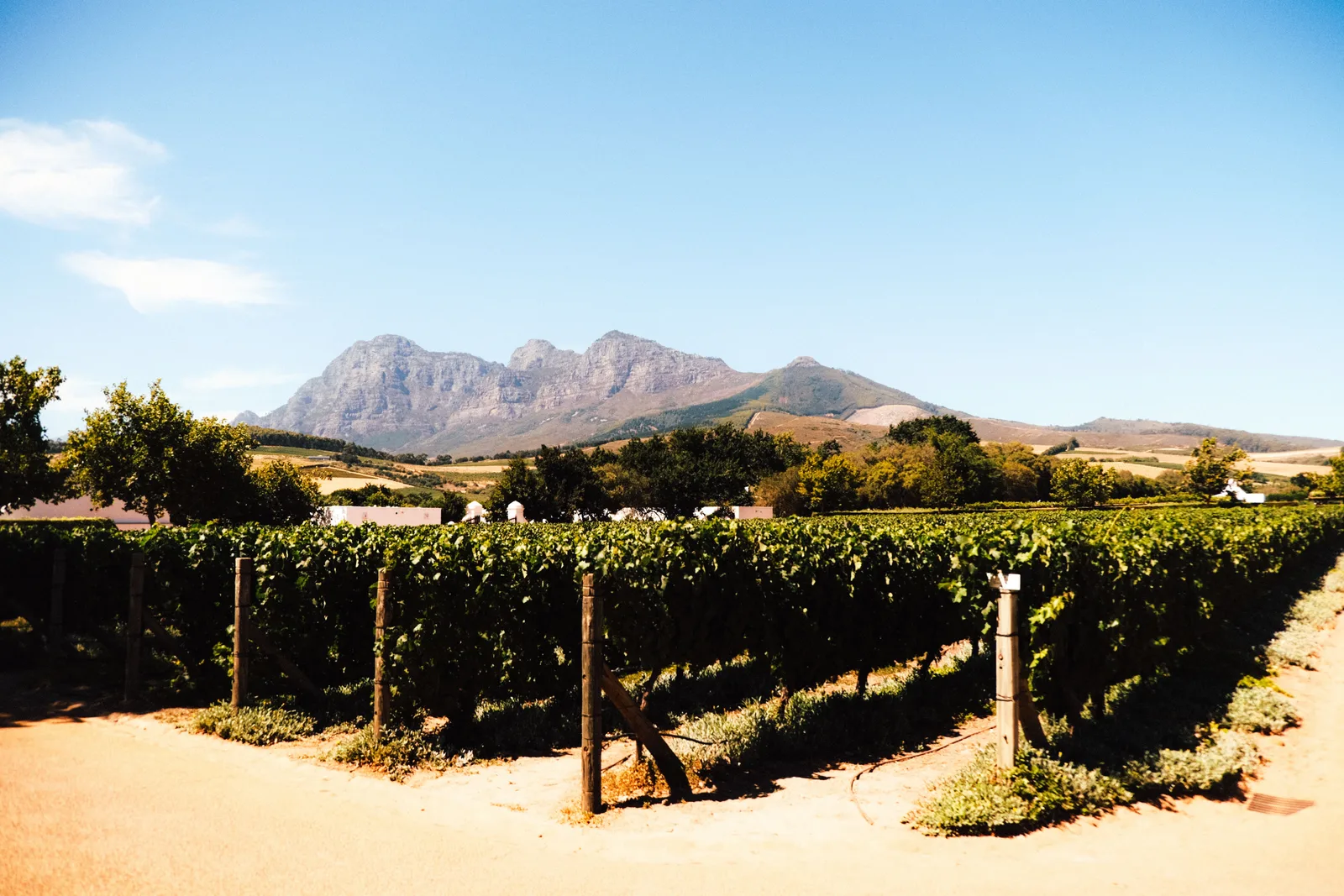
Centuries-old wine estates beneath the mountains of the Boland, where French Huguenots once planted the first vines. Tastings here are rarely about the wine alone. Often the winemaker simply joins you at the table.
The Garden Route
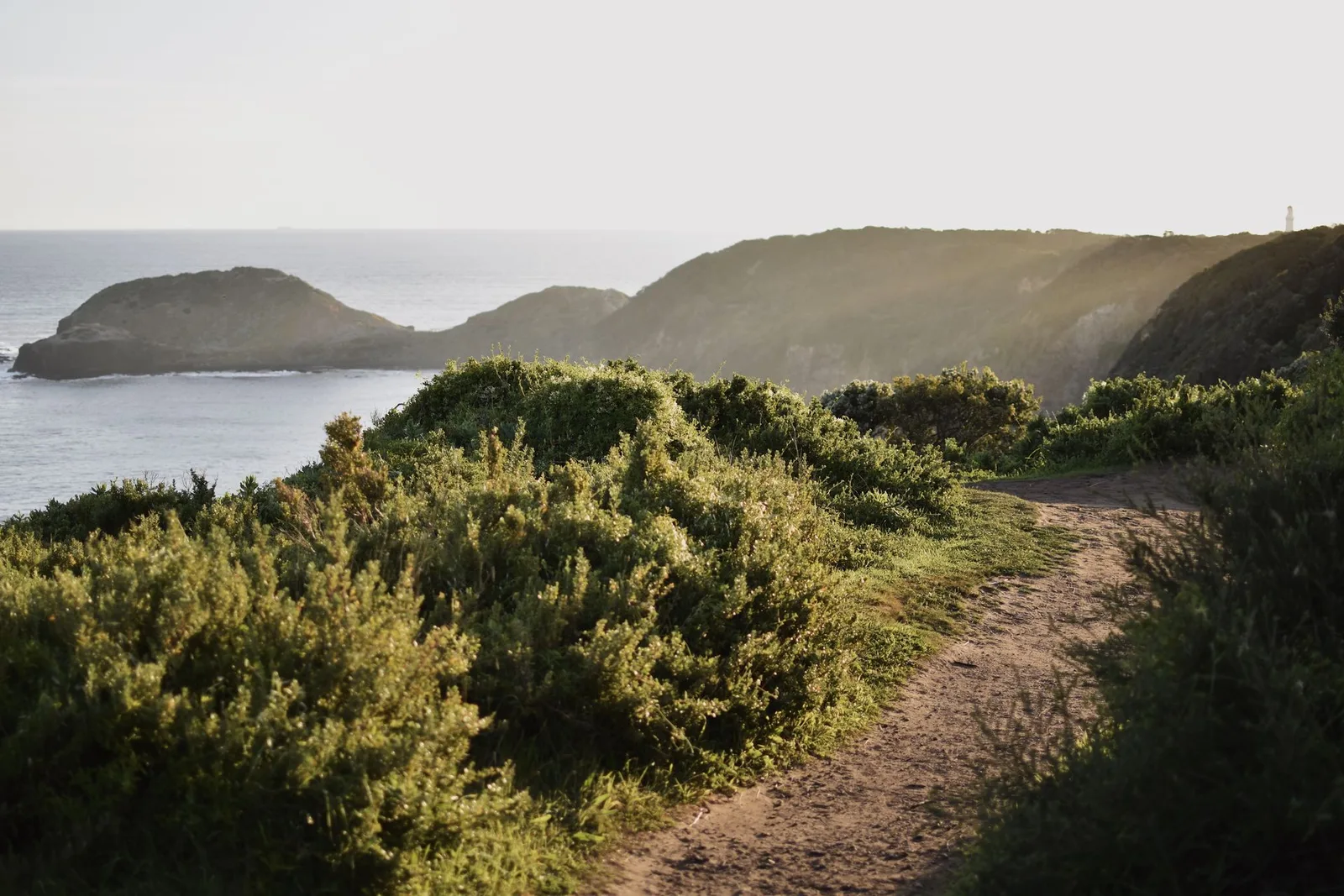
The coastal road between Mossel Bay and Storms River strings together lagoons, forest and clifftop paths. At Oudtshoorn, just inland, the scenery suddenly switches to the dry Little Karoo.
Kruger and the Panorama Route area
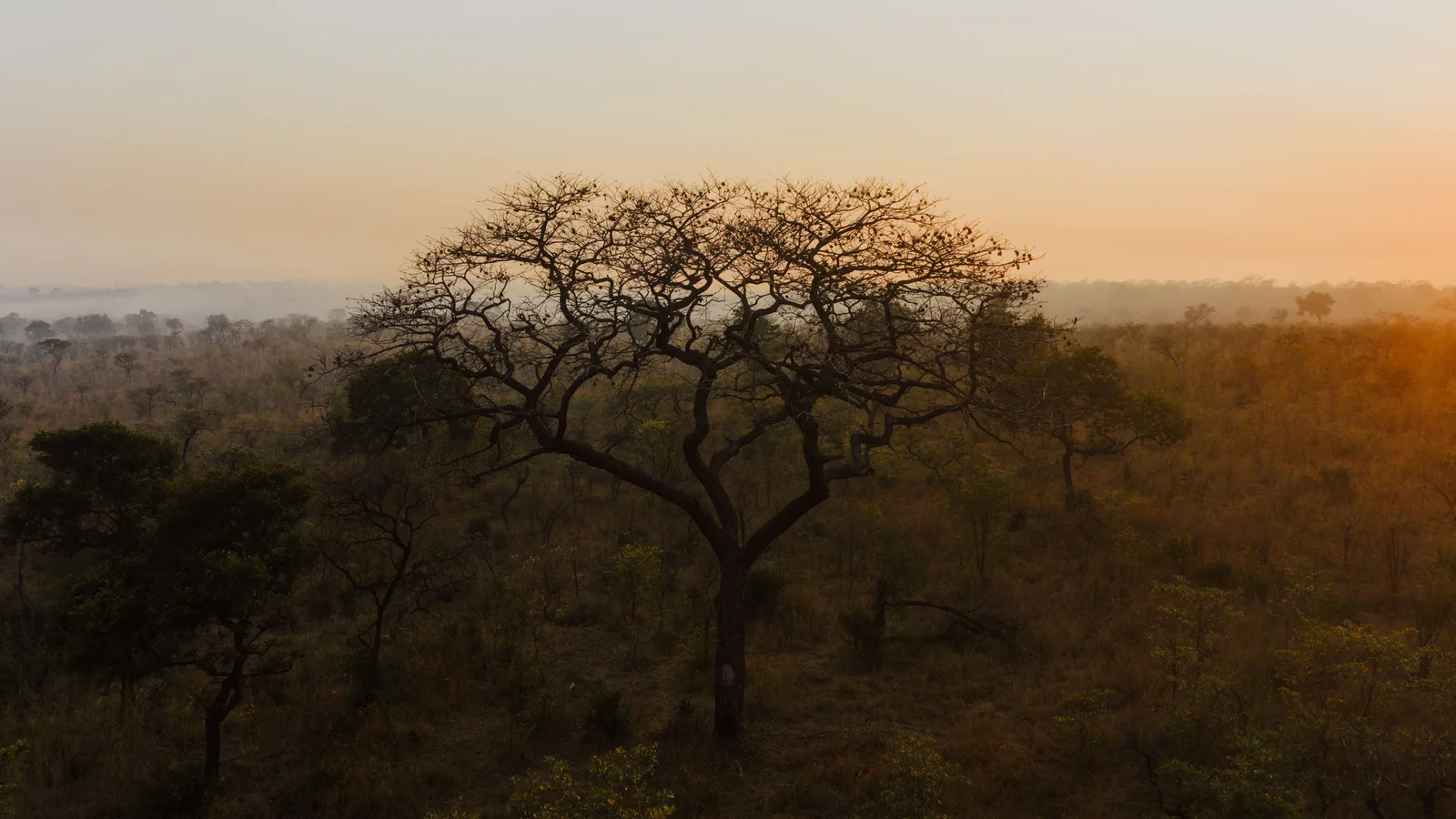
One of the largest game parks in the world, with private reserves along the western edge for those who prefer travelling on foot or after dark. Along the way lies the Blyde River Canyon, with views that have little to do with savannah.
Drakensberg and Zululand
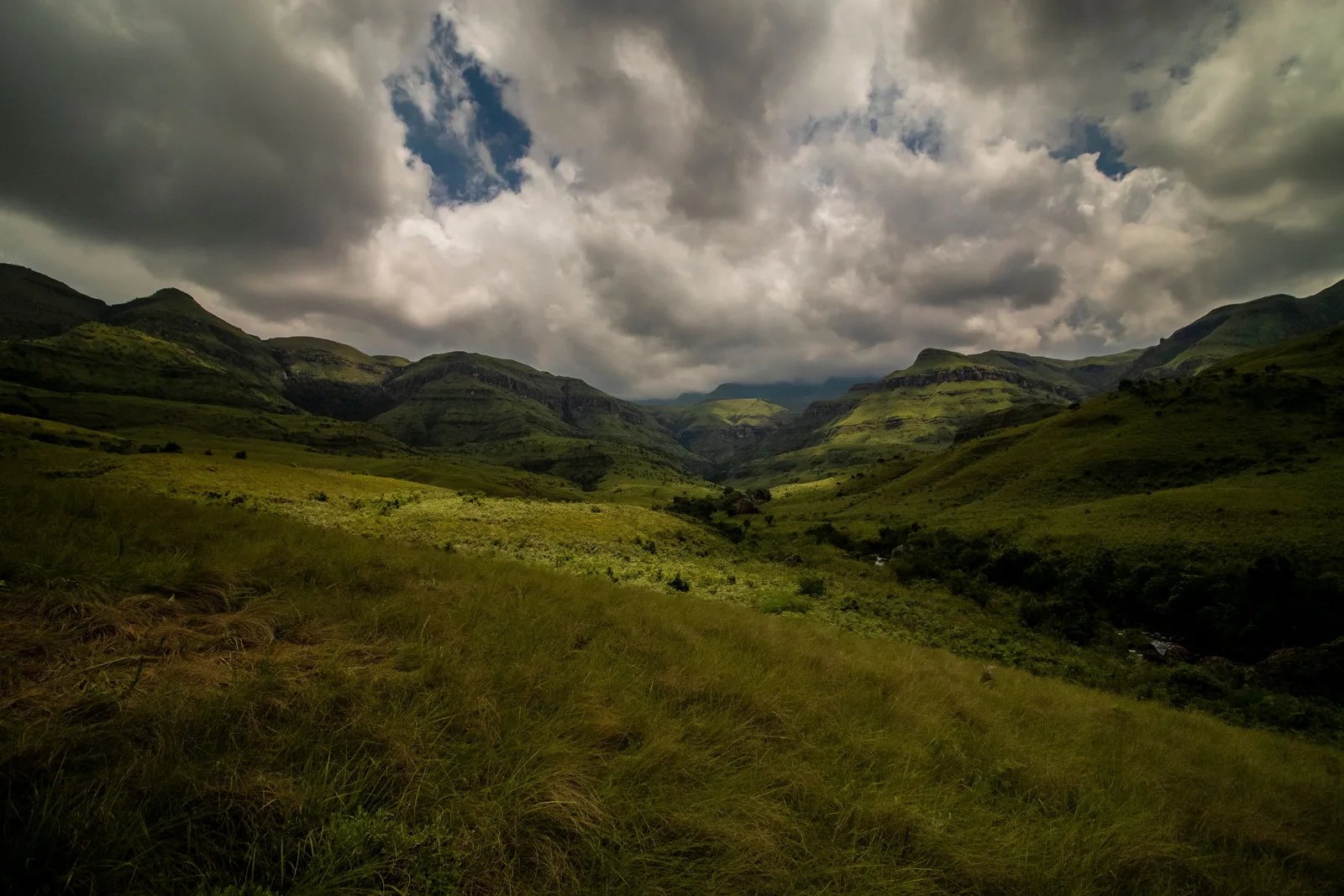
Basalt peaks rising more than three thousand metres, crossed by walking trails and San rock art thousands of years old. Further towards the coast lies the hill country of the Zulu kingdoms.
Johannesburg and Soweto
A city that rarely tops a travel itinerary and often surprises the most because of it. Vilakazi Street in Soweto is the only street in the world where two Nobel Peace Prize winners, Mandela and Tutu, have lived.
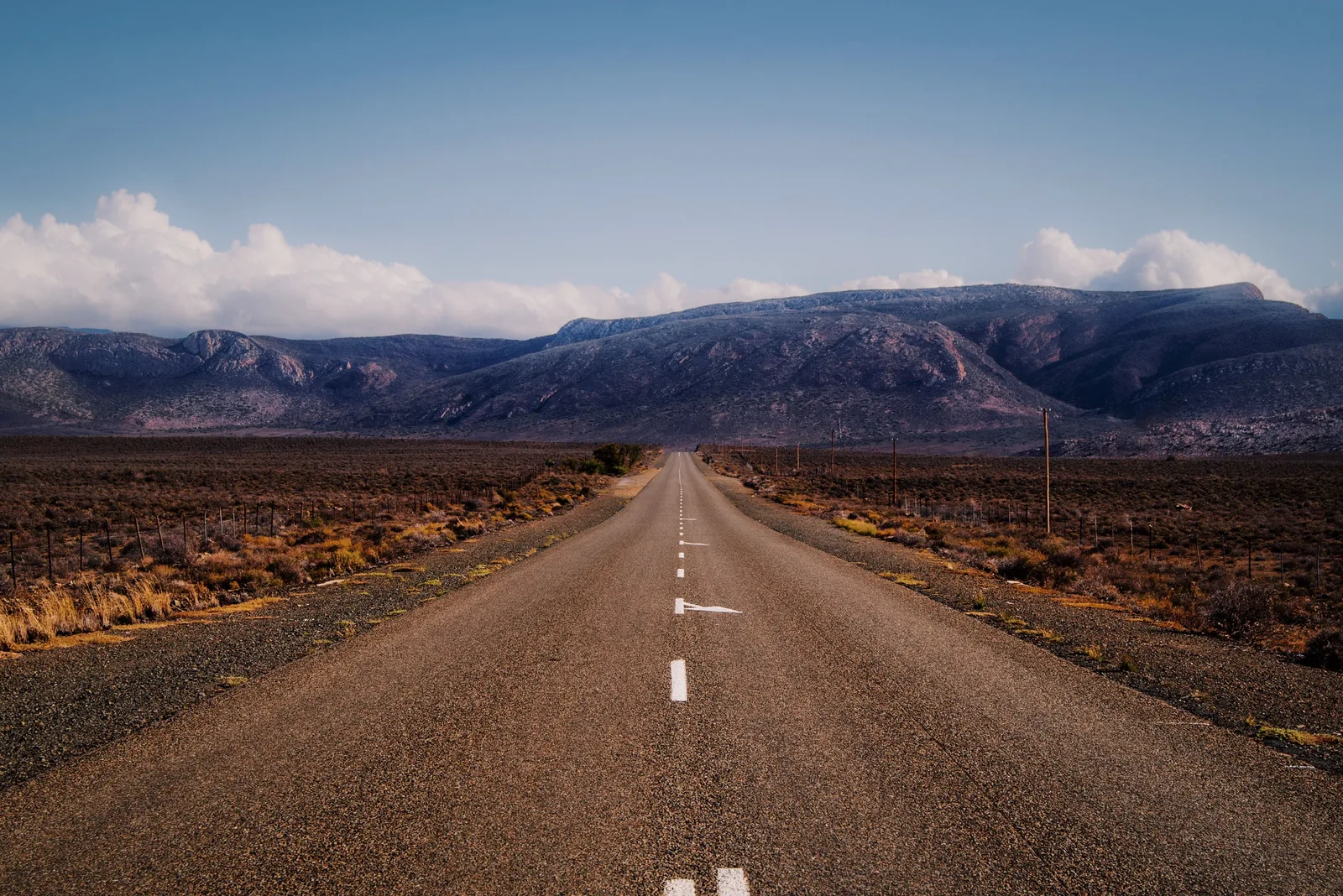
The Little Karoo, where the road between Oudtshoorn and Barrydale seems to slow down time.
The rainbow nation, up close
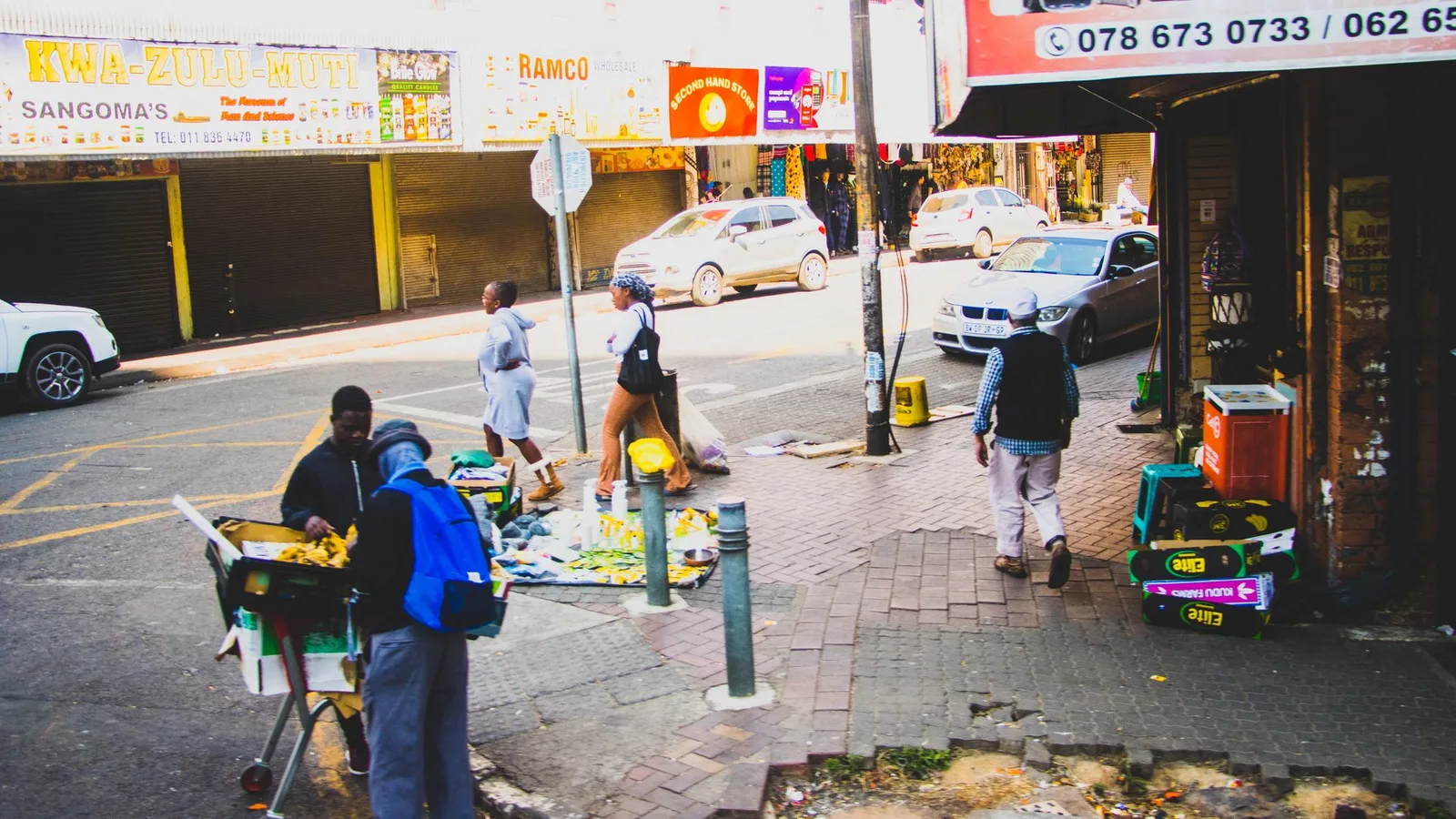
South Africa counts twelve official languages and just as many ways of looking at the country. The history of apartheid is never far away, not as a closed chapter but as something people still talk about daily, in museums such as District Six in Cape Town and on the streets of Soweto, where a local guide takes you past the place where he grew up himself.
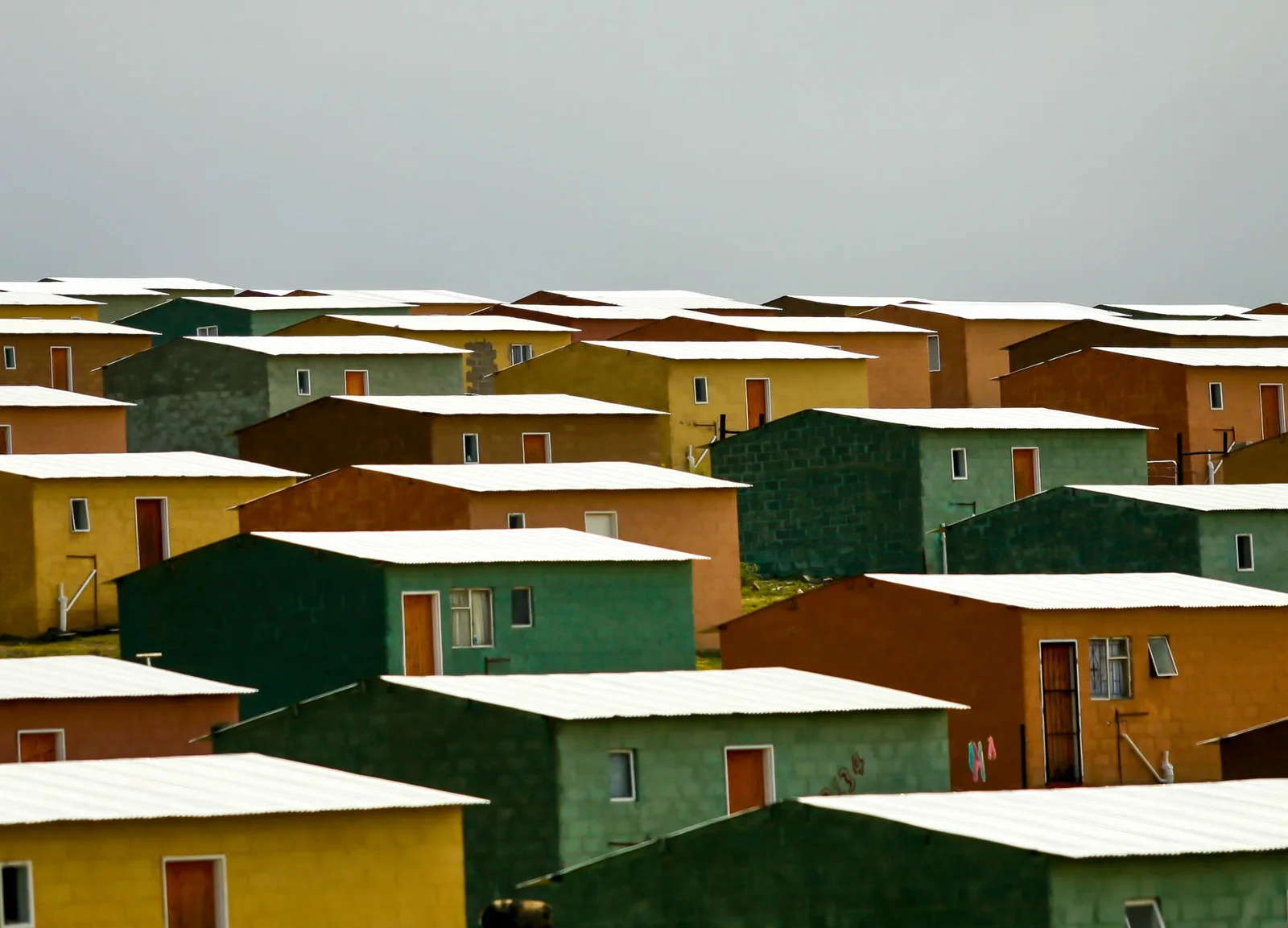
At the same time there is a young, confident culture that refuses to be summed up in a history lesson. In Maboneng, a former industrial district in Johannesburg, artists open studios in old warehouses. In Bo-Kaap, Cape Malay families have lived for generations in the same brightly coloured houses. We plan such encounters deliberately, not as an obligatory stop on a list.
More than a safari
Kruger National Park
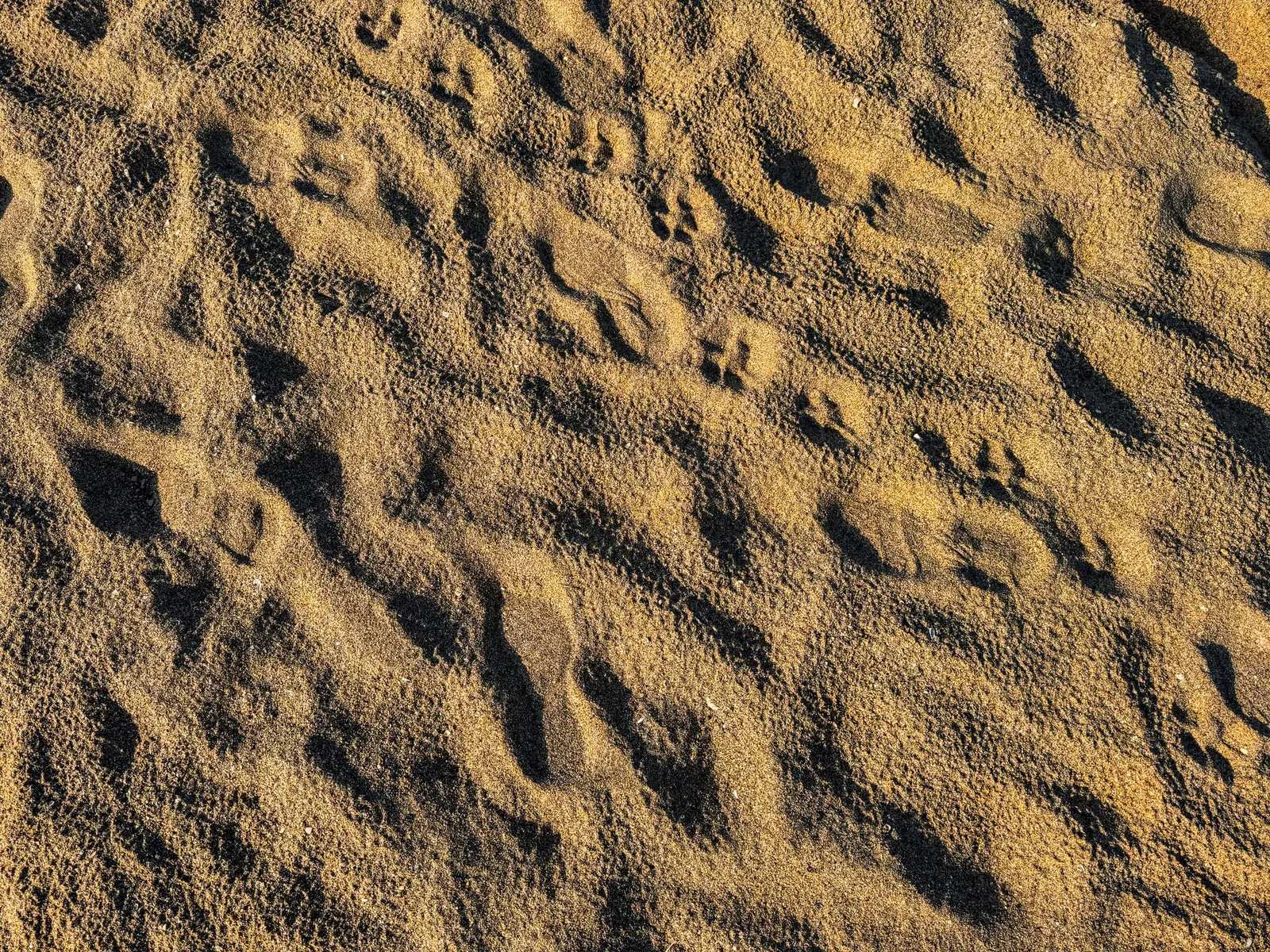
Nearly a hundred and fifty mammal species across an area almost two thirds the size of Belgium. Self-drive is an option, but a walking safari at sunrise, on foot and with a ranger who reads tracks like a second language, shows the park in a completely different light.
The whale route at Hermanus
Between June and November, southern right whales swim so close to the coast at Hermanus that you can watch them from the cliffs, no boat needed.
The Drakensberg
Walking trails through one of the most striking mountain ranges in southern Africa, with San rock art up to eight thousand years old and views reaching as far as Lesotho.
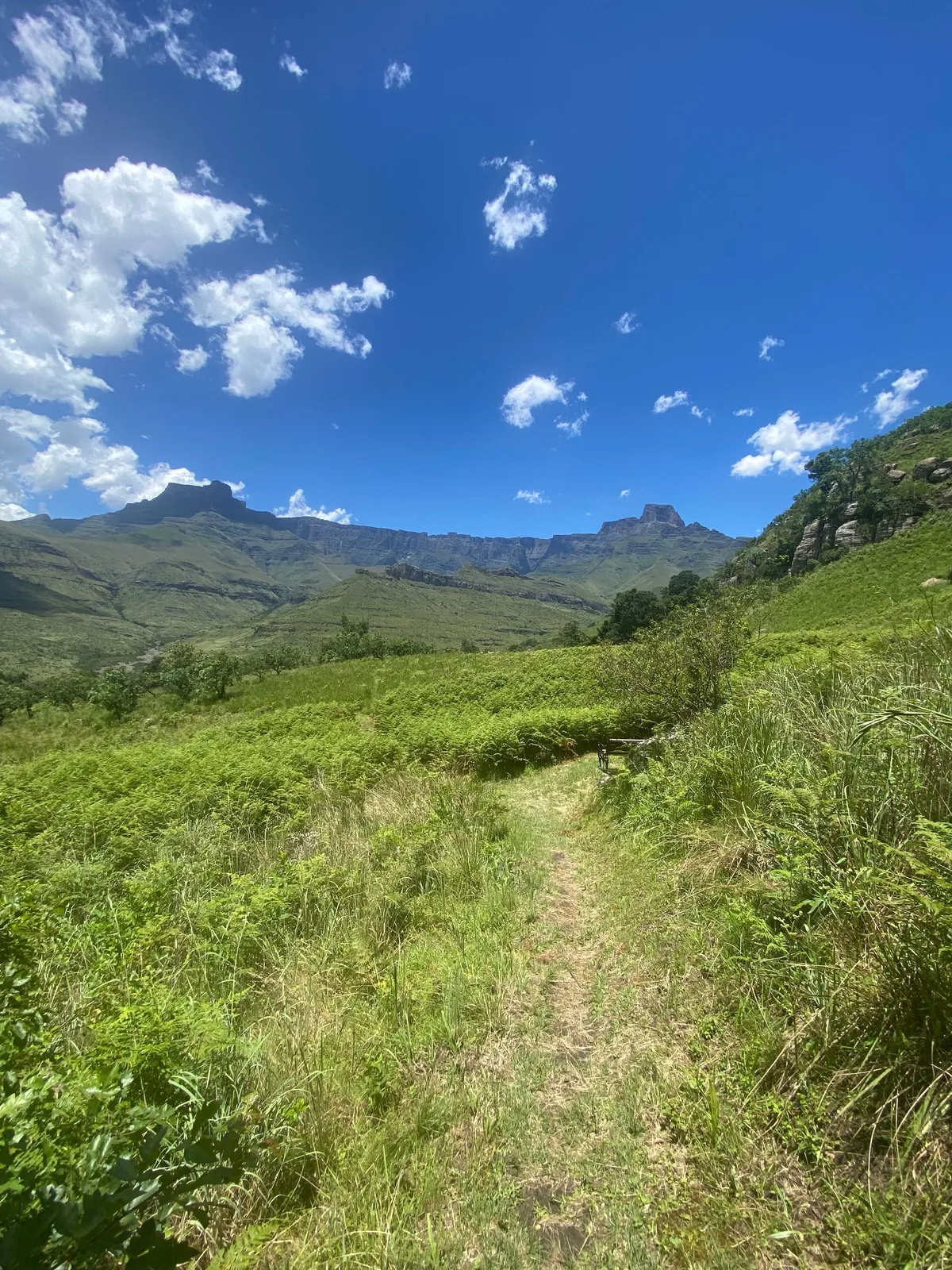
Cape cuisine, between Malay spices and French vines
Cape cuisine carries the traces of Cape Malay slaves who arrived at the Cape from Indonesia and Malaysia in the seventeenth century. Bobotie, spiced minced meat topped with an egg layer, and koeksisters, sticky sweet plaited dough, are still the taste of that legacy today.
Around Stellenbosch and Franschhoek lie wine estates where chenin blanc and pinotage have grown for generations. And in the evening there's the braai: not a barbecue, but a social ritual in which the fire matters at least as much as the food.
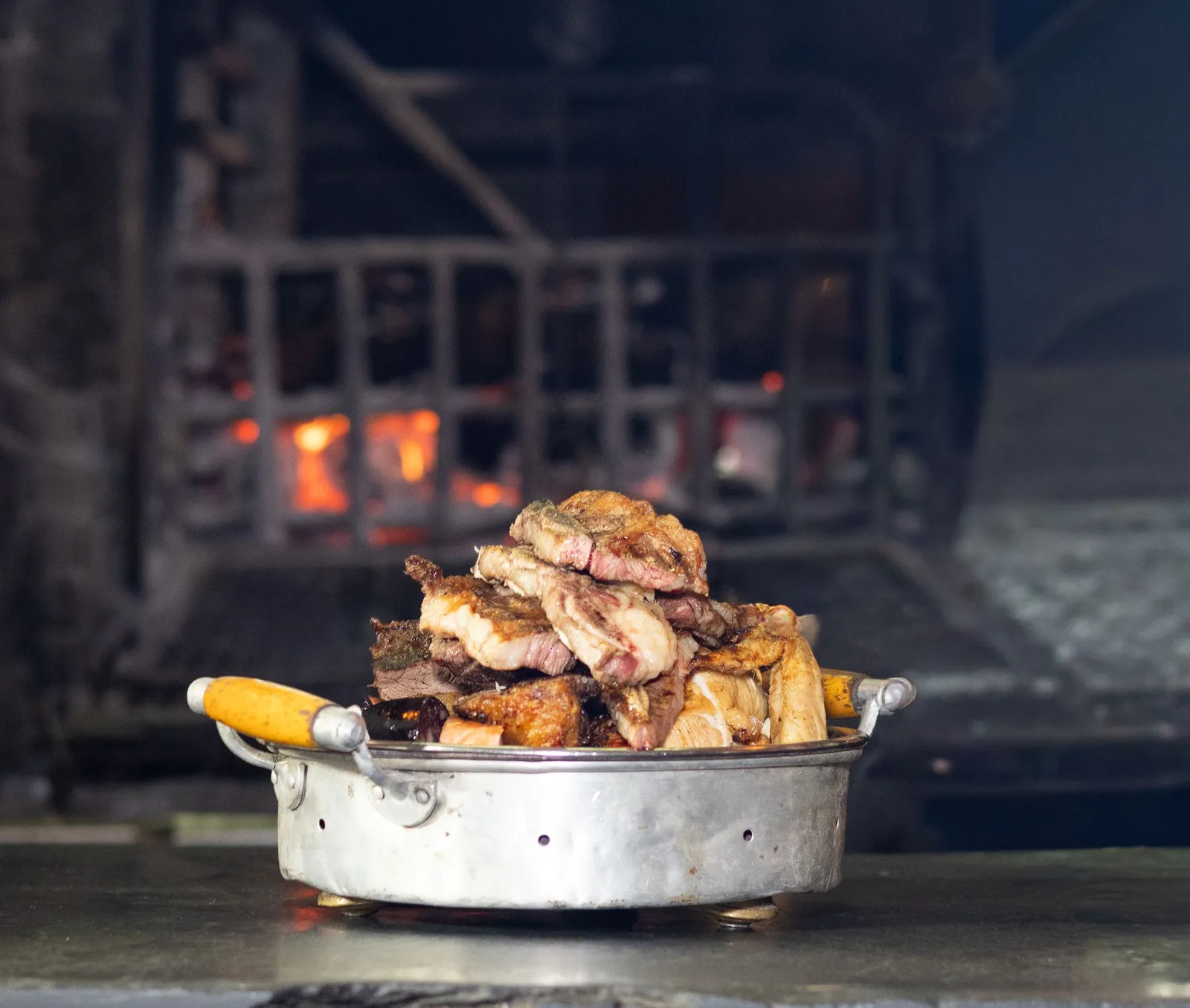
What a trip through South Africa can include
No fixed programme. But a number of experiences that often recur in the trips we put together for South Africa.
Sunrise on Lion's Head
A ninety-minute walk above Cape Town, with the city and Table Mountain slowly catching the light.
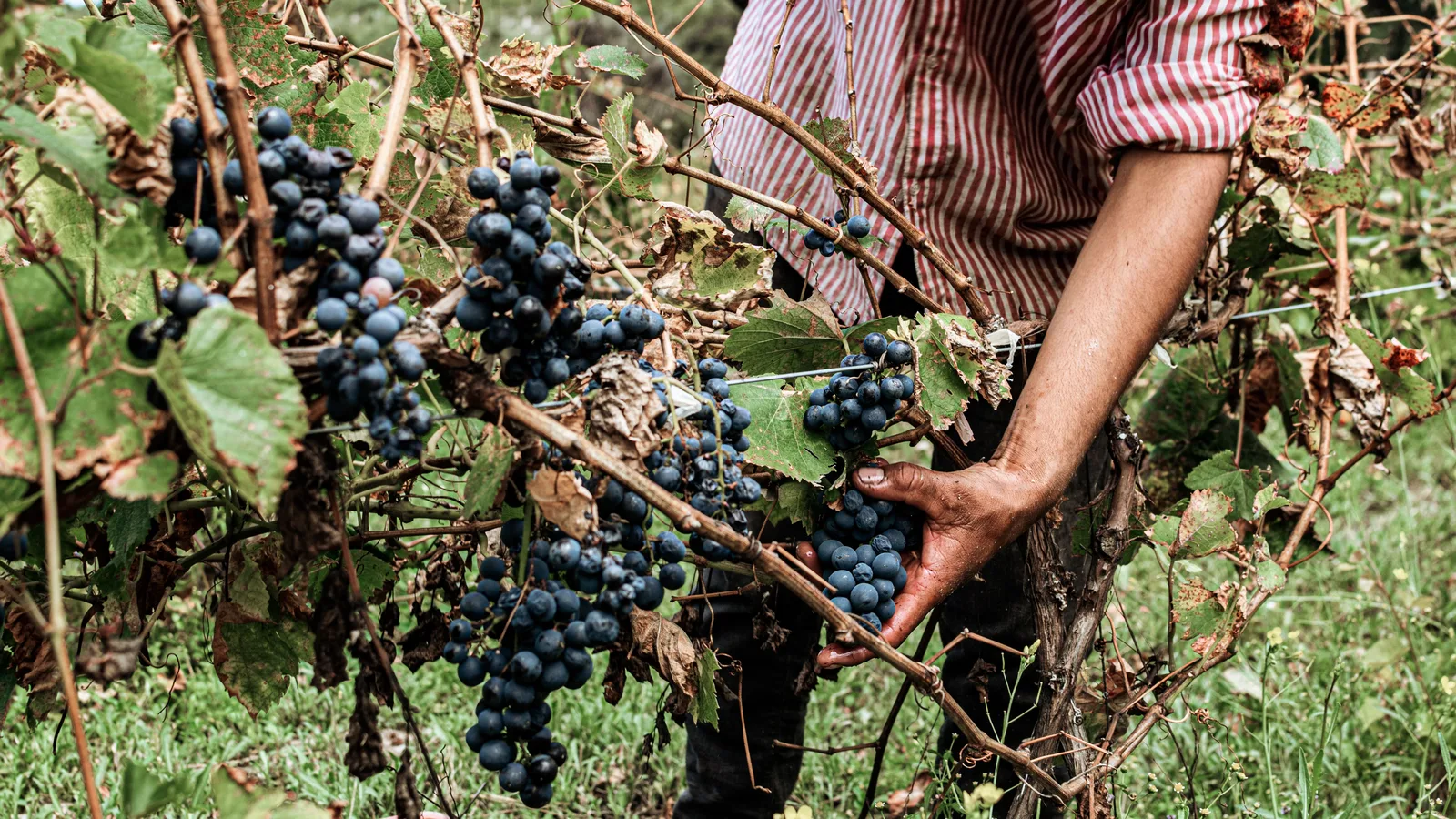
Tasting with the winemaker
A tasting that doesn't stop at the glass but begins in the vineyard itself, with someone who works there every day.
Safari on foot
A morning walk in a private reserve next to Kruger, led by a ranger who practises tracking as a craft.
A conversation in Soweto
A guide who grew up there takes you along Vilakazi Street and tells you what the history books often leave out.
Staying at the edge of the wilderness
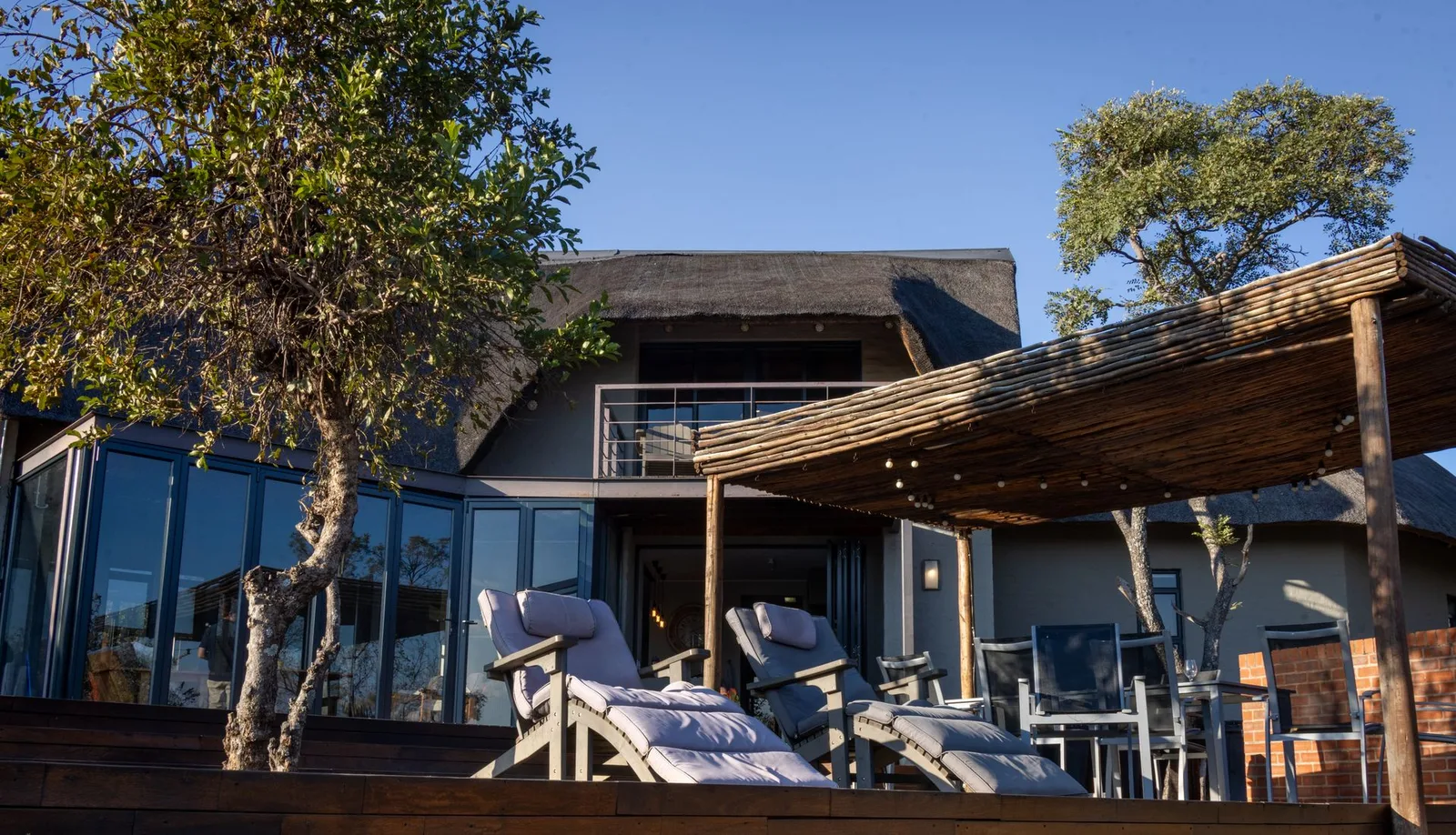
A lodge where the sounds of the bush drift through the window at night, or a wine estate where morning mist hangs over the vines.
Any of these moments can become part of your trip. We decide the order and the emphasis together.
South Africa is not a destination you tick off.It's a country you get to know, layer by layer.
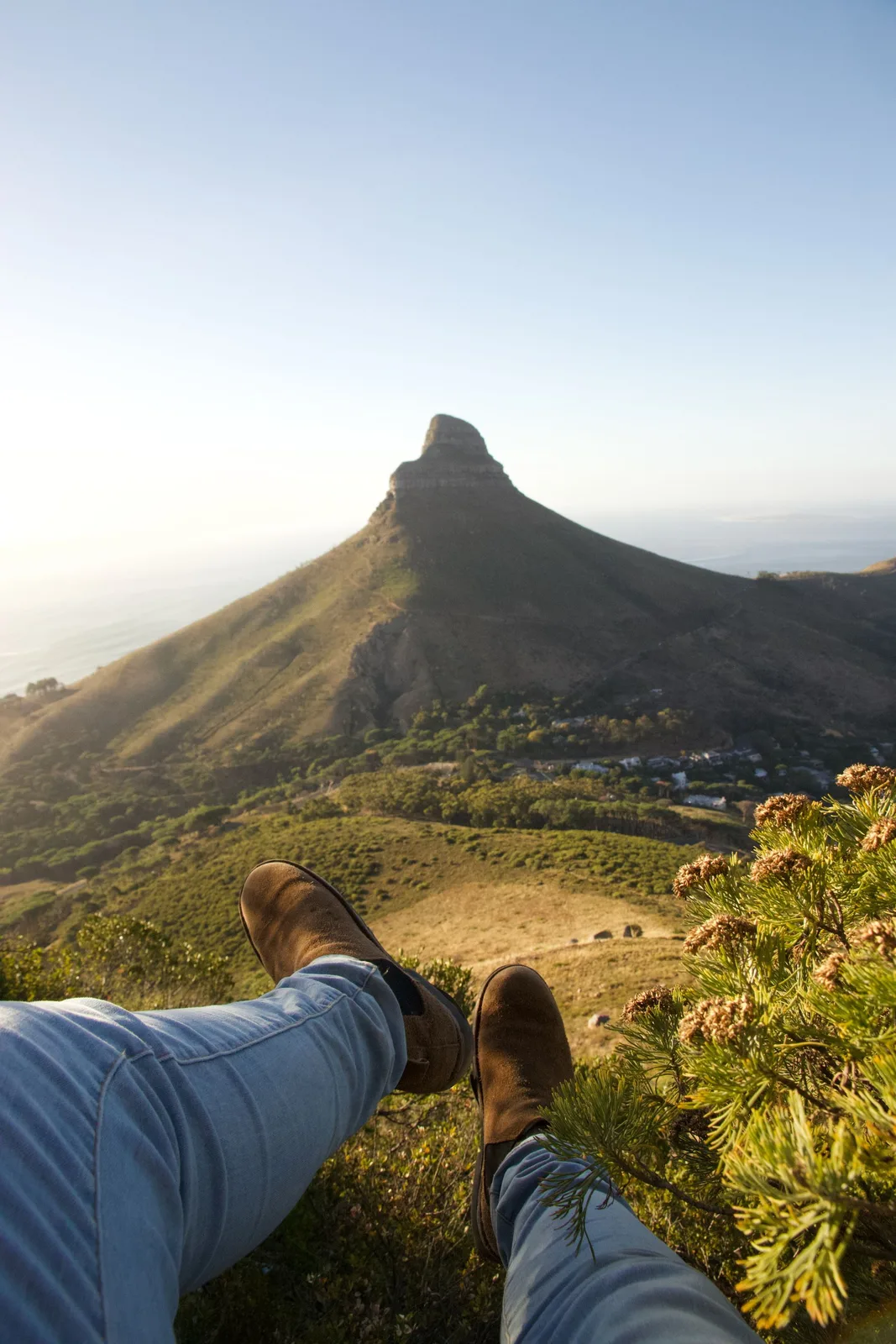
When to go to South Africa
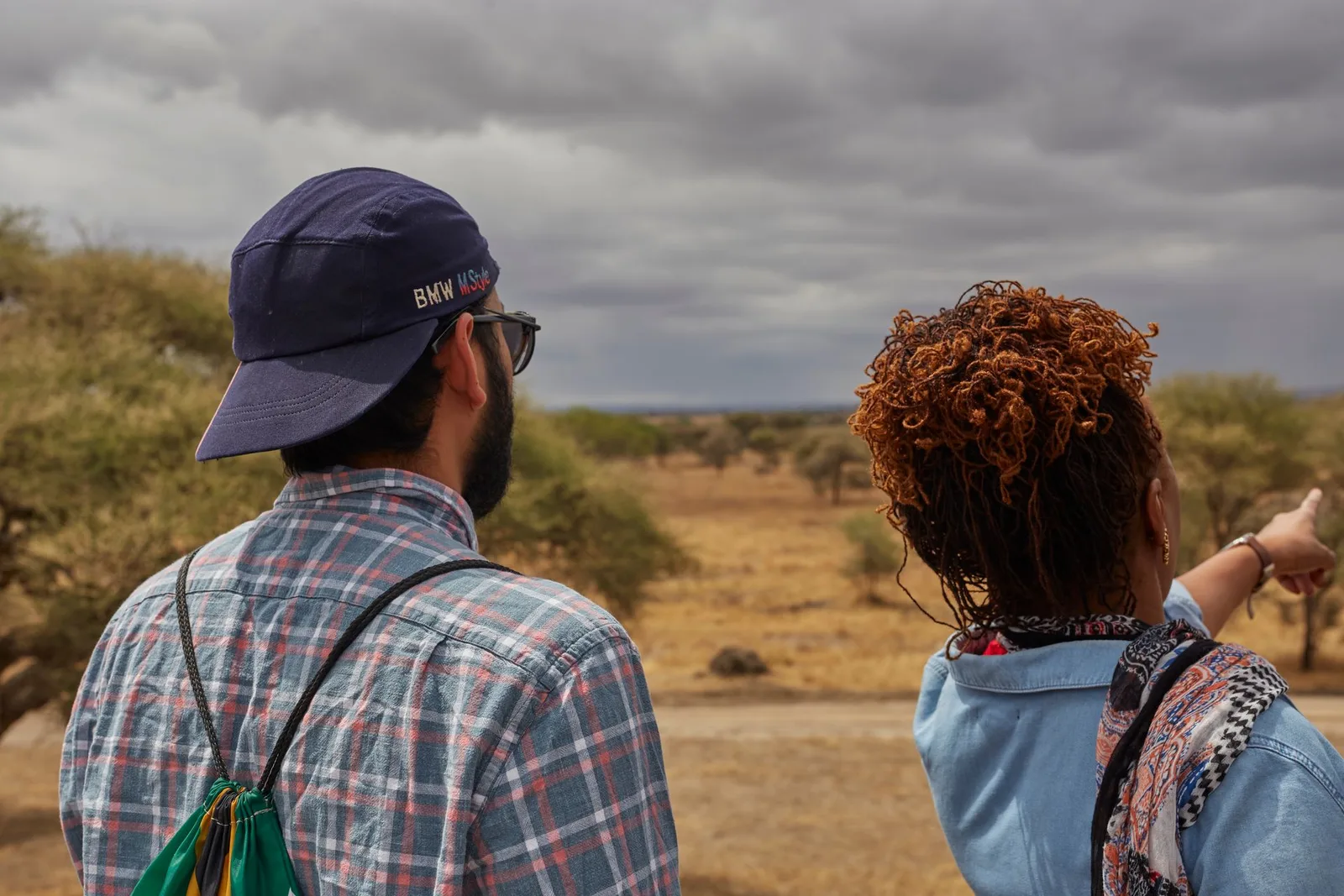
South Africa lies in the southern hemisphere: the seasons run opposite to Belgium's. May to September is the dry winter season in the game parks, when animals gather around the few remaining water points and visibility is at its best. Cape Town is then in its wet winter: cooler, with rain arriving in fronts and clear days in between.
November to March is summer at the Cape: warm, dry and lively, with the grape harvest in February and March. Those same months bring greener, busier game parks full of young animals, though wildlife viewing is less sharp because of the taller grass.
Best time to visit South Africa
Who else is at their best in these months?
May June July August September
Use the contact form to discuss your travel dates and preferences with us.
Practical, without the noise.
A few things that make planning easier.
Distances
South Africa is big: Cape Town and Kruger are about a two-hour flight apart. Think in regions, not one single loop.
Documents
Which travel documents you need depends on your nationality, and entry rules change regularly. We go through the current requirements with you before you leave.
Health
Malaria occurs in parts of Kruger and Mpumalanga, not in Cape Town or the Winelands. We discuss this per route.
Self-driving
The roads are good and traffic drives on the left. A rental car works excellently for the Garden Route and the Winelands.
Safety
As in any major city, certain areas in Cape Town and Johannesburg call for awareness. With the right preparation, that's no obstacle.
- Flight time
- About 13 to 16 hours, with one stopover
- Languages
- Twelve official languages, English works everywhere
- Time difference
- None. South Africa follows the same clock as Belgium
- Best time to go
- May to September for safari, November to March for the Cape
- Size
- Almost forty times the size of Belgium