

A country that doesn't explain its stillness, it simply lives it.
Forest and water repeat in every direction, broken only by villages in oxide red that belong there as naturally as the pine timber itself.
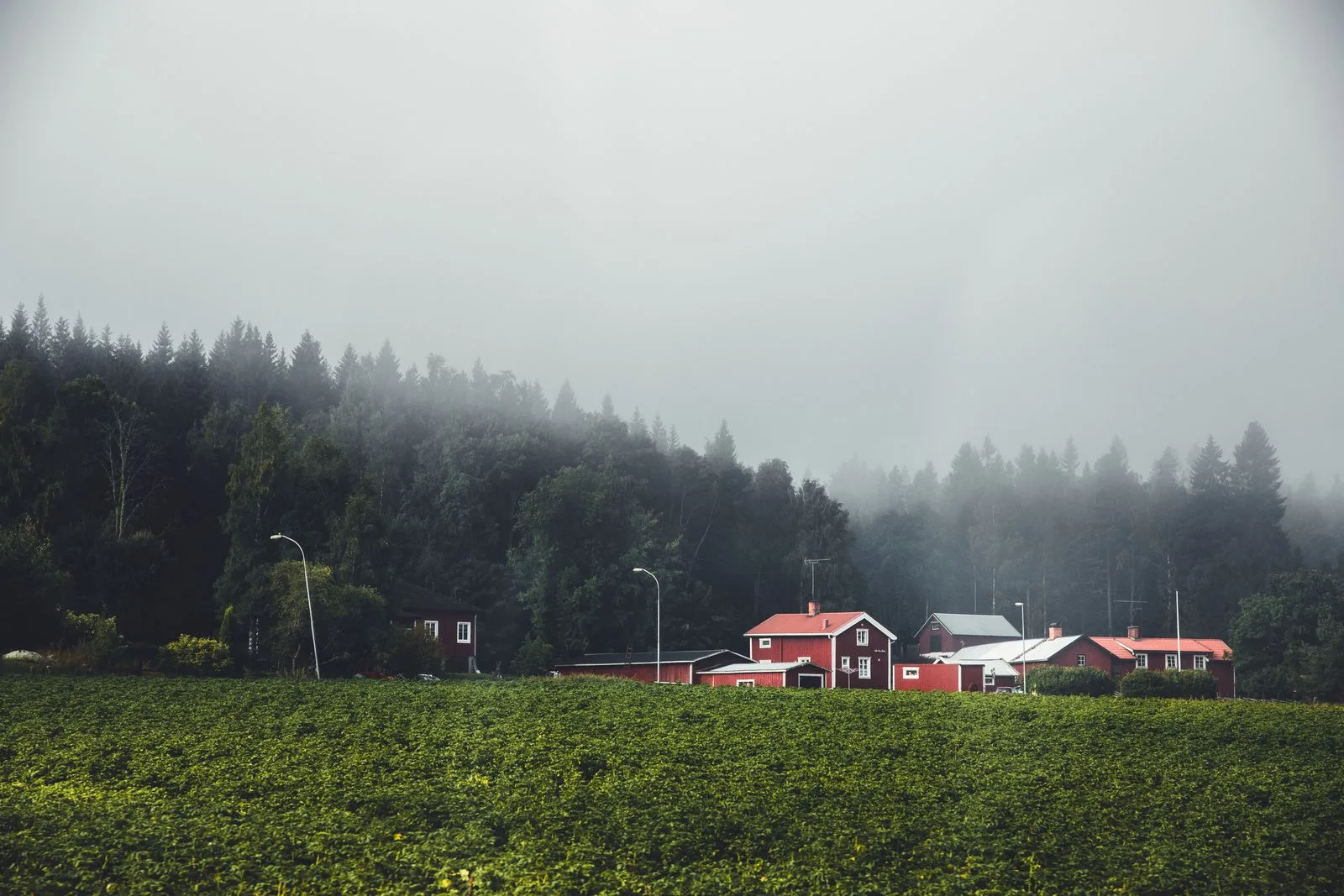
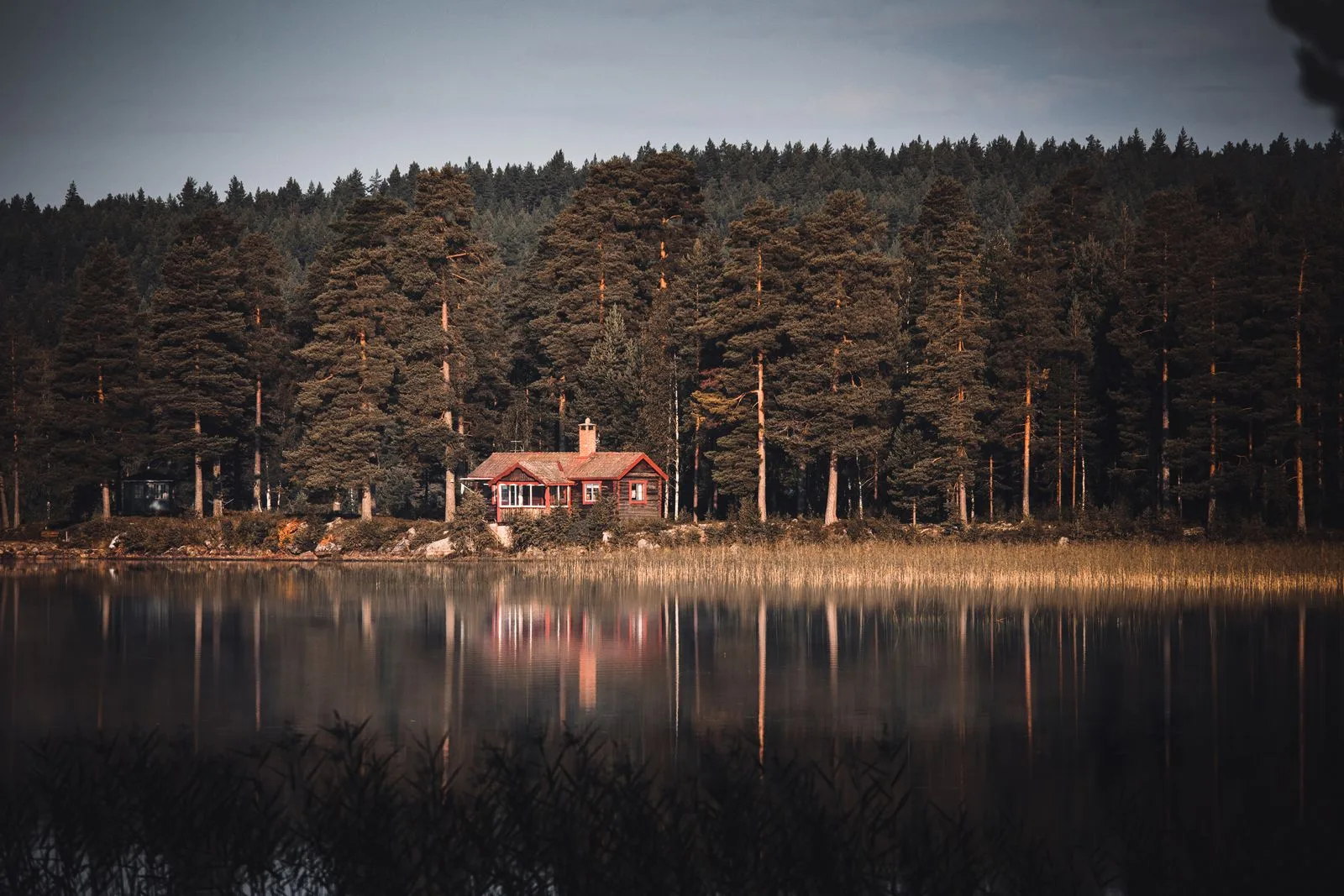
From the air the pattern is immediately clear: lake, forest, lake, forest, with here and there a cluster of Falu red houses by a shore. Sweden has an estimated one hundred thousand lakes and is more than two-thirds covered in forest. Not scenery, but the base note everything else is built on. The red paint originally came from the Falun copper mine, a cheap by-product that happened to also protect well against damp and cold. What began as a practical choice has become a landscape feature you find from Dalarna to the outermost archipelago islands.
What stands out is not what Sweden shows you, but what it doesn't do: push itself forward. The country has allemansrätten, the right to roam freely through forest and field, to swim, to camp, a law that expresses a mentality as much as a legal fact. We don't plan a trip to Sweden as a list of boxes to tick, but as space: time on the water, time in the forest, time to do nothing on a jetty while the light changes.
In short
Best time to go
June to August brings the longest days, with afternoons above 20 degrees in Stockholm; in Kiruna the sun does not set from late May to mid-July. February and March are good for snow in Lapland.
How long
A week for one region, such as Stockholm and its archipelago or Dalarna. To add Lapland, allow ten days to two weeks, as Kiruna lies far to the north and is reached by plane or night train.
Who it suits
Travellers looking for calm in forests and by the water: kayaking between islands, walking, swimming in a lake, or in winter cross-country skiing and looking for the northern lights. Families too.
What sets it apart
Allemansrätten has been part of the constitution since 1994: you may walk, swim and pitch a tent for a night or two on uncultivated land. The red of the wooden houses originally came from the copper mine at Falun.
Six regions, six rhythms
At 450,000 square kilometres, Sweden is less a single destination than a collection of landscapes. Trying to fit north and south into one trip means missing both.
The Stockholm archipelago
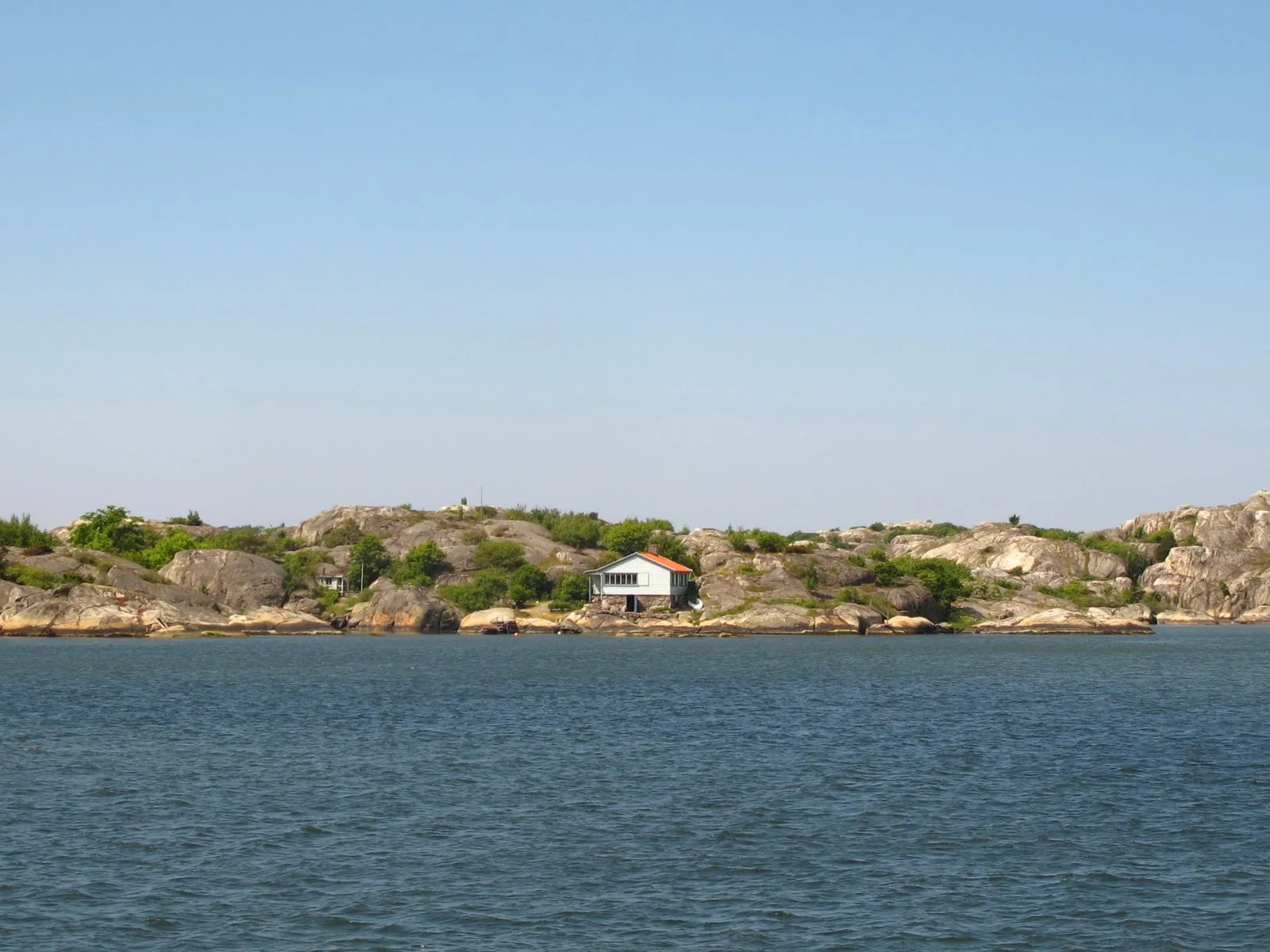
Tens of thousands of islands and skerries between Stockholm and the open sea. Further out it grows quieter: fewer jetties, more granite, and a pace set by boat timetables rather than clocks.
Dalarna
Around Lake Siljan lies the Sweden of the postcard, though unselfconsciously so: Falu red farmhouses, folk music still genuinely played, and a Midsummer celebration that isn't staged for visitors.
Swedish Lapland
North of the Arctic Circle live the Sami, with a reindeer husbandry that divides the year into eight seasons instead of four. In summer the sun doesn't set for weeks; in winter everything revolves around a few hours of twilight and, with luck, the northern lights.
Gotland
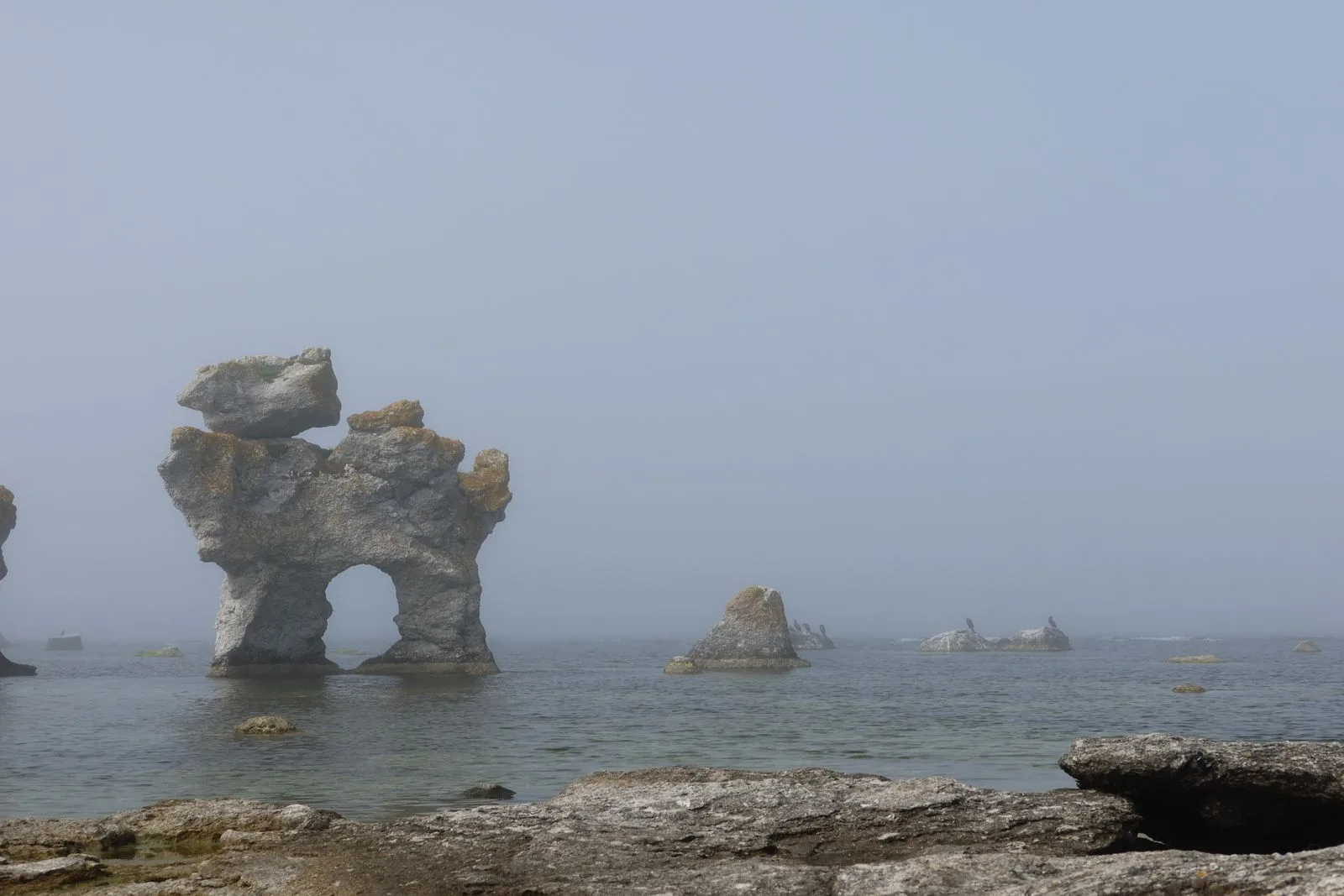
Limestone cliffs, known as raukar, a walled medieval town in Visby, and a light that has drawn generations of artists to the island. From the mainland it already feels further away than the crossing warrants.
Bohuslän
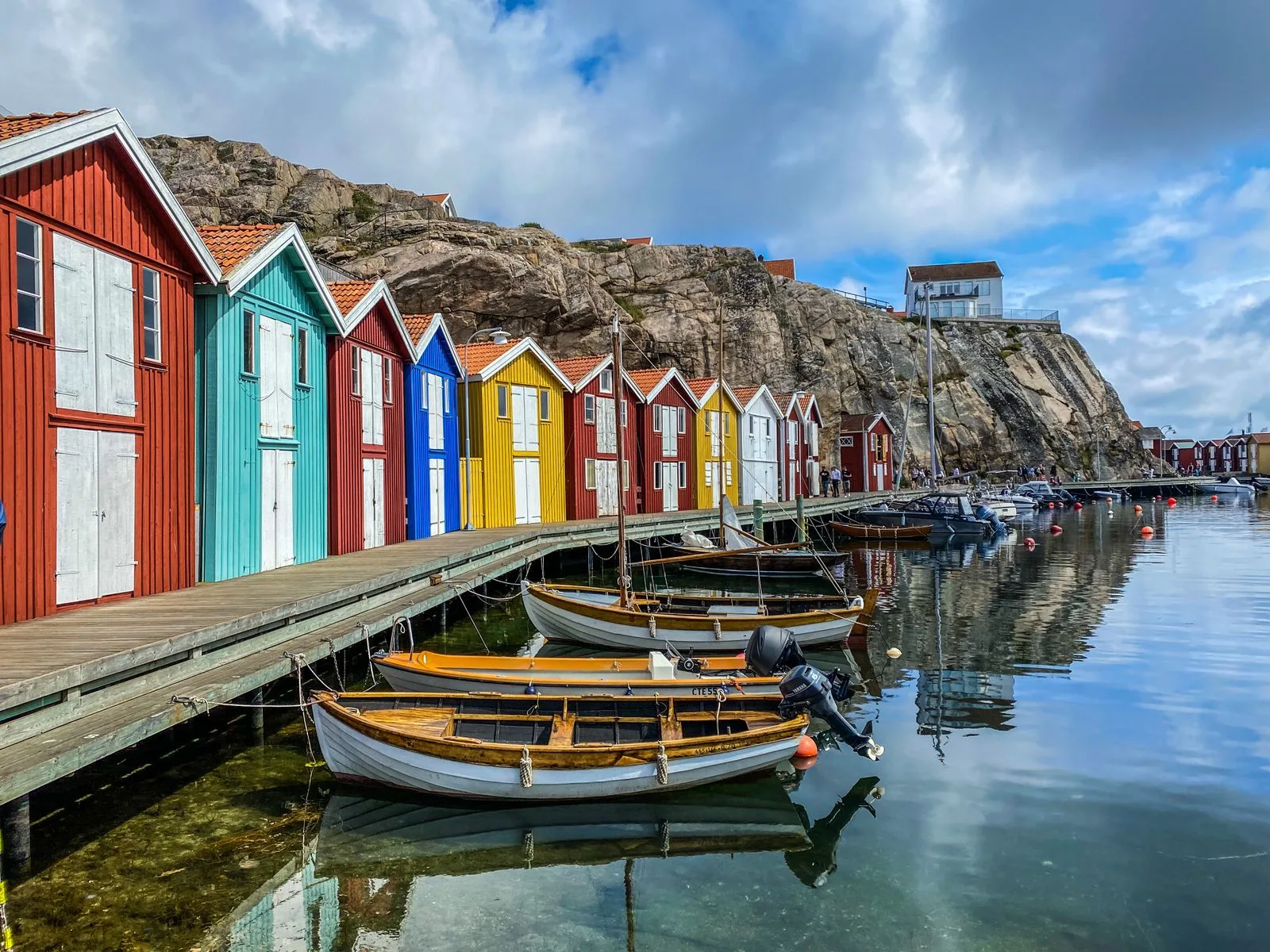
Bare granite coastal rocks, oyster beds and a fishing community that eats seafood the way other countries eat bread. Slower than Sweden's east coast, and more honest for it.
Skåne
Flat, agricultural and culturally closer to the continent than to Lapland. Around Malmö and Lund, a food scene has emerged in recent years that pays as much attention to the Swedish field as to the coast.
Sweden doesn't need to prove itself.It repeats itself, until you believe it.

A culture that moves with the land, not against it
In the north of Sweden live the Sami, the indigenous people of what they call Sápmi, a region stretching across Norway, Sweden, Finland and part of Russia. Their reindeer husbandry follows no calendar year but eight seasons, each defined by where the herd needs to graze at that moment. Joik, the traditional song without fixed lyrics, is still sung, not as a folklore piece but because it has always been done that way.
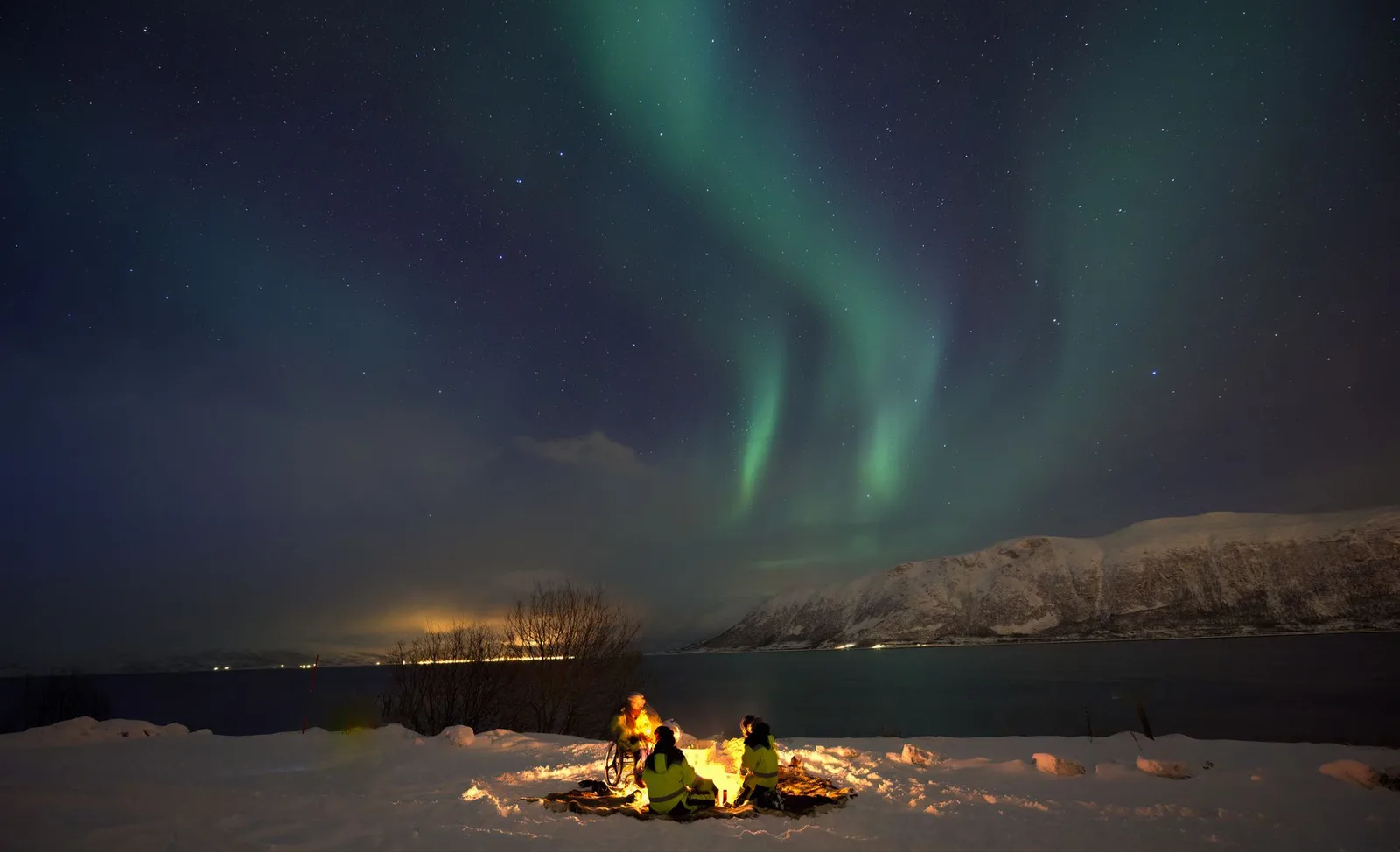
We don't arrange a staged 'Sami show' with a tipi and a photo opportunity. When a meeting is possible, it's with a family who has the time and the wish for it, more often a conversation by the fire than a scripted programme. That sometimes means it doesn't happen, or happens differently than planned. That's part of offering something real instead of something organised.
Three forms of stillness
The pine forest
The same forest runs from Dalarna to well beyond the Arctic Circle, with moose more common there than people. On a morning walk, the silence isn't the absence of sound, it's a sound in itself.
The lakes
Alongside the great lakes Vänern and Vättern are tens of thousands of smaller ones where swimming, rowing and, in winter, long-distance skating on black ice are second nature: vildmarksskridskor, with its own techniques and the necessary caution.
The northern lights
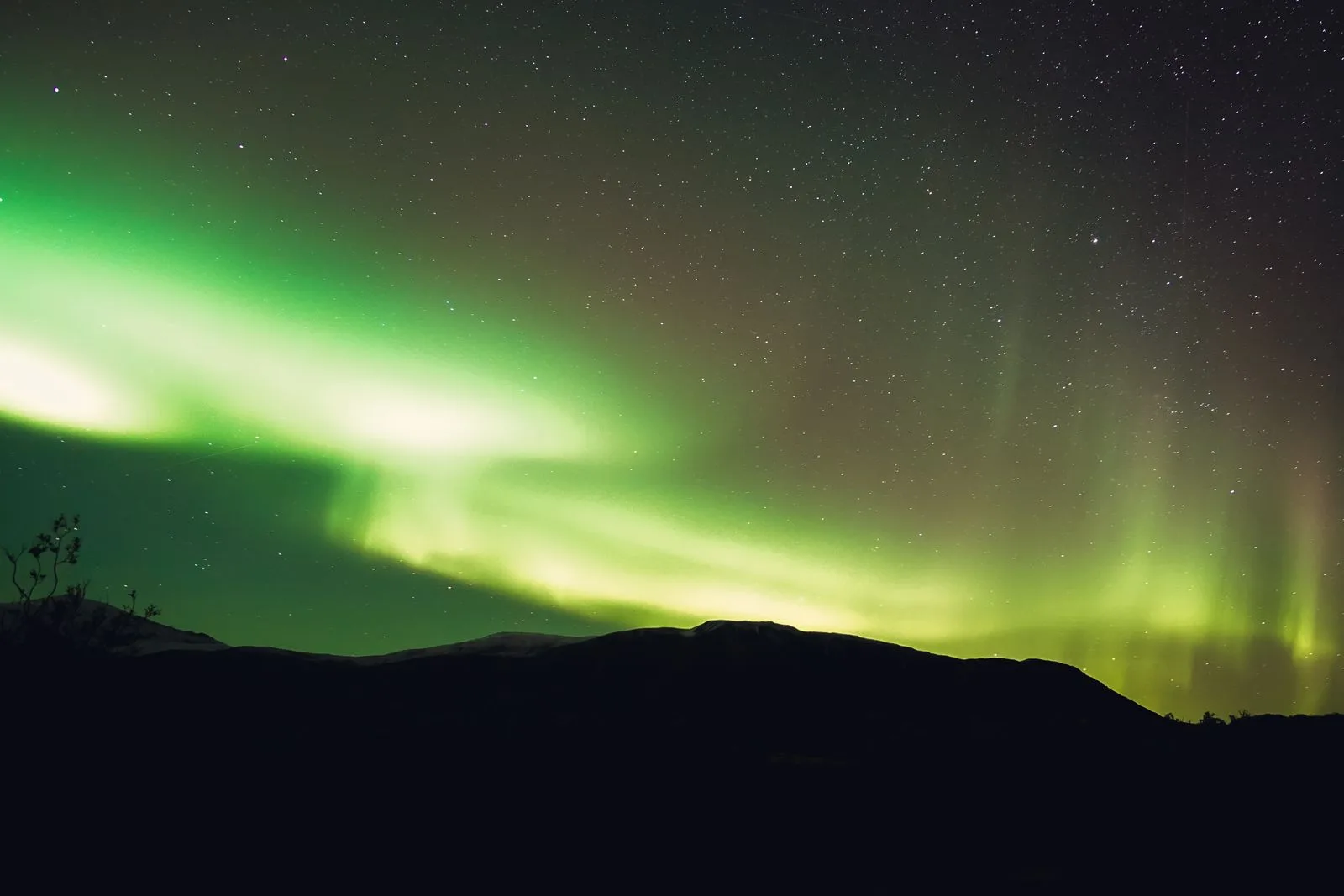
Around Abisko, where the surrounding mountains break up the clouds, the sky is clearer more often than elsewhere in Scandinavia. Between September and March, in the darkest months, that alone is reason to go.
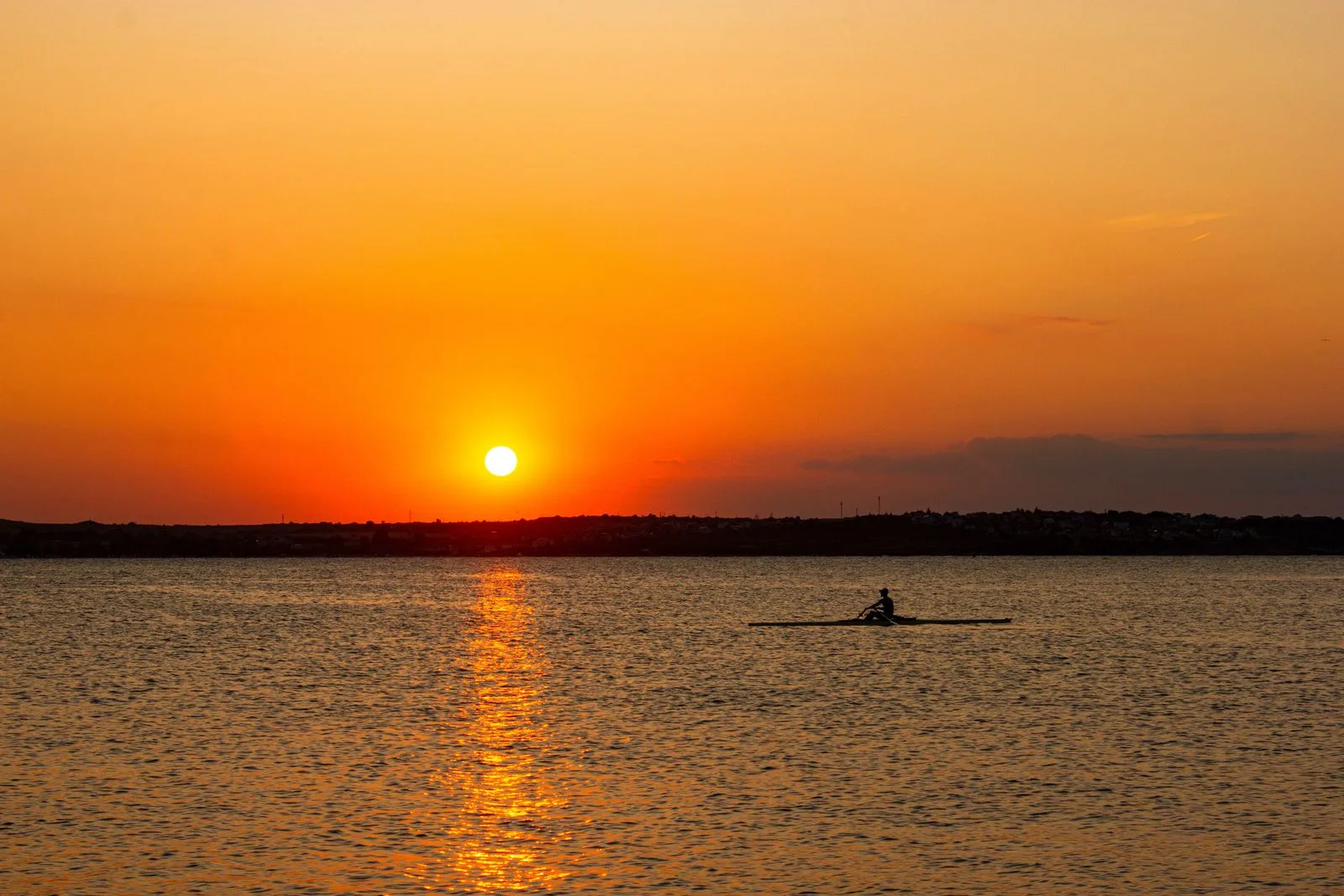
The archipelago in low light: no two islands the same, and yet recognisable everywhere.

Possibilities, not a programme
These aren't days from a travel schedule, but building blocks. We put them together to suit whoever is travelling.
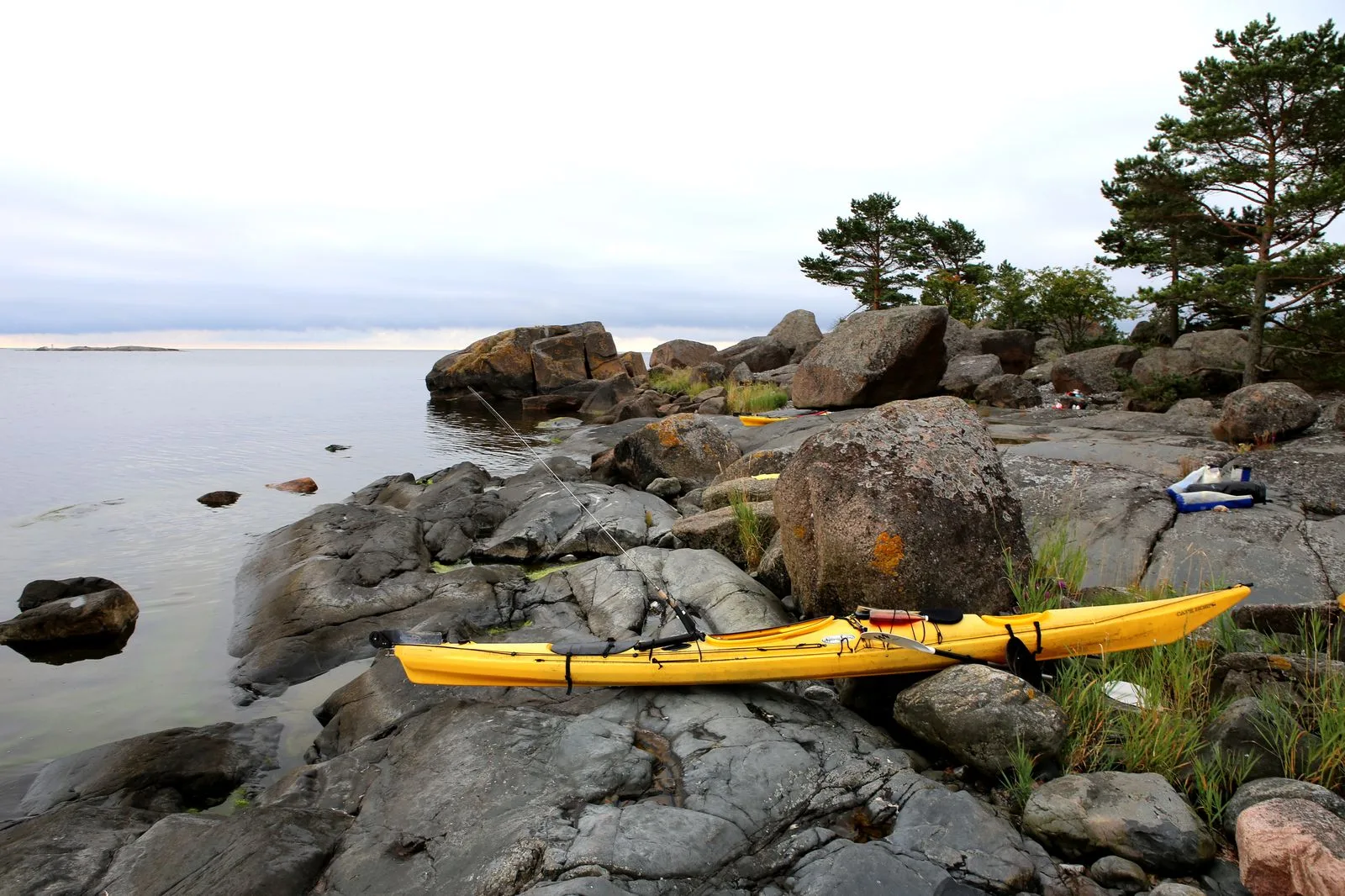
Kayaking among the skerries
Paddling between granite islands, staying overnight on an uninhabited island under allemansrätten, not another boat in sight.
Cross-country skiing through Dalarna
Along stretches of the same course as the Vasaloppet, through forest that's white in winter and smells of pine resin in summer.
Time with a reindeer-herding family
No staged folklore, but a genuine encounter in Norrbotten, at the pace of whoever has time that day.
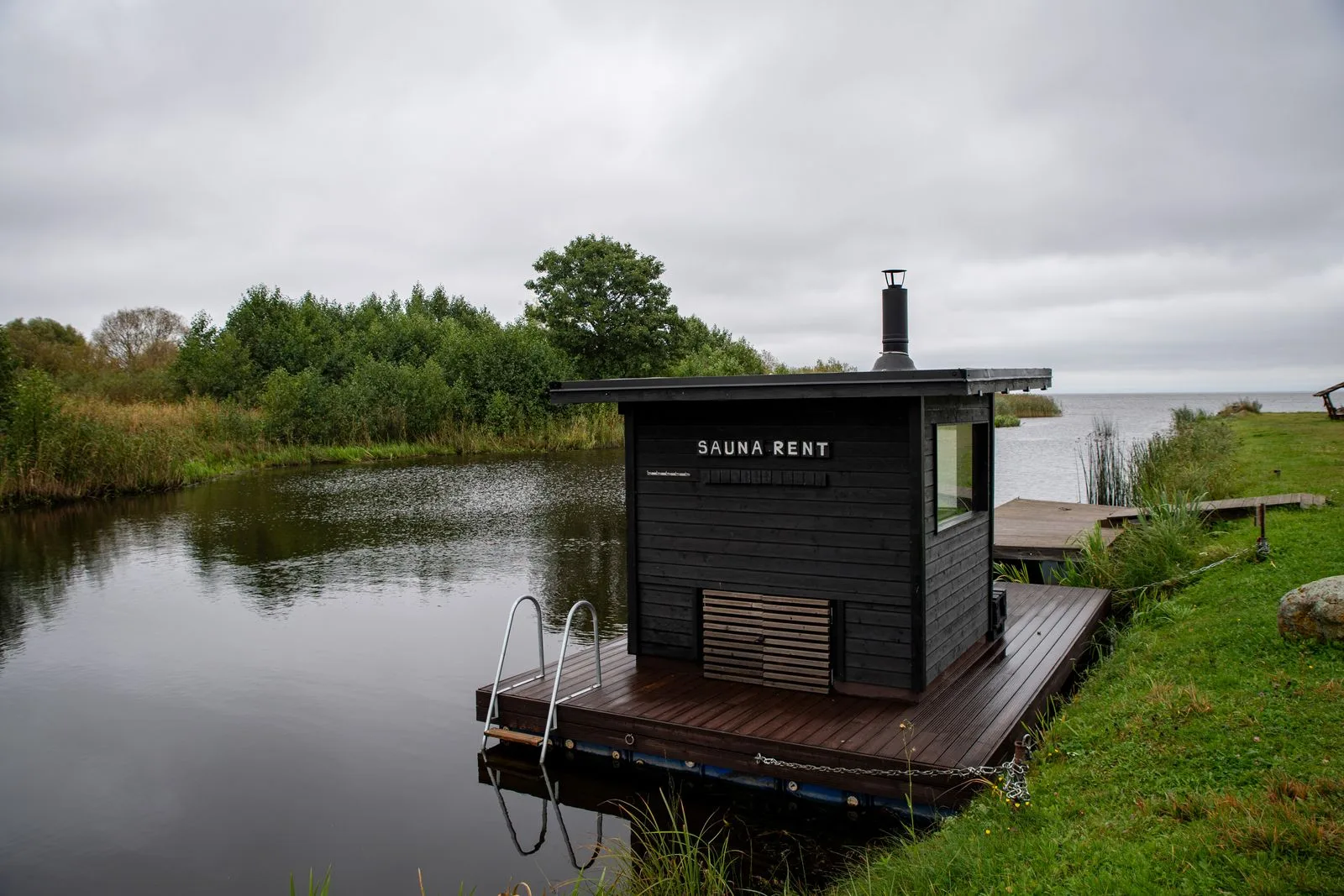
Sauna and cold water
By a lake or fjord, with the plunge into cold water as a fixed part of it. Not as a spectacle, but as a habit you simply take part in here.
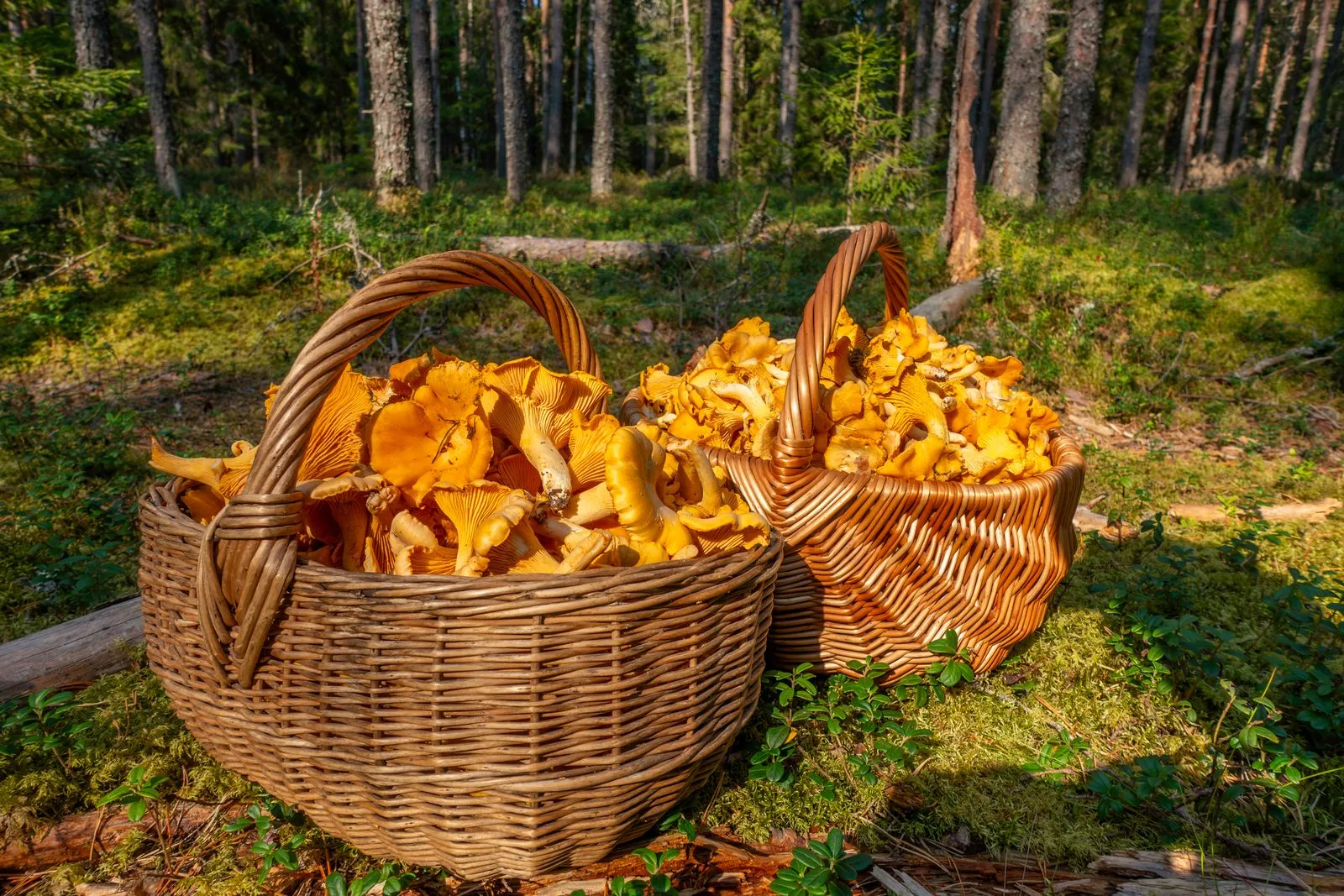
Foraging for mushrooms and berries
Guided by someone who knows the forest: chanterelles, blueberries, lingonberries, all free to pick under allemansrätten.
Every trip is built from these building blocks, never the other way round.
What the land shows you isn't decided by the clock. It's decided by the light.


When you go decides what you see
Sweden changes more with the light than with the temperature. In June the sun doesn't set for weeks in the north; in December the sun barely rises there, if at all, and even in Stockholm it is dark before three in the afternoon. That range is wider than in most countries, and it shapes the travel rhythm far more than a calendar month alone can tell you.
Those seeking light and warmth should aim for June to August: long days, warm lakes, Midsummer. Those after snow, stillness and a chance of the northern lights should go in the other half of the year, knowing that the northern lights are never guaranteed, only more likely in the right place at the right time.
Best time to visit Sweden
Who else is at their best in these months?
June July August
Use the contact form to discuss your travel dates and preferences with us.
Practical, without the noise.
Practical details, without stripping away the romance.
Getting there
Direct flights from Brussels to Stockholm; the south (Skåne) is also reachable via Copenhagen and the Öresund Bridge.
Documents
An identity card is enough; Sweden is an EU and Schengen country, no visa needed.
Health
No mandatory vaccinations. Anyone walking in the forests should look into tick-borne encephalitis (TBE), especially in the south and centre of the country.
Pace
The distances are big. Malmö to Kiruna is further than Brussels to Rome. We'd rather plan two regions thoroughly than four regions in passing.
Reaching the north
Kiruna and Luleå can be reached by plane or night train; for some travellers that train is already part of the destination.
Frequently asked questions
Does everyone speak English?
Almost everywhere, including in the countryside and among local guides. A few words of Swedish are appreciated but not necessary.
Can you really see Sweden in one trip?
Not fully. The country is large and the regions differ greatly. We recommend exploring one or two regions thoroughly rather than skimming the whole country.
Are the northern lights guaranteed if I'm in the north?
No, it remains a natural phenomenon. What we can do is choose the place and the period that make the chance realistic.
Can you camp anywhere in Sweden?
Allemansrätten gives broad freedom to walk, swim and camp briefly in nature, with respect for private land and vulnerable sites. We're happy to explain exactly where the boundaries lie.
- Flight time
- About 2 hours 15 minutes, direct from Brussels to Stockholm.
- Languages
- Swedish is the main language; English is spoken fluently almost everywhere, including in the countryside.
- Time difference
- None. Sweden is in the same time zone as Belgium.
- Travel document
- An identity card is enough; Sweden is an EU and Schengen country.
- Elevation range
- From the coastal plains of Skåne to Kebnekaise, 2,096 metres, in Swedish Lapland.