
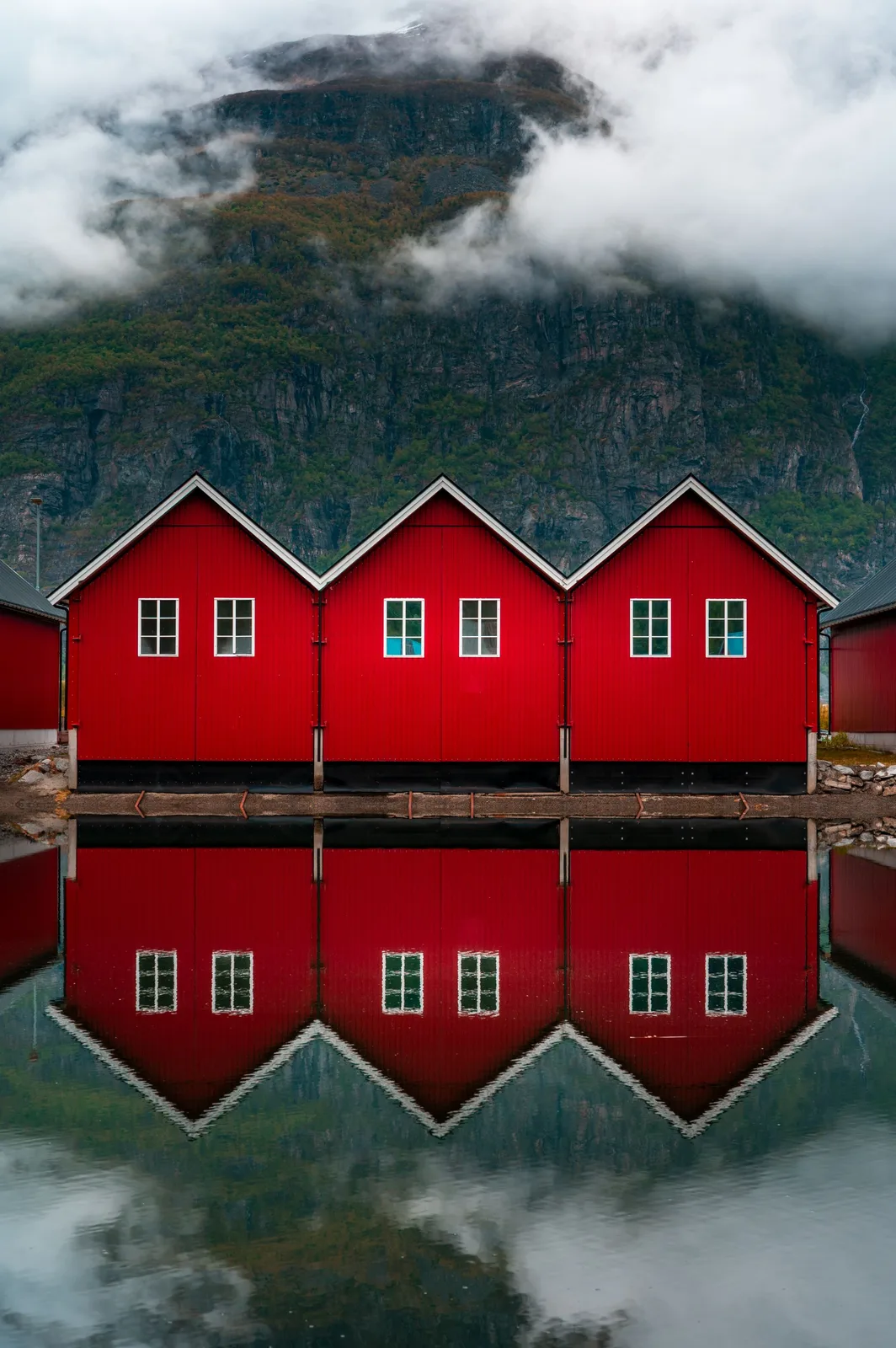
Vertical and unyielding.
Rock walls that plunge straight into the fjord, villages clinging to the edge between mountain and water.
Norway allows no compromise between land and water. The fjords cut up to two hundred kilometres into the interior, flanked by walls so steep that the sun barely clears them in winter. Villages like Undredal or Geiranger don't sit beside the landscape, they're pressed against it, a handful of houses on the only flat metre of ground available.
That verticality forces a different way of travelling. Roads make hour-long detours to skirt a fjord, ferries are not an attraction but infrastructure, and a village of three hundred people can be a world of its own, two mountain passes from the next. Anyone who comes here learns to slow down, because the landscape allows nothing else.
From the gentle hills around Oslo to the bare coastline of Finnmark, seventeen hundred kilometres further north, Norway is not one landscape but a stack of extremes, kept liveable at this latitude only by the Gulf Stream.
In short
Best time to go
June to August for the fjords and mountain hikes, with long days and snow-free trails. December to February for snow and the northern lights in the north, where the nights are then very long.
How long
Ten days to two weeks for two or three regions, such as Oslo with the fjords of Vestlandet, or Lofoten. Ferries and mountain passes easily turn a hundred kilometres into a day's drive.
Who it suits
For hikers and anyone who enjoys driving along fjords, and for winter travellers after snow and the northern lights, knowing that weather and ferries help set the schedule.
What sets it apart
The Geirangerfjord and the Nærøyfjord are jointly on the World Heritage List as textbook fjord landscapes, with rock walls rising up to 1,400 metres above the water.
A country you don't see in one visit.
From south to north, Norway is almost as long as the distance from Oslo to Rome. Each region is a different country with a different light.
Vestlandet
The Sognefjord cuts two hundred kilometres into the land here, with side arms like the Nærøyfjord so narrow that both walls fall into shadow at once. Between the rocks lie orchards where the fjord's milder climate lets apples and cherries grow at a latitude where that shouldn't really be possible.
Lofoten and Vesterålen
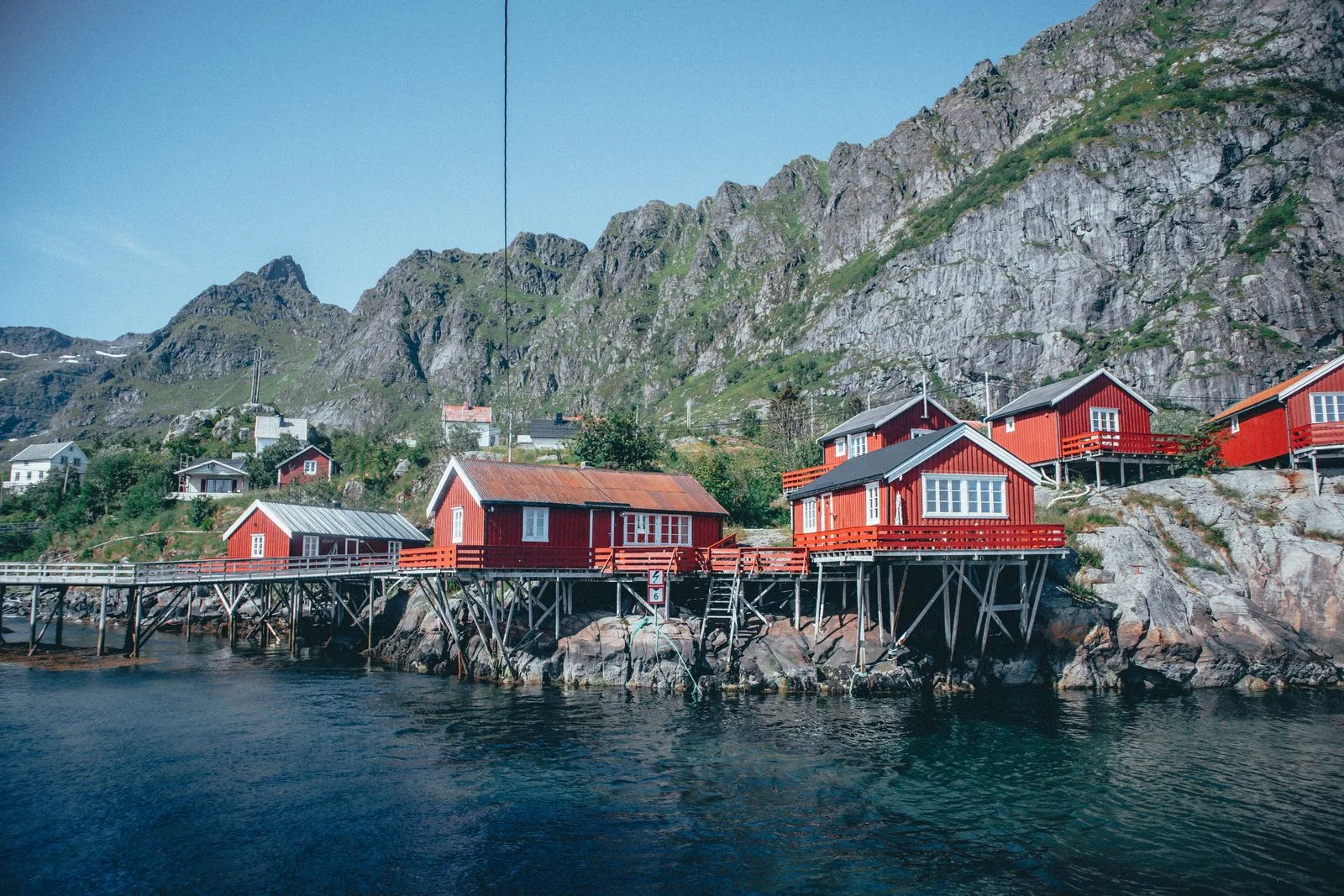
Granite peaks nearly a thousand metres high rise straight out of the sea, with white beaches and fishing villages like Reine and Å between them, where cod still hangs to dry on wooden racks. In winter this is one of the few places you can watch the northern lights over open water rather than over forest or ice.
Nord-Norge and Finnmark
Beyond the Arctic Circle the landscape turns barer and the light more extreme: midnight sun in June, polar night in December. This is also Sápmi, home to the Sami people, where reindeer herders still move their herds hundreds of kilometres between summer and winter grounds.
Trøndelag
Around Trondheim, Norway softens a little: rolling farmland, wooden warehouses along the Nidelva, a medieval cathedral that was for centuries the goal of pilgrimages. This is the region where you get to know the country without constantly looking up at a mountain wall.
Oslo and Østlandet
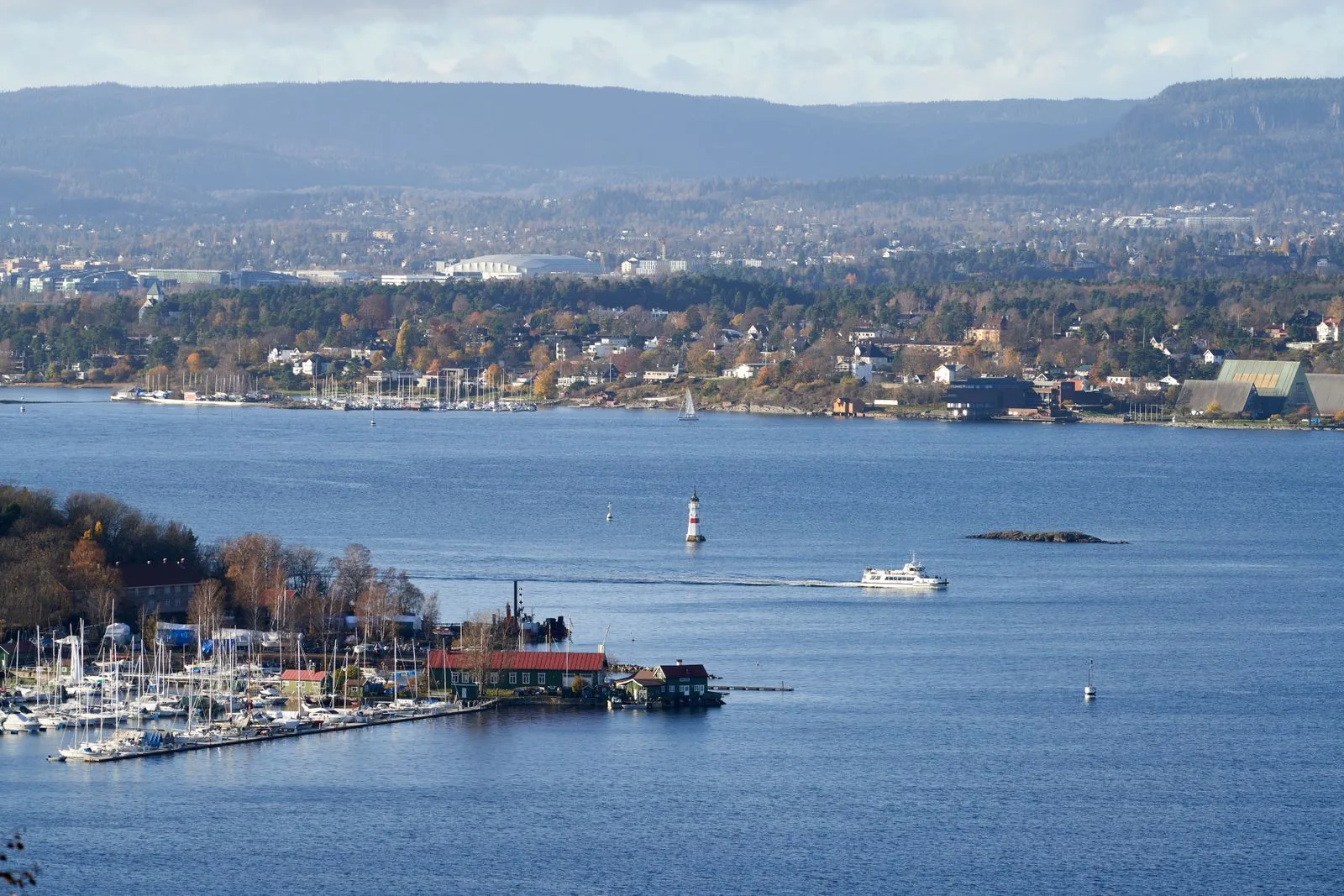
Oslo sits at the end of its own fjord, with forest on three sides of the city, close enough that residents go for a walk in it before breakfast. It's the most relaxed way into the country: compact, functional, without the distances that define the rest of Norway.
Sørlandet
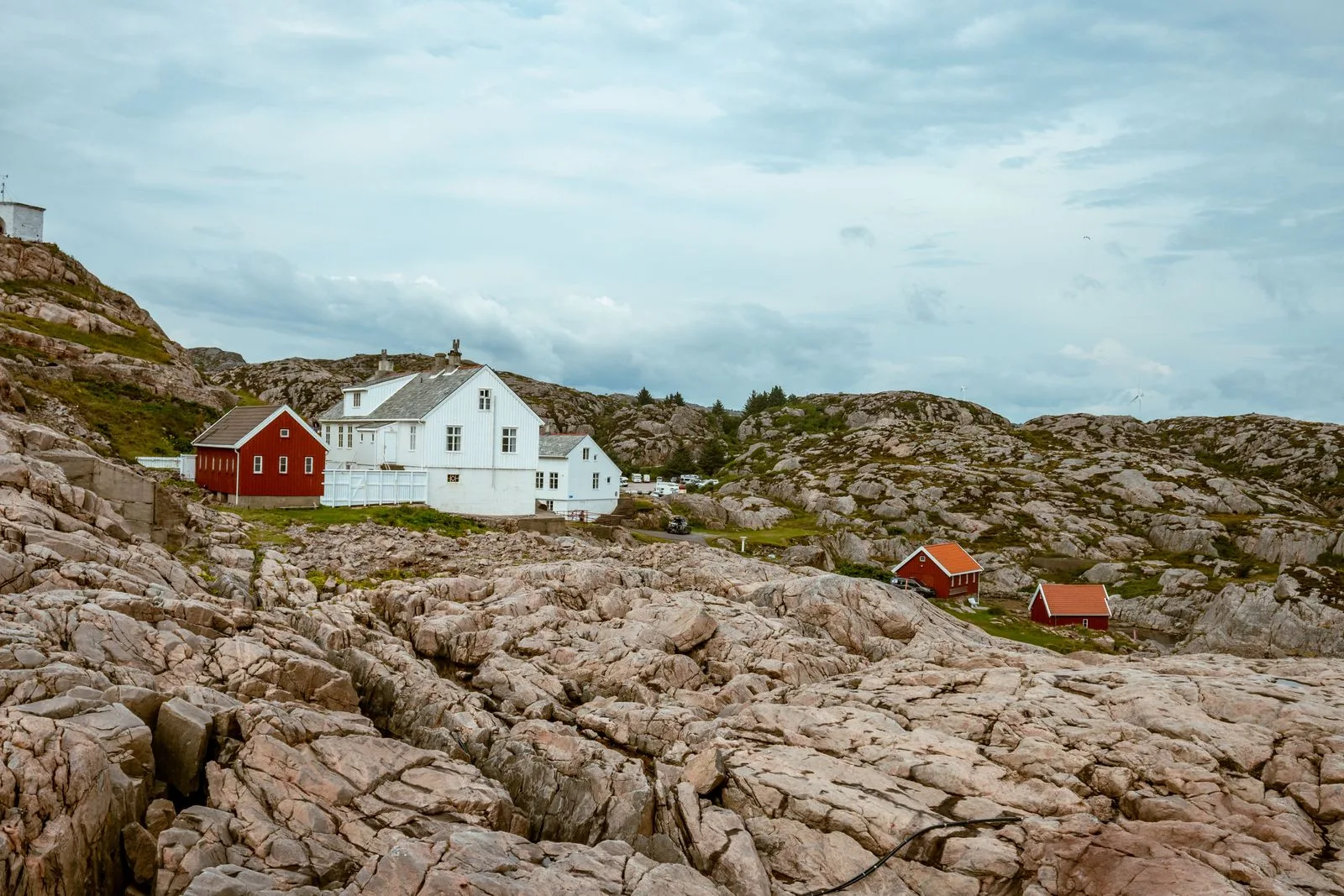
The south coast is Norway at its softest: white-painted wooden towns like Risør and Lyngør, an archipelago coastline dotted with small islands, summers when the whole country seems to sail this way. The contrast with the fjords further north could hardly be greater.
Norway doesn't ask to be admired.It asks you to adapt.



Moving at the landscape's own pace
Nothing in Norway is in a hurry. What's possible here depends on the season and the weather. And that's exactly the point.
Hiking beyond the well-known paths
Beyond Preikestolen and Trolltunga lie hundreds of lesser-known routes: across plateaus in the Jotunheimen, along fjord edges in Vestlandet, or over the bare mountains of Lofoten with sea in view on both sides.
Kayaking on still water
A fjord at sunrise, no engine noise, just the sound of the paddle. Kayaking here is less a sport than a way to really feel the scale of the landscape.
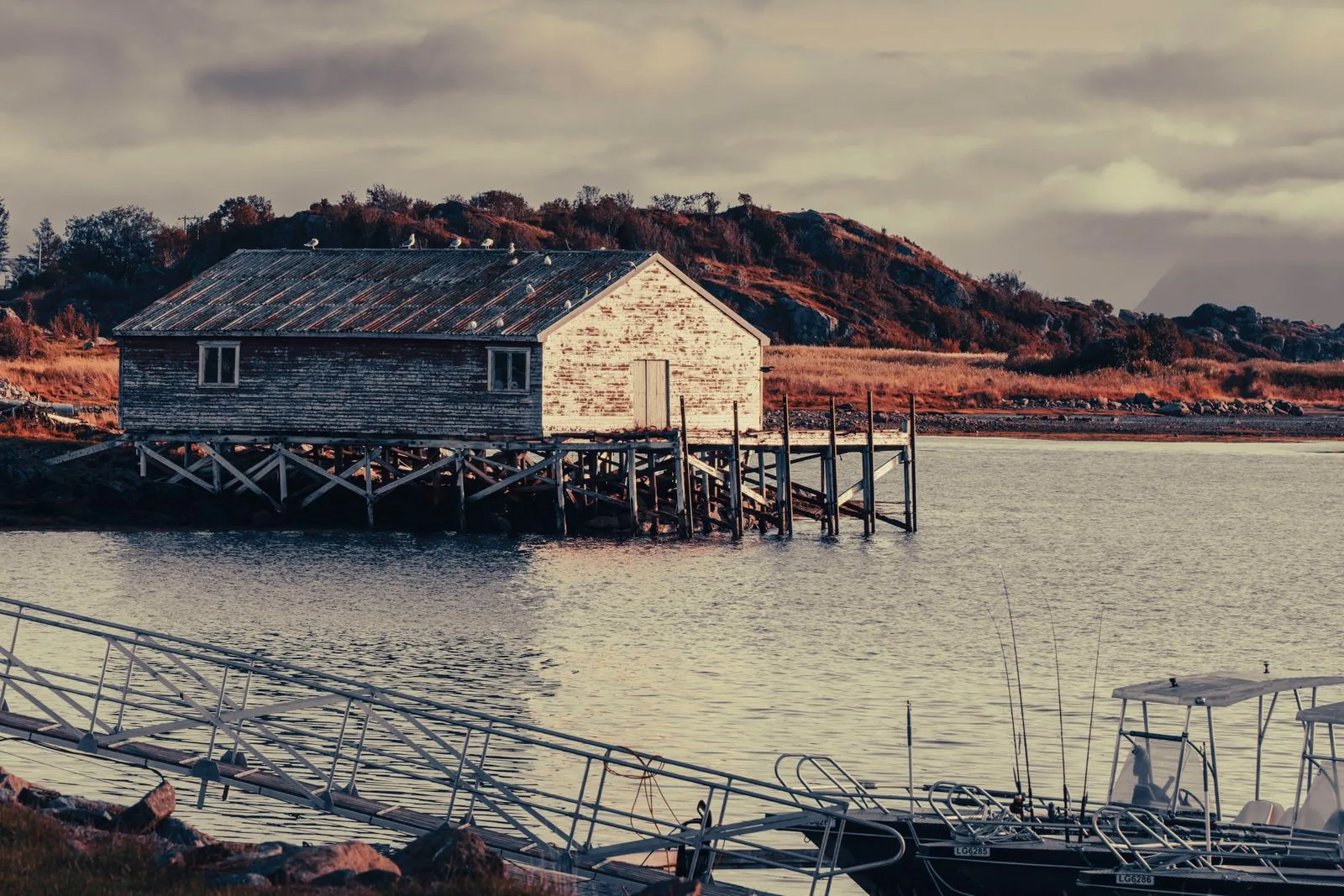
Staying in a rorbu
The fishermen's cabins on stilts in Lofoten are still in use, partly as homes for fishermen, partly for guests who want to sleep on the water for a night rather than beside it.
Into the polar night, by sled or ski
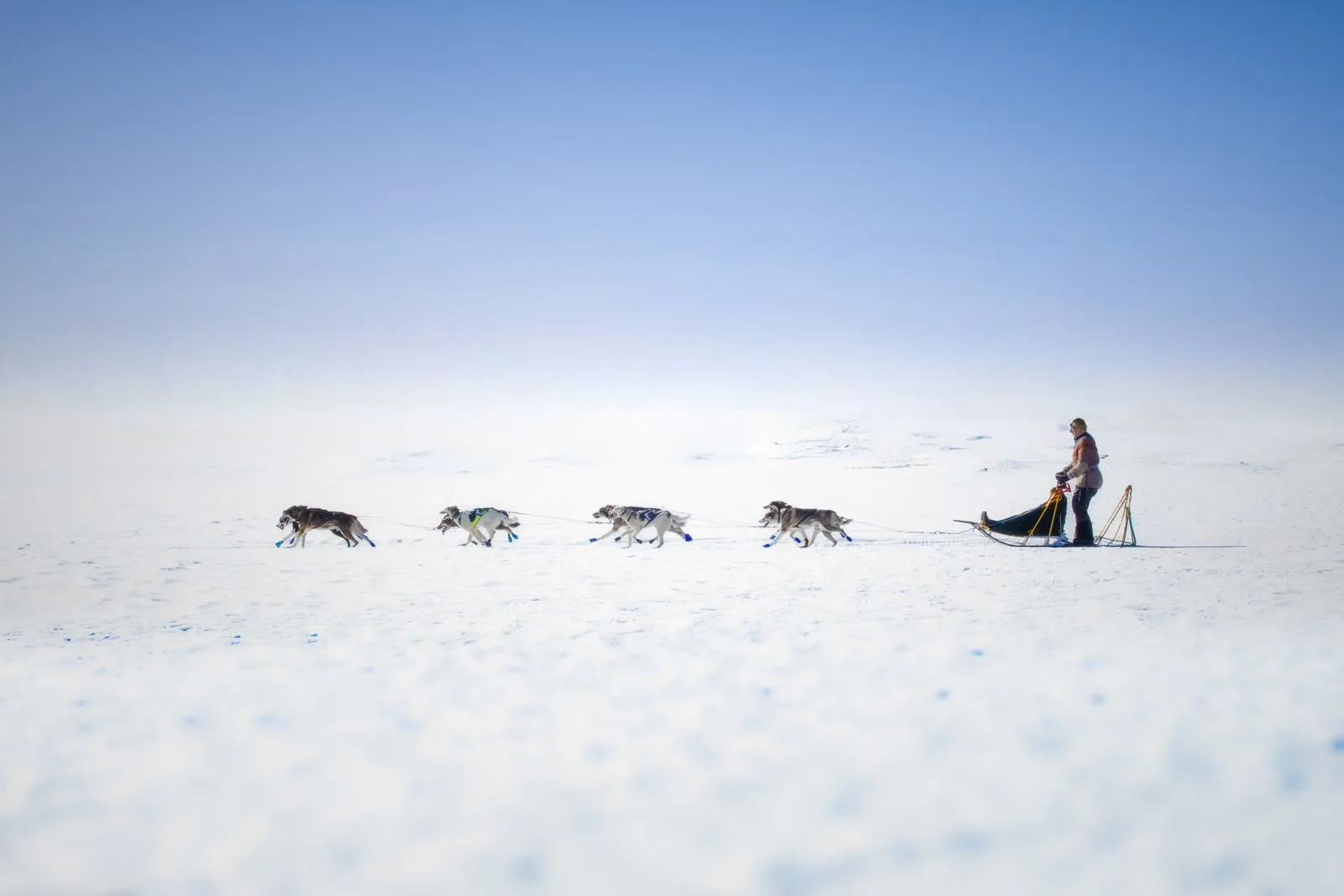
In the north, winter doesn't mean standing still: dog sledding trips, cross-country skiing through pine forest, or simply standing outside waiting for the sky to move.
Following the coast by boat
Norway's coastline is longer than most countries' entire border, and by boat, from small local ferries to multi-day coastal voyages, you reach villages the road can barely get to.
What you choose depends on what you're after: movement or stillness, company or solitude. We tailor it to you, not to a fixed route.
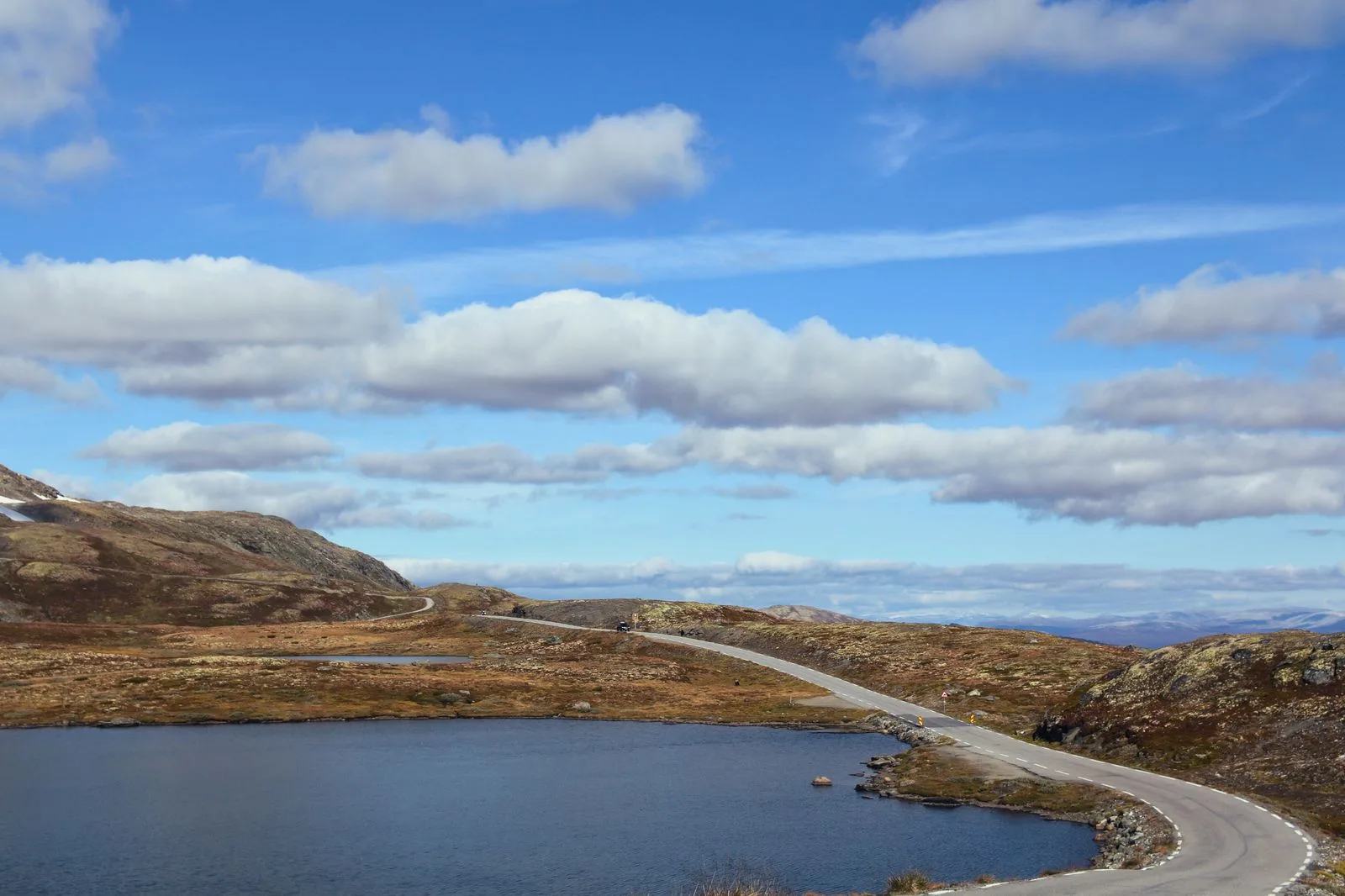
A road winding along the Aurlandsfjord, somewhere between two tunnels. No destination, just a reason to slow down.



When you go decides what you see.
Norway has no single best time, it has two opposites. From June to August there's light deep into the night, mountain paths are free of snow and the fjord ferries run their full schedule. From December to February it's the reverse: short days, sometimes no daylight at all in the far north, and stable, cold air that makes the northern lights visible.
The months in between are transitional: beautiful light, fewer crowds, but also unpredictable weather and mountain roads that may still be closed or only just reopening.
Best time to visit Norway
Who else is at their best in these months?
January February June July August December
Use the contact form to discuss your travel dates and preferences with us.
How we look at Norway
Not the whole country in two weeks Norway is roughly as long as the distance from Oslo to Rome. We would rather build a trip around two or three regions that travel well together than a route that puts you back in the car every single day.
The weather decides, not the schedule A mountain pass can close, a ferry can be cancelled, the northern lights can skip a night. We plan with margin, not a tight hour-by-hour programme that comes under strain at the first cloud.
Silence counts as a destination The best moments in Norway are often places with no name on the map: a fjord arm with no other traffic, a cabin with no neighbours. We take those seriously, not as filler between the well-known viewpoints.
The north is not a day trip Sápmi and the coastal areas above the Arctic Circle deserve time of their own, not an excursion from Oslo. For those who genuinely want to go, we plan room for it, or we leave it out entirely.
Practical, without the noise.
Practical matters that shape travel through Norway.
Getting there
Direct flights from Brussels to Oslo; further north usually via a connection in Oslo or Bergen.
Documents
An ID card is sufficient for EU citizens; no visa required.
Health
No specific vaccinations required; the European Health Insurance Card is accepted.
Pace
Distances are often greater than the map suggests. Fjords and mountains can turn a hundred kilometres into a full day's drive.
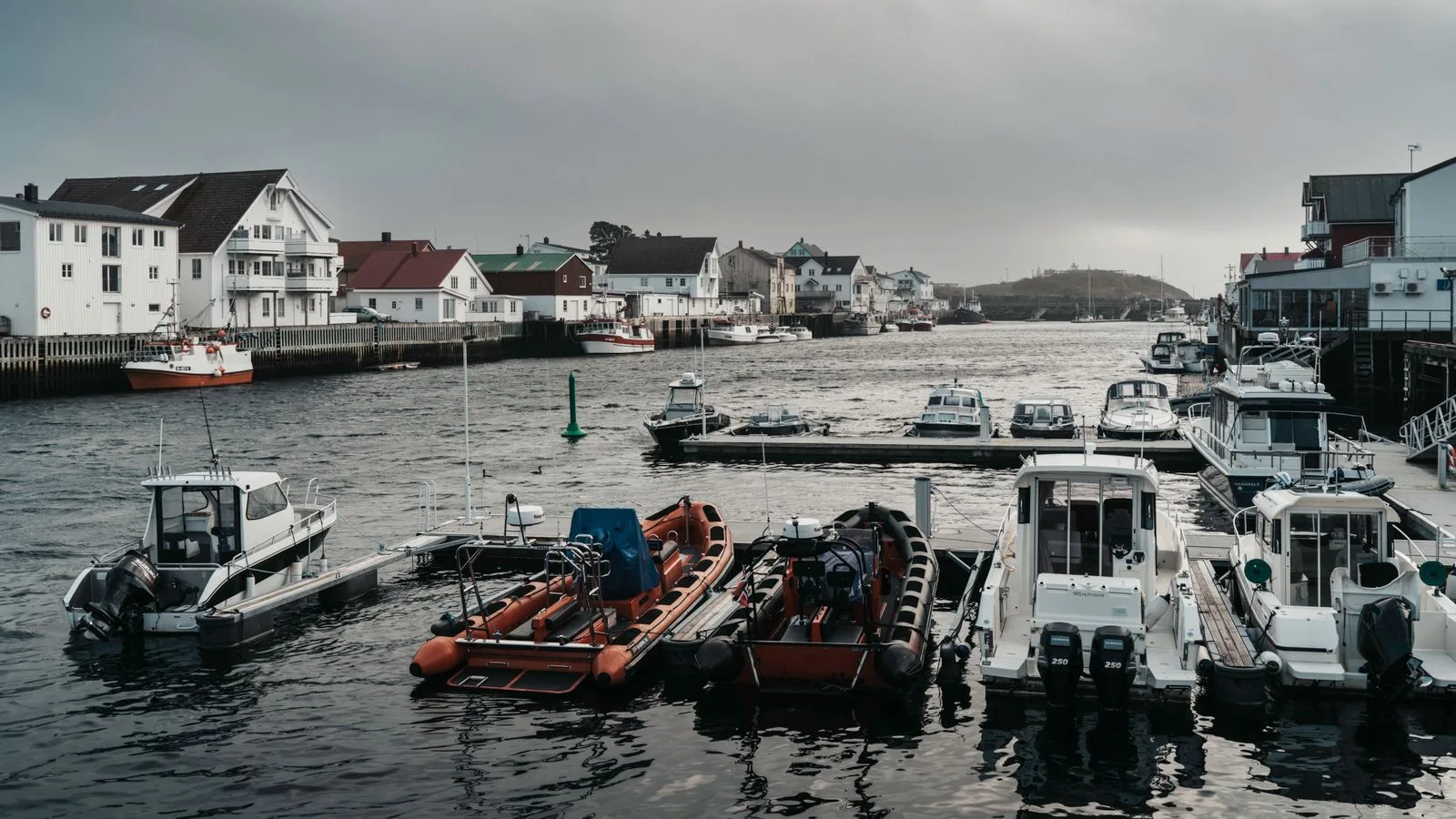
Two sides of the same coast: a church that has stood still for centuries, a harbour that never does.

Questions
What travellers often ask us before setting off for Norway.
Is Norway expensive?
Norway is known as one of Europe's pricier destinations, especially for food and drink. We factor that into how we build a trip, without cutting what makes the trip worthwhile.
Can you drive yourself?
Yes, and for anyone wanting to see the fjords and smaller villages, a car is often the best option. The roads are well maintained, though mountain passes and ferry crossings take more time than the distance on the map suggests.
Is the northern lights sighting guaranteed?
No, and anyone who promises that is overselling it. What we can do is choose the right period, place and enough nights to make the chance a real one.
Is Norway worth visiting outside summer?
Absolutely, though the country changes character completely: winter is about snow, the northern lights and a slower pace, summer about long days, hiking and the fjords at their greenest.
- Flight time
- About 2 hours from Brussels to Oslo, longer further north
- Languages
- Norwegian, with Sami also spoken in the north; English widely understood
- Time difference
- None
- Elevation range
- From sea level to over 2,400 metres in the Jotunheimen
- Best time to go
- June to August for fjords and hiking, December to February for winter and the northern lights