

A capital that looks weightier than it is.
The country only reveals itself to those who slow down.
A country of plain and river, thermal springs beneath the ground, and a capital that looks weightier than it is. Hungary sits enclosed between the Carpathians and the Alps, yet feels wide open: the Great Hungarian Plain stretches for hundreds of kilometres towards the horizon, broken only by vineyards, paprika fields and villages with a single church spire.
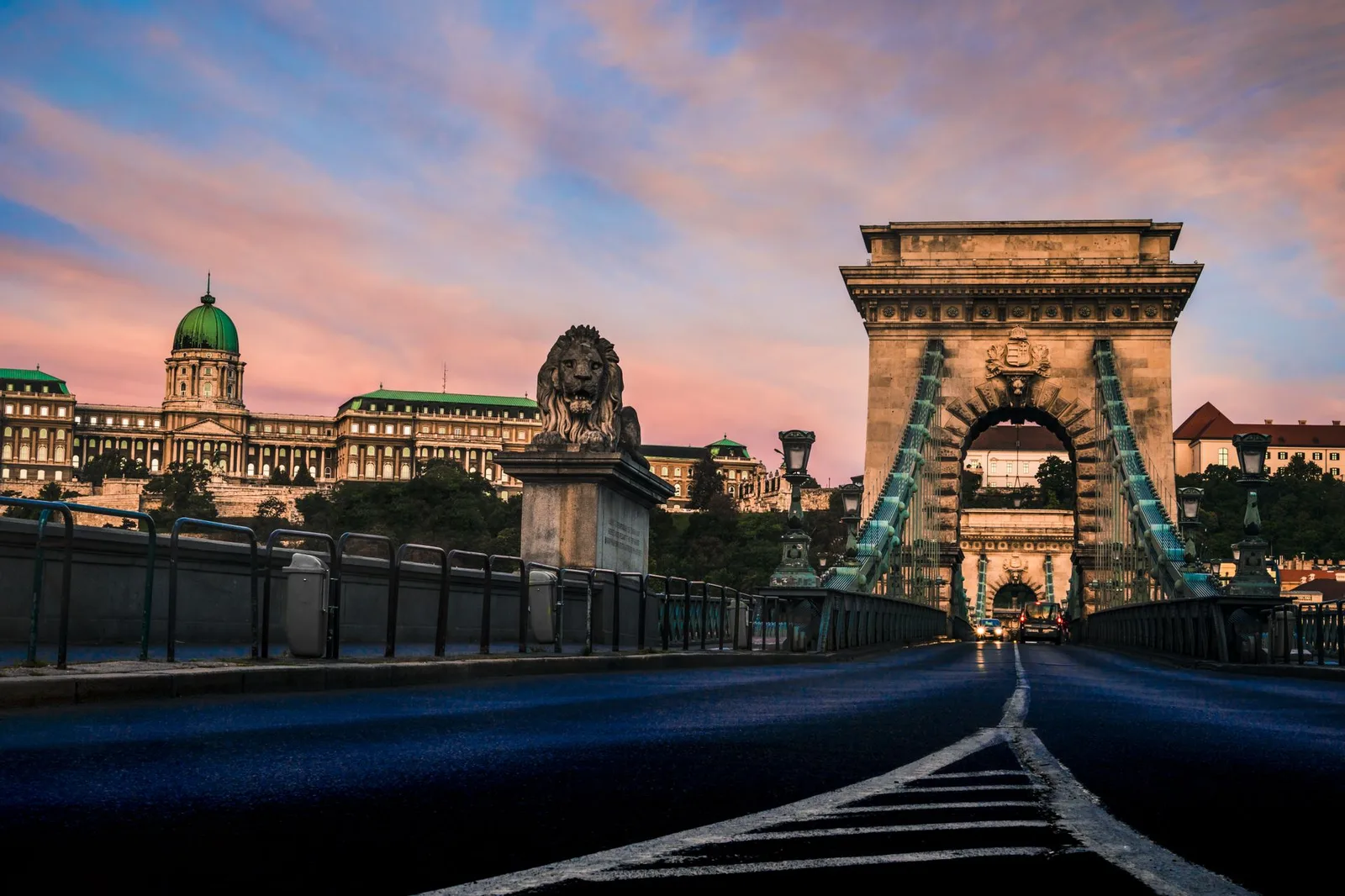
The Danube cuts the country in two and carries you from the bends at Visegrád to the bridges of Budapest, where Habsburg splendour, Ottoman baths and communist-era concrete stand side by side, and the city seems entirely at ease with it. Further out, towards Tokaj and Eger, the pace slackens: cellars cut into the hills, ploughed fields running up to the road, a hospitality that never hurries.
This is not a country that proves itself with exclamation marks. It reveals itself in layers, geological, historical, culinary, to anyone who takes the time to look past the first impression.
In short
Best time to go
May and June, and September and October: mild weather, with the grape harvest around Eger and Tokaj in autumn. In July and August the plain and the area around Lake Balaton can get hot and busy.
How long
A week to ten days for Budapest and one or two regions, such as the wine hills or the puszta. The country is compact, but drives across the plain take longer than you expect.
Who it suits
For travellers who want to pair a capital city with wine cellars, thermal baths and the open puszta, without a long flight: Budapest is about two hours from Brussels by air.
What sets it apart
Hungarian is a Uralic language, a distant relative of Finnish and Estonian and unrelated to the Slavic, Germanic and Romance languages around it. More than a hundred thermal springs rise beneath Budapest.
Five corners of the same plain
Hungary is compact, but no two regions feel alike. The river, the wine hills and the puszta each set their own rhythm.
Budapest and the Danube Bend
Two cities, Buda on the hill, Pest on the plain, tied together by bridges that each tell a different decade. North of the city, the river bends through wooded banks at Visegrád and Szentendre.
Tokaj and Eger
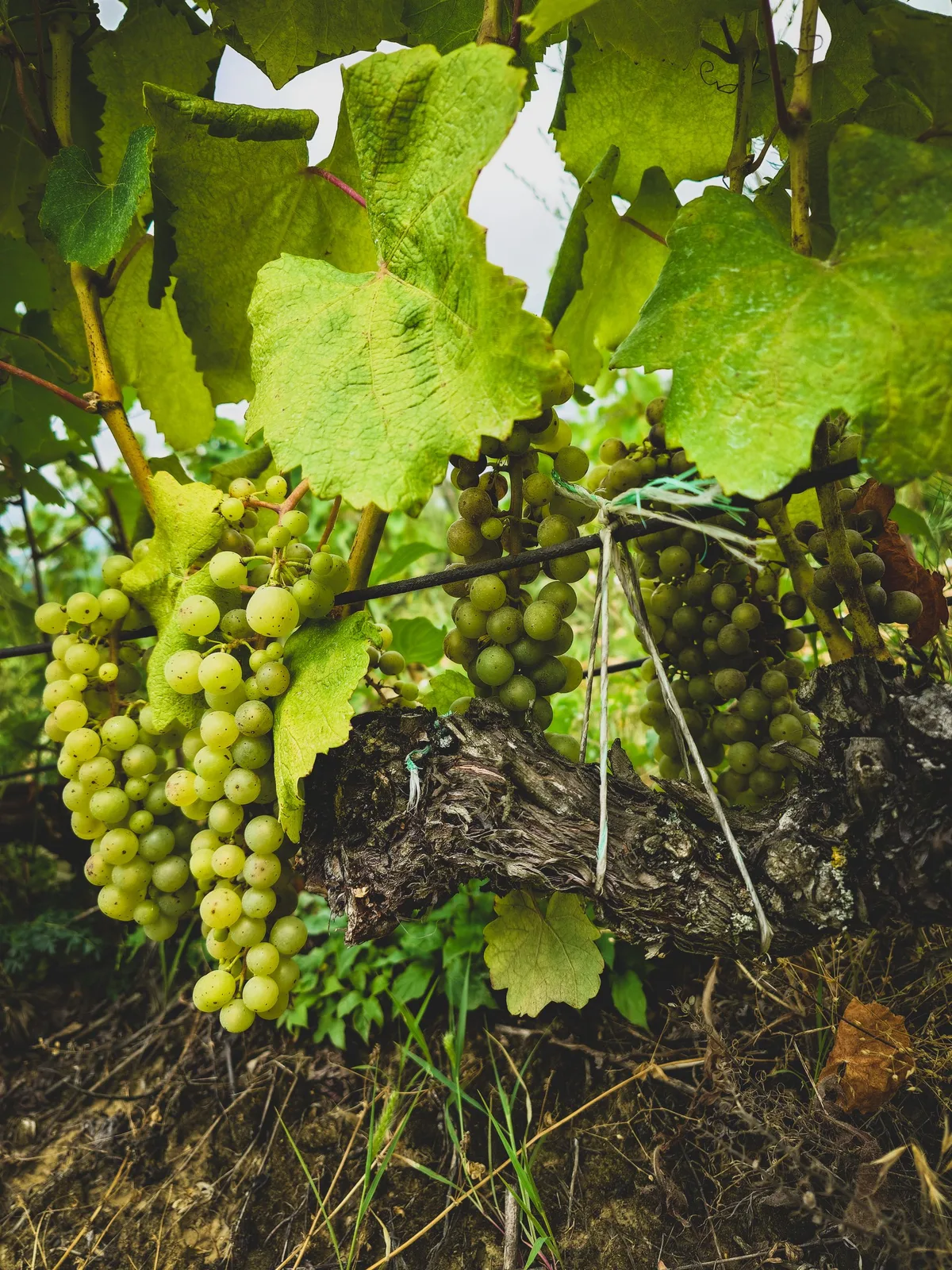
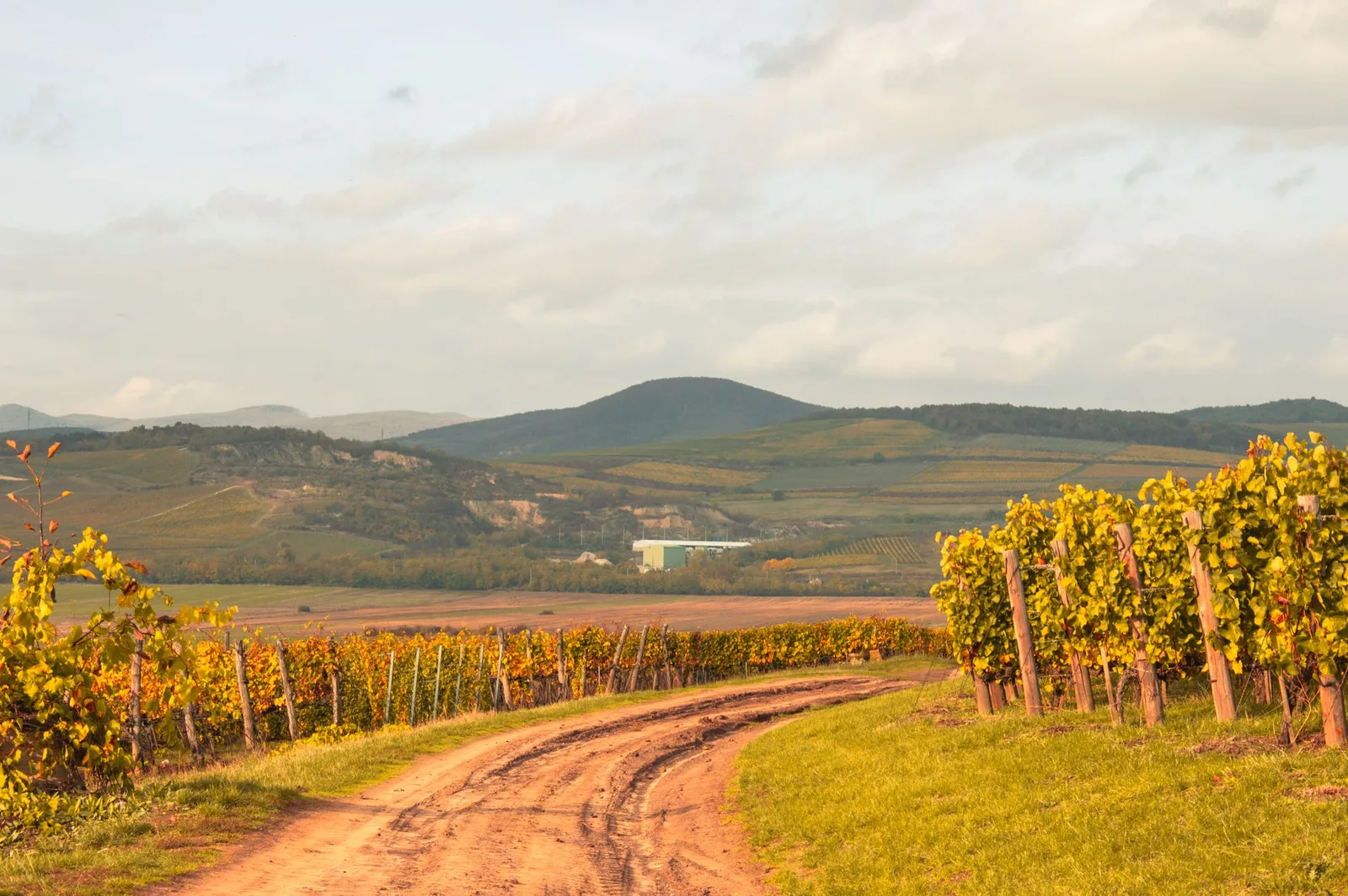
Volcanic hills, centuries-old cellars and a light that turns almost orange in October. Tokaj lent its name to a dessert wine known even before Napoleon's time, while Eger produces its own, sturdier red.
Hortobágy and the puszta
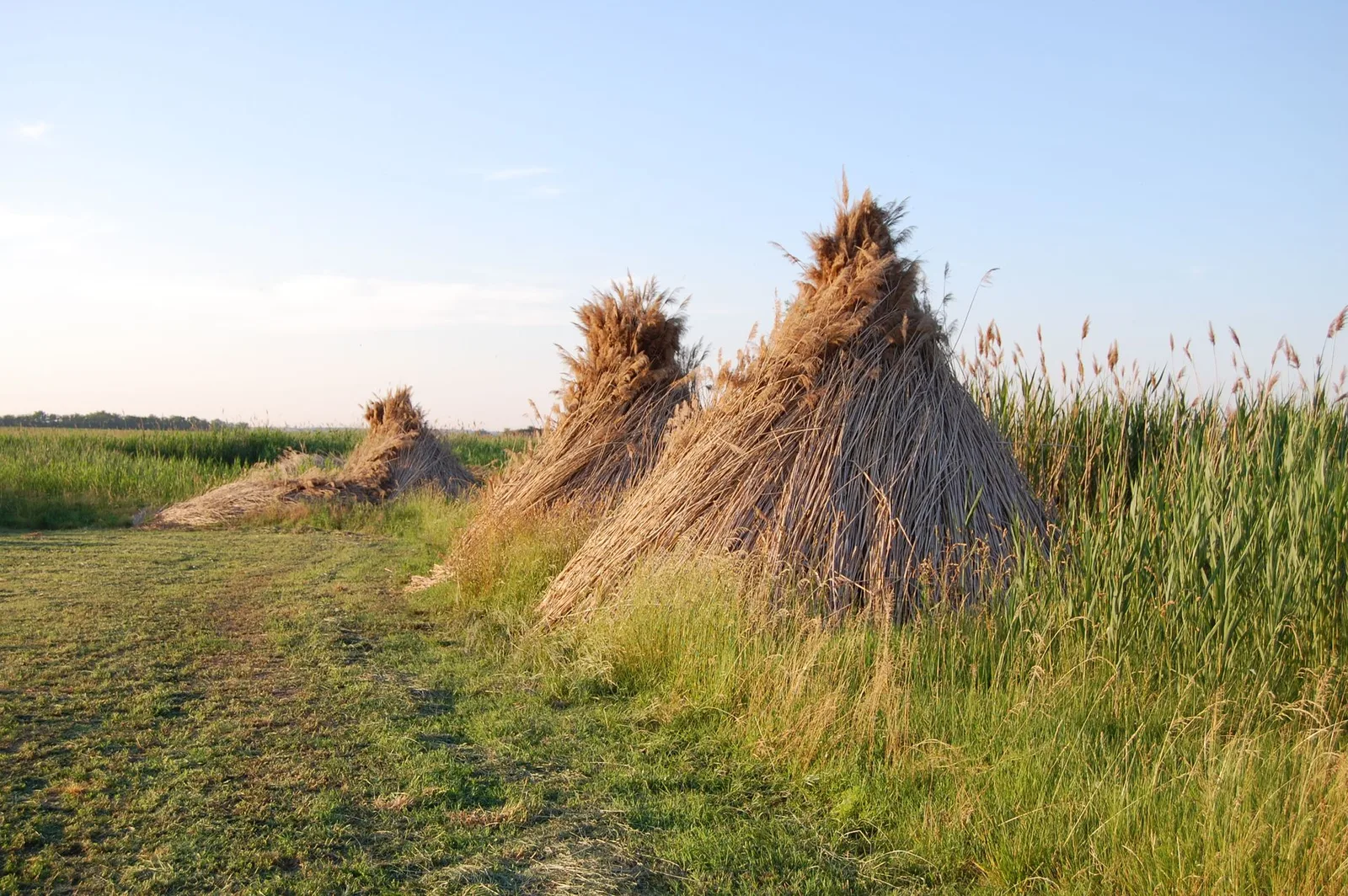
Europe's largest unbroken grassland, where herdsmen still work on horseback and the sky seems larger than the land beneath it.
Lake Balaton and the northern shore
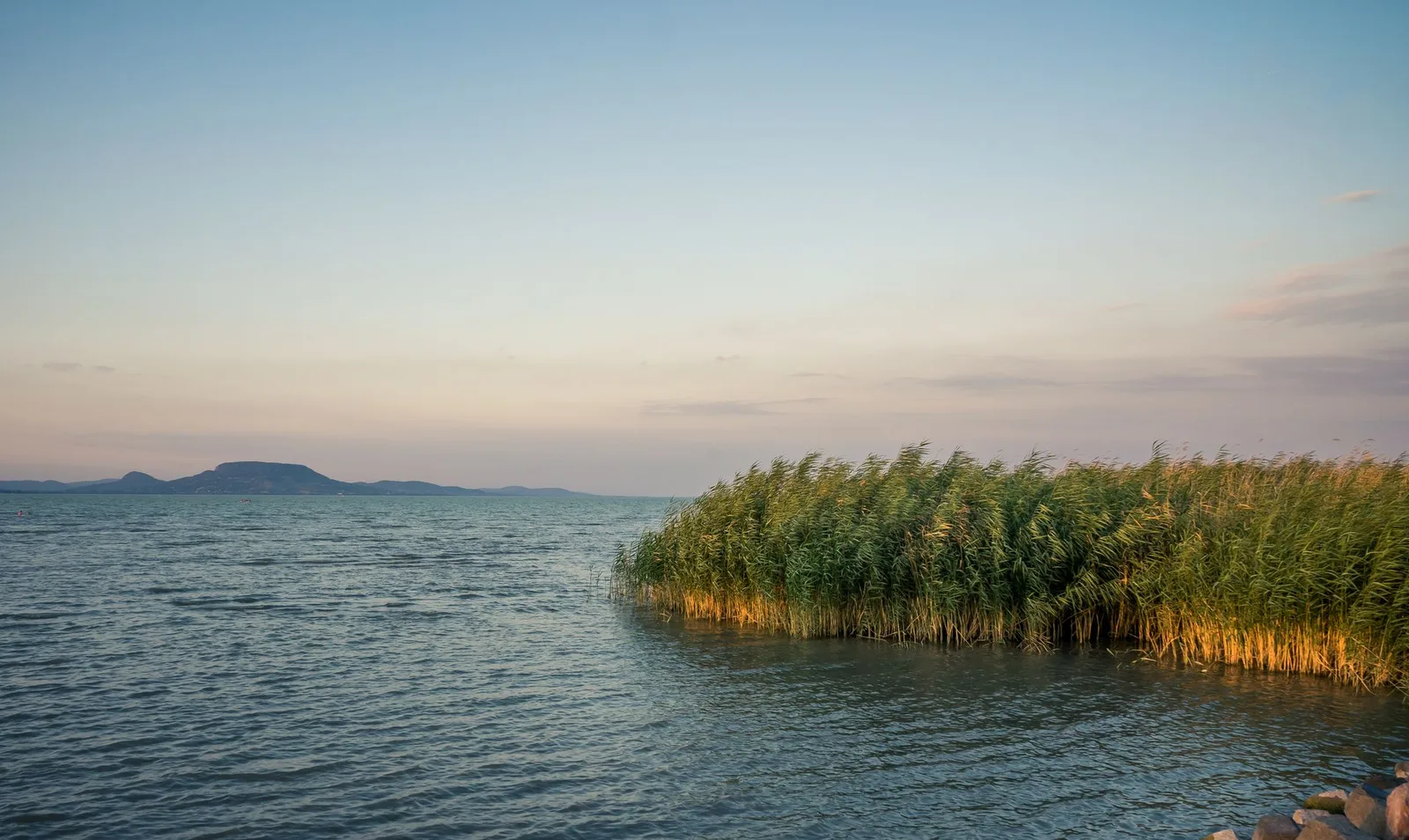
Central Europe's largest lake, fringed by resort towns on the southern shore and quieter wine villages on the volcanic hills to the north.
Pécs and Southern Transdanubia
A university town with Ottoman traces and a more Mediterranean light, surrounded by soft hills and villages that rarely make it onto a map.
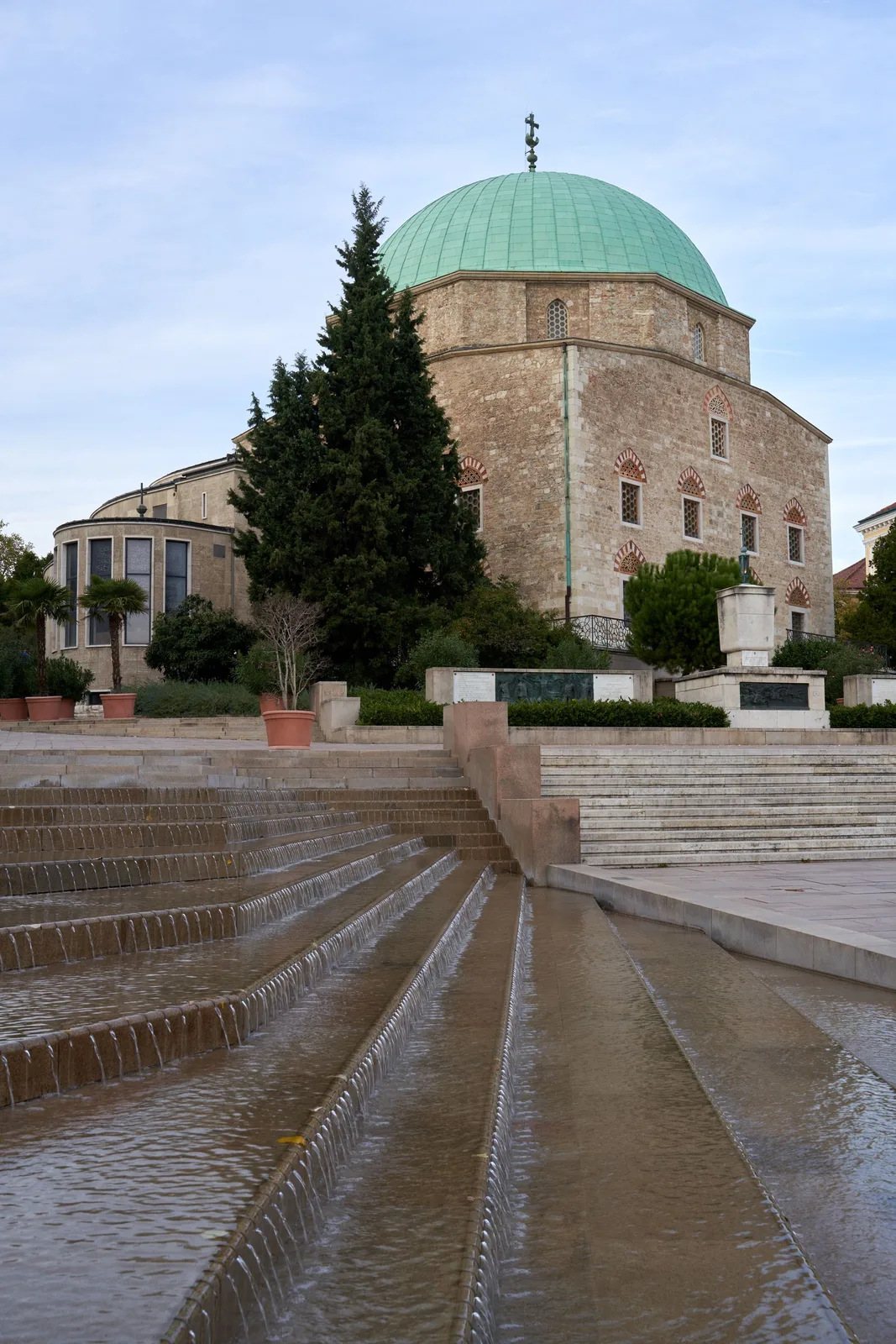
A city that doesn't hide its history.
Budapest wears its past openly: Ottoman baths with domed roofs standing next to Habsburg facades thick with stucco, and between them the unvarnished concrete of the socialist decades. Nothing has been restored into a stage set. The city shows everything that has passed over it.
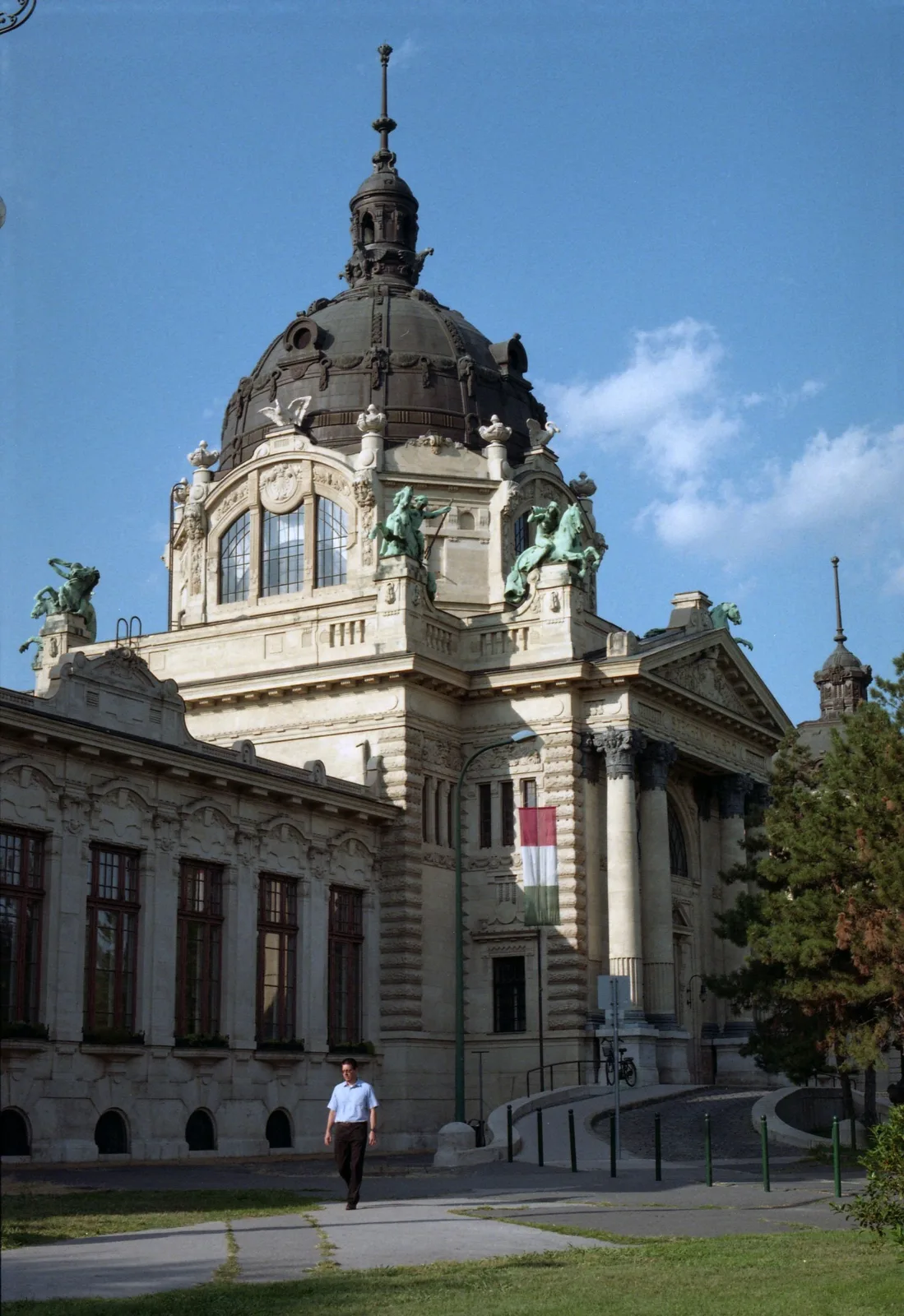
The thermal baths are the clearest example: Rudas and Király still date from Ottoman times, while Gellért and Széchenyi are additions from the early twentieth century. For locals, these are not photo opportunities but a weekly habit, early in the morning, newspaper in hand, in silence.
Where the land never hurries
Hortobágy
A World Heritage grassland and one of Europe's most important bird migration sites. Tens of thousands of cranes settle here in autumn.
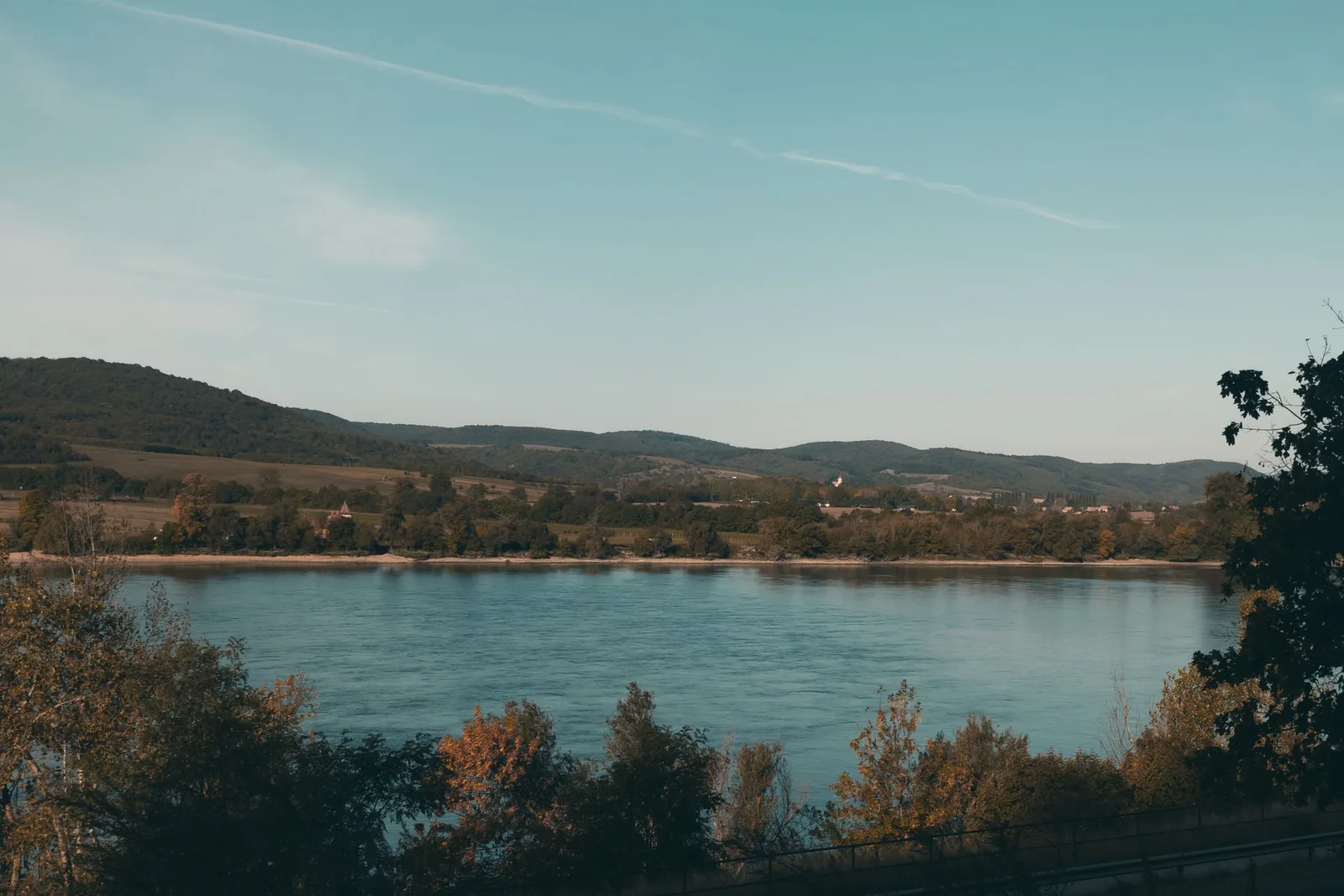
The Danube Bend
Where the Danube makes a sharp turn between wooded hills, with Visegrád and Esztergom as quiet lookout points over the water.
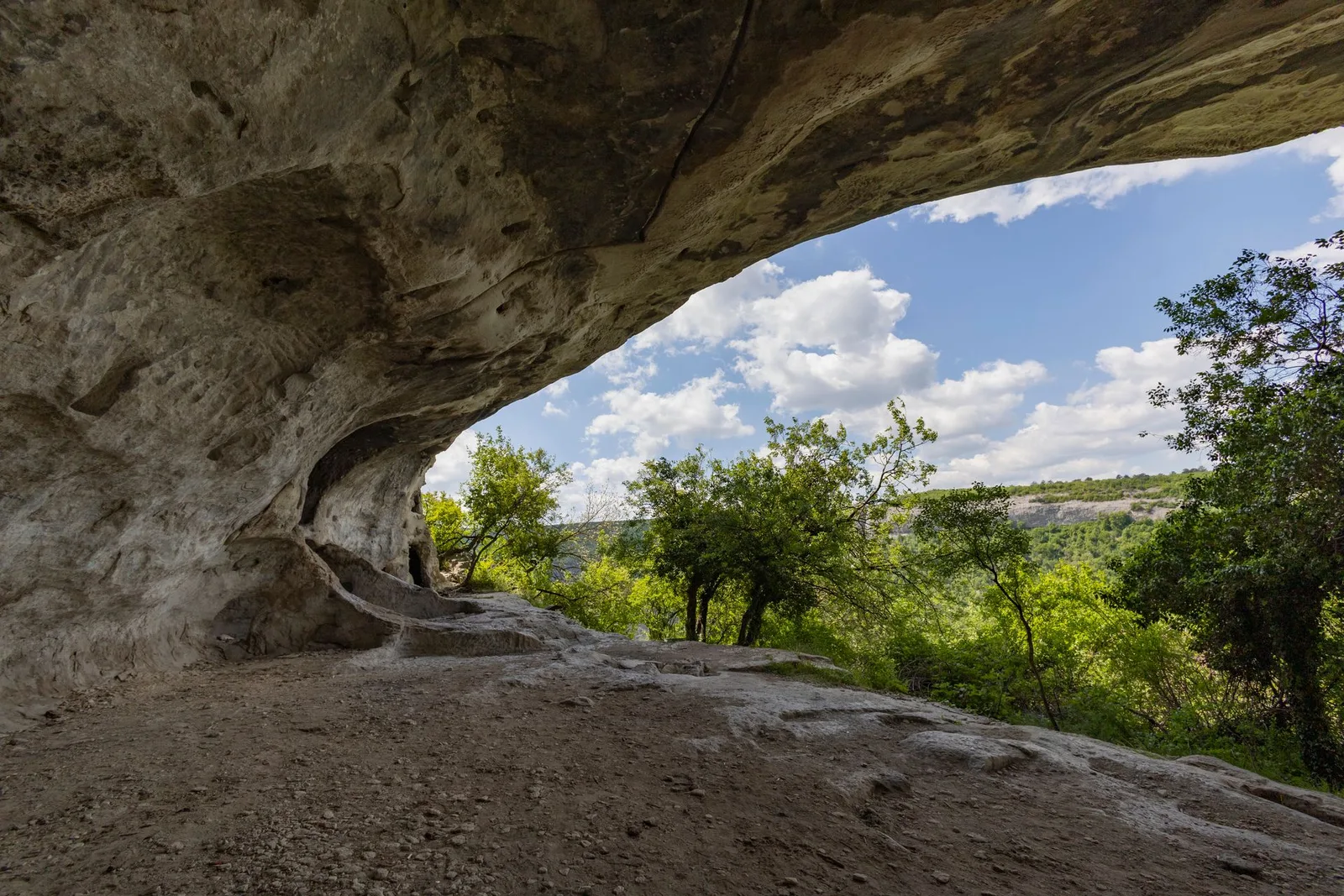
Bükk and Aggtelek
Limestone hills riddled with caves in the northeast, including the extensive Baradla cave system: cooler, quieter and less known than the rest of the country.
The Tokaj hills in October, when the light and the harvest coincide.
Possibilities, not a programme
These aren't day-by-day itineraries but directions. What we build for you depends on what you're looking for.
Tasting with the winemaker
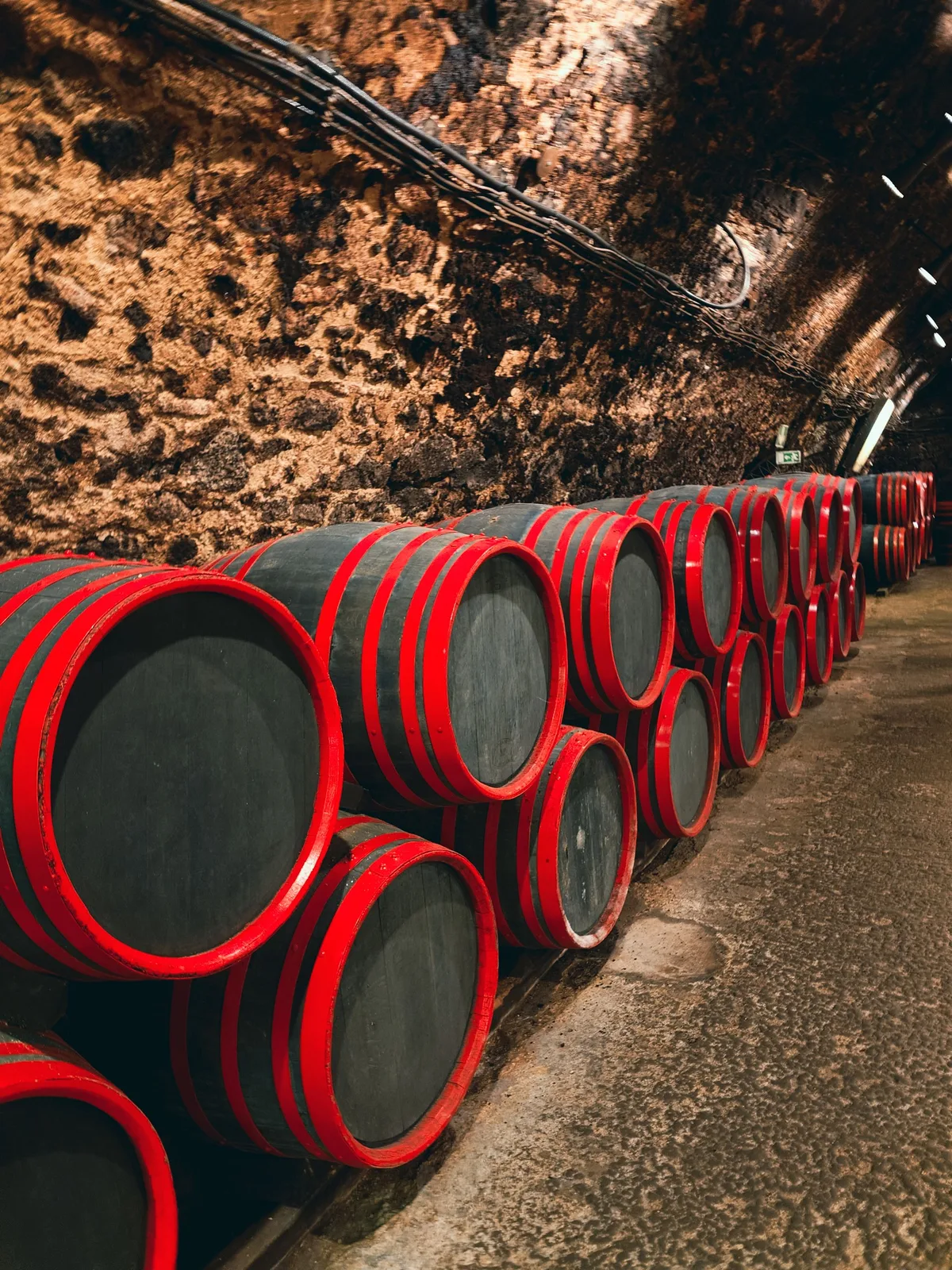
An afternoon in a cellar in the hills of Tokaj or Eger, with someone who makes the wine rather than just sells it.
On horseback on the puszta
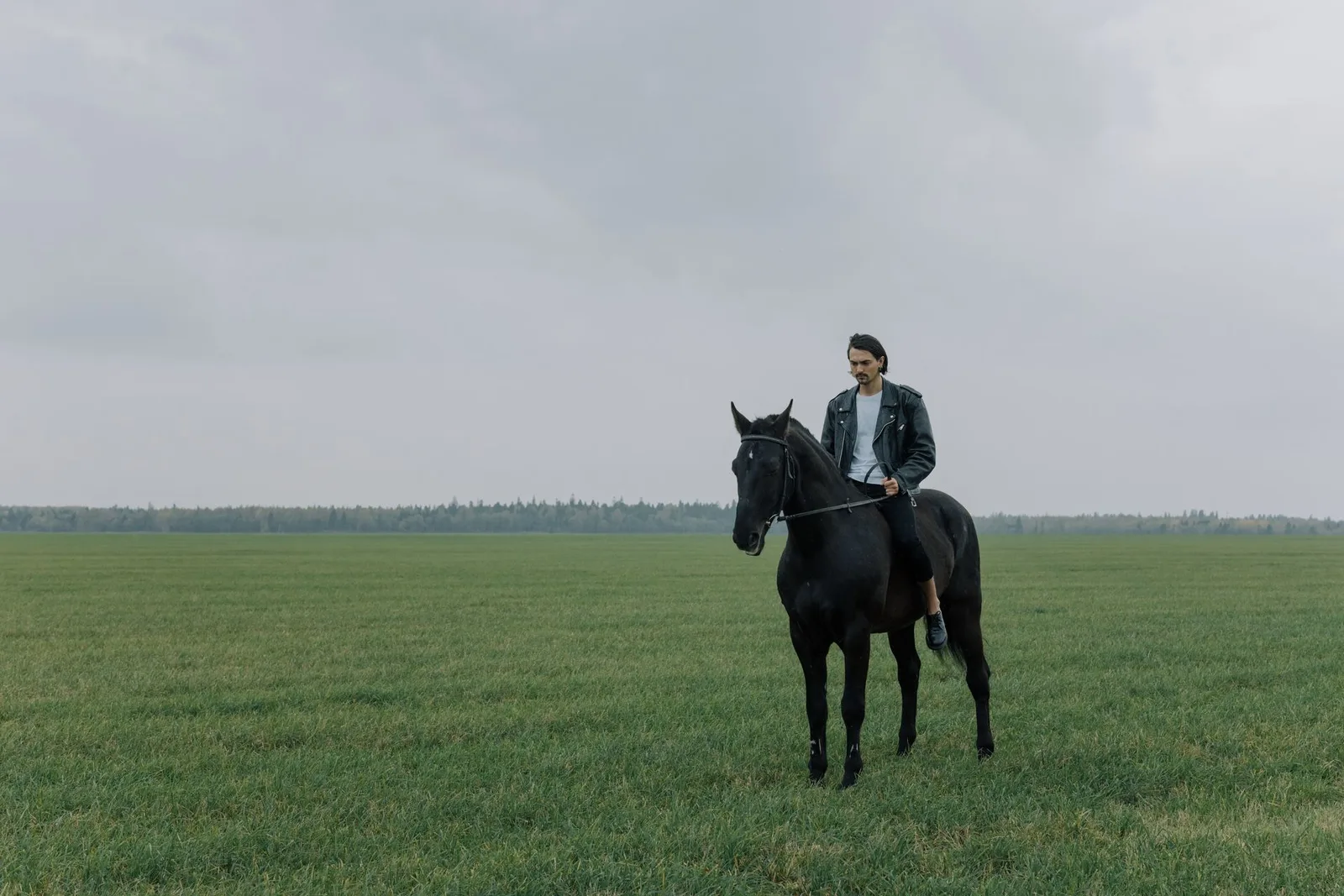
Riding across the Hortobágy, where the landscape is so flat that the horizon never seems to get any closer.
Sailing the Danube
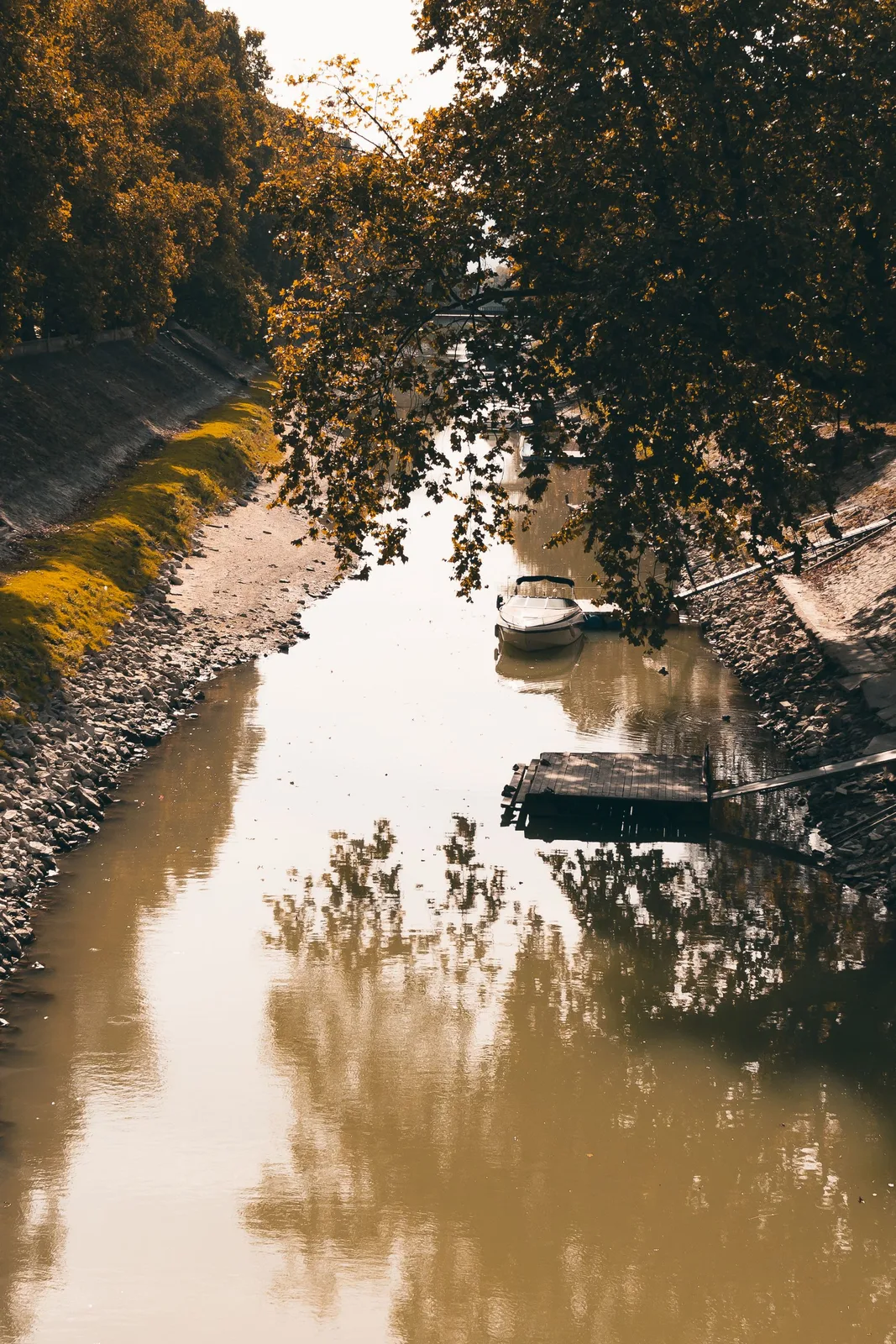
From the bends at Visegrád to the bridges of Budapest. The river shows the country at a different pace.
Bathing as a local habit
Early morning at Rudas or Lukács, not for the photo but for the ritual.
Small towns without hurry
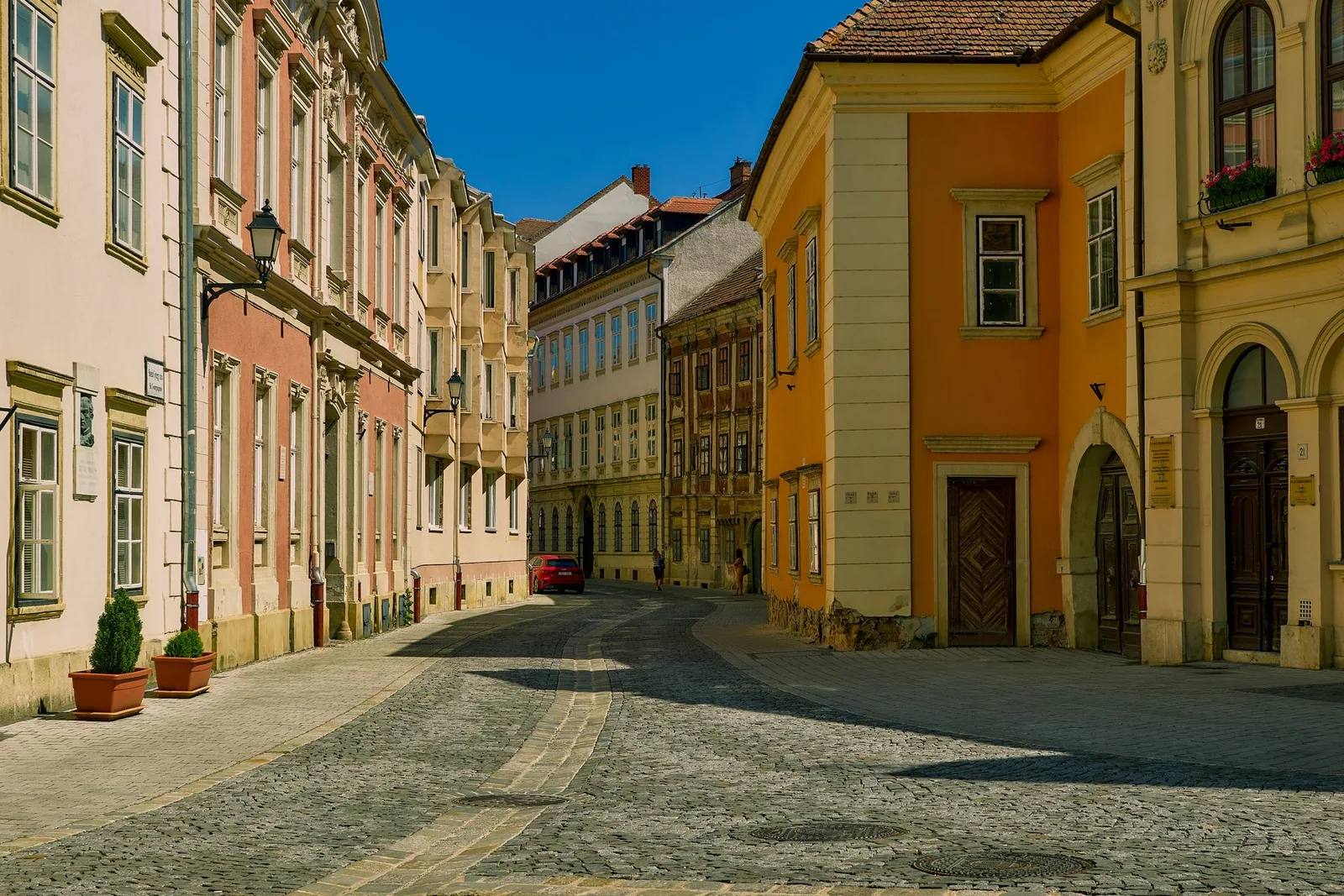
Pécs, Szeged, Sopron: university towns and border towns with a pace of their own, far from the main routes.
What we ultimately put together depends on the conversation we have with you.
Flat from above, layered within.Hungary only reveals itself to those who slow down.
When to travel to Hungary
Spring and early autumn are the most pleasant periods: mild weather, an active grape harvest in September and October, and light that falls low and golden over the plain. Summer can turn oppressively warm on the lowlands, especially around Lake Balaton; winter is cold, but Budapest wears the cold well, and the thermal baths are at their best then.
Best time to visit Hungary
Who else is at their best in these months?
May June September October
Use the contact form to discuss your travel dates and preferences with us.
Practical, without the noise.
Practical things that make planning easier.
Getting there
Direct flights from Brussels to Budapest; the rest of the country is reached by car or train.
Documents
An identity card is sufficient for EU citizens.
Health
No special vaccinations required; tap water is safe to drink everywhere.
Pace
Allow for longer journeys on the plain. Distances look smaller on the map than they feel on the road.
Currency
Hungarian forint; the euro is not accepted everywhere.
Frequently asked questions
Is Hungary just Budapest?
Far from it. The capital is a good starting point, but staying there means missing the wine hills, the puszta and the Danube landscape further out.
How hot does it get in summer?
On the plain, temperatures in July and August can climb considerably, with dry, hot days. Anyone wanting to avoid that should choose May-June or September-October.
Do I need a hire car?
It's advisable for the wine regions and the puszta. Public transport outside Budapest is more limited.
Can the thermal baths be combined with a relaxed trip?
Certainly. The baths aren't a separate outing but a habit that fits into the rhythm of a trip anywhere, from Budapest to smaller spa towns.
- Flight time
- About 2 hours from Brussels
- Language
- Hungarian, with English and German widely spoken in the cities
- Time difference
- None, Hungary lies in the same time zone
- Elevation
- Mostly flat; the Mátra range near Eger rises to just over 1,000 metres
- Best time to visit
- May-June and September-October