
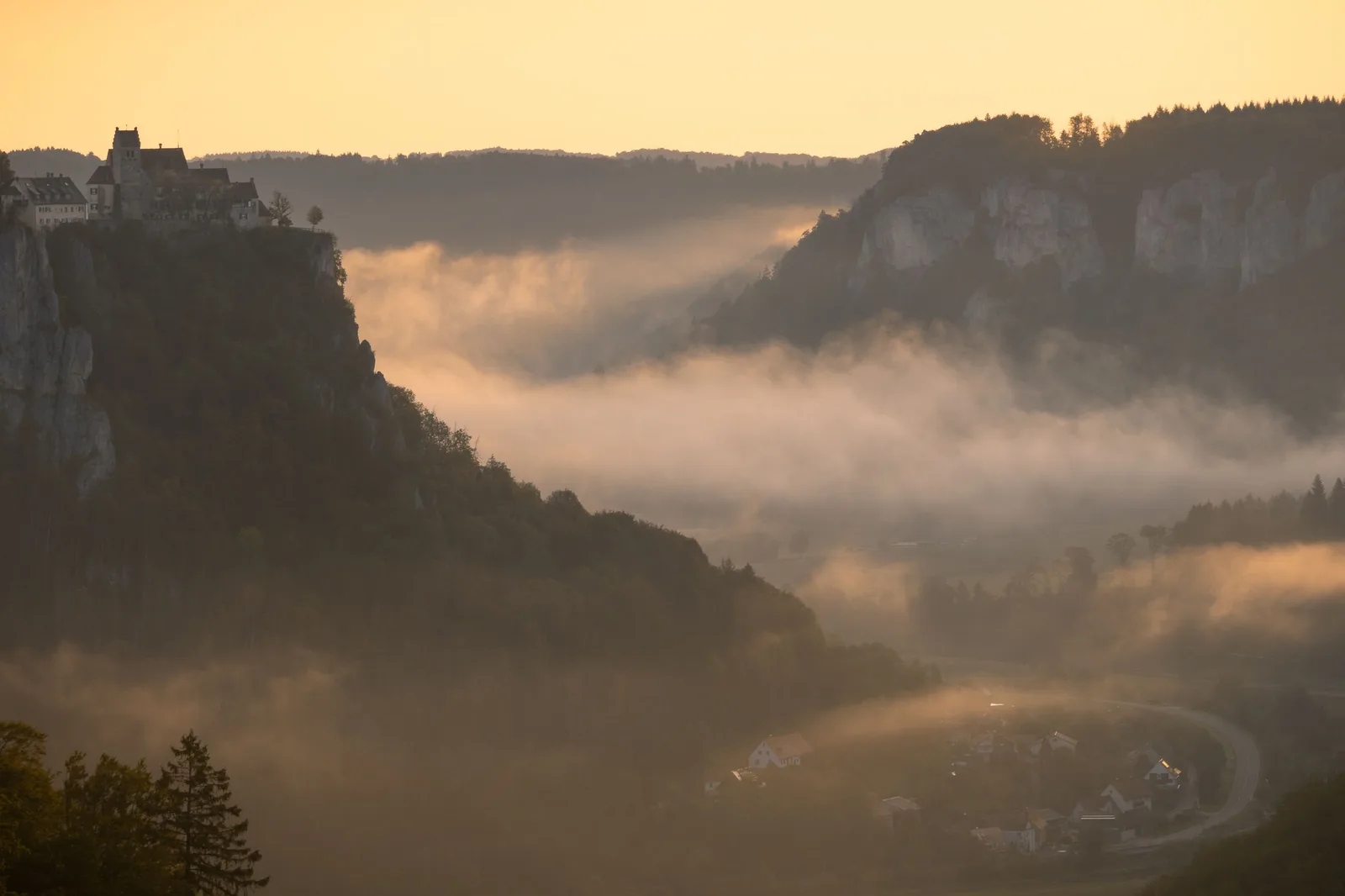
A country that turns towards the mountains, not the camera.
Bratislava sits at the edge of the country, and at the edge of this story.
Central Europe brings Prague to mind, and Slovakia too often brings only Bratislava and a weekend that never really touches the rest of the country. The capital sits in the far south-western corner, hard against the Austrian border, a city that enters the country through the back door. The real Slovakia begins beyond it: a narrow arc of mountain ranges running from the Little Carpathians through the Malá Fatra to the granite walls of the Tatras, thinning out eastward towards the forested border with Ukraine.
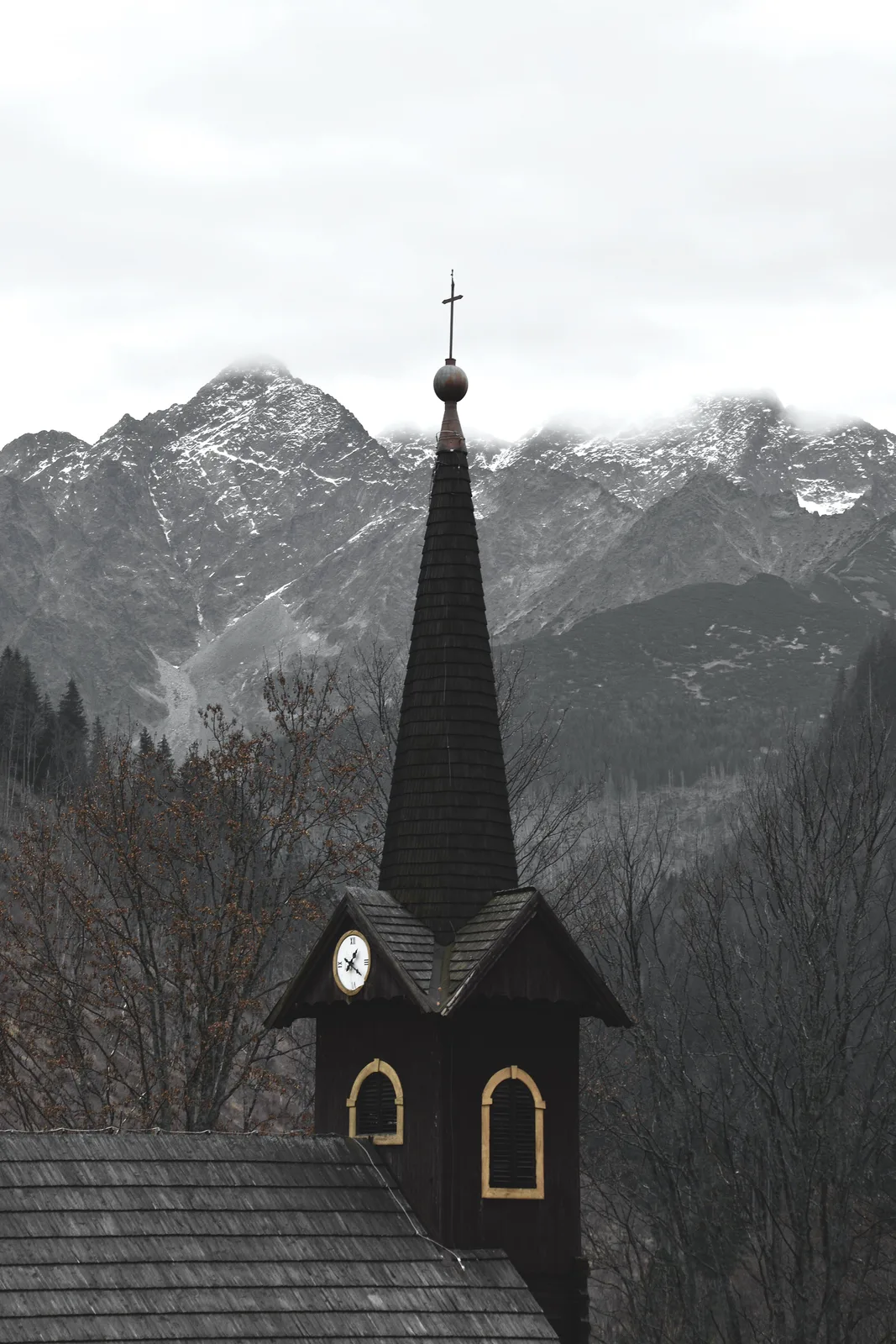
This is a country of vertical geography. Villages sit not beside each other but above each other, strung along valleys that often have only one way out. On the limestone crags overhead stand castles that were never built to look beautiful, only because the rock was the one defensible spot: Spišský hrad, Orava, Devín. Between those ruins stand small wooden churches, with spired towers and interiors built without a single nail, still standing after centuries because nobody bothered to replace them.
Slovakia has no coastline, no capital that dominates the whole country, and no tourist machine that has smoothed everything over. What remains is a country where the seasons set the pace, and where a walk still ends at a chata with a wood fire, not a souvenir shop.
In short
Best time to go
June to September is the season for the mountains: the high trails in the Tatra National Park are closed from November to the end of May. December to February brings winter for cross-country skiing and snowshoeing.
How long
Ten days to two weeks, because narrow mountain roads and valleys with a single way in make driving times long. That leaves time for the Tatras, Spiš and the wooden villages without moving on every day.
Who it suits
Travellers who want to walk from mountain hut to mountain lake, see castle ruins and wooden churches in ordinary villages, and enjoy a country where bears, wolves and lynx still live in the forests.
What sets it apart
Where the Czech Republic's highest peak reaches 1,603 metres, the Tatras here rise to 2,655 metres. The Carpathians hold wooden churches of three Christian traditions, eight of them World Heritage since 2008.
Five mountain regions, no two alike.
Slovakia is too small to get lost in and too vertical to see quickly. Each region has its own view of the same Carpathians.
The High Tatras
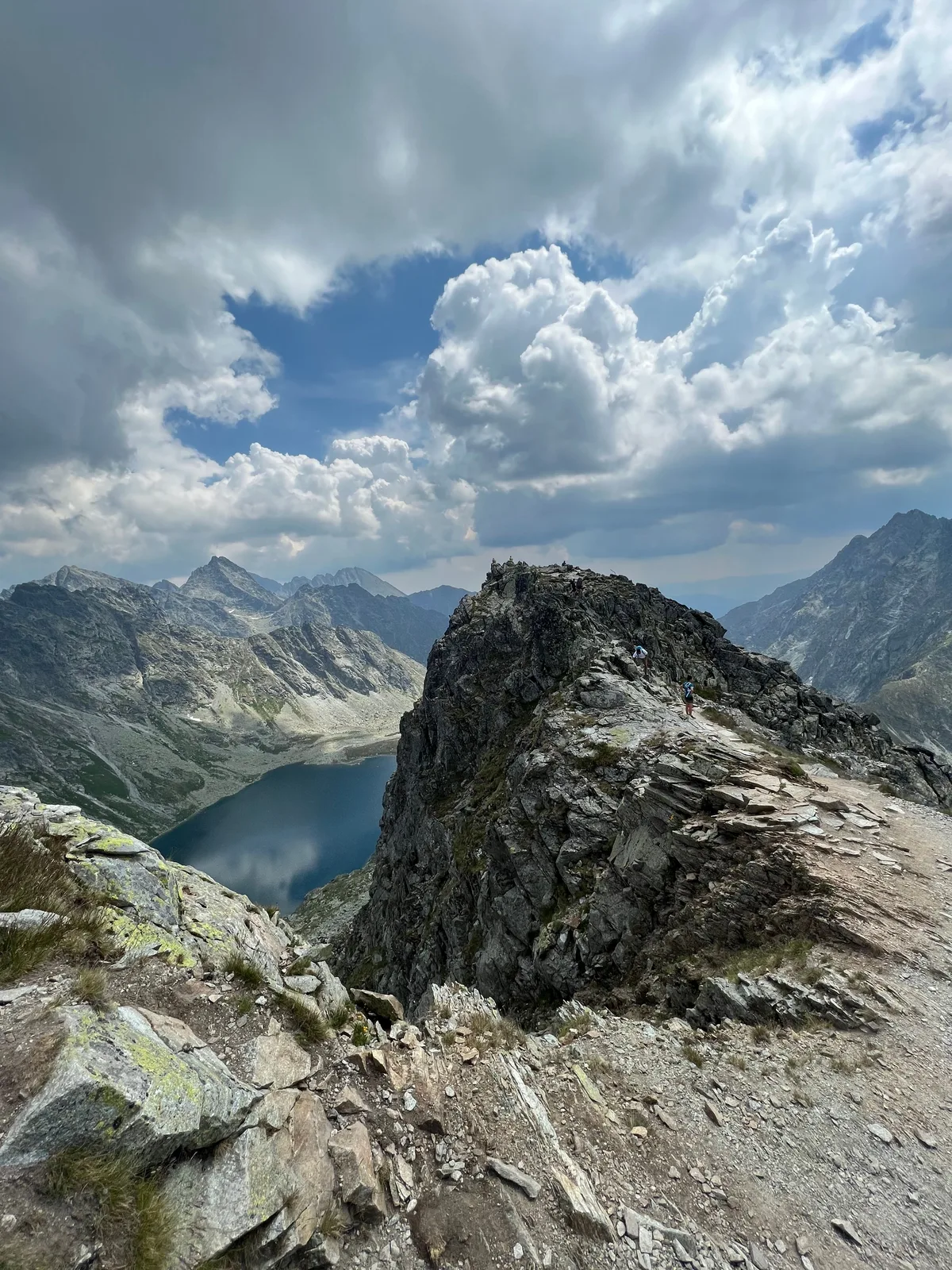
The country's highest range, and the only one in the whole Carpathians with a truly alpine character: on both sides of the Polish-Slovak border, the High Tatras count close to thirty peaks above 2,500 metres. Walking here means moving between glacial lakes and pine forest, with a chata the only interruption.
Spiš
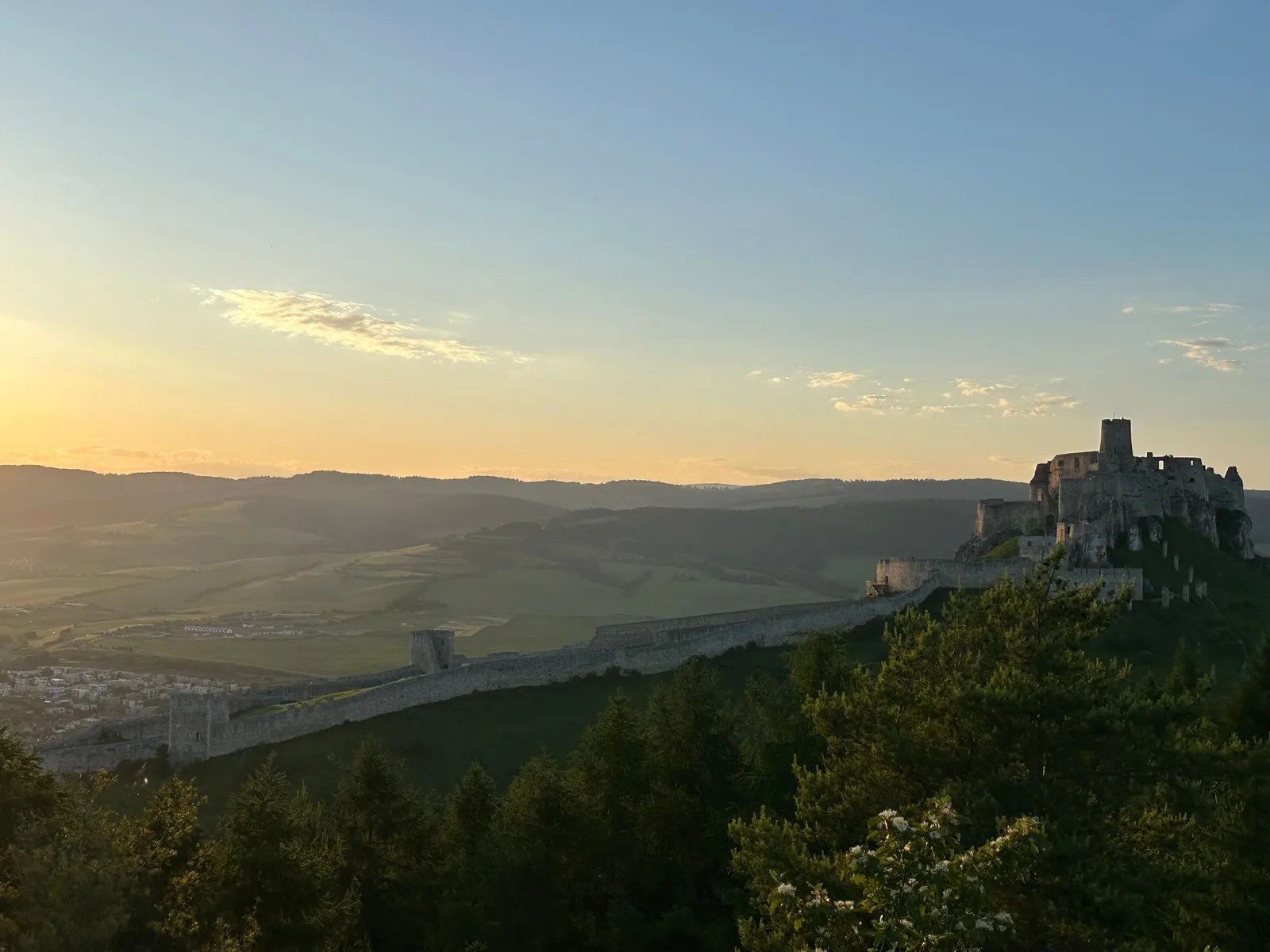
Around Spišský hrad, the largest castle ruin in Central Europe, lies a region full of medieval towns such as Levoča, with wooden altars and market squares that have never been remodelled for visitors.
Liptov and Orava
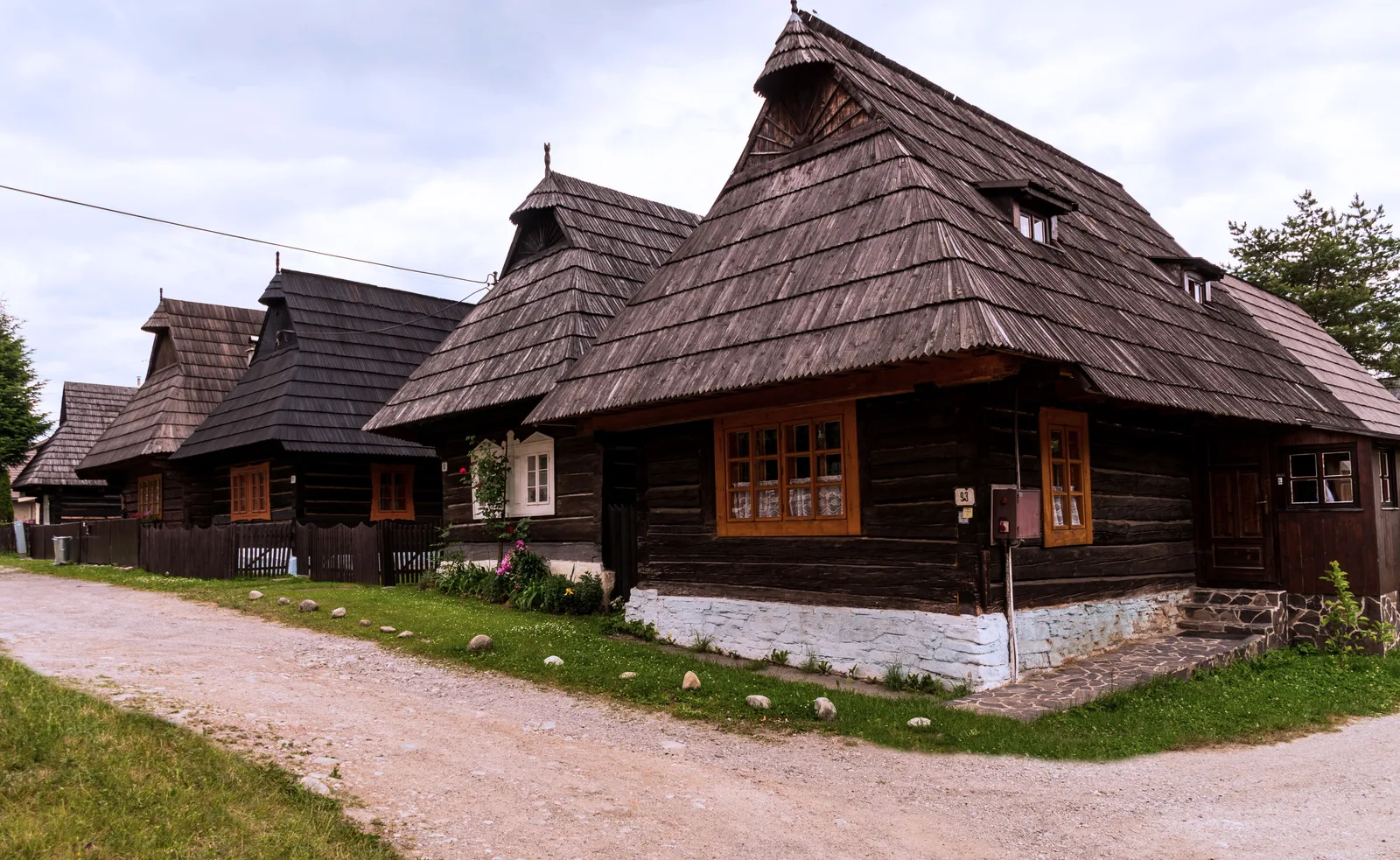
This is where the densest clusters of wooden churches stand, along with the UNESCO village of Vlkolínec, where forty-one log houses are still simply lived in. It is also the heart of salašníctvo, the centuries-old sheep-herding tradition that sets the rhythm of the region.
Slovenský raj
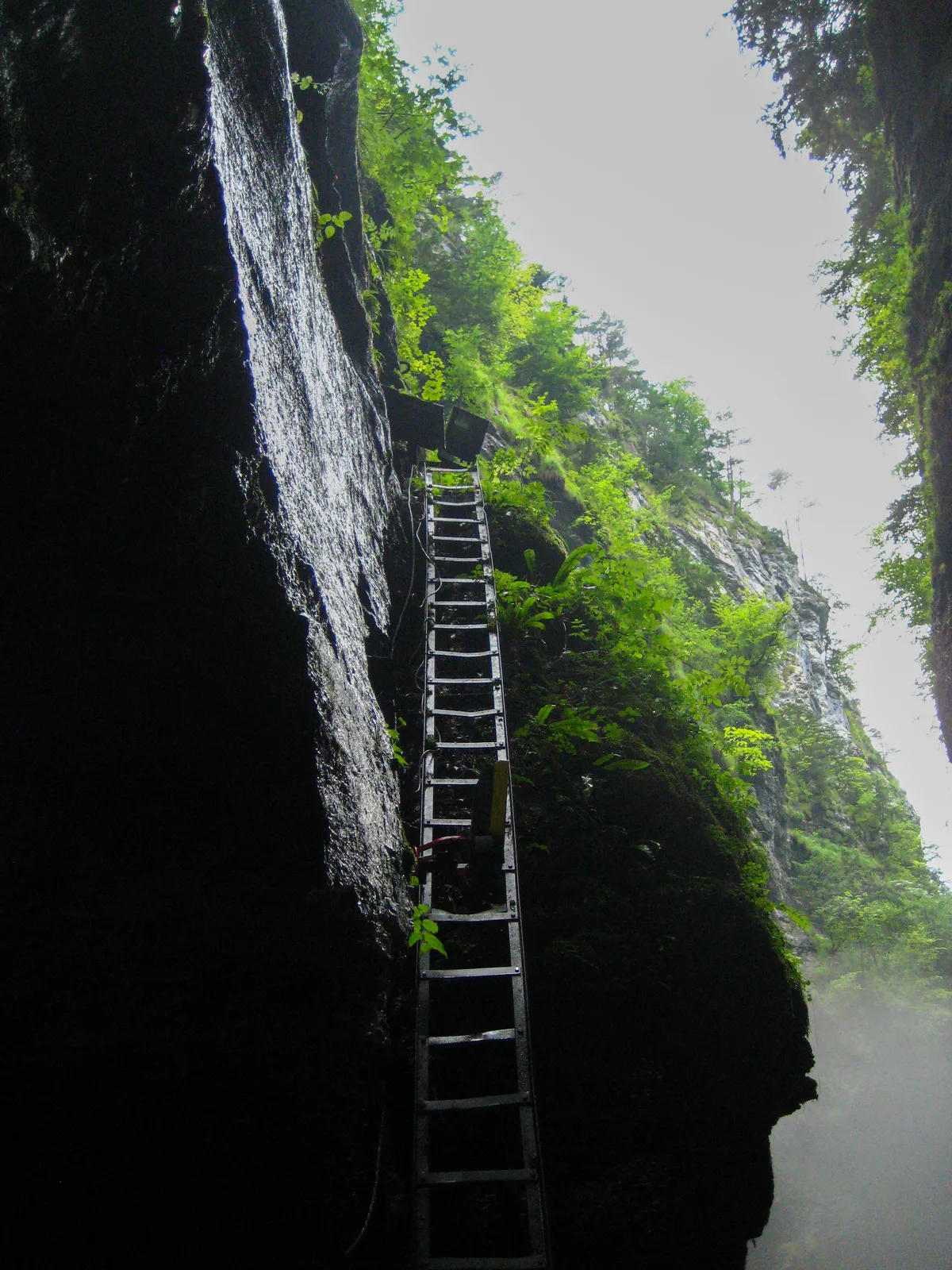
A plateau riddled with narrow gorges, where footpaths climb past waterfalls on ladders and chains, above an underground network of caves that ranks among the oldest in Europe.
Poloniny
In the far east, where Slovakia, Poland and Ukraine meet, lies the least visited part of the country: rolling hills and primeval forest with next to no infrastructure.
No castle here stands for the view,it stands because the rock was the only way up.
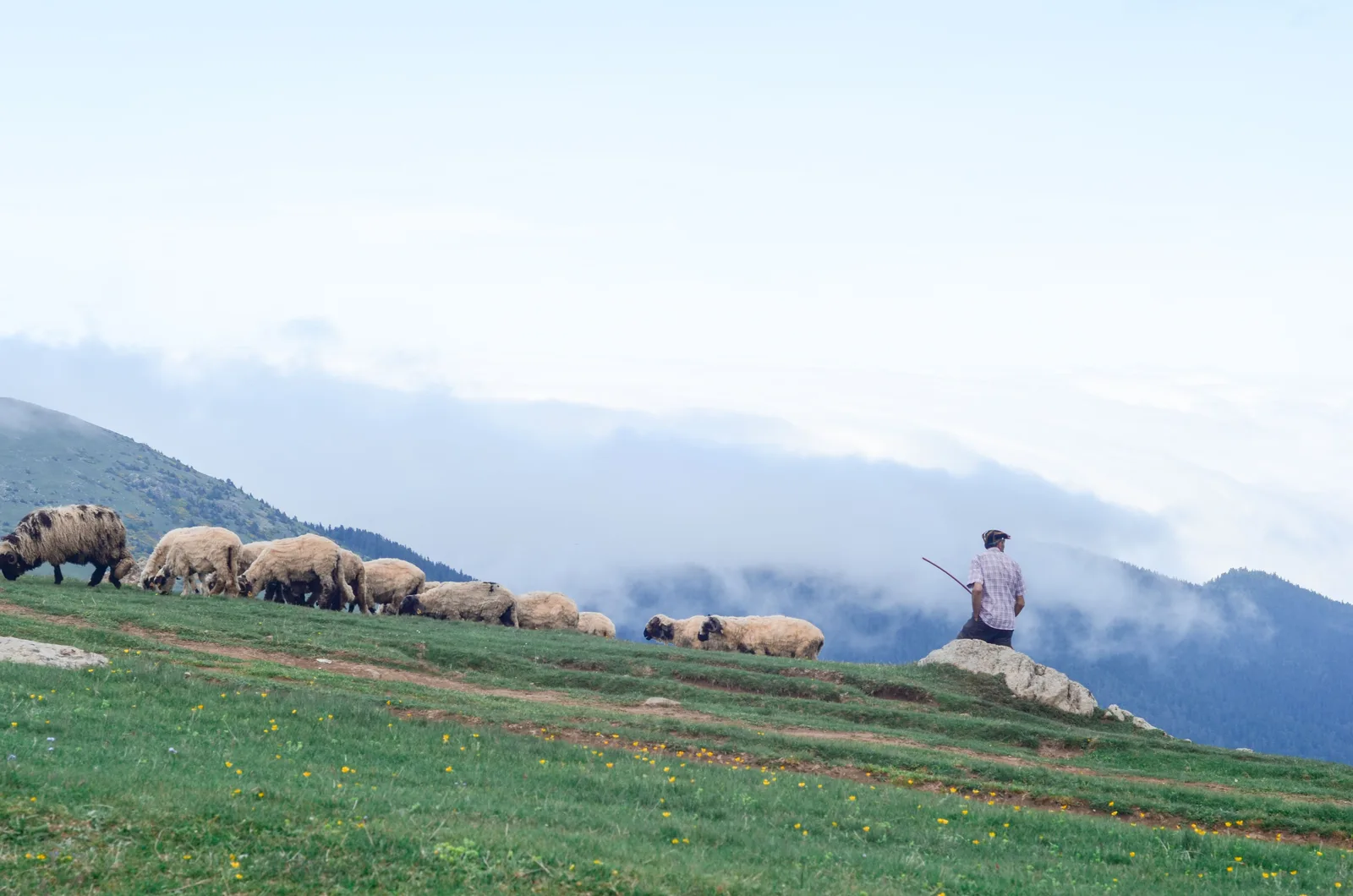
The bača is not a figure staged for photographs.
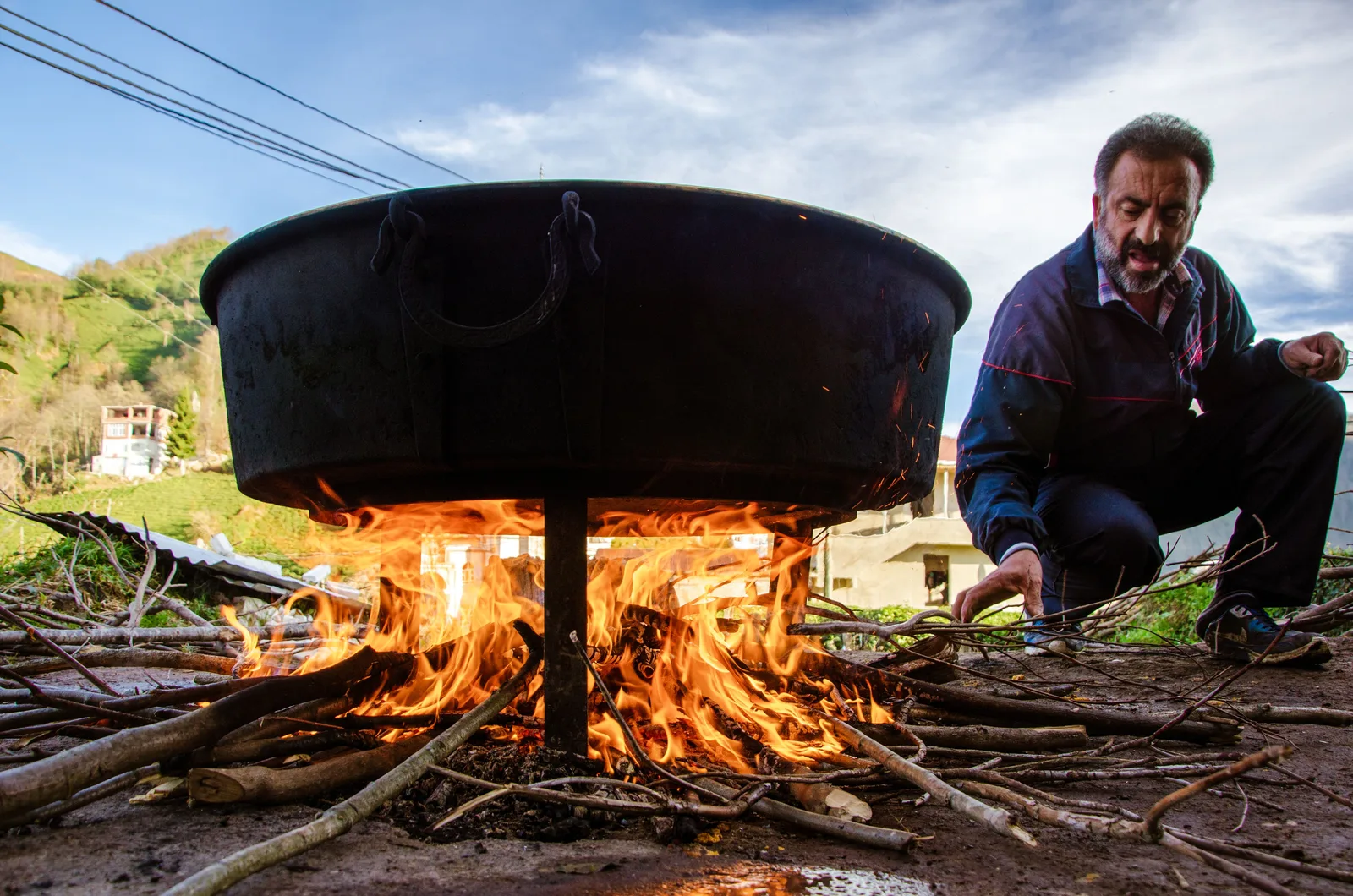
In Liptov and the valleys around the Low Tatras, shepherds still lead their flocks up to the alpine pastures above the treeline every spring, a tradition called salašníctvo that has barely changed in centuries. The bača, the herder who runs the flock and the cheese-making, lives for months in a wooden hut, far from any road, making bryndza: a soft, savoury sheep's cheese that forms the base of bryndzové halušky, the national dish of potato dumplings, cheese and bacon.
None of this is folklore staged for visitors. The flock goes up because the grass grows there, not because anyone is watching. Step into a koliba, the wooden shepherd's hut that now doubles as a simple restaurant, and you taste a kitchen that has never adapted itself to a tourist's pace.
Vlkolínec, a UNESCO village of forty-one wooden houses, still lived in today.
A mountain range that refuses to be tamed.
Bears, wolves, lynx
The Tatras and Low Tatras hold one of Europe's last intact predator communities: brown bears, wolves and Eurasian lynx share the same forest. You rarely see them, but their presence decides where and how footpaths get built.
The Carpathians underground
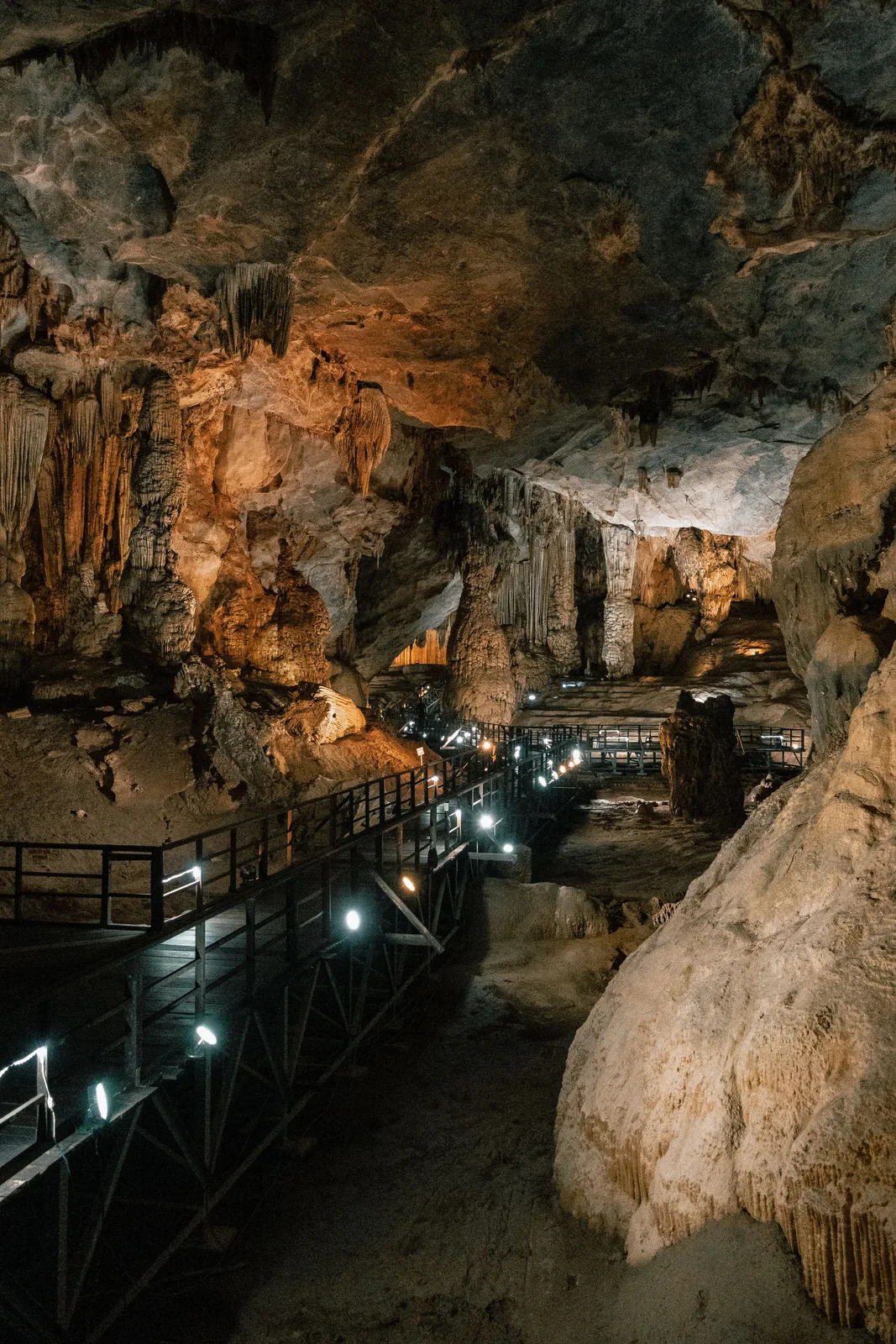
Beneath the Slovak Karst lies one of the largest cave systems in Europe, with stalactite formations thousands of years older than the castles above them. Part of it shares UNESCO listing with the caves on the Hungarian side of the border.
The primeval forests of Poloniny
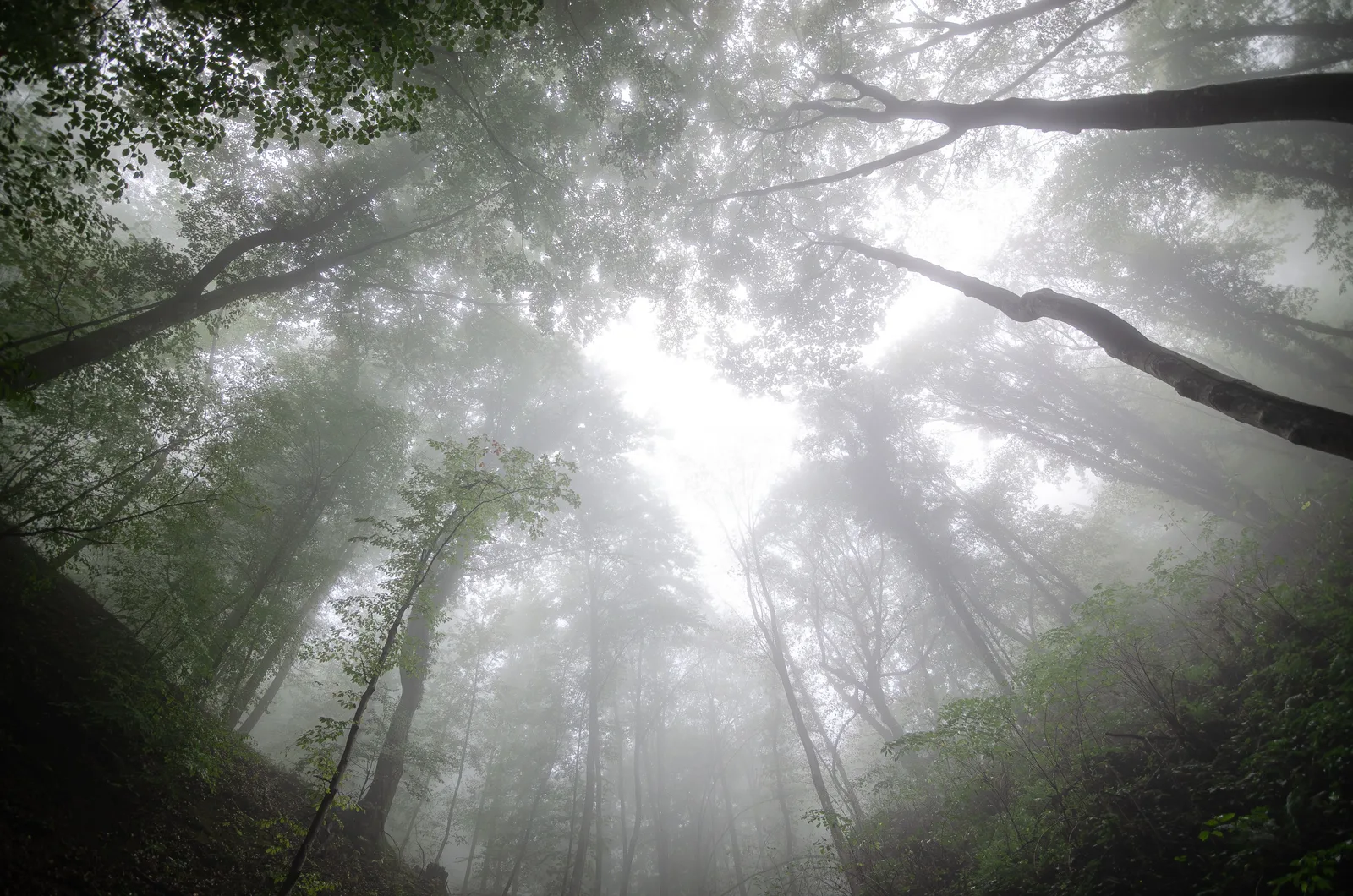
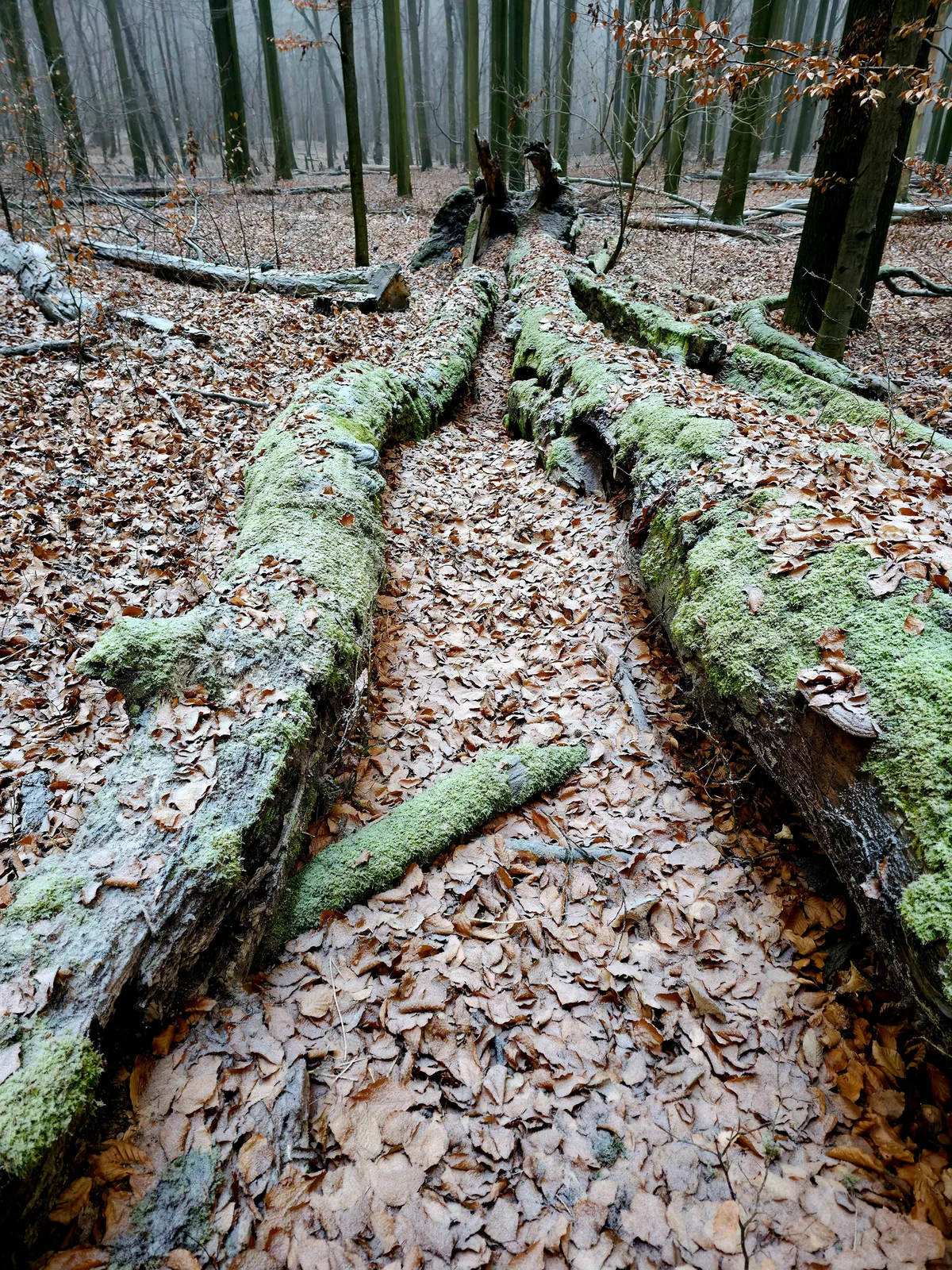
In the far east grow beech forests that have never been felled, UNESCO-recognised as one of the continent's last remaining stretches of primeval woodland. Walking here means crossing a landscape without a single trace of management.
No fixed programme, but a country full of reasons to stop.
This isn't a day-by-day itinerary, but a list of the things that make Slovakia worthwhile. You decide how many of them earn a place.
Walking between mountain lakes
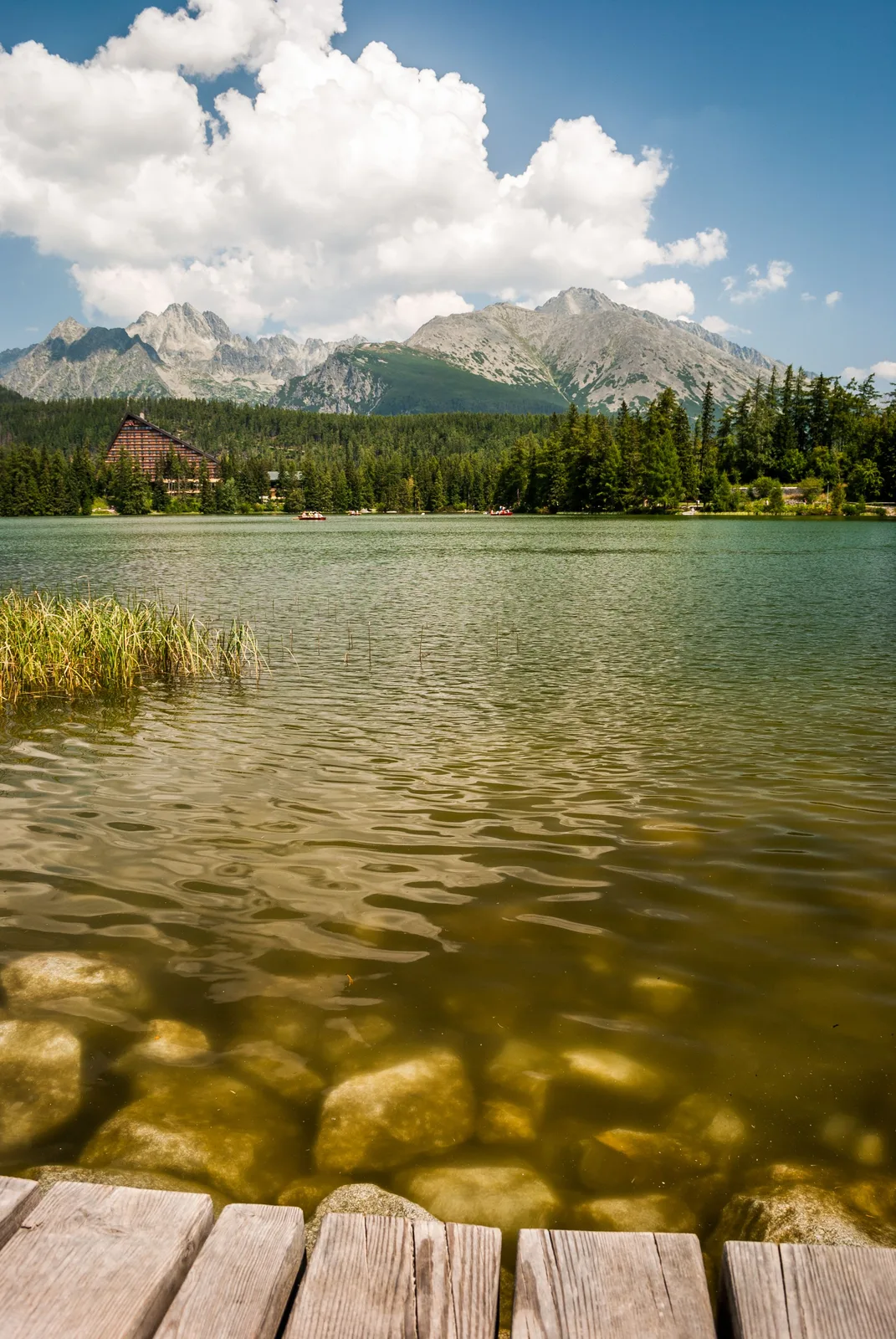
From Štrbské Pleso to the Roháče peaks, paths run from one high mountain lake to the next, with a chata the only stop between them.
Staying overnight in a chata
Above the treeline, reachable only on foot, with a wood stove and a shared table: the mountain style of the Tatras is functional, not luxurious.
Spending time with a bača
A morning or a full day with a shepherd who drives his flock up to the pasture and makes his own bryndza there.
Crossing gorges on ladders and chains
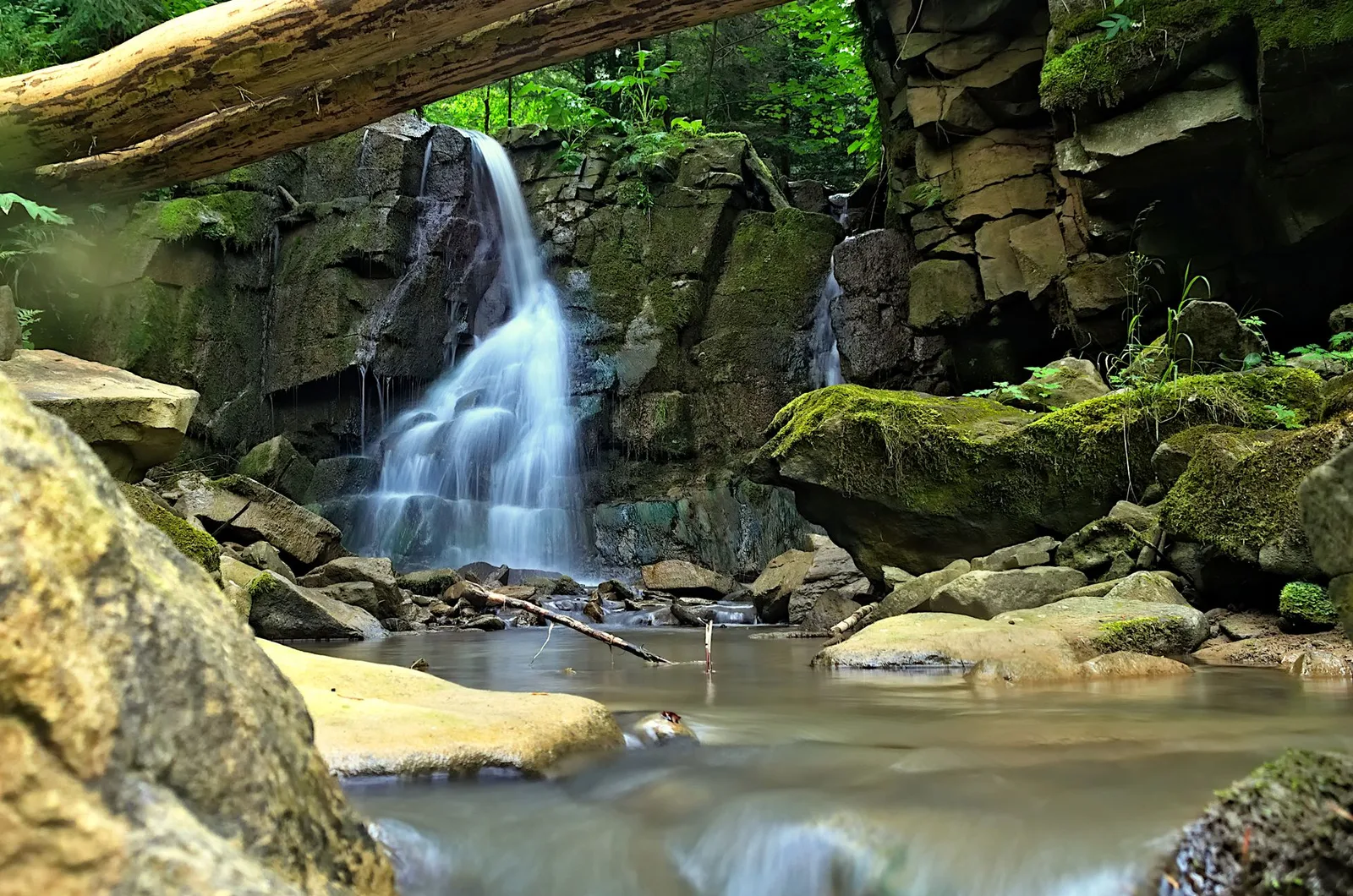
In the Slovenský raj, footpaths cut straight through waterfall gorges, along iron ladders and chains that have hung there for decades.
Cycling through the Poľana caldera
One of Europe's largest volcanic calderas, now a rolling landscape of meadows and beech forest, criss-crossed by quiet gravel roads.
Any of the experiences above can become the heart of a trip, or a single day within it. We work out the order together.
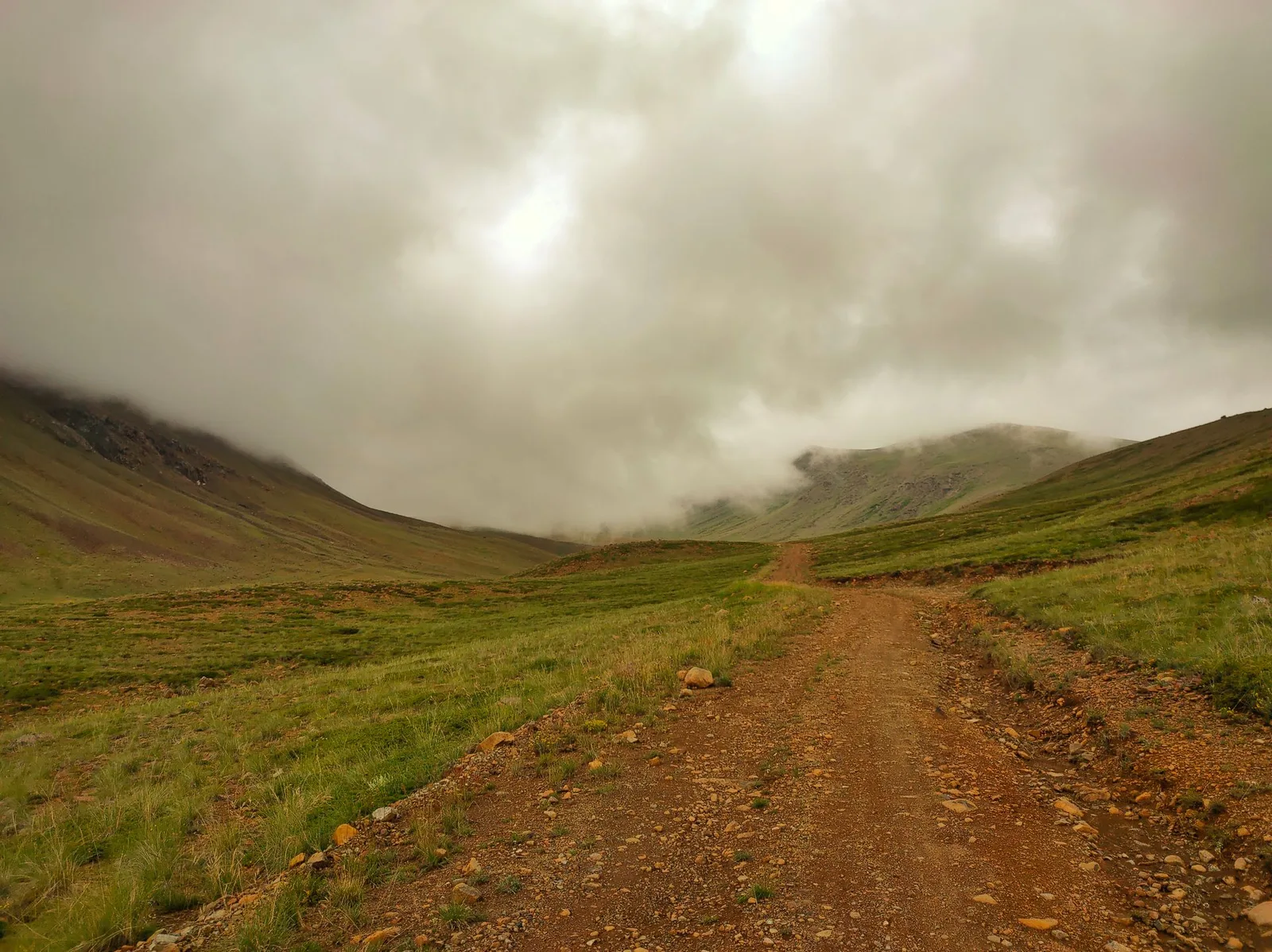
Between two mountain ridges there is often just one village, and one road back.


Twelve months, two seasons that matter.
The Tatras have no consequence-free shoulder season: snow can linger into May and return as early as October. Anyone wanting to walk in the mountains is best off sticking to summer; anyone after the snow comes in winter.
In between, April, May, October, November, the weather is at its most unpredictable: beautiful for anyone flexible, difficult for anyone counting on a fixed route. October is the driest of those four, May the wettest.
Best time to visit Slovakia
Who else is at their best in these months?
January February August September December
Use the contact form to discuss your travel dates and preferences with us.
Practical, without the noise.
Practical matters that make planning easier.
Getting there
There is a direct flight from Charleroi to Bratislava, but Bratislava is far from the mountains; most trips start via Kraków, with a two to three hour drive, or via Vienna or Budapest, with a longer drive.
Documents
Slovakia is an EU and Schengen member; a valid identity card is sufficient.
Health
No vaccinations required; weather in the Tatras can turn quickly, even in summer.
Pace
Expect narrow mountain roads and valleys with a single access road. Distance on the map says little about driving time.
Frequently asked questions
Is Slovakia the same as the Czech Republic?
No. The two countries were one state until 1993, but Slovakia has its own language, a different landscape, much more mountainous, and a culture closer to Poland and Hungary than to Bohemia.
Do we need to visit Bratislava?
Not necessarily. The capital makes a pleasant day stop, but the country that makes the trip worthwhile lies further east, in the mountains.
Is English spoken?
In the mountain villages and among local experts, yes, but not everywhere as a given. Older generations are more likely to speak German than English.
Does this work outside the walking season?
Yes. Winter brings cross-country skiing, snowshoeing and ski touring, though the pace and the route shift completely.
- Getting there
- Direct from Charleroi to Bratislava, but for the mountains usually via Kraków, Vienna or Budapest, followed by a drive
- Languages
- Slovak; Hungarian is also spoken in the south, Rusyn in the north-east
- Time difference
- None: Central European time
- Elevation range
- From the Danube plain at Bratislava to the Gerlachovský štít at 2,655 metres
- Best time to visit
- June to September for the mountains, December to February for the snow