
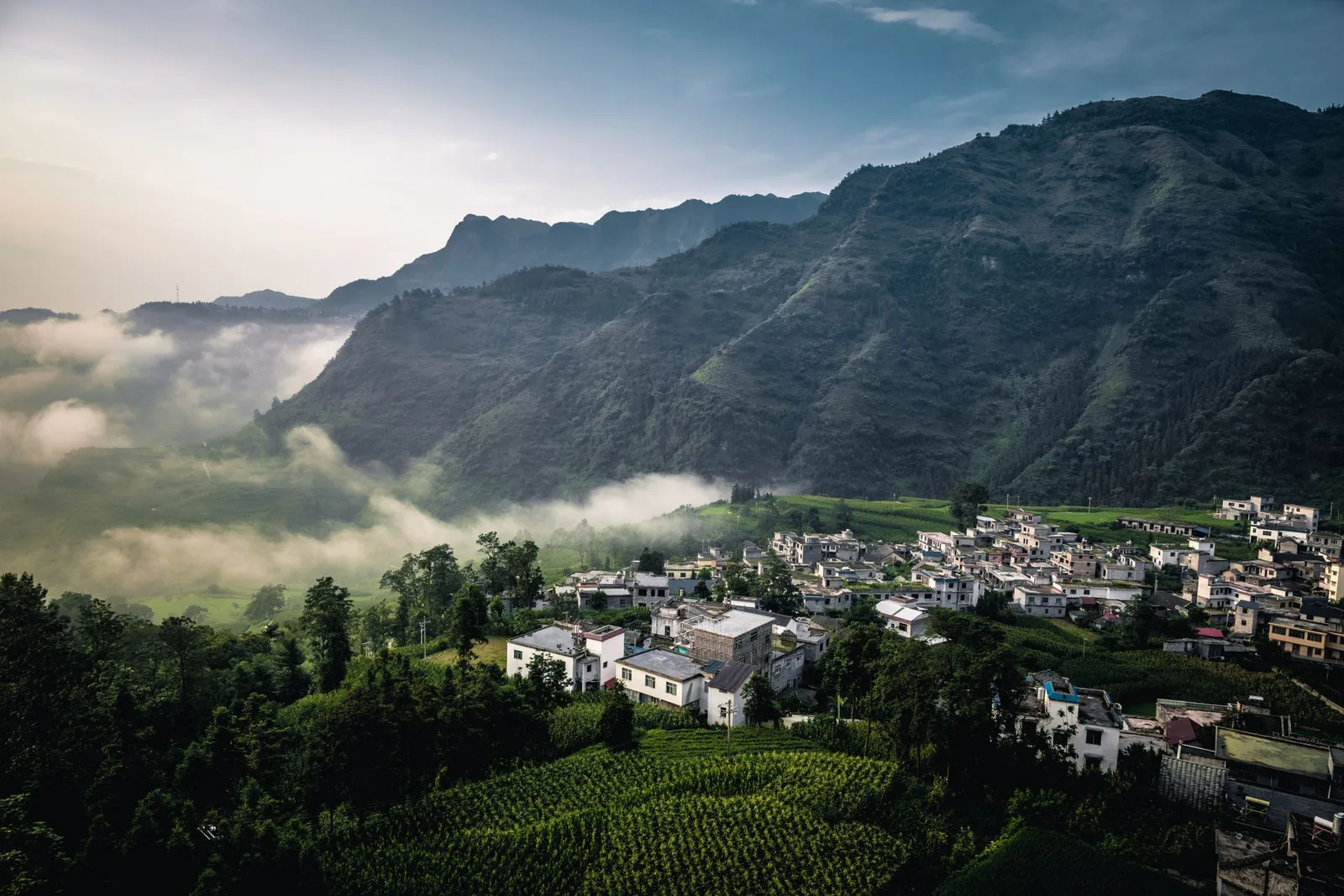
A country that keeps rewriting itself
Old traditions, fast-moving cities and hushed landscapes exist side by side in a country that seems to reinvent itself everywhere you look.
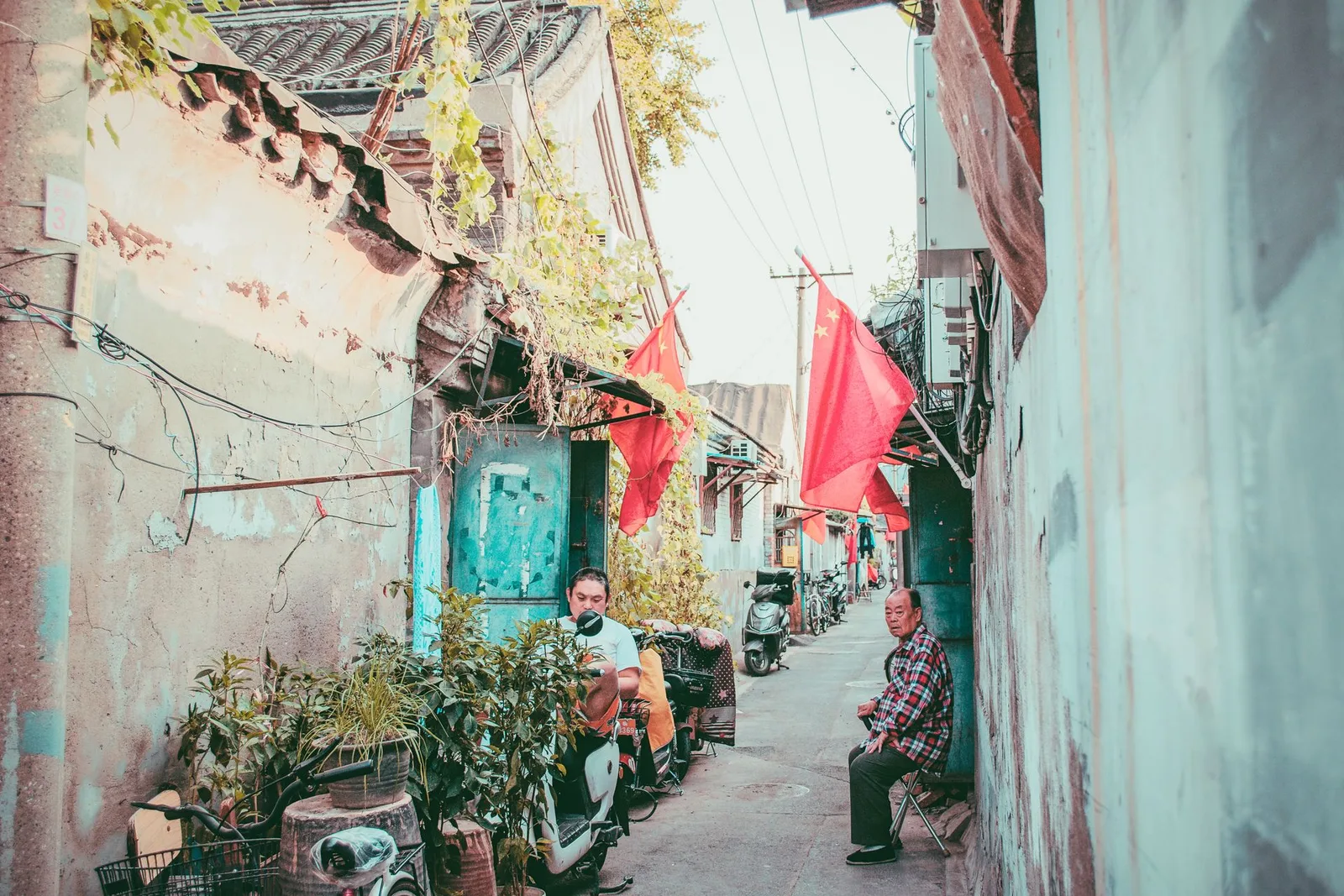
China is not a destination you sum up in a single breath. It is an imperial capital with hutongs where the washing still hangs out to dry, a western plateau where the air is thin and the horizon endless, and a coastline packed with cities that seem to grow a new skyline every year. Anyone who takes home just one image of it has missed the point.
We do not build a trip that tries to 'do all of China'. Together with you, we choose which layer you want to see: the old inland regions, the mountain villages of the southwest, the pace of the coastal metropolises, and build a tailored route around that choice, without fixed programmes and without the rush that would do the country no justice.
In short
Best time to go
April, May and September are the most pleasant months in most regions. Summer is hot with monsoon rain in the east and south, winter is bitterly cold in the north, and early October is busy with the national holidays.
How long
Two to three weeks for two or three regions, linked by high-speed train or domestic flight. More regions in the same time mostly means packing and travelling.
Who it suits
Travellers who want to see a few regions properly, from the hutongs of Beijing and the teahouses of Chengdu to the villages of Yunnan, and who accept the language barrier outside the big cities.
What sets it apart
China's high-speed rail network passed 50,000 kilometres by the end of 2025, around two thirds of the world's high-speed lines. Cities hundreds of kilometres apart are just a few hours from each other.
What we call 'Asia' is just an ordinary Tuesday here.China is not one country to visit. It is dozens of them, side by side.
Seven faces, no two alike
China cannot be captured in a single route. These places show just how varied the country is within its own borders. You choose a few, not all of them.
Beijing and the hutongs
Behind the broad avenues and the Forbidden City lies another Beijing: narrow hutong alleys where neighbours still play chess on the street and the smell of jianbing drifts through the lane each morning. It is the city where imperial history and daily life meet at eye level.
Xi'an and the old Silk Road
Xi'an was once the eastern end of the Silk Road, and you can still feel it in the Muslim Quarter, where Hui Chinese food stalls stay open late into the evening. Further west, towards Gansu, the landscape opens into the dry corridor that caravans once travelled for centuries.
Sichuan and Chengdu
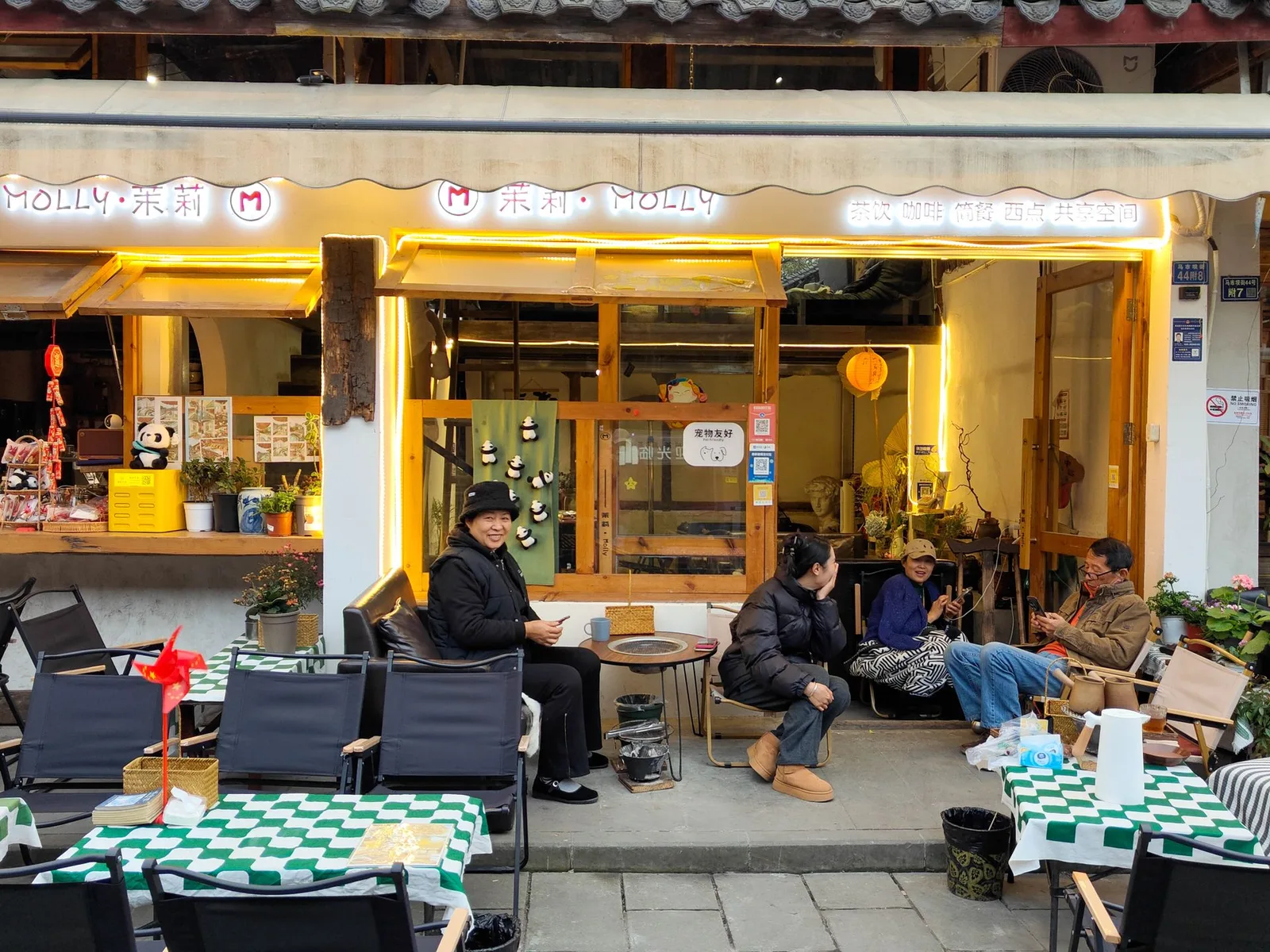
Chengdu moves more slowly than other big cities: teahouses full of mahjong players, streets that smell of Sichuan pepper. To the west, the mountains climb towards the Tibetan borderlands, where the inland plains give way to monasteries at high altitude.
Guilin and the karst river of Yangshuo
Thousands of limestone peaks line the Li River, fishermen still pole out on bamboo rafts in the early morning, and rice terraces climb the slopes behind them. Southern China looks almost unreal here, which is exactly why it is too often reduced to a single postcard image.
Yunnan: Dali, Lijiang, Shaxi
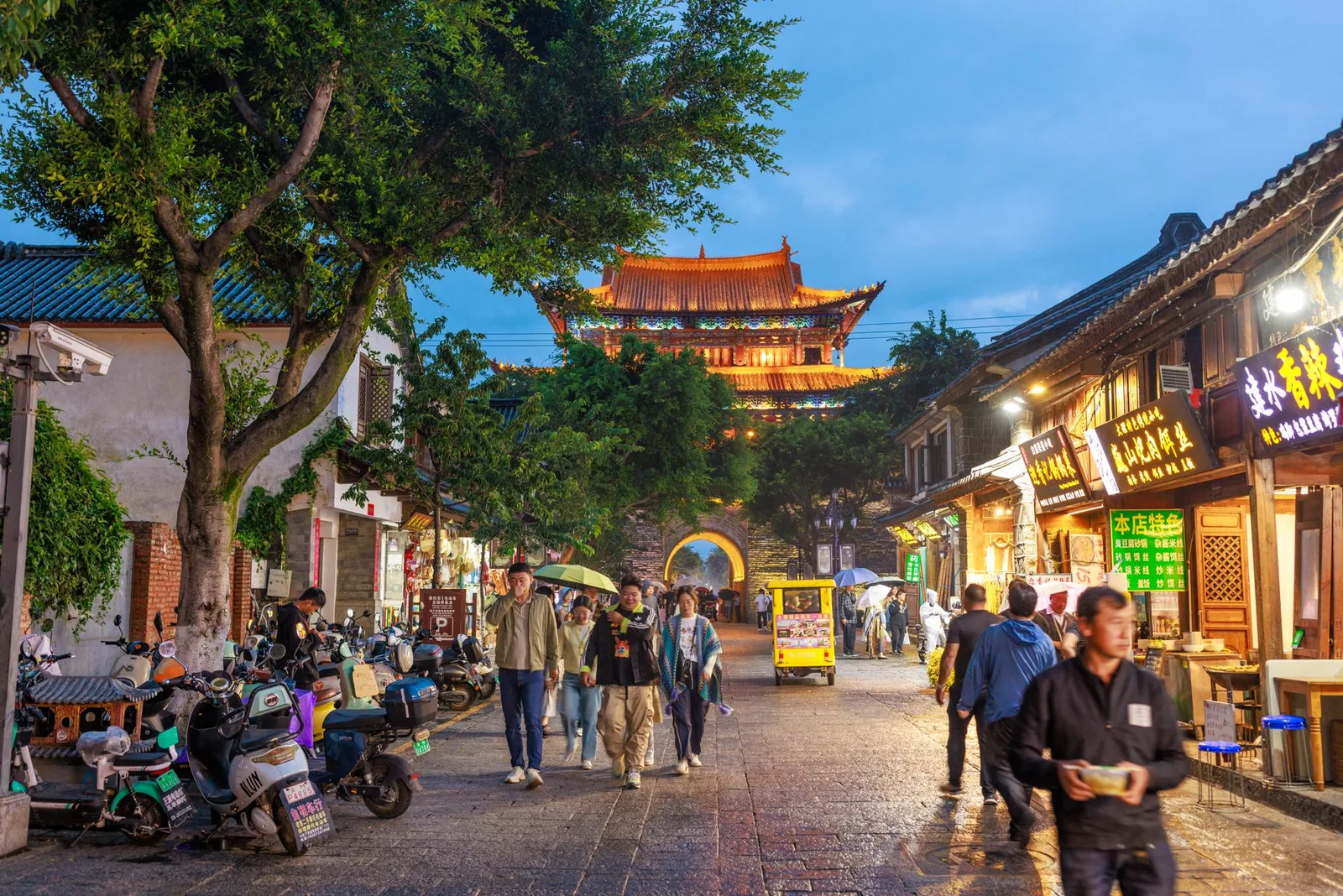
Yunnan borders Myanmar, Laos and Tibet, and you can taste it: at the market in Shaxi, Bai language mixes with Mandarin, and in Dali an old city wall looks out over Erhai Lake. This is the China where ethnic diversity is far more visible than in the big eastern cities.
Fujian and the tulou earthen dwellings
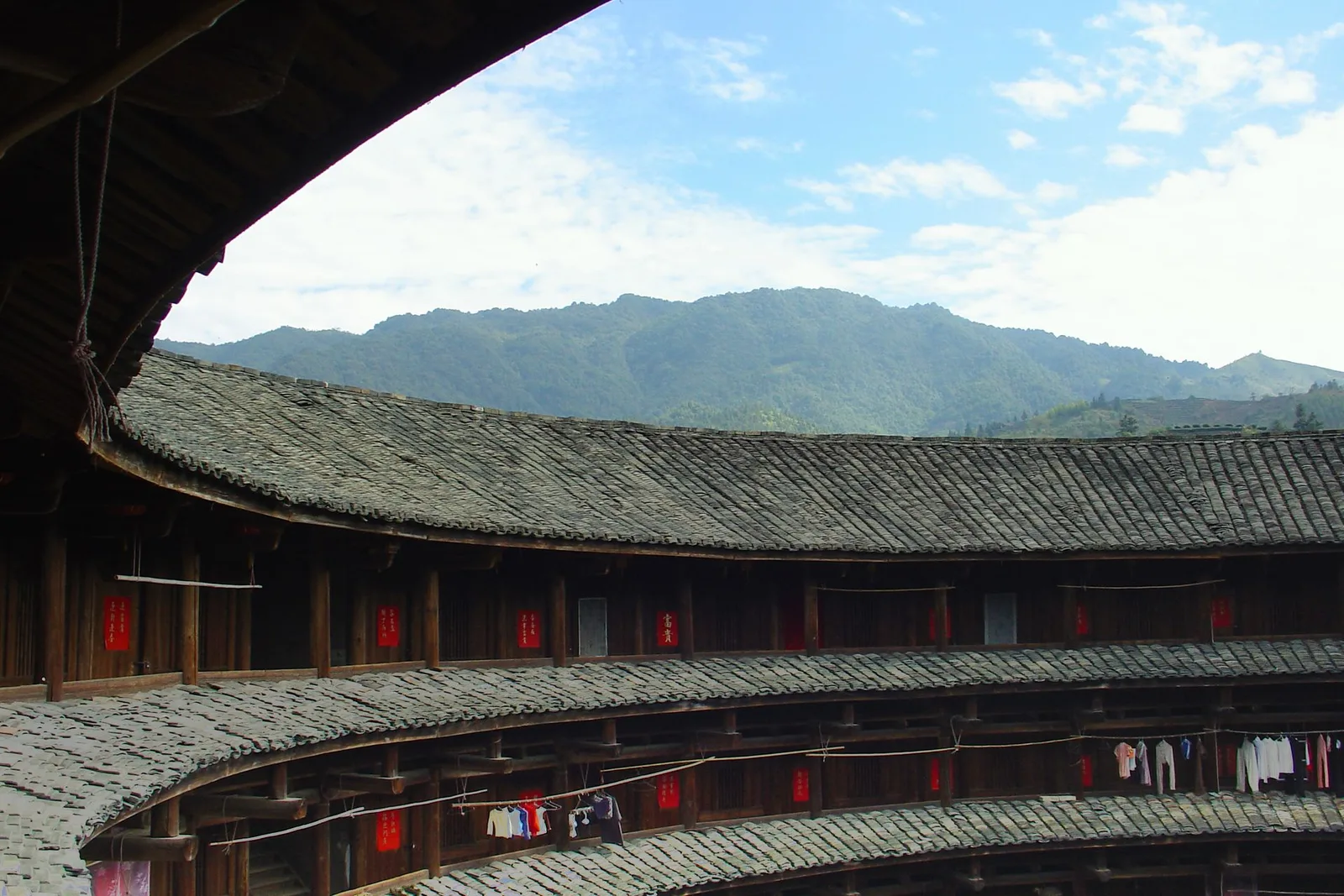
In the hills of Fujian stand round and square tulou, earthen communal dwellings where hundreds of people once lived under a single roof. The coastal towns nearby, such as Xiamen, show how colonial trade and Chinese port culture blended here for centuries.
Shanghai and the water towns
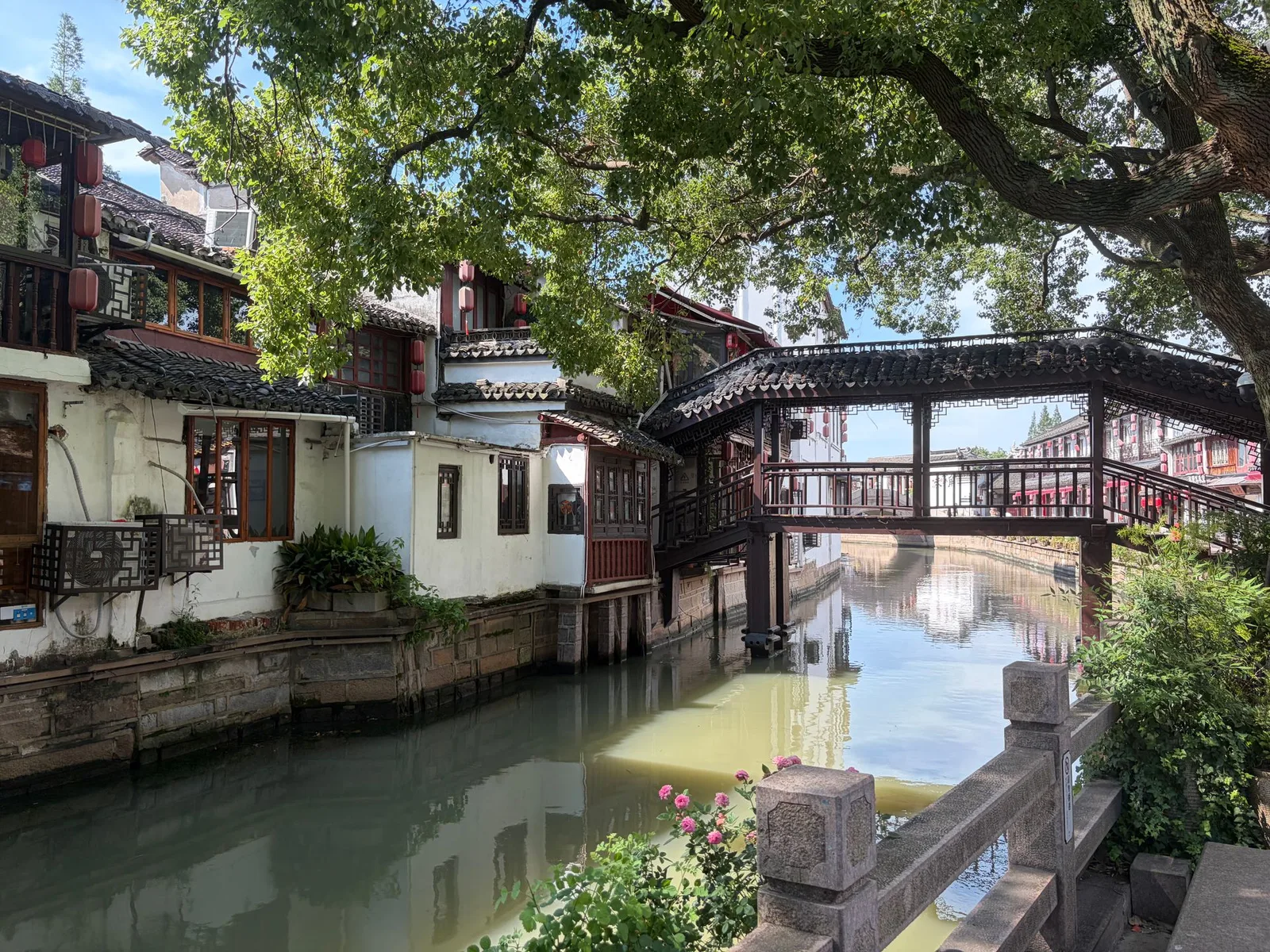
The Bund at night, with the neon wall of Pudong glowing across the water, is the China most people already know. An hour away lie water towns such as Zhujiajiao, with canals and stone bridges that show what the delta looked like before the skyscrapers arrived.
Between an alley at sunrise and a skyline at midnight lies the same country.





Possibilities, not a programme
These are not day trips we string together. They are the kinds of experiences from which we build, together with you, a route that matches your own tempo.
Into the interior by high-speed train
China's rail network links cities hundreds of kilometres apart in a few hours. A route that uses the train instead of avoiding it shows a different China from one seen only by air.
Teahouses and tea culture in Yunnan and Fujian
From the pu-erh tea that matures in Yunnan to the oolong traditions of Fujian, an afternoon in a teahouse here is no tourist performance but a daily habit you are welcome to join.
Early morning in the park
In cities such as Chengdu and Beijing, parks fill at sunrise with tai chi, calligraphy written in water on stone, and older residents who have their fixed spot. Standing among them shows a different rhythm from the one the city keeps during the day.
Cooking in a local kitchen
A cooking lesson with a family in Chengdu or Yangshuo is rarely about a recipe alone. It is an introduction to how a household here eats, shops and welcomes guests.
The edge of the Tibetan plateau
In western Sichuan, the land climbs gradually towards Tibetan territory: monasteries, yak pastures and air that changes with the altitude. Not an Everest base camp, but an honest introduction to height and space.
Whatever you choose here, it becomes your route. Not ours.




Why we don't cram China into one trip
Scale is not a detail China is larger than the whole of Western Europe. A trip that tries to combine Beijing, Xi'an, Guilin, Yunnan and Shanghai in two weeks turns into a string of airports. We would rather explore two or three regions properly than skim five.
The pace of change A city we recommended five years ago can look completely different now. China builds and rebuilds faster than most countries. Our local experts check on the ground what still holds true, not just what once did.
Language is a real obstacle, not a romantic detail Outside the main tourist spots, English is limited, and many Western apps don't work the way they do at home. We prepare you for that instead of glossing over it, so it never becomes a surprise on the road.
One region can be enough You don't need to cross three time zones within the country to come away with a complete feel for China. Sometimes Sichuan alone says more than a sprint through five cities.
An early market in Yunnan, before the first morning light reaches the steaming noodle stalls.
When to travel: a question that differs by region
A country of this scale has no single season. While the north sits under a hard frost in January, the south stays mild and dry at the same time. The months below cover the country as a whole; for a specific region, we look at it with you in detail.
Best time to visit China
Who else is at their best in these months?
April May September October
Use the contact form to discuss your travel dates and preferences with us.
Practical, without the noise.
A few things that make travelling through China genuinely different from an average city break.
Visa
Which travel documents you need depends on your nationality, and entry rules change regularly. We go through the current requirements with you before you leave.
Language and apps
Outside the big cities, English is limited and Western apps such as Google Maps or WhatsApp don't always work as they do at home. We prepare you for the local alternatives.
Distances
Cities are often hundreds to thousands of kilometres apart. Domestic flights and high-speed trains are the norm, not the exception.
Altitude
Anyone heading towards the Tibetan plateau should allow for altitude sickness from around 3,000 metres. We deliberately build in acclimatisation time for that.
Pace
China rewards a trip that doesn't try to do too much in too little time. Seeing two or three regions properly works better than ticking off five.
Frequently asked questions
Is China hard to travel without speaking Mandarin?
It's a genuine point of attention outside the big cities, but not an obstacle. We arrange local support and practical tools where needed, so the language barrier never dictates your route.
Do we need a visa for China?
That depends on your nationality and how long you stay, and China has adjusted those rules regularly in recent years. We go through the current requirements with you and tell you in good time which documents your situation needs.
Can we see 'all of China' in two weeks?
Not really, and we wouldn't recommend it. We would rather build a route around two or three regions you can experience properly than a sprint through five cities that mostly involves packing and flying.
Does the internet work the way it does at home?
Not entirely. Some Western apps and services aren't available there. We discuss beforehand what preparation that requires, so you don't run into surprises on the road.
- Flight time
- Usually 10 to 11 hours, direct to Beijing or Shanghai
- Languages
- Mandarin as the common language, alongside dozens of regional languages and dialects
- Time difference
- 6 to 7 hours ahead of Belgium, the whole country shares a single time zone
- Area
- Almost as large as the whole of Europe, from the subtropical south to the Tibetan plateau
- Best time to go
- Usually spring and autumn, though it varies a great deal by region