
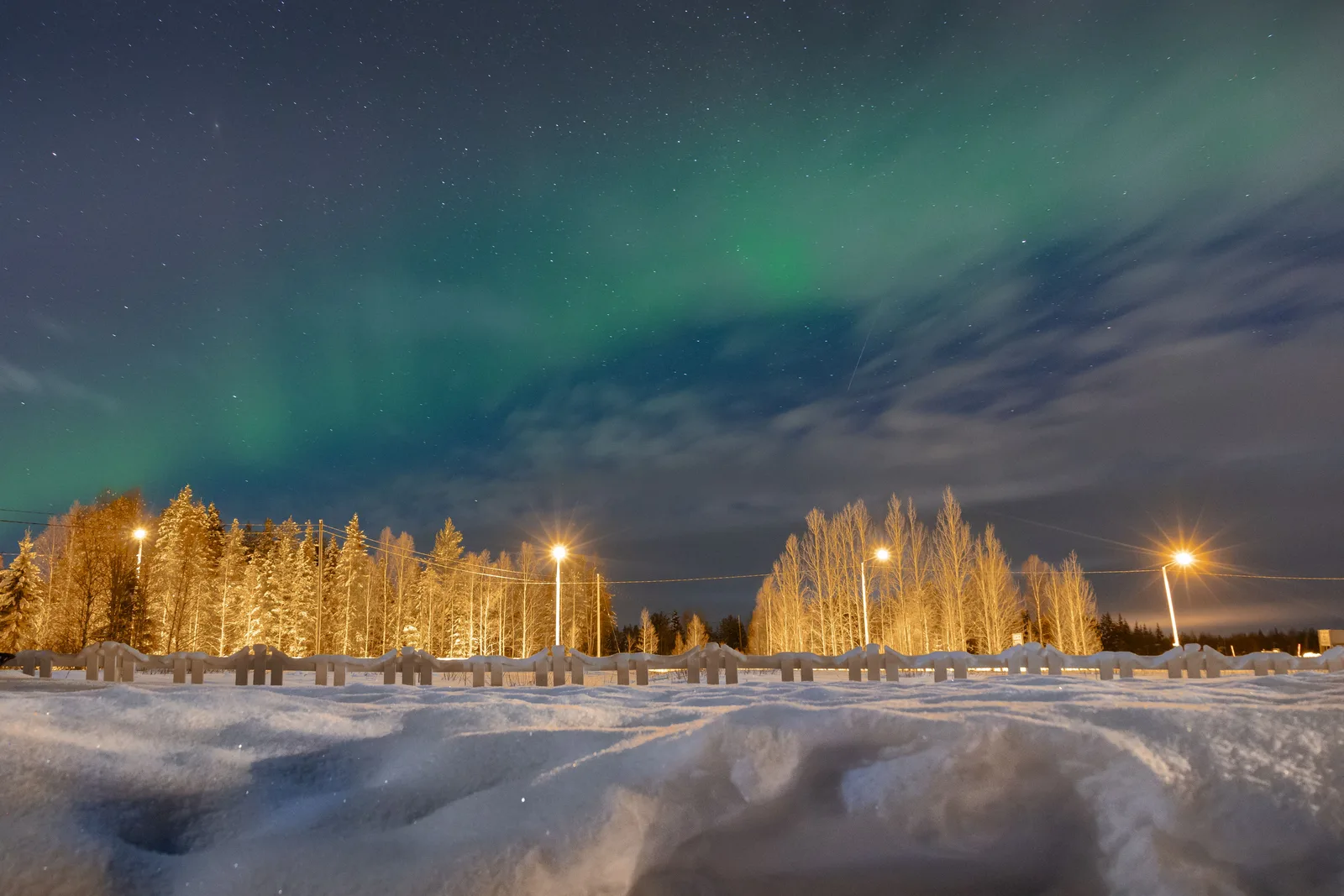
A region that doesn't bend to the calendar.
No season here is just a season.
A region without hard borders, where tundra and boreal forest live under a light that swings between two extremes throughout the year: months of sun, or months of night.
The map shows three countries here: Finland, Sweden and Norway. Those who live here tend to think instead in terms of Sápmi, the area where the Sámi moved with their reindeer herds long before national borders existed. Villages such as Inari, Kiruna and Alta lie hundreds of kilometres apart, and yet the region feels like one whole: the same stillness, the same cold, the same light governing everything.
We don't build a fixed route through this region. We start with what draws you: the night that never falls in June, the day that never comes in January, a meeting with those who have lived here for generations. Everything else follows from there.
In short
Best time to go
January to March for snow and the northern lights, June and July for the midnight sun, and September for autumn colours and the first auroras. May and November, with thaw or no snow yet, offer the least.
How long
A week for one side of the border, ten days to two weeks if you combine Finnish, Swedish and Norwegian Lapland. Villages such as Inari, Kiruna and Alta lie hundreds of kilometres apart.
Who it suits
For travellers who seek silence and extreme light: snow and the northern lights in winter, hiking and canoeing under the midnight sun, and meeting Sámi families who herd reindeer.
What sets it apart
Above the Arctic Circle the sun does not set for weeks in summer and in winter sometimes does not rise for weeks. It is also Sámi land, with a Sámi Parliament of its own in Finland, Sweden and Norway.
One region, four angles.
Finnish, Swedish and Norwegian Lapland share the same light and the same cold, but the region changes character as you move from lake to fjell to fjord.
Finnish Lapland
Around Inari and Lake Inarijärvi, pine forest and open taiga alternate. This is where most of Finland's Sámi live, and where you still see reindeer fences along the road, not for show, but because the animals roam free.
Swedish Lapland
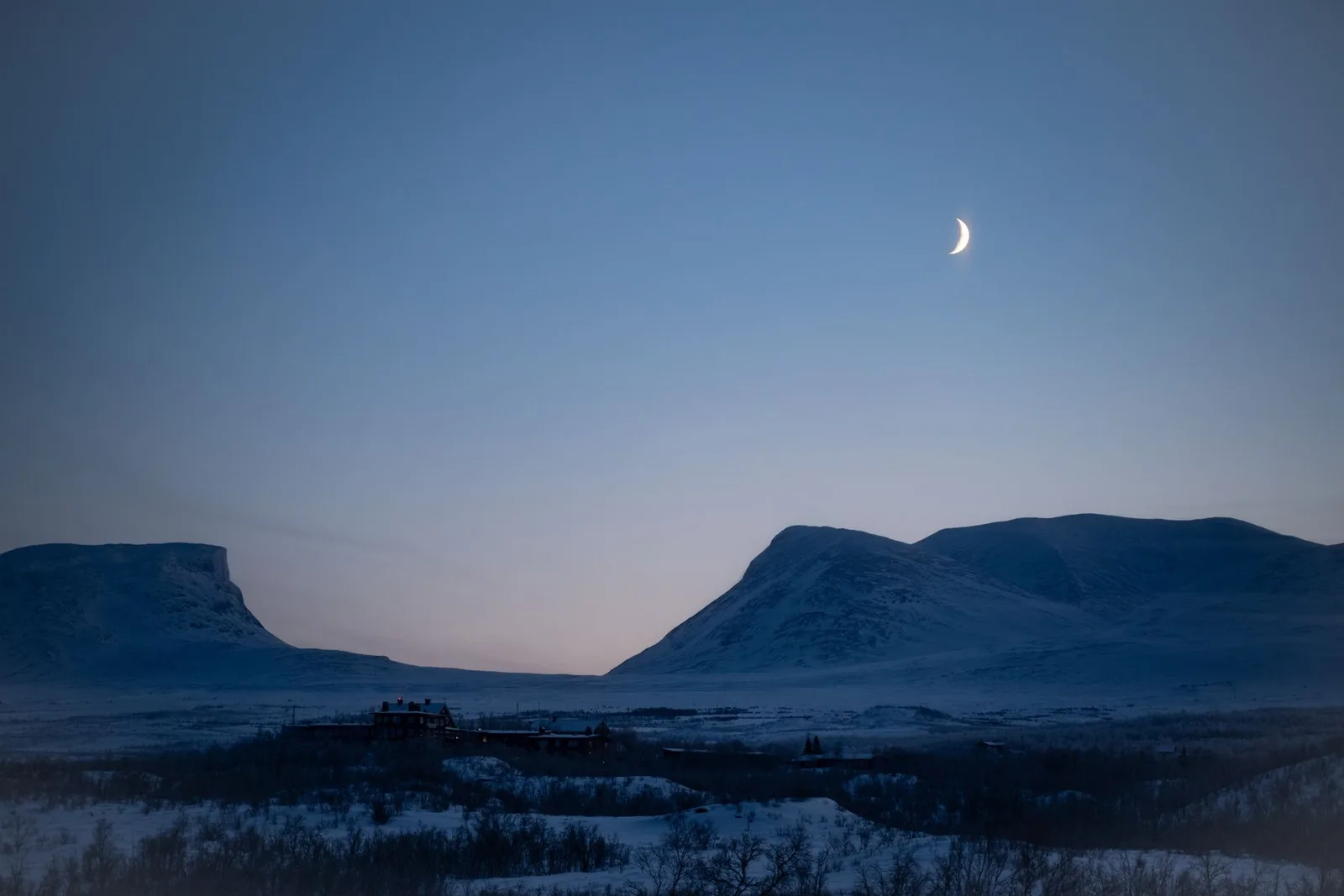
Around Kiruna and Abisko, the landscape turns barer and higher: fjell instead of forest, with the Abisko valley among the places where the sky is most often clear enough for the northern lights. Jukkasjärvi, further along the river, still lives off fishing and reindeer herding.
Norwegian Lapland
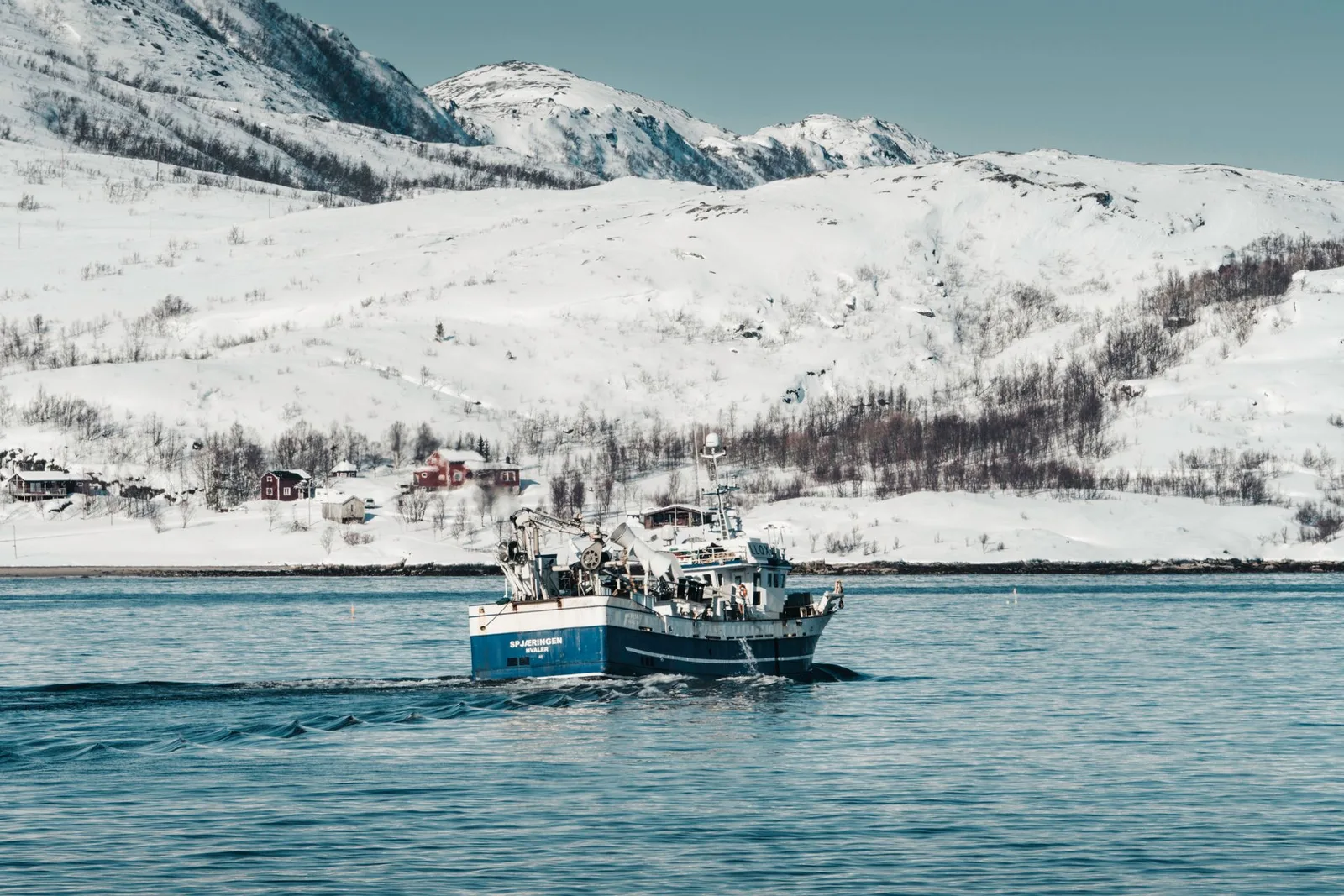
Where Sápmi meets the coast, near Alta and the Lyngen Alps, mountains rise straight out of the sea. The climate is milder here than further inland, the Gulf Stream often keeps the fjords ice-free, and fishing villages set the rhythm more than reindeer herders do.
Sápmi, the land between
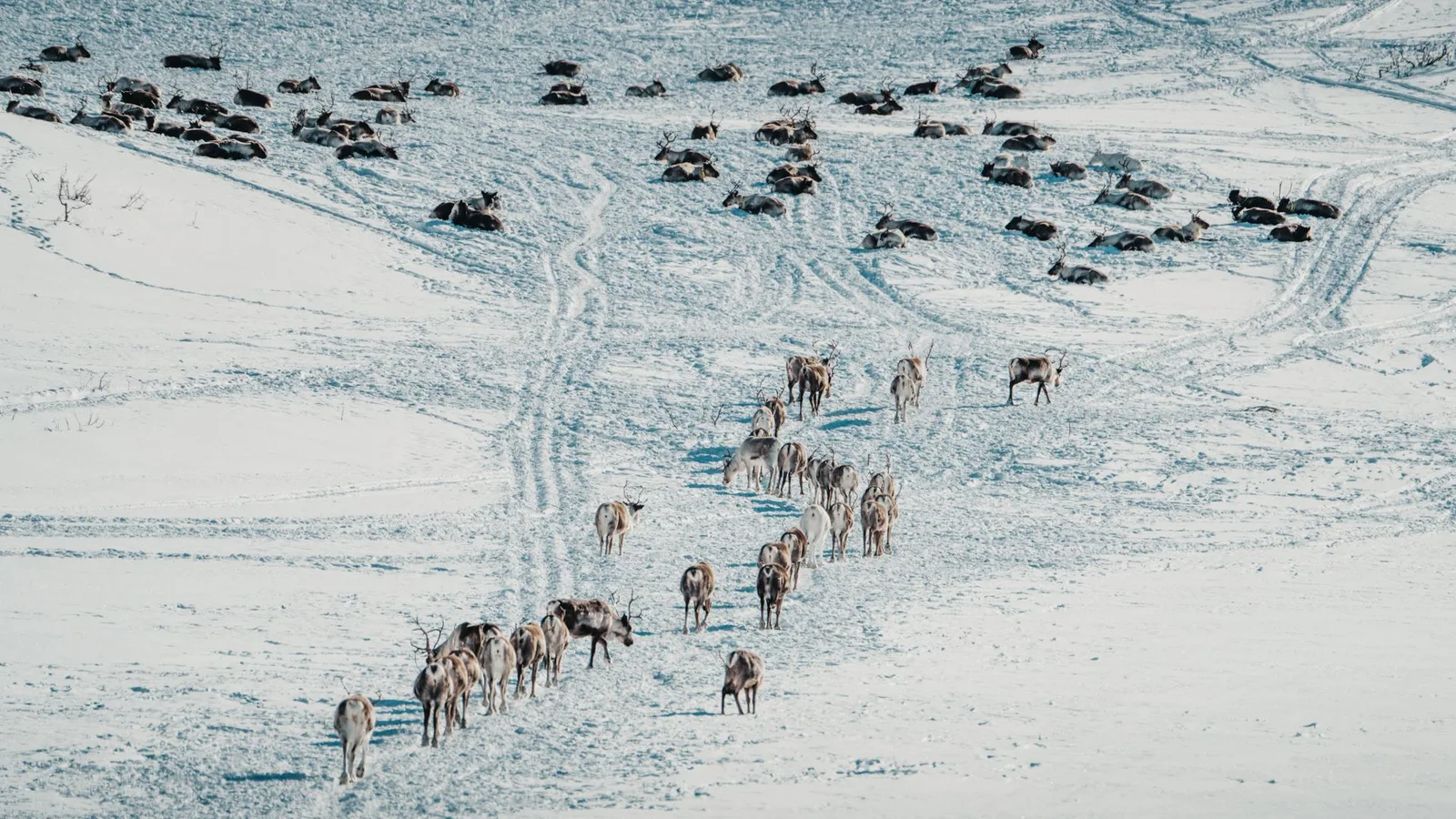
The real border doesn't run on the map but in the movements of the reindeer herds, which migrate between winter and summer pastures across land that crosses three national borders. Anyone travelling here notices that faster than customs does.
A people who were here before Lapland was ever on a map.
The Sámi call their own territory Sápmi, not Lapland, a name imposed from outside. Their language, their clothing, their way of keeping reindeer: all of it existed centuries before the first tourist route was ever drawn. In many villages that tradition simply carries on, alongside smartphones and snowmobiles, not instead of them.
We deliberately don't look for a staged 'Sámi experience' with artificial light and props. Where a meeting is possible, it's with people who invite you because they want to, with time for conversation rather than a photo moment. Sometimes that means it doesn't happen. We think that's a more honest answer than a re-enacted version.
Three trails through the same landscape.
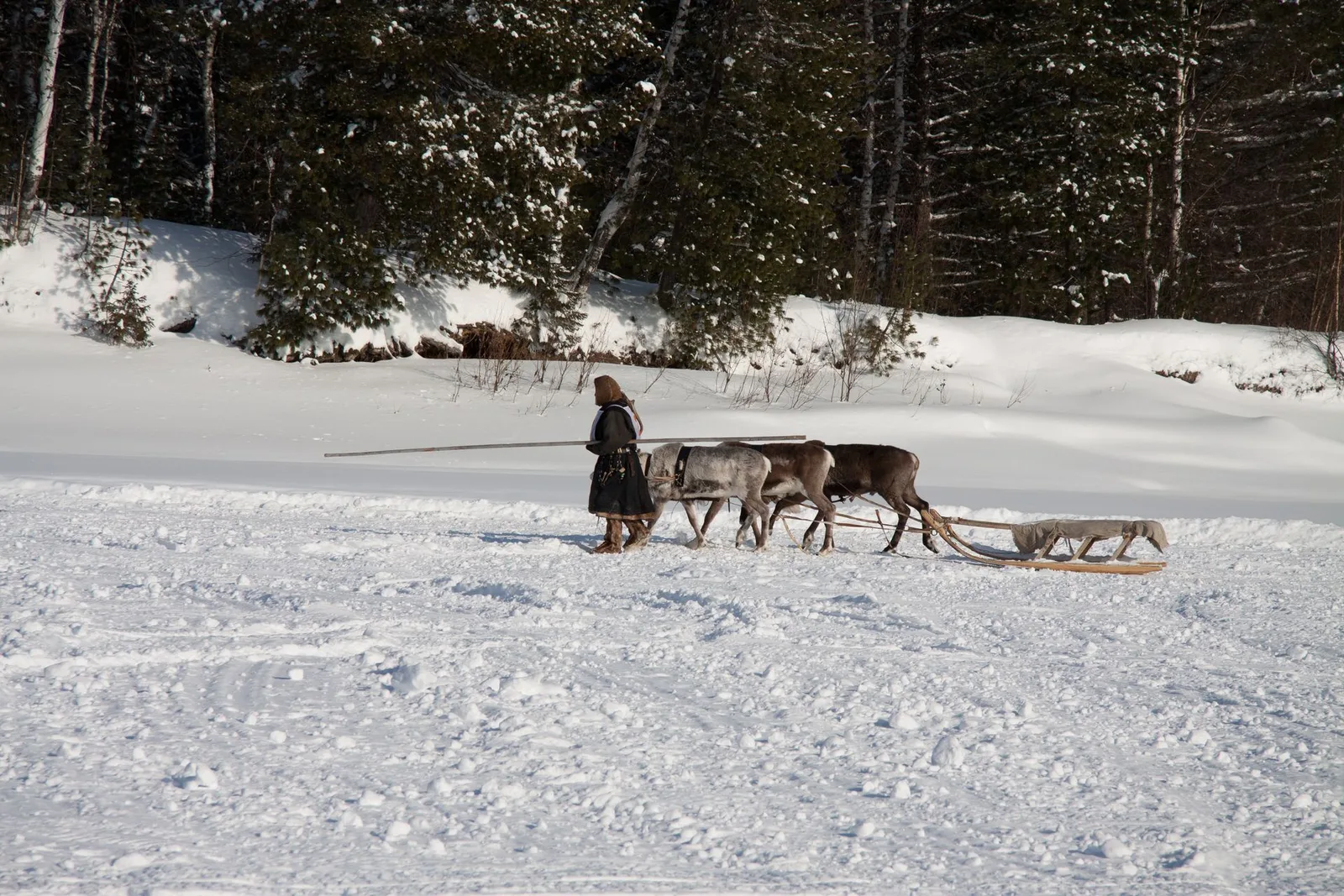
Reindeer
Not a zoo animal but a semi-wild one that sets the rhythm of the region: the migration between winter and summer pastures literally dictates where roads and railway lines run.
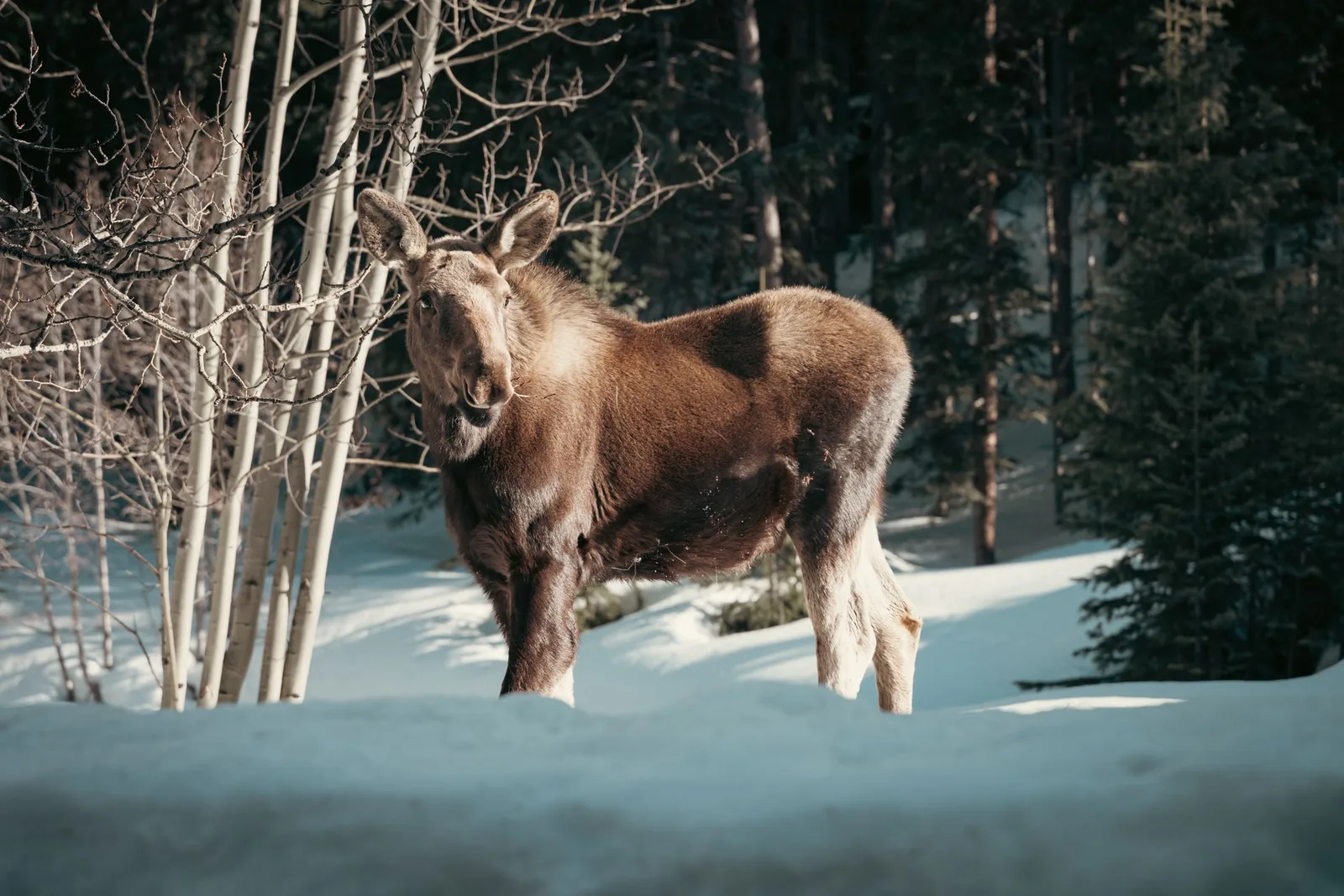
Elk
In the birch forests around the rivers, elk are easier to hear than to see, until dusk falls and they move out into the open.
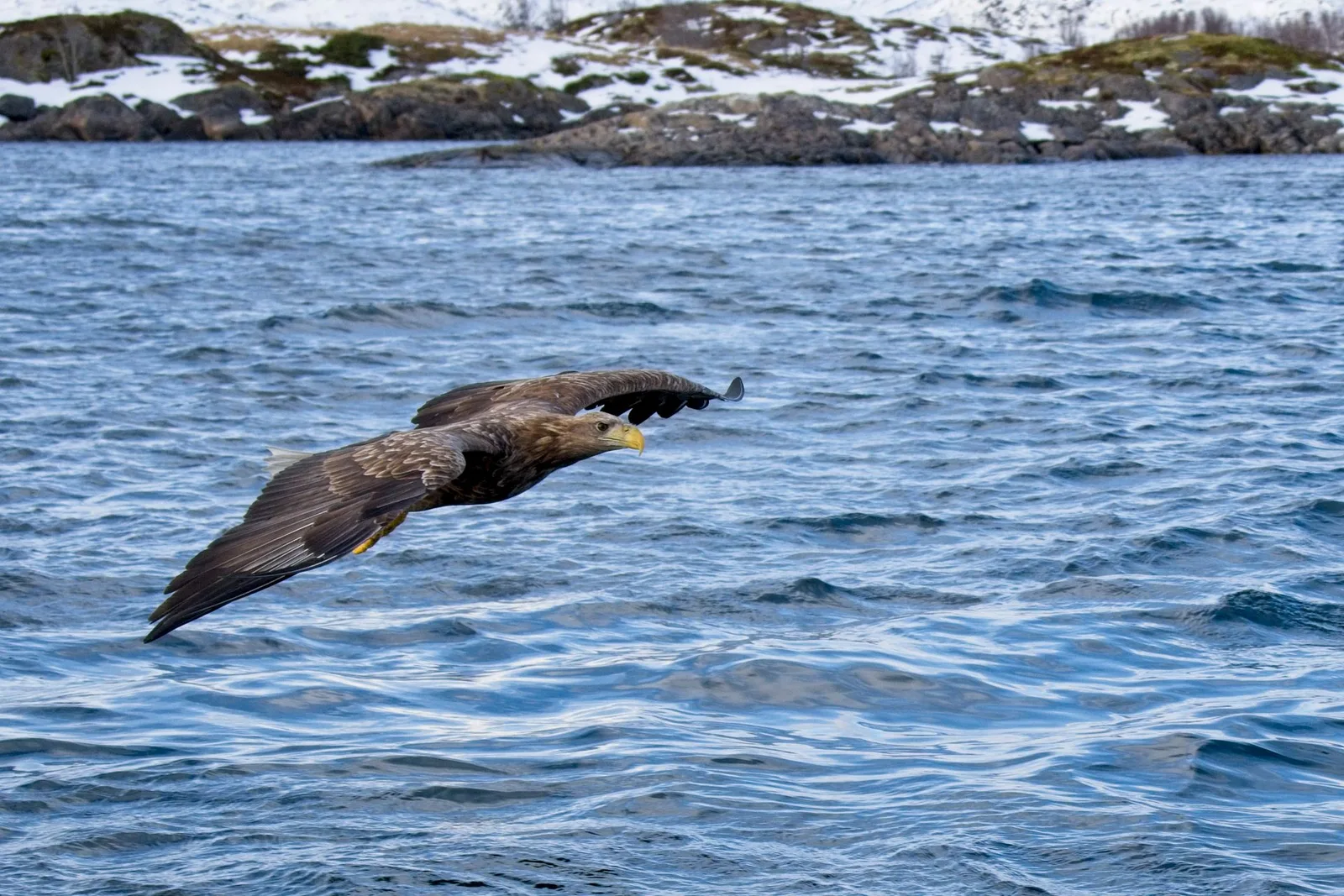
White-tailed eagles
Above the Norwegian fjords, white-tailed eagles with a wingspan of more than two metres hunt, often at eye level from the cliffs.
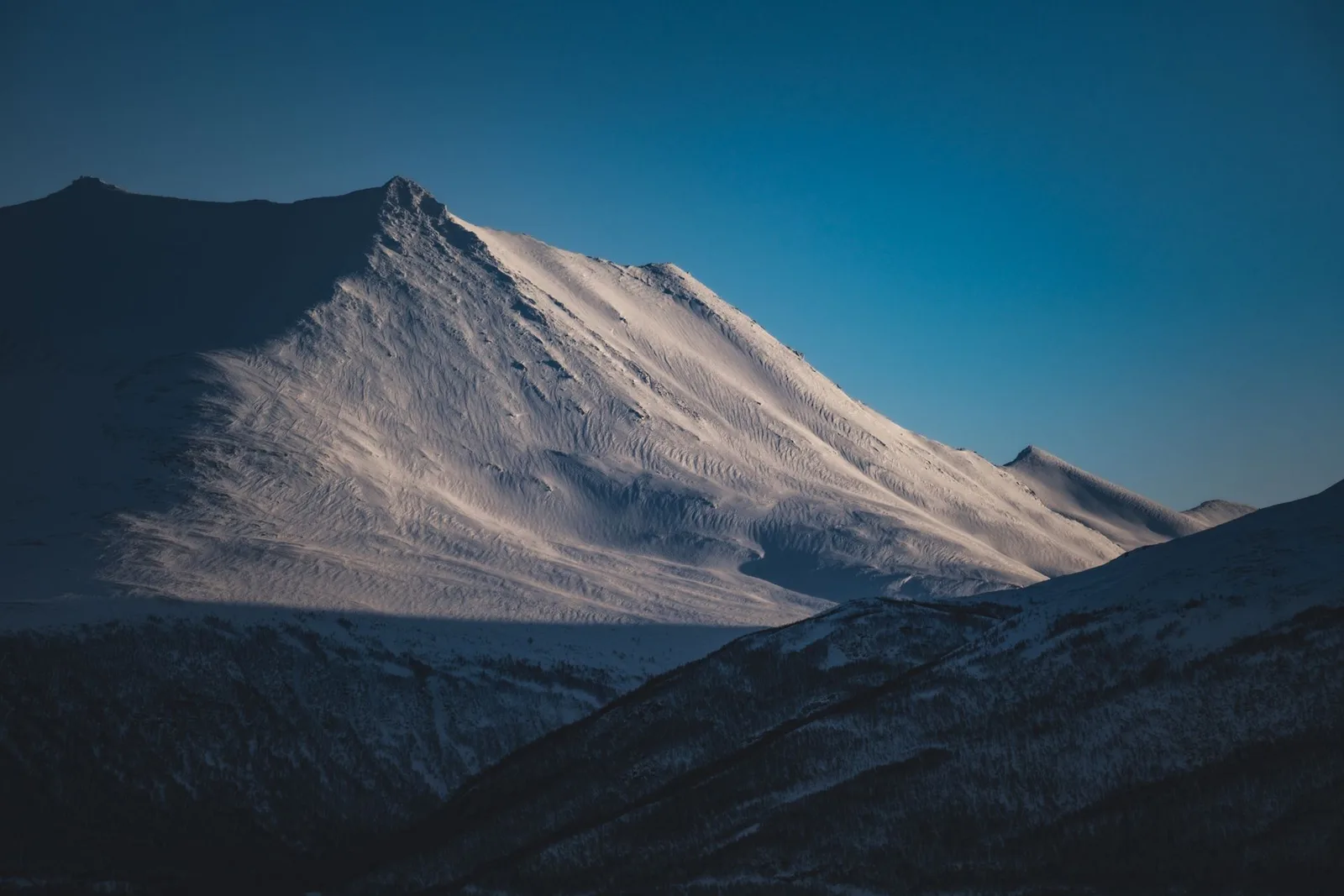
The fjell between Kiruna and Abisko, where forest gives way to bare highland.

A year of two extremes
In January, the sun doesn't rise above the horizon at all in some places: kaamos, the polar night, with a few hours of blue twilight as the day's high point. In June the opposite happens. The sun doesn't set for weeks on end. Between the two lies September, when the birch forests turn to ruska colours and the northern lights become visible again for the first time.
So there's no single 'best month', only a best month for what you're after: snow and polar light, the endless day, or the calm of the in-between season.
Best time to visit Lapland
Who else is at their best in these months?
January February March June July September
Use the contact form to discuss your travel dates and preferences with us.
Possibilities, not a fixed programme.
This isn't a list to tick off. These are directions we work out together with you into something that fits your trip.
Into the fjell on skis or snowshoes
With a local guide who knows the terrain, from short outings to days far from anywhere inhabited.
A night with a reindeer herder
Not as an attraction, but as a guest, with the chance to lend a hand if it suits, and otherwise simply to listen.
Sauna, and a hole in the ice
A combination that isn't tourism here but daily life: hot to cold, with nothing in between.
Walking or canoeing when the sun doesn't set
The midnight sun changes the whole idea of a day's schedule. There's no reason to stop early.
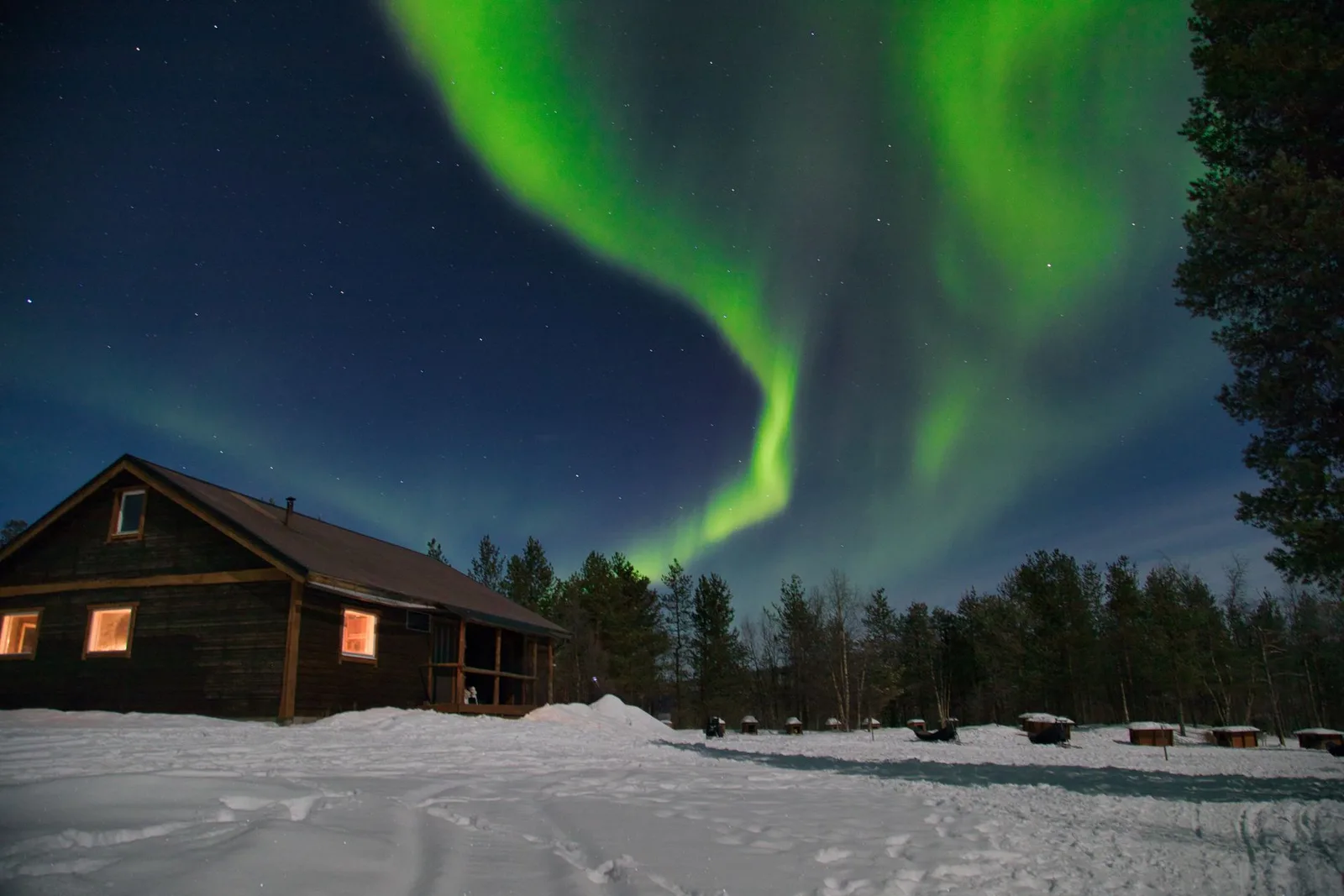
Waiting for the northern lights
With patience as the only strategy: a clear sky, a dark spot, and time not spent looking at your phone.
Combine what fits, leave out what doesn't appeal.


Practical, without the noise.
Practical, without taking the adventure out of it.
Getting there
Flights usually run via Helsinki, Oslo or Stockholm to regional airports such as Ivalo, Kiruna or Alta
Documents
A valid identity card is sufficient within the Schengen area; the same rules apply on the Norwegian side
Clothing and cold
Layers matter more than one thick coat. The right gear determines how long you can stay outside, not your willpower
Pace
Short winter days and endless summer days both call for a different rhythm than you're used to
Language
English is widely understood, even in the smaller villages
Here, what counts isn't how much you see,but how long you keep looking.
- Flight time
- About 3.5 to 5 hours, depending on the airport in the north
- Languages
- Finnish, Swedish or Norwegian, and Sámi in the villages where reindeer herders live
- Time difference
- None to one hour: no jet lag
- Climate
- From deep frost during the polar night to bright nights without darkness in summer
- Best time to go
- Depends what you're after: winter for snow and the northern lights, summer for the midnight sun