

The country that hasn't smoothed off its edges.
Two colonial cities, rivals for centuries, with a lake full of volcanic islands between them, rougher round the edges than its neighbours.
Granada and León both date back to 1524, and they agree on almost nothing. Granada, on the lake, grew rich through trade and built churches and merchant houses to show for it. León, further north, sided with the freedom fighters and the poets, and has celebrated that ever since. The rivalry between the two cities decided for centuries where the capital should sit, until nobody could settle it and Managua, halfway between them, broke the deadlock.
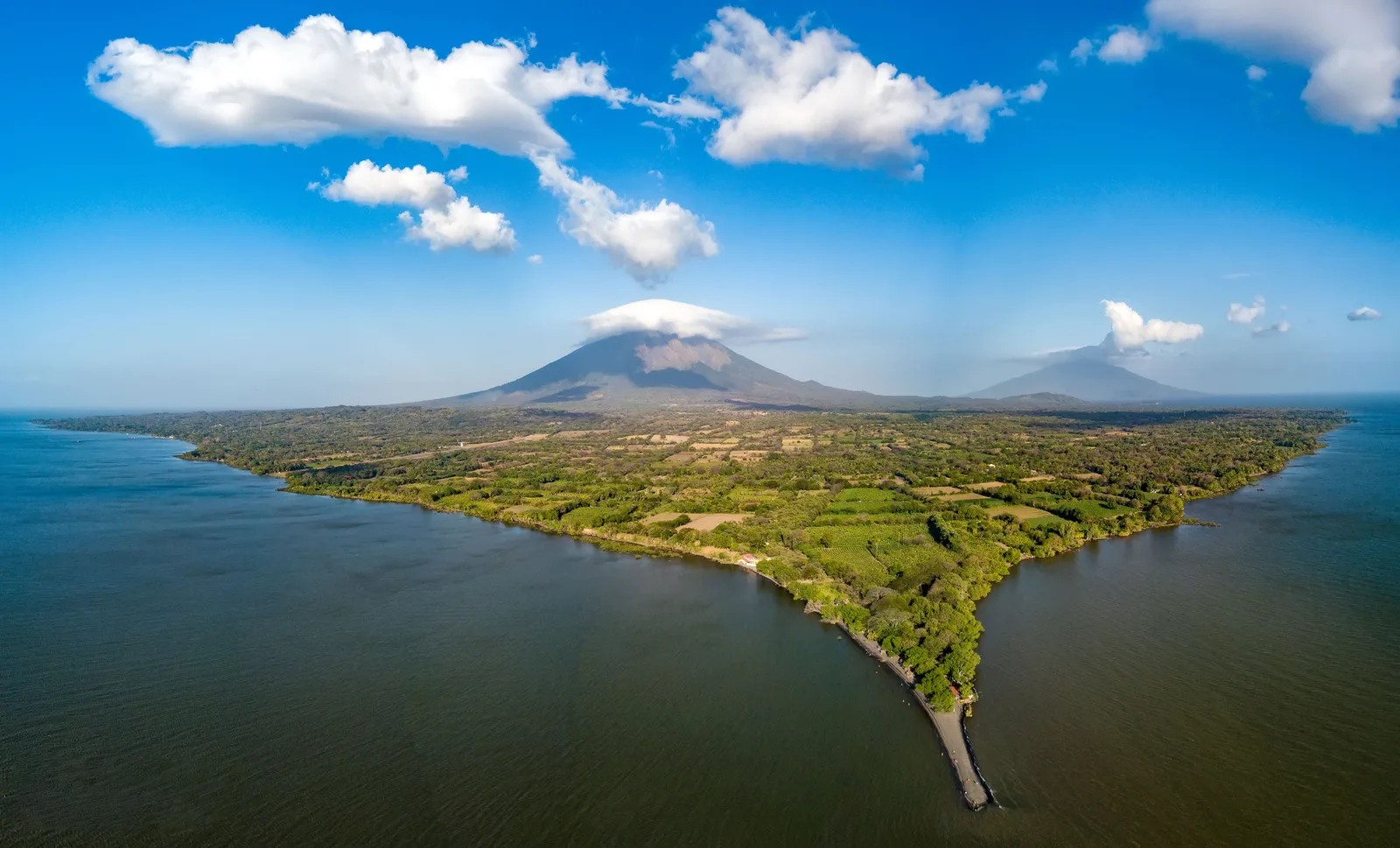
Between the two cities lies Lake Nicaragua, large enough to raise waves and once home to sharks that had adapted to fresh water. An island rises from it with two volcanoes, Ometepe, shaped like a figure eight, where life still revolves largely around the harvest and the ferry. Compared with the polished Costa Rica next door, Nicaragua hasn't smoothed off its edges: the roads are rougher, the facades more weathered, the people less used to the idea of a visitor coming to look at them.
In short
Best time to go
December to April, the dry season, with blue skies and passable roads for climbing volcanoes. From May to October there is far more rain, with September and October the wettest months.
How long
Two weeks, enough for Granada, León, Ometepe and the Pacific coast without rushing. Add a few days if you also want the Corn Islands or the north around Estelí.
Who it suits
For travellers looking for a less polished Central America: colonial cities, volcano climbs, the ferry to Ometepe and roads that are slower than in Costa Rica.
What sets it apart
Lake Nicaragua is the largest lake in Central America, and on the island of Ometepe two volcanoes rise from its fresh water: the active Concepción and the forested Maderas.
One country, two cities that keep disagreeing
From colony to coast: Nicaragua changes face every hundred kilometres.
Granada
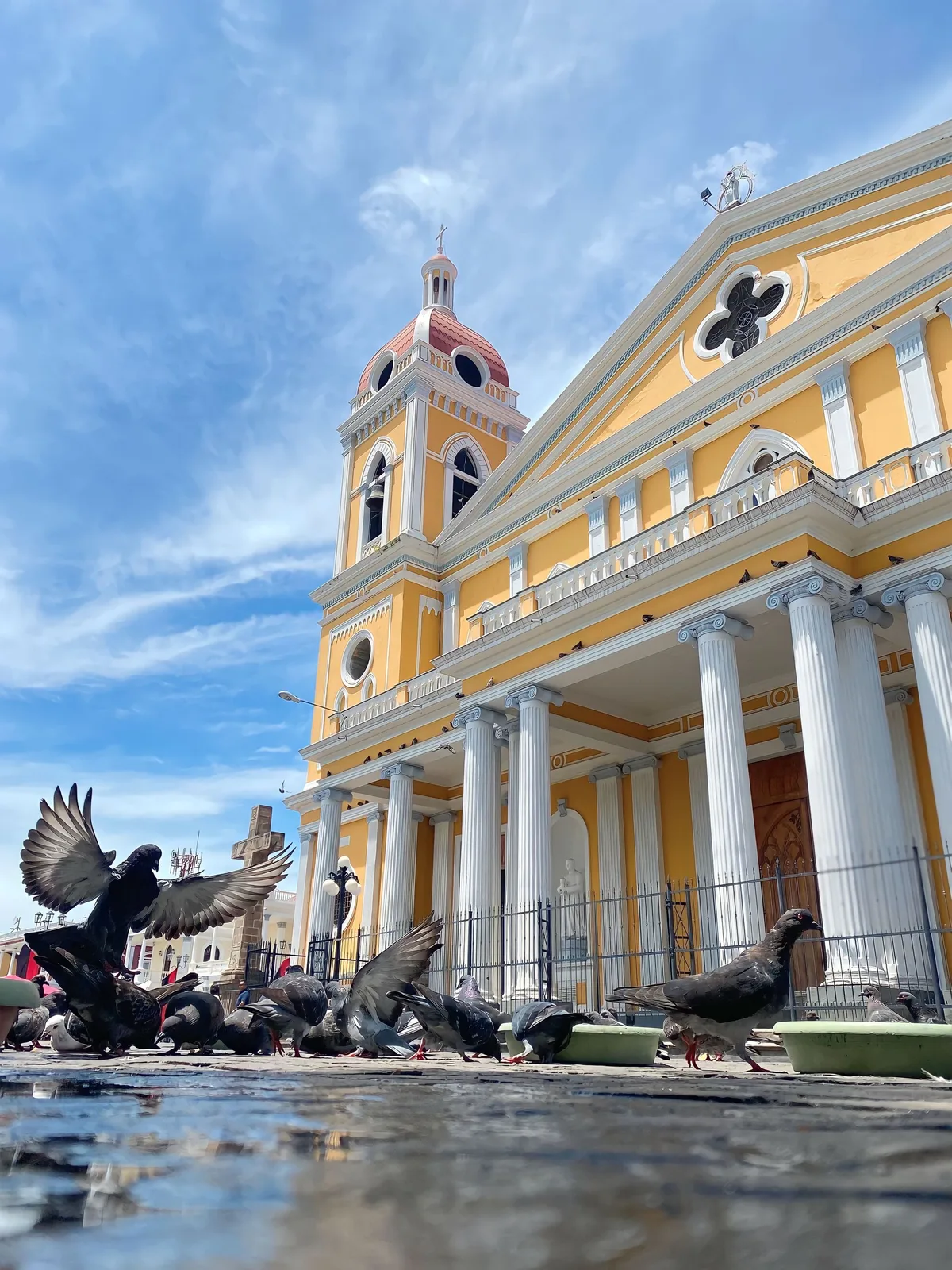
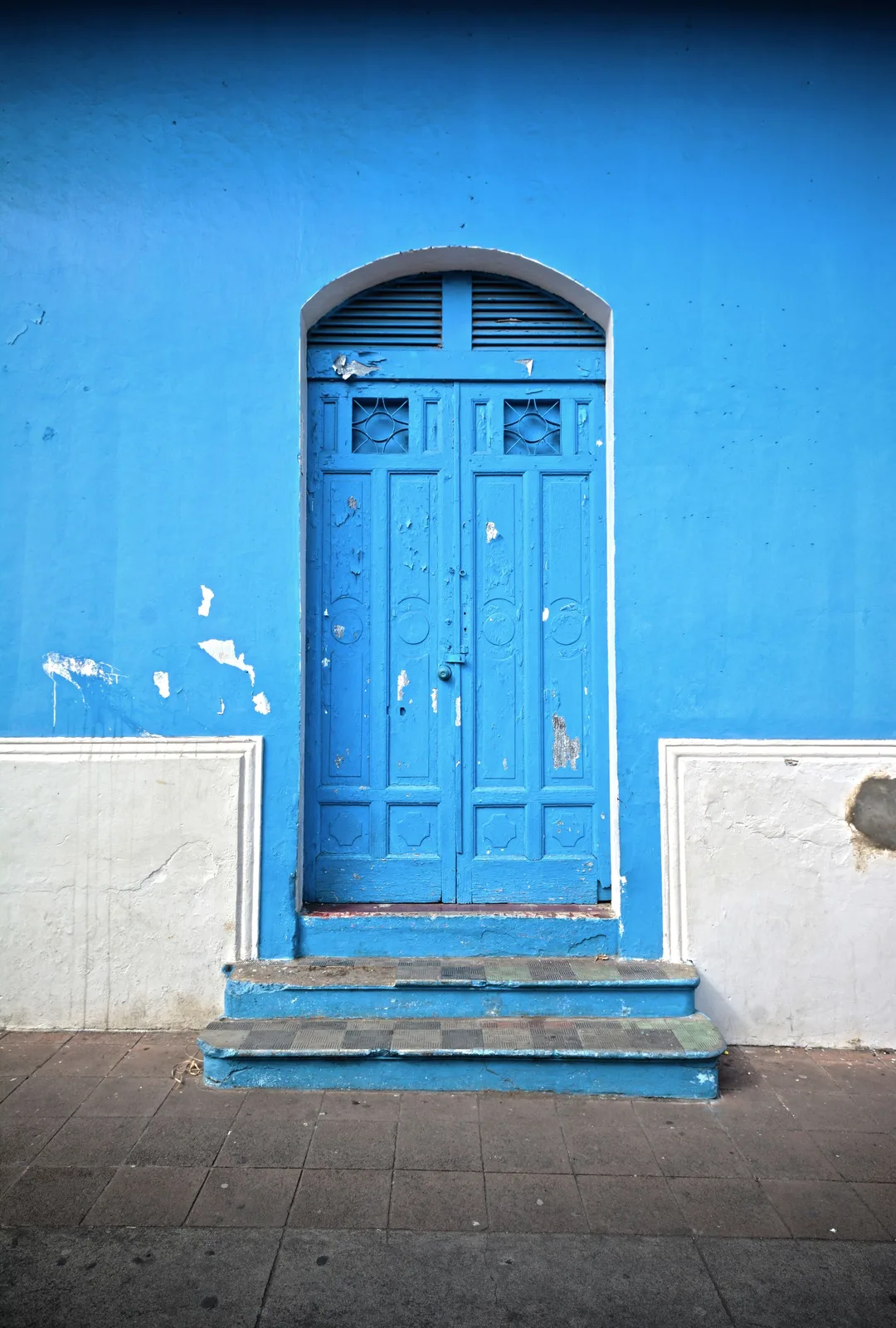
One of the oldest colonial cities on the American mainland, built by Spanish traders who saw the lake as a route to the Caribbean Sea. Pastel-coloured facades, courtyards with mango trees, and a boulevard where everyone comes out in the evening.
León
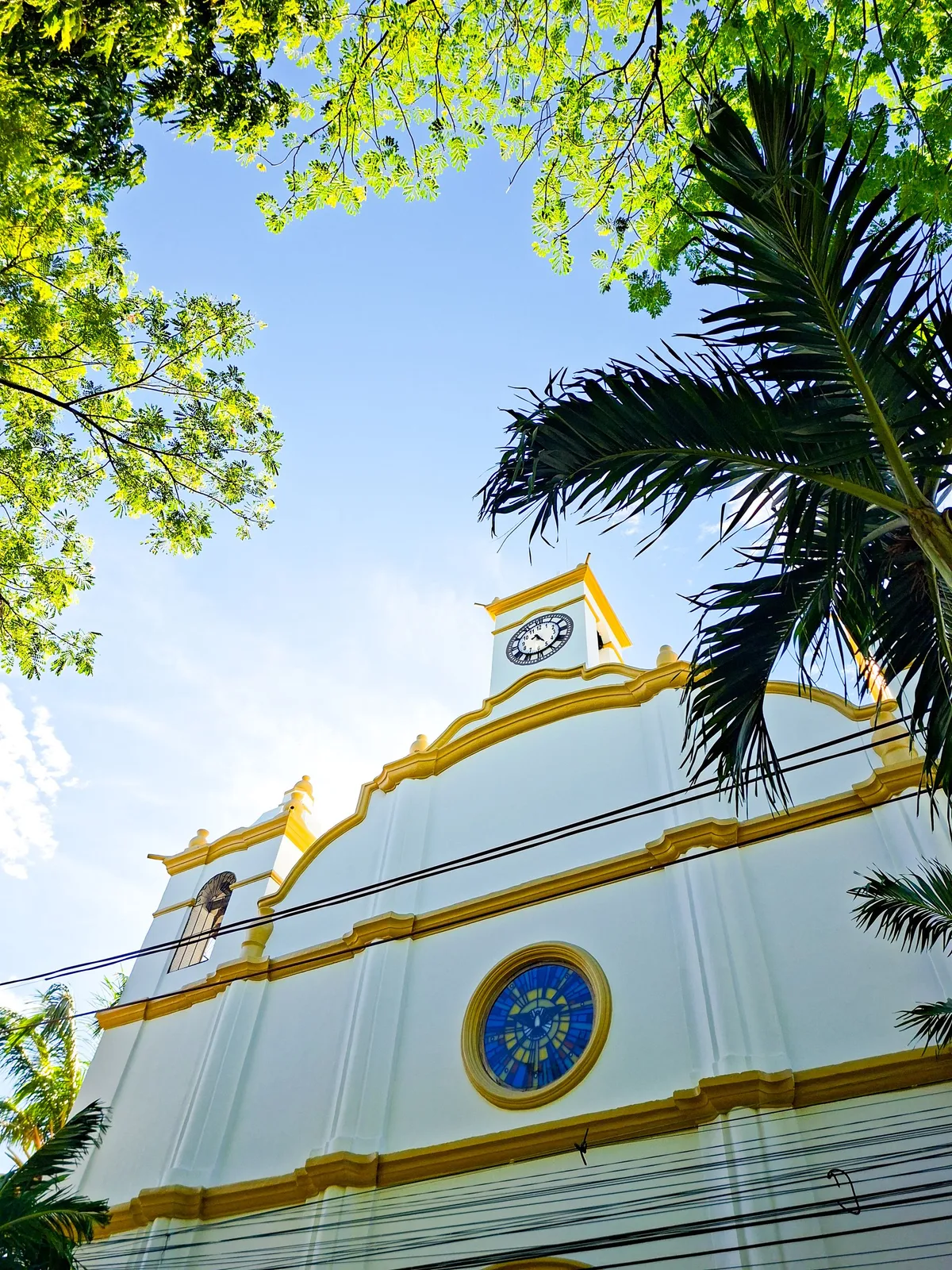
Where Granada traded, León thought: a university city, birthplace of poets and of the uprising that turned the country upside down in 1979. Its cathedral is the largest in Central America, with a roof you cross barefoot.
Ometepe
Two volcanoes rising out of Lake Nicaragua, joined by a narrow isthmus. Concepción is still active, Maderas carries a cloud forest on its slopes. The island lives to the rhythm of the ferry.
The north
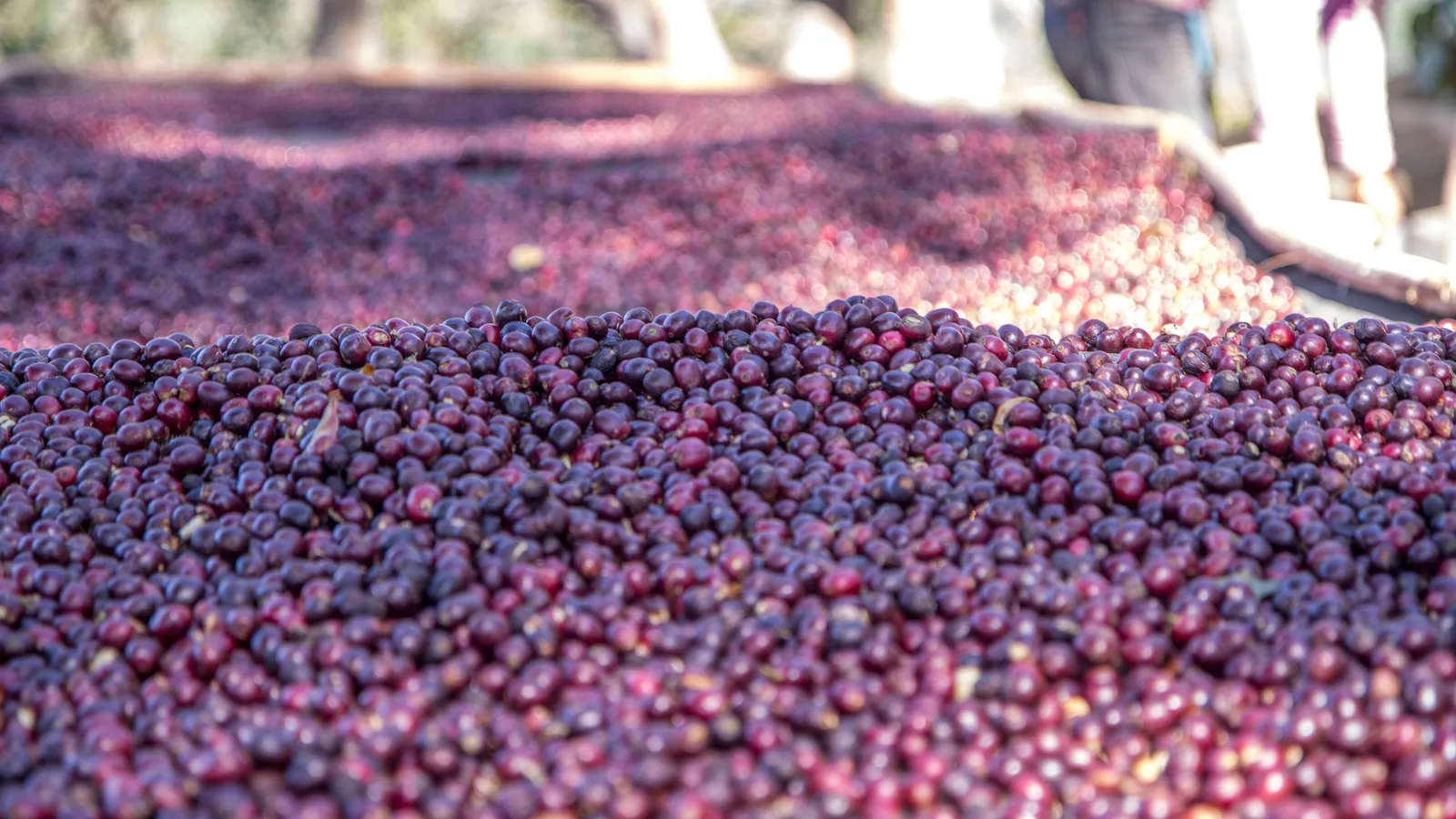
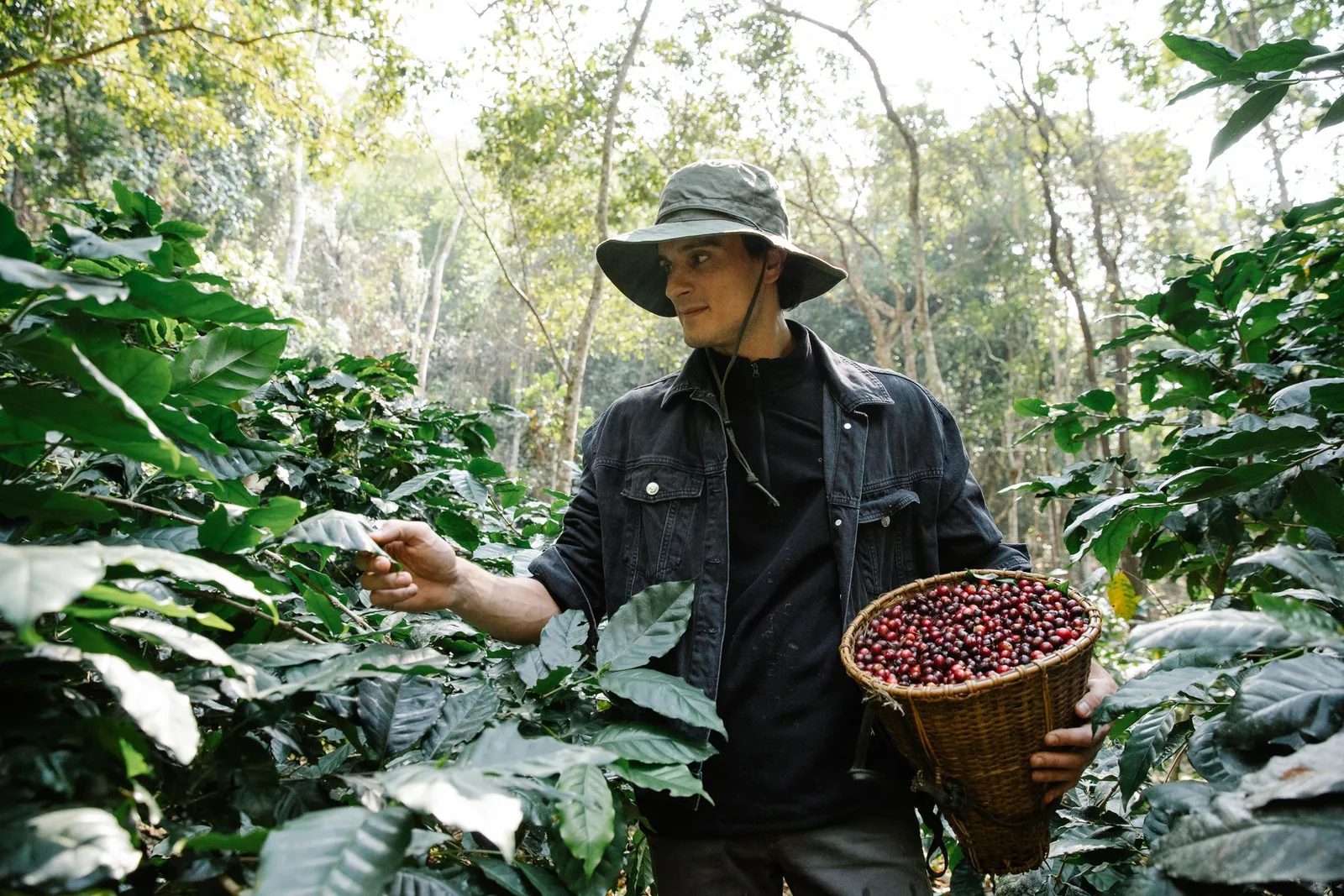
Around Estelí grows the tobacco behind some of the world's finest cigars; further into the mountains, near Matagalpa and Jinotega, coffee grows in the shade. Cooler, greener, and still barely discovered by tourism.
The Pacific coast
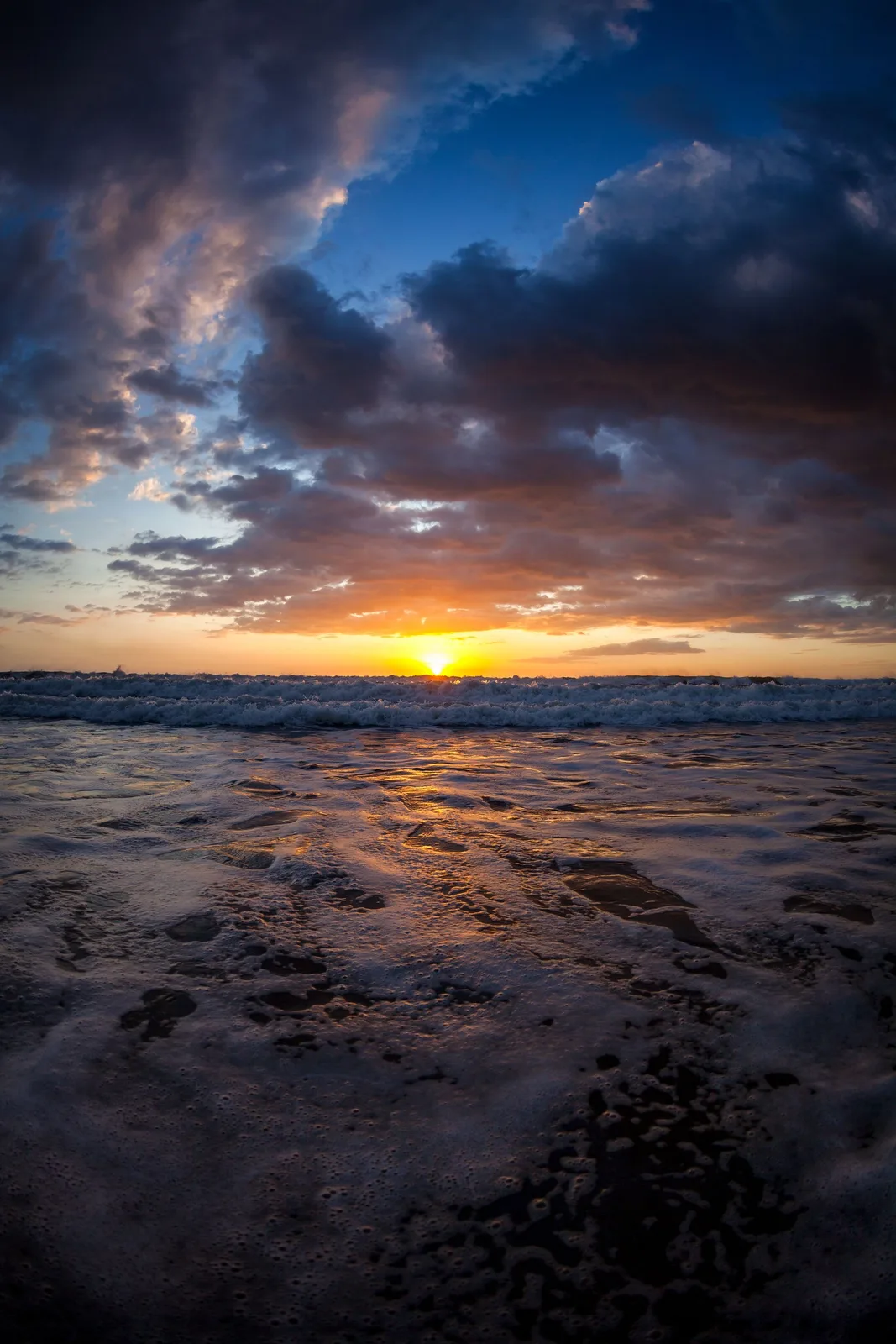
A string of bays south of San Juan del Sur where the waves draw crowds and the fishing villages are still fishing villages. Surfing by day, grilled fish on wooden tables by the beach at night.
Corn Islands
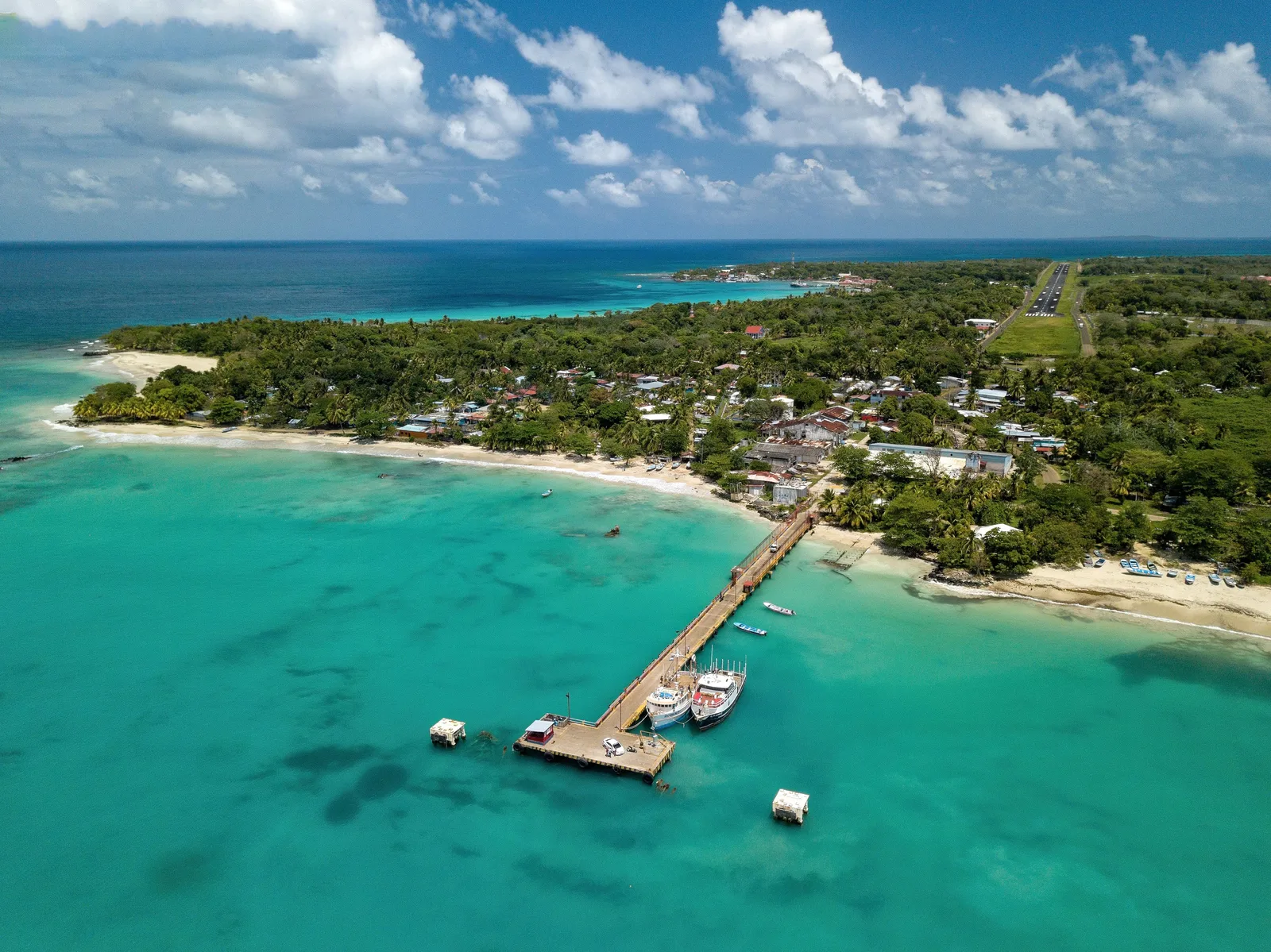
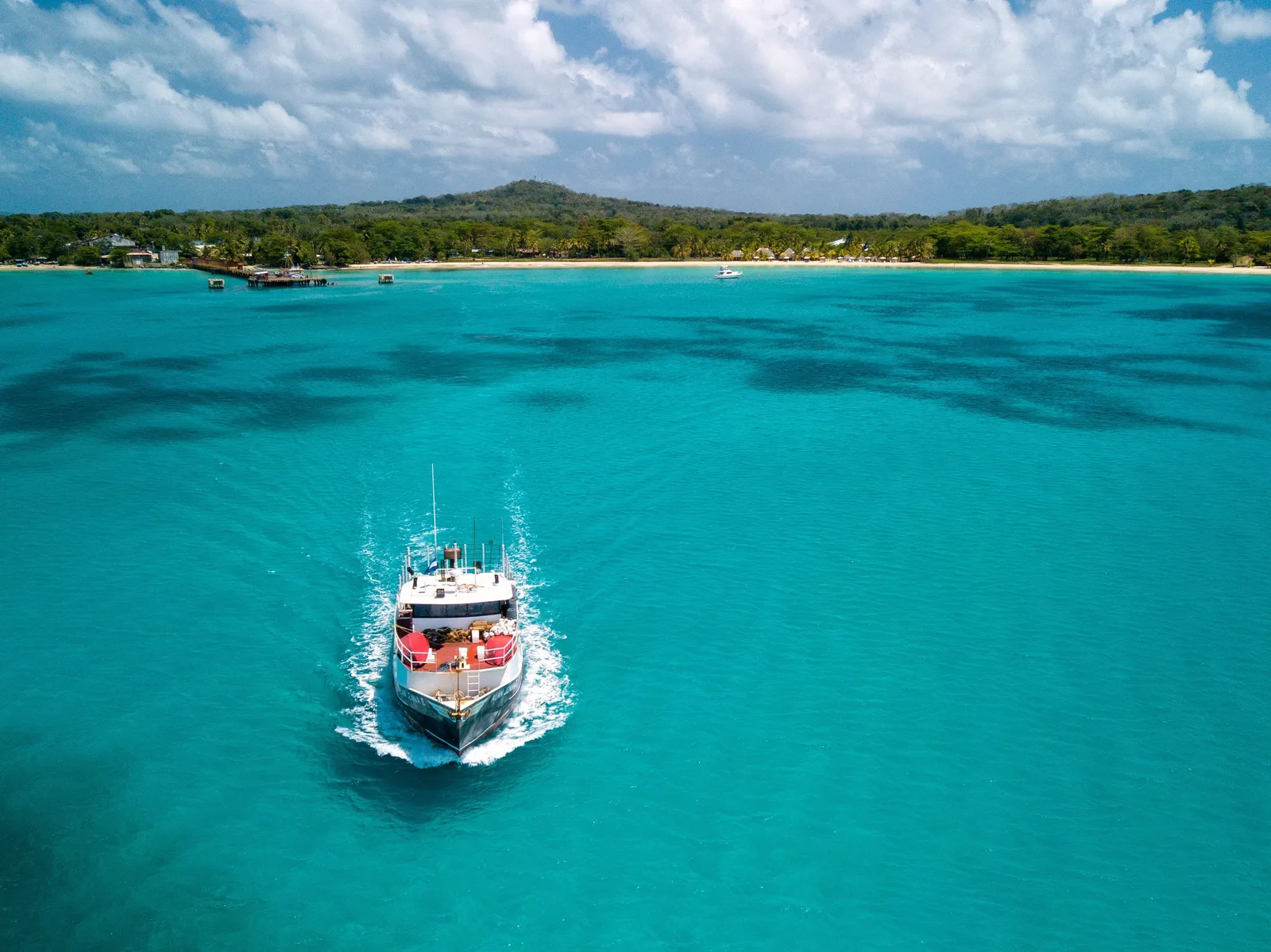
Two small islands off the Caribbean coast where English-Creole is the everyday language and the pace changes entirely. White sand, a reef just offshore, and an unhurriedness that has little to do with the rest of the country.
Granada trades, León thinks. And Nicaragua exists by grace of that tension.

Baseball, not football.
Nicaragua is, along with Panama, the only country in Central America where baseball is the national sport rather than football, a legacy the country would rather forget these days. On every square with a bit of space, someone is pitching and batting, with gloves that last three generations.
At the table it's gallo pinto, rice with beans, breakfast, lunch and often dinner too, topped up with whatever else is on hand. Flor de Caña, the rum that has aged in Chichigalpa for over a century, is the answer to almost every question after sunset. And on 7 December, all of Granada sets up an altar outside the door for La Purísima, with sweets for whoever comes by to sing.
A country still finding its rumble
Concepción and Maderas
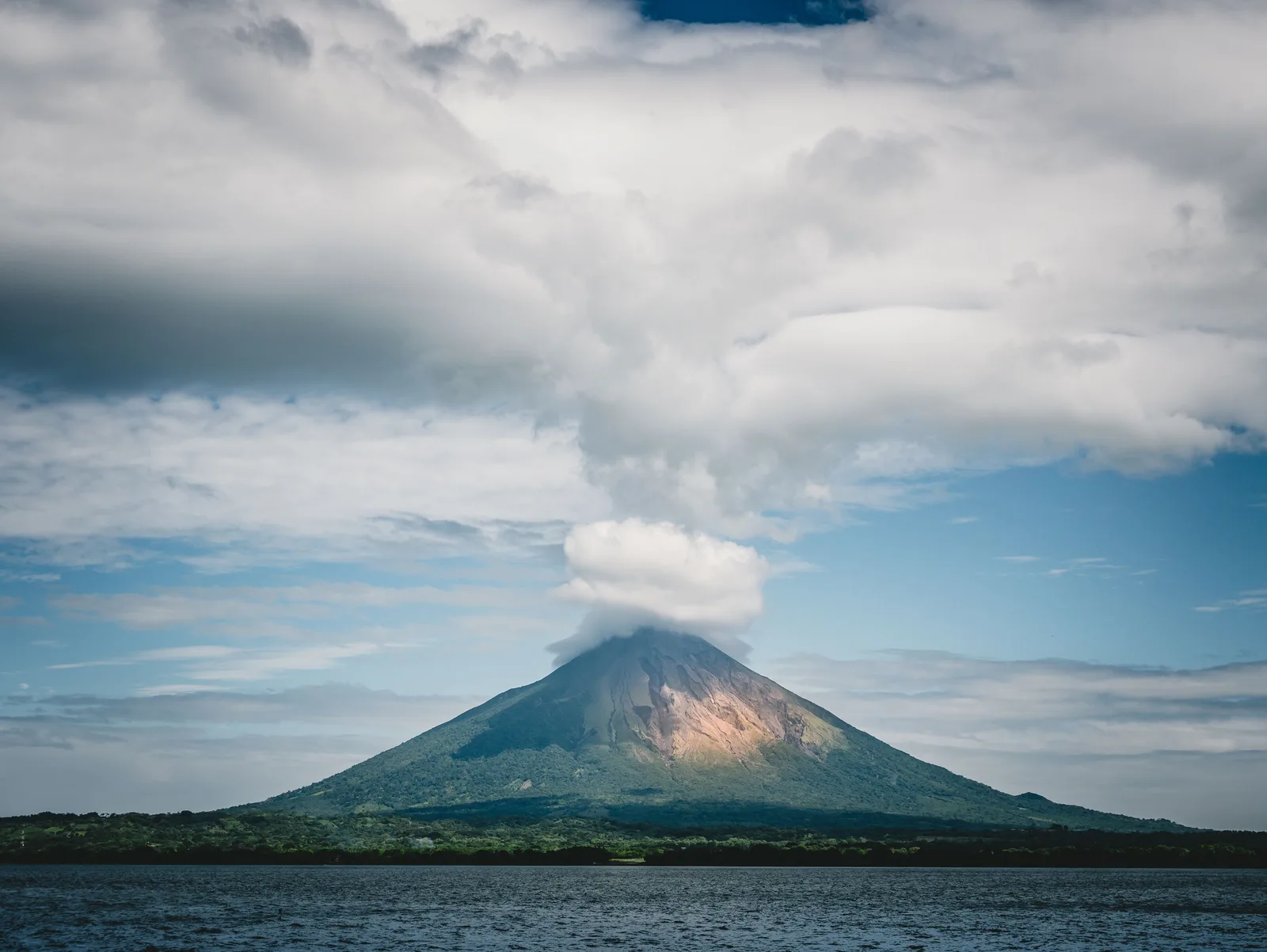
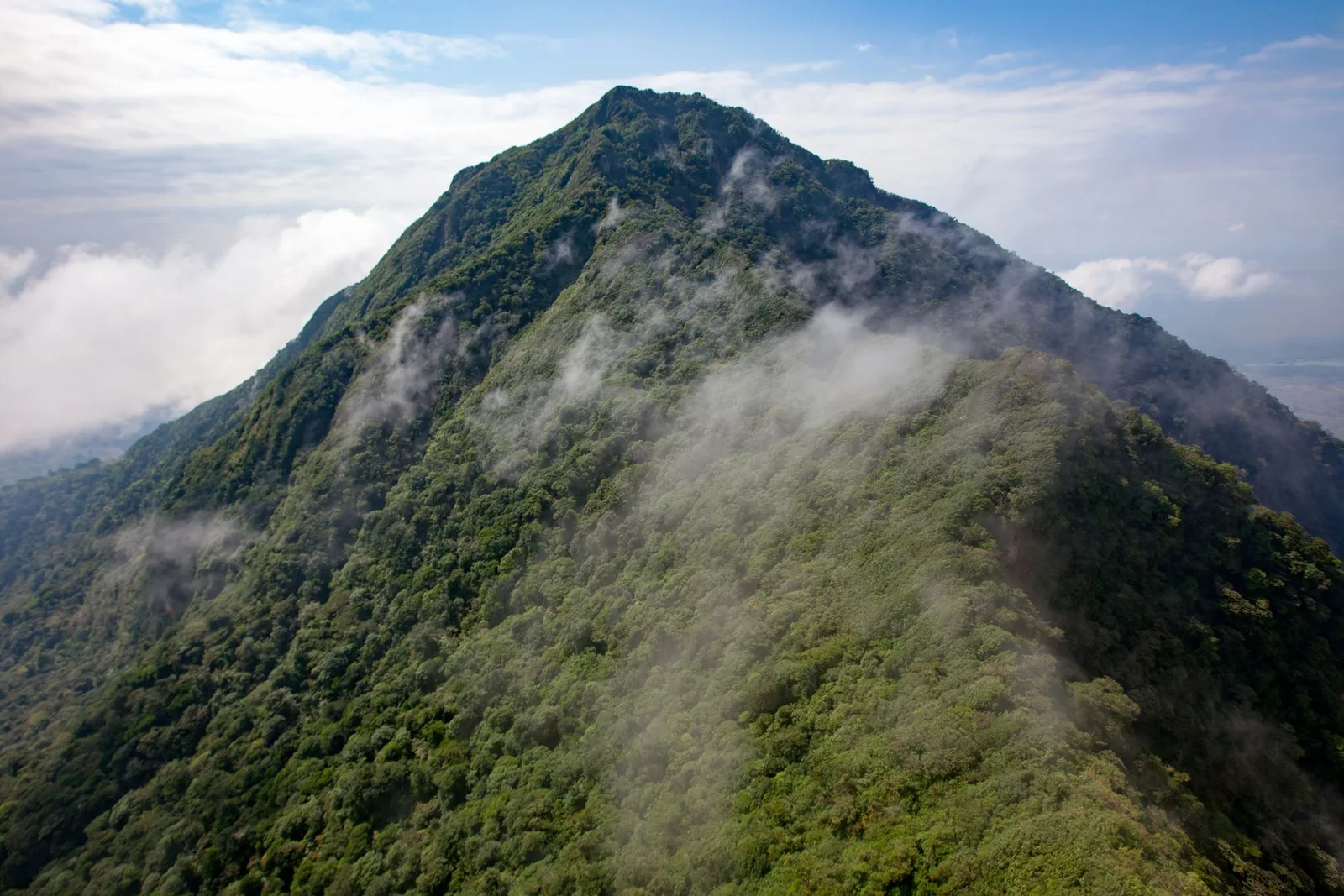
Ometepe's two volcanoes rise above the lake like twins that share no resemblance: Concepción bare and smoking, Maderas covered in cloud forest with a hidden crater lake.
The crater of Masaya
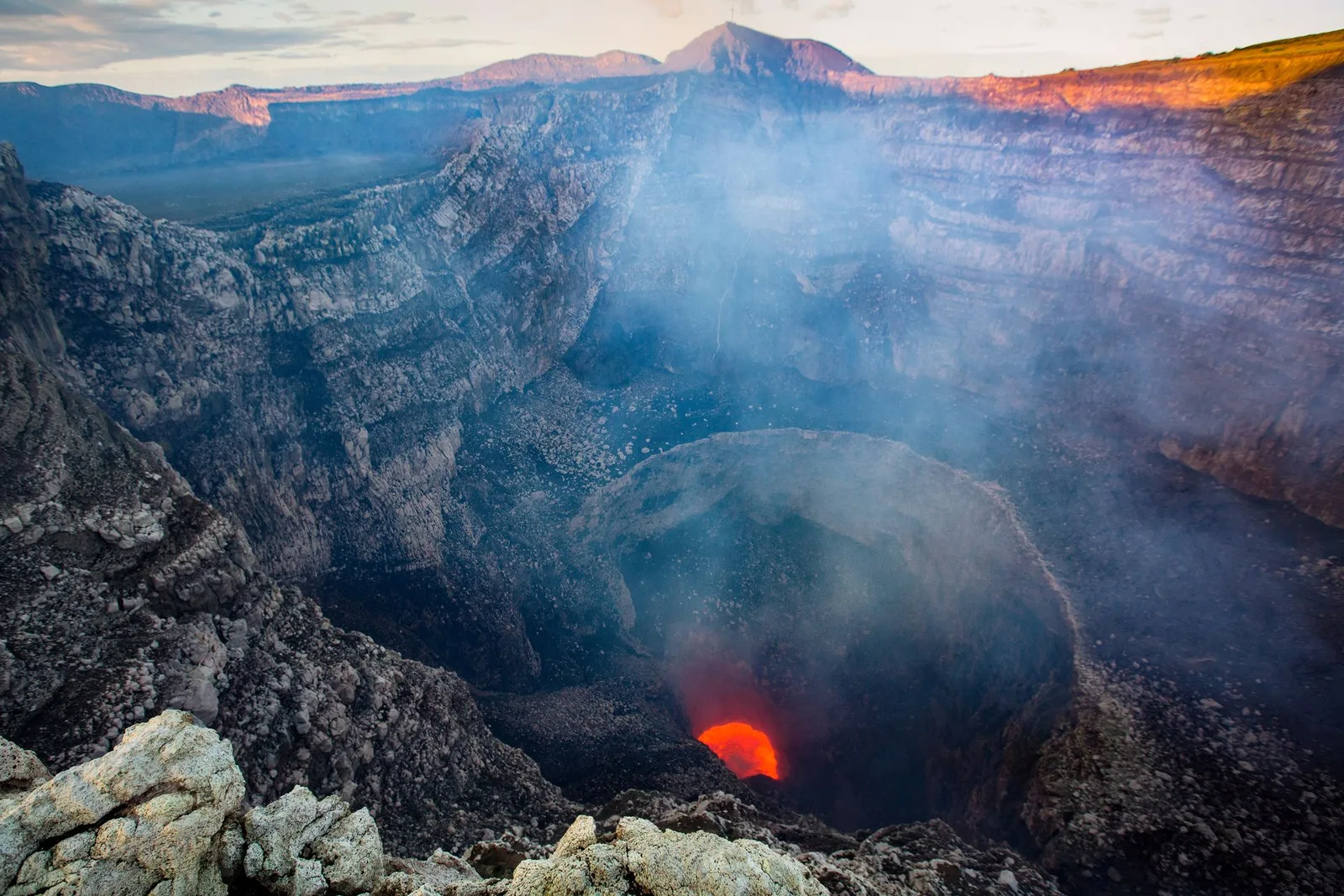
One of the few volcanoes in the world where you can watch glowing lava churn in the crater at night, just a few hundred metres from the car park. The Spanish once called it the gateway to hell.
Mombacho
A dormant volcano near Granada, its slopes covered in cloud forest and coffee fincas. Climb above the mist on a clear day and the view stretches right across the lake.
When to go to Nicaragua
The dry season runs from late November to April: clear blue skies, passable roads and the best time to climb a volcano or cross the lake. From May the landscape turns lush green, but unpaved roads grow muddier and rainfall increases the closer you get to the Caribbean coast.
September and October are the wettest months inland; if you have flexibility, plan a trip around the edges of the dry season rather than in the middle of it, when everything is busier and drier at once.
Best time to visit Nicaragua
Who else is at their best in these months?
January February March April December
Use the contact form to discuss your travel dates and preferences with us.
Nicaragua, your way
No fixed programme. But a number of experiences typical of this country, to think through together.
Walking through colonial Granada
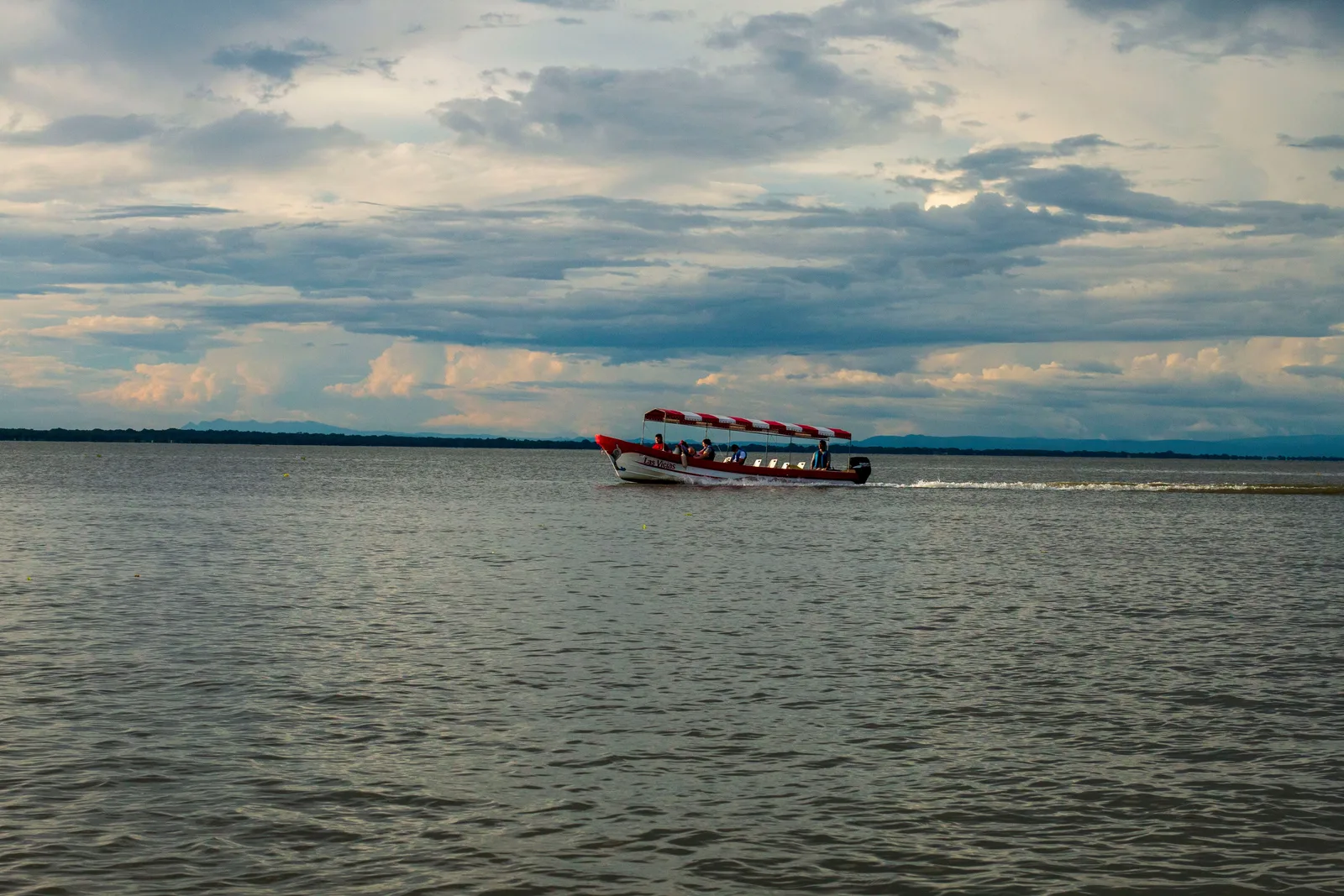
The streets around Parque Central, the market, and a boat trip among the small islets (isletas) just off the city.
The crossing to Ometepe
By ferry across the lake, with the two volcanoes growing larger the closer you get.
Climbing a volcano, or descending one
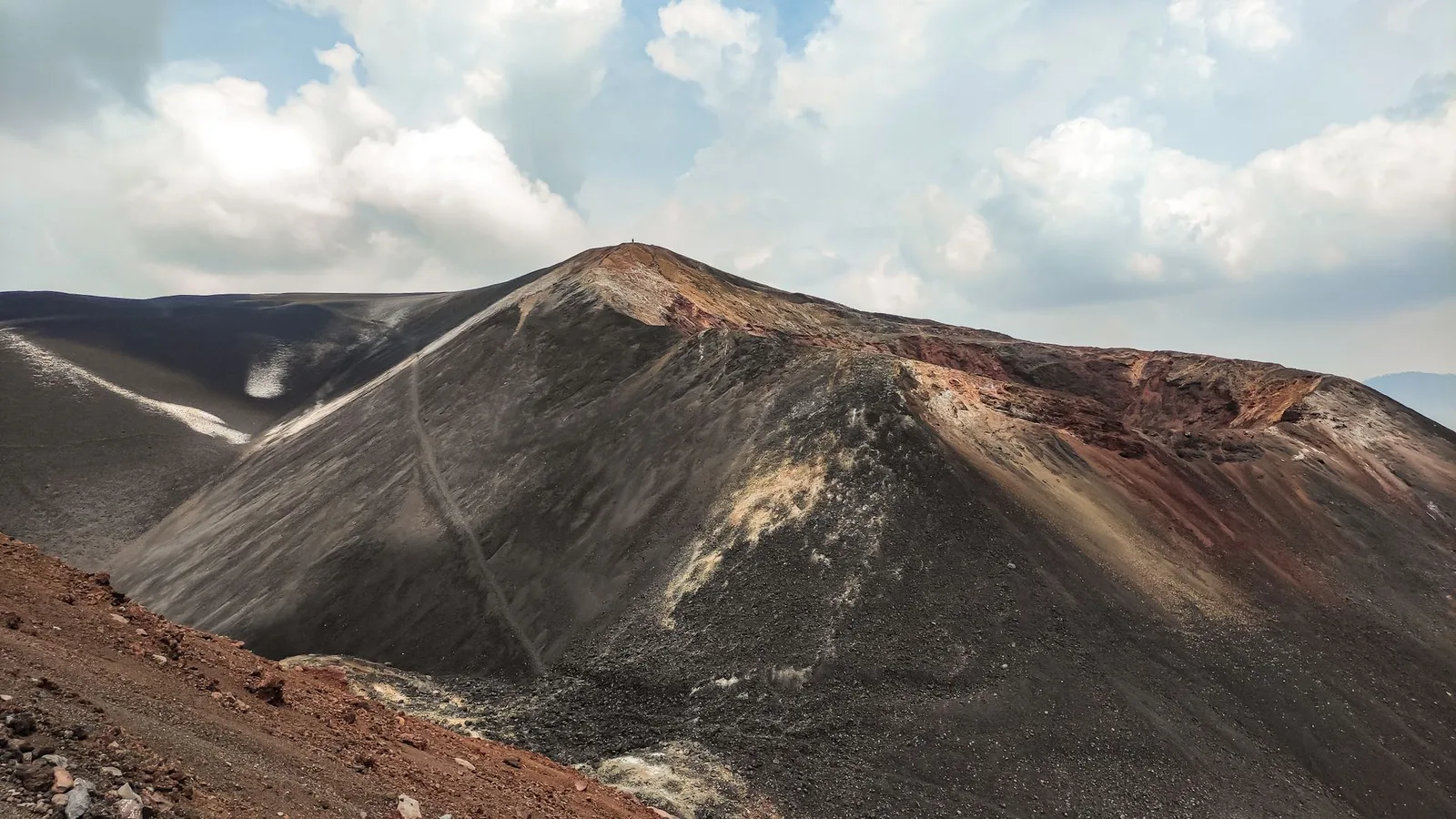
From the walk to the smoking crater of Masaya to sandboarding down the black slopes of Cerro Negro near León.
Tasting coffee where it grows
A visit to a finca in the mountains near Matagalpa or Jinotega, where the farmer still checks the harvest by hand.
Surfing or doing nothing on the Pacific coast
Popoyo and the bays near San Juan del Sur, for anyone who wants to stand on a surfboard, or would rather not.
Crossing over to the Caribbean side
The Corn Islands, where Creole English is spoken and the days pass without much of an agenda.
Every trip through Nicaragua is put together to measure. These are the building blocks, not the recipe.
Nicaragua doesn't show its best side.It shows itself as it is.
Practical, without the noise.
Practical, without taking the fun out of it.
Getting there
Flight via the United States or Panama to Managua; also combines well with an overland route through Costa Rica.
Documents
Which travel documents you need depends on your nationality, and entry rules change regularly. We go through the current requirements with you before you leave.
Health
No mandatory vaccinations for those travelling directly from Belgium; consider mosquito protection in the low-lying, humid regions.
Pace
Expect rougher roads and slower traffic than in Costa Rica. That's part of the country's character.
Safety
Nicaragua is generally considered safe for visitors; common sense and local judgement remain the best guide.
- Flight time from Brussels
- About 13 to 15 hours, with a stopover
- Language
- Spanish; English-Creole on the Caribbean islands
- Time difference
- 7 hours behind Belgium (summer time)
- Currency
- Córdoba, US dollar accepted everywhere
- Altitude
- From sea level to around 2,100 metres in the north
- Best time to go
- Late November to April, dry season