
A country spanning two continents and roughly ten layers of civilisation, with an interior larger and quieter than the coast.
Most trips to Turkey unfold within a triangle: a weekend in Istanbul, a balloon flight over Göreme, a week on the Aegean or Lycian coast. It's an understandable triangle, but it leaves most of the country untouched. Between the Bosphorus and the Armenian border lies an Anatolian plateau as big as France, with wheat fields running to the horizon, extinct volcanoes, cave dwellings still lived in today, and the ruins of Ani standing in silence a stone's throw from the closed border with Armenia.
Turkey is not a bridge between east and west, that's the tourist-brochure version. It's a country where Hittites, Greeks, Romans, Byzantines, Seljuks and Ottomans each left their layer, often literally stacked one on top of another: a Byzantine church inside an Ottoman fort, built on Hittite foundations. Anyone who sees only the coast sees the backdrop. The interior is where the country stays itself, even when no traveller is watching.
In short
Best time to go
Late April to June and September to mid-October are best for the interior. In July Konya averages 31 degrees by day, and in the high east, around Kars at 1,768 metres, winters are harsh and snowy.
How long
Two weeks for Istanbul, Cappadocia and one other region, because the Lycian coast to Cappadocia alone is a full day's drive. To add eastern Anatolia, plan a domestic flight and more time.
Who it suits
Travellers who want more than Istanbul and the coast: cave houses in Cappadocia, the steppe around Konya, mountain meadows in the Kaçkar range and the ruins of Ani near the Armenian border.
What sets it apart
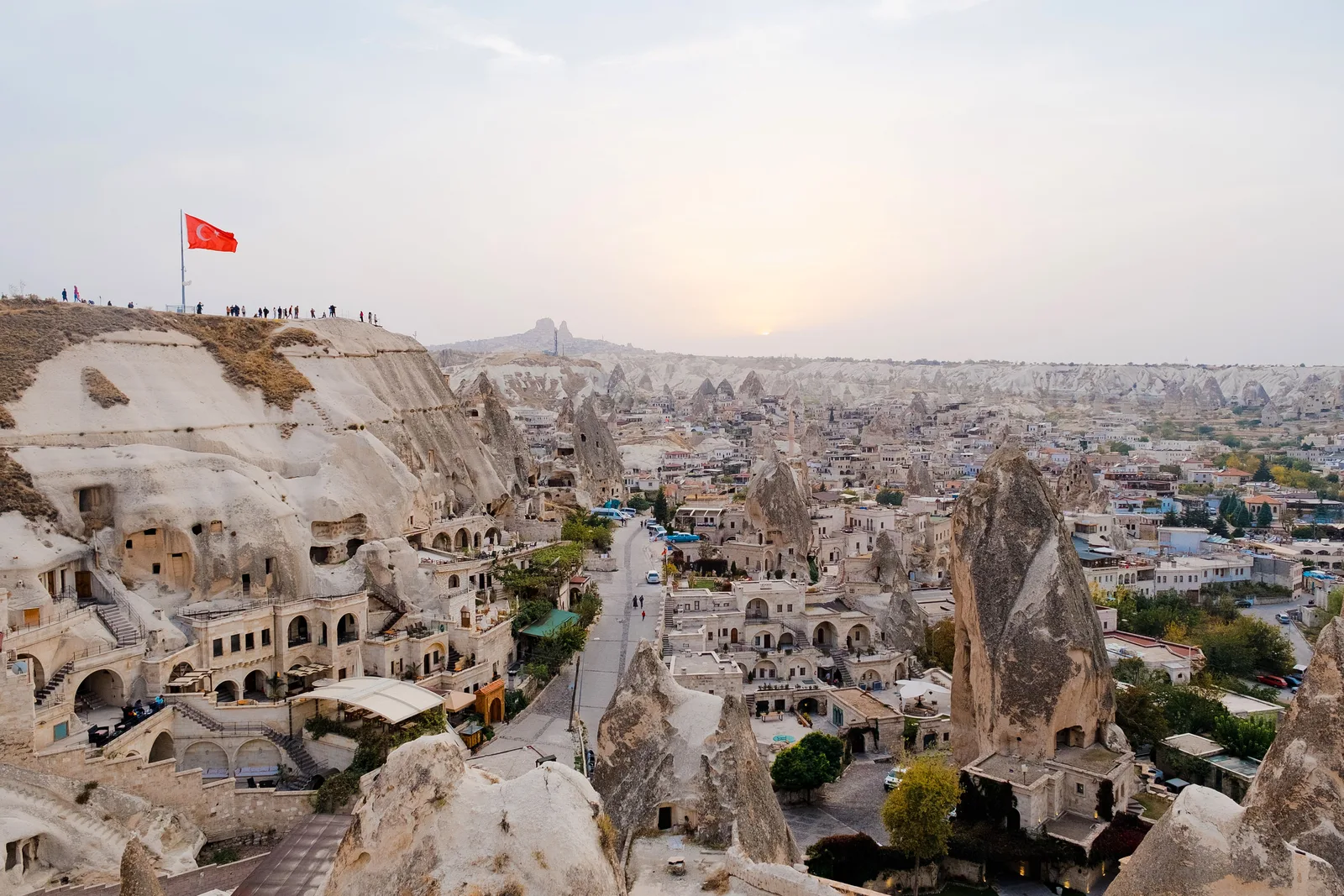
Istanbul sits on both banks of the Bosphorus, in Europe and in Asia. In Cappadocia, churches and dwellings are carved into the tuff, a World Heritage Site since 1985 together with Göreme National Park.
Turkey isn't one country, it's around six sitting side by side.
What the map calls one country feels, on the ground, like a series of landscapes with little in common, apart from the history buried beneath all of them.
Cappadocia
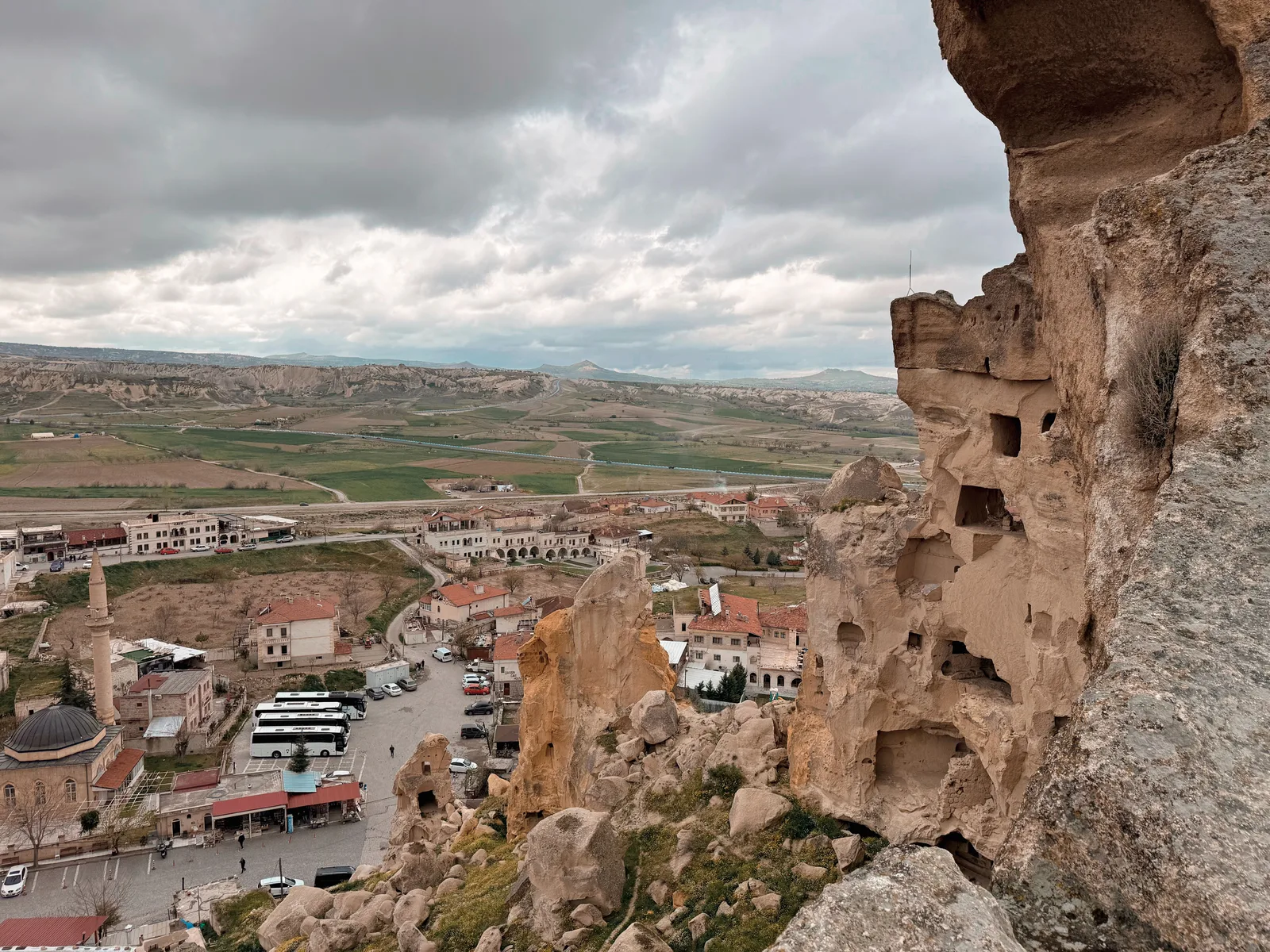
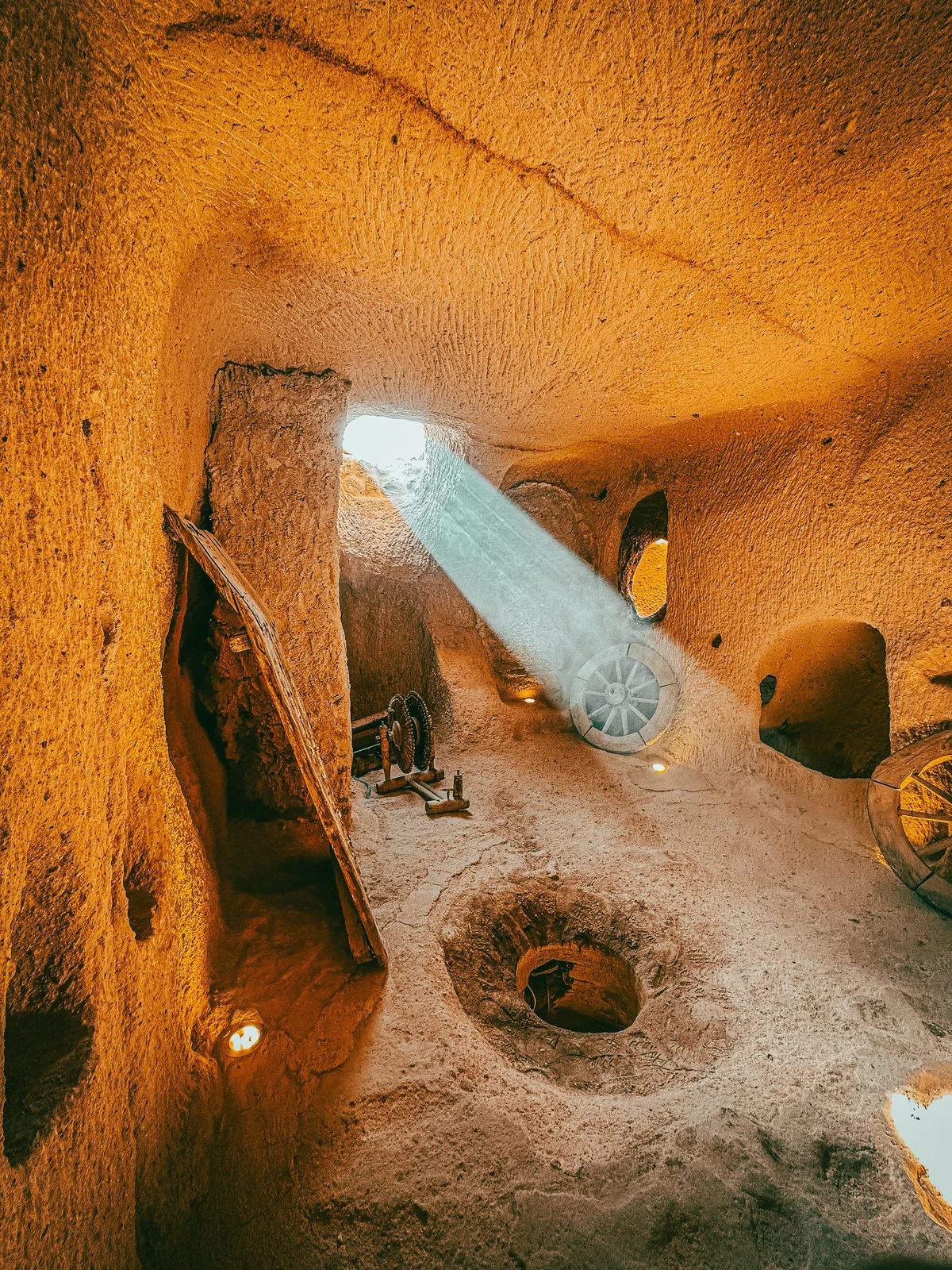
The tuff valleys aren't a backdrop, they're still inhabited villages: dovecotes carved into the rock, underground cities where early Christian communities sheltered for generations. Beyond Göreme lies Mustafapaşa, where Greek Orthodox and Ottoman façades stand side by side.
The Black Sea coast and its hinterland
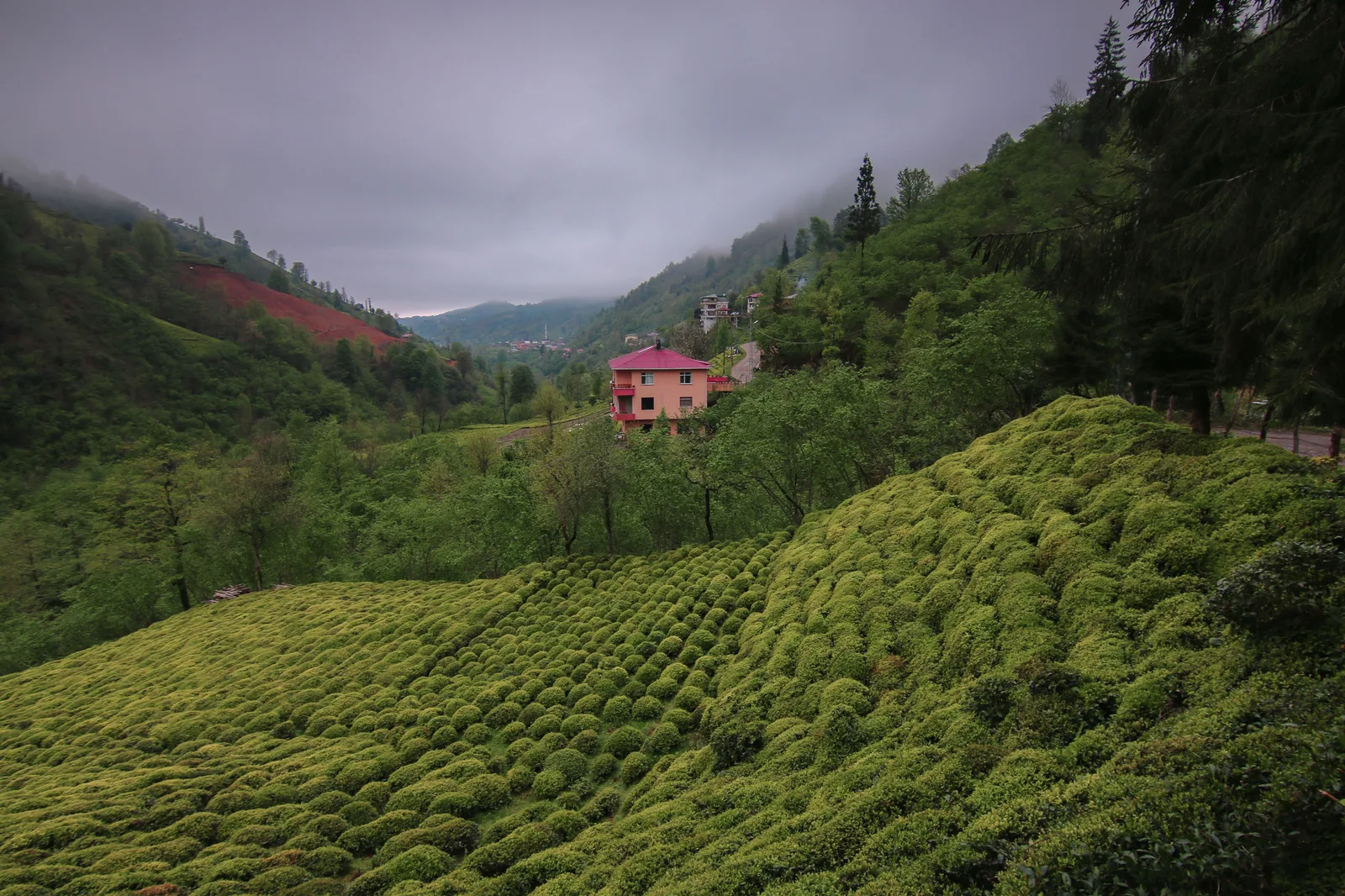
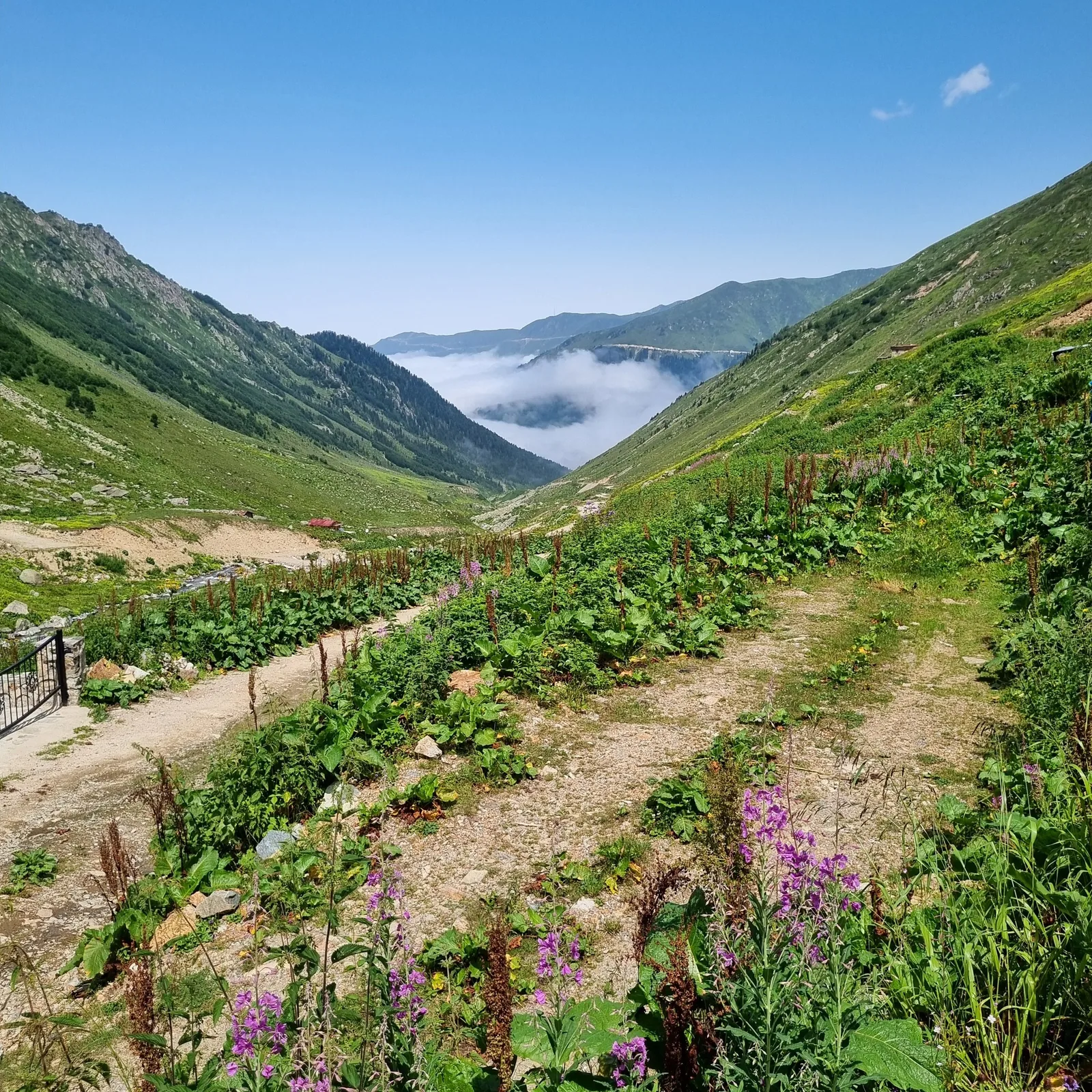
Greener and damper than the rest of the country, with tea plantations on slopes that look almost too steep to climb. The Hemshin valley has its own language and its own rhythm: wooden yayla huts high in the mountains where families return every summer.
The Lycian coast
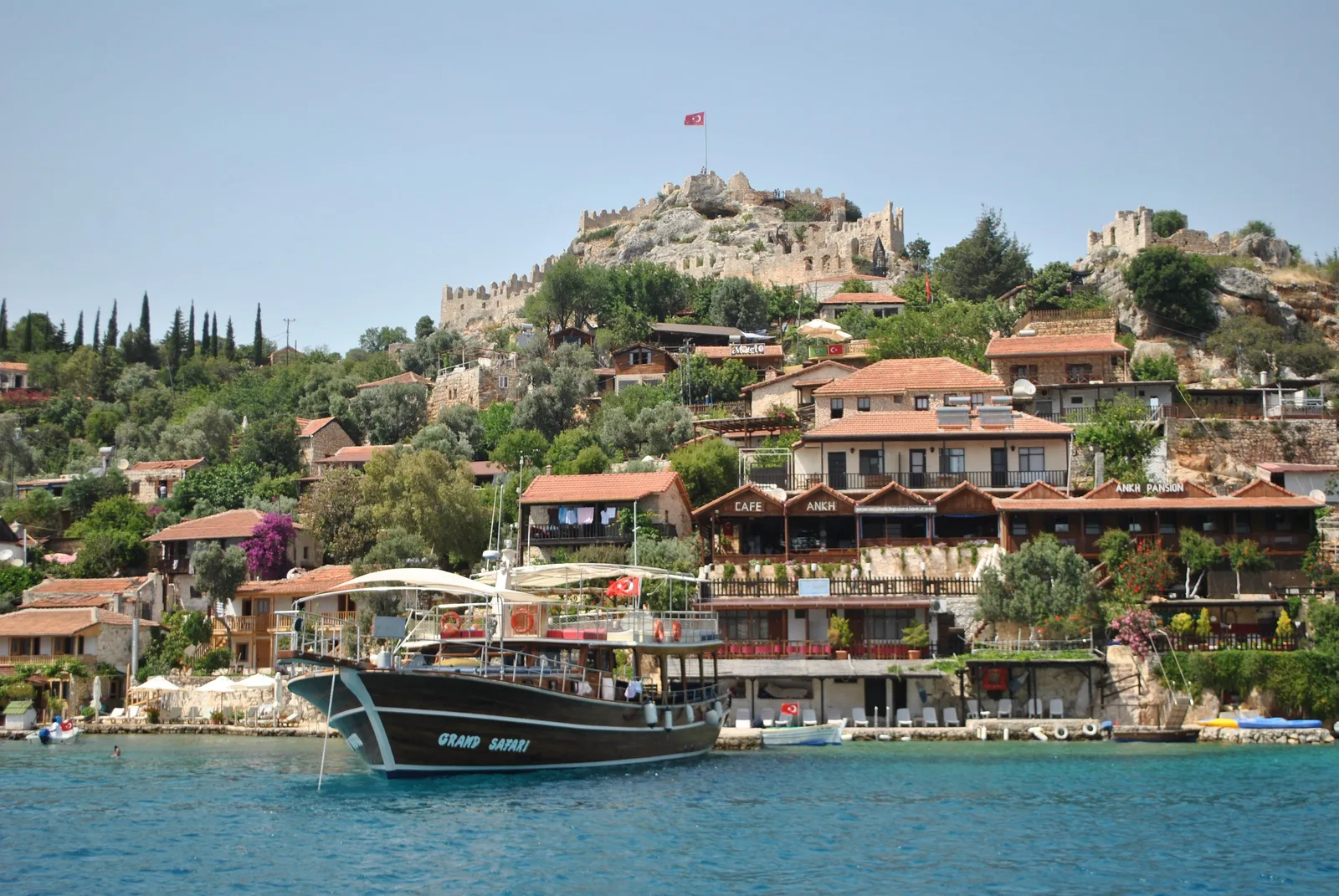
Not the coast of the big resorts, but of small harbour towns, Lycian rock tombs carved above the water, and a sunken city at Kekova visible only from a boat. The coastline is jagged enough to never feel crowded.
Eastern Anatolia
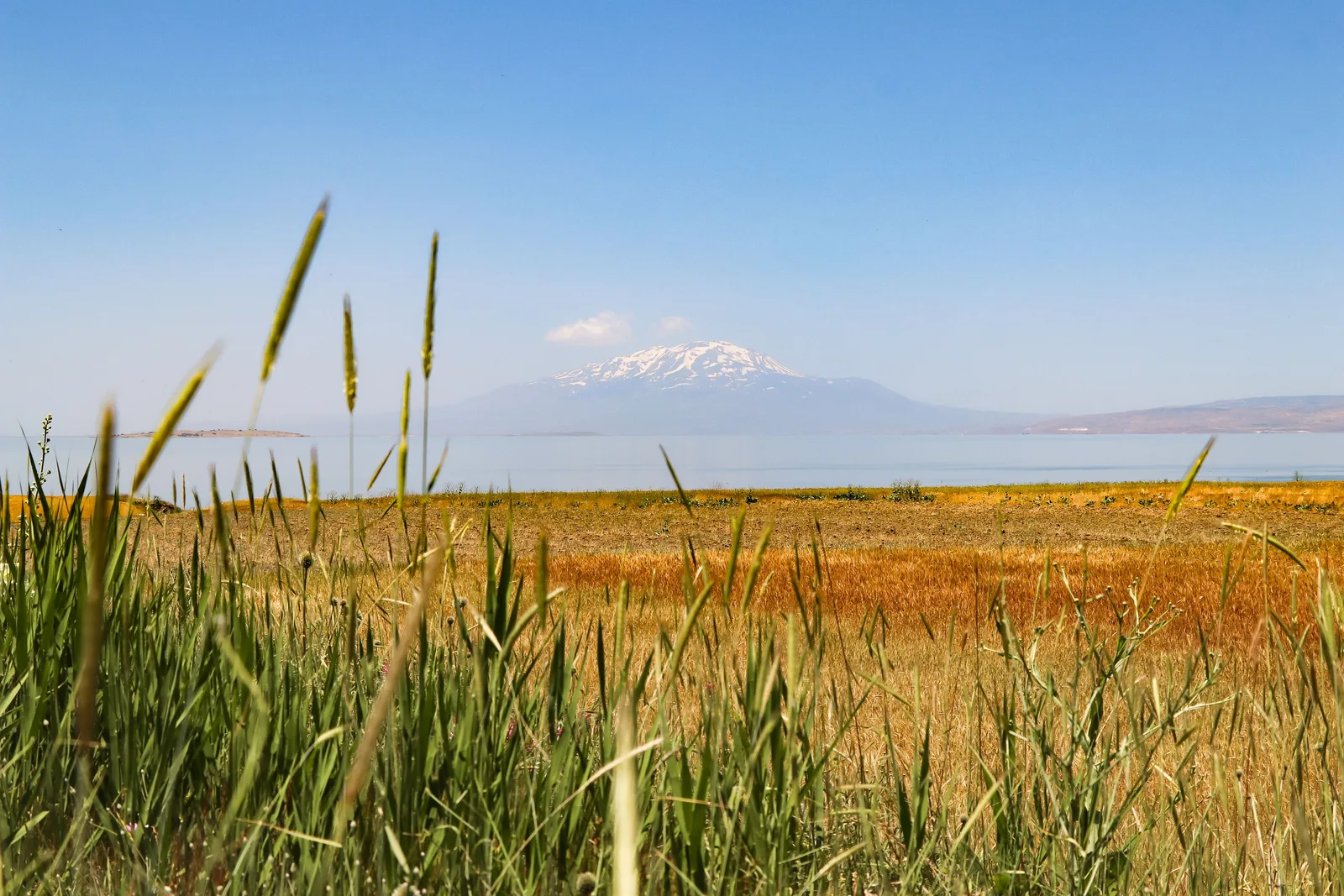
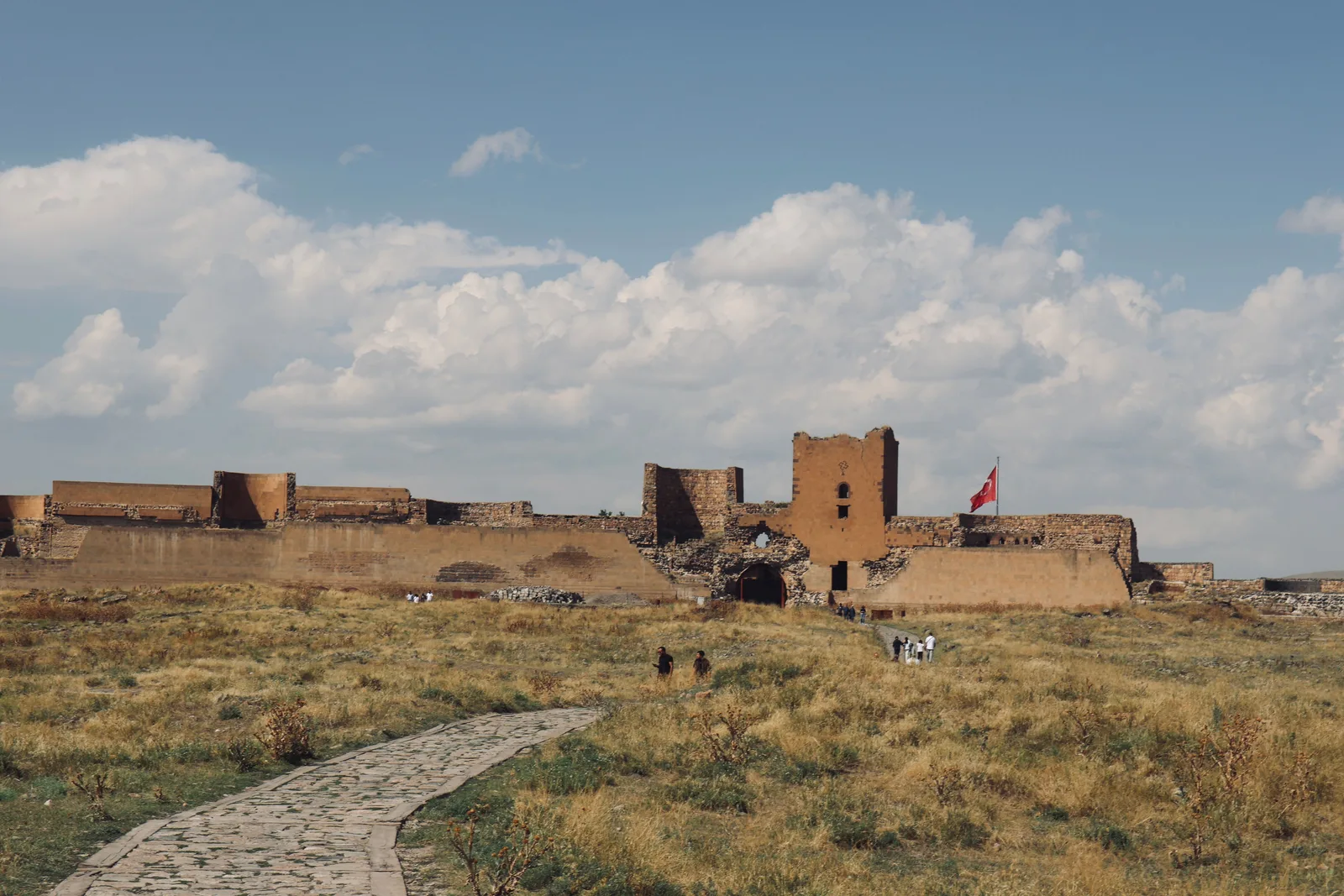
The least visited part of the country and the richest in history: the medieval Armenian capital of Ani, abandoned on the border with Armenia, Lake Van with its island church of Akdamar, and steppe where shepherds still travel on foot with their flocks.
The central steppe
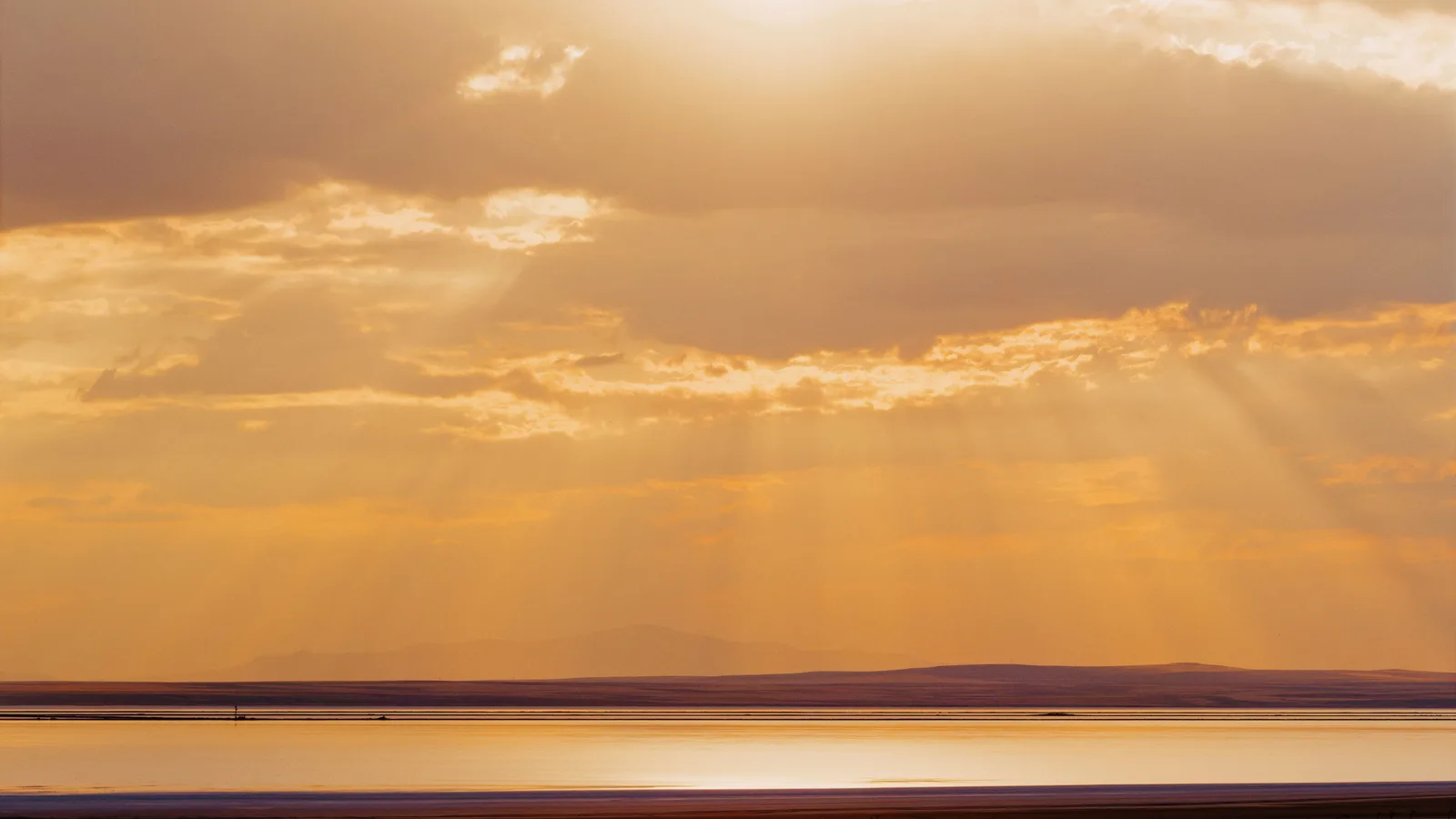
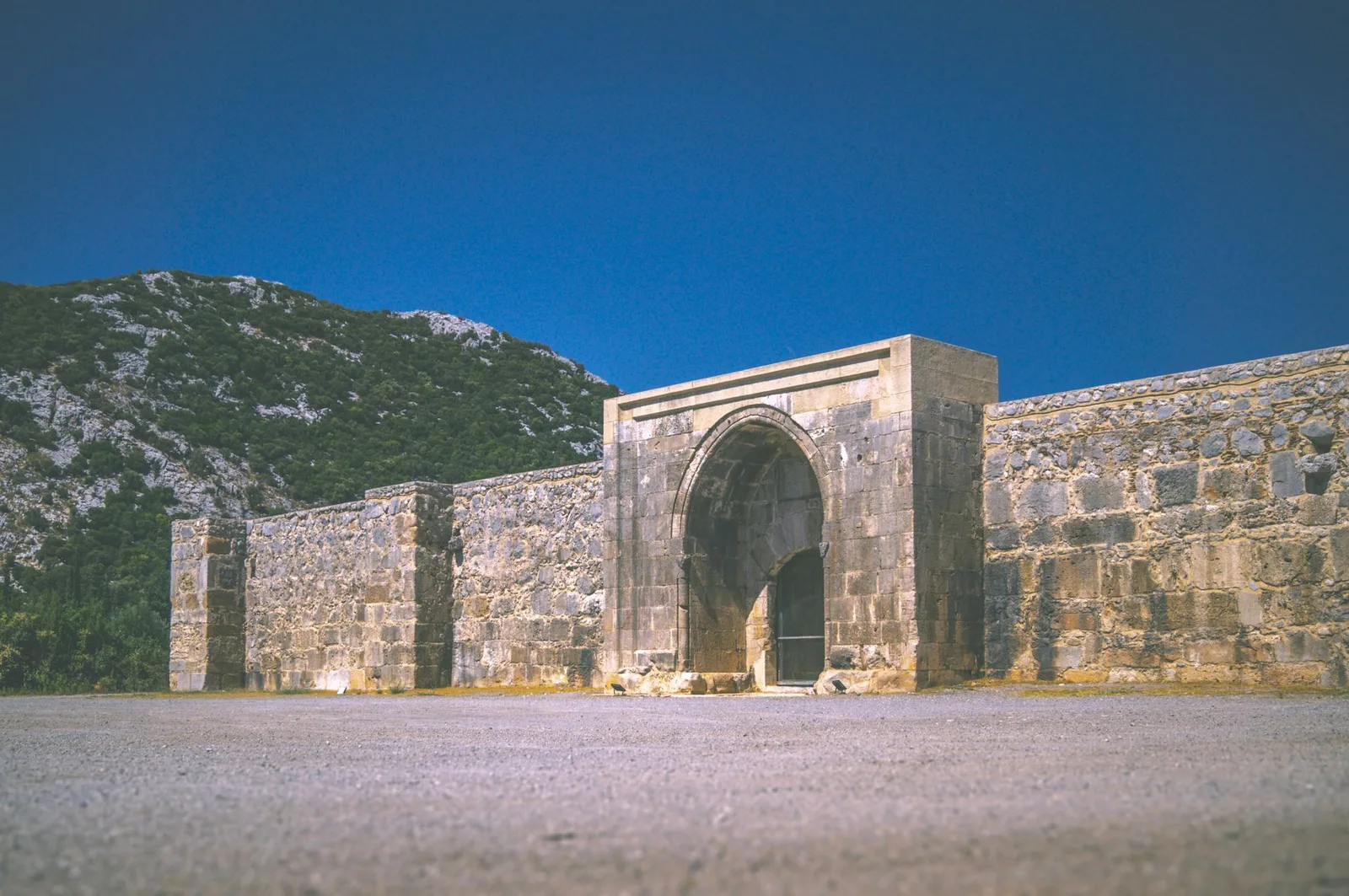
Flat, quiet and lit in a way few travellers expect. Tuz Gölü changes colour with the seasons, Konya was the Seljuk capital and remains the heart of the Mevlevi order, and the stone caravanserais that sheltered travellers for centuries still line the old caravan routes.
Hospitality that no menu can capture
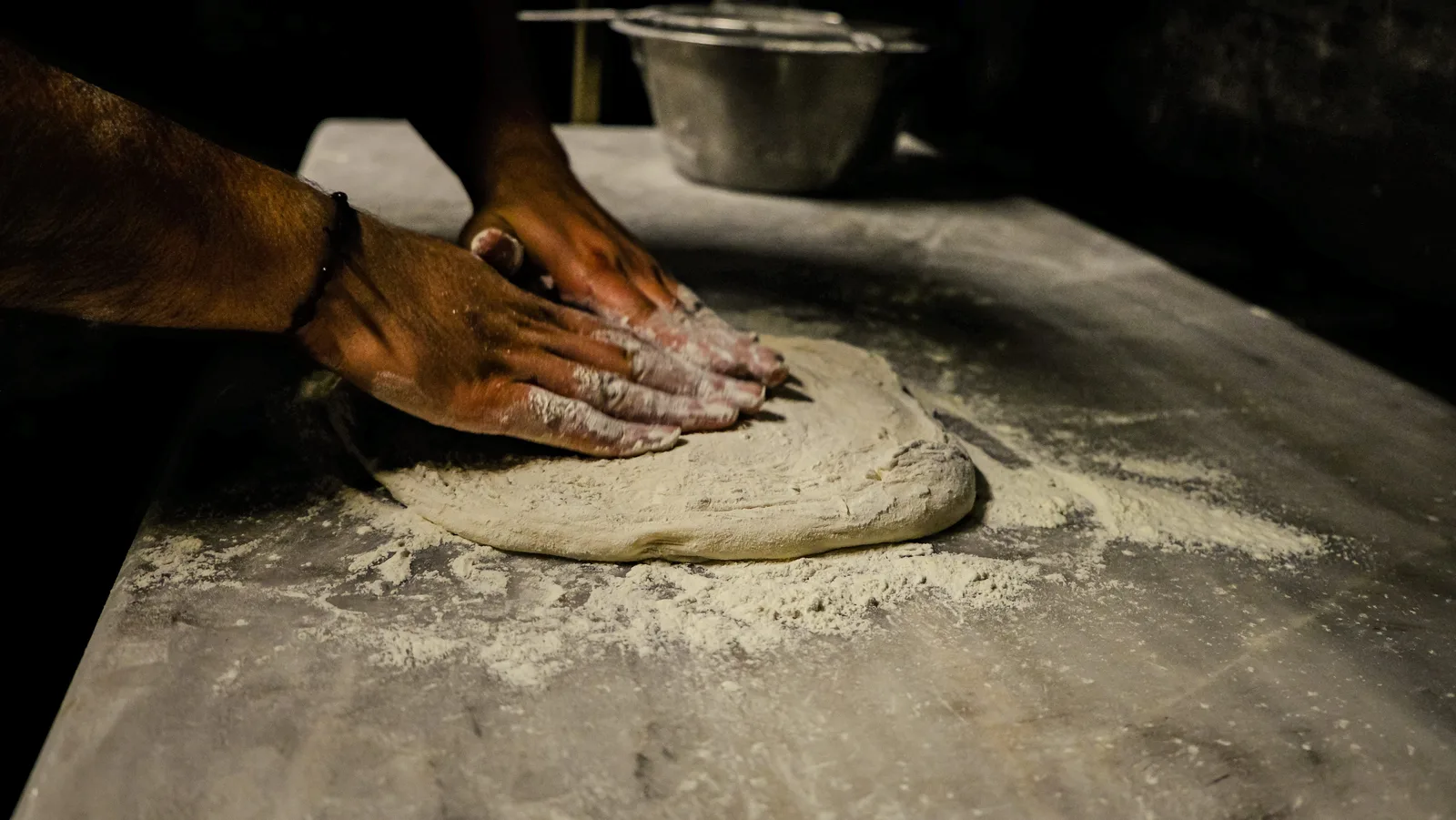
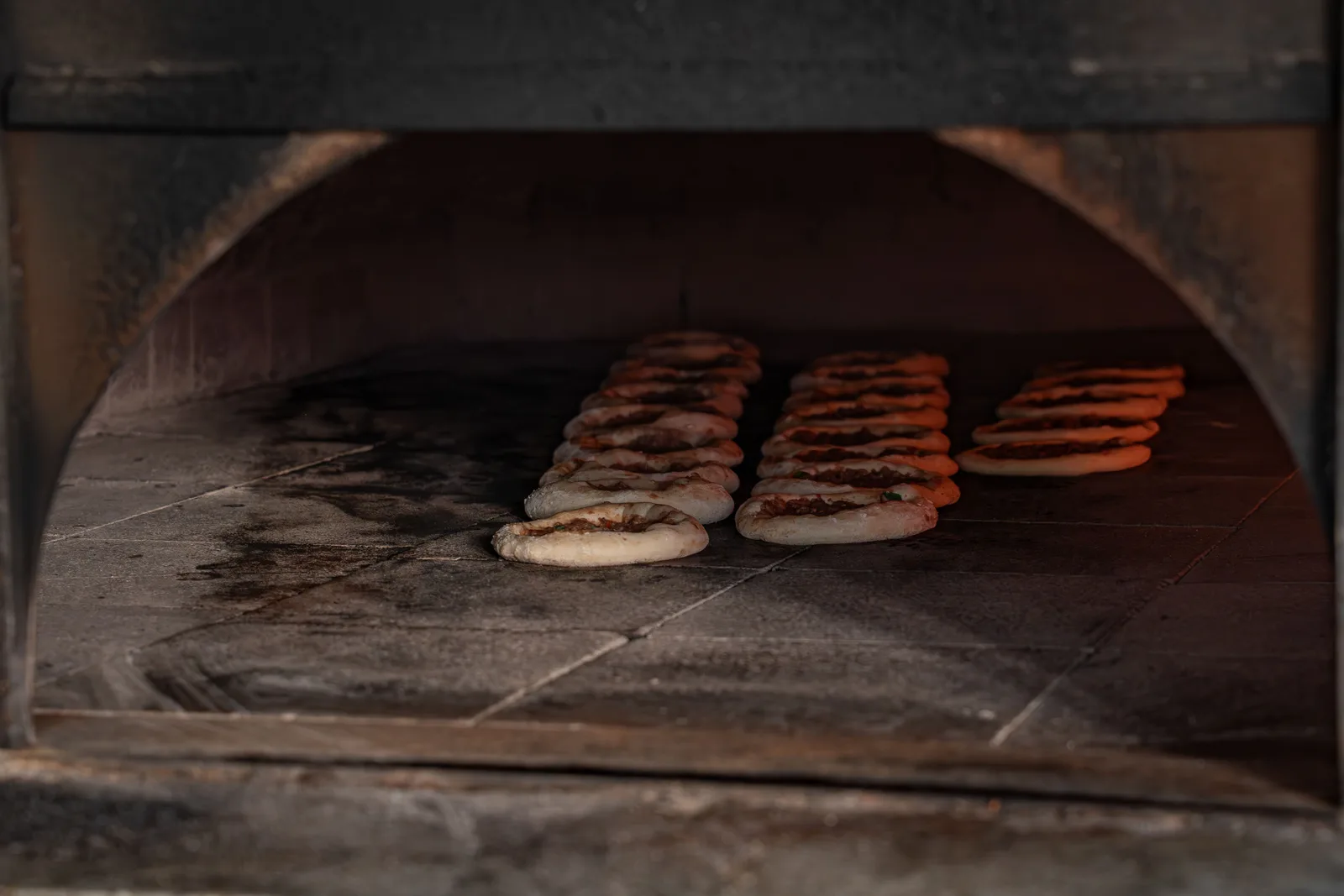
Turkish cuisine has become synonymous abroad with kebab, but travel through the interior and you taste something else: mezes that vary by region, hamsi, anchovy, worked into everything on the Black Sea coast, from bread to dessert, and village bakeries in Cappadocia where bread is still baked in underground tandır ovens.
The hamam isn't a spa experience for tourists, it's a social ritual that has existed for centuries: steam, marble and a conversation that moves slower than you're used to. Hospitality here rarely means an outstretched hand for a tip; it means a third glass of tea you never asked for, and a host genuinely disappointed if you refuse.
Why we look at Turkey differently from most guidebooks.
Beyond the Istanbul-Cappadocia-Antalya triangle Those three places are rightly famous, but they are also where most travellers stay. We look at what comes after: eastern Anatolia, the Black Sea coast, the steppe around Konya.
The interior outweighs the coast The coast is beautiful, but it's also the part of Turkey that most resembles any other Mediterranean coastline. The Anatolian plateau has no equivalent elsewhere.
Timing decides whether the interior works The steppe can turn scorching in July and August, while the coast is packed at the same time. We plan around those two realities, not past them.
Local knowledge of politically sensitive borders Parts of the southeast lie close to border regions that need attention. Our local experts know the current distinction between what's calm and what isn't, region by region, and shape their own routes accordingly.
No programme, but a series of starting points.
These aren't day trips from a brochure, they're the kind of moments a journey through Turkey can be built around, at whatever pace suits you.
Staying in a genuine cave house
Not the large cave hotels along the main road, but a small-scale address in a less-visited village, where the owner can tell you the history of the house themselves.
A morning in a village bakery
Join in, or simply watch, as bread is still baked the traditional way, in an underground tandır oven, with a family that has done this for generations.
Multi-day trekking in the Kaçkar Mountains
From yayla to yayla, the summer huts where Hemshin families bring their flocks. A landscape few foreign visitors ever get to see.
The Lycian coast from the water
By small boat rather than a day-trip catamaran, past sunken ruins and bays you'd never find from the road.
An afternoon in Ani
The abandoned medieval city on the border with Armenia, with a local guide who knows its layered history: Armenian, Georgian, Seljuk, Ottoman.
This is a starting point, not a complete list. The real plan takes shape in conversation.
The Anatolian plateau, east of Konya. The Turkey most travellers skip.

When you go decides which Turkey you see.
The coast is walkable nearly year-round, but the interior has a narrower window. In July and August the steppe can climb above 35 degrees by day, while winters in eastern Anatolia and on the plateau are harsh and snowbound. Kars and Erzurum then see temperatures well below freezing.
Late April to June is the best period for the interior: the wheat fields are green, the mountain passes have just opened and it isn't yet scorching. September to mid-October is a second good window, with softer light and fewer crowds in Cappadocia.
Best time to visit Turkey
Who else is at their best in these months?
April May June September
Use the contact form to discuss your travel dates and preferences with us.
Every hundred kilometres, another layer of history, and in between: simply a country that farms, bakes and waits for the harvest.
Turkey isn't a bridge between two worlds.It's a country that has never given up its own layers.

Practical, without the noise.
A few practical points to bear in mind when planning a trip through Turkey.
Getting there
Direct flights to Istanbul; the east of the country is usually reached via a domestic connection to Kars, Van or Erzurum.
Documents
Which travel documents you need depends on your nationality, and entry rules change regularly. We go through the current requirements with you before you leave.
Health
No mandatory vaccinations; adequate sun protection and hydration on the plateau in summer is advisable.
Pace and distances
Anatolia is vast. Moving between regions can take a full day, worth building into the rhythm of the trip.
Language on the road
English is spoken in the major cities and tourist centres, but outside those areas a local guide or driver helps enormously.
Frequently asked questions
A few things travellers often ask us before setting off on a trip through Turkey.
Is Turkey safe to visit, given the region?
The areas we propose are carefully chosen and continuously monitored by our local experts. Parts of the southeast, close to certain borders, we deliberately keep out of the routes.
Isn't the interior too hot in summer?
In July and August the steppe can indeed heat up considerably. That's why we generally suggest late spring or autumn for the interior, with the coast as a summer complement.
Can you drink alcohol in Turkey?
Yes, alcohol is available in most cities and tourist regions, though the choice is more limited in more conservative parts of eastern Anatolia.
How far is the coast from the interior, in travel time?
From the Lycian coast to Cappadocia easily takes a full day's drive; we build that in deliberately as part of the journey, not as something to get through.
- Flight time
- About 3 hours 15 minutes to Istanbul, 4 to 5 hours to eastern Anatolia
- Languages
- Turkish; regionally Kurdish in the east and south-east, Laz and Hemshin in the north-east
- Time difference
- One hour ahead in summer, two hours in winter
- Altitude range
- From sea level to the summit of Ararat at 5,137 metres; the Anatolian plateau itself already sits at 1,000 to 1,500 metres
- Best time to visit
- Late April to June and September to mid-October