

Austria pairs the calm of high mountains with an urban elegance that rarely raises its voice.
No country here is in a hurry.
Drive from Vienna to Tyrol and the landscape keeps changing shape without ever losing its tone. In the east, the vineyards of the Wachau roll along the Danube; in the west, the three-thousand-metre peaks of the Ötztal Alps rise straight from the valley floor. Between them lie forests, lakes and towns that carry their history without putting it on display.
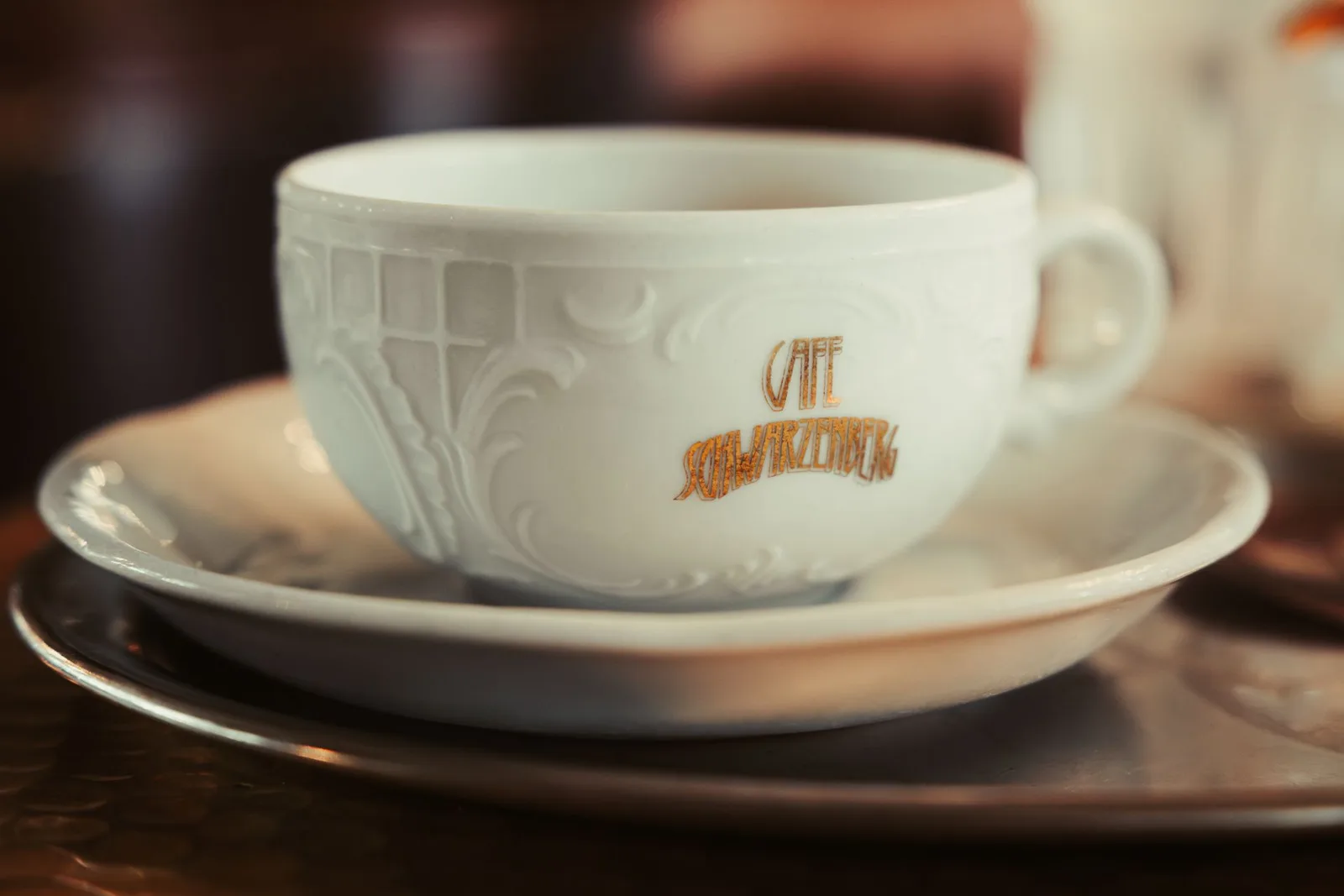
Austria takes time seriously, not as slowness but as a choice. In a Viennese coffeehouse nobody orders in a hurry, and in a Tyrolean valley a walk is measured not in kilometres but in the view it delivers. It's a country that lets itself be visited at its own pace, and that pace is rarely rushed.
It also wears several faces that rarely overlap: imperial Vienna has little in common with rural Salzburg province, and Vorarlberg, on the Swiss border, feels different from the milder Carinthia in the south. Say Austria, and you rarely mean the same country twice.
In short
Best time to go
July to September for hiking, lakes and mountain villages, and January to March for snow in the Alps. June and October are quieter; April, May and November are in-between months.
How long
A week for one region, ten days to two weeks to combine Vienna with Tyrol or the Salzkammergut. Trains link the main cities directly, so a car is not always needed.
Who it suits
For hikers who want to go from hut to hut, for travellers pairing a city of museums and coffee houses with mountains and lakes, and for anyone who likes to travel by train.
What sets it apart
Hohe Tauern National Park is the largest protected nature area in the Alps, and the wine landscape of the Wachau along the Danube is on the World Heritage List.
One country, several speeds.
Austria has nine federal states that rarely resemble one another. Five of them give the country its face.
Vienna
A city that carries its imperial past without putting it on show: broad avenues, coffeehouses with marble tables, and a musical life still taken seriously.
Tyrol
Innsbruck sits literally at the foot of the Nordkette, and the valleys behind it, Ötztal, Zillertal, reach far above the treeline. Here the mountain isn't scenery, it's the starting point.
Salzkammergut
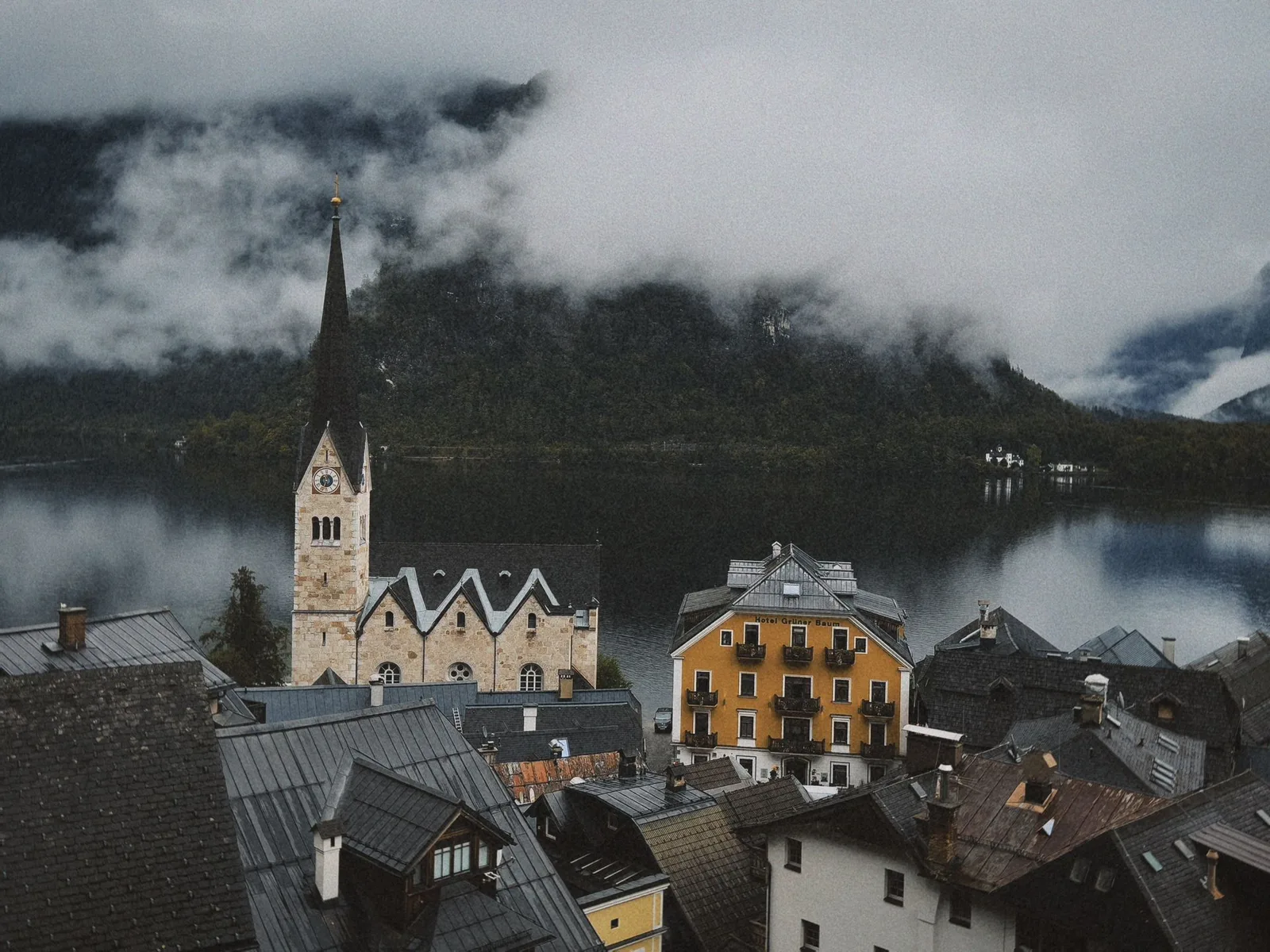
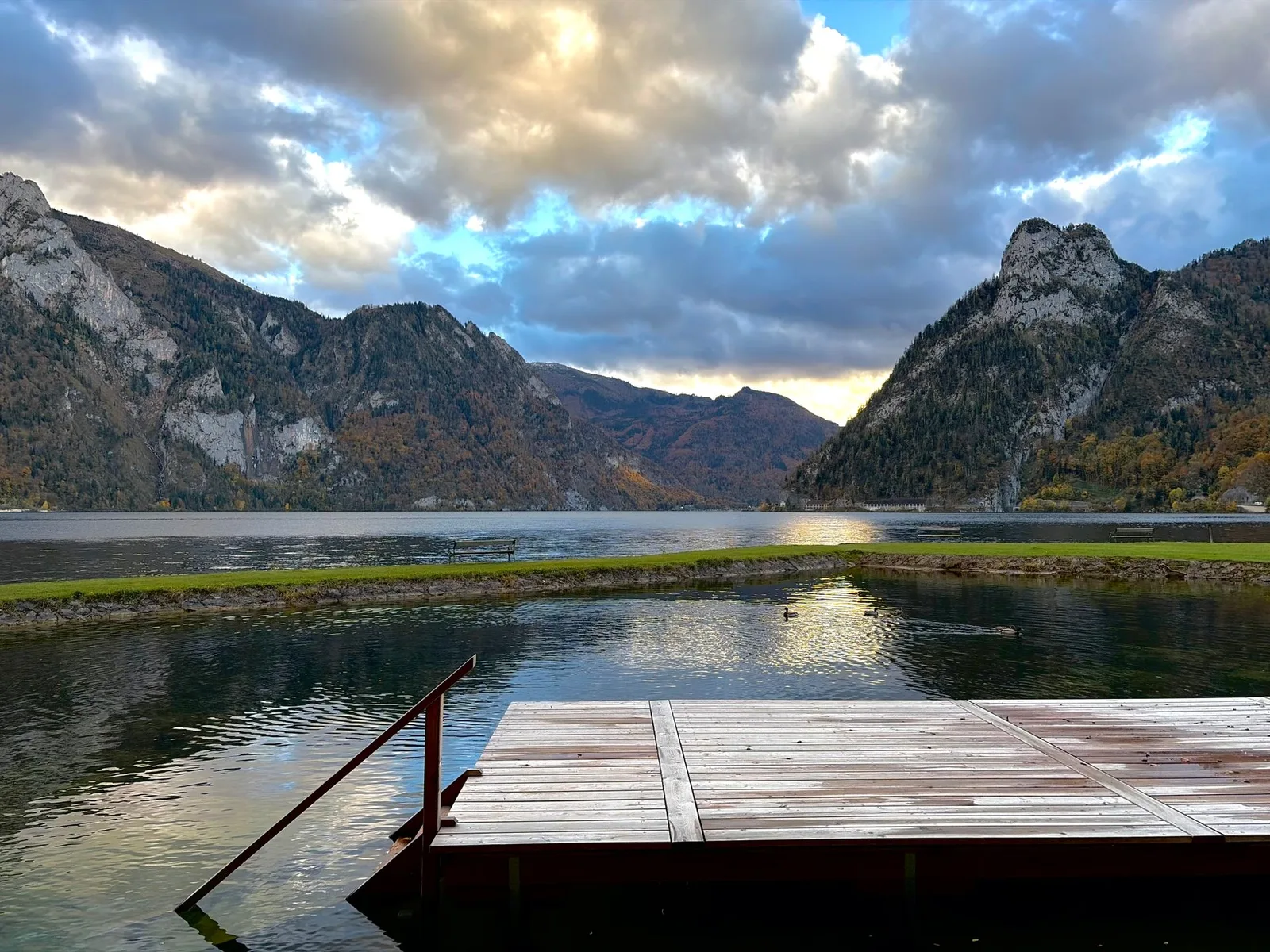
Seventy-six lakes between limestone cliffs, with Hallstatt the best known but certainly not the only village on the water. The region where Salzburg keeps its back garden.
Styria
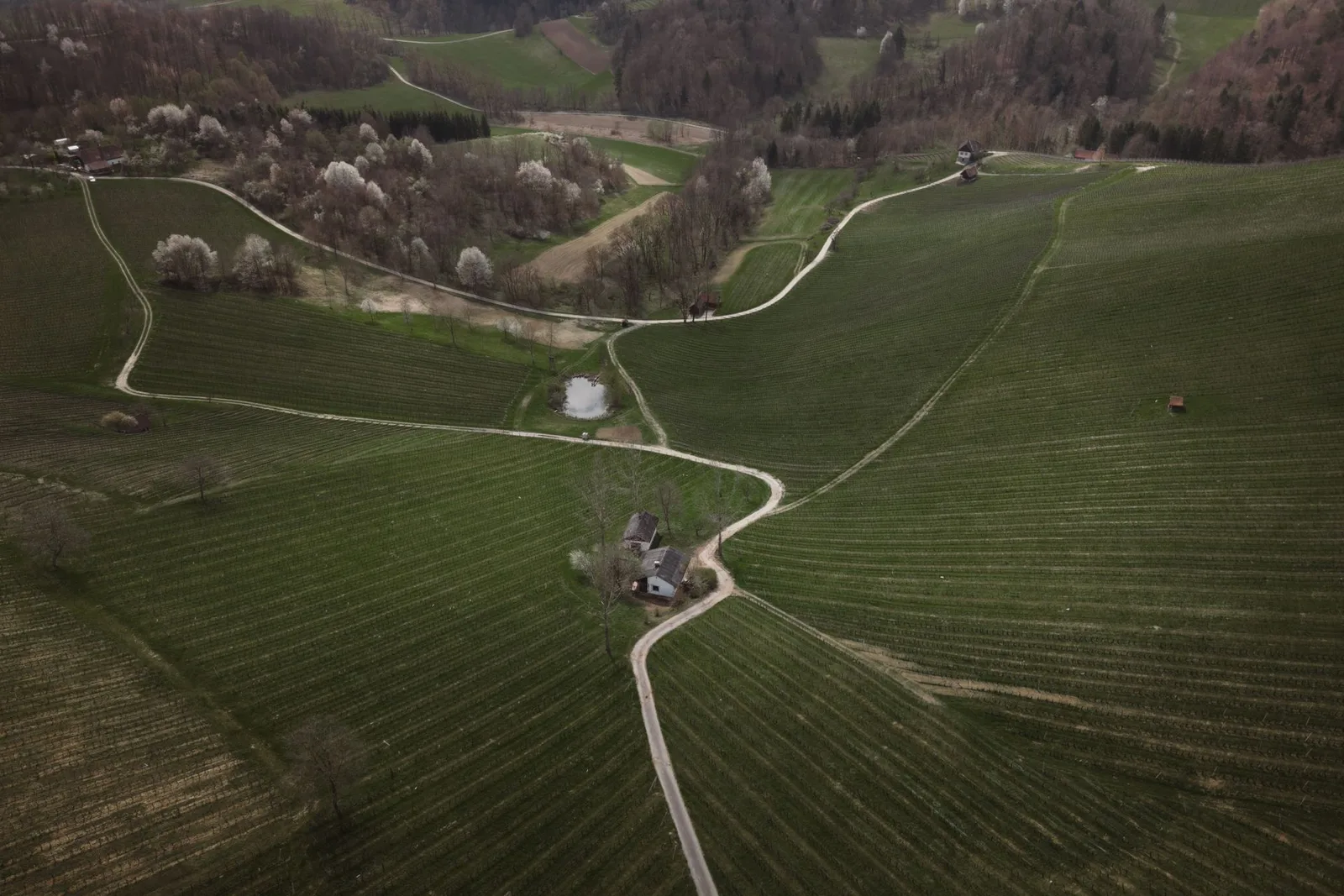
Gentler hills than the rest of the country, with vineyards around Graz and a cuisine that leans on pumpkin seed oil rather than cream. Austria's least obvious region.
Vorarlberg
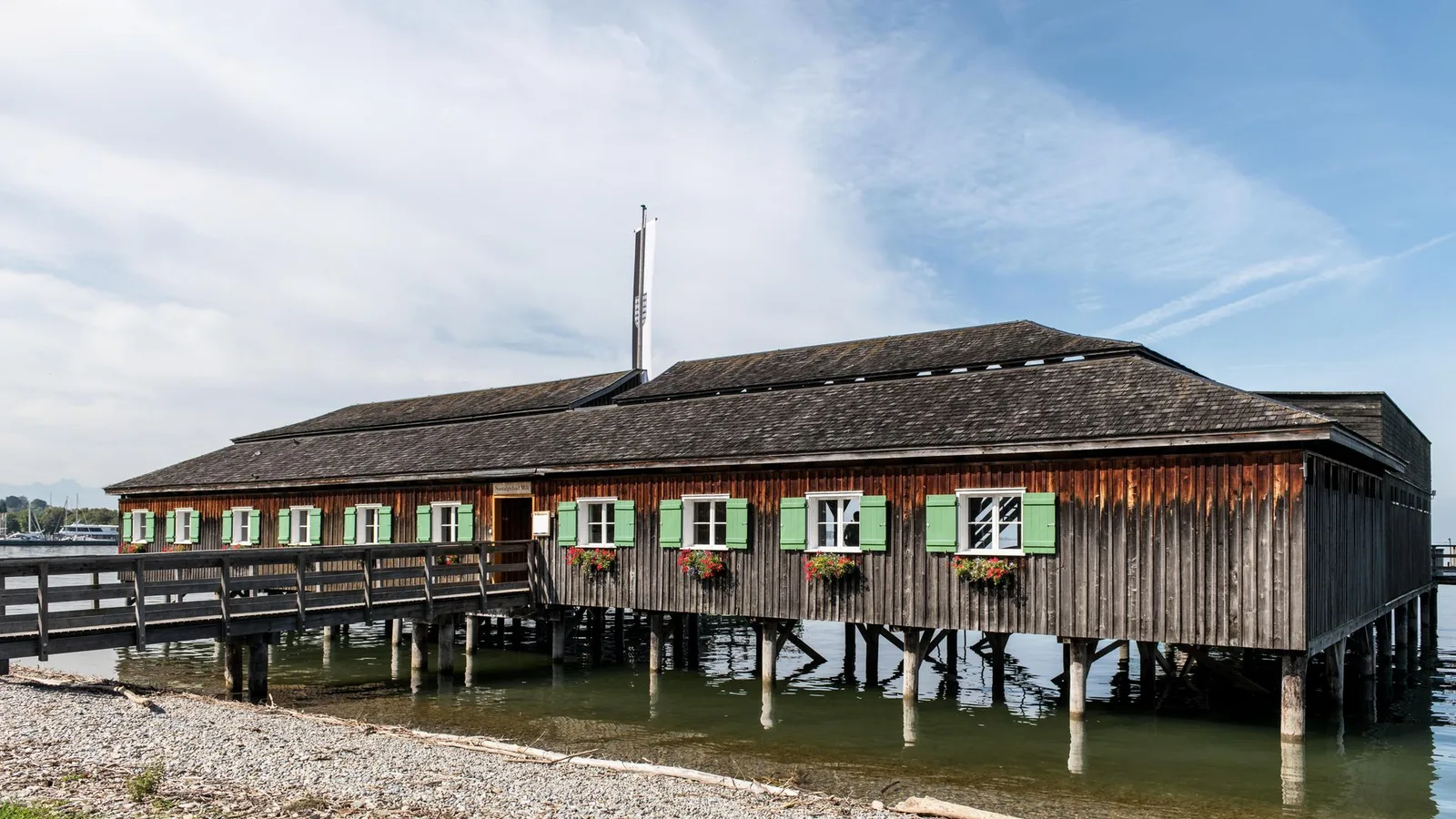
Set against Switzerland and Lake Constance, with an architecture that recalls Scandinavia more than the rest of Austria. Small, and easily overlooked because of it.

A country that thinks vertically.
From glacier to vineyard, Austria rarely takes more than a few hours' drive.
The Alps
About sixty per cent of the country lies in the Alps. The Großglockner, its highest point, is ringed by glaciers shrinking slowly but visibly.
The lakes
Crystal clear and cold even in August. The lakes of Carinthia and the Salzkammergut are swimming water for anyone who can handle a brief shock.
The valleys
Between the peaks lie broad, green valleys with haystacks and scattered hamlets, the Austria that the mountains themselves often overshadow.
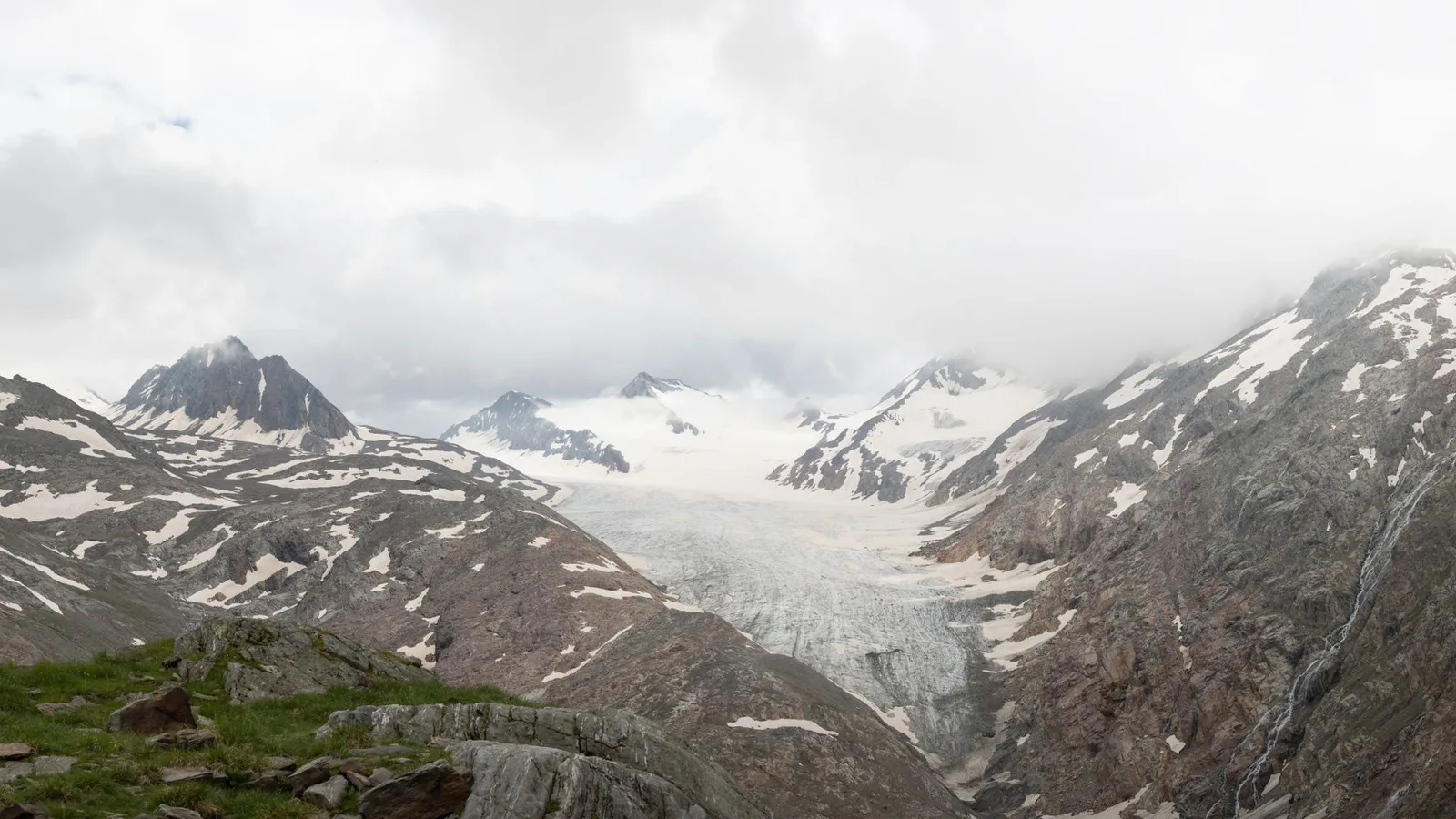
The Ötztal Alps, seen from a valley that already sits at 1,800 metres.


Possibilities, not a programme.
Austria doesn't fit into a fixed schedule. The following gives an idea of what's possible. We shape the detail together.
Walking without hurry
From an afternoon walk around a lake to a multi-day hut-to-hut route in the Hohe Tauern. You set the pace.
A city that asks for time
Vienna doesn't reward a checklist. A few days to let museums, coffeehouses and neighbourhoods beyond the Ring overlap says more than a single day of highlights.
Wine along the Danube
The Wachau is barely an hour from Vienna and yet a different world: terraced vineyards, small villages, and winemakers who let you in without an appointment.
Up high, without climbing
Cable cars carry you almost to the summit without turning it into mountaineering. The view from up there is every bit as overwhelming.
Thermal stillness
Styria and Carinthia both have thermal springs where an afternoon easily disappears. Less glamorous than a spa, more a local habit.
These are possibilities.Not your journey.


When to travel to Austria
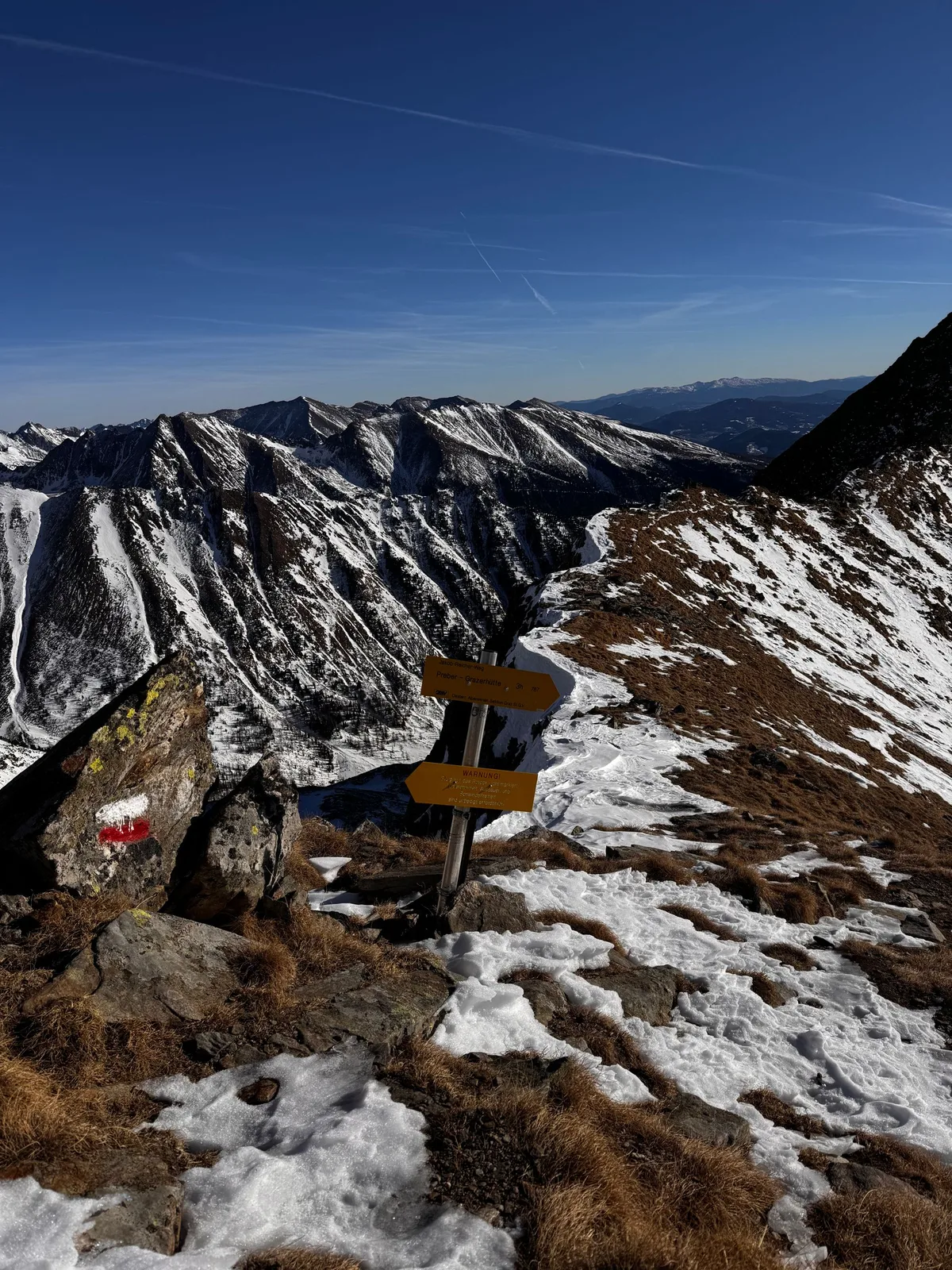
Austria really has two high seasons that have little to do with each other: summer for the valleys and lakes, winter for the mountains in white. The months in between have their own, quieter appeal.
Best time to visit Austria
Who else is at their best in these months?
January February March July August September
Use the contact form to discuss your travel dates and preferences with us.
Practical, without the noise.
A few things that make travelling easier.
Getting there
Direct flights from Brussels to Vienna and Salzburg; Innsbruck and Graz usually via a connection. The train from Brussels to Vienna is an alternative for anyone who prefers to start the journey by rail.
Documents
A valid identity card or passport is enough for Belgians. Austria is part of the Schengen area.
Getting around
Public transport is excellent, even in the mountains: postal buses and regional trains reach villages you wouldn't expect. A rental car gives more freedom in the valleys.
Altitude
Anyone walking above 2,000 metres may notice the altitude in pace and breath. No altitude sickness risk like in the Andes, but something to build a gentler pace around.
Health
No special vaccinations required. Tap water is safe to drink everywhere, including in mountain huts.
Frequently asked questions
Is Austria only interesting in winter?
Far from it. Summer opens up the valleys and lakes completely, and that's when the country is at its broadest: walking, wine, cities without the winter crowds.
Is English spoken?
Generally yes in Vienna, Salzburg and the larger tourist regions. In smaller mountain villages German can help, though a bit of goodwill always gets you further.
Is one region enough, or is it better to combine?
That depends on what you're after. Vienna and Tyrol combine well since the train connects them directly, but a single region, explored unhurried, is just as much a complete trip.
Can you travel there without a car?
Yes, public transport is developed enough that a trip without a rental car is entirely feasible, although a car gives more flexibility in remote valleys.
- Flight time
- About 1 hour 30 to Vienna, direct from Belgium
- Languages
- German (Austrian). English works in the cities and tourist regions
- Time difference
- None: same time zone as Belgium
- Altitude range
- From 114 metres near Lake Neusiedl to 3,798 metres on the Großglockner
- Best time to visit
- July to September for the valleys and lakes, January to March for the mountains in white