
An island that never let one master stay long enough.
Sicily carries the marks of Greeks, Arabs and Normans, with a volcano that keeps having the last word.
In Palermo, Byzantine mosaics stand next to Arab domes and Norman vaults, sometimes in the same building. In Trapani, the market smells of cumin and dried fish, a legacy of centuries of trade with Tunis. The island never settled on one identity. It piled them on top of each other and left them standing.
Travelling here isn't about one story but the friction between stories: baroque towns rebuilt after an earthquake, temples older than the Colosseum, and a volcano that keeps smoking right in the middle of it all as if nothing were the matter.
In short
Best time to go
April, May, September and October are the most pleasant, with afternoons between 20 and 28 degrees in Palermo. July and August are hot and busy, and on the plain near Catania the average high climbs to around 35 degrees.
How long
Ten days to two weeks, because the island is large and roads through the interior are slow. With less time, focus on the east or the west rather than trying to circle the whole island.
Who it suits
Travellers who want to see history in layers, from Greek temples to baroque towns, and pair it with a walk on Etna, wine from the volcano's slopes and the quiet interior.
What sets it apart
In Palermo, Cefalù and Monreale, churches and palaces blend Byzantine, Islamic and Western architecture, a World Heritage Site since 2015. Above the east coast smokes Etna, one of the most active volcanoes in the world.
Six faces, no two alike.
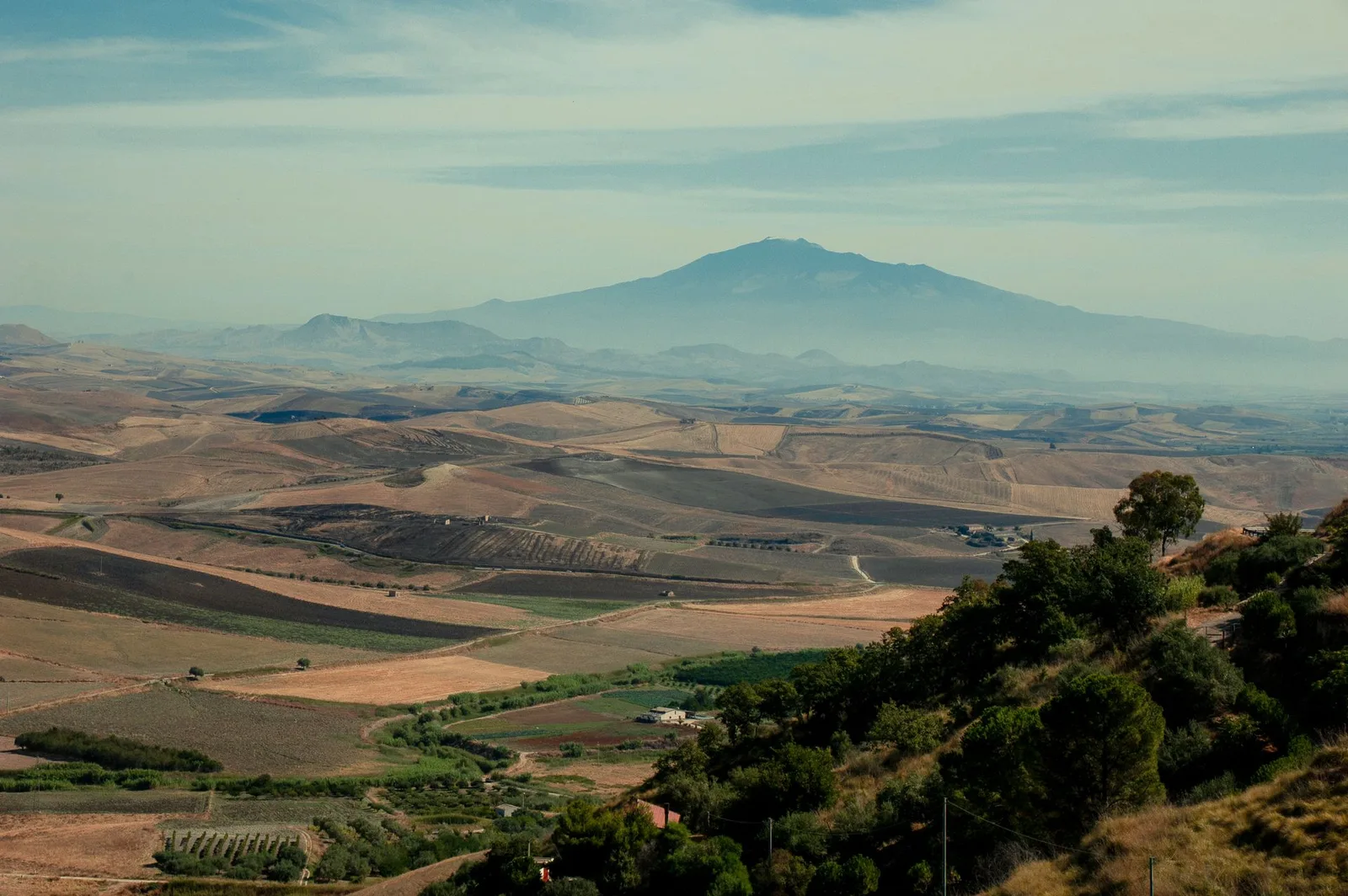
Sicily is too big and too layered to fit into one route. Every region has its own pace and its own layer of history on top.
Palermo and the Conca d'Oro
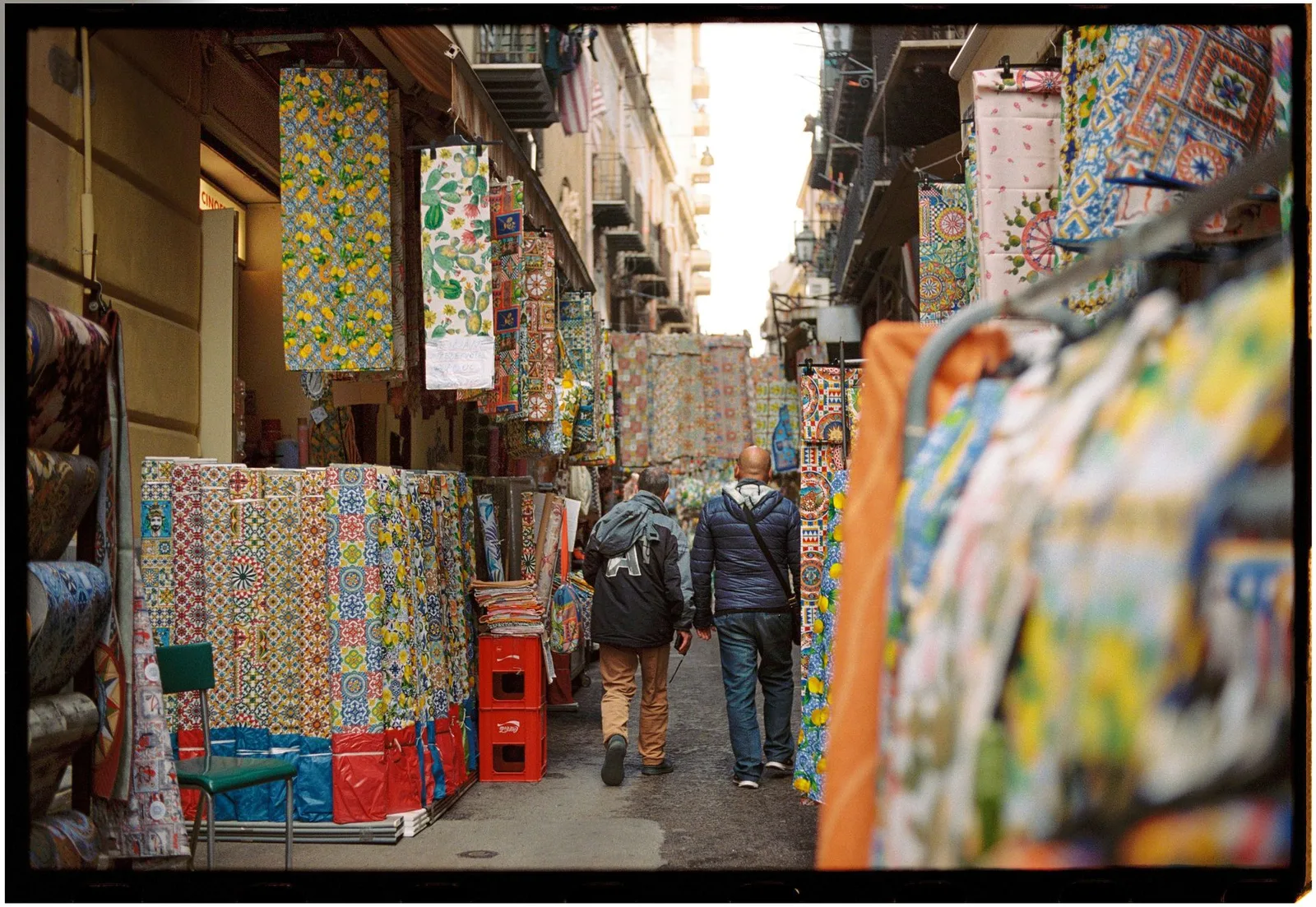
A capital that's loud at street level and quiet inside its palaces, with markets that have stood on the same spot for centuries.
Val di Noto
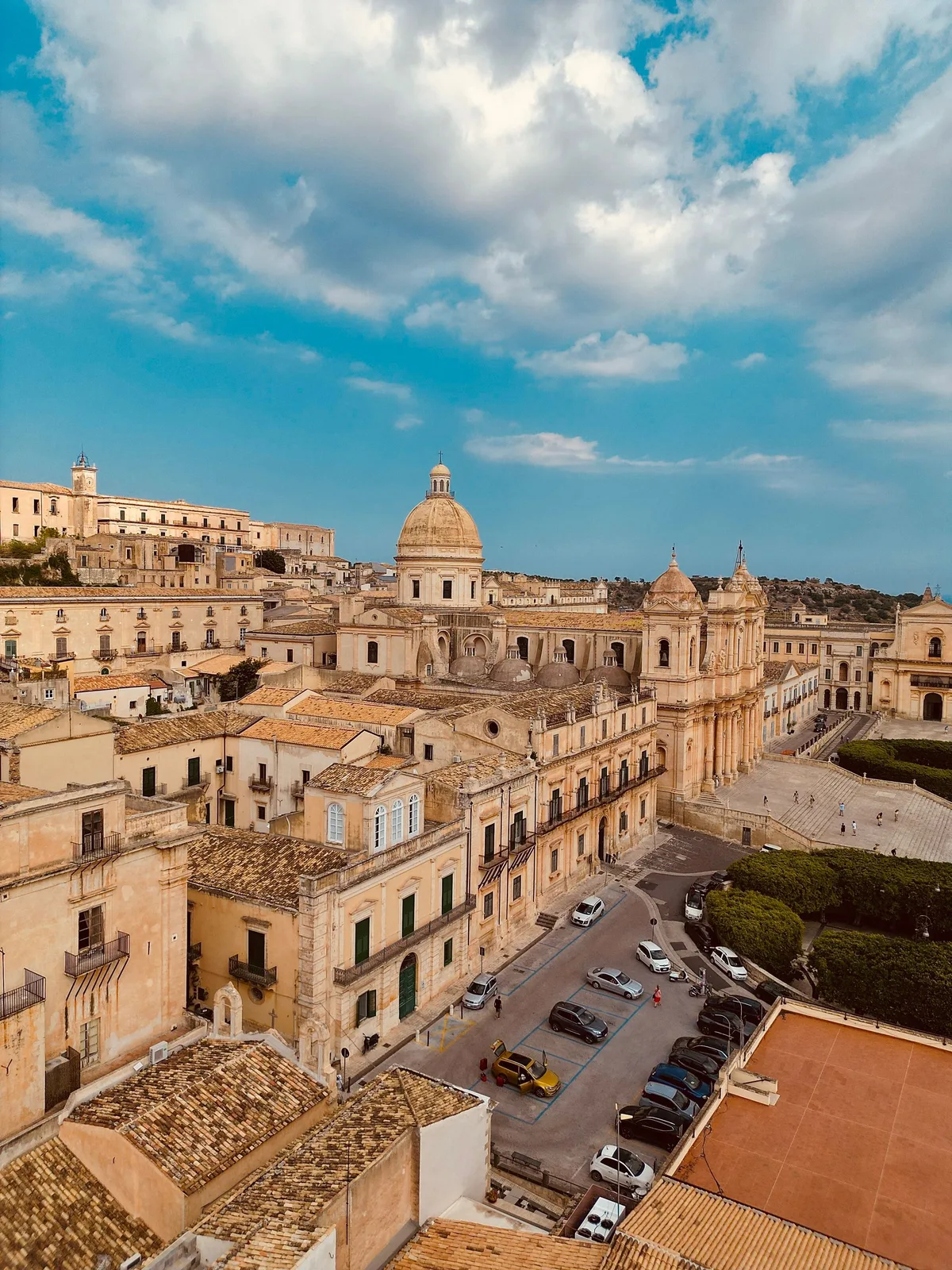
Noto, Modica and Ragusa were rebuilt in the same honey-coloured stone after the earthquake of 1693. Baroque as a collective restart.
Agrigento and the south coast
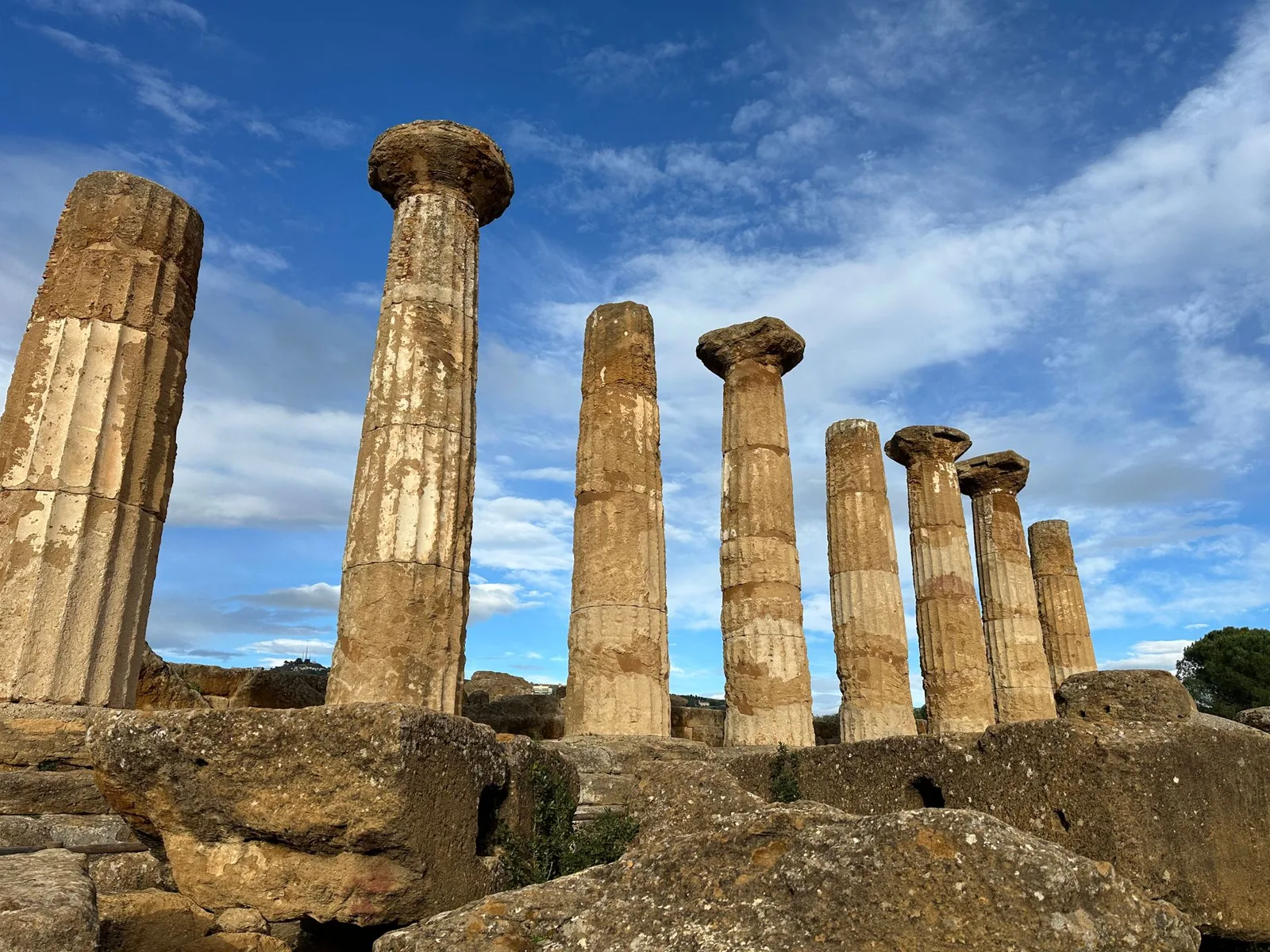
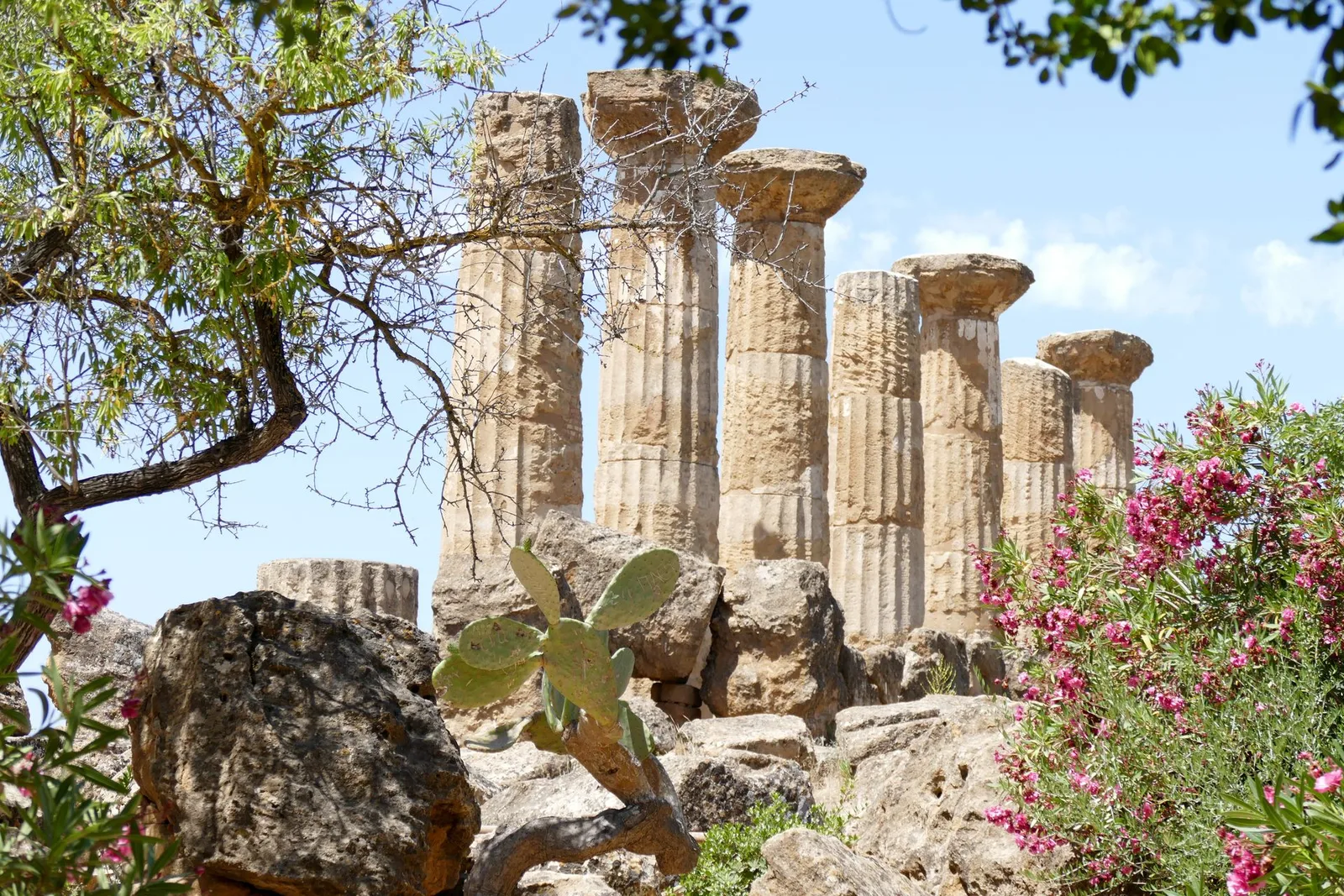
The Valley of the Temples isn't kept behind glass: the columns simply stand in the grass, with the sea as a backdrop.
Taormina and the east coast
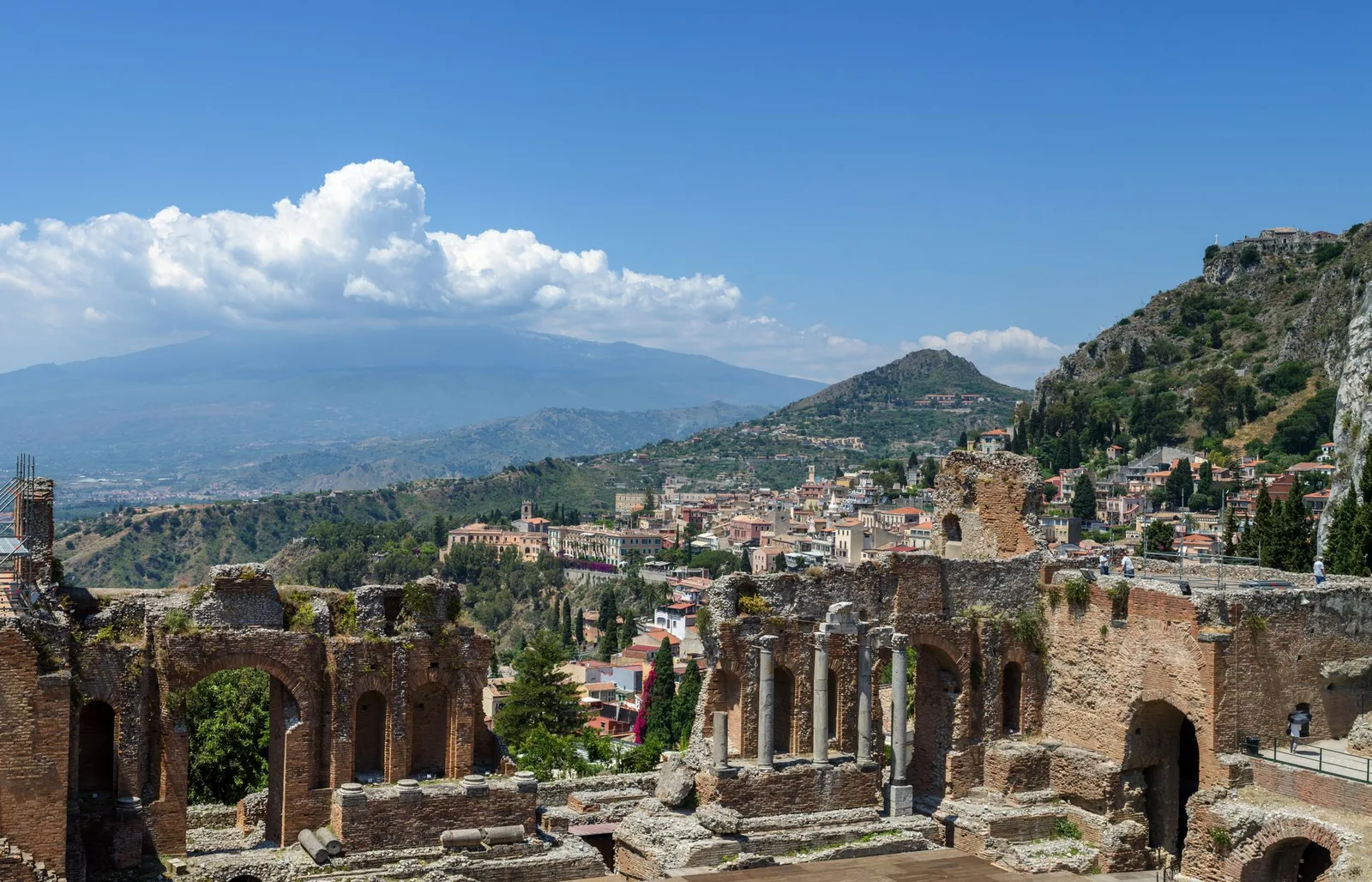
A Greek theatre with a view of an active volcano. The east coast combines classical antiquity with a landscape that never stands still.
Trapani and the west
Salt pans, a medieval Erice perched on the hill, and a cuisine closer to Tunis than to Naples.
The Aeolian Islands
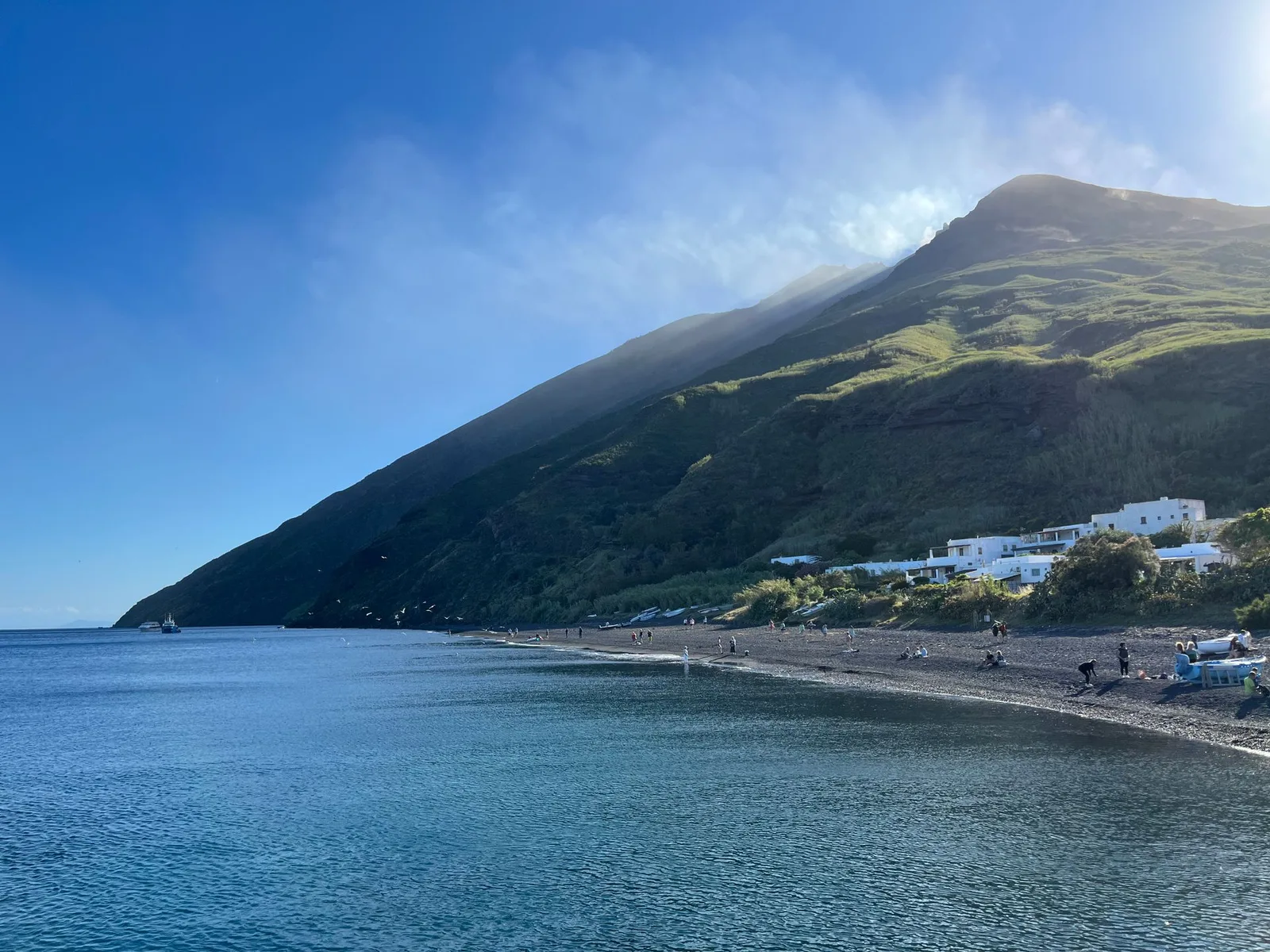
Seven islands off the north coast, each with its own character, from Stromboli's smoking cone to Salina's caper fields.

Where North Africa and Naples meet
Couscous alla trapanese with fish sits on the same menu as pasta con le sarde with fennel and pine nuts. Not a contradiction, just Sicily. Panelle and arancini are already frying in hot oil by morning, meant to be eaten standing up in the street.
Granita with a brioche counts as breakfast here, not dessert. On Salina, capers still dry in the sun the way they have for generations, while in Modica chocolate is still worked cold, following an Aztec method the Spanish once brought with them.
Nature that couldn't care less about a beach towel
Etna
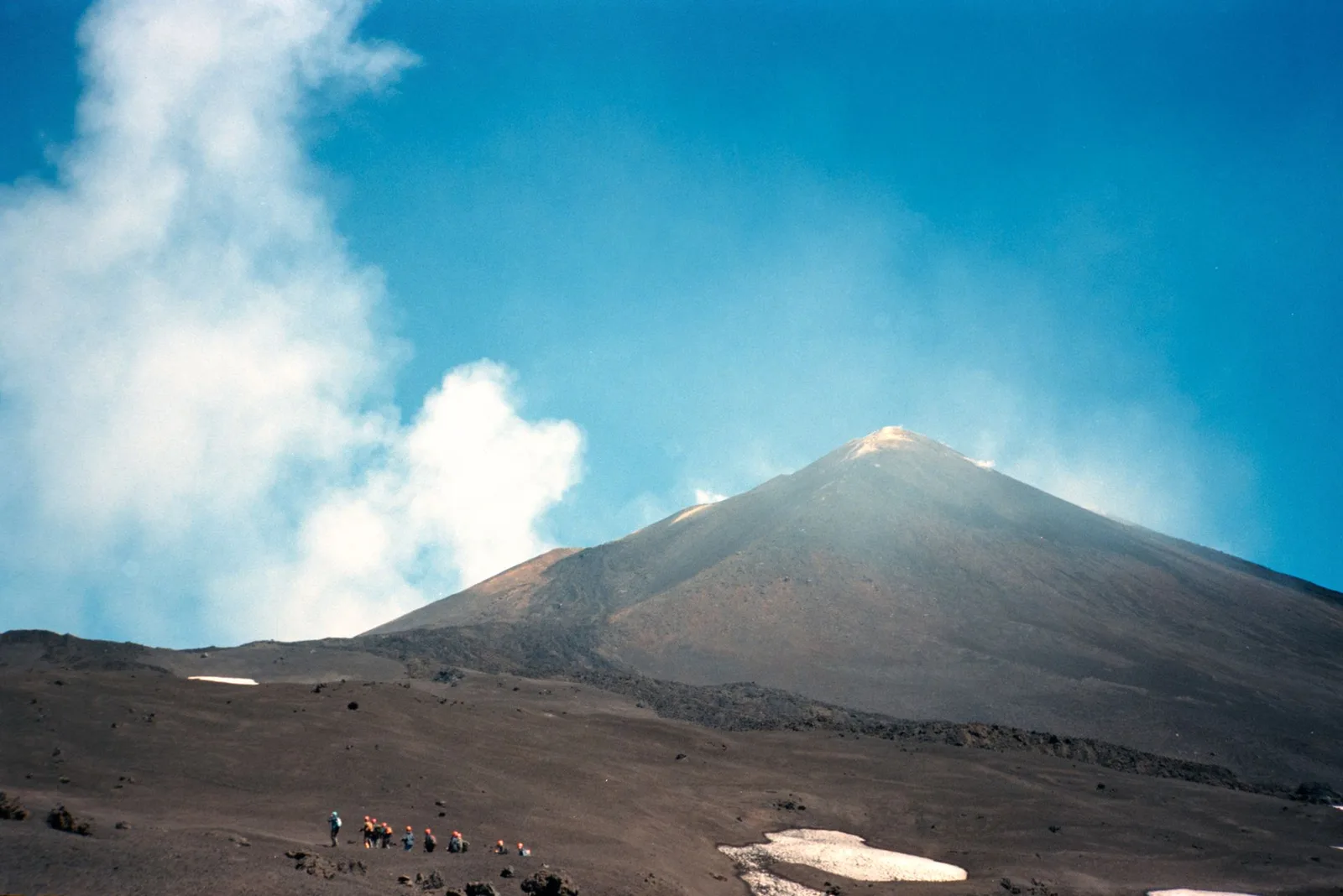
Europe's most active volcano literally changes shape after every eruption. On its black slopes grows wine that tastes like nowhere else.
Riserva dello Zingaro
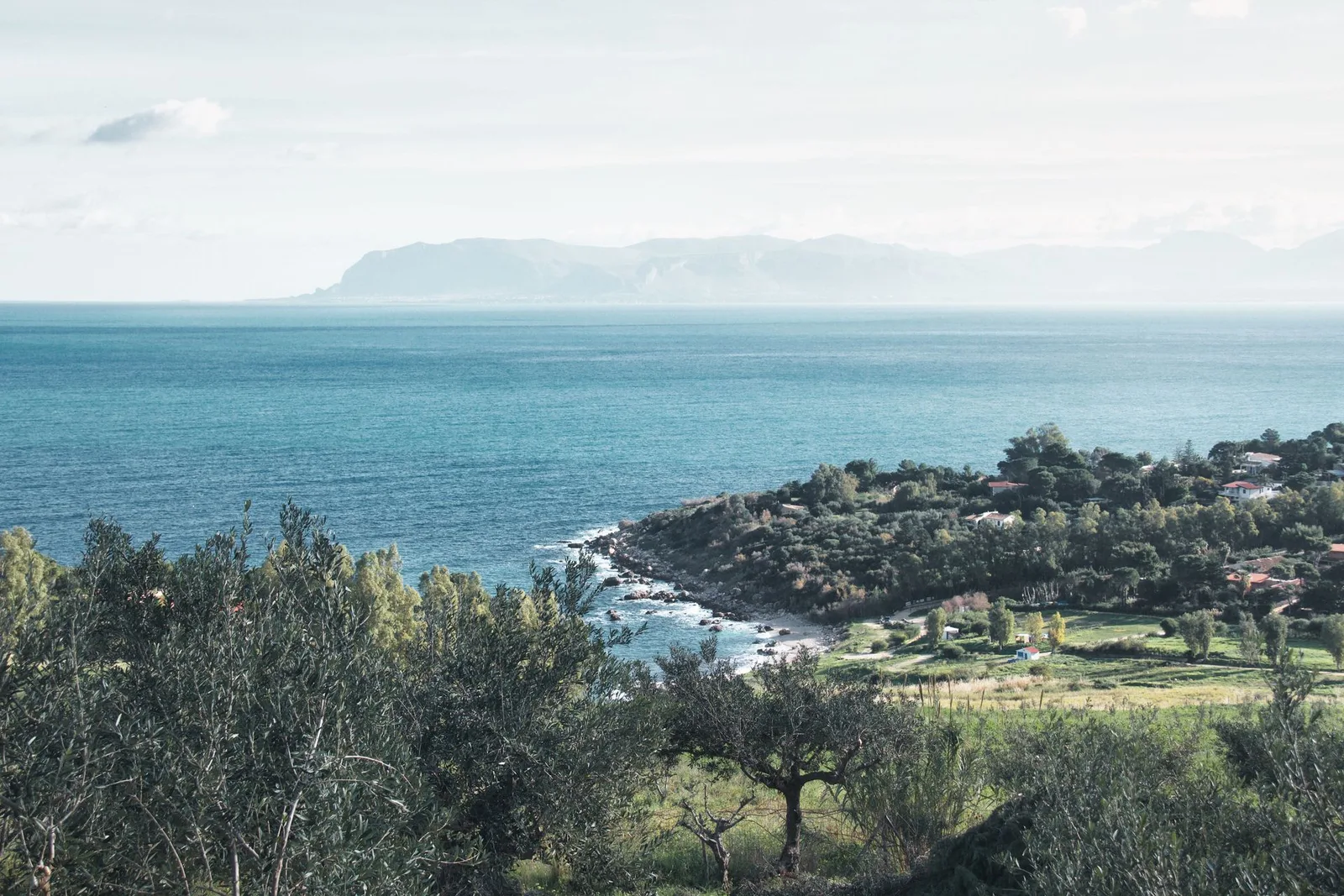
Seven kilometres of coastline with no road, just a footpath between agaves and hidden coves. This is what the Sicilian coast looked like before tourism.
The Egadi Islands
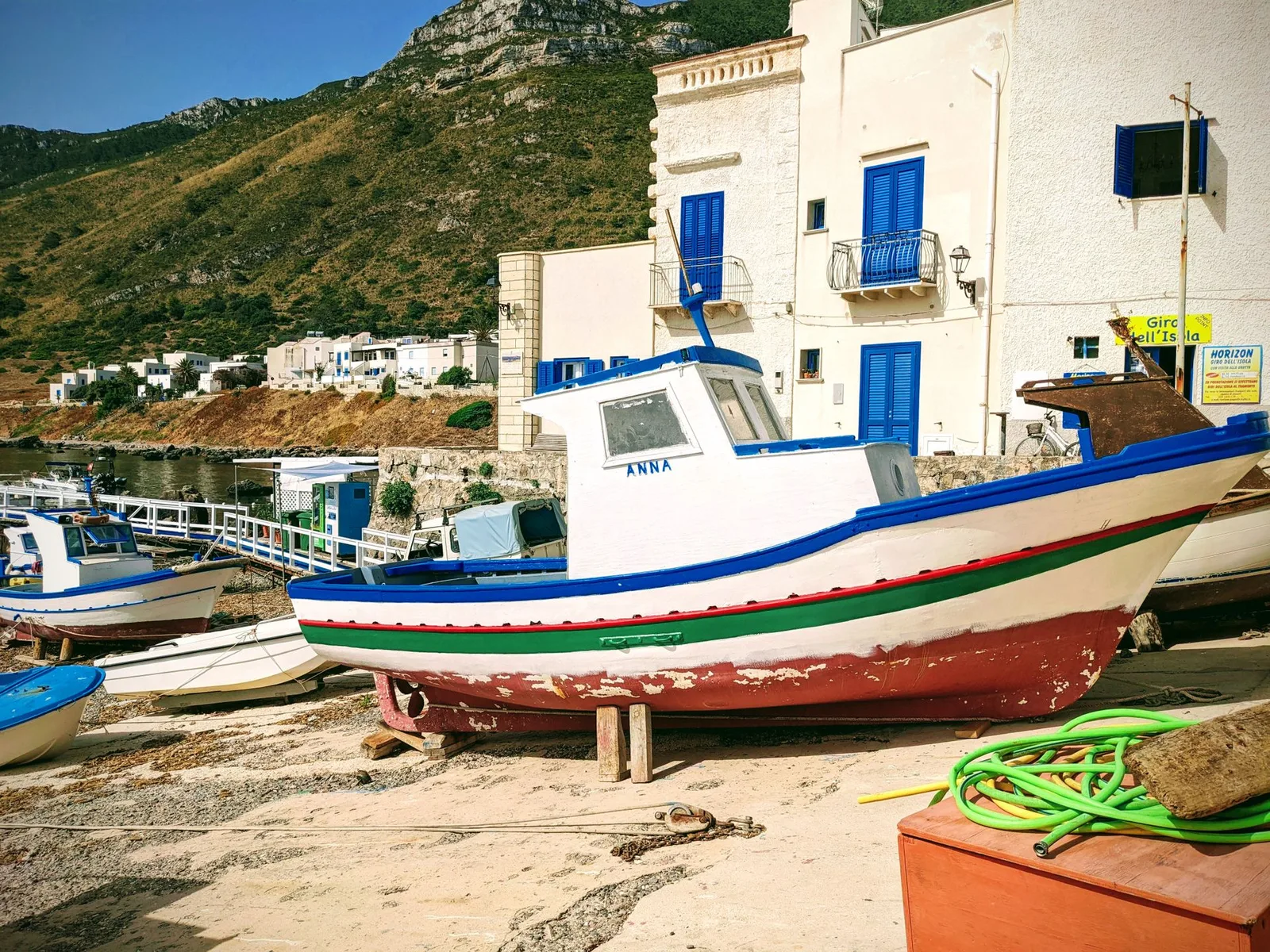
Favignana and Marettimo are barely a boat ride from Trapani, yet feel like a different speed of life, still organised around the tuna catch.
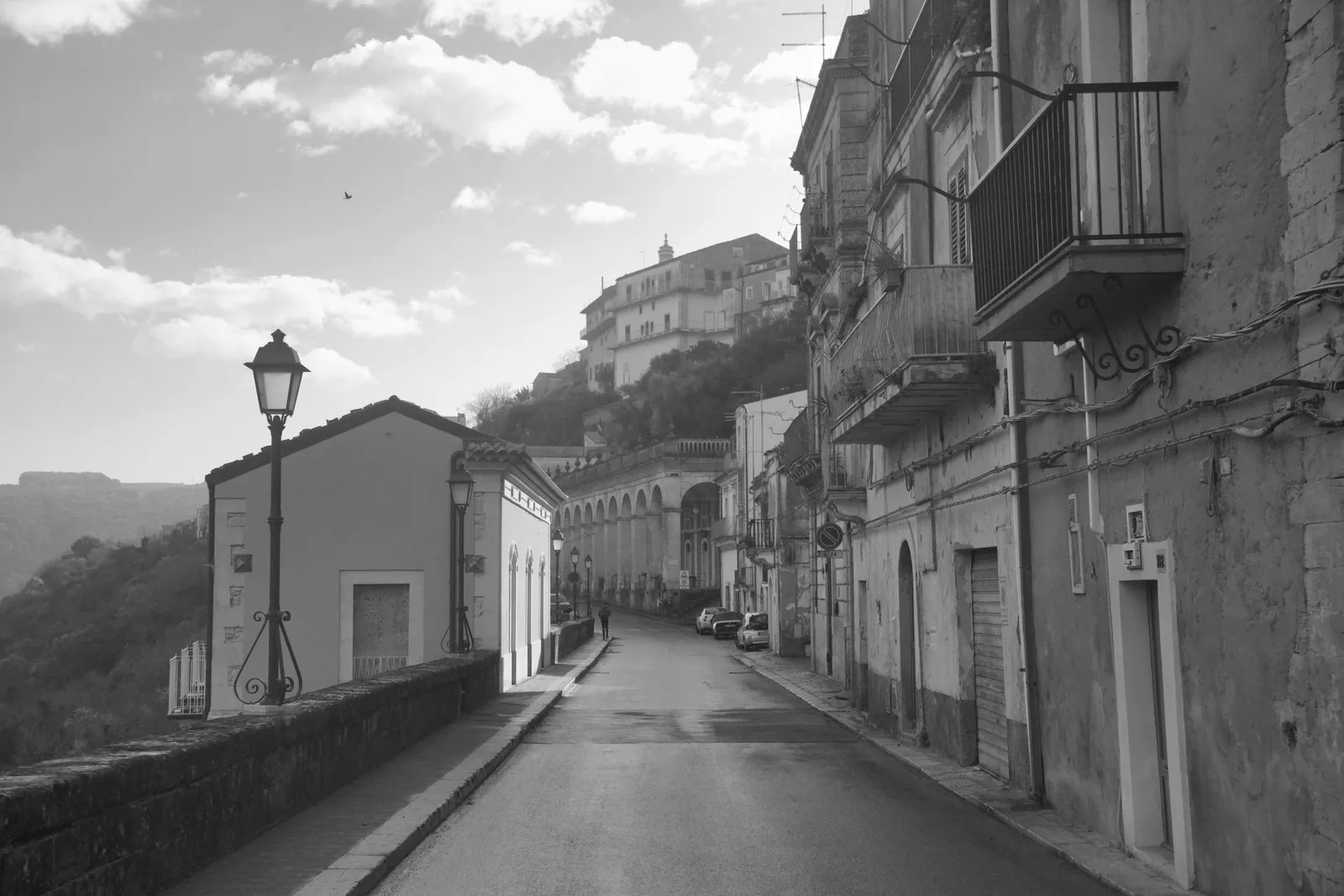
Ragusa Ibla, rebuilt in honey-coloured stone after the earthquake of 1693.

What a trip to Sicily can include
Not a fixed day-by-day programme, but a set of starting points from which we build a route that suits you.
Etna on foot
With a volcanologist guide across the black flanks, past craters that don't yet appear on every map.
Cooking with a nonna
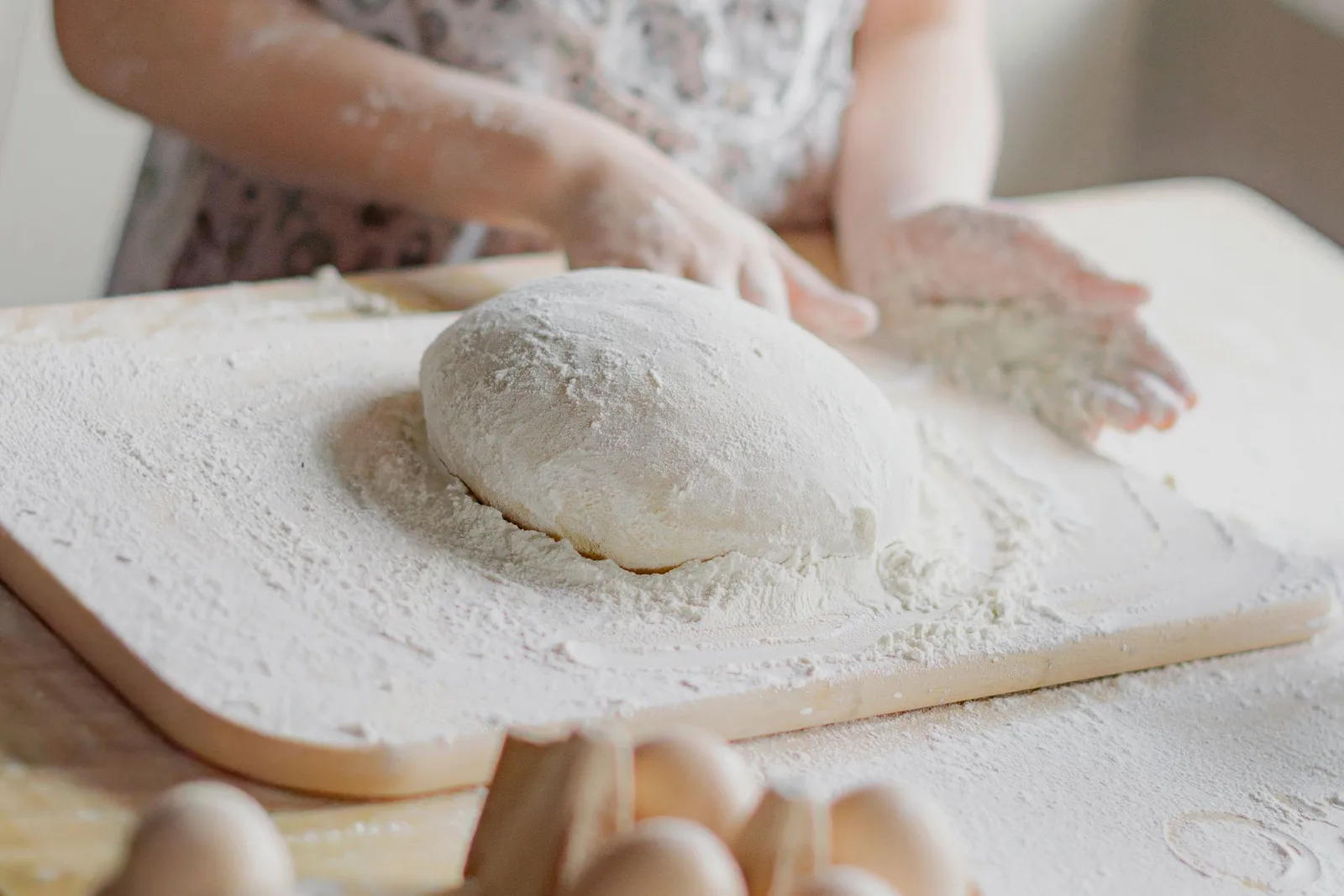
An afternoon in a kitchen in the interior, with vegetables from the garden and recipes written down nowhere.
Wine on volcanic ground
A visit to a winemaker who explains why grapes grown on lava taste different from anywhere else.
Around the Egadi Islands
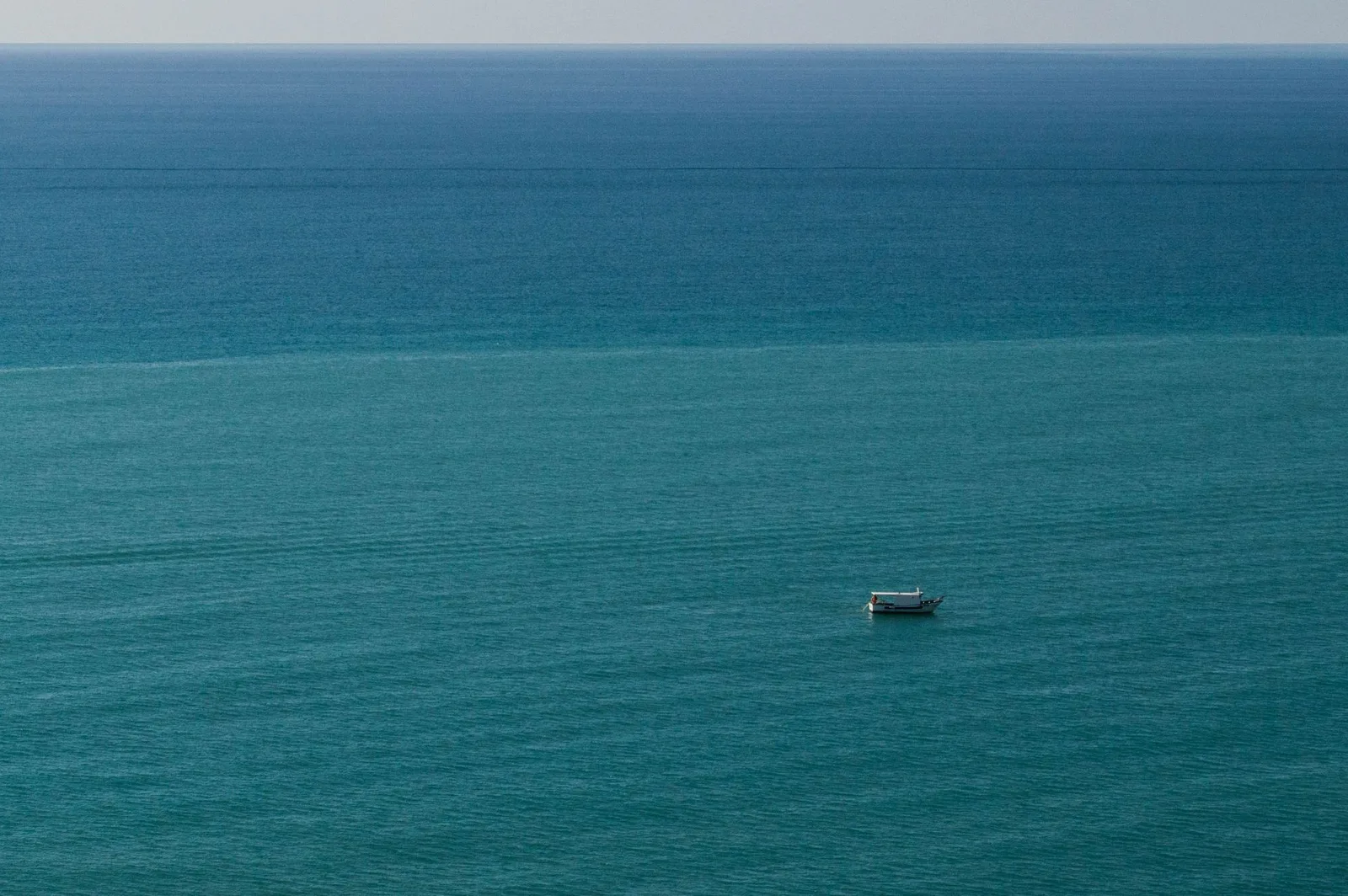
A day sailing between coves only reachable by boat, with time to swim without hurry.
Breakfast at the Ballarò
Out early with a guide who knows which stall is already open at seven, and why.
What we don't plan: a day packed with museums. Sicily works better slow.
A market stall beneath a volcano, a temple column in dry grass.
Sicily isn't an island with one story.It's an island where every story stayed.


When to visit Sicily
Summer is hot and busy, especially around Taormina and the Egadi Islands. The interior can easily climb past 35 degrees.
Spring brings almond blossom to the temples of Agrigento and wildflowers to the Riserva dello Zingaro. In autumn, the grape harvest comes in around Etna and the coast cools just enough to make walking pleasant again.
Best time to visit Sicily
Who else is at their best in these months?
April May September October
Use the contact form to discuss your travel dates and preferences with us.
Practical, without the noise.
A few things that make travelling in Sicily easier.
Arrival
Flights to Catania or Palermo, two airports that naturally split the island into an eastern and a western trip.
Getting around
A hire car is the practical norm outside the cities; coastal roads and the interior aren't well connected by train.
Documents
A valid ID card is enough for EU citizens.
Health
No special vaccinations needed; summer heat inland calls for a relaxed pace.
Pace
Expect late dinners and a siesta rhythm outside Palermo and Catania.
- Flight time
- About 2h30 to 3 hours from Brussels to Catania or Palermo
- Language
- Italian, with Sicilian still spoken as a living regional language
- Time difference
- None
- Elevation range
- 0 to over 3,300 metres (the summit of Etna, which shifts after every eruption)
- Best time to visit
- April to June and September to October