
An island that doesn't need its coastline to make an impression.
Sardinia has a rugged interior that wants little to do with the glamour of its own coastline.
Think of Sardinia and the same images tend to come up: turquoise bays, white yachts off Porto Cervo, terraces looking out over the Costa Smeralda. That picture is accurate, somewhere along a small stretch of north-east coast. But most of Sardinia isn't there. It lies inland, in the Barbagia, where granite mountains give way to oak forests and villages like Orgosolo and Mamoiada have kept their own pace.
That's where we'd rather start. A route through Sardinia that doesn't skip the coast, but doesn't treat it as the only reason to come either, with time for the interior, for shepherds who still move house with their flock, and for a cuisine that goes well beyond fish and white wine.
In short
Best time to go
May and June, September and October: warm enough for the sea and cool enough to walk inland. July and August are hot and busy on the coast, and winter is quiet with more rain.
How long
Ten days to two weeks to combine a stretch of coast with the interior. Mountain roads are narrow and winding, and the Barbagia is hard to explore without a hire car.
Who it suits
For travellers who want the interior as well as the coves: shepherds' villages in the Barbagia, hiking in the Supramonte, boat trips along the Gulf of Orosei and a cuisine of pecorino and wild boar.
What sets it apart
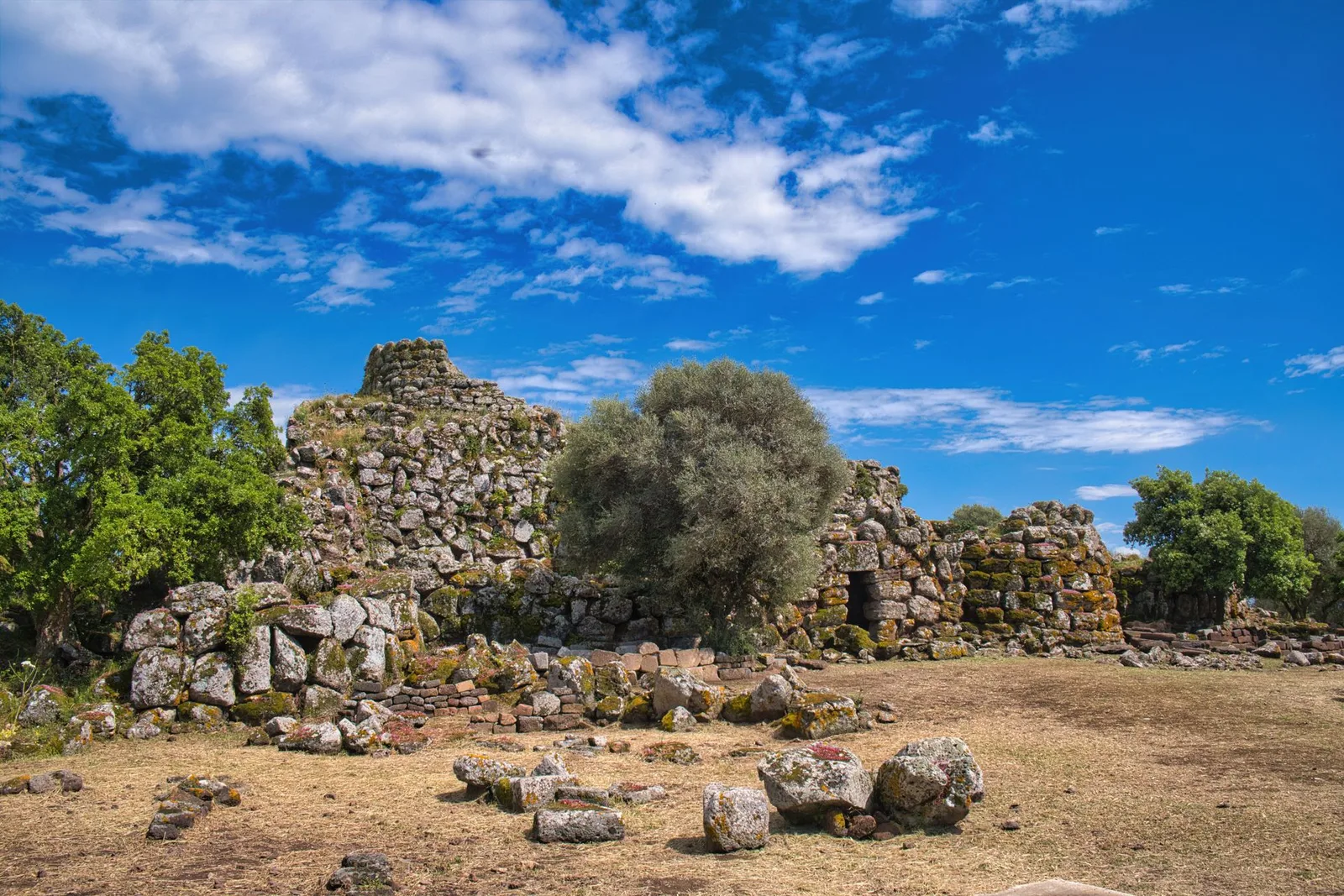
Some seven thousand nuraghi, Bronze Age stone towers, still stand on the island, and Su Nuraxi at Barumini is on the World Heritage List. Around Alghero, Catalan is spoken too.
Five faces, and not one of them is a beach bar.
Five pieces of Sardinia that have little in common, except that none of them appear on the postcards you already know.
Barbagia
The historic heart of the island: granite mountains, oak forests and villages that were never truly conquered, not by the Romans, not by tourism. Orgosolo is covered in murals with a political history, and Mamoiada keeps the Mamuthones masks for carnival.
Golfo di Orosei and the Supramonte
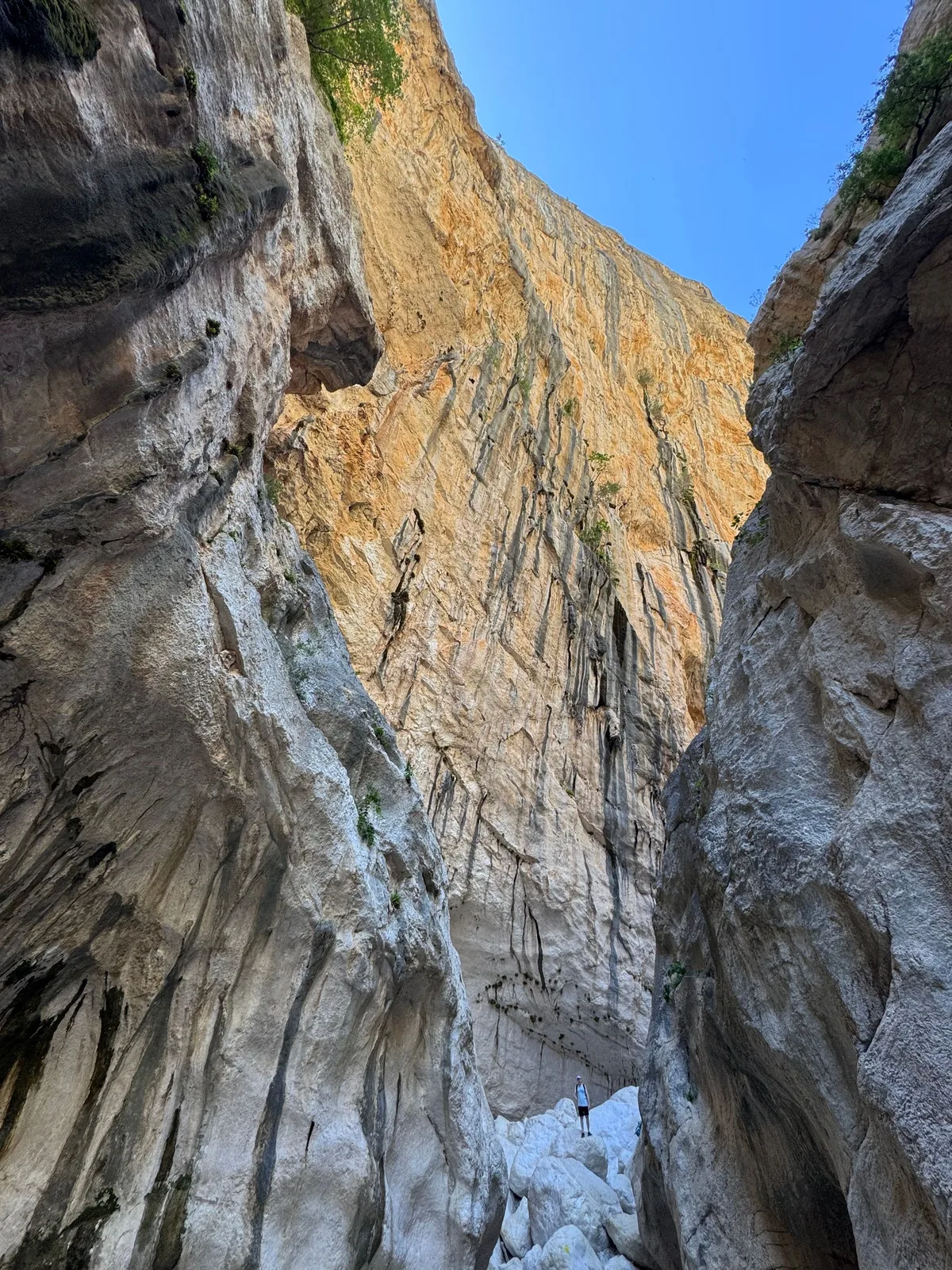
A coastline reachable only by sea or on foot: limestone cliffs, hidden bays like Cala Goloritzé, and canyons such as the Gola su Gorropu, one of the deepest gorges in Europe. No road runs along this stretch of coast.
Sinis Peninsula
Flat, windswept, with flamingos in the lagoons and the Roman site of Tharros by the sea. The sand at Is Arutas is made of tiny quartz grains rather than ordinary sand, a beach without a row of towels.
Sulcis-Iglesiente
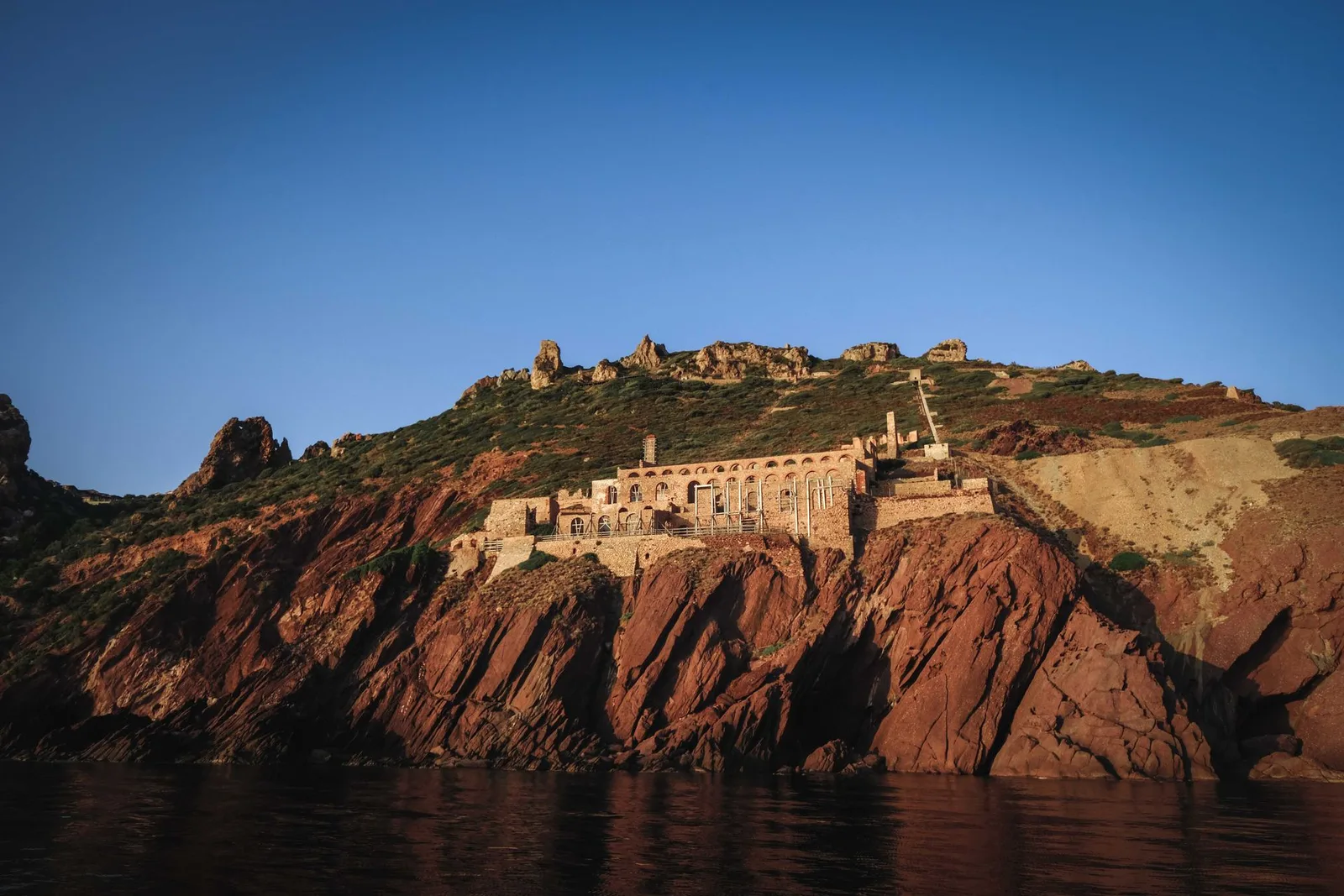
A mining past you still see everywhere: abandoned shafts at Porto Flavia and the Grotte di Nebida, high above a sea that runs a deeper blue than elsewhere on the island. Less well known, and quieter for it.
Gallura interior
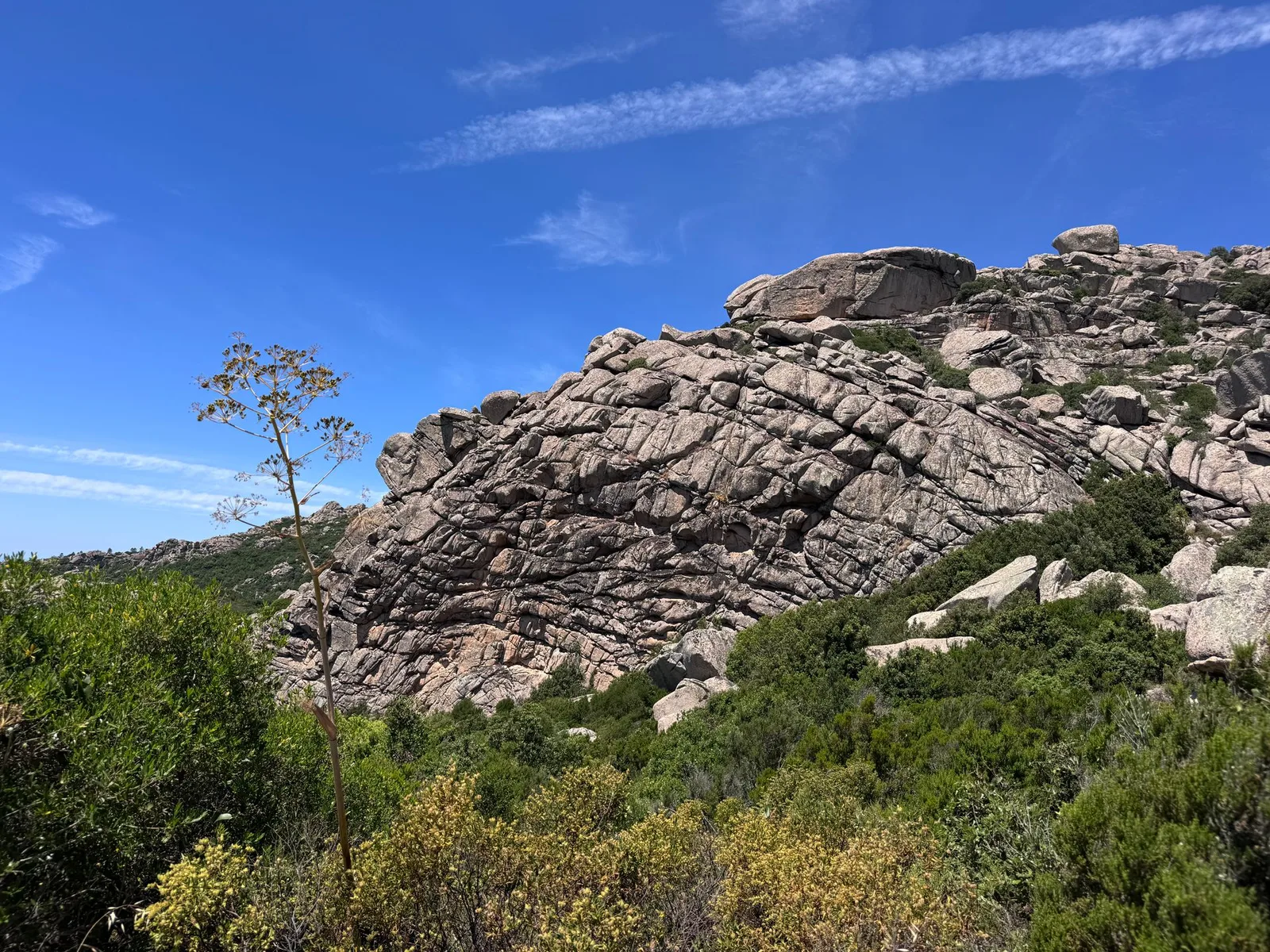
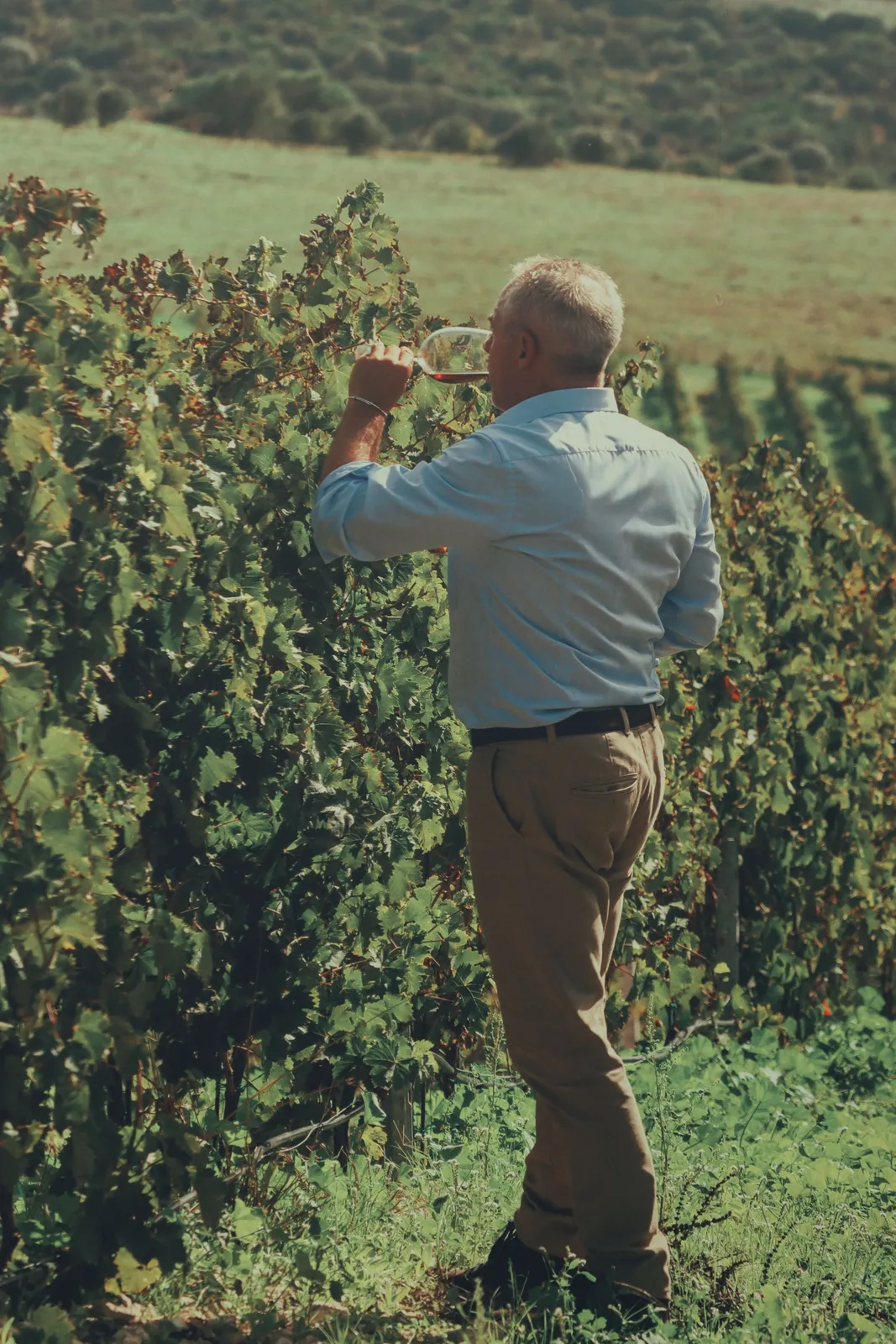
The same region as the marinas, just ten kilometres inland: cork oak forests, granite rock formations near Aggius, and vineyards where Vermentino grows with no beach club in sight.

Where the masks of Mamoiada are still worn, not re-enacted.
Ogliastra, the area around the Supramonte mountains, is one of the world's few Blue Zones, regions with a strikingly high number of centenarians. Researchers point to a combination of factors: a landscape that demands daily movement, a diet of pecorino, barley bread and Cannonau wine, and a social structure in which older people stay part of village life.
This way of life isn't an open-air museum. In Mamoiada, men still wear the black wooden Mamuthones masks during carnival, a tradition older than the church standing in the middle of the village. In Oristano, the Sartiglia gallops through the streets every year. We'd rather plan a visit to catch it than skirt around it. Seeing it on the right day is a different thing from watching a performance staged for tourists.
Sardinia doesn't show itself.You have to walk inland to find it.

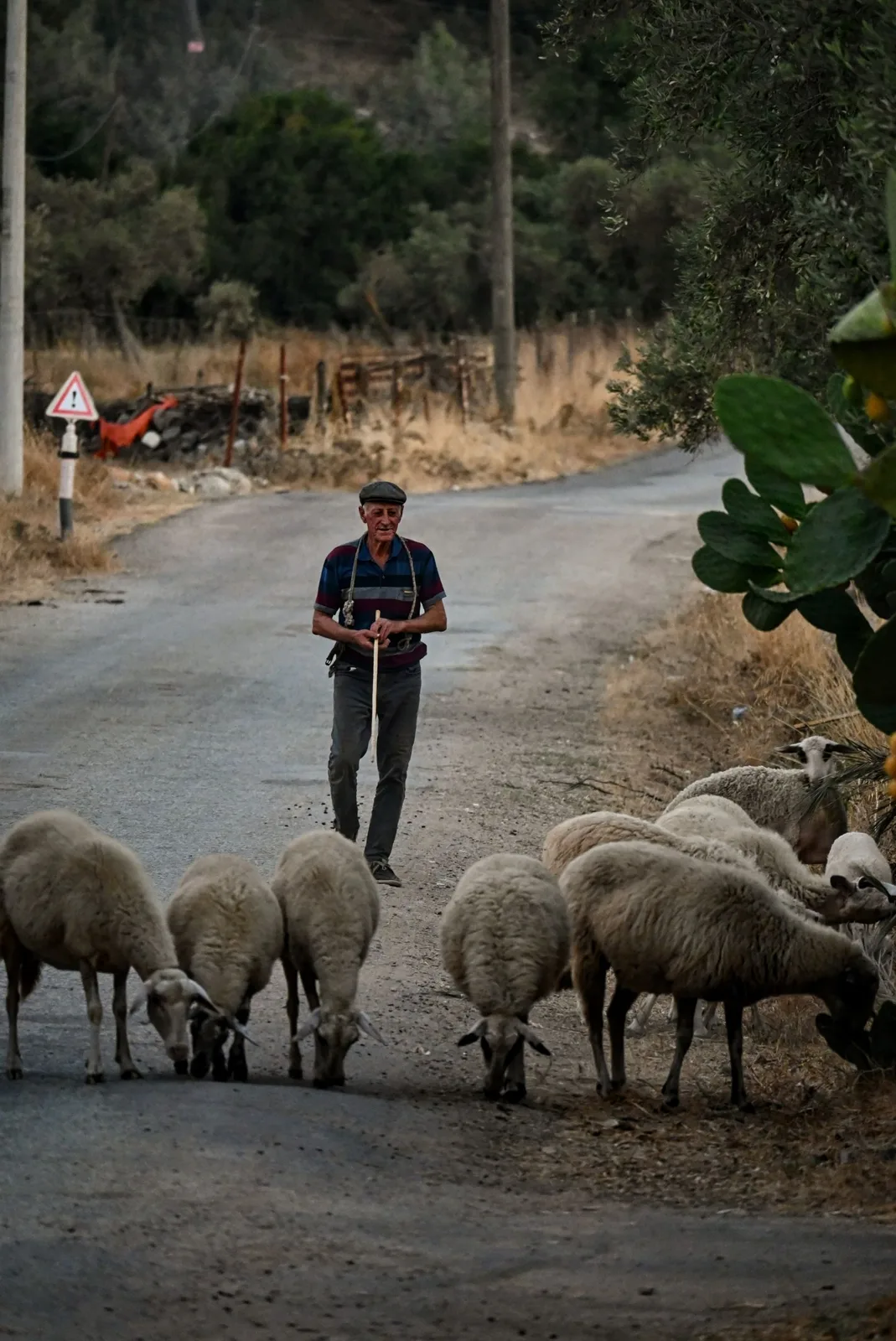
Griffon vultures over Bosa, wild horses on the Giara.
Griffon vultures near Bosa
On the cliffs between Bosa and Alghero nest Italy's only griffon vultures that never died out. From a boat you can watch them circle above the sea.
Wild horses on the Giara
On the basalt plateau of Giara di Gesturi roams one of the last free-living horse populations in Europe, small in stature and untamed for centuries. During the rainy season, temporary pools known as 'pauli' fill the plateau.
The Gorropu gorge
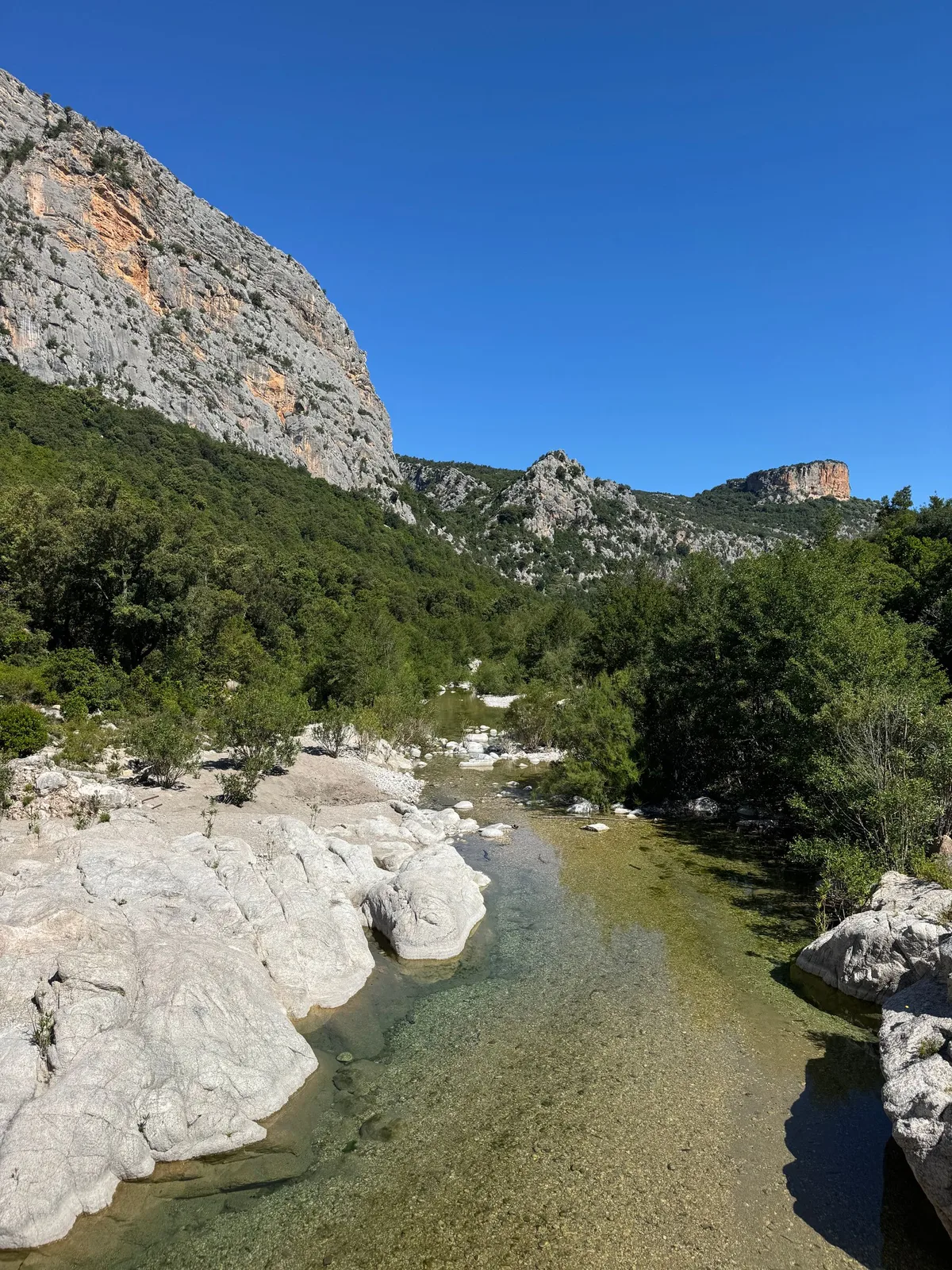
Between sheer limestone walls over 400 metres high winds one of the deepest gorges in Europe. You descend on foot, along a path that until recently was walked only by shepherds and climbers.
Su Nuraxi, Barumini: the island's largest nuraghe, over 3,000 years old and still only half excavated.


Not a day-by-day itinerary, but a set of ways to read the island.
These aren't outings to tick off. They're ways into an island that won't settle into a single rhythm.
By boat to the hidden bays
The Golfo di Orosei coastline is a different story from the water: bays like Cala Luna and Cala Mariolu, reachable only by sea or a long walk on foot.
Walking in the Supramonte
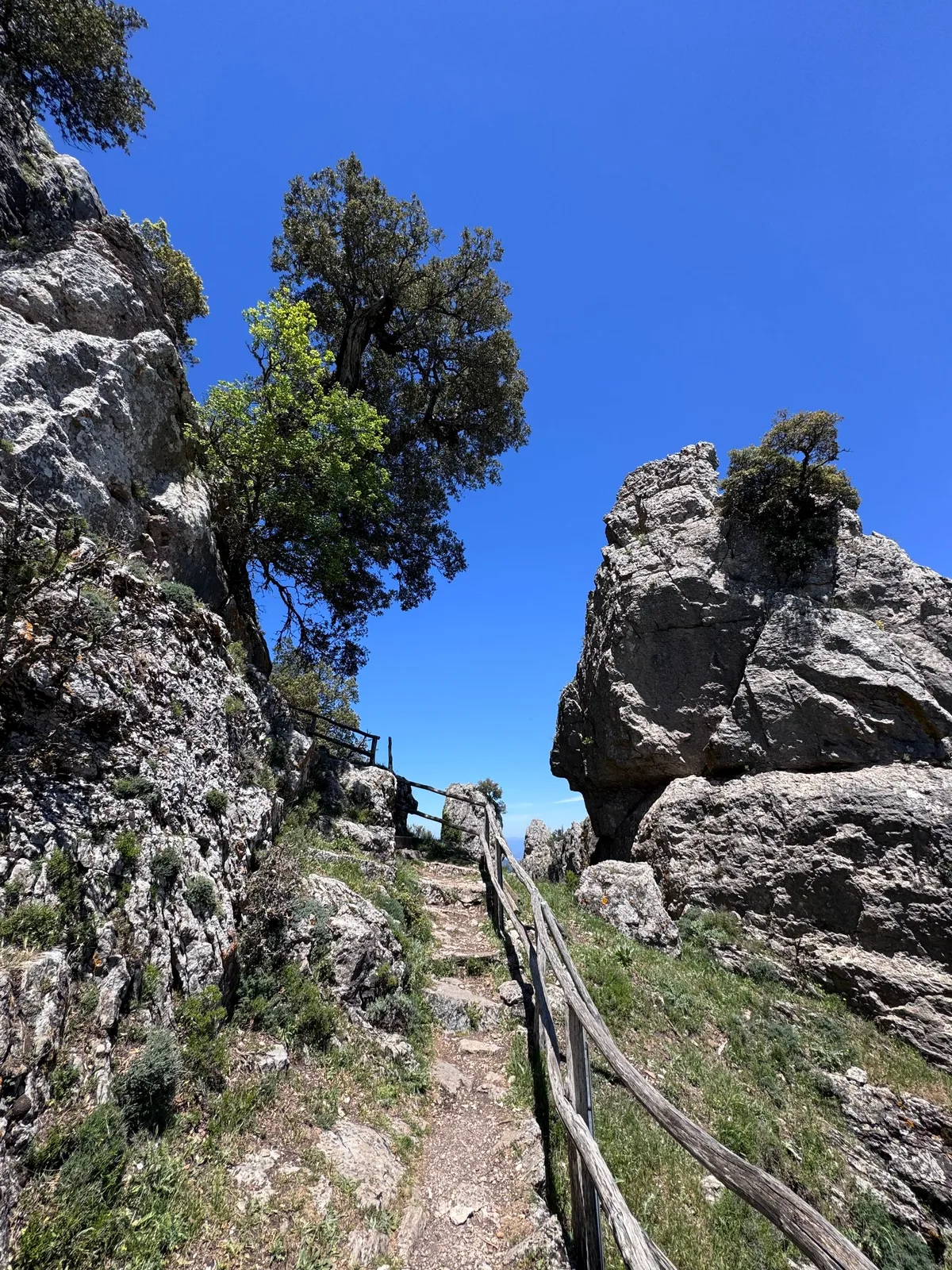
Paths worn in by shepherds over centuries, now walkable by non-shepherds too, from short routes to the multi-day Selvaggio Blu, one of the toughest treks in Europe.
Eating at an agriturismo
Eating with a family that milks its own sheep and presses its own Cannonau is a different experience from a restaurant. Often there's no menu. There's whatever there is that day.
Among the nuraghi
More than 7,000 of these prehistoric towers are scattered across the island, from well-kept sites like Su Nuraxi to ruins you can walk through alone, with no fence and no ticket booth.
Diving without a queue
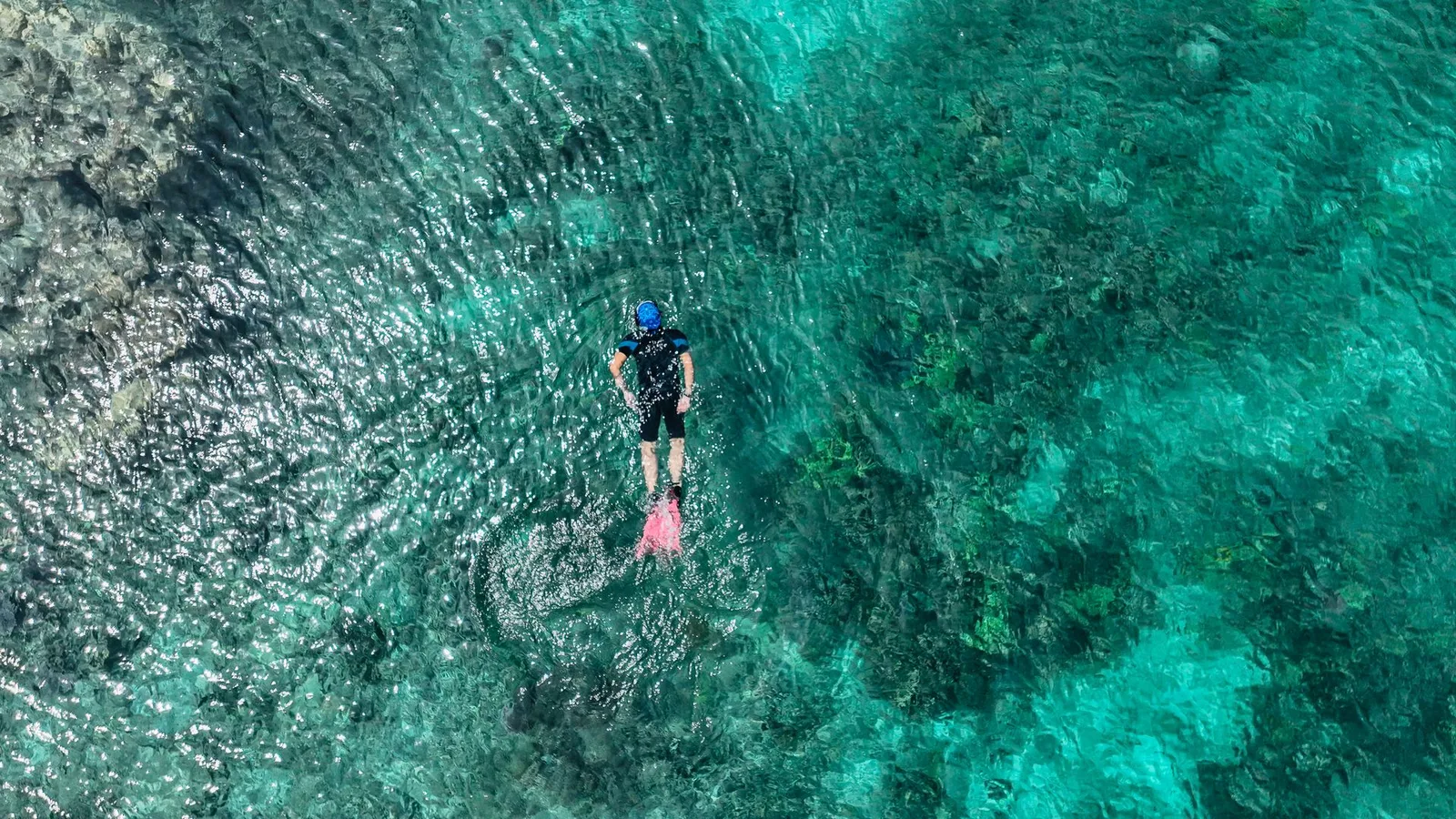
Around Capo Caccia and the Golfo di Orosei, the water is clear enough to snorkel without a diving school, and quiet enough that a second boat rarely comes into view.
What we end up suggesting depends on what you're looking for, not on a fixed list.

When to travel to Sardinia
The coast is at its busiest and warmest from June to September, lovely water, but also a packed Costa Smeralda. For the interior, that's precisely the less pleasant stretch: too hot for long walks.
May, June, September and October offer the best of both worlds: warm enough for the sea, cool enough for the Supramonte. Winter is quiet and green, but many agriturismi and smaller routes take a break then too.
Best time to visit Sardinia
Who else is at their best in these months?
May June September October
Use the contact form to discuss your travel dates and preferences with us.
Practical, without the noise.
A few things that make planning easier.
Getting there
Direct flights from Belgium to Cagliari, Olbia or Alghero, mainly during the summer half of the year. Outside the season it's often via Rome or Milan.
Documents
A valid ID card is enough for EU citizens.
Health
No special vaccinations needed; a European Health Insurance Card gives sufficient basic cover.
Getting around
A hire car is more or less essential once the interior is on the itinerary. Mountain roads are narrow and winding, so expect a slower pace than the distance on the map suggests.
Language
Italian everywhere, Sardinian (Sardu) still thrives inland, and English isn't a given outside the main coastal towns.
Frequently asked questions
Is Sardinia only a summer destination?
No. For walking and the interior, May-June and September-October are often more pleasant than high season.
Do you need a car?
For the coast alone, not necessarily, but as soon as the interior is on the itinerary, yes. Public transport outside the towns is limited.
Is the island as busy as the Costa Smeralda suggests?
That crowd concentrates on a small stretch of north-east coast, mainly in July and August. The rest of the island is strikingly quiet, all year round.
Can you combine the coast and the interior?
That's usually exactly the starting point: a few days by the sea, a few days in the mountains, without it feeling like two separate trips.
- Flight time from Belgium
- About 2 hours 15
- Languages
- Italian, Sardinian (Sardu), and Catalan around Alghero
- Time difference
- None, same time zone
- Altitude range
- From sea level to 1,834 m (Punta La Marmora, Gennargentu)
- Best time to go
- May-June and September-October