
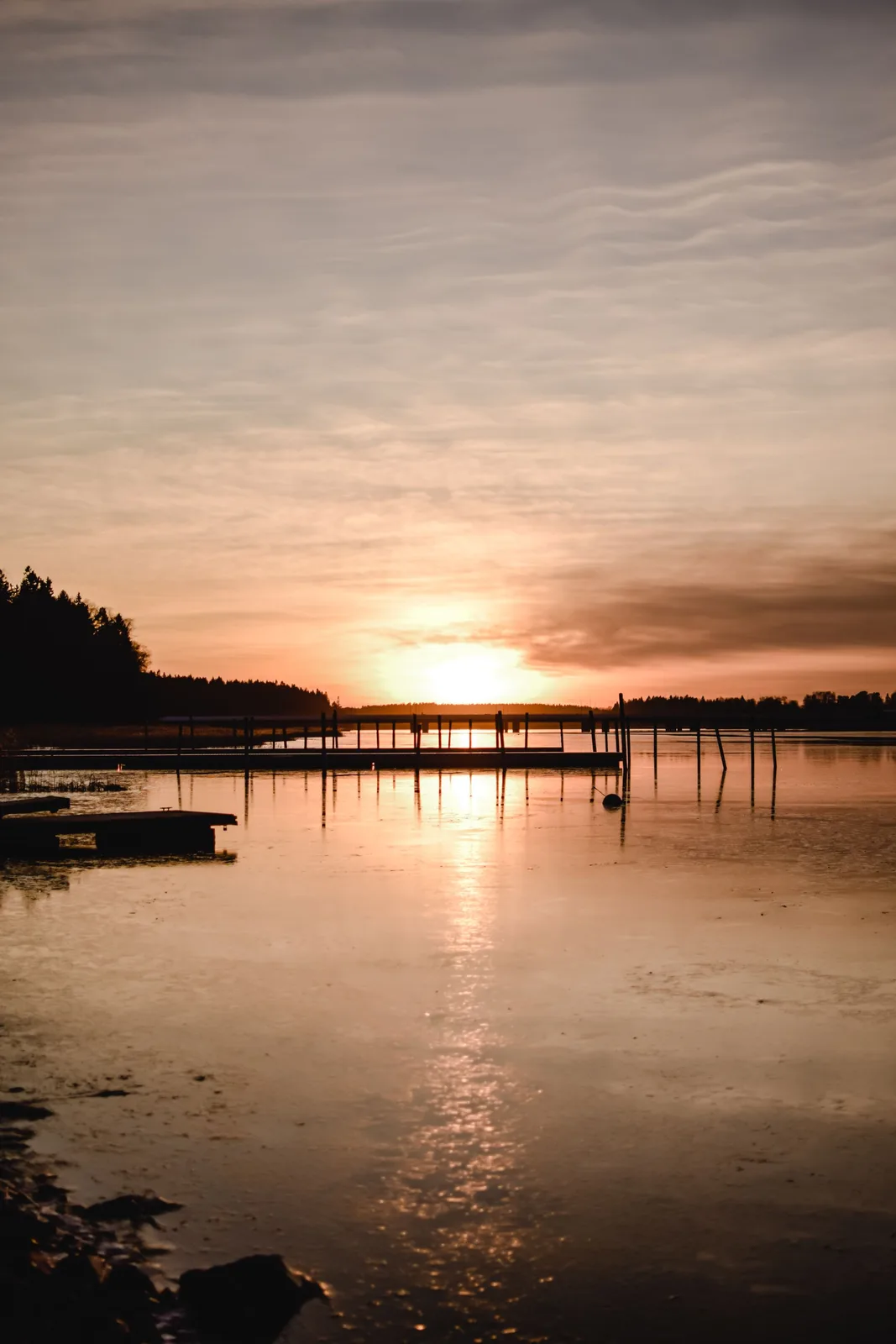
Forest and water trade places so often that the border blurs. A country that never needs to sell silence, because it already owns it.
On the map, Finland looks like an exercise in repetition: lake, forest, lake, forest, all the way past the Arctic Circle. In reality, it's precisely that rhythm that gives the country its character. There's no single peak to travel towards, no monument that needs to justify the trip. There's space, and the way Finns treat it.
That starts with jokamiehenoikeus, everyone's right to walk through forest and along water, pick berries, camp for a night, even on land that isn't yours. It isn't a tourist concession, it's how the country has worked for centuries. Visitors soon notice that nature here hasn't been arranged for viewing. It's simply there, and you're allowed in.
What remains is a country in no rush to impress. A lake at sunrise, a path that leads nowhere in particular, a conversation that only continues after a long silence. For anyone who values that, Finland isn't somewhere to cross. It's somewhere to slow down in.
In short
Best time to go
June to September for the Lakeland and the archipelago, with the autumn colours of ruska in September. January to March is the best time for Lapland, with snow and a good chance of northern lights.
How long
A week is enough for one region, such as Lapland in winter or the Lakeland in summer. To combine the south with Lapland, allow ten days to two weeks, with a domestic flight in between.
Who it suits
Travellers looking for quiet and space: canoeing between islands, walking with the right to roam freely through forest and along water, or snow and northern lights in Lapland in winter.
What sets it apart
Unlike Sweden and Norway, Finland is mostly flat lake country, with more than 180,000 lakes. Lake Saimaa is home to a freshwater seal, the Saimaa ringed seal, found nowhere else in the world.
One country, five entirely different kinds of silence.
Finland can't be summed up in a single region. The south feels Scandinavian and urban, the north is Arctic wilderness, and in between lies a patchwork of lakes, islands and ancient forest, each with its own pace.
Lapland
Fells, reindeer and a horizon that barely sees light in winter and never turns dark in summer. Rovaniemi is the gateway, but the region itself only begins beyond the last road.
Helsinki and the south coast
A capital that takes design and the sea equally seriously, with an archipelago already visible from the quayside. Compact, walkable, and the place where Finland shows its urban side.
The Turku archipelago and Åland
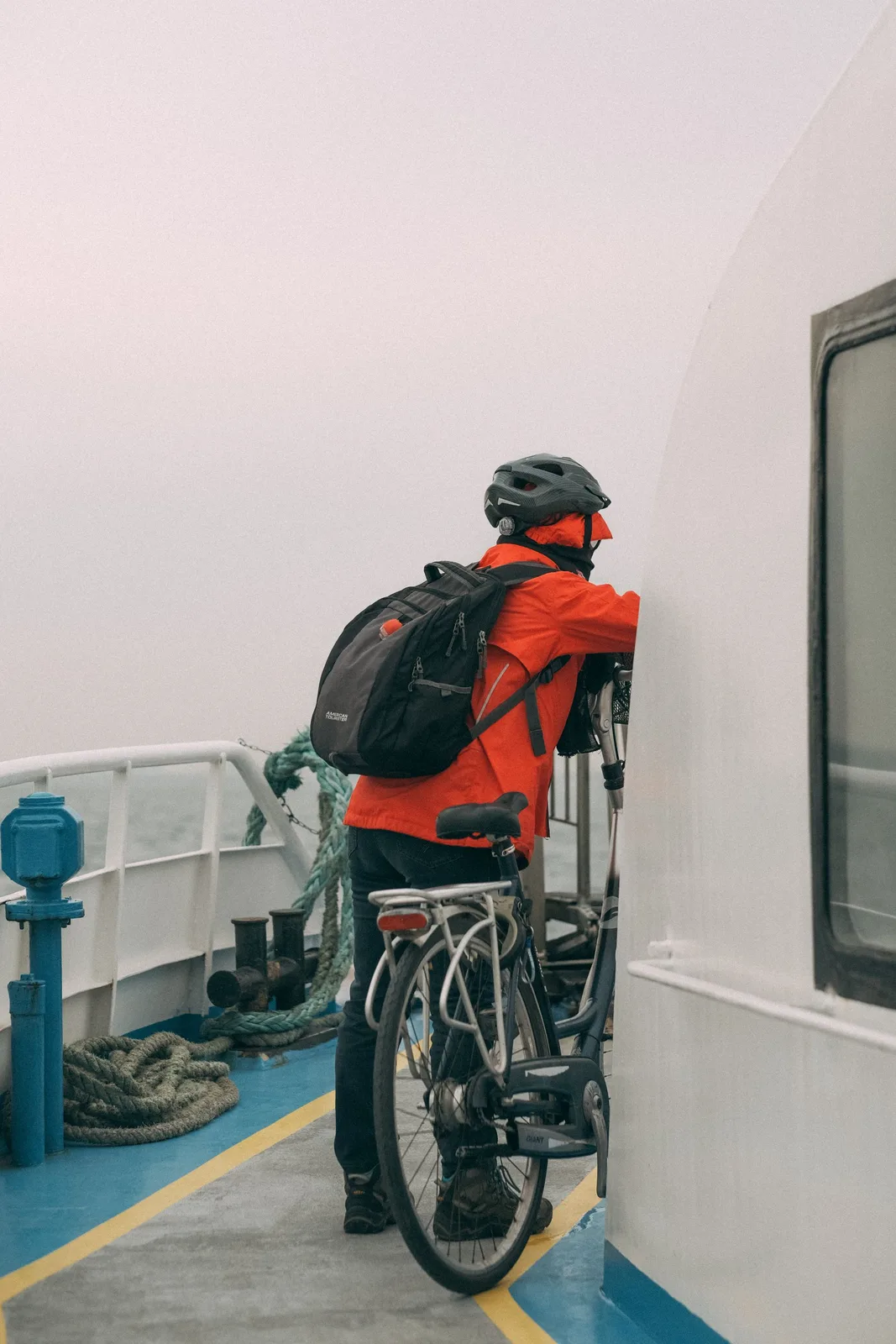
Thousands of islands, connected by small ferries and crossings that are part of daily life, not of tourism. A region to sail slowly through, not to fly past.
Järvi-Suomi, the lake district
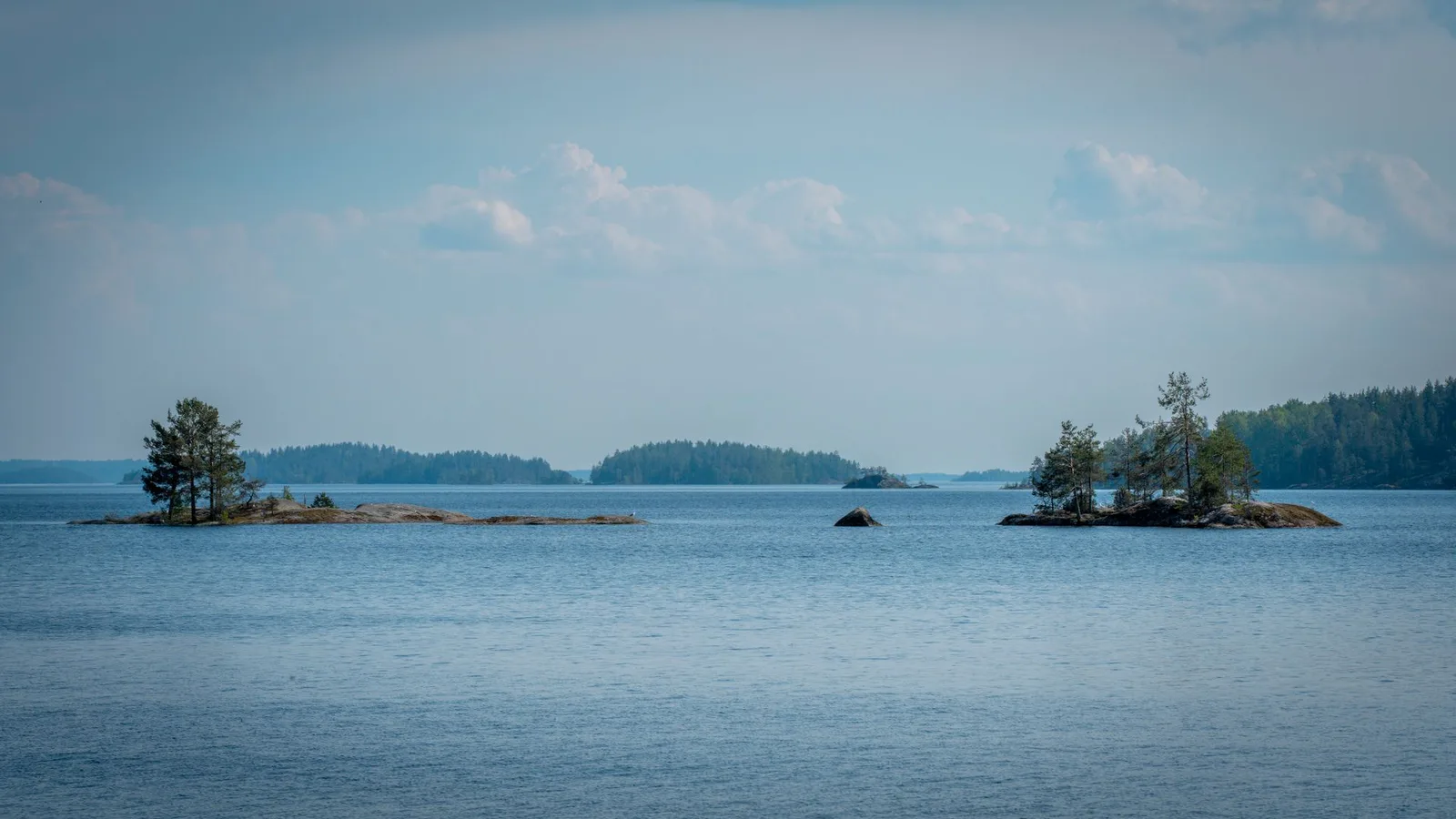
Around Savonlinna and Punkaharju, land and water merge into something a map can barely capture. Canoes are more practical here than roads.
Karelia
The most densely forested, the least visited, and the region where Finland's relationship with the woods is felt most clearly, around Koli National Park, with views over Lake Pielinen.
No one needs to prove anything here. The silence speaks for itself, and that's enough.

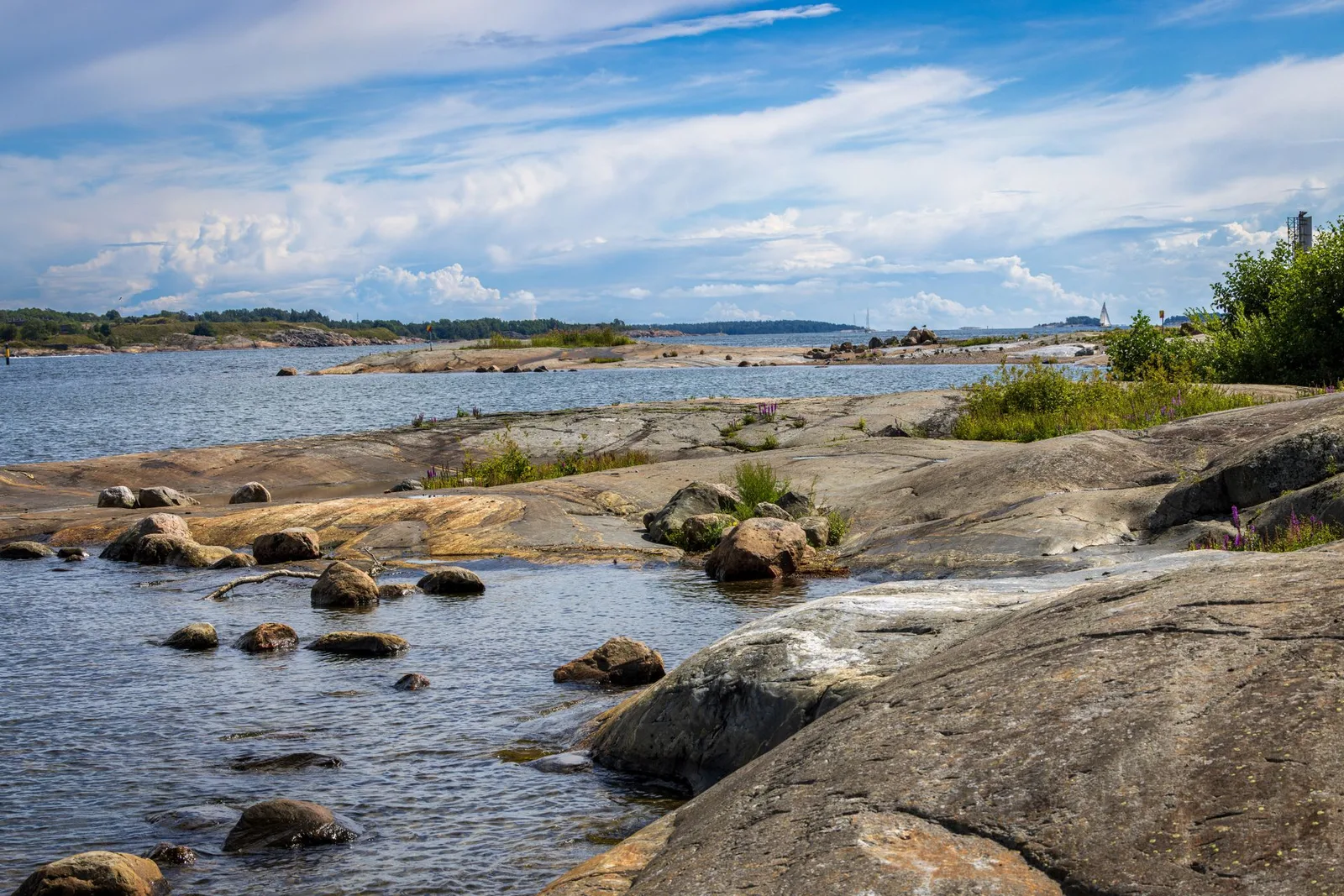

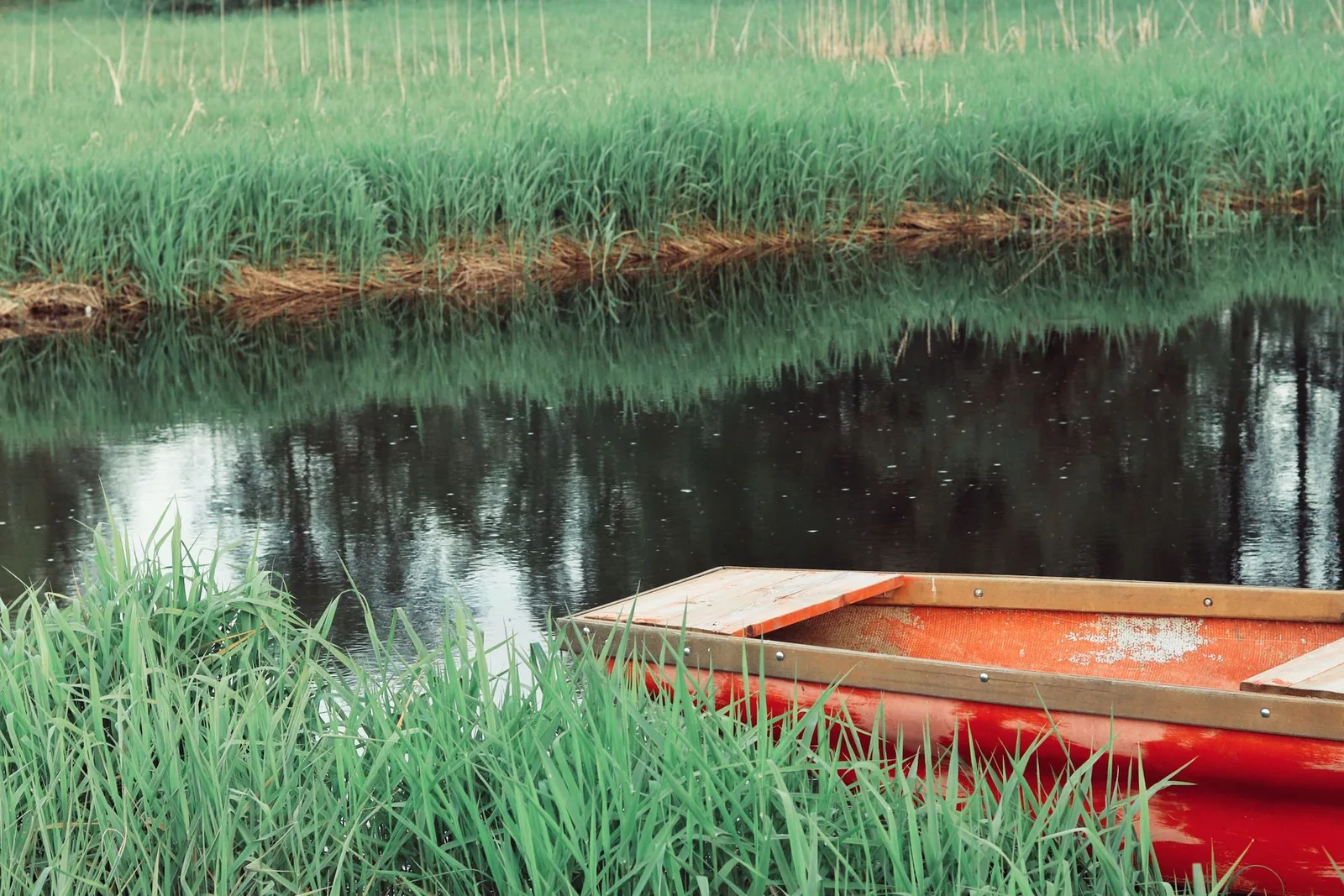

A country that has never polished its wilderness.
Forest without edges
Coniferous forest stretches far beyond what you could cross in a single day. Not every path is laid out, but you always have the right to simply walk in.
Water that's never far away
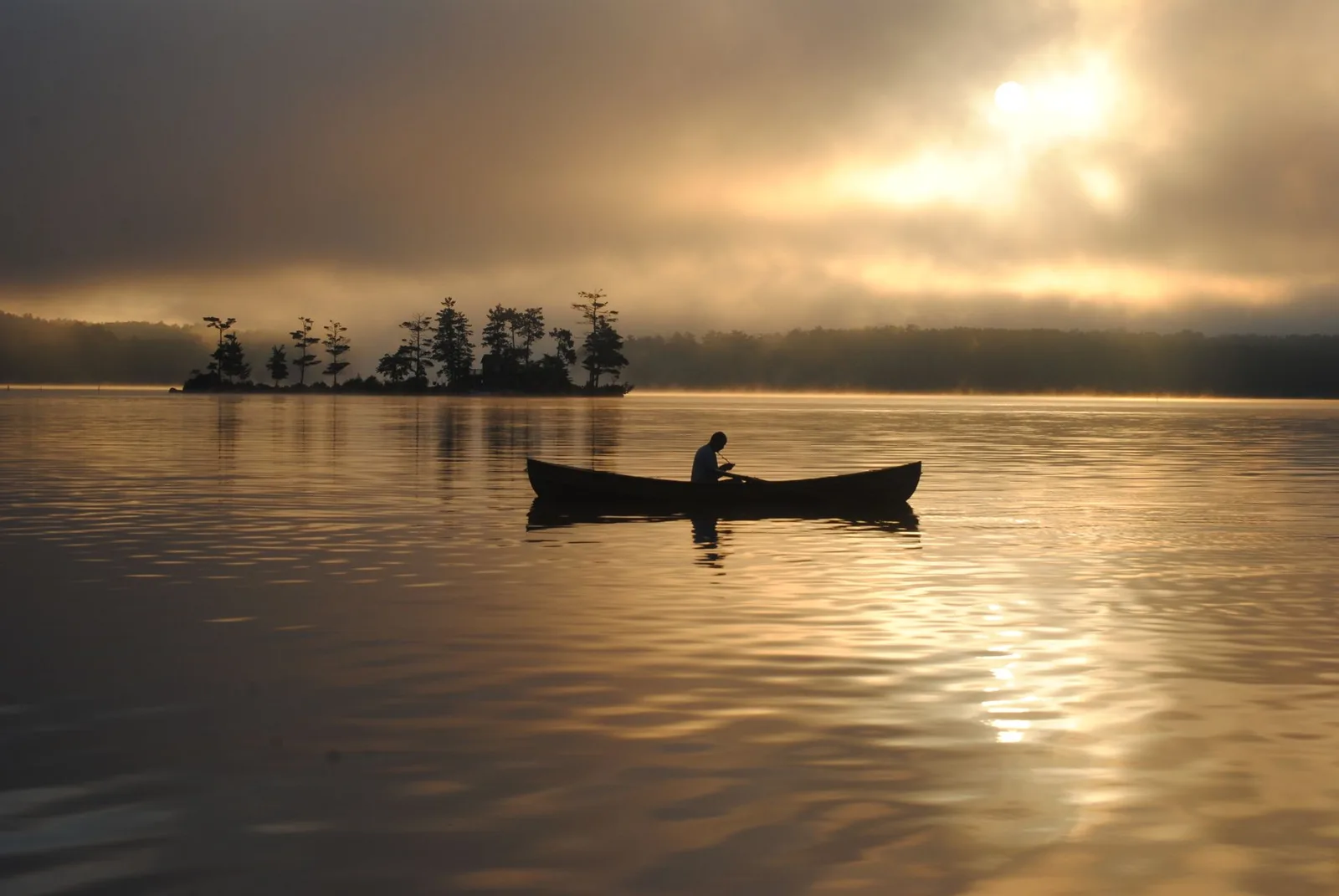
Lake Saimaa alone holds thousands of small islands. A canoe here isn't an attraction, it's simply the most obvious way to get around.
Wildlife that doesn't flee from silence
Brown bears in the forests of Kainuu, reindeer roaming freely across Lapland, elk crossing the road in the early morning. Those who stay quiet see more than those who search.

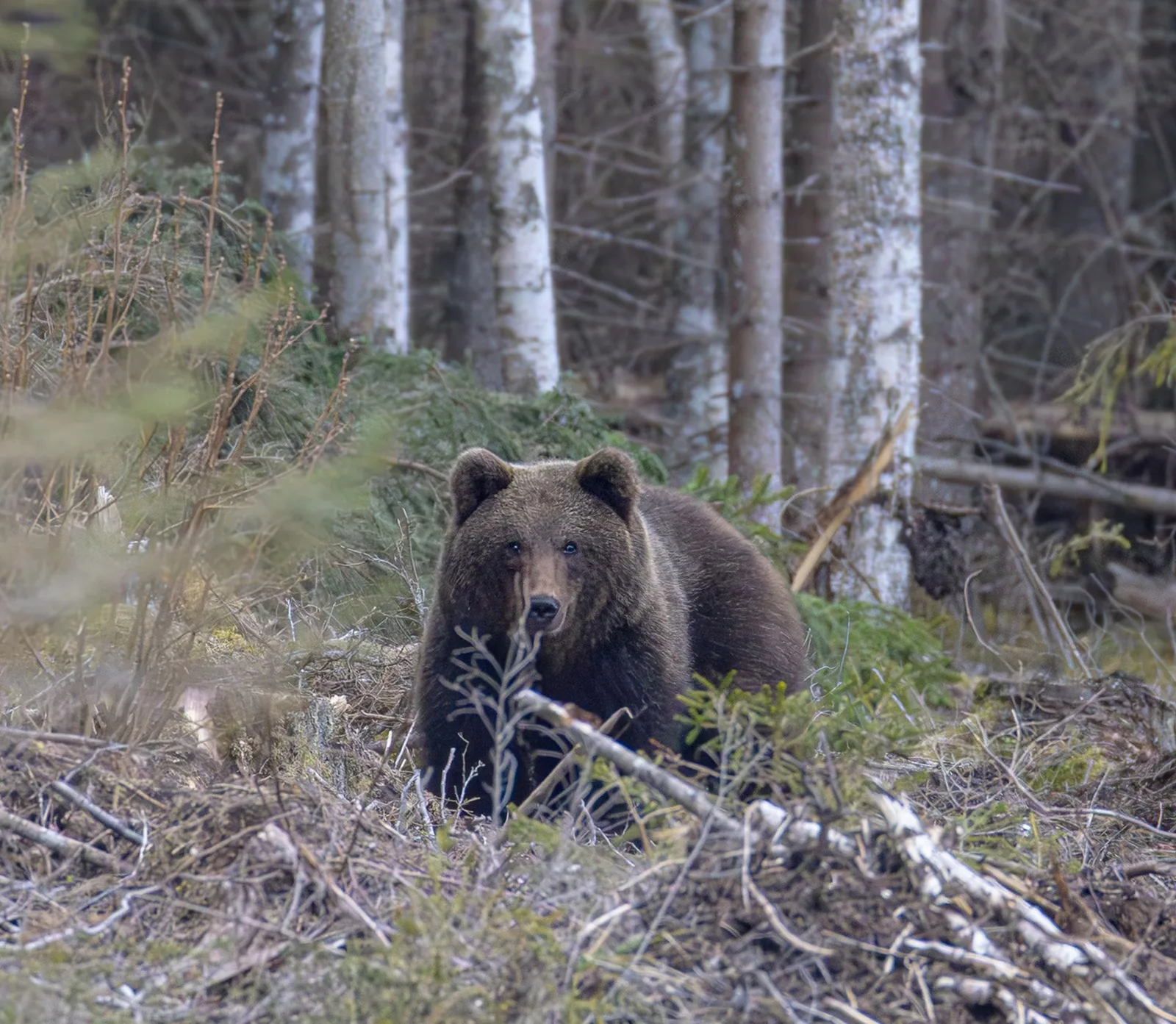
A people who treat silence as a form of hospitality.
Finns are often described as reserved, but that's the wrong translation. Silence here isn't an awkwardness that needs filling. It's a sign of trust. A conversation doesn't need to run continuously to be a good one.
It shows in how people spend their free time too. Almost every family has access to a mökki, a wooden summer cottage on a lake, with little comfort and all the more value for it. Here, weekend means getting away from stimulation and back to water and wood.
Anyone who understands that rhythm notices that hospitality in Finland is rarely loud. It's in a towel offered after a swim, in a silence that doesn't need filling with small talk.
What a trip here can include.
No fixed programme. But a number of experiences typical of how this country reveals itself, to be combined depending on season and region.
Paddling through the lake district
Days of canoeing from island to island, staying overnight in a tent or a log cabin, the most natural way to get around in Järvi-Suomi.
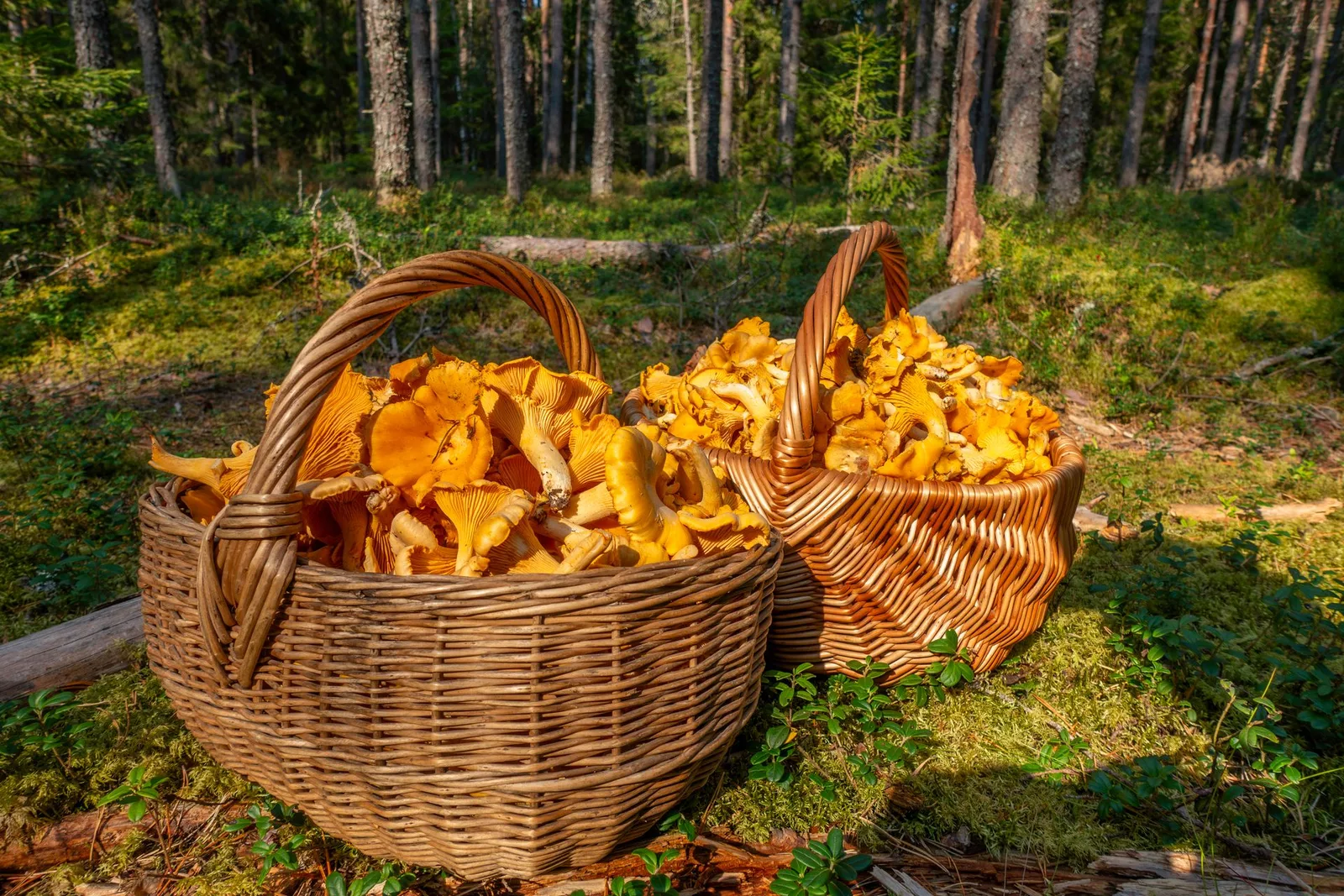
Foraging for berries and mushrooms
From July to September, the forest becomes a larder. Jokamiehenoikeus turns picking from a trespass into a habit everyone shares.
An evening in a smoke sauna
Not as spectacle, but the way it has happened here for generations: wood fire, silence, and a lake to cool off in afterwards.
Chasing the northern lights or the midnight sun
Depending on the season, the light, or its absence, sets the rhythm of a day in Lapland.
Island-hopping through the archipelago
By local ferry from Turku towards Åland, where every island seems to run at its own pace.
These are possibilities.Not your journey.
The Turku archipelago from above: thousands of islands that only reveal themselves once you slow down.



When to travel to Finland.
Finland has no single best season. It has two entirely different countries that take turns appearing. Summer opens up the lake district and the archipelago, winter gives Lapland back its full character.
The months in between aren't a compromise: September brings ruska, the short spell when the forests seem to catch fire with colour, and it's just as loved by seasoned travellers as July.
Best time to visit Finland
Who else is at their best in these months?
January February March June July August September
Use the contact form to discuss your travel dates and preferences with us.
Practical, without the noise.
Practical, without taking the adventure out of it.
Getting there
Direct flights from Brussels to Helsinki, with domestic connections to Rovaniemi or Kittilä for Lapland.
Documents
Finland is an EU member state, a valid identity card is enough.
Health
No vaccinations required. In summer, mosquitoes are a real presence in the north and the lake district. Light long clothing helps.
Pace
Distances are greater than the map suggests. Count internal travel as part of the trip, not as a stopover.
Clothing
Layers, all year round. Even a Finnish summer evening cools down quickly.
Frequently asked questions
Is Finland only worth visiting in winter?
Not necessarily. Summer opens up the lake district and the archipelago, two regions you only truly get to know from the water in summer. It's really a different country each season, rather than a country with one single best moment.
Are we guaranteed to see the northern lights?
No, and anyone who promises that is overselling it. Clear skies and solar activity are both needed. What we do is plan in the best chance, with enough nights and a location far from light pollution.
Is a hire car necessary?
In Lapland and the lake district, yes, because public transport is thin on the ground. In Helsinki and the archipelago, not at all. There, it actually works better without one.
Can you combine Lapland and the south in one trip?
Yes, with a domestic flight between Helsinki and Rovaniemi or Kittilä. By road, the distance is too great to plan in casually.
- Flight time
- About 2.5 hours, direct from Brussels to Helsinki
- Languages
- Finnish and Swedish, with English spoken almost everywhere
- Time difference
- One hour ahead of Belgium
- Landscape
- More than 180,000 lakes, woven together with just as many forests
- Daylight
- From barely any darkness in June to a handful of daylight hours in December