

A country of volcanoes, rainforest and the source of the Nile, closer together than the map suggests.
On the map, Uganda is a round green patch between larger neighbours. On the road, it's a country where you can stand in the cold mist of a volcano slope in the morning and watch the Nile leave Lake Victoria by evening. No full-day stretches to change landscape. Here the scenery shifts within a few hours' drive.
That makes Uganda something other than a stopover on the way to the gorillas of Rwanda or the plains of Kenya. The country has its own rainforests, its own mountain gorillas, its own river source, and a density of nature rarely packed this tightly.
In short
Best time to go
June to September and December to February, the drier periods, when trails to gorillas and chimpanzees are easiest to walk. April, May, October and November are considerably wetter.
How long
Ten days to two weeks to combine gorillas, chimpanzees and a savannah park. Distances are not great, but mountain roads are slow and your gorilla permit sets the order.
Who it suits
For travellers who want to track primates on foot in the rainforest, combine that with a savanna park and the Nile, and can manage an hour to half a day of climbing at altitude.
What sets it apart
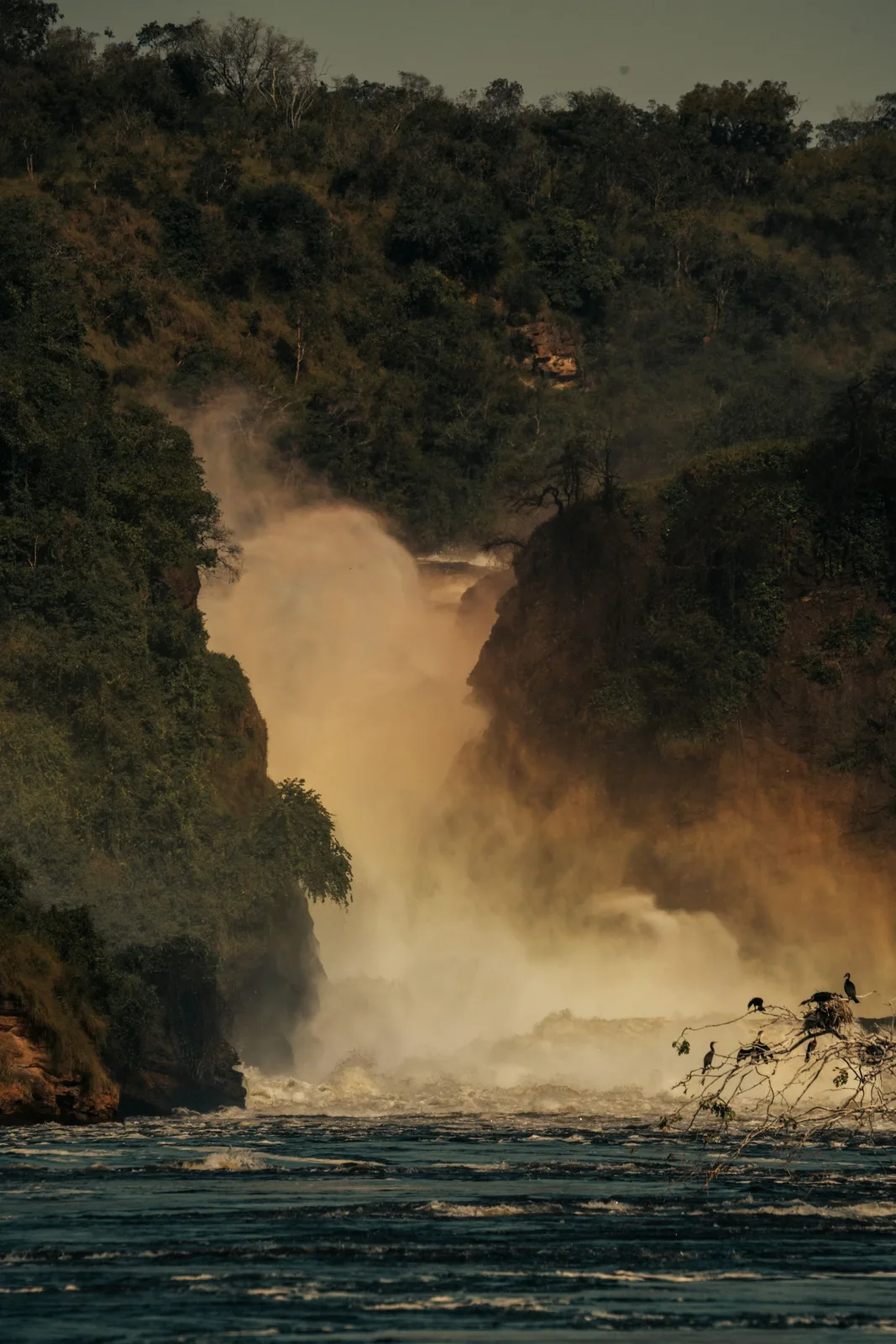
More than four in ten mountain gorillas live in Bwindi, and Kibale has thirteen primate species, including some 1,500 chimpanzees. At Murchison Falls the Nile squeezes through a seven metre gap.
Volcano, rainforest, river
No other East African country stacks these three landscapes so close together. These aren't the highlights of a trip. They're the three moods in which Uganda is most itself.
The volcanoes
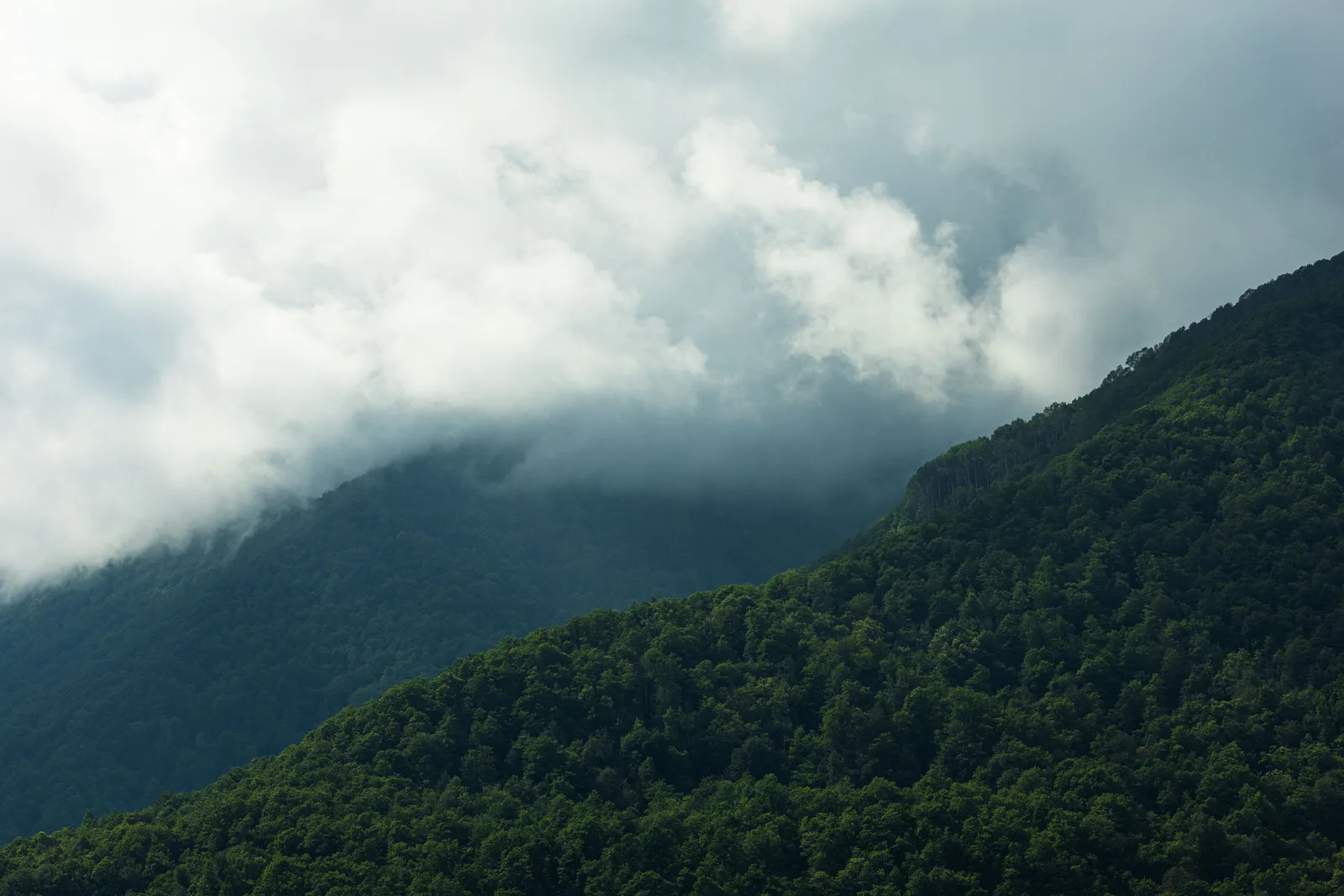
Mgahinga Gorilla National Park shares three extinct volcanoes with Rwanda and Congo. Cooler, higher, and home to golden monkeys alongside the gorillas. Misty well into the morning.
The rainforest
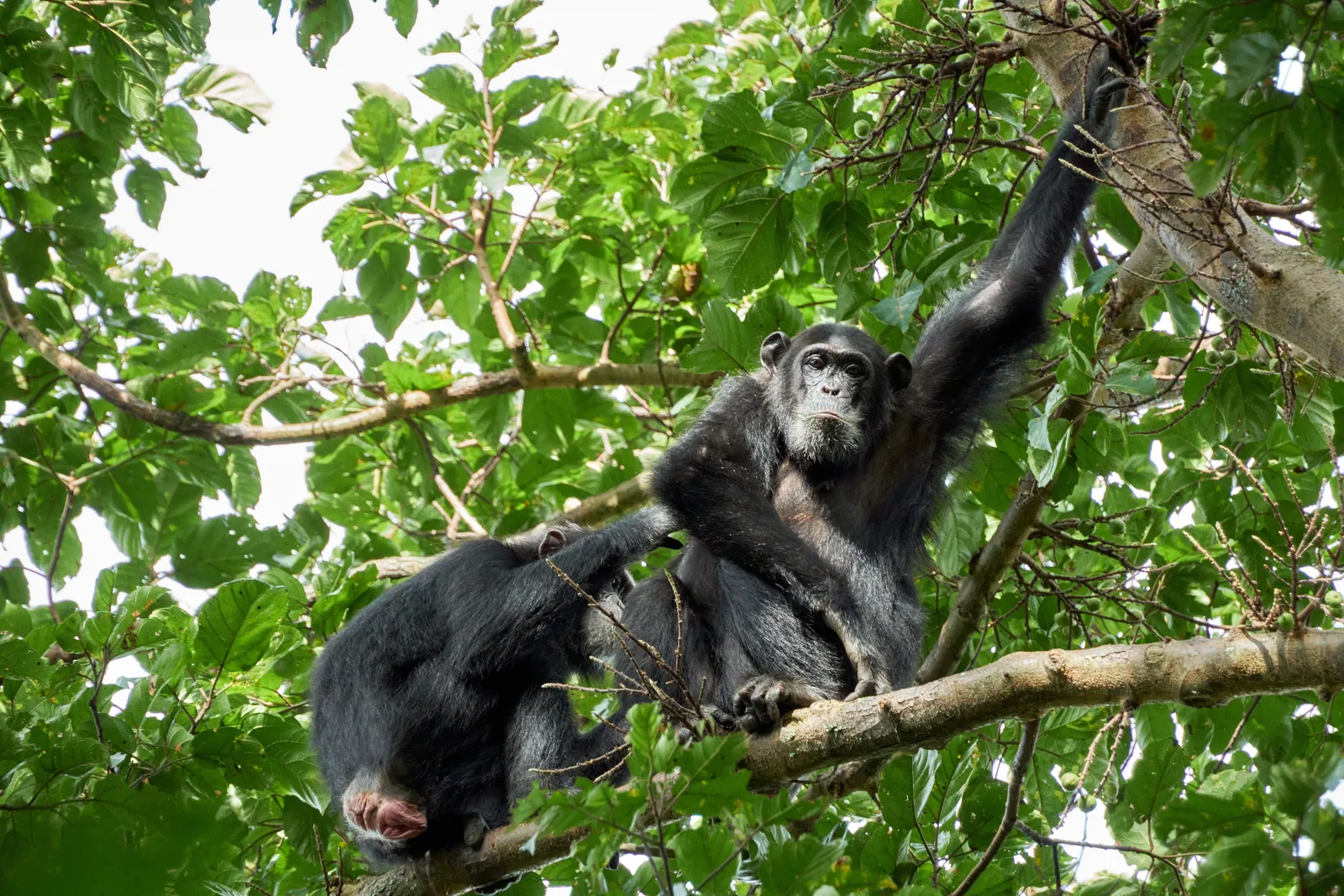
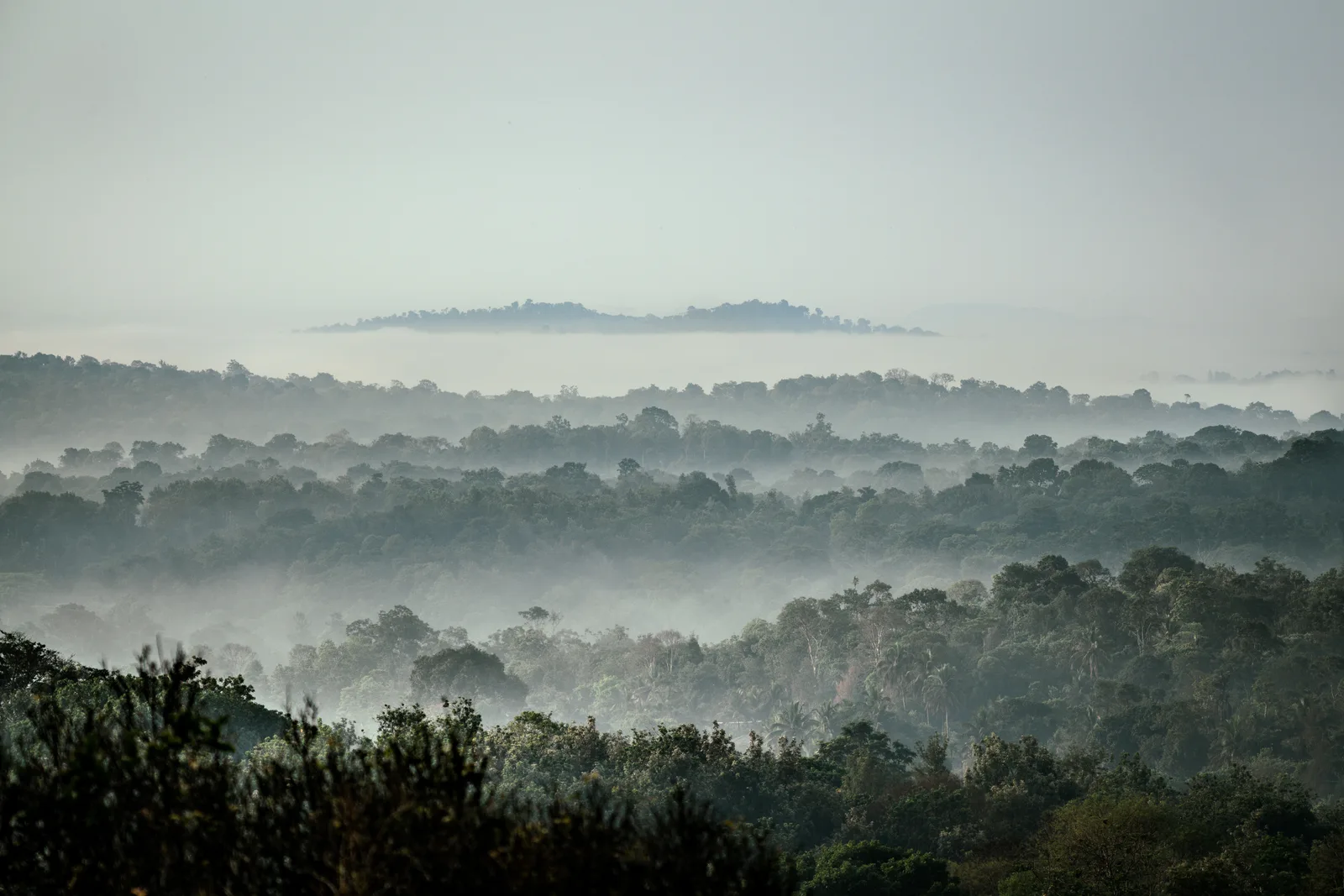
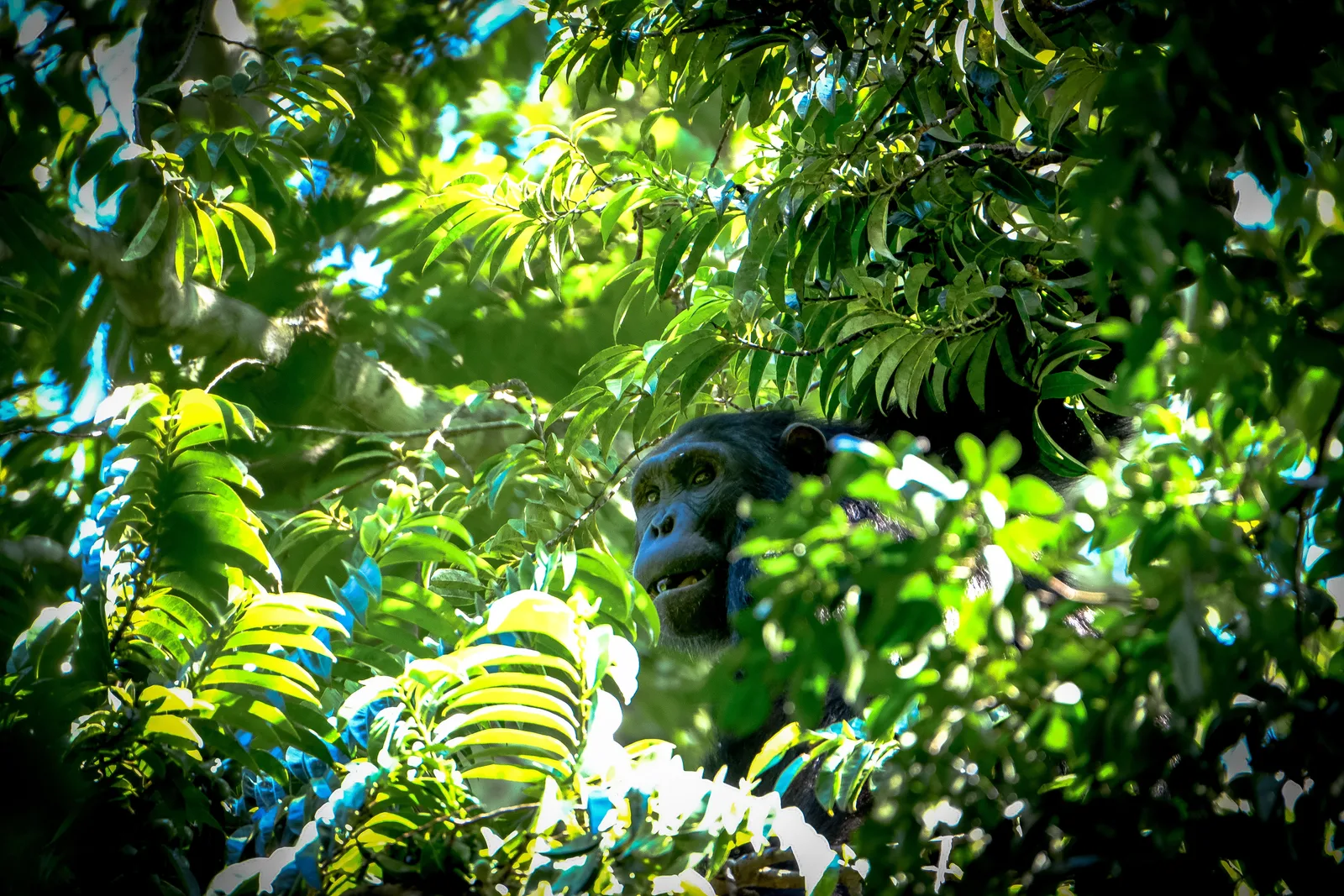
Kibale has one of the highest primate densities in Africa: thirteen species, chimpanzees chief among them. You follow them on foot, under a canopy that filters daylight into green half-light.
The river
At Jinja, Lake Victoria spills into the Nile: the start of a river that reaches the Mediterranean six thousand kilometres downstream. Here it's still young, fast and loud.

One country, six very different worlds
Uganda is small enough to move from rainforest to savannah to river without endless travel, and large enough to genuinely feel those transitions.
Bwindi and Mgahinga
On the flanks of the Virunga volcano range, in the far southwest, lies the rainforest home to almost half the world's remaining mountain gorillas. Mgahinga, right next door, adds volcanic craters and golden monkeys.
Kibale and Fort Portal
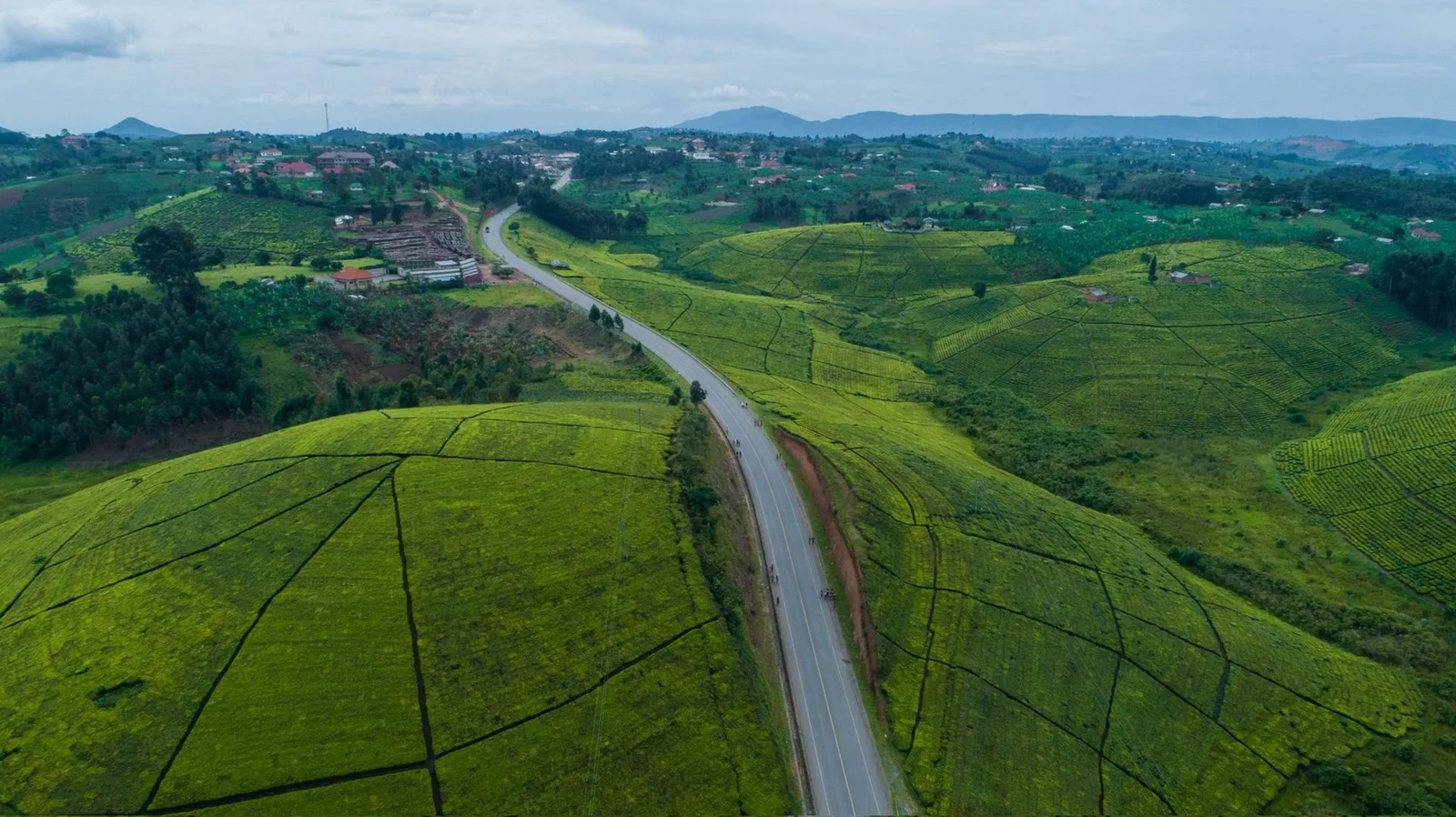
Kibale National Park has one of the highest primate densities in Africa. The Fort Portal area adds crater lakes and tea plantations, rolling and green to the horizon.
Queen Elizabeth National Park
Savannah, wetland and the Kazinga Channel linking two lakes, with lions that sometimes climb trees to find shade, one of the few places in the world where they show that behaviour.
Murchison Falls
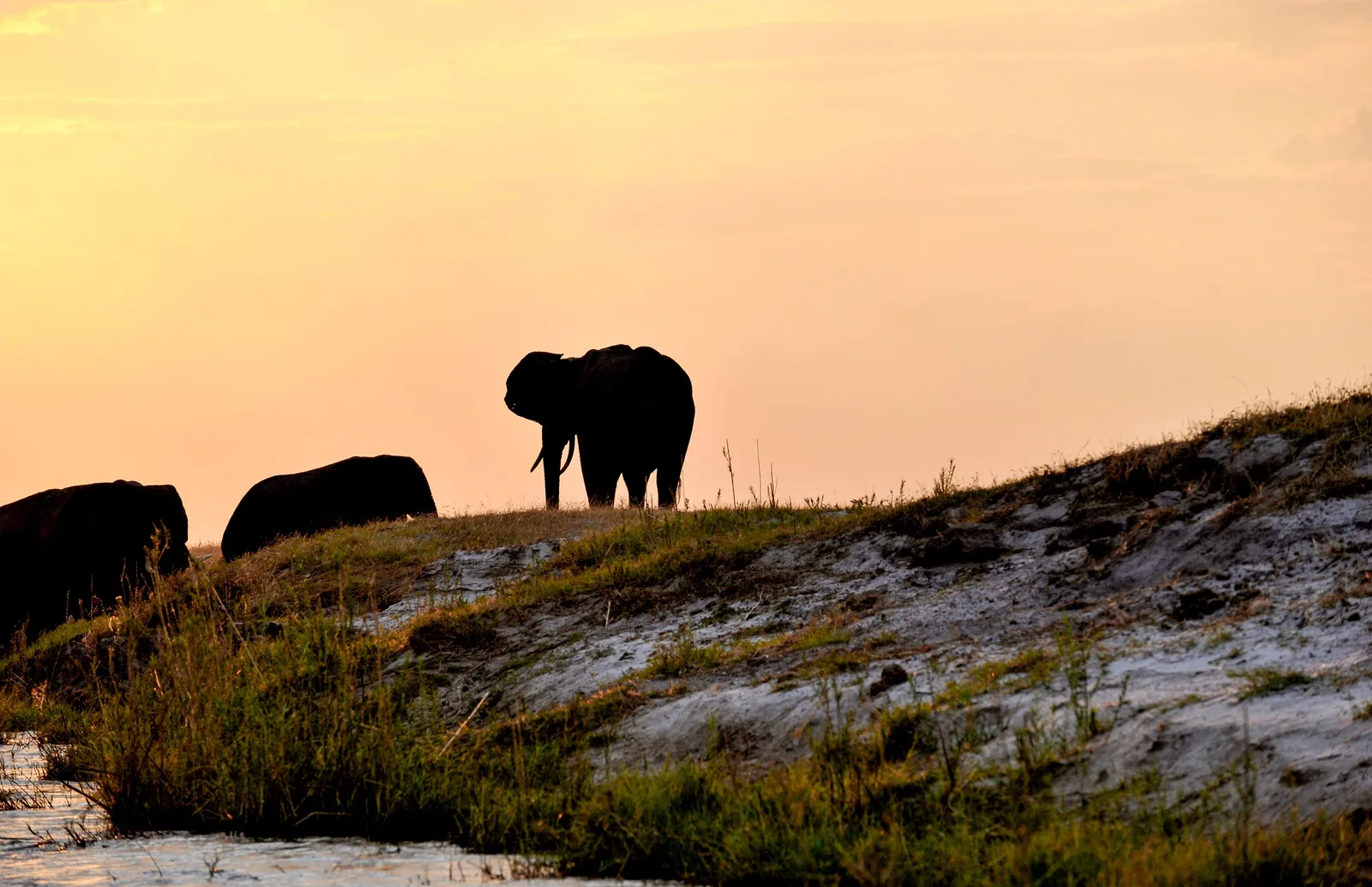
Here the entire Nile forces itself through a gorge barely seven metres wide, with thundering force. Downstream, the river widens and slows again, with giraffes and elephants along its banks.
Jinja and the Nile
Jinja is today East Africa's adventure hub: white water, kayaking, and gentle boat trips past fishing villages at the point where Lake Victoria spills into the river.
Kampala and Lake Victoria
The capital sits spread across seven hills, with markets, music and a royal past that's still very much alive. Nearby lie the islands of Lake Victoria, quieter and slower than the city itself.
At Murchison Falls, the entire Nile forces itself through a gorge barely seven metres wide.


Possibilities, not a programme
These aren't day-by-day itineraries, but the possibilities a route is built from, in whichever order and pace suits you.
Tracking gorillas in Bwindi
On foot into the rainforest, sometimes for an hour, sometimes for half a day, until you're face to face with a family of mountain gorillas.
Tracking chimpanzees in Kibale
Into the forest in the early morning, on the trail of a troop moving noisily through the canopy.
White water on the Nile at Jinja
Grade 3 to 5, or a gentler trip. The river at Jinja offers both, with fishing villages along its banks.
Cruising the Kazinga Channel
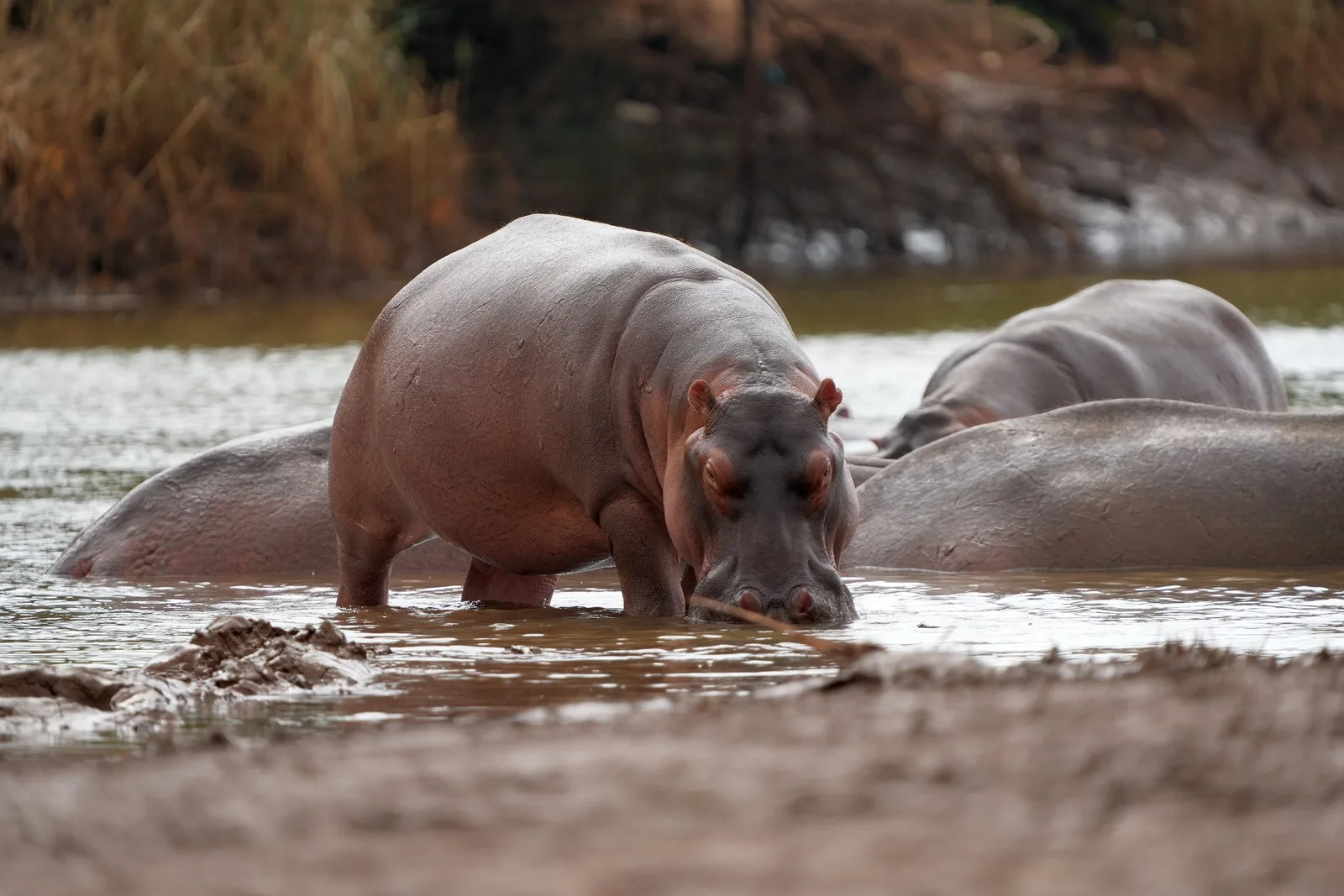
Hippos, elephants at the water's edge, and the highest concentration of birds in the whole park, seen from a boat.
Climbing the Rwenzori
The 'Mountains of the Moon', with glaciers on the equator: a multi-day trek for those who want to go further than a single day's walk.
Birdwatching, with a thousand species as a starting point
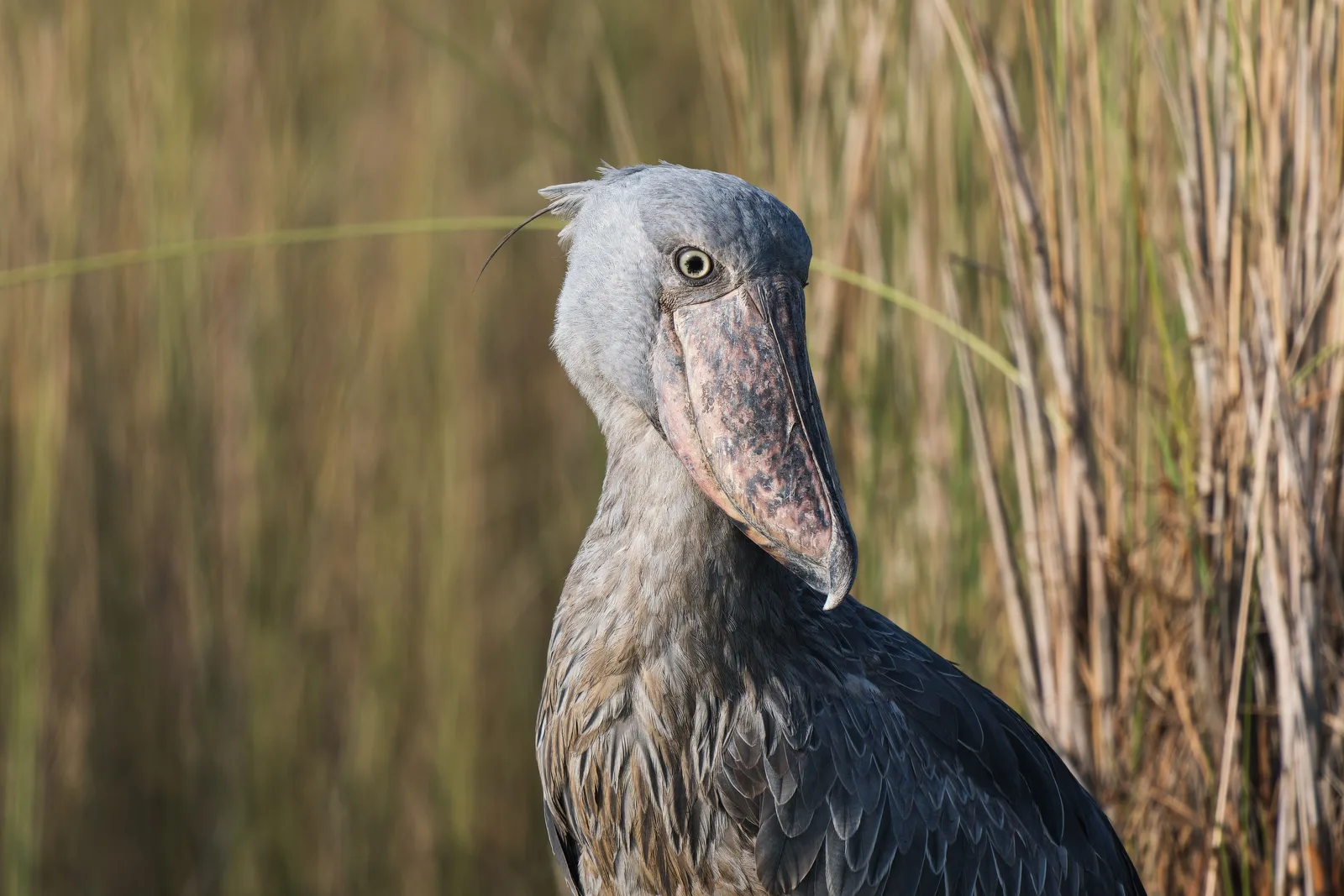
Uganda ranks among the world's best birding destinations, from the shoebill stork in the wetlands to kingfishers along the Nile.
Every route we build is shaped around the permits, the season and the rhythm you're after, not a fixed list.


When to visit Uganda
Uganda sits on the equator and stays green all year. This isn't a country with a pronounced dry and wet season like the savannahs further afield. Two drier windows make trails easier for trekking, but gorillas and chimpanzees can be visited all year round.
Best time to visit Uganda
Who else is at their best in these months?
January February July August
Use the contact form to discuss your travel dates and preferences with us.
From volcanic crater to rainforest edge: a matter of hours, not days.
Frequently asked questions
Do you combine Uganda with Rwanda or Kenya?
That's possible, the distances make it practical. But Uganda also stands well on its own. We start with what you want to see, not with what looks logical on a map.
How many days do you need for Uganda alone?
Count on at least eight to ten days to combine gorillas, chimpanzees and one savannah region without rushing. Fewer is possible, but then you're deliberately choosing part of the country.
How demanding is a gorilla trek?
It varies by day: sometimes an hour's walk, sometimes half a day's climb through dense forest. Porters are available, and the guide adjusts the pace to whoever's walking.
Is Uganda safe to visit?
Yes, for the usual travel routes, with the same normal caution that applies anywhere. Our local experts know the current situation region by region and adjust the route accordingly.
- Flight time
- About 9 to 11 hours from Brussels, direct or via Kigali; longer with a change in Doha, Addis Ababa or Istanbul
- Languages
- English is official; Luganda and Swahili are the most widely heard
- Time difference
- One hour ahead of Belgium, two hours in the winter months
- Elevation range
- From around 620 metres at Lake Albert to 5,109 metres in the Rwenzori Mountains
- Best time to go
- June to September and December to February, the two dry windows
- Visa
- Depends on your nationality; we check the rules with you