

The country beyond Charles Bridge.
Beyond Prague, Czechia counts an estimated two thousand castles. Most of them without a queue.
Prague is only the beginning. Beyond it lie castles, forests and small towns that rarely make anyone's list.
Anyone who looks past Charles Bridge finds a country that has barely adapted itself to its visitors. South Bohemia is scattered with ponds and walled towns like Český Krumlov and Telč, the north is one sandstone labyrinth of rock towers and beech forest, and in Moravia the vineyards run all the way to the Austrian border. There's a castle almost everywhere: inhabited, abandoned, or somewhere in between.
QualiMundi doesn't build a route around the best-known names. We start from what draws you in: a castle that's still genuinely lived in, a forest without a path, a winemaker who lets you in, and find the right places and people to match.
In short
Best time to go
May, June, September and October are the best months, with afternoons between 14 and 25 degrees and quieter towns than in July and August. From January to March daytime temperatures stay around or below 10 degrees.
How long
A week for Prague and one other region, ten days to two weeks to see Bohemia and Moravia together. Back roads to castles and villages are slower than the map suggests.
Who it suits
Travellers who want to combine castles, walled towns and spa towns with walks among sandstone towers and wine cellars in Moravia, and who see Prague as a starting point rather than the whole trip.
What sets it apart
South Bohemia holds hundreds of fishponds, including Rožmberk, completed in 1590 and the largest fish-farming pond in the world. In the north stands Pravčická brána, the largest natural sandstone arch in Europe.
Six faces of the same country
Czechia is bigger than its capital suggests. Six regions, six entirely different landscapes.
Prague and its edges
The old town is famous, rightly so. But half an hour further out lie Karlštejn, its castle perched on a rock above the village, and Kutná Hora, once richer than Prague thanks to the silver in the ground. Starting here, you don't have to go far.
South Bohemia
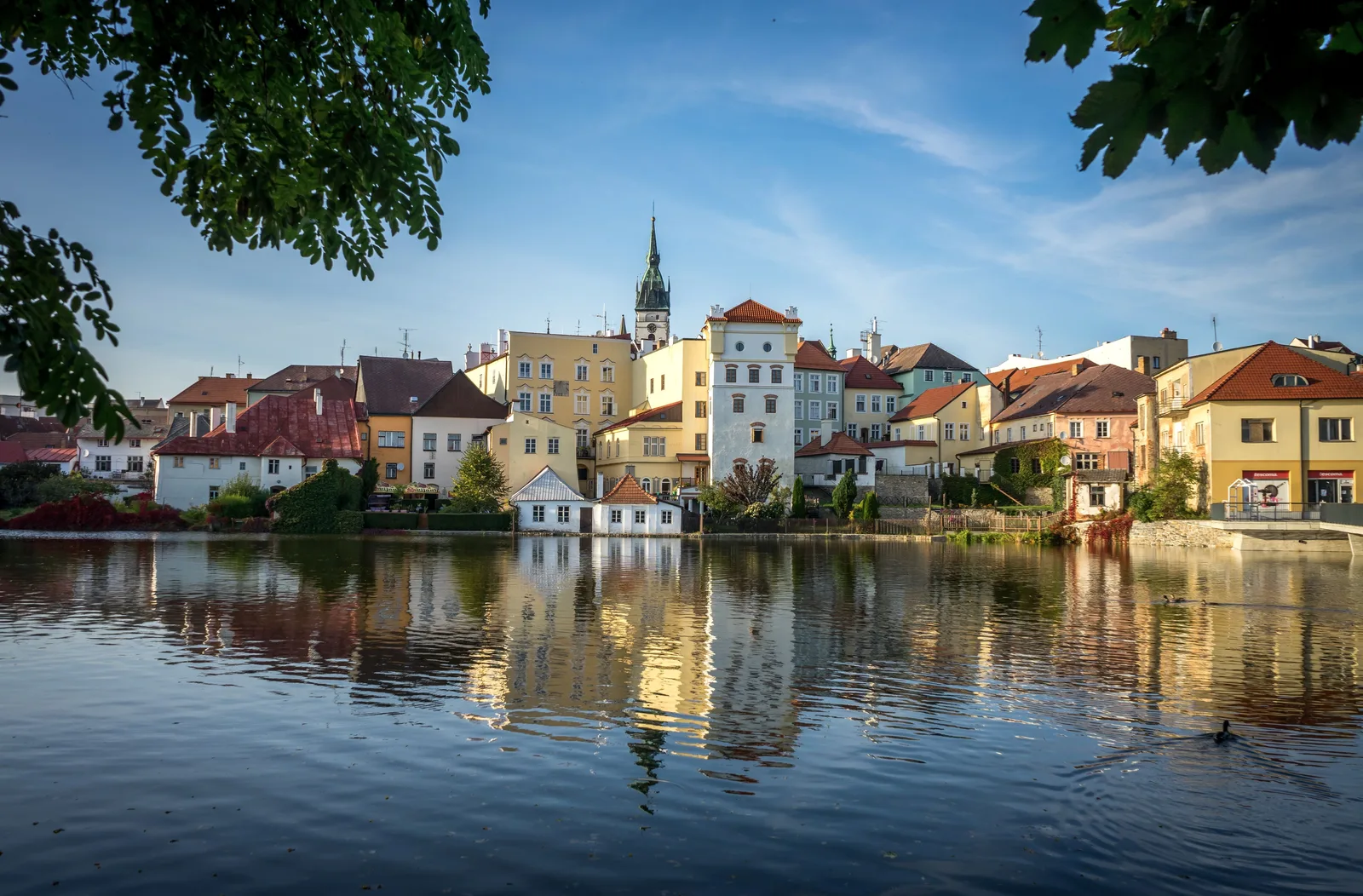
Hundreds of medieval fishponds around Třeboň, a walled town like Telč with a square lined in Renaissance facades, and Český Krumlov, where the river loops right around the castle. Slow country, with water everywhere.
Bohemian Switzerland
Along the German border, sandstone rock towers break through the forest, the natural arch of Pravčická brána the best known of them. Trails here run for hours without crossing a single village.
The spa triangle
Karlovy Vary, Mariánské Lázně and Františkovy Lázně grew up around hot springs into nineteenth-century spa towns, with colonnades and parks still built for a slow walk through them.
Moravia
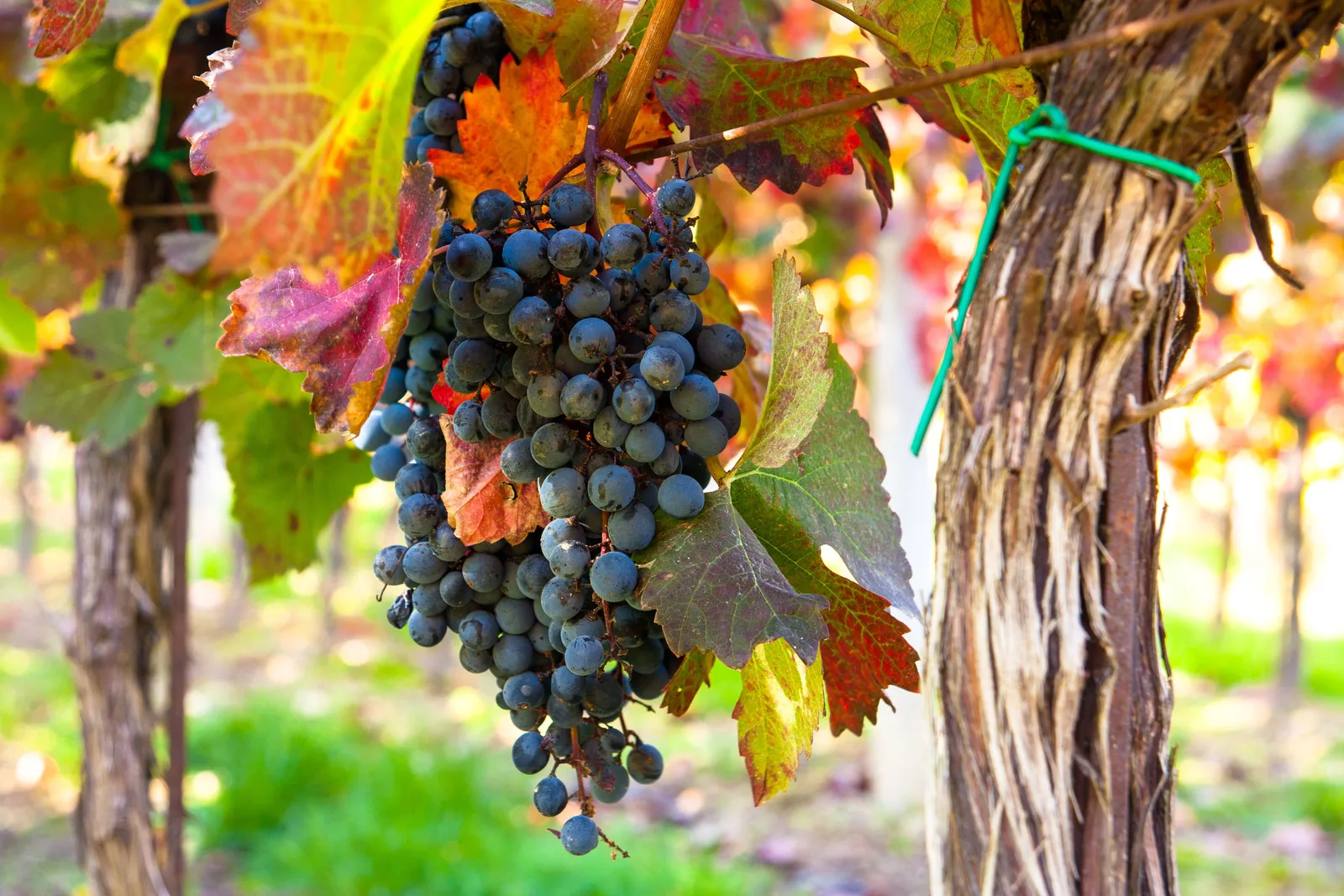
Around Mikulov and Znojmo, the vineyards run all the way to the Austrian border, with cellars that have sometimes stayed in the same family for generations. Brno adds a younger, less formal city to the mix.
Šumava
The Bohemian Forest along the German and Austrian borders still holds primeval woodland near Boubín and a national park where lynx once again roam. The farthest corner of the country, and the quietest.

Castles that still do something
Czechia counts an estimated two thousand castles and manor houses, a density found almost nowhere else in Europe. Some became museums, others never did.
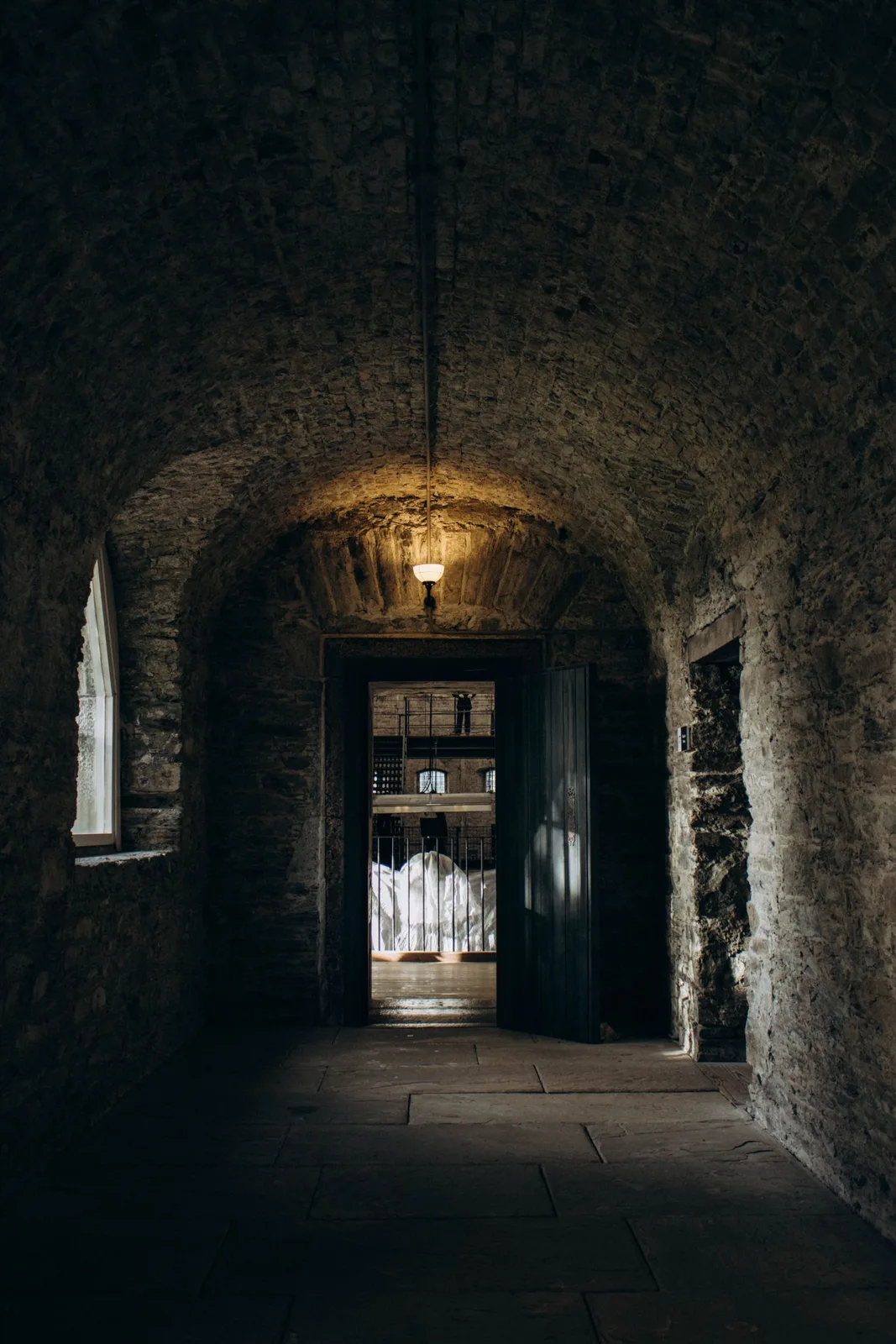
In Český Krumlov, the baroque theatre inside the castle still runs on its original eighteenth-century stage machinery. Elsewhere, families have lived in the same wings for centuries, or a hall gets hired out for a concert that happens to have room for visitors too. The distinction between hrad and zámek, fortress and chateau, already says something about how seriously this country takes its own history.
We seek out the castles that still do something, not just the best-known facade.
Between two castles there's usually a forest.That's where the country you're actually looking for lives.
Forest, stone and water
Sandstone in the north
The rock labyrinths of Bohemian Switzerland and the neighbouring Saxon Switzerland together form one continuous walking area, with gorges, viewpoints and forest that has barely been logged.
Primeval forest in the southwest
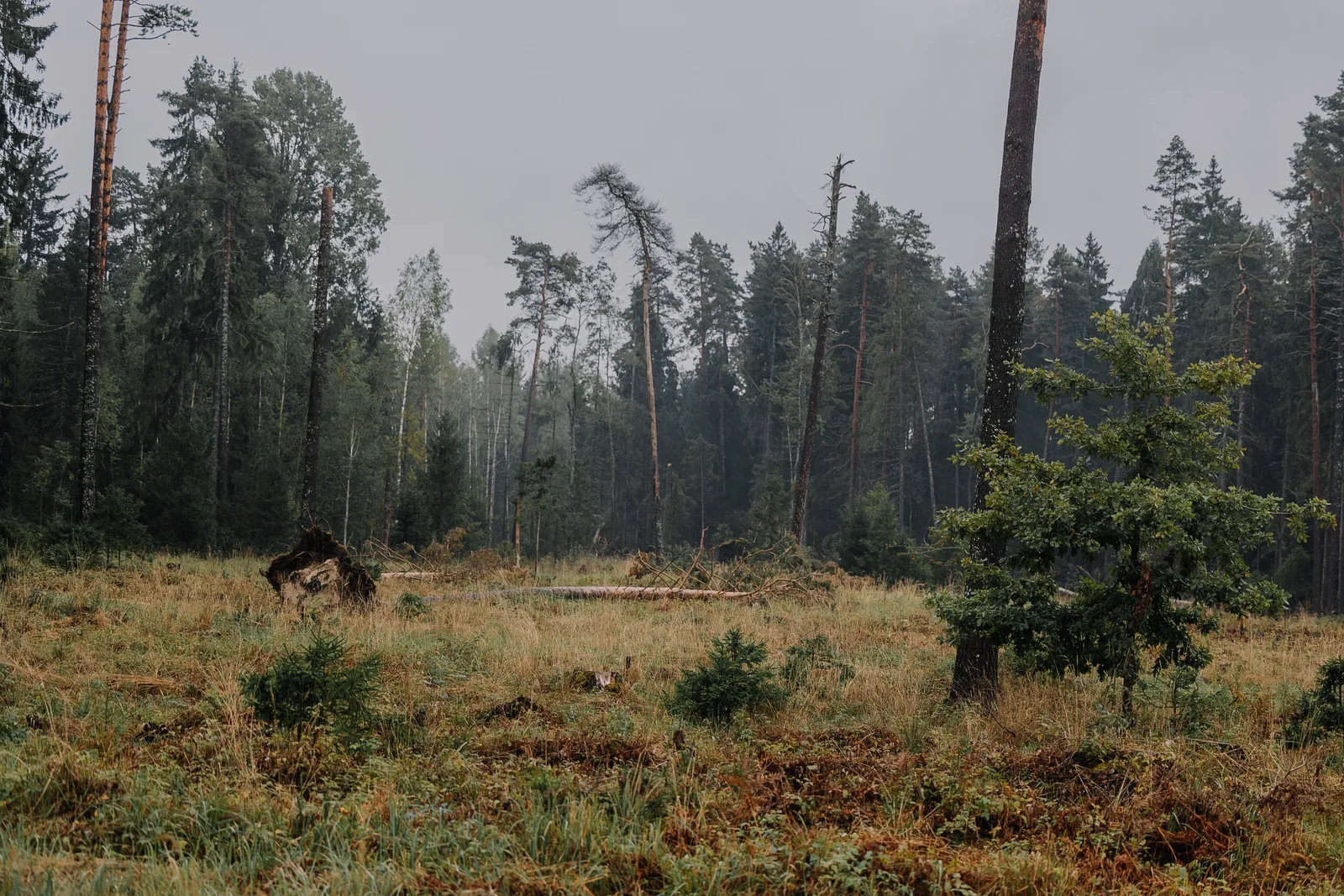
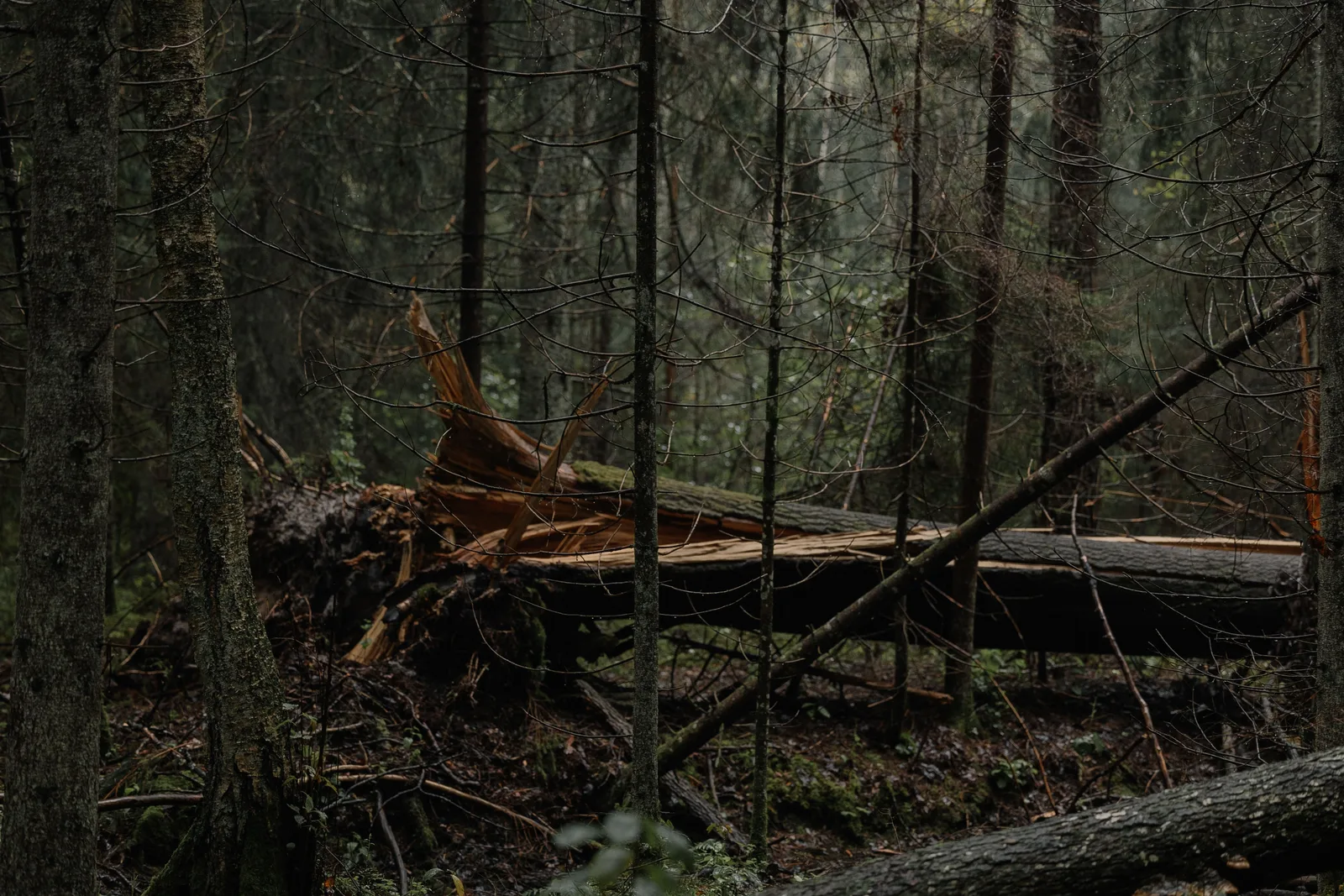
Near Boubín, in Šumava, stands one of the last remaining patches of primeval forest in Central Europe: trees that have never been felled, fallen trunks left exactly where they landed. Lynx have returned here in recent decades.
Ponds full of birds
Around Třeboň lie hundreds of artificial fishponds, some dating back to the fifteenth century, which have since become one of the country's most important bird habitats. Herons, storks and, during migration, thousands of geese.


More than sightseeing
Czechia is a country to experience, not just look at.
Walking among the rock towers
Days of walking through Bohemian Switzerland, from viewpoint to gorge, without ever taking the same path twice.
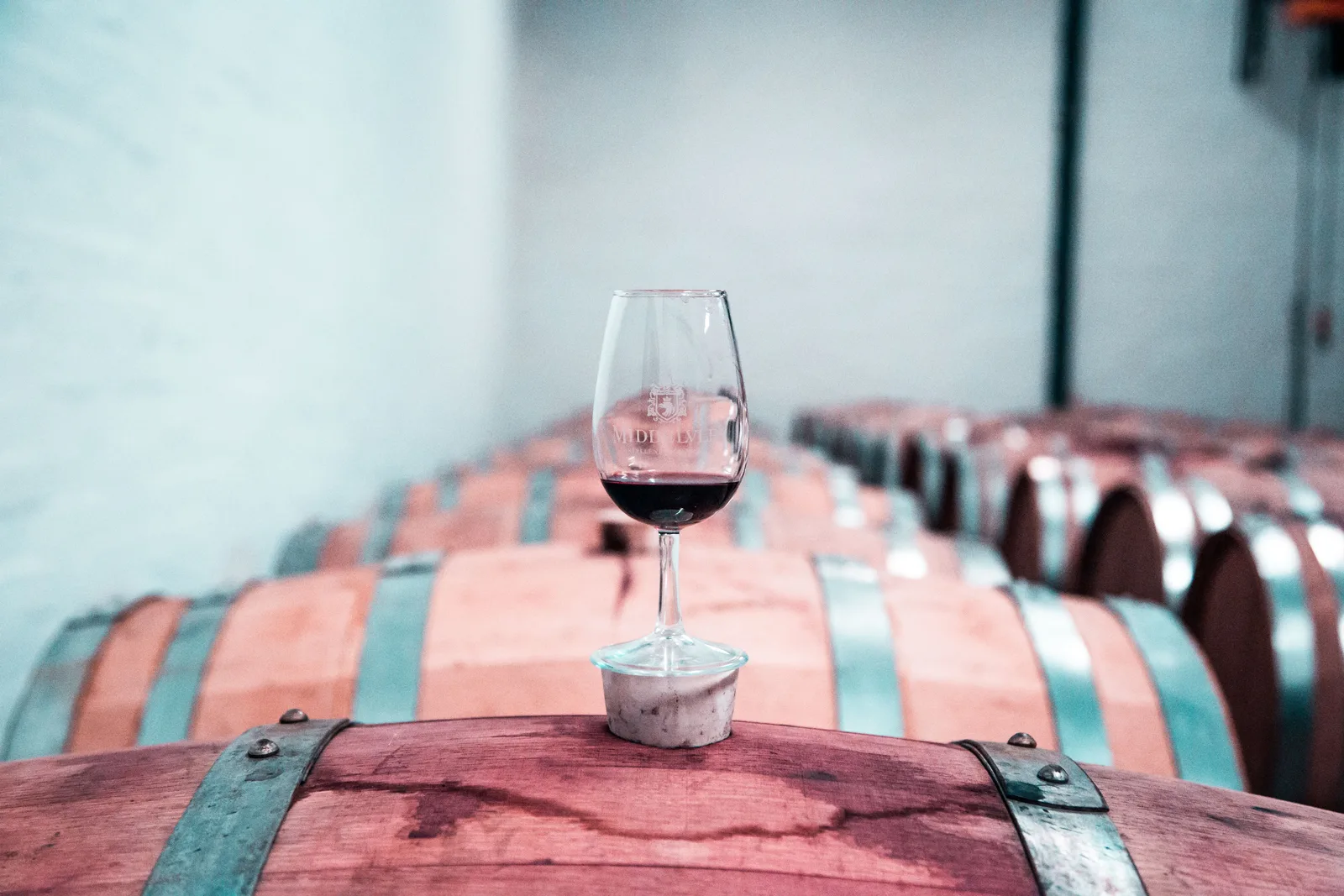
Tasting in a Moravian cellar
Winemakers around Mikulov and Znojmo opening their cellars to anyone who wants to know more than the label tells them.
Taking the waters as they did a century ago
An afternoon in the thermal baths of Karlovy Vary or Mariánské Lázně, in buildings built for exactly this purpose.
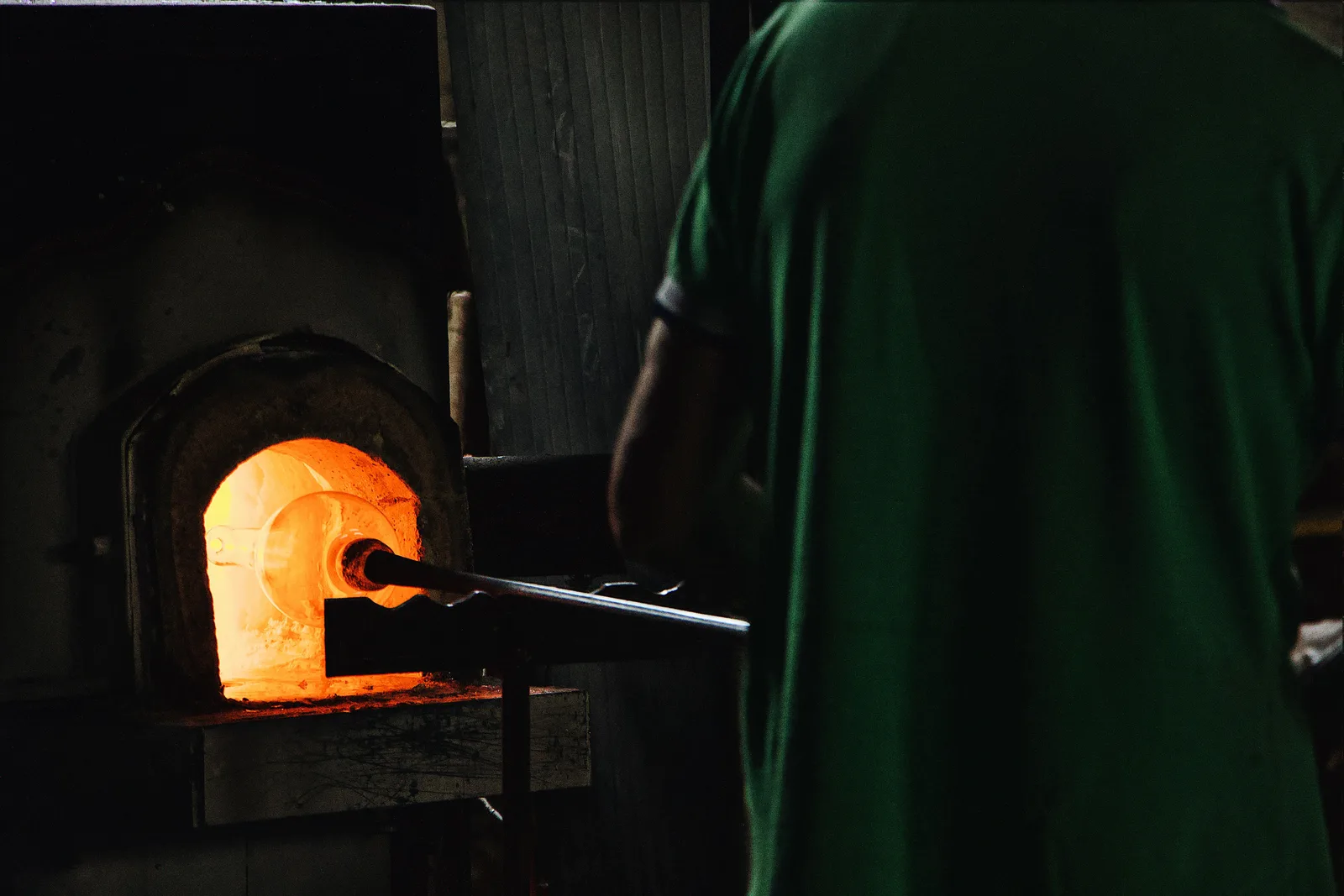
Watching glass take shape
Bohemian crystal has a centuries-old tradition. At a number of glassworks you can watch a glowing lump take shape.
An evening with the puppeteers
Marionette theatre is a recognised art form in Czechia, with performances made as much for adults as for children.
Sleeping within castle walls
A number of castles and manor houses rent out rooms or entire wings, sleeping where a noble family once lived, without any museum feel.
None of this sits on a fixed route. We choose it together with you, at the pace that suits you.
Bohemian Switzerland, where the forest has the last word.



When to visit Czechia
May and June bring blossom to the vineyards of Moravia and long daylight for anyone walking in the north. September and October offer the same calm again, with a wine harvest on top and beech forest turning colour in Šumava and Bohemian Switzerland.
July and August are the warmest months, and in Prague and Český Krumlov also the busiest. The rest of the country stays quieter. December brings Christmas markets and early darkness; the spa towns are just as worthwhile then, with fewer people along the colonnades.
Best time to visit Czechia
Who else is at their best in these months?
May June September October
Use the contact form to discuss your travel dates and preferences with us.
Practical, without the noise.
Getting there
A direct flight from Brussels in just over an hour, or an easy day's drive
Documents
Czechia is an EU and Schengen country. An identity card is sufficient
Health
Tap water is safe to drink everywhere; the European Health Insurance Card is accepted
Pace
The country is compact, but secondary roads to castles and villages are slow. Allow more time than the map suggests
- Travel time
- Just over an hour's flight from Brussels, or an easy day's drive
- Language
- Czech; German and English are widely understood
- Time difference
- None. Same time zone as Belgium
- Elevation range
- From 115 metres, where the Elbe leaves the country, to Sněžka at 1,603 metres