
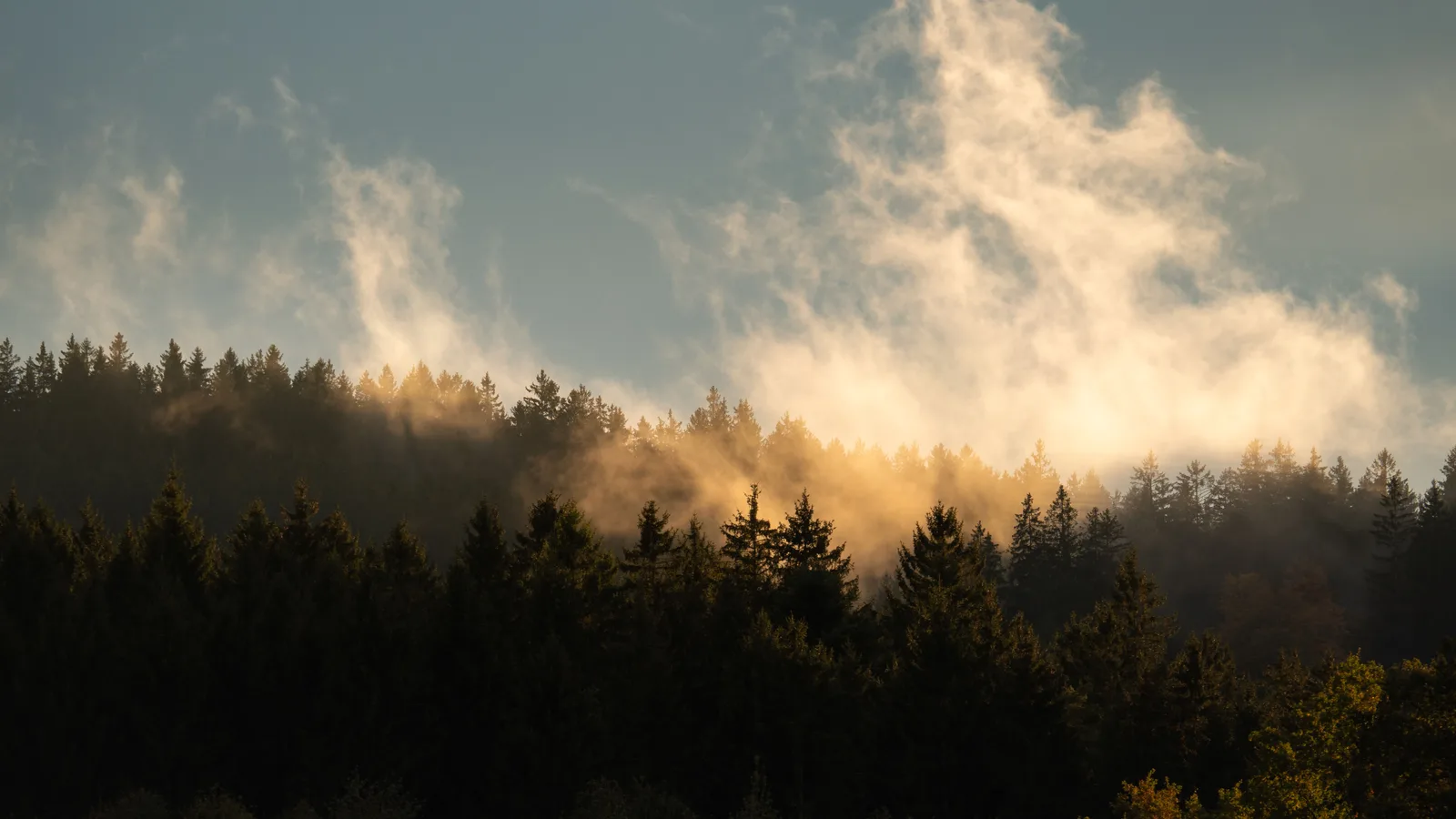
The clock ticks in the city. Not in the forest.
Germany combines urban precision with a forest within walking distance, and simply lets both exist side by side.
There is no capital that overshadows the country. Berlin has its own gravity, Munich another, and between them lies a patchwork of sixteen Länder that pay each other little mind: their own dialect, their own cuisine, their own pace. What they share is a curious habit: the city stops, and the forest begins right after. From the centre of Frankfurt you can stand among the beeches of the Taunus within forty minutes. From the English Garden in Munich, the Alps are already in view.
Those two registers side by side, the train leaving on the minute, the forest indifferent to any timetable, are the real subject of this country. We don't plan 'Germany' as a fixed package. We start with the question of which Germany someone is looking for: the Alpine light of Berchtesgaden, the slate slopes of the Moselle, the chalk cliffs of Rügen. They are different countries that happen to share a passport.
In short
Best time to go
May, June, September and October are best for walking and cycling without the summer crowds, with the grape harvest along the Moselle in autumn. In December, the Christmas markets of smaller towns draw visitors.
How long
A long weekend is enough for a region close to Belgium, such as Cologne, the Eifel or the Moselle. For Bavaria, Saxony or the Baltic coast, further away, a week to ten days works better.
Who it suits
Travellers who want to combine walking, cycling or wine with cities and history, and who like to travel by train between regions that each have their own dialect, cuisine and pace.
What sets it apart
Unlike France, centred on Paris, Germany is a federation of sixteen states with no single dominant city. Its landscape runs from the chalk cliffs of Rügen to the Zugspitze at 2,962 metres.
Sixteen countries, one language
Germany isn't a country with a single centre setting the tone for the rest. Every region has its own landscape, rhythm and cuisine, and deserves its own route, not a checklist.
Bavarian Alps
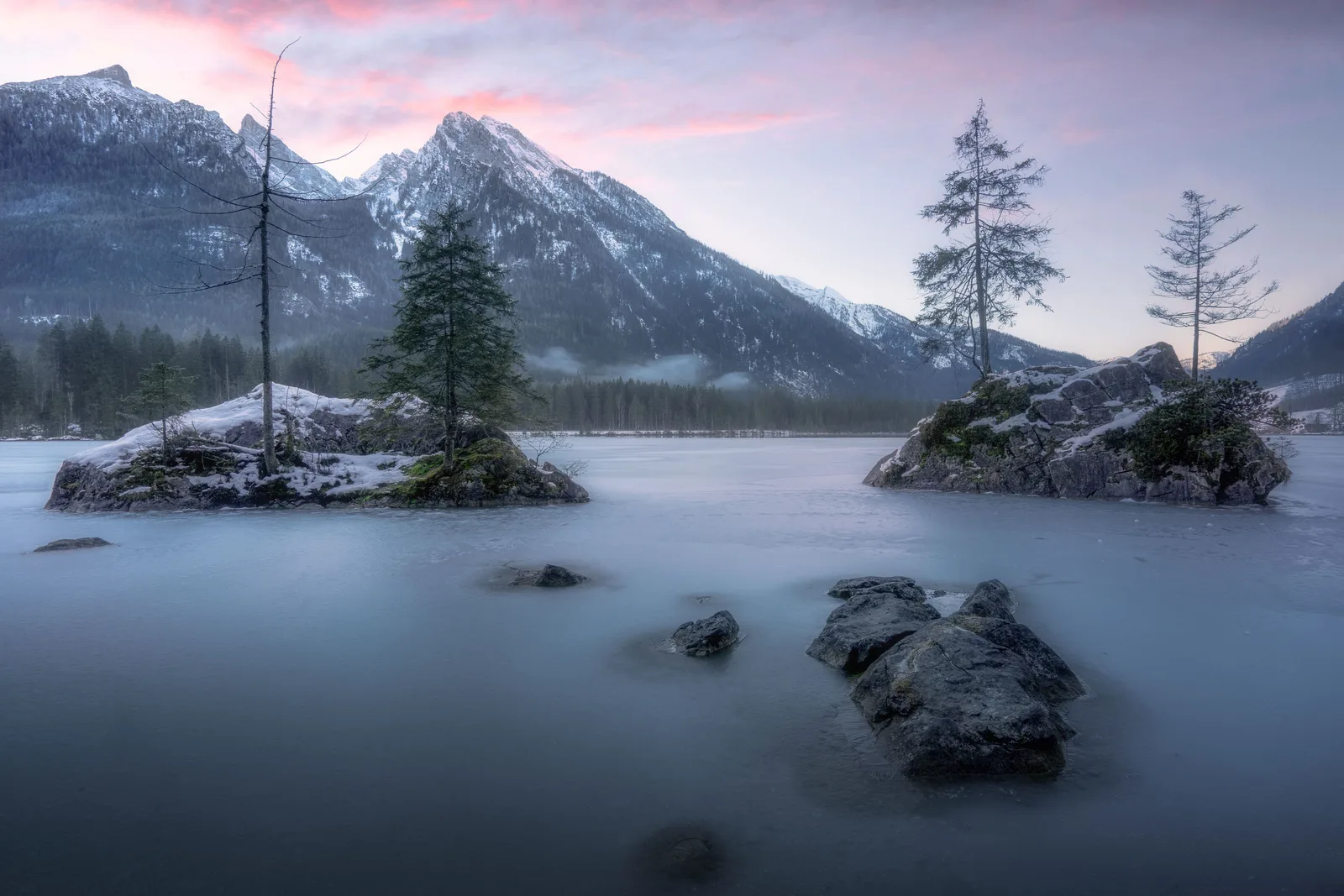
Berchtesgadener Land and the Chiemsee lie barely an hour from Munich, yet the shift is complete: alpine meadows, lakes fed by glacier water, cheesemakers who still churn by hand. Footpaths here have led to the same huts for a hundred years.
Black Forest
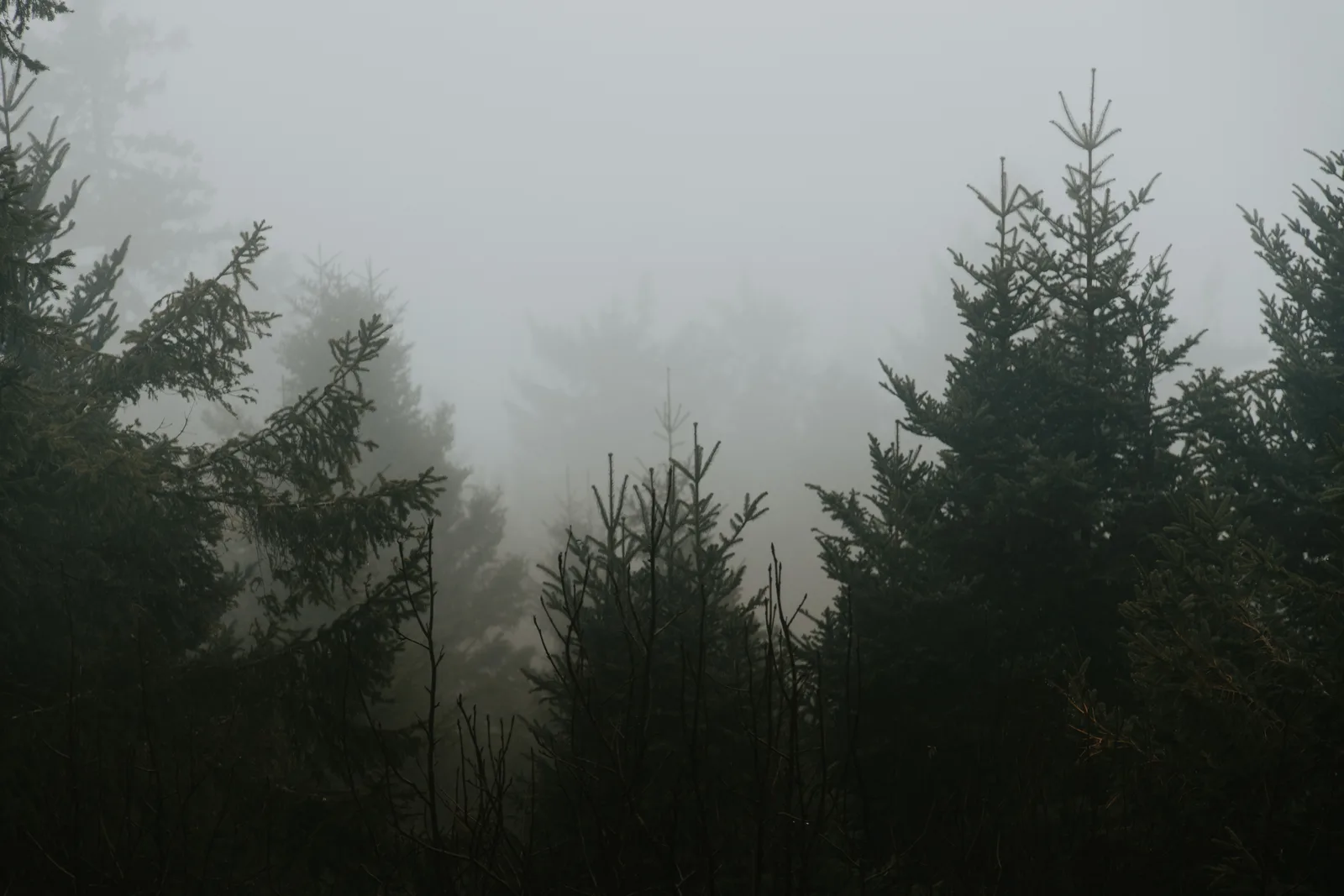
Dense pine forests, thermal spa towns like Baden-Baden, and woodcarving that remains a craft rather than a souvenir trade. The Titisee and the Feldberg give the area height, the silence between the trees does the rest.
Moselle and Rhine valleys
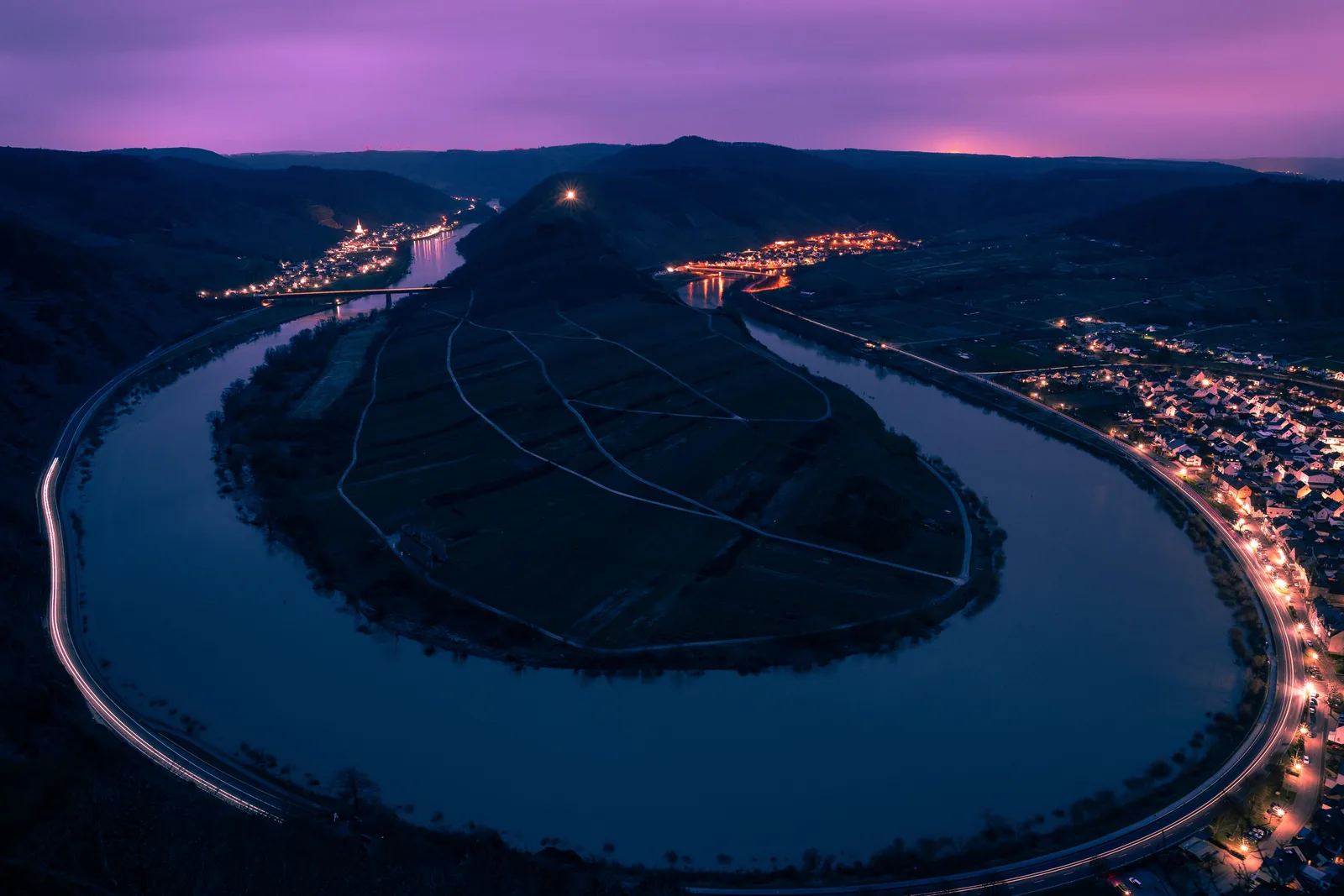
Vineyards clinging almost vertically to the hillsides, villages like Bernkastel-Kues and Bacharach that still live on the river rather than off it, and Riesling from growers you know by name rather than by label.
Berlin
A city that doesn't hide its fault lines. Districts like Kreuzberg and Prenzlauer Berg carry decades of history in the same street. And ten minutes from the centre lies the Grunewald, a forest large enough to make you forget the city for a while.
Saxon Switzerland and Dresden
Sandstone formations towering above the Elbe, footpaths that feel centuries old, and Dresden, rebuilt after 1945, with a baroque old town you wouldn't expect after the photographs of the rubble.
Rügen and the Hanseatic towns
Chalk-white cliffs on Rügen, brick Hanseatic towns like Stralsund and Wismar that carry more weight than their visitor numbers suggest, and a coastline calmer than anything on the North Sea side.

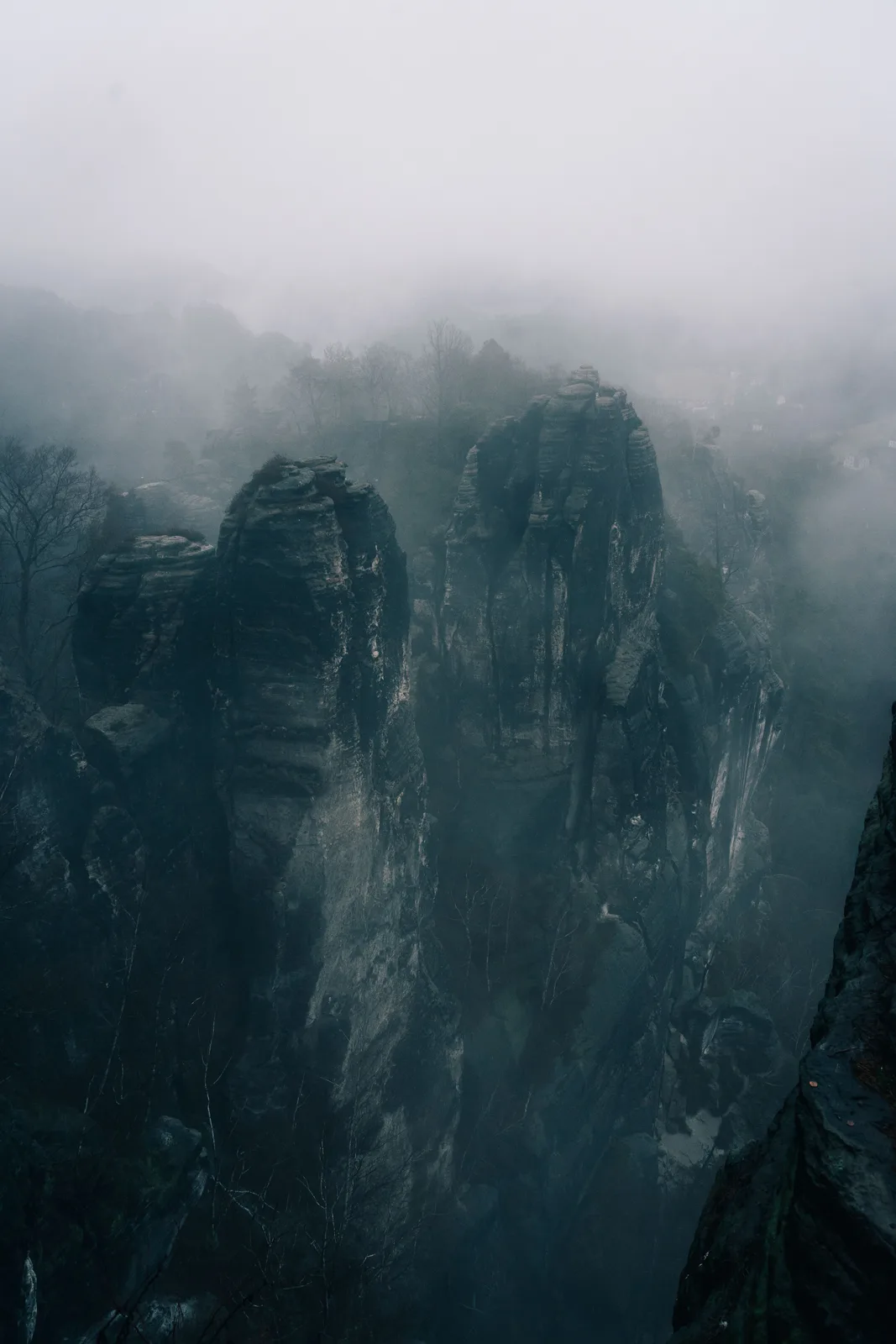
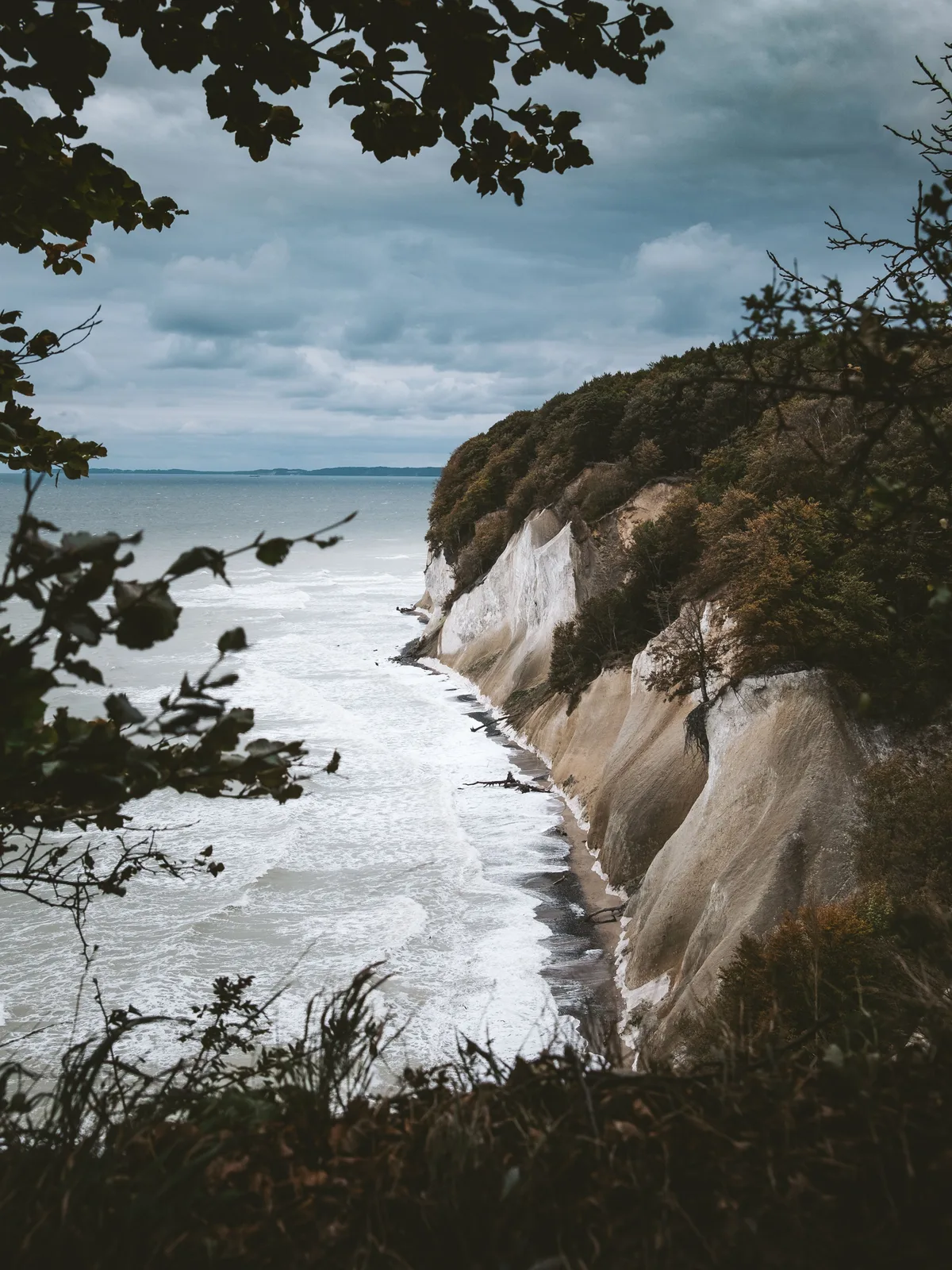
Precision isn't coldness
Germany has more than three thousand registered bread varieties, and that figure says more about the country than most guidebooks do. Precision here isn't coldness. It's a form of care that shows up as readily in a baker's schedule as in a train timetable. On Sundays the shops close, full stop. Not because they must, but because rest is a system here, not an exception.
That same precision runs through the club culture: a village of three thousand people has a shooting club, a choir and a beekeepers' association, each with its own annual calendar that nobody questions. It's that combination, exact but never rushed, that makes travelling through Germany less predictable than the cliché suggests.
Germany is sixteen countries that happen to share a language.We travel through the differences.

Forest, altitude, tide
Bavarian Forest
Germany's oldest national park since 1970, and one of the largest stretches of wild forest the country has left, where trees are allowed to fall and stay where they lie. The lynx has returned here after dying out, though it prefers to stay unseen.
Above the treeline
Around the Zugspitze and the Watzmann, edelweiss grows where the trees have already given up. Chamois move here with more confidence than most walkers, and the silence above two thousand metres is of a different order than in the valley.
The Wadden Sea
A UNESCO World Heritage site that disappears and returns twice a day. Mudflat walking between Sylt and Föhr brings you among seals and thousands of migratory birds, in a landscape that doesn't photograph the way it feels.
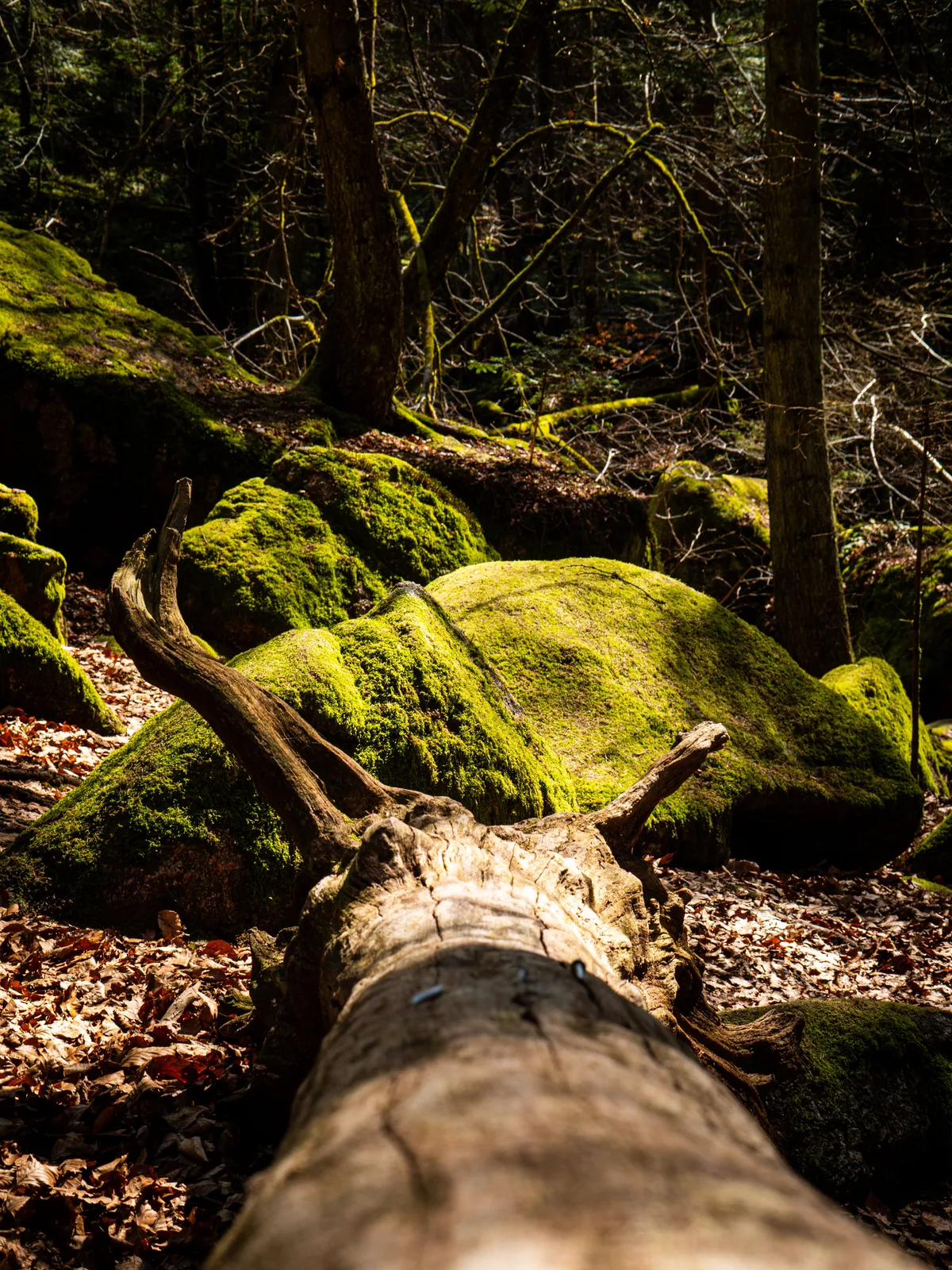
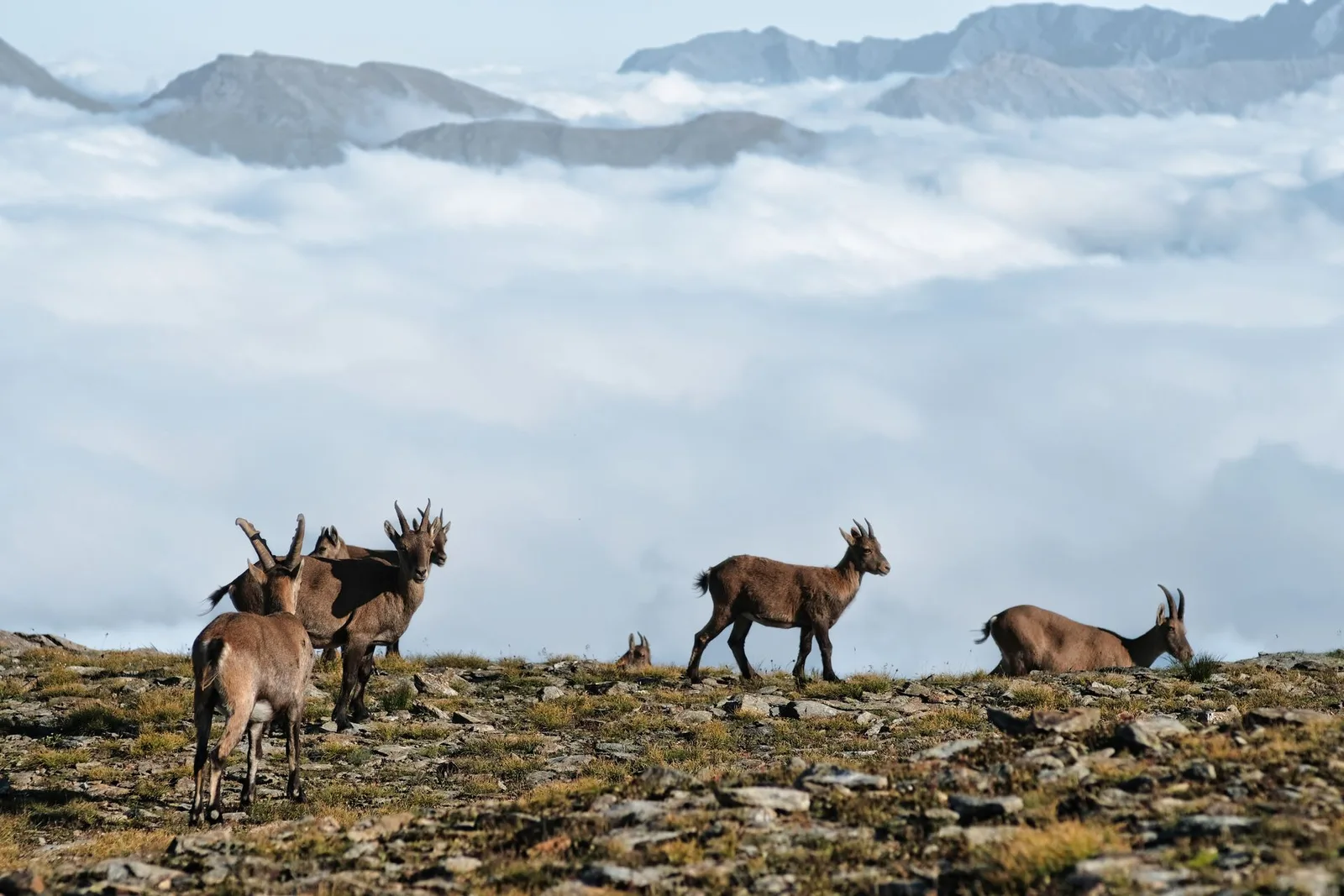

Germany, off the schedule
No day-by-day programme. Rather a number of ways into this country, to combine however suits.
Walking in the Black Forest or the Alps
From day hikes out of a mountain hut to multi-day routes like the Westweg, paths that have followed the same course for generations.
Wine tasting along the Moselle
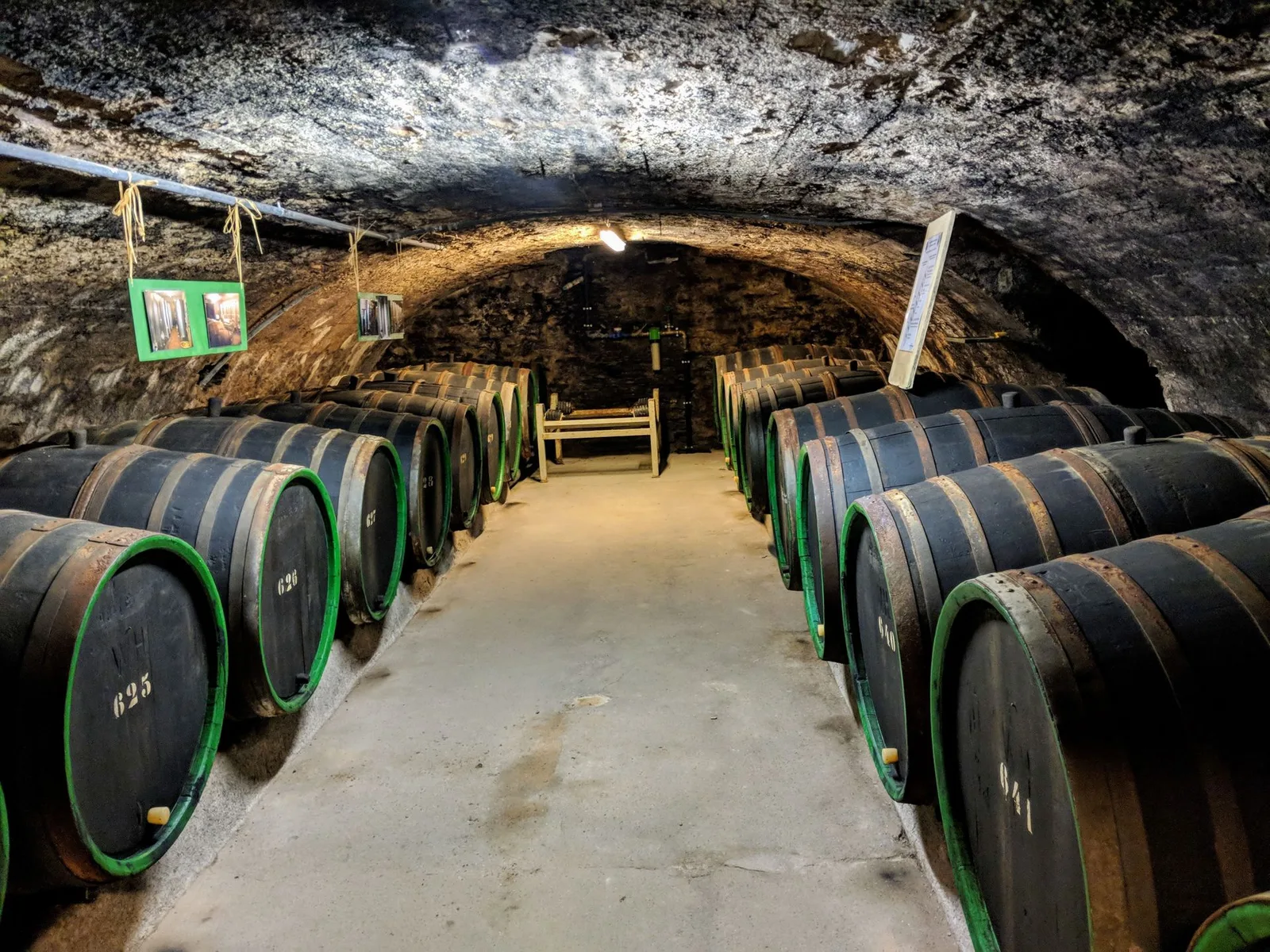
Visits to small growers on some of the steepest slopes in Europe, where the harvest is still done by hand because a machine simply can't reach.
Bauhaus and modern architecture
Weimar and Dessau as the birthplace of a design language that shaped the twentieth century, visited without any lecture-hall feel.
Christmas markets in small towns
Rothenburg ob der Tauber or Quedlinburg instead of the big squares, the same smell of roasted almonds, without the crowds.
Cycling along the Elbe
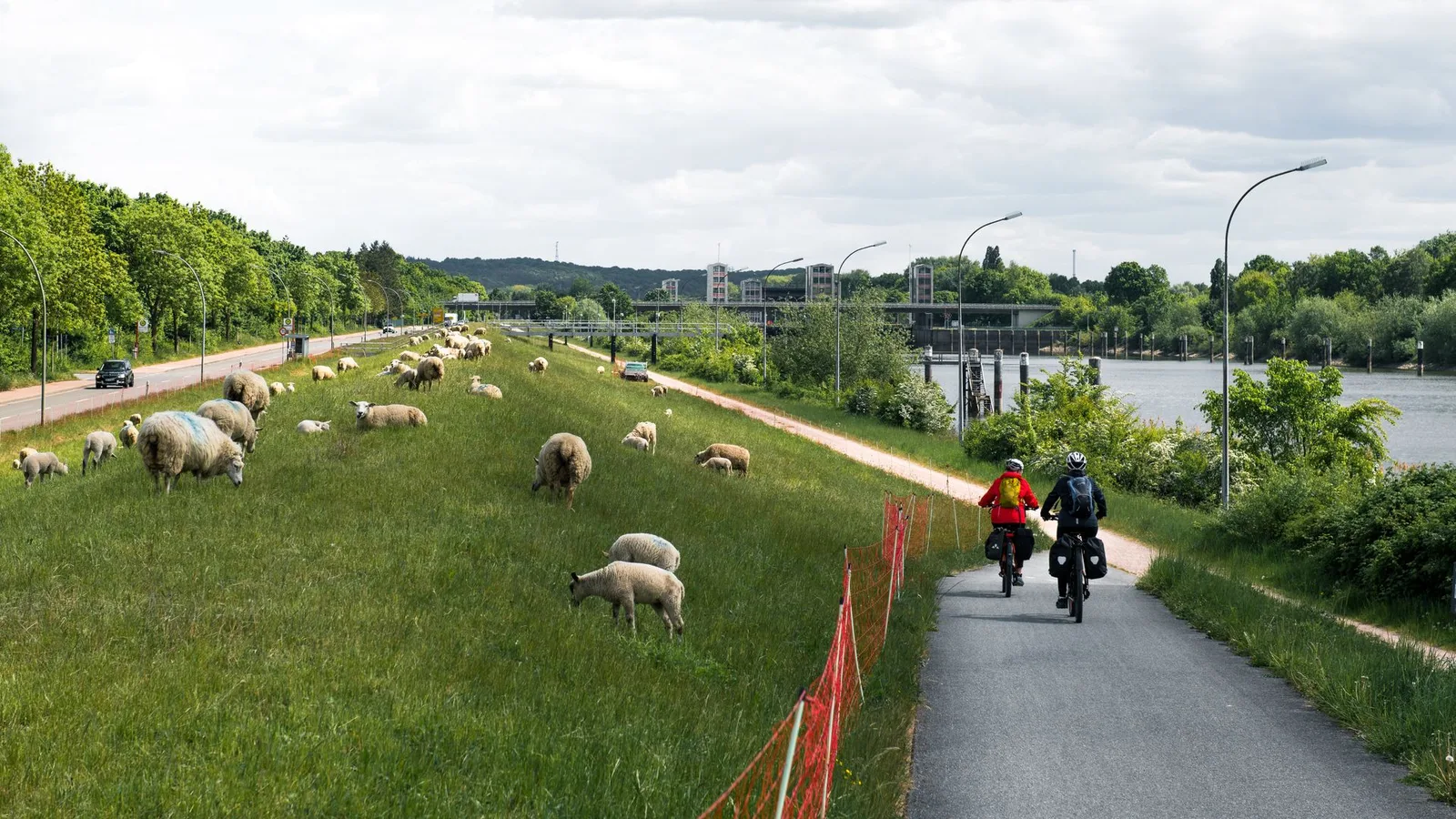
The Elberadweg follows the river from Dresden past Hamburg, along water meadows and river towns that rarely make it into a guidebook.
These are possibilities.Not your journey.


Why we don't treat Germany as a given
Sixteen countries, no copies Bavaria, Saxony and Schleswig-Holstein share a language and little else. We route by regional character, not by a checklist of must-sees.
The train is the vehicle, not the obstacle Germany's rail network connects regions without ever needing an internal flight, infrastructure that lends itself perfectly to travelling at a calmer pace.
Sunday rest is a system Shops close, streets go quiet. We plan around that instead of against it, because that rhythm belongs to the country as it really is.
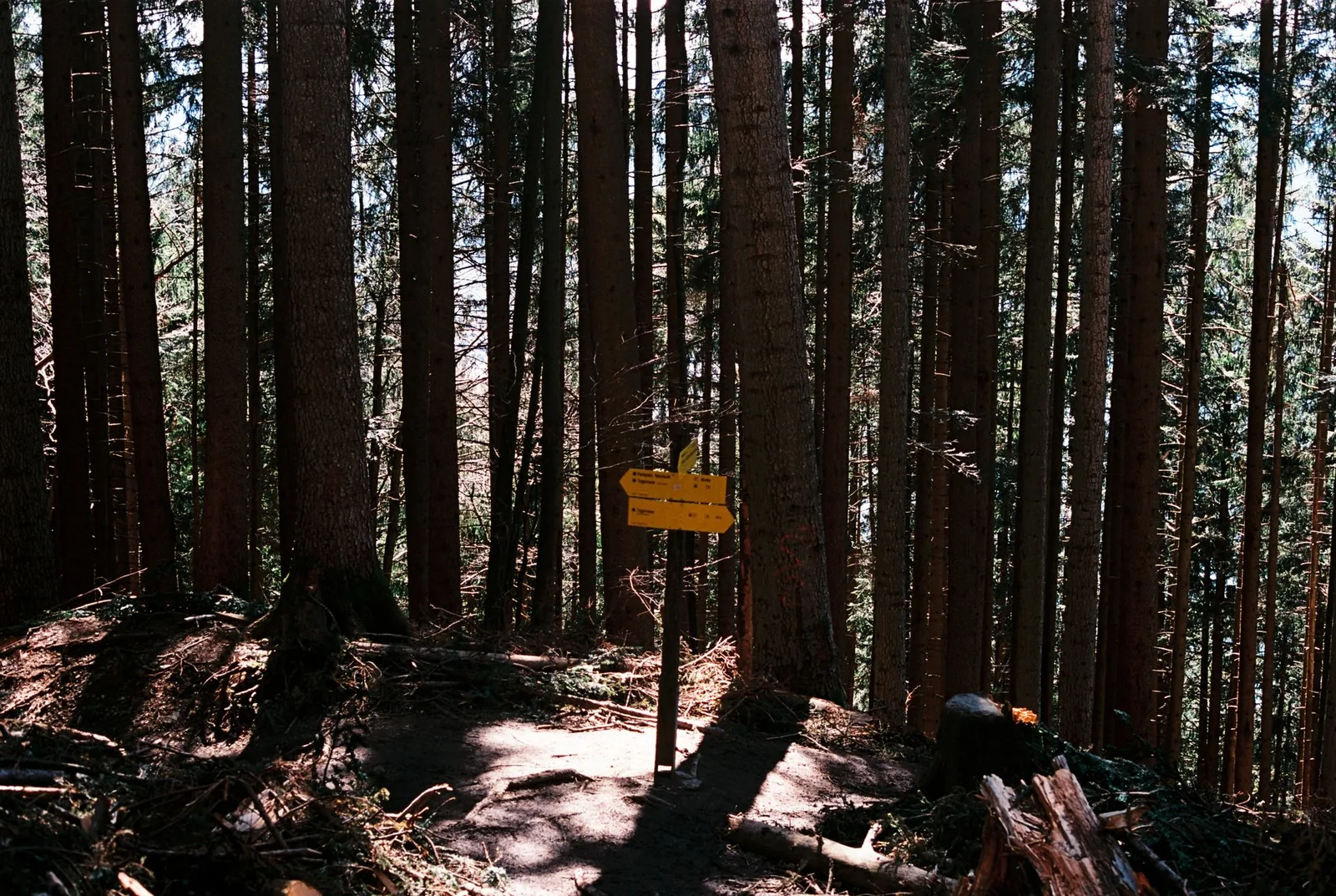
Forest is infrastructure, not decor Forest kindergartens, spa towns built into the woods, a culture of 'Waldeinsamkeit': the forest is woven into daily life here, not laid on for the photograph.
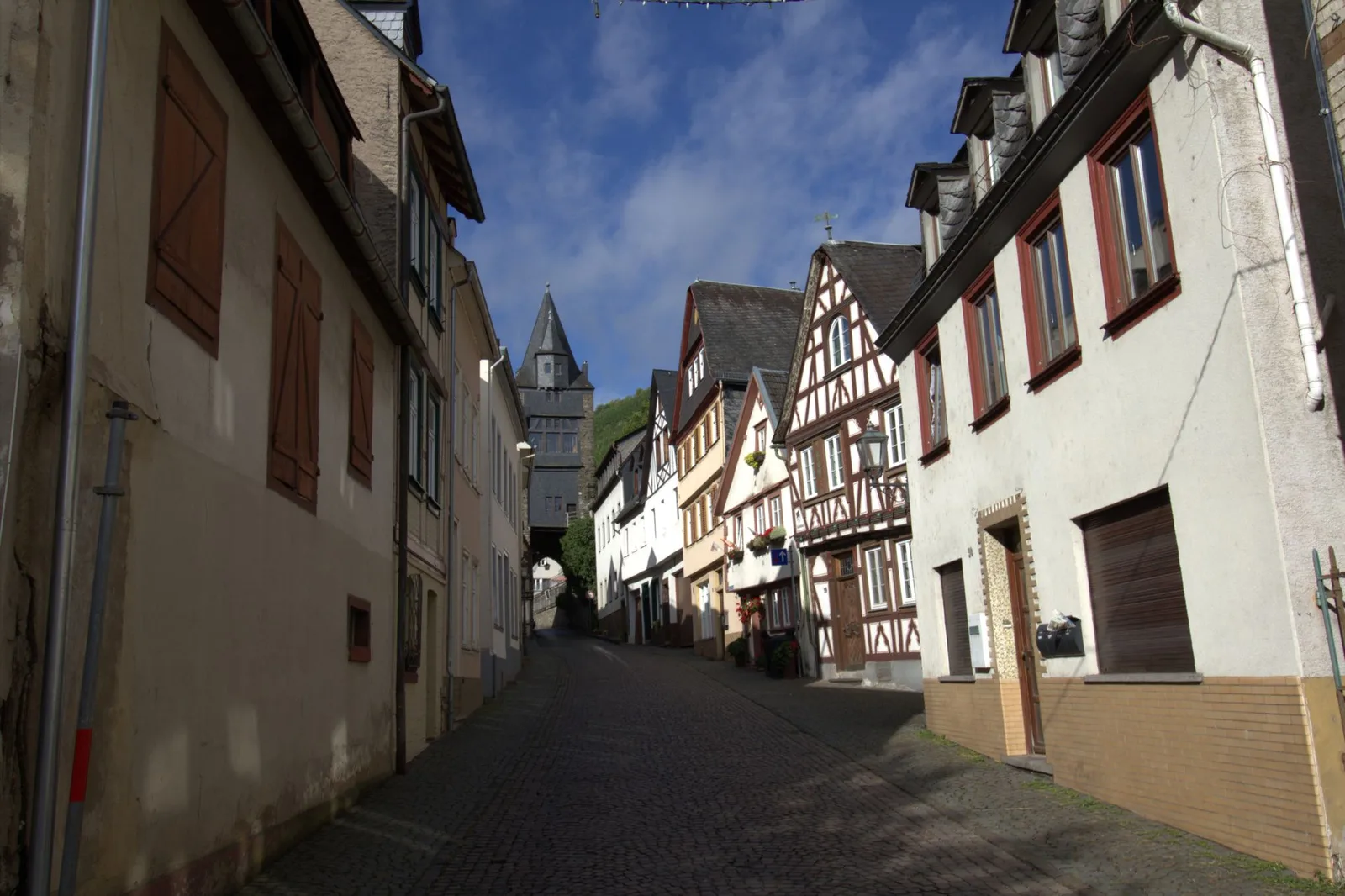
Bacharach on the Rhine, early morning, before the first day-trippers wake.
When to travel to Germany
May to early July and September to October are the months when footpaths in the Black Forest and the Alps lie open without the full summer crowds, and when the wine harvest along the Moselle colours the landscape.
December belongs to Germany like few other countries can claim, provided you avoid the big squares of Berlin and Cologne and choose a smaller town instead. January to March is the quietest window, cold and still, except for the winter sports areas in the Alps.
Best time to visit Germany
Who else is at their best in these months?
May June September October
Use the contact form to discuss your travel dates and preferences with us.
Practical, without the noise.
Practical, in brief.
Getting there
By train or car from Belgium, within two to eight hours, depending on the region; flying gets you into Frankfurt, Munich or Berlin.
Documents
A valid ID card is enough for EU citizens.
Language
German everywhere, English fluent in the cities, less of a given in the countryside and parts of the former East Germany.
Pace
On Sundays almost everything is closed: shops, not restaurants. Plan around it rather than fighting it.
Health
No special precautions needed; the European Health Insurance Card covers urgent care.
Frequently asked questions
Isn't Germany just 'like home'?
Proximity is misleading. Bavaria feels further from Hamburg in landscape and culture than many a neighbouring country. Dialect, cuisine and pace differ more than the map suggests.
Do we need to speak German?
Not necessarily in the cities. In the countryside and smaller Hanseatic towns a few words help. We prepare that together, whatever your level.
Is December too busy for the Christmas markets?
Berlin and Cologne can get crowded, but in Quedlinburg or Rothenburg ob der Tauber the atmosphere stays intact without the crush.
Can this be combined with another country?
Certainly. The Alps connect to Austria or Switzerland, the Rhine valley to Alsace. For anyone wanting more than one country, it combines easily.
- Travel time
- Two to eight hours by car or train from Belgium, depending on the region, or just over an hour's flight to Frankfurt, Munich or Berlin
- Languages
- German, with strong living regional dialects: Bavarian, Saxon, Low German
- Time difference
- None
- Elevation range
- From sea level on the Baltic coast to the Zugspitze at 2,962 metres
- Best time to go
- May-June and September-October for nature, December for the smaller Christmas markets