
A country that hasn't yet turned its face to the camera.
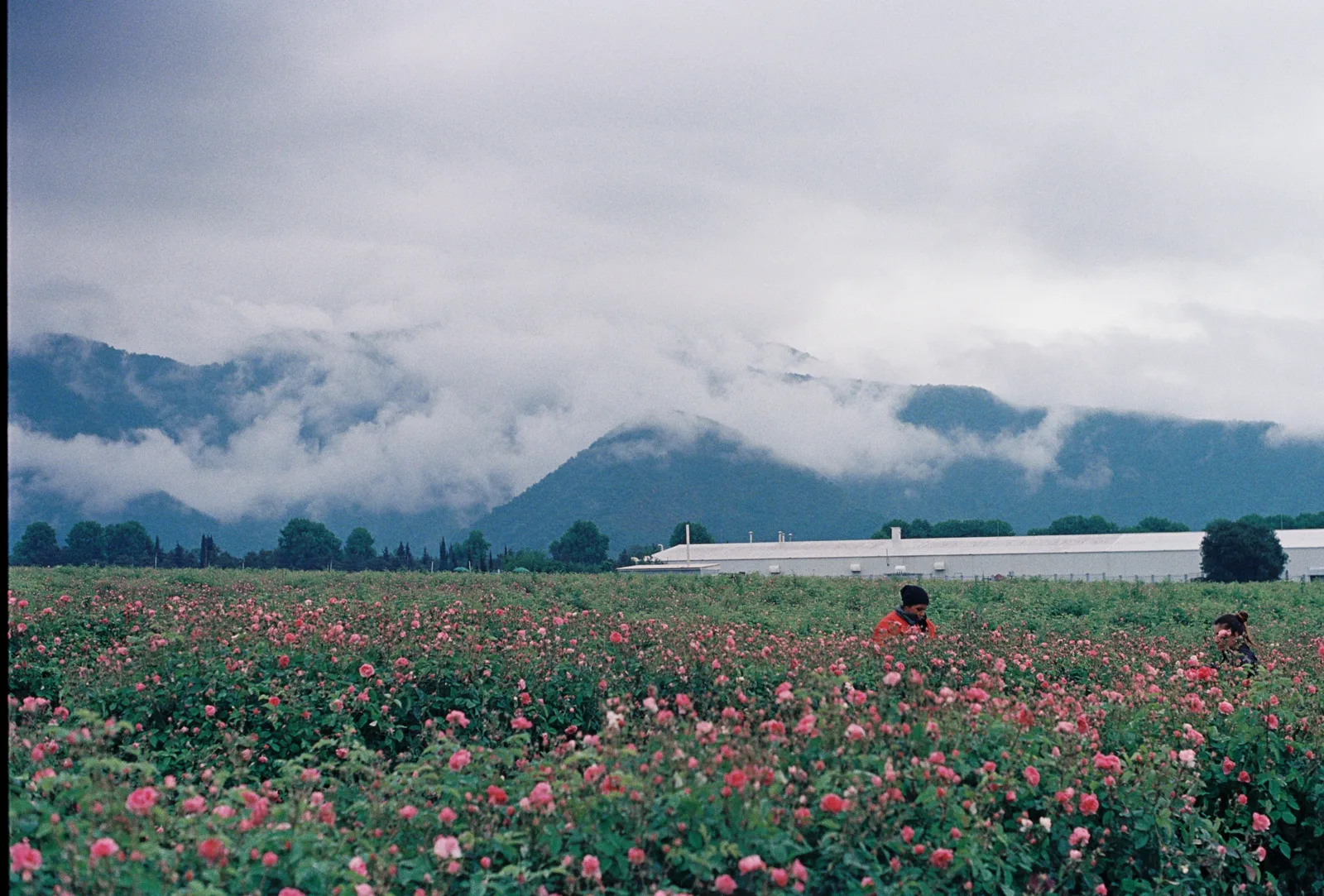
Bulgaria is a land of rose fields and mountain villages that hasn't learned to perform for visitors yet. Where Provence has set its lavender in the right light for decades, the Rose Valley near Kazanlak simply carries on: an agricultural region where the picking starts at four in the morning in May, long before the first visitor wakes up.
Anyone who only knows the country from its Black Sea coast has yet to see most of it. Inland lie three mountain ranges, Rila, Pirin, the Rhodopes, with peaks above two thousand metres, monasteries that have stood for more than a thousand years, and Thracian burial mounds that archaeologists are still uncovering.
For the tailor-made traveller, that makes it a country without a rehearsed answer. No fixed photo stop, but a village like Shiroka Laka where the bagpipe is still made, not performed for a group.
In short
Best time to go
Late May and June, during the rose harvest in the Rose Valley, and September and October, with clear days and autumn colour in the mountains. July and August are hot around Plovdiv but pleasant in Rila and Pirin.
How long
Ten days to two weeks for Sofia, Rila, Plovdiv, the Rhodopes and Veliko Tarnovo. Mountain roads are narrow and slow, so with one week it is better to choose the south-west or the centre.
Who it suits
Travellers who want to combine monasteries, Thracian tombs and Roman remains with independent hiking in Rila and Pirin, and who like countryside that is not yet geared to visitors.
What sets it apart
Unlike Greece and Romania, Bulgaria writes in Cyrillic, a script that emerged in the First Bulgarian Empire in the 9th and 10th centuries. In the Rose Valley near Kazanlak, Damask roses are still picked for rose oil.
Six faces of one country.
Bulgaria doesn't fit into a single region. Each area has its own rhythm, from the monastic stillness of Rila to the terrace buzz of Plovdiv's Kapana district.
Sofia and Vitosha
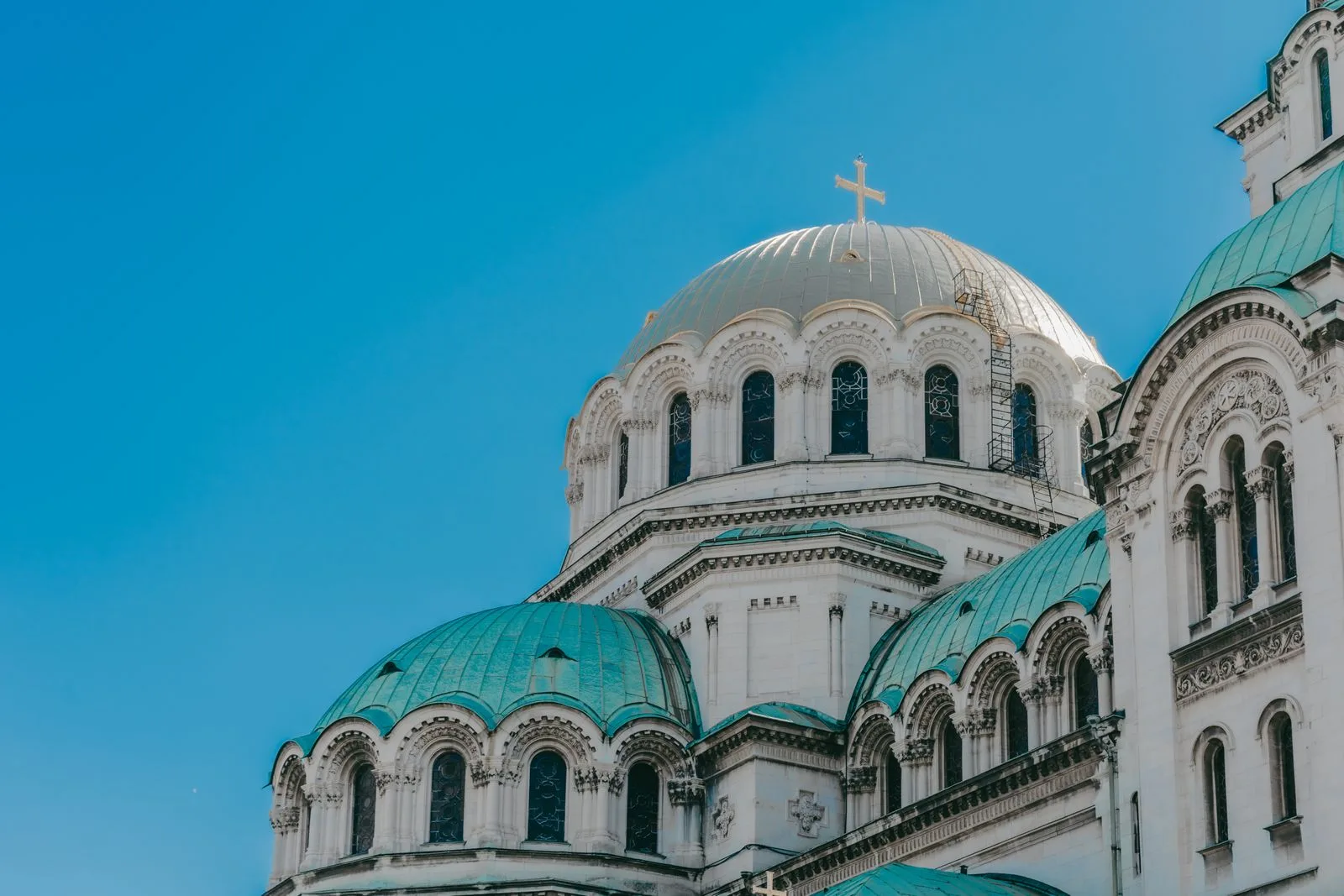
A capital where a mosque, a synagogue and two cathedrals stand within a stone's throw of each other, and where Mount Vitosha is barely half an hour away: a city walk in the morning, a summit trail above two thousand metres by afternoon.
Rila and Pirin
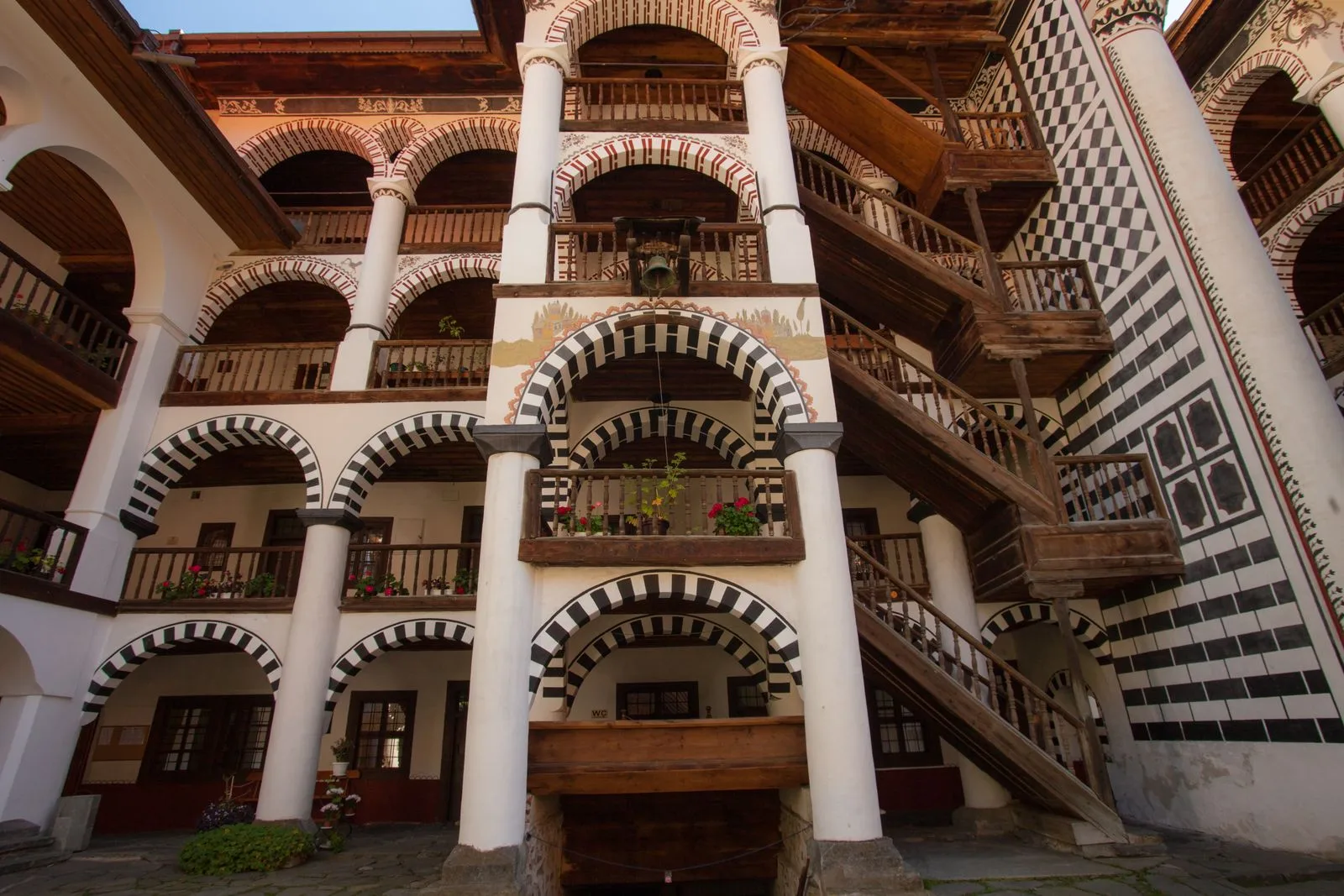
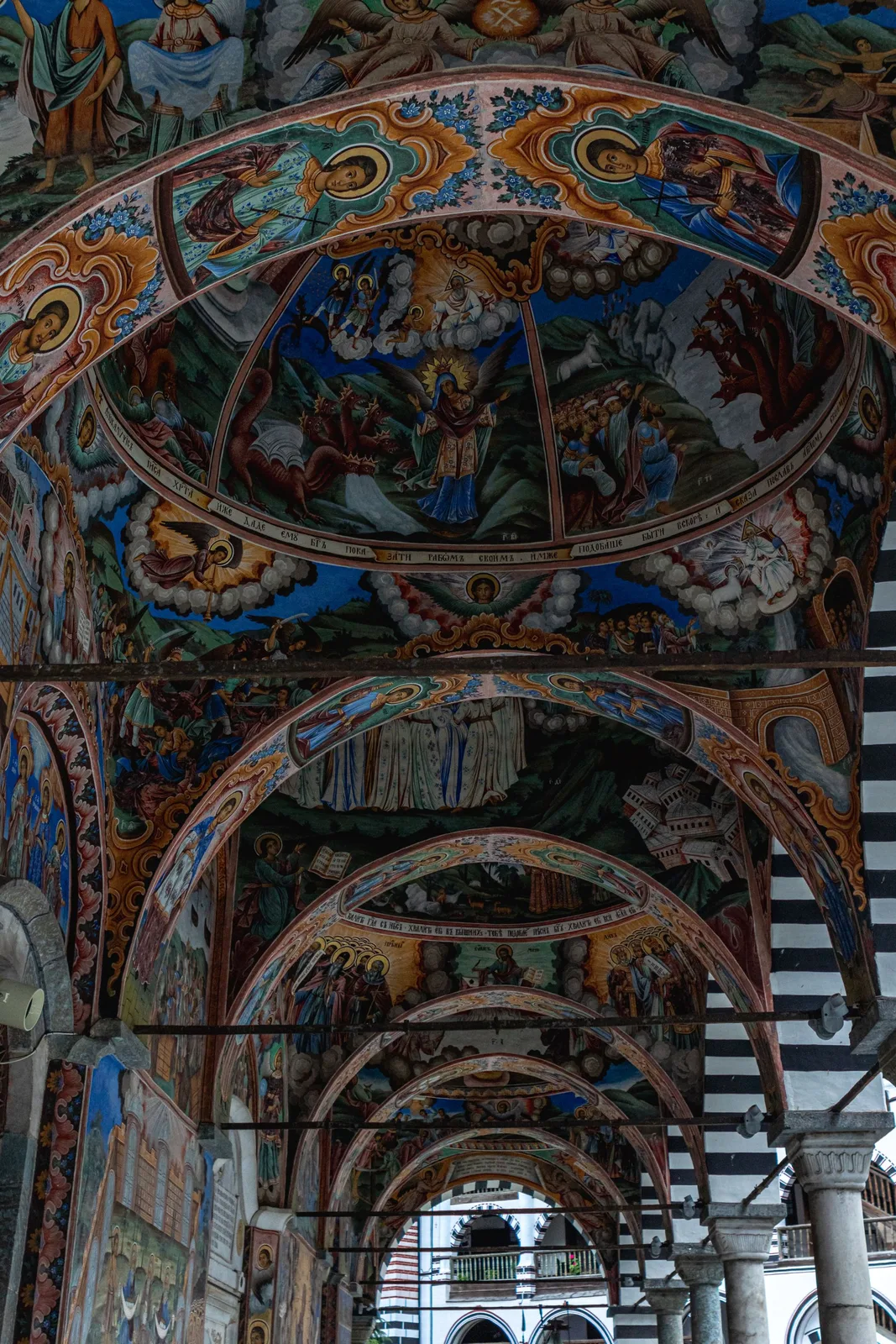
Rila Monastery, with its black-and-white striped facades and frescoes full of devils and saints, is Bulgaria's best-known image, but behind it begin the Seven Rila Lakes and the Pirin mountains, where you can walk for hours without meeting another soul.
The Rhodopes
A rolling, forested range with tobacco villages like Shiroka Laka, monasteries like Bachkovo and karst caves like the Devil's Throat. This is where the bagpipe is still made, not just played.
Plovdiv
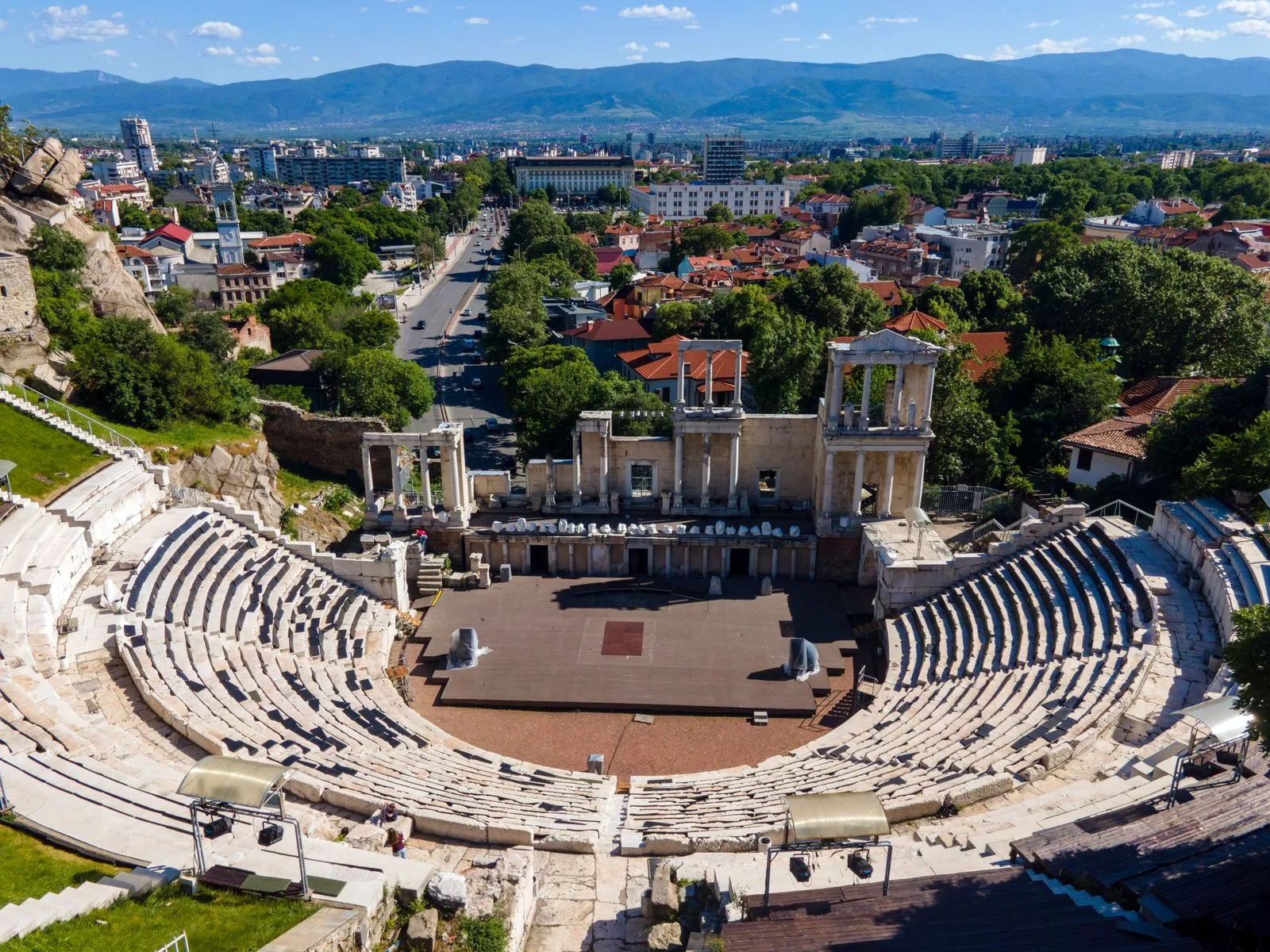
A city inhabited before Rome existed, with a Roman amphitheatre right in the old centre and the creative Kapana district next door: Ottoman houses, wine bars and studios all mixed together.
The Rose Valley
Near Kazanlak the rose harvest for rose oil takes place in late May, in a valley enclosed by the Stara Planina, the range that splits the country in two and where footpaths rarely need a signpost.
Veliko Tarnovo
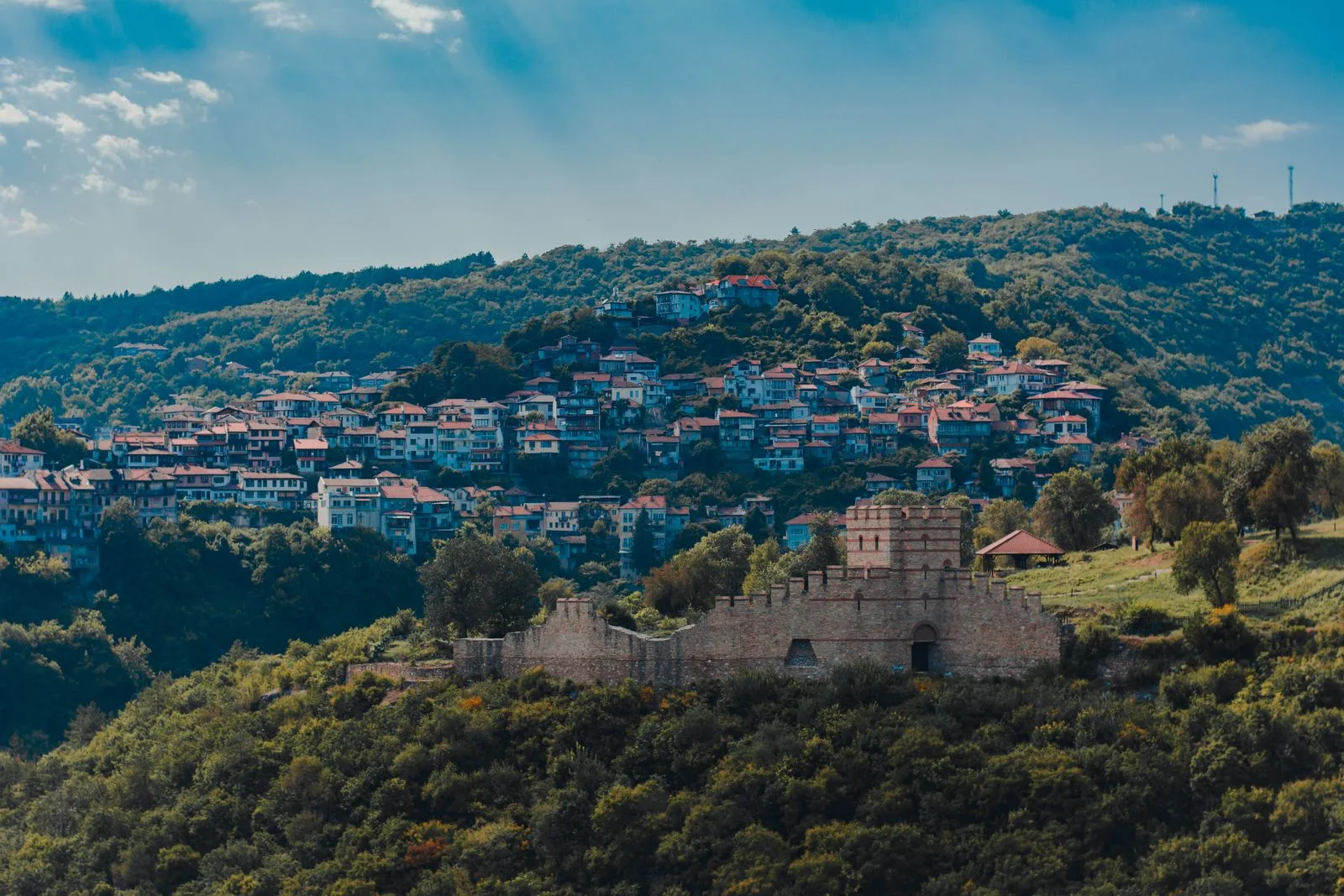
The Tsarevets fortress rises above a city that was capital of the Second Bulgarian Empire for two centuries. Houses cling to the rock face, and in the evening the ruin lights up without becoming a spectacle.


Five hundred years under foreign rule, and the language survived in a monastery.
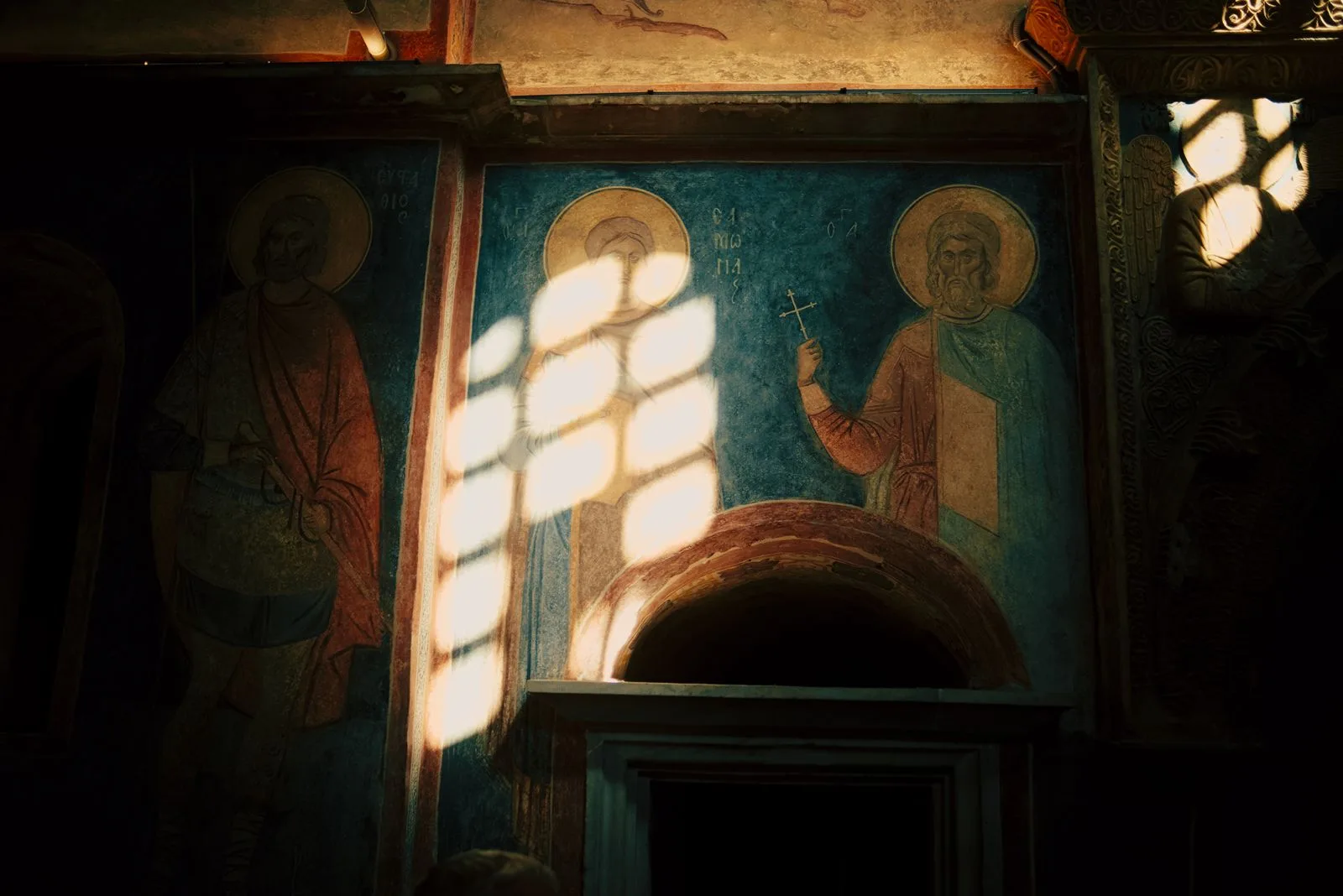
Through the five centuries of Ottoman rule, it was the Orthodox monasteries that kept the Bulgarian language, icon painting and church music alive. Frescoes in Rila and Bachkovo show not only saints but devils with an almost satirical edge, monks who held nothing back.
That history also explains today’s hospitality: a mehana, the traditional tavern, is rarely just a restaurant. Rakia is poured before the meal begins, and a conversation with the owner often outlasts the meal itself.
Bulgaria proves nothing.It just sits there, and has done for centuries.
Three faces of Bulgaria's nature.
Rila and Pirin
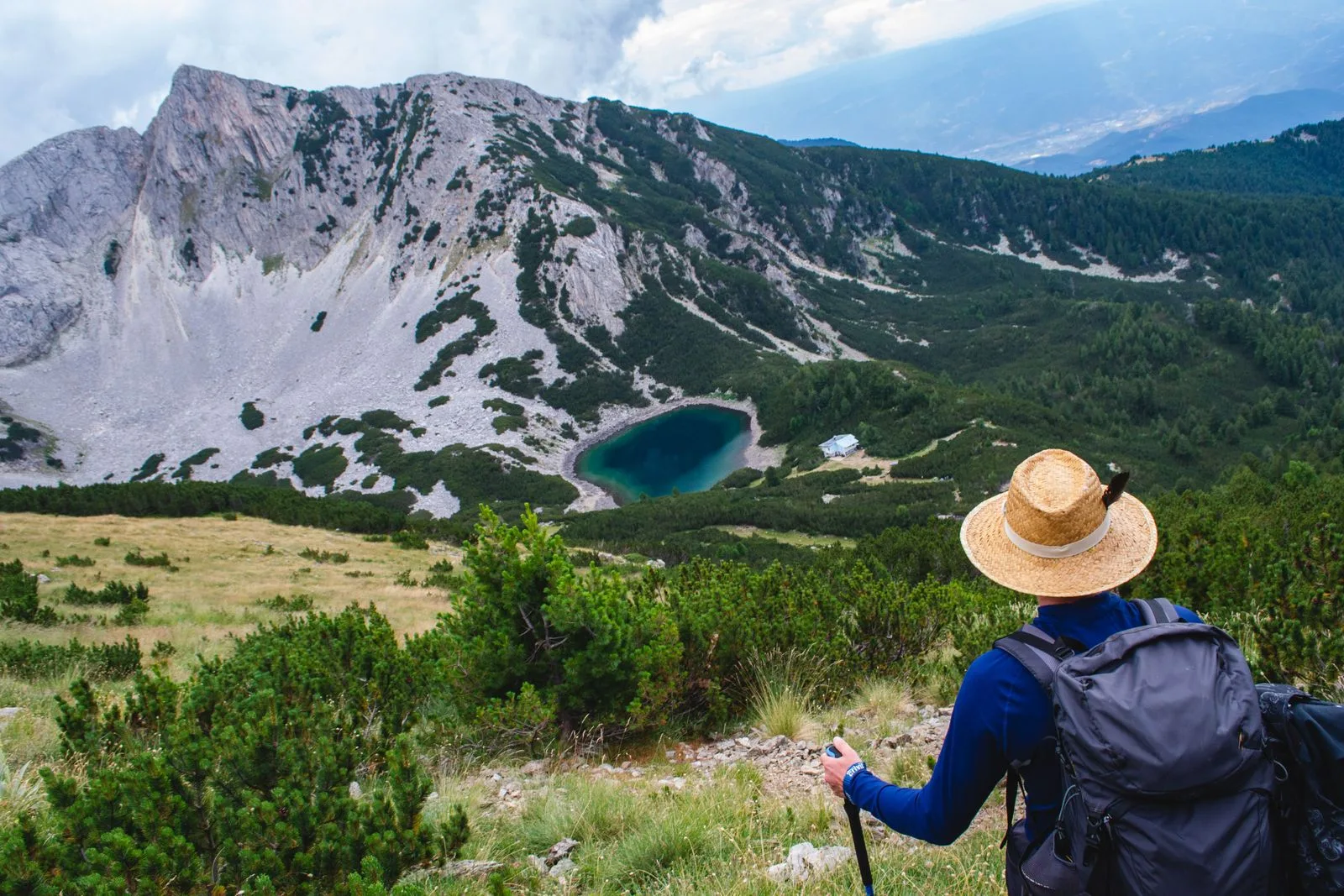
Glacial lakes above two thousand metres, pine forests with brown bears and chamois, and a silence rarely broken in summer by more than a shepherd's dog.
The Rhodopes
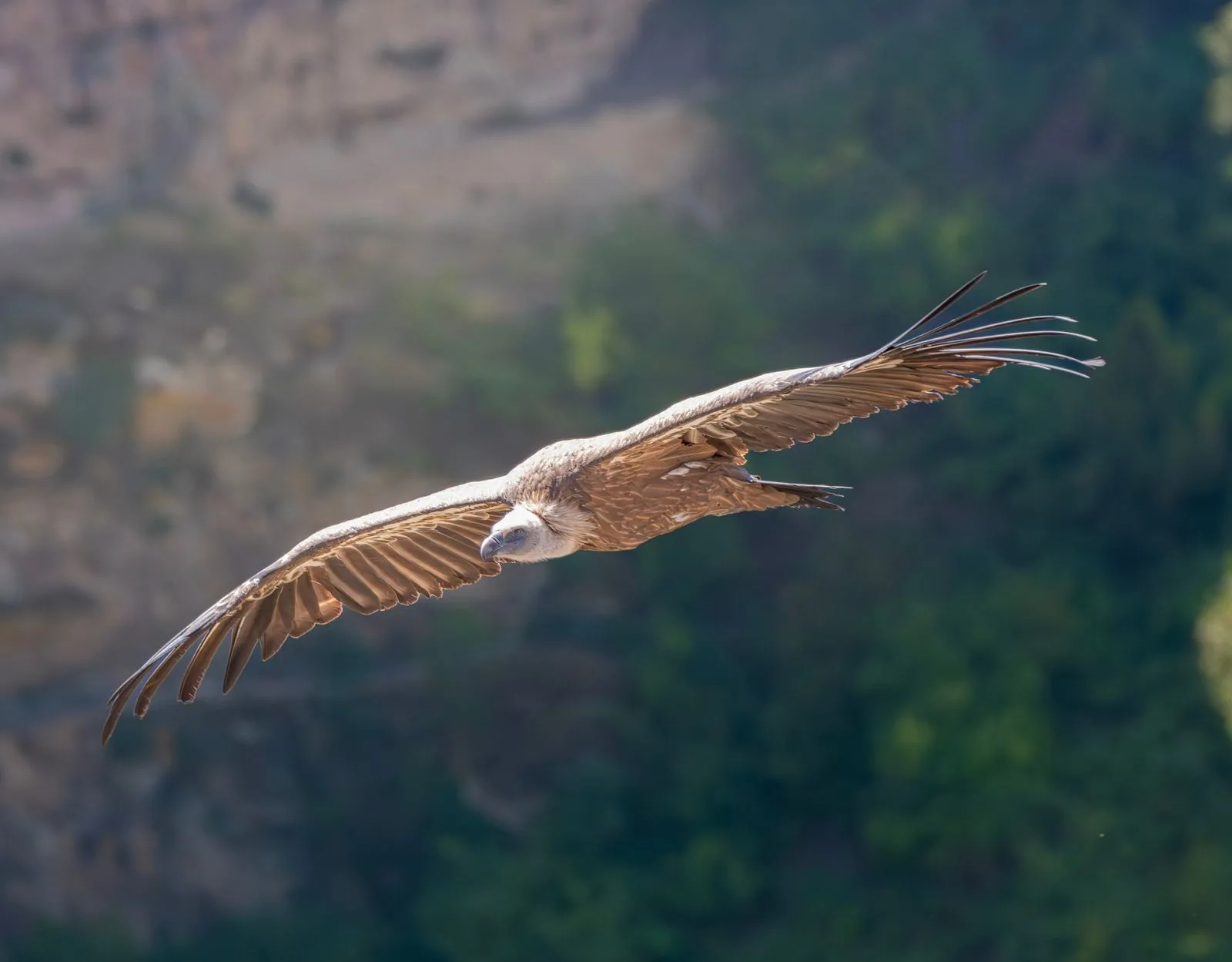
Above the gorges near Madzharovo, griffon vultures circle, a species that has returned here after nearly disappearing. The region ranks among the last places in Europe where you can watch them hunt in the wild.
The Danube and Srebarna
In the far north, where the Danube forms the border with Romania, lies Lake Srebarna: a breeding ground for Dalmatian pelicans and hundreds of other waterbirds, with hardly any visitors beyond the birdwatchers themselves.


No itinerary, just possibilities.
QualiMundi doesn't put together a daily schedule. Instead, a route that fits what you're looking for. Some of the building blocks that tend to return:
Walking without a guide requirement
In Pirin and Rila, trails exist that you can follow yourself with a local map and a good pair of boots, from an afternoon walk to a multi-day trek.
Reading frescoes with someone who knows them
The iconography of a Bulgarian monastery tells a story that only opens up with explanation. A local guide who knows the symbolism makes the difference between looking and truly seeing.
Following the rose harvest
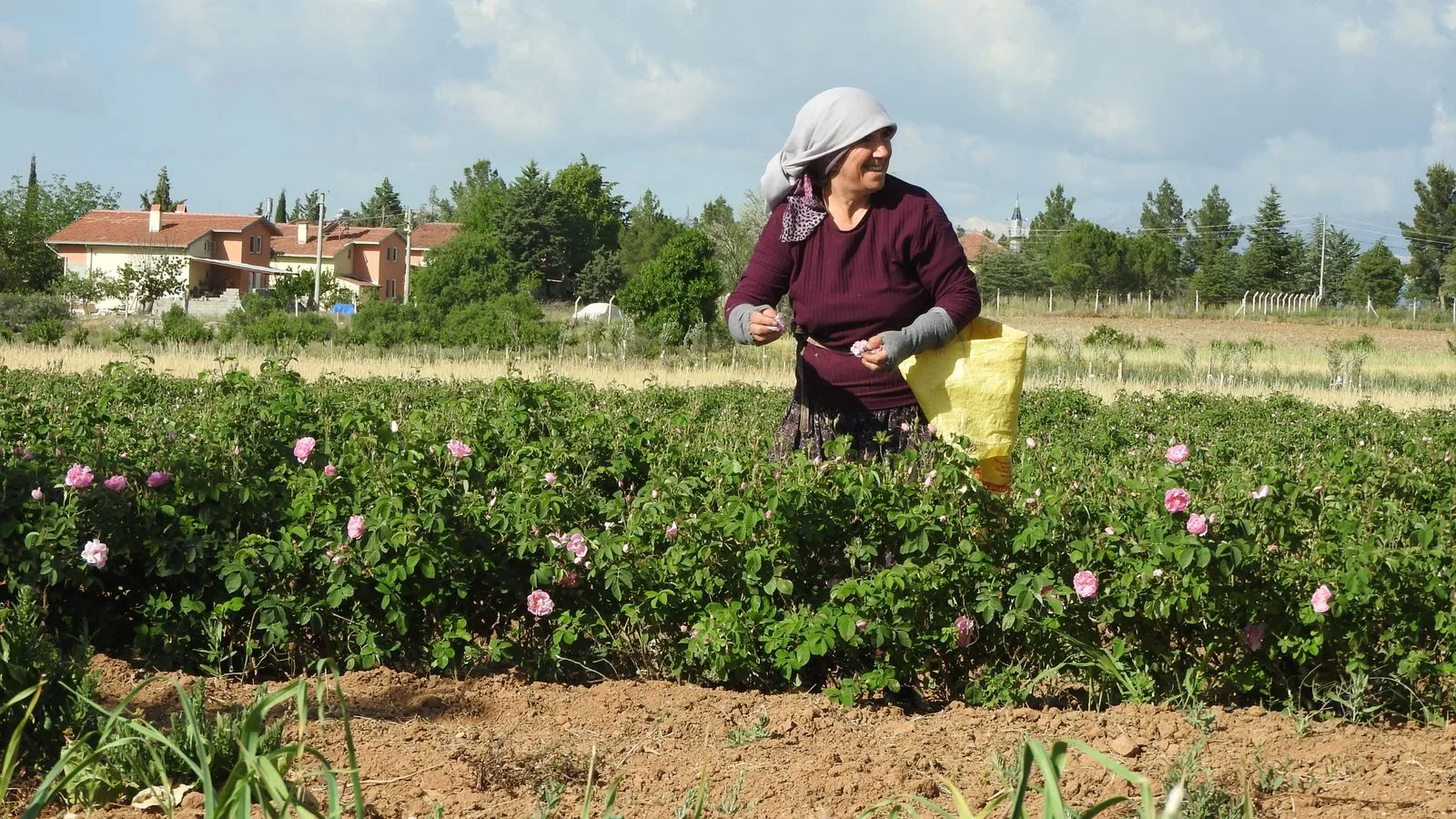
In late May and early June, picking near Kazanlak is still done by hand, before the sun evaporates the oil from the petals.
Tasting wine in Melnik
In Bulgaria's smallest town, wine cellars are cut into sandstone, where the broussa grape has been vinified for generations.
A night in a Rhodope village
Sleeping above a mehana in Shiroka Laka or Kovachevitsa, where breakfast comes with homemade honey and the village falls quiet again by evening.
What your route becomes depends on what you're looking for, not on a fixed list.
The rose harvest near Kazanlak, before the sun evaporates the oil from the petals.
When to visit Bulgaria.
Late May and June coincide with the rose harvest in the Rose Valley and with mountain trails just clear of snow. September and October bring calm, clear days in the Rhodopes and Rila, with the autumn colours at their best.
July and August are warm in the lowlands around Plovdiv and Sofia, but pleasant in the mountains. The winter months are quiet outside the ski resorts, lovely for anyone wanting to see the country without foreign visitors, less suited to actively exploring monasteries and villages.
Best time to visit Bulgaria
Who else is at their best in these months?
May June September October
Use the contact form to discuss your travel dates and preferences with us.
Practical, without the noise.
A few things that make travelling through Bulgaria easier.
Getting there
Direct flights to Sofia; Plovdiv and Varna usually require a connection
Documents
An identity card is sufficient: Bulgaria is an EU and Schengen country
Currency
The euro since January 2026, after years of preparation for the switch from the lev
Language
Bulgarian in Cyrillic script; English mainly in the cities, less so in the countryside
Pace
Mountain roads in the Rhodopes and Pirin are narrow and slow. Plan for time, not distance
Frequently asked questions
Do I need to see the coast too?
Not necessarily. Alongside the well-known resorts, the Black Sea coast also includes a town like Nessebar, with an old centre full of medieval churches, but the heart of Bulgaria lies inland.
Is it manageable without speaking Bulgarian?
In Sofia and Plovdiv, yes; beyond that, it gets harder. A local driver or guide solves that in practice, and opens doors that would otherwise stay shut.
How active do I need to be to experience the mountains?
Not necessarily very active: a short walk from Rila Monastery already reveals a lot. Anyone wanting more can build up to a multi-day trek in Pirin.
Can Bulgaria be combined with another country?
Yes, the border regions with northern Greece and Romania lie close to the Rhodopes and the Danube, for anyone wanting a route that crosses the border.
- Flight time
- About 3 hours from Brussels
- Languages
- Bulgarian; English in the cities, less so in the countryside
- Time difference
- One hour ahead of Belgium, year-round
- Elevation range
- From the Black Sea to Musala at 2,925 metres, the highest peak in the Balkans
- Best time to travel
- Late May to June and September to October