
A small country where three thousand years of history and the edge of the Sahara lie a few hours' drive apart.
Carthage, Kairouan and the Sahara lie closer together than you'd think.
Tunisia is easy to overlook between its larger neighbours, and that is precisely what gives it something rarer elsewhere in North Africa: a sense of scale you can actually grasp. From the cliffs at Tabarka to the salt flat of Chott el Djerid is barely five hundred kilometres, and along the way you pass Punic foundations, Roman mosaics, Ottoman medinas and Berber villages carved literally into the rock.
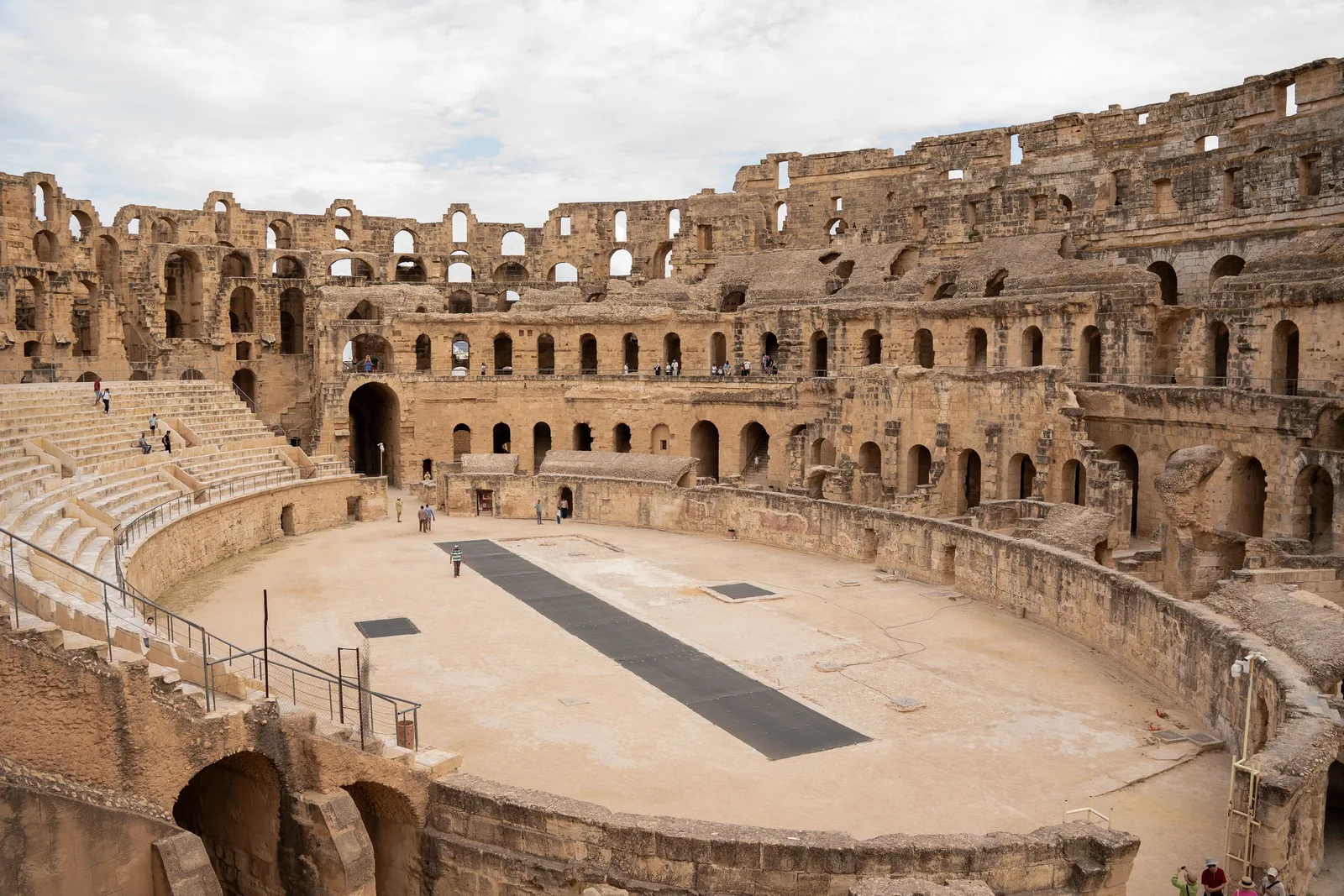
Carthage stood here, on the edge of what is now Tunis, and after Carthage came Rome, Byzantium, the Arabs, the Ottomans and the French, one after another. None of those layers has been erased. In Kairouan, one of the holy cities of Islam, a mosque founded in the seventh century stands beside a medina that still works for its own people, not for visitors. In El Jem, an amphitheatre rises that looks too large for the small town around it.
Head further south and the landscape tilts: olive groves give way to steppe, steppe to palm oases, and eventually to dunes that have served as backdrop to another planet for decades. QualiMundi doesn't turn that into a checklist of sights, but into a route shaped by how much city, how much silence and how much sand you're after.
In short
Best time to go
April, May and October are the most pleasant, with afternoons of 22 to 27 degrees in Tunis and up to 32 on the desert edge at Tozeur. In July and August Tozeur averages 40 degrees, and winter nights there can drop below freezing.
How long
A week to ten days to combine the north coast, Kairouan and the desert edge. Tunis to Douz is about 470 kilometres, so to add Djerba or the hills around Tabarka, allow more time.
Who it suits
Travellers who want more than the beach resorts: medinas, Roman mosaics and the Punic and Roman remains of Carthage, combined with a night among the dunes near Douz.
What sets it apart
Within short distances of each other lie Carthage, Kairouan, Roman Dougga and the amphitheatre of El Jem, the largest in North Africa, all of them on UNESCO's World Heritage List.
From medina to dune, without ever feeling far
Tunisia is small enough to combine coast, interior and desert edge in a single trip, and varied enough for that never to feel rushed.
Tunis and Sidi Bou Said
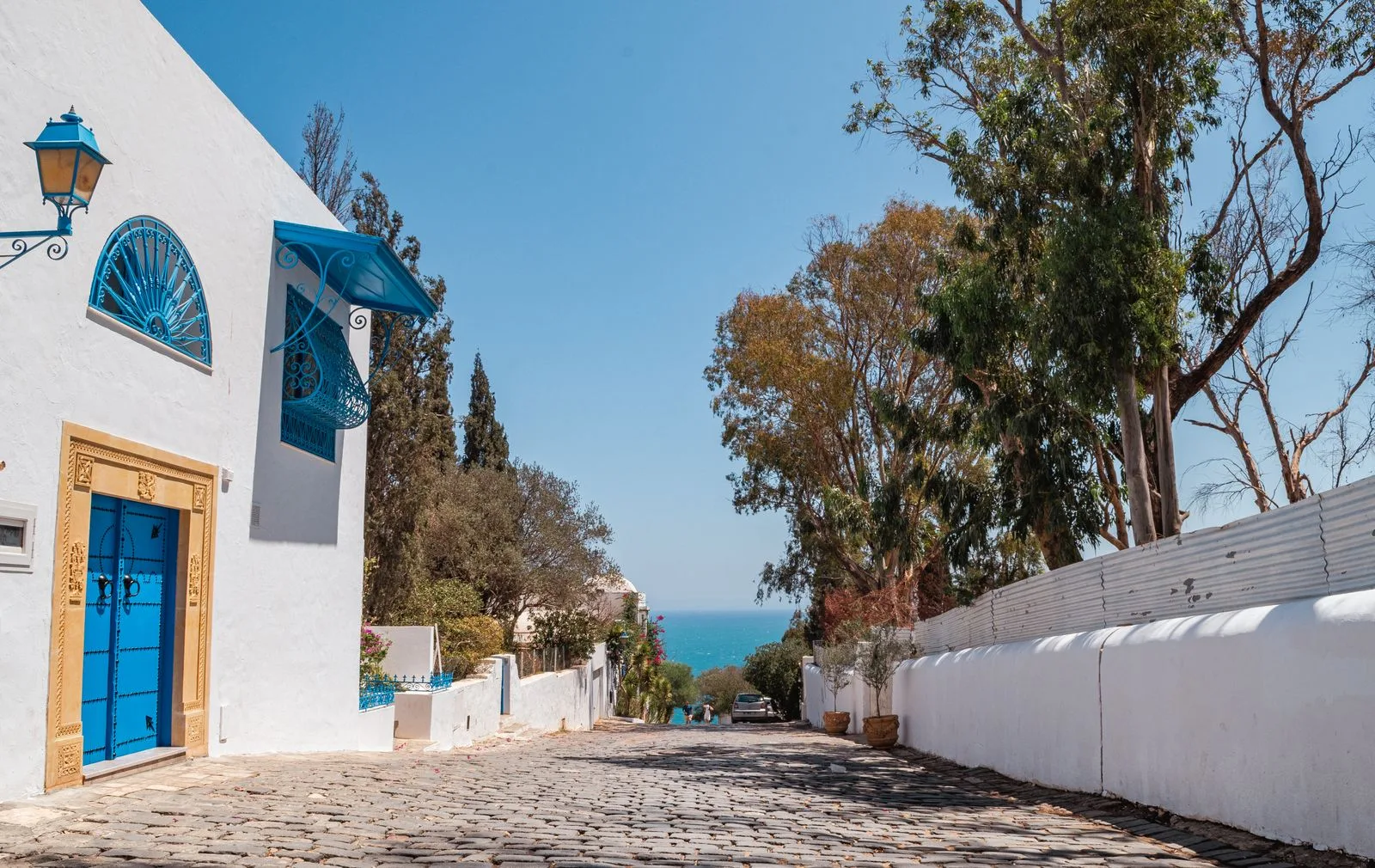
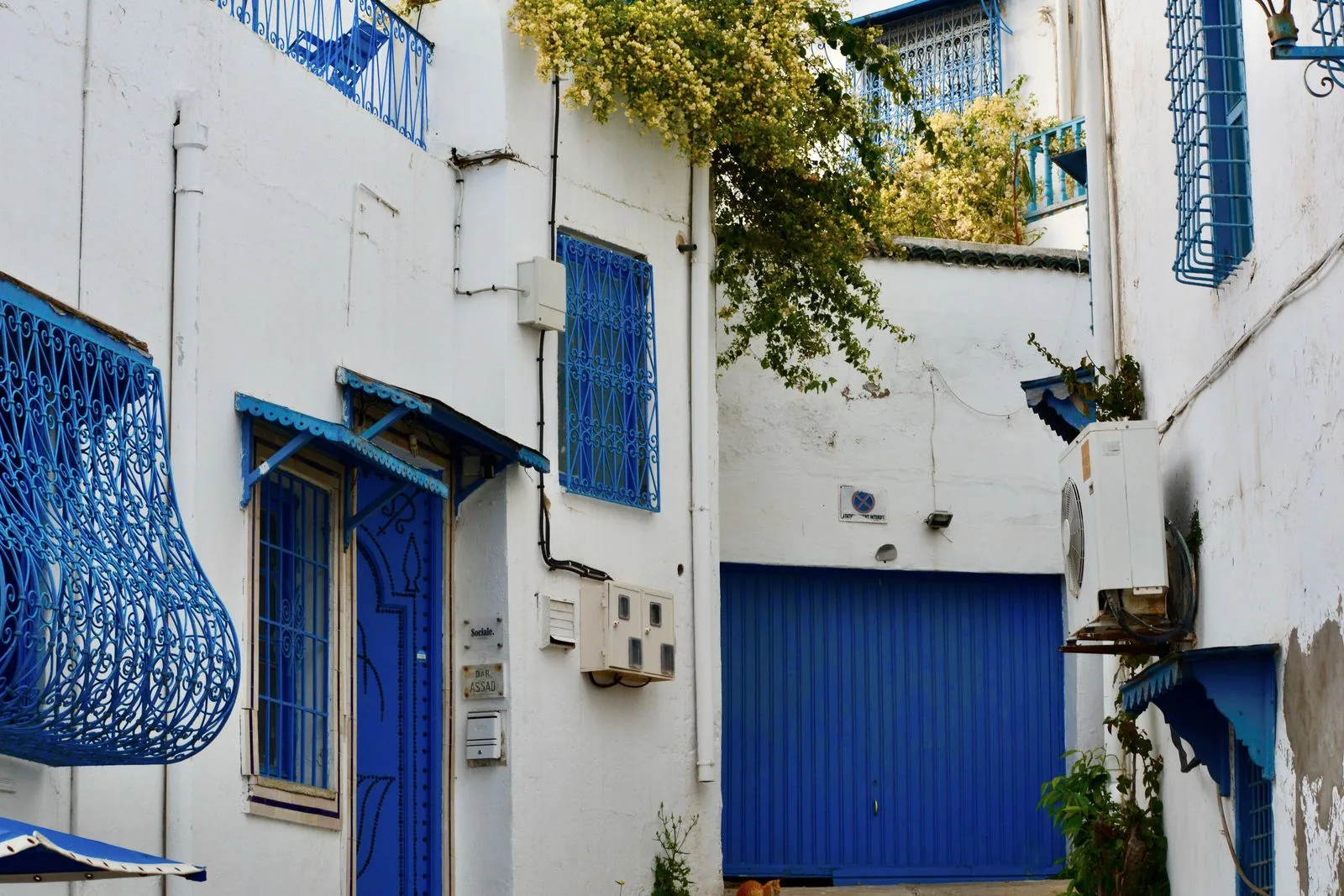
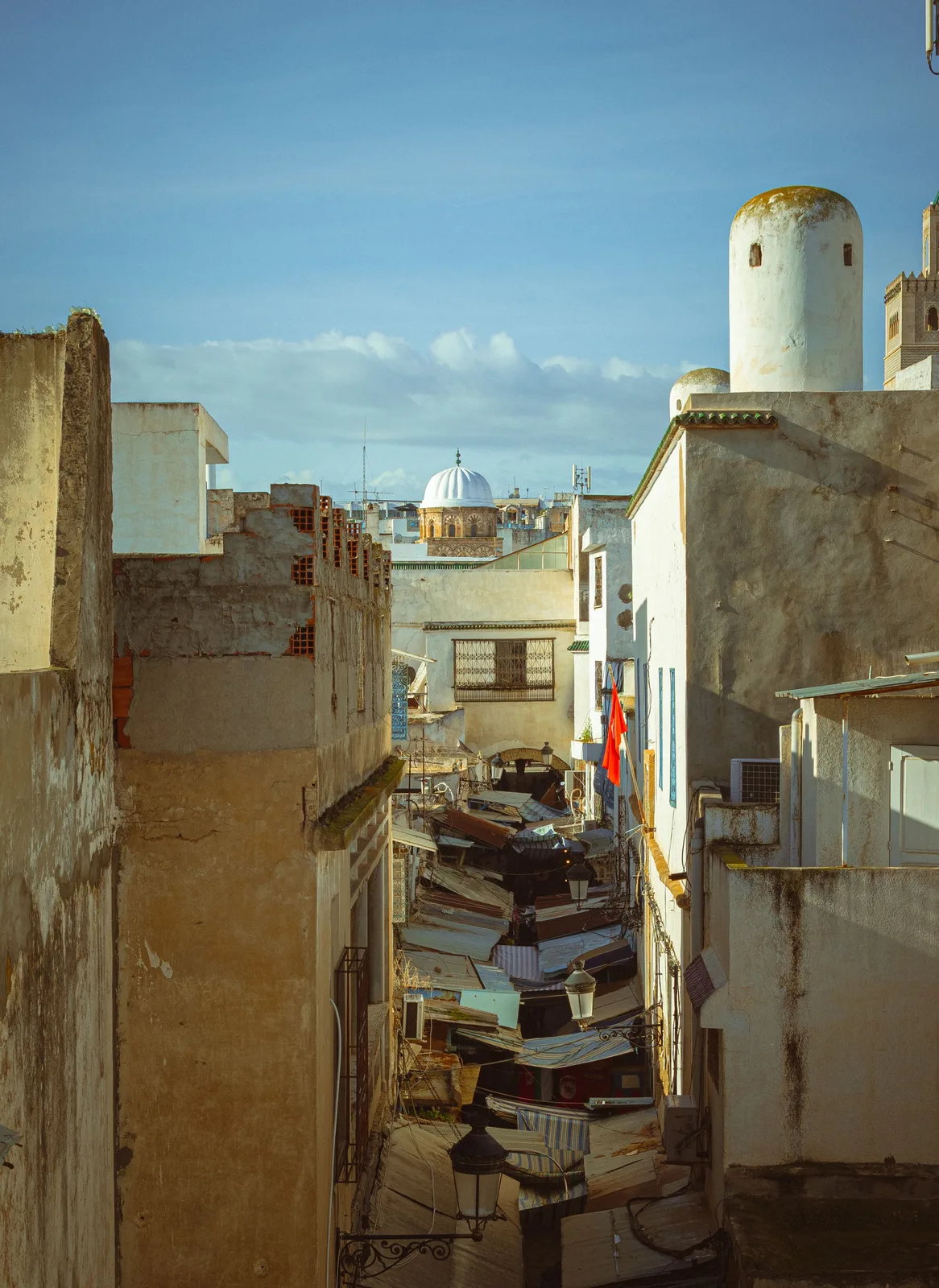
The medina of Tunis is a working city, not an open-air museum: coppersmiths, spice stalls and a nineteenth-century souk stacked one above the other. A quarter of an hour away lies Sidi Bou Said, its blue-and-white houses set against the Gulf of Tunis, and the Bardo Museum, home to one of the richest mosaic collections in the world.
Cap Bon
Vineyards on red earth and fishing harbours such as Kelibia, where the morning catch still comes in at dawn. Nabeul has been known for its pottery for generations, and the coast road between the vineyards and the sea sees barely any tourist traffic.
Kairouan
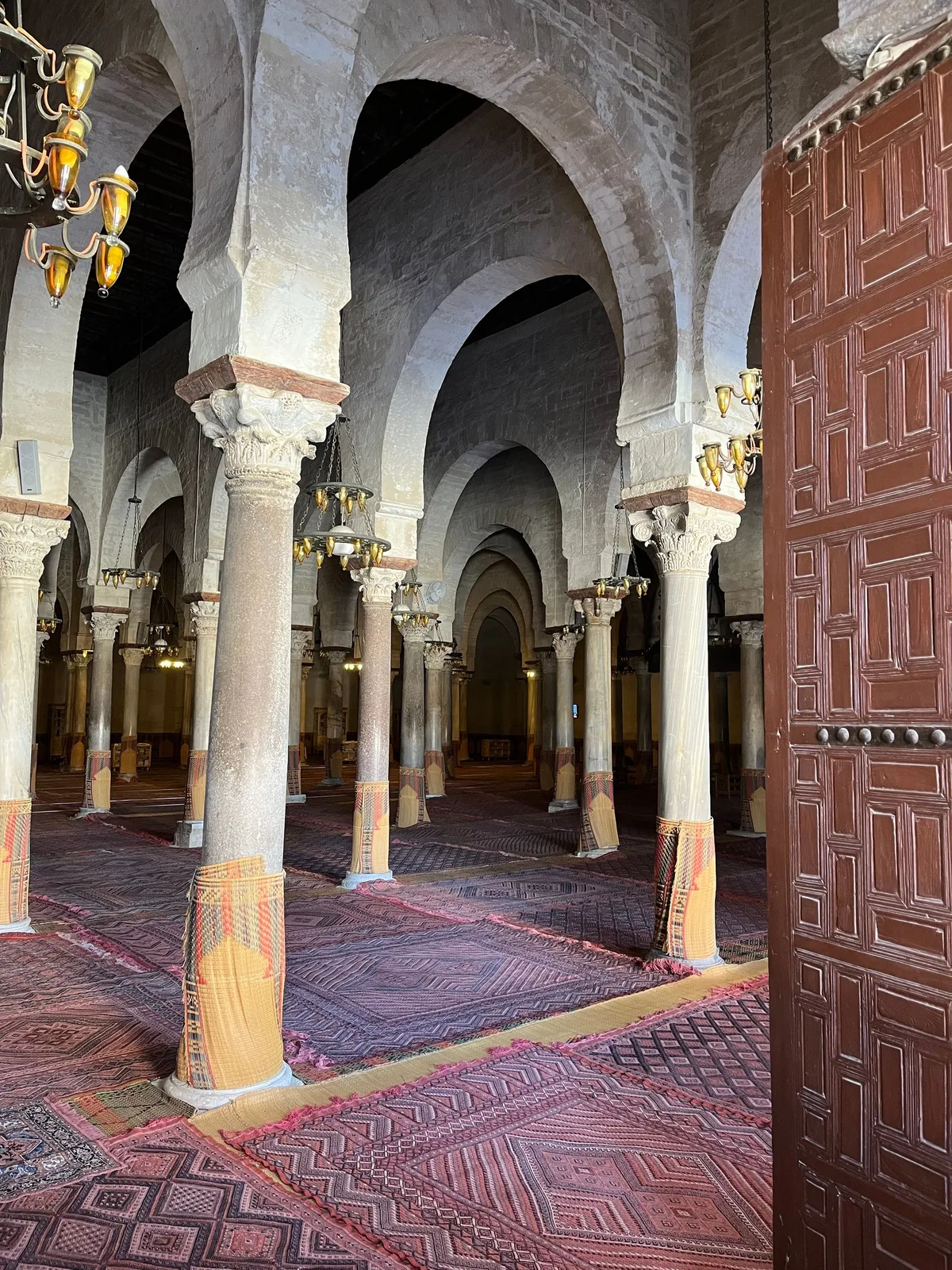
One of the four holy cities of Islam, with a UNESCO-listed medina and a Great Mosque dating back to the seventh century. Carpets are still knotted here by hand, in workshops easily missed if you don't know where to look.
Djerba
Palm groves, the centuries-old El Ghriba synagogue and the pottery village of Guellala, where clay is still fired in underground kilns. Unlike the resort towns on the mainland coast, Djerba has stayed small-scale, with fishing harbours that are still genuinely fishing harbours.
Tozeur, Douz and the edge of the Sahara
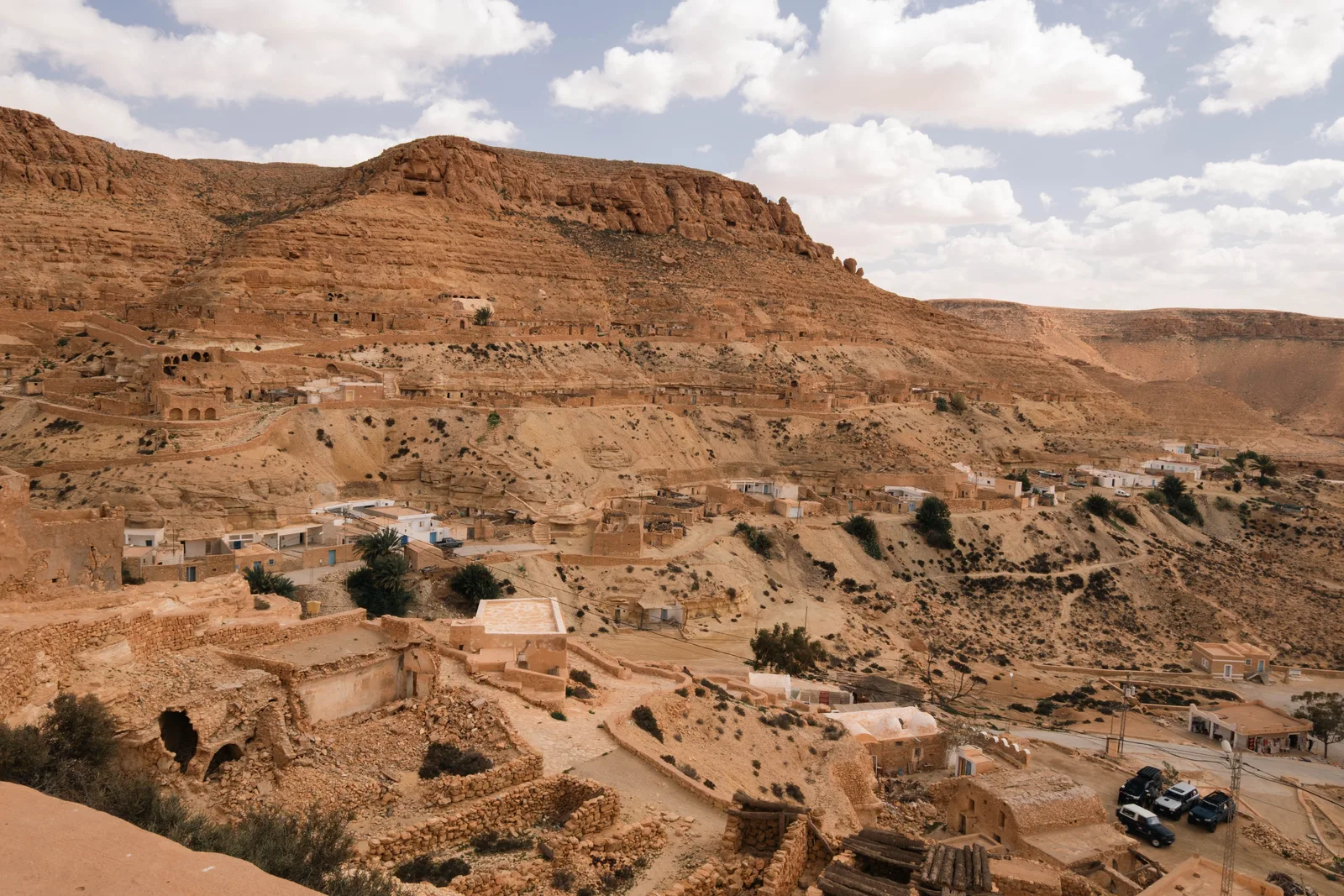
Tozeur sits in the middle of an oasis of two hundred thousand palm trees, Douz is known as the gateway to the Sahara, and Matmata is scattered with underground Berber dwellings that became a film set decades ago. Beyond the last oasis, the dunes truly begin.
Tabarka and Ain Draham
The northwest is the Tunisia few people expect: cork oak forests, mist in the mountains around Ain Draham, and a rugged coral coast at Tabarka. A completely different climate and pace from the south, only a few hours' drive away.



More layers than a single visit can take in
Carthage today consists mostly of foundations and columns, scattered across a suburb of Tunis, but anyone who knows where to look can still trace the outline of a city that once rivalled Rome. Rome won, and built over it: aqueducts, baths, and further on, the amphitheatre of El Jem, the best preserved in the world after the Colosseum.
The Bardo Museum in Tunis holds mosaics displayed not as isolated fragments but as complete floors: hunting scenes, sea gods, everyday life from houses long since gone. And in the medinas of Tunis, Sfax and Kairouan you walk through street patterns laid out by Arab town planners who accounted for shade and wind long before anyone used the word climate adaptation.

A cuisine spicier and more sociable than most people expect
Harissa belongs on the table as standard, not as a curiosity but as a basic ingredient: stirred into olive oil for bread, worked into a couscous, or served alongside grilled fish. Brik, a wafer-thin crisp pastry filled with egg, tuna and capers, is the kind of street food that tastes slightly different in every village.
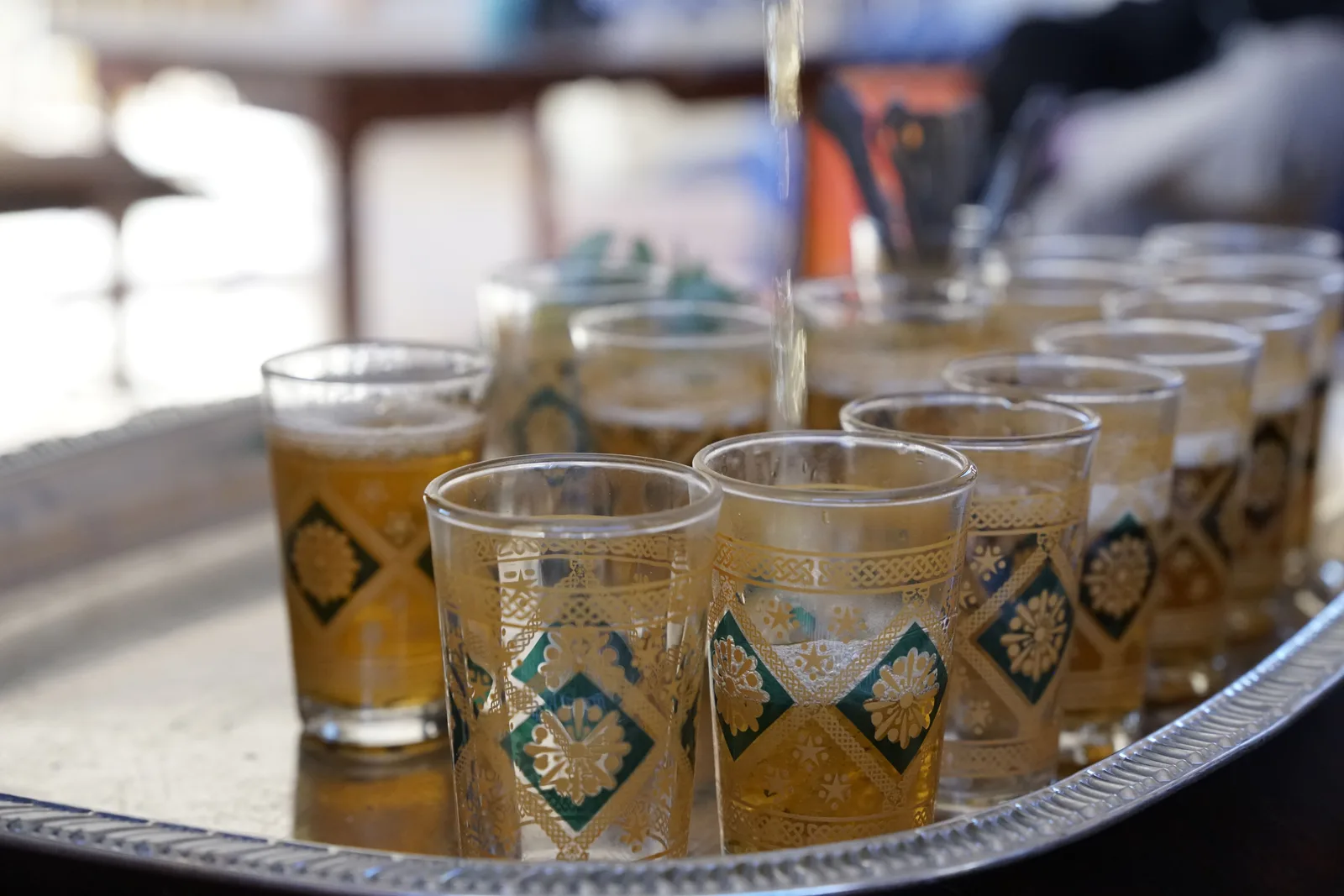
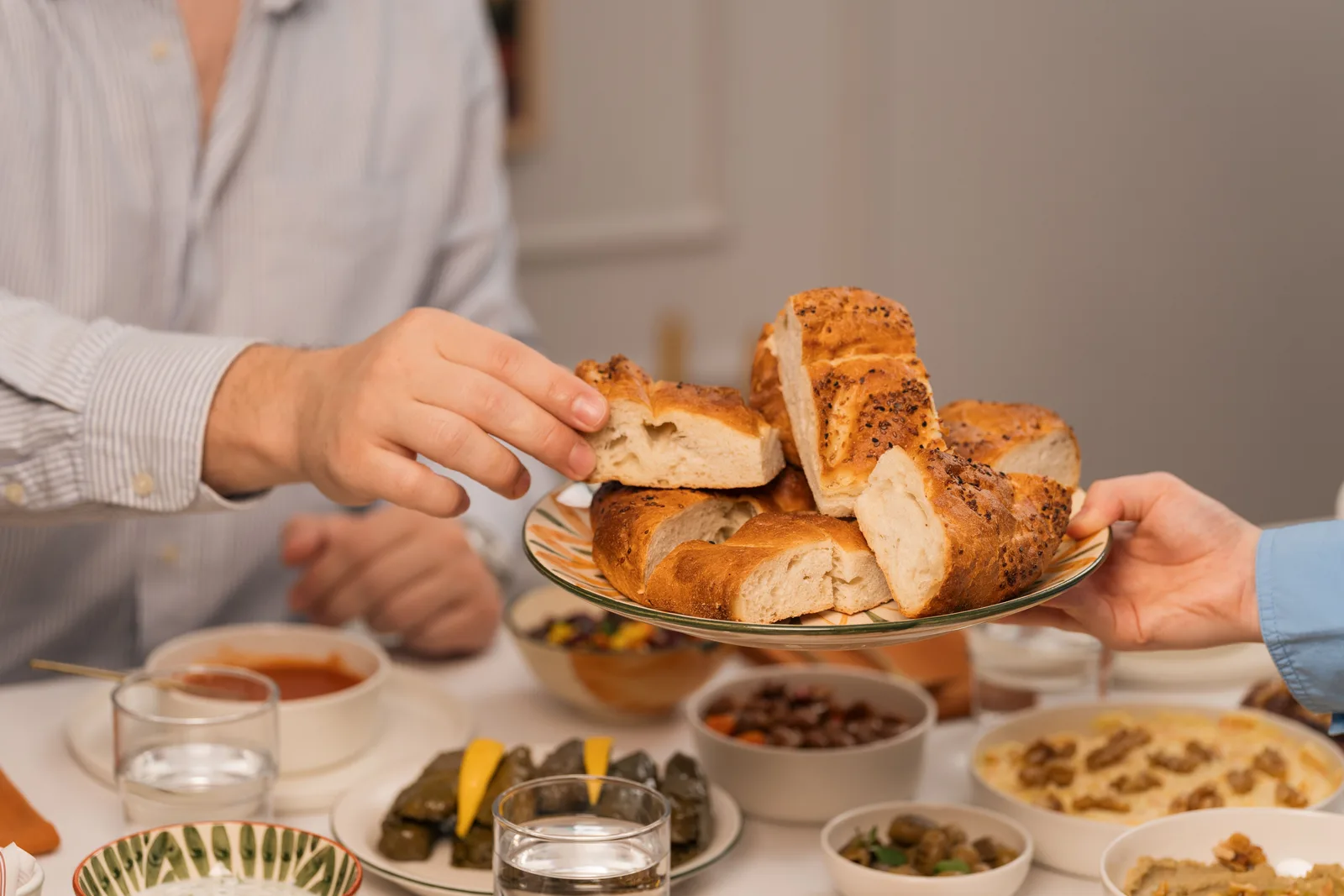
Friday is traditionally couscous day, and an invitation to eat with a local family says more about Tunisian hospitality than any guidebook ever could. After the meal comes mint tea, almost without exception, strongly sweetened and served in small glasses: the sign that the conversation isn't over yet.
Salt, sand and, surprisingly, forest
Tunisia is compact enough to take in three entirely different landscapes on a single trip, without days lost to travel.
Chott el Djerid
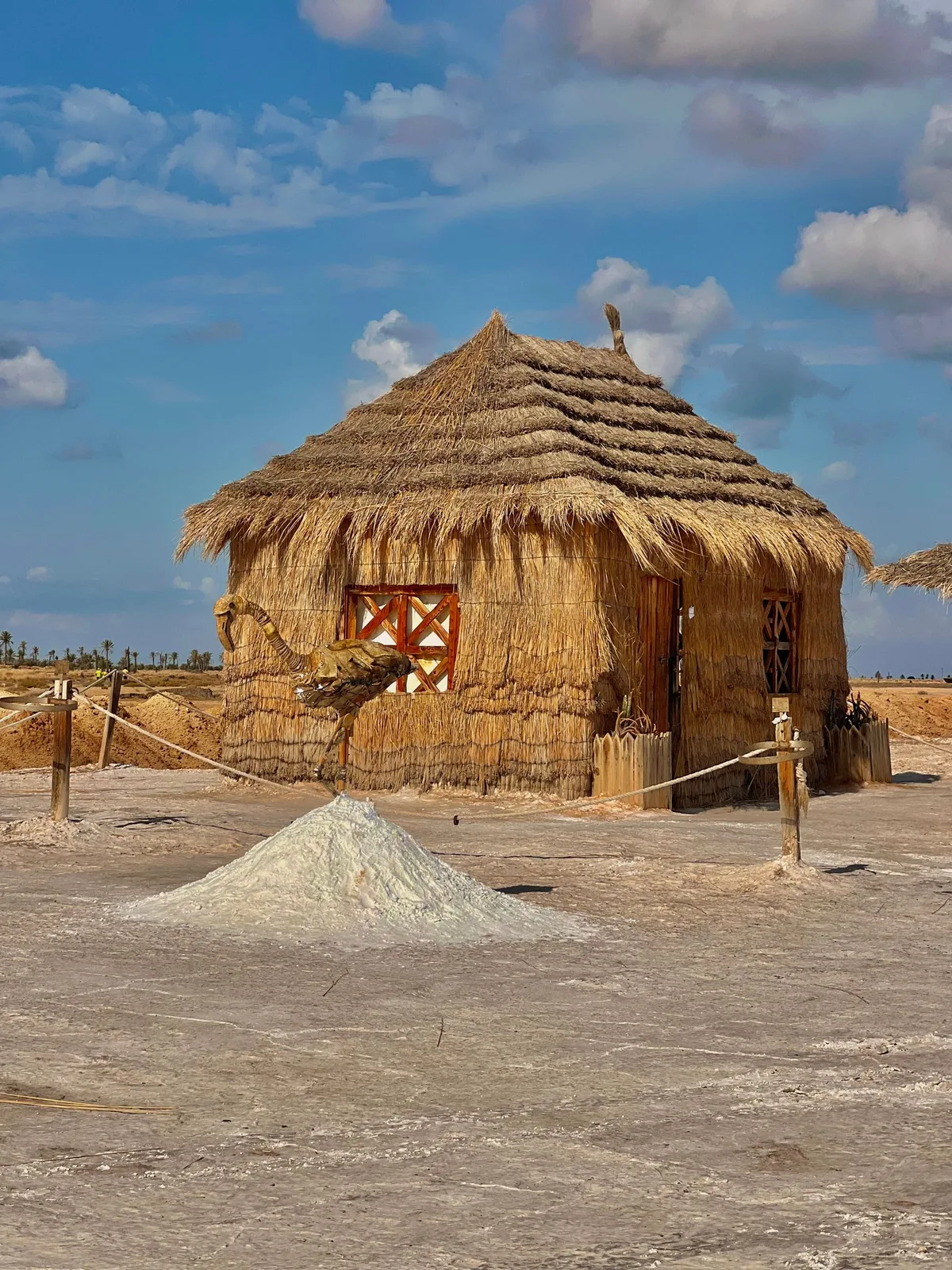
A salt flat as vast as a small country, sliced through by the road between Tozeur and Kebili. In fierce heat the horizon breaks into mirages, one of the few places where a fata morgana isn't a traveller's tale but simply something you see.
The edge of the Sahara at Douz
Not the endless Sahara of Algeria or Niger, but the first real dunes, reachable without weeks of travel. At night, far from any artificial light, the sky here is the kind that leaves people quieter than they expected.
Ain Draham and the cork forests
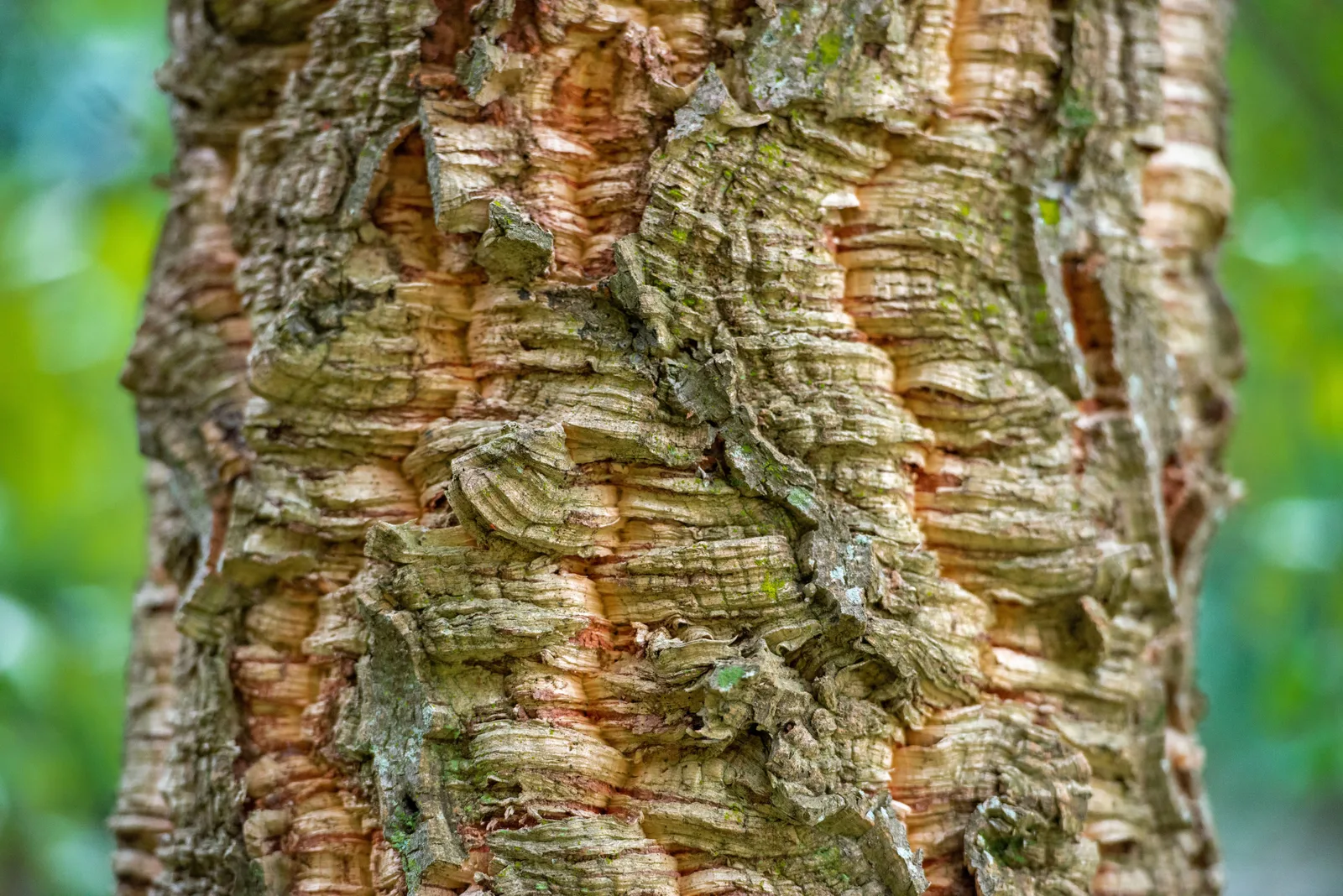
Against the image of Tunisia as a desert country stands the northwest: cork oak forests, wild boar, and in winter, sometimes even snow. A landscape most visitors never see simply because it isn't on their mental map of the country.

No circuit, but a country full of starting points
These aren't day programmes but directions: what's possible, not what's required.
A night in the desert
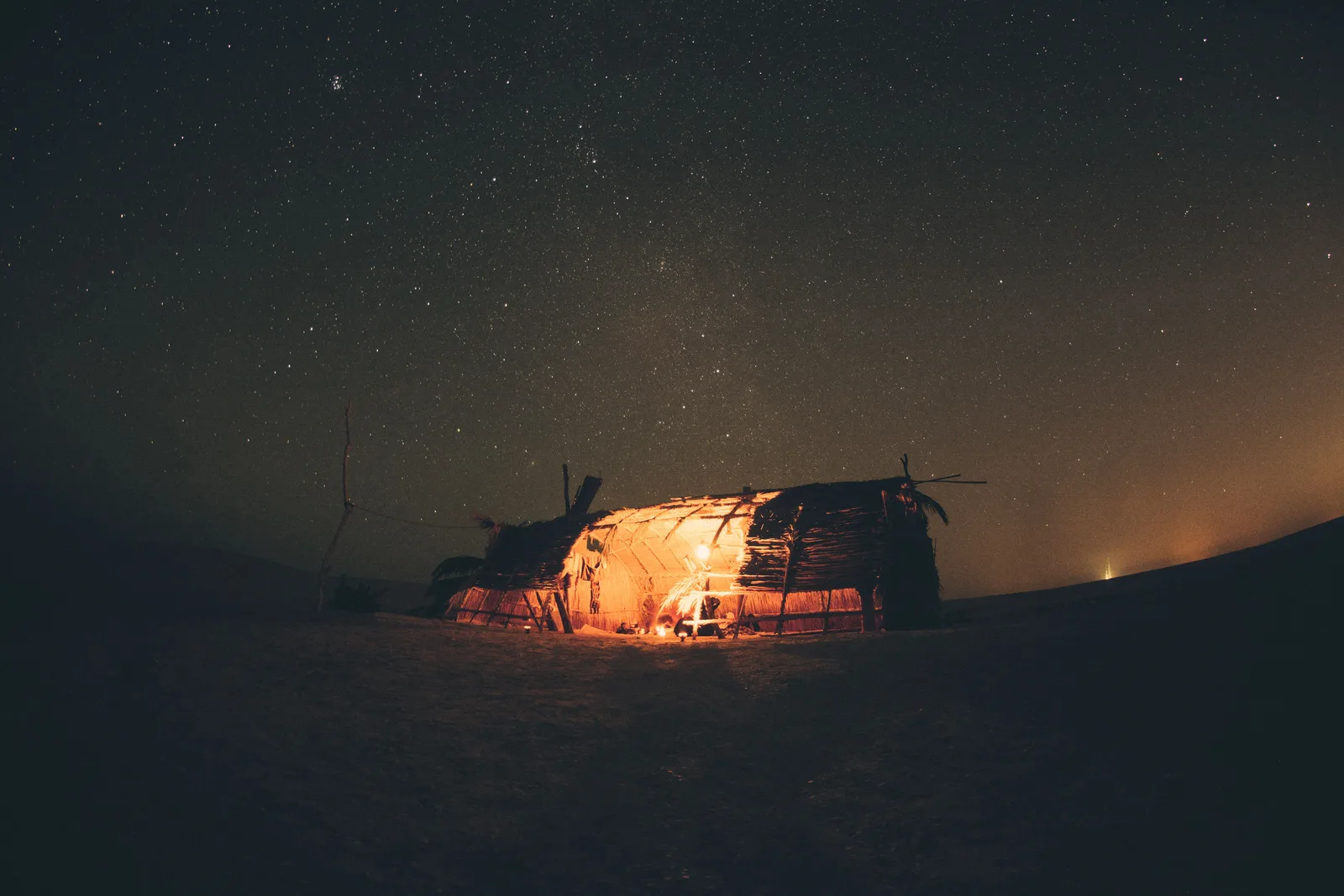
Staying overnight near Douz or deeper among the dunes, with a campfire and a sky free of light pollution. A camel or 4x4 excursion by day, mostly stillness by night.
Getting lost in the medina of Tunis
No fixed route, but a local guide who knows the souks the way you know your own street: where the best spices are, which workshop still does genuine coppersmithing, and which rooftop terrace has the best view.
Digging into the Roman layer
El Jem, Dougga and the Bardo Museum show how extensive and refined Roman Africa was, without the crowds found at comparable sites elsewhere around the Mediterranean.
At the table with a local family
A meal that isn't staged for tourists but simply happens, with couscous, brik and a conversation that outlasts the food.
Coastal villages without resorts
Sidi Bou Said, the Kerkennah Islands, the fishing harbour of Kelibia: coastal spots where the rhythm is still set by the day's catch, not by an all-inclusive buffet.
What you choose depends on how much city, how much silence and how much sand you're after. That's something we work out together.


When to travel to Tunisia
Spring and autumn are the best periods for most travellers: pleasant temperatures on the coast and inland, and nights in the desert that aren't yet bitterly cold.
In July and August, temperatures in the south and interior often climb well above forty degrees, bearable on the coast but far less pleasant in Tozeur or Douz. December to February is mild by the sea, but desert night temperatures drop sharply and the wind picks up regularly.
Best time to visit Tunisia
Who else is at their best in these months?
April May October
Use the contact form to discuss your travel dates and preferences with us.
Practical, without the noise.
A few things that make planning easier.
Getting there
Direct flights from Brussels to Tunis, usually under three hours.
Documents
Which travel documents you need depends on your nationality, and entry rules change regularly. We go through the current requirements with you before you leave.
Health
No mandatory vaccinations; best to avoid tap water outside the main cities.
Pace
Mountain passes in the north and long straight roads in the south can make some distances longer than the map suggests.
Currency
The Tunisian dinar can't be taken out of the country; cash is useful outside the main cities.
The medina of Tunis, seen from a rooftop terrace that appears on no tourist map.
Tunisia isn't a desert trip or a city break.Here you get both, on the same day.
Frequently asked questions
Is Tunisia safe to visit?
The tourist regions and the usual travel routes are calm and easy to navigate; we keep an eye on the current situation region by region and shape the route accordingly.
Can you really combine desert and coast without endless driving?
Yes. That's exactly what Tunisia lends itself to. The distances are small enough to go from medina to dunes within a single trip without the travel taking over the trip.
Do I need to speak French?
It helps, especially inland, but in the tourist regions and with a local guide alongside you, English works perfectly well too.
Is this a suitable destination with children?
Certainly, though it depends on what you're after: the coast and Djerba suit a slower pace well, while a night in the desert is a highlight for some children and too much for others.
- Flight time
- About 2.5 hours from Brussels
- Language
- Arabic, French is widely understood
- Time difference
- None, same time zone as Belgium
- Landscape
- Mediterranean coast, steppe and the edge of the Sahara within a single day's drive
- Currency
- Tunisian dinar