
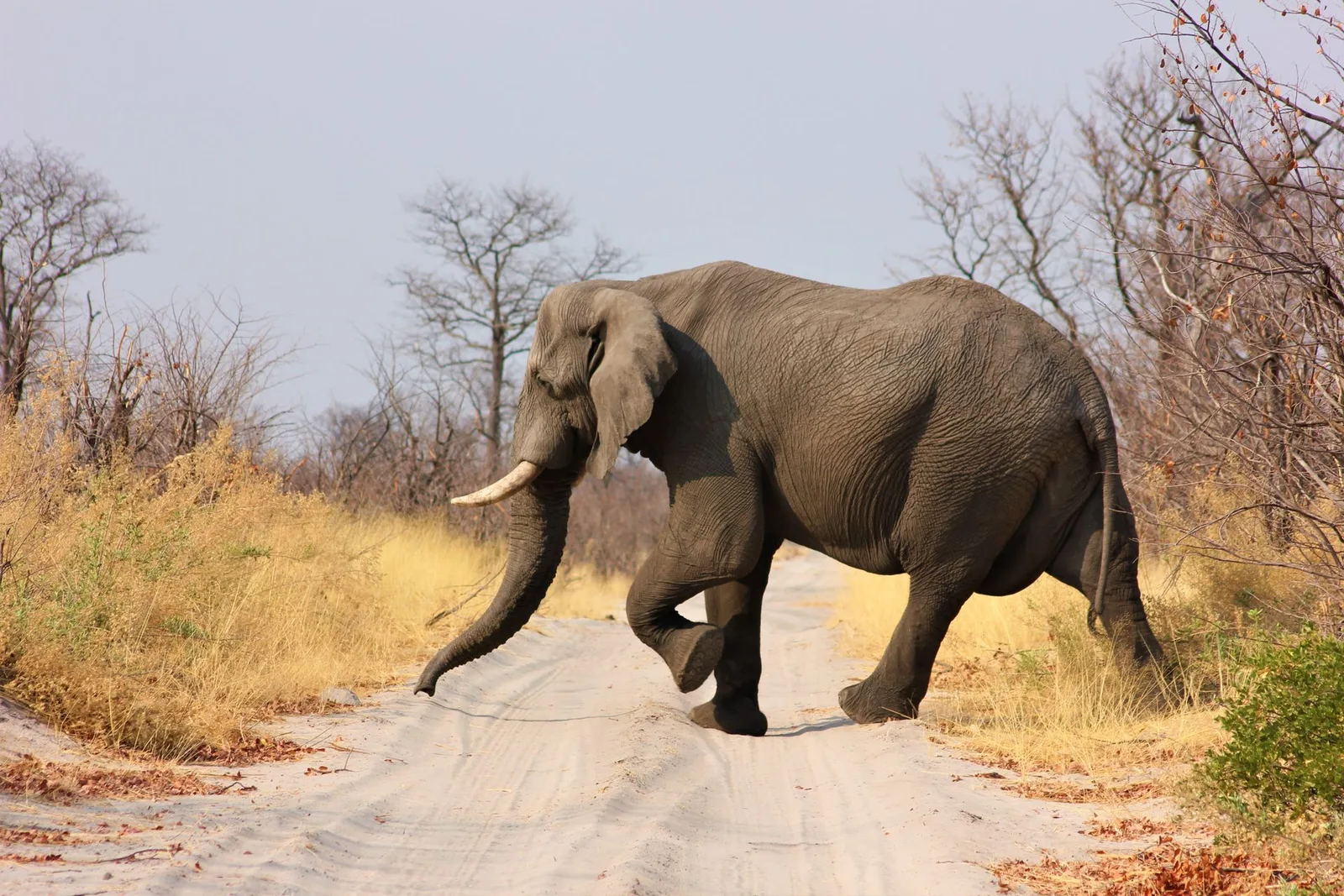
A country where the wilderness still gets literal room to breathe, and the waterfall at its edge becomes almost an afterthought.
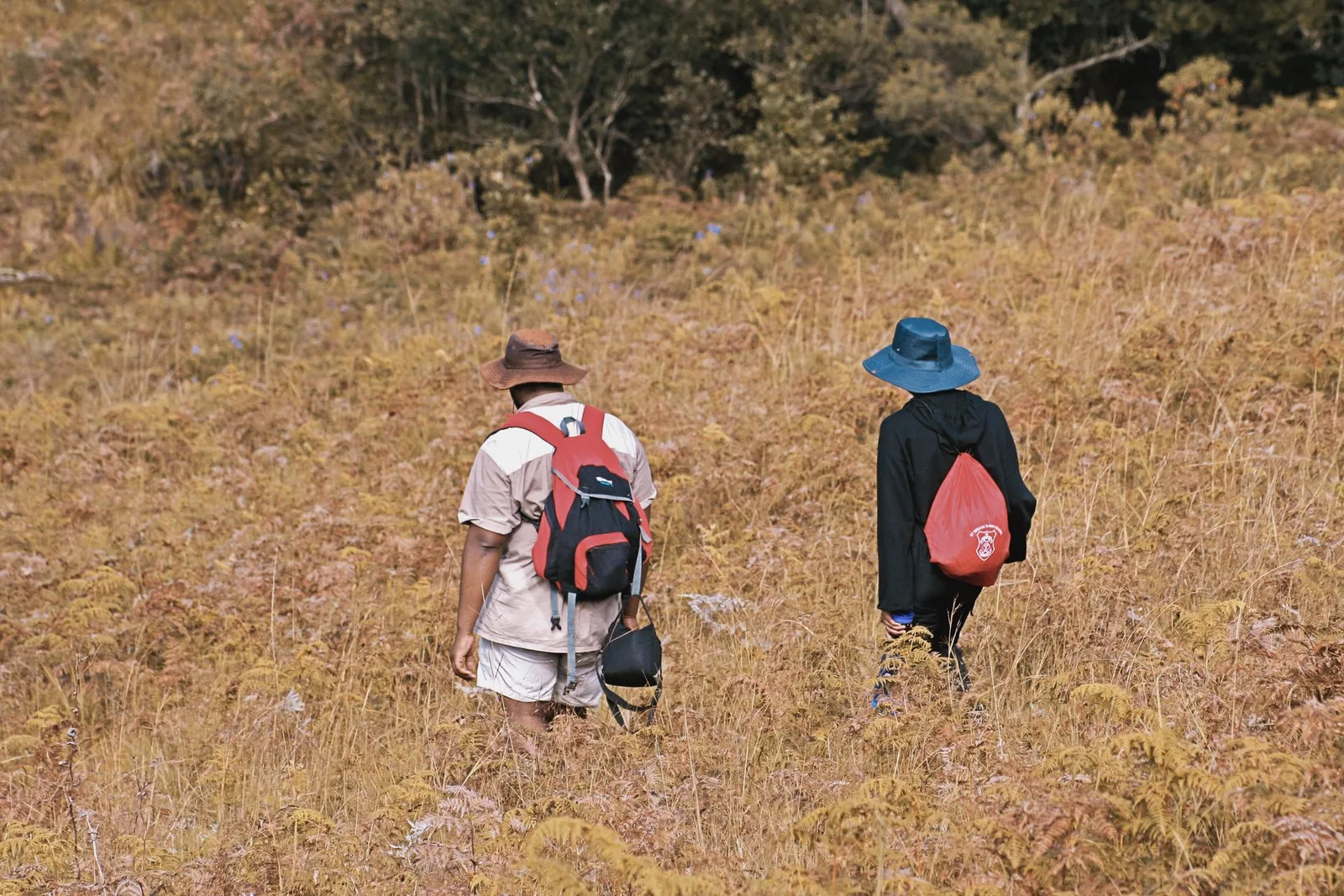
Zambia has fewer than twice as many inhabitants as Belgium, spread across an area almost twenty-five times the size, and that difference is felt the moment you leave the road. In the Luangwa Valley, where the walking safari was invented in the 1950s, you still walk behind a guide who reads the tracks before he spots the animal. There are no lines of jeeps around a leopard, because there simply isn't room for lines. The camps are small, the concessions vast, and the silence between two sightings belongs to the day just as much as the sightings themselves.
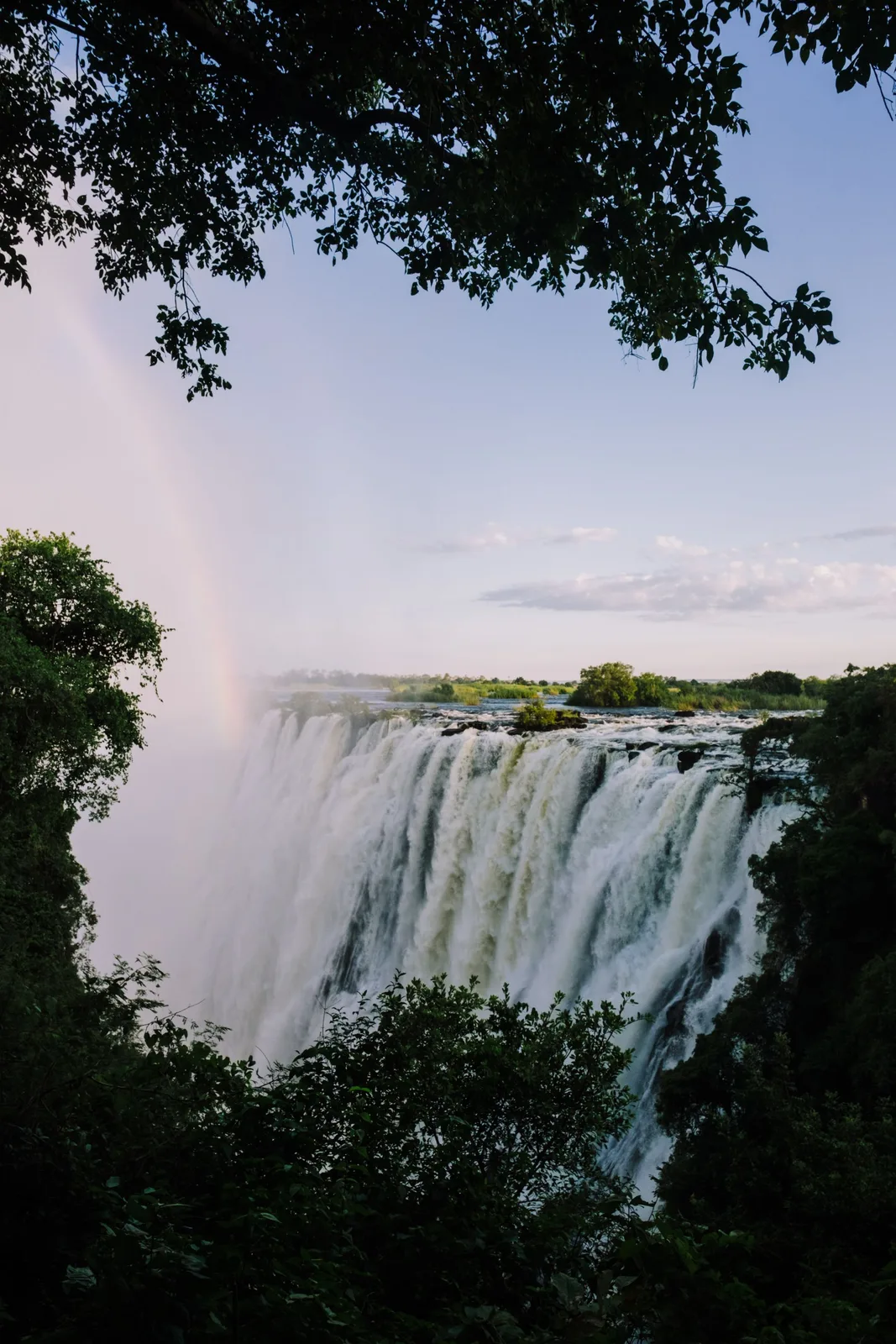
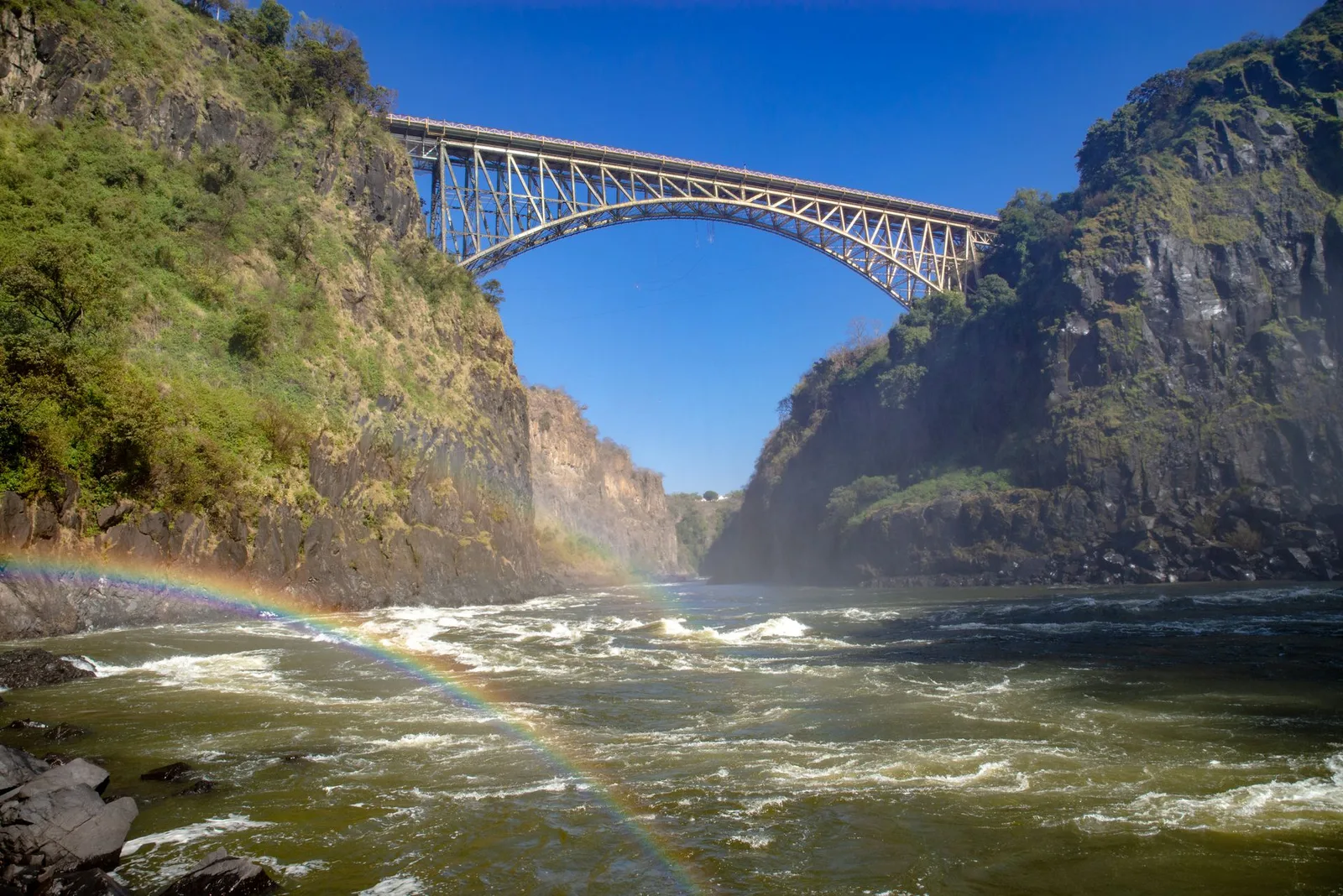
On the country's southern edge, the Zambezi plunges more than a hundred metres over a width of almost seventeen hundred metres, and everyone calls that Victoria Falls. From the Zambian side, it looks different: fewer people, more rainforest, and a river that simply finds its way onward to Lake Kariba and the Lower Zambezi beyond. That's the pattern of this country. The spectacle gets its place, but it's never the only thing that matters.
In short
Best time to go
May to October is dry, with most wildlife gathered around the remaining water from August to October, when the Luangwa Valley turns hot. The rains fall from November to April, when some camps close.
How long
Ten days to two weeks for two or three areas, with three to four nights per camp. Between parks you usually fly by small charter, because distances by road are long.
Who it suits
Travellers who want to approach wildlife on foot or by canoe, with few other vehicles around, and to pair a safari in quiet valleys with Victoria Falls at Livingstone.
What sets it apart
The walking safari was born in South Luangwa, where night drives are also possible. At around 22,400 km², Kafue is Zambia's largest national park and one of the largest in Africa, bigger even than Kruger.
Victoria Falls is the reason people come.The Zambezi Valley is the reason they come back.
Four faces of the same river
Zambia's landscape follows the Zambezi and its tributaries, and each valley has an entirely different character.
South Luangwa
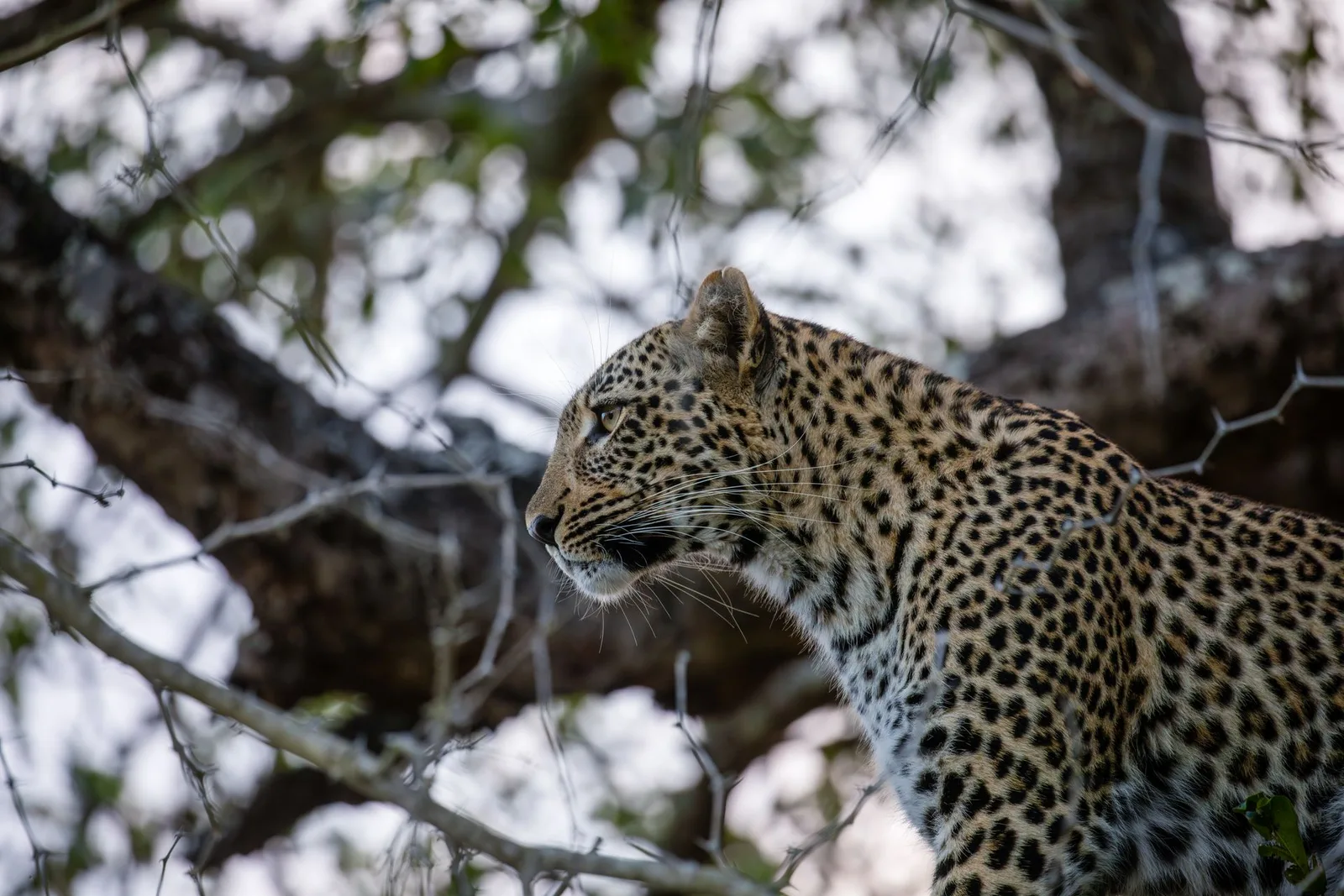
The birthplace of the walking safari, and still the place where the tradition feels most authentic. Dense vegetation along the river, one of the highest leopard densities in Africa, and camps that rarely hold more than a handful of guests.
Lower Zambezi
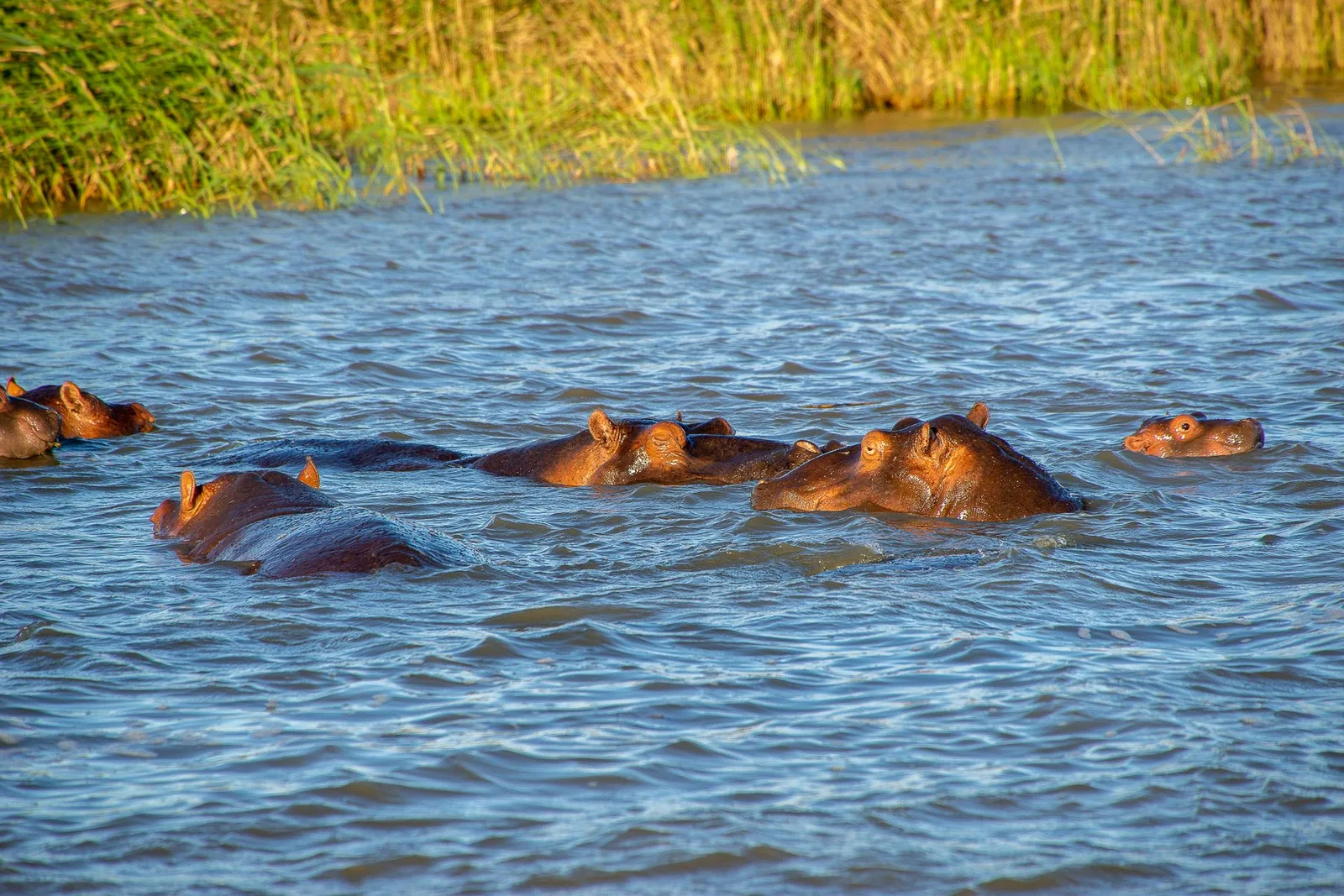
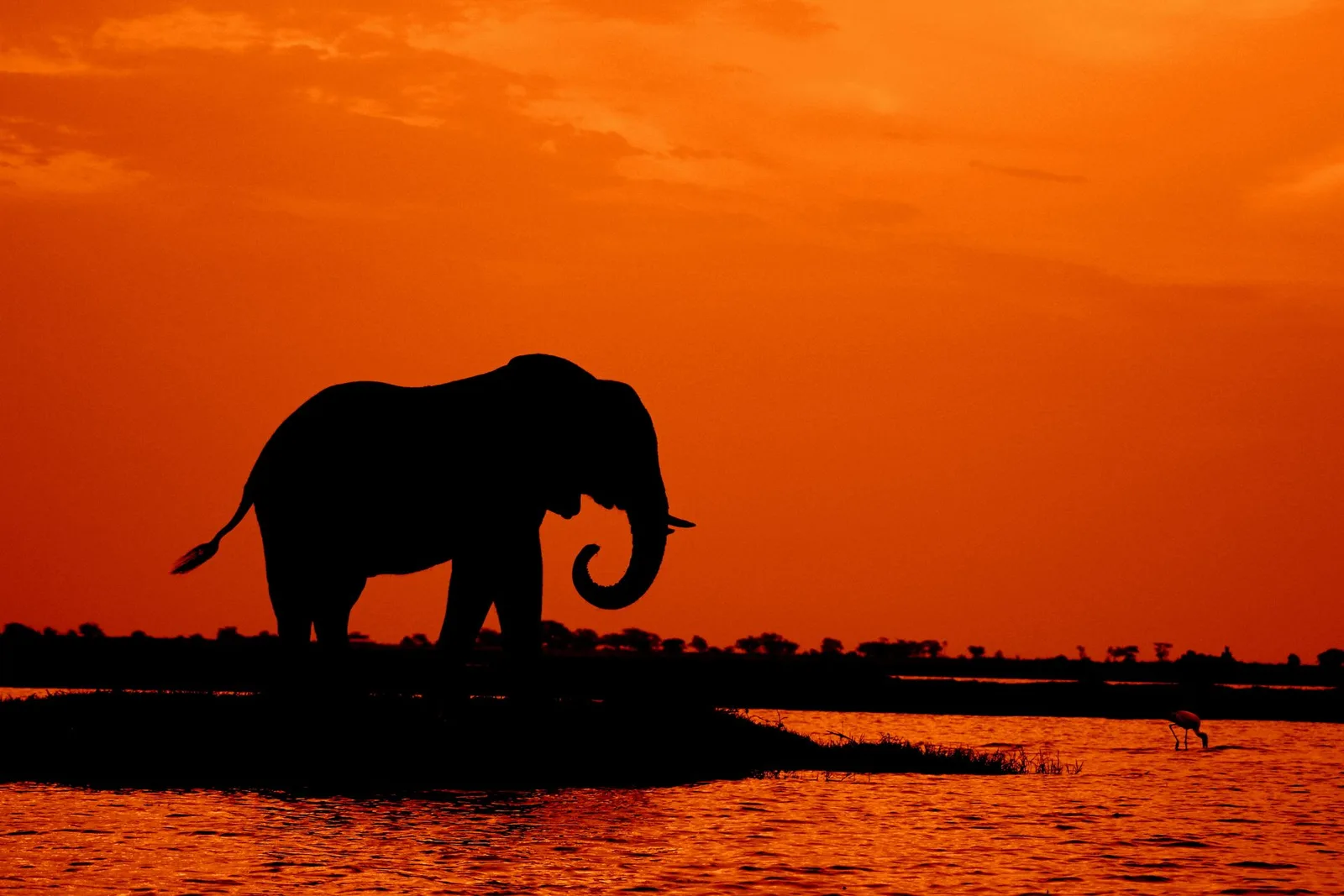
A broad, slow river with islands full of wild fig trees, where a canoe gives you as good a view as a vehicle. Elephants swimming, hippos breathing in the dark, and on the far bank, unseen, Zimbabwe.
Kafue
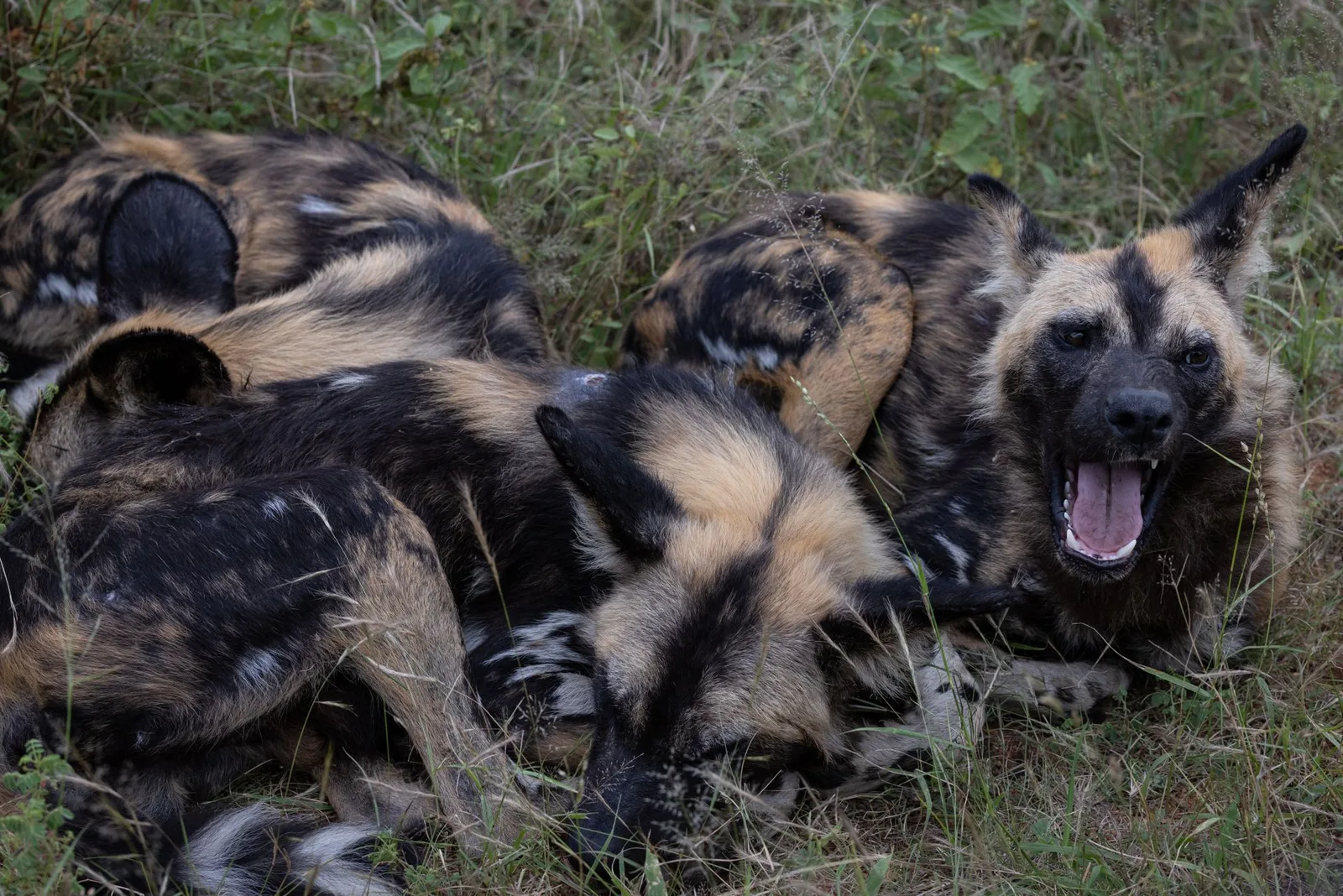
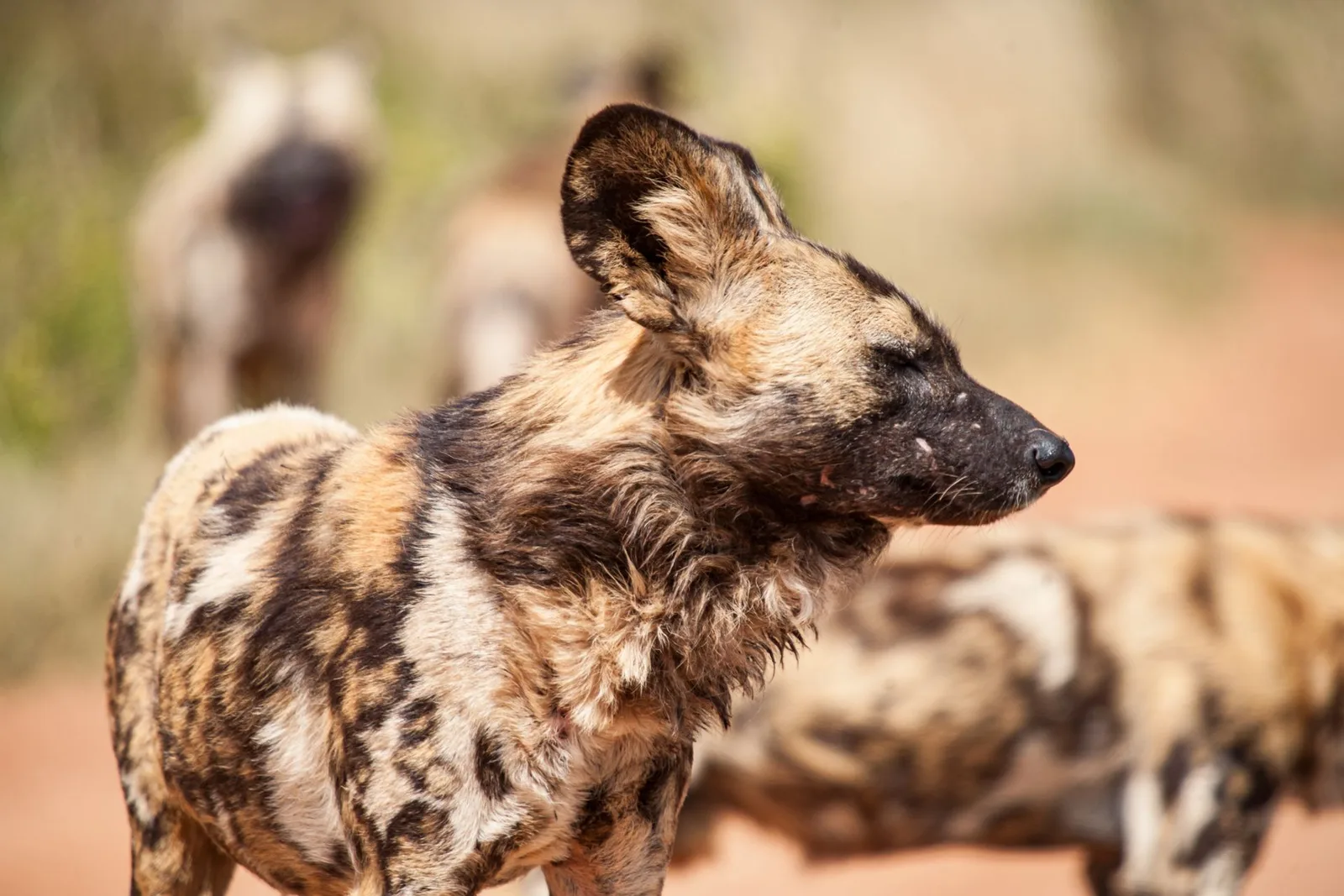
One of the largest national parks in Africa, and one of the least visited. Miombo woodland, open plains such as Busanga, and enough empty space to follow wild dogs without seeing another vehicle.
Livingstone and Victoria Falls
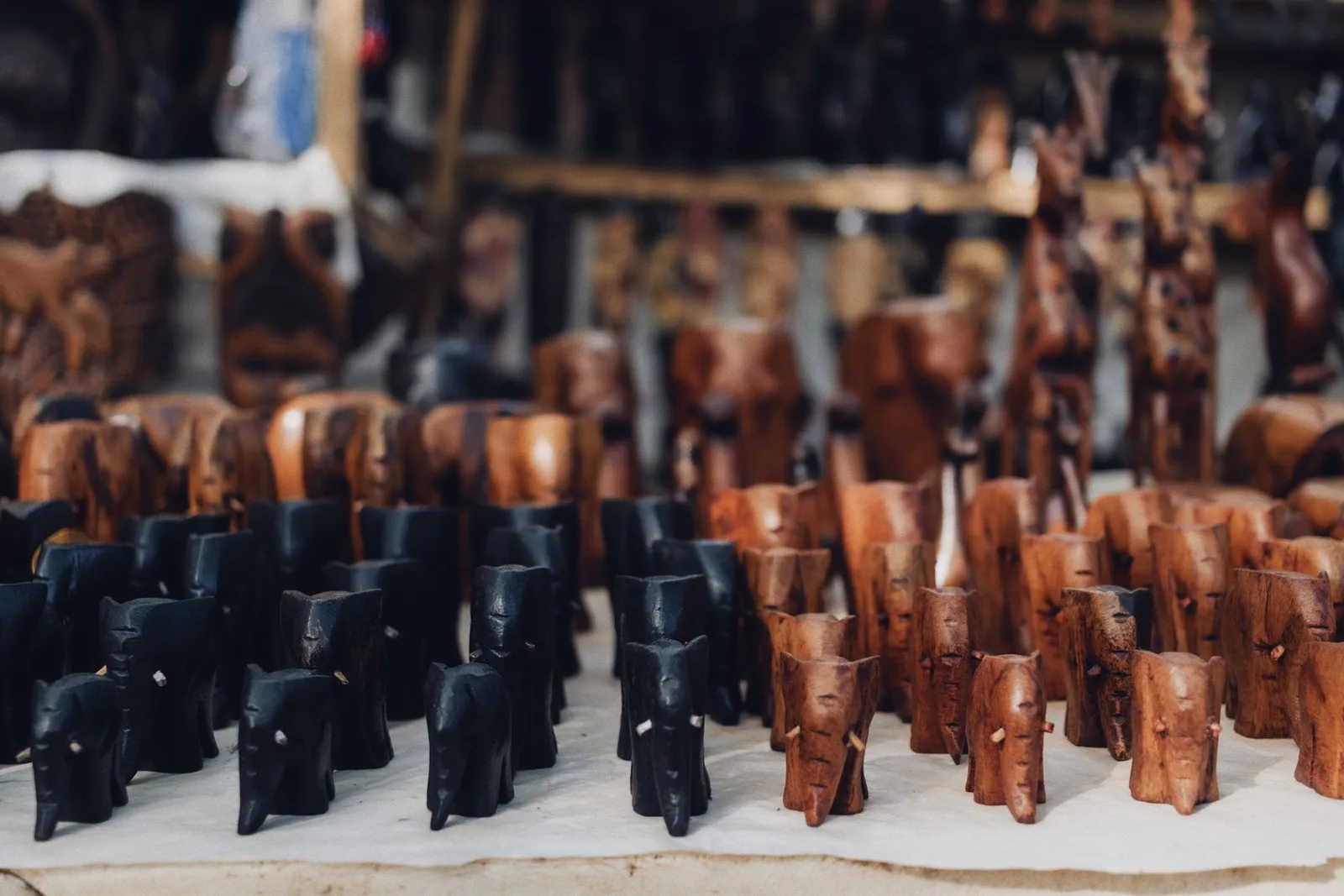
The town named after the explorer David Livingstone, with a rhythm of its own alongside the natural spectacle: a colonial-era railway bridge over the gorge, markets full of woodcarving, and a riverbank that is far quieter than the Zimbabwean one.
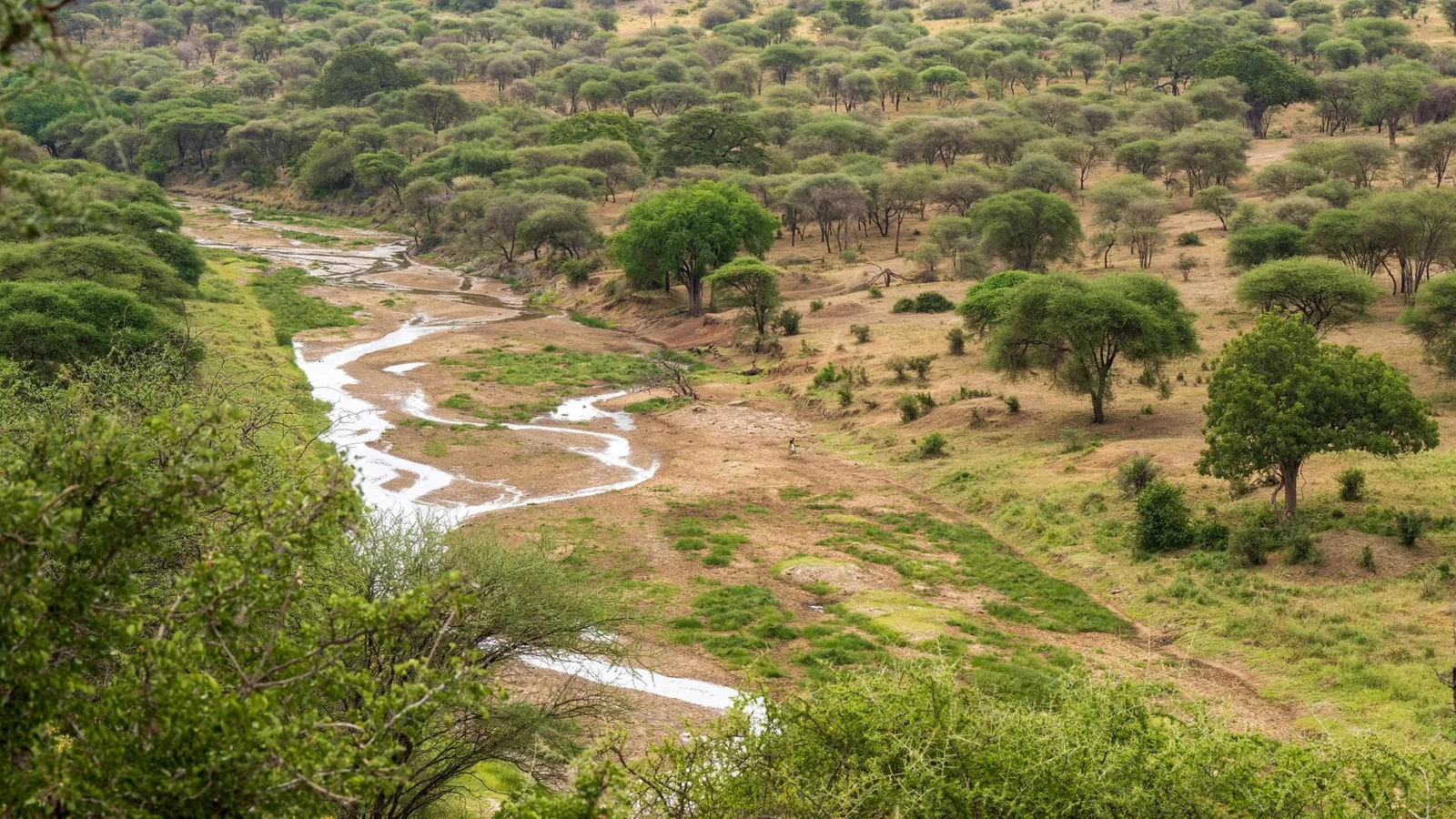
On foot, by canoe, or simply still
Zambia all but forces you into a different pace. Most camps offer at least one of these three forms, often in combination within the same week.
The walking safari
No engine, no door slamming shut: just footsteps, wind, and a guide who knows exactly how close is close enough. It forces you to notice what happens between the big animals.
Canoeing the Zambezi
Paddling between pods of hippos and elephants drinking at the bank, with only the sound of water against the hull. A different way of getting to know the same river.
Leopards of the Luangwa
Nowhere in Africa are your odds of a leopard on a night drive better than here. Not because they're tame, but because the guides have decades of experience with this exact stretch of river.
A profession that is a true craft here
To work as a walking guide in Zambia, you go through one of the toughest qualification processes on the continent: years apprenticing under a senior guide, an oral and practical exam covering animal behaviour, botany, first aid and firearms handling, and only then the licence to take guests into the bush on foot yourself. Not a job you pick up after a three-week course.
You notice it out on the trail. A good guide in the Luangwa doesn't just tell you what's standing in front of you, but reads why: why those impala suddenly freeze, why that scent on the wind is fresh. We've worked with the same handful of camps and guides for years, not because it's easier, but because we know who's walking alongside you.
Victoria Falls from the Zambian bank: fewer crowds, more rainforest, and a river that simply finds its way onward after the drop.
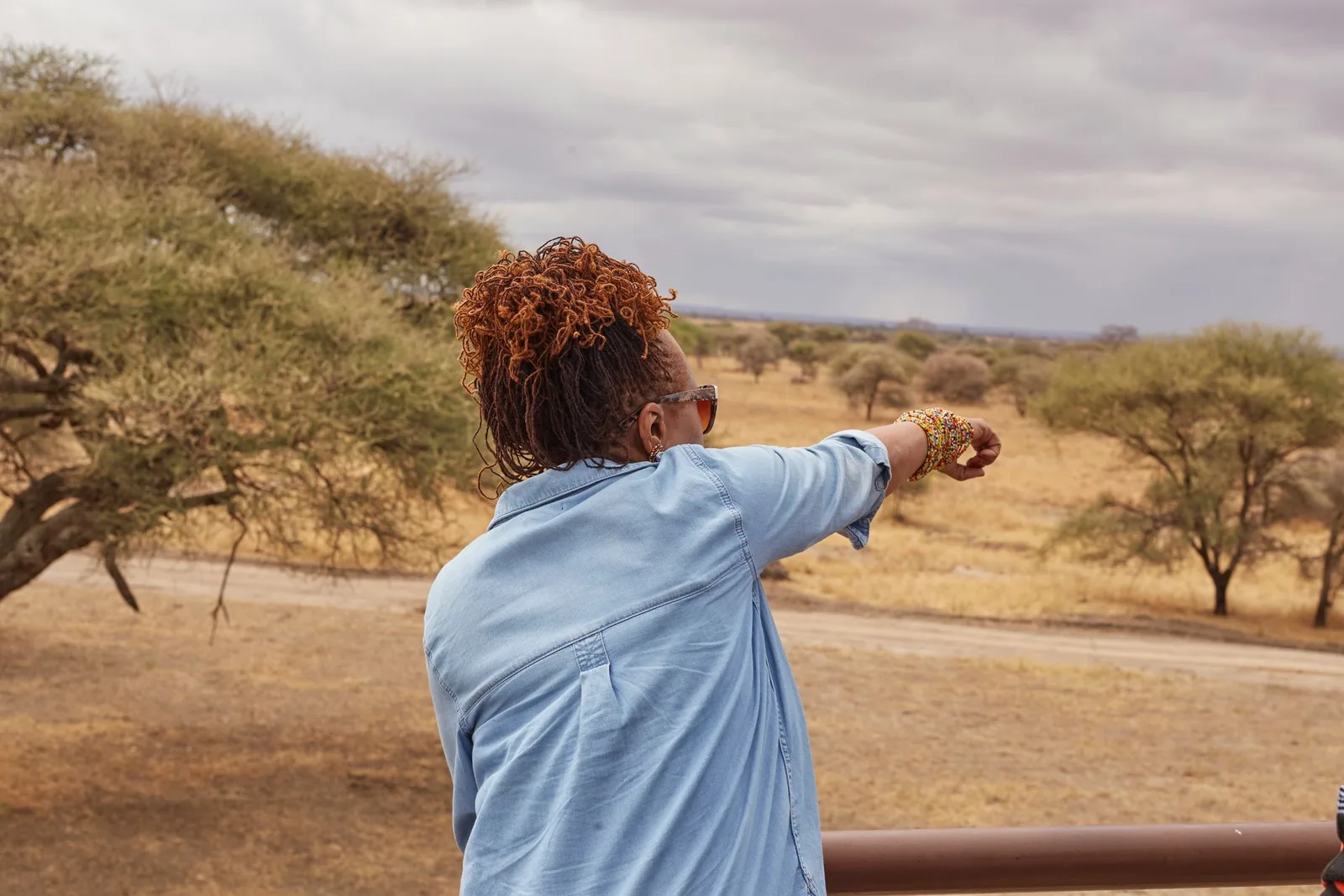
Beyond the game park
Zambia is more than the sum of its national parks. A selection of what else is possible, depending on season and interest.
Tigerfishing on the Zambezi
In September and October, when the water is low and warm, the tigerfish bite hardest, and the Zambezi at Lower Zambezi National Park counts as one of the better spots on the continent to try, with or without experience.
Kuomboka, water levels permitting
When the Zambezi floodplain in Barotseland floods, the Lozi king moves to higher ground in a carved ceremonial canoe, a procession of drums and colour that doesn't fall on the same date every year, but is well worth asking about.
Livingstone, more than a stopover
The town by the falls has a rhythm of its own, from the railway bridge over the gorge to the markets where woodcarving and fabric sit side by side, a good reason to stay a day longer than the flight schedule dictates.
A night on the water
On the Lower Zambezi or Lake Kariba, a simple houseboat can replace the camp for one night: no engine running, just the sound of hippos breathing in the dark.
Following wild dogs in Kafue
Kafue is large enough to have places almost no one visits, and the Busanga Plain is one of the most reliable spots in southern Africa to see a pack of wild dogs in action.
This isn't a complete list. It's an indication of what's possible, depending on season and what you're looking for.
When you go decides what you see
Zambia has a pronounced dry and wet season, and that drives almost everything, from which camps are open to how much water pours over Victoria Falls. Between May and October the country is at its driest and the wildlife at its most visible, peaking from August to October when animals gather around the last remaining water sources.
The falls themselves work the other way round: from February to May the Zambezi runs high and part of the falls disappears into its own spray, while September to December brings the lowest water level and the best view of the rock face. Anyone who wants both, plentiful wildlife and a good view of the falls, usually aims for September or October.
Best time to visit Zambia
Who else is at their best in these months?
May June July August September October
Use the contact form to discuss your travel dates and preferences with us.
Practical, without the noise.
A few things that make planning easier.
Arrival
Most international flights land in Lusaka or fly directly into Livingstone at Victoria Falls
Visa
Which travel documents you need depends on your nationality, and entry rules change regularly. We go through the current requirements with you before you leave
Health
Malaria prevention is advisable in the lowlands of the Zambezi and Luangwa valleys
Getting around
Travel between the parks is usually by small charter flight, because the distances by road are considerable
Pace
Allow at least three to four nights per camp, so the rhythm of walking, paddling and stillness can do its work
Frequently asked questions
When is the best time to visit Zambia?
Between May and October the country is at its driest and wildlife at its most visible, peaking from August to October around the last water sources. In the rainy season some lodges in the Zambezi and Luangwa valleys close and roads become impassable, but nature is at its lushest.
When is the best time to see Victoria Falls?
It depends on what you want to see. From February to May the Zambezi runs high and part of the falls disappears in its own spray. From September to December the water is lowest and you see the rock face best. If you want plenty of wildlife and a good view of the falls, September or October is usually the aim.
What is a walking safari, and how safe is it?
In the Luangwa Valley, where the walking safari was invented, you walk behind a guide who reads the tracks before seeing the animal. Walking guides in Zambia go through one of the strictest training paths on the continent: years of apprenticeship, and exams in animal behaviour, botany, first aid and firearms handling.
How many nights per camp make sense in Zambia?
Count on at least three to four nights per camp, so the rhythm of walking, paddling and silence can do its work. Between parks you usually travel by small charter flight, because distances by road are long.
Can you combine Zambia with neighbouring countries?
Yes. The Zambezi forms the border with Zimbabwe and further on touches Botswana and Namibia. A few days on the other side or a detour along the Chobe fits naturally into the journey, without ever feeling like a separate add-on.
- Flight time
- About 11 to 13 hours, usually with one stopover
- Languages
- English is the lingua franca, alongside Bemba, Nyanja, Tonga and around seventy other languages
- Time difference
- None, Zambia follows the same time as Belgium
- Altitude
- From around 300 metres in the Zambezi Valley to over 1500 metres on the Central Plateau
- Best time to visit
- May to October for dry safari weather, August to October for the densest wildlife concentrations