

A country whose scale you only grasp once you're standing in the middle of it: plain, volcano and coast that seem to have little in common.
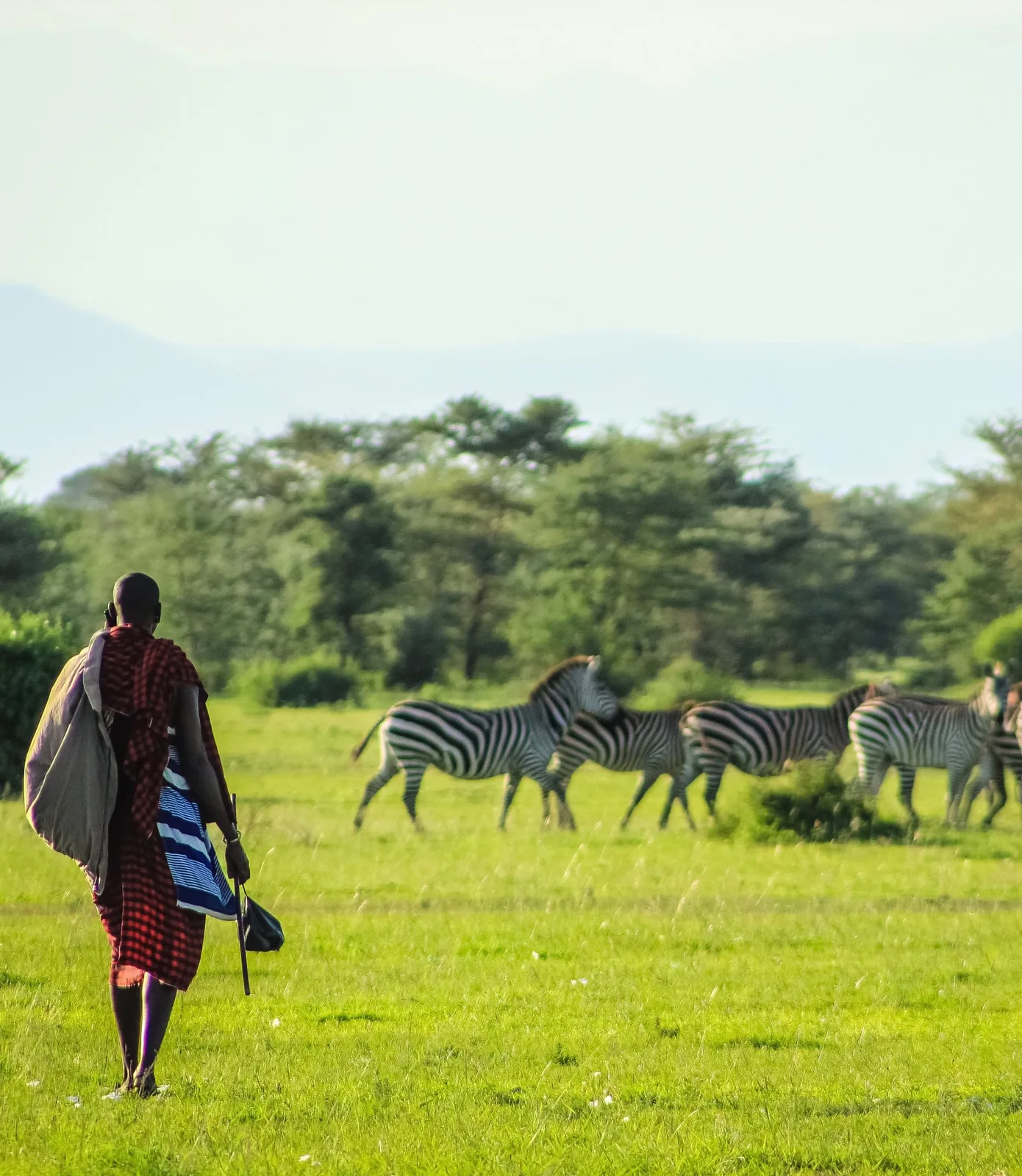
On a map, Tanzania looks tidy: one main language, one time zone. Stand there in person and that picture falls apart. A Chagga coffee farmer on the slopes of Kilimanjaro leads a different life from a dhow builder in Bagamoyo, and both have little in common with a Maasai family driving cattle across the Serengeti plain. The country doesn't connect those worlds by making them alike, but through a language, Swahili, understood everywhere, from market to crater.
That scale is exactly why a trip here rarely stays on one note. Book only the Serengeti and you miss the layer underneath: how the coast carries its own history of trade and migration, how the volcanoes in the north create a completely different climate from the lowlands beneath them. Tanzania doesn't give itself away in a single stop.
In short
Best time to go
June to October is the dry season on the mainland, when wildlife is easiest to find. January and February are good for the calving season in the southern Serengeti; the long rains fall from March to May.
How long
Ten days to two weeks for the northern parks and the coast, because the roads between Arusha and the western parks are long and unpaved. To add Mahale or the south, allow more time and extra domestic flights.
Who it suits
Travellers who want to pair a safari with Zanzibar's Swahili coast, and those who want to go further: tracking chimpanzees on foot by Lake Tanganyika or climbing Kilimanjaro.
What sets it apart
In February the wildebeest on the southern Serengeti give birth to hundreds of thousands of calves within two to three weeks. The Ngorongoro Crater is the world's largest intact, unfilled volcanic caldera.
Five faces of the same country
Each region shifts the picture of what Tanzania is: from volcanic slope to coral reef, from a busy migration route to a lake almost nobody visits.
Arusha and Kilimanjaro
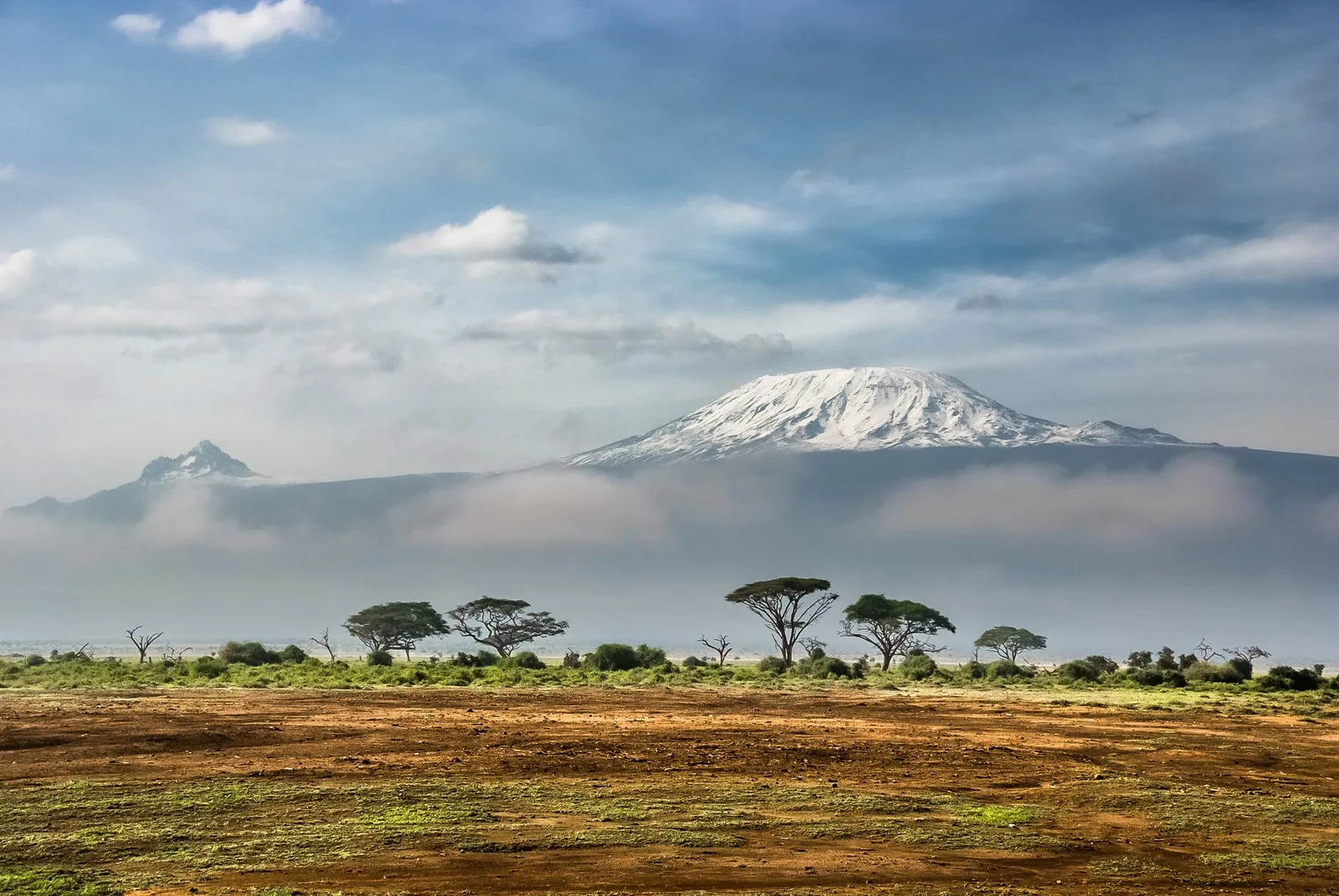
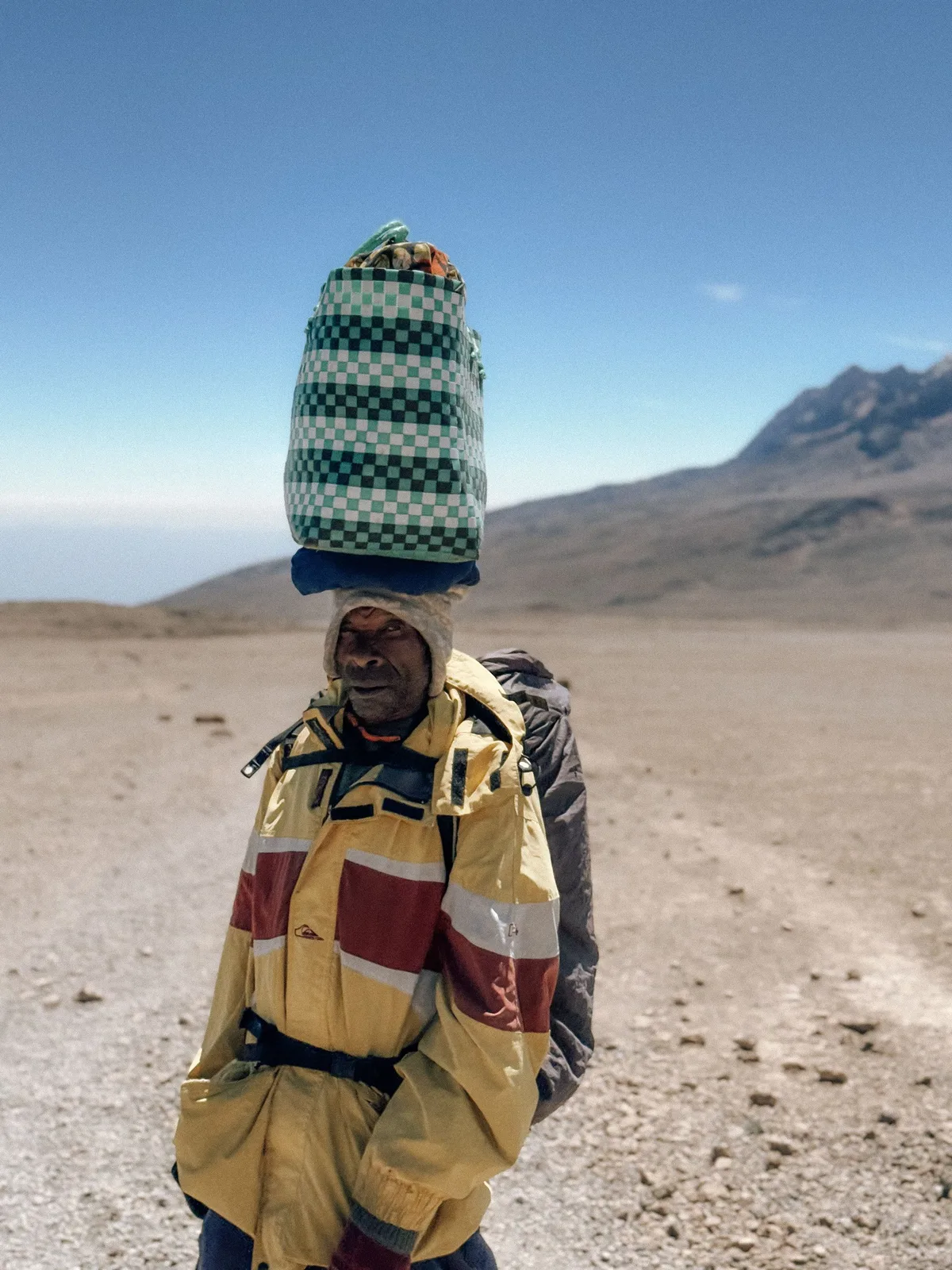
Arusha is the hinge point: coffee plantations, Chagga villages and the slopes of Africa's highest mountain, which rises from the plain like a freestanding cone.
Serengeti and Ngorongoro
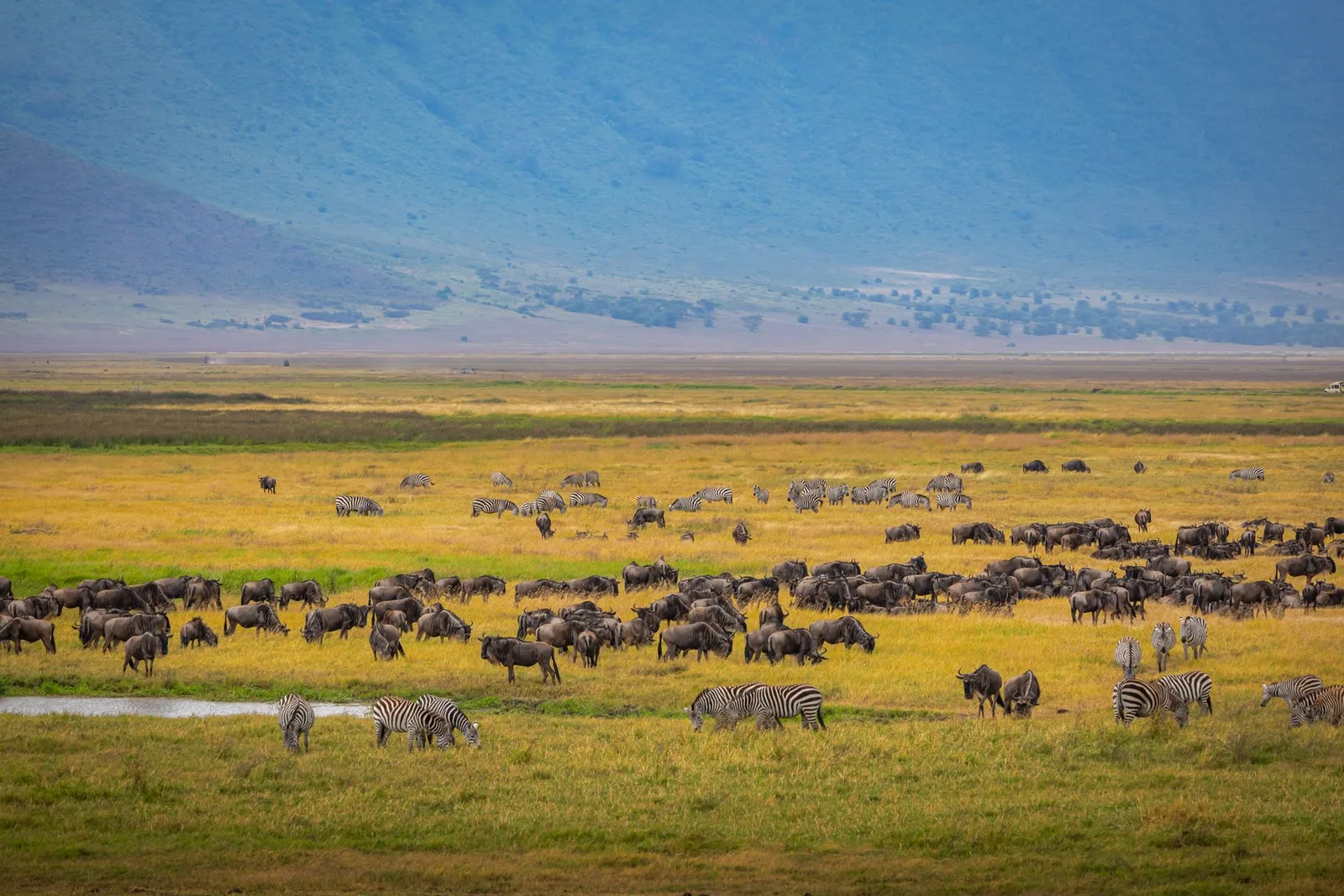
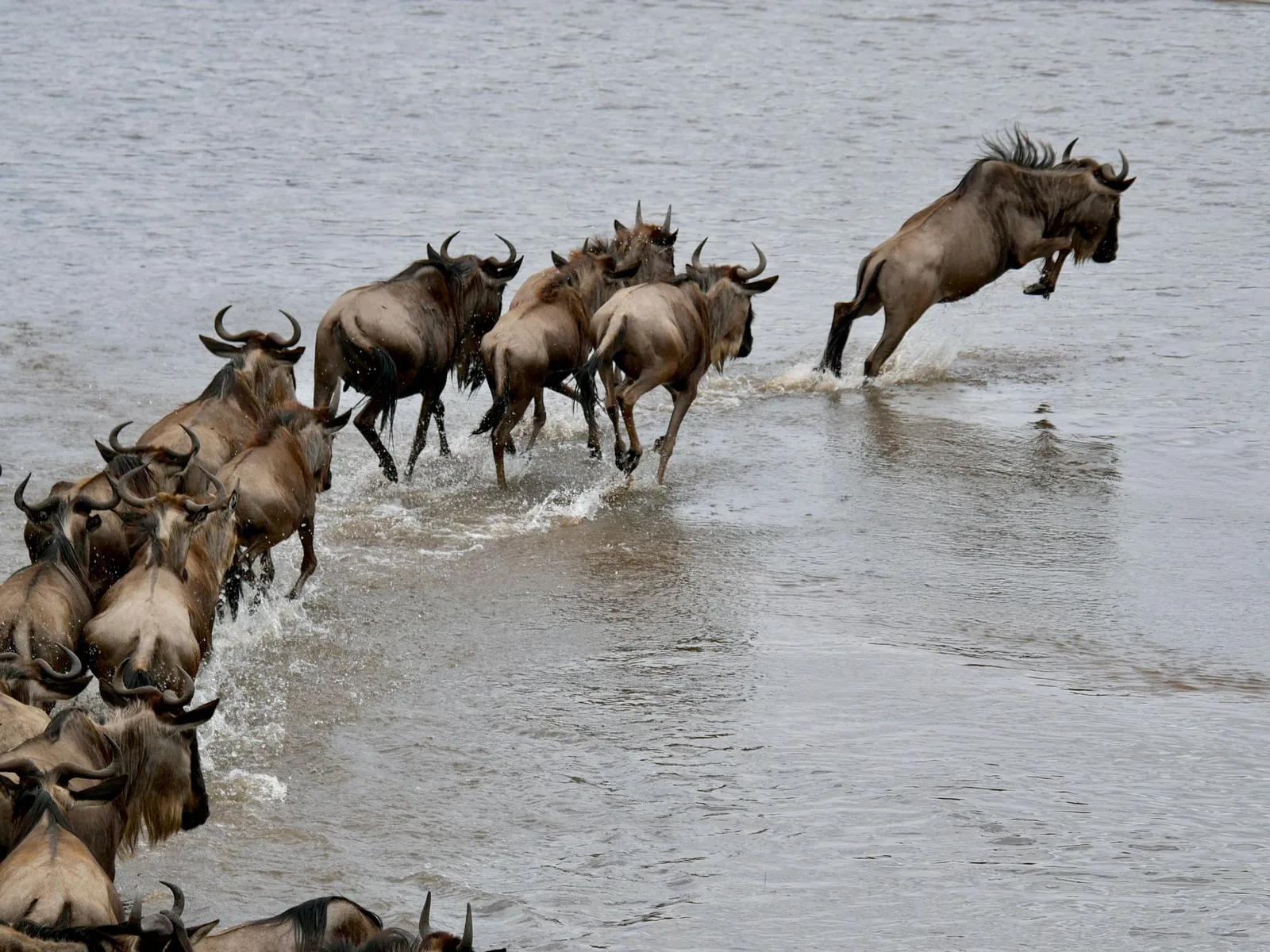
Grassland as far as the eye can see, cut through by the migration of millions of wildebeest, with the Ngorongoro Crater standing apart as a sealed-off world of its own.
Zanzibar and Stone Town
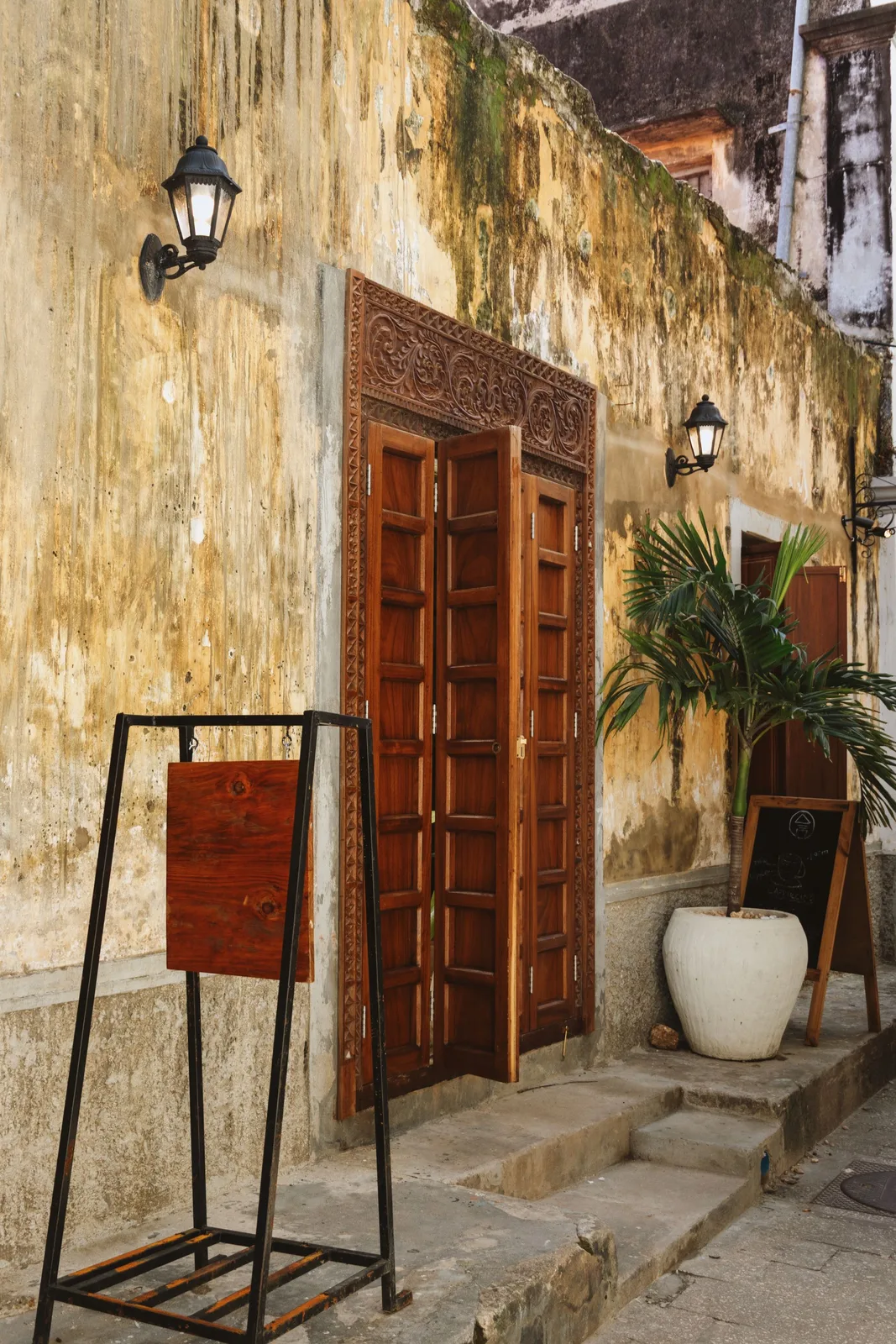
Cloves, Omani architecture and narrow alleyways in Stone Town. An island that was a trading hub between Africa, Arabia and India for centuries.
Mahale and Lake Tanganyika
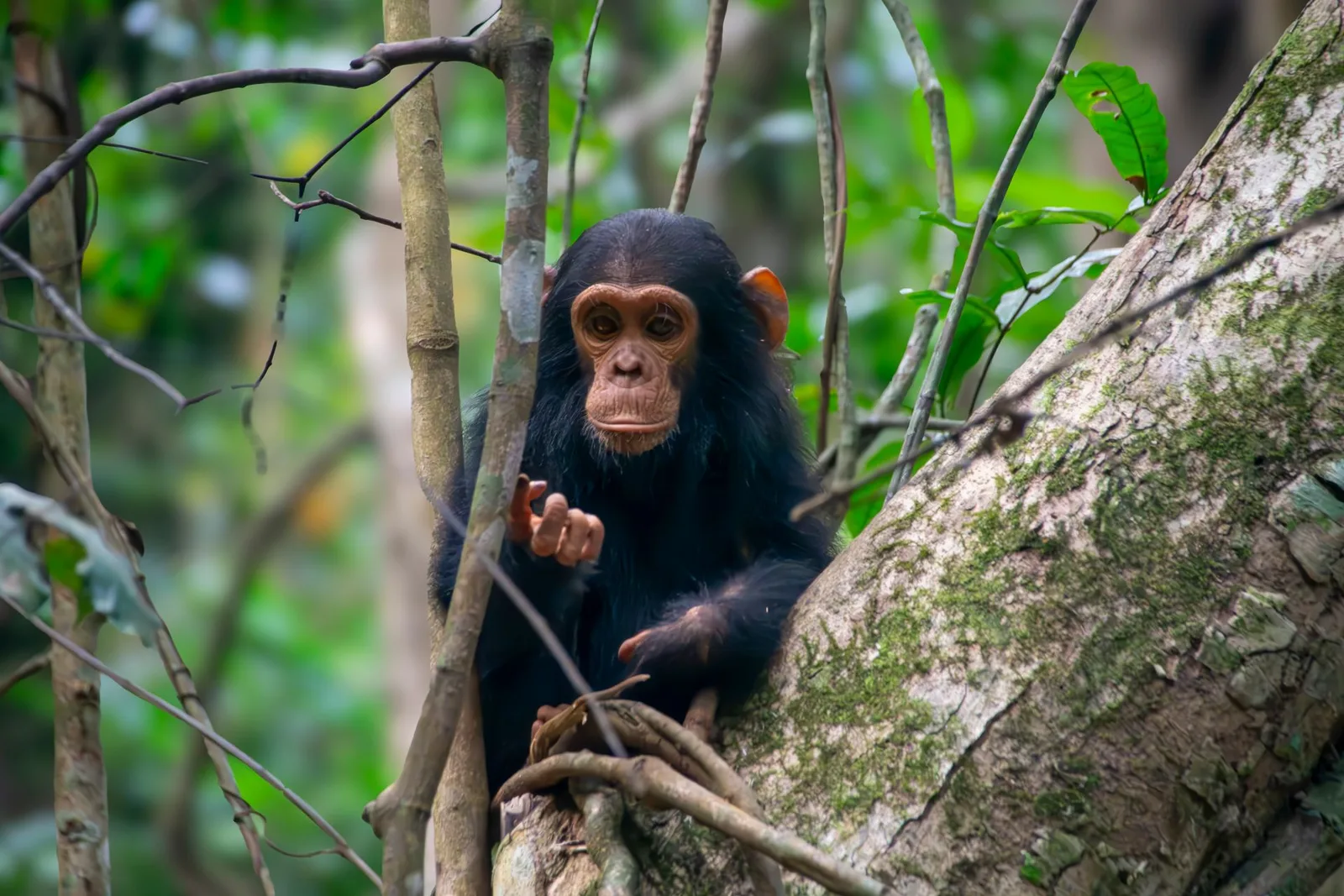
Chimpanzees in untouched rainforest, a lake with the clearest water in East Africa, and hardly another traveller in sight. Reachable, but never by accident.
Nyerere and Ruaha
River reserves where the safari moves by boat rather than jeep, more spacious and quieter than the north.


One language across more than a hundred communities
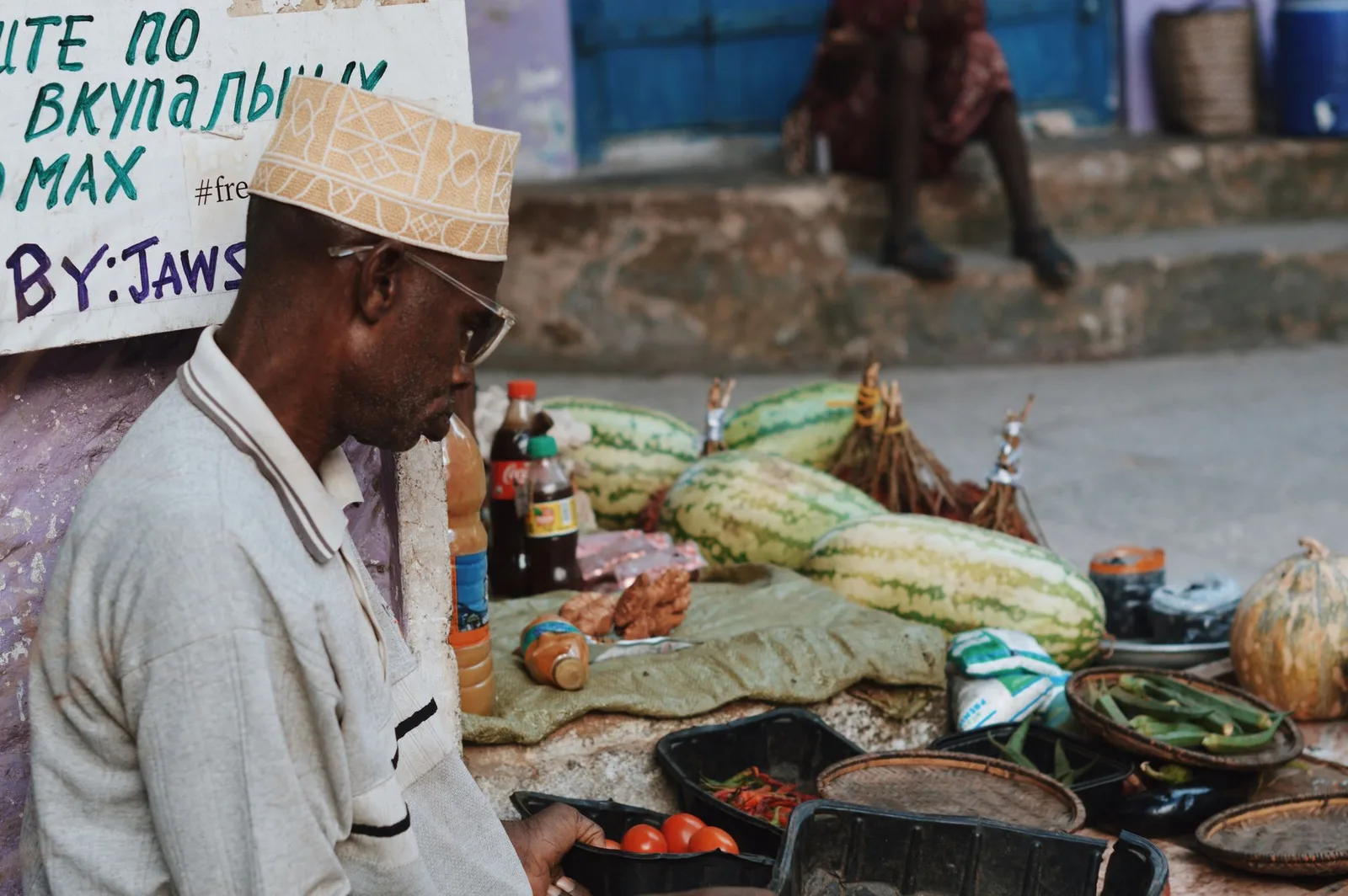
Swahili began on this coast as a trading language: a blend of Bantu grammar with Arabic, Persian and Indian loanwords, built up over centuries of monsoon trade. Today it's the language a Maasai herder, a Chagga farmer and a fisherman from Bagamoyo all share, even though the rest of their lives look nothing alike.
Julius Nyerere, the country's first president, deliberately turned that shared language into a national foundation: ujamaa, community spirit, in place of the ethnic divisions that fuelled conflict elsewhere in the region. As a traveller you notice the result straightaway: a hospitality that never adjusts to who you are, and music, taarab, with Arabic string instruments and Swahili poetry, that sounds like nowhere else.
Three registers of wild
The migration
Wildebeest and zebra cross the Serengeti all year round, chasing the rain. Not a fixed spectacle on a fixed date, but a movement that never stops.
The crater
Ngorongoro is a collapsed volcano with its own ecosystem inside the rim: a density of wildlife found nowhere else on the continent, from lion to the rare black rhino.
The chimpanzees of Mahale
On foot through rainforest on the shore of Lake Tanganyika, tracking one of the last untouched chimpanzee populations. No roads, no crowds.
Kilimanjaro stands apart from any mountain range. A single volcano climbing on its own from savannah to glacier, with five climate zones on one mountainside.
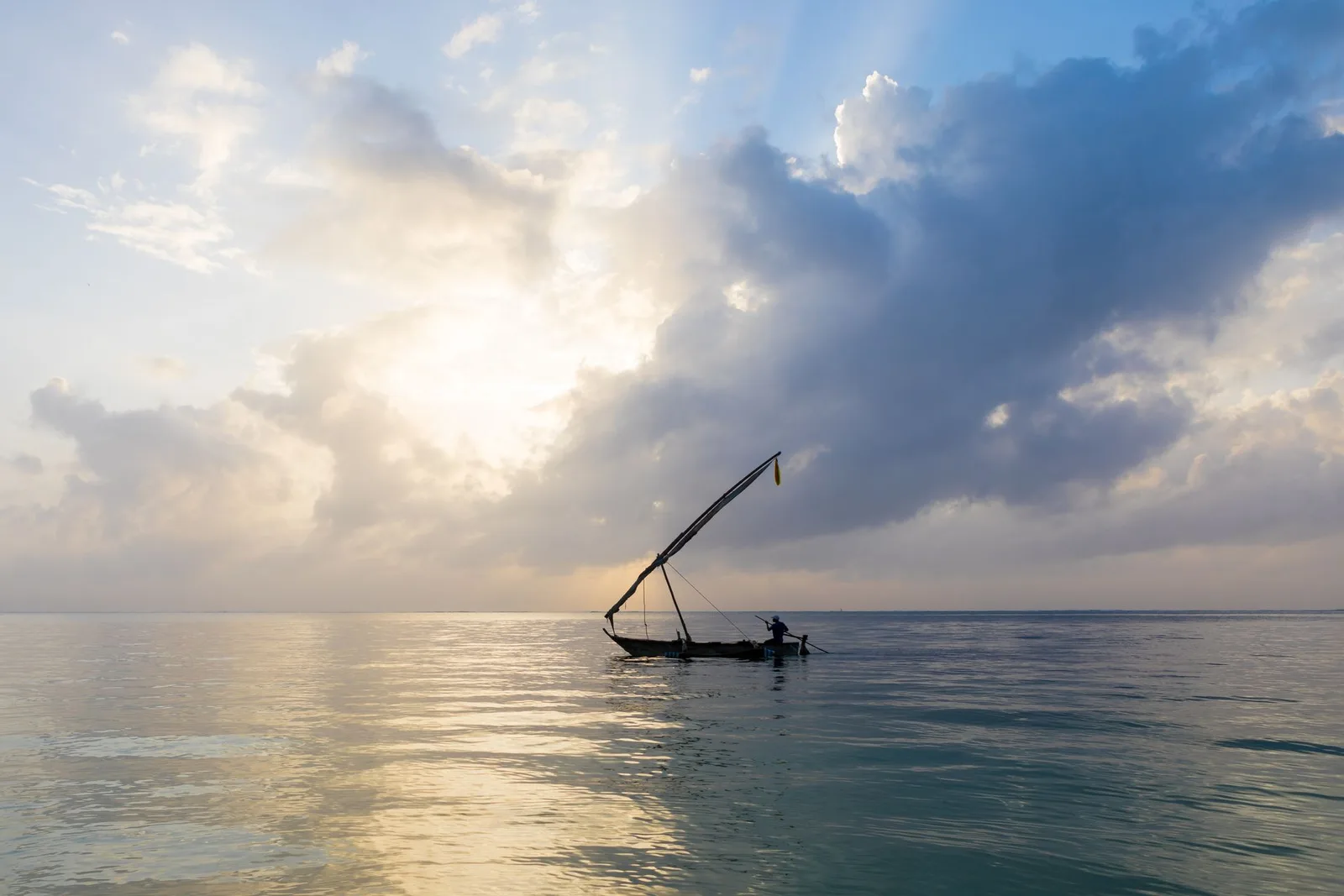
Salty coast, golden plain. Two registers that rarely sit in the same travel story, and yet here they are one and the same country.


Tanzania is more than the park you already know
No fixed programme. Rather, a set of experiences that show how differently this country can be lived.
Climbing Kilimanjaro
Several routes, no climbing technique required, but a mountain that demands respect. Chagga guides know every bend of the slope.
Sailing on a dhow
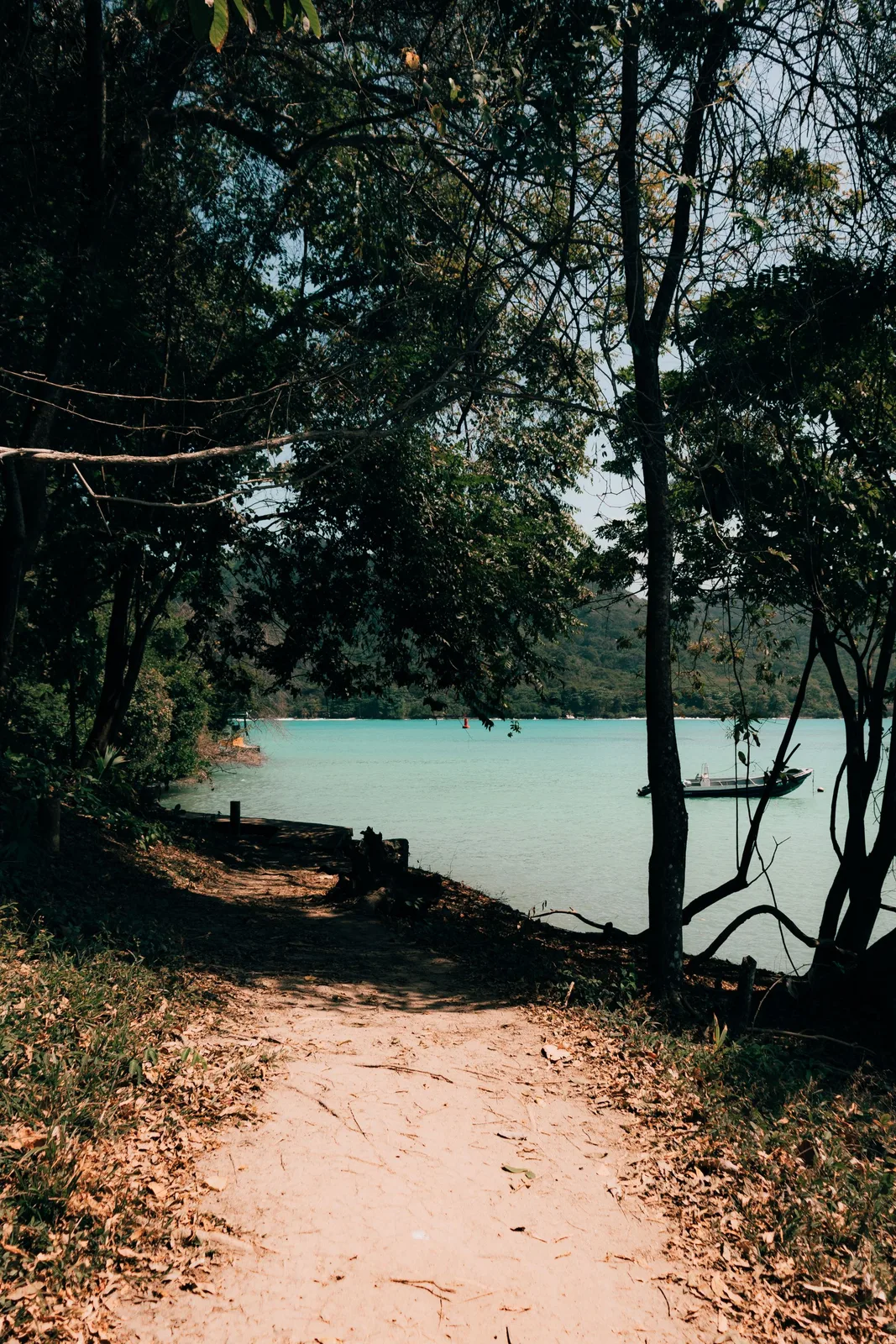
From Stone Town or Pangani, past clove plantations and empty sandbanks, on a wooden sailing boat that has kept the same shape for centuries.
Tracking chimpanzees in Mahale
A trip that asks for a flight and some patience, and delivers in return one of the quietest wildernesses in East Africa.
Boat safari on the Rufiji
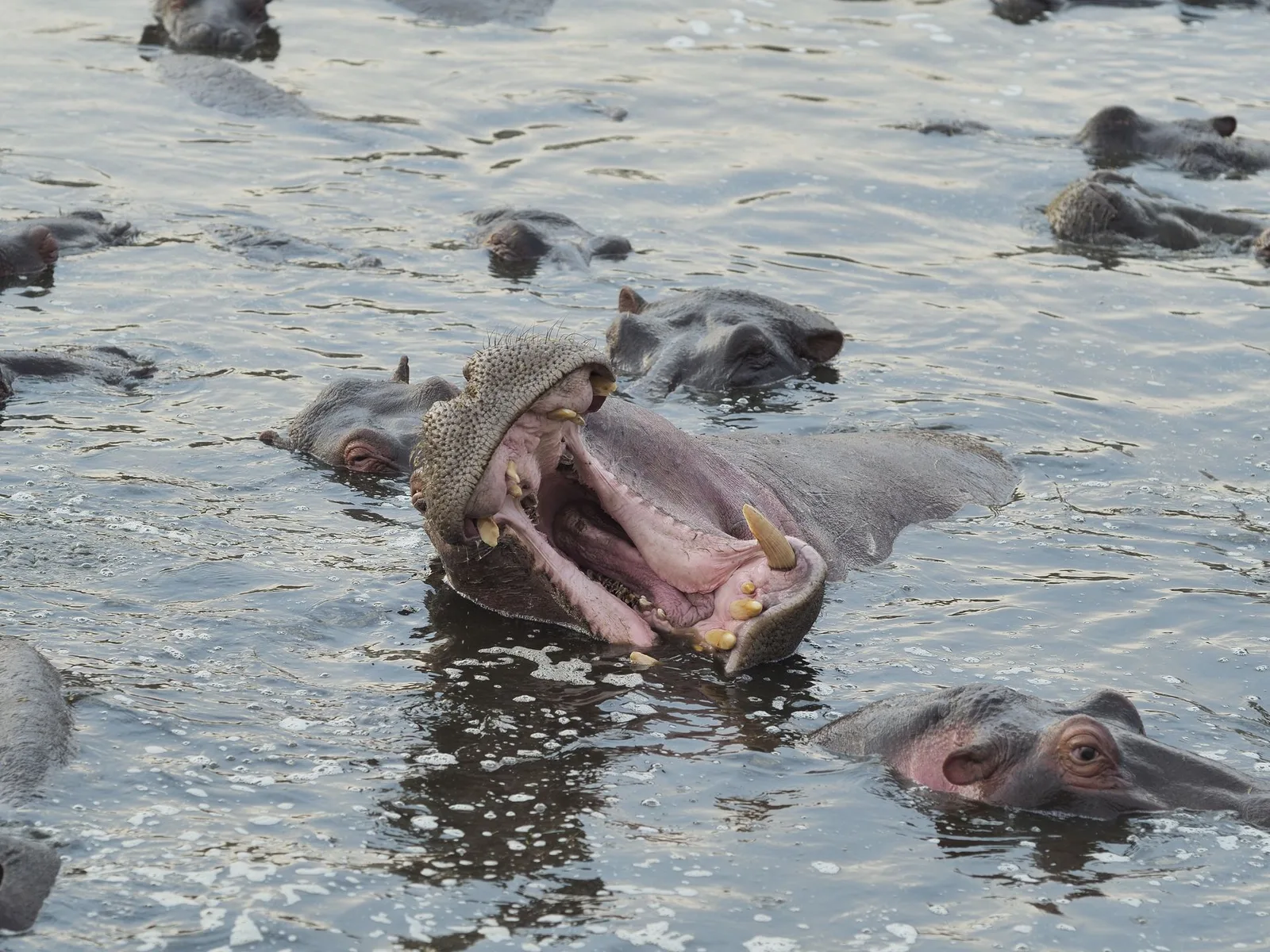
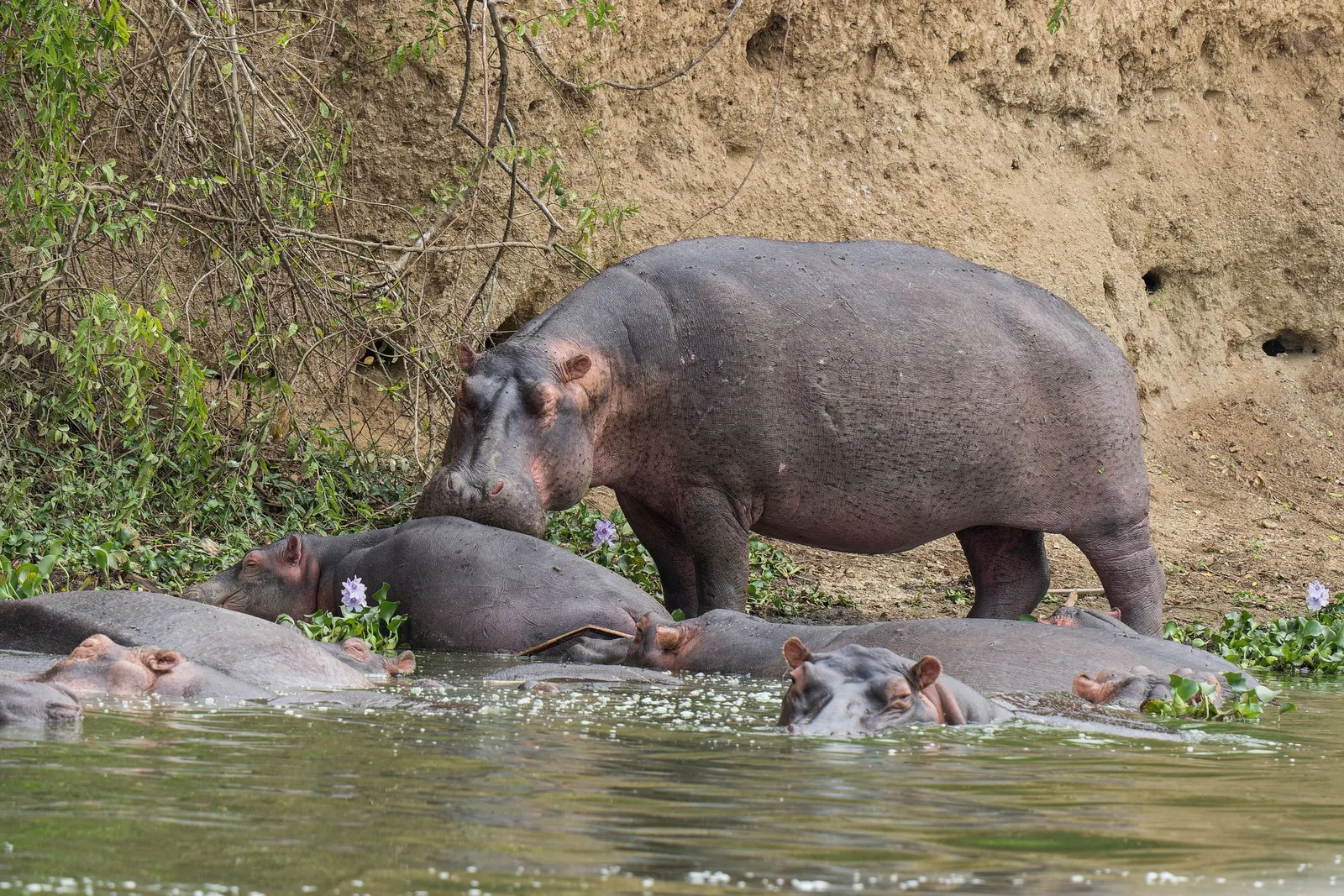
In Nyerere National Park, the safari moves onto the water: hippos, crocodiles and elephants seen from a different angle than the classic jeep.
Walking the crater rim
With a Maasai guide along the rim of Ngorongoro, looking out over the plain without a single engine in earshot.
What we rarely recommend: cramming everything into two weeks. Tanzania rewards those who choose.
From crater rim to coral reef. Tanzania asks for a travel plan that adapts just as much as the landscape itself.

When to travel
The mainland has a clear dry season from June to October. That's when wildlife is easiest to find and the Kilimanjaro climbing routes are at their most manageable. January and February offer a second good window: the short dry spell when the wildebeest calve on the plains near Ndutu, in the southern Serengeti.
The long rains fall between March and May: quiet, green, but with roads turning muddy and visibility that comes and goes. Zanzibar follows its own rhythm: warmer and more humid, with the heaviest showers also falling in spring, though rarely a reason to rule out the island outside those weeks.
Best time to visit Tanzania
Who else is at their best in these months?
February June July August September
Use the contact form to discuss your travel dates and preferences with us.
Practical, without the noise.
A few things that make planning easier.
Getting there
Arrival via Kilimanjaro Airport, Zanzibar or Dar es Salaam, direct from Brussels to Kilimanjaro, or with a stopover in Amsterdam, Doha or Addis Ababa.
Documents
Which travel documents you need depends on your nationality, and entry rules change regularly. We go through the current requirements with you before you leave.
Health
Yellow fever vaccination compulsory on arrival from a risk area; malaria prevention recommended on the mainland.
Getting around
Small aircraft between parks and islands, long unpaved roads between Arusha and the western parks.
Pace
Mainland and coast each call for their own rhythm. A transition day isn't a lost day, it's part of the trip.
Frequently asked questions
Do I need to climb Kilimanjaro to really get to know Tanzania?
No. Most travellers combine the plains and the coast without going for the summit. The mountain is a choice, not an obligation.
Can I combine the Serengeti and Zanzibar?
That's the classic combination, and rightly so: the contrast between plain and coast is exactly what sets Tanzania apart. We build the transition so both get the space they deserve.
Is the west with the chimpanzees practical to reach?
Yes, with an extra domestic flight and a bit more time. For anyone seeking quiet after the busier northern parks, it's well worth it.
When can I see the great migration?
There's no fixed date. The herd moves all year round, following the rain. The question isn't when, but what you want to see: a river crossing, the calving season, or the quieter months in between.
- Flight time
- About 9 to 11 hours, direct or with a stopover
- Languages
- Swahili everywhere, English in tourism and business
- Time difference
- 1 hour ahead of Belgian summer time, 2 hours ahead of winter time
- Altitude range
- From sea level in Zanzibar to 5,895 metres on Kilimanjaro
- Best period
- June to October dry, January-February good for the calving season in the southern Serengeti