
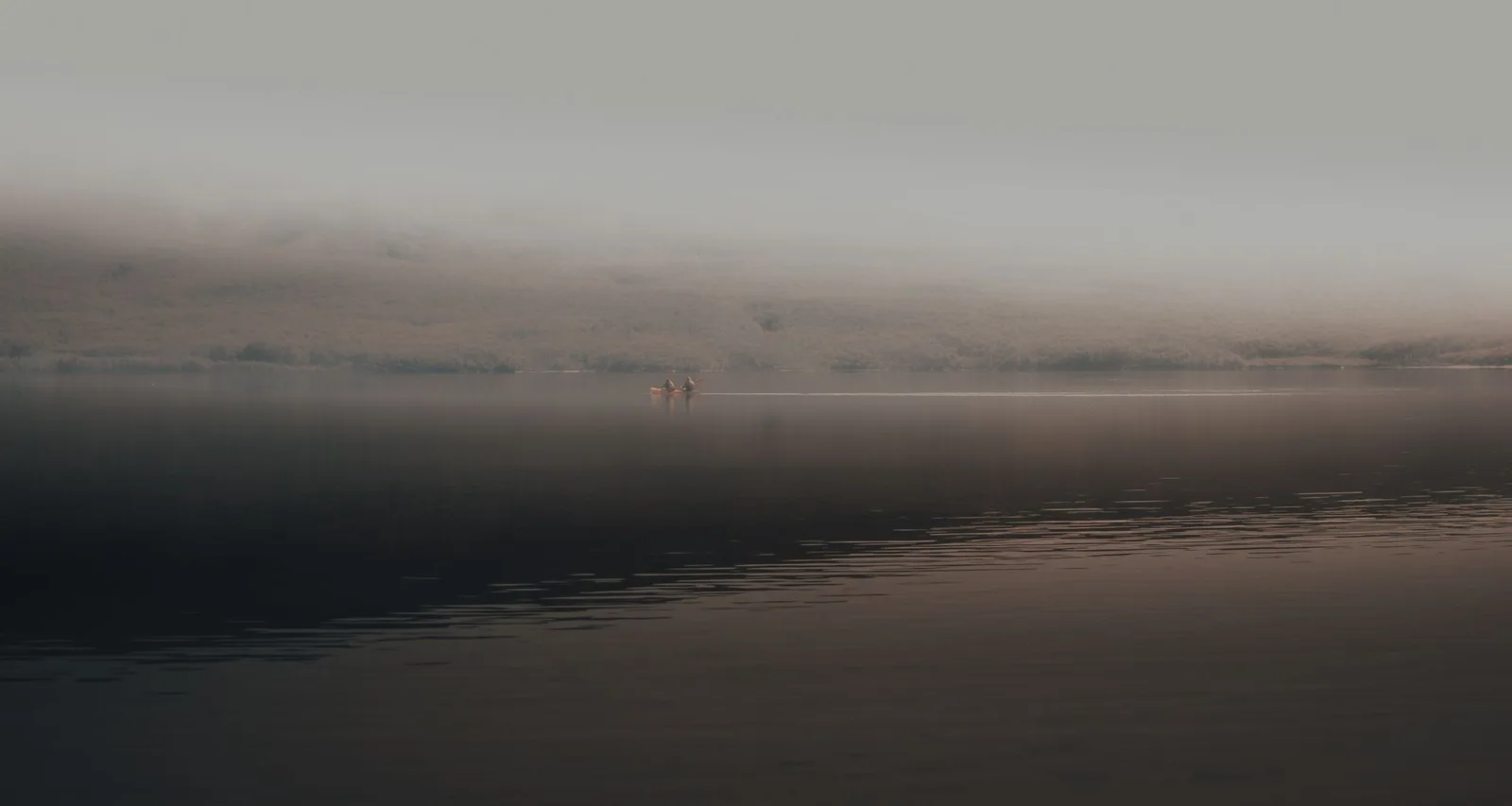
The second-largest country in the world, with almost no one in it.
Canada covers close to ten million square kilometres and counts around forty million people, most of whom live within two hundred kilometres of the US border. Everything above that is forest, lake, tundra and ice.
That's the first thing to understand: here, emptiness isn't something you seek out, it's the default. There are more lakes in Canada than in the rest of the world combined. There are roads where you can drive half a day without passing a petrol station.
And it isn't one uniform country. The Atlantic provinces have a fishing culture with Irish and Scottish roots. Québec operates in French and thinks in French. The west looks towards the Pacific and towards Asia. The north is Inuit territory, where the light never fades in summer.
Saying you want to go to Canada hasn't actually said anything yet. The question is: which Canada.
In short
Best time to go
June to September has everything open and long days, with June and September quieter in the mountain parks. Late September and October bring autumn colour in the east; December to March, snow and northern lights.
How long
Two weeks for one region, such as the Rockies, Québec or the Atlantic provinces. Combining east and west is possible, but distances are so great that much of the time goes on airports.
Who it suits
Travellers who want to experience nature actively, by canoe, hiking in bear country or watching whales along the coast, and families looking for safe, well-equipped parks.
What sets it apart
Unlike the United States, Canada has French as an official language, and in Québec it is the everyday language, with the only walled city north of Mexico. In the Bay of Fundy, tides reach around 16 metres.
One region per trip. That's not a limitation, it's a liberation.
Vancouver and Halifax are further apart than Brussels and Cairo. Yet we regularly come across plans that combine the Rocky Mountains, Québec and Niagara Falls in two weeks, with five-hour domestic flights in between.
Canada rewards the opposite. One region, with time to walk, to canoe, to stay put when the weather turns, and to eat somewhere in the evening where the locals go.
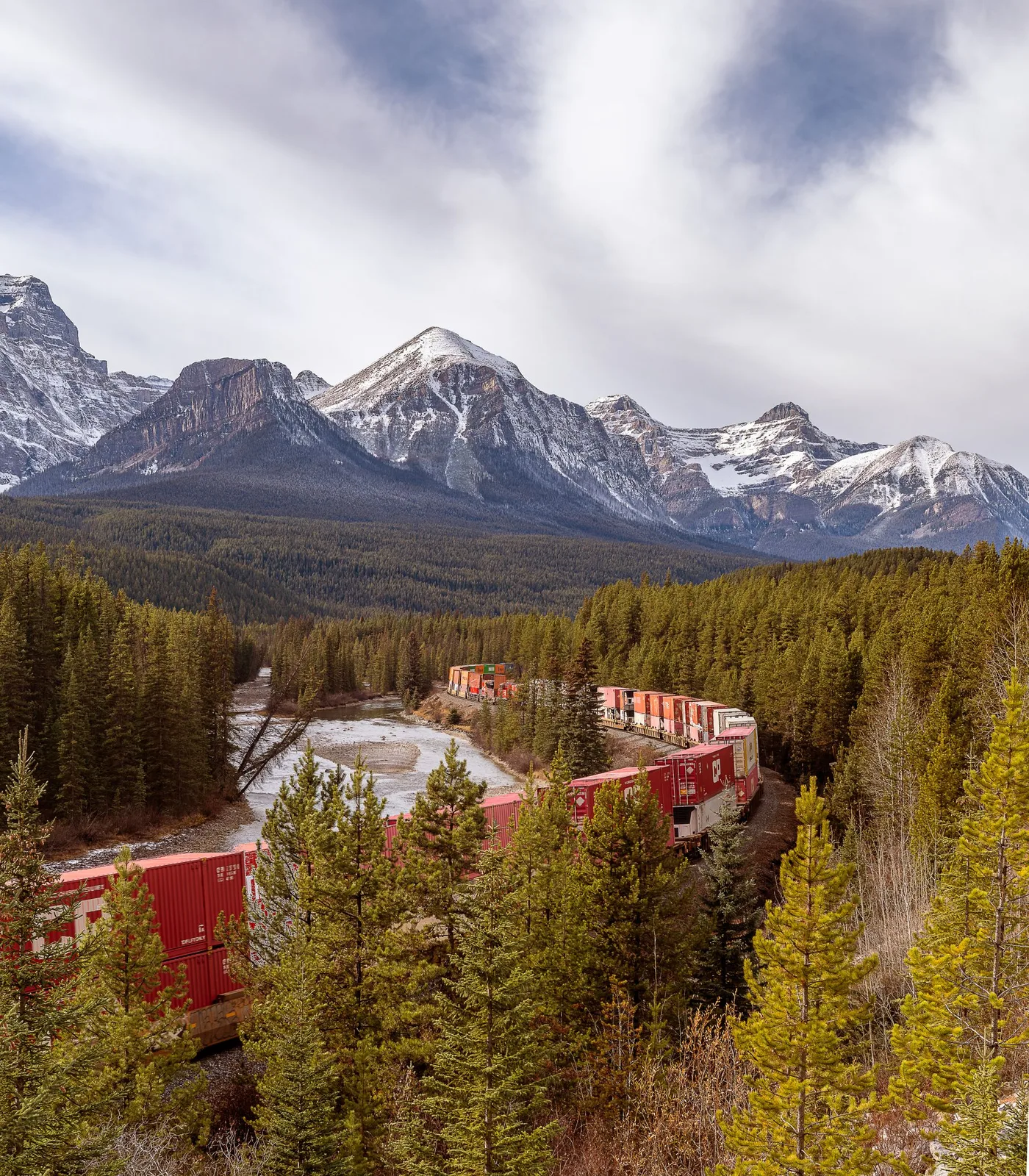
There's one exception: the transcontinental train journey. That one is precisely designed to make you feel the distance, and for some travellers it's a trip in its own right.
So our first question about this destination is rarely "where", but "what kind of days do you want to have".
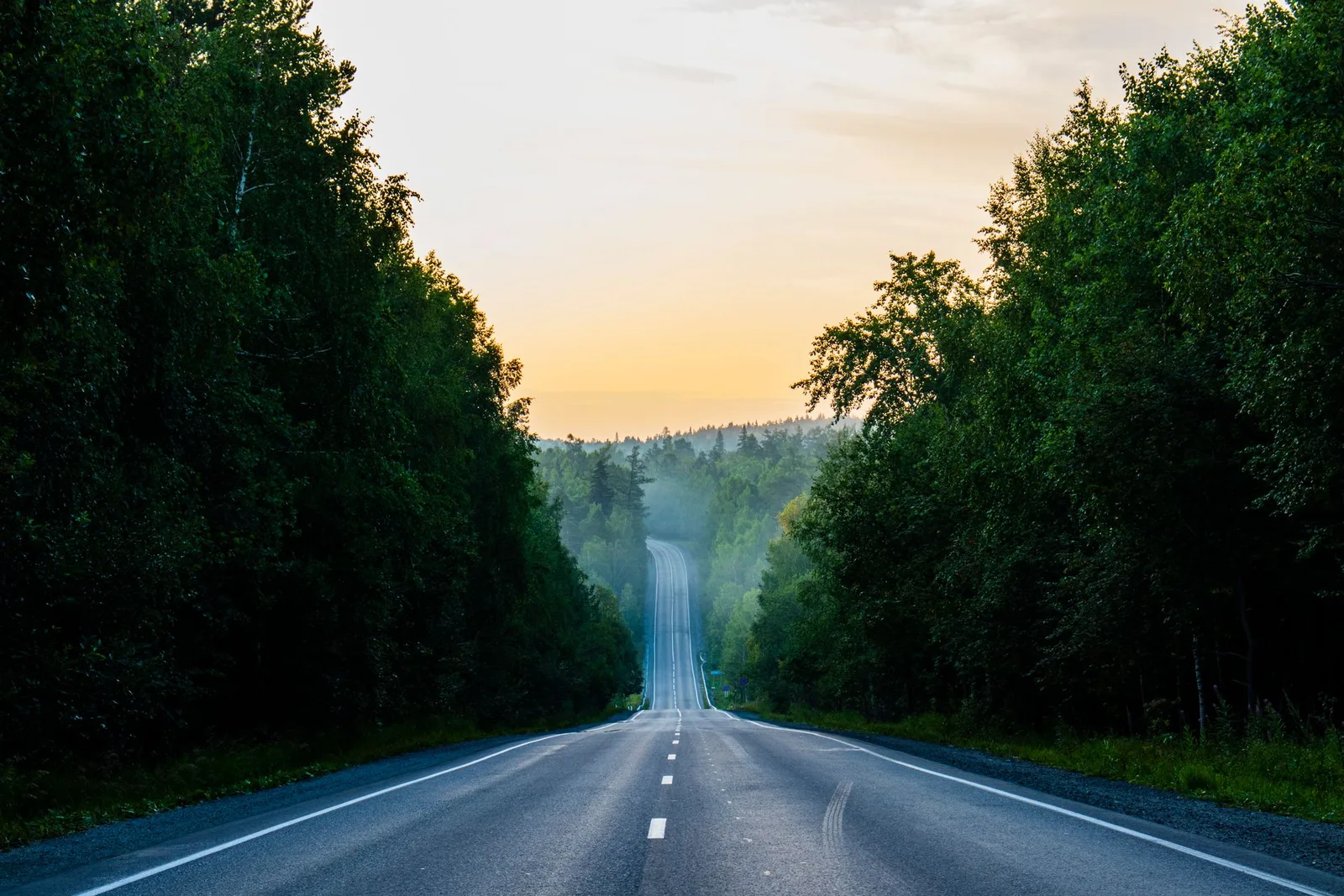
Six countries under one flag.
Pick one, two at most. The rest will still be there next time.
British Columbia and the coast
Rainforest that runs right to the sea, islands with whales and bald eagles, and a coastline you mostly reach only by boat or floatplane. Vancouver is a city between mountains and ocean with a strong Asian influence in its food. Further north lies a rainforest home to the rare white spirit bear, managed by First Nations who run the tourism themselves.
The Canadian Rockies
The images everyone knows: turquoise lakes beneath glaciers, along a parkway ranked among the most beautiful in the world. It's also the busiest patch of nature in the country in July and August. Those wanting it quieter head to the neighbouring provincial parks and the lesser-known valleys: the same mountains, a fraction of the people.
The prairies and the north
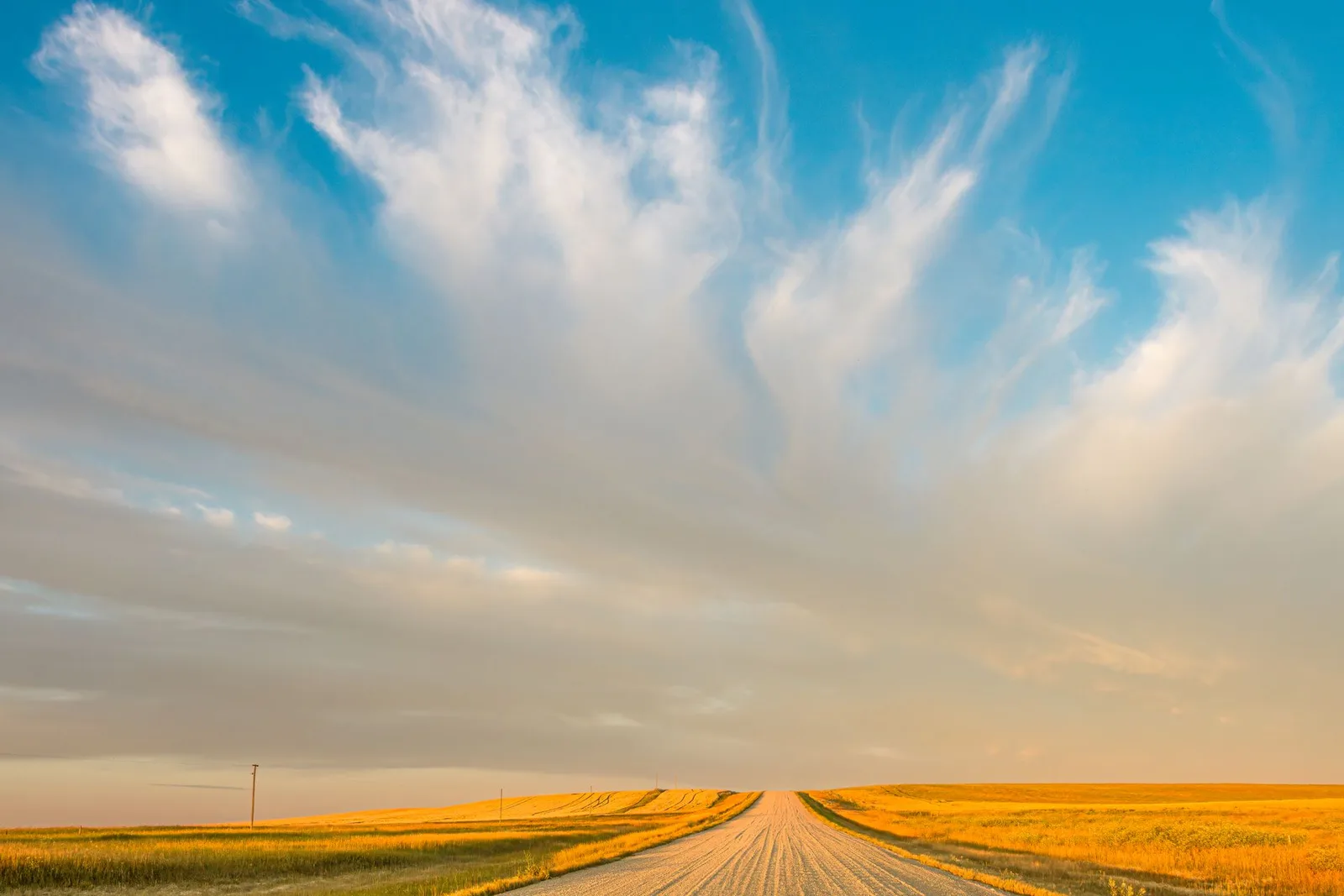
Flat, wide open, and largely overlooked by visitors. Here lie grain fields stretching to the horizon, badlands with dinosaur finds, and further north the tundra where polar bears gather in autumn to wait for the bay to freeze. It's also one of the most reliable places in the world for the northern lights.
Lakes and cities
Toronto is the country's largest city and one of the most diverse in the world. Almost half of its residents were born elsewhere, and you notice that most of all at the table. Further north begins lake country: thousands of lakes across the Canadian Shield, where generations of Canadians head for their wooden cabin by the water, and where you can canoe for days without meeting a soul.
French Canada
A province that lives in French, with a walled old town unlike any other north of Mexico, a food scene that blends French and North American, and a distinct culture of its own. Along the Saint Lawrence, whales travel far inland, and the autumn colours in the forests are what draw people back.
The eastern provinces
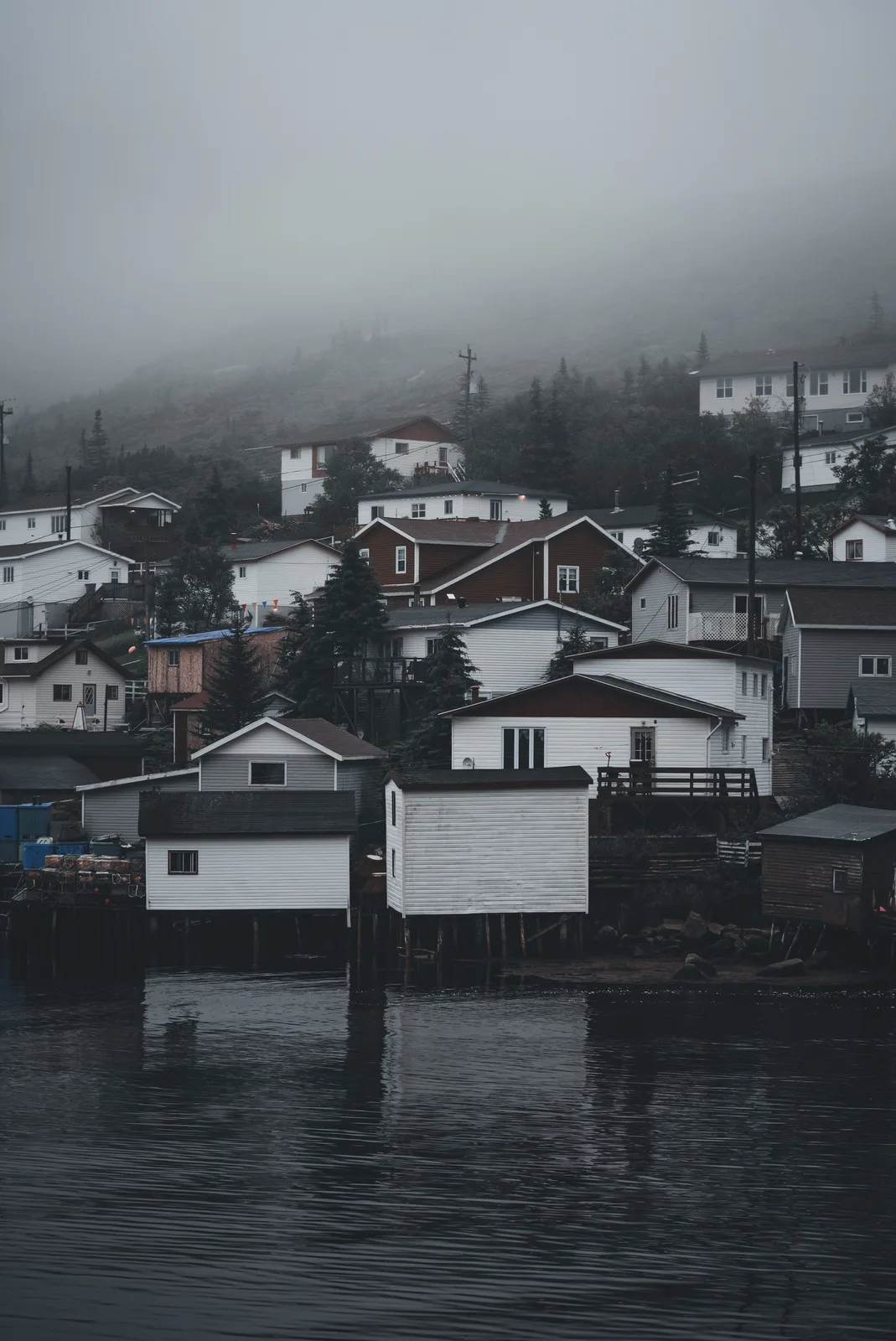
Fishing villages in bright colours, the highest tides in the world, cliffs with puffins, and icebergs drifting past in spring. The culture has Irish and Scottish roots, with a lively music tradition in the pubs. The least visited part of the country by Europeans, and the most relaxed.
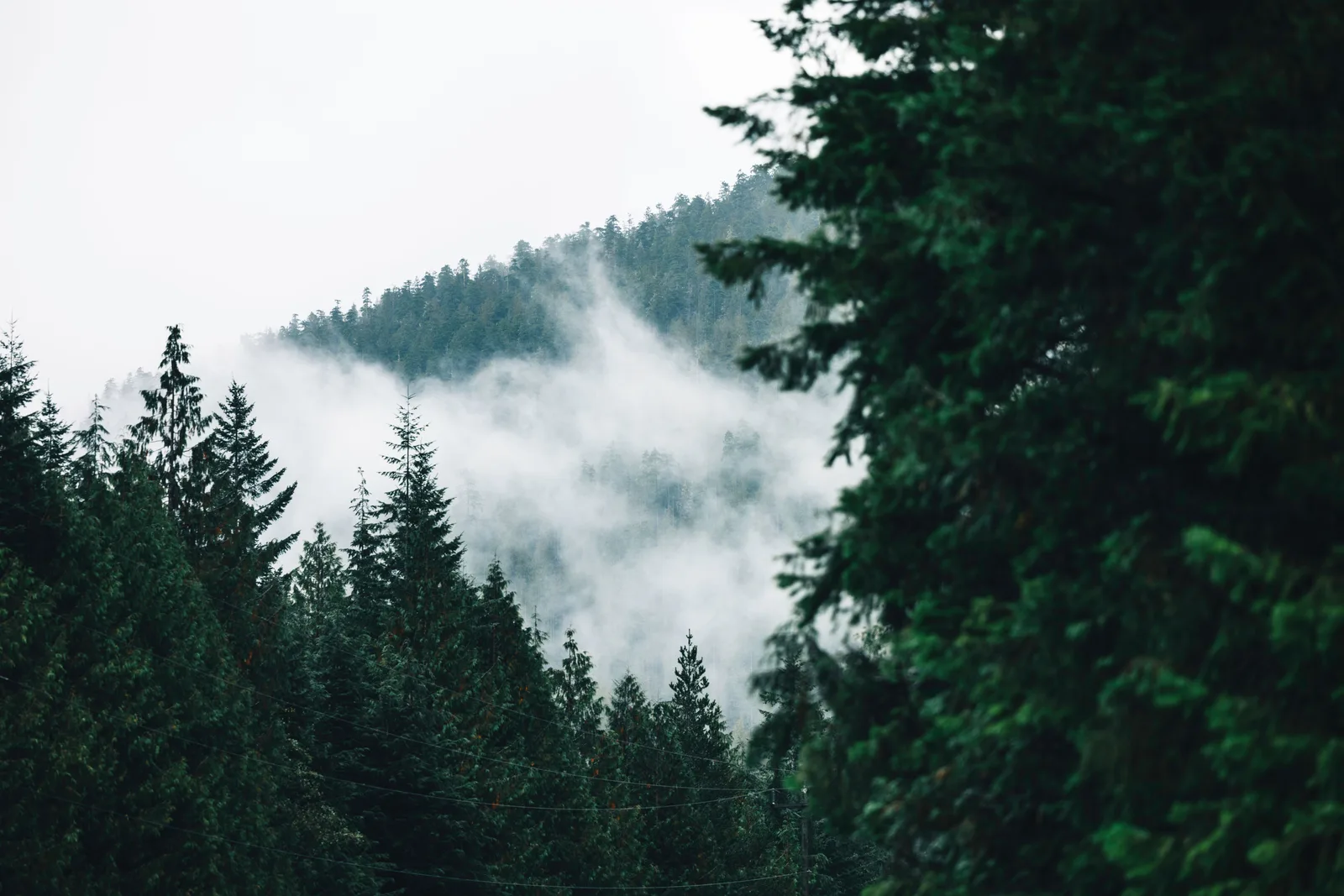

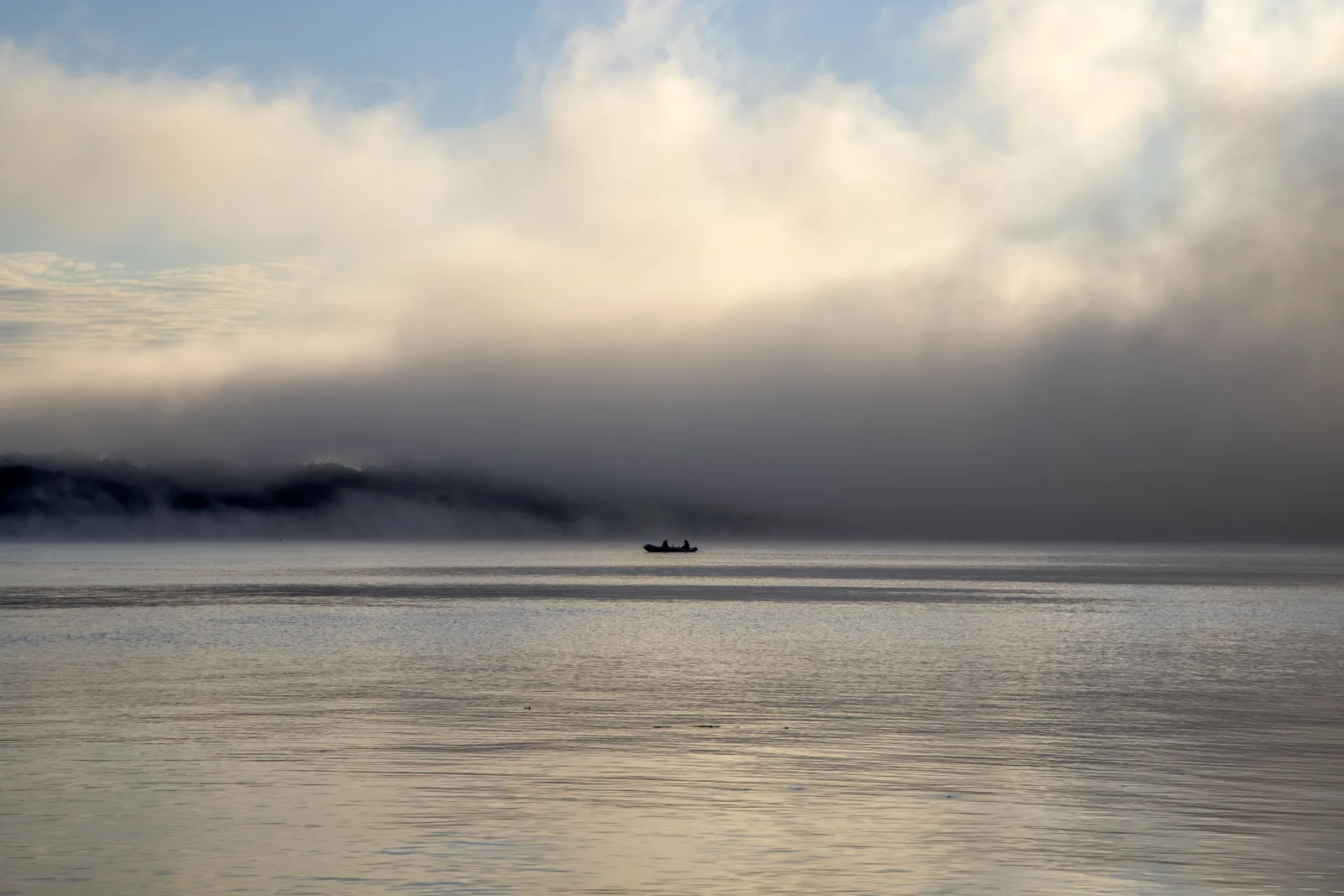
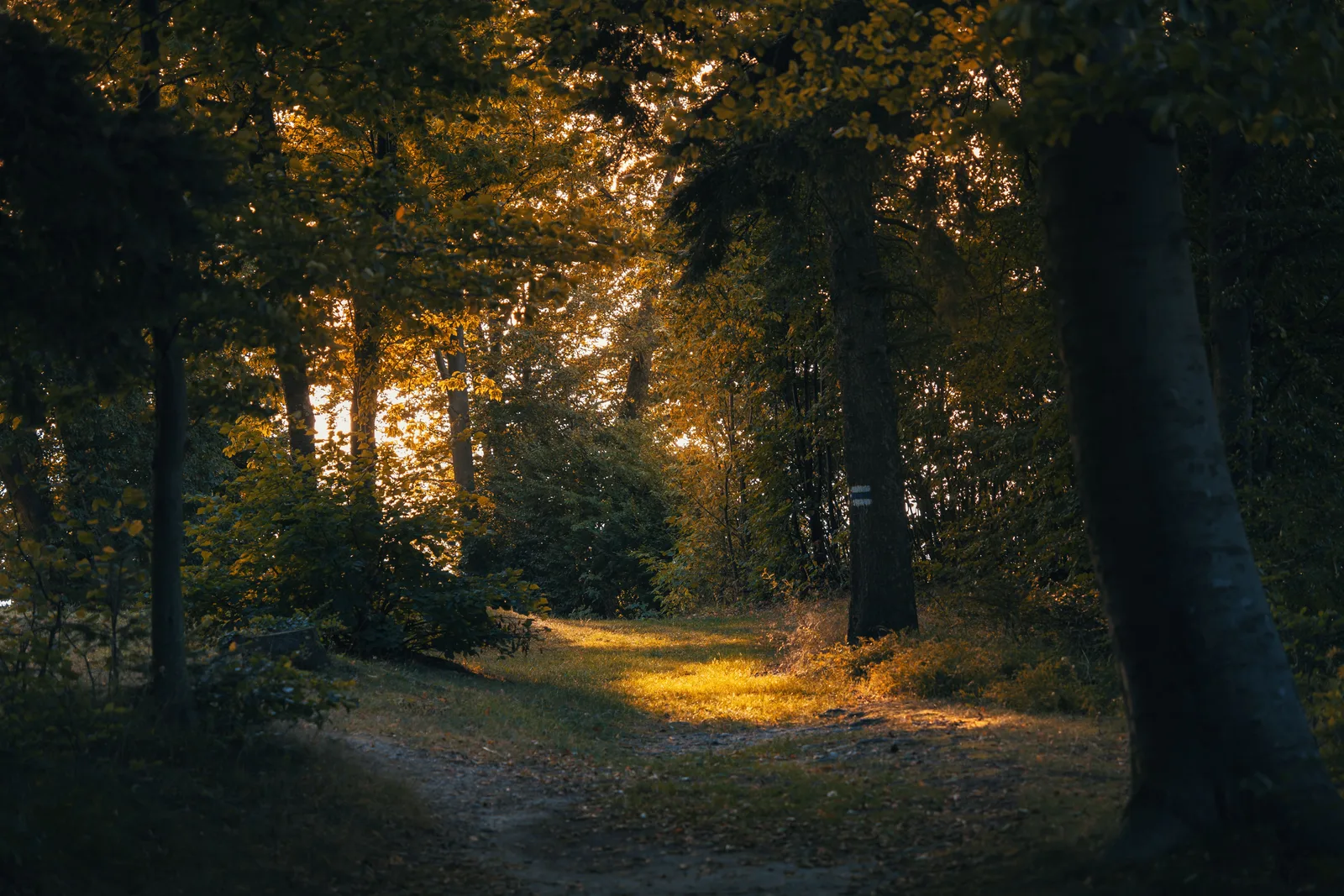
Animals you don't go looking for, you come across them.
Canadian wildlife works differently from a safari. There are no concentrations at watering holes and no vehicles tracking animals down. You're in their habitat, and what you see depends on patience, season and luck.
That gives the sightings a different character. A bear coming down a slope fifty metres away while you're out walking is a different experience from a lion seen from an open jeep.
It also asks something of you: knowing how to behave in bear country is basic kit here.
Bears
Black bears, grizzlies, and polar bears along the north coast. There are places where you can watch them responsibly: from platforms beside salmon rivers, or from the water.
Whales
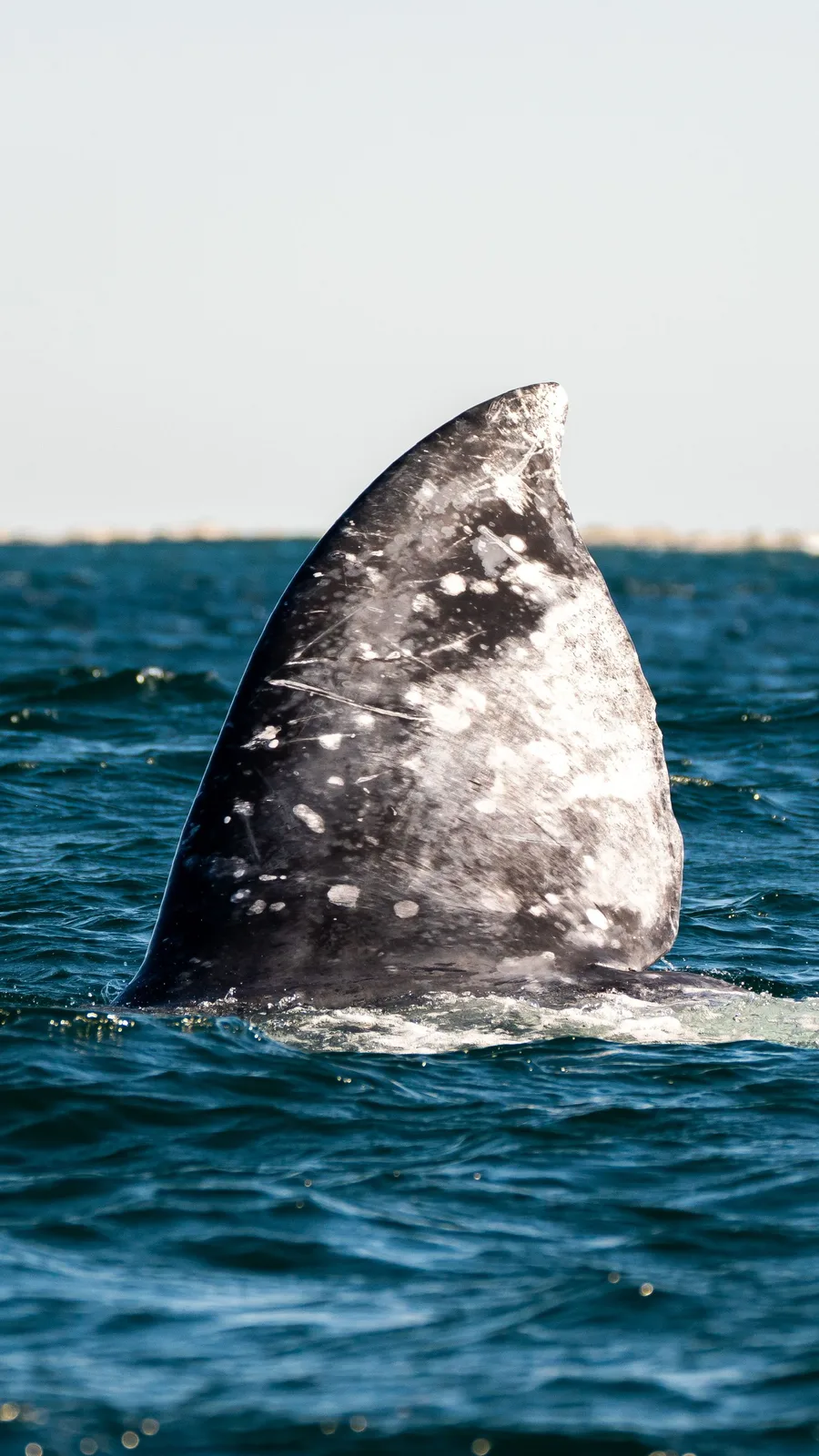
Orcas and humpbacks off the west coast, minke whales and beluga in the Saint Lawrence, and thousands of belugas in shallow water in the north.
The light of the north
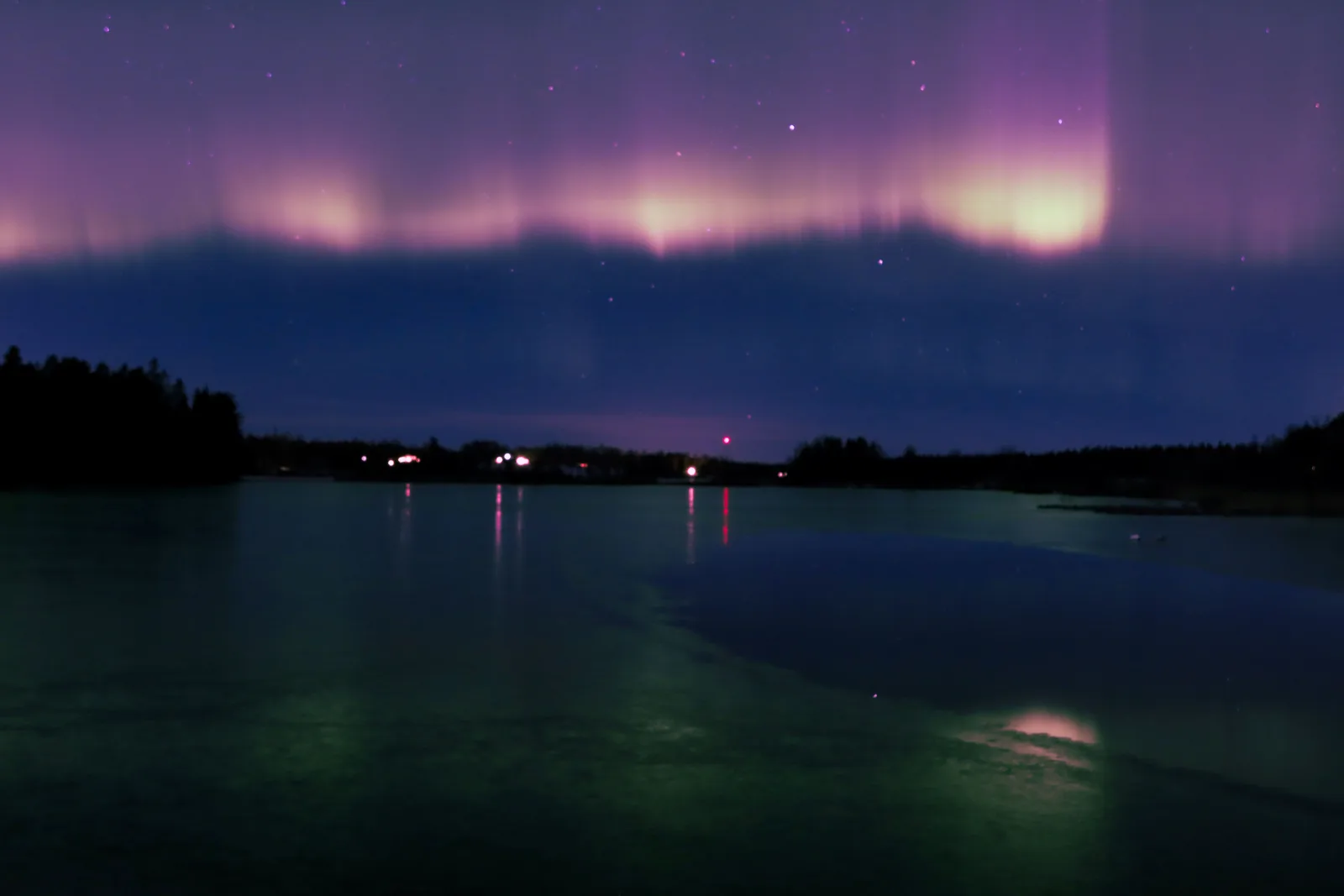
Above the sixtieth parallel, the northern lights are often visible from August to April, with one of the highest success rates in the world.

The oldest cultures on the continent, and the newest.
Canada has more than six hundred recognised First Nations, plus the Métis and the Inuit in the north. Their history with the Canadian state is a heavy one: the residential schools, whose effects are still felt today, are now openly acknowledged and discussed.
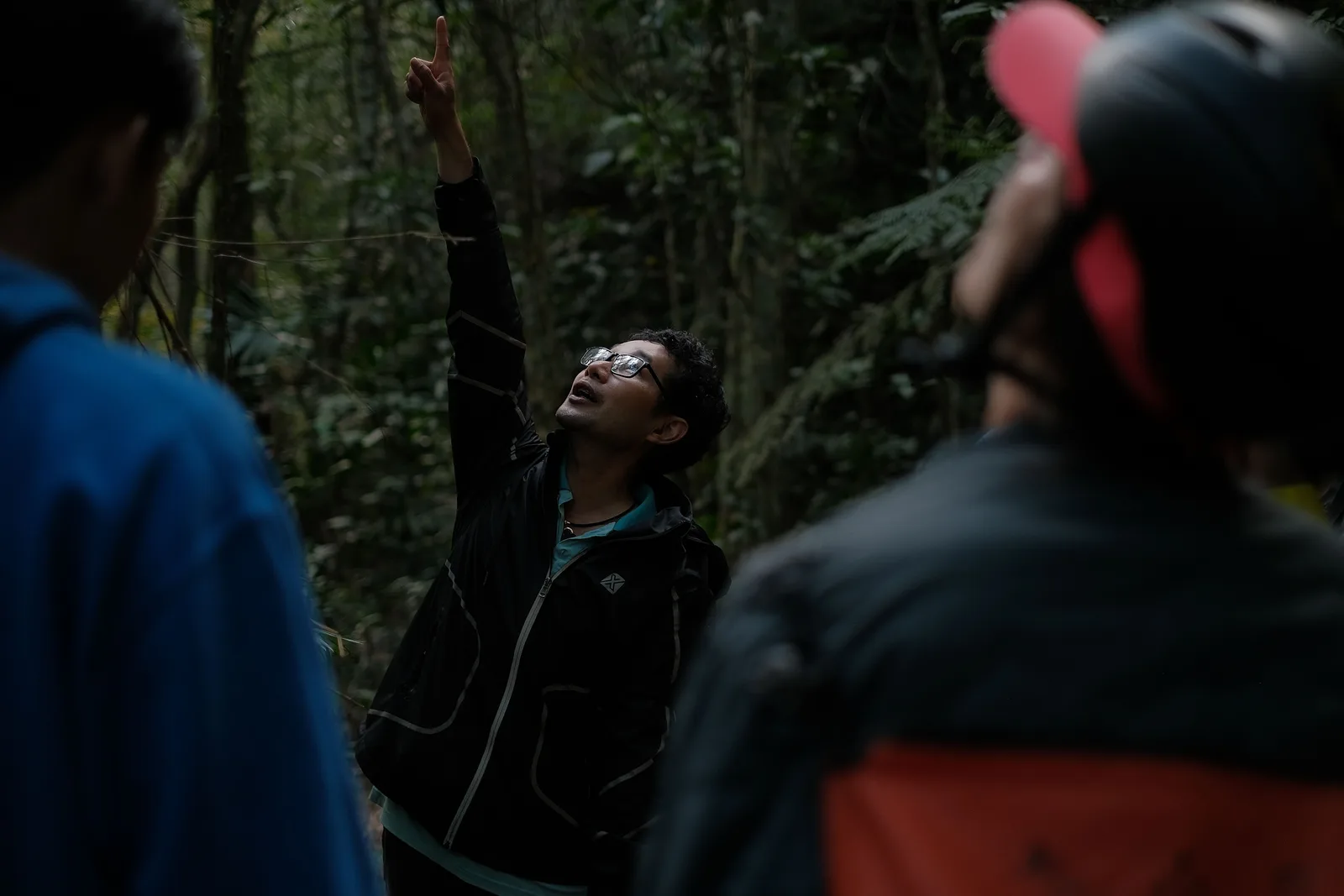
At the same time, something is shifting in how visitors get to know those cultures. In more and more places, it's the communities themselves who organise the tourism: guides from the community, community-run stays, and stories told by the people themselves rather than about them.
On the other side stands a country that ranks among the most diverse in the world. More than a hundred and fifty languages are spoken in Toronto, and you notice that most of all at the table.
We work exclusively with providers who are led or endorsed by the community itself. For this destination, that's not a detail.
What could Canada be for you?
Not stops on a fixed route, but directions to help you notice what draws you and what you'd rather leave out.
Canoeing and camping
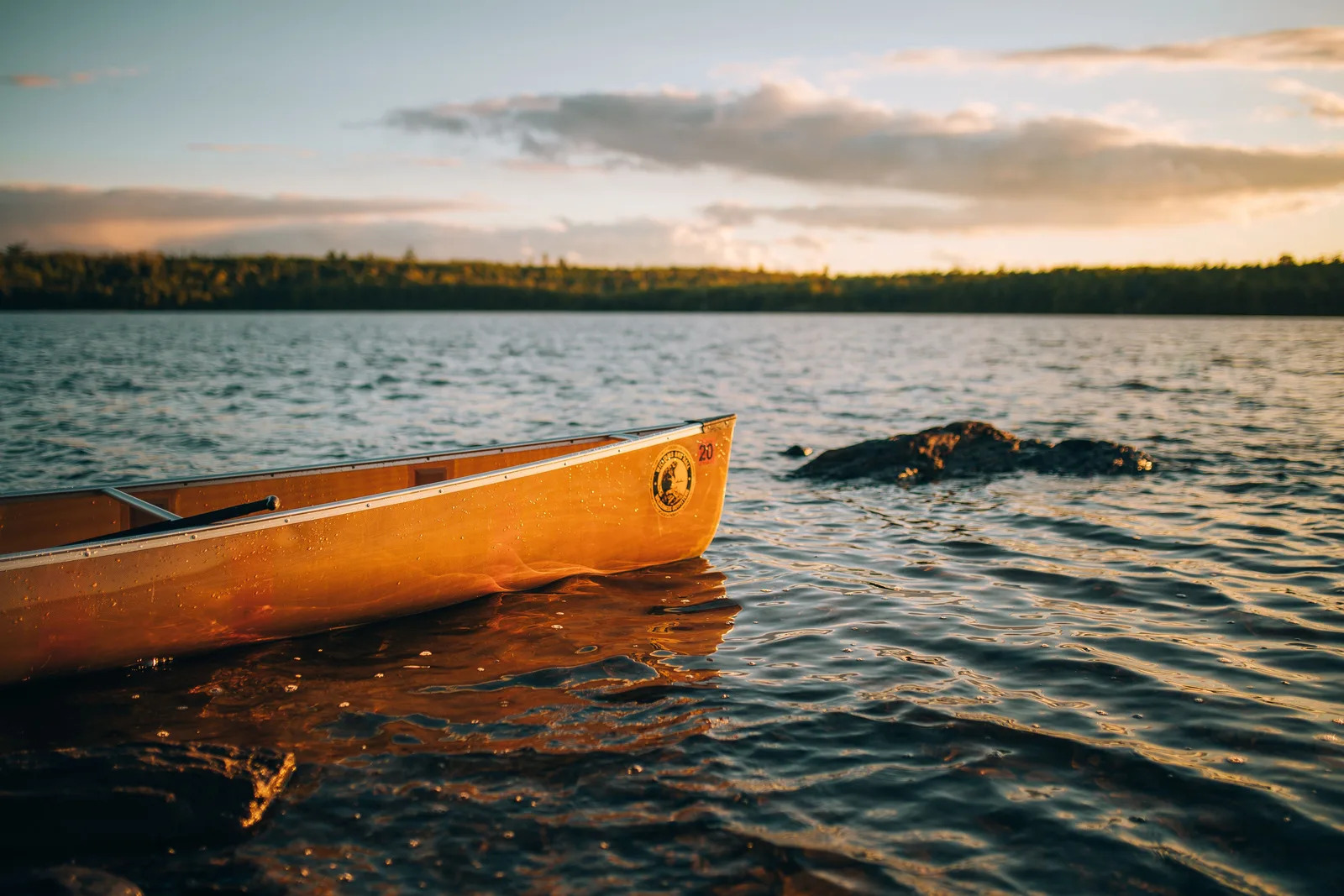
Multi-day trips from lake to lake, portaging the canoe overland between them. Camping by the water, no signal, no other boats. About as Canadian as it gets.
Bears at the salmon run
In autumn, salmon head upstream and the bears gather. Watch from platforms or from the water, with guides who know the area.
Autumn in the east
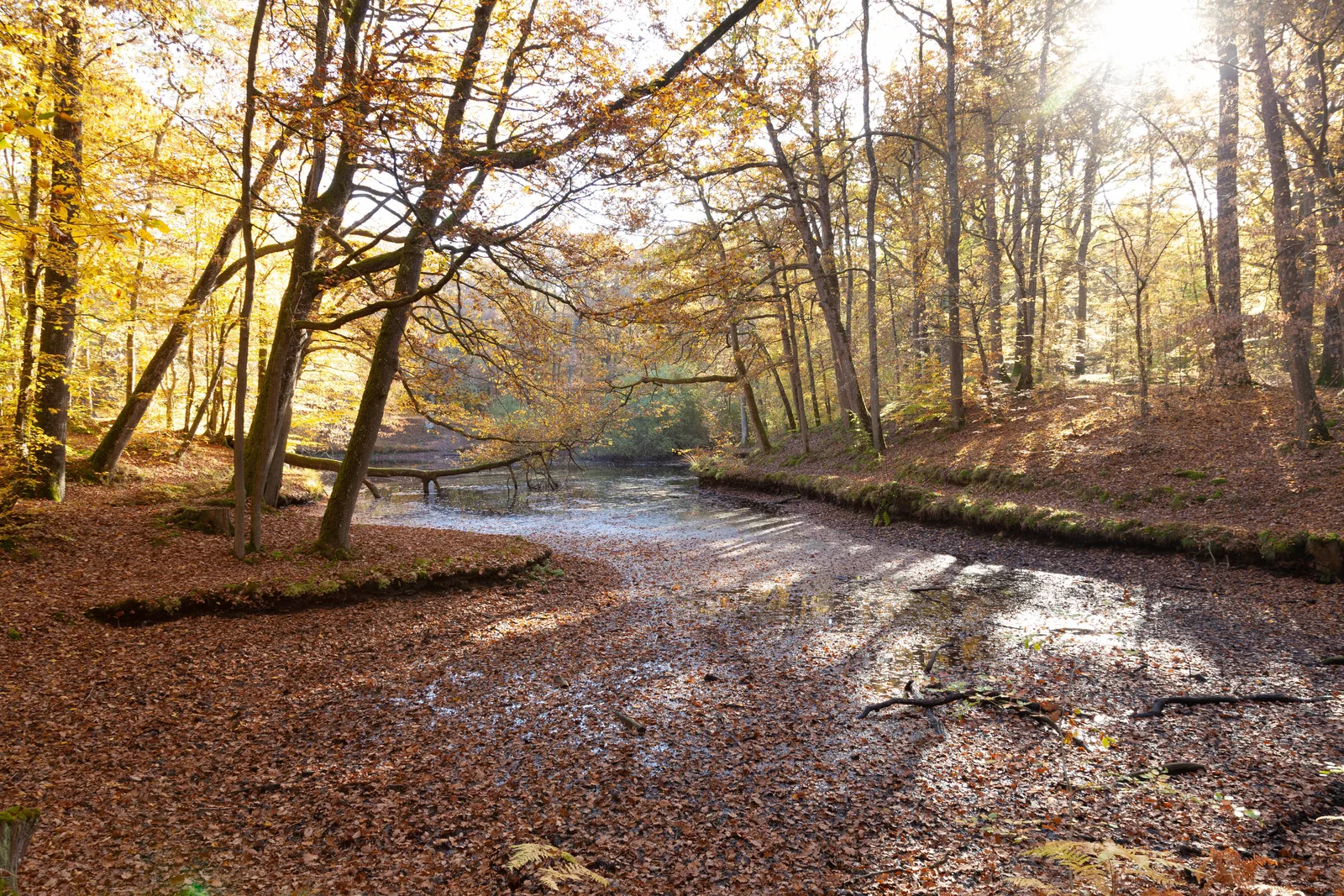
In late September and early October, the forests of Québec and Ontario turn a colour photographs can't quite capture. Two weeks, and the timing shifts every year.
Winter as it's meant to be
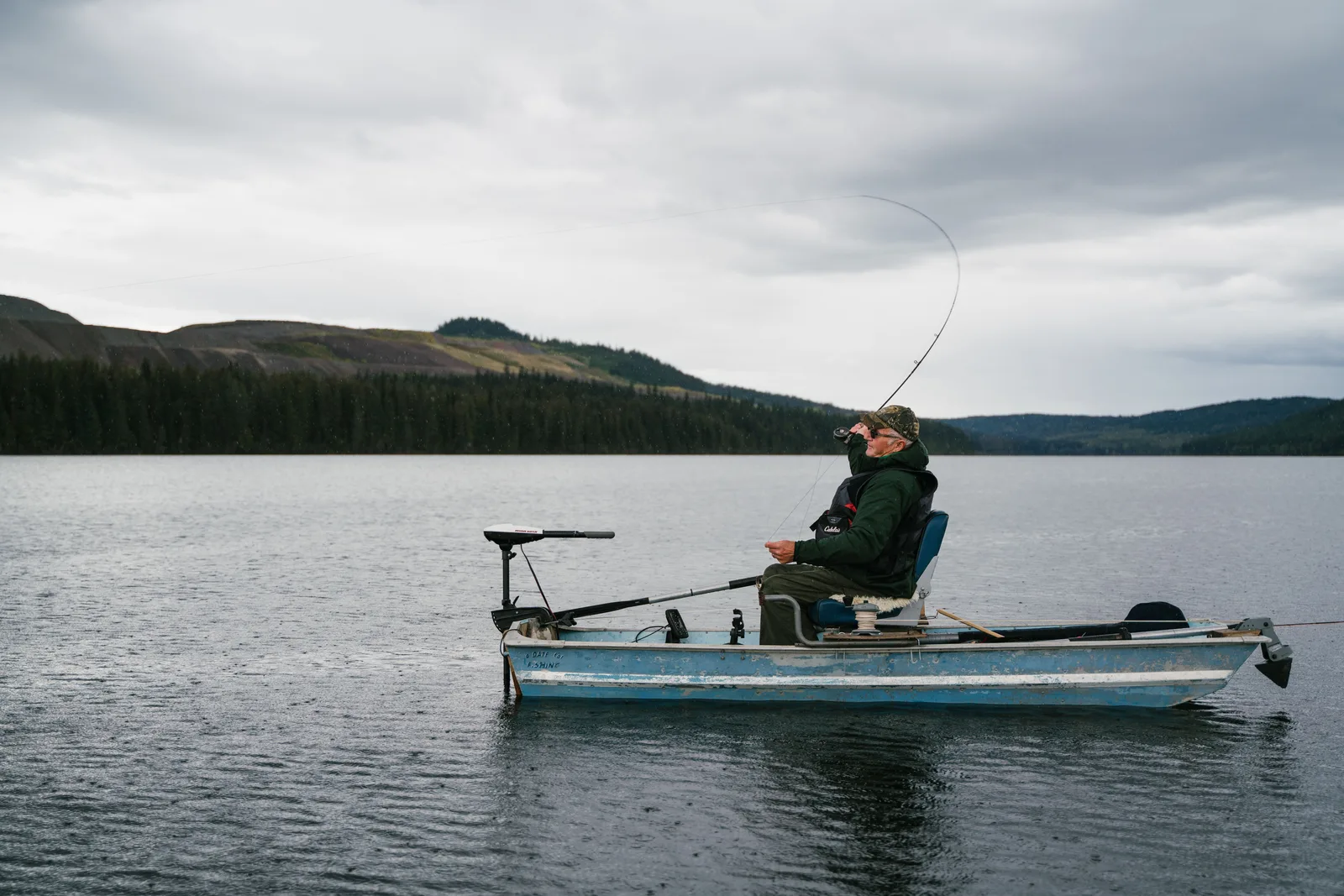
Snowshoeing, dog sledding, ice fishing and evenings by the fire. Canadian winter isn't something to get through, it's a season with a programme of its own.
The train across the country
Days on end through prairies and mountains, with sleeper cabins and panorama cars. For those who don't want to skip the distance but experience it.
Travelling with the community
With First Nations or Inuit who organise the visit themselves: reading the land, hearing stories, eating what's been caught. It takes planning and respect, and gives back the most.
These are possibilities.Not your journey.

Four seasons that make four different countries.
June to September is the broad summer season: everything is open, the days are long and in the north the sun barely sets. July and August are also the busiest in the mountain parks; those who can, choose June or September instead.
Late September and October bring autumn, with colours in the east that justify a trip in themselves, fewer people, and bears eating their fill before winter.
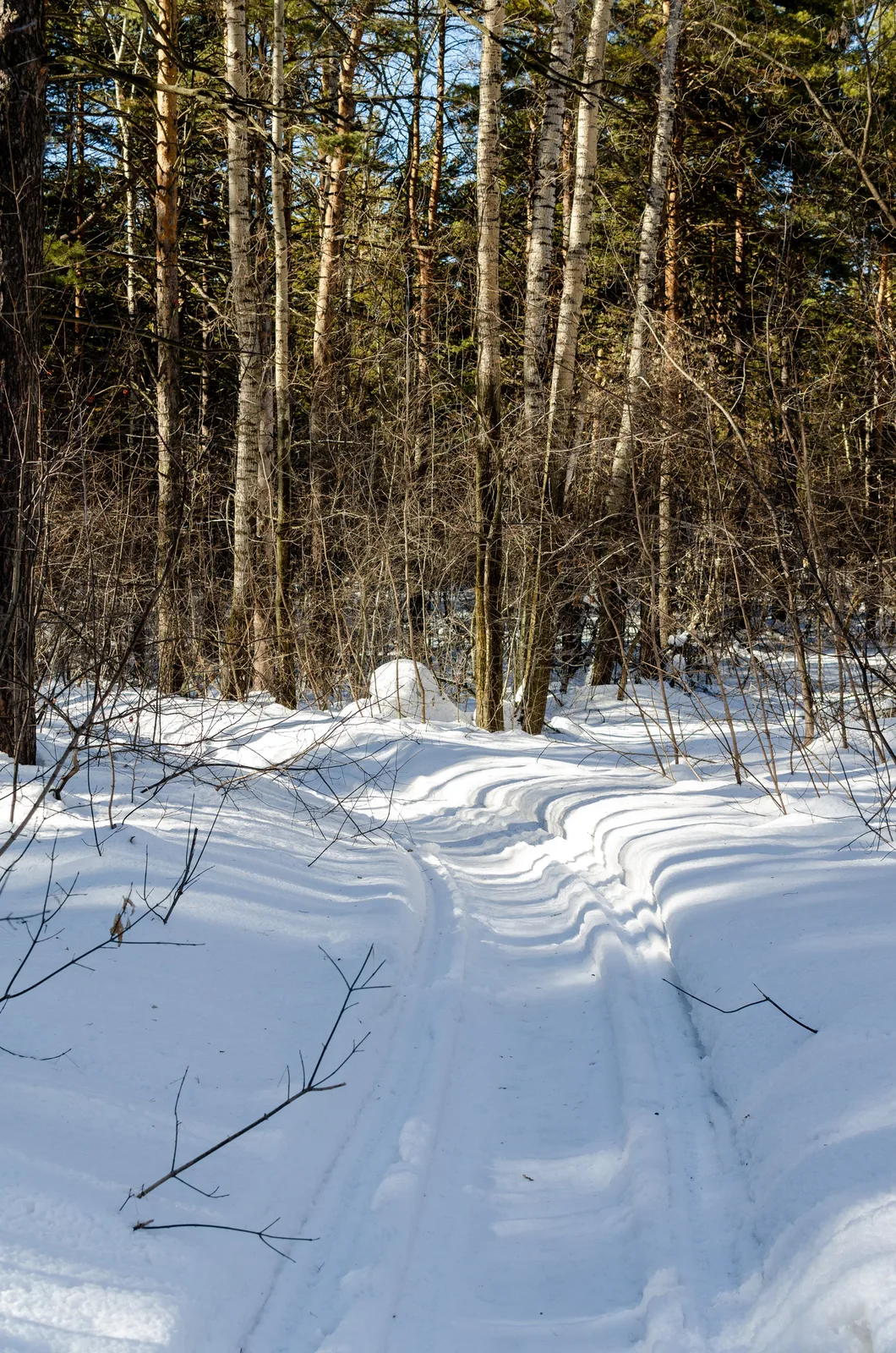
December to March is proper winter: snow, cold you have to experience to understand, and the best season for the northern lights. Many activities exist only then.
April is the trickiest month. The snow is melting, many roads and lodges are still closed, and the landscape isn't green yet. In the Rockies the first half of May is a shoulder season too: the road to Moraine Lake only opens on 1 June. That's the only period where we'd suggest a different destination.
Best time to visit Canada
Who else is at their best in these months?
June July August September October
Use the contact form to discuss your travel dates and preferences with us.
Where we look at it differently.
One region, genuinely. The temptation to combine east and west is strong and the distances are continental. One region with two weeks in it makes a trip; two regions mostly make airports.
Beyond the famous mountain parks. The provincial parks bordering the famous national parks share the same landscape with a fraction of the visitors, and often better trails.
The Atlantic side exists. Closer than the west, considerably cheaper, and barely visited by European travellers. For those after coast, music and space, it's the better choice.
Winter is not a second choice. For many travellers, Canadian winter is more memorable than summer: snow-hushed stillness, northern lights and activities that don't exist in July.
Book summer well ahead. Lodges in the mountain parks and huts along popular canoe routes fill up months in advance. Anyone starting to plan in March for July no longer has much choice.
Practical, without the noise.
We'll go through the full, up-to-date picture with you in person, including whatever matters specifically for your trip.
Getting there
Direct flights to Montréal and Toronto, with a connection to the west coast. Domestic distances are large and flights correspondingly long.
Documents
Which travel documents you need depends on your nationality, and entry rules change regularly. We go through the current requirements with you before you leave.
Distances
Expect North American scale. What looks side by side on the map can be a day's drive apart.
Bear country
Many nature areas have rules around food storage and behaviour. That's not a formality; we'll give you a clear briefing on it.
Travelling with children
Excellent choice: safe, well-equipped parks, plenty of outdoor activities, and a short flight to the east.
Mosquitoes
In the boreal forest, June and July are mosquito months. It sounds like a detail, and in practice it decides how enjoyable a canoe trip is.
Cost
Accommodation in the mountain parks and during high season is expensive and limited. Deciding early makes a real difference here.
Language
In Québec, French is the working language and an attempt at it is appreciated. Elsewhere, English works everywhere.
Frequently asked questions
When is the best time to visit Canada?
June to September is the broad summer season, with everything open and long days; June and September are quieter in the mountain parks. In late September and October the eastern forests turn. December to March is real winter, with the best northern lights. April is the trickiest month, and the first half of May remains a shoulder season, when many roads and lodges are still closed.
Can you combine eastern and western Canada?
You can, but Vancouver and Halifax are further apart than Brussels and Cairo. One region with two weeks in it makes a journey, two regions mostly make airports. The exception is the train journey across the country, which is meant precisely to let you feel the distance.
Where can you see bears in Canada?
Black bears and grizzlies in the west, and polar bears in the north, where in autumn they wait for the bay to freeze. Responsible viewing is possible from platforms along salmon rivers or from the water. Bear country has rules on food storage and behaviour, and we give you a clear briefing on them.
Is winter a good time to visit Canada?
For many travellers the Canadian winter is more memorable than the summer: snowy silence, northern lights and activities that do not exist in July, such as snowshoeing, dog sledding and ice fishing. North of the sixtieth parallel the northern lights are often visible from August to April.
Do you need to speak French in Québec?
In Québec, French is the everyday language and an attempt at it is appreciated. Elsewhere in Canada English works everywhere. The province lives and thinks in French, with a walled old city unlike any other north of Mexico, and a cuisine that blends French and North American.
- Flight time
- About 7 to 8 hours to the east, 10 hours or more to the west
- Languages
- English and French; French is the working language in Québec
- Time difference
- -4.5 hours in Newfoundland to -9 hours on the west coast
- Time zones
- Six, from Newfoundland to the Pacific coast
- Strongest periods
- June to September; September to October for autumn colours, winter for snow and the northern lights