

A kingdom that kept its own pace.
A tiny kingdom that is usually overlooked in the shadow of its larger neighbours, and that has kept its own pace as a result. Wedged between South Africa and Mozambique, about half the size of Belgium, and yet a country with its own language, its own monarch and a landscape that shifts within a few hours' drive from oppressive lowveld to cool mountain pass.
Eswatini doesn't call itself a safari destination or a cultural destination. It's both at once, without either one crowding out the other. Most travellers drive in from Kruger or the Mozambican coast, planning to stay a night or two, and leave later than planned.
In short
Best time to go
May to September is dry and cool, and the short grass makes wildlife easier to spot; the Umhlanga reed dance falls in late August or early September. Summer is warmer and greener, with the Incwala around New Year.
How long
Three to five nights, usually as part of a route with Kruger or the Mozambique coast. That leaves time for a walking safari in Mkhaya, the Ezulwini Valley and a day in the mountains of Malolotja.
Who it suits
Travellers who want to go on safari on foot in compact reserves, see craft and culture without a show, and add a quieter country to a trip through Kruger or Mozambique.
What sets it apart
Unlike South Africa and Mozambique, Eswatini is an absolute monarchy, where royal ceremonies such as Umhlanga and Incwala still set the rhythm of the year. In Mkhaya you walk among rhinos with a ranger.
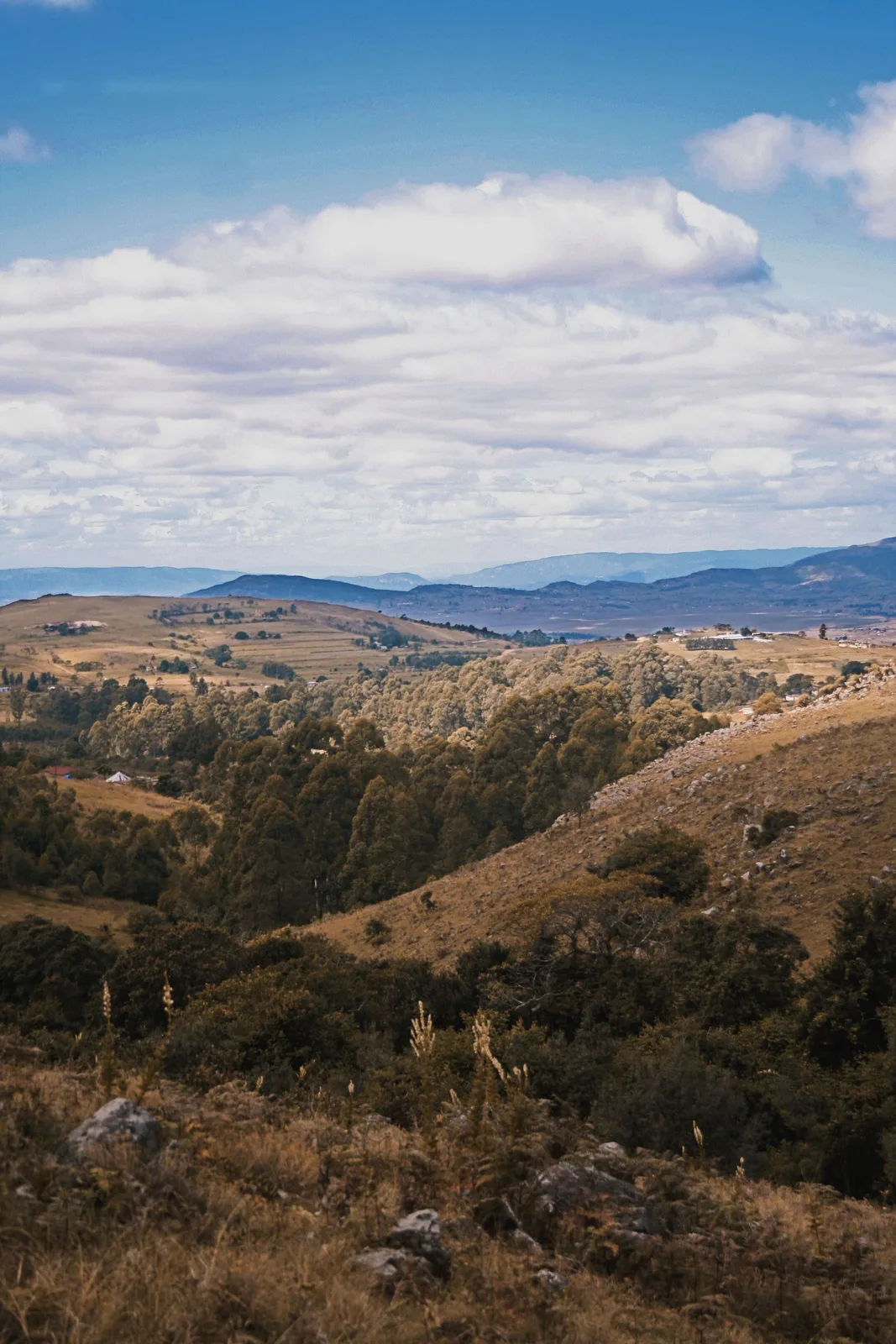
Five landscapes a few hours' drive apart.
Eswatini is small enough to drive from mountain pass to savanna in a single day, and uses that to its advantage. Every area feels like a different country.
The Ezulwini valley
'Valley of Heaven', with royal residences, hot springs and the craft markets where the country sells most of its weaving and glasswork. Eswatini's administrative and ceremonial centre, without acting the part.
Malkerns
A fertile valley full of small vineyards, workshops and the open-air theatre House on Fire. More workshop than gallery. Most makers sell what they finished that same week.
The highveld around Malolotja
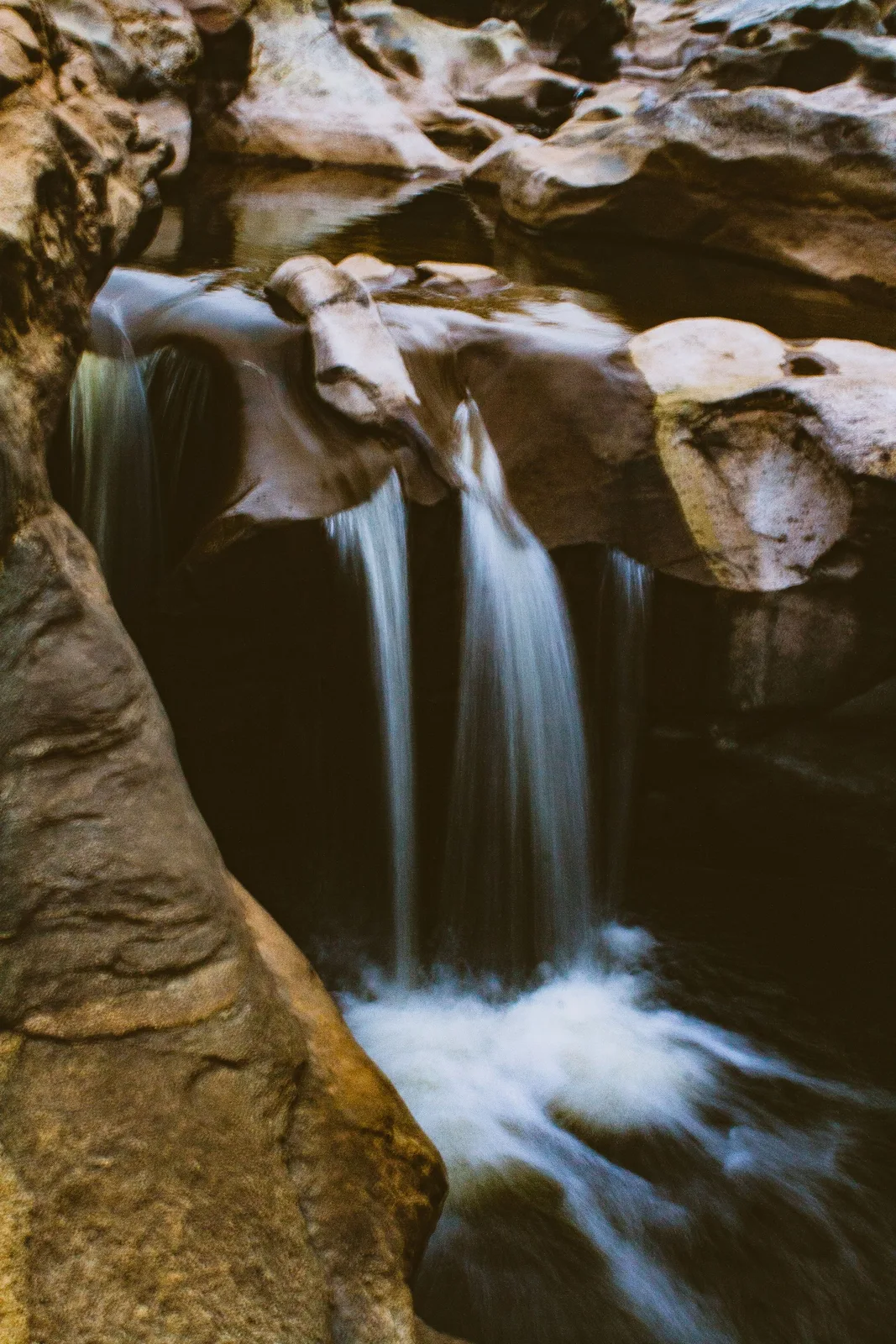
Grass mountains, canyons and waterfalls at 1400 to 1800 metres, cooler than the rest of the country all year round. This is also home to Ngwenya, the oldest mine in the world, and a little further on, above Mbabane, Sibebe Rock, the second-largest monolith after Uluru.
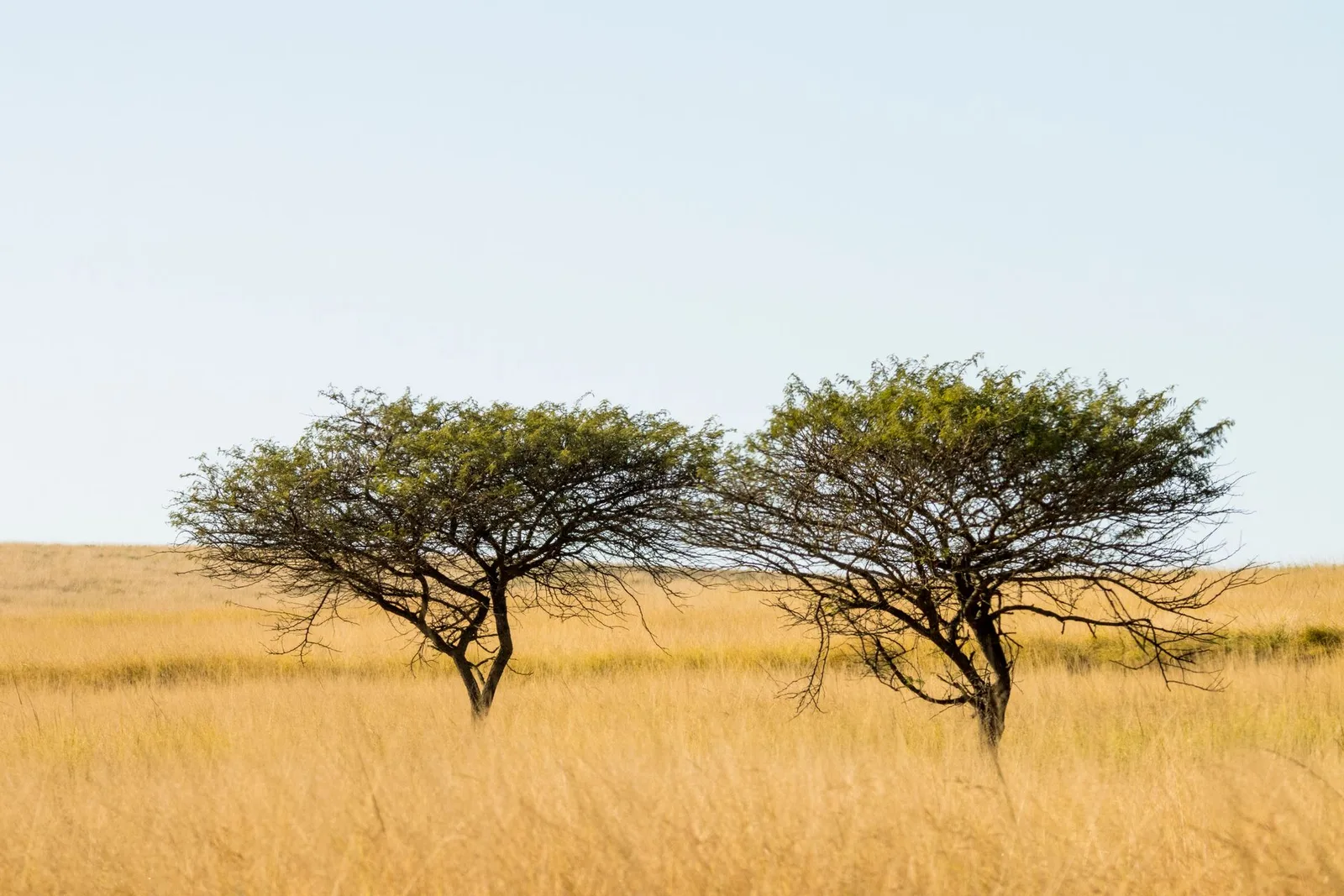
The lowveld with Hlane and Mkhaya
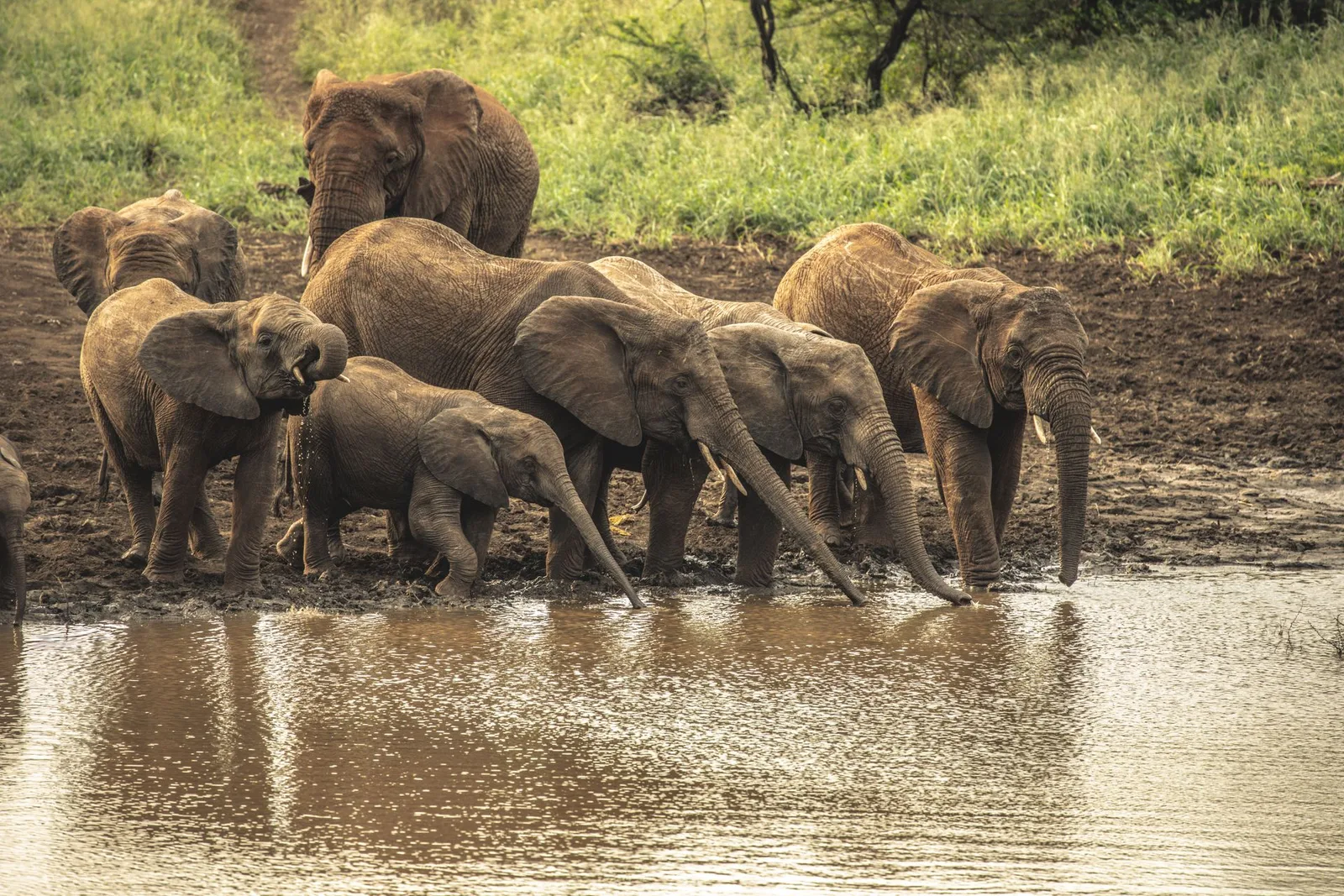
Hotter, flatter and denser with wildlife, the two reserves where Eswatini keeps its elephants, rhinos and lions, small enough to approach on foot rather than from a jeep.
The Lubombo hills
A long, low mountain ridge marking the border with Mozambique and part of a cross-border conservation area. The quietest stretch of the country, usually a stopover on the way to the coast.

Small enough to explore on foot.
Eswatini's reserves are more compact than those of its famous neighbours, and that is exactly why they offer a different kind of experience: closer, slower, with less vehicle between you and the animal.
Mkhaya
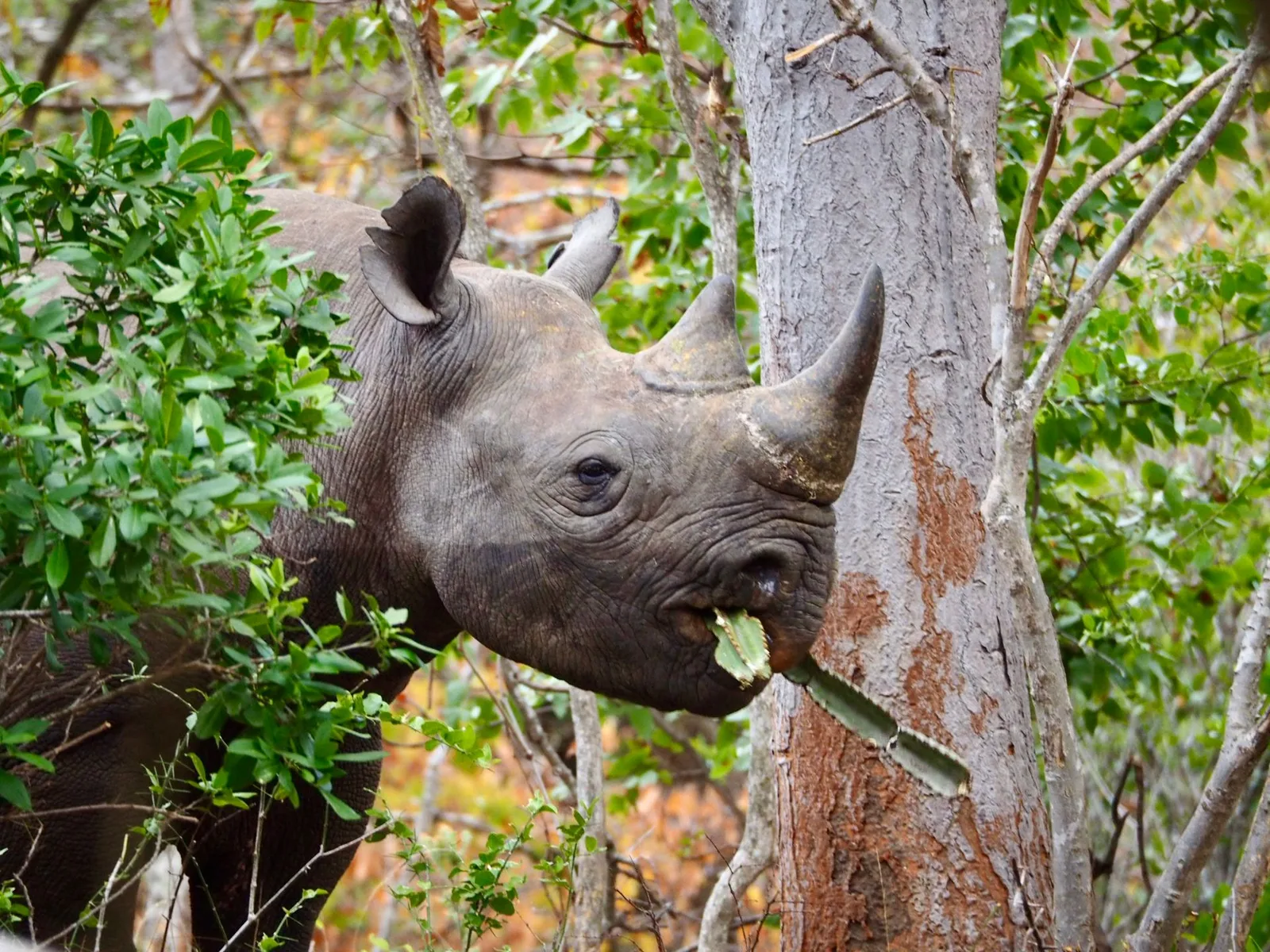
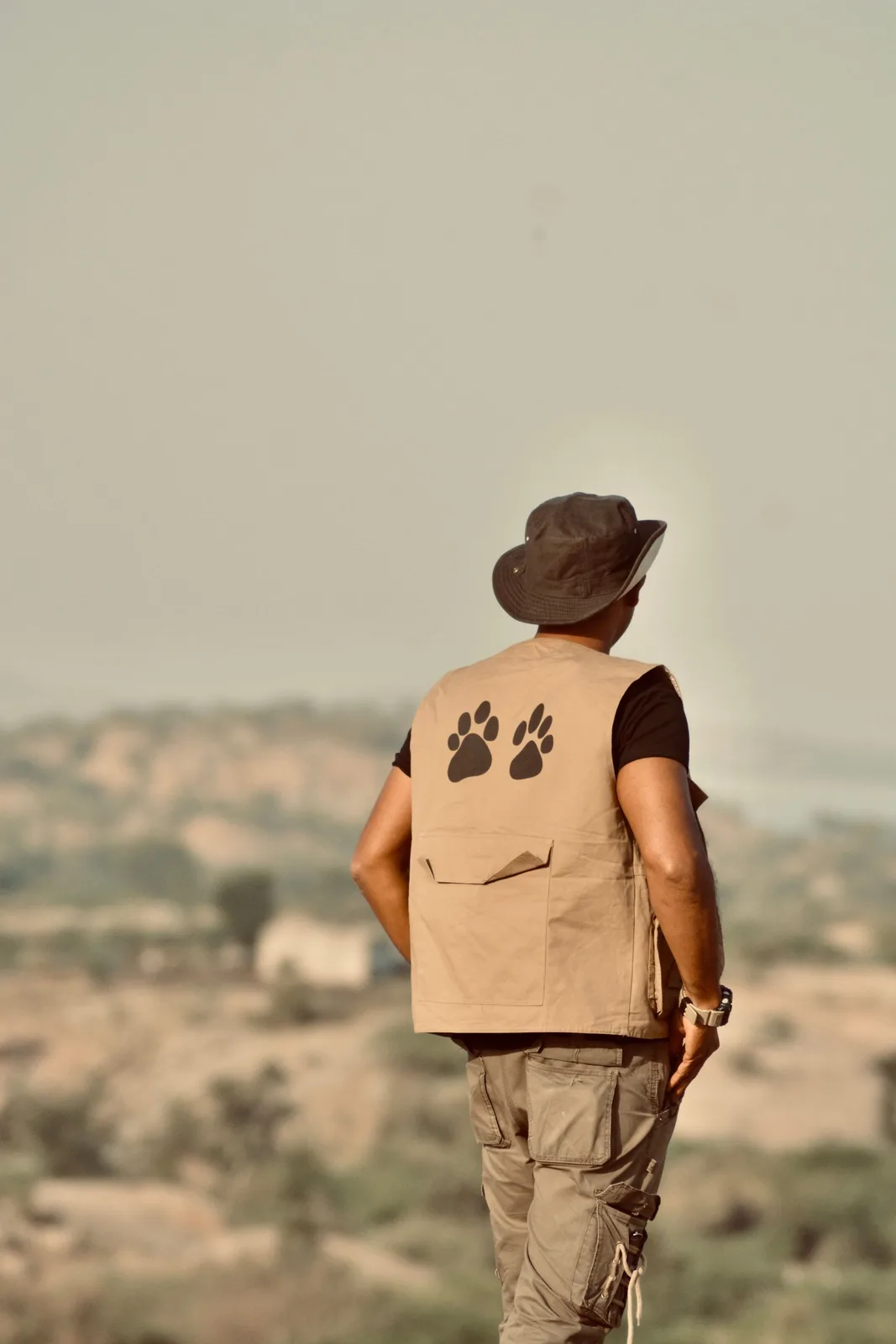
A private reserve where walking safaris are the rule, not the exception. A ranger leads you on foot to a respectful distance from black rhinos, something rarely possible in the larger parks of neighbouring countries.
Hlane Royal National Park
The country's largest reserve, with four of the Big Five: lion, elephant, leopard and white rhino. Buffalo are absent. Elephants and rhinos roam freely across open savanna. Small-scale enough to have almost to yourself early in the morning.
Malolotja
A nature reserve of canyons, streams and bare highland grassland. More hiking ground than game park, rewarding you with views rather than animal tracks.
A country that doesn't win you over with grandeur,but with closeness.
Possibilities, not a programme
What follows isn't a day-by-day itinerary. These are the things that set Eswatini apart from a stopover on the way to somewhere else.
On foot among rhinos
In Mkhaya you follow a ranger who reads the tracks, not the wheel. One of the few places in southern Africa where that's possible.
A morning at a weaving workshop
In Malkerns or Ezulwini, watch baskets and mats take shape, from grass to finished piece, in conversation with the people who make them.
Climbing Sibebe Rock
The second-largest monolith in the world after Uluru. A walk of a few hours across bare granite, with the highveld spread out beneath you.
Riding among zebras
Mlilwane Wildlife Sanctuary has no large predators, so you move freely among the animals. You simply ride among zebras and impalas.
Witnessing a ceremony
If the calendar allows: the Umhlanga reed dance in late August or the Incwala ceremony around New Year, not a performance but the country's real rhythm.
None of this sits on a fixed schedule. It shifts with the season and with what you want to see.


Why we look at Eswatini differently
The last kingdom Eswatini is Africa's last absolute monarchy. The ceremonies you sometimes encounter aren't a show for visitors, but the country's genuine political and social rhythm.
Small enough to walk Reserves such as Mkhaya and Mlilwane are compact enough for walking safaris, a scale the large parks of neighbouring countries rarely allow.
Craft is economy, not folklore Weaving and glasswork are a real livelihood, exports included, and not something kept alive for tourists.
Rarely the main destination, always the highlight Most travellers plan Eswatini as a few nights within a longer route through southern Africa, and are surprised afterwards by how much the country reveals in that short time.
Sibebe Rock, the second-largest monolith in the world, on a morning without another walker in sight.
When to travel to Eswatini
The dry winter months, May to September, are the easiest: cool, dust-dry and the grass in the reserves short enough to spot wildlife well. In late August the Umhlanga reed dance ceremony takes place, one of the few moments you see the country's culture in full motion.
Summer is greener and warmer, with rain that swells the waterfalls in Malolotja but pushes wildlife deeper into the bush. Around New Year the Incwala ceremony takes place, warm and humid, but the cultural high point of the year.
Best time to visit Eswatini
Who else is at their best in these months?
May June July August September
Use the contact form to discuss your travel dates and preferences with us.
Practical, without the noise.
A few practical matters we always cover in advance.
Getting there
No direct flight from Belgium; usually via Johannesburg, with a short connecting flight to King Mswati III International Airport or a drive of four to five hours.
Documents
Which travel documents you need depends on your nationality, and entry rules change regularly. We go through the current requirements with you before you leave.
Health
Malaria risk in the lowveld around Hlane and Mkhaya, virtually absent in the highveld. We discuss this per route.
Pace
Most travellers combine Eswatini with Kruger or the Mozambican coast. A few nights are enough to let the country do its work.
- Flight time
- No direct flight: via Johannesburg, then a short flight or a drive of four to five hours
- Languages
- siSwati and English
- Time difference
- One hour ahead in winter, level with Belgium in summer
- Elevation
- From around 20 metres in the lowveld to 1,862 metres on Emlembe
- Best time to visit
- May to September, dry and cool, with the Umhlanga reed dance ceremony in late August