

A country greener than its history lets on
A country with more landscape than its history lets on: forests, lakes and cities each rebuilt with character.
Mention Poland and most people think of a century of history that weighs more heavily than it should. Yet a third of the country is forest, including primeval woodland where the European bison still roams free, thousands of lakes in the north-east, and a coastline with dunes that shift like something out of the Sahara. The history is there, unmistakably, but it isn't the only story.
The second story is one of rebuilding. Warsaw, Gdańsk, Wrocław: cities raised again from brick and old photographs, facade by facade, guild house by guild house. Not as replicas, but as a deliberate choice to carry something forward. That gives Polish cities an odd quality, old in appearance, thoroughly alive in the streets beneath.
In short
Best time to go
May to September, with long days for the lakes, the coast and the Tatras. July and August are the warmest and busiest; early autumn is quieter, with mushrooms in the forests.
How long
Ten days to two weeks for two or three regions, such as Kraków with the Tatras or Gdańsk with Masuria. Trains between cities are fast; Masuria and Podlasie take longer to reach.
Who it suits
For travellers who want to pair cities with carefully rebuilt old centres with nature: canoeing in Masuria, hiking in the Tatras and looking for bison in Białowieża, children included.
What sets it apart
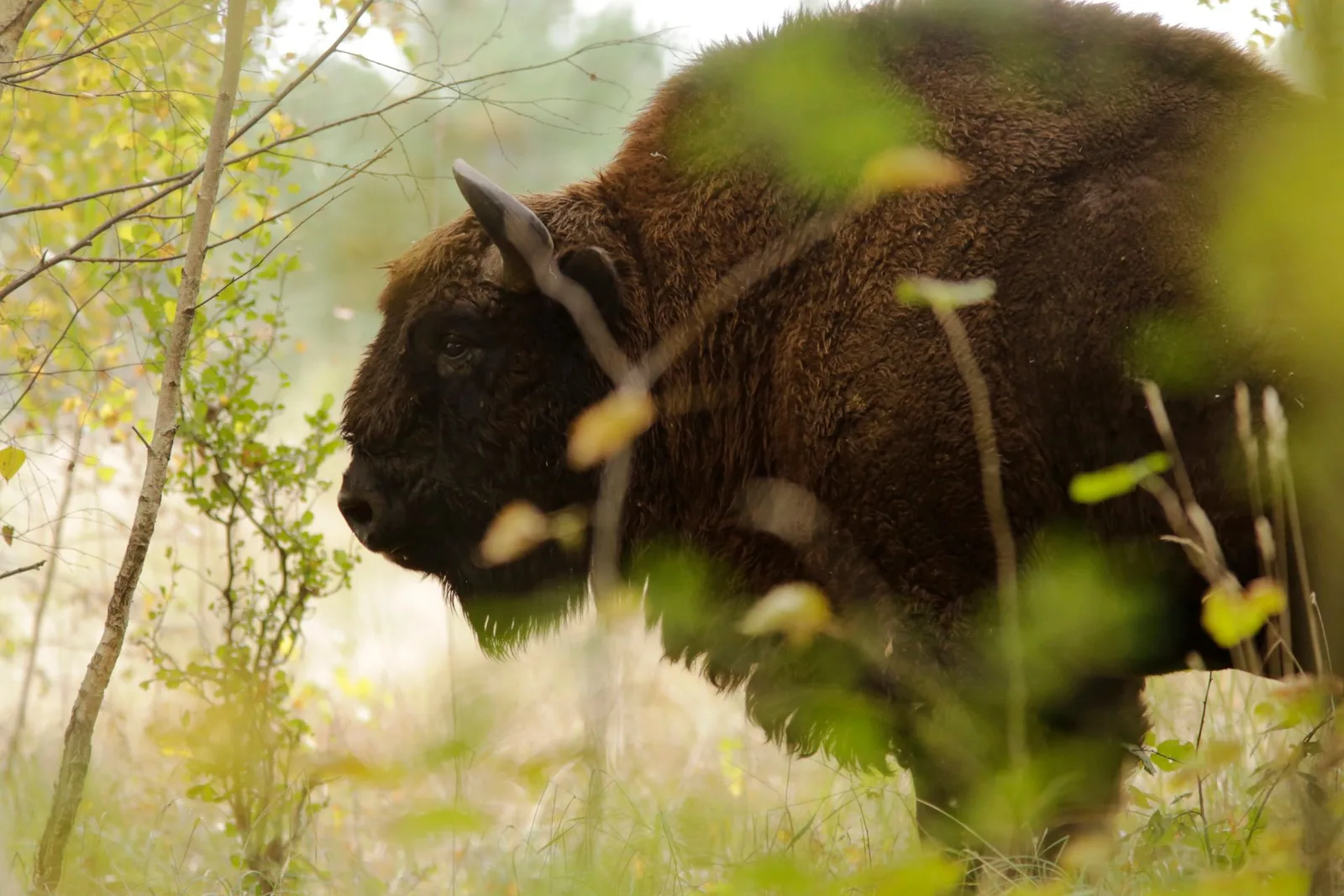
Białowieża Forest, on the border with Belarus, is one of the last remnants of the primeval forest that once covered the European Plain, and is home to more than eight hundred European bison.
From Masurian lakes to the limestone teeth of the Tatras
Poland is bigger and more varied than most visitors expect. Each region has its own rhythm and its own landscape.
Masuria
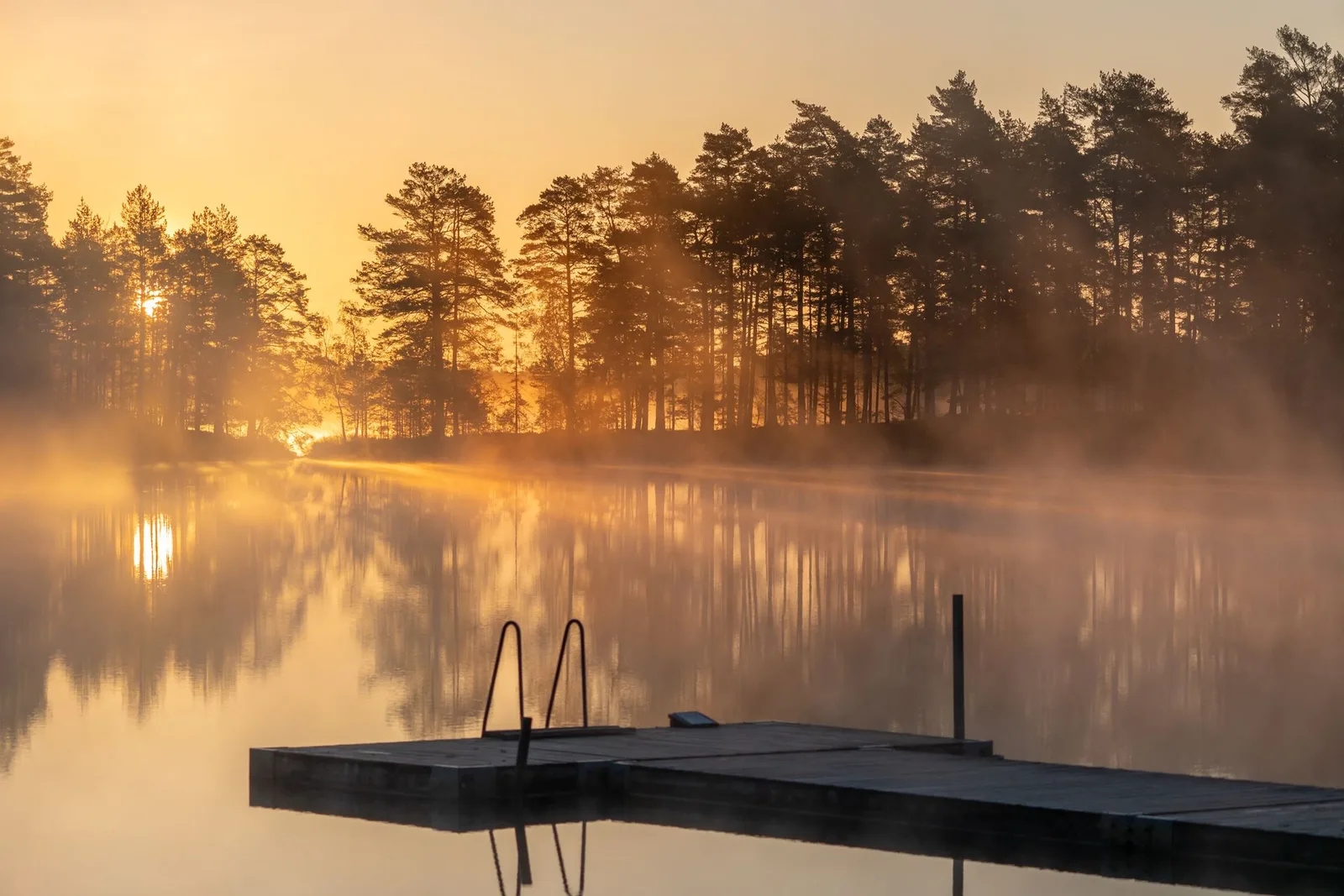
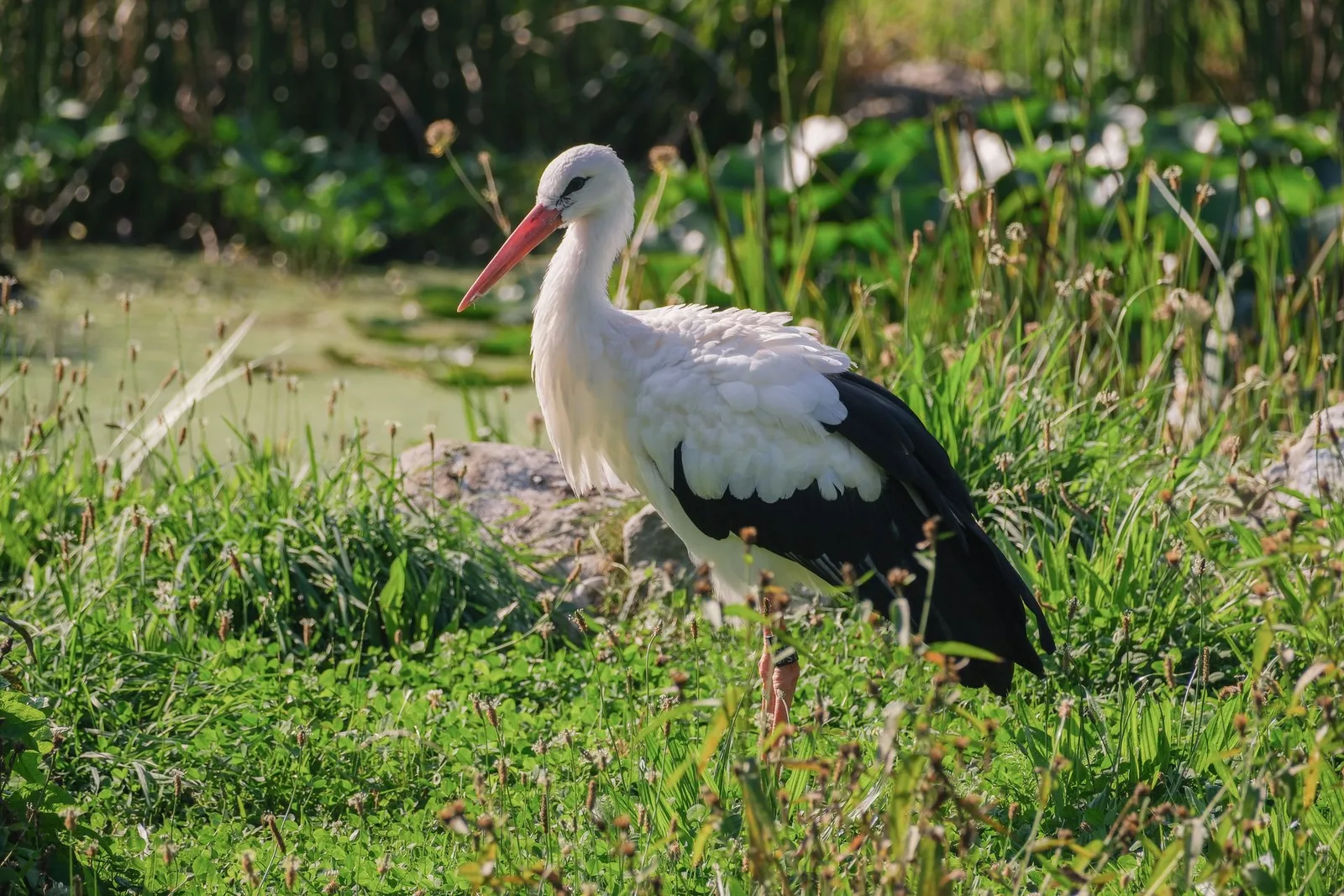
More than two thousand lakes, linked by canals you can explore by canoe or sailing boat. Villages with wooden churches, storks' nests on every chimney, and a stillness that reaches further than the eye.
Kraków and Kazimierz
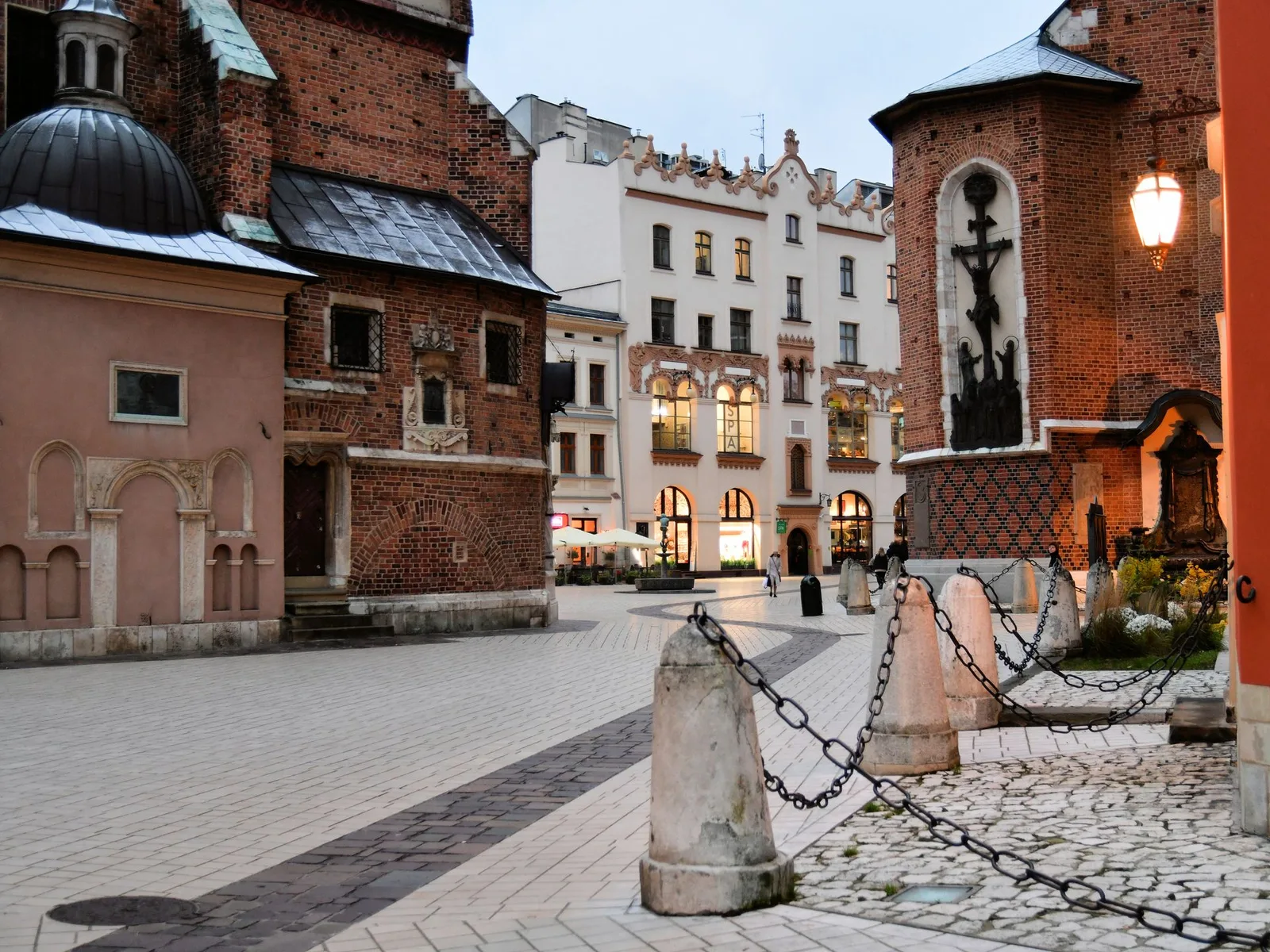
The only major Polish city that came through the war unscathed, a medieval centre that never needed rebuilding. Beside it lies Kazimierz, the former Jewish quarter, with synagogues, kosher bakeries and a depth you won't grasp in a single afternoon.
The Tatras and Zakopane
Poland's only true high mountains, with ridges rising above two thousand metres and a mountain culture all its own: timber hay barns, regional folk music, sheep's cheese smoked over birch wood.
Gdańsk and the Baltic coast
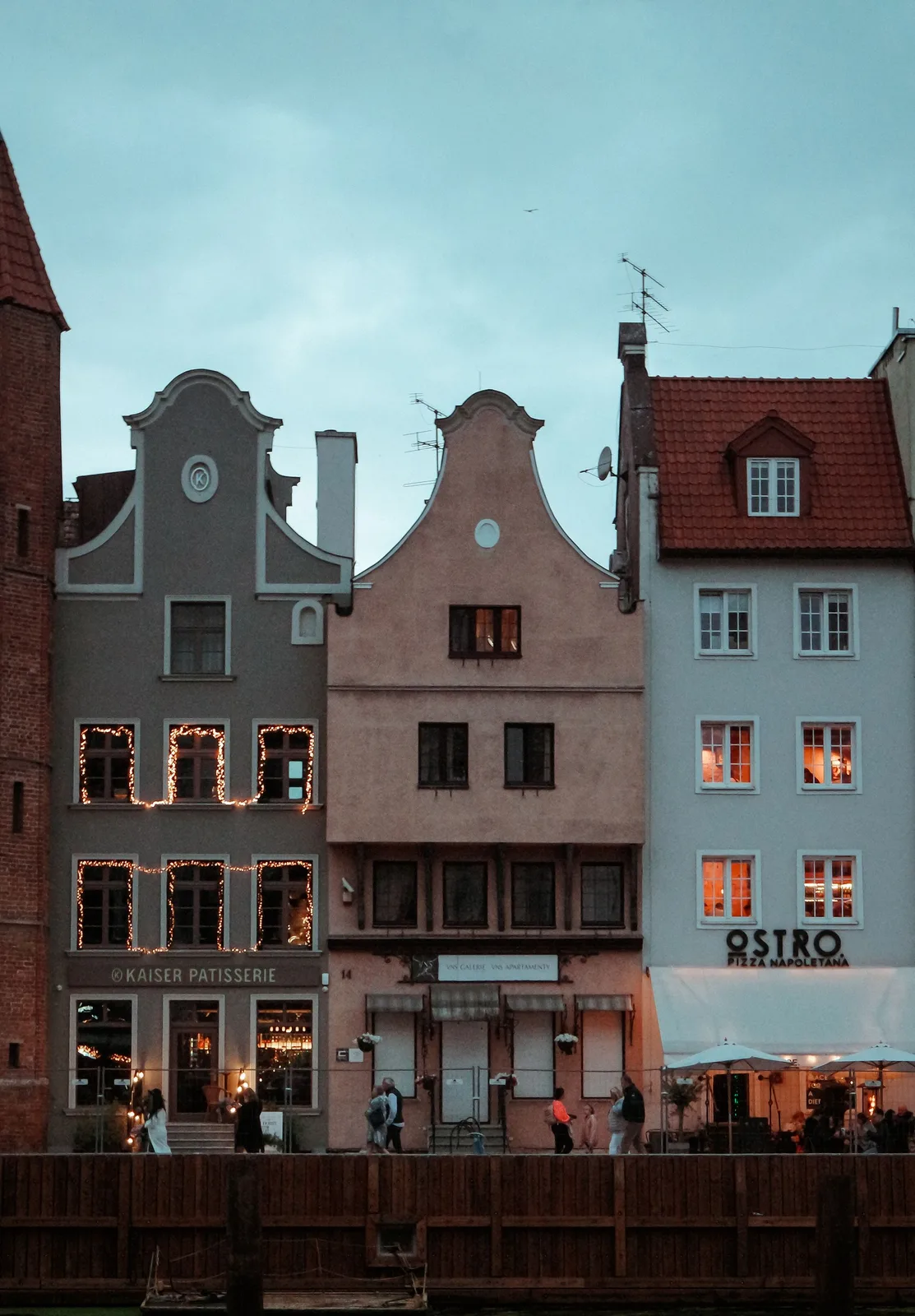
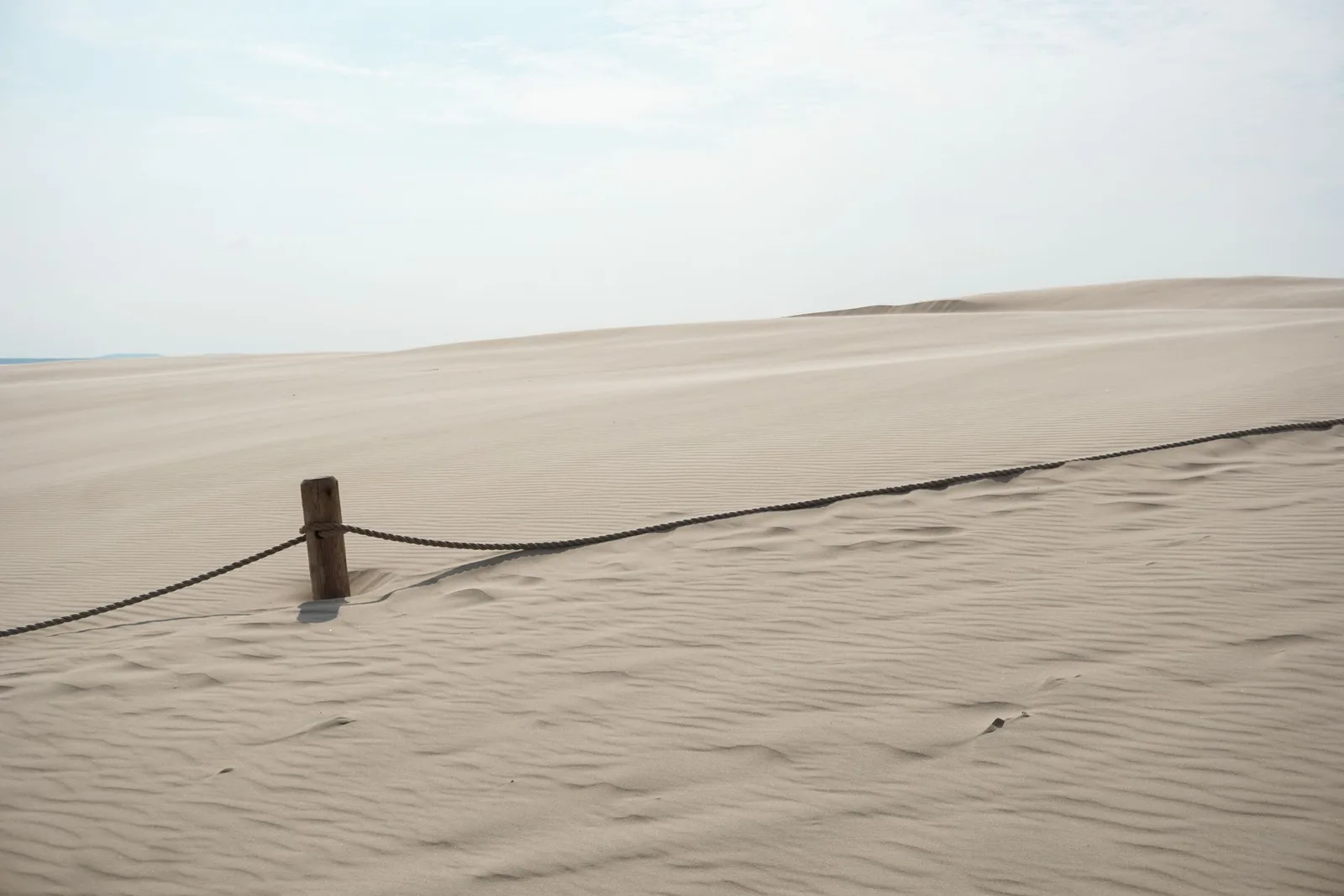
A Hanseatic city with facades that could pass for Amsterdam, amber traders down every side street, and to the west the walking dunes of Słowiński National Park, sand that shifts metres a year and buries forests beneath it.
Podlasie and Białowieża
The country's easternmost corner, where the last primeval forest of lowland Europe begins and the European bison, brought back here from the brink of extinction, still moves through the trees in herds.

Brought back one brick at a time
Warsaw was almost razed to the ground in 1944. What stands there now, the Old Town Market Place, the narrow facades in ochre and red, was largely rebuilt after the war, based on eighteenth-century cityscapes and photographs taken by architecture students who had surveyed the city just before its destruction.
That isn't kitsch. It's a choice that says something about how Poland deals with its past: not suppressing it, not leaving it as it fell, but actively rebuilding what's worth keeping. You see the same attitude in Gdańsk, in the wooden synagogues of Podlasie being restored one by one, in the craftspeople who still do stained glass, wrought iron and plasterwork by hand.
Wilderness few associate with Poland
A third of Poland is forest, and some of it has never been felled.
Białowieża
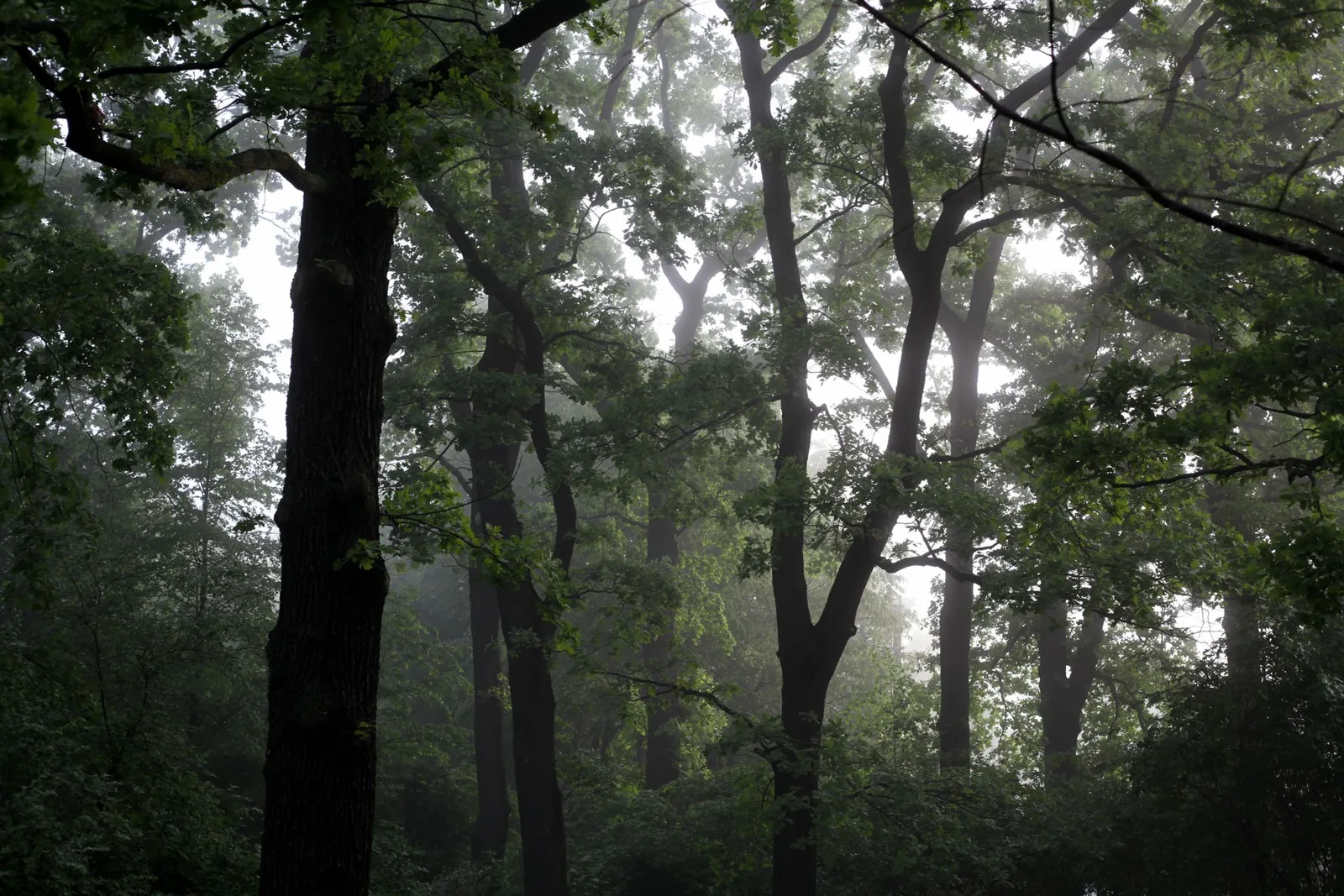
The last stretch of primeval forest in lowland Europe, with oaks four hundred years old and the largest free-roaming bison population in the world.
The Masurian waterways
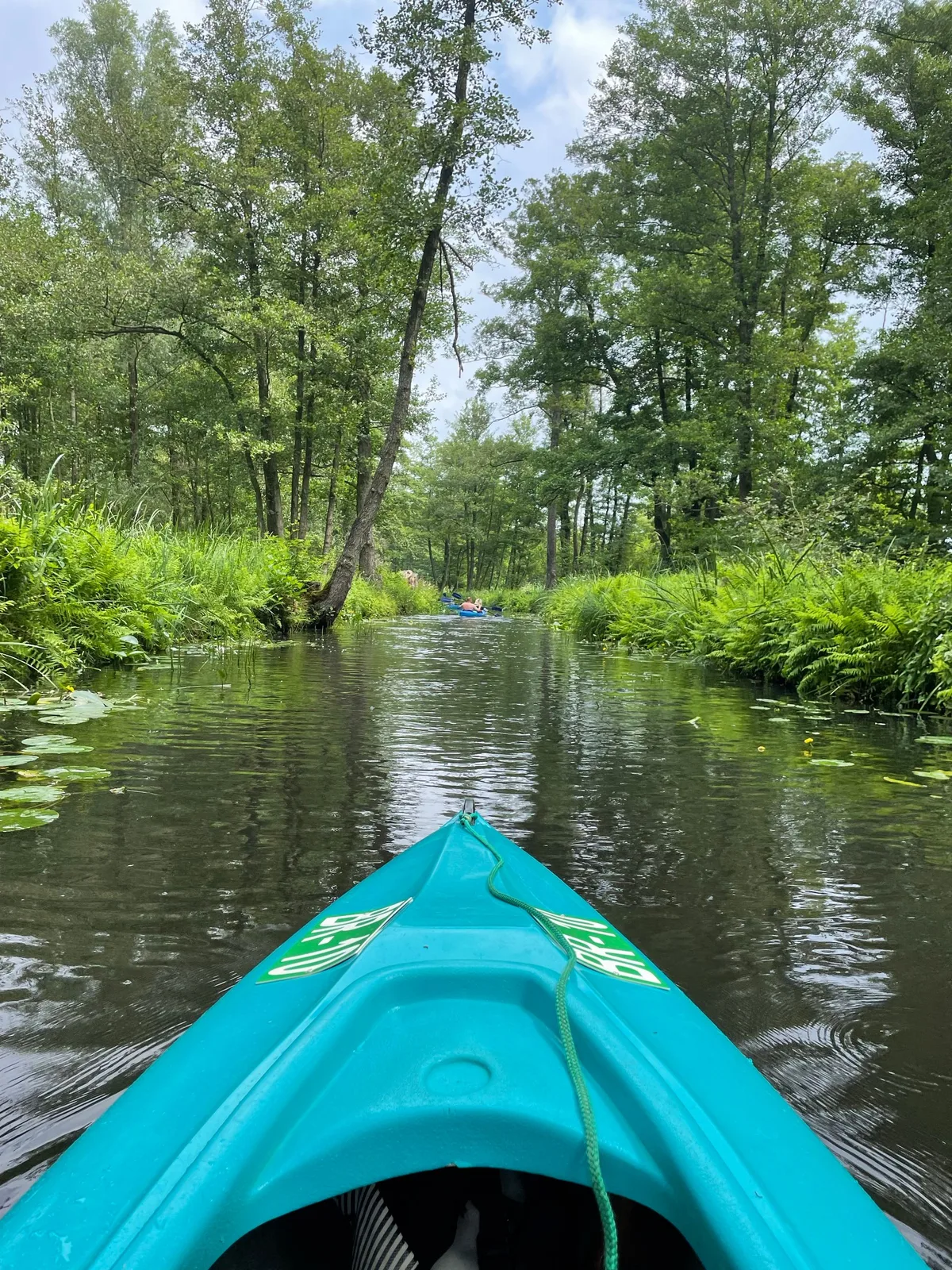
A network of lakes and canals so extensive you can paddle for days without seeing the same stretch of water twice.
The Biebrza marshes
Europe's largest untouched wetland, a favourite with birdwatchers. Species that struggle to find a foothold elsewhere on the continent still breed here.
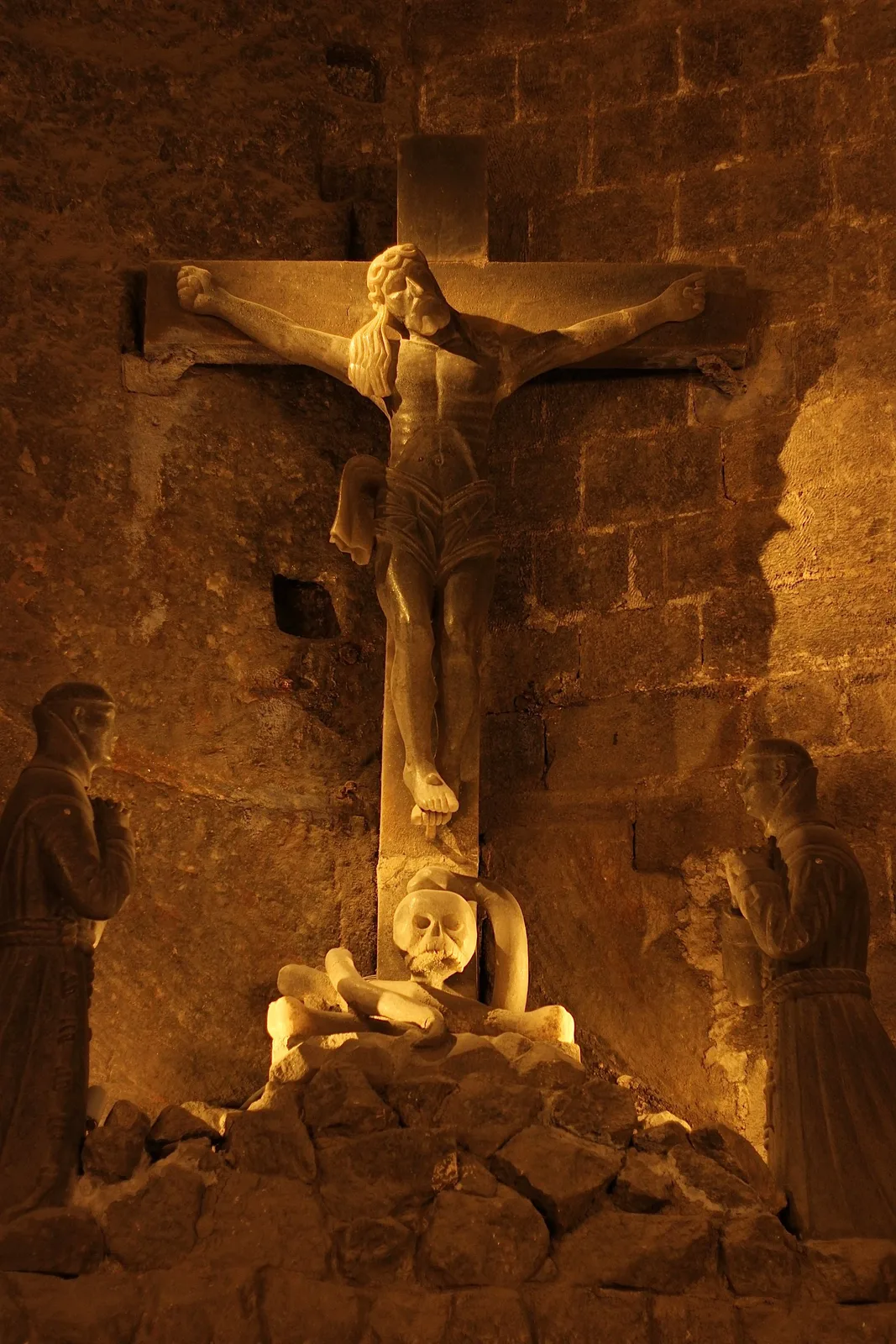
Wieliczka: nine centuries of salt mining, and an underground cathedral the miners carved from the salt themselves.

Possibilities, not a programme
We don't build a day-by-day schedule. These are the kinds of experiences a bespoke trip gets assembled from.
Canoeing through Masuria
Multi-day trips down the Krutynia river, staying overnight in village guesthouses along the water.
Spotting bison with a ranger
Early-morning walks in Białowieża with a guide who has tracked the herds for years.
Mountain walking in the Tatras
From short walks around Morskie Oko to multi-day ridge routes for those who bring more stamina.
Craft workshops in Kraków
Glassblowers, bookbinders and the last keepers of Jewish baking traditions in Kazimierz.
Dune walking in Słowiński
Across ridges of walking sand that bury forests beneath them, a desert landscape on the Baltic Sea.
These are possibilities.Not your journey.
Poland doesn't reduce to one story.It's forest, it's water, it's a city that rebuilt itself.


When to travel to Poland
Poland has four distinct seasons, and each one changes the country completely. Summer is the most popular, rightly so for the lakes and the coast, but early autumn, with mushrooms in the forests and quieter cities, has at least as much to offer.
Best time to visit Poland
Who else is at their best in these months?
May June July August September
Use the contact form to discuss your travel dates and preferences with us.
Practical, without the noise.
Practical points that make planning easier.
Getting there
Direct flights from Brussels to Warsaw, Kraków and Gdańsk; just over two hours in the air.
Documents
A valid identity card is enough for EU citizens.
Getting around
Fast train links between the major cities; for Masuria and Podlasie a car with driver is more practical.
Pace
Expect longer distances than the map suggests. The country is bigger than most people realise.
- Flight time
- Just over 2 hours from Brussels
- Language
- Polish; English is common among the younger generation
- Time difference
- None, same time zone
- Elevation range
- From the Baltic coast to almost 2,500 m in the Tatras
- Best time to visit
- May to September, with a charm all its own in early autumn