

Romania won't be rushed.
Mountains where bears and wolves still roam freely, villages with a pace of their own, and a capital that keeps reinventing itself.
In Maramureș, a farmer still ploughs behind a horse between two layers of morning mist, while that same morning in Cluj-Napoca starts with specialty coffee and an IT briefing. Romania is that kind of country: not a contradiction to resolve, but one that makes it all the more interesting.
We don't plan a castle circuit through Dracula scenery here. We look for the villages in the Apuseni where cheese is still weighed on a hand scale at market, the monasteries in Bucovina where frescoes have survived five hundred years outdoors, and the silence of the Retezat mountains, where you're more likely to meet a chamois than another walker.
In short
Best time to go
June to September, when most mountain trails are free of snow and the Black Sea is at its warmest. May and October are quieter and good for cities and monasteries; winters are cold.
How long
Two weeks for Transylvania and the Carpathians with Maramureș or Bucovina. Country and mountain roads are slow, so add extra days if you also want the Danube Delta.
Who it suits
For travellers who want to see the countryside as a working place: wooden churches in Maramureș, Saxon villages, multi-day hikes in the Făgăraș and guided bear watching.
What sets it apart
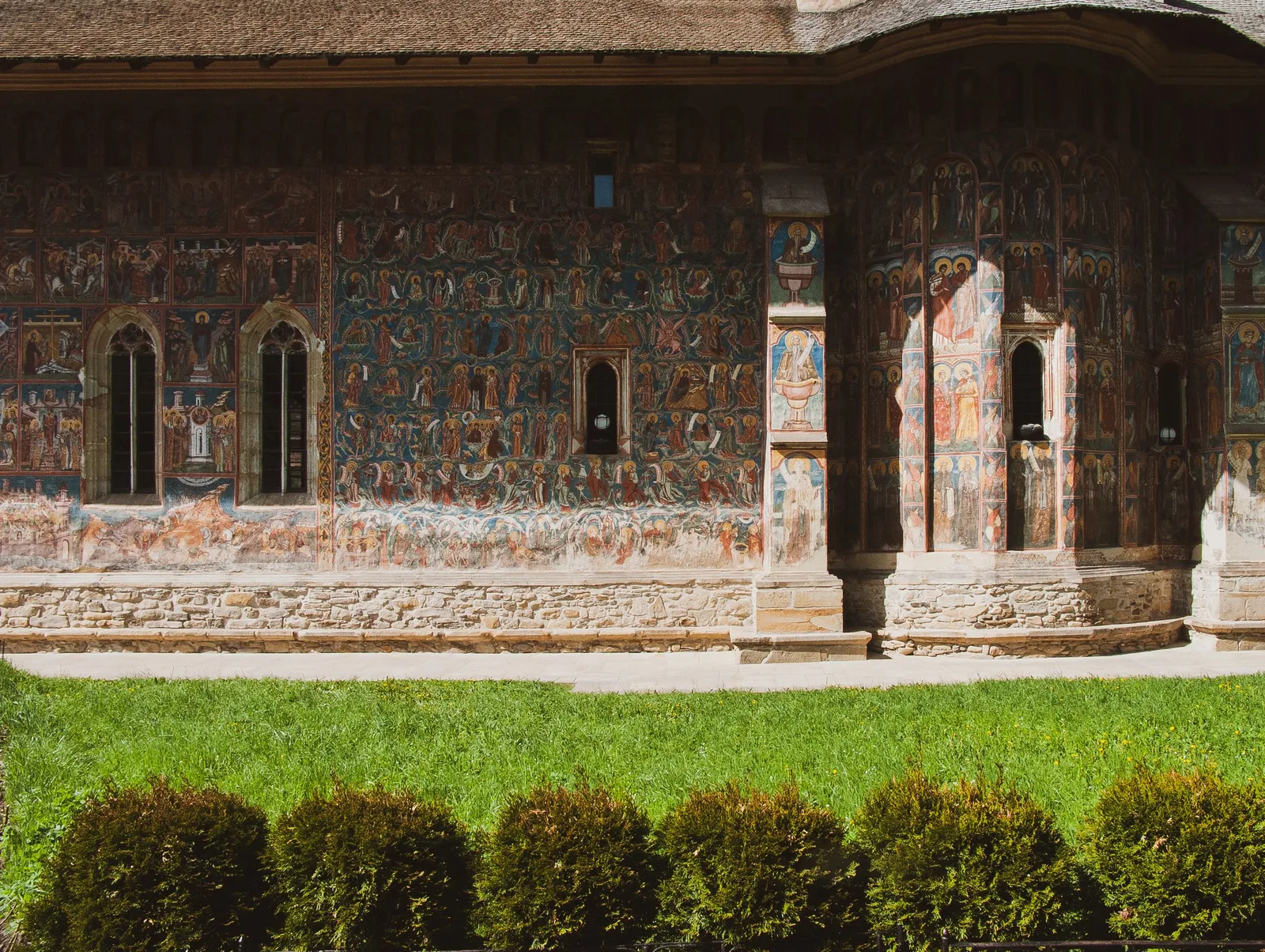
In Bucovina, churches from the 15th and 16th centuries are painted on the outside as well, and the Danube Delta is the best preserved delta in Europe. Both are on the World Heritage List.
One country, five entirely different speeds
Romania is too large and too varied to capture in a single image. Each region has its own rhythm, and we plan differently for each.
Transylvania
Sibiu, Sighișoara and the fortified churches scattered across the hills: the Saxon legacy is still visible on every street here, without ever tipping into open-air museum.
Maramureș
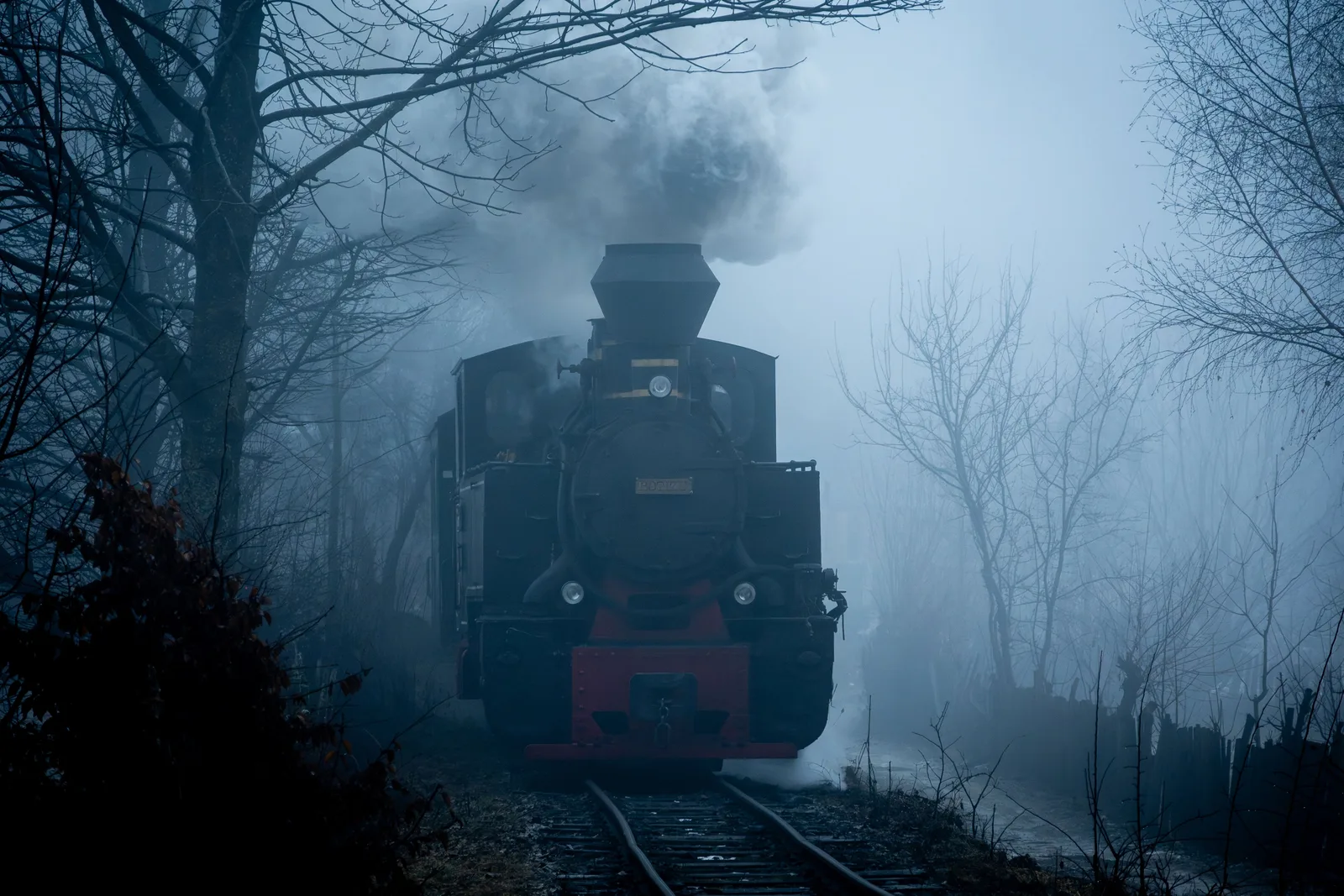
Carved wooden gates bearing centuries-old symbols, haystacks scattered far up the hillsides, and a railway that still runs on steam through the Vaser Valley.
Bucharest
Once known as 'Little Paris', now a city that shows off its communist boulevards and rediscovered art deco quarters side by side, with one of the wildest nightlife scenes in Eastern Europe.
Bucovina
Fifteenth- and sixteenth-century monasteries with frescoes painted inside and out, tucked among rolling hills close to the Ukrainian border.
Danube Delta and the coast
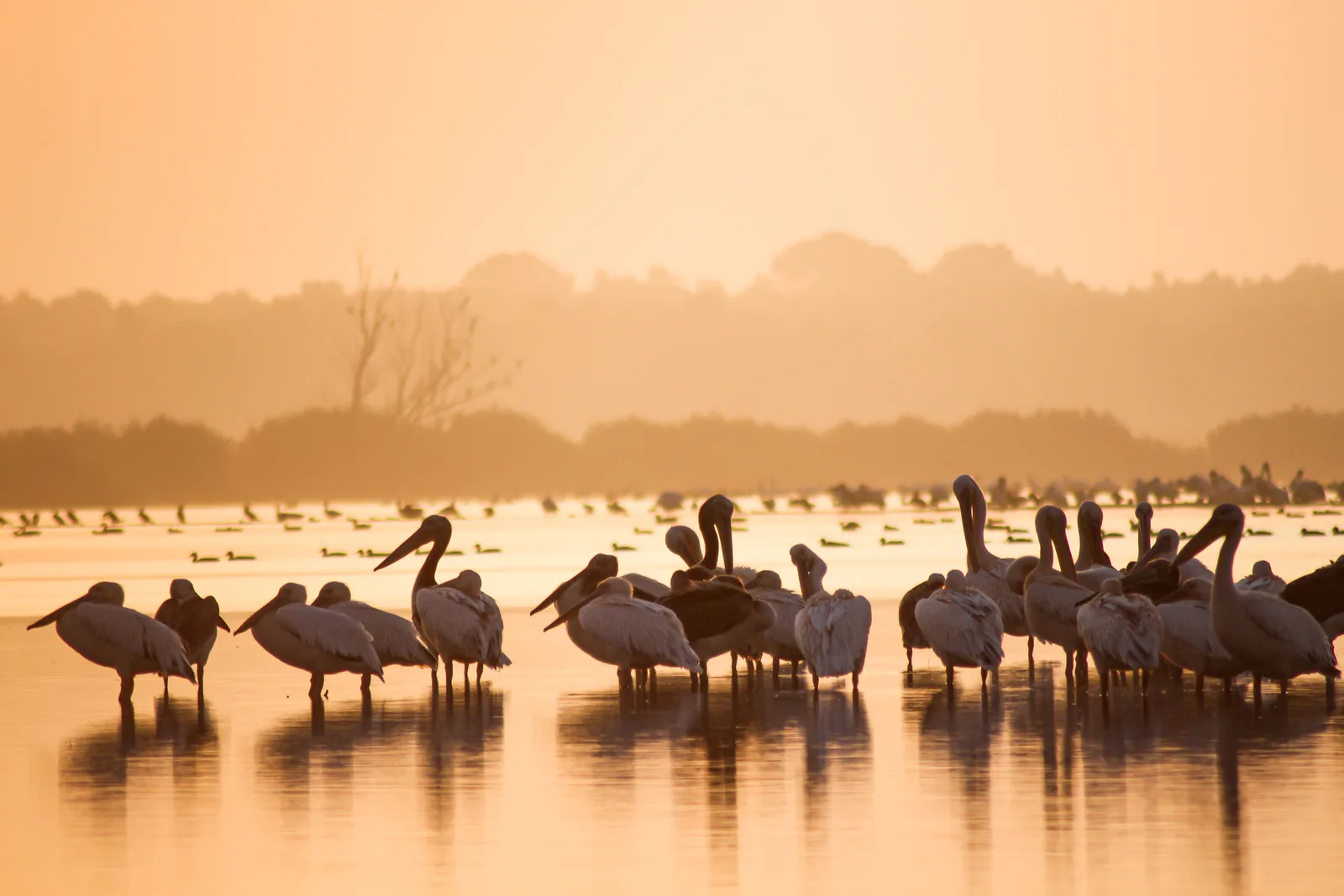
Europe's largest continuous reed marsh, home to more than three hundred bird species, and further on the quiet beaches near Vama Veche, far from the concrete strip of Mamaia.


Europe's largest untamed mountains outside Scandinavia and Russia
Bears and wolves
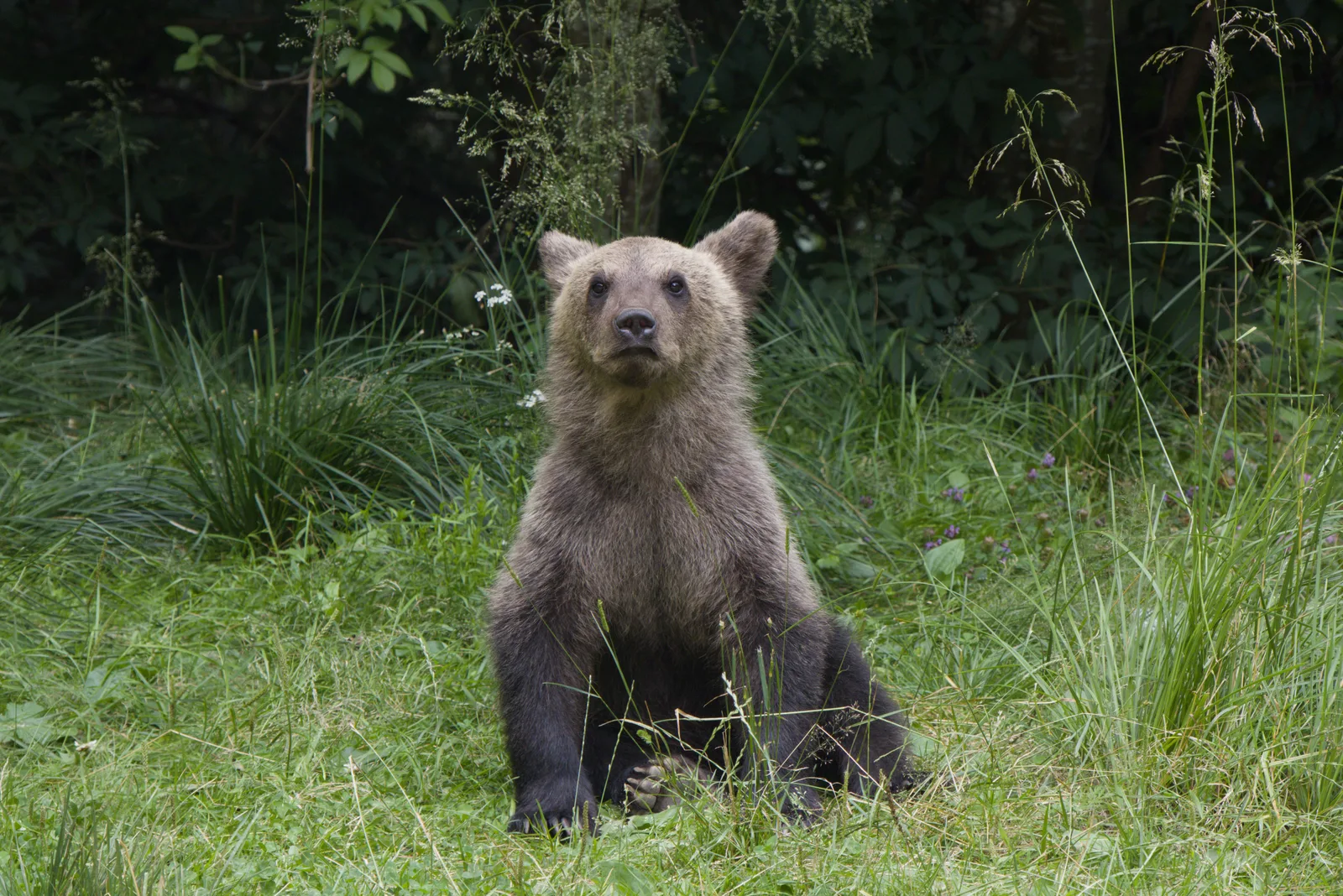
The Southern Carpathians hold the largest population of brown bears in Europe outside Russia, plus wolves and lynx. No safari promise, but a real chance in the early morning.
Retezat and Făgăraș
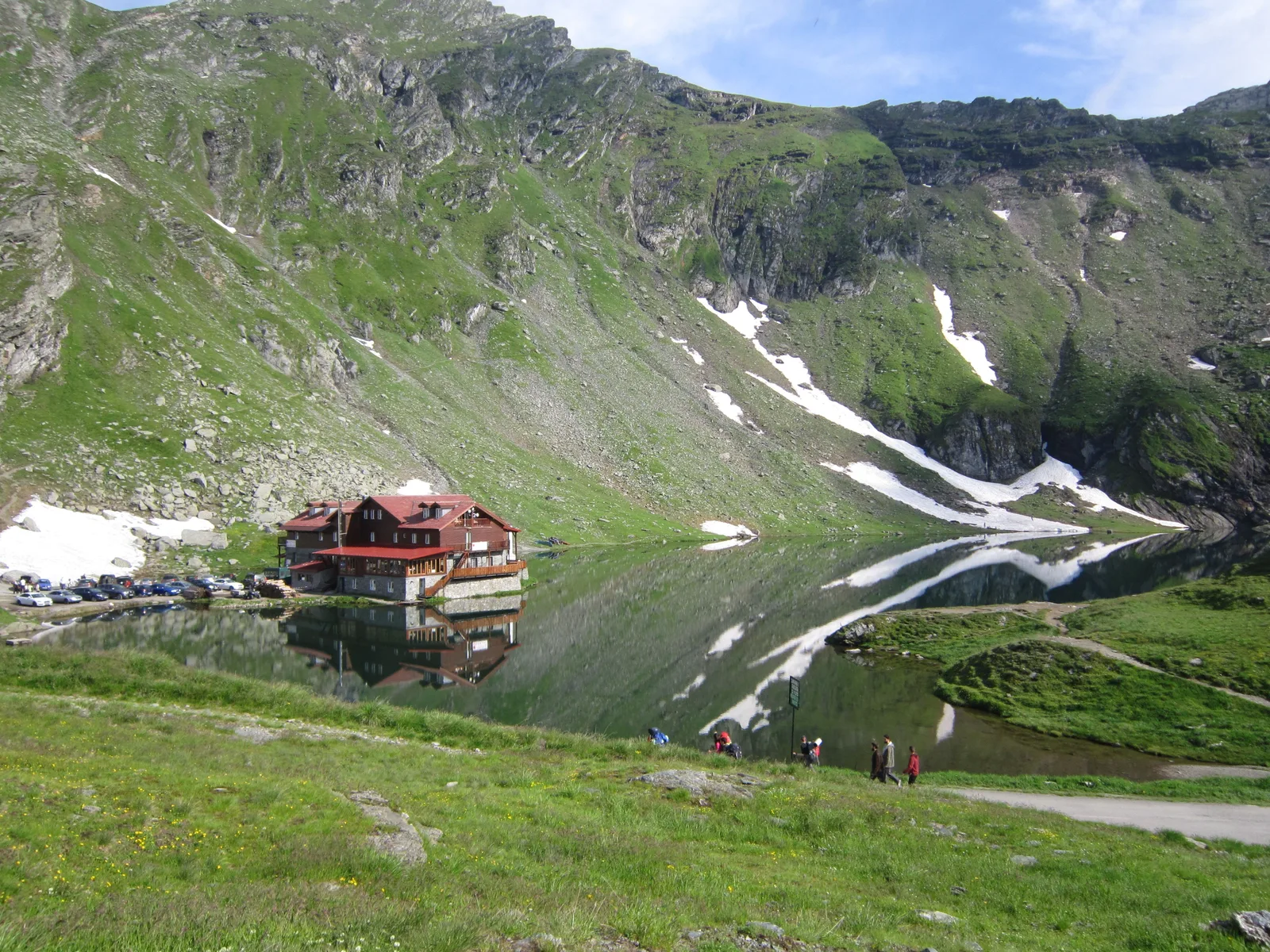
Glacial lakes, rolling alpine meadows and peaks up to 2,544 metres, with trails that stay surprisingly quiet even in summer.
Danube Delta
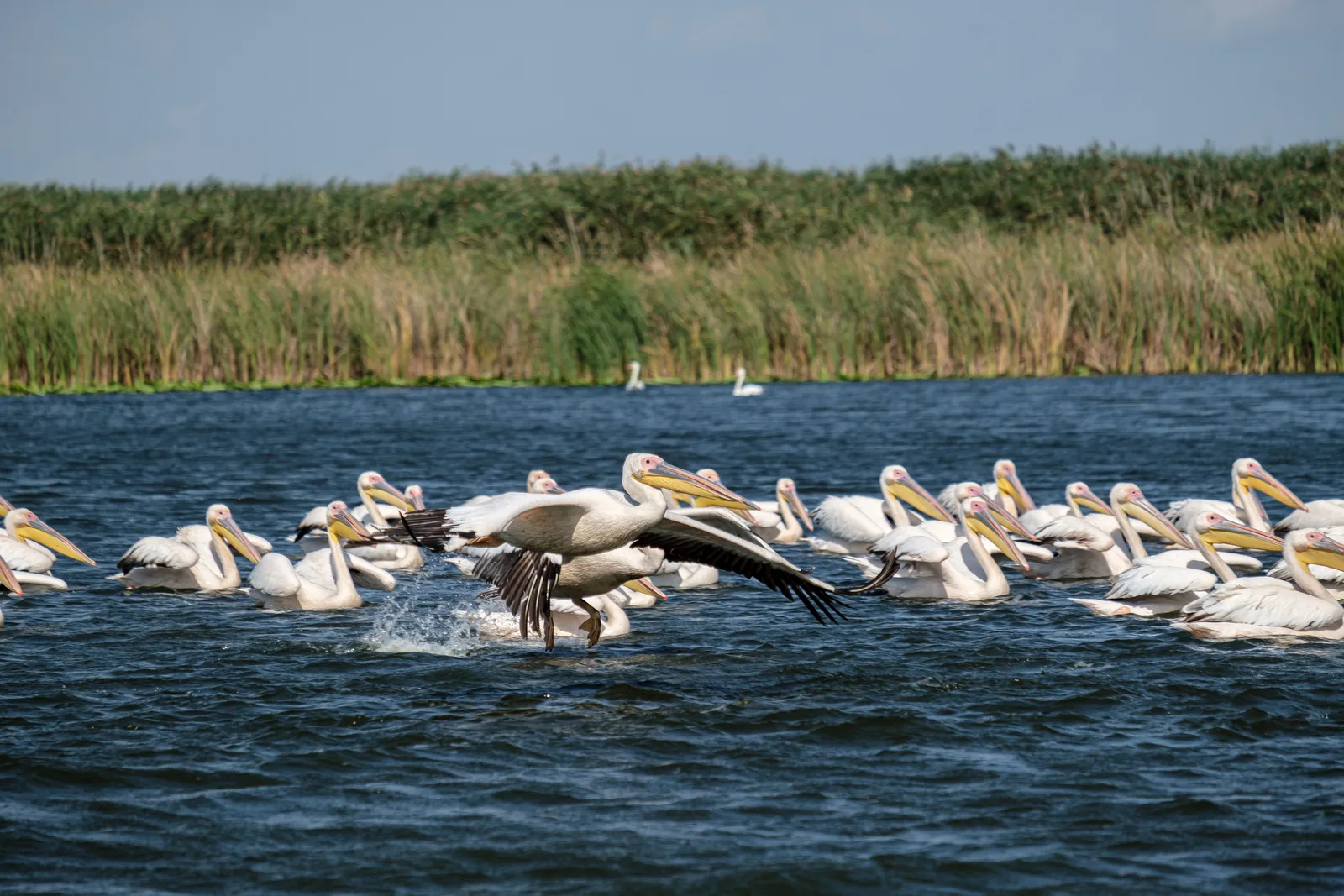
Pelicans, herons and a maze of channels you can only discover by boat or canoe, one of the continent's last untouched delta landscapes.
The Transfăgărășan winds over the Făgăraș mountains, from Curtea de Argeș to Sibiu, one of Europe's most photogenic mountain roads.


A hospitality that won't be hurried
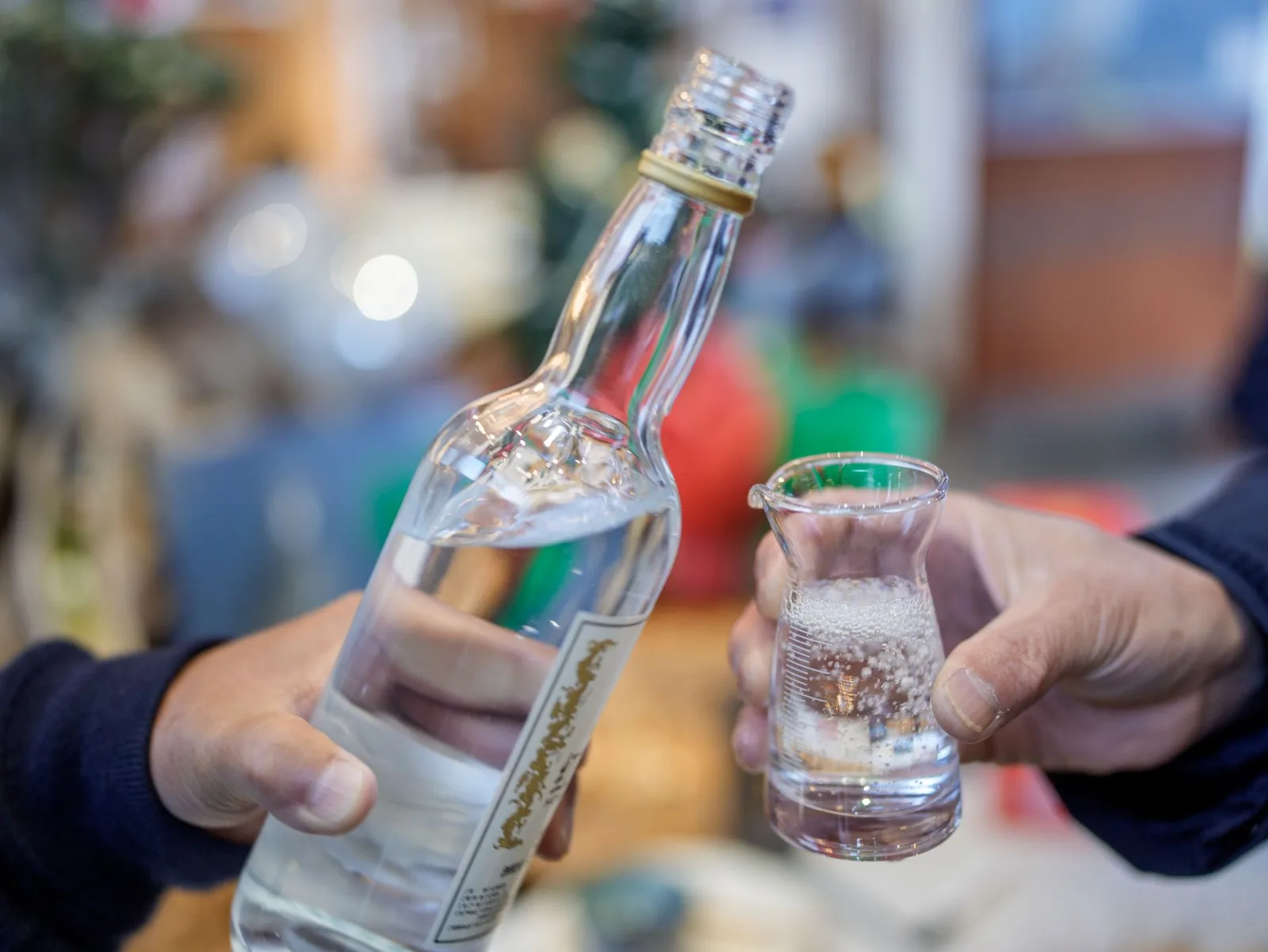
At a farm in Maramureș, you'll be handed țuică without being asked, home-distilled plum brandy, often still warm from the still. You can refuse, but it's rarely appreciated.
Romanian hospitality has been passed down generation after generation in the countryside, while the cities, Cluj-Napoca foremost, have changed in a decade from grey industrial town to one of Eastern Europe's fastest-growing tech hubs. Both worlds exist side by side, often within the same family.
Why we look at Romania differently
Beyond Dracula Bran Castle draws coachloads of tourists for a story that has little to do with the castle's actual history. We'd rather plan a morning with a cheesemaker in the Apuseni than a photo in a fake crypt.
The pace of the countryside In many Romanian villages, the season still sets the daily rhythm: haymaking in June, apple picking in September, slaughtering pigs around Christmas. We plan around that, not against it.
Two speeds, one trip A trip through Romania can combine a weekend in buzzing Bucharest with four days off the grid in the Retezat, without ever feeling forced.
A local expert, not a remote tour guide Our contact on the ground lives in Brașov, speaks Romanian and Hungarian, and knows the families who run B&Bs in Maramureș personally.
Possibilities, not a fixed itinerary
We build every trip around what draws you. A sample of what's possible:
Hiking in the Făgăraș
Multi-day treks along glacial lakes, staying in mountain chalets or, for those who want it, a tent by a lake.
By horse and cart through Maramureș
An afternoon riding along with a local farmer, from hayfield to village market.
Canoeing in the Danube Delta
An early start for the best birdwatching, followed by lunch with freshly caught fish at a fishing family's table.
Architecture walk in Bucharest
From the vast Parliament building to hidden art deco passages, with a guide who knows the city as a resident, not as a script.
Bear watching near Zărnești
From a hide at dusk, guided by a ranger who has tracked the animals for years.
These are possibilities.Not your journey.
A country where high season on the coast says nothing about the stillness a hundred kilometres away in the mountains.
Romania has nothing to prove.It simply exists, at its own pace.


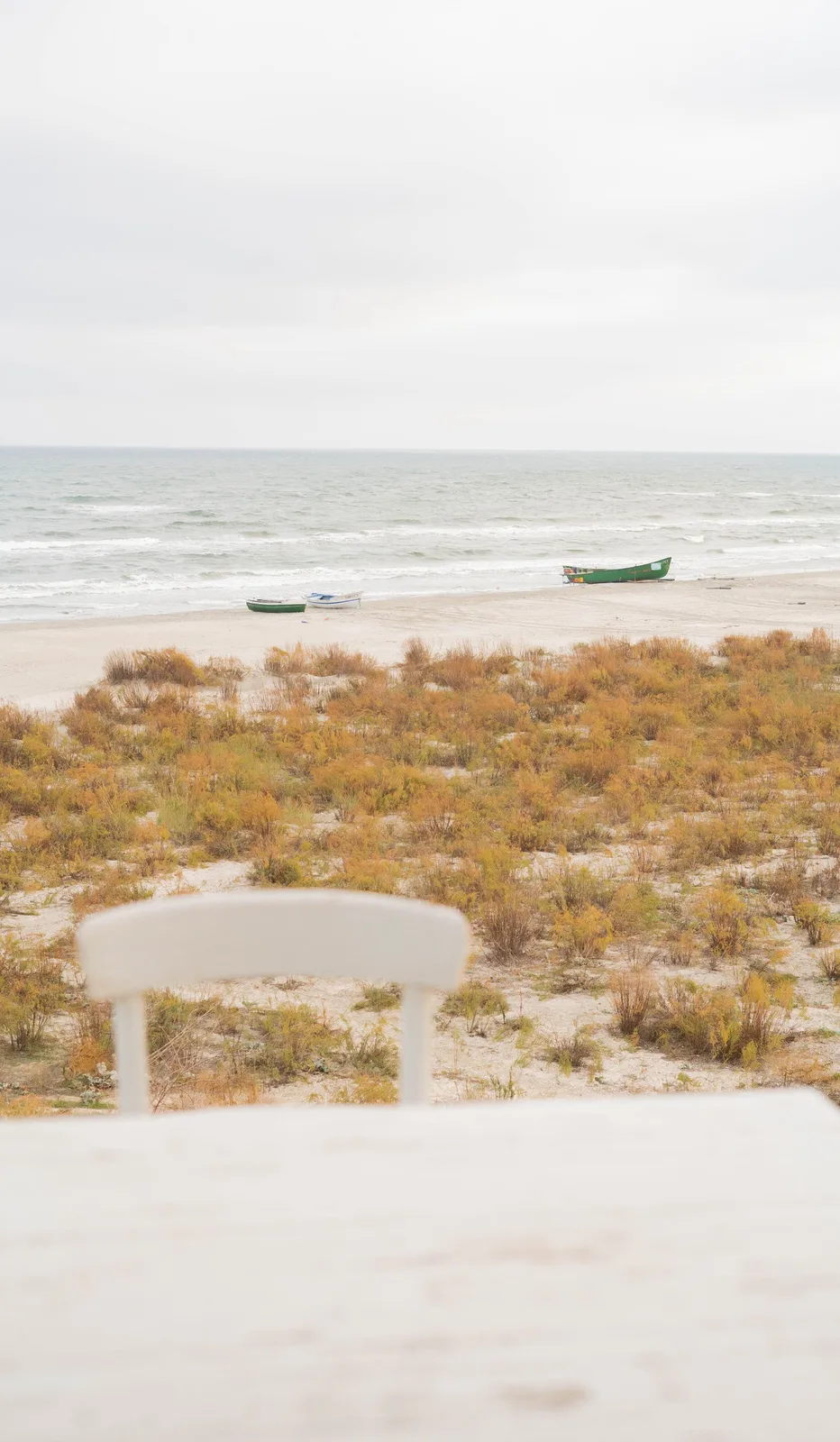
When to go to Romania
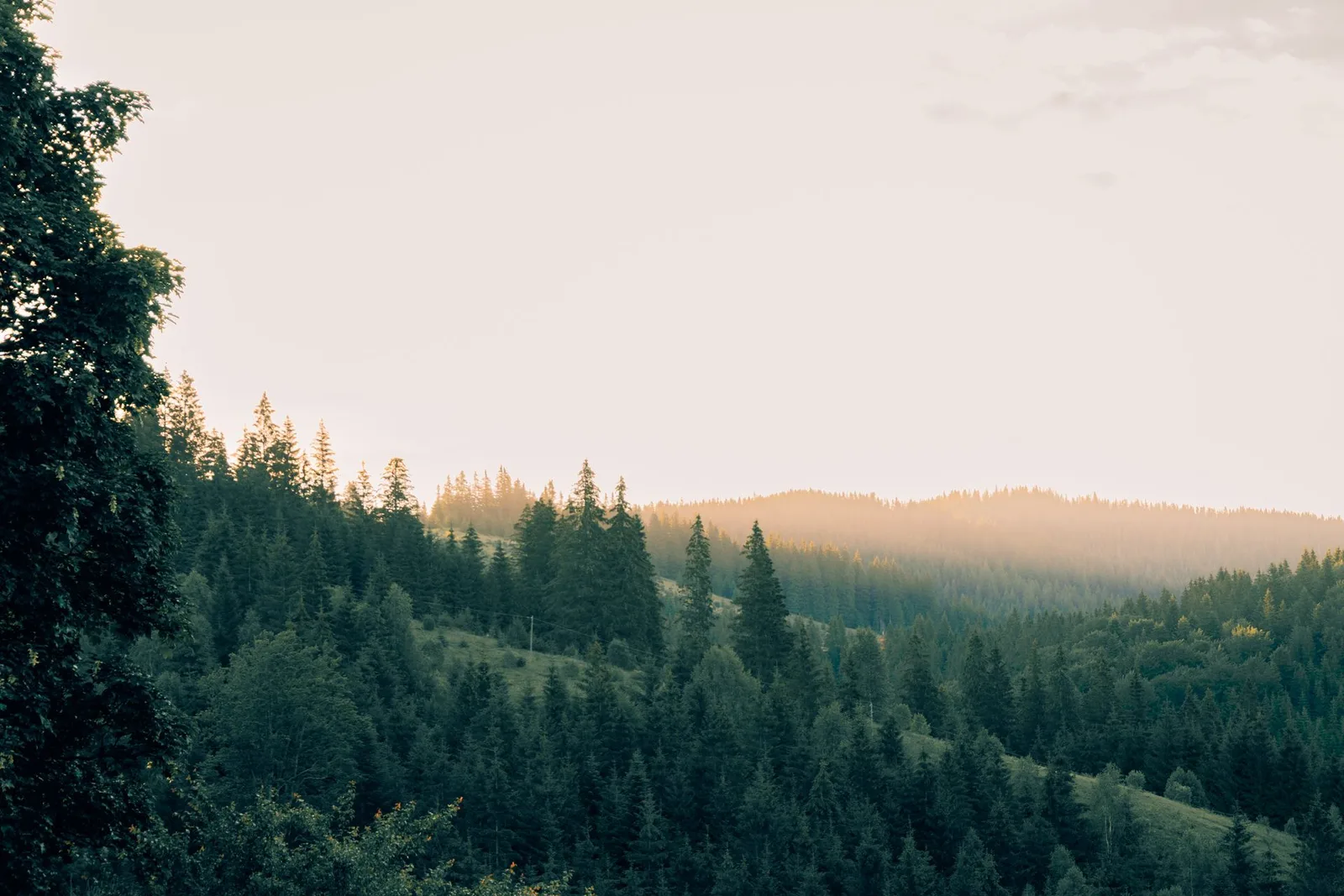
The mountains are at their best from June to September, when the alpine meadows bloom and most trails are free of snow. On the Black Sea coast the season runs a little longer, from May into October.
Winter is not a dead season: Bucovina under snow and the Christmas markets in Sibiu and Brașov hold a completely different, quieter appeal.
Best time to visit Romania
Who else is at their best in these months?
June July August September
Use the contact form to discuss your travel dates and preferences with us.
Practical, without the noise.
Practical matters, in brief:
Getting there
Direct flights from Brussels to Bucharest; Cluj-Napoca and Sibiu are reachable with a connection and sit closer to the Carpathians.
Documents
Romania is an EU member state; an identity card is enough for Belgians.
Health
No mandatory vaccinations, though a tick check after mountain walks is a sensible precaution.
Pace
Expect narrow mountain roads and slow rural routes. Distances on the map say little about travel time.
Frequently asked questions
Is Romania safe to travel?
Yes. The major cities and tourist regions are as safe as most European destinations; in the mountains the same precautions apply as in any other high mountain range.
Is English widely spoken?
Well enough in Bucharest, Cluj-Napoca and Brașov. Less so in the countryside, where travelling with a local guide or driver who knows the region works just as well.
Should I worry about bears?
No, not with common sense. Bear watching is done guided, from a distance; chance encounters on hiking trails are rare and seldom dangerous if you follow the basic rules.
Can a trip through Romania combine mountains and coast?
Certainly, though it takes more travel time than the map suggests. We plan for that deliberately, with enough buffer.
- Flight time
- Direct from Brussels, about 2.5 hours
- Languages
- Romanian; Hungarian and German in Transylvanian villages
- Time difference
- One hour ahead of Belgium, year-round
- Altitude range
- From sea level on the Black Sea to 2,544 metres on Moldoveanu
- Best time to go
- June to September for the mountains, May to October for the coast