
A country that never needs to prove itself.
Flat, coast-rich and steeped in a light that never shouts: a country that finds calm in understatement.
Denmark's highest point, Møllehøj, measures 171 metres. There are multi-storey car parks elsewhere in Europe that reach higher. Anyone coming here for dramatic landscapes is looking in the wrong place. Denmark works with different tools: 443 named islands, more than 8,000 kilometres of coastline, and a light that falls over flat land and shallow water without ever colliding with anything.
That doesn't make it an empty country. It makes it a country where the details do the work: a brick façade in a small harbour town, a dyke that sits just slightly differently from the last one, a cycle path that slips along a fjord without warning. Denmark doesn't show itself, it lets itself be found. And anyone who takes the time notices that understatement here isn't modesty, it's a choice.
In short
Best time to go
May to August brings the longest days and mildest weather; in June it only gets dark after ten in the evening. September is still mild, with quieter roads and ferries.
How long
A week to ten days for Copenhagen and one or two other regions, such as Funen or the west coast. Distances are short, but ferries and small stops take time, and Bornholm deserves a few days of its own.
Who it suits
Travellers who enjoy cycling, wind and small harbour towns, care little for elevation, and want a trip without a fixed daily programme, with Copenhagen at the start or the end.
What sets it apart
Unlike Norway and Sweden, Denmark is flat, its highest point Møllehøj at 171 metres, and consists of a peninsula and hundreds of islands. At Grenen, the Skagerrak and the Kattegat meet.
Four landscapes, one country.
From a distance Denmark looks modest, but up close it splits into regions that share little beyond the light.
Vestjylland
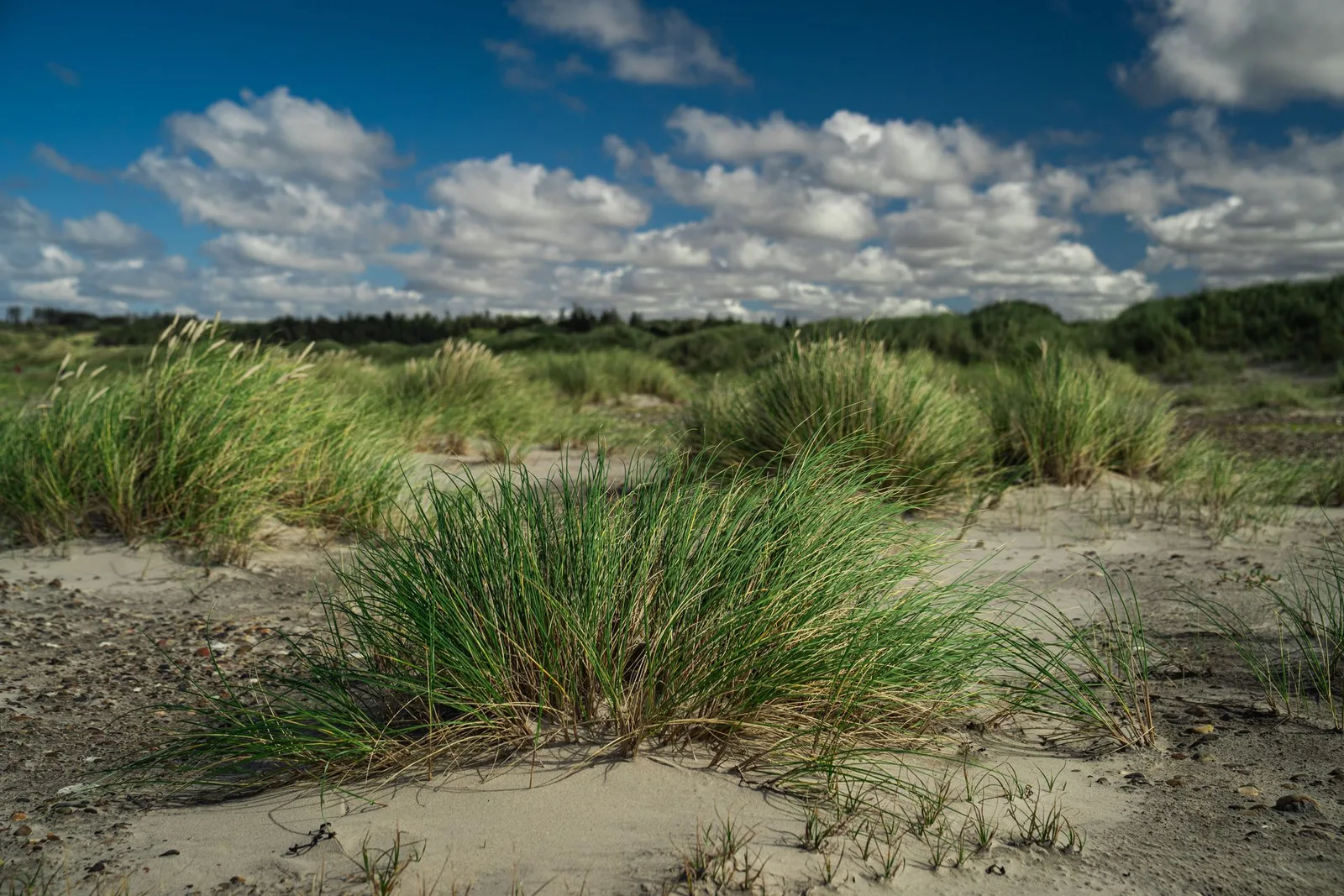
A straight, rugged coastline between the North Sea and the interior, with rows of dunes, fishing harbours such as Hvide Sande and Thorsminde, and a light that has drawn painters here for generations.
Funen and the southern islands
Funen is known as the garden of Denmark, and rightly so: orchards, rolling fields, and at its edge Ærø, where Ærøskøbing remains exactly the harbour it was a hundred years ago.
Zealand and Copenhagen
Around the capital lies North Zealand: castles such as Frederiksborg and Kronborg, forests reaching to the coast, and a train line that swaps the city for dunes in a quarter of an hour.
Bornholm
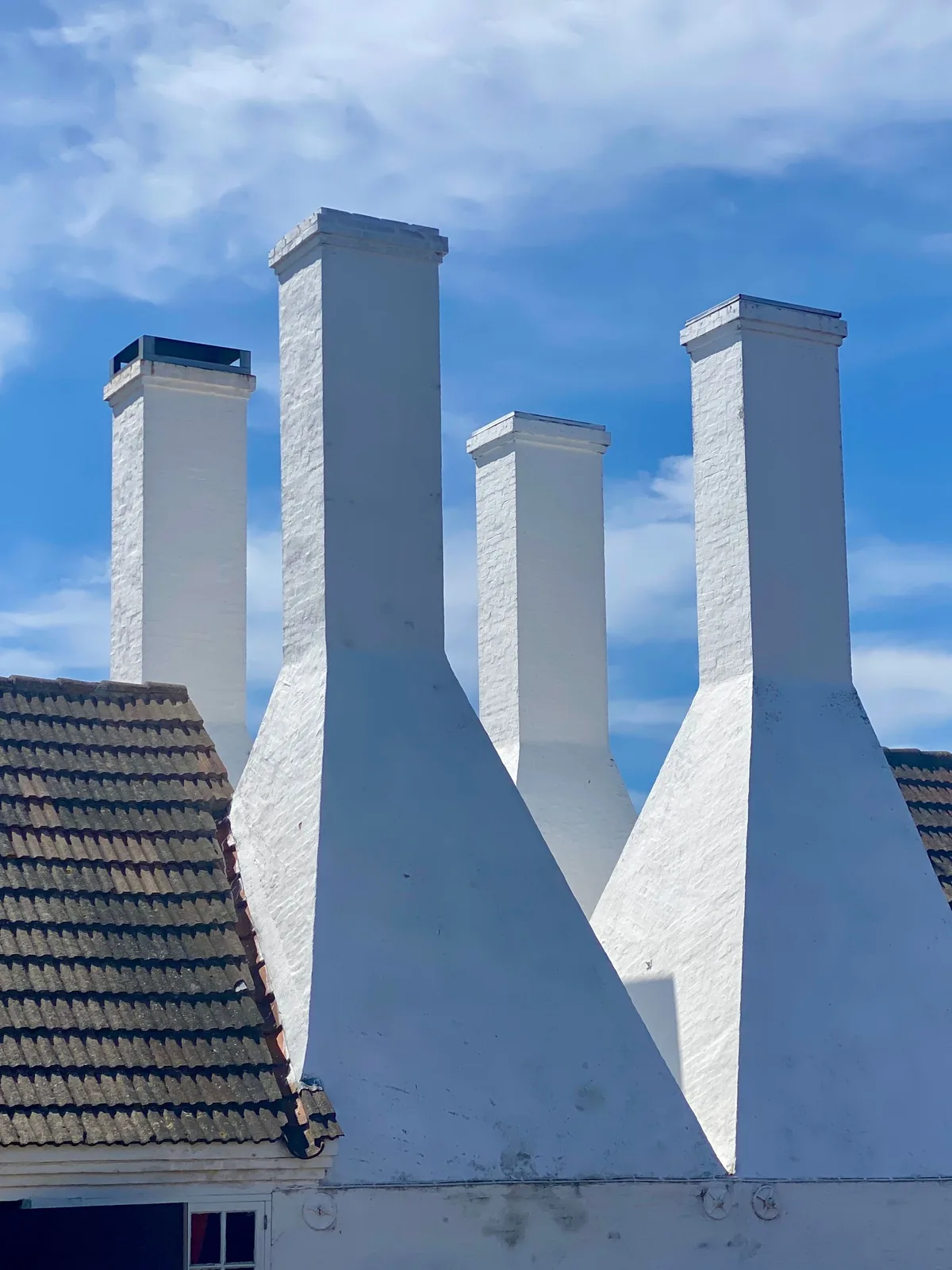
An exception to the Danish rule: cliffs instead of dunes, granite instead of clay. Artists and smokehouses have shared the same light here for decades.
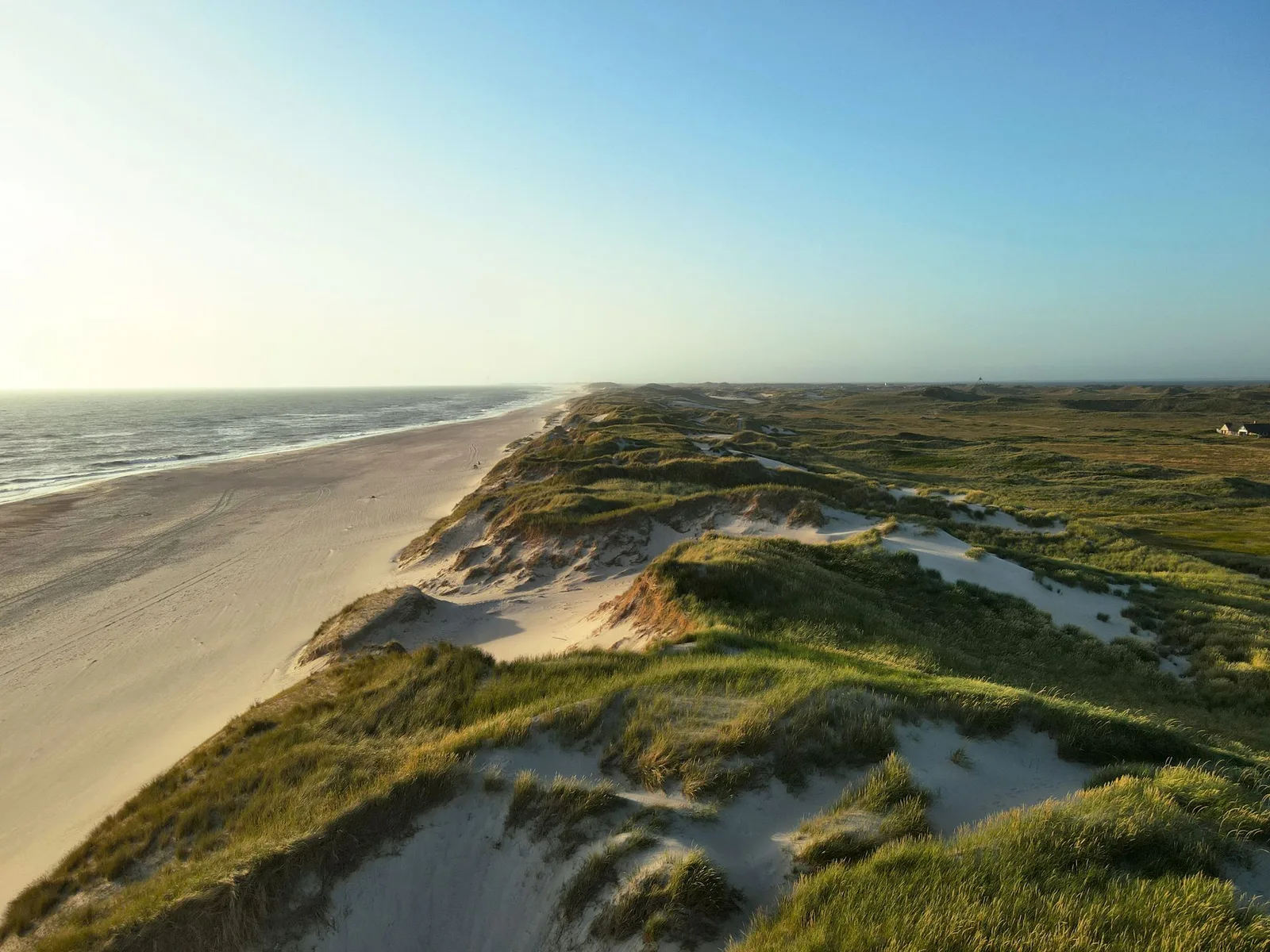
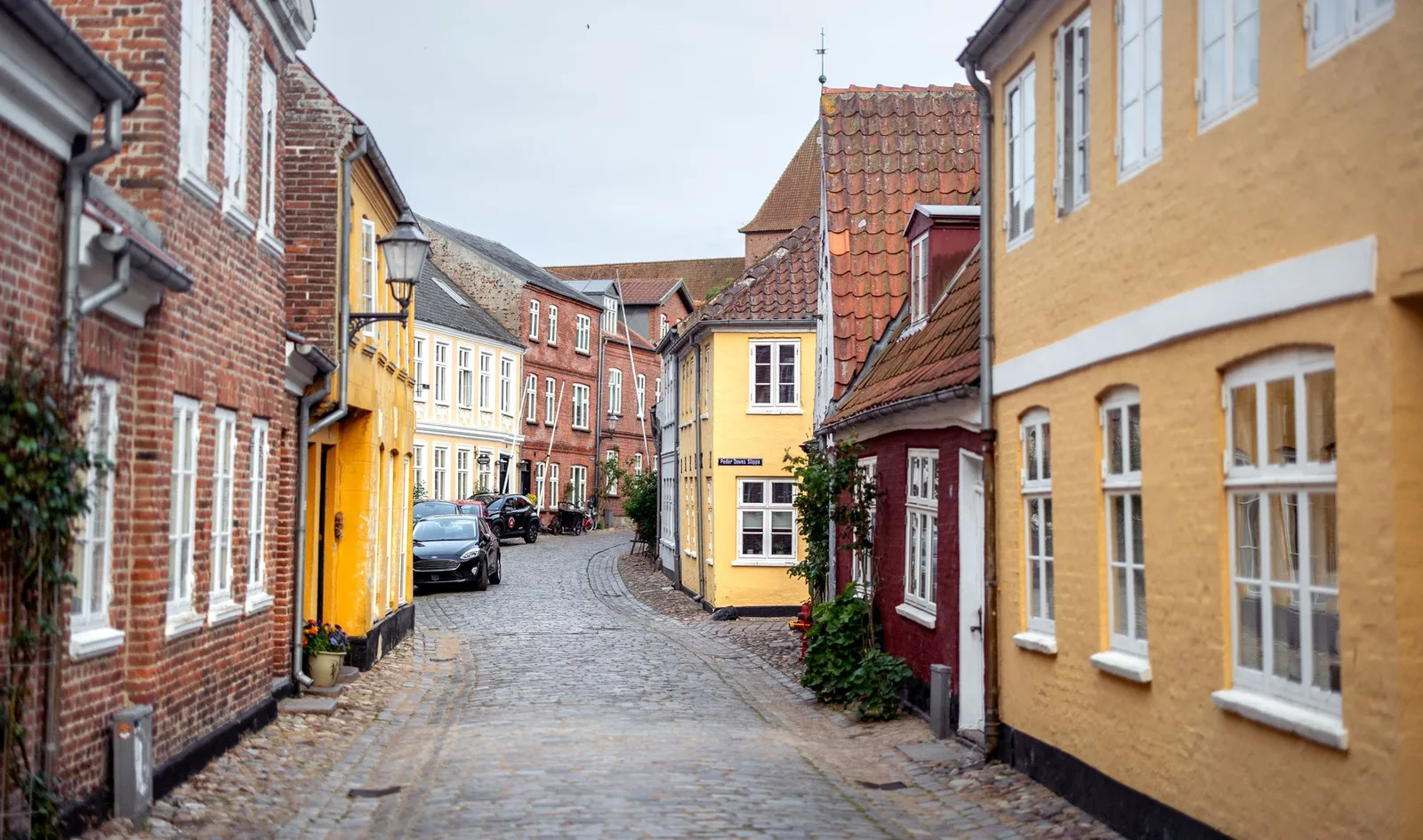
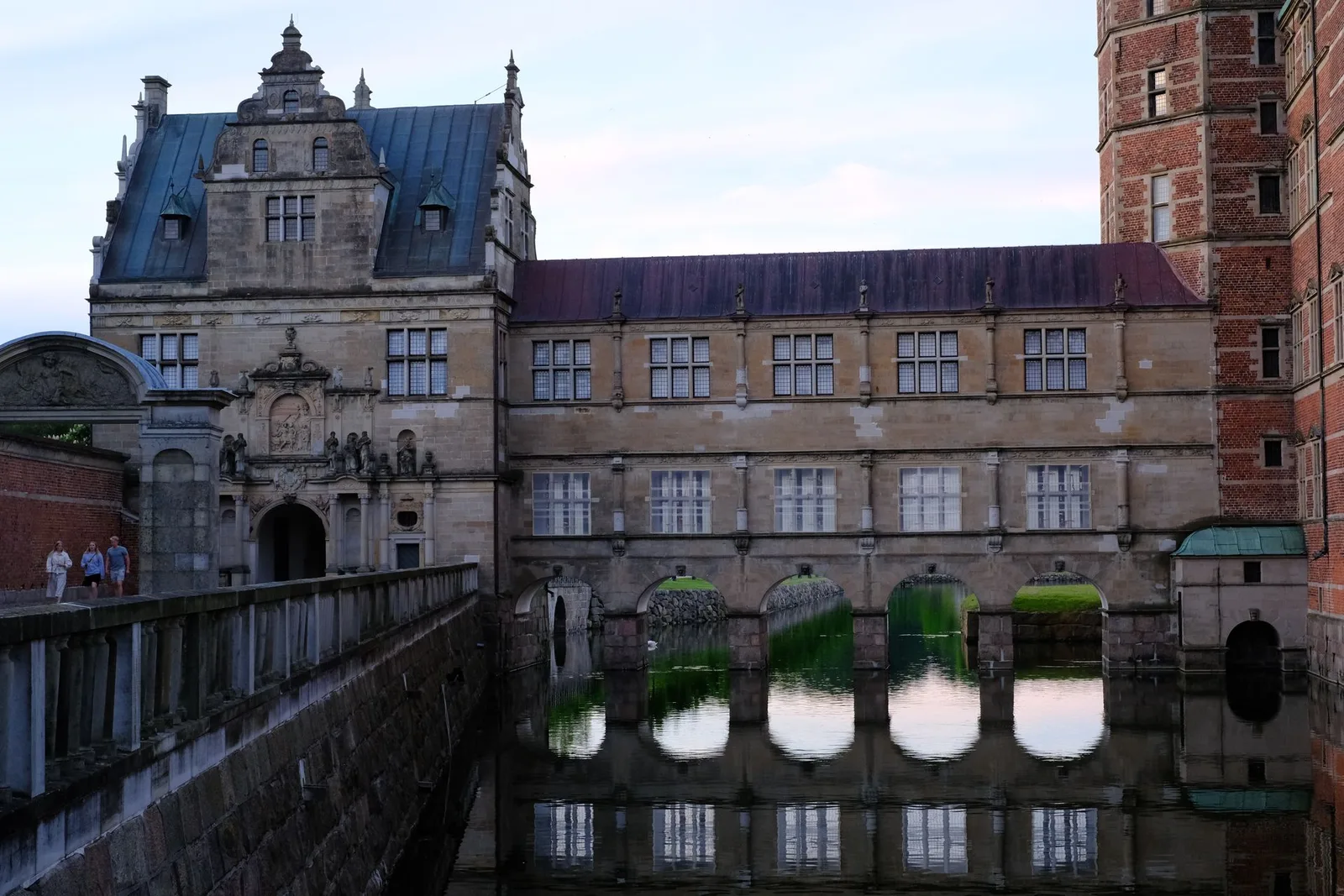
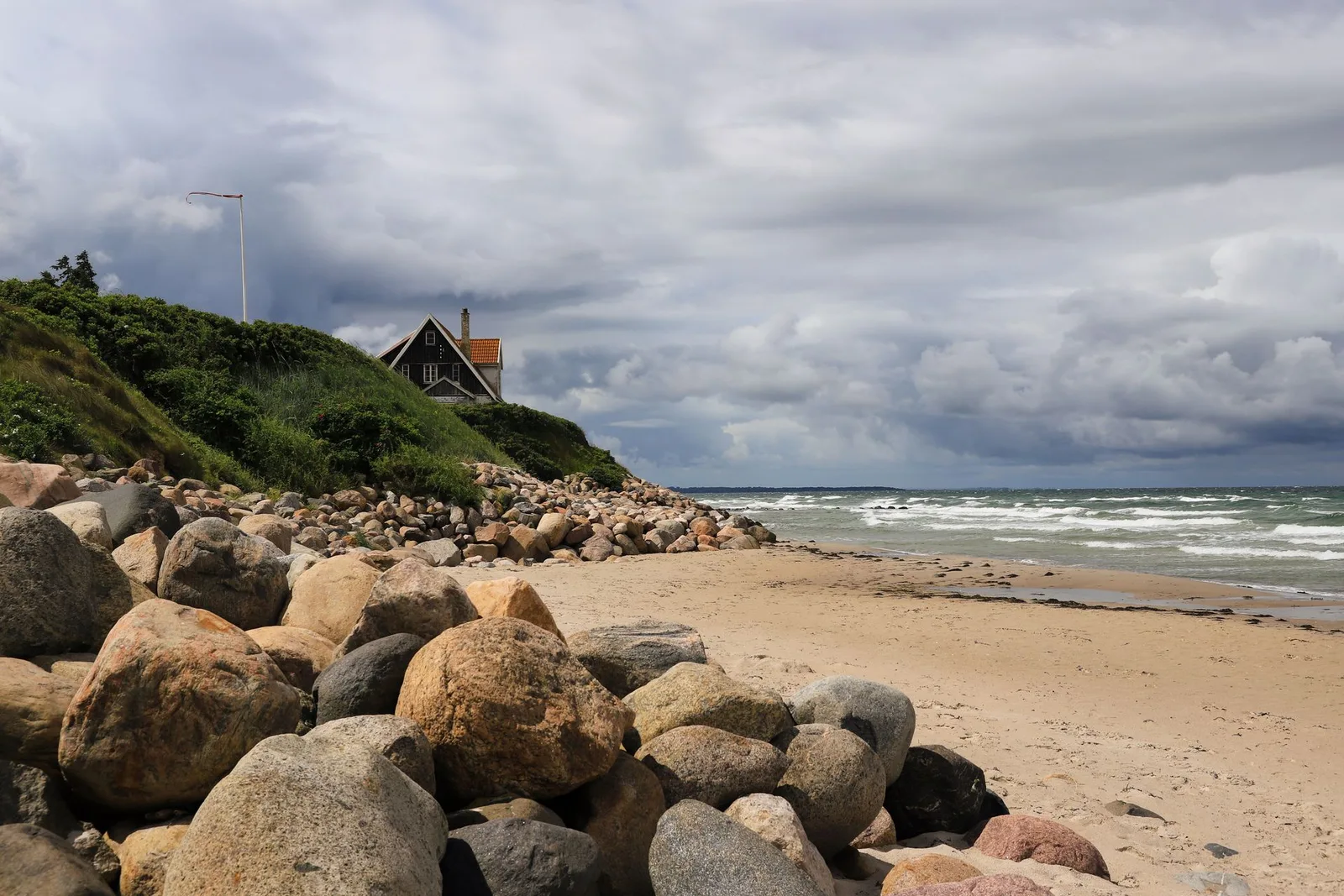
The coastline is never just one thing.
Vadehavet
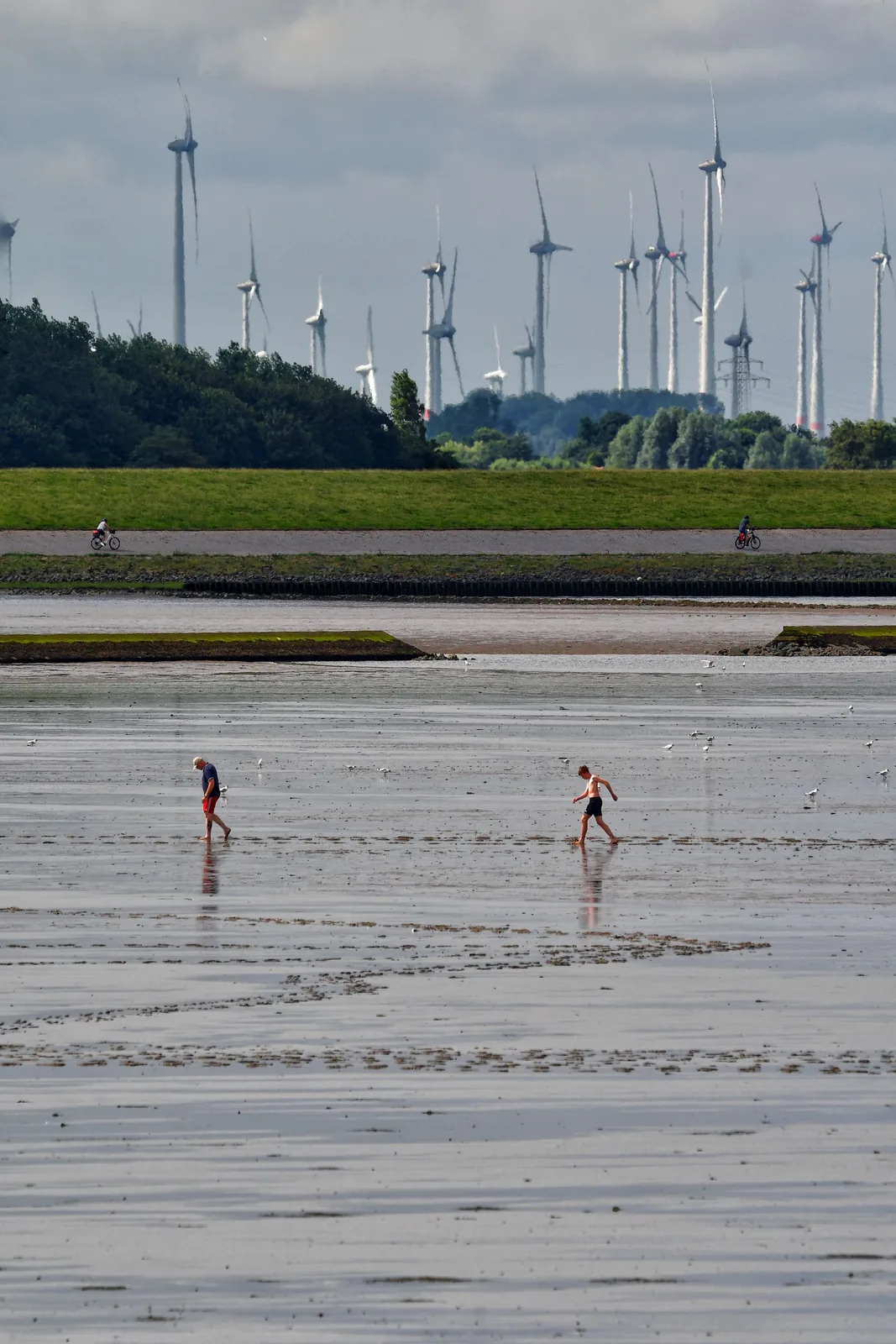
A World Heritage site and tidal landscape in one: at low tide the seabed empties for kilometres, revealing a world of creeks and mudflats, a favourite stopover for hundreds of thousands of migrating birds.
Skagen
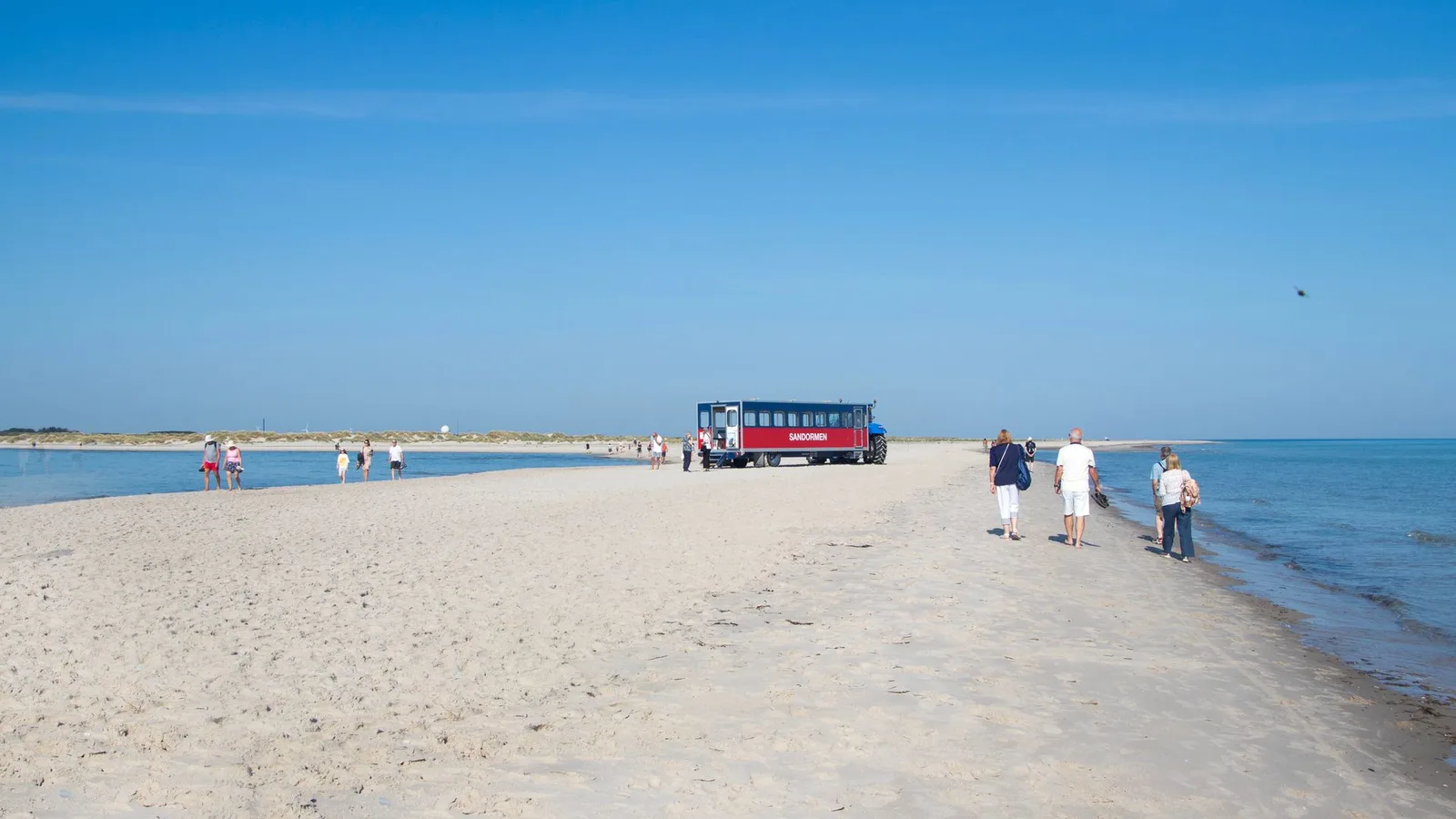
On the sandbank of Grenen, the Skagerrak and Kattegat meet visibly: two seas that literally collide, under a light sharper than anywhere else in the country.
Limfjorden
This broad fjord cuts North Jutland off from the mainland. Around Løgstør and Thisted lie shallow waters full of wild oysters and a stillness unmatched by any other coast.
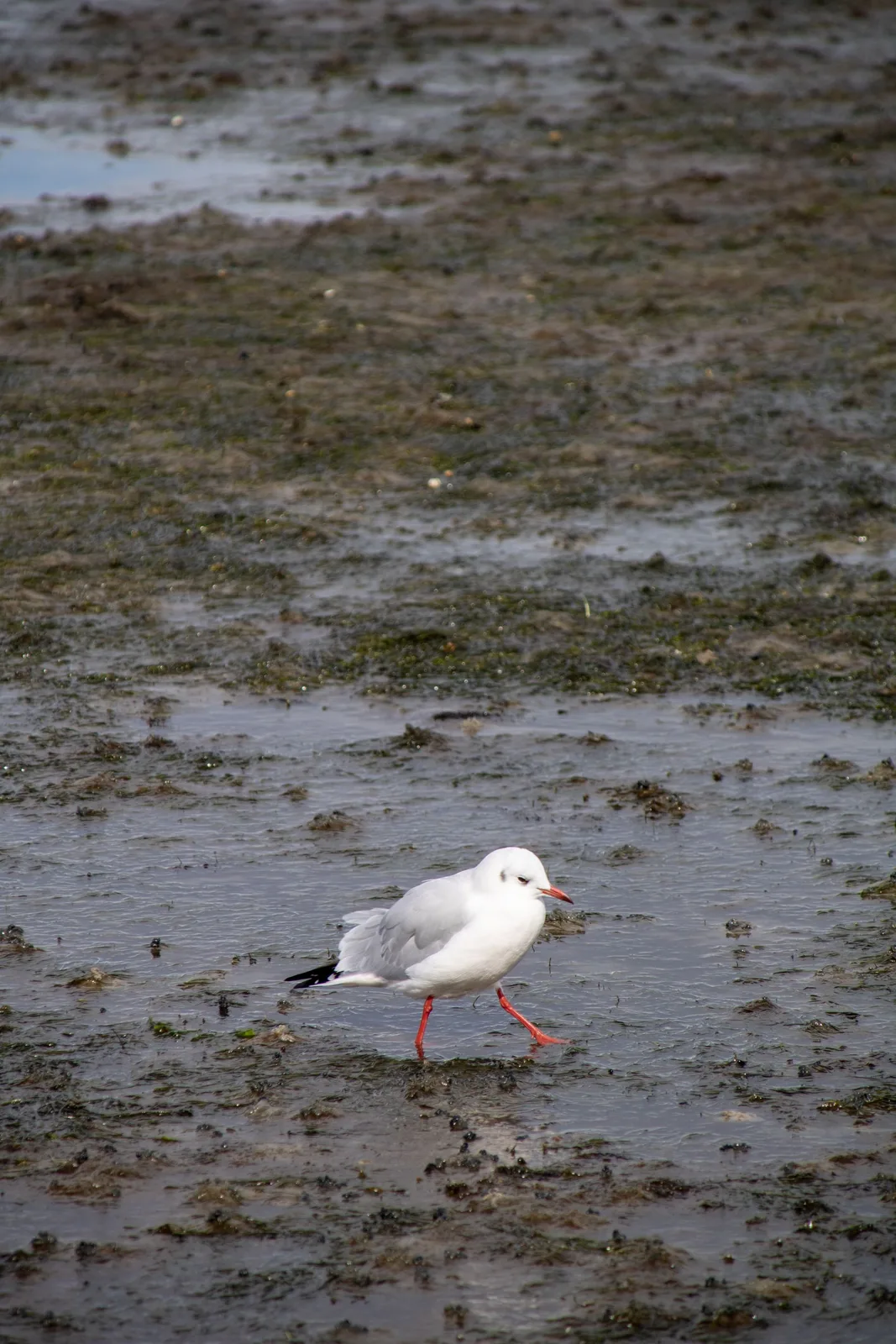
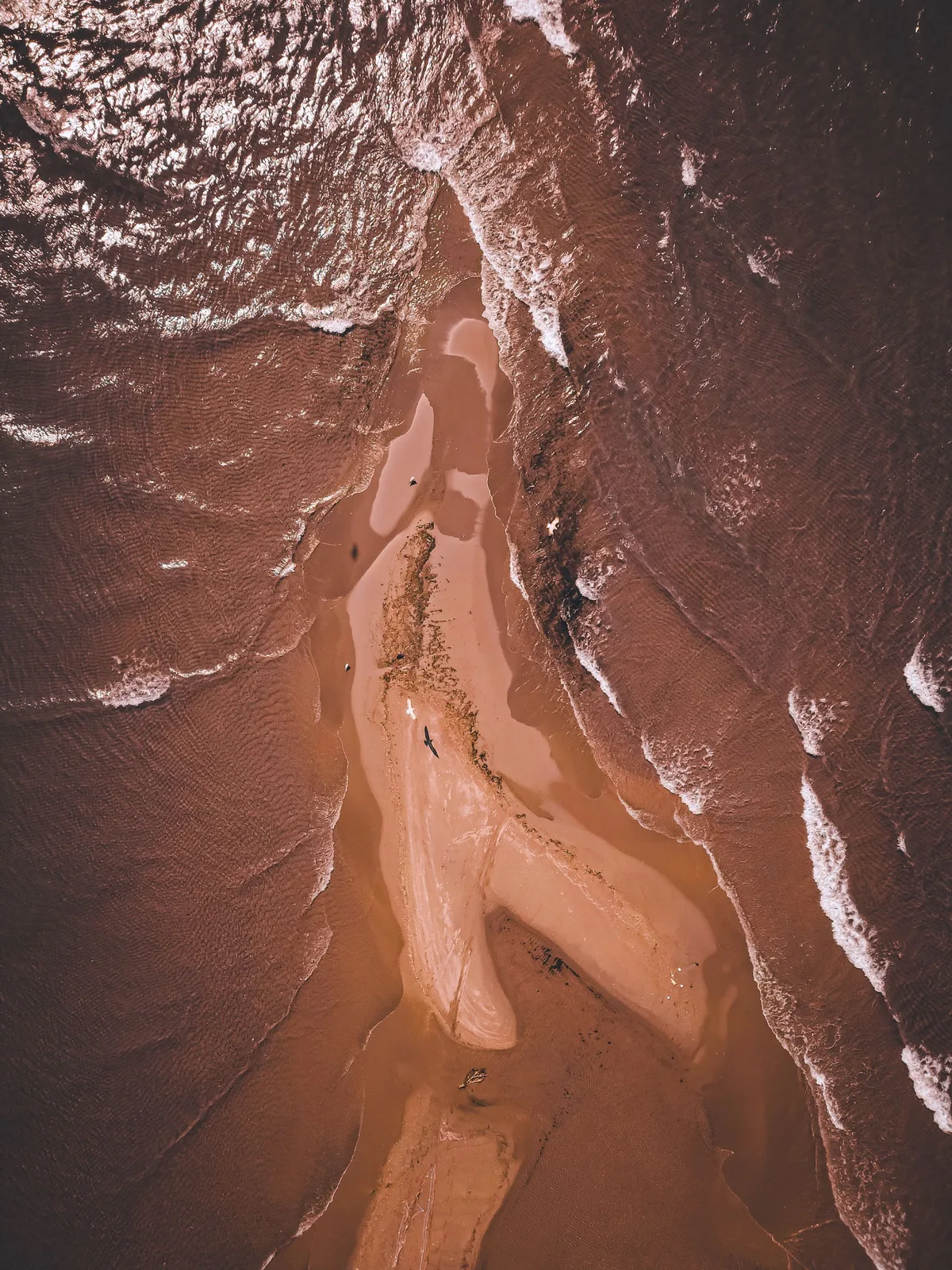
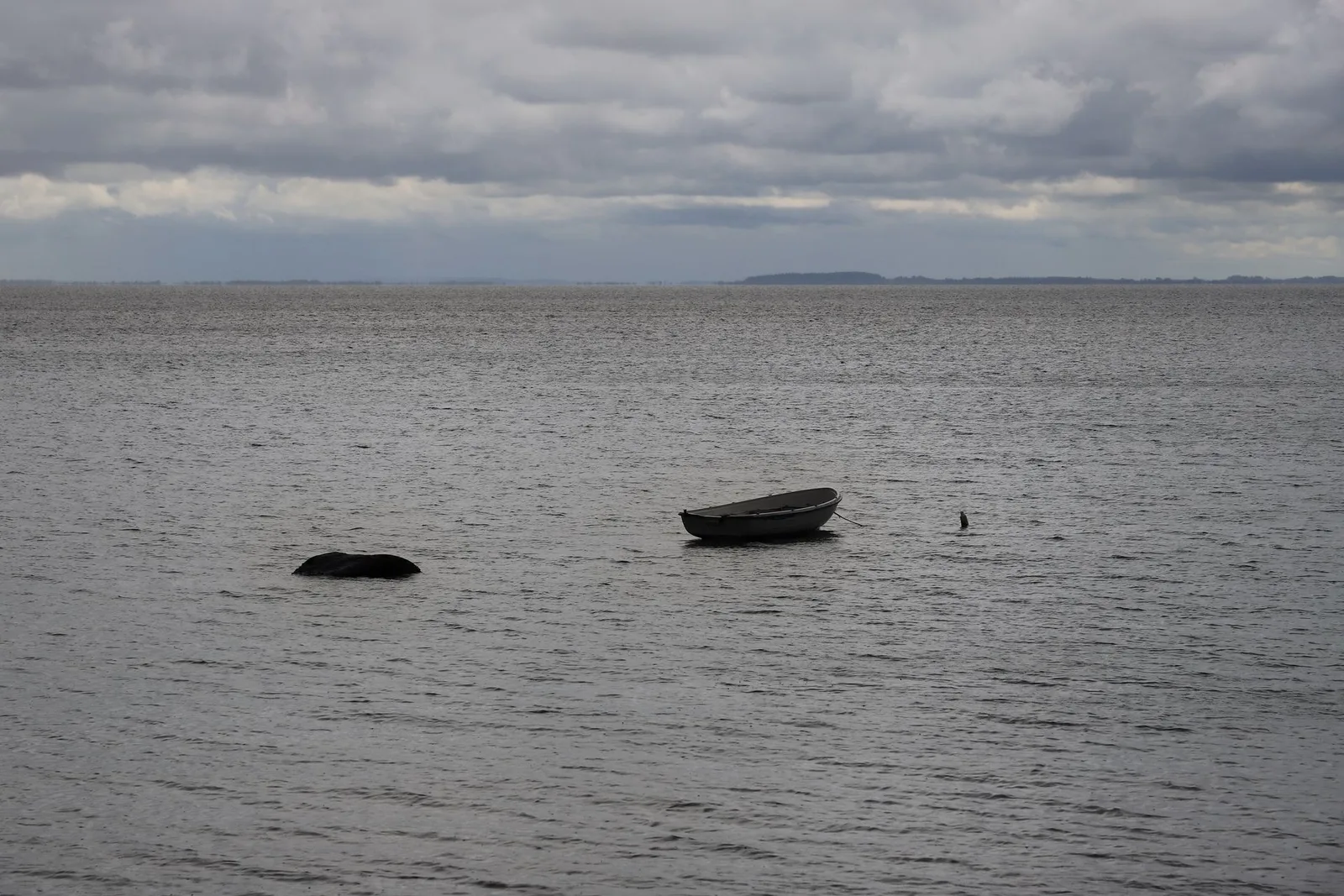
When the light does the work.
In June, it stays light in Denmark until after ten, and even then a glow lingers on the horizon. That makes May to August the months when the country is at its most generous: long days, busy harbours, orchards in bloom on Funen.
September still holds much of that warmth, with quieter roads. The west coast, by contrast, draws lovers of rougher weather in October and November: strong winds, high waves, a completely different North Sea to the one in July.
Best time to visit Denmark
Who else is at their best in these months?
May June July August
Use the contact form to discuss your travel dates and preferences with us.
No fixed route, but a rhythm.
Denmark doesn't force anything. The country lends itself to a pace you set yourself, with a few recurring themes.
Cycling without hills
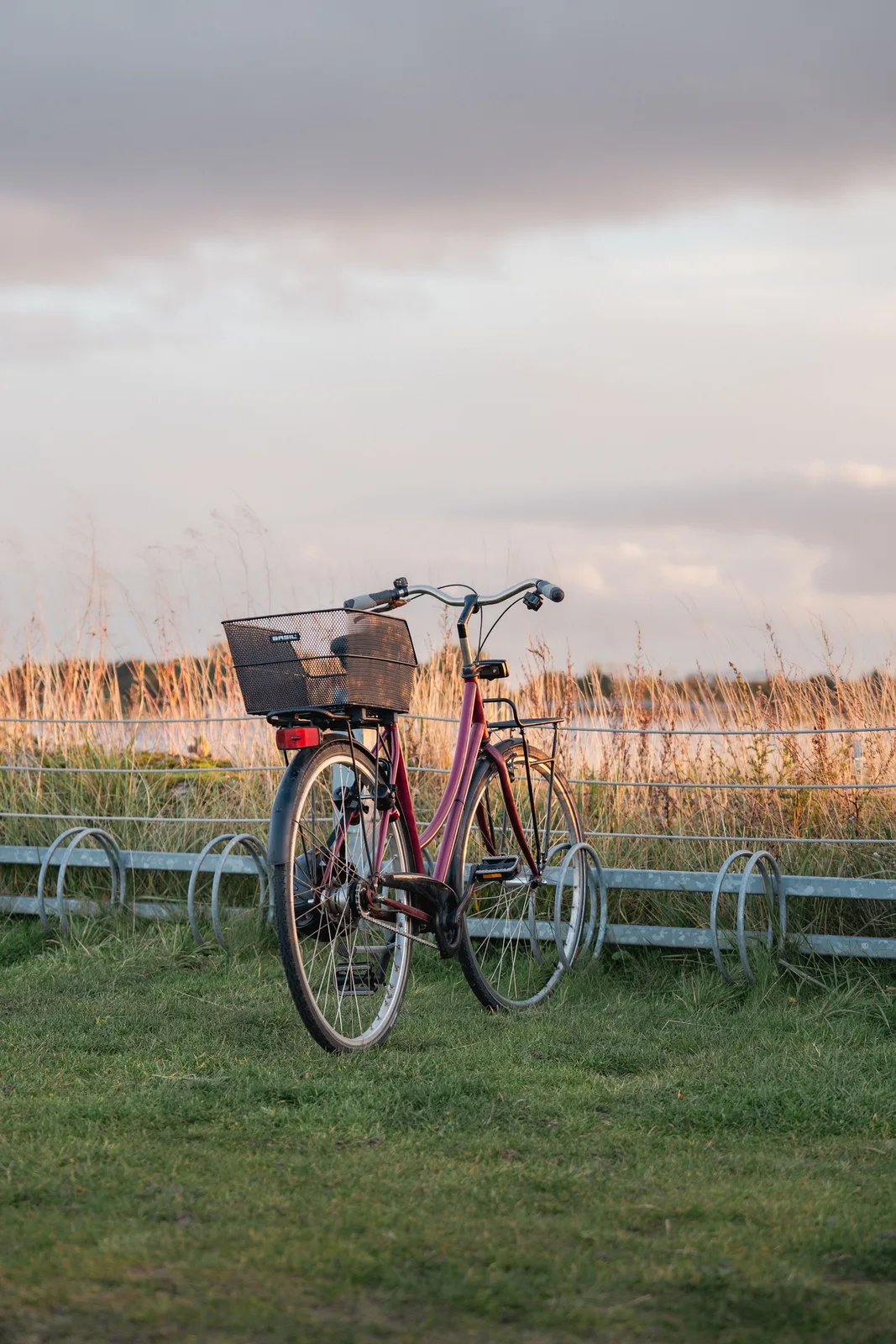
An extensive network of cycle routes links villages, fjords and coastal towns. The flatness that would be dull elsewhere becomes the best reason here to leave the car behind.
Island hopping
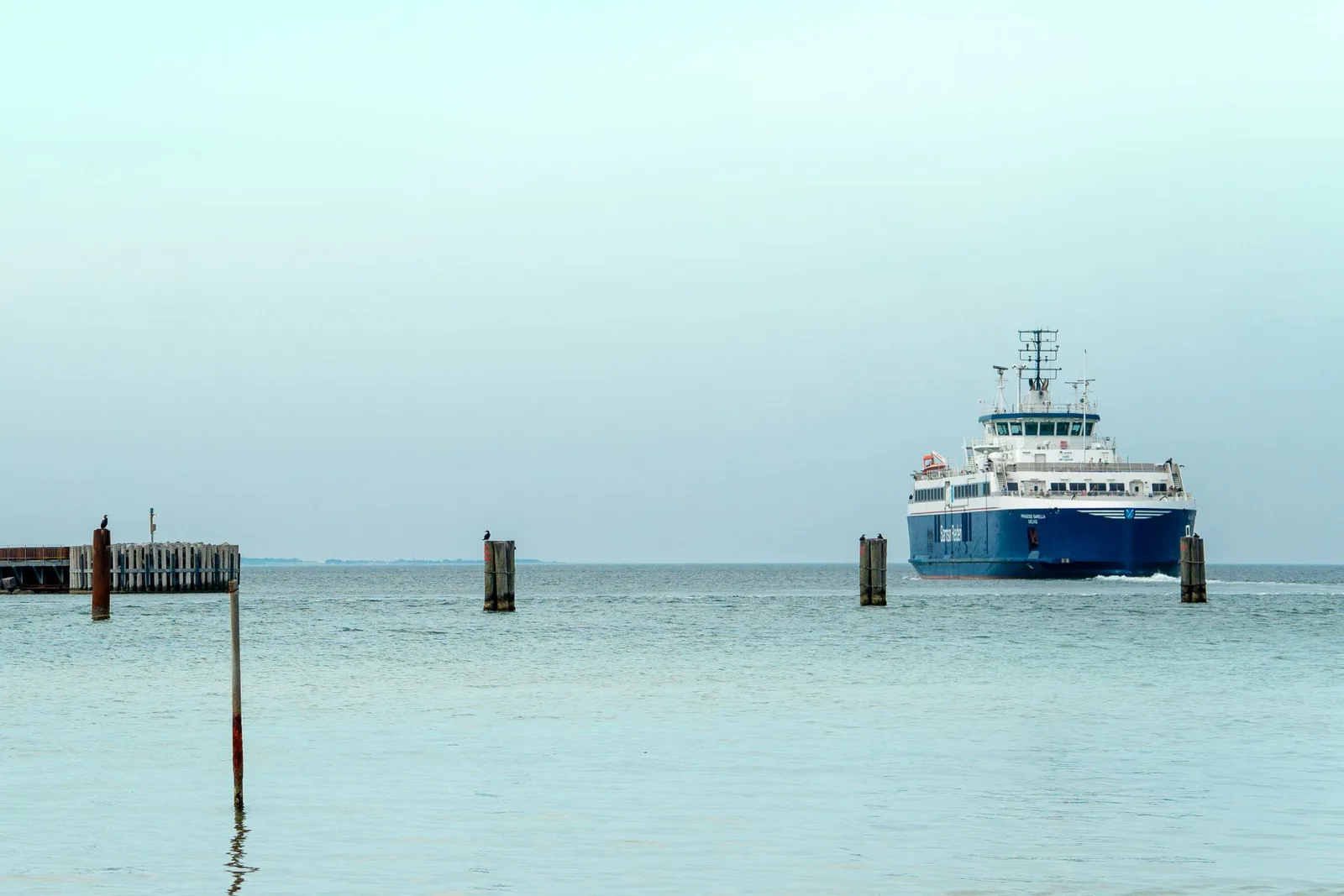
Ærø, Als, Bornholm and dozens of smaller islands are connected to each other and the mainland by ferries that are themselves part of the journey.
Wadden walking
Walking the seabed of the Vadehavet at low tide, under guidance: a landscape that looks completely different again just six hours later.
At the table by the harbour
From a smokehouse on the quay in Hvide Sande to a simple smørrebrød lunch in a village café: Danish cooking is at its best when it isn't trying to impress.
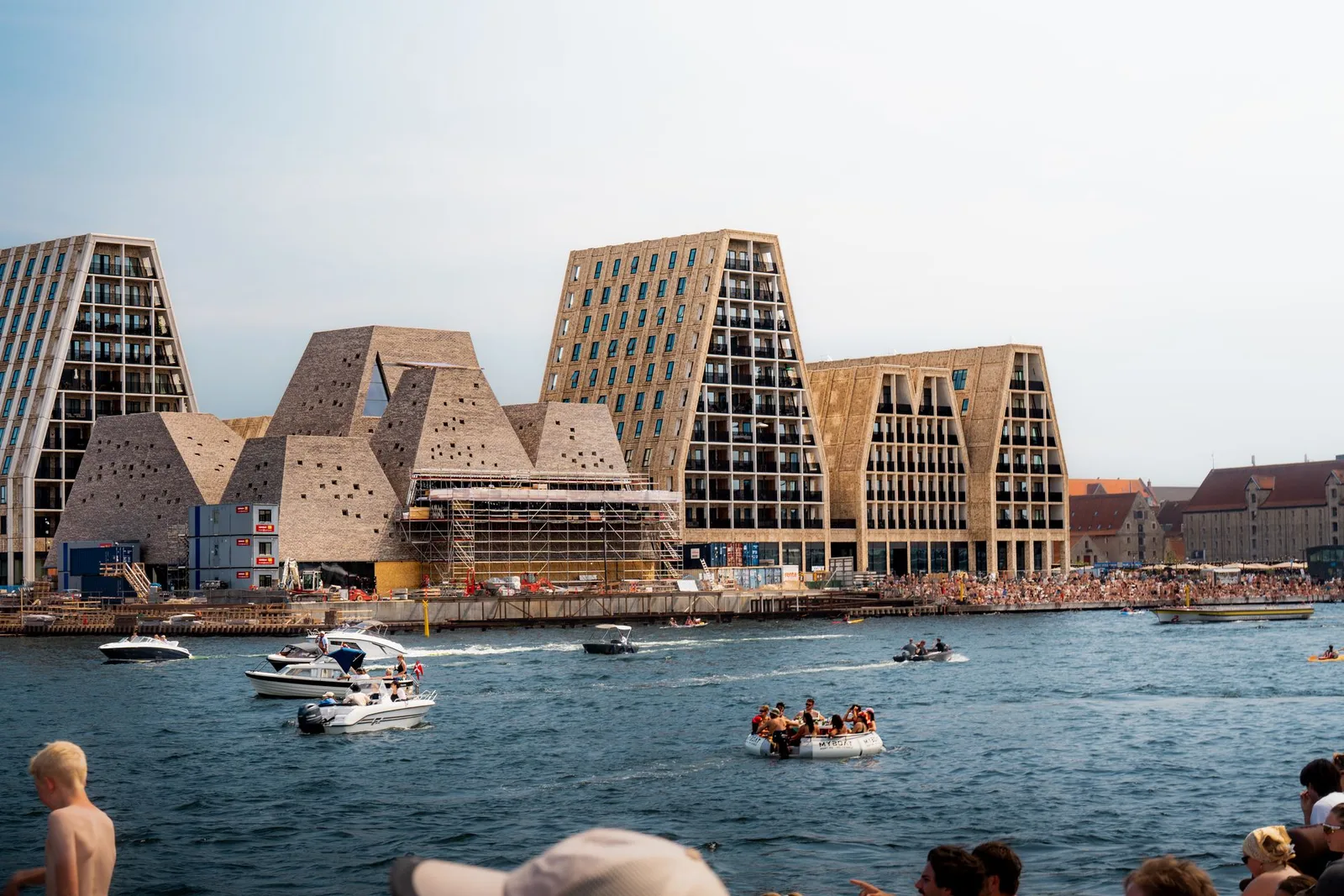
Architecture without pose
From the harbour bath in Aarhus to a small village church: buildings that do exactly what they need to, without unnecessary gestures.
These are possibilities.Not your journey.
Grenen, Skagen, where two seas meet.
Practical, without the noise.
Getting there
Direct flights to Copenhagen and Billund; the west coast and Funen are also easily reached by car and ferry from Germany.
Documents
A valid identity card is sufficient for EU citizens.
Health
No special precautions are needed; the European Health Insurance Card is recognised.
Pace
Distances are short, but the many small pauses, a ferry crossing, a village, a view, are exactly what the journey is about.
Ferries
A dense network of ferries links the mainland and islands and deserves its own place in the rhythm of the trip, not just a role as transport.
Denmark doesn't convince with height.It convinces with clarity.
Frequently asked questions
Is Denmark more than Copenhagen?
Considerably more. The capital is a good starting point, but the west coast, Funen, Ærø and Bornholm each show a different Denmark.
Can Denmark be combined with another Scandinavian destination?
Yes, for example with southern Sweden via the Øresund Bridge. We look at each traveller individually to see whether that adds value.
Is the weather a risk?
Wind and changeability are part of the Danish coast. We factor that into how we build your trip, not as an excuse but as a given.
Is Denmark suitable without a fixed daily programme?
That's exactly where it excels. The short distances and dense network of ferries and cycle routes make improvising easy.
- Flight time
- About 2 hours from Brussels to Copenhagen
- Languages
- Danish; English is spoken almost everywhere
- Time difference
- None
- Elevation
- The highest point, Møllehøj, measures 171 metres
- Coastline
- More than 8,000 kilometres, spread across hundreds of islands