

A country that never needs to prove its character
The United Kingdom never needs to prove its character, and consists just as much of wet moorland as of a smart London street. It rarely blows its own trumpet, which makes it hard to capture in a single image: four nations under one flag, each with its own accent, its own humour and its own relationship with the weather.
England is more than London: the limestone villages of the Cotswolds, the industrial pride of Manchester, the cliffs of Cornwall where the light is unlike anywhere else. Scotland raises the horizon with the Highlands and islands where the sea is the only neighbour. Wales speaks its own language on road signs and in the pub, and keeps its mountains to itself. Northern Ireland carries a history you feel without anyone needing to explain it.
What returns everywhere is a kind of restrained hospitality: never loud, never eager, but genuine the moment you take the trouble to ask. A country where understatement is an art form, and where the weather, inevitably, is the one subject everyone has an opinion on.
In short
Best time to go
May to September brings the longest days and the best chance of dry weather for the Highlands and the coastal paths. Summer afternoons reach around 18 to 25 degrees in southern England and around 17 degrees in Scotland.
How long
A week for one or two regions, such as London and the Cotswolds or the Scottish Highlands. To combine England, Wales and Scotland, allow two weeks, as roads are slower than the map suggests.
Who it suits
Travellers who like to alternate moorland and coastal walks with museums, pubs and bookshops, enjoy travelling by train or on small roads, and are not put off by a rainy day.
What sets it apart
These are four nations under one crown: in Wales road signs are bilingual and almost one in five residents speaks Welsh. The west is far wetter than the east; Snowdonia gets at least five times as much rain as Essex.
One kingdom, six faces
Visit only London and you've seen one country out of the four there are. The differences between the regions aren't folklore, but language, history and landscape that genuinely contradict each other.
London and the South East
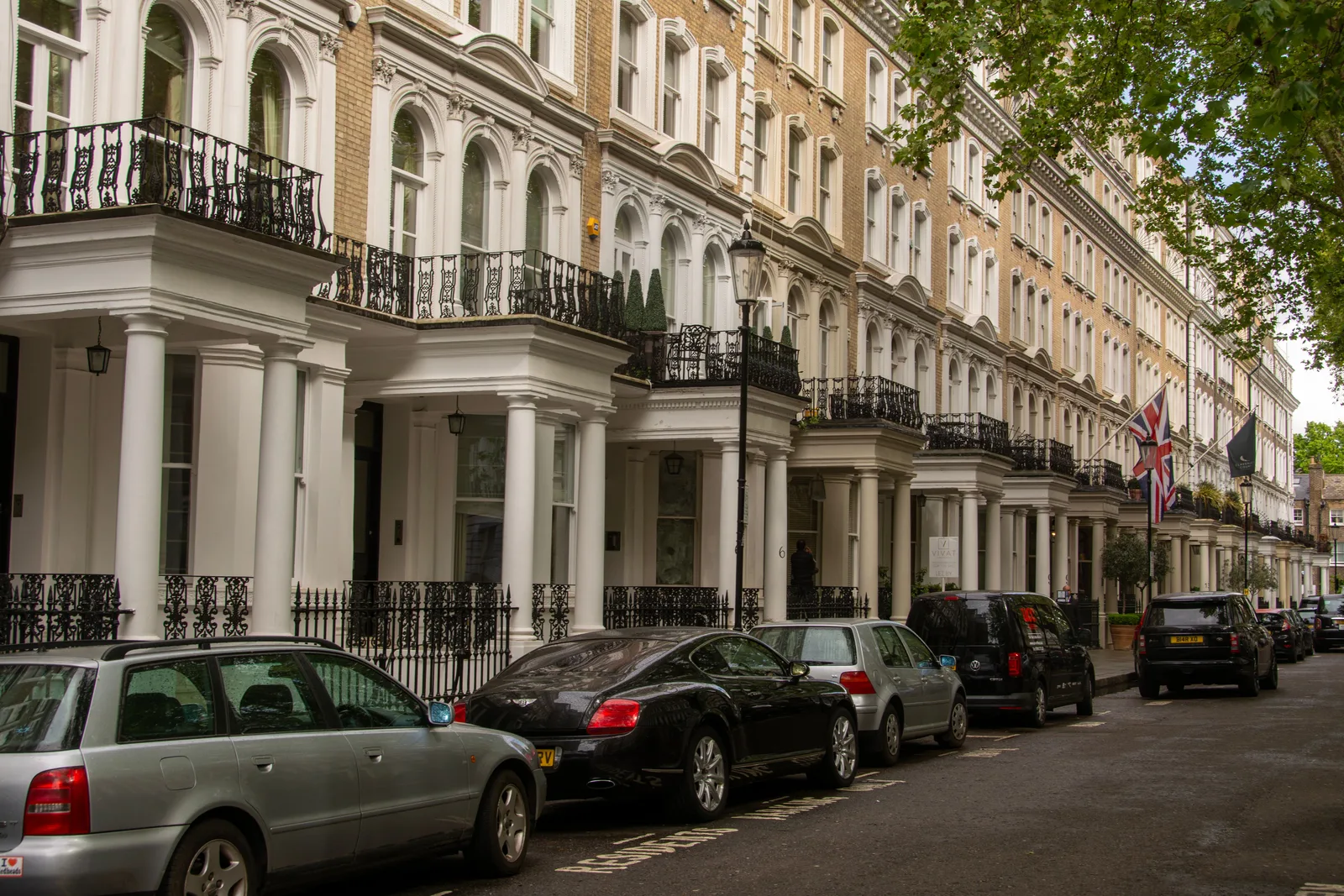
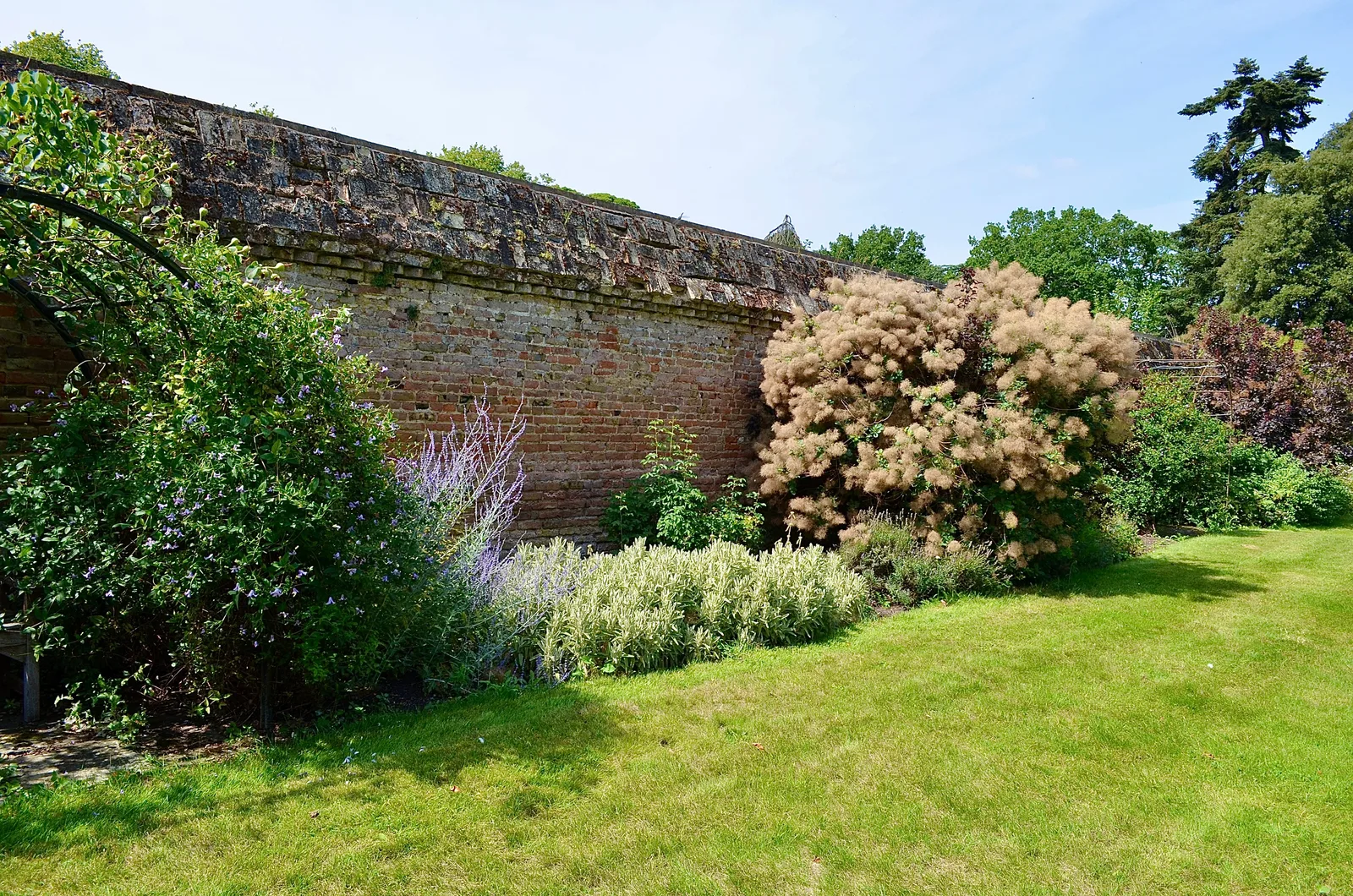
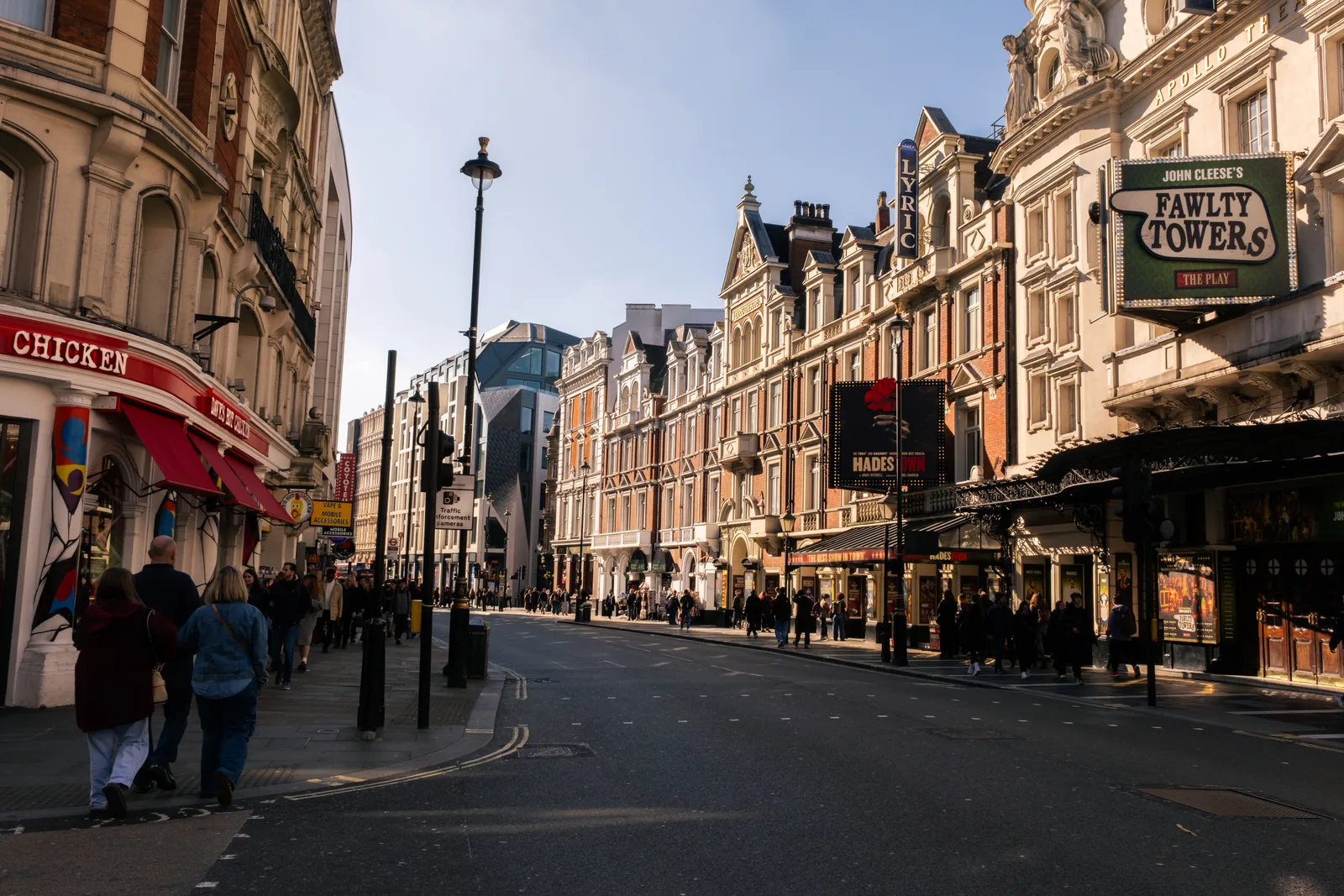
A city of neighbourhoods rather than monuments: Hackney's market stalls, the antique shops of Marylebone, the calm gardens of Kew. Beyond the ring lie the chalk hills of Kent and Sussex, with gardens such as Sissinghurst and a coastline that turns suddenly vertical at Dover.
The Scottish Highlands and islands
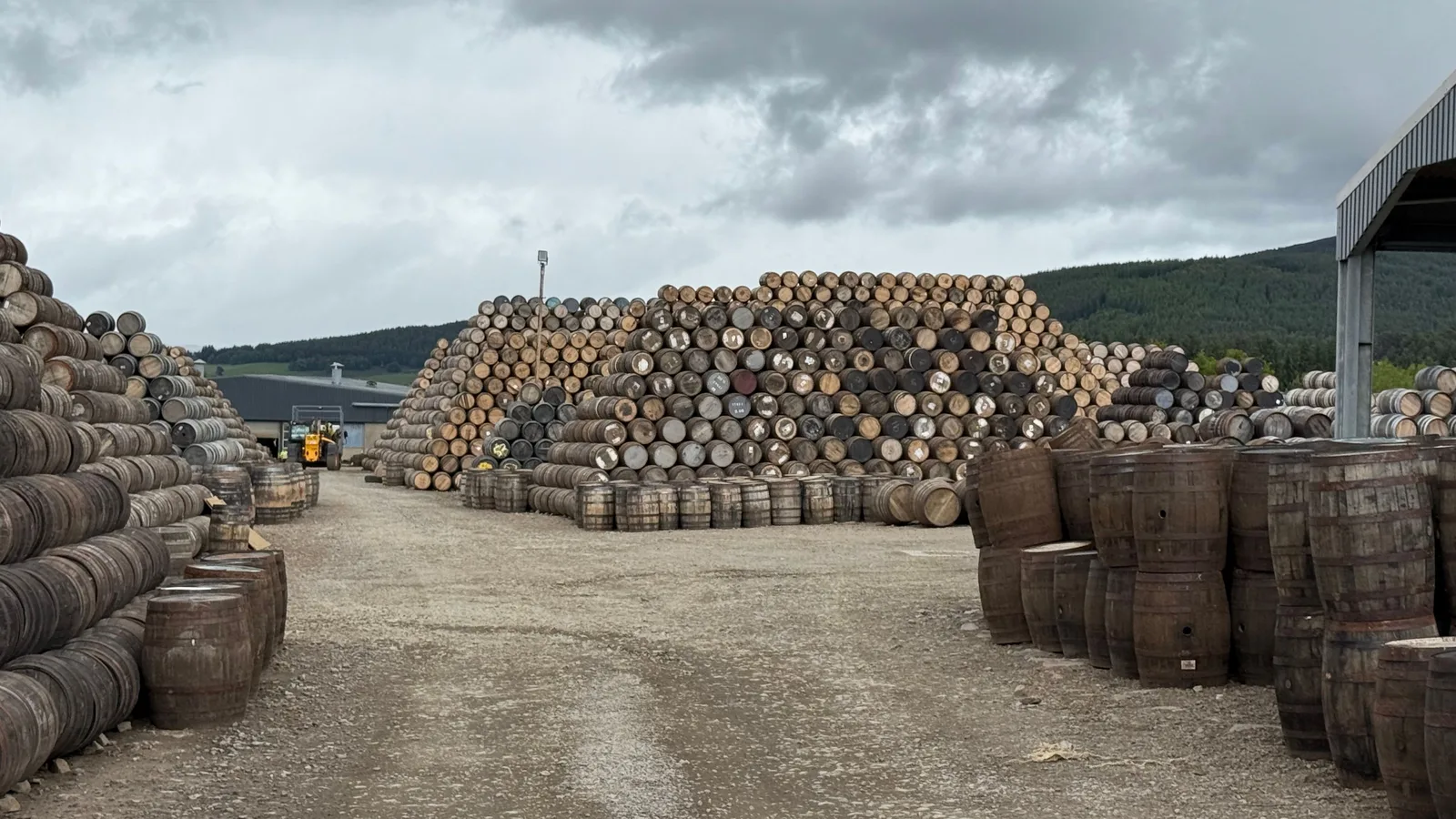
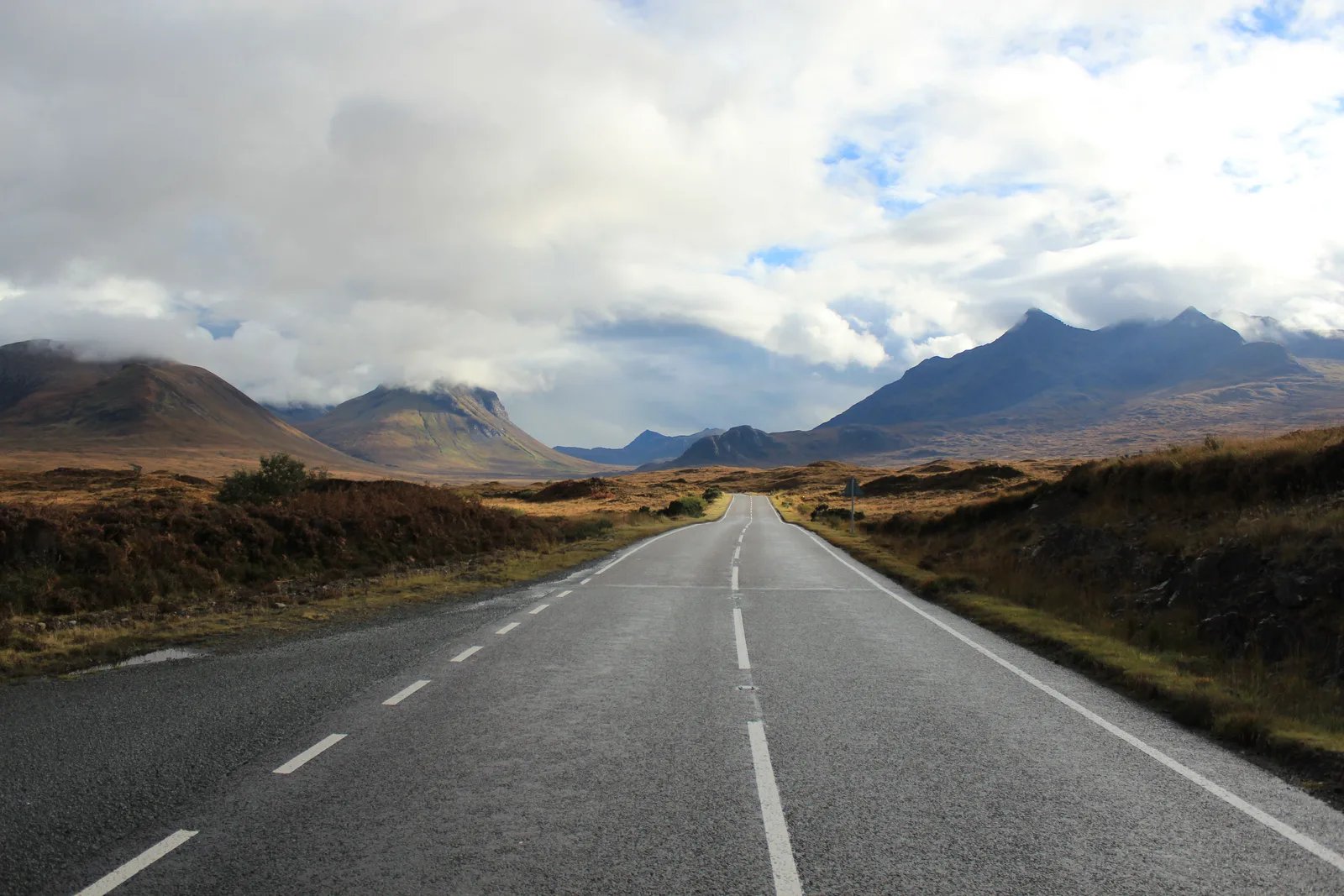
Glen Coe, Skye, the Hebrides: landscape that feels bigger than it is because hardly anyone lives there. Whisky distilleries along the Spey, single-track roads, and light that lingers late into June evenings.
Wales
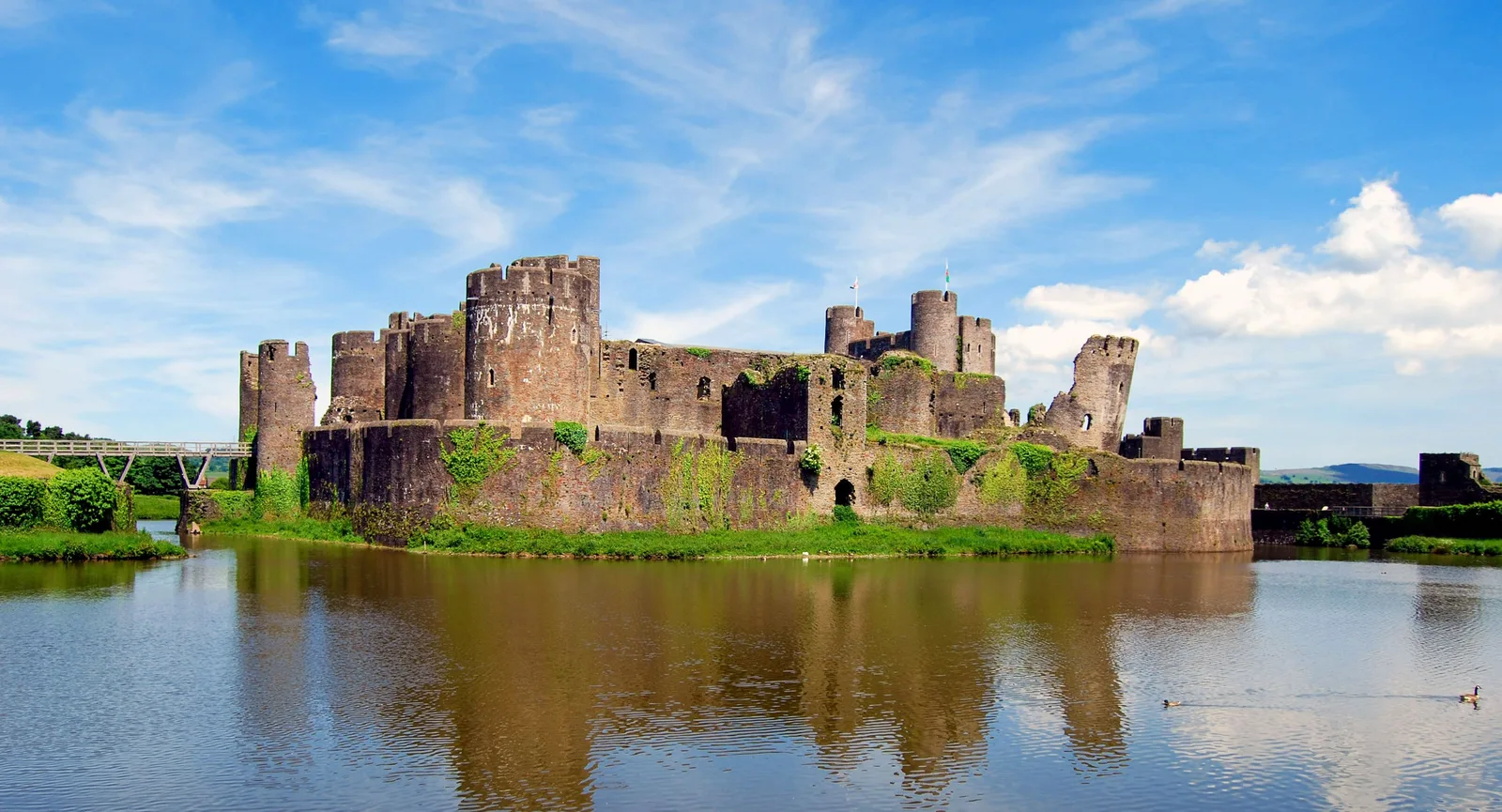
Snowdonia's peaks, the coastal paths of Pembrokeshire, castles that haven't been restored into stage sets. Welsh is heard on the street, on the radio, in the pub, a language that is very much alive, not dusted off for tourists.
Northern Ireland
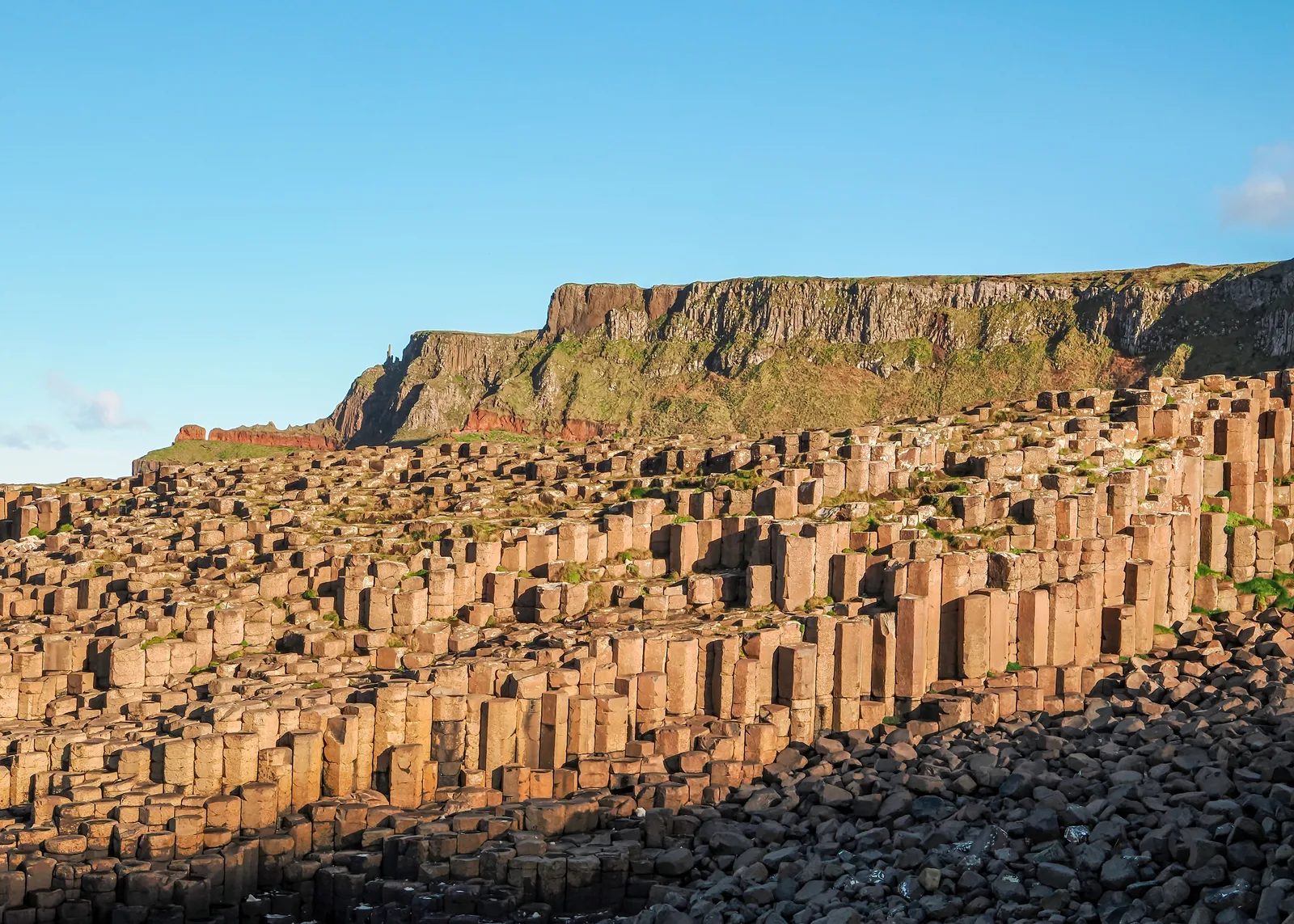
The basalt columns of the Giant's Causeway, the Mourne Mountains, and a Belfast that doesn't hide its history but talks about it openly. The coast road along Antrim ranks among the finest drives in the isles.
Cornwall and the South West coast
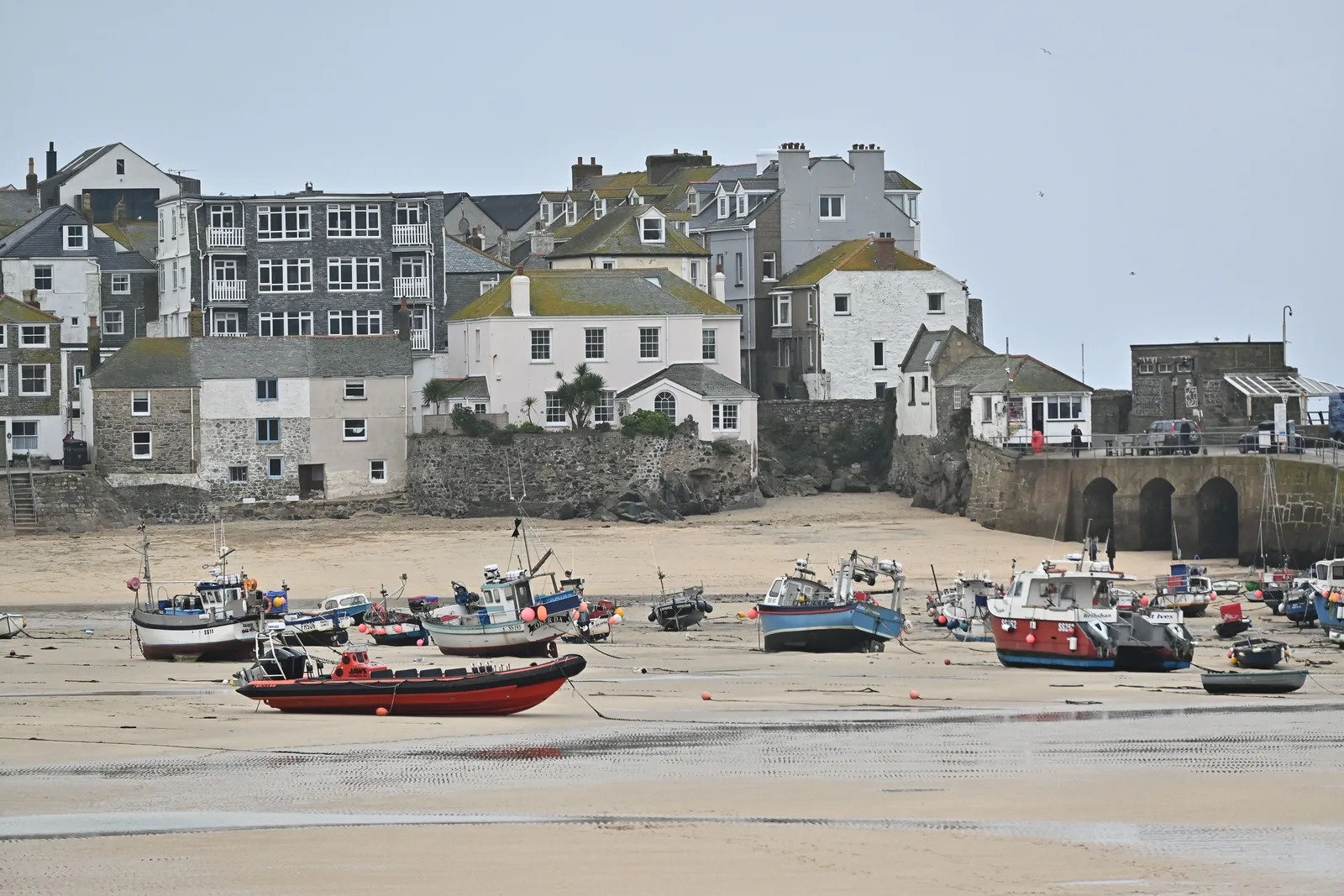
The South West Coast Path follows hundreds of kilometres of cliff and cove, past fishing villages such as Mousehole and gardens that grow subtropical thanks to the Gulf Stream. The light drew painters long before it drew tourists.
Yorkshire and the Lake District
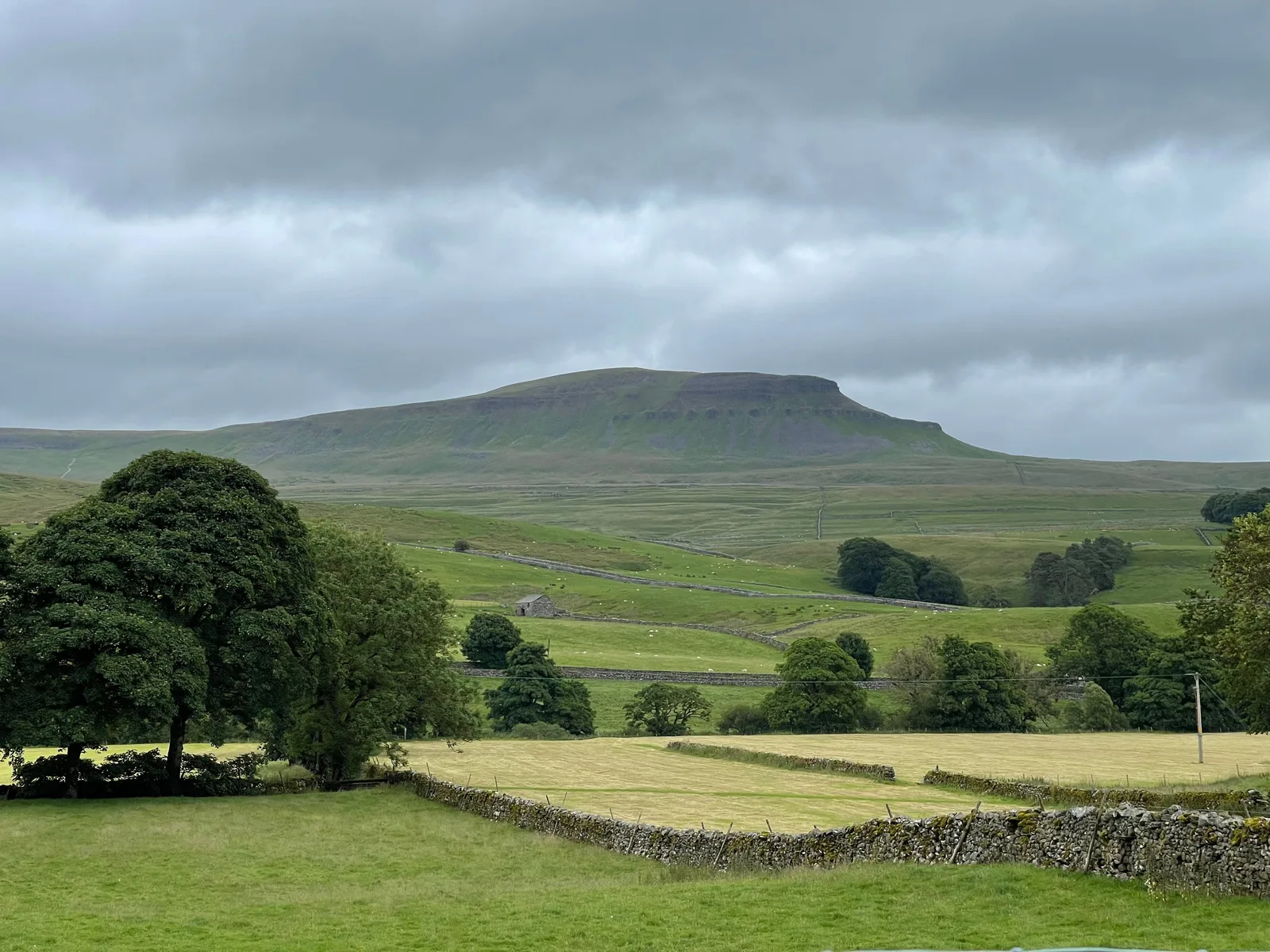
Rolling Dales cut through with drystone walls, the lakes and fells Wordsworth wrote about, and cities such as York and Leeds that embrace their industrial past rather than hide it.
The United Kingdom doesn't reveal itself at a glance.It asks for time, and repays it many times over.

Understatement as a way of life
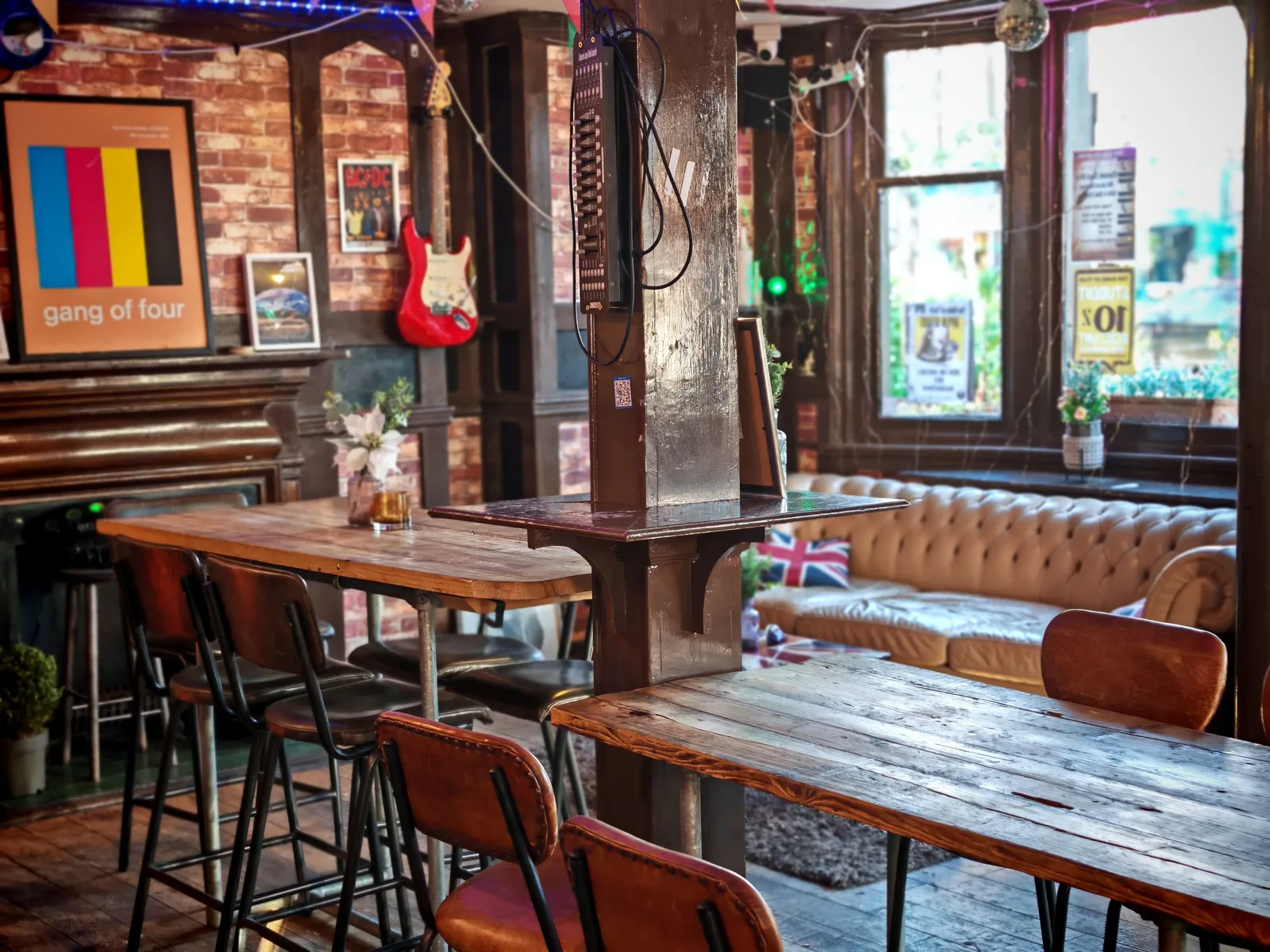
British politeness isn't theatre, it's infrastructure: a queue that orders itself, a 'sorry' that admits no one's fault but saves the mood all the same, a conversation about the weather that could just as easily be about something else. Self-deprecation runs deeper than humour. It's a way of never showing too much of yourself.
The pub remains the closest thing to a national institution: not a place for a tourist menu, but for a pint, a Tuesday quiz and a conversation that starts the moment you ask about the local football club. Cross that threshold and the reserve falls away faster than you'd expect.
From moorland to cliff
The moorlands
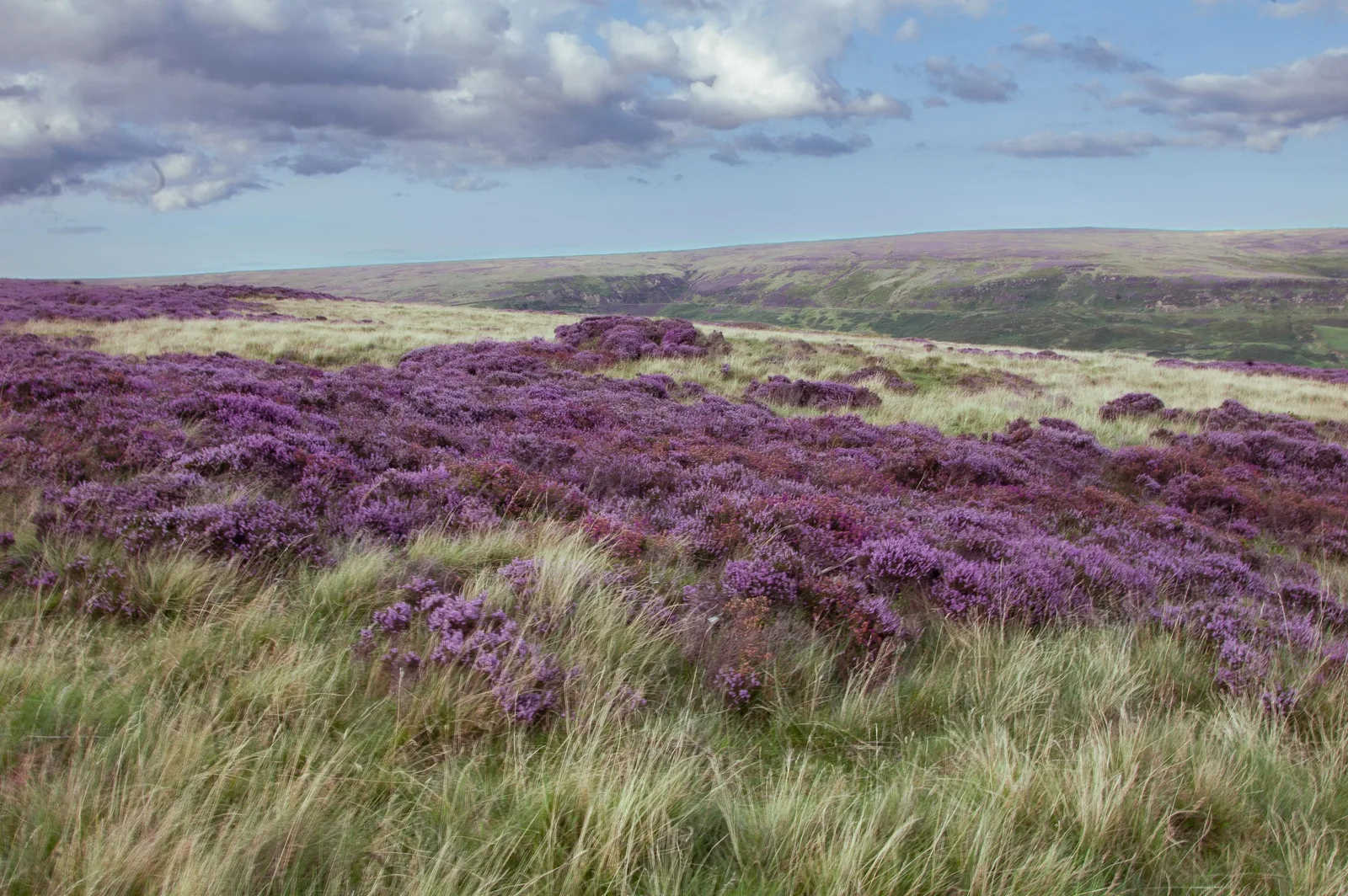
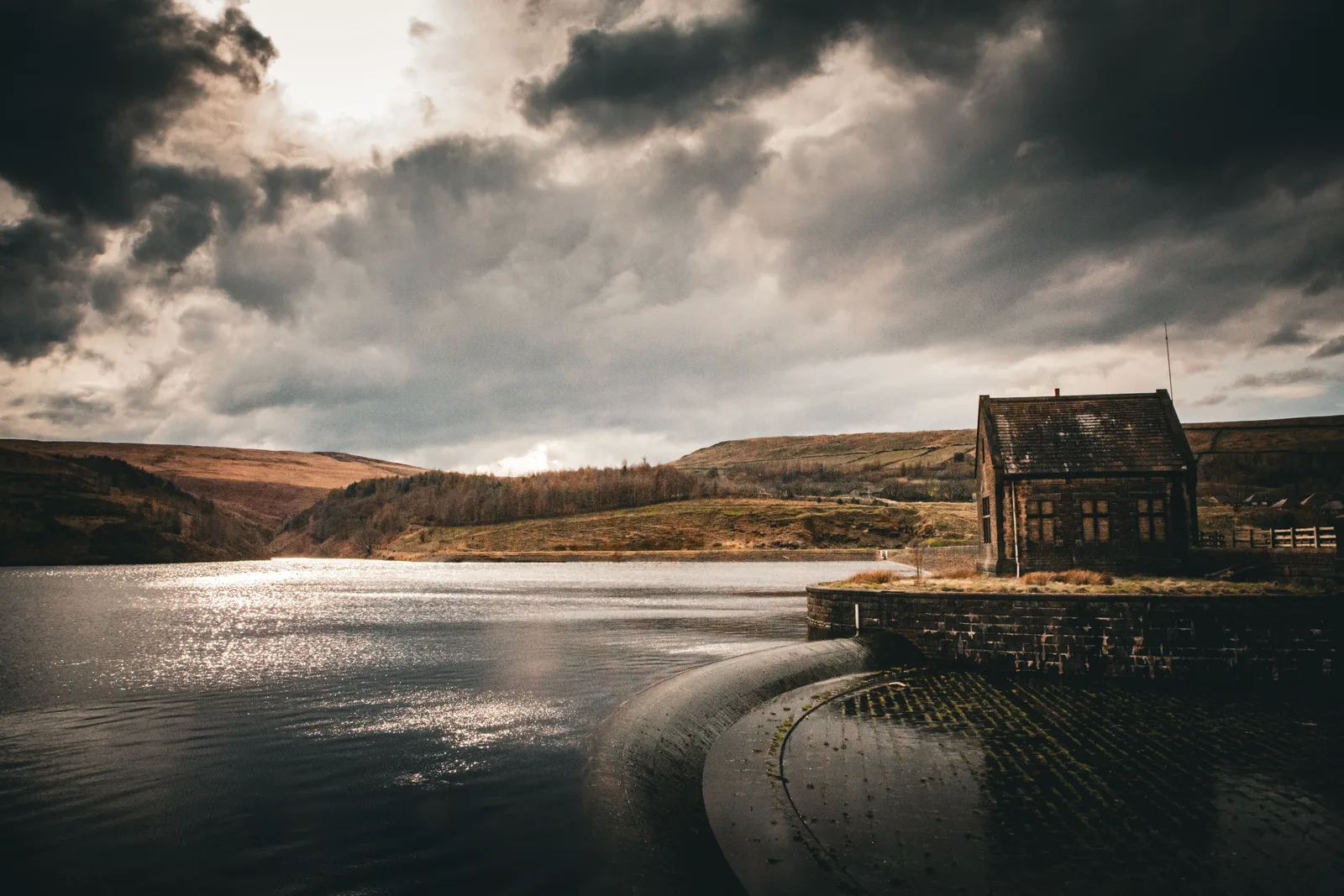
Exmoor, the Yorkshire Moors, the Peak District: purple heather, wind that never quite dies down, and a silence that weighs heavier than expected. Landscape that calls for boots and a good coat, not a car park.
The coastal paths
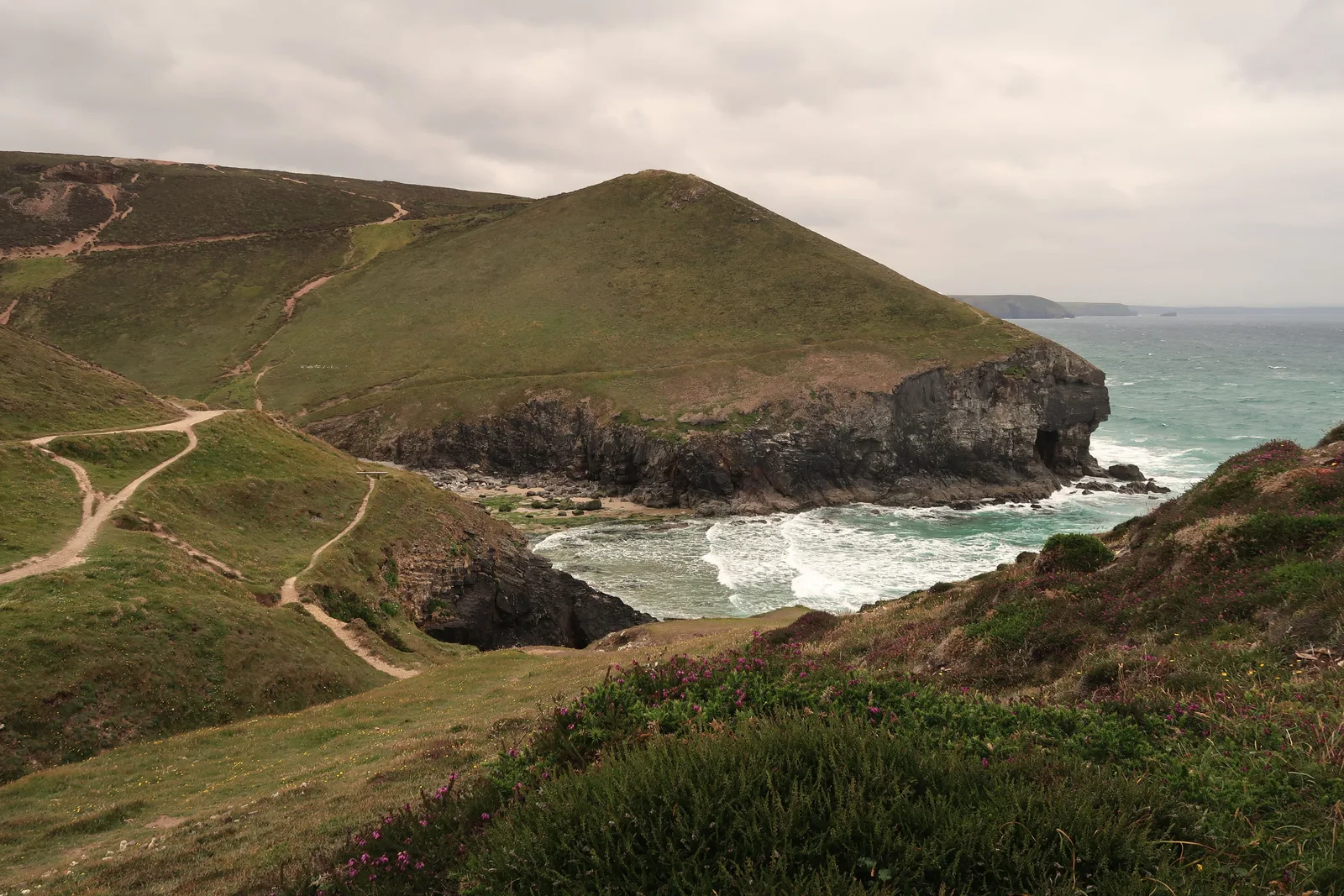
More than a thousand kilometres of marked footpath along the south-west coast alone, with coves, fishing harbours and cliffs that change colour with the light. Wales and Scotland have their own versions, less walked, just as striking.
The islands
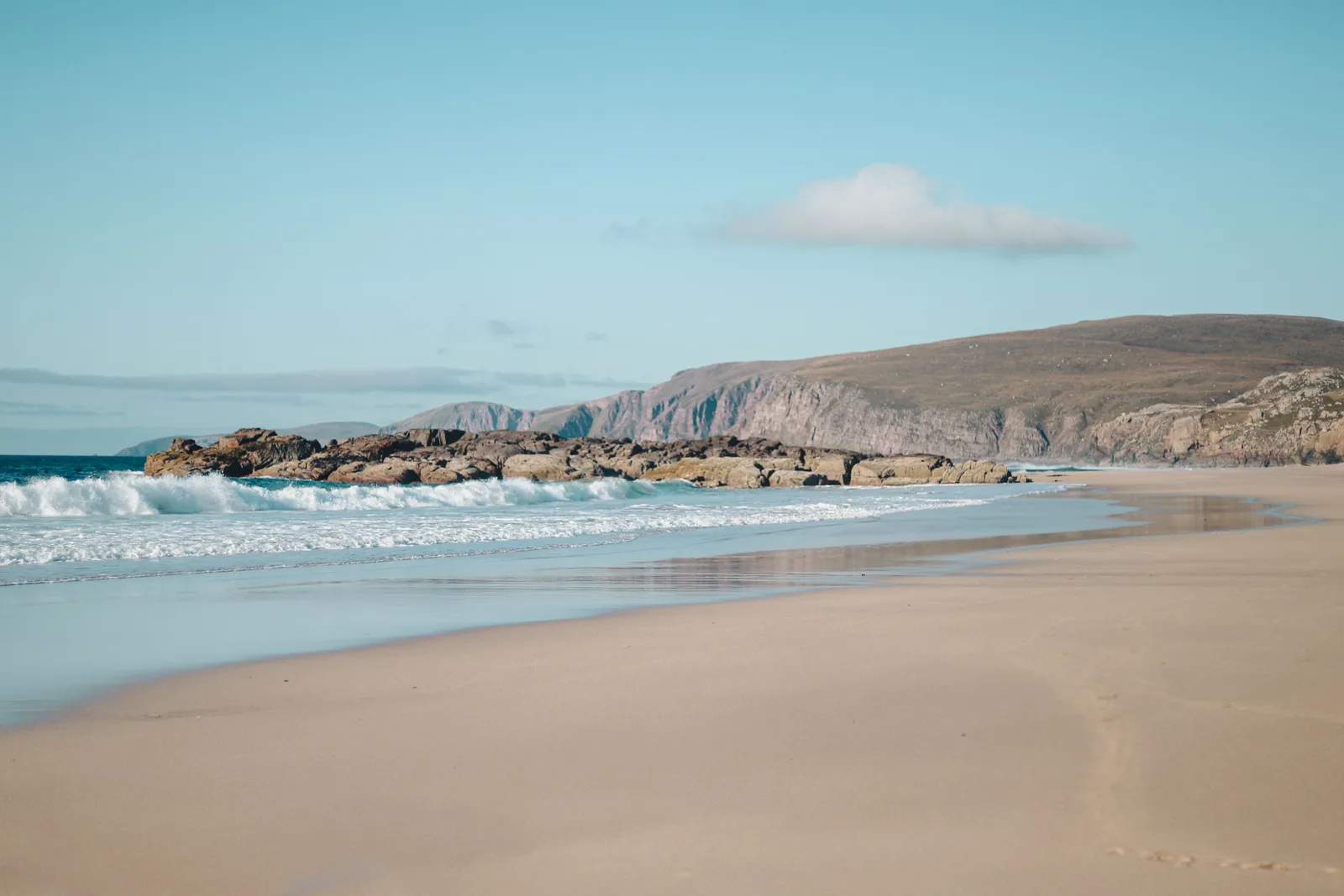
Skye, Mull, the Outer Hebrides: white sand that brings the Caribbean to mind rather than Scotland, until you touch the water. Each island has its own pace, and the ferry sets yours.
Possibilities, not a programme
These aren't day trips in a fixed order, but the building blocks from which we put together a trip that suits you.
Tasting in Speyside and Islay
Small distilleries where the distiller himself explains why exactly this water, this cask, this climate makes the difference.
Gardens a century older than their visitors
From the formal borders of Sissinghurst to the subtropical planting of Cornwall: British garden design as living heritage, not as a museum.
Literary landscapes
The moors around Haworth, Shakespeare's Stratford, Wordsworth's Lake District: places where the words only ring true once you've walked through them yourself.
An evening in London, tailored to you
Theatre, a renowned restaurant, a gallery after closing time: the capital gives back as much as you're willing to seek out beyond the tourist route.
Castles that aren't a backdrop
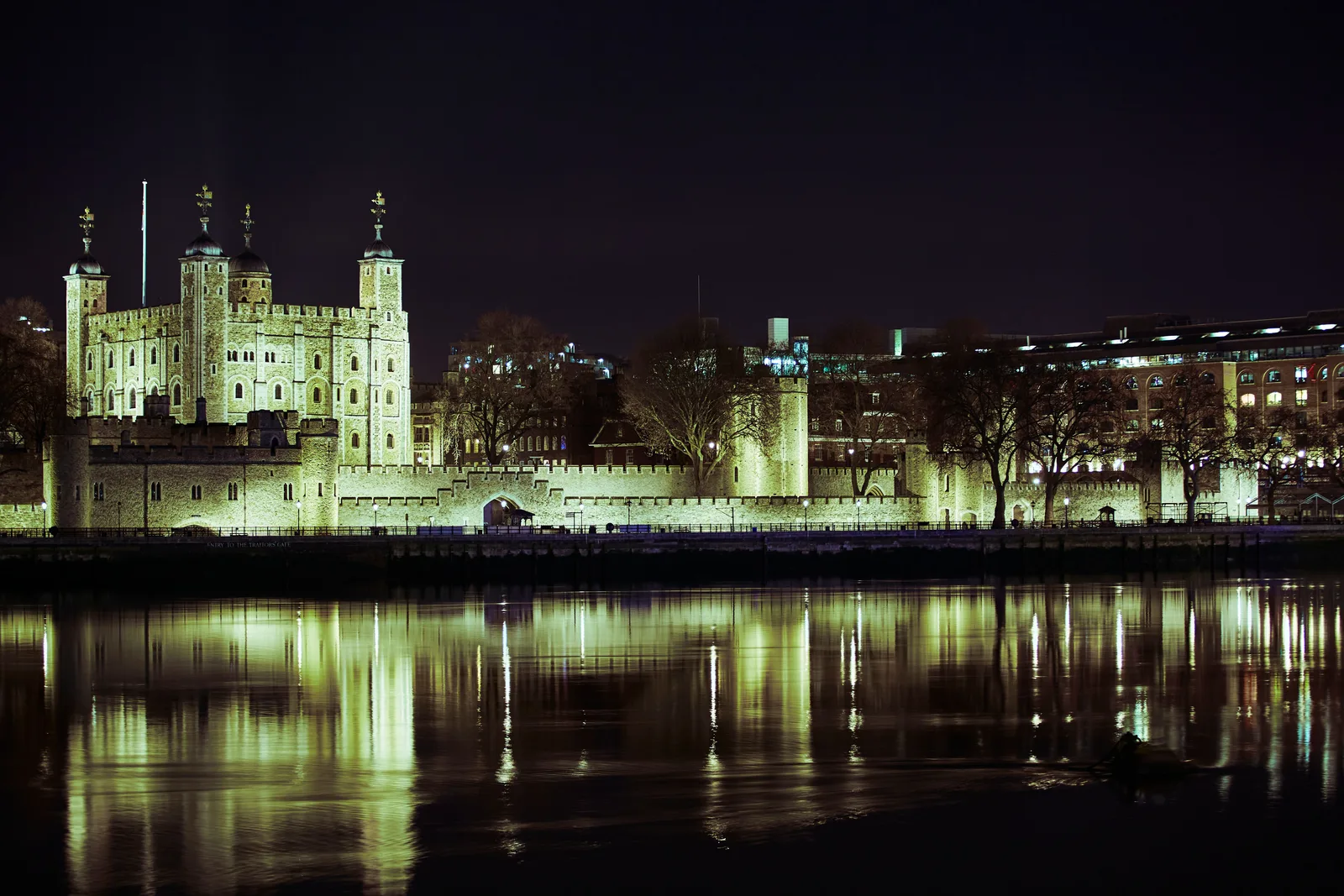
Conwy, Caernarfon, the ruins along the Scottish border: buildings that still dominate the landscape the way they always did, without a son-et-lumière show.
Food that comes straight from the coast
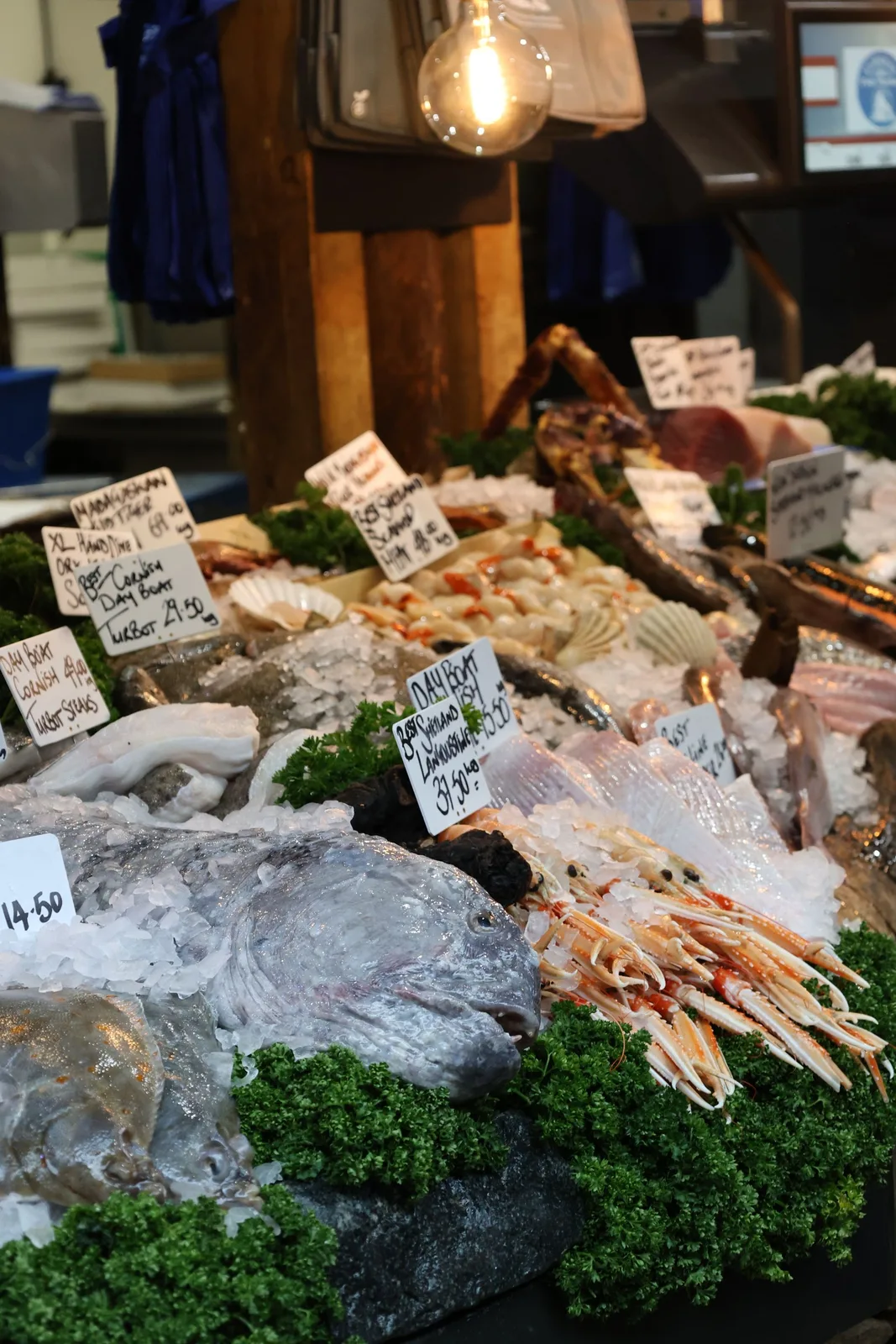
Cornish crab straight off the boat, Scottish mussels, a stall at Borough Market: British food is better than its reputation once you know where to look.
These are possibilities.Not your journey.
The Scottish Highlands refuse to be rushed.
When to travel
British weather is unpredictable in every season, though not equally unpredictable everywhere. May to September brings the longest days and the best chance of settled weather, especially in Scotland where the light lingers late. Within that block, August and September are the wettest and darkest months. London and the other cities work all year round, with a character of their own in winter thanks to museums, theatre and Christmas markets.
Best time to visit United Kingdom
Who else is at their best in these months?
May June July
Use the contact form to discuss your travel dates and preferences with us.
Practical, without the noise.
A few things that make planning easier.
Getting there
A direct flight from Brussels in a little over an hour, or the Eurostar from Brussels-South to London in around two hours.
Documents
Since Brexit, travellers from the EU need a valid passport; an identity card is no longer enough. Apart from Irish citizens, they also apply in advance for an electronic travel authorisation (ETA). We go through the current requirements with you before you leave.
Health
No mandatory vaccinations. The European Health Insurance Card still covers medically necessary care; travel insurance is still recommended.
Currency and payments
Pound sterling, contactless payment is the norm everywhere, even for small amounts.
Pace
Expect rain, even in summer. A trip with room for an indoor day, a museum, a pub, a bookshop, works better than a tight schedule.
- Flight time
- A little over an hour from Brussels
- Time difference
- One hour behind Belgium
- Languages
- English everywhere, with Welsh, Scots Gaelic and Irish very much alive in their own regions
- Traffic
- Driving is on the left, which takes some getting used to even as a pedestrian
- Best time
- May to September for the landscape, all year round for the cities