
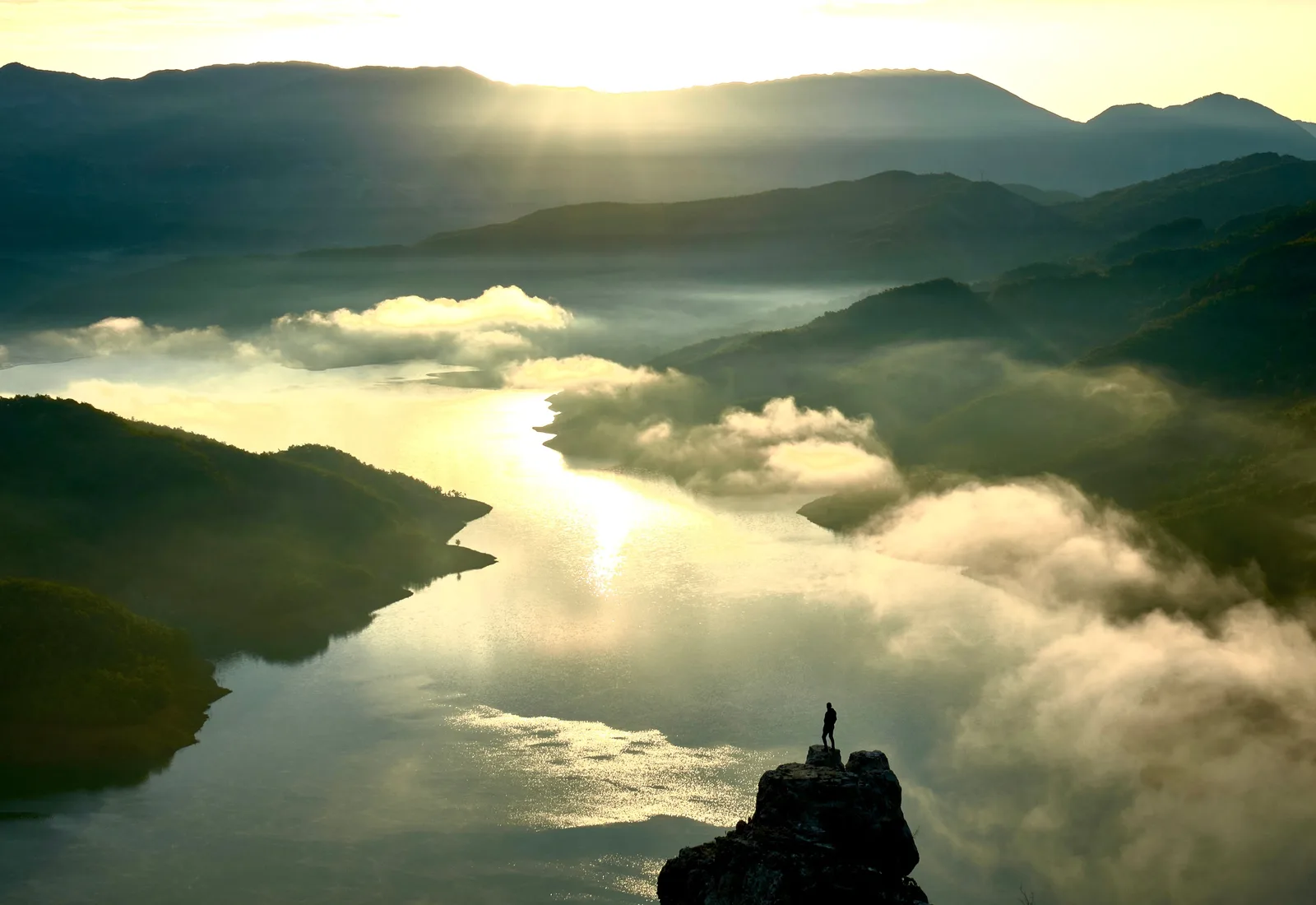
Mountains that drop straight into the sea, towns with a history built in layers, and a coast that has not yet bent itself to visitors.
While most Balkan countries have already shaped their coastline for mass tourism, the Albanian coast largely remains open. No unbroken boulevard, no queue at the viewpoints, just a road that winds through the Ceraunian Mountains until it suddenly, hundreds of metres below, meets water in a blue you would sooner expect in Greece. It is no accident that Albania stayed off the map for so long: forty-five years of complete isolation under Enver Hoxha's communist regime left the country behind economically, but left the landscape and towns largely untouched.
What remains is a history in layers you can walk through: Illyrian and Greek ruins, Ottoman houses with bay windows above narrow streets, Italian art deco facades in Tirana, and, scattered across the whole country, tens of thousands of concrete bunkers, a defensive obsession that now survives mainly as an odd feature of the landscape. For travellers who would rather discover things themselves than follow a mapped-out route, that is a rare starting point.
In short
Best time to go
May, June and September balance coast and mountains best: warm, but without the heat of July and August. The Valbona Pass in the Albanian Alps is only clear of snow from June.
How long
Ten days to two weeks, because roads in the north and the mountains are slower than the map suggests. To combine the Alps, Berat and the Riviera, two weeks works better.
Who it suits
Travellers who want to pair mountain hiking with the coast, and who enjoy Ottoman towns, Greek and Roman ruins and the traces of the communist past.
What sets it apart
Albanian forms its own branch of the Indo-European languages, neither Slavic nor Greek like its neighbours' languages. Between 1967 and 1986 the regime built tens of thousands of bunkers, still visible everywhere.
No boulevard. No skyline of resorts. Just a coastline that has yet to decide what it wants to become.
One small country, six entirely different faces
From Alpine peaks to Ionian bays, Albania is more compact than the Netherlands, yet changes landscape faster than any of its neighbours.
Tirana
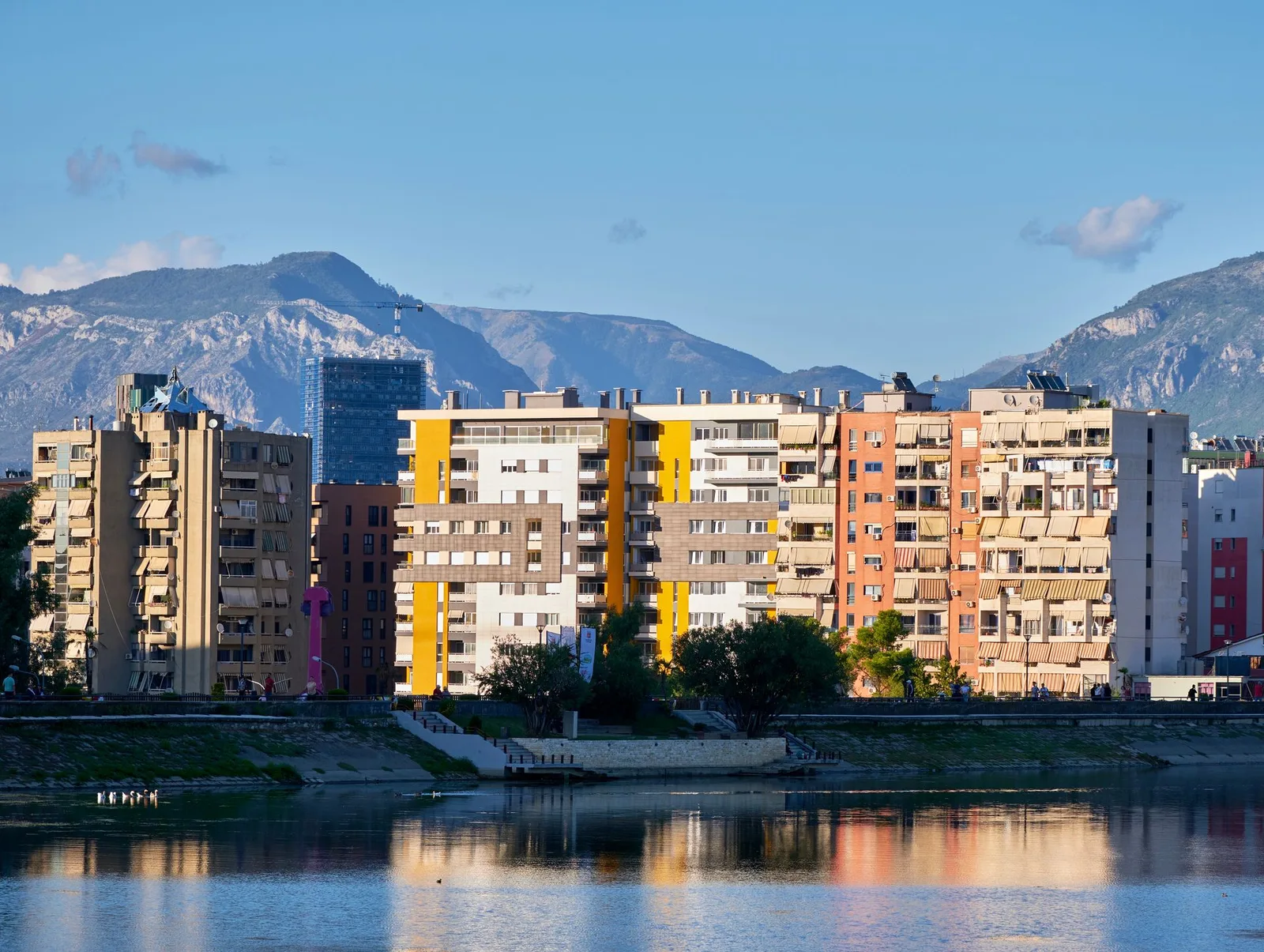
A capital that had to reinvent itself after 1990: facades in bright colours over communist-era blocks, a former bunker that is now an underground art museum, and around Skanderbeg Square a generation of chefs and designers who are not waiting for the guidebooks to catch up.
The Albanian Alps
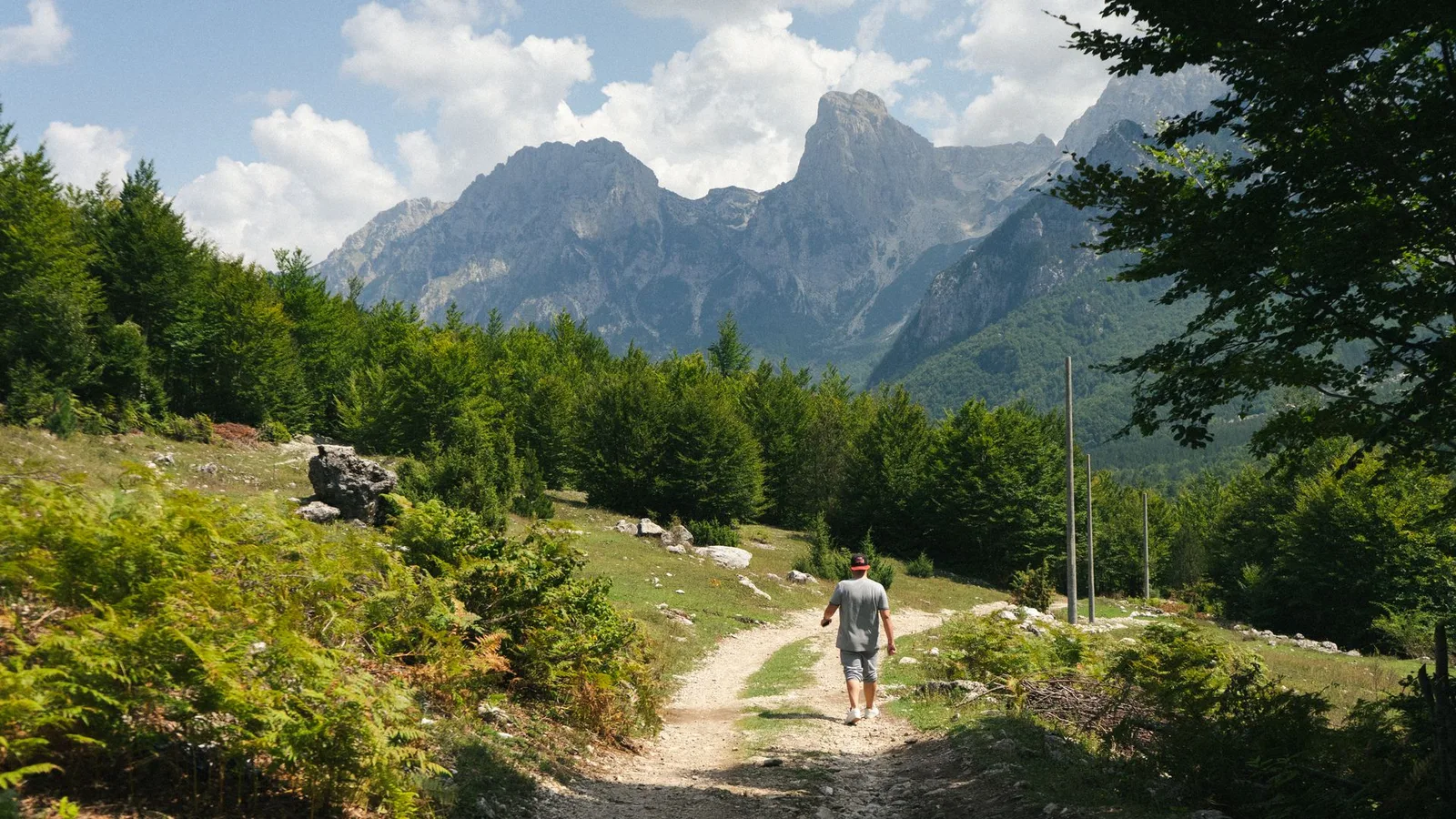
Also known as the Accursed Mountains, a name that suits the rugged limestone peaks. Until recently reachable only by unpaved mountain roads, now known chiefly for the day hike between Thethi and Valbona, over a pass at 1,800 metres, past shepherds who still live by the old kanun customary law.
Berat & Gjirokastër
Two Ottoman towns on the UNESCO list, both built against a hillside. Berat carries the nickname 'town of a thousand windows' for its stacked white houses with wooden bay windows; Gjirokastër is sterner, built of grey stone, with a castle still watching over the Drino valley.
The Riviera
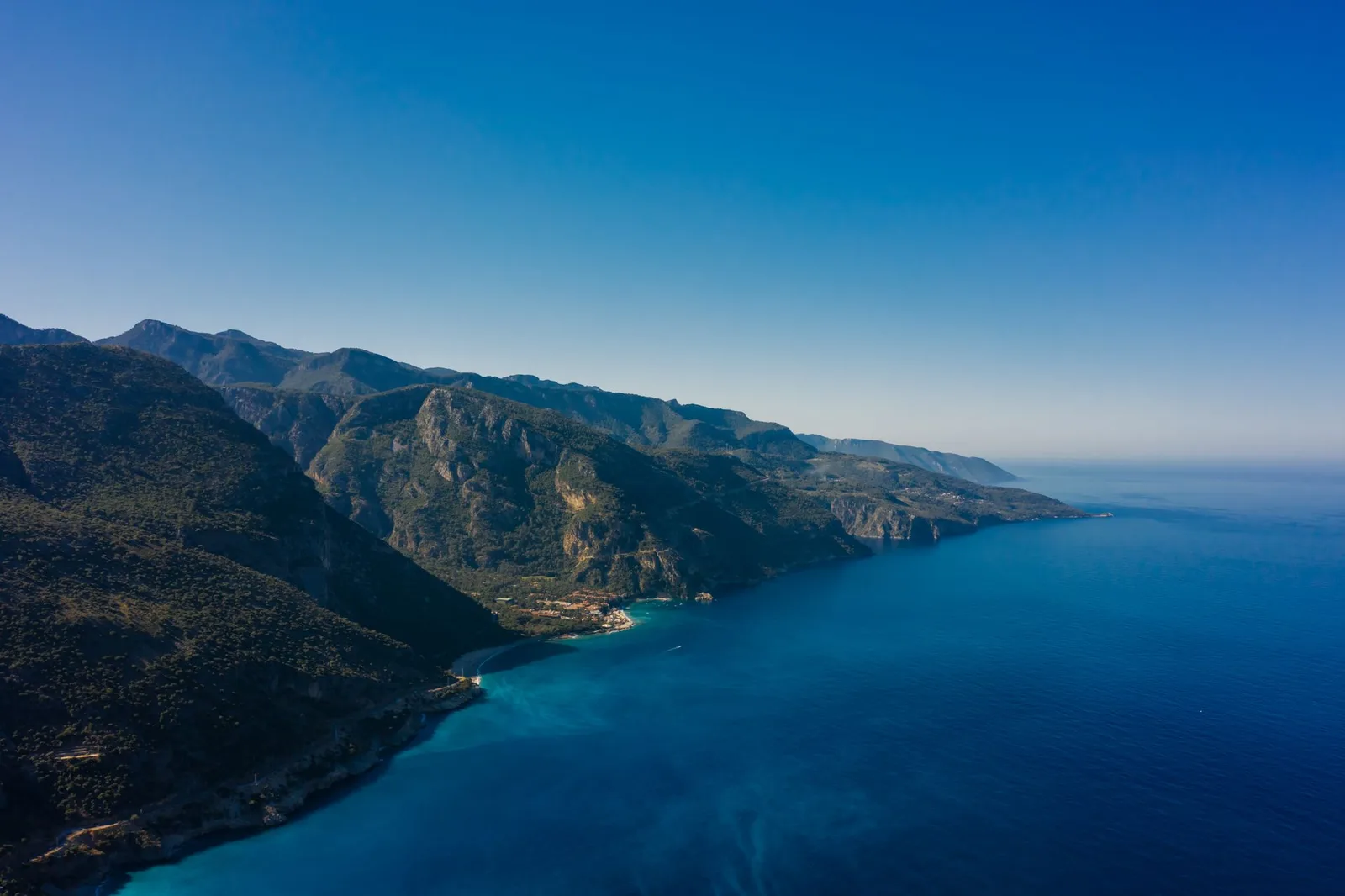
Where the Ceraunian Mountains fall straight into the Ionian Sea, the result is a coastline of small bays rather than one continuous beach. Himara and Dhërmi stay manageable, Ksamil in the far south already draws more crowds, while the rest of the coast has not caught up yet.
Butrint & the far south
A Greco-Roman city that survived almost undisturbed in a lagoon, with an amphitheatre, baptistery and castle ruins scattered among the vegetation. Saranda next door is the gateway, with Corfu visible on the horizon barely ninety minutes away by boat.
Korça & Pogradec
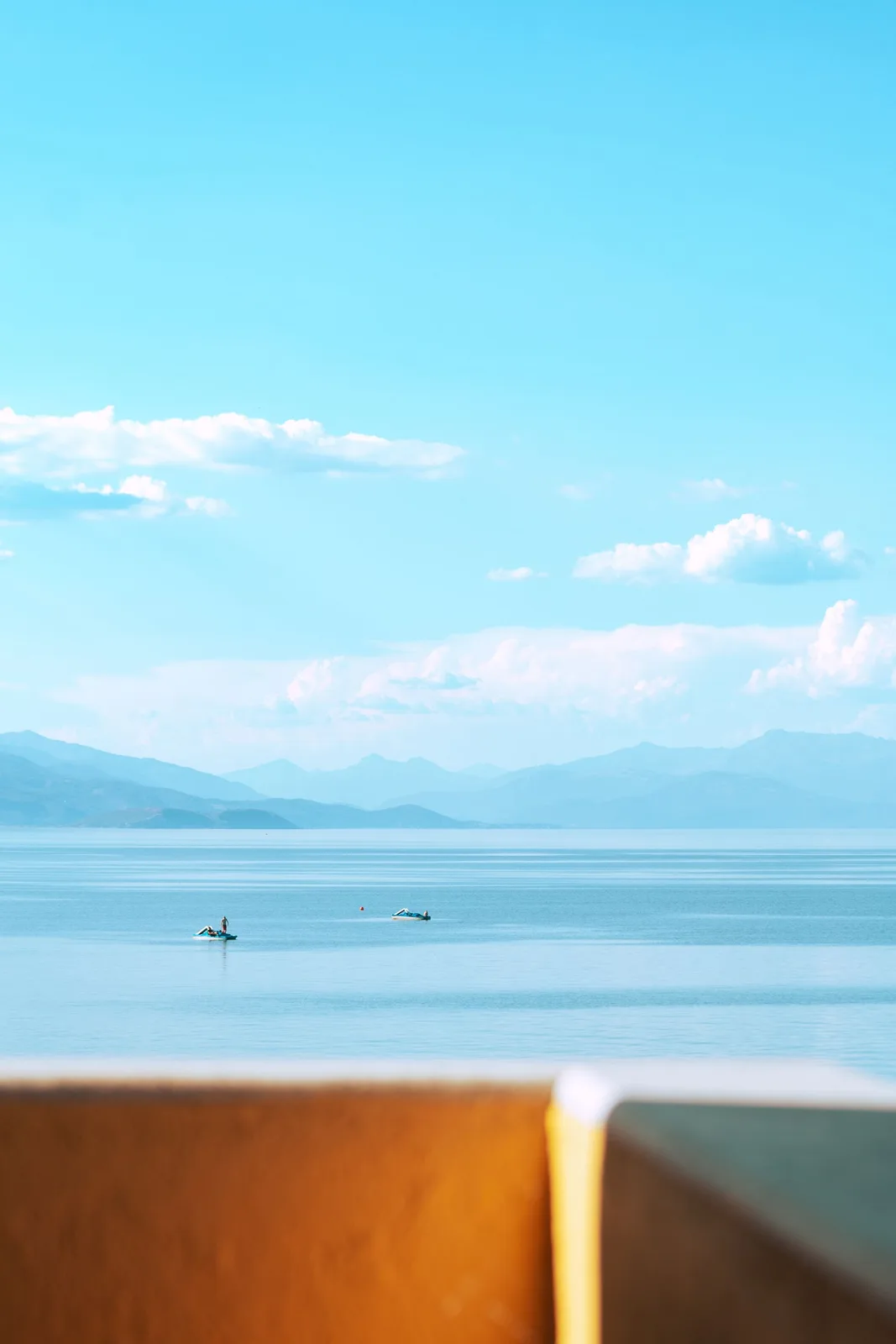
On the eastern border lies a different Albania: high plateaus, vineyards at 800 metres, and Pogradec on Lake Ohrid, which the country shares with North Macedonia. Korça itself is known for its coffee culture and a cuisine that owes as much to the Mediterranean as to the Balkans.


Besa: a word that carries more weight than a signature
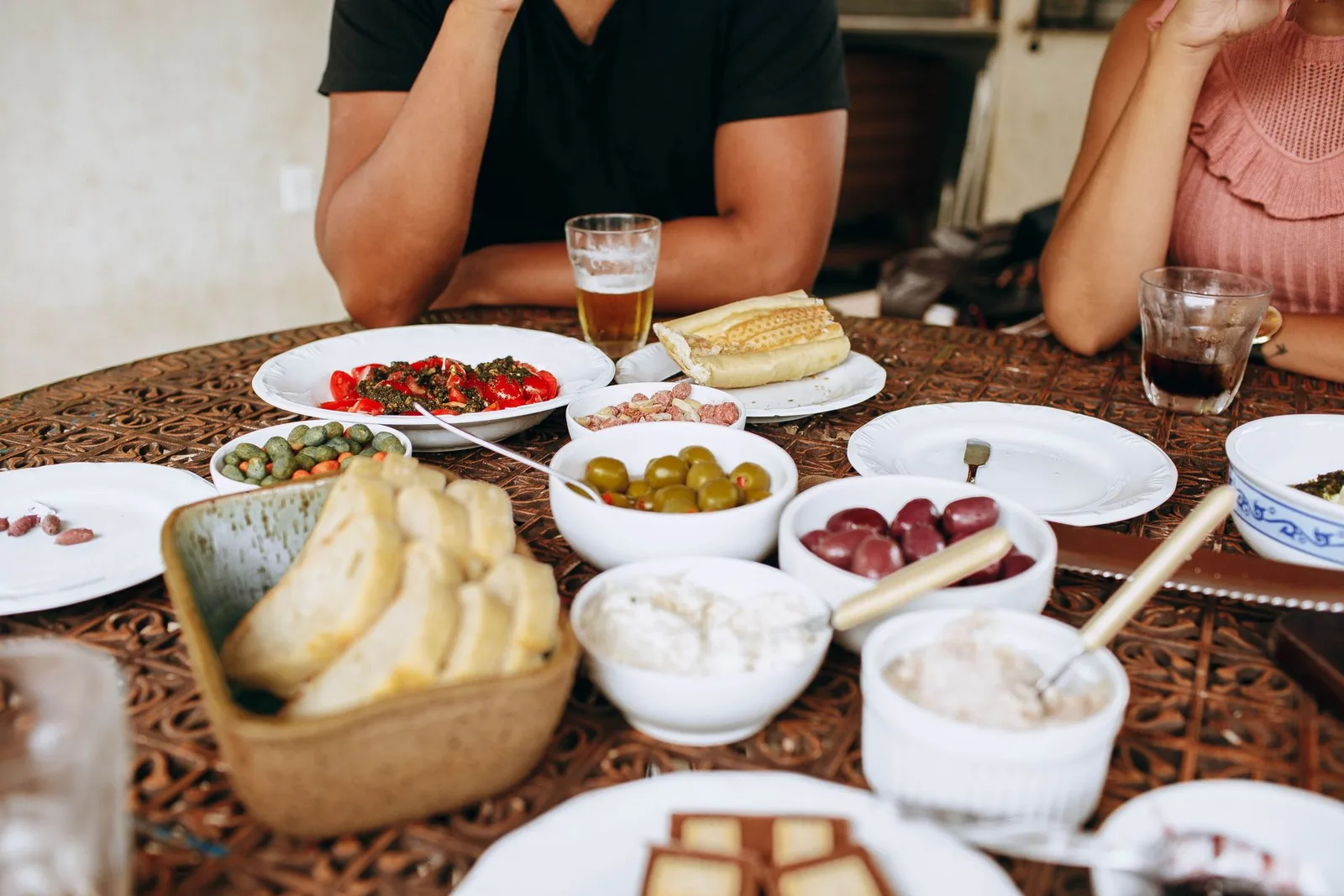
Besa is a word you find everywhere in Albania, and one that resists easy translation: a given word, a code of honour that carries more weight than a contract. In the north, that tradition traces back to the kanun, a centuries-old customary law that makes hospitality a duty. A stranger knocking on the door is given shelter, whoever they are.
That hospitality exists alongside a religious diversity rare in the region: Muslims, Orthodox Christians, Catholics and Bektashi Sufis live here without the tensions found elsewhere in the Balkans. Religion was banned for decades under communism, and, paradoxically, that may be part of why nobody makes an issue of it now.
Three landscapes with nothing in common
Thethi & Valbona
The classic crossing through the Albanian Alps: a day hike from village to village over the Valbona Pass, with views of limestone peaks that rival Switzerland but without the infrastructure, and without the crowds.
The Llogara Pass
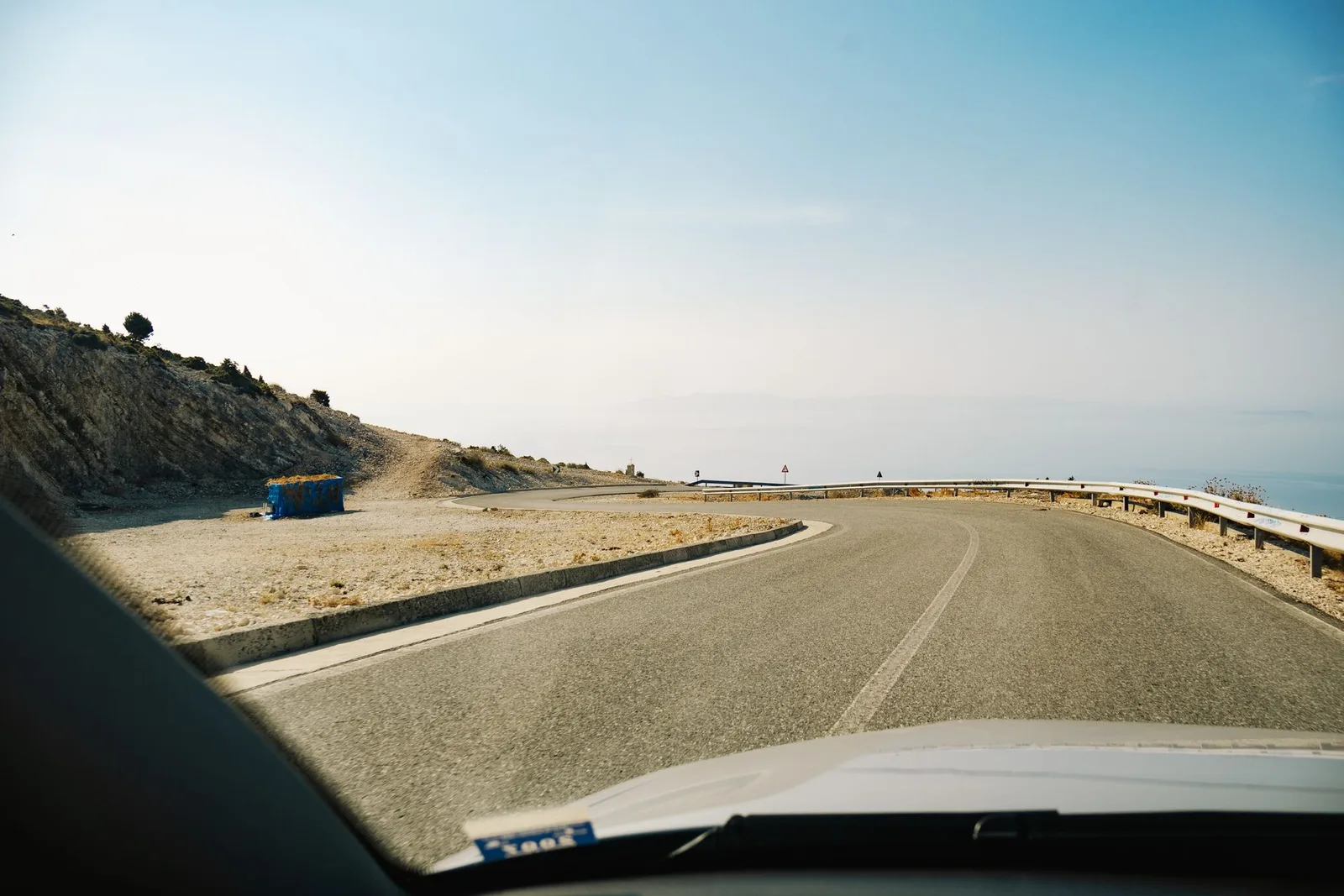
Barely twenty kilometres from the coast, the road climbs to 1,000 metres through pine forest, then plunges back down in hairpin bends to the Ionian Sea. One of the few places on earth where mountains and sea meet this abruptly.
The Vjosa river
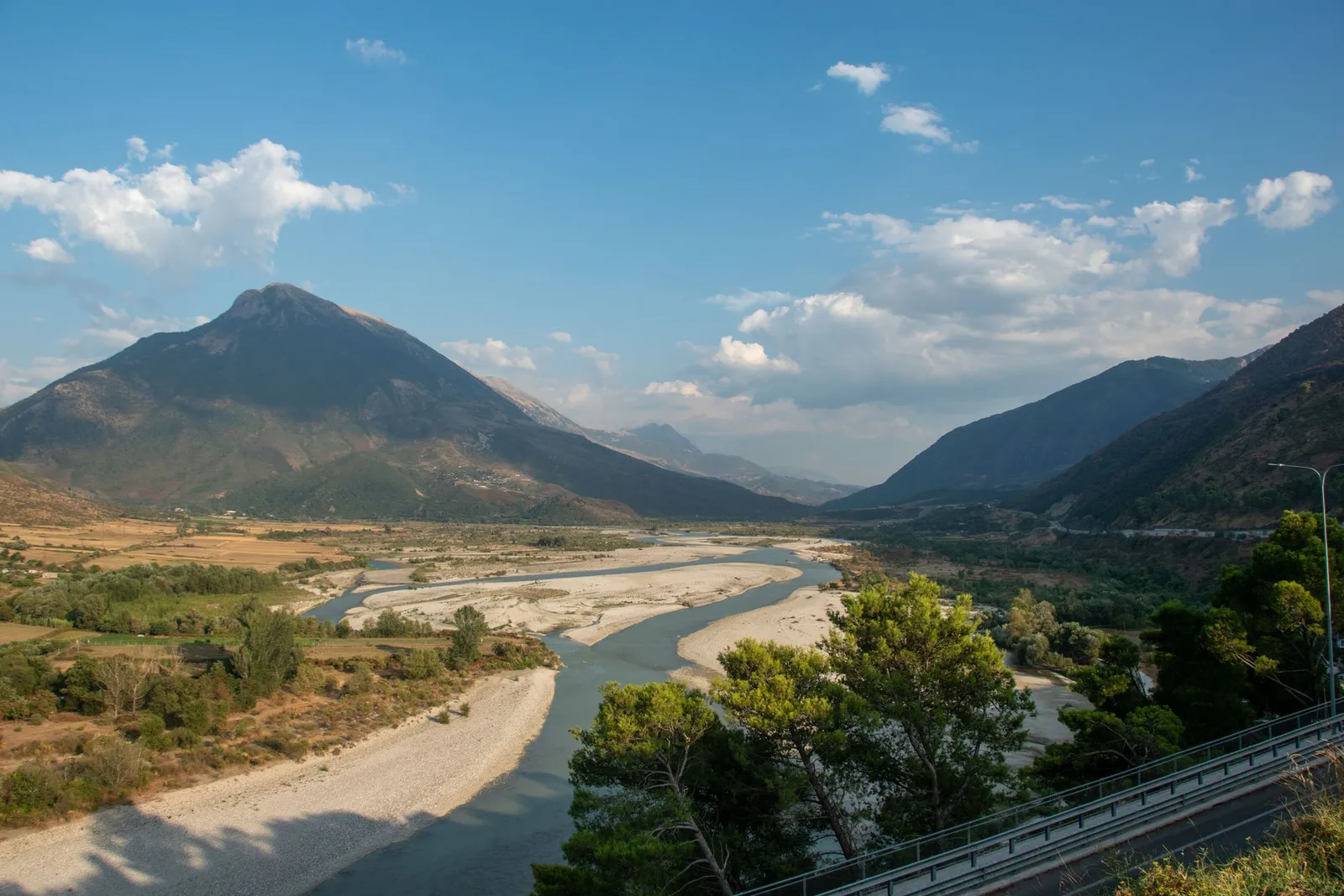
One of the last wild rivers in Europe, unbroken by dams along its entire Albanian course, churning through the valley past gravel banks and abandoned bridges. Since 2023 the first wild river national park in Europe, a rarity on a continent where wild rivers have nearly run out.
No fixed itinerary. A country full of choices.
Albania refuses to be squeezed into one set route. The possibilities below are starting points, not a fixed path.
Hiking in the Alps
From the classic Thethi-Valbona crossing to longer routes within the Peaks of the Balkans trail, which links Albania, Kosovo and Montenegro.
Exploring the coast by boat
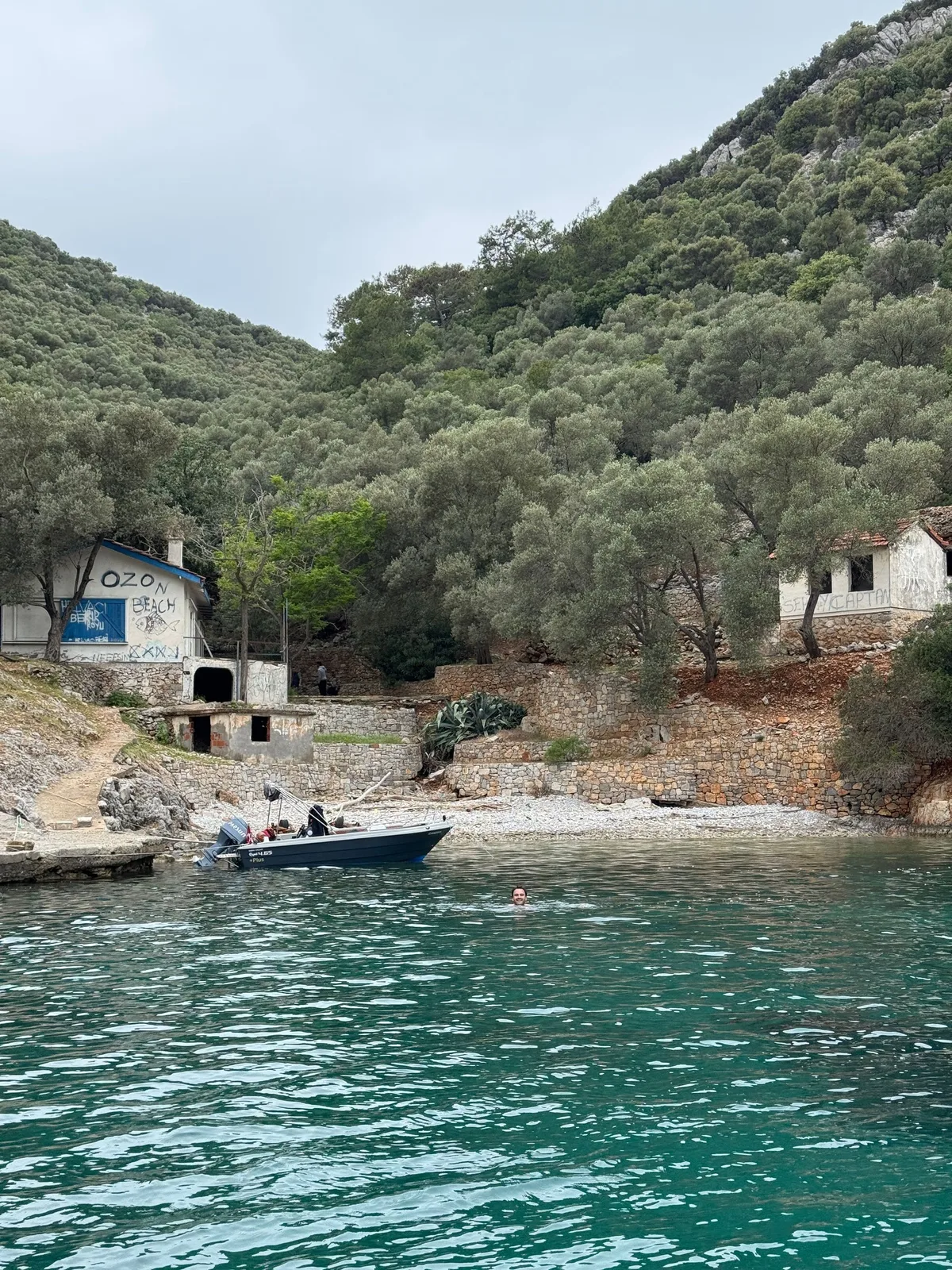
Bays between Himara and Dhërmi are often reachable only by water. A small boat takes you to beaches with no road in.
Towns on foot
Berat, Gjirokastër and Korça are best discovered without a fixed route: narrow alleys, a coffee on a square, a conversation that starts on its own.
Antiquity among the greenery
Butrint and Apollonia are rarely crowded, Greek and Roman ruins you can often walk through alone.
Wine and food in Korça
Mountain vineyards at 800 metres, paired with a cuisine closer to Greece and Anatolia than to the rest of the Balkans.
None of these experiences are fixed in a programme. They are shaped around whoever is travelling.
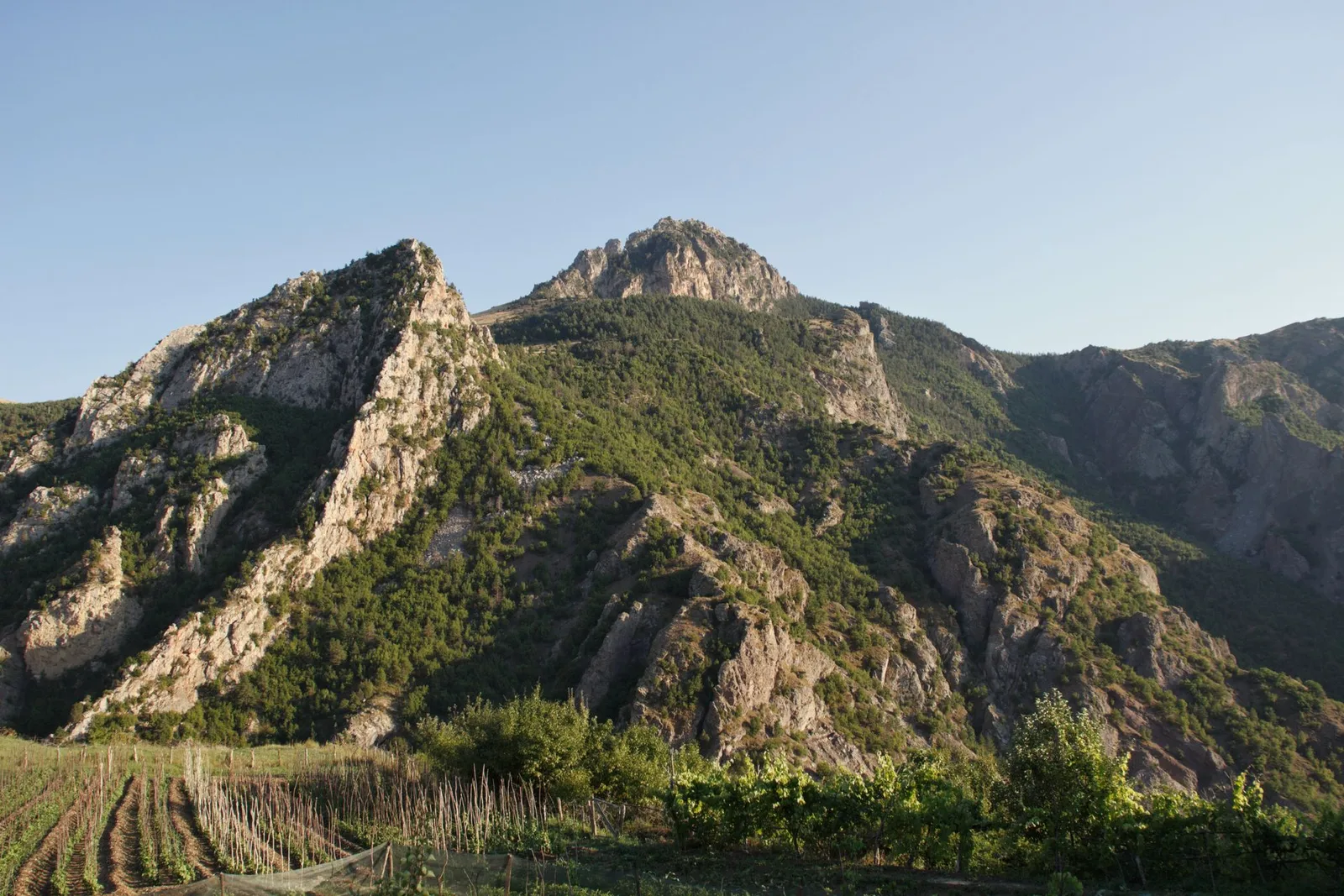
The road over the Llogara Pass, where the Ceraunian Mountains drop straight into the Ionian Sea.



When to travel to Albania
May-June and September offer the best balance: the mountain trails are free of snow, the coast is warm without the July crowds, and towns like Berat and Gjirokastër remain liveable without a group on every square.
July and August still work well for anyone after the coast alone, but expect more people in Ksamil and Saranda, and heat that makes hiking in the lower valleys less pleasant. The highest mountain passes are only fully clear of snow from early June.
Best time to visit Albania
Who else is at their best in these months?
May June September
Use the contact form to discuss your travel dates and preferences with us.
Practical, without the noise.
Practical matters that make planning easier.
Getting there
Direct flights to Tirana from a number of European cities; from Belgium usually with a change in Vienna, Rome or Istanbul.
Documents
Belgians can travel on a valid ID card or passport for stays of up to 90 days.
Health
No mandatory vaccinations; travel insurance with medical cover is recommended, especially for mountain trips.
Pace
Roads in the north and the mountains are narrower and slower than the map suggests. Allow more time than the distance implies.
Money
The lek (ALL) is the local currency; euros are accepted in many places but not always at a fair rate.
Frequently asked questions
Is Albania safe to travel in?
Yes. Crime against tourists is low, and the notorious blood feuds from the kanun tradition play out within a small, isolated context in the north. Travellers notice none of it in practice. Ordinary caution is enough.
Do I need a hire car?
If you want to see the country widely, yes. Public transport outside Tirana is limited. In the mountains, we often combine this with a local driver who knows the roads.
Can Albania be combined with a neighbouring country?
Certainly. Montenegro, Kosovo, North Macedonia and even Corfu in Greece all lie a short distance from the border or the coast.
Is the Riviera as busy as Croatia?
Not yet. Ksamil now draws crowds in July-August, but most of the coast, Himara, Dhërmi, and the bays between them, remains noticeably quieter than the Croatian or Greek islands.
- Flight time
- About two and a half hours direct in high season, otherwise via Vienna or Rome
- Languages
- Albanian; English and Italian widely understood in tourist centres
- Time difference
- None, Albania is in the same time zone as Belgium
- Altitude range
- From sea level to almost 2,700 metres in the Albanian Alps
- Best time
- May-June and September for hiking and coast together, July-August for the Riviera alone