
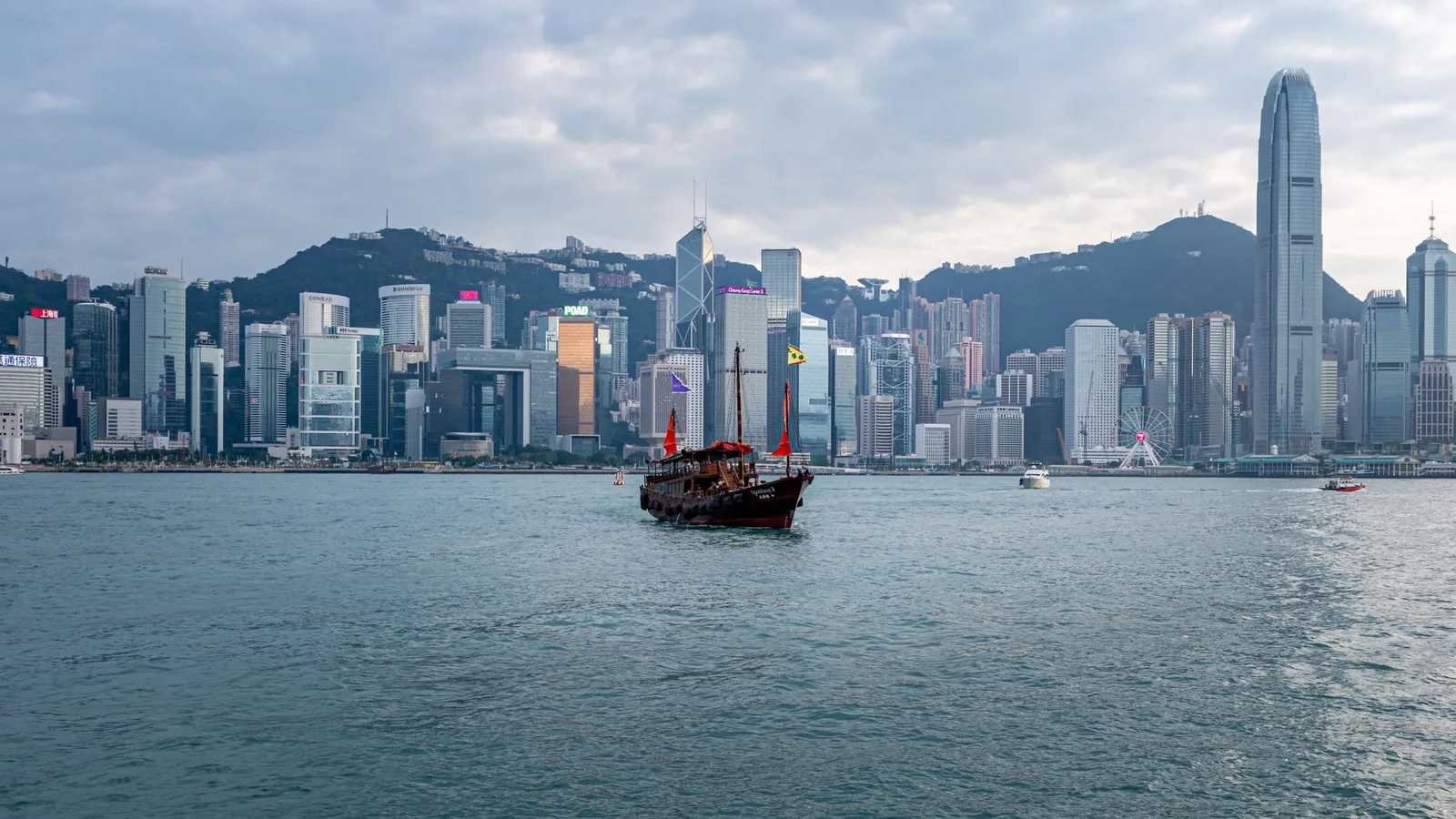
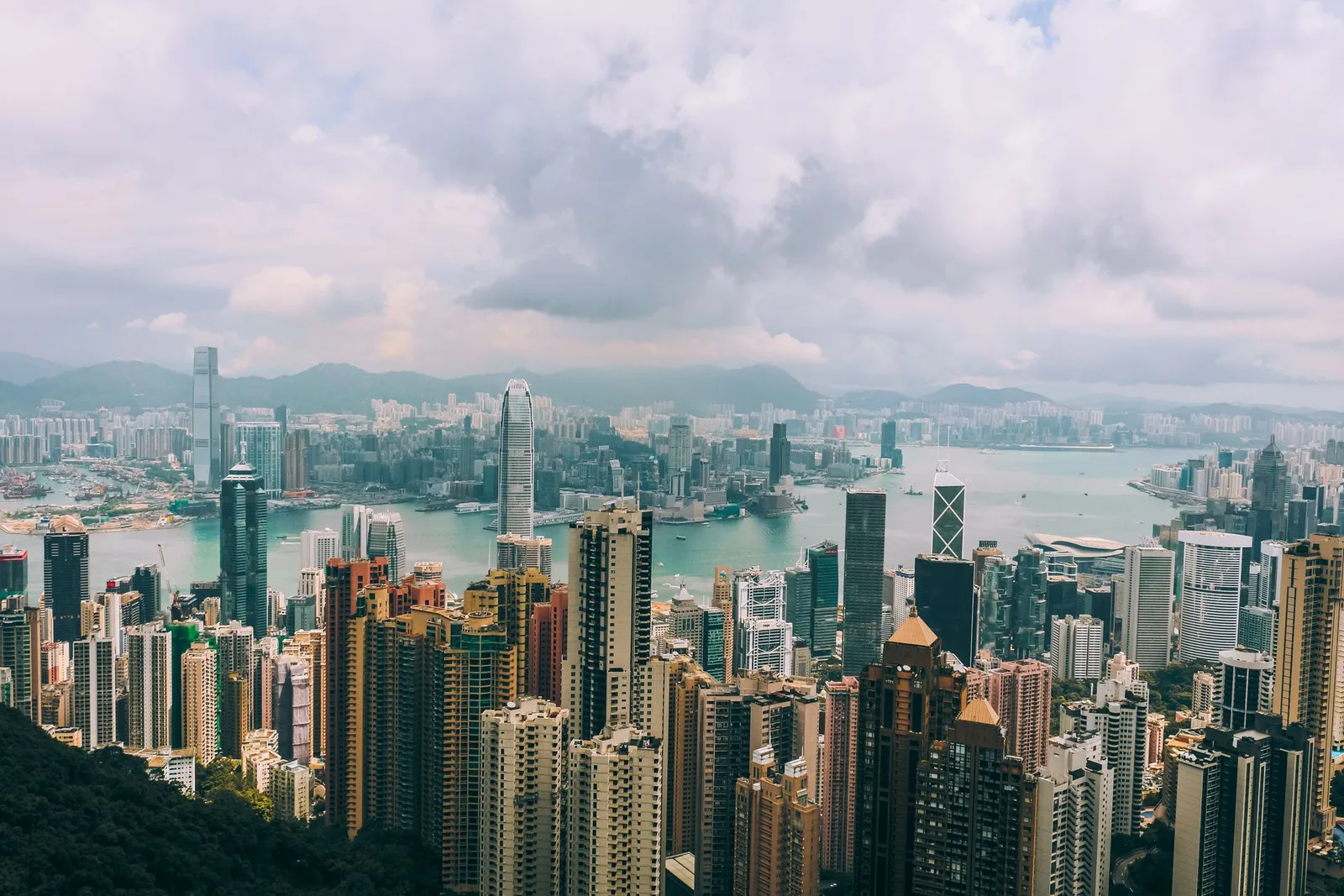
Vertical to the extreme, green within half an hour.
Skyscrapers that give way to green islands and walking trails within half an hour: a city that rarely stands still.
From the Mid-Levels escalators in Central, you look straight into the living rooms of hundreds of flats, while the Peak Tram is already crawling upward below. Hong Kong is stacked vertically because there was simply nowhere else to go: the mountains begin where the streets end. First-time visitors mostly see the skyscrapers of Central and the neon streets of Kowloon across the harbour.
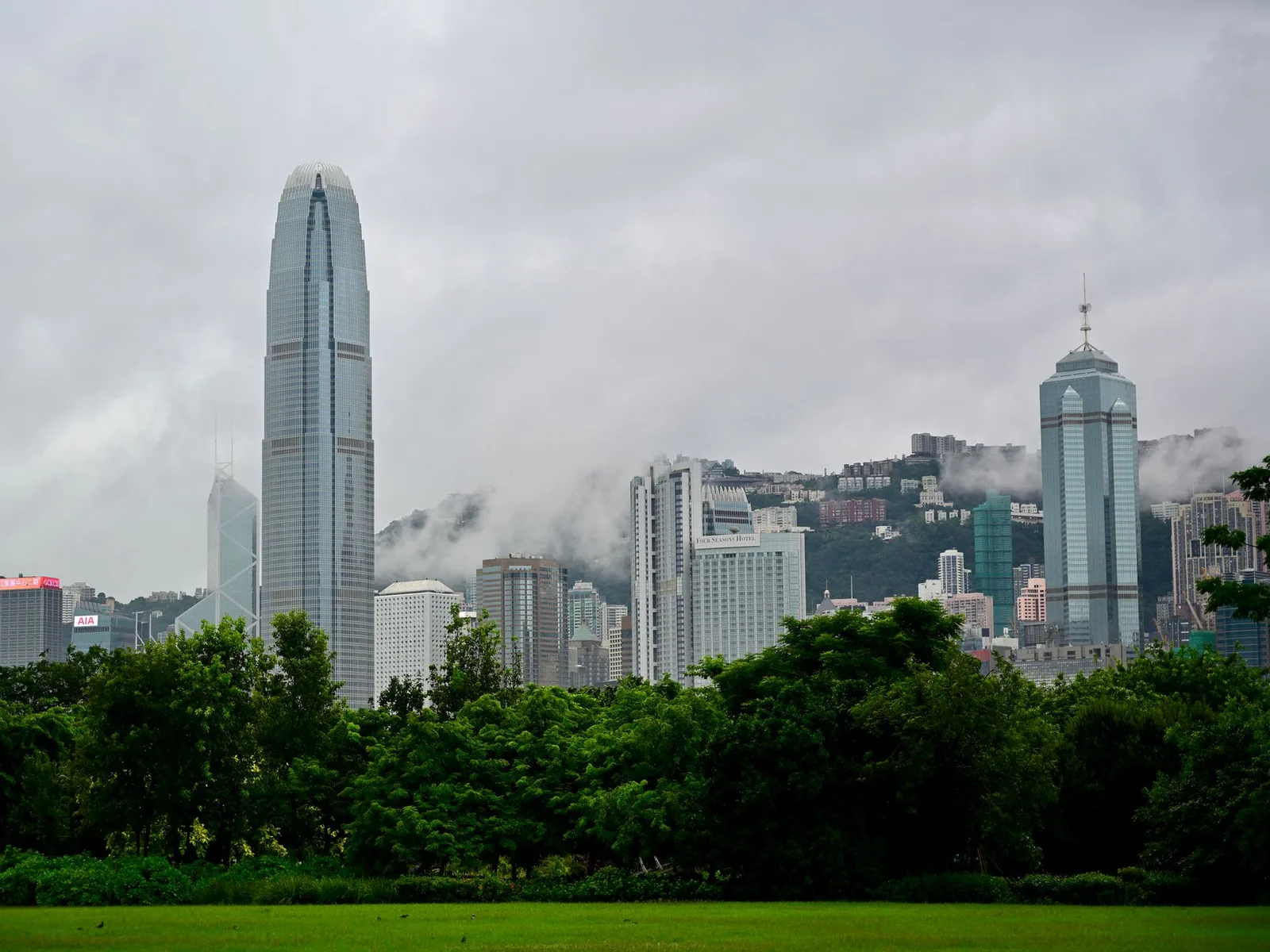
Yet more than seventy per cent of the territory has never been built on. Country parks cover the hills behind the skyline, walking trails such as the Dragon's Back start ten minutes from a bus stop, and islands like Lamma and Cheung Chau run at an entirely different pace from Central. Hong Kong is not one city. It is a city that keeps switching between itself and its own back garden.
In short
Best time to go
October to December: drier, sunny and mild, the best weather for walking. From June to September it is hot and very humid, and that is when typhoons are most likely.
How long
Four days to a week for the city, a hike in the hills and an island such as Lamma or Cheung Chau. As a short stopover you miss exactly the green side of Hong Kong.
Who it suits
For travellers who want to pair a busy Asian city with hiking: trails such as the Dragon's Back start at the edge of the built-up area, and the islands are a ferry ride from Central.
What sets it apart
Around 40 per cent of the land is protected as country park or special area. That puts dense high-rise districts and wooded hills right next to each other.
Victoria Harbour: not a backdrop, but the water that connects the two sides of the city.
Five districts, five paces.
Hong Kong is not a uniform block of skyscrapers. Every part of the city, and the islands around it, has a rhythm of its own.
Hong Kong Island: Central & Sheung Wan
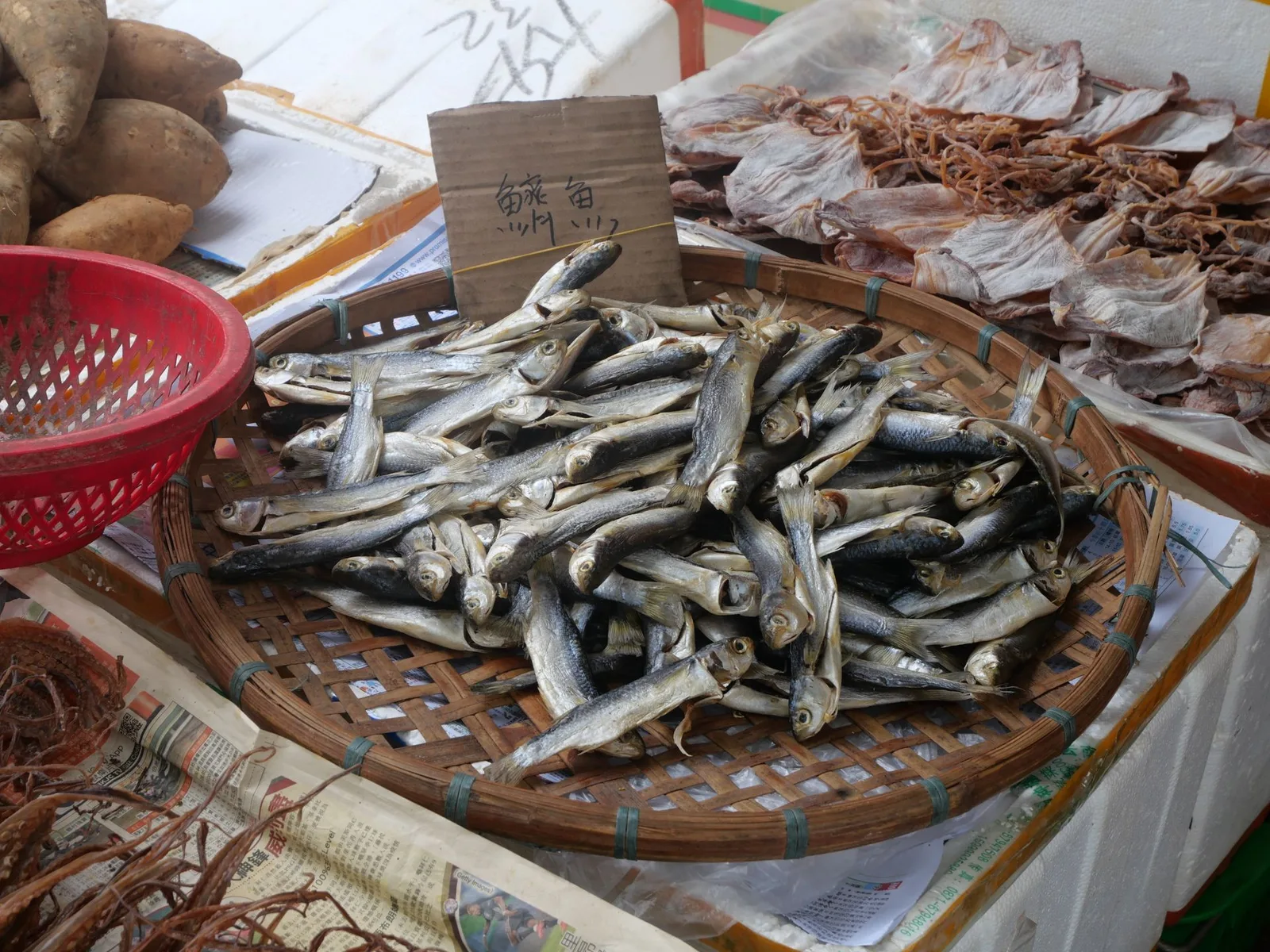
Bank towers next to centuries-old temples, escalators that pull an entire district uphill, and alleys in Sheung Wan where dried seafood dries right out on the street.
Kowloon: Yau Ma Tei & Mong Kok
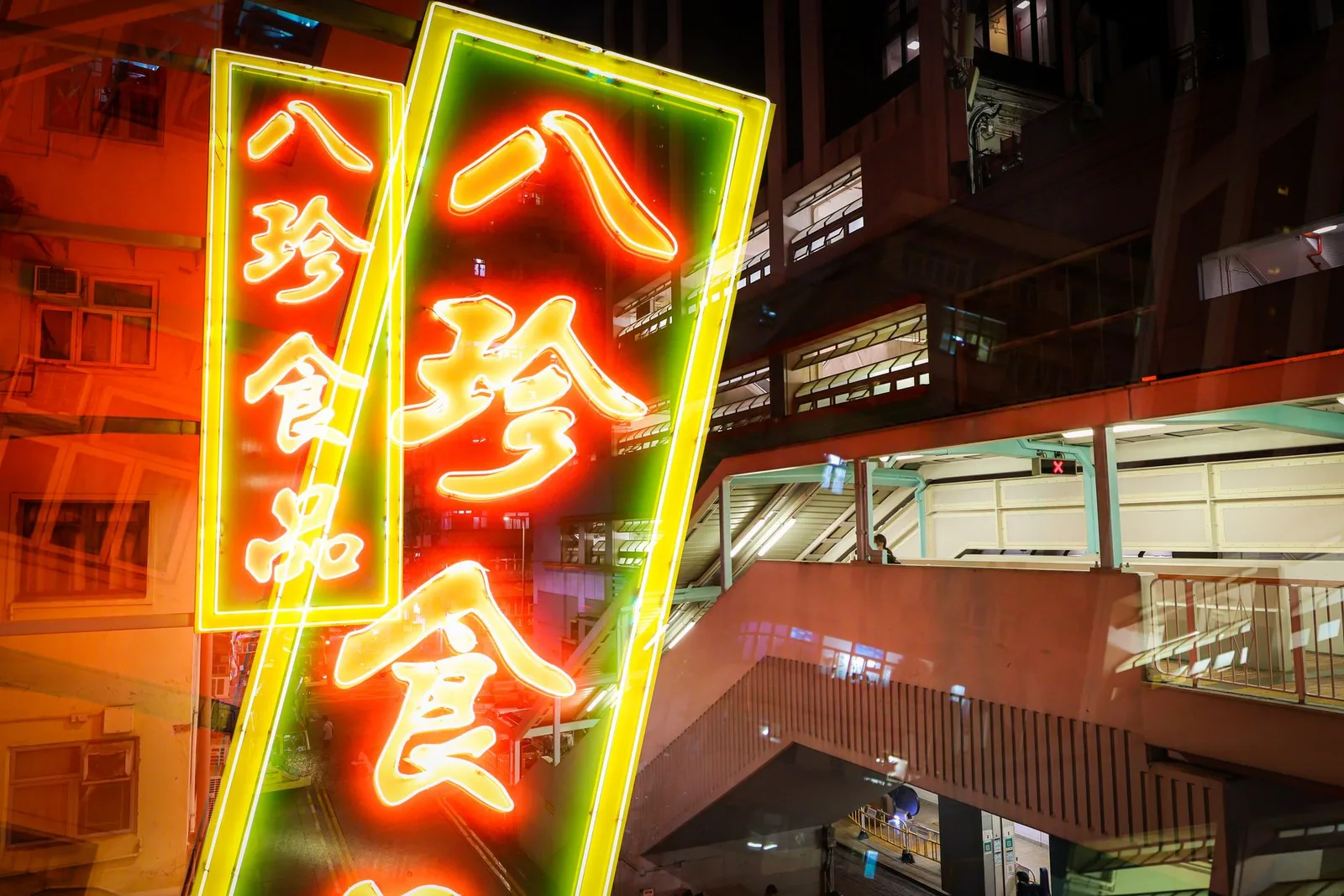
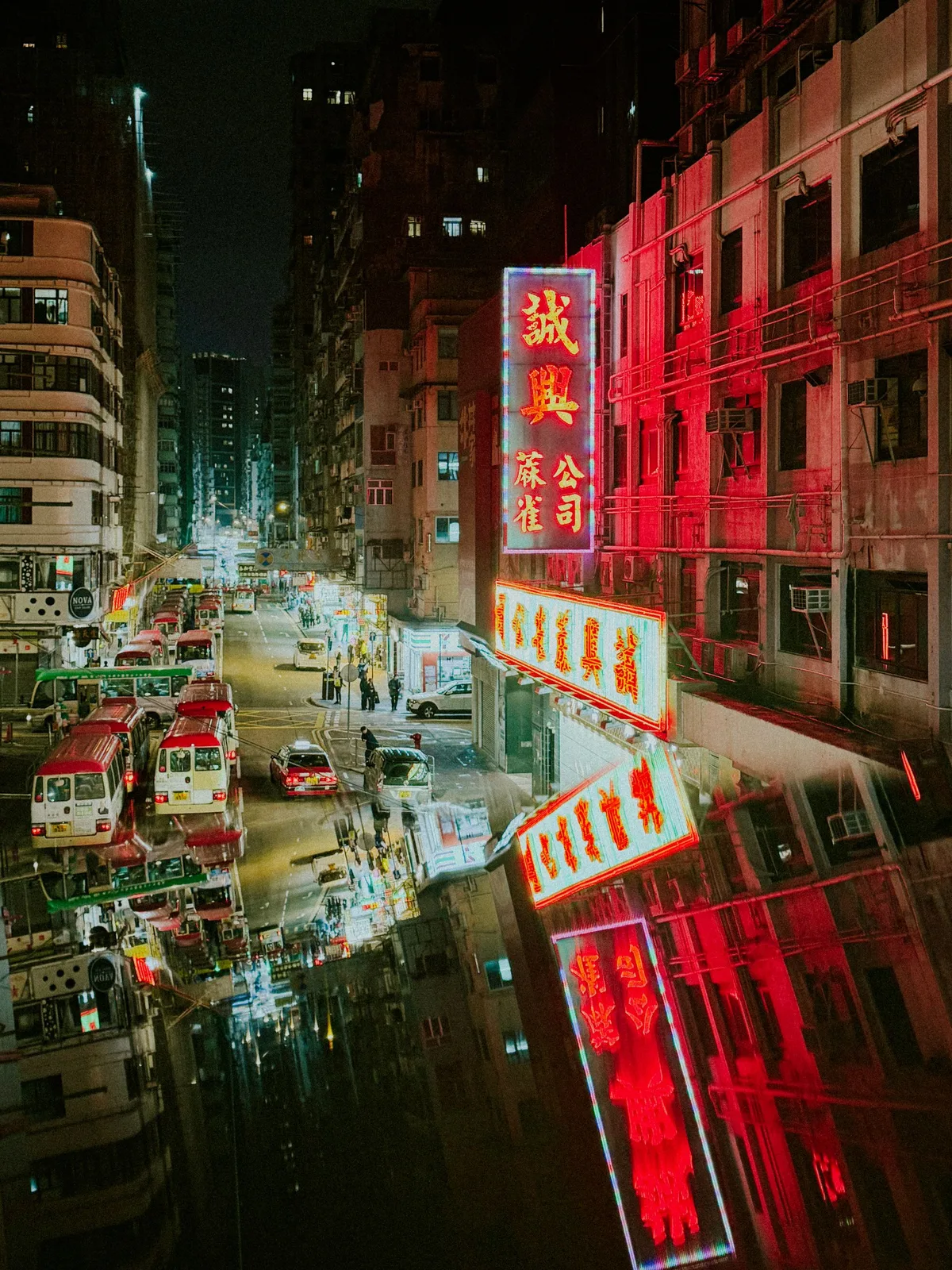
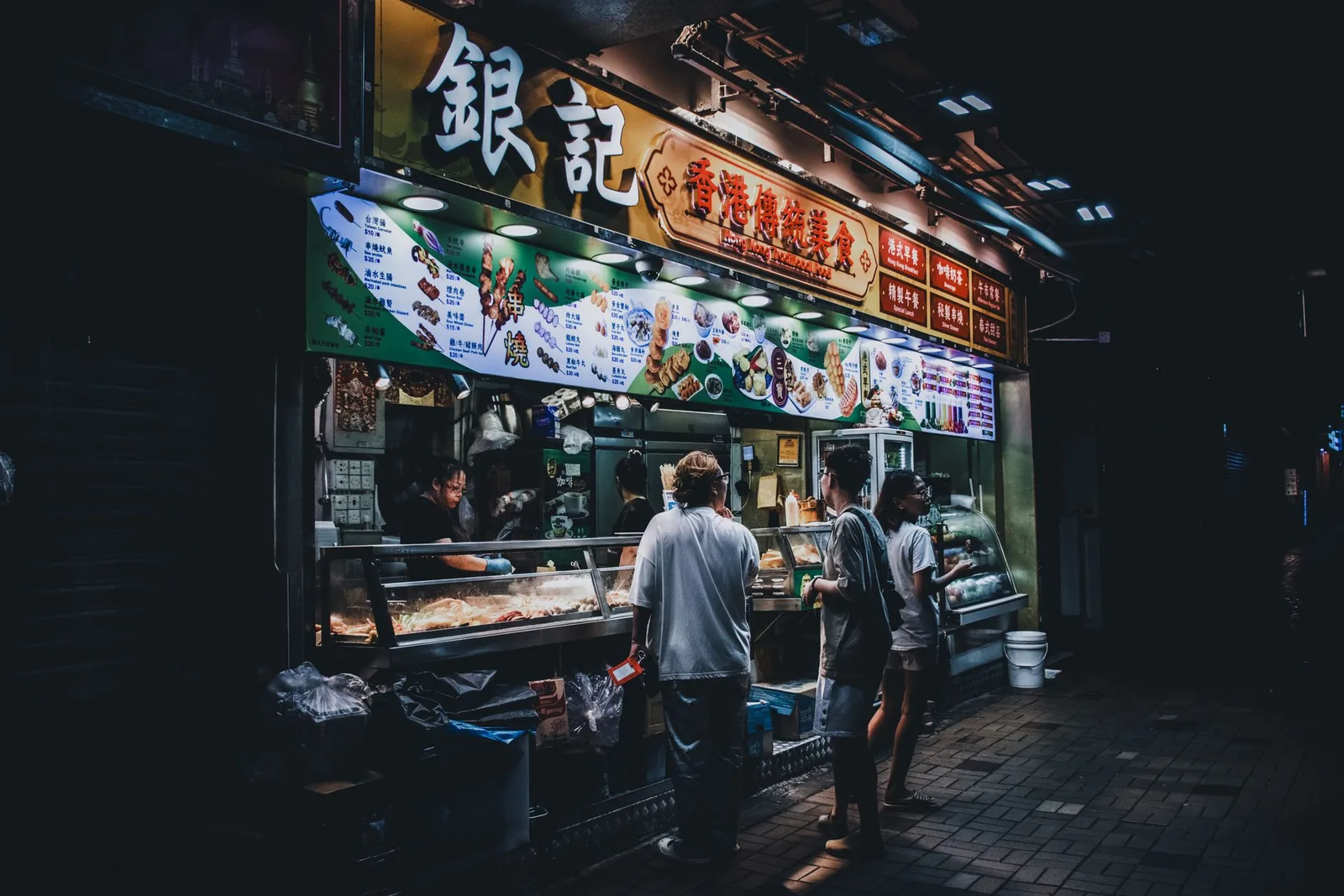
The densest streets in the city: night markets on Temple Street, neon signs tumbling over each other, and more people per square kilometre than anywhere else on earth.
New Territories
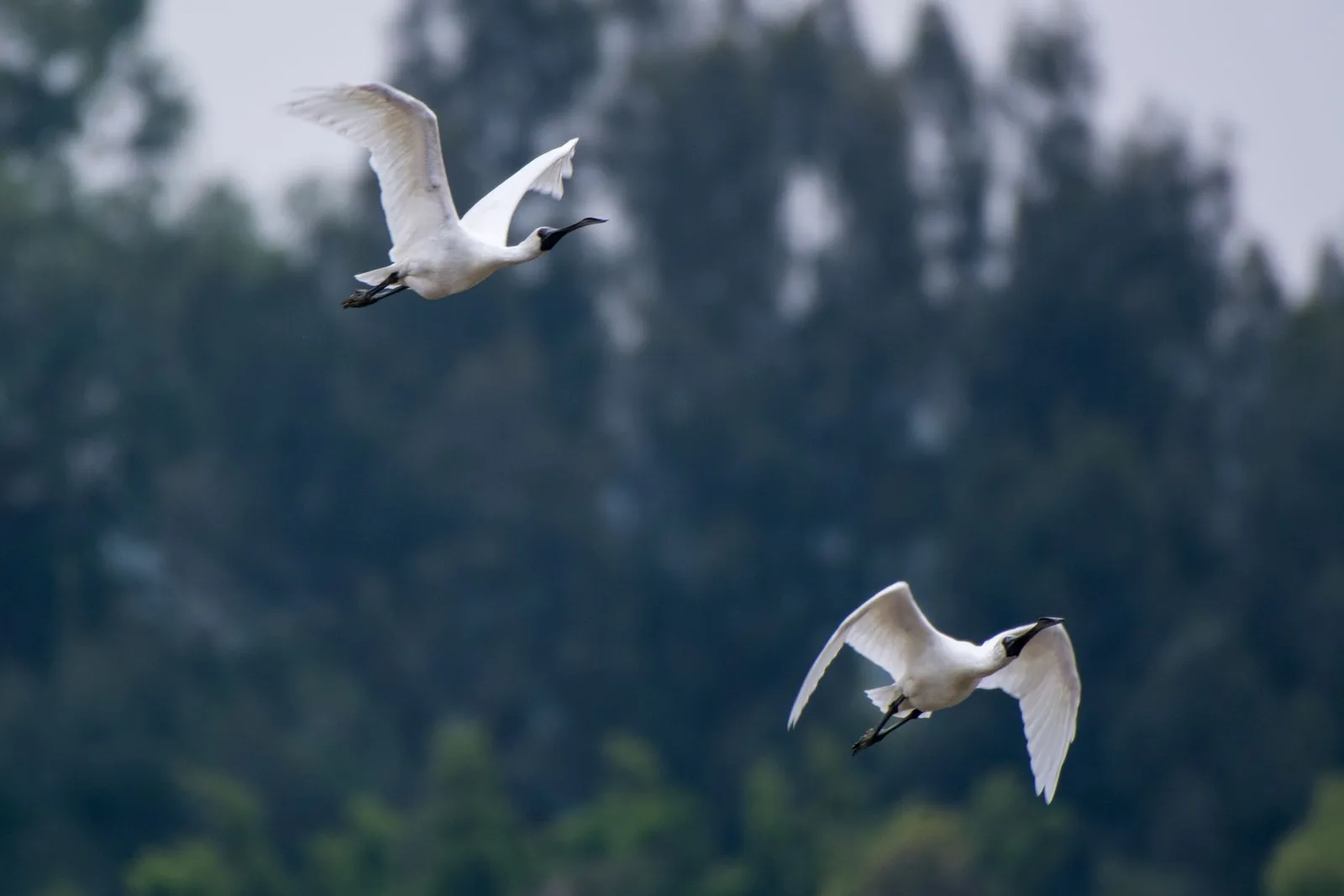
Country parks, the walking trails of Sai Kung, and the wetlands of Mai Po, where thousands of migratory birds winter within a stone's throw of the skyscrapers.
Lantau, Lamma & Cheung Chau
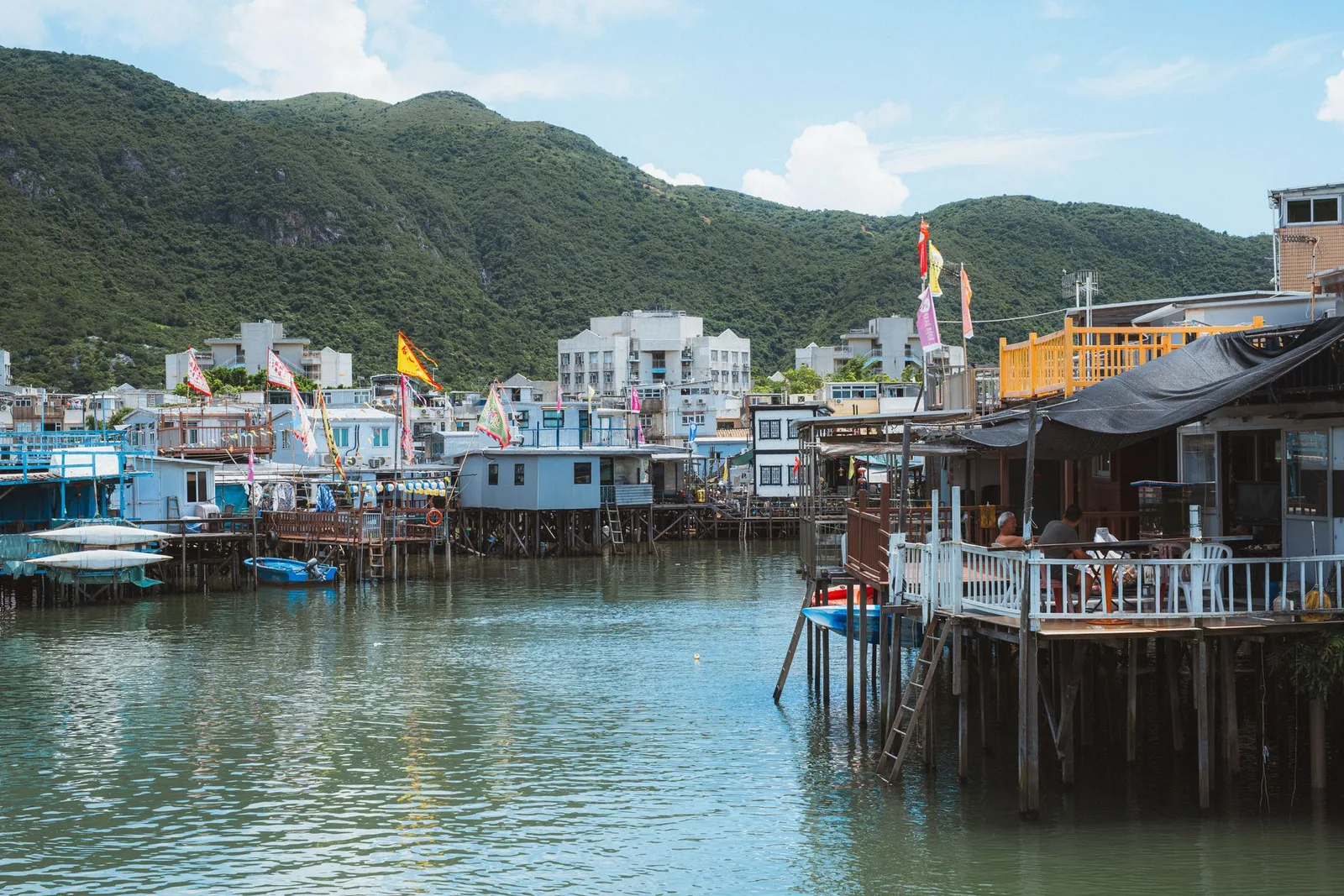
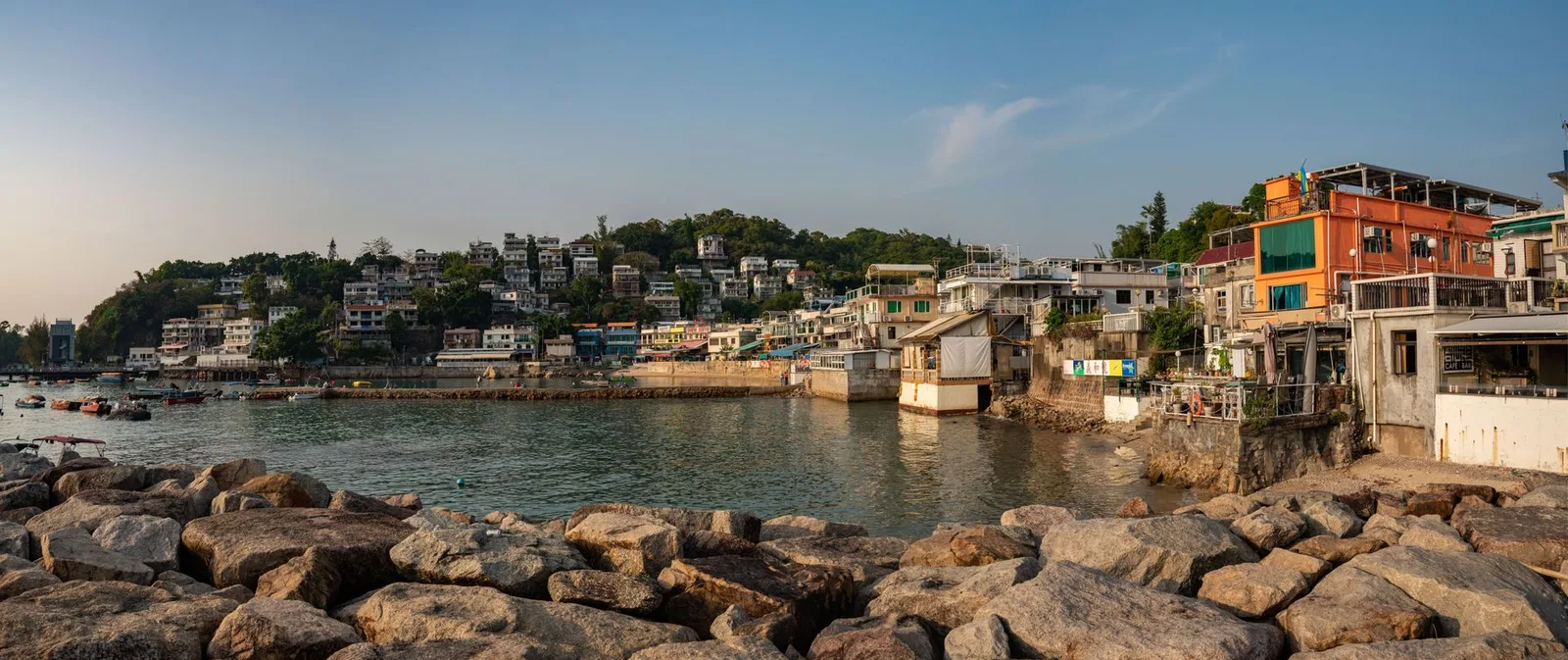
The Tian Tan Buddha and the stilted fishing village of Tai O on Lantau, car-free streets and fresh fish on Lamma, a bun-festival island that falls back into silence come evening.
Victoria Harbour
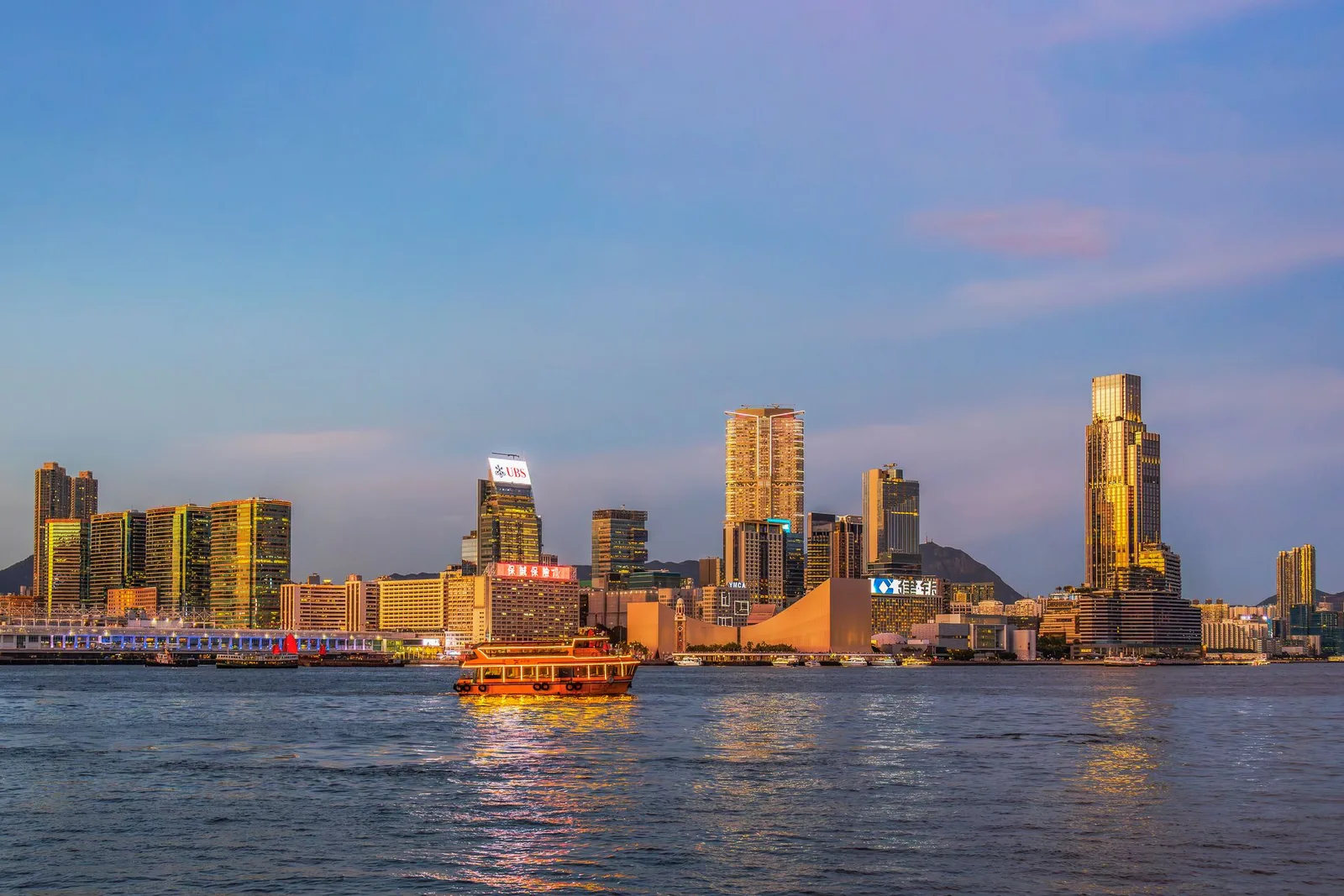
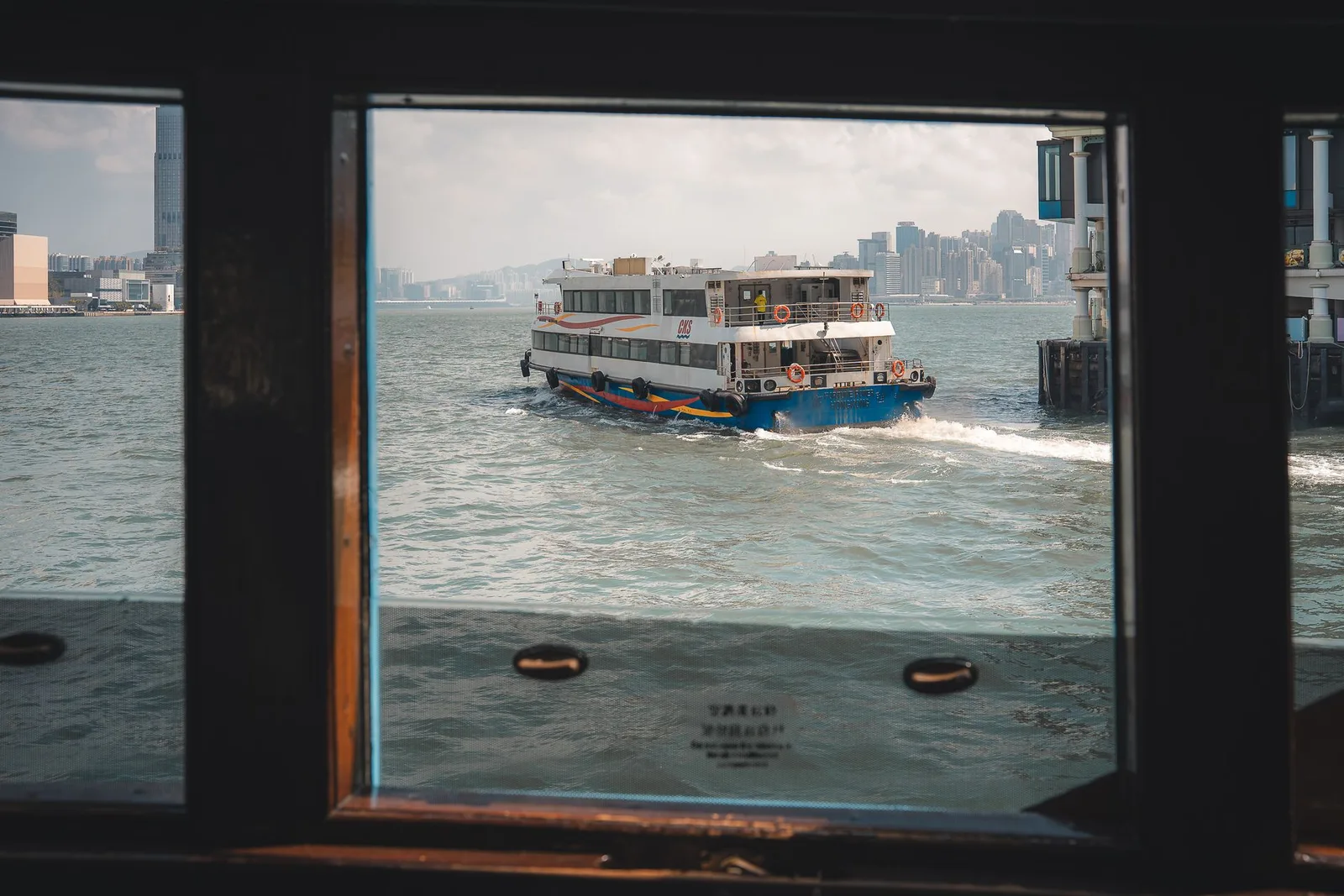
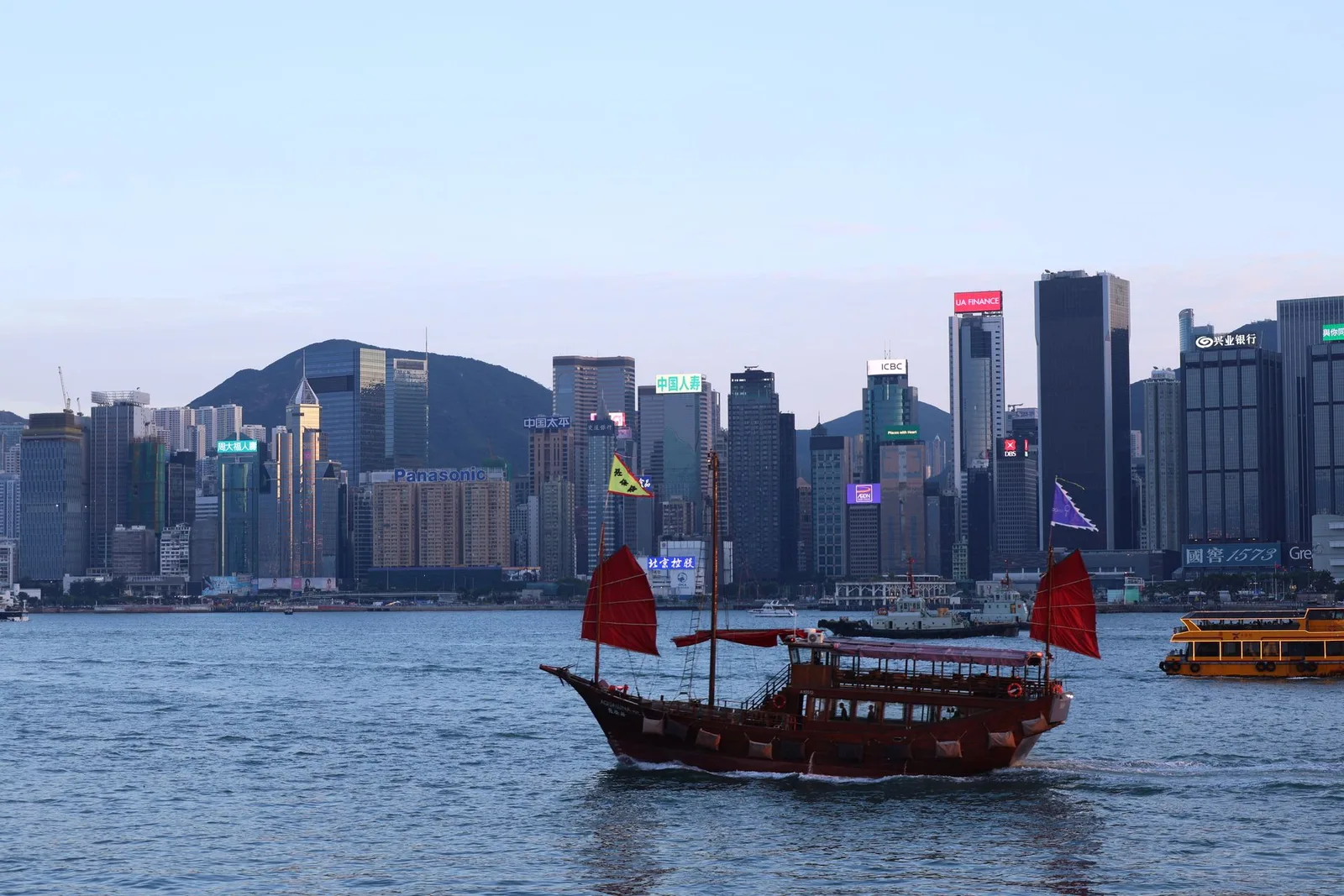
Junks, ferries and the Star Ferry, which has connected both shores for more than a century: the water as the city's backbone.
Forty minutes from neon to nothing but wind.
Hong Kong cannot be captured in a single register.
No fixed programme. But a city that opens up the moment you change register.
A junk across the harbour
At sunset, as the skyline slowly switches on its lights: the classic way to see Victoria Harbour from the water.
Early to the Peak
Before the Peak Tram wakes up with day-trippers, walk the Peak Circle Walk around the summit while the city below still hangs in mist.
Temple Street by night
Fortune tellers, street opera and stalls grilling squid: the Kowloon night market as it has existed for decades.
Crossing over to Lamma
Twenty minutes by boat for a completely different pace: no cars, fresh fish on the terrace, a walk back to the ferry pier.
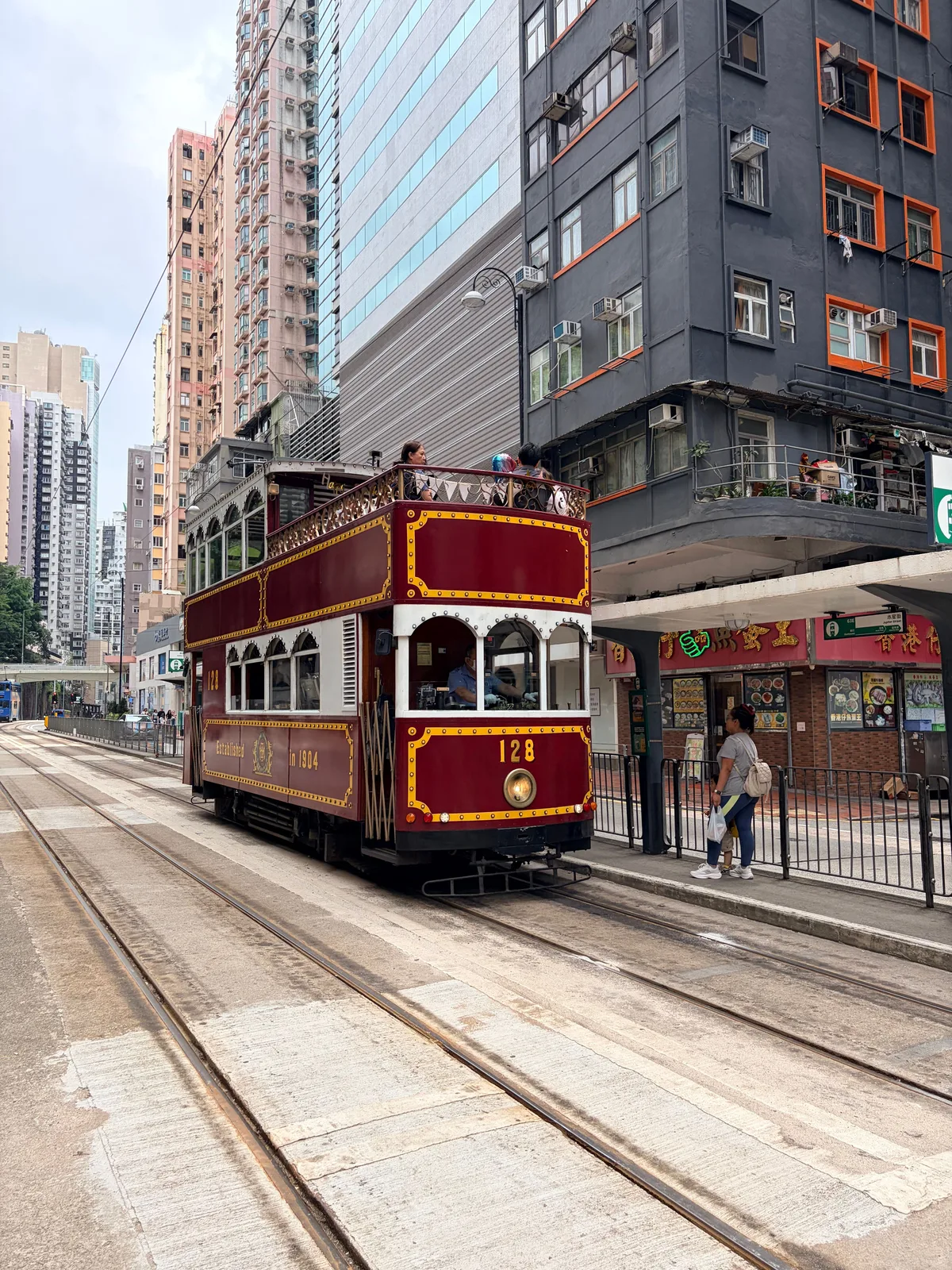
Taking the Ding Ding
The double-decker tram that has run across the north of Hong Kong Island since 1904: slow enough to really see the city.
What you combine shapes the trip. We help work out the order that suits you, not a fixed schedule.
When to travel to Hong Kong
Hong Kong sits just within the tropics, and you can feel it: summer is hot, oppressively humid, and the period when typhoons most often track towards the coast.
From October to December it turns drier, sunnier and pleasantly mild: the months when the city itself lives most outdoors, from the country parks to the rooftop terraces in Central.
Best time to visit Hong Kong
Who else is at their best in these months?
October November December
Use the contact form to discuss your travel dates and preferences with us.
Practical, without the noise.
A few things that make planning easier.
Getting there
There is a direct route from Brussels several times a week; with a stopover in Doha, Istanbul or Frankfurt, the journey takes 15 to 18 hours.
Documents
Which travel documents you need depends on your nationality, and entry rules change regularly. We go through the current requirements with you before you leave.
Health
No mandatory vaccinations, and excellent medical care available in the city itself.
Pace
The metro (MTR) is fast and easy to navigate, but pedestrian density in Central and Mong Kok calls for route planning during rush hour.
From neon light to mountain top in forty minutes.Hong Kong is never just one city.
Frequently asked questions
What travellers ask us most often about Hong Kong.
Is Hong Kong best combined with a stopover, or does it deserve a full stay?
As a stopover you miss most of it: the country parks, the islands, the change of pace between Kowloon and the New Territories. A full stay of several days does the city more justice.
Is it a suitable destination to combine with another country in the region?
Yes, Hong Kong sits particularly centrally in Southeast and East Asia, and its airport is one of the best-connected hubs in the region. Which combination makes sense depends on what else you want to see.
What about the humidity and summer typhoons?
From June to September it can be oppressively warm, and typhoons can temporarily disrupt travel plans. That doesn't rule out summer, but it's something we take into account when planning.
Is Hong Kong a good destination for walkers, or mainly a city destination?
Both, and that's exactly what makes the city special: trails such as the Dragon's Back and the MacLehose Trail start literally on the edge of the built-up area.
- Flight time
- About 12 to 14 hours direct, often 15 to 18 hours with a stopover
- Languages
- Cantonese and English, both ever-present in the streets
- Time difference
- 6 to 7 hours ahead of Belgium, depending on daylight saving
- Elevation
- From sea level to 957 metres on Tai Mo Shan, the territory's highest point
- Best time to visit
- October to December, dry and mild