

Forests, coastal dunes and an architecture that refuses to be pinned to one style: a country that quietly goes its own way.
Not a capital-in-a-weekend. A country with a pace of its own.
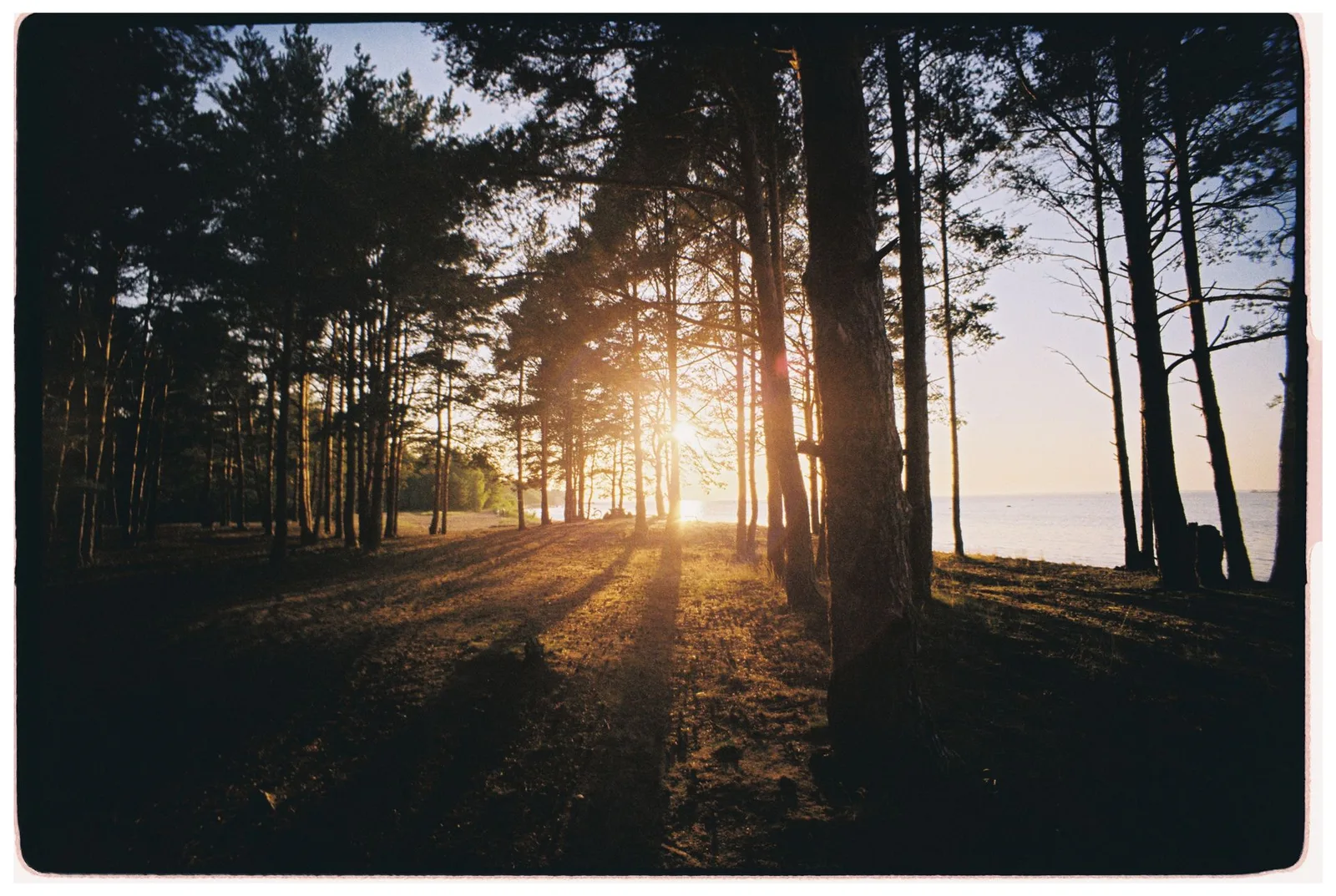
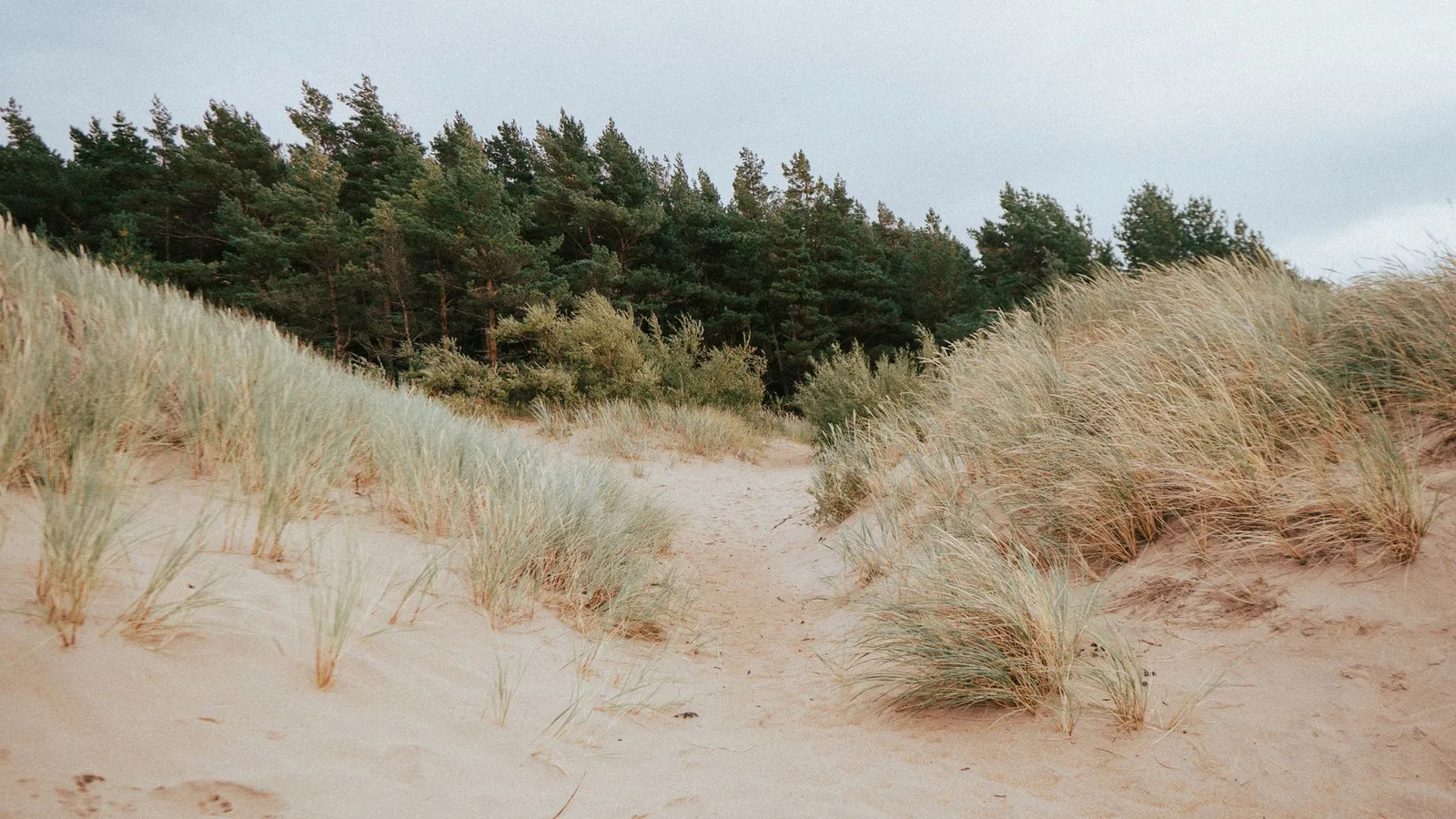
More than half of Latvia is forest: Scots pine, birch and alder, with peat bogs in between where the ground gives softly beneath your feet. The coast, almost five hundred kilometres of it, alternates between white dunes, fishing villages and quiet stretches where you can walk for an hour without meeting a soul.
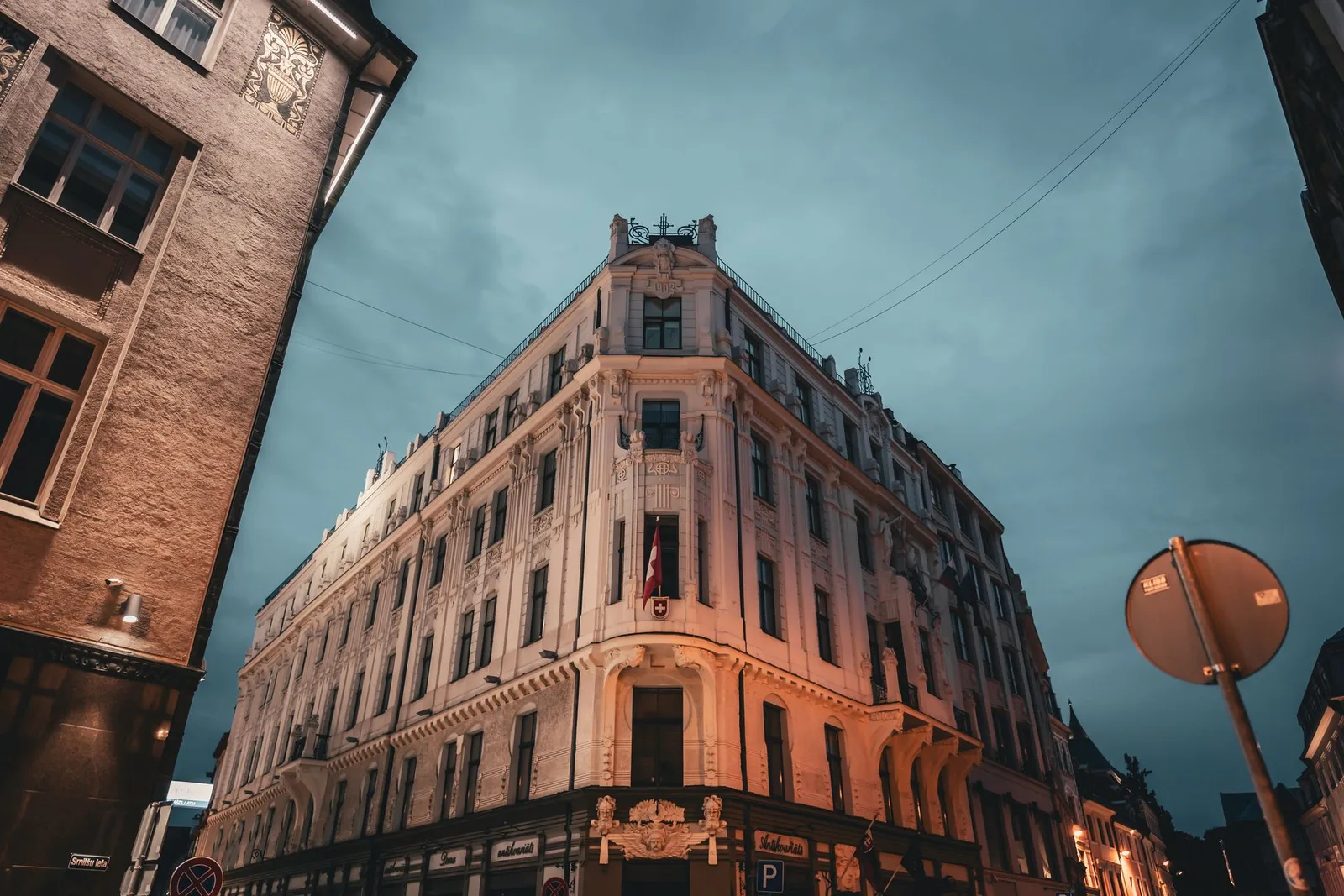
And then there's Riga: the largest collection of Art Nouveau facades in Europe, street after street, next to wooden working-class districts that were never tidied up for tourists. Beyond the capital, the country slows down of its own accord. Latvia doesn't push itself forward, it waits for you to take the time.
In short
Best time to go
May to August: long days, with almost eighteen hours of light in June and the midsummer festival of Jāņi on 23 and 24 June. September and October are quieter, with golden light and forests full of mushrooms.
How long
A week to ten days: a few days in Riga, then the Kurzeme coast, the Gauja valley or Latgale. Distances are short, but secondary roads take longer than the map suggests.
Who it suits
For travellers who want to combine a city full of Art Nouveau and wooden districts with forest, bog and a long, quiet coast, and who would enjoy a pirts or a midsummer night with a local family.
What sets it apart
Riga has hundreds of Art Nouveau buildings, a key reason its historic centre is a World Heritage Site. Beyond the capital, more than half of the country is covered in forest.
Riga has two faces, and the second one is the more interesting.
Alberta iela and Elizabetes iela form the backdrop Riga is known for: facades covered in masks, floral motifs and asymmetrical balconies, designed in under twenty years around 1900. It's dense, it's overwhelming, and it's only a fraction of the city.
Across the Daugava lies Āgenskalns, a district of nineteenth-century wooden houses that were never smartened up for a guidebook. Nearby, stallholders in the Centrāltirgus, five former Zeppelin hangars, sell smoked fish and soured cream as if nothing has changed since the 1930s.
Four regions, four different paces
Latvia is small on the map, but Kurzeme doesn't feel like Latgale, and neither feels like Riga.
Riga
Art Nouveau, wooden districts and an old town all sitting close together, yet each keeping its own rhythm.
Kurzeme
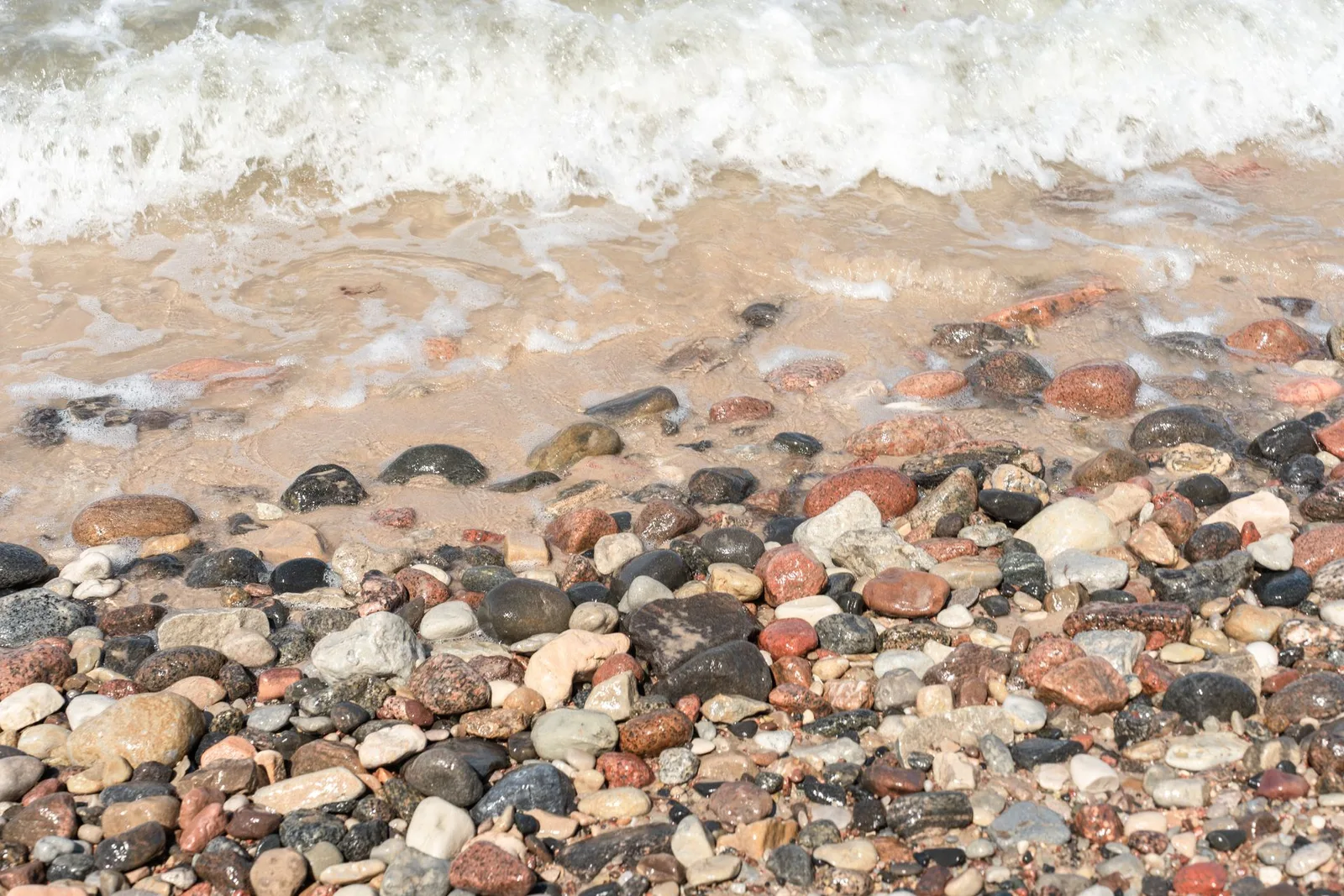
Fishing villages like Pāvilosta and Ventspils, miles of dune, and amber that simply washes up on the beach after a storm.
Vidzeme
Sandstone cliffs, castles on hilltops and the Gauja winding slowly through the national park.
Latgale
The poorest and slowest part of the country, with hundreds of lakes, a Catholic pilgrimage culture and pottery villages that have worked the same clay for generations.


Three landscapes, three kinds of silence
The forest
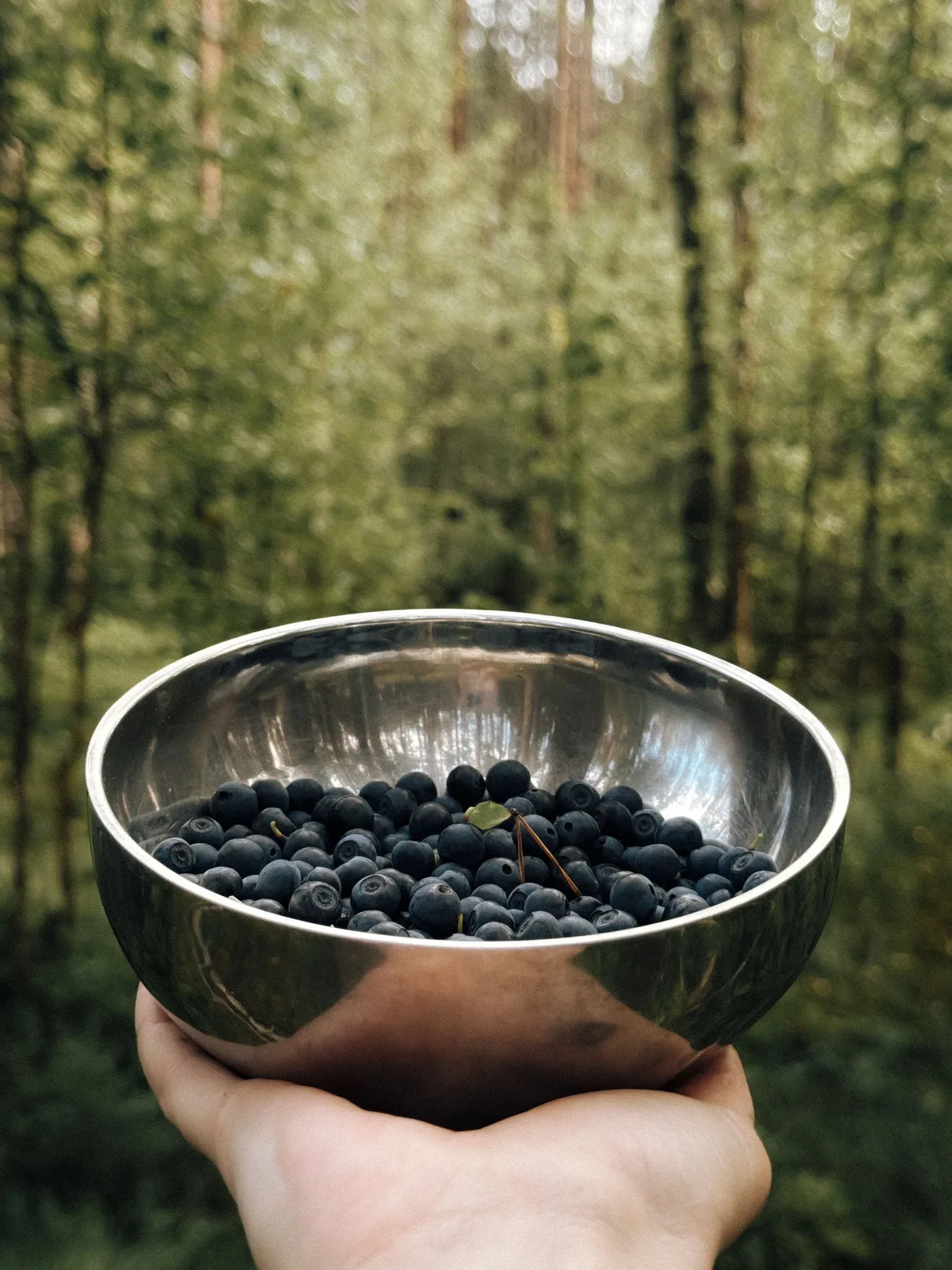
Wolves, lynx and elk live here, though rarely seen. The forest exists mainly for Latvians themselves, who forage for mushrooms and berries in season as a fixed yearly habit, not a tourist activity.
The bog
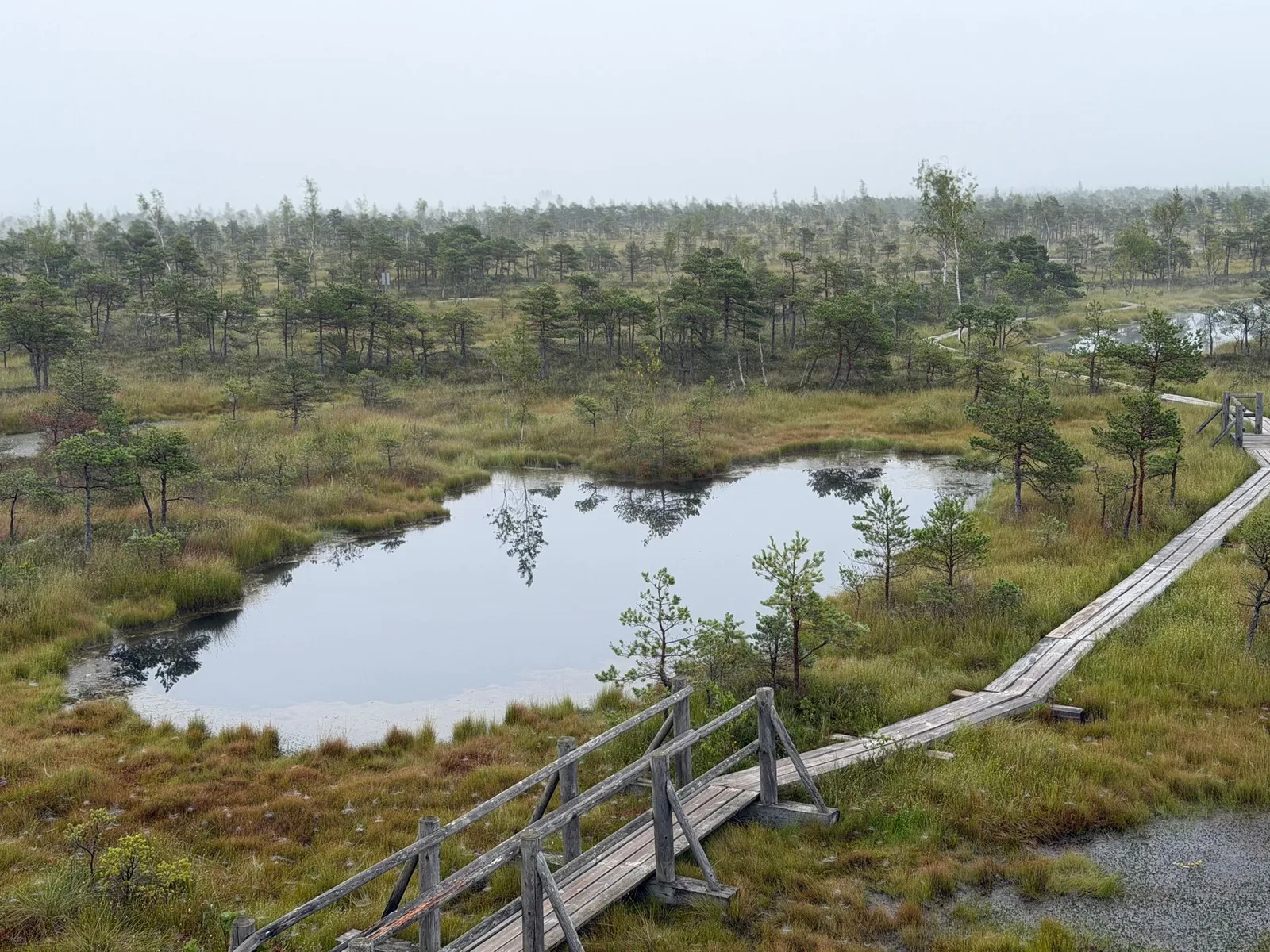
Ķemeri, with its wooden boardwalks over thousands-of-years-old peat, is, early in the morning, about the quietest spot left to find in Europe.
The coast
At Kolkasrags, the Baltic Sea and the Gulf of Riga visibly collide: two currents, one cape, and nothing beyond it but dune.

Possibilities, not a fixed programme
What you do in Latvia depends on the season and on who you meet along the way. These are starting points, not a checklist.
Canoeing on the Gauja
Multi-day trips through the country's oldest national park, between sandstone cliffs and overhanging forest.
Foraging for mushrooms and berries
Into the forest with a local host, at the exact moment Latvians themselves are out there too.
Pirts with a local family
A sauna ritual going back generations, shared with hospitality rather than sold as a product.
Amber hunting after a storm
On the Kurzeme coast, a north-westerly wind literally washes it ashore: a morning walk with a different kind of catch.
Visiting potters in Latgale
Villages where the same families have thrown the same clay for generations, far from any tourist circuit.
What we choose together depends on what you're looking for, not on what's standard on a route.
A country that doesn't sell its stillness. It shares it.



When to go to Latvia
In June there's almost eighteen hours of daylight, and around the summer solstice the whole country celebrates Jāņi: Midsummer with bonfires, flower wreaths and singing into the small hours. Anyone who'd rather walk and forage than celebrate chooses September: golden light, and the forest full of mushrooms and cranberries. It is not a dry month, and that is exactly why the forest is so full.
December and January give only about six hours of daylight, but anyone open to that finds a snow-covered forest that's even quieter than usual.
Best time to visit Latvia
Who else is at their best in these months?
May June July August
Use the contact form to discuss your travel dates and preferences with us.
Practical, without the noise.
Practical, without the fuss.
Getting there
Direct flight from Brussels to Riga; from there the country can be crossed by car in a few hours.
Documents
Latvia is an EU and Schengen country: a valid ID card is enough.
Language
English is spoken well in Riga and among the younger generation, less so in rural areas. A local host bridges that gap.
Health
No vaccinations required, tap water is safe to drink.
Pace
Distances are short, but many roads are secondary. In the countryside, allow more time than the map suggests.
Latvia doesn't show itself in a weekend. It opens, layer by layer, to whoever stays.
Frequently asked questions
When is the best time to visit Latvia?
In June there are almost eighteen hours of daylight, and around the summer solstice the whole country celebrates Jāņi, with bonfires, flower crowns and singing until the early morning. September is golden and damp, with forests full of mushrooms and berries. December and January give only six hours of daylight, but also a snowy forest that is even quieter than usual.
Is Riga enough for a trip to Latvia?
Riga is a starting point, not a destination in itself. The city has the largest collection of Art Nouveau facades in Europe and wooden districts such as Āgenskalns, but leave after two days and you see half the country. Beyond it lie the Kurzeme coast, the Gauja valley and the lake district of Latgale.
What is a pirts?
The traditional Latvian sauna with birch branches, led by a host rather than a treatment menu. It is a ritual that goes back generations, not a spa treatment. With a local family it is shared as hospitality rather than sold.
Can you find amber in Latvia?
Yes. On the Kurzeme coast amber literally washes ashore after a storm with a north-westerly wind, and a morning walk on the beach after such a storm often turns something up. The coast is almost five hundred kilometres long, with dunes, fishing villages and quiet zones.
Is English spoken in Latvia?
English is spoken well in Riga and by the younger generation, less so in the countryside, where a local host bridges the gap. In many towns Russian is the second language. Many roads outside the capital are secondary, so allow more driving time than the map suggests.
- Flight time
- About 2.5 hours from Brussels, direct to Riga
- Languages
- Latvian, with Russian as a second language in many cities
- Time difference
- One hour ahead of Belgium, year-round
- Landscape
- More than half the country is forest
- Highest point
- Gaiziņkalns, 312 metres: a land of plains, not mountains