
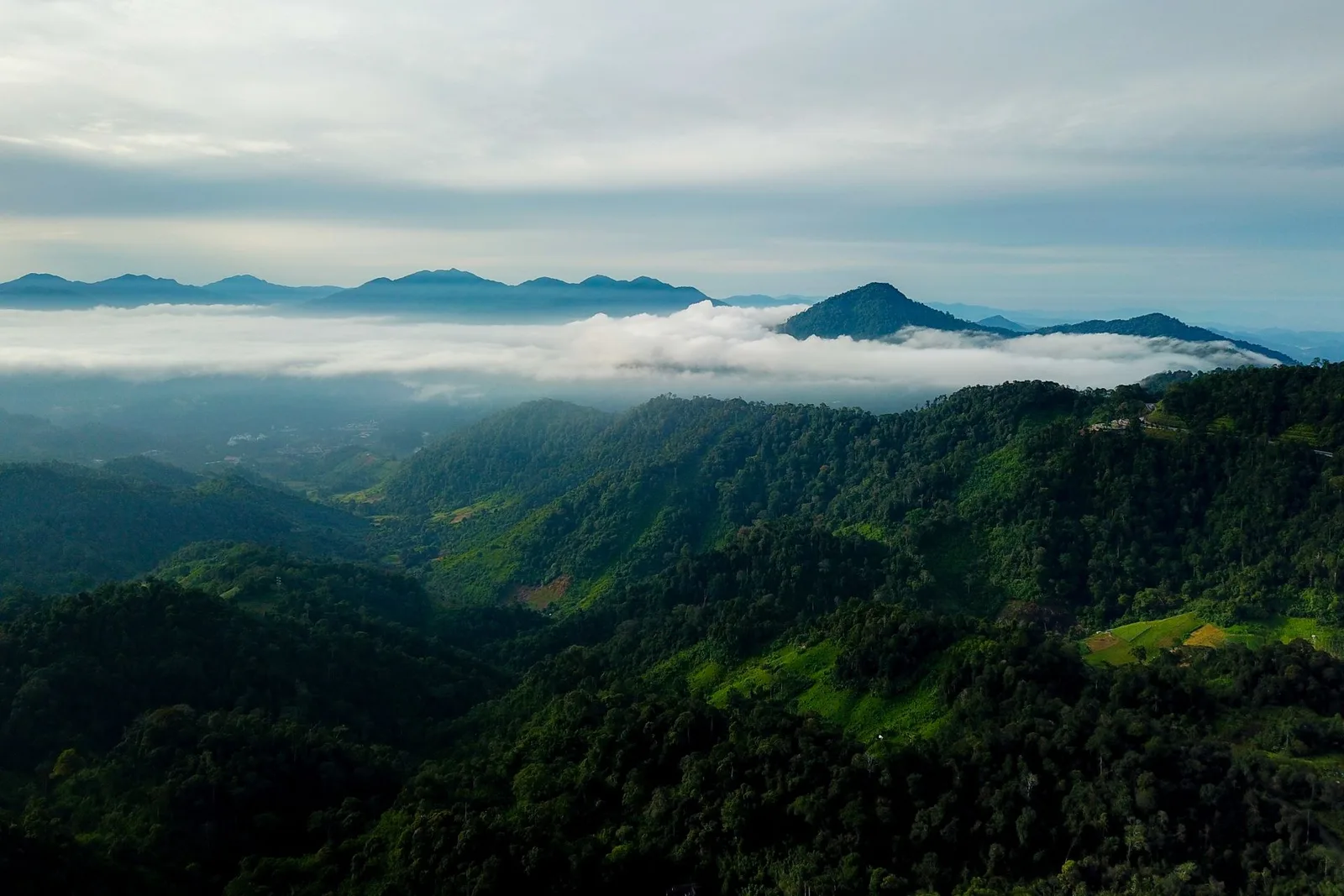
Three worlds at street level, and the jungle is waiting round the corner.
Malay, Chinese and Indian lives sit side by side without effort, with rainforest that's never far away, not even from the cities. In Kuala Lumpur, twenty minutes take you from a Taoist temple thick with incense to a neighbourhood ringing with brass bells, to a mosque calling to prayer over the traffic. Nobody stages this for a photo. It's simply how the city breathes.
What looks like one country on the map is really two. Peninsular Malaysia, with Kuala Lumpur, the colonial facades of Malacca City, the tea plantations of the Cameron Highlands, is separated by the South China Sea from Borneo, where Sarawak and Sabah follow a slower, greener rhythm: longhouses along the river, rainforest that has grown undisturbed for millions of years, orangutans that keep to no schedule at all.
So we never plan Malaysia as a single line on a map. Peninsula and Borneo each deserve their own pace, and the people you meet along the way, a Peranakan cook in Penang, an Iban guide in the Sarawak interior, tell a different story than the guidebook suggests.
In short
Best time to go
March to May is the most predictable window for the whole country. The west coast of the peninsula works almost all year, but the east coast and its islands are in the monsoon from November to January.
How long
Two to three weeks if you combine the peninsula and Borneo. That means a domestic flight in between, and each region deserves enough days to really arrive.
Who it suits
For travellers who want to pair a city of Malay, Chinese and Indian neighbourhoods with rainforest and wildlife on Borneo, and who appreciate that English is widely spoken.
What sets it apart
Malaysia comes in two parts, the peninsula and northern Borneo, with the South China Sea in between. That lets you combine Kuala Lumpur and Penang with rainforest, orangutans and Mount Kinabalu.
One country, at least six faces
The peninsula and Borneo share a flag, not an identity. Six places that show how varied Malaysia is, from colonial port cities to rainforest that has never been logged.
Kuala Lumpur
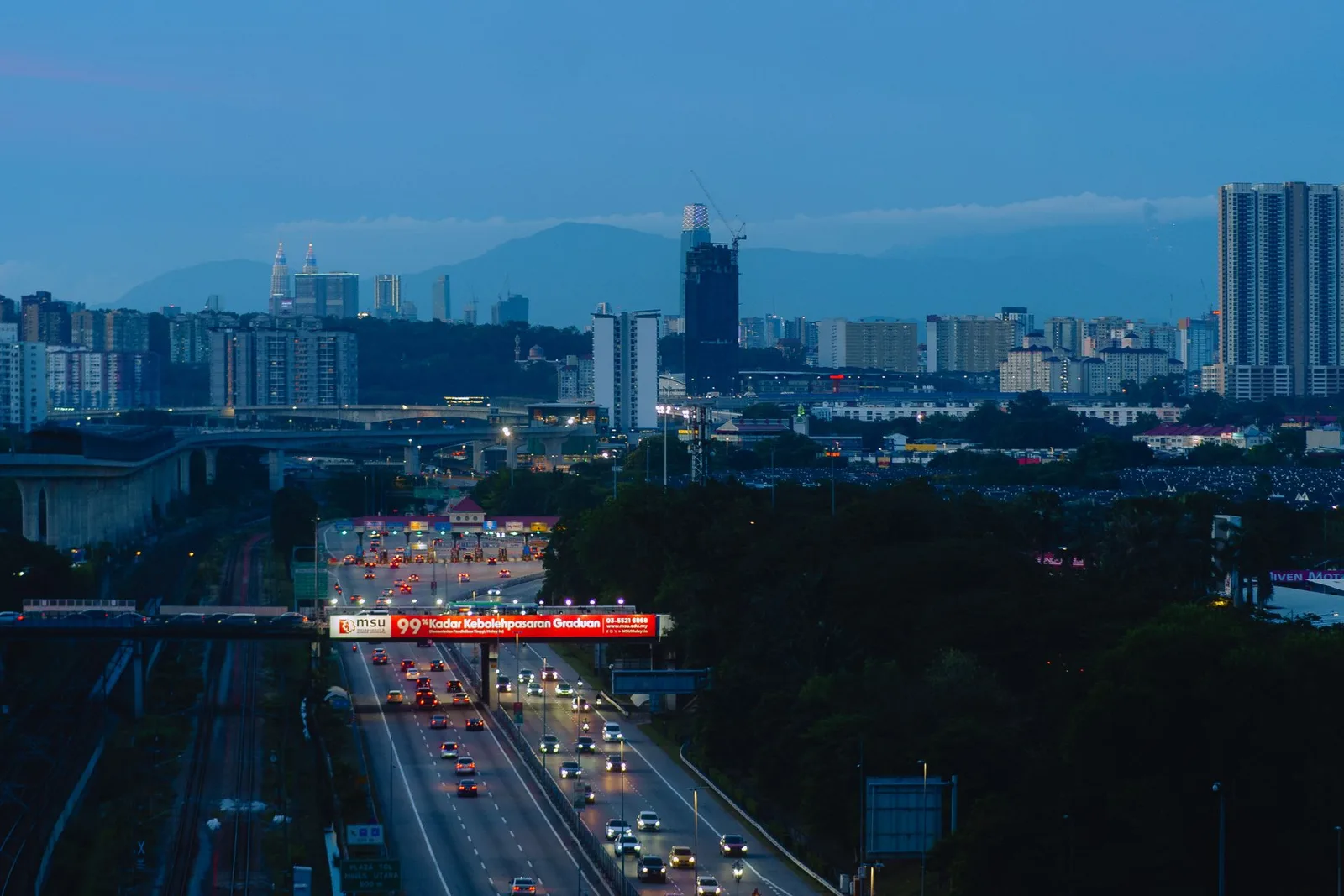
A city that grows in layers: colonial railway stations, towers of glass, and night markets in between where Malay, Chinese and Indian kitchens smoke side by side.
Georgetown, Penang
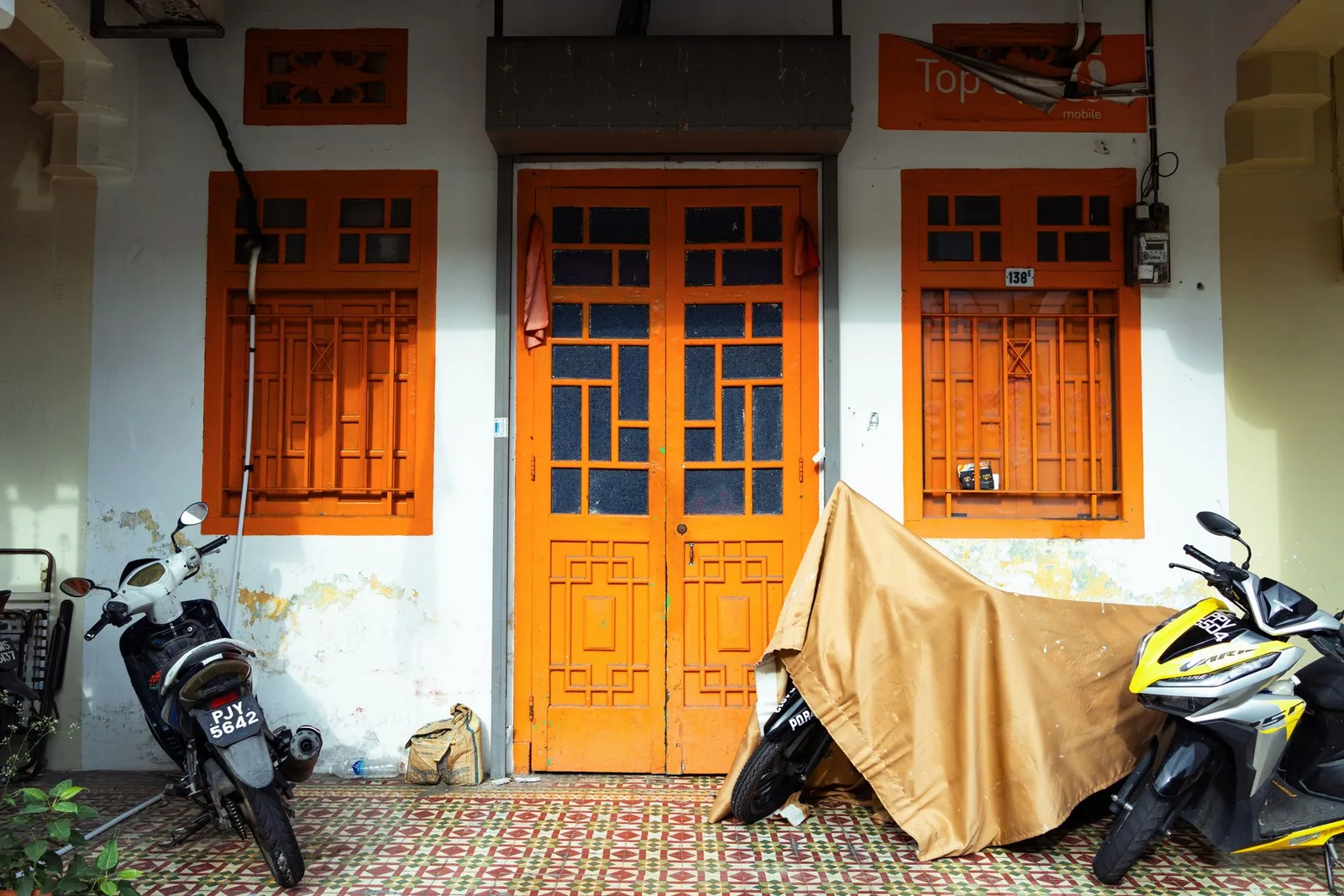
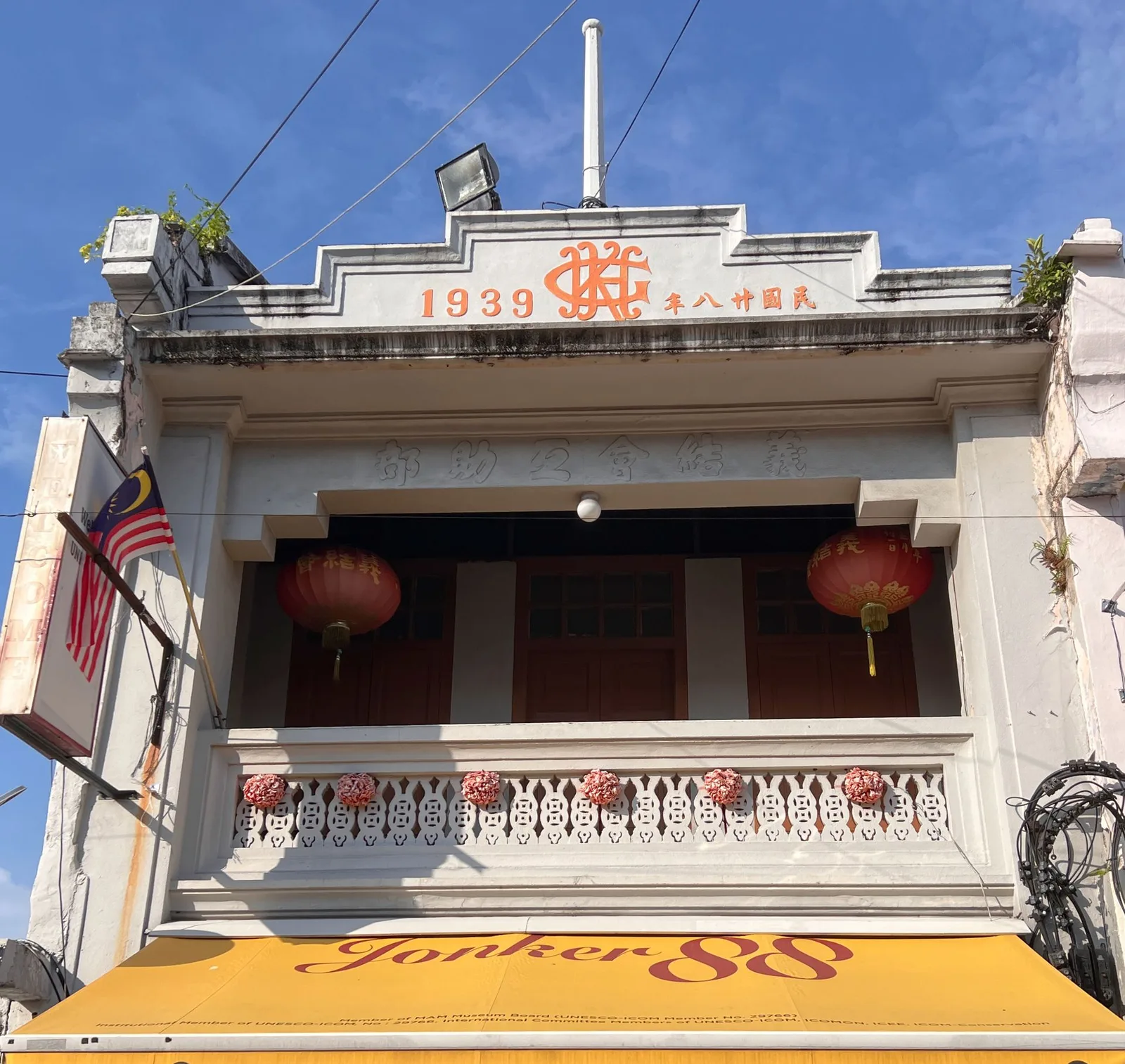
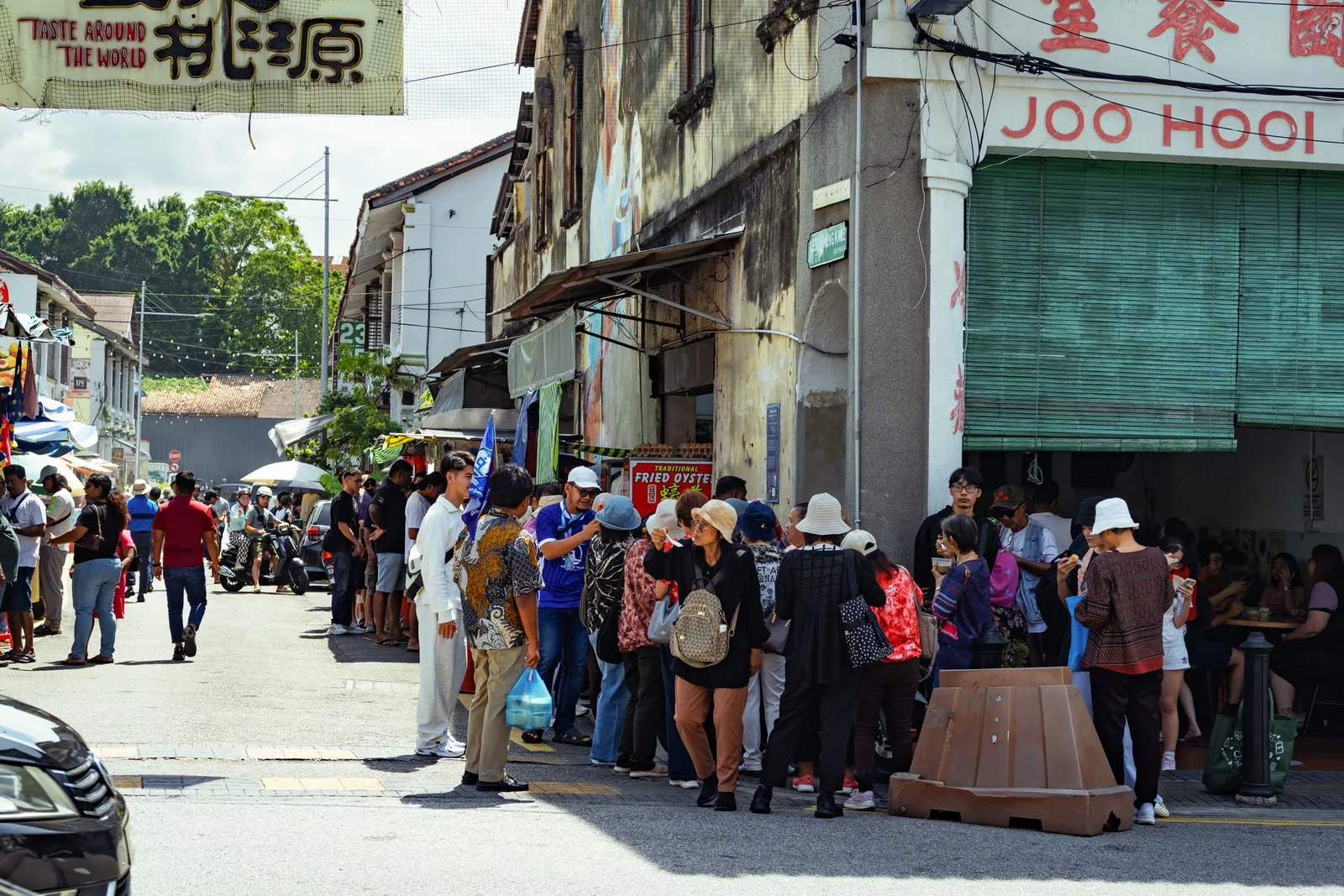
UNESCO heritage streets where Peranakan houses, Chinese clan houses and Indian temples stand side by side, and where dinner on the street is often the highlight of the day.
Cameron Highlands
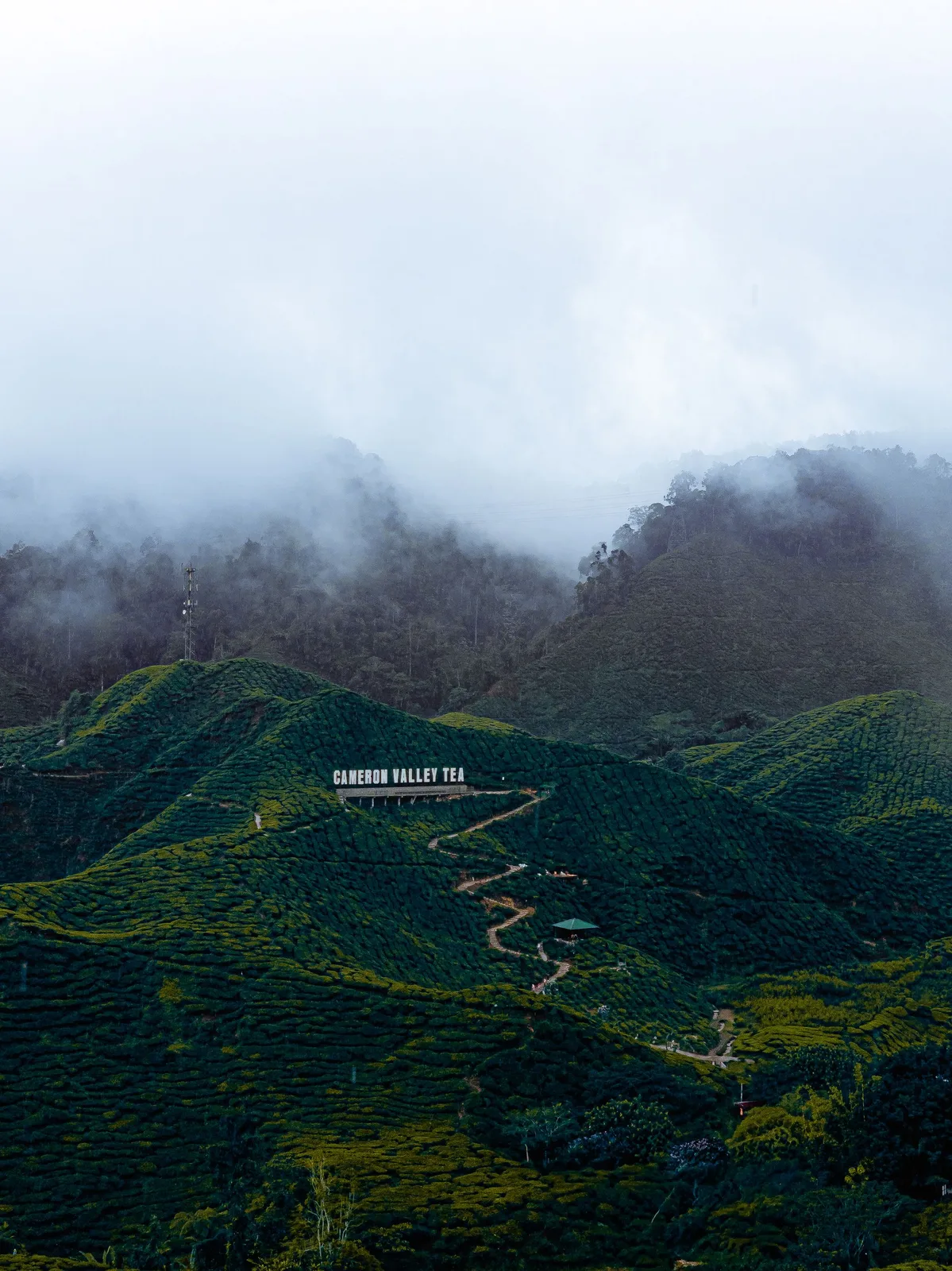
Tea plantations at the height the British went looking for, where the air suddenly turns cool and the rows of bushes wrap around the hills like contour lines.
Malacca
Portuguese, Dutch and British layers stacked along a river that opened onto the strait that was for centuries the main trade route of Southeast Asia.
Sarawak
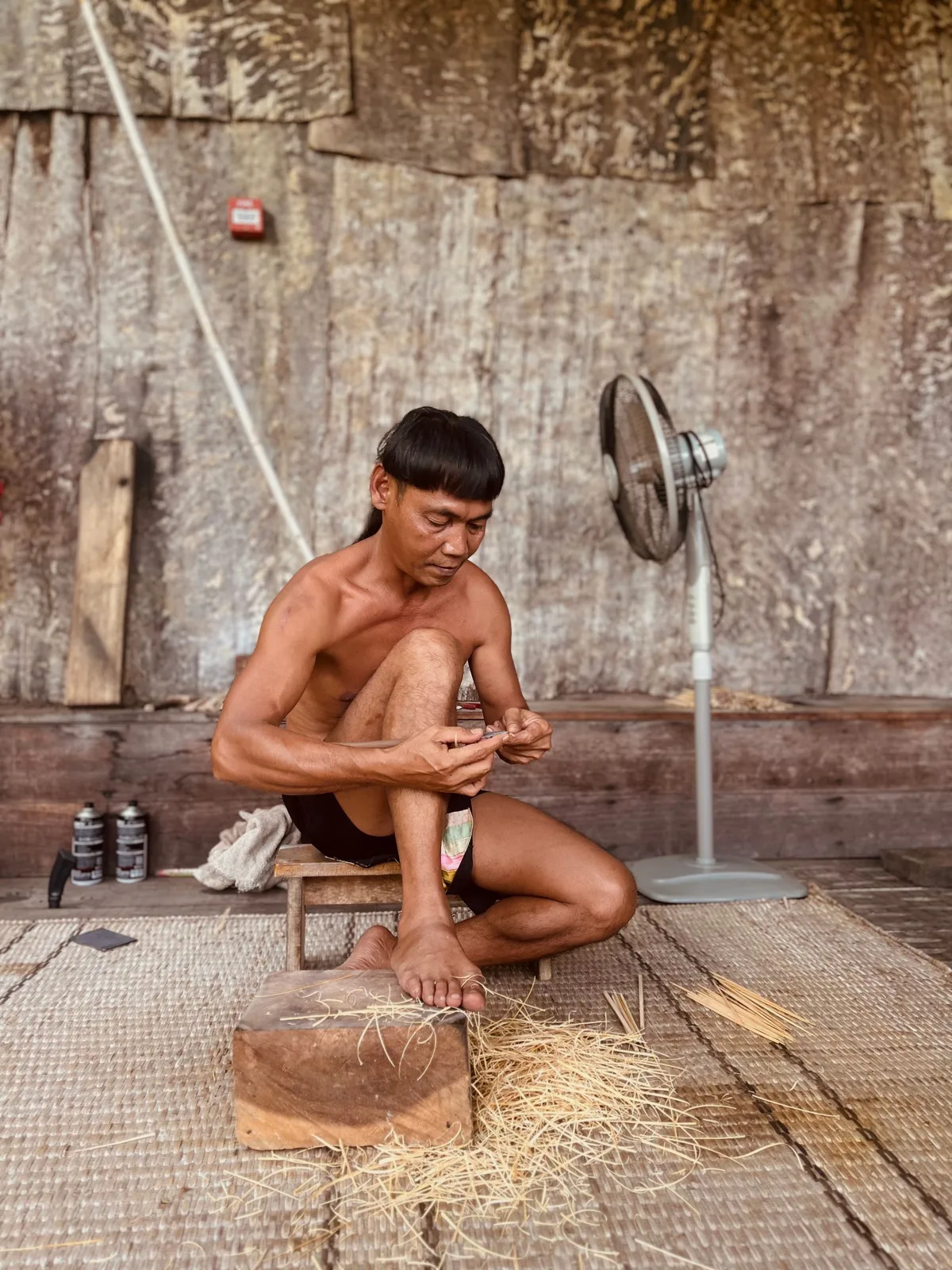
Around Kuching and upriver, Iban and Bidayuh communities still live in longhouses, with rainforest that literally begins at the veranda.
Sabah
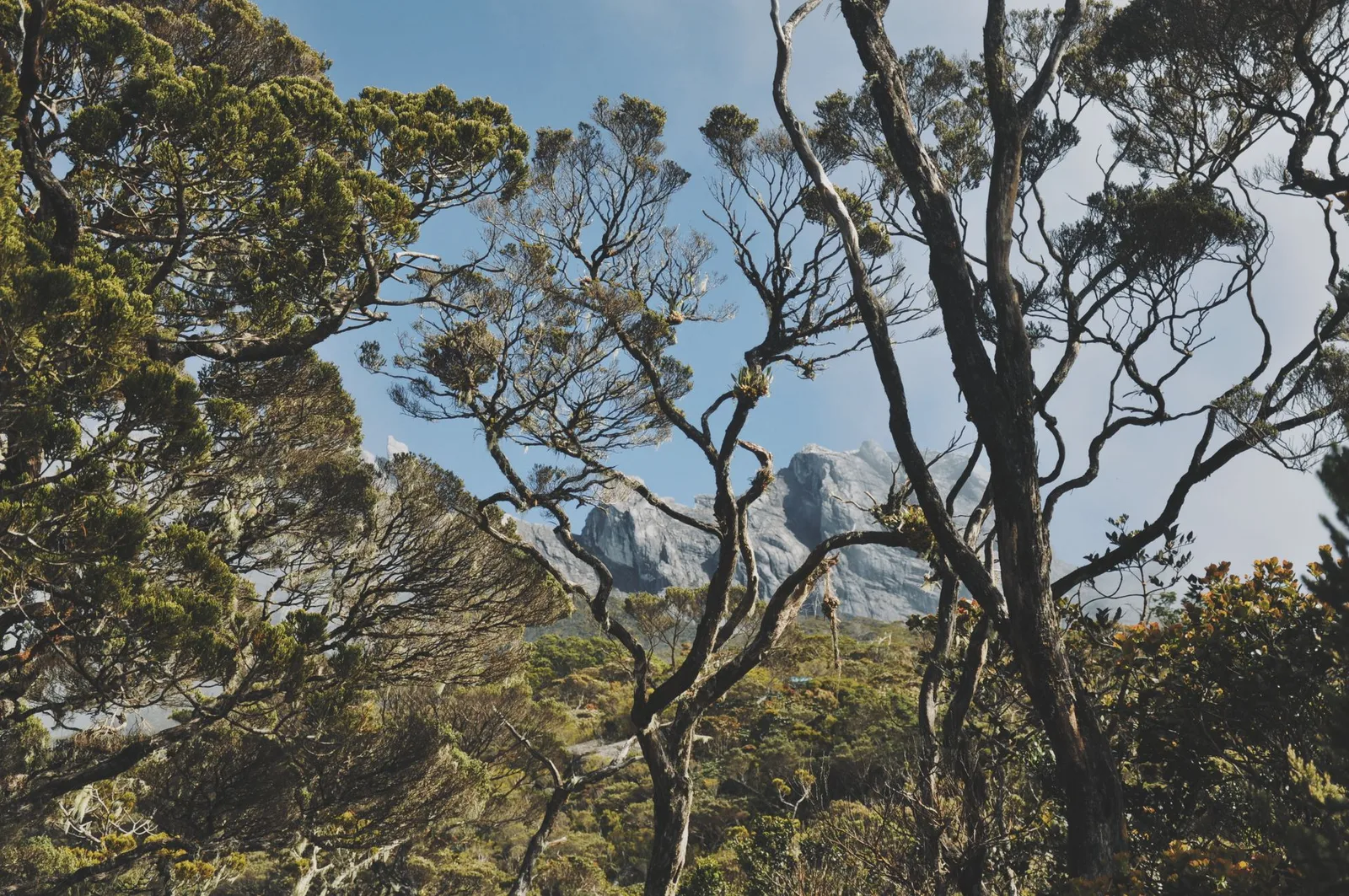
From the summit of Kinabalu to the untouched lowland forests of Danum Valley: here nature isn't a backdrop, it's the main reason to come.

A cuisine that changes dialect from stall to stall
In a hawker centre in Penang you order laksa at one stall, roti canai at another and karipap at a third: three cuisines, three languages, one table. This isn't a fusion experiment, it's how Malaysians have eaten for generations: side by side, without one replacing the other.
Peranakan cuisine, the Chinese-Malay tradition of the Straits, perhaps sums up that layering best: coconut milk and curry leaves alongside soy sauce and five-spice powder, born from marriages between Chinese traders and Malay families centuries ago. Sit down to eat in Malacca or Penang and you taste that history quite literally.
A spice street in George Town, where the smell alone gives away which stall is the most popular.


Older than the Amazon, and closer to the cities than you'd think
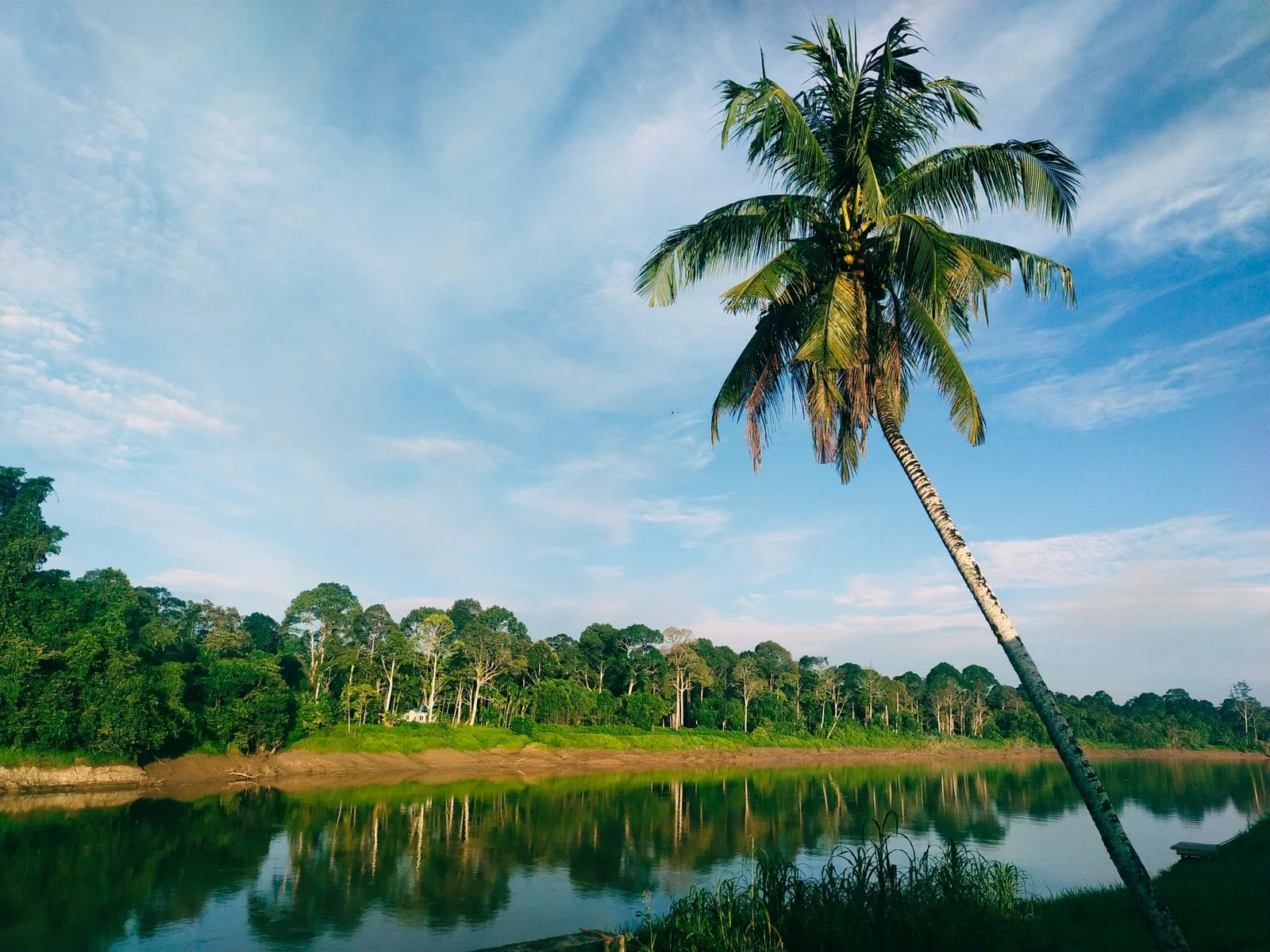
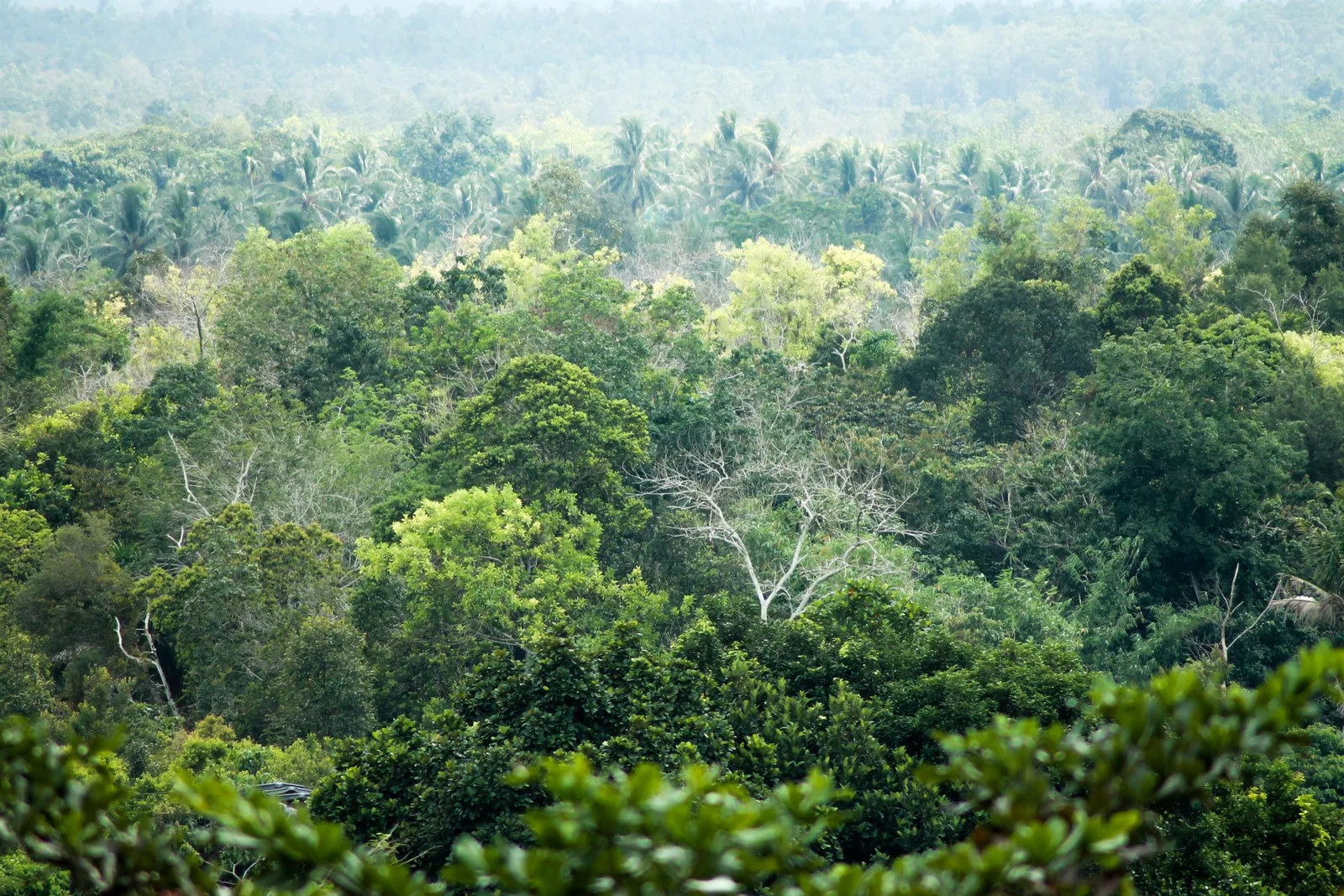
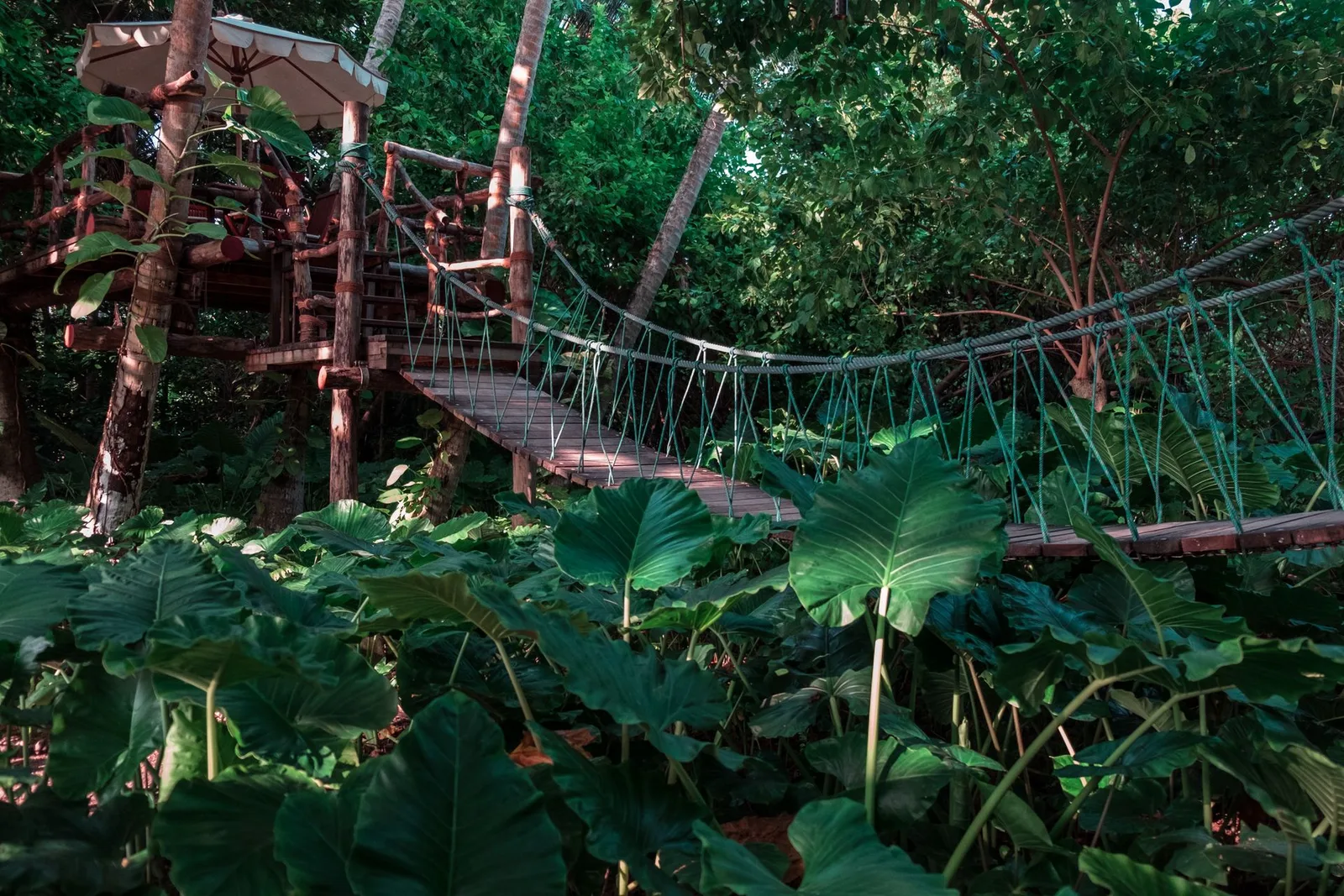
Taman Negara on the peninsula and the forests of Sabah and Sarawak rank among the oldest rainforests in the world, older than the Amazon, and never interrupted by an ice age. What lives there has been living there so long it pays little attention to a travel schedule.
Taman Negara
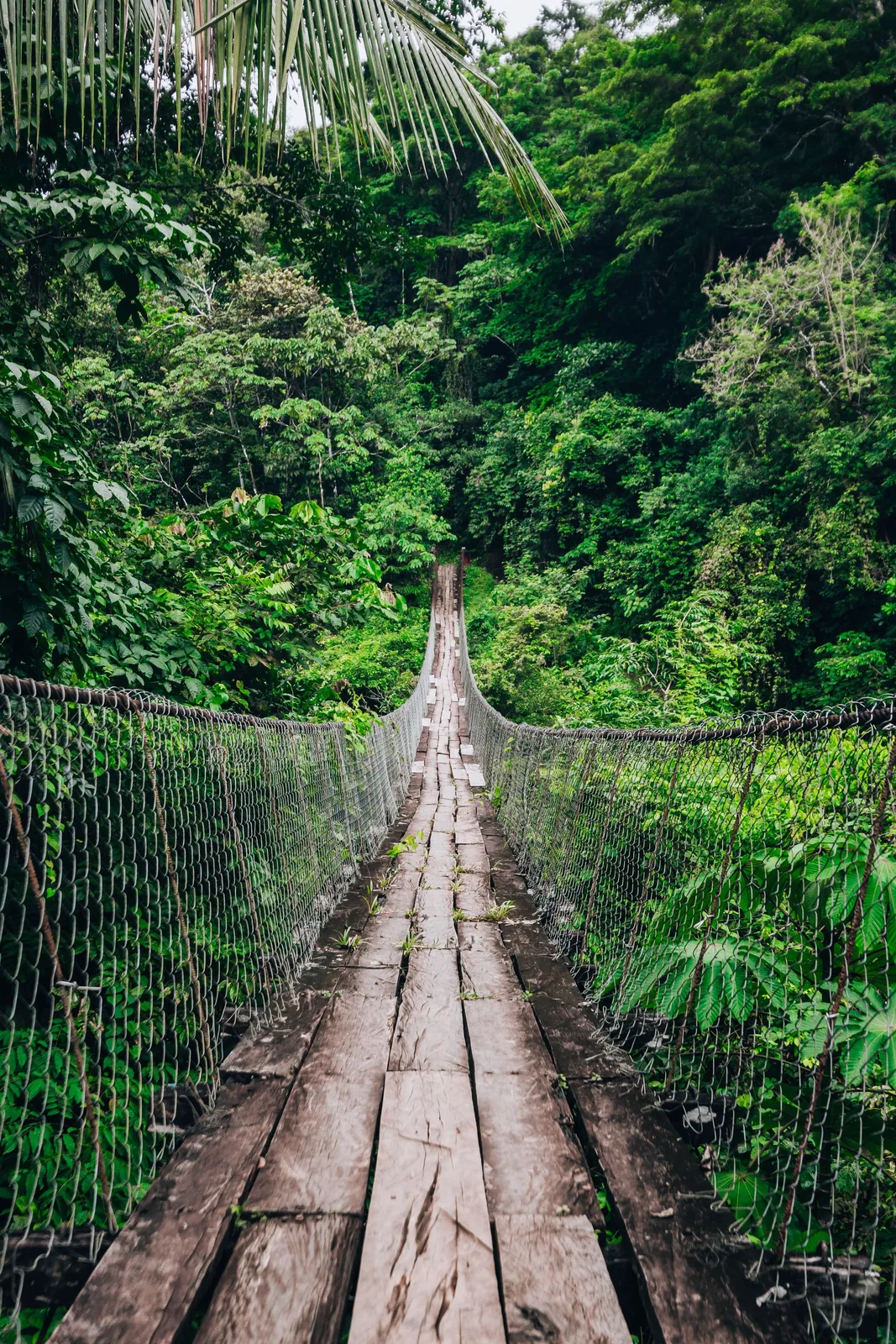
One of the oldest rainforests in the world, with a canopy walkway that takes you high among the treetops, closer to the ecosystem than the forest floor ever allows.
Danum Valley
Untouched lowland rainforest in Sabah, without roads or villages within its boundaries, one of the few places where the forest is left entirely to itself.
Kinabatangan River
At sunrise and sunset you drift past banks where proboscis monkeys, orangutans and hornbills show themselves without hurry, no guaranteed sightings, but an unusually high chance.

No fixed programme, but a country full of starting points
Malaysia doesn't fit into a single set route. These are the experiences we like to think through with you.
Walking above the treetops in Taman Negara
The canopy walkway takes you dozens of metres up among the crowns, with a view you'd never get from the forest floor.
Staying overnight in an Iban longhouse
Upriver in Sarawak, where a community welcomes you under one long roof and the rainforest sets the scene for every evening.
Tasting Georgetown, stall by stall
An evening among the hawker stalls of Penang, where Chinese, Malay and Indian dishes stand steaming quite literally side by side.
Diving at Sipadan or the Perhentian Islands
Off the peninsula's east coast and off the Sabah coast lies water with a visibility and coral richness among the best in Southeast Asia.
Walking among the tea bushes of the Cameron Highlands
Paths through the plantations pass pickers and processing sheds, with a coolness that feels surprising after the lowlands.
Combining the peninsula with Borneo takes careful logistics. We're happy to think that through with you.
No 'melting pot', three lives that exist side by side,in a country where the rainforest is never far away.
The west coast, the east coast and Borneo don't follow the same calendar
The peninsula has two faces: the west coast, Kuala Lumpur, Malacca, Penang, is good to travel for most of the year, while the east coast, with islands like the Perhentians and Redang, sits under the northeast monsoon from November to January and is barely accessible then; February is in fact the driest month of the year there.
Borneo has no strict dry season. The rainforest stays humid year-round. But the heaviest rain there usually falls between November and February, with January the wettest month. March to May is the most predictable window for the whole country.
Best time to visit Malaysia
Who else is at their best in these months?
March April May
Use the contact form to discuss your travel dates and preferences with us.
Practical, without the noise.
Practical matters that make the difference between a smooth trip and a rushed one.
Visa
Which travel documents you need depends on your nationality, and entry rules change regularly. We go through the current requirements with you before you leave.
Health
No mandatory vaccinations; protection against mosquitoes is advisable in rainforest areas.
Getting there
Kuala Lumpur is the hub; onward to Sabah or Sarawak you fly domestically, across the South China Sea.
Pace
Combining the peninsula and Borneo is possible, but needs enough days per region, not a one-night stopover.
Language
English is widely and well spoken, even outside the major cities.
- Flight time
- About 13 to 14 hours, usually with one stopover
- Languages
- Bahasa Malaysia and English, with Cantonese, Mandarin and Tamil heard on the streets
- Time difference
- 7 hours ahead of Belgium, 6 hours during Belgian summer time
- Climate
- Tropical and humid year-round, with regional monsoons
- Elevation range
- From sea level to the summit of Kinabalu at 4,095 metres