

The neighbouring country we think we know because it sits right next door.
The Netherlands has been fighting for its space against the water for centuries, and loves an empty polder just as much as a busy canal. For most Belgians it's mainly the country you drive through on the way to somewhere else, or where you plan one weekend in Amsterdam and consider the job done. That closeness is exactly the problem: a country that asks so little effort of you rarely gets looked at properly.
Anyone who looks beyond the Randstad finds a different Netherlands. The Wadden Sea, which vanishes and returns every single day. South Limburg, with its slopes and half-timbered houses that have nothing Dutch-looking about them. Zeeland villages that have spent generations negotiating with a sea they taught themselves to tame. Twelve provinces that fit neatly on a map but each behave in their own way.
We don't plan the Netherlands as a checklist of Amsterdam, Volendam and a bike ride. We take the country just as seriously as a destination you'd actually fly for, with the same curiosity, and without assuming you already know it.
In short
Best time to go
May, June and September, with long days, mild temperatures and fewer crowds than in the summer holidays. Rain falls all year round, so a rain jacket belongs in the bag in every season.
How long
A long weekend for one region, a week to ten days to combine two or three, such as Zeeland, South Limburg or the Wadden Islands. Travelling by bike is slower and shows you more.
Who it suits
For travellers who want to stay close to home without flying and see the Netherlands beyond Amsterdam: mudflat walking, cycling through polders and dunes, the Zeeland delta and the hills of South Limburg.
What sets it apart
About a quarter of the country lies below sea level, protected by dikes and water boards, and the Wadden Sea is the largest continuous system of intertidal sand and mud flats in the world.
Six faces of the same country.
The Netherlands is compact enough to combine several landscapes in one trip. And varied enough to make that worthwhile.
Terschelling, Ameland, Schiermonnikoog
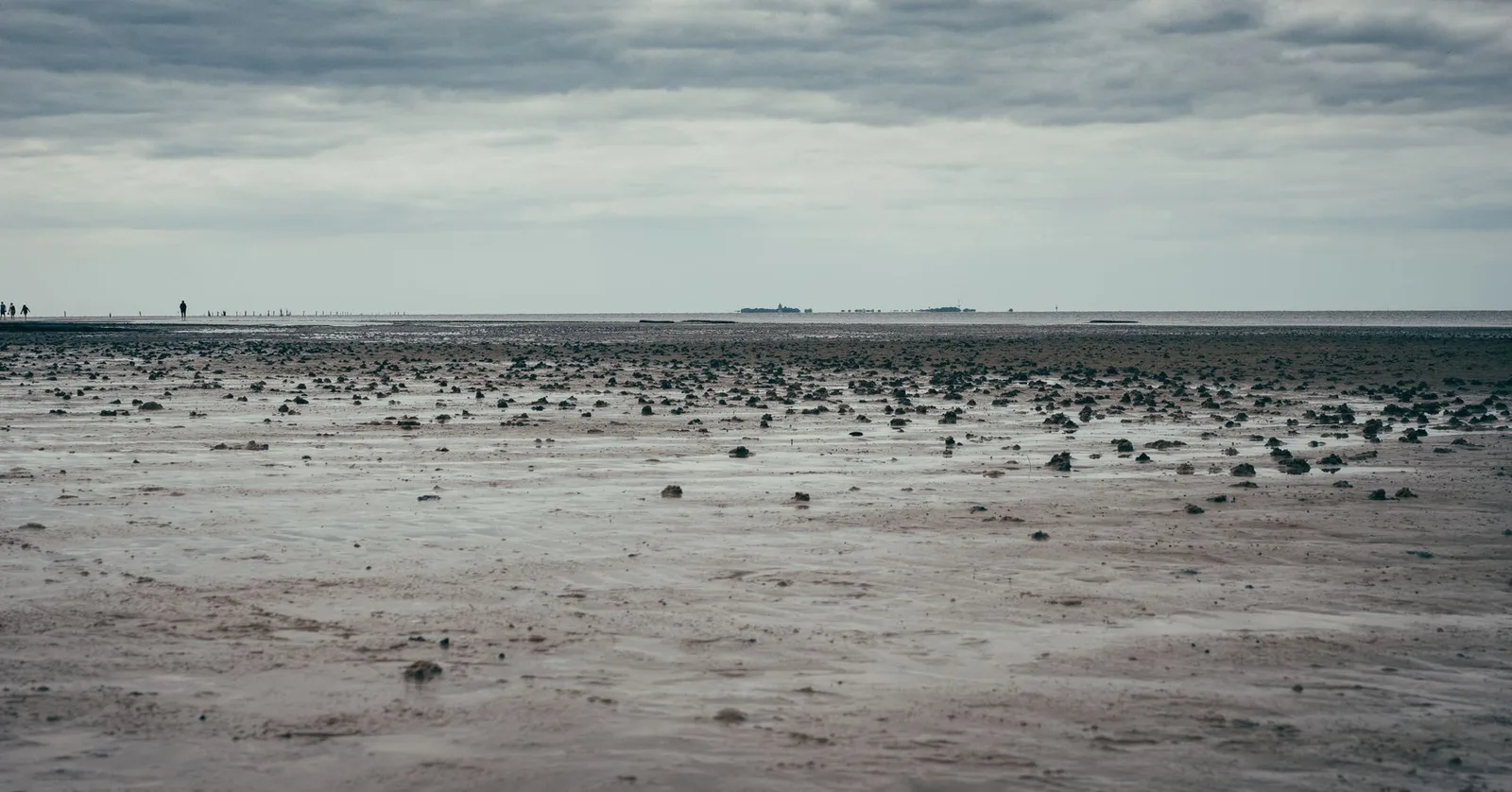
A sea that disappears and returns twice a day. Mudflat walking, dunes without buildings, and islands that each keep their own rhythm despite sitting so close to the mainland.
Oosterschelde and Zeeuws-Vlaanderen
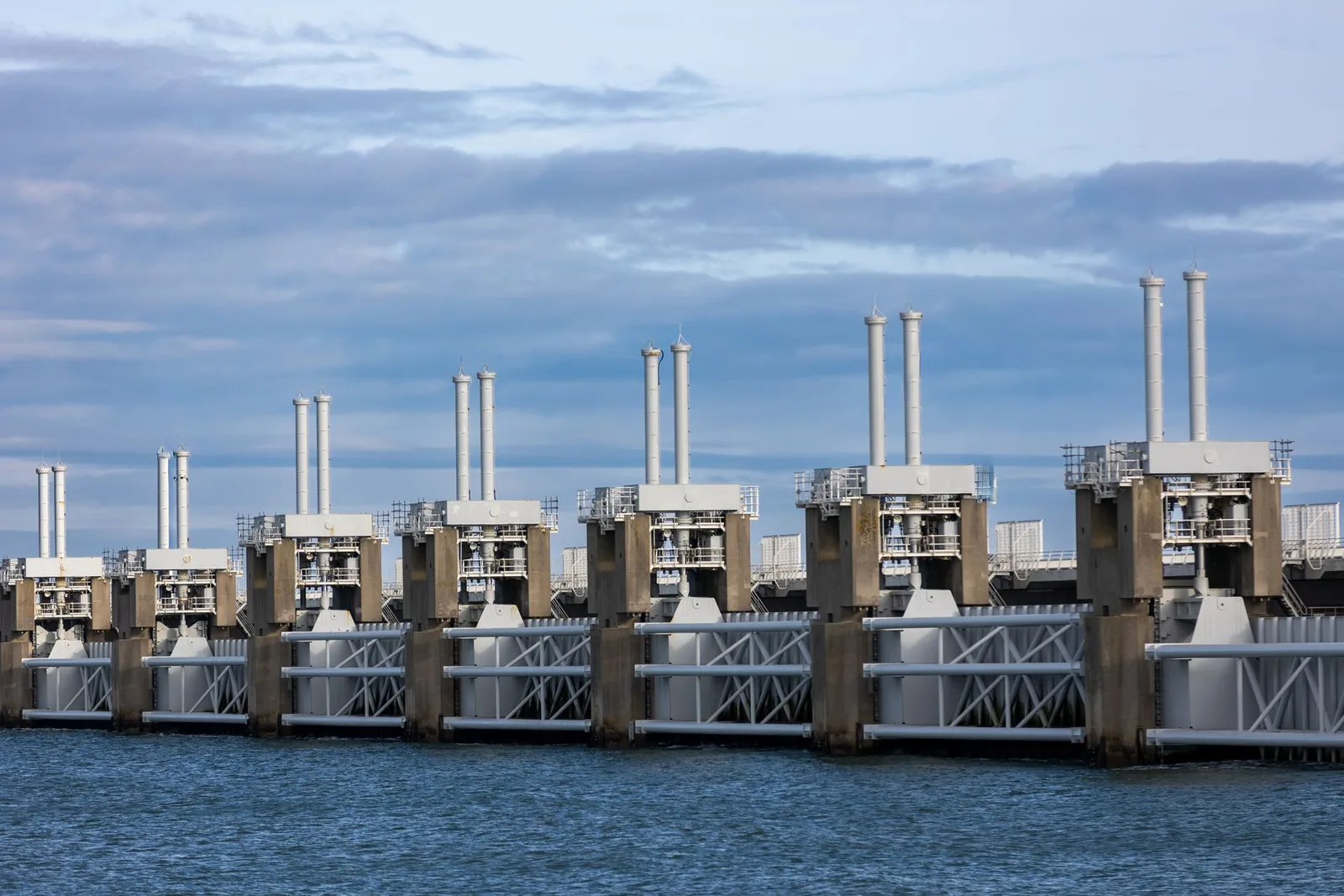
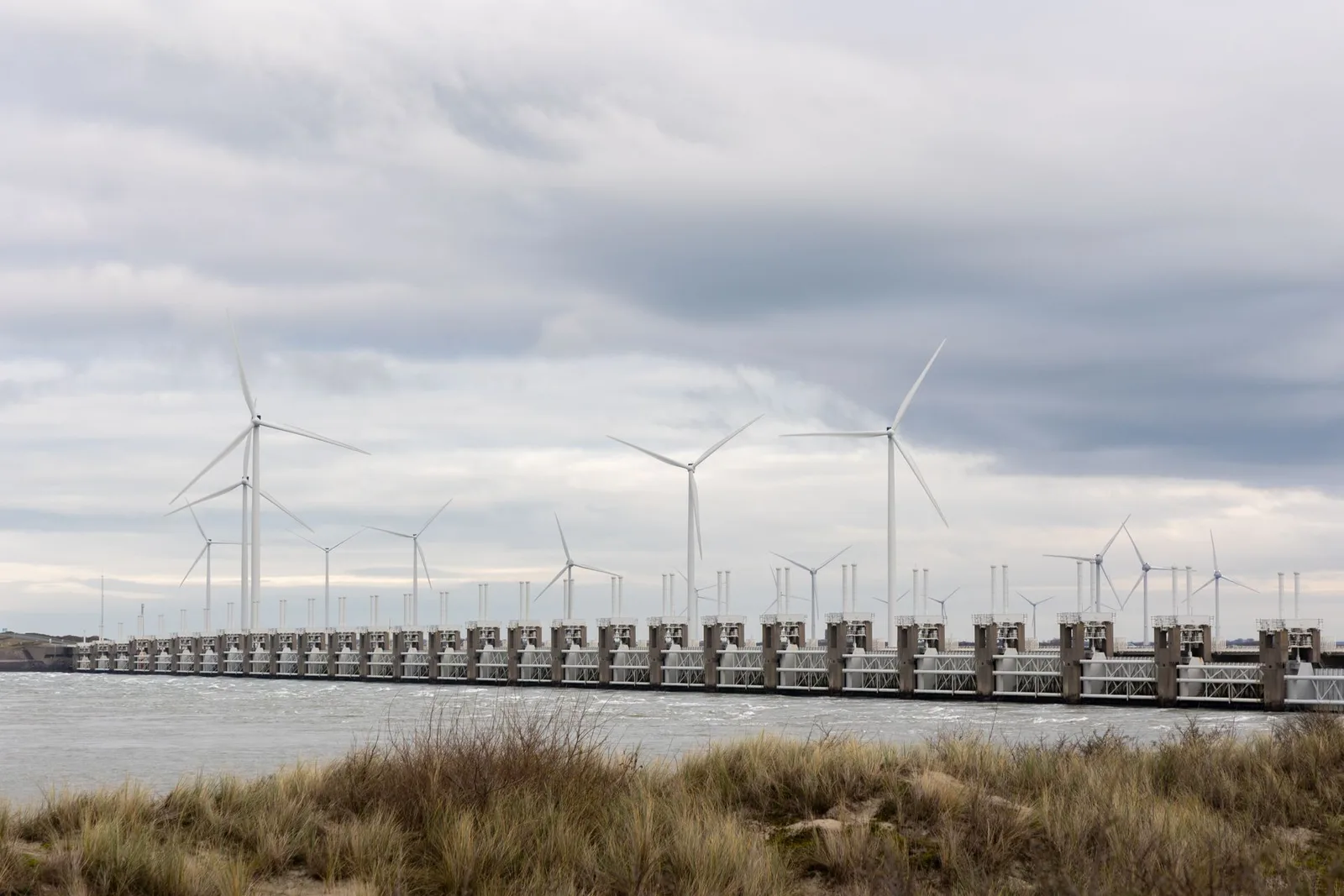
The fight against the water is most visible here: dykes, dams and the Oosterscheldekering storm barrier. Between them, villages that live off oysters, mussels and a coastline that's rarely crowded.
The canal ring and beyond
The city remains the starting point for many, but gains depth as soon as you include the neighbourhoods around the centre, and choose the quiet of a canal at evening light over the daytime bustle.
Hills, marl and half-timbering
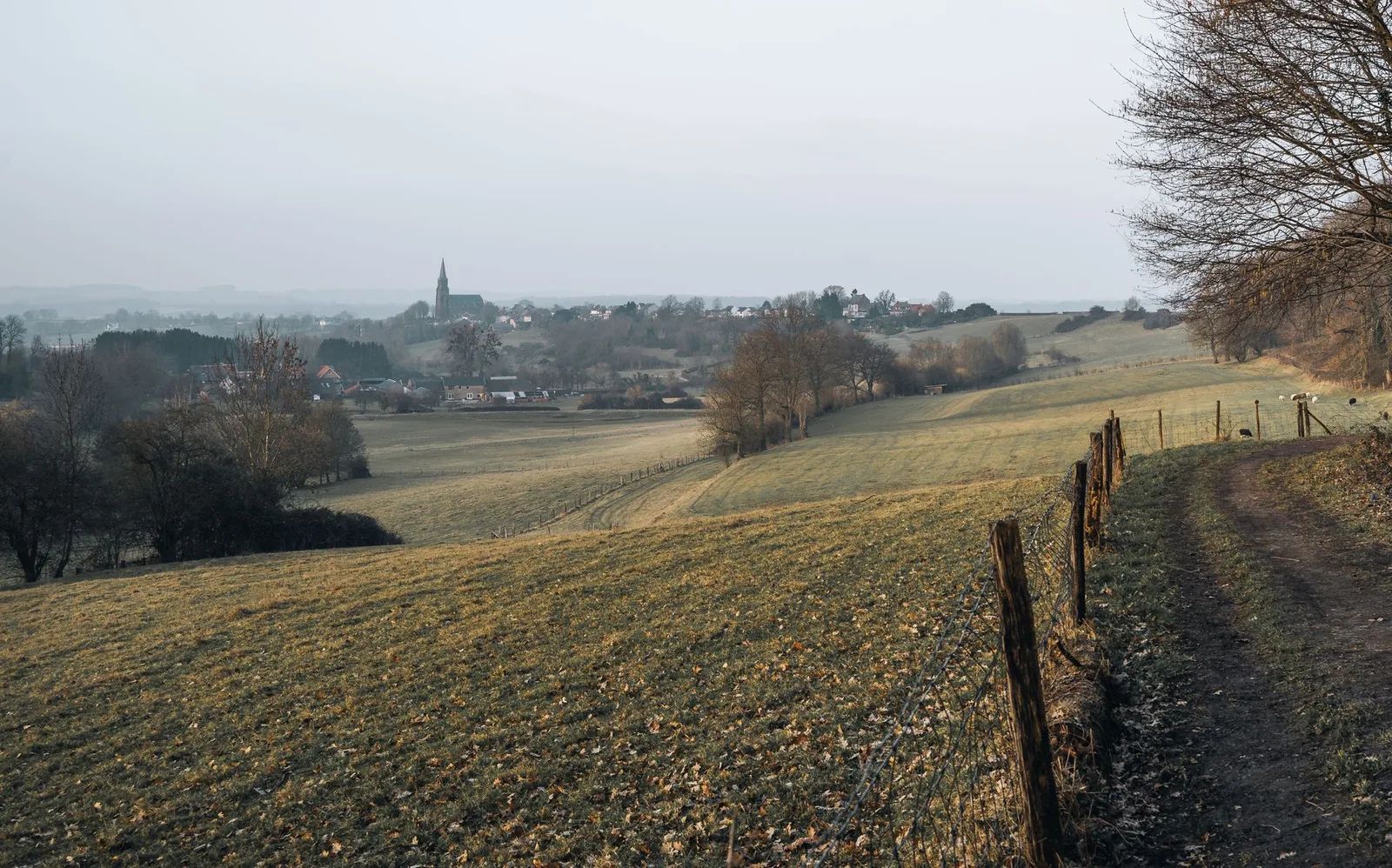
The least Dutch-looking part of the Netherlands: rolling hills, half-timbered villages and sunken lanes. First-time visitors barely recognise the country.
Lakes, language and its own pace
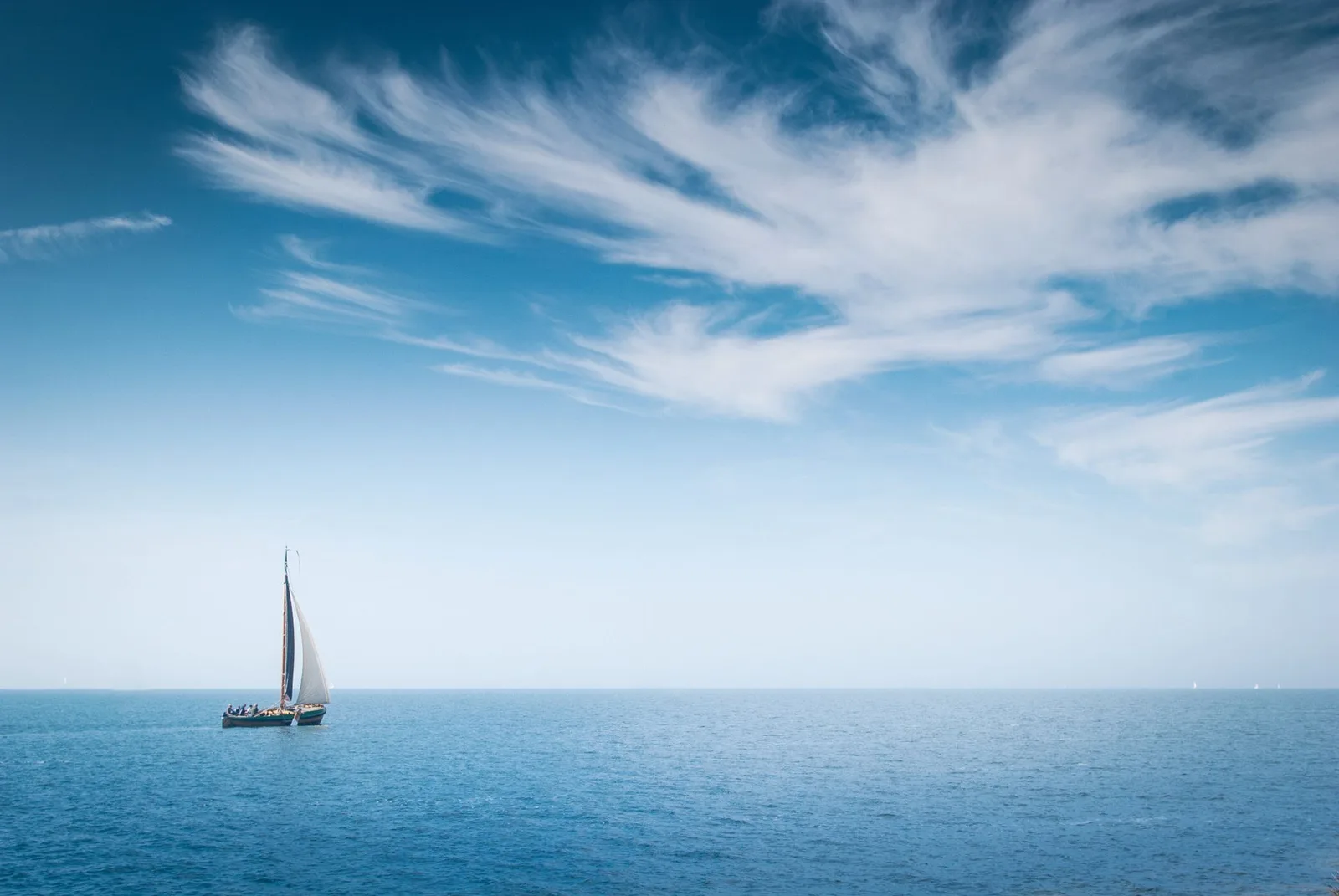
Its own language, a different kind of water, lakes instead of canals, and a landscape that spreads out rather than stacks up. Friesland feels more independent than the rest of the country.
Woods, heath and country estates
Proof that the Netherlands isn't only flat: sweeping woods, heathland and country estates, with wildlife that rarely shows itself but is unmistakably there.
The Netherlands is the foreign country we forget to visit.Until we do.



A country that keeps reinventing itself.
Few countries have such a direct relationship with their own landscape. What's called nature here is often partly designed, and precisely because of that, surprisingly alive.
The Wadden Sea
A World Heritage site that looks different every day: at low tide a landscape of mudflats and channels, at high tide completely submerged. Mudflat walking here feels like the land demonstrating itself.
The Zeeland Delta
Commemorated and rebuilt after the 1953 flood disaster: the Oosterscheldekering storm barrier is engineering that has become landscape in its own right, backed by one of the richest tidal seas in Europe.
The Veluwe
One of the largest continuous nature reserves in Western Europe, home to European bison, red deer and wild boar that rarely show themselves but shape the area all the same.

The Netherlands at a different pace
No fixed route, no day-by-day schedule. Just a number of ways to experience the country differently than from a car on the way to the coast.
Cycling as second nature
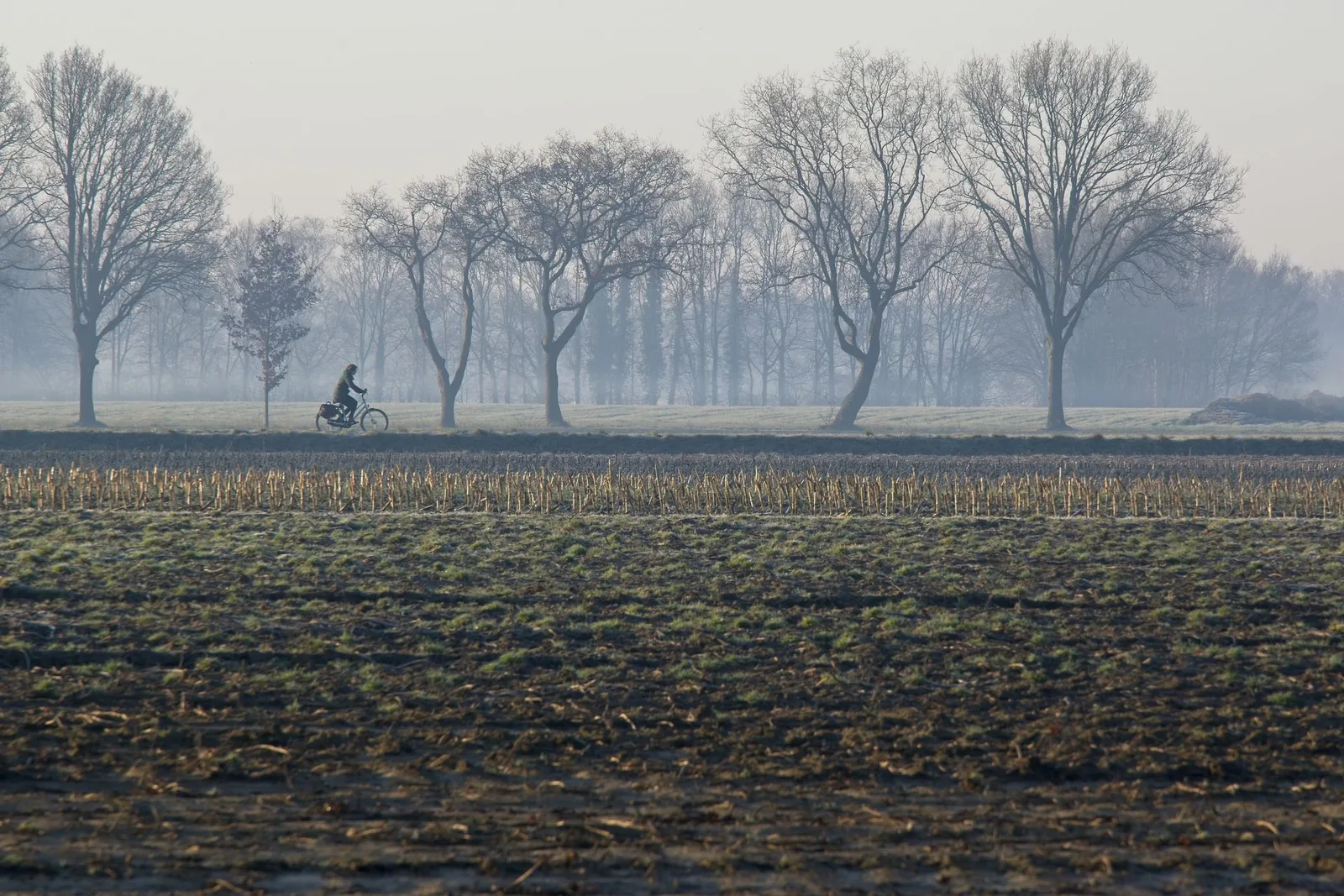
Not as a sporting feat, but as the most natural way to move from village to polder to dune, on paths that were built for exactly that, long before tourism arrived.
Mudflat walking with a guide
A walk across the seabed that won't exist in a few hours' time. Only possible with a real understanding of the tide, and precisely for that reason an experience that can't be rushed.
Historic cities beyond Amsterdam
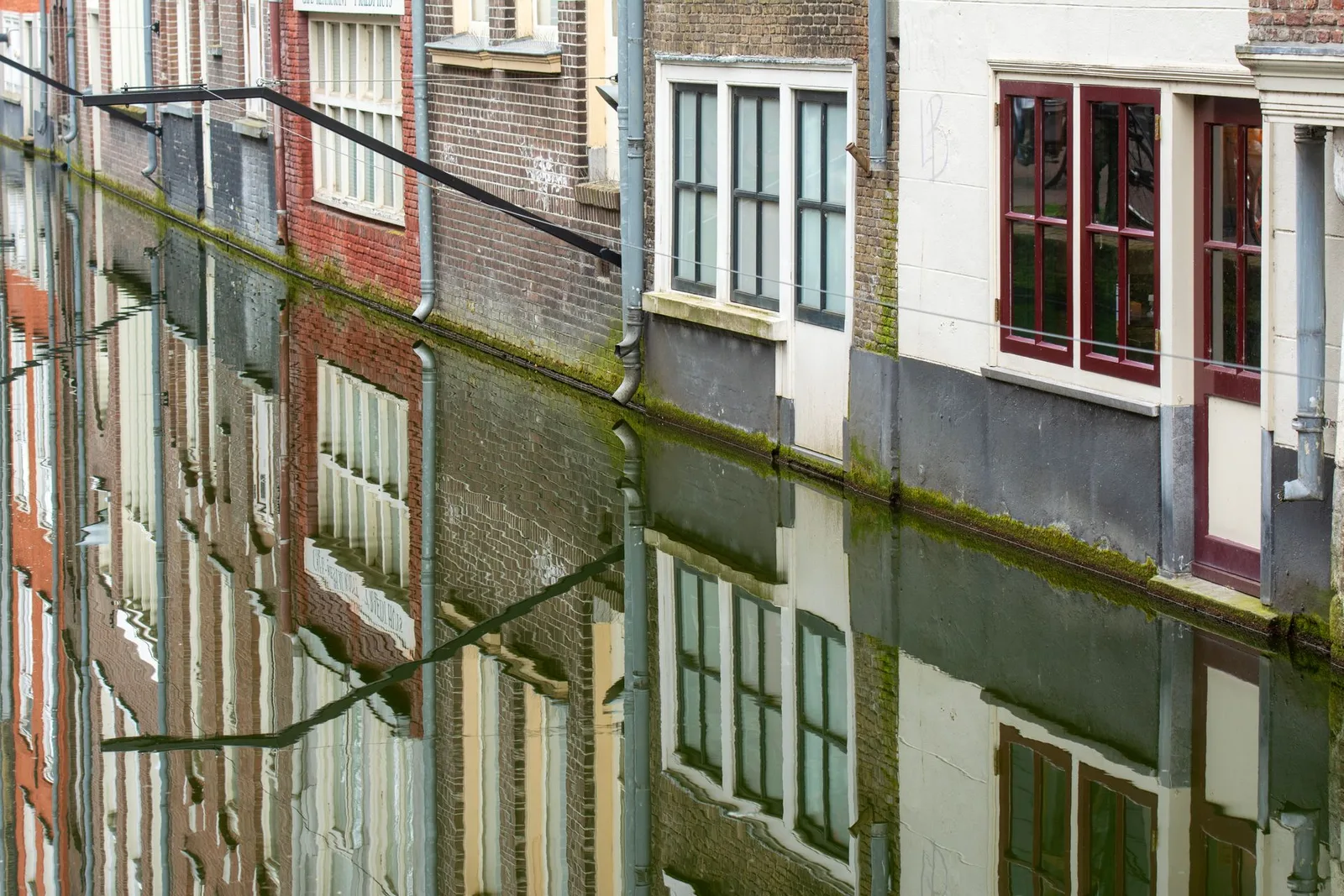
Delft, Utrecht, Leiden, Deventer: cities with the same canal-side architecture, without the crowds that now come with the capital.
What the land produces itself
Zeeland oysters and mussels straight from the grower, Limburg vlaai from the bakery around the corner, cheese from farms that still milk their own cows.
Sailing the Frisian lakes
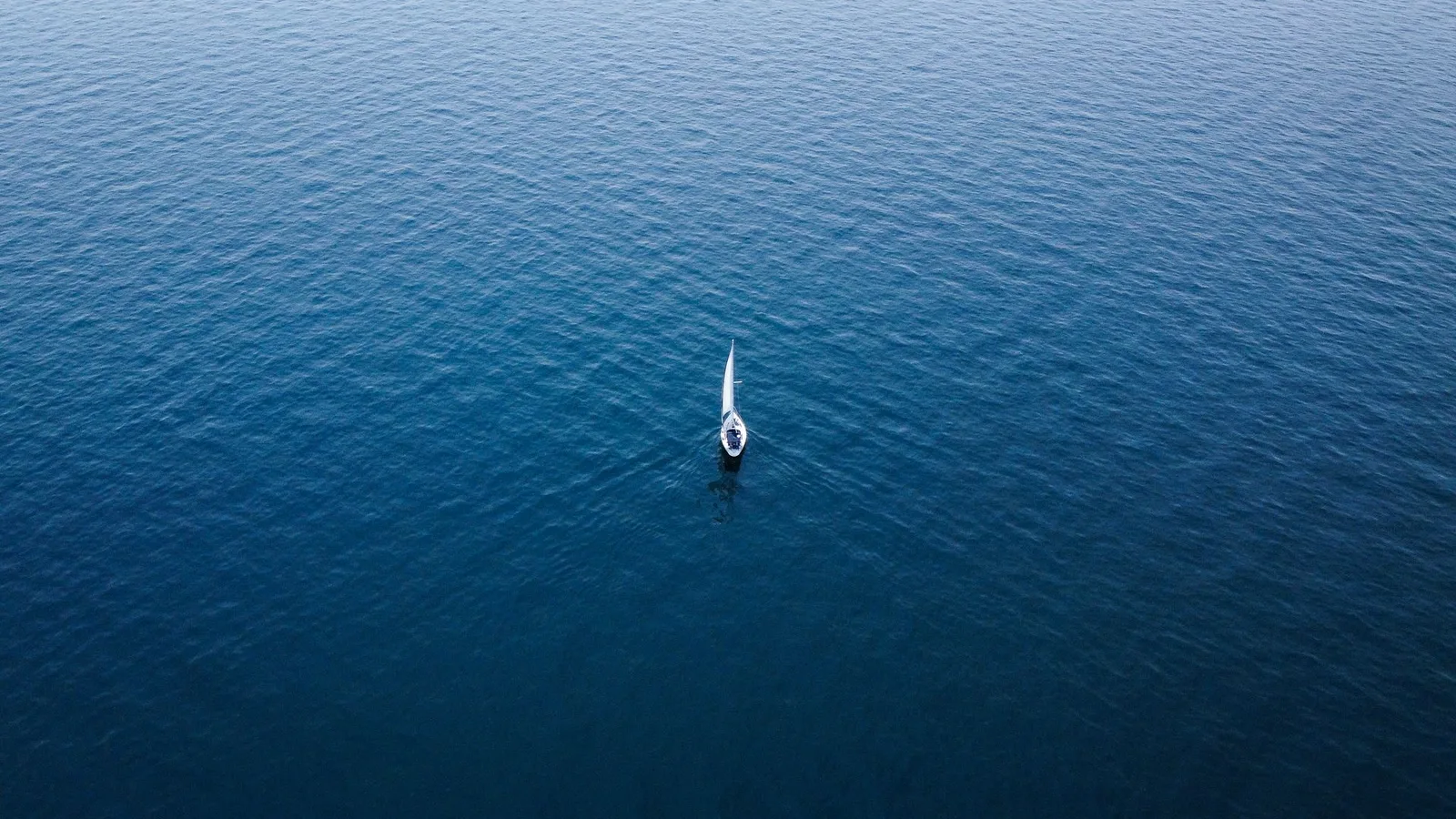
Quieter and stiller than the canals of Amsterdam: a chain of lakes where you can sail all afternoon without seeing another boat.
None of these experiences stand alone. Together they're the starting point for a conversation about what you're looking for in the Netherlands.
Just as much love for an empty polder as for a busy canal.



When you go decides what you see.
The Netherlands has no genuinely bad season to travel in, but it does have clear peaks: May, June and September show the country at its best, and May and September do so without the summer crowds, while the winter months call for a different kind of trip. Shorter days, but with a quiet of their own.
Best time to visit The Netherlands
Who else is at their best in these months?
May June September
Use the contact form to discuss your travel dates and preferences with us.
Practical, without the noise.
The practical side of travelling close to home. Less complicated than for a far-flung destination, but not unimportant.
Getting there
By car or train, with no stopover and no time difference
Documents
A valid ID card is sufficient, the Netherlands is part of Schengen
Language
Dutch, with English as an effortless alternative in almost every situation
Pace
The bicycle sets the rhythm in many regions. Expect a slower pace than by car
Health
No special precautions needed; medical care is of a high standard
Frequently asked questions
Isn't the Netherlands just Belgium with more water?
The language and the proximity make it feel familiar, but the landscape, the way water is governed and the rhythm of daily life differ more than the short distance suggests.
Isn't it always busy, especially in Amsterdam?
In central Amsterdam it can be. Away from the best-known squares, and certainly outside the capital, it's far quieter than you'd expect.
Can a trip to the Netherlands work without a cycling tour?
Certainly. Cycling suits the country well, but it isn't a requirement. A trip can just as easily centre on water, architecture or quiet.
What if the weather doesn't cooperate?
A changeable day is part of the Netherlands. We account for that when putting a trip together, with plenty to do whatever the weather.
- Travel time from Belgium
- Usually two to four hours by car, and often faster by train than by plane
- Language
- Dutch. English is spoken effortlessly almost everywhere
- Time difference
- None
- Elevation range
- From -6.7 metres in the Zuidplaspolder to 322 metres at the Vaalserberg, in the European Netherlands
- Best time to travel
- Late April to early October, with a slight preference for May and September