

Six thousand islands, and almost nobody looks past three of them.
Every island is a different Greece, and the mountainous mainland remains unknown territory to most visitors. Anyone who knows only Santorini knows an exception: a small volcanic island with a photogenic shape that happened to become the image of an entire country.
The reality is more varied. Crete is almost a country of its own, with a cuisine and a dialect that owe little to Athens. The Peloponnese is densely forested and historically densely settled at once, Mycenaean burial mounds next to olive groves that have stayed in the same family for generations. And then there is Epirus, where the Pindus mountains disappear into cloud and villages like Papingo sit at the end of a winding mountain road.
We don't look for the image of Greece, because it doesn't exist. We put together a route from the islands and regions that suit whoever is travelling: an archipelago tailored to you, not a postcard.
In short
Best time to go
May and June, and September to mid-October: warm and dry, but less hot and crowded than July and August on the Cyclades. Winter stays mild in Athens and on Crete, while the mountains of Epirus can see snow.
How long
Ten days to two weeks for two or three islands or regions. Ferry timetables depend on the season and the weather, so build in slack and choose fewer crossings.
Who it suits
For travellers who want to combine islands with the mainland, from the Pindus mountains of Epirus to the olive groves and Mycenaean sites of the Peloponnese, and who prefer to take their time.
What sets it apart
Greece has around 6,000 islands and islets, of which just over 200 are inhabited, spread across the Aegean and Ionian Seas. Ferries and domestic flights largely set the rhythm of a trip here.
Greece is not a country with islands.It is a collection of countries that happen to share the same sea.
Every island carries its own weight, and the mainland carries just as much.
We rarely think of 'Greece' as one whole, but as regions that have little in common with each other, in landscape, cuisine and pace.
Peloponnese
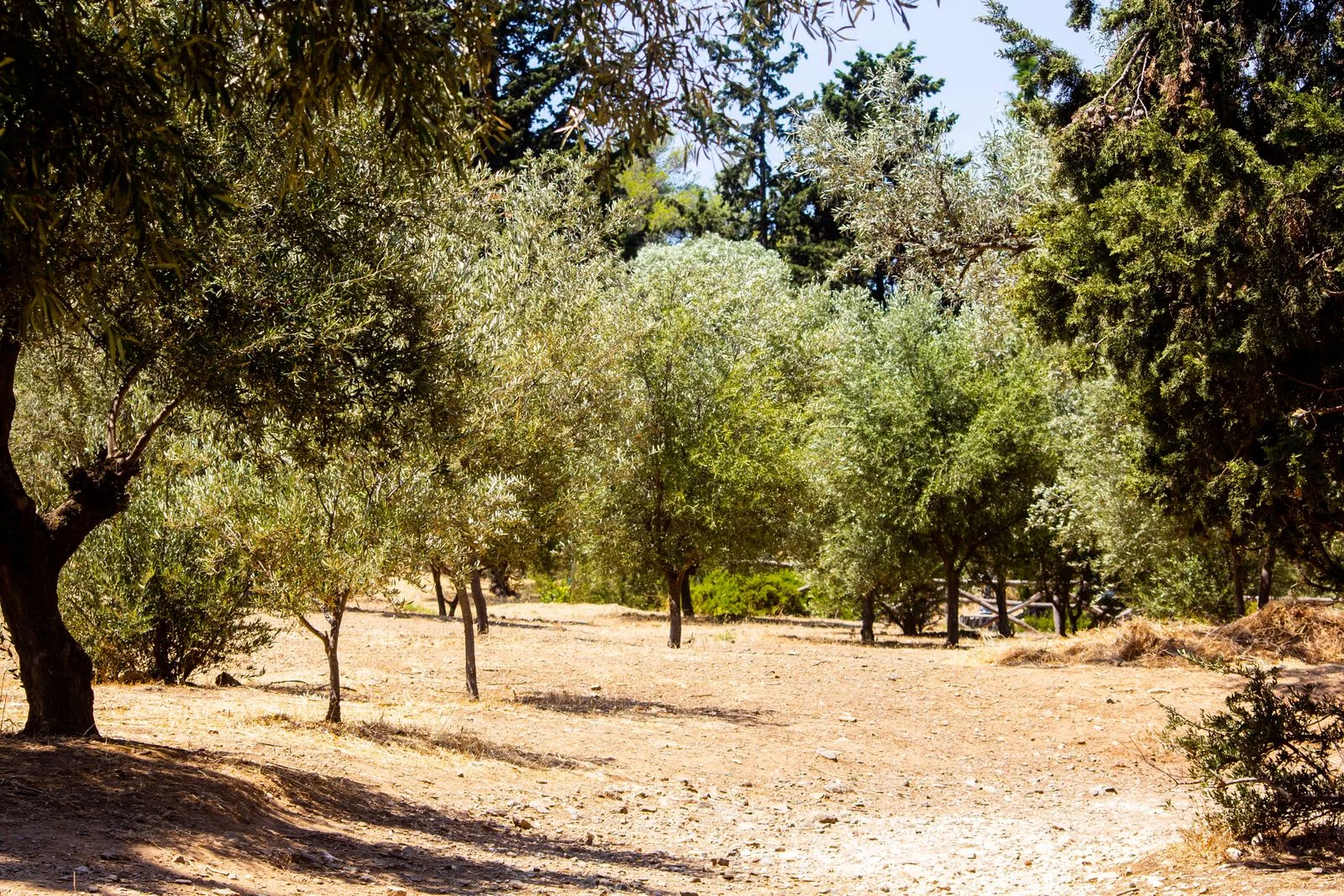
More densely forested and closer to antiquity than most visitors expect. Mystras, the tip of the Mani peninsula and olive groves that have stayed in the same family for centuries, a stone's throw from the mainland.
Epirus & the Pindus
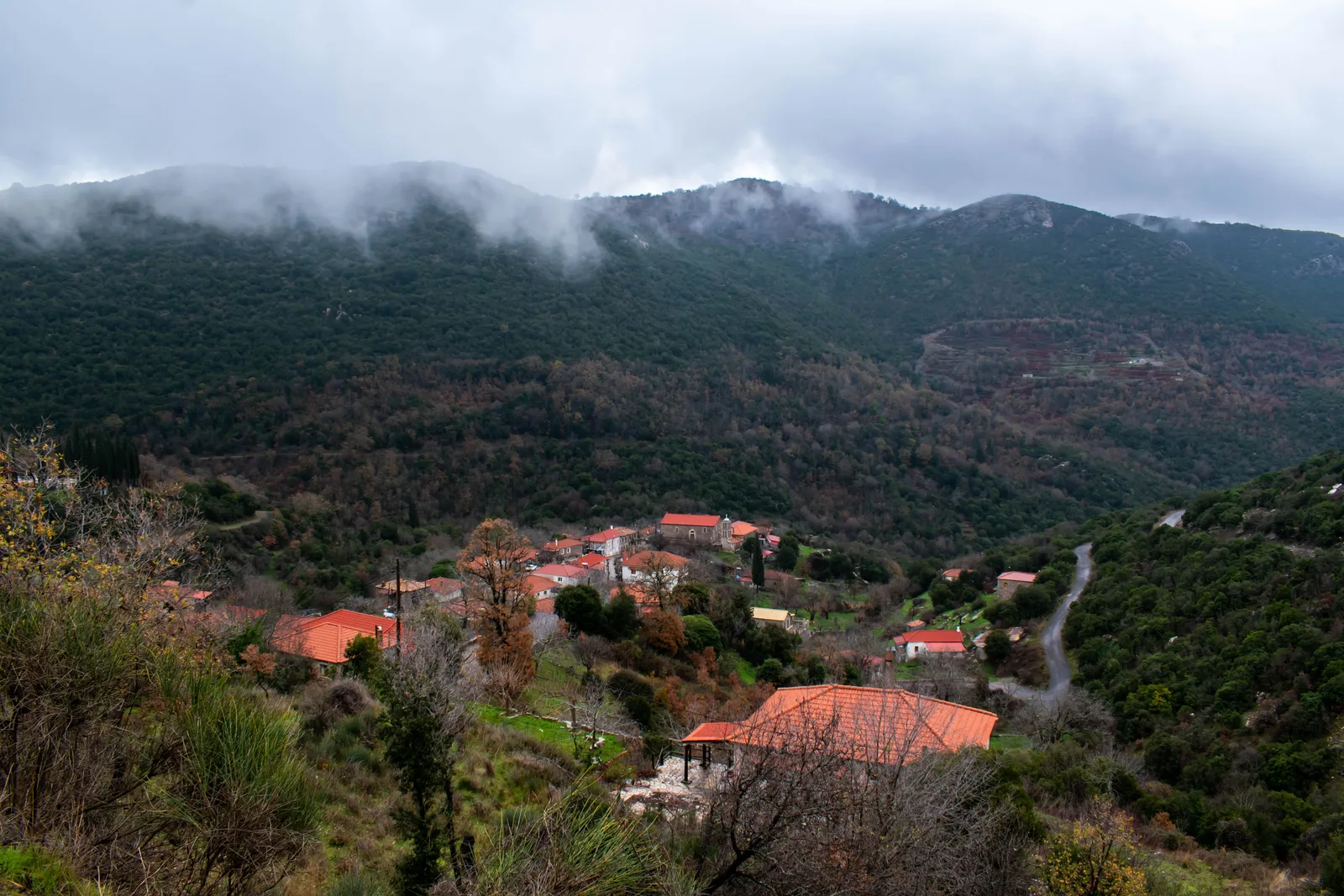
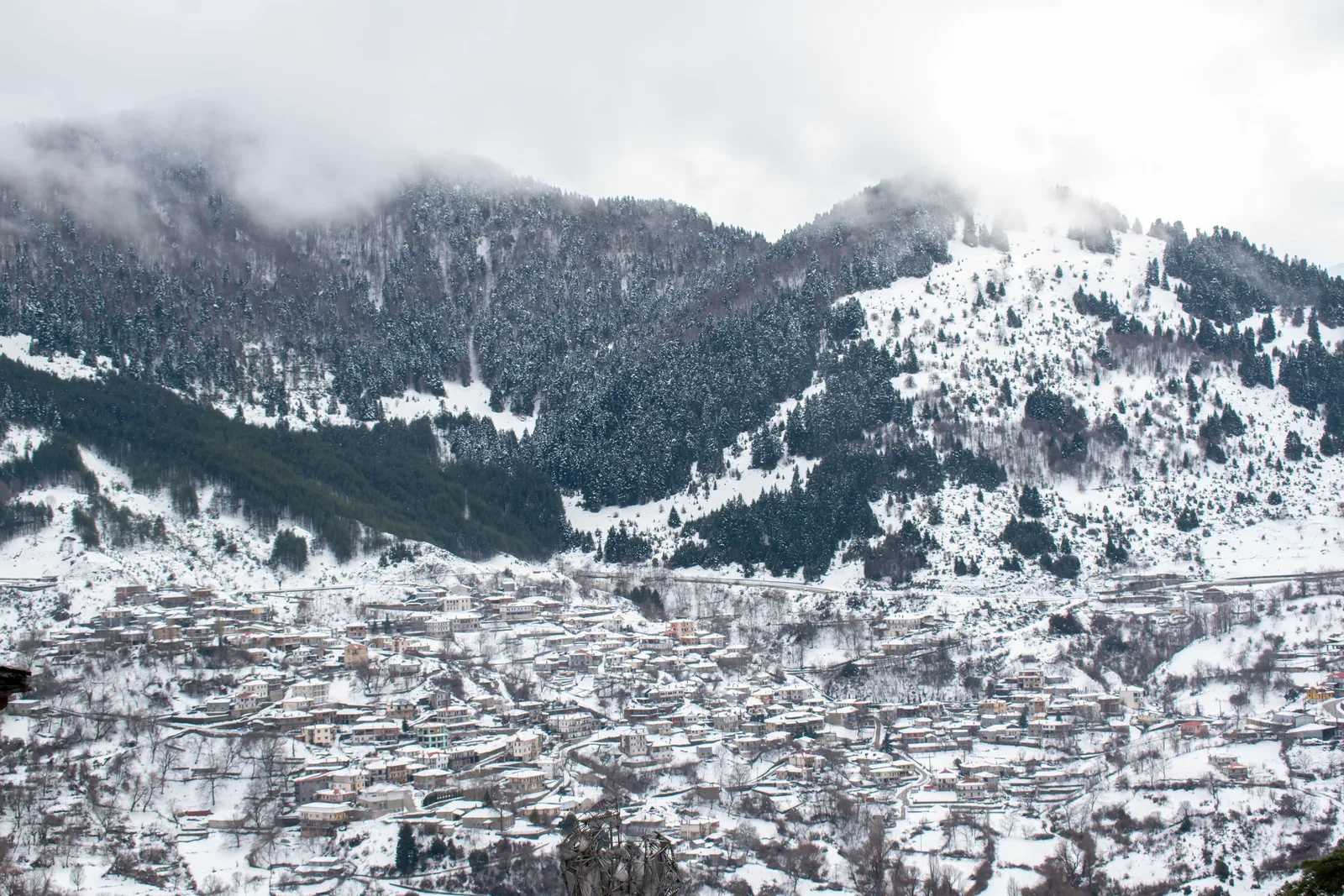
The Greece that most guidebooks skip. Zagorochoria, the Vikos Gorge and slate villages where winter is still properly winter.
Crete
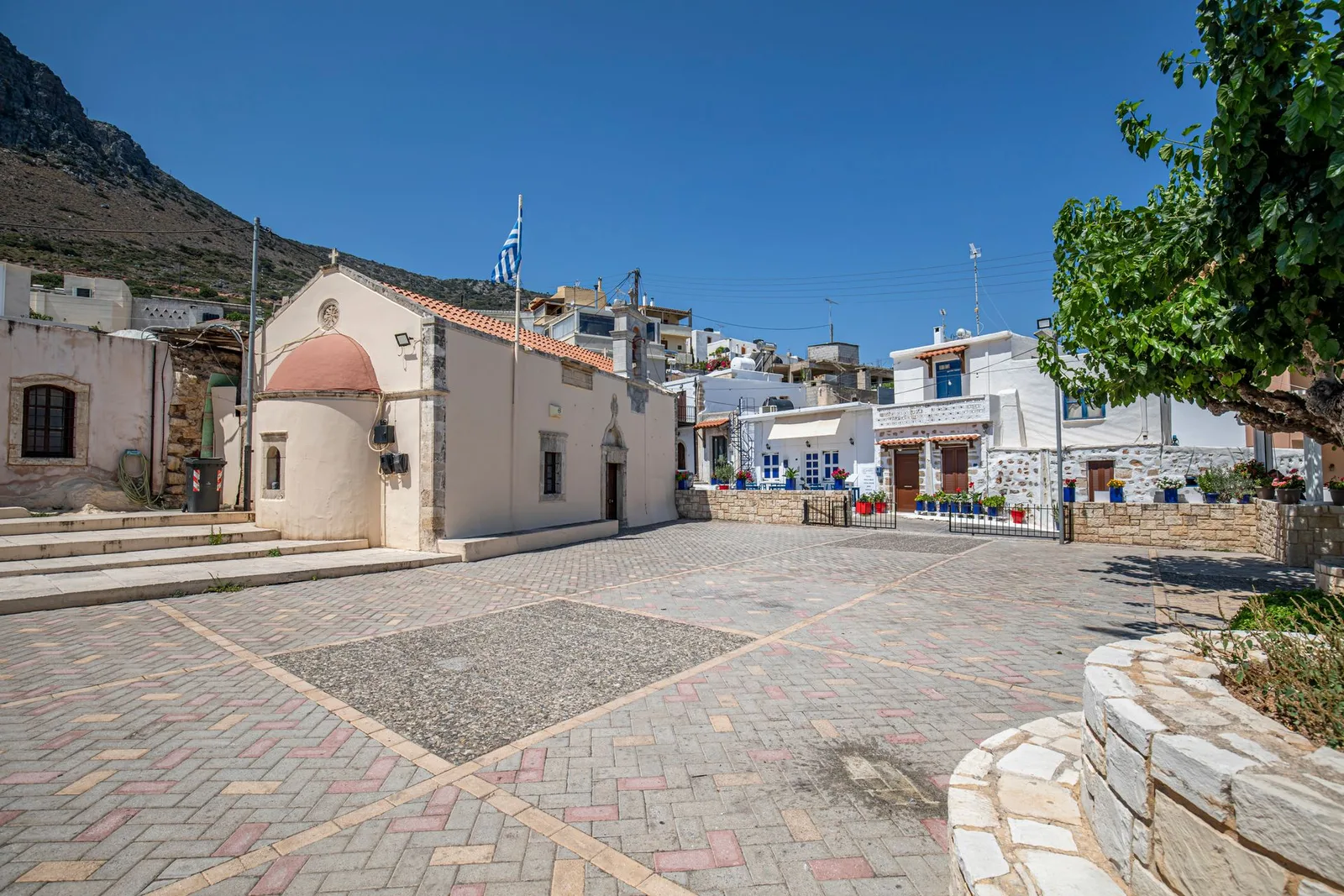
Large enough to be a country in itself. A cuisine, a dialect and a mountain range, the White Mountains, that owe little to the rest of the country.
The Cyclades beyond Santorini
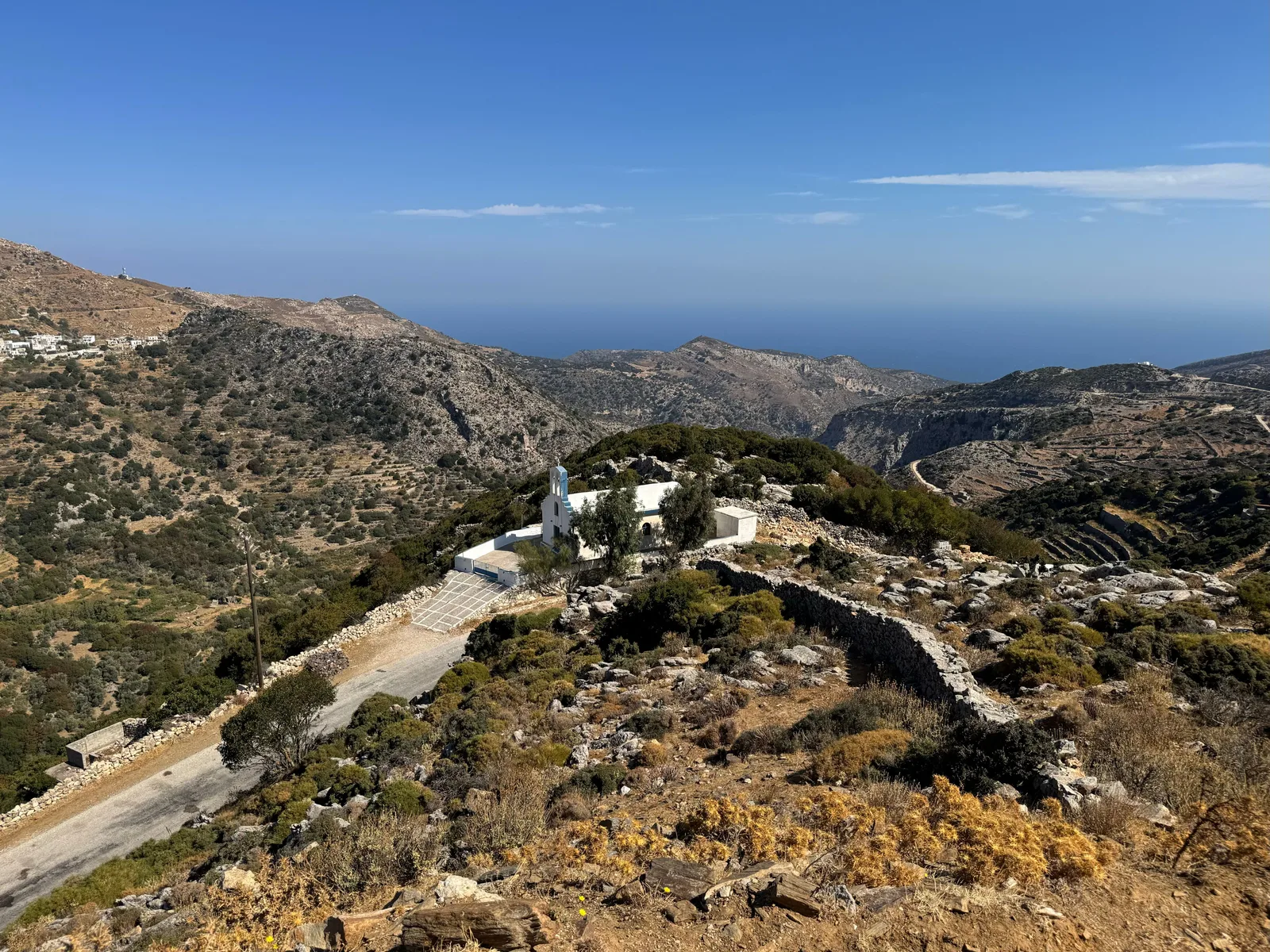
Naxos has farming valleys, Milos has volcanic cliffs, Folegandros has little more than quiet. The same island group, an entirely different pace.
Dodecanese
Close to Turkey, with a history of Italian and Ottoman layers. Karpathos and Symi keep traditions that have long since faded elsewhere.
North Aegean islands
Lesbos with its centuries-old olive trees and ouzo distilleries, Chios with its mastic villages: islands that rarely make anyone's list, and still deserve to.
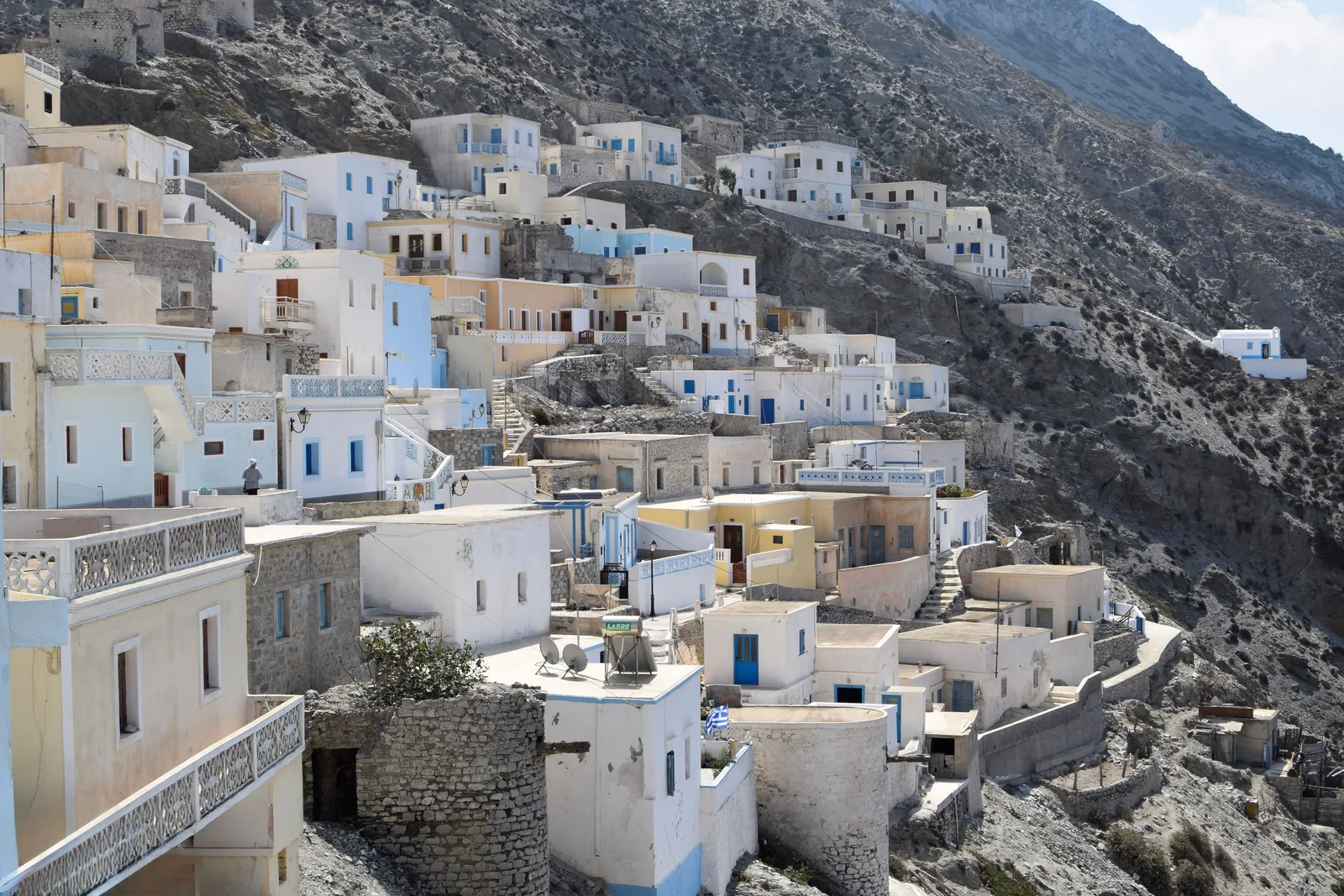
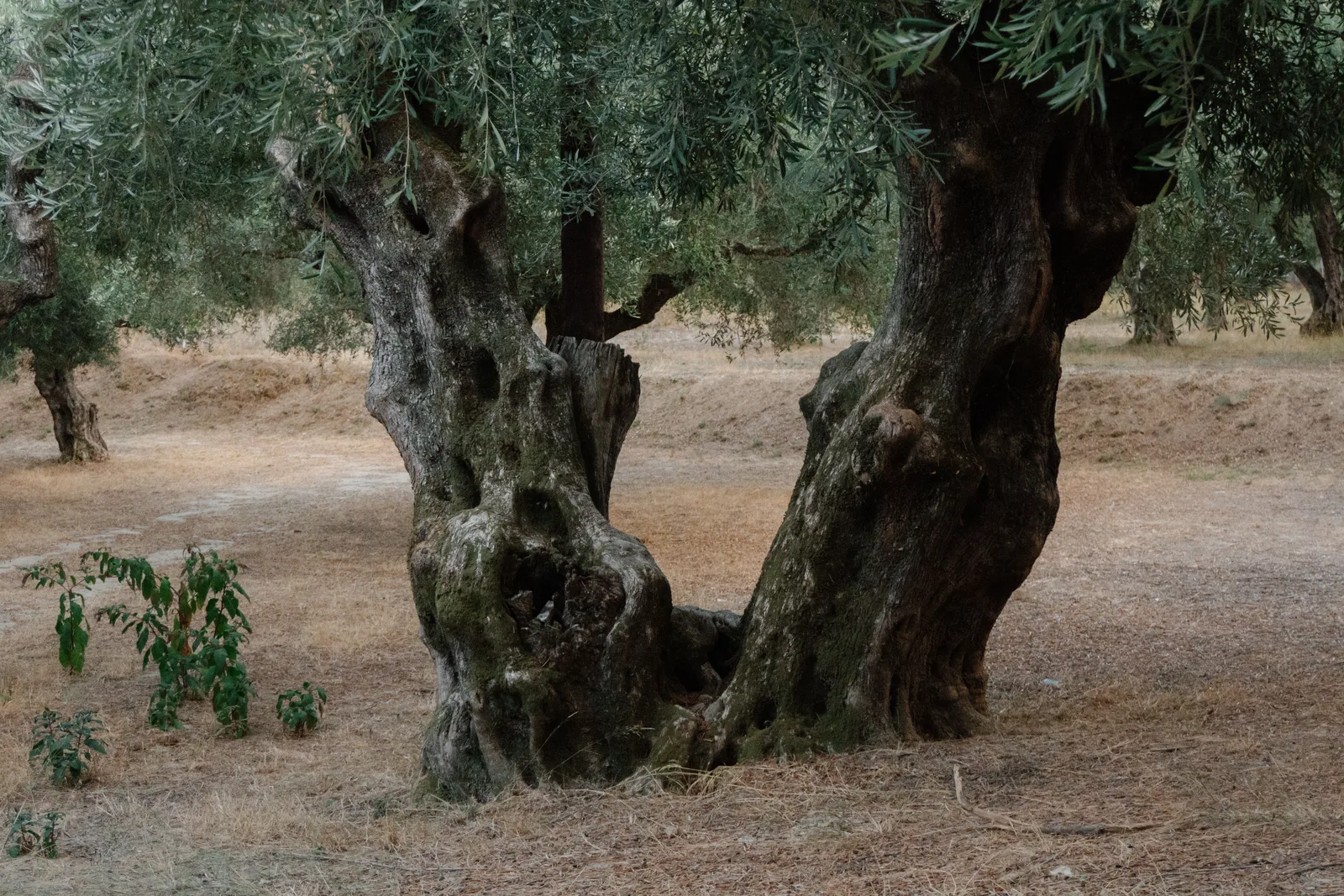
Philoxenia is not a word for the brochure.
In Greece, hospitality towards the stranger, philoxenia, is not a marketing term but a social duty older than the country itself. It rarely shows itself in grand gestures, more often in an extra plate of meze that nobody ordered, or a taverna owner explaining where the bread came from.
The cuisine varies from region to region more than most visitors expect. Cretan dakos with wild herbs is a different thing from the stuffed pies of Epirus, and the smoked syglino of the Mani tastes like nothing you'll find in Athens.
We look for tables where that difference is still tangible: family businesses, no menu in five languages, dishes that change with the season because the market does too.
Within two hours' drive from snow-capped peaks to a deserted bay.

The other Greece isn't wet, it's high.
The sea draws the attention, but more than three quarters of the country is mountainous. Anyone who thinks of Greece as only beach misses half the story.
The Pindus
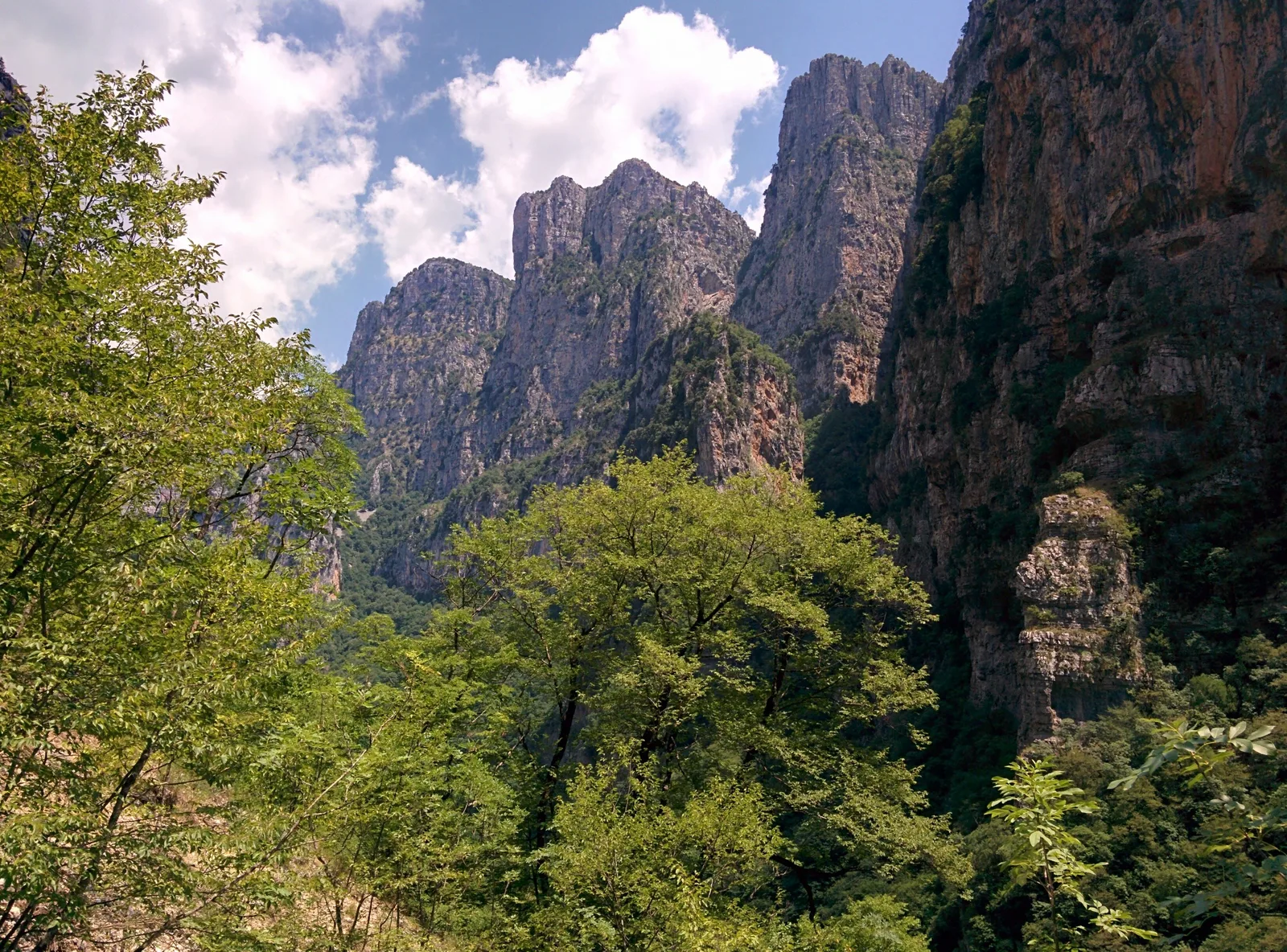
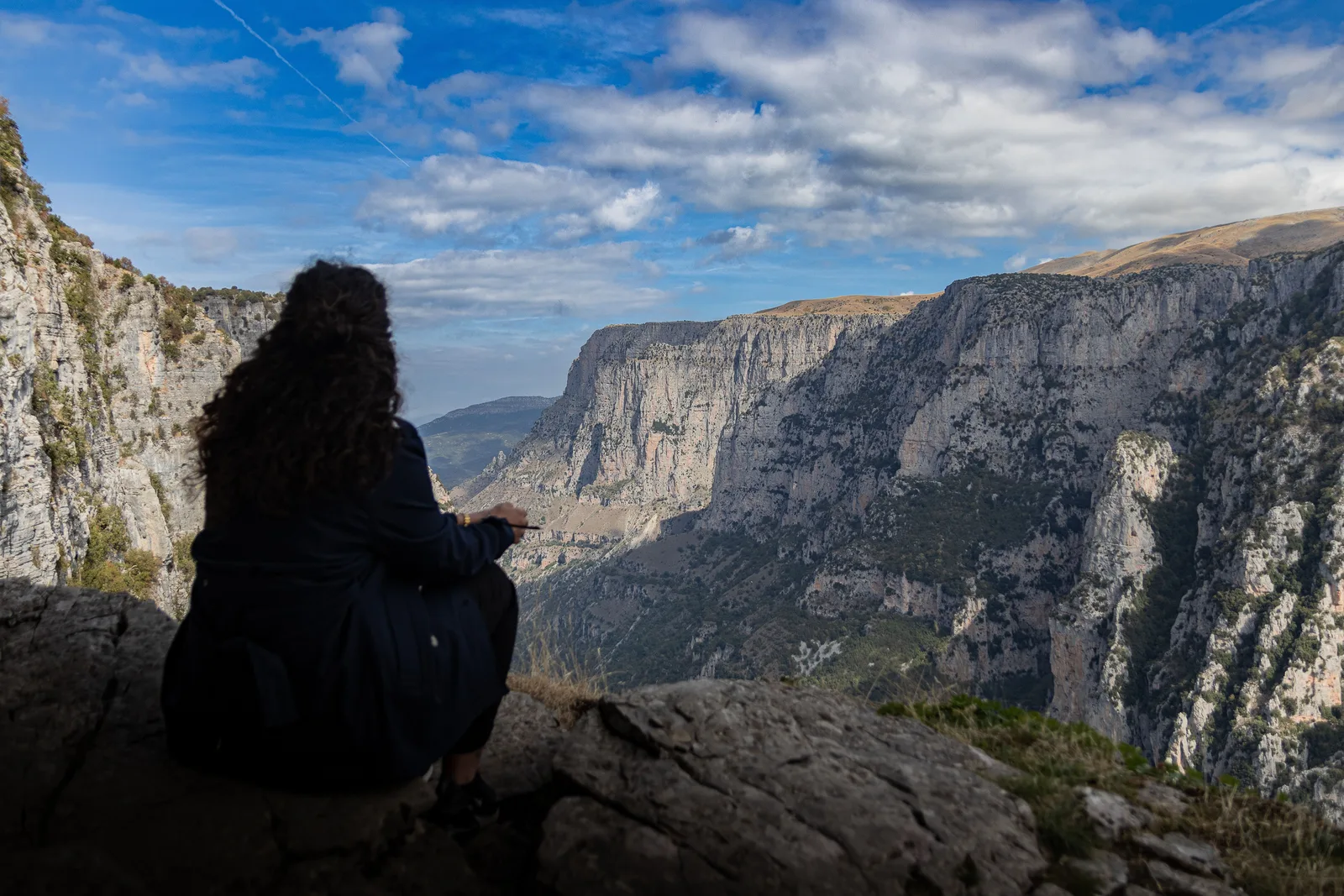
A mountain range that stretches across nearly the entire mainland, with the Vikos Gorge among the deepest in Europe. Trails here run between villages, not between viewpoints.
The Aegean coast
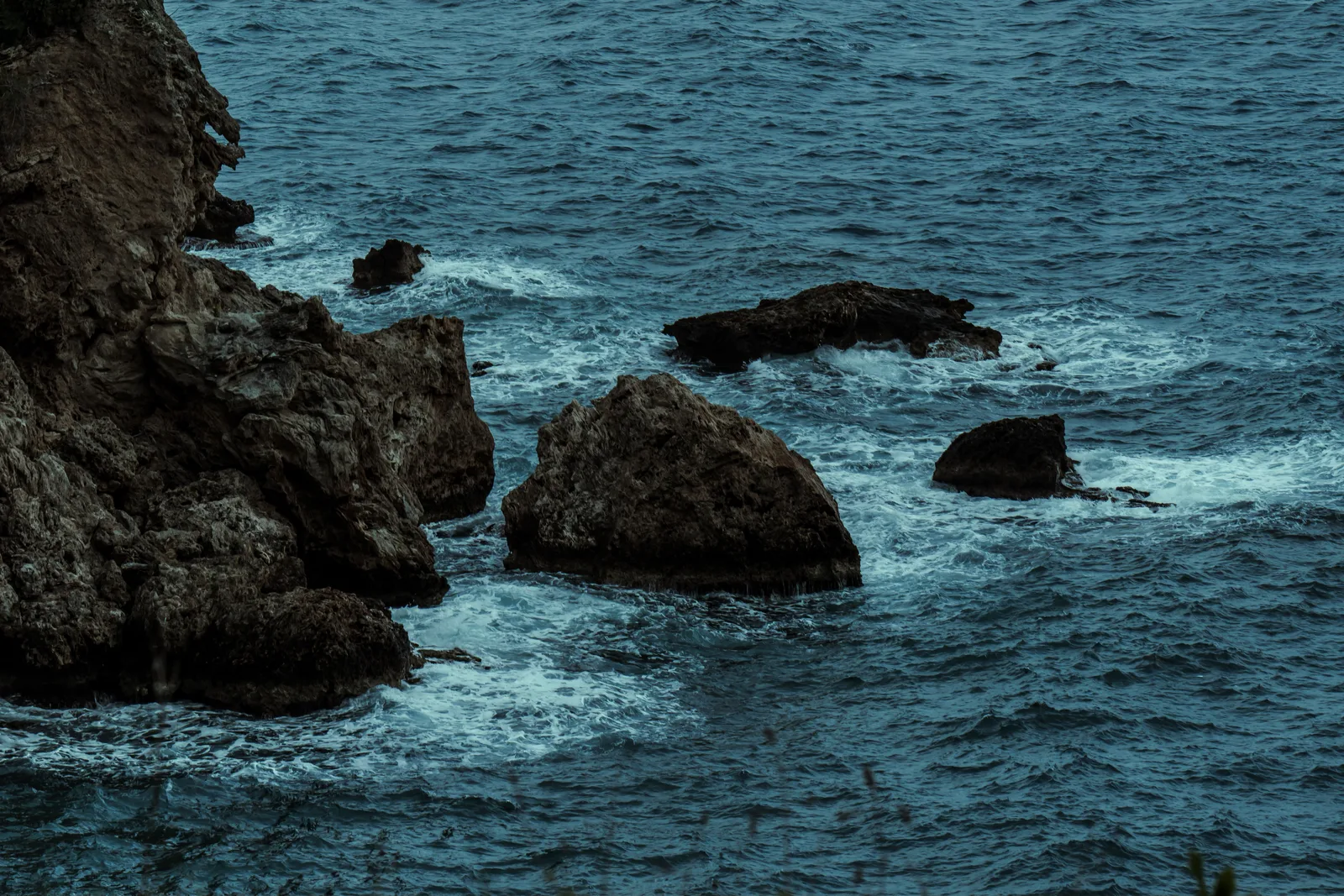
Thousands of kilometres of coastline mean the busy beaches are easy to avoid. Sea caves, pebble bays and fishing villages often lie within walking distance of the well-known spots.
The countryside
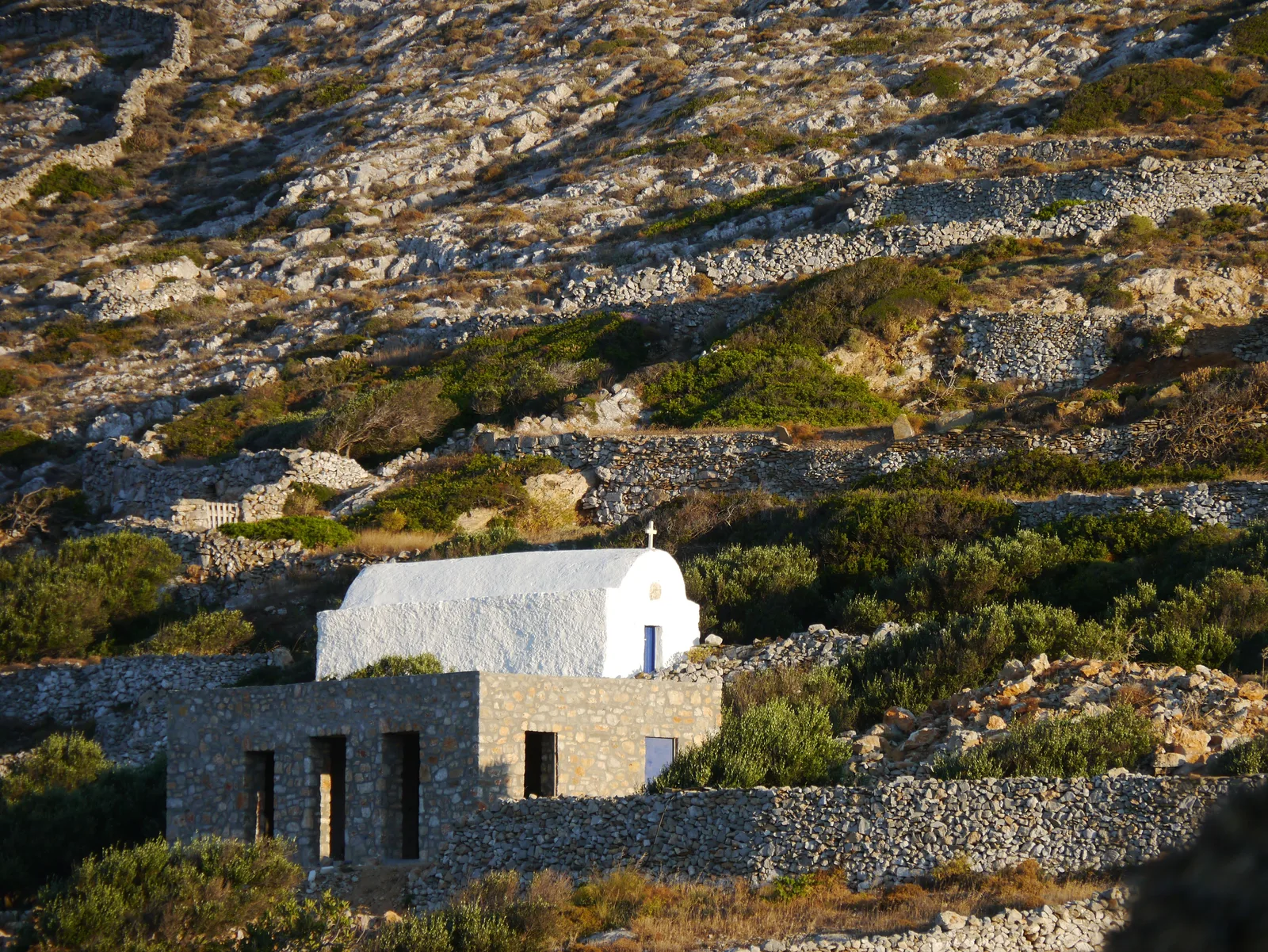
Dry-stone terrace walls, olive groves sometimes older than the country itself, and a farming rhythm that largely ignores tourism.
Possibilities, not a programme
No day-by-day schedule. Rather a number of directions a journey through Greece can take, depending on what someone is looking for.
Walking in Zagorochoria
Stone arched bridges and path after path through the Vikos Gorge, between villages that only got a paved road in the last few decades.
Sailing between small islands
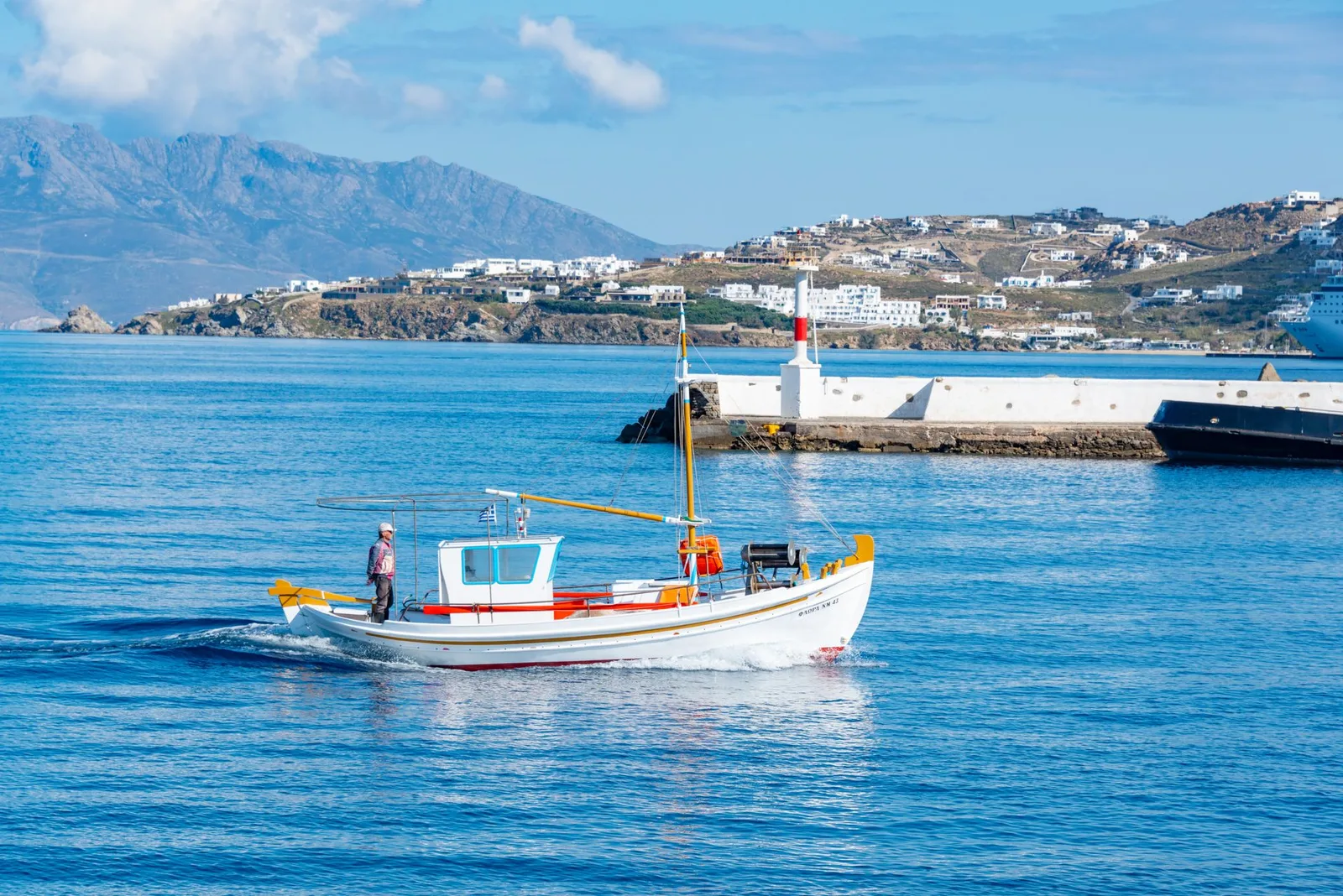
Islands without a regular ferry service, reached with a local skipper who knows the currents and the hidden bays.
At the producer's
Watching an olive oil pressing on Crete, or seeing how a potter on Sifnos still works the same clay as generations before him.
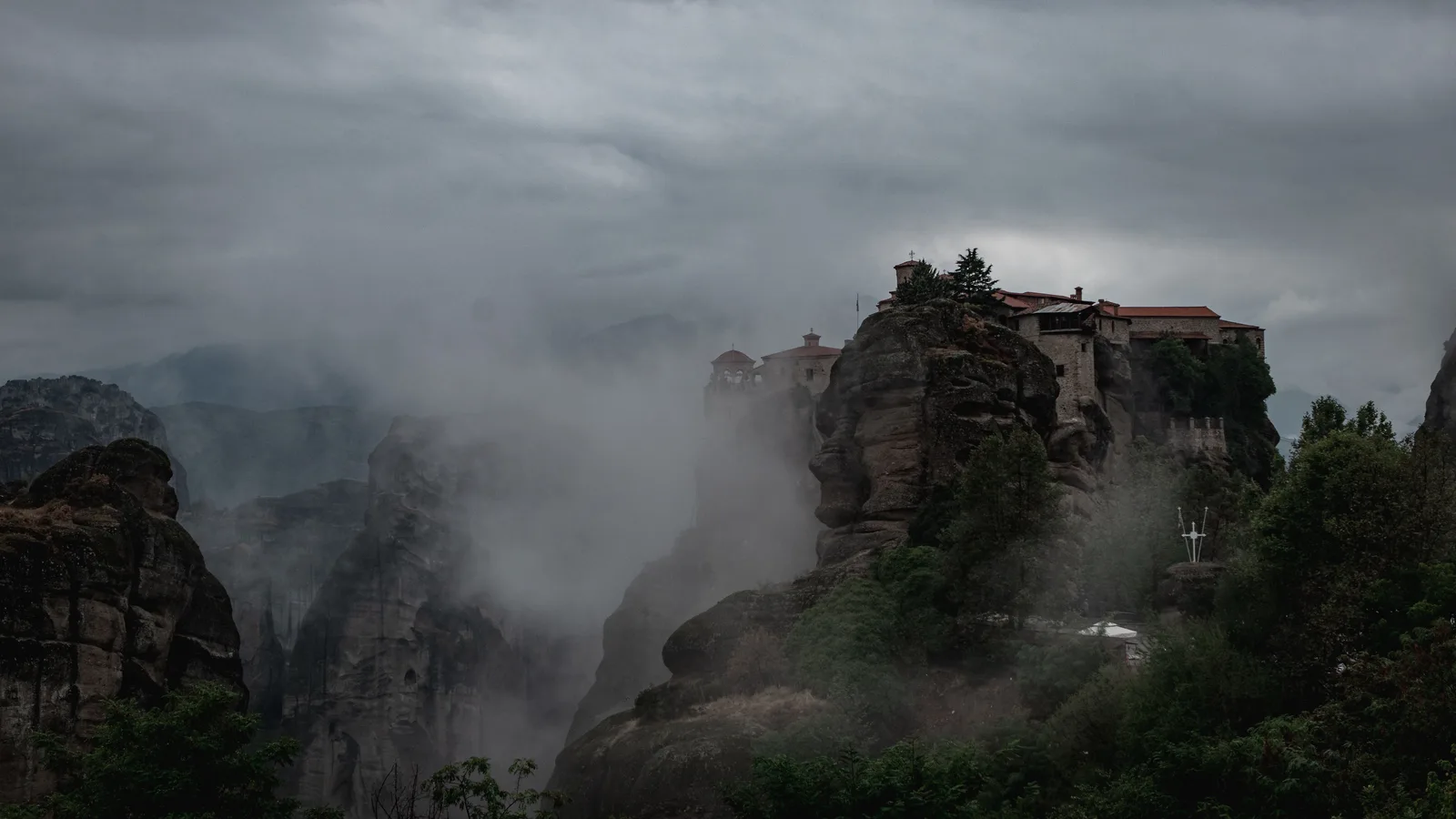
Meteora at sunrise
The monasteries on the rock pillars look different an hour before the first coaches arrive, quiet, and without the usual crowds.
Diving at archaeological sites
Shipwrecks and sunken settlements off the coast of Crete and the Dodecanese, guided by local dive centres that know the sites.
These are possibilities.Not your journey.

When to travel to Greece
Late April to mid-June and September to mid-October usually offer the best balance: pleasant weather, less crowding on the well-known islands. July and August are warm and lively, but the Cyclades and Dodecanese are then at their busiest. The mainland and mountain regions stay quieter. Winter is mild in Athens and on Crete, colder and sometimes snowy in Epirus and the Pindus.
Best time to visit Greece
Who else is at their best in these months?
May June September October
Use the contact form to discuss your travel dates and preferences with us.
Papingo, in the Pindus: here begins the Greece that most guidebooks skip.
Practical, without the noise.
A few practical points that make a difference when planning a route through Greece.
Getting there
Direct flights to Athens, Thessaloniki and a few larger islands; smaller islands often reached by ferry or domestic flight
Documents
A Belgian identity card is sufficient within the EU
Health
No specific vaccinations required; European health insurance card valid
Pace
Ferry schedules are seasonal and sometimes weather-dependent. Build slack into the route
Car hire
Recommended on most islands and on the mainland; roads in mountain regions can be narrow and winding
- Flight time
- About 3 to 3.5 hours, depending on destination
- Languages
- Greek; English widely spoken in tourist areas
- Time difference
- None, same time zone as Belgium
- Islands
- Around 6,000, of which roughly 230 are inhabited
- Best period
- Late April to mid-October, strongly island-dependent