

An archipelago, not an island.
Thousands of islands, no two alike, an archipelago that reaches far beyond the Bali most people know. Java's volcanoes smoke above centuries-old temples, in Sulawesi the Toraja still bury their dead by rules no one imposed on them, and between Flores and Papua stretches a sea you could sail for days without seeing the same coastline twice.
Treat 'Indonesia' as a single destination and you miss the point. We prefer to think in regions: which part of this country suits the traveller's pace, interests and curiosity. Sometimes that means one island, thoroughly. Rarely does it mean the whole country.
In short
Best time to go
May to September, the dry season for Java, Bali, Lombok and Flores. In the Moluccas and parts of Sulawesi the rain falls in exactly those months, so it depends on the island.
How long
Two to three weeks for two, at most three regions. Every domestic flight or boat trip between islands takes time, so fewer moves pay off.
Who it suits
For travellers who want to look beyond Bali: volcanoes and temples on Java, Toraja culture in the Sulawesi highlands or sailing between Flores and Komodo, taking their time in each region.
What sets it apart
Indonesia spans three time zones and has more than seven hundred languages. Komodo, Rinca and the west coast of Flores are home to the Komodo dragon, which lives in the wild nowhere else in the world.
More than seven hundred languages under one flag.
In a Javanese kraton, gamelan music still plays daily and batik is still drawn by hand, a court culture centuries older than the country later drawn around it. By Lake Toba, the Batak live by their own marriage and funeral traditions, while the Minangkabau in the highlands of West Sumatra form one of the largest matrilineal societies in the world, where property and family name pass down through the mother's line.
'Bhinneka Tunggal Ika', unity in diversity, sits on the national emblem for good reason. It is not a marketing slogan. It is a precise description of a country where Muslim, Hindu, Christian and animist beliefs exist side by side, and where the distance between two islands is often a cultural border too.
Six different Indonesias.
Each island has its own rhythm, faith and landscape. A selection of where we see the difference most clearly.
Java
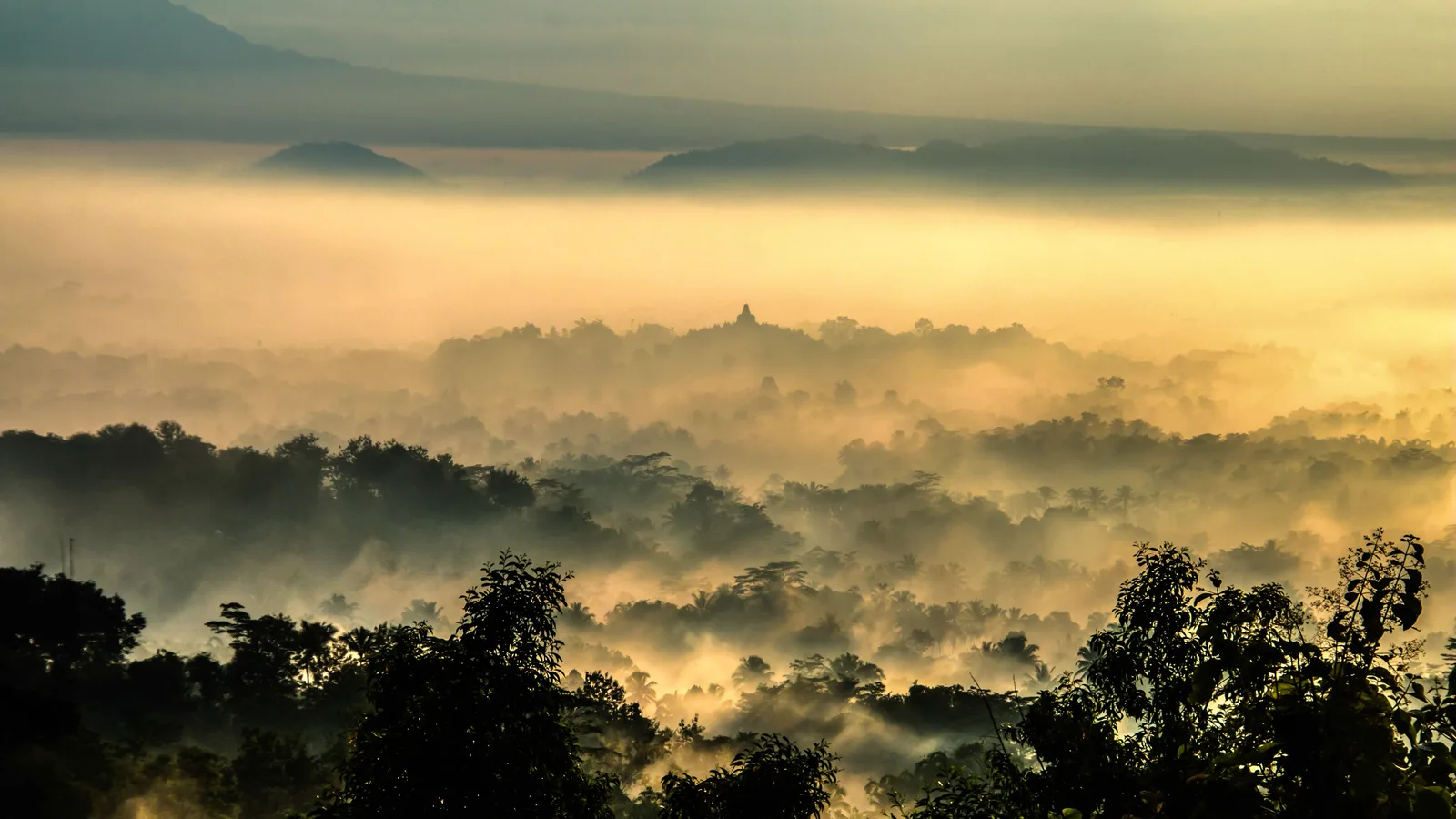
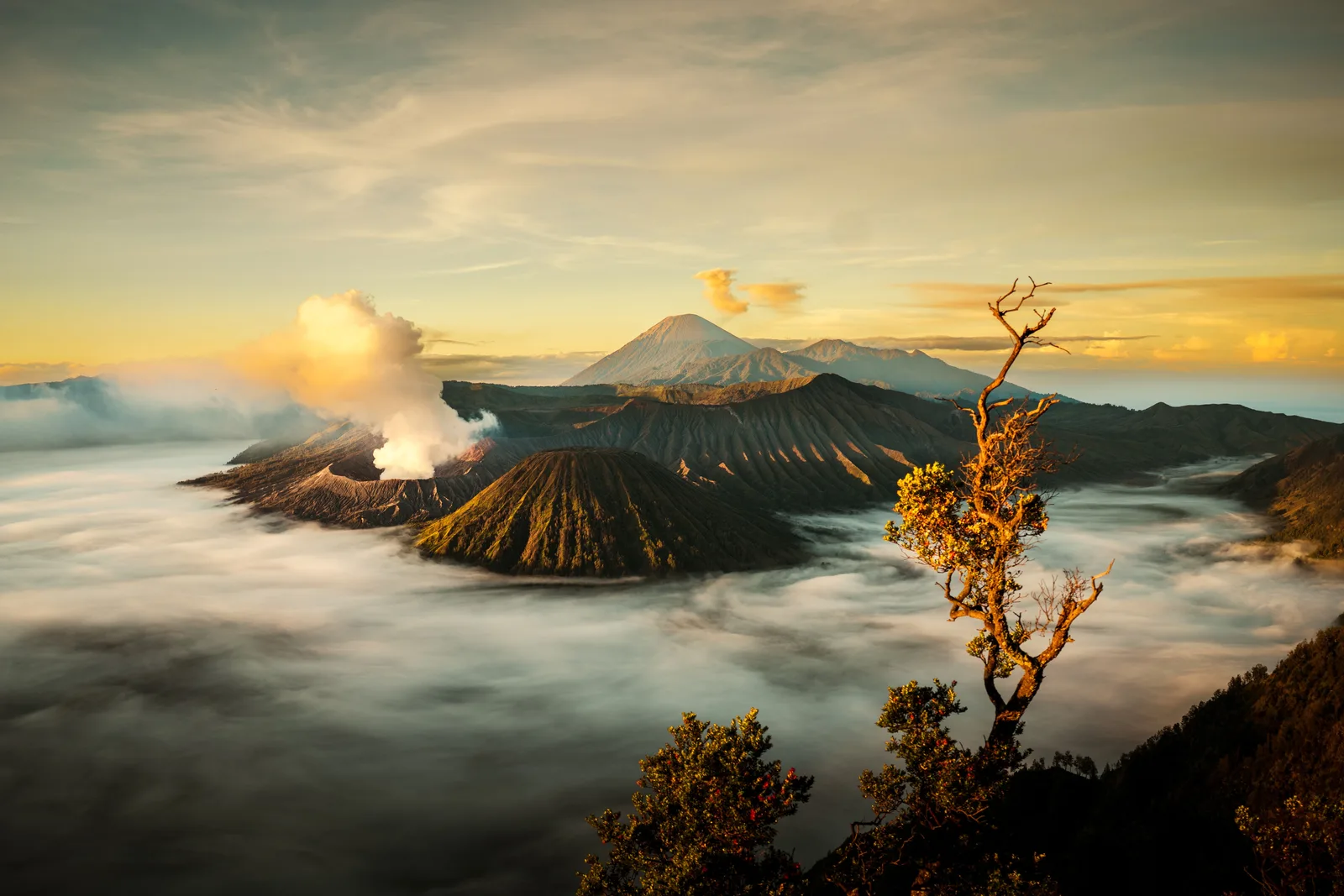
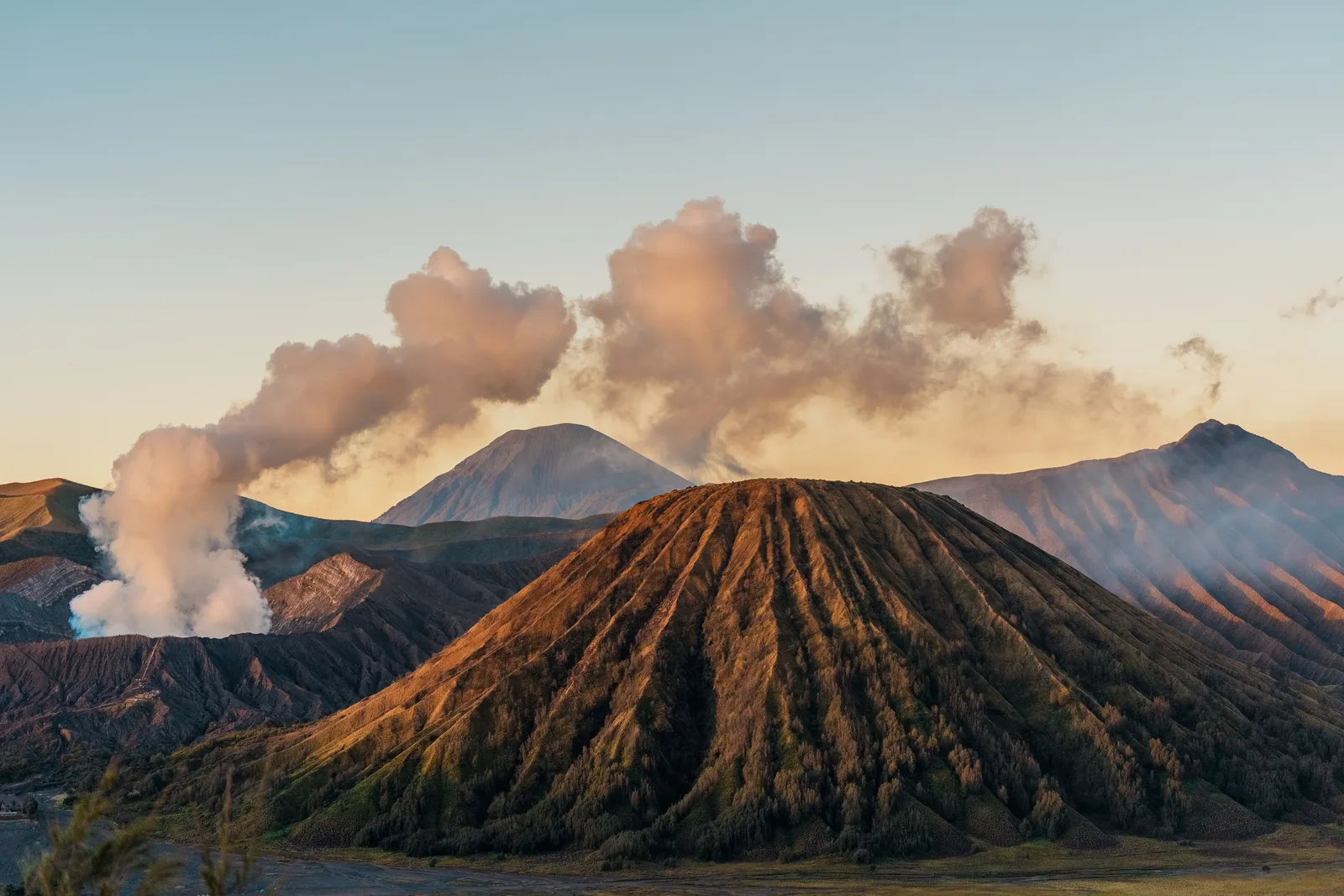
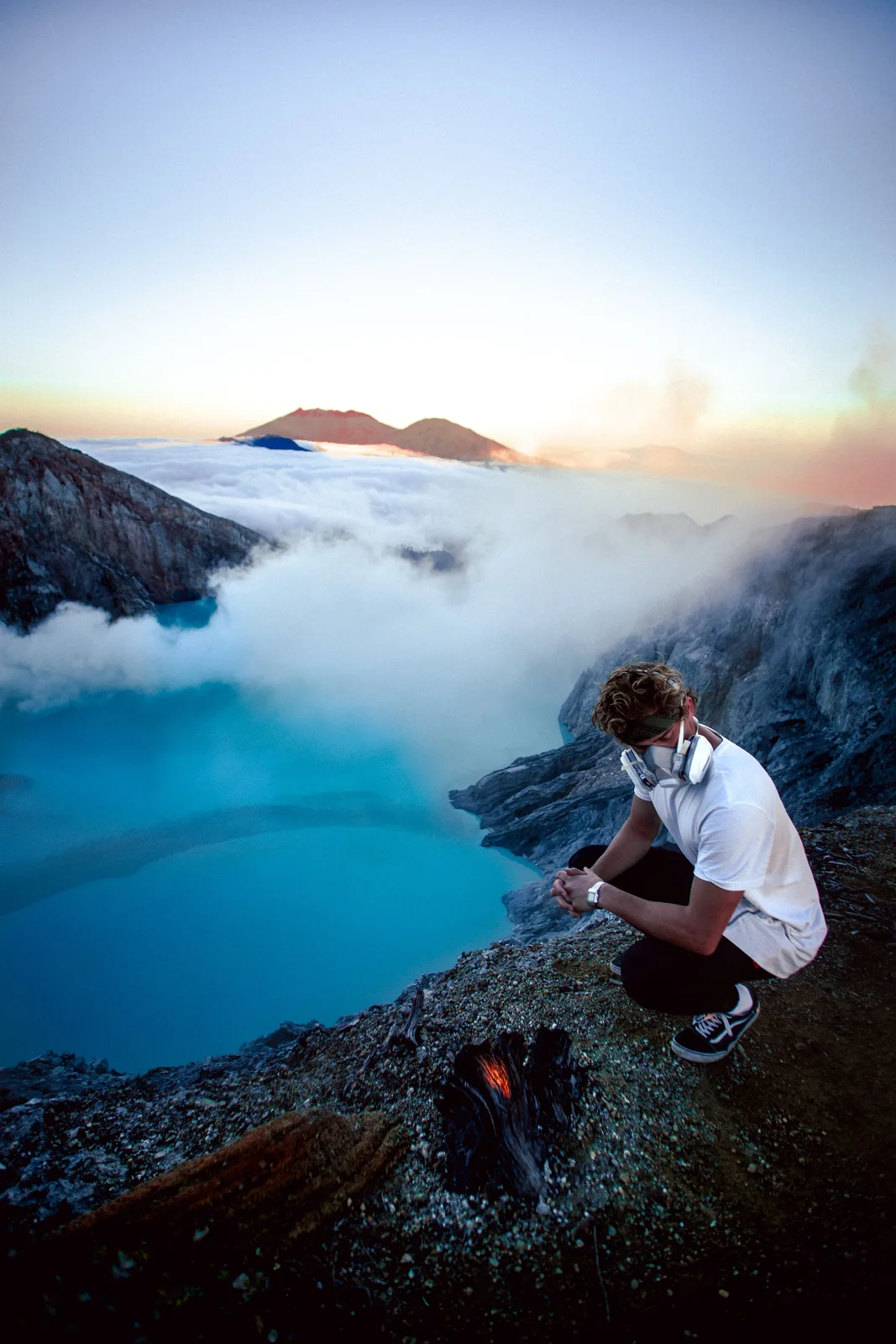
Borobudur and Prambanan at first light, before the coaches arrive. Further on, the blue sulphur flames of Kawah Ijen, climbed in the dead of night, and the walk along the rim of the Bromo crater at sunrise.
Sumatra
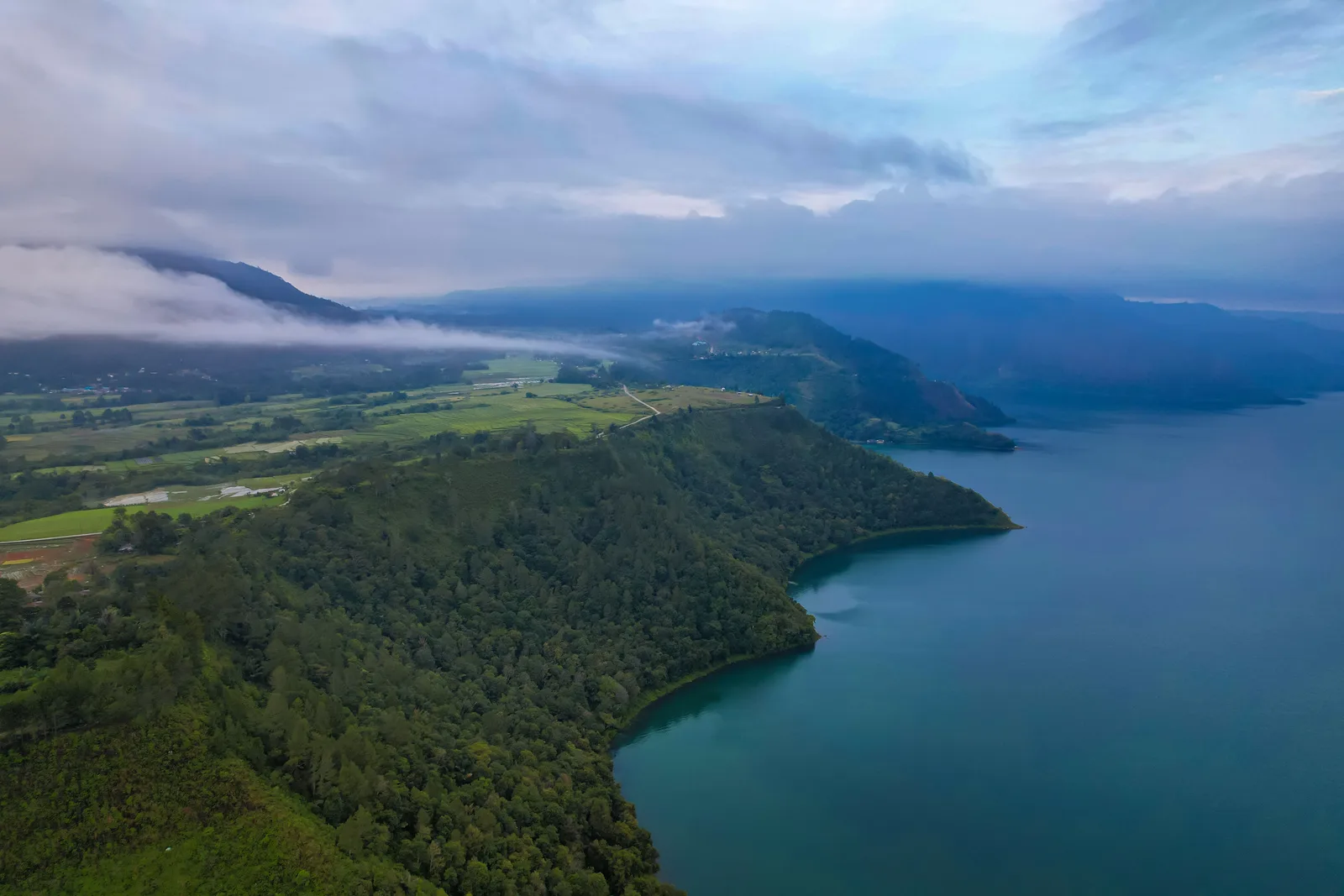
Lake Toba, formed by one of the largest volcanic eruptions in history, lies calmly among the hills. Around Bukit Lawang, wild orangutans still live in the rainforest, and the Gayo highlands grow some of the world's finest arabica coffee.
Sulawesi
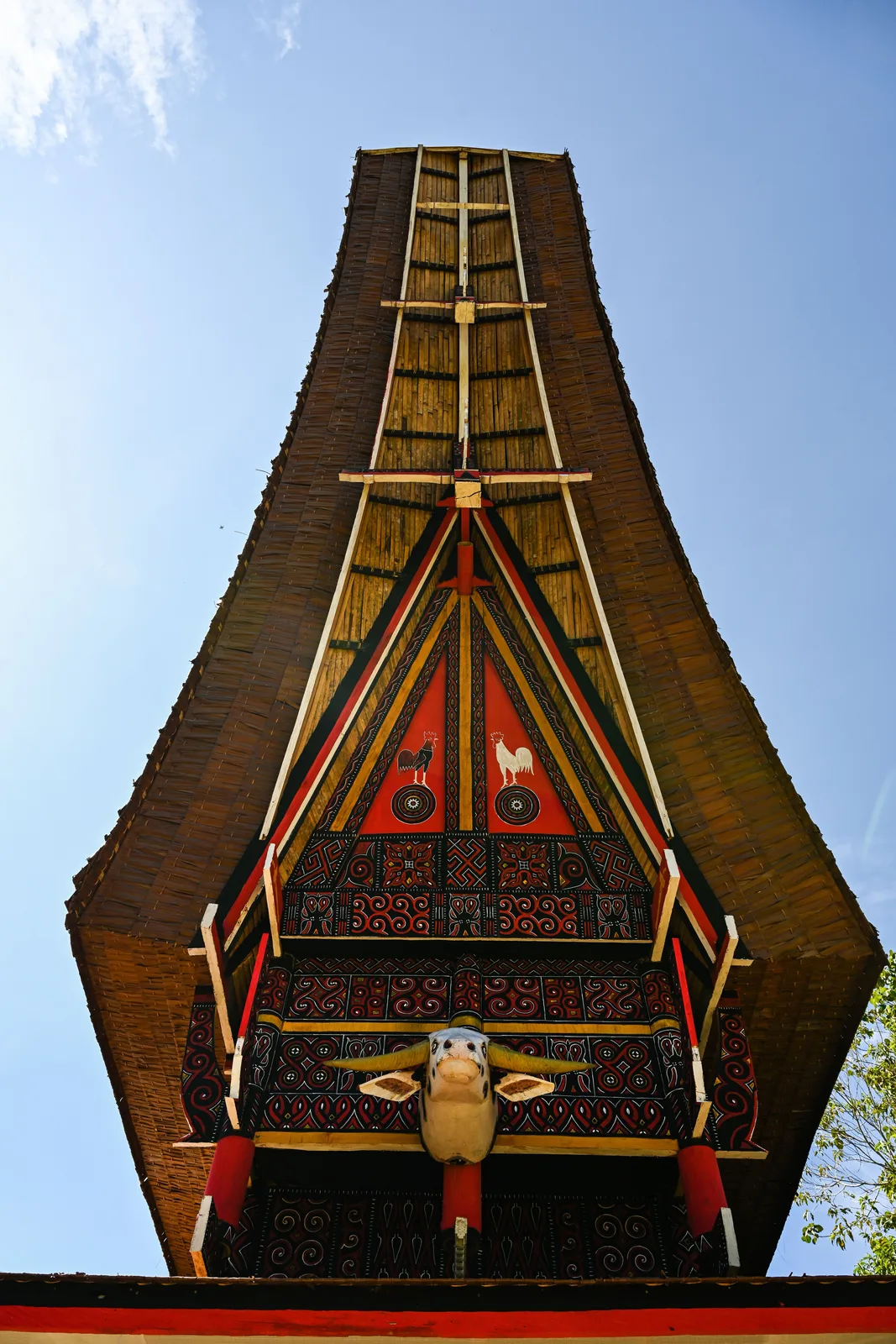
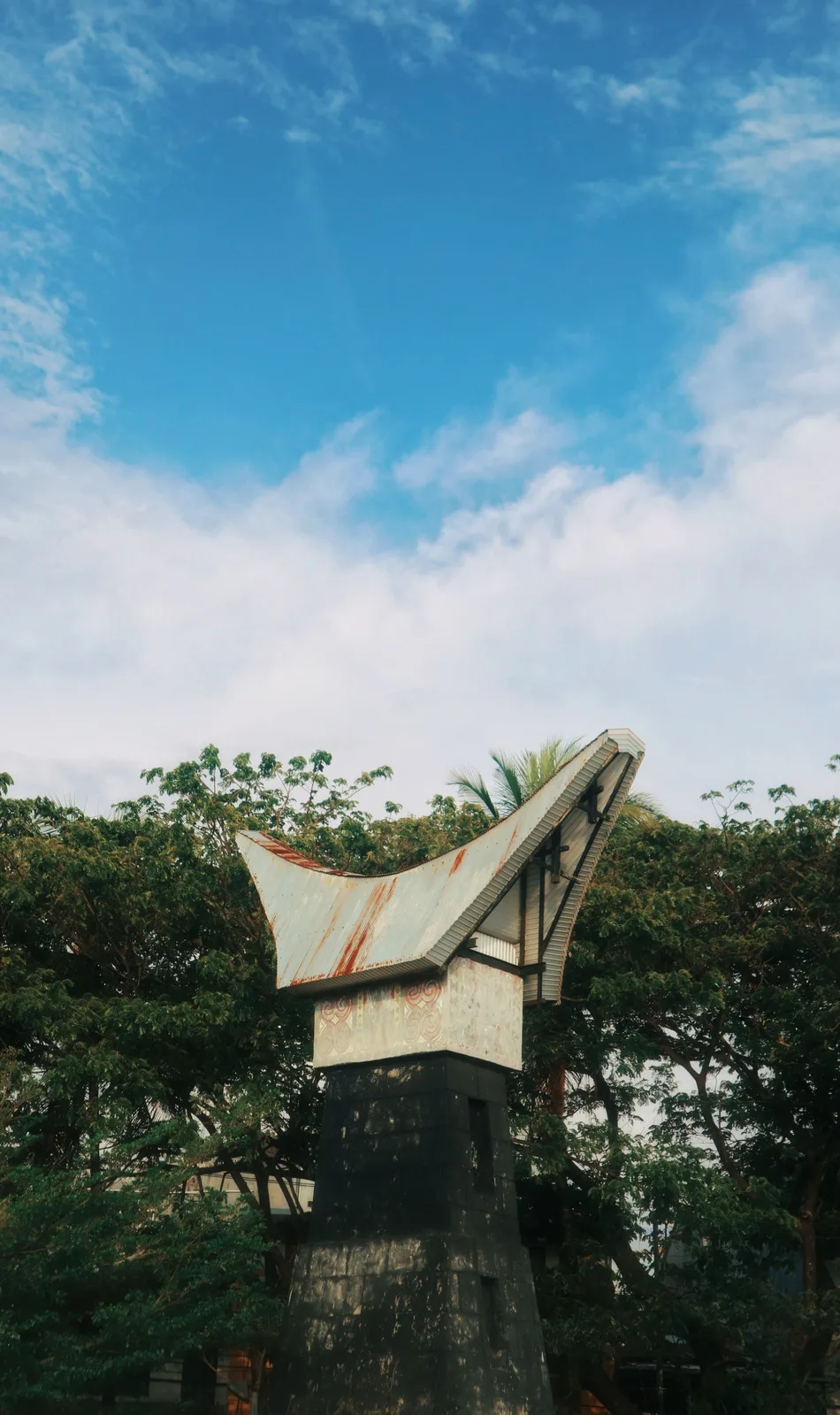
In Tana Toraja, funerals can last for days, and ancestors are kept at home for years until the right farewell arrives. Underwater, at Bunaken and Wakatobi, lies one of the richest coral areas on earth.
Flores and Komodo
The three crater lakes of Kelimutu change colour, turquoise, brown, black, and no one quite knows why. Wooden boats sail from Labuan Bajo to Komodo National Park, home to the last wild Komodo dragons.
Raja Ampat
Off the coast of Papua lie hundreds of limestone islets in waters regarded as the heart of the planet's marine biodiversity. Mass tourism has barely arrived. Distance keeps it that way.
Bali, beyond the beach
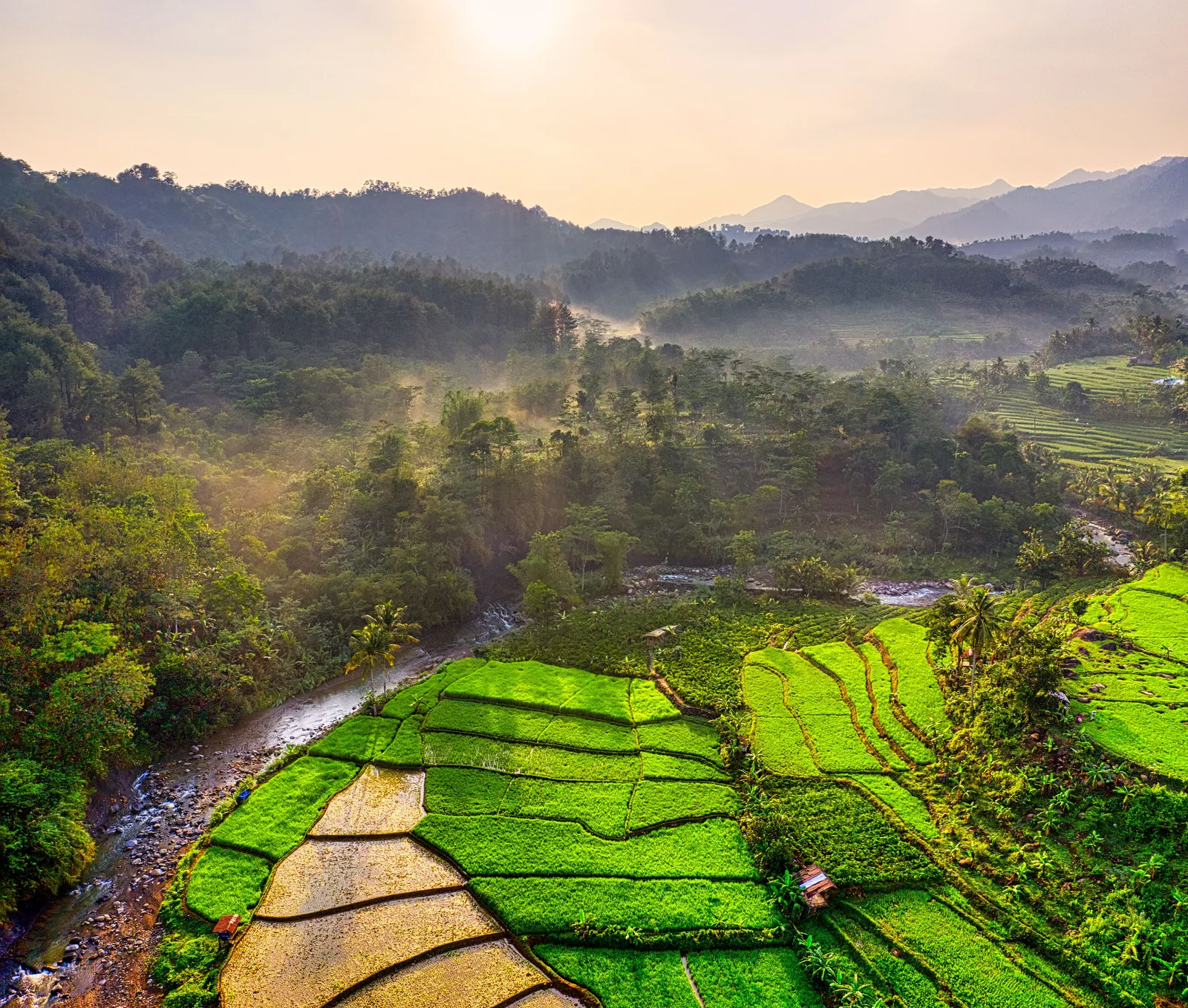
Away from the south coast lies a different Bali: the terraced fields of Jatiluwih and Sidemen, temple ceremonies in villages tourists rarely reach, and mountain villages around Batur where the mornings are still cool.
Borobudur, shortly after sunrise, before the temple square fills with cameras again.


Indonesia sits on the Ring of Fire, and it shows everywhere.
Volcanoes
About a hundred and thirty active volcanoes are scattered across the country, from Bromo to Rinjani on Lombok. A night climb before sunrise belongs to Java the way a morning market belongs to a city.
Rainforest
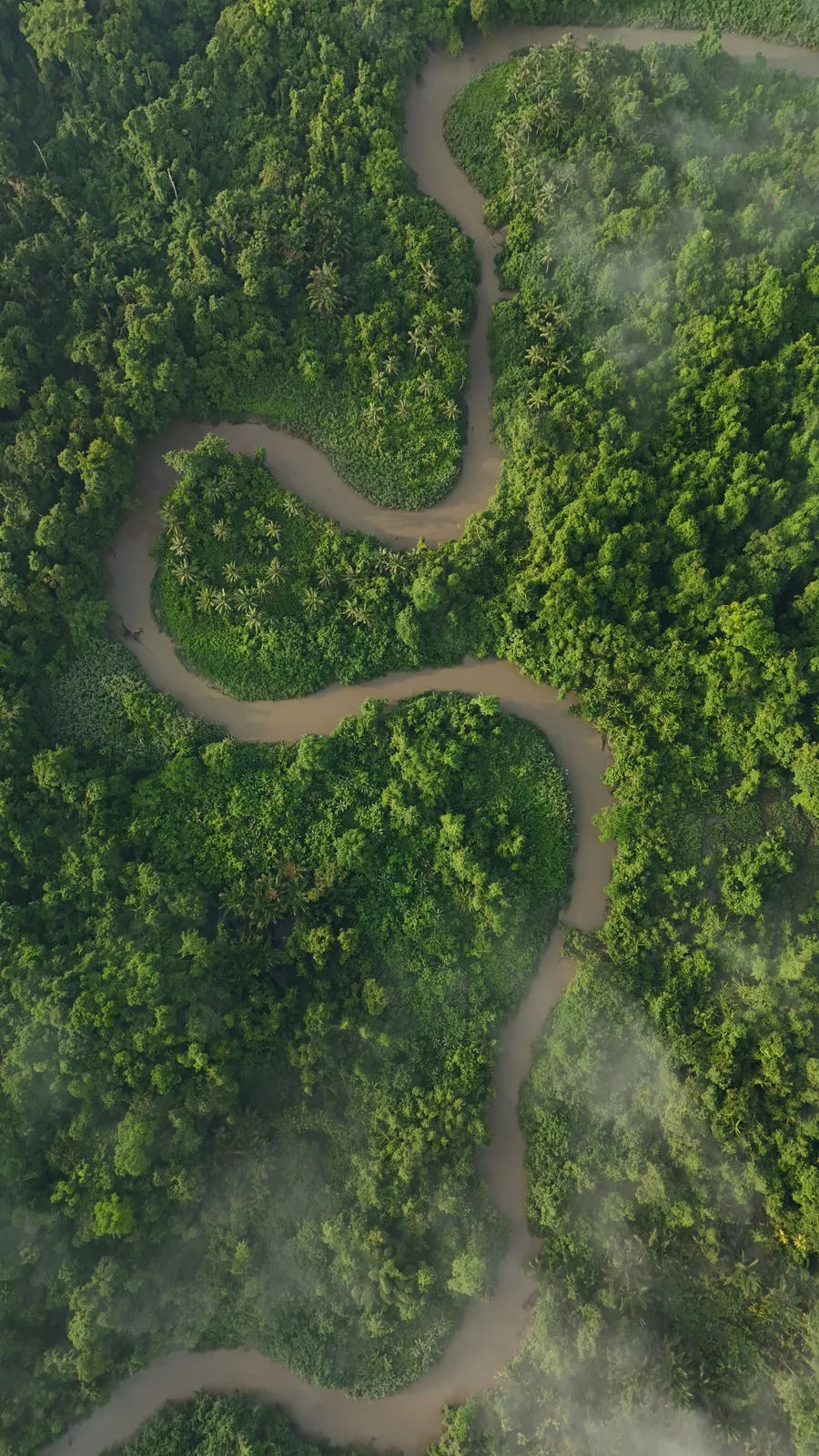
Gunung Leuser National Park on Sumatra holds one of the last populations of wild orangutans, alongside elephants and, increasingly rare, Sumatran tigers.
Underwater world
The Coral Triangle, with Raja Ampat and Wakatobi at its heart, holds more species of coral and reef fish than anywhere else on earth. For divers, this is another planet, without needing to travel far from the coast.
No fixed programme. But direction.
A few of the shapes a trip through Indonesia can take, depending on what you're looking for.
Diving in the Coral Triangle
From the soft corals of Raja Ampat to the manta rays of Nusa Penida, with a local dive school that knows the currents and the seasons.
Climbing a volcano at sunrise
Bromo, Ijen or Rinjani: a night-time start, a local guide who knows the route and the safety concerns, and a view that's never quite the same by day.
A morning in the rice fields
Joining a farmer in Jatiluwih or Sidemen, watching the 'subak' irrigation system work the way it has for centuries. No demonstration, just a working day.
Meeting Toraja traditions
Through a local contact, with due respect for what can and cannot be visited. Funeral rituals are not an attraction, even when you are occasionally invited to attend.
On the river in Kalimantan
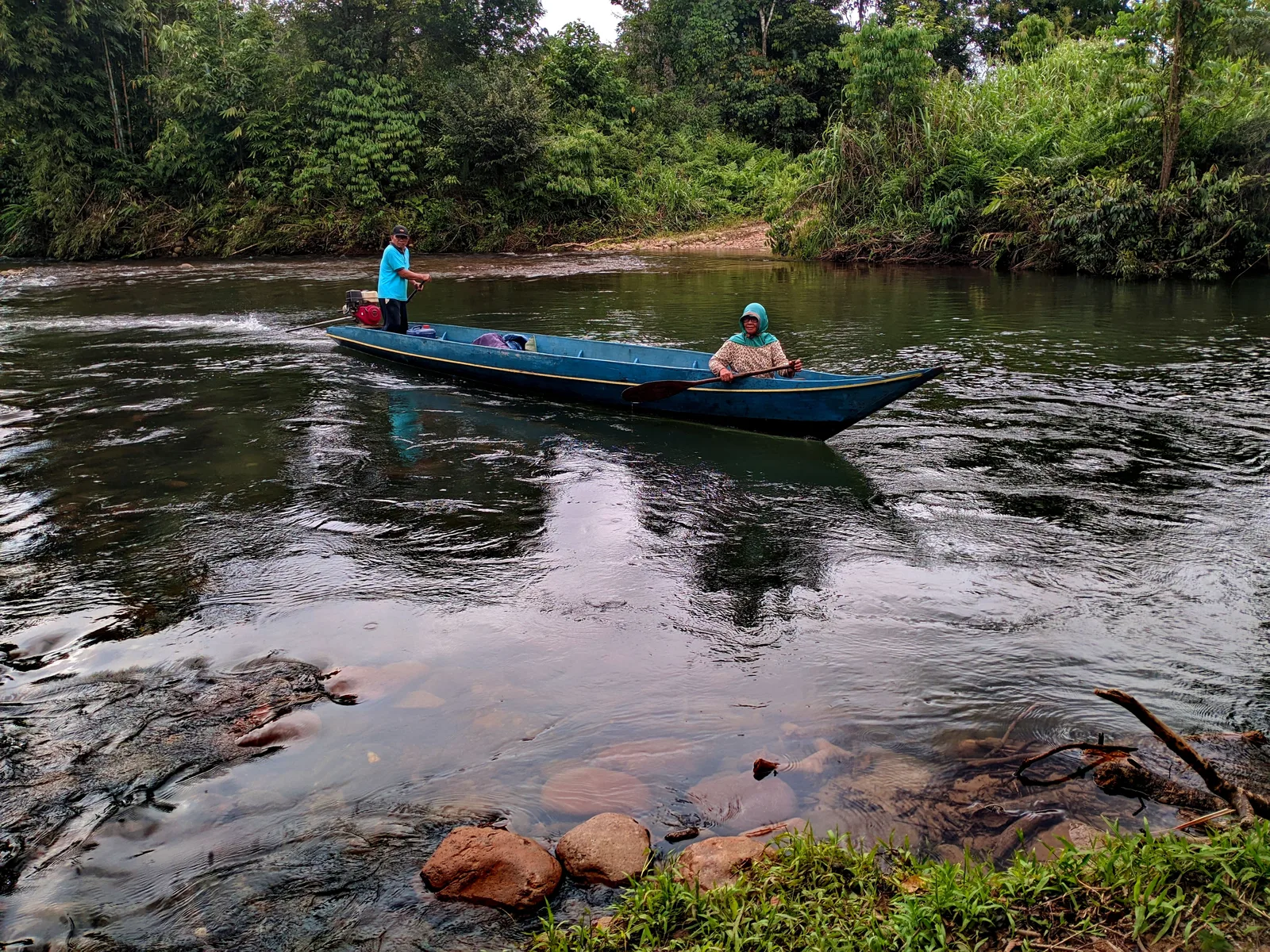
By boat past Dayak settlements along the Mahakam river, where the rainforest still reaches all the way to the water's edge.
None of these are day trips off a list. They are starting points for a conversation about what you're looking for.
Between sulphur-blue light at four in the morning and the green of a rice terrace at sunrise lies an entire country.



Practical, without the noise.
A few things that make the trip easier, in short.
Getting there
Jakarta and Denpasar are the main gateways; between islands you continue by domestic flight or boat.
Documents
Which travel documents you need depends on your nationality, and entry rules change regularly. We go through the current requirements with you before you leave.
Health
In some regions, especially outside Java and Bali, malaria prevention is worth considering; we refer you to a travel doctor.
Pace
Fewer moves, more time per region. The distances are greater than the map suggests.
Climate
No single season: the west and east of the archipelago don't always follow the same rhythm.
When to travel to Indonesia
The dry season, roughly May to September, applies to most of the archipelago. Java, Bali, Sumatra, Sulawesi and Flores follow this pattern fairly closely. Travel outside that period is certainly possible, but expect more showers and higher humidity, especially in the west of the country.
Best time to visit Indonesia
Who else is at their best in these months?
May June July August September
Use the contact form to discuss your travel dates and preferences with us.
Frequently asked questions
Can I combine several islands in one trip?
You can, but the distances are greater than they look on a map. We usually recommend two, at most three regions for a trip of two to three weeks, so you actually arrive somewhere rather than spending the whole time in transit.
Do I need a visa?
That depends on your nationality and on the length and purpose of your trip. The rules change regularly, so we go through the current requirements with you while preparing your trip.
Is malaria something to think about?
In some regions, yes, particularly outside Java and Bali. We refer you to a travel doctor or vaccination centre for tailored advice.
How do I get between the islands?
Usually by domestic flight for the longer distances, and by boat for shorter routes or to reach places like Komodo.
Do I need to speak Indonesian to get by?
No. In most tourist and business contexts, English will get you a long way, especially with a local guide alongside you.
Indonesia cannot be summed up in ten days.We help you choose which part you will actually get to know.
- Flight time
- About 15 to 17 hours, with one stopover
- Languages
- Bahasa Indonesia, alongside more than seven hundred local languages
- Time difference
- Between +5 and +8 hours, depending on the region
- Number of islands
- Over seventeen thousand, of which around six thousand are inhabited
- Best time to travel
- Varies strongly by region. See further down this page