
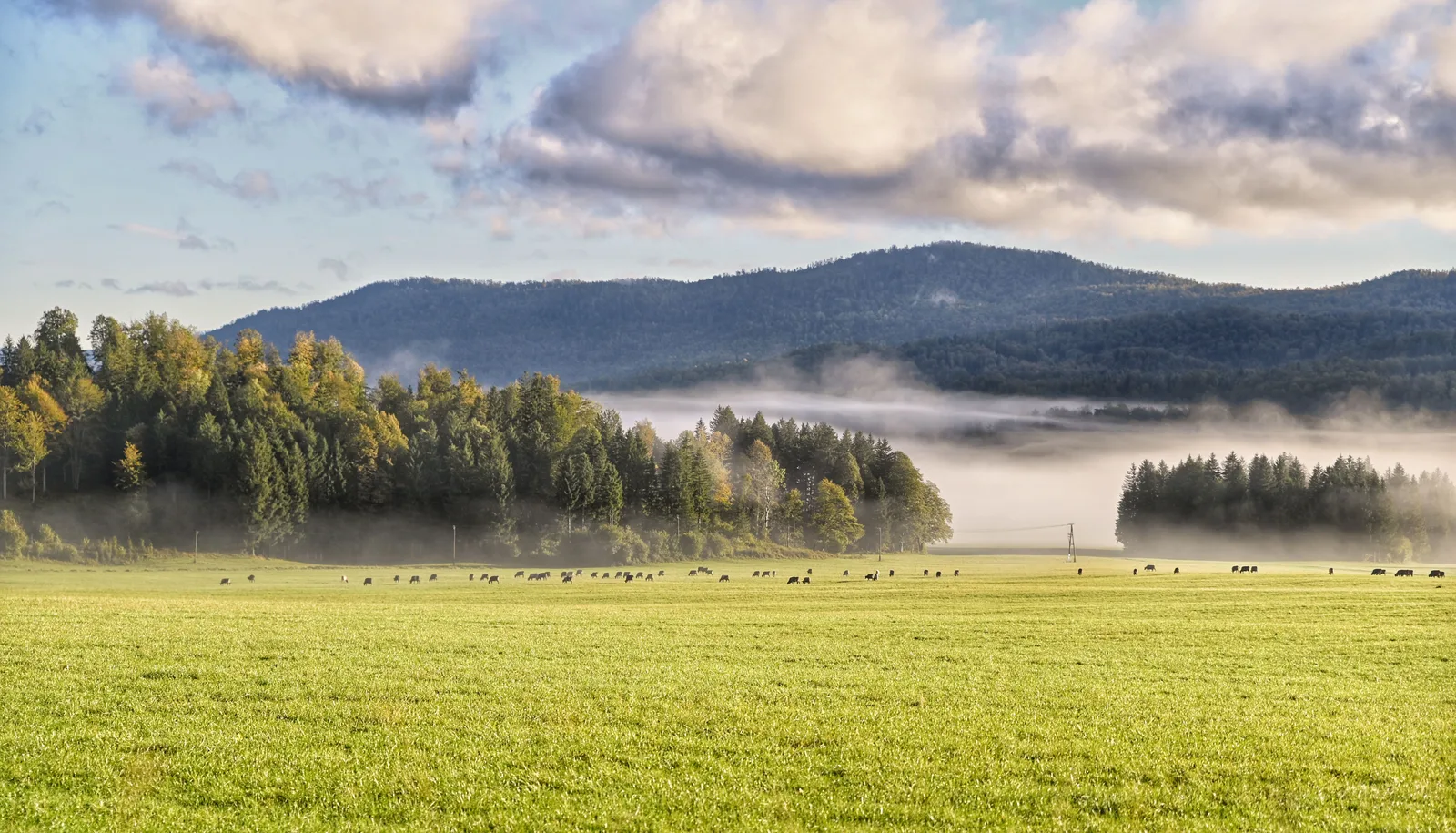
A country with nothing to prove.
The Alps, karst caves and a strip of coast lie a few hours apart, in a country that never overstates itself.
Slovenia is small enough to drive from mountain village to vineyard in a single afternoon, and large enough that you never feel you've missed something. There's no single headline attraction that everything builds towards: no one lake, no one cave, no one city carrying the whole story on its own.
What stands out is the tone. Slovenian hospitality is precise rather than showy; the cuisine gives away neighbours on three sides without tying itself to any one of them; and even the famous places get talked about with a certain matter-of-factness. That makes it a country you have to go and see for yourself to understand what everyone means, rather than one that a single image can sum up.
In short
Best time to go
May, June, September and October are the most pleasant, with afternoons between 16 and 26 degrees in Ljubljana and quieter roads than in July and August. From December to February the mountains are mainly about skiing.
How long
Ten days to two weeks. Distances are short, but the Alps, the Kras and the coast are so different that each deserves a few nights. To add the wine country in the east, allow more time.
Who it suits
Travellers who want to combine mountain walks, caves and a Venetian harbour town without long drives, and who enjoy travelling by car from mountain village to vineyard.
What sets it apart
In an area about two thirds the size of Belgium lie the Julian Alps, a short stretch of Adriatic coast and the Kras, the plateau that gave karst its name. In the Škocjan Caves, World Heritage since 1986, a river runs underground.
Six landscapes that bear no resemblance to one another.
What makes Slovenia special isn't a single region but the distance between them: never more than a few hours' drive.
Julian Alps & Bohinj
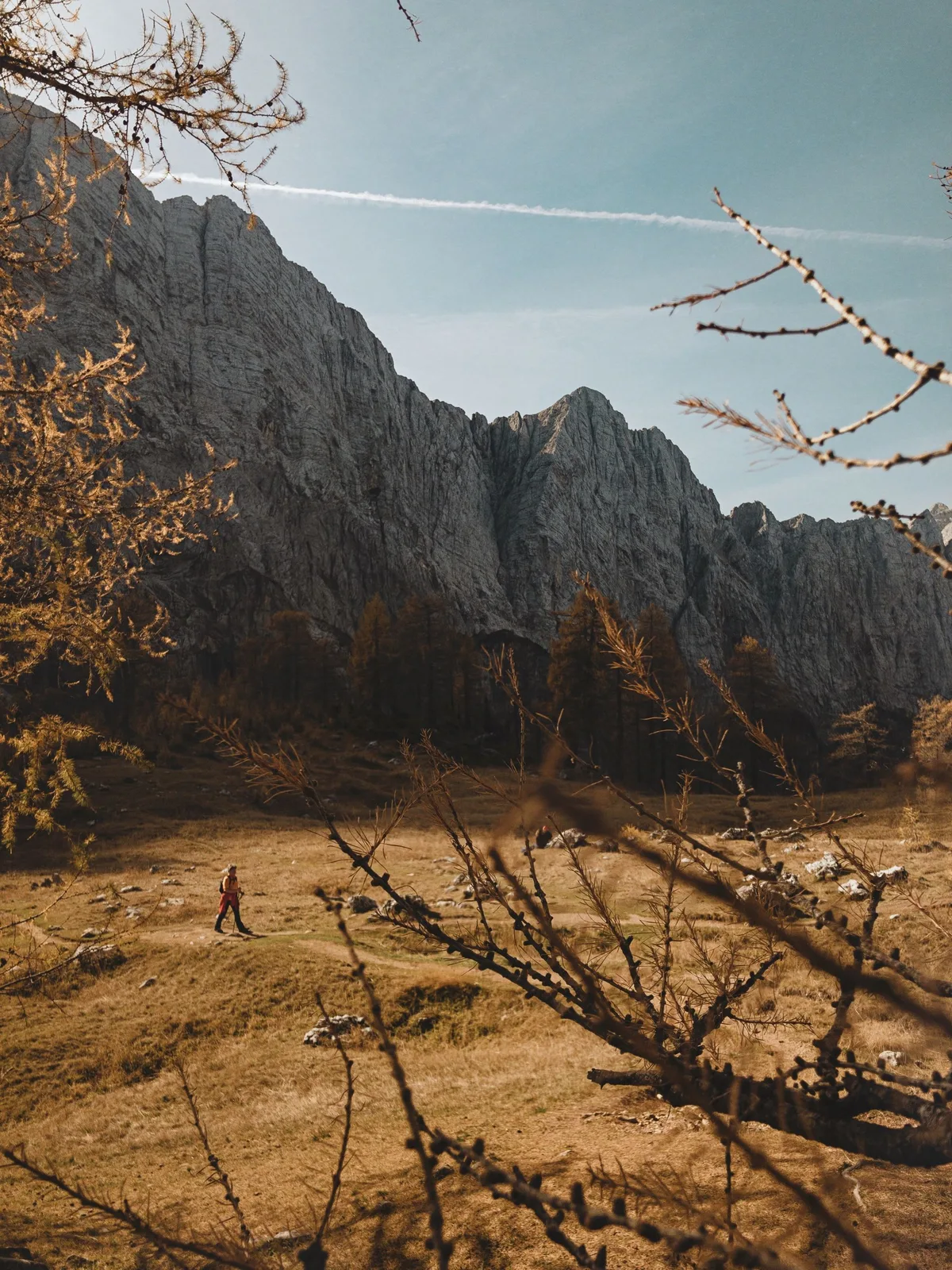
Triglav, the country's highest peak, lends its name to the national park around it. Lake Bohinj sits one valley over from Bled and never made it onto the postcards, drawing walkers instead, up towards the Savica waterfall or the Vogel alpine meadow. In winter it's ski country, and for the rest of the year a base for mountain treks ranging from half a day to a week.
Soča Valley
The Soča flows emerald green through a gorge that owes its colour to limestone. Kayakers and rafters know the river well, but the valley also lives through small towns like Kobarid and Bovec, where the First World War is still woven into walking trails and museums.
Kras
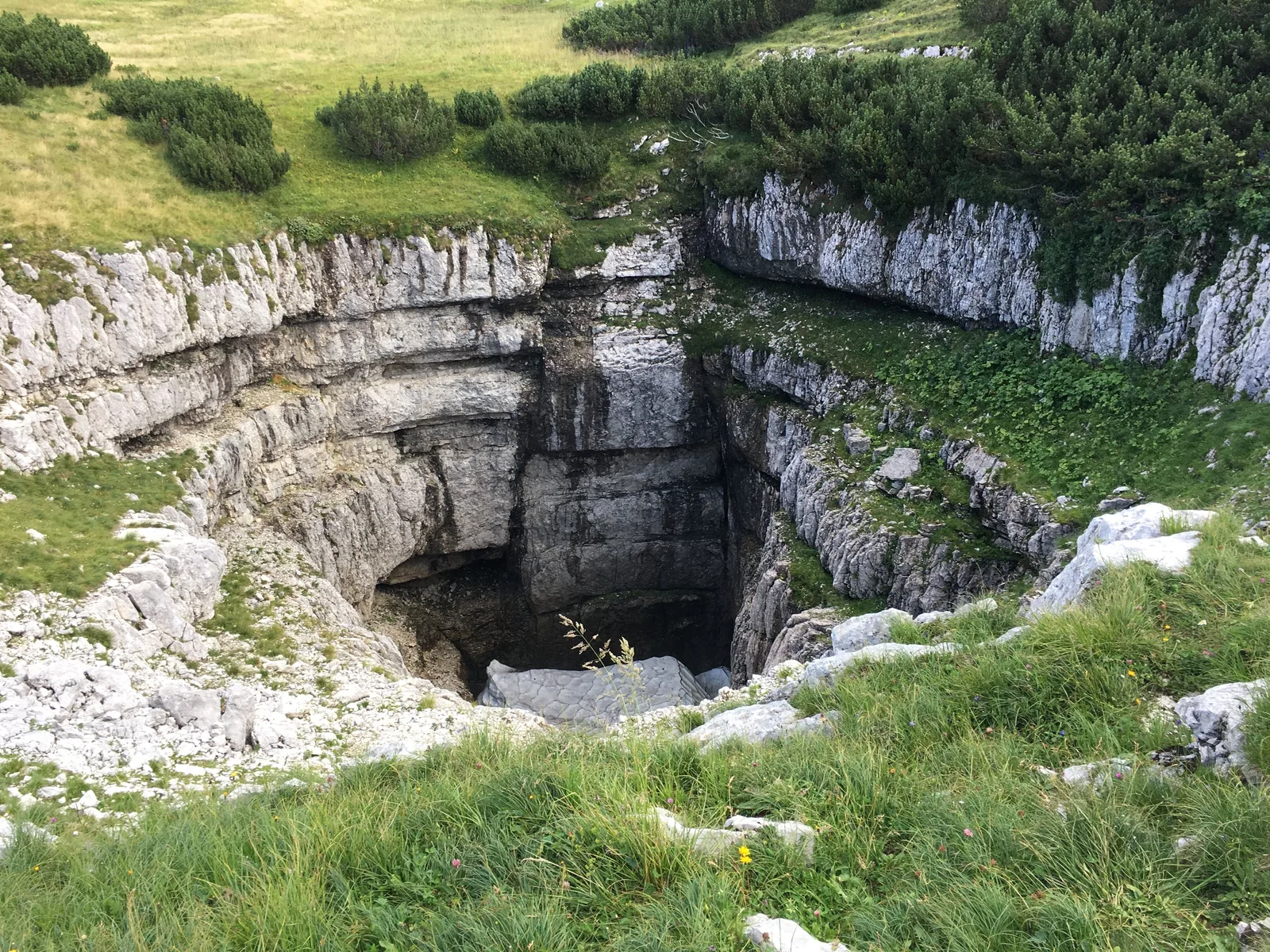
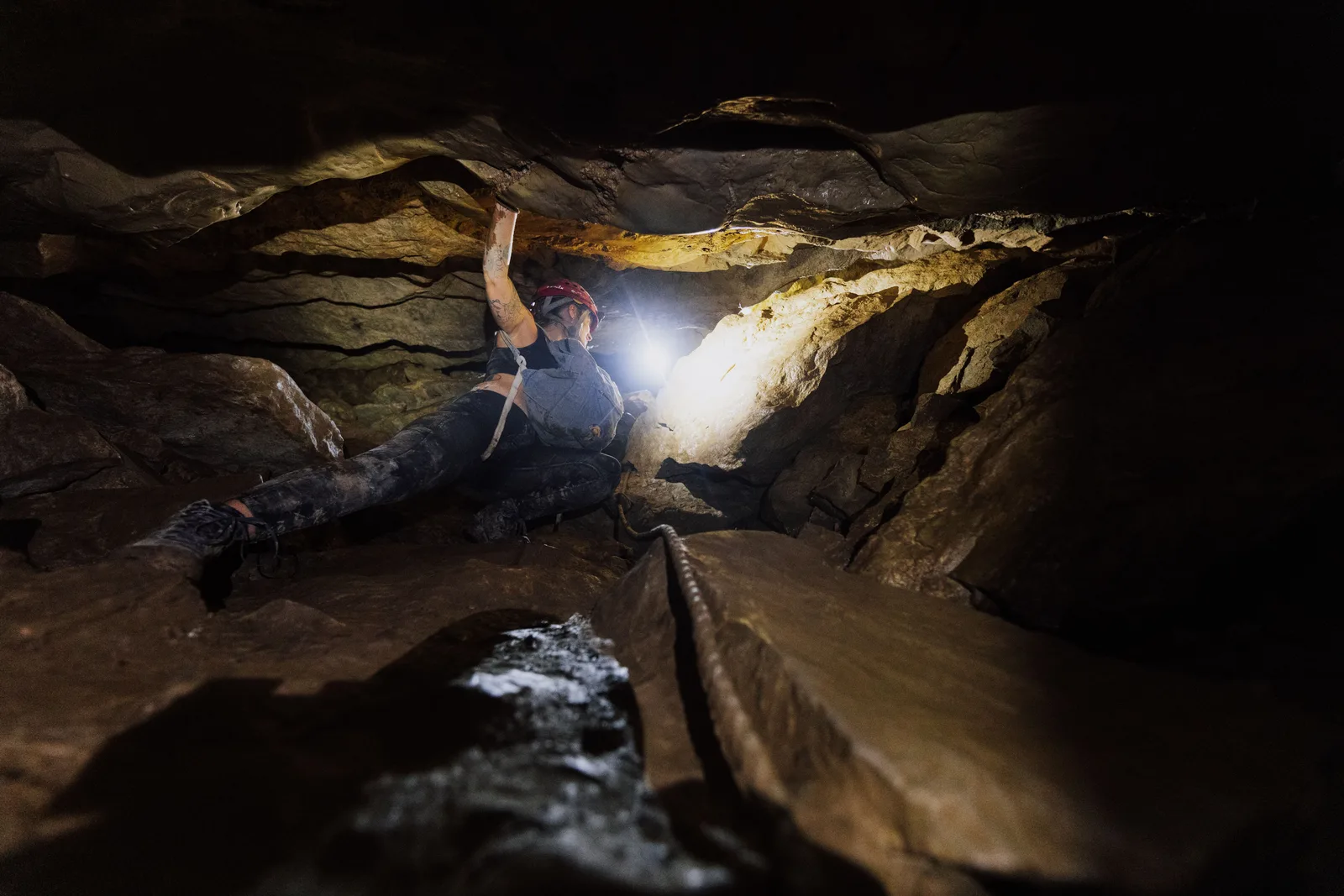
The region that gave its name to the word 'karst' is a landscape of sinkholes, dry riverbeds and caves running hundreds of metres deep. Škocjan is UNESCO-listed and overwhelming in scale; Postojna is more accessible. Above ground, that same limestone soil produces the pršut and teran wine the region takes pride in.
Ljubljana
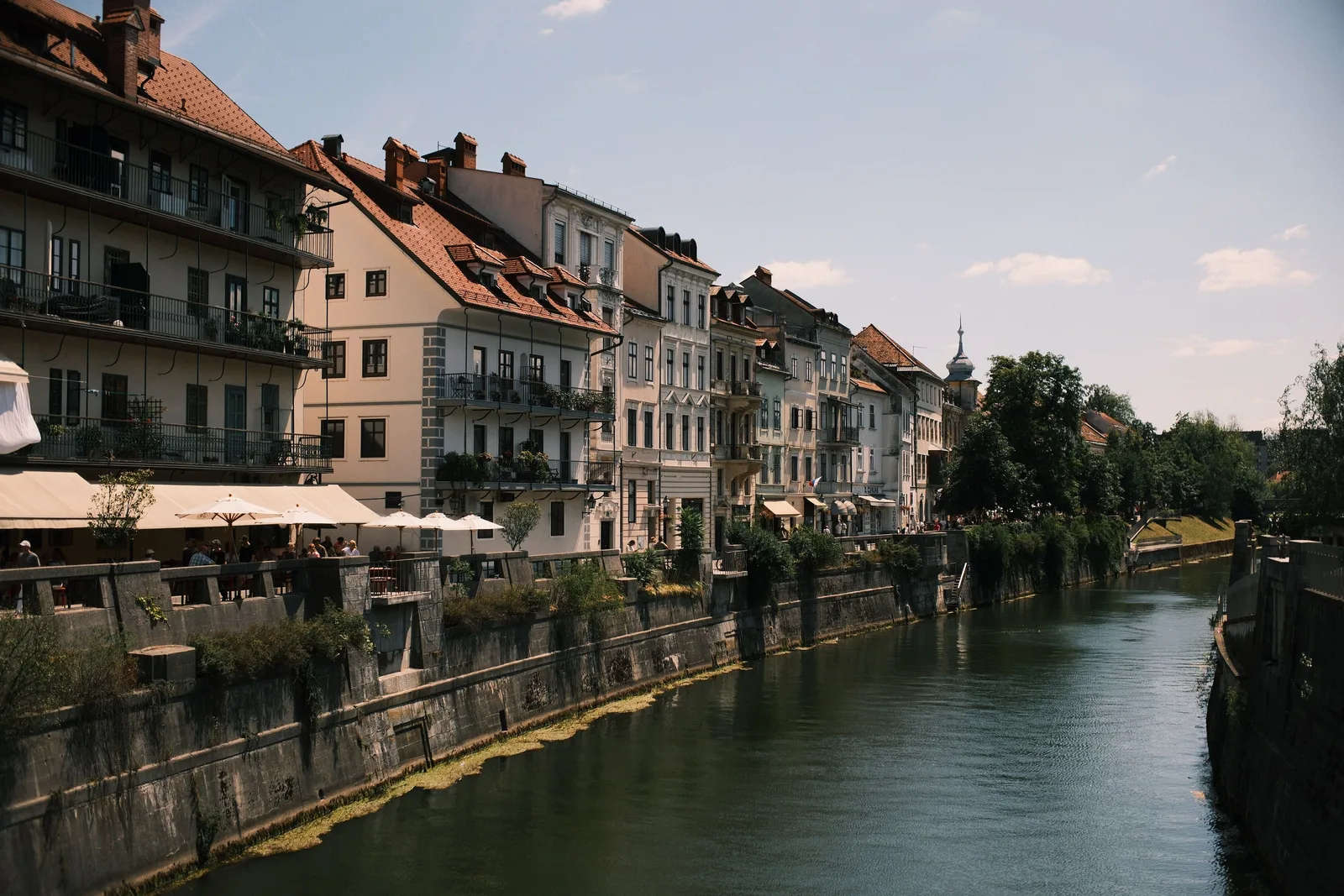
A capital without high-rises, built around a river with terraces at eye level with the water. Ljubljana is compact enough to cross on foot and lively enough to spend two days there without repeating yourself.
Slovenian coast
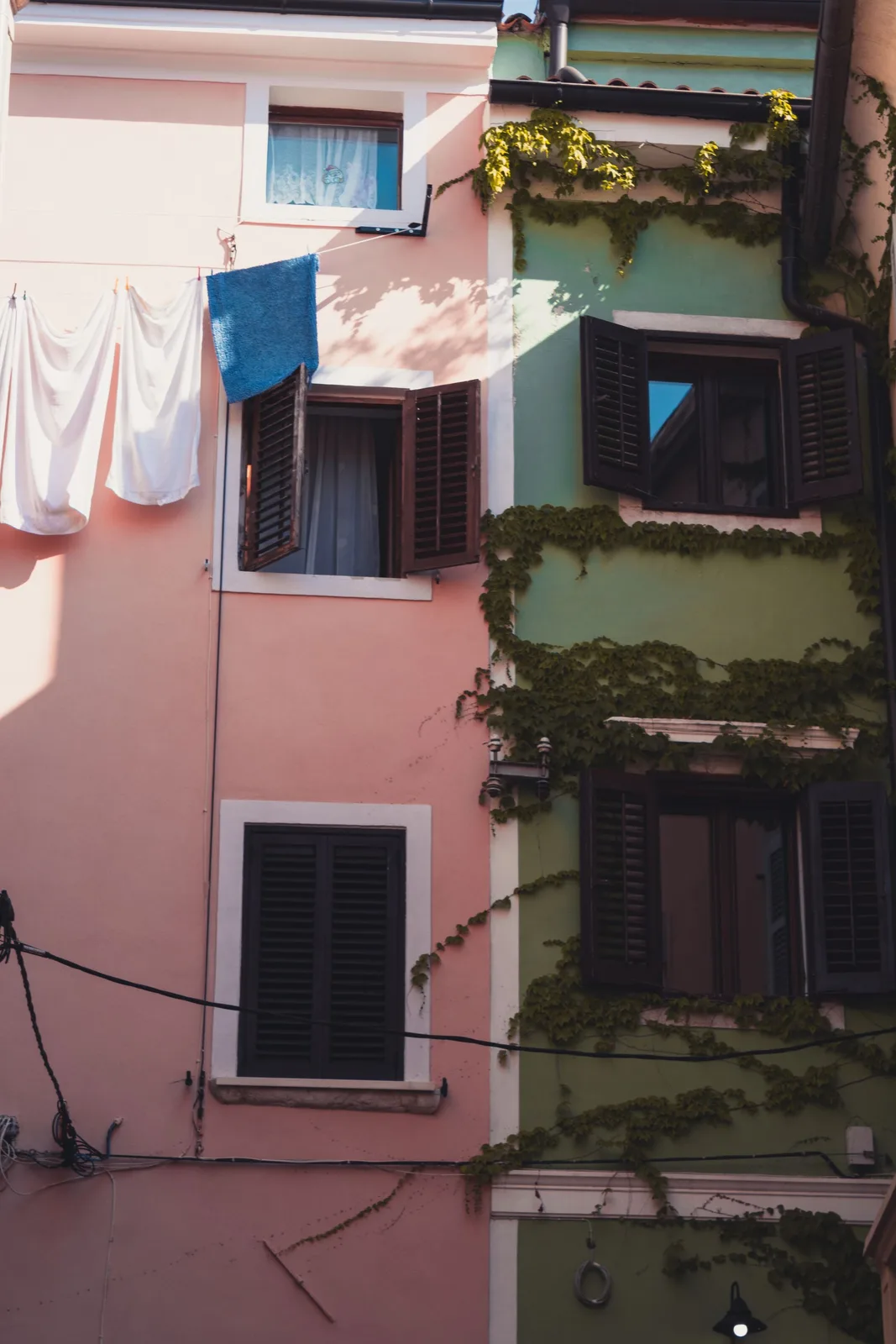
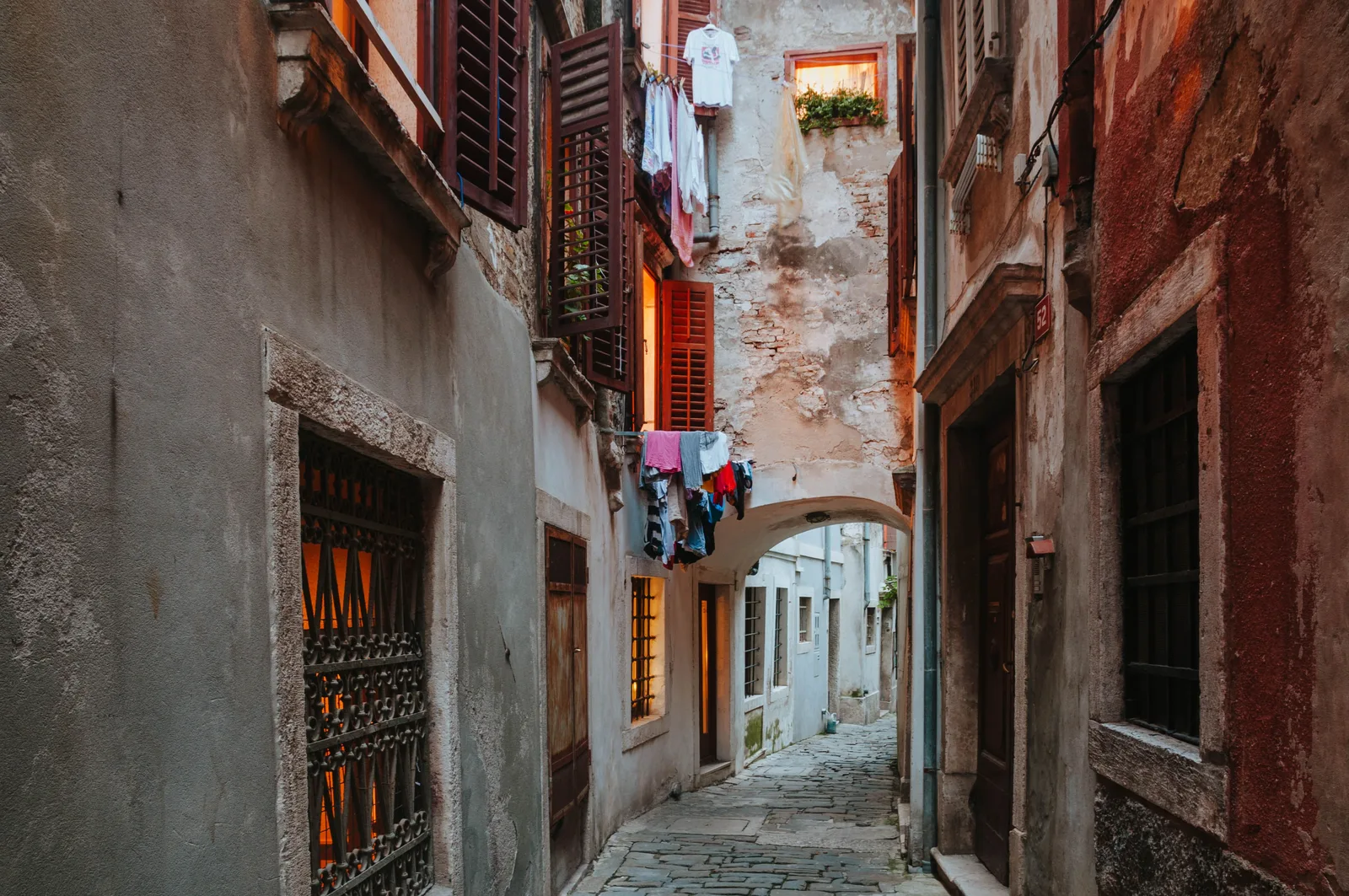
Barely 46 kilometres long, but enough for Piran, a Venetian town on a headland that cars can barely enter, and for Koper, less touristy and closer to everyday Slovenia.
Štajerska & Prekmurje
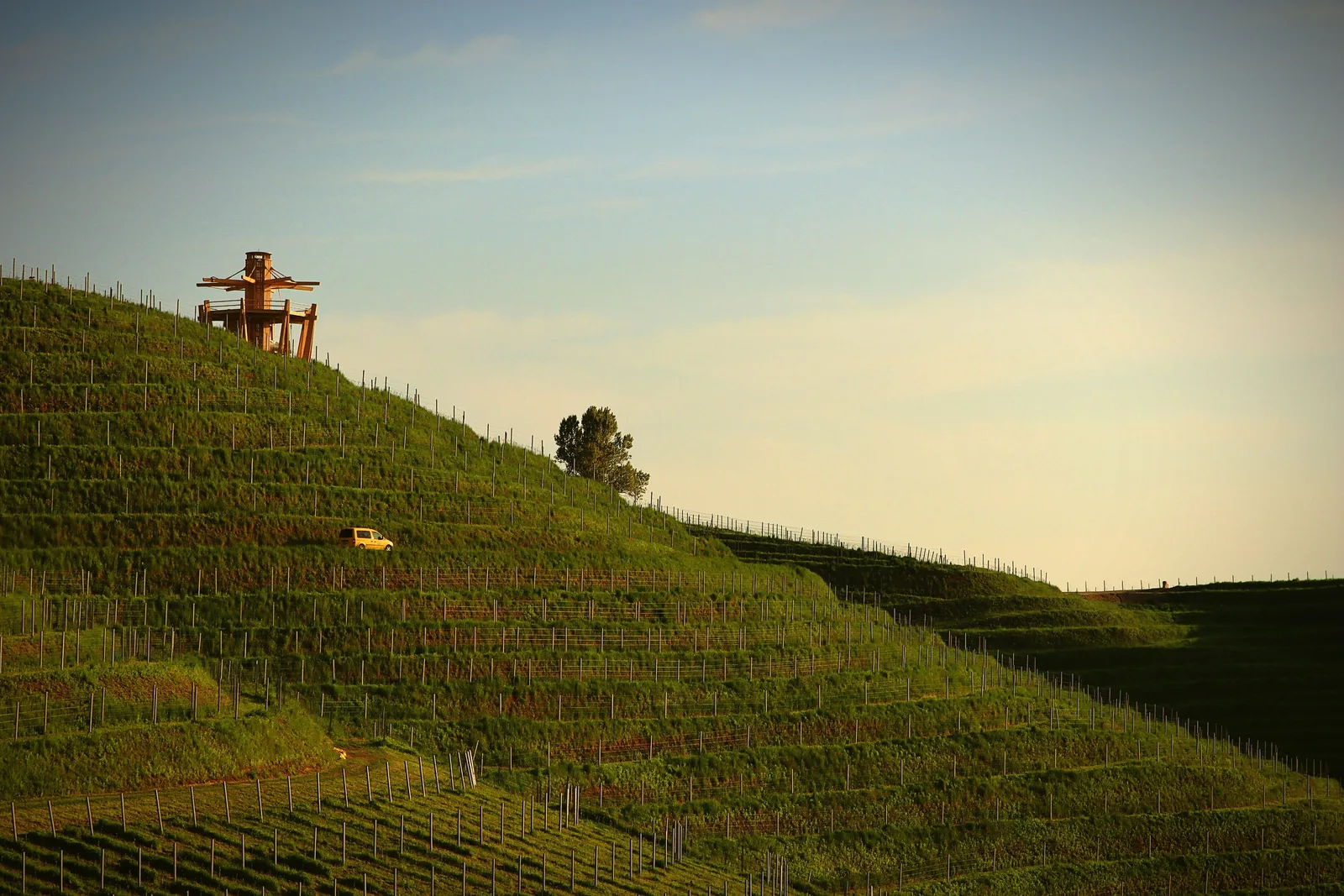
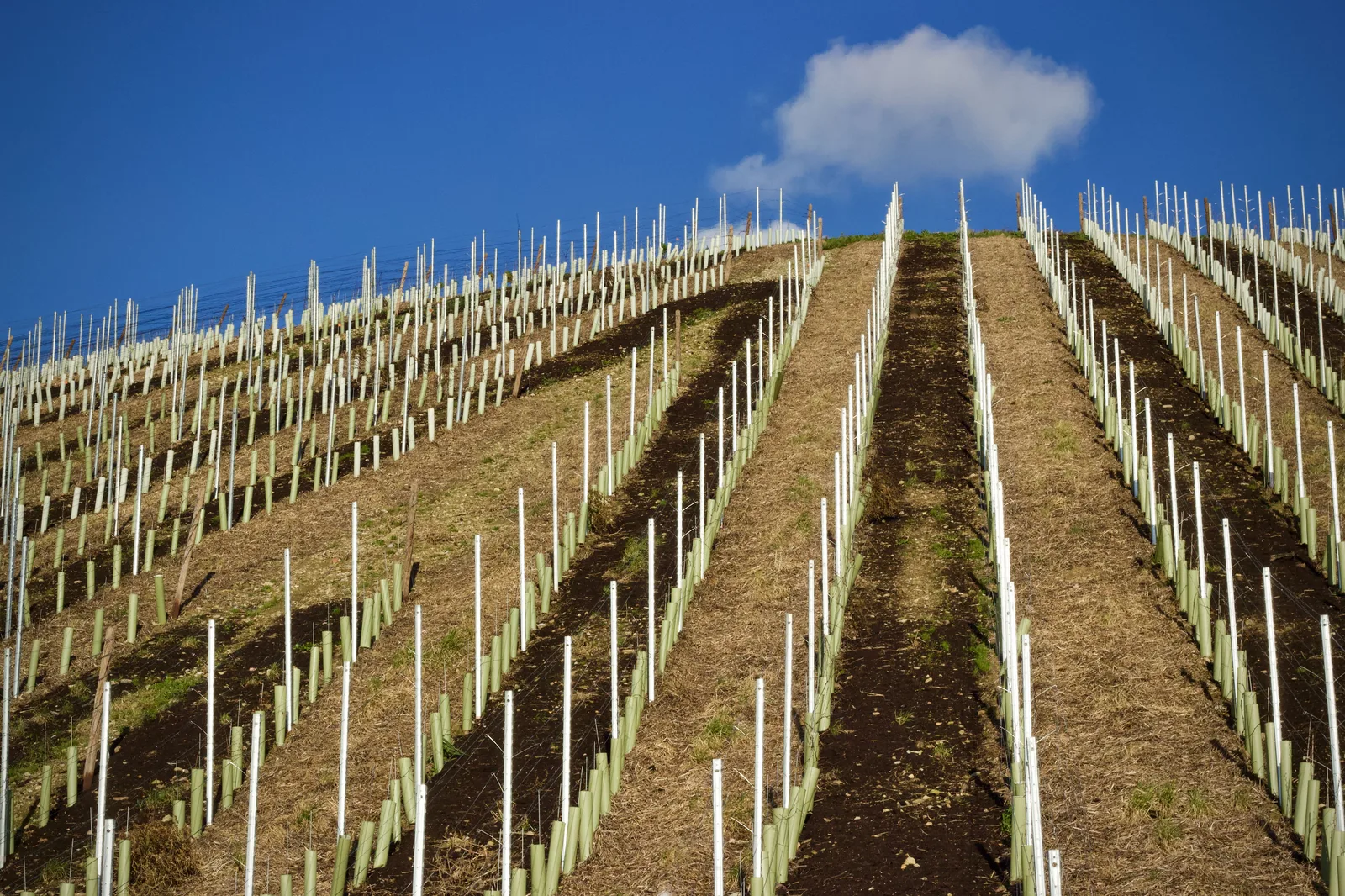
Eastern Slovenia, against the Hungarian border, is rolling wine country around Ptuj and Maribor, home to the oldest still-producing vine in the world. Further into Prekmurje, the cuisine turns Pannonian: paprika, goose fat, bograč soup.
Škocjanske jame: one of the largest underground gorges in the world, and one no photograph ever quite captures.
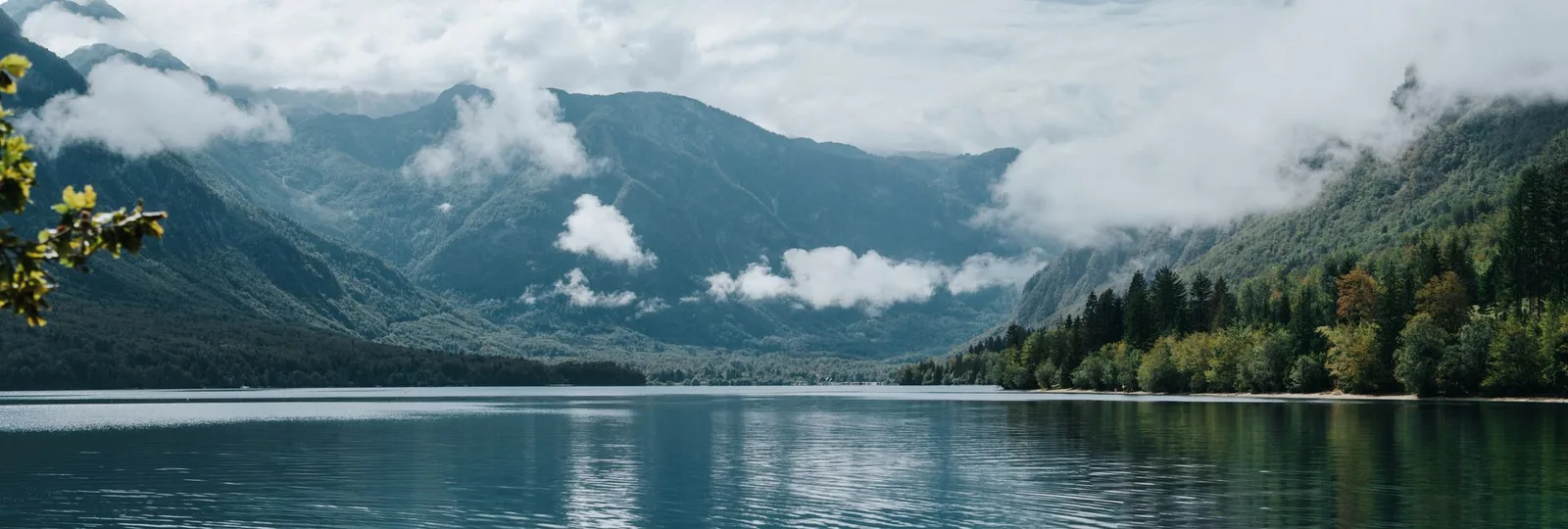

More than half the country is forest.
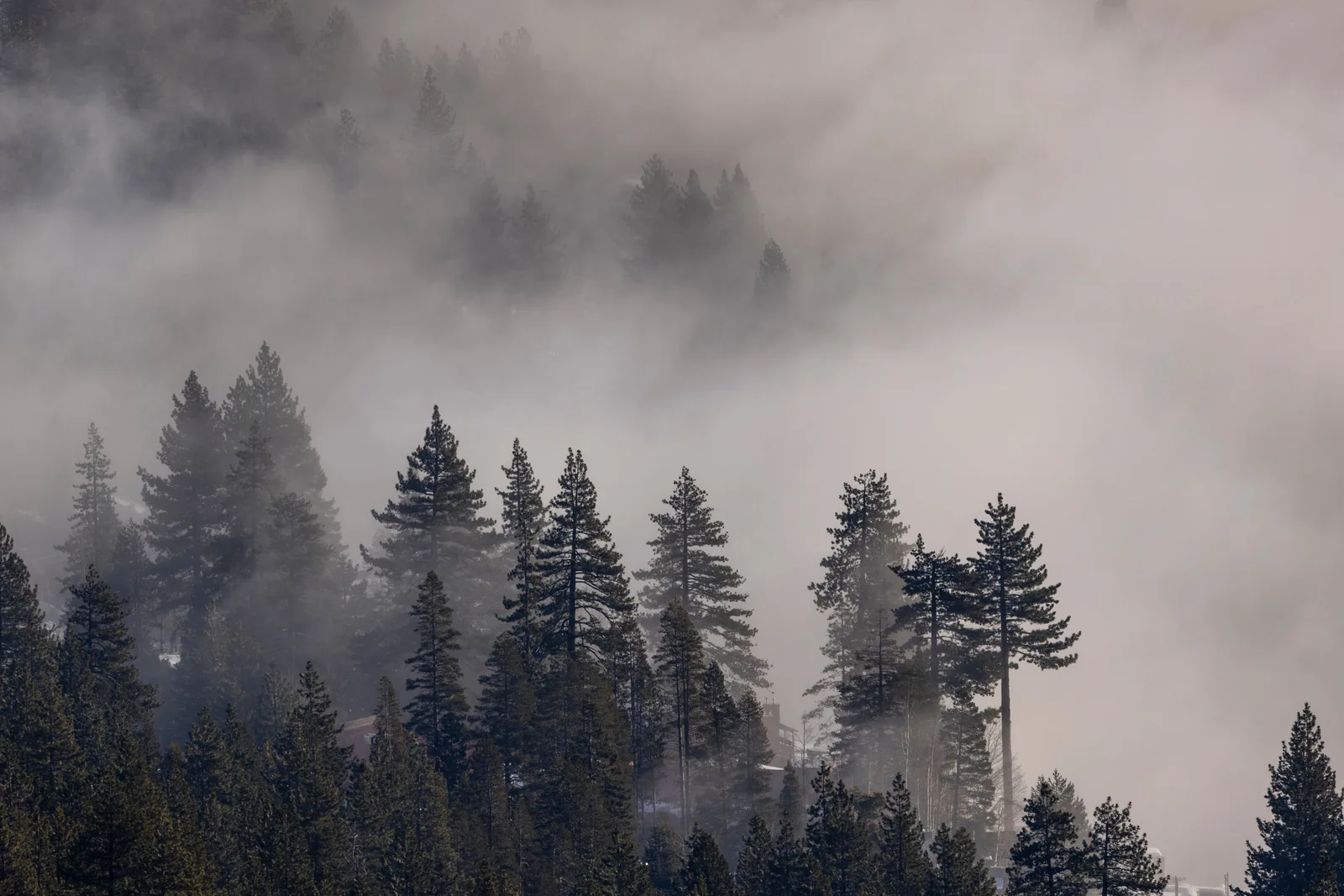
What you see above ground is only half the story. Slovenia is one of the most forested countries in Europe, and beneath the Kras lies a network of caves that still hasn't been fully mapped.
Triglav National Park
More than 800 square kilometres of forest, rock face and high mountains, with chamois and ibex once again at home here after reintroduction. The park covers almost the entire western mountain edge of the country.
The underground world of the Kras
The caves of the Kras are home to the olm, a blind, pale salamander that was for decades mistaken for a baby dragon. It's the kind of creature you only get to know if you're willing to look underground.
The Soča and its tributaries
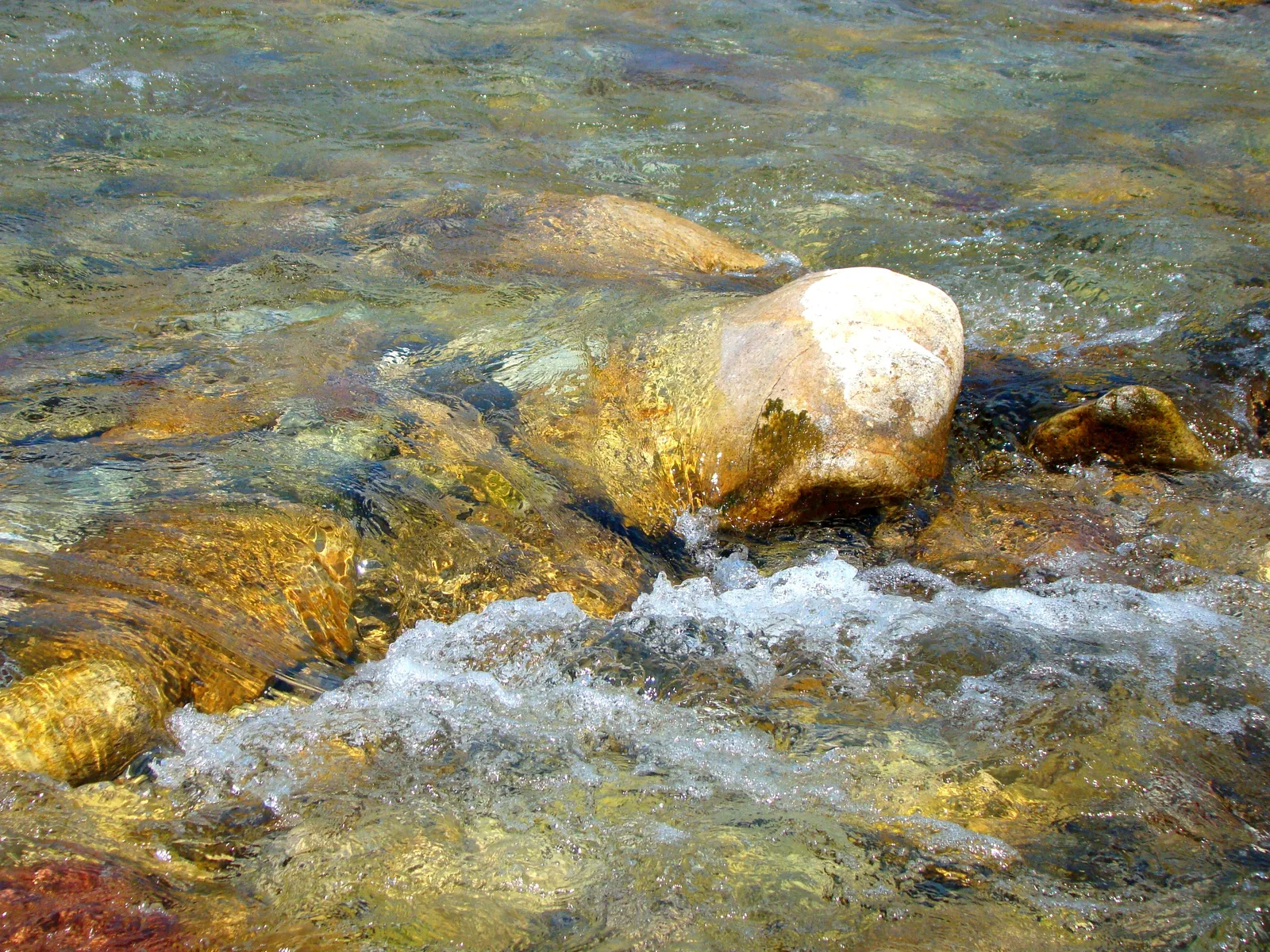
The water is so clear you can count stones three metres down. The marble trout is endemic to the Adriatic basin, and of the genetically pure populations all eight that remain lie in remote side streams of the Soča.
Slovenia doesn't win you over with superlatives.It wins you over with how much fits into a country you could cross in a single day.

Possibilities, not a programme.
What follows isn't a route, but a sense of what's possible once the destination is settled.
Walking in the Julian Alps
From short walks around Lake Bohinj to multi-day routes past mountain huts towards Triglav.
On the water on the Soča
Kayaking, rafting, or simply an afternoon by the water in Bovec or Kobarid.
Exploring caves beyond the lit path
Beyond Postojna and Škocjan, caving trips exist that go further than the tourist route.
Wine routes in Vipava and Štajerska
Small-scale estates where the winemaker opens the door themselves, far from the big names.
Coastal villages on foot
From Piran to Koper, with time for the Sečovlje salt pans in between.
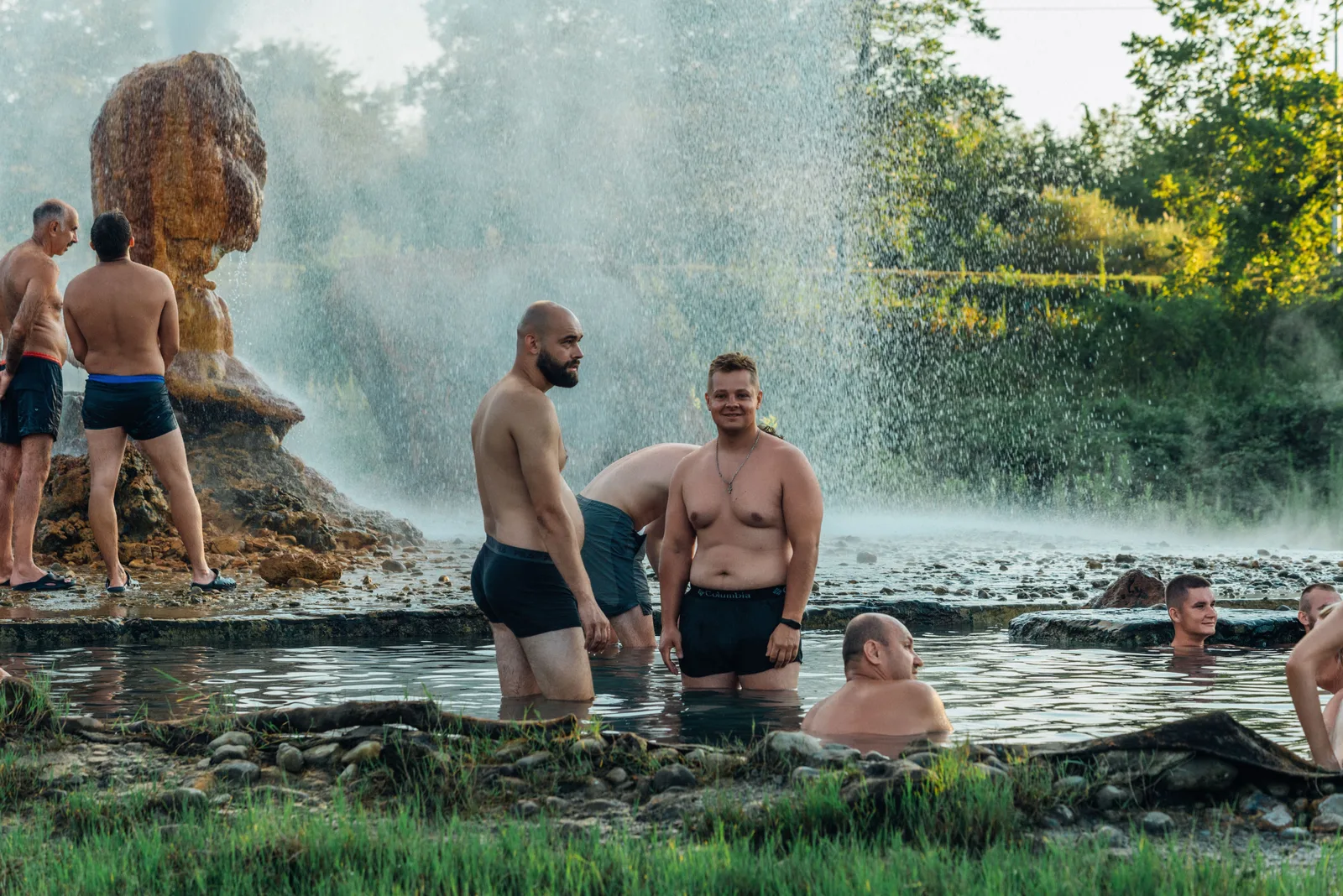
Thermal springs
Rogaška Slatina and Dolenjske Toplice offer a different kind of rest, less known outside the region.
Any of these elements can be combined into a trip tailored to who's travelling with you and how much time you have.

When to visit Slovenia
May to early July is the greenest stretch: waterfalls at their strongest, alpine meadows in bloom, no summer crowds yet. September and October bring the wine harvest in Štajerska and autumn colour in the mountains, with quieter roads than in July and August.
The summer months travel well but bring more crowds to the coast and around the best-known lakes. December to February is ski season for anyone heading specifically to the mountains: a different kind of trip from the rest of the year, more compact and focused on the Alps.
Best time to visit Slovenia
Who else is at their best in these months?
May June September October
Use the contact form to discuss your travel dates and preferences with us.
Practical, without the noise.
A few practical points for planning a trip.
Getting there
Direct flights from Brussels several times a week; otherwise connect via Frankfurt, Munich or Vienna. Also combines well with an overland trip through Austria.
Documents
An identity card is enough for EU citizens; Slovenia is a Schengen and eurozone country.
Health
No special precautions needed; in the mountains the usual rules around altitude and changing weather apply.
Pace
A compact country doesn't ask to be rushed, but it does invite combining. Expect short journeys between landscapes that look little alike.
Frequently asked questions
Can you combine the Alps, the Kras and the coast in one trip?
Yes, the distances are short enough to take all three seriously over ten days to two weeks, without it turning into a checklist trip.
How busy is the coast in July and August?
Piran and Portorož mainly draw domestic and regional visitors then; it gets lively, not overwhelmed the way the Croatian coast further south can be.
Is Slovenia also a winter sports destination?
Kranjska Gora and Vogel offer solid pistes, but that's a different trip from the rest of the year: more compact and focused on the mountains alone.
Do you need a car?
For the Alps and the Kras, yes; Ljubljana and the coast work fine without a car too, with train or transfer in between.
- Flight time
- About 1h45 direct from Brussels
- Languages
- Slovenian; English and German widely spoken
- Time difference
- None
- Elevation range
- From sea level to 2,864 m (Triglav)
- Best time to visit
- May to October for nature, all year round for Ljubljana and the Kras